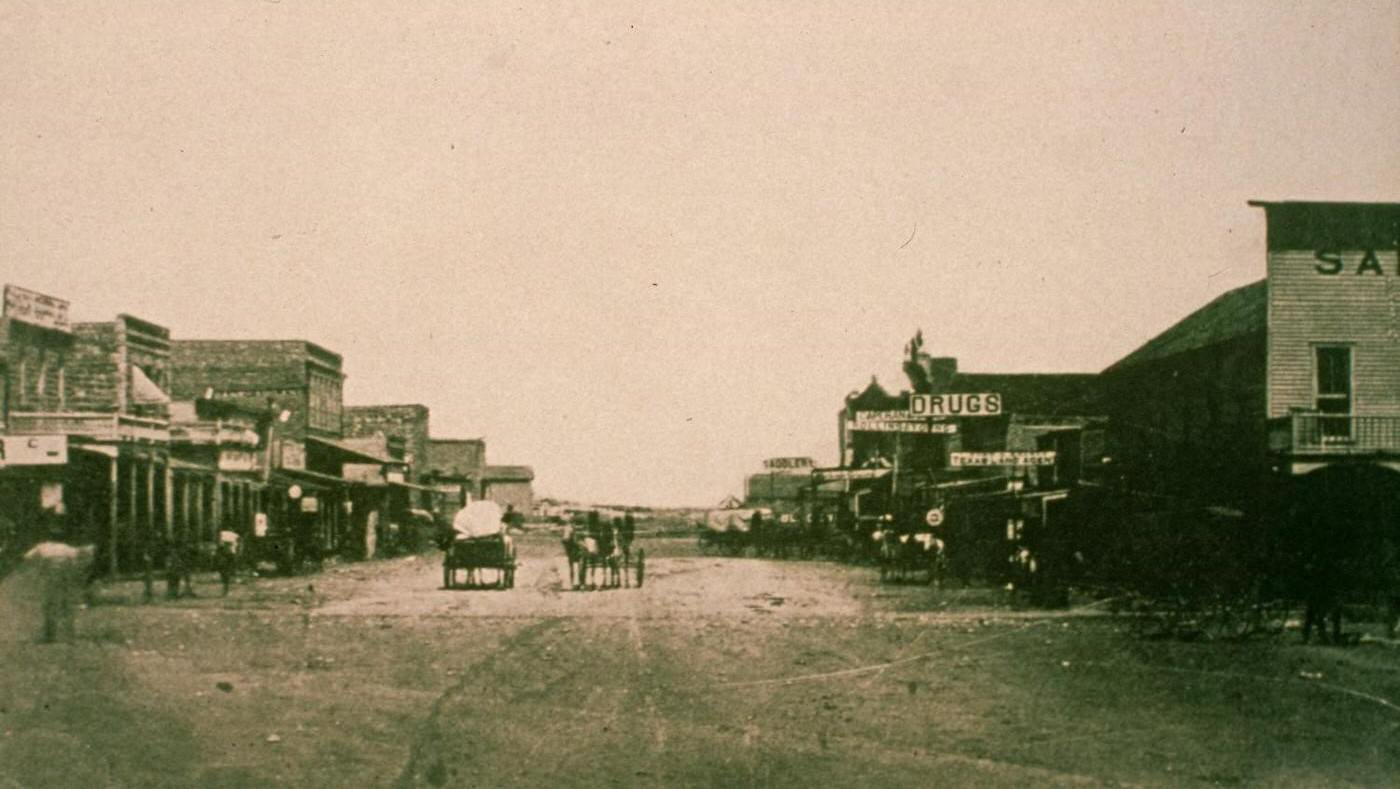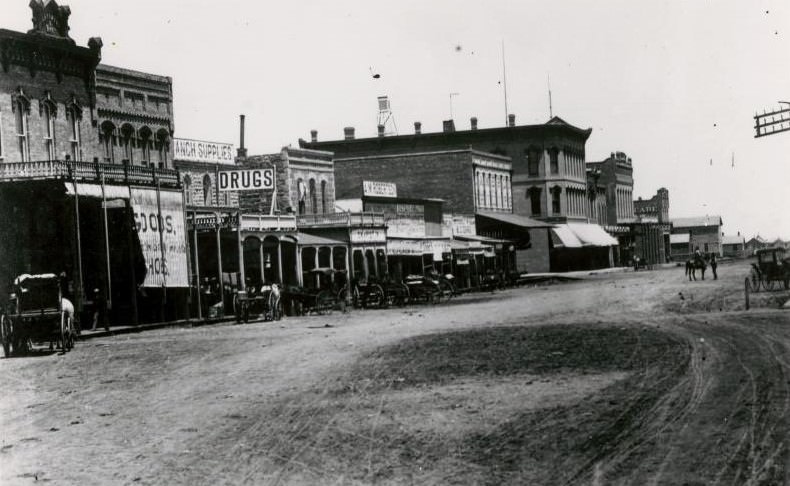
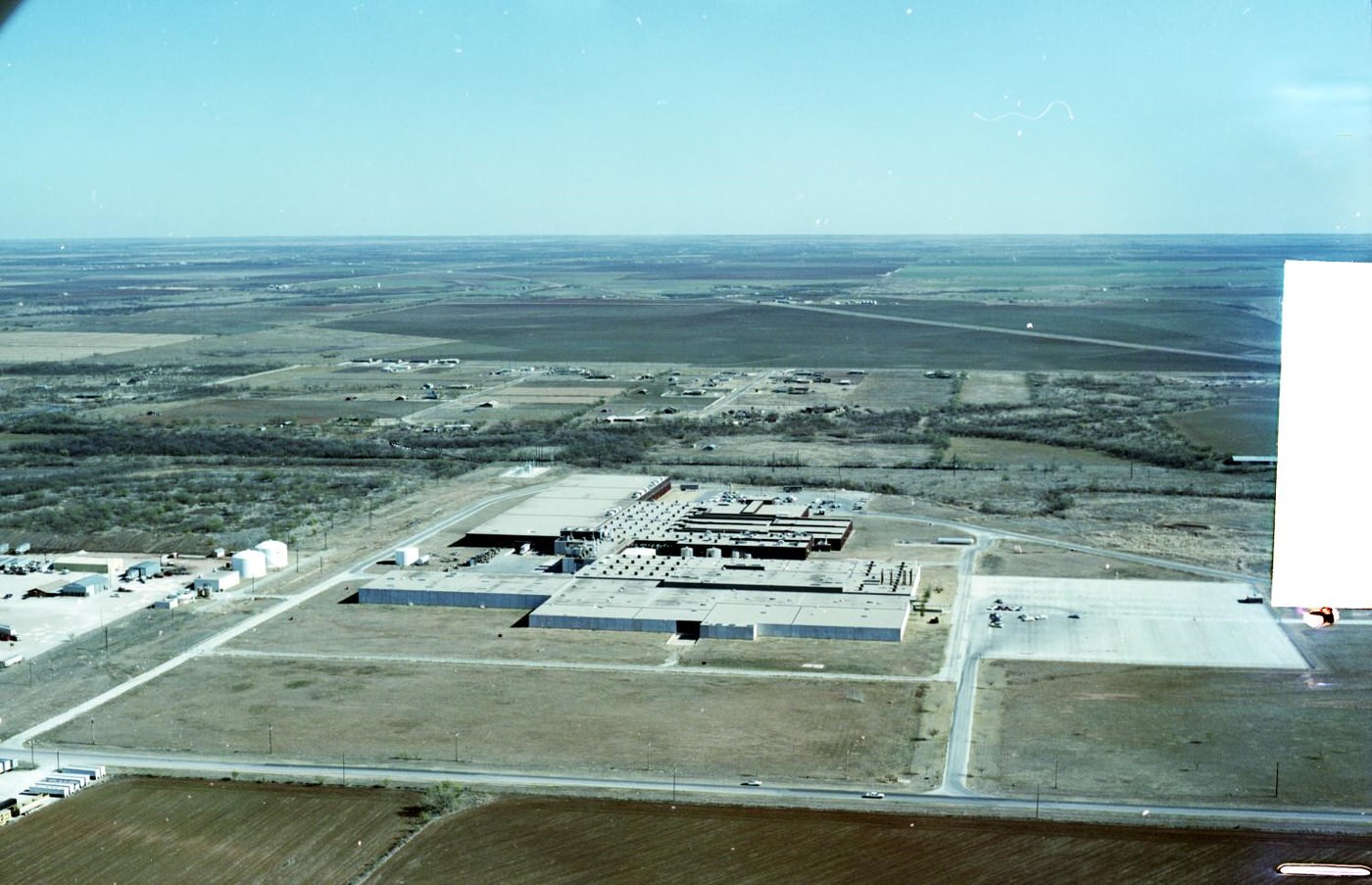
Abilene, Texas, entered the 1970s carrying the momentum of significant post-World War II transformation. The preceding decades, particularly the 1950s, had witnessed explosive growth. The establishment of Dyess Air Force Base in 1956, coupled with earlier oil discoveries, had fueled a remarkable expansion, nearly doubling the city’s population from 45,570 in 1950 to 90,368 by 1960. This era also saw diversification within the agricultural sector, with cattlemen expanding into pig and sheep raising, and poultry farming gaining traction alongside traditional ranching.
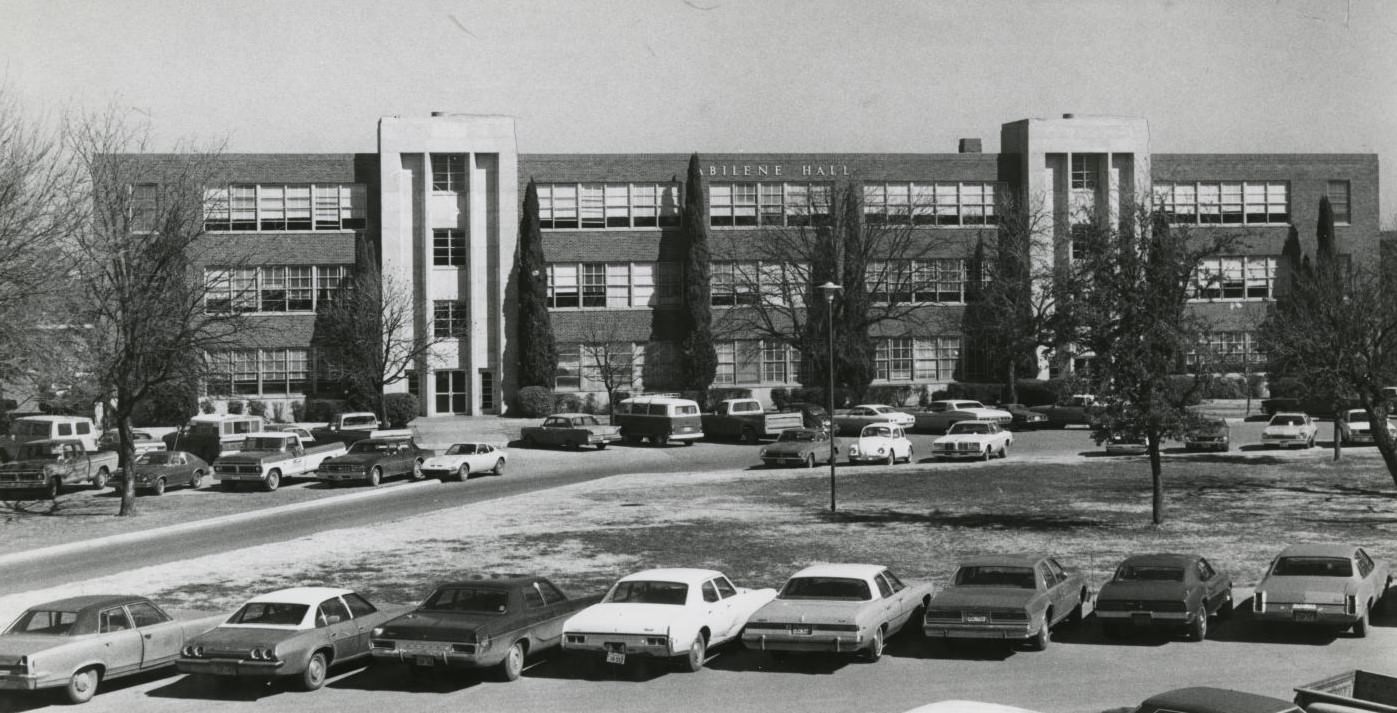
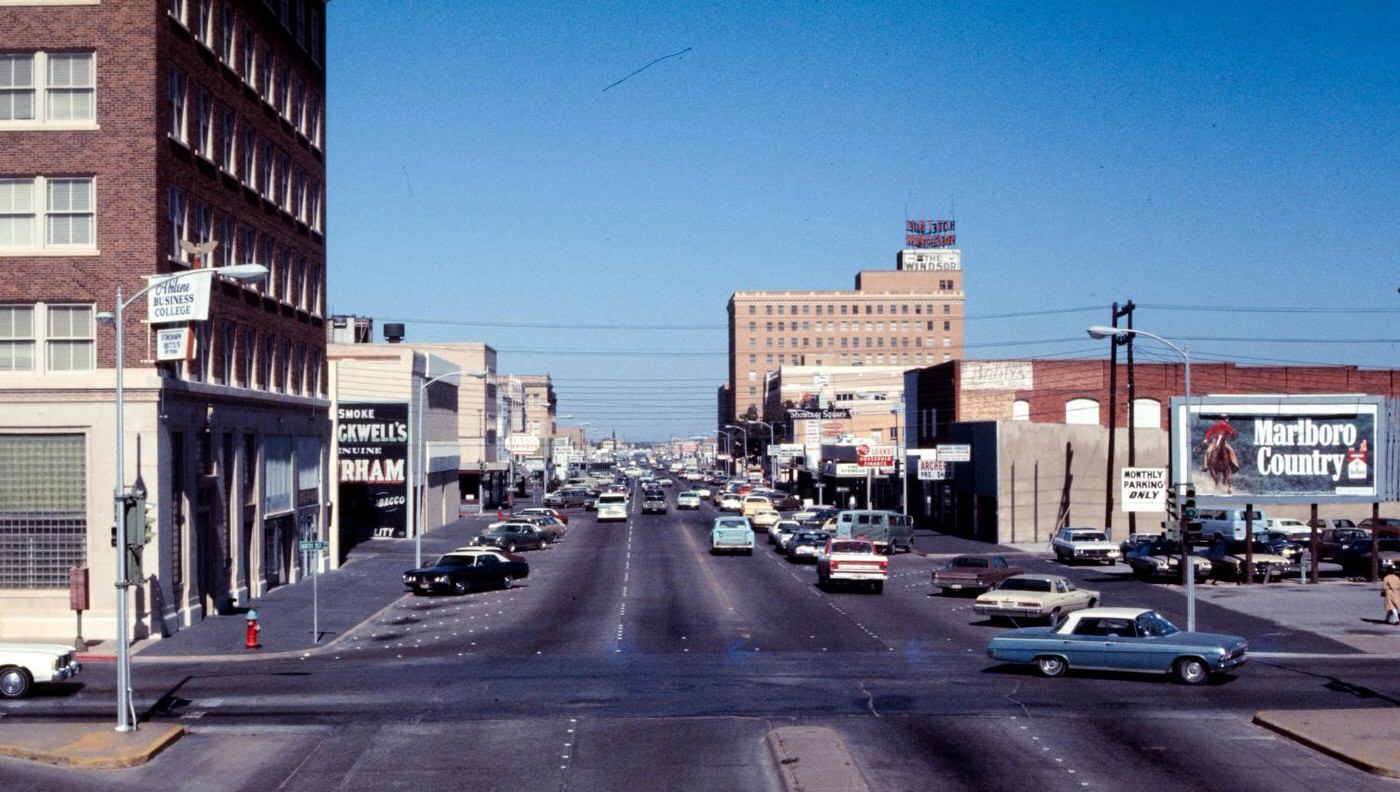
The 1970 U.S. Census recorded Abilene’s population at 89,653, a slight decrease from the 1960 figure. This leveling off, or minor contraction, may have been influenced by a decline in Taylor County’s petroleum production that began after its peak in 1960, undercutting some of the region’s prosperity as the decade progressed. Despite this stabilization, the city’s foundations remained tied to historical developments. The Texas and Pacific Railway, whose arrival in January 1881 had literally birthed the town, remained a physical and economic feature, although its significance as a passenger carrier had ended with the cessation of service in 1967.
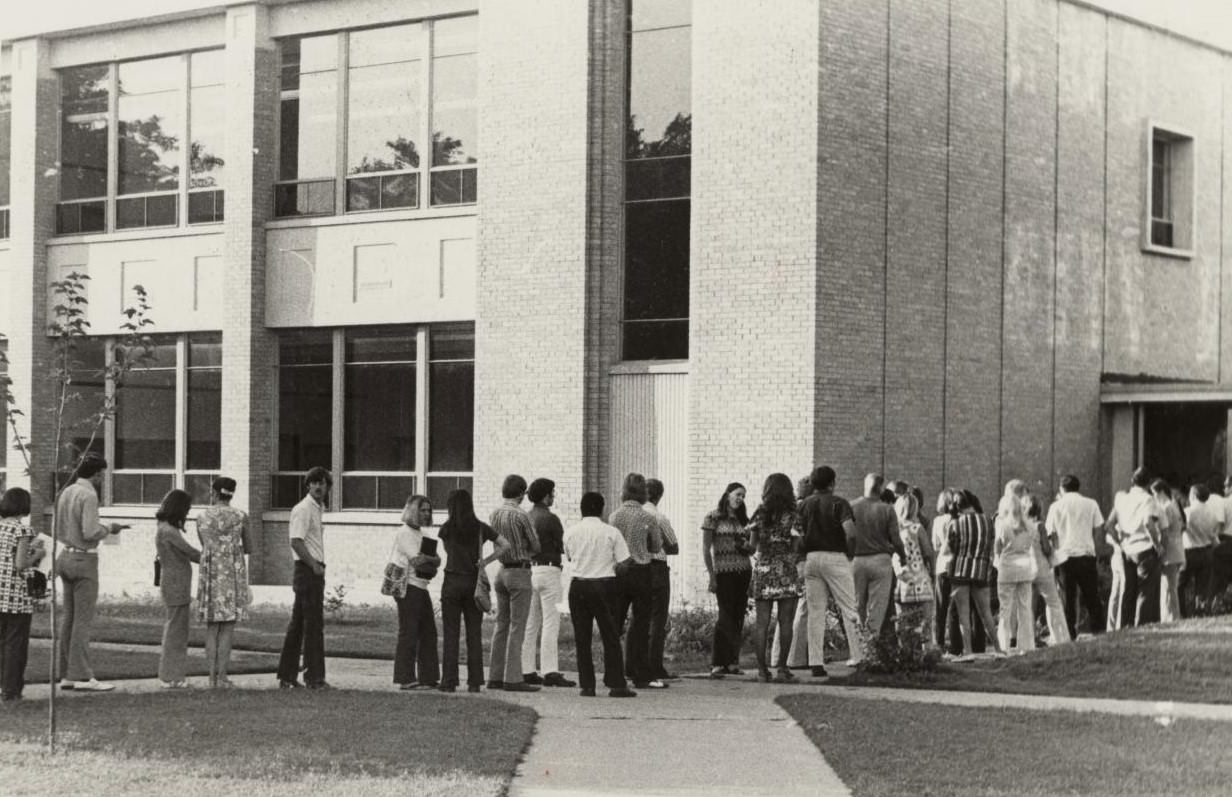
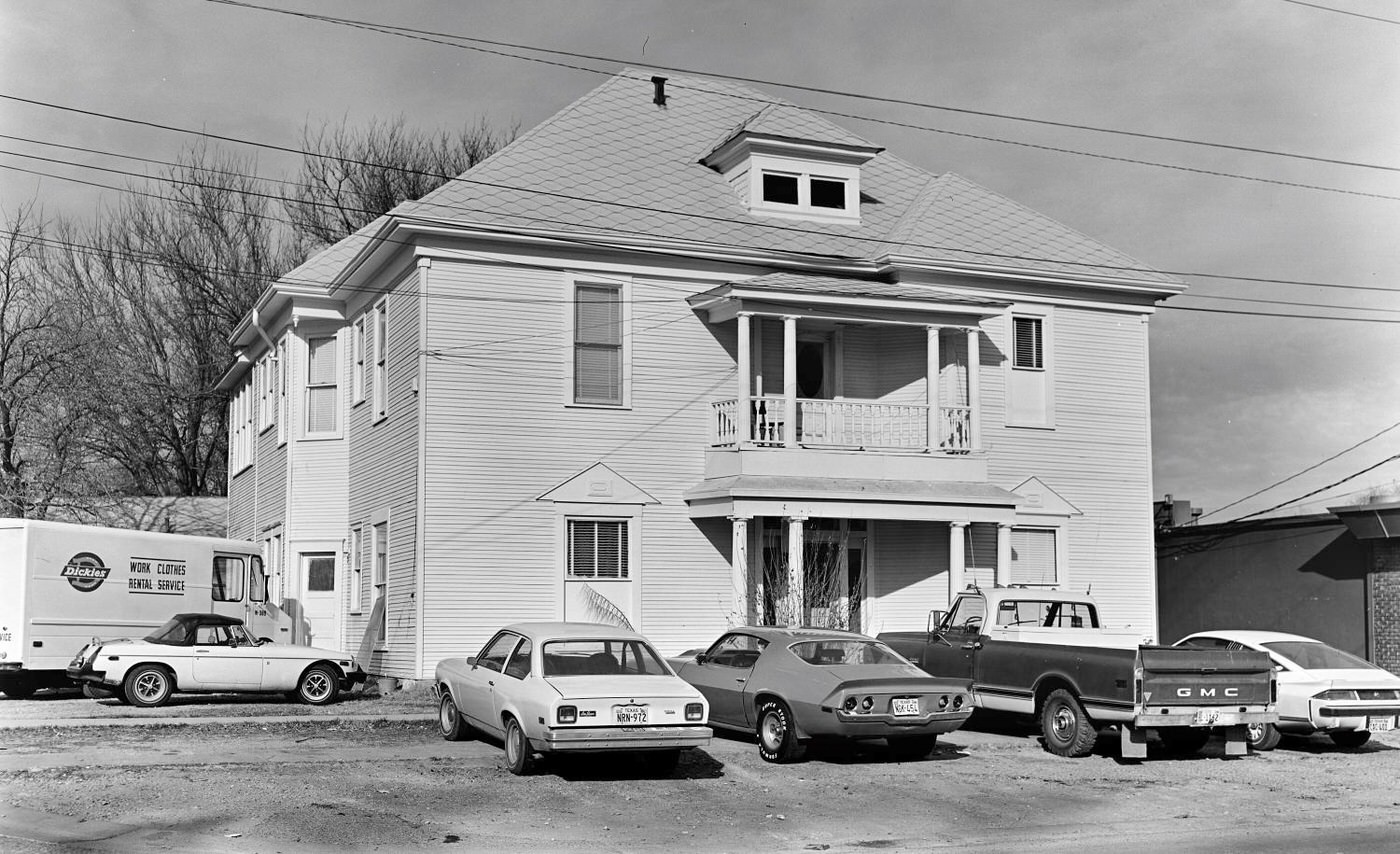
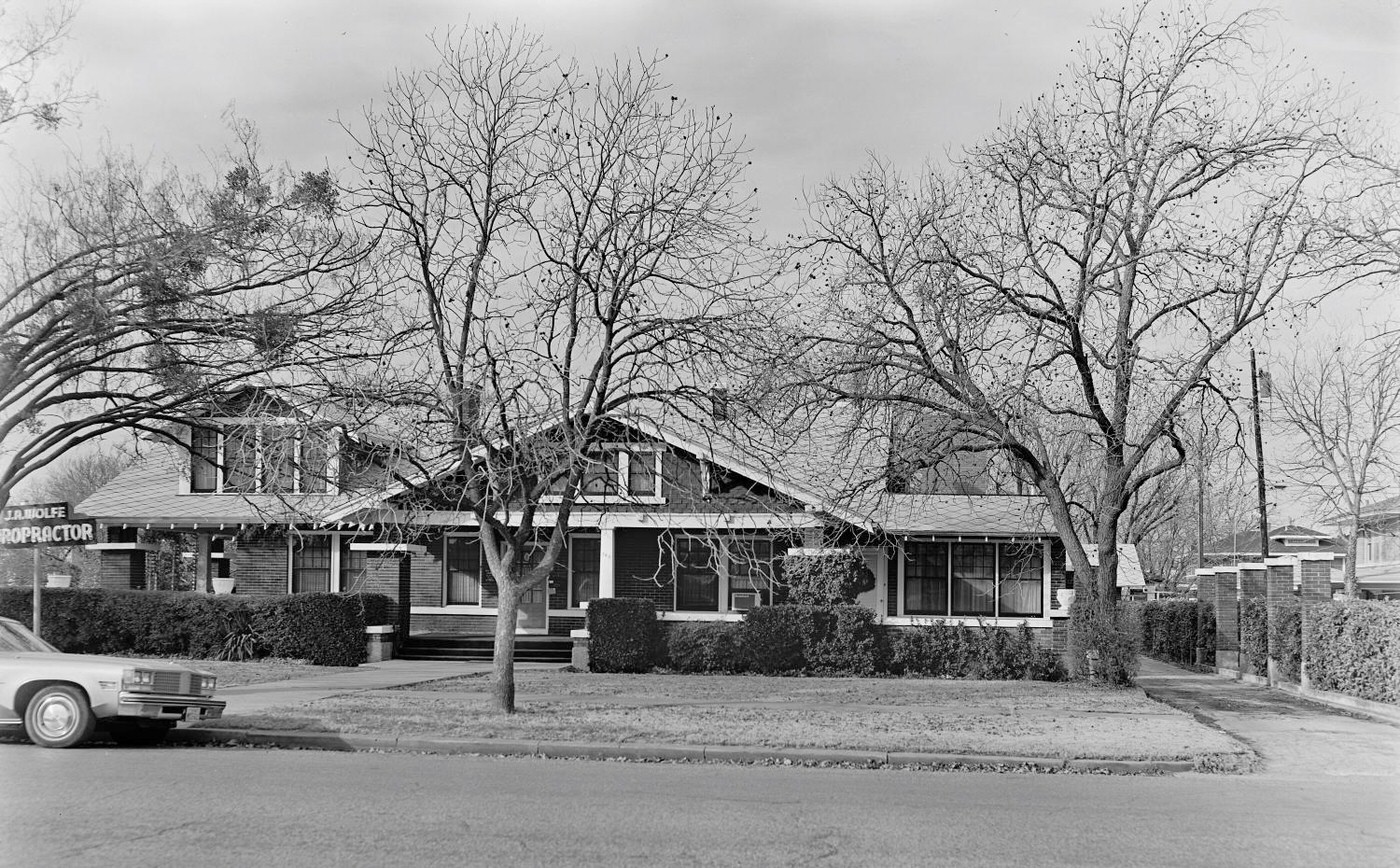

Downtown’s Visible Decline
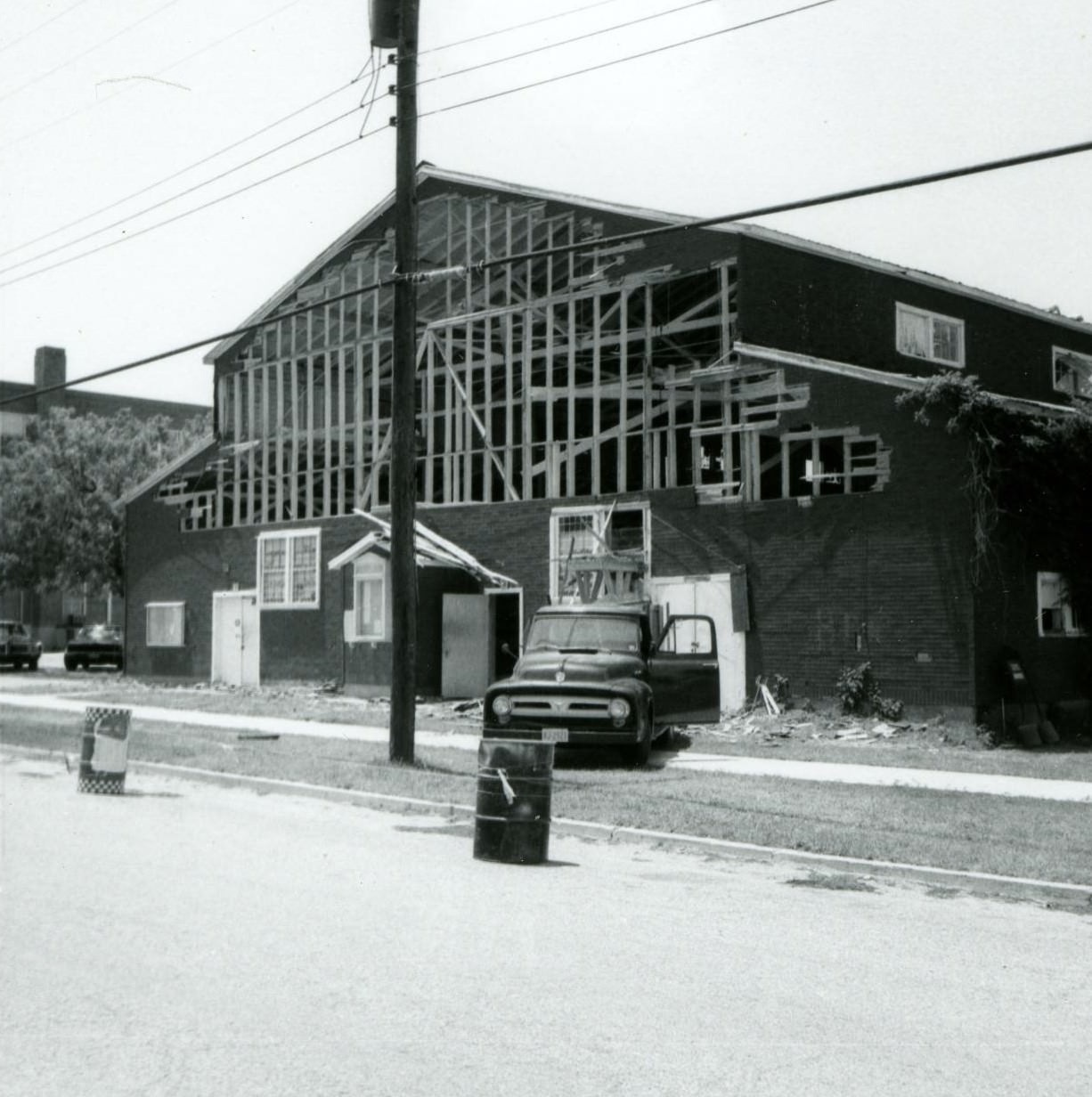
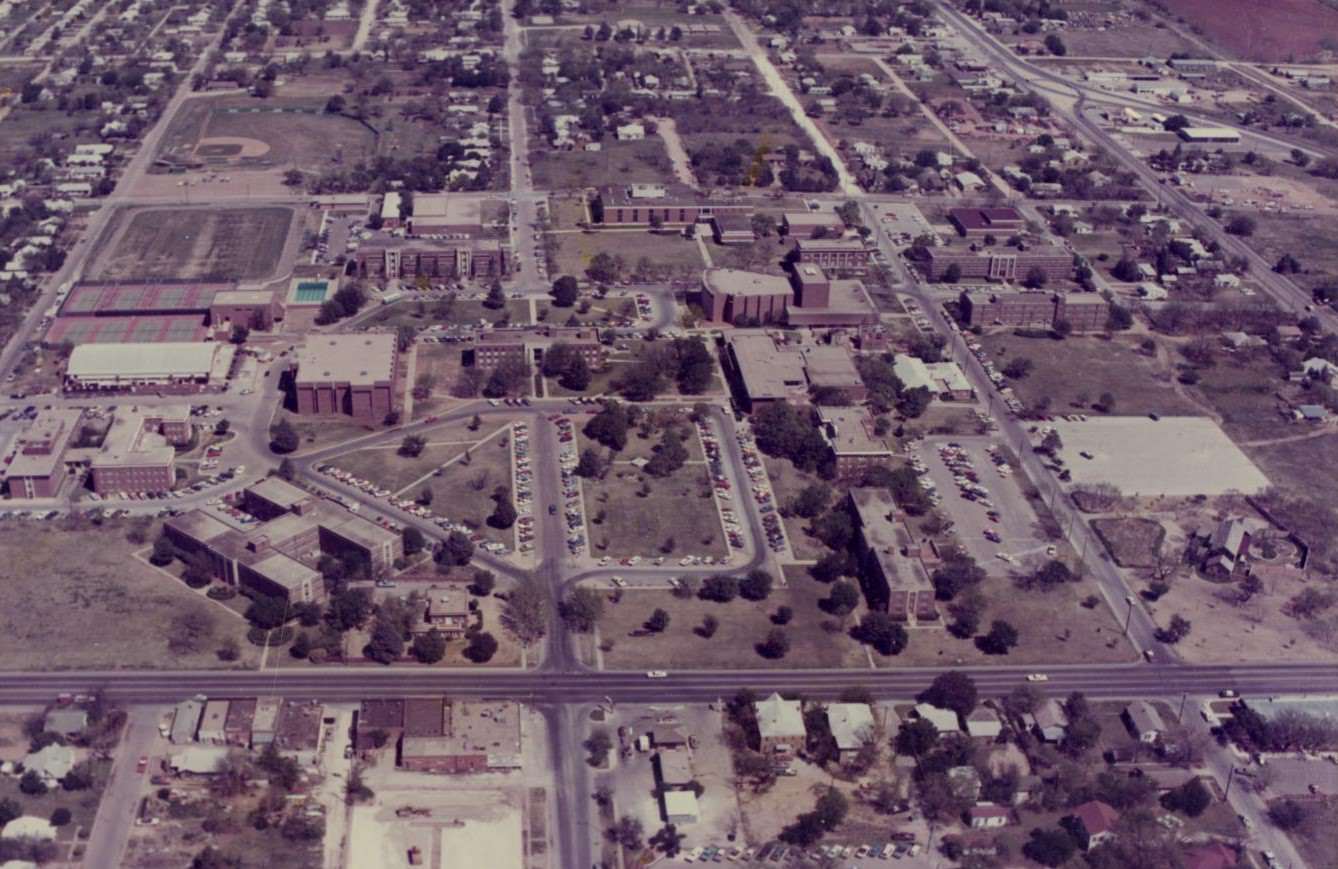
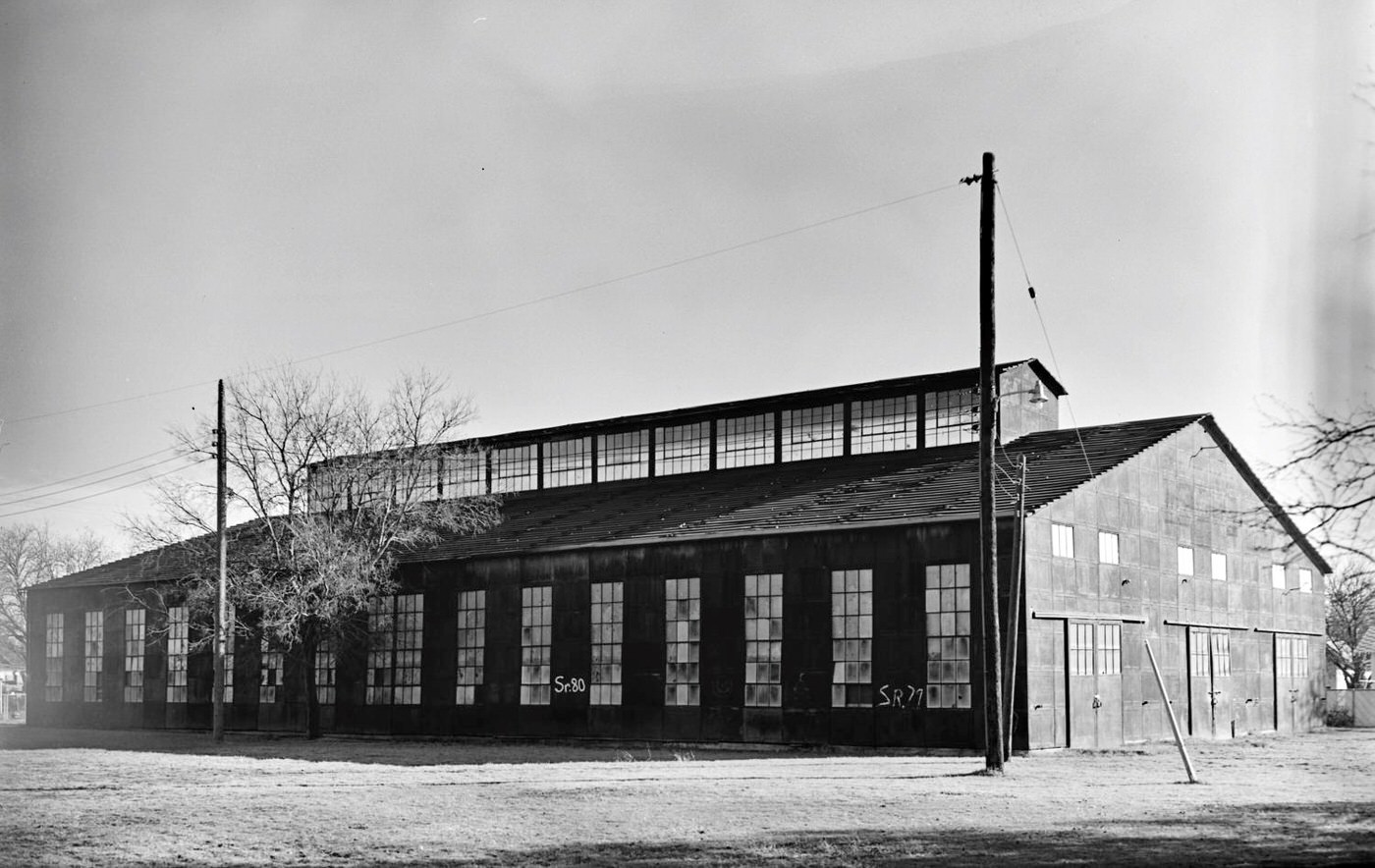
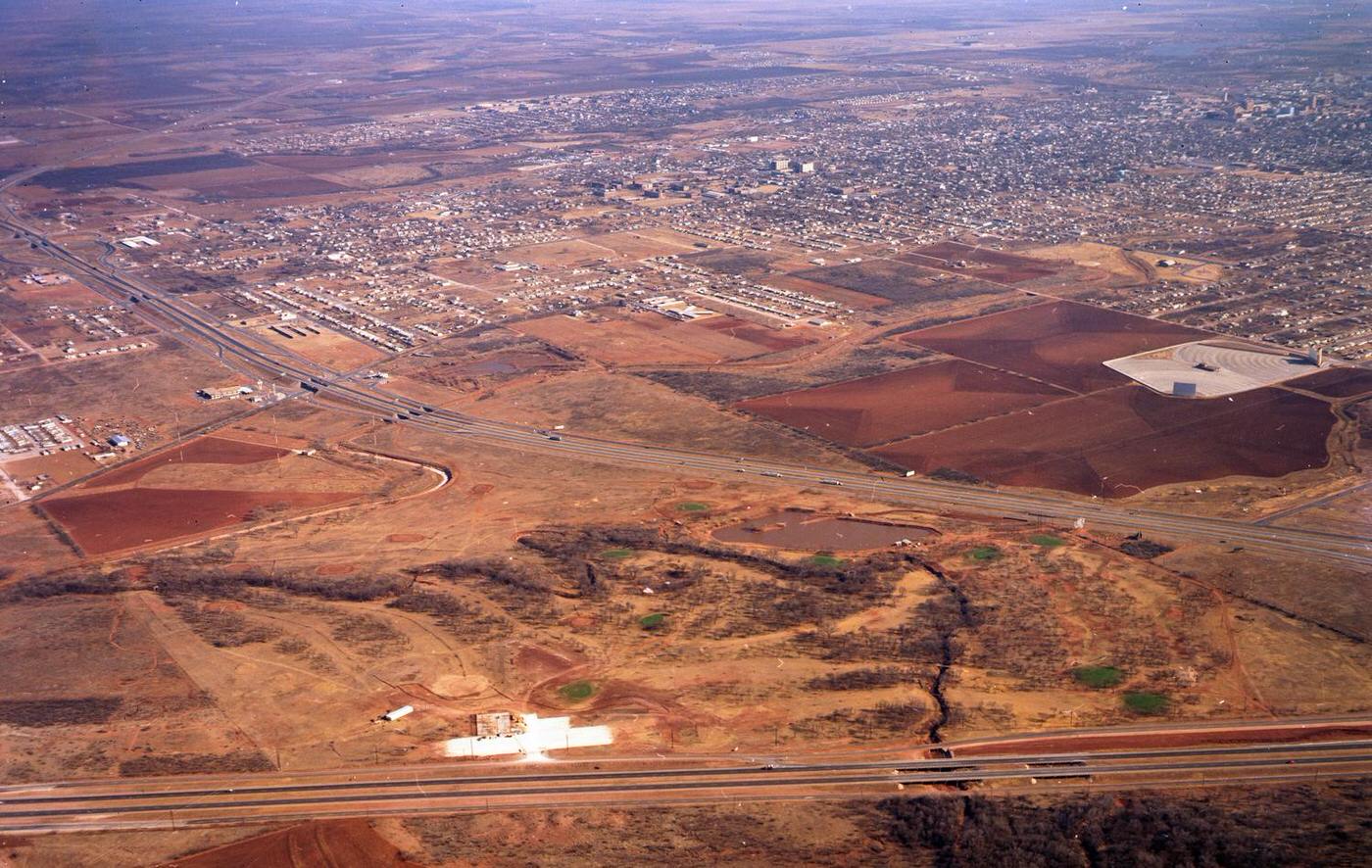
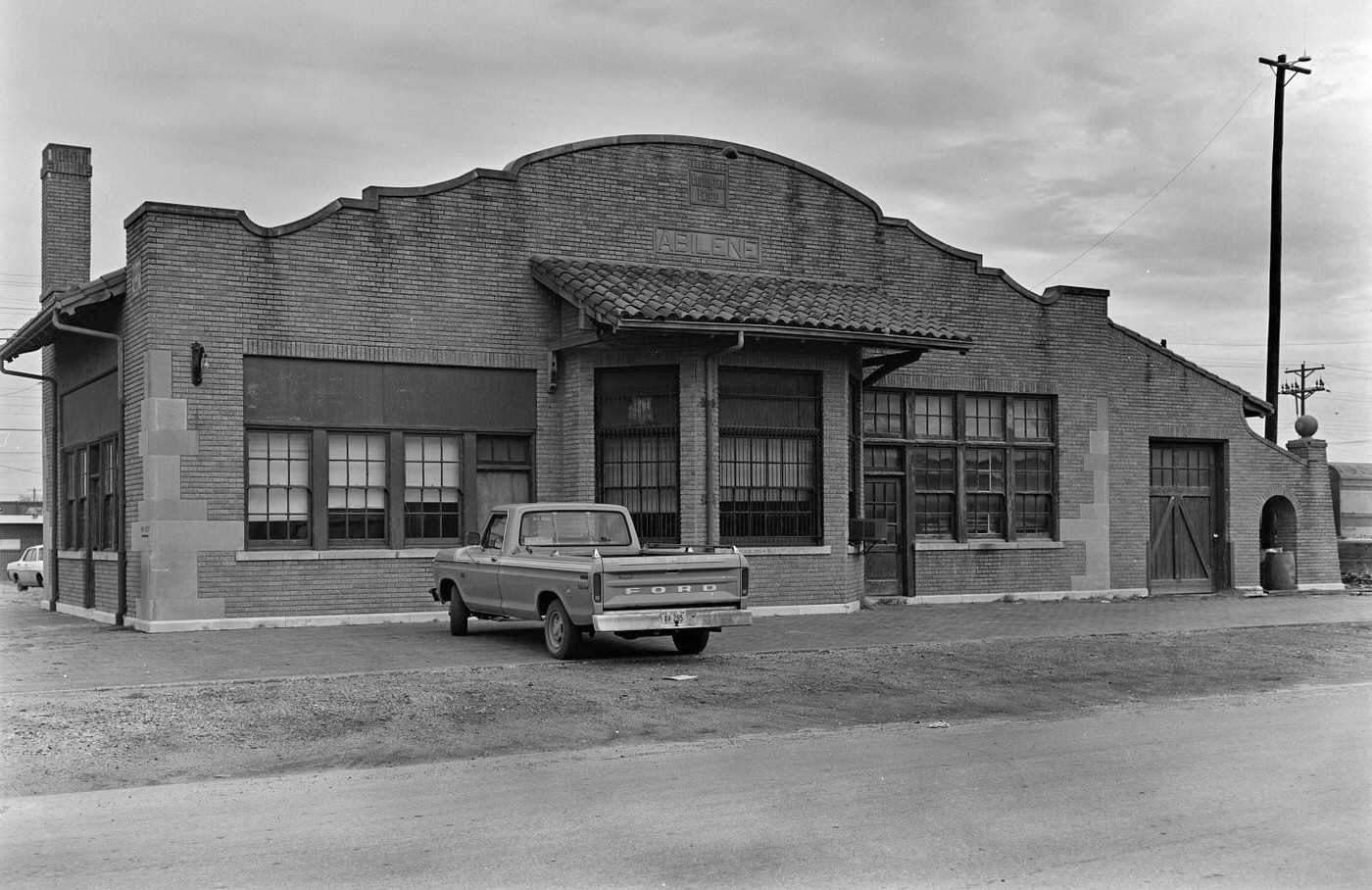
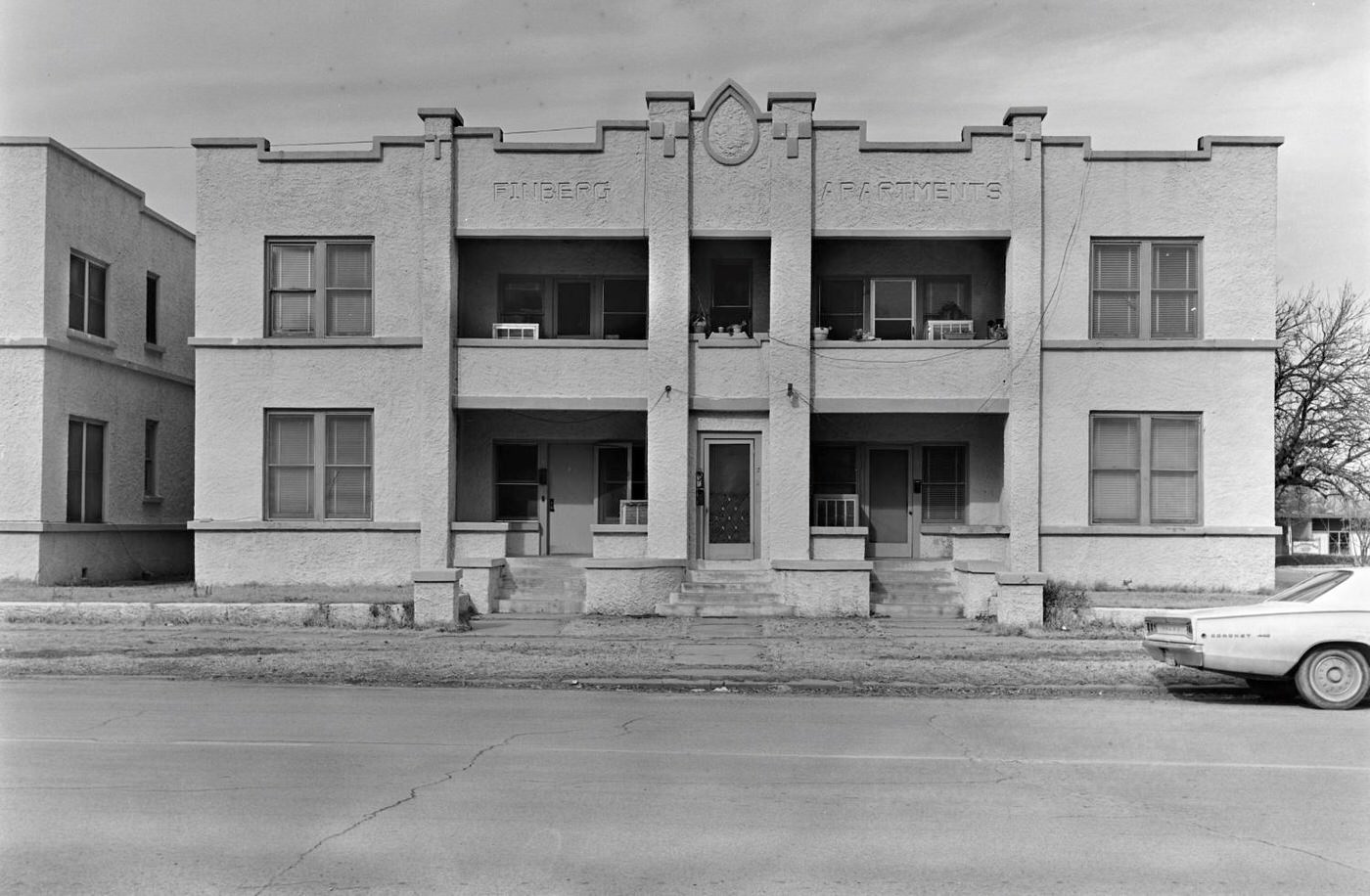
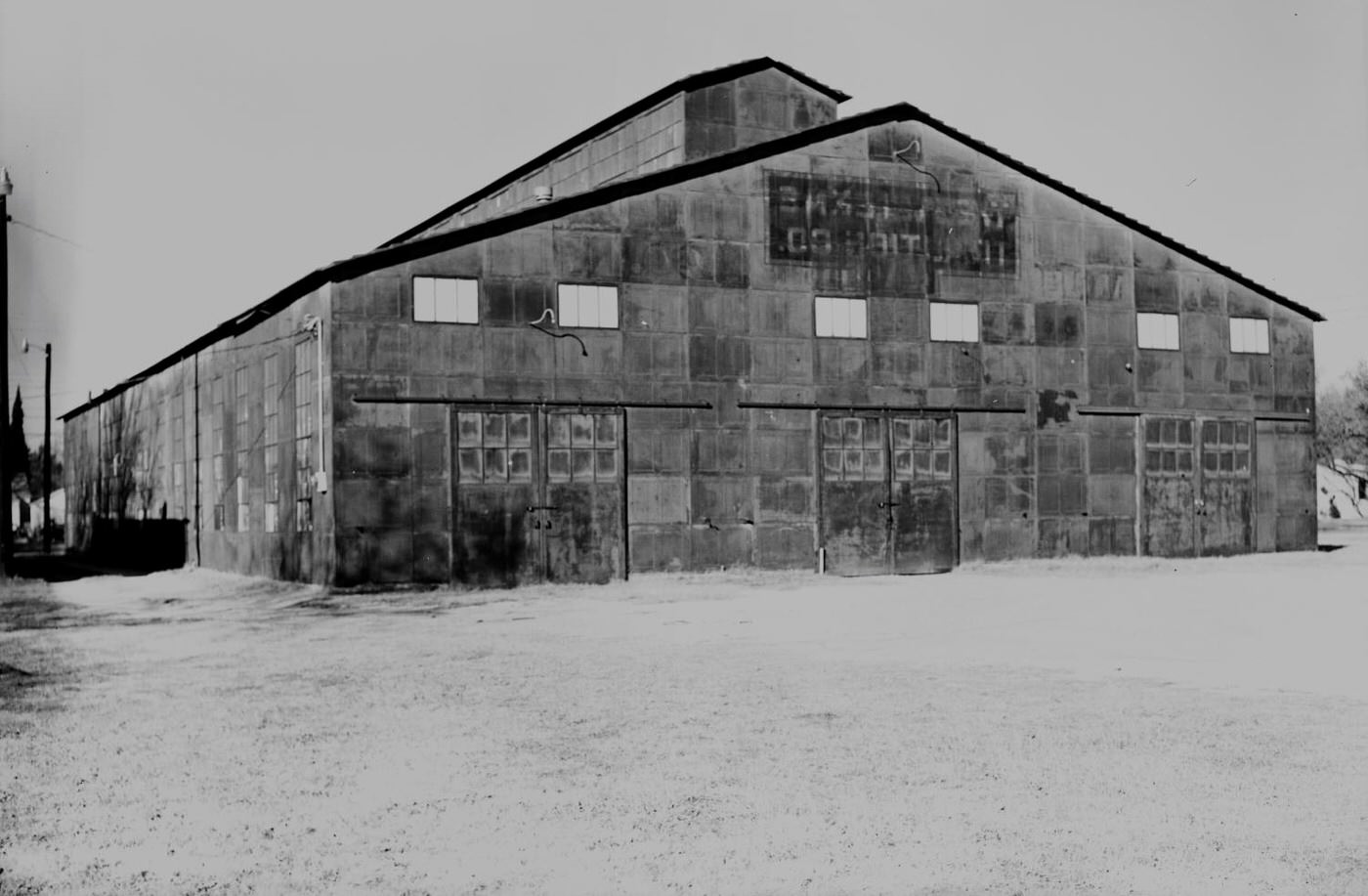
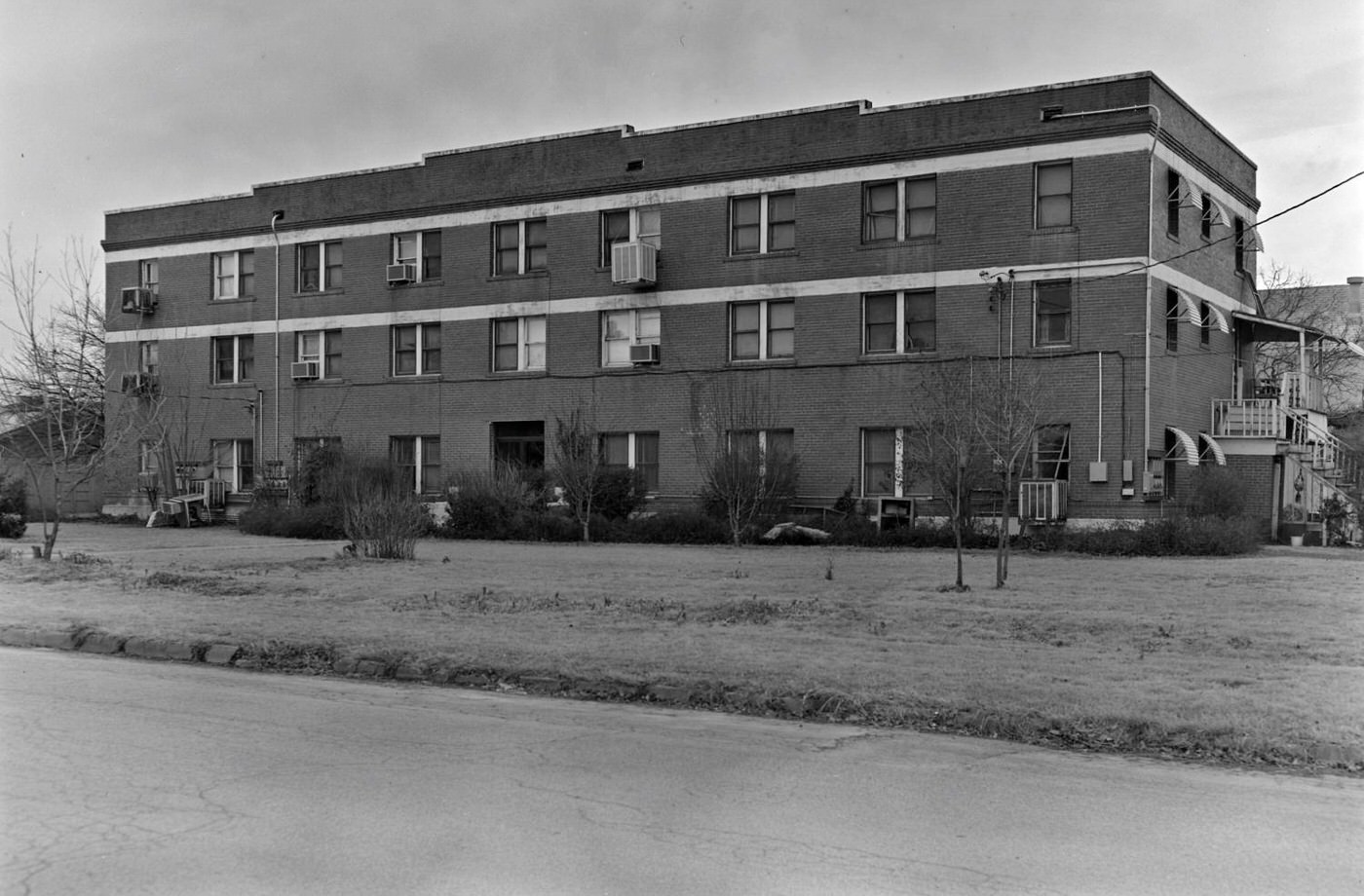
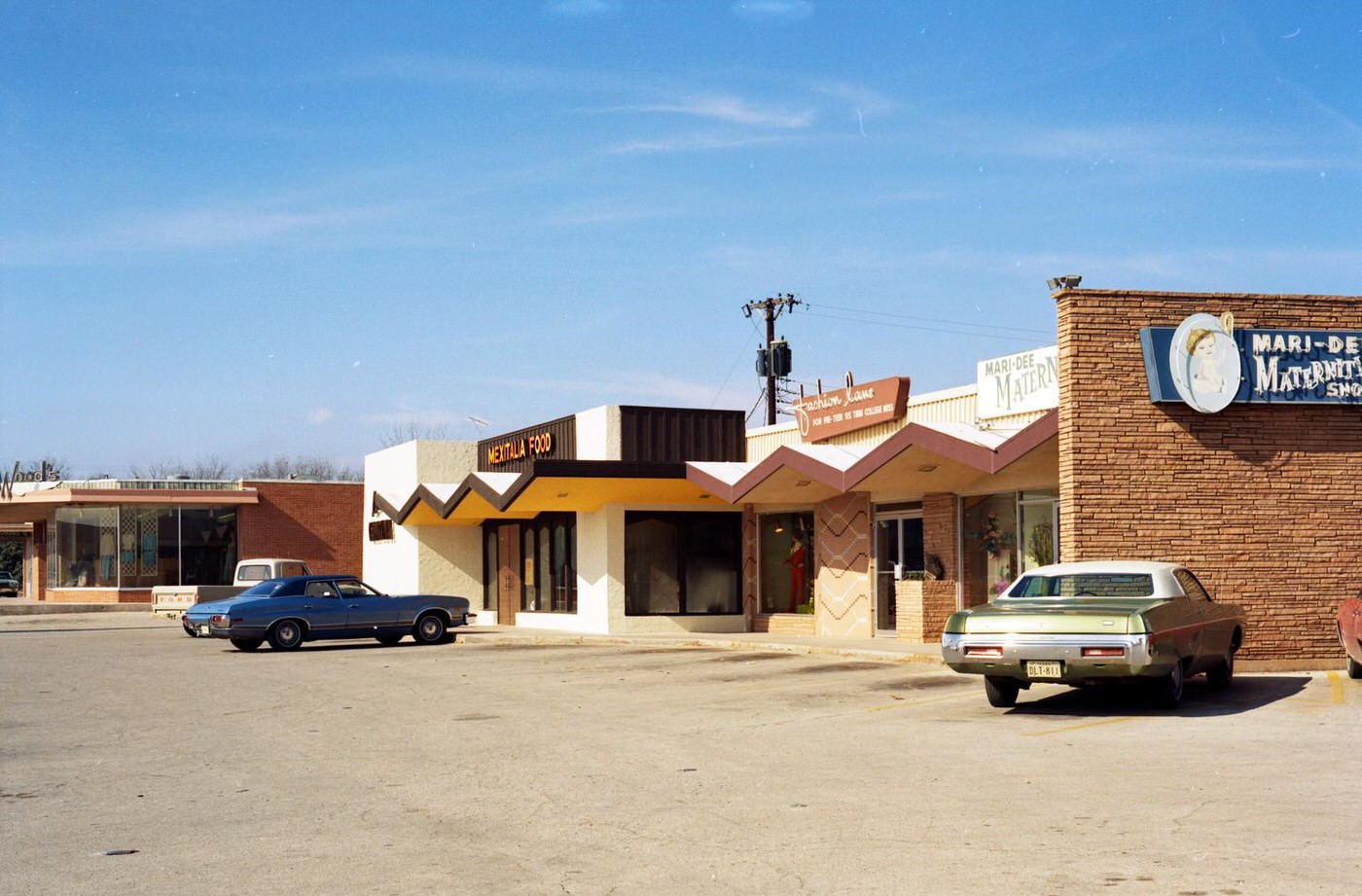
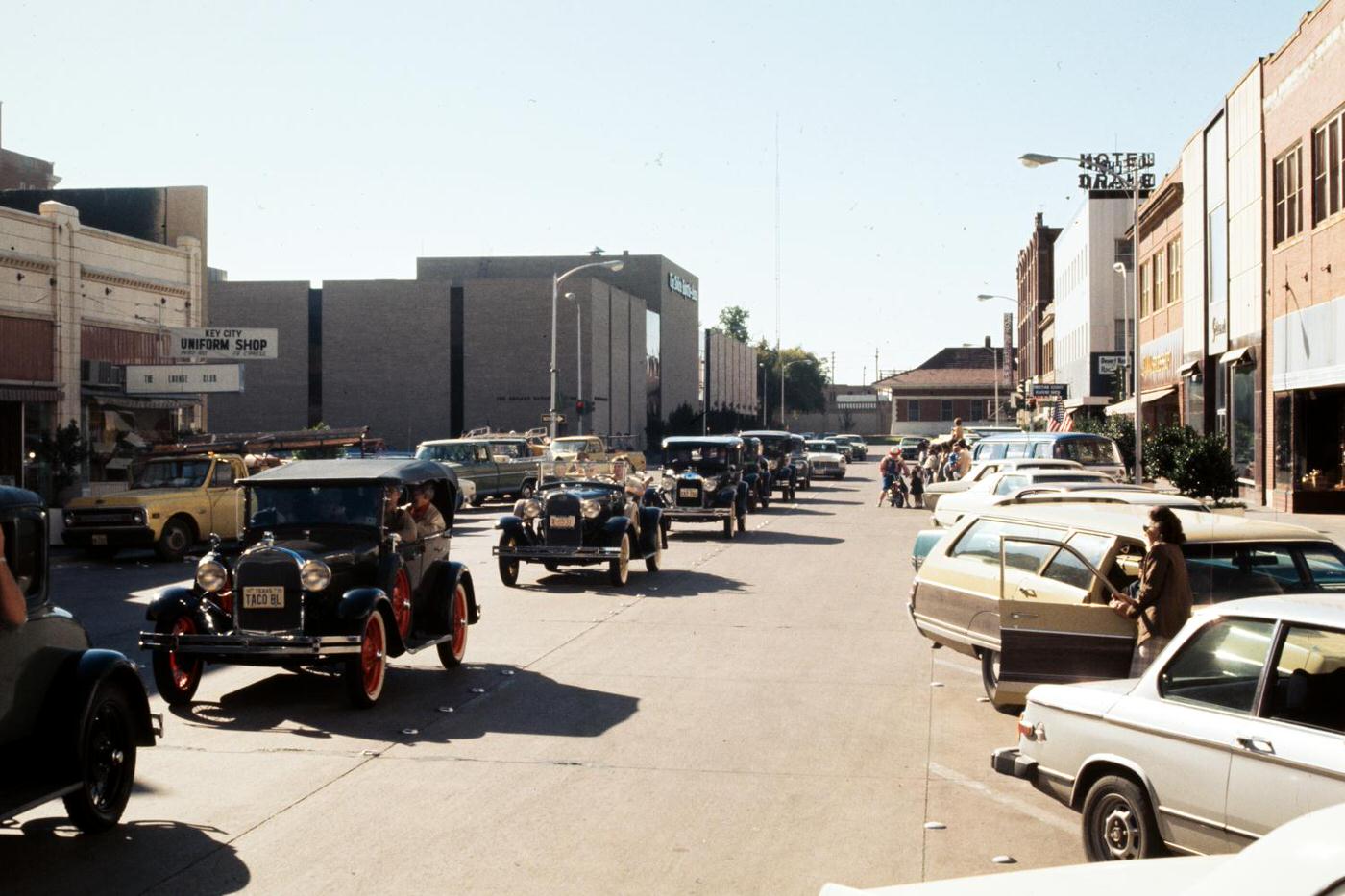
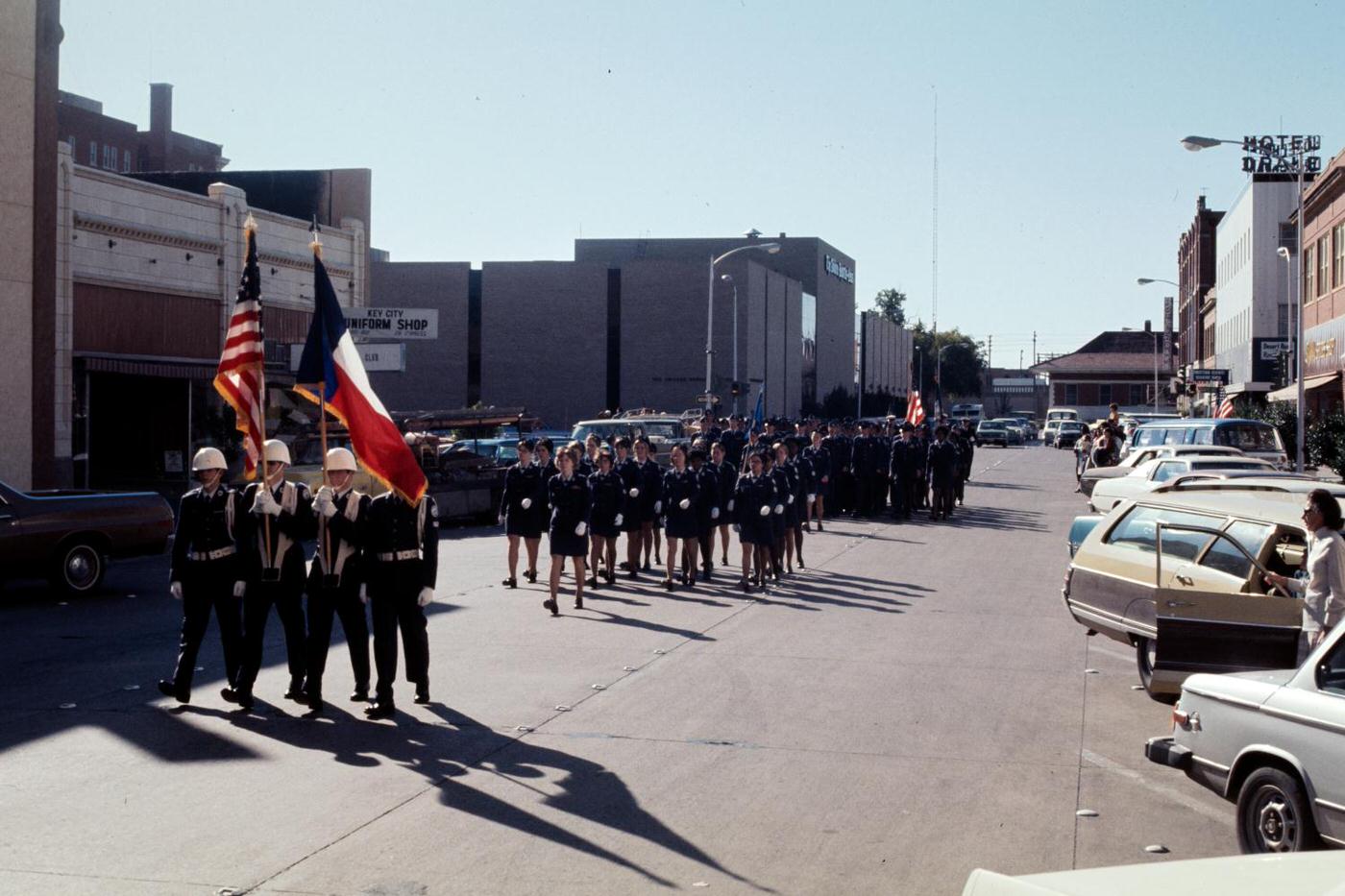
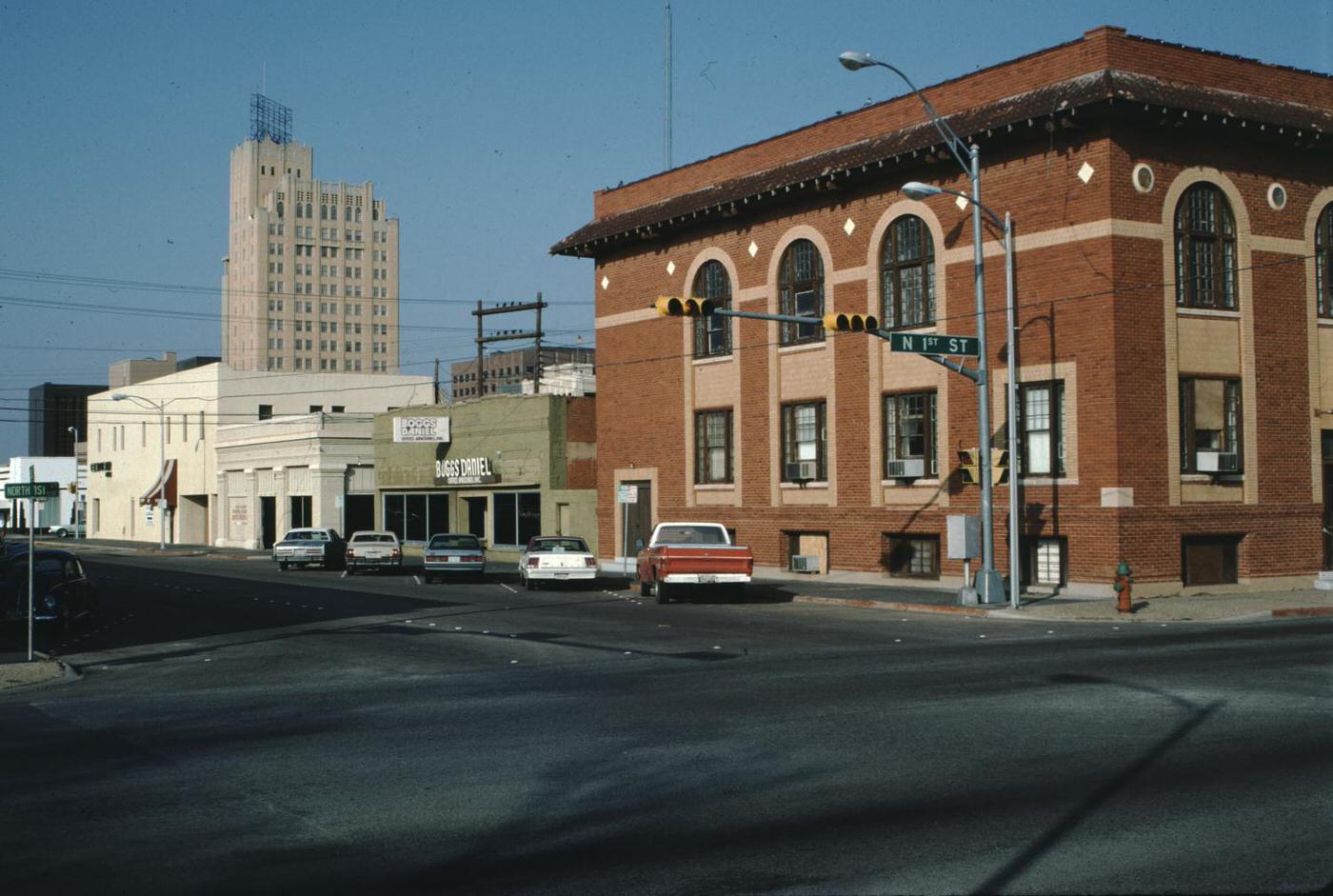
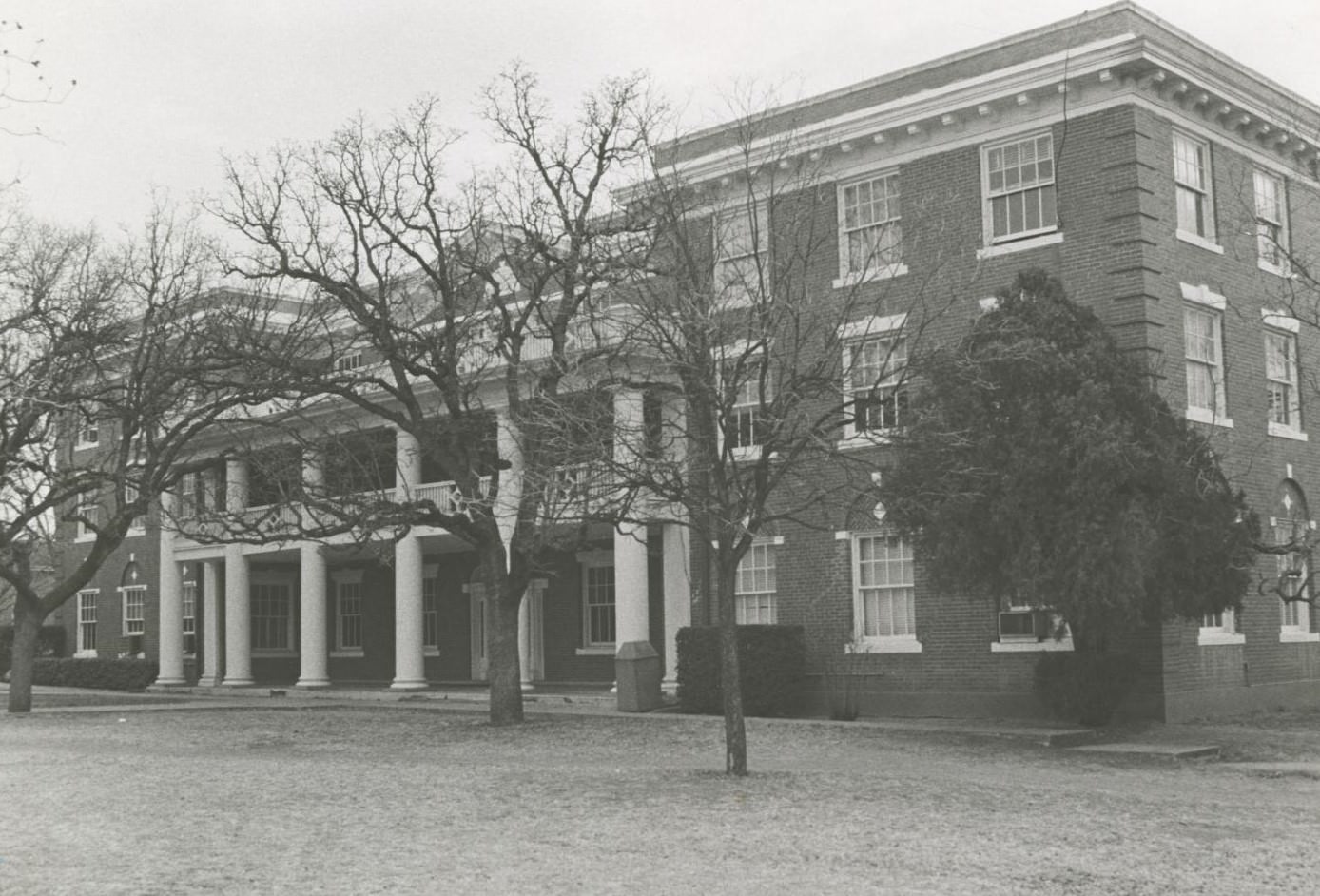
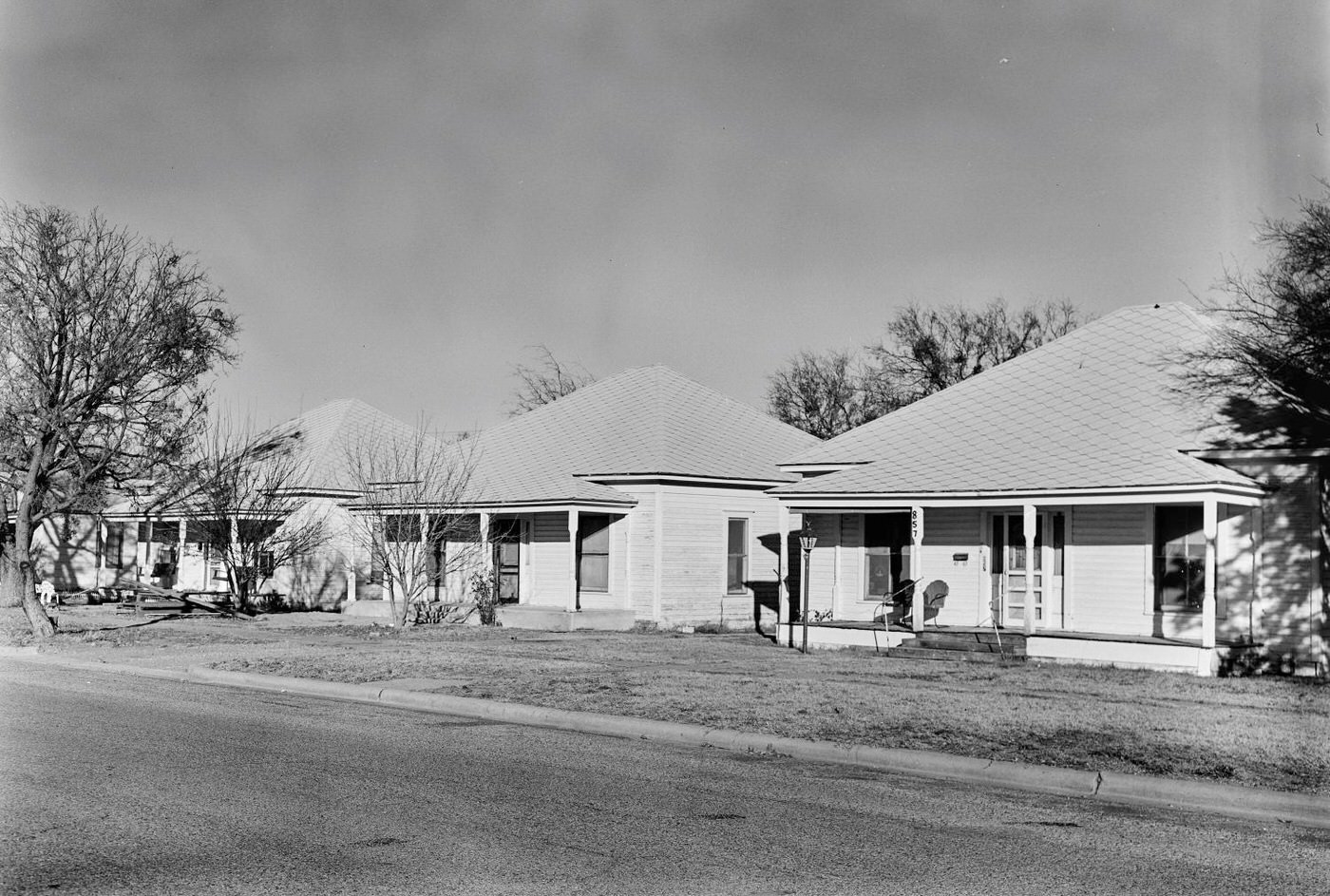
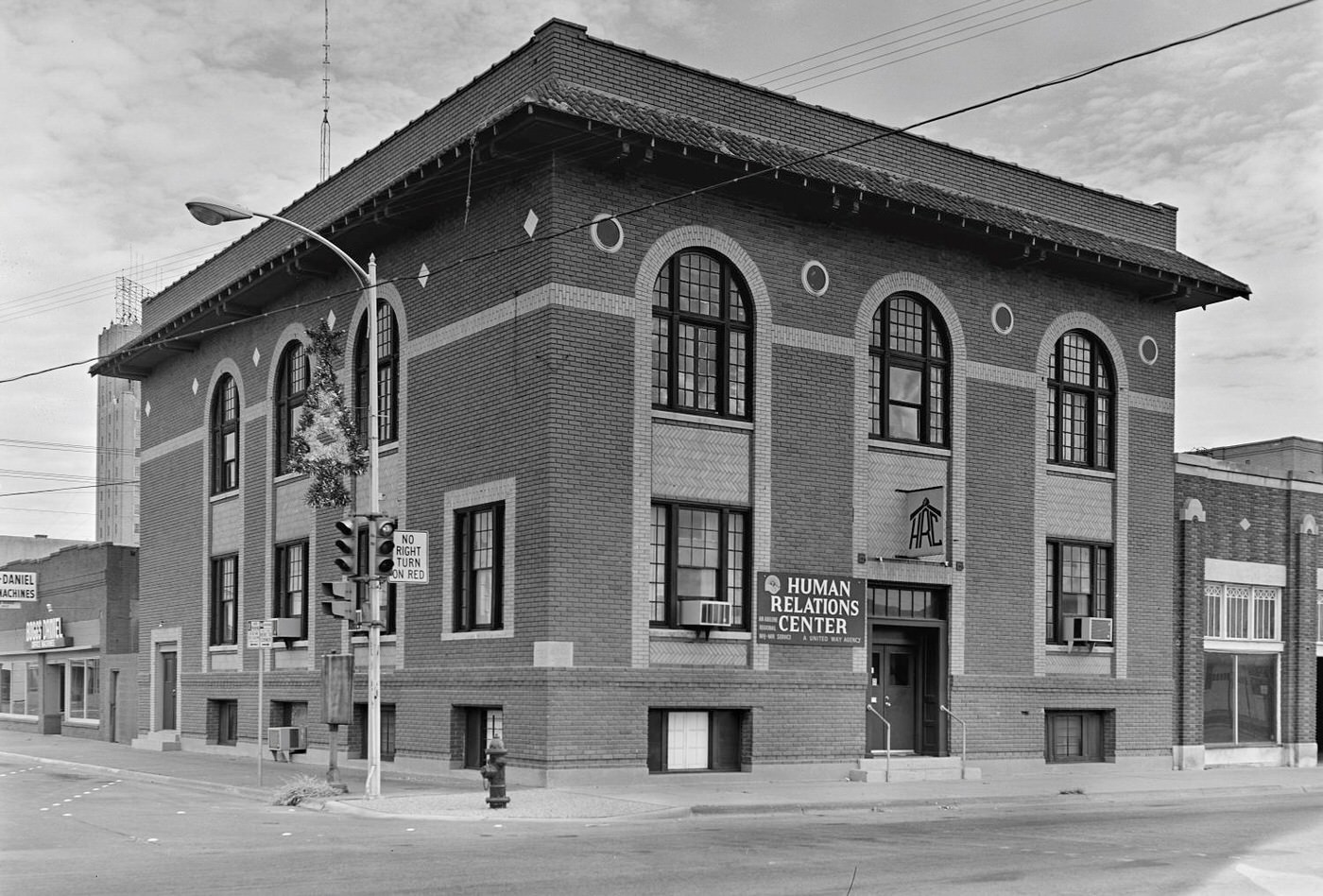
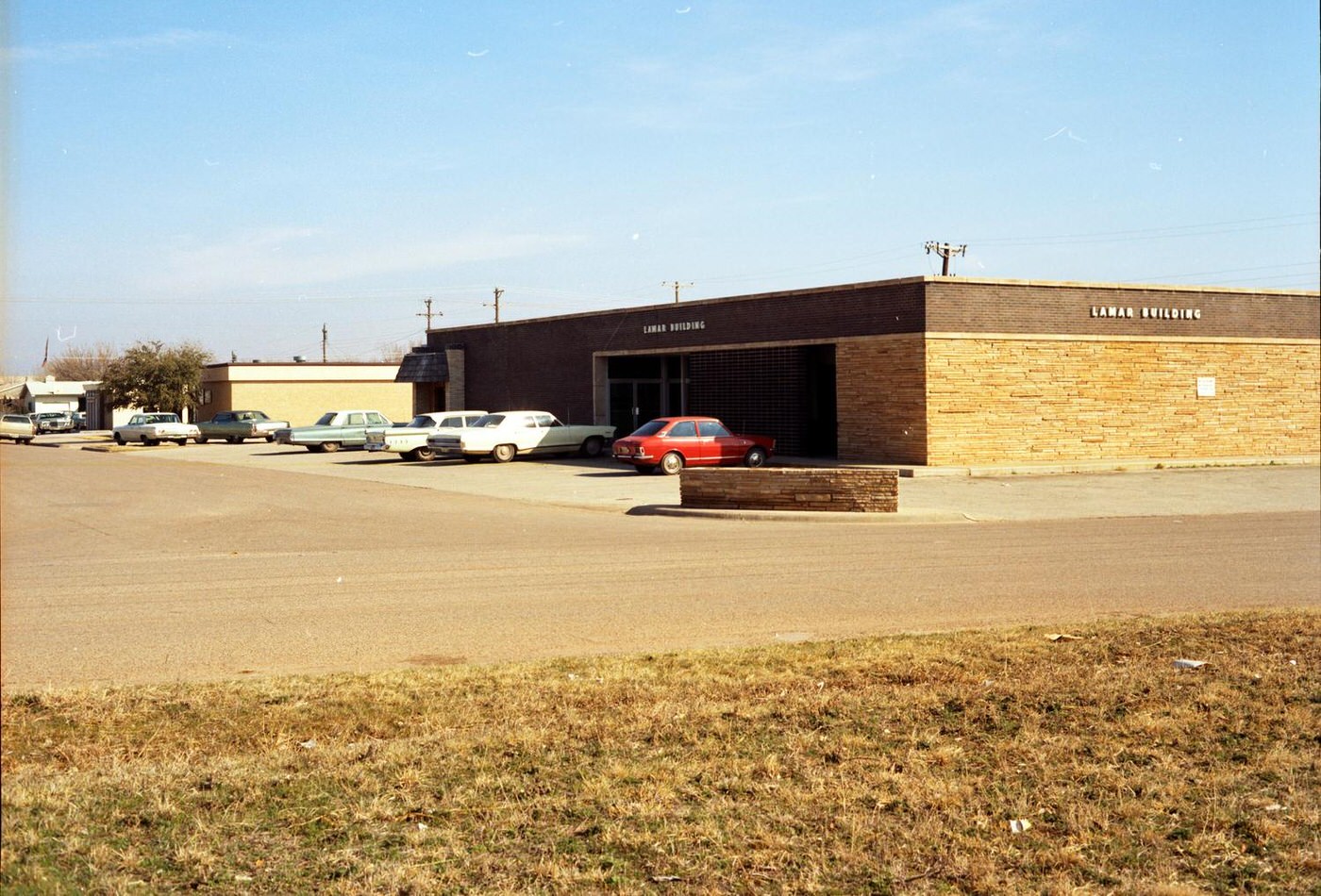
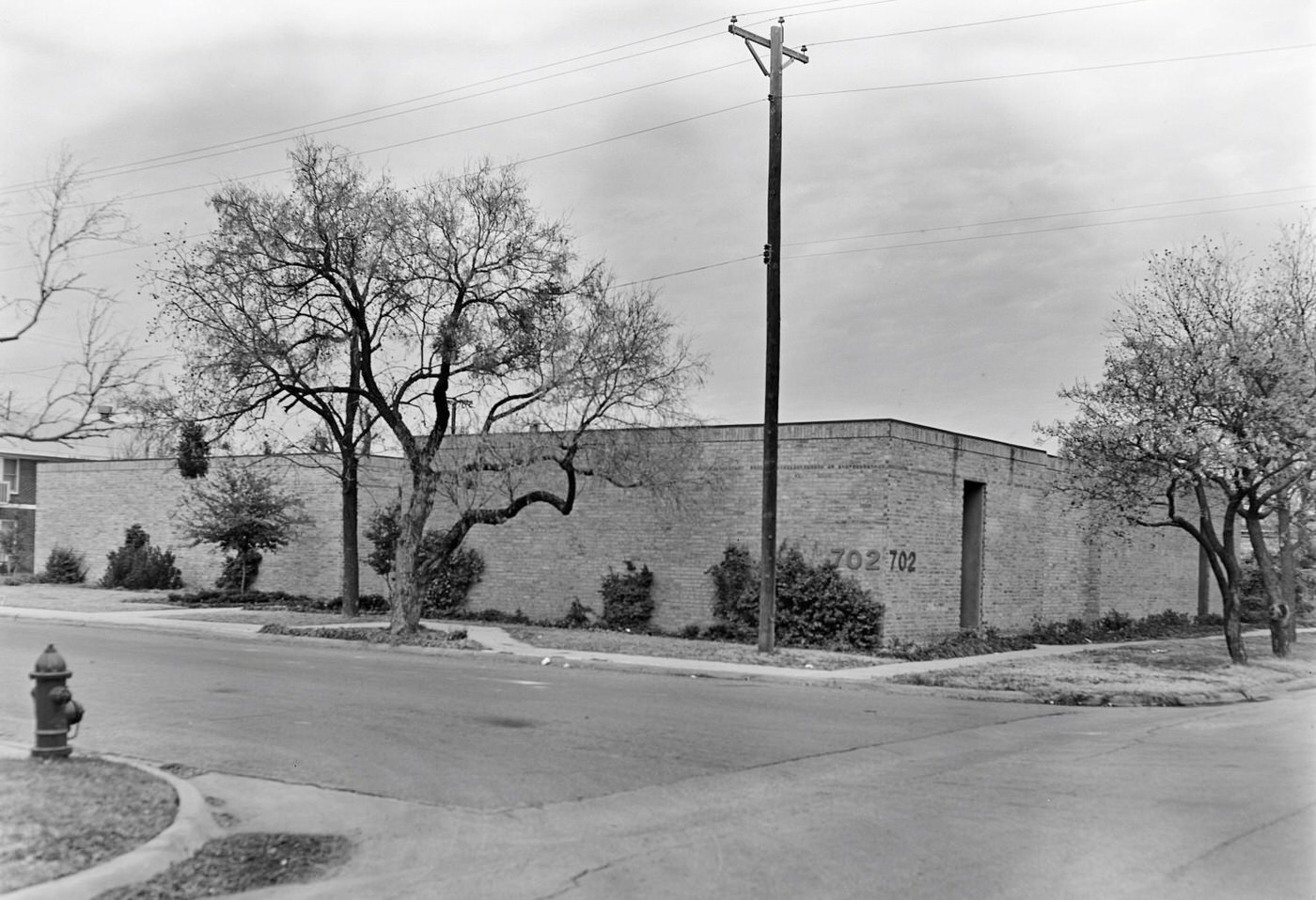
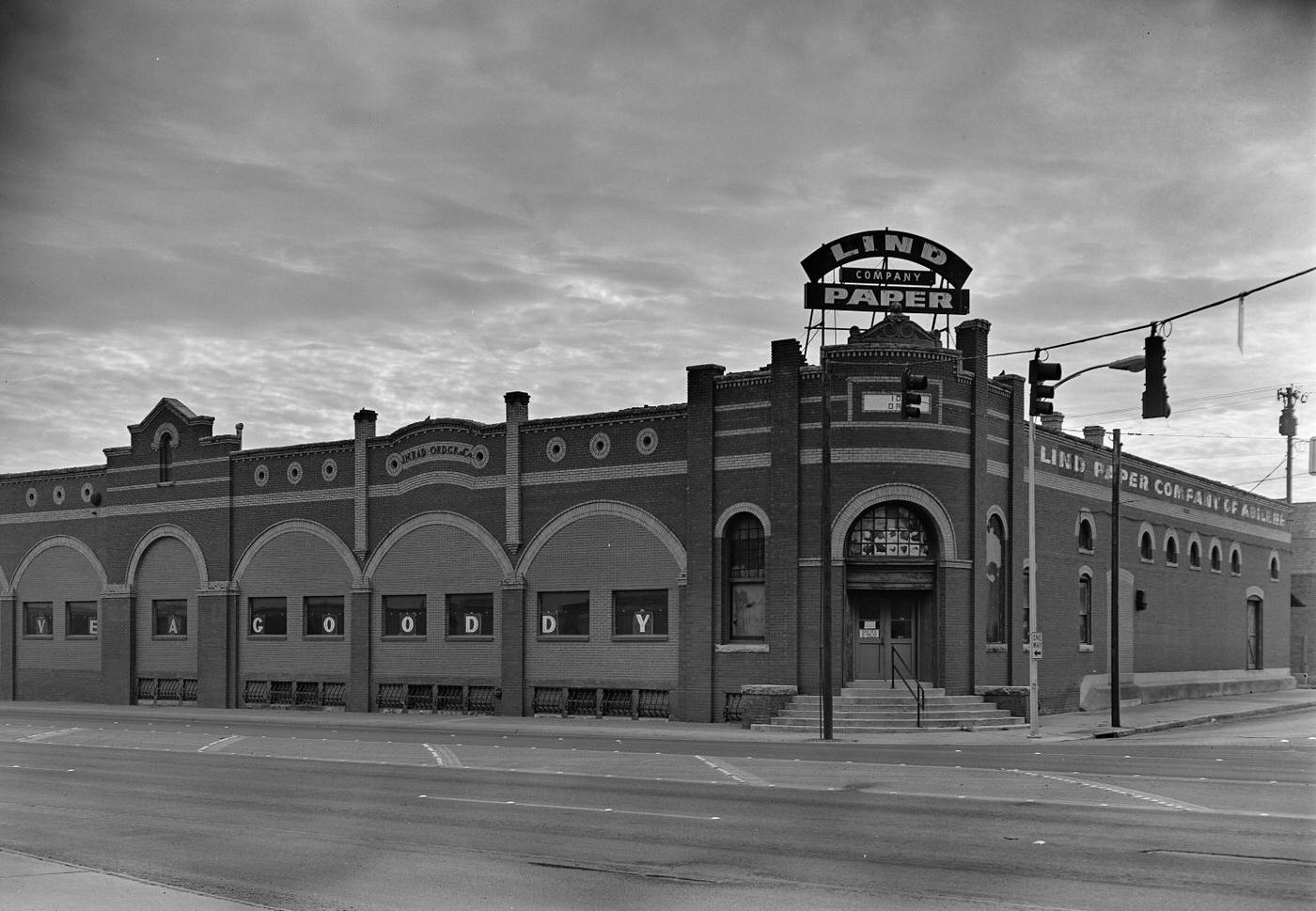
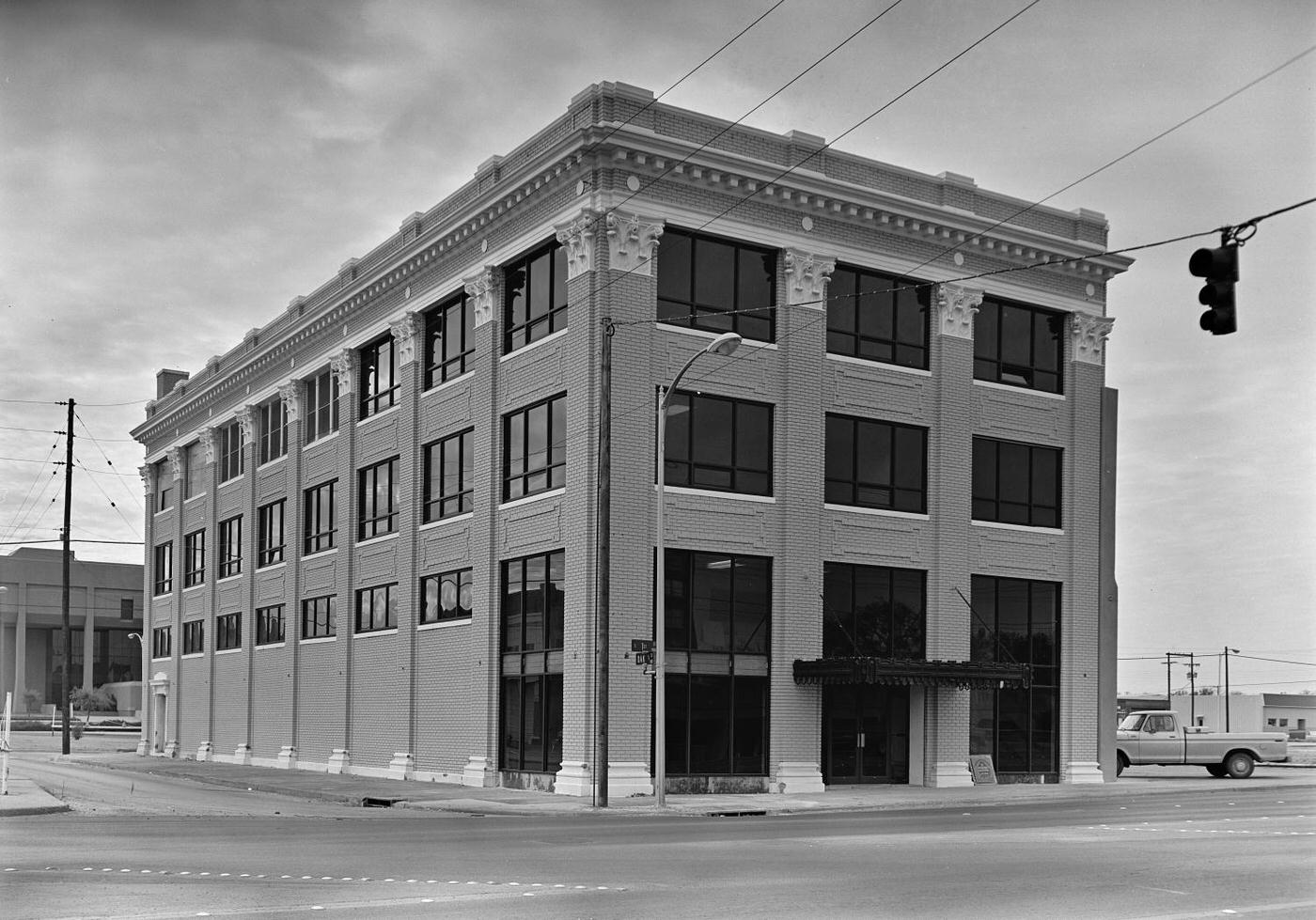
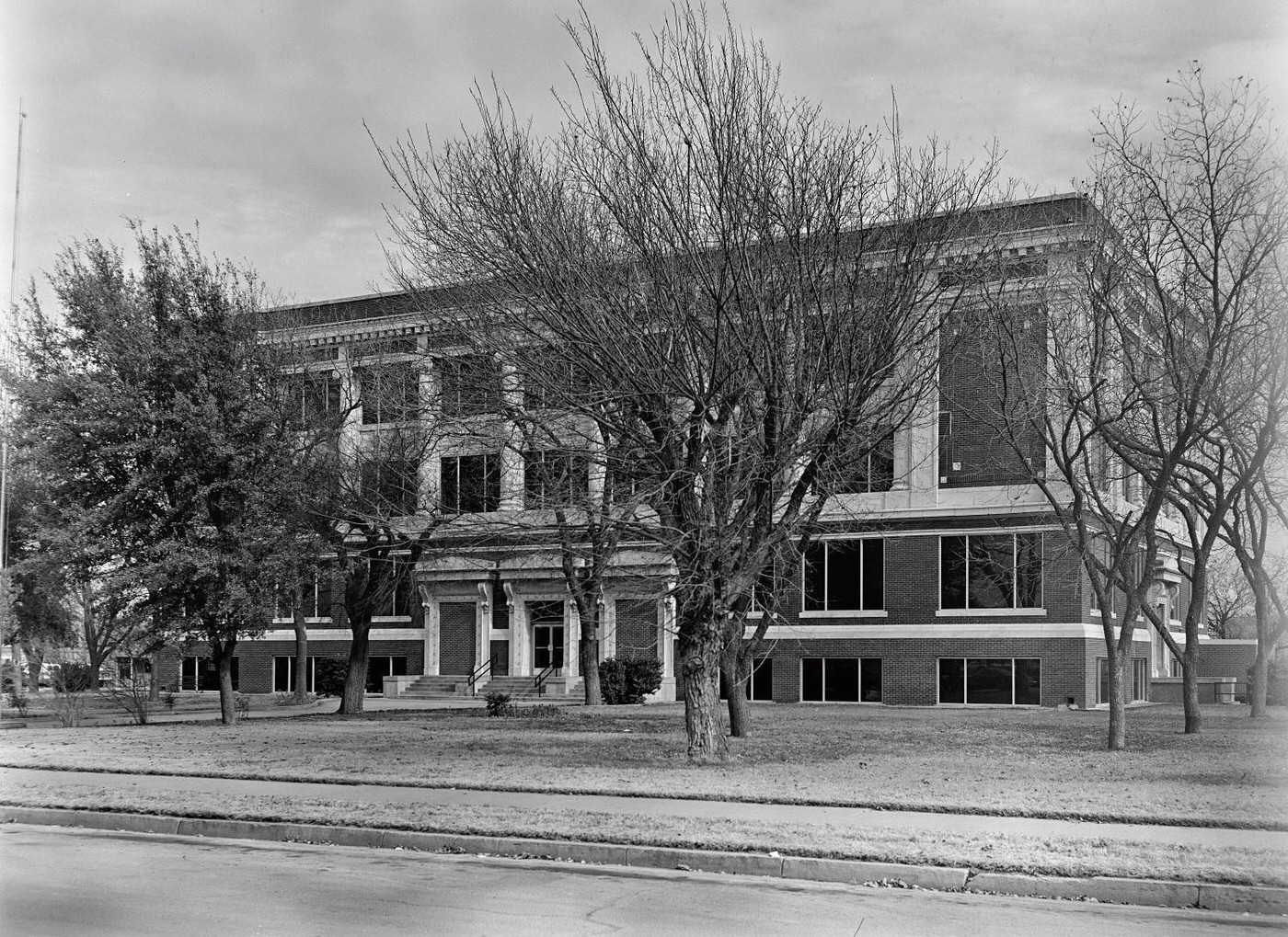
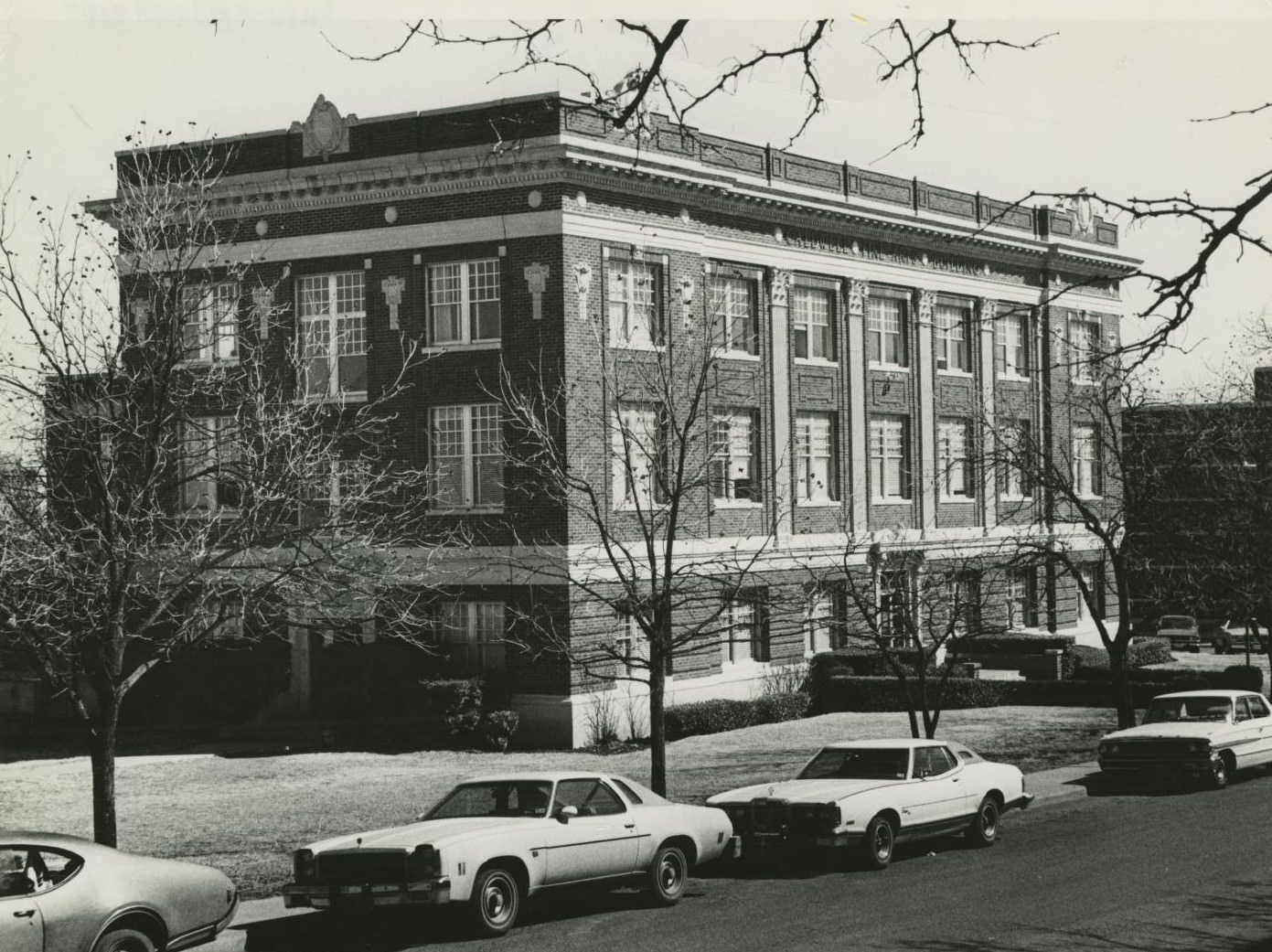
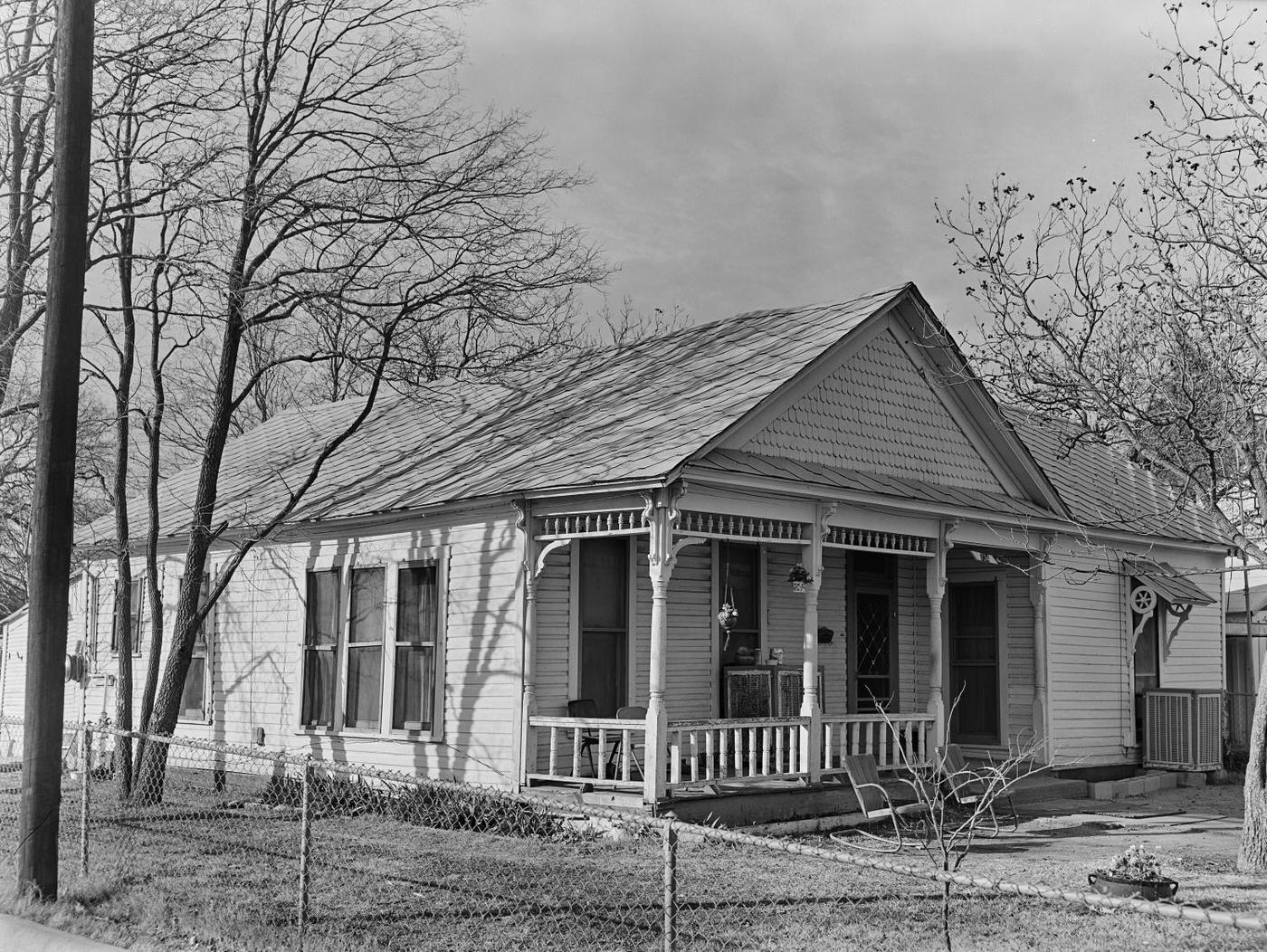
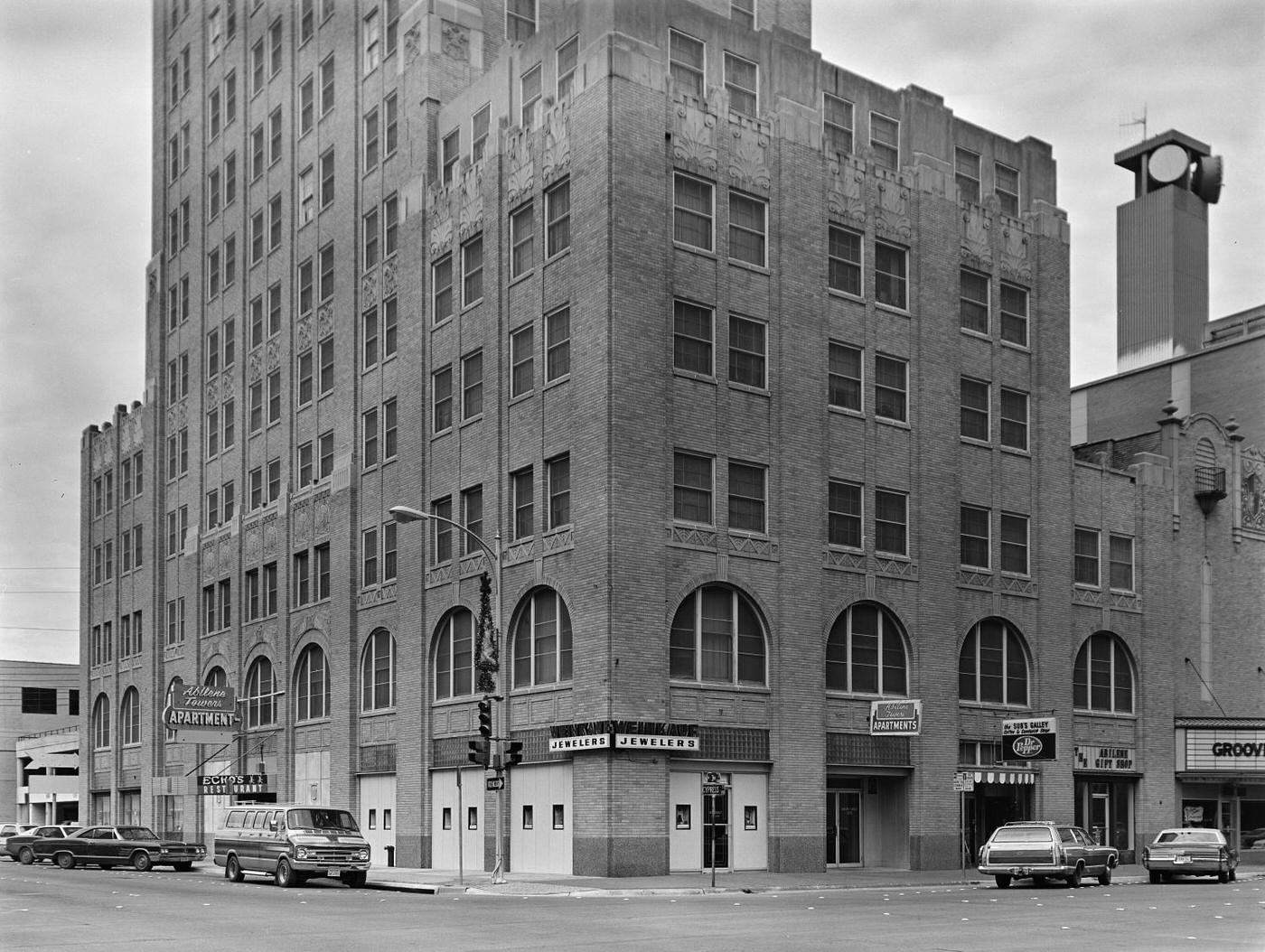
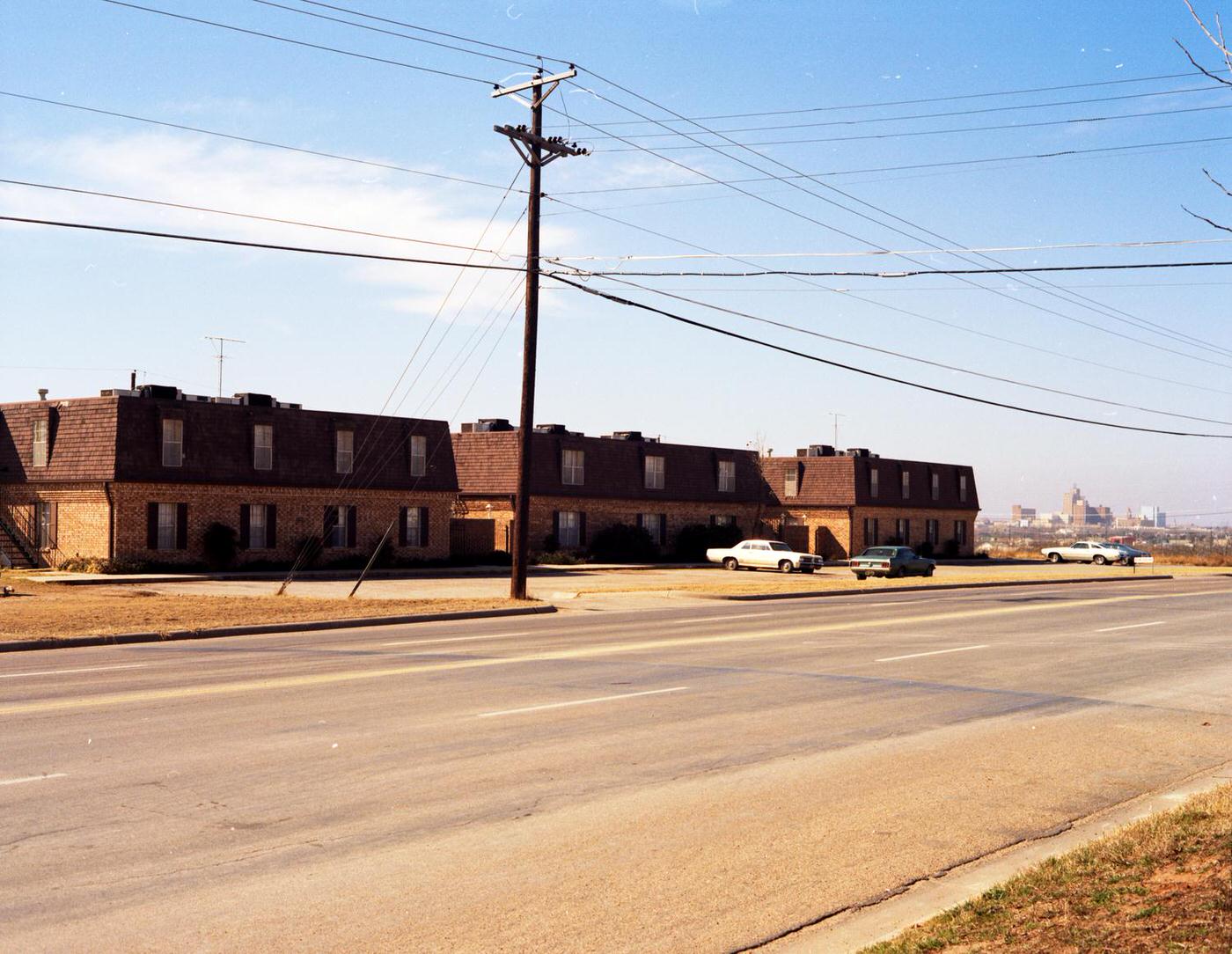
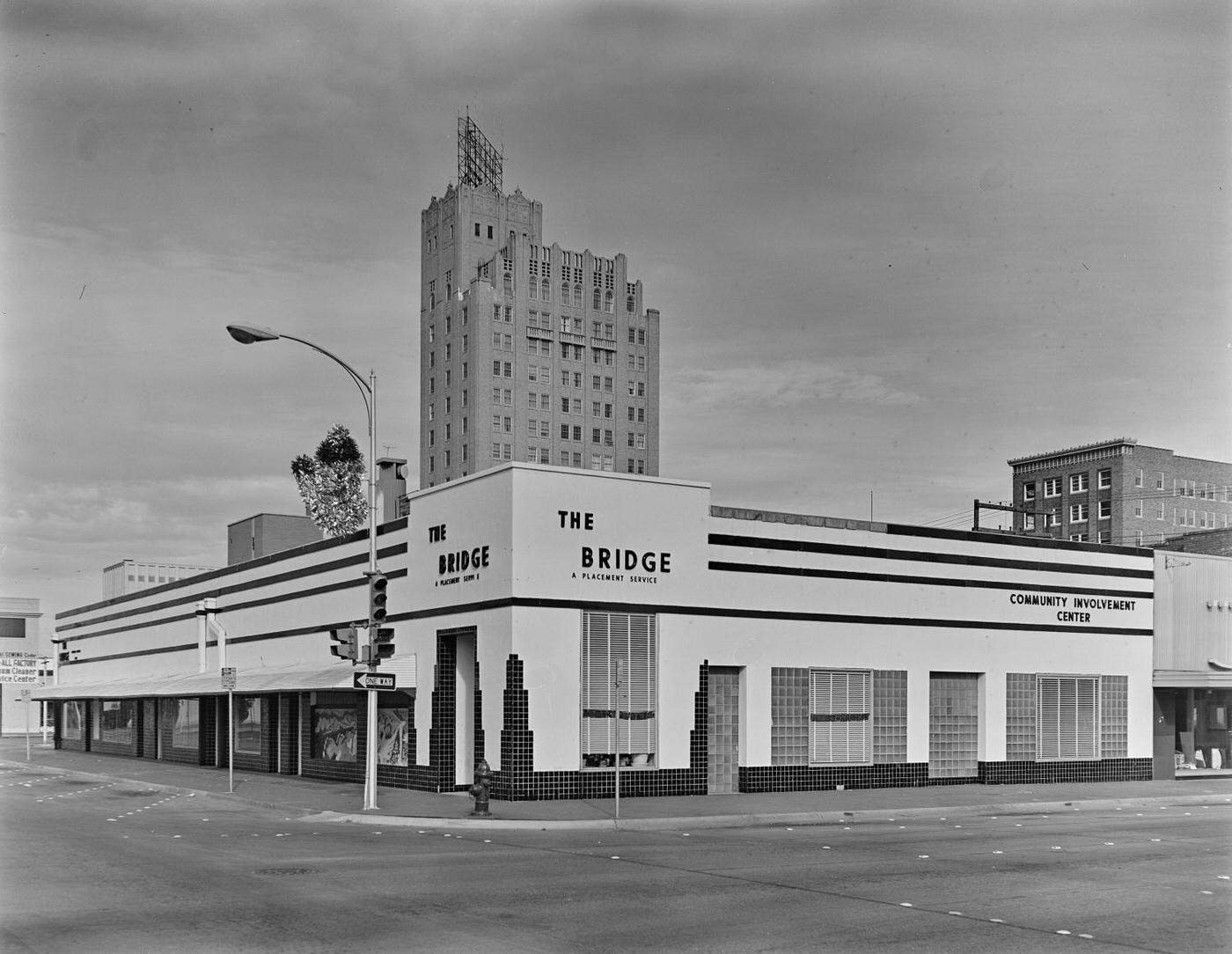
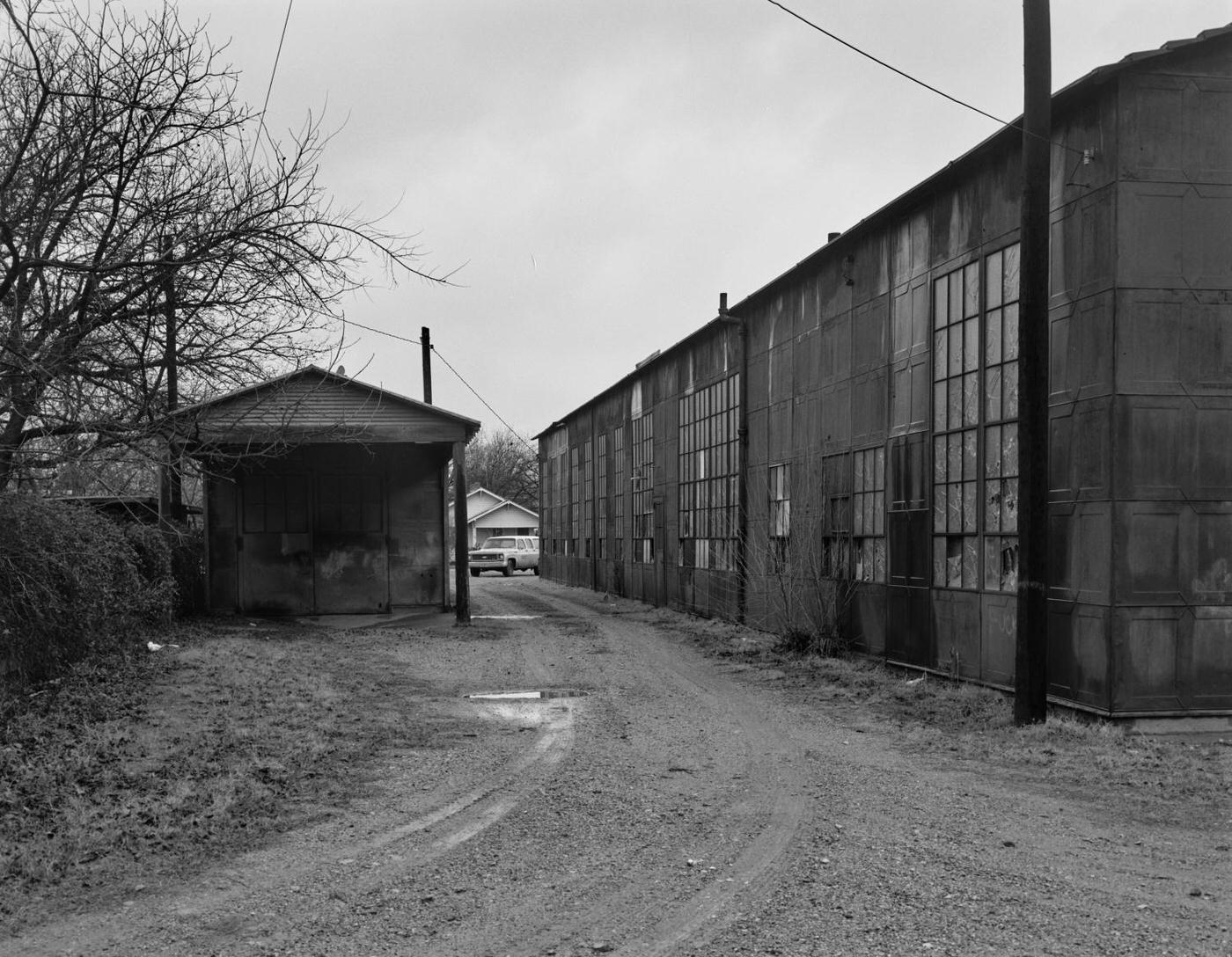
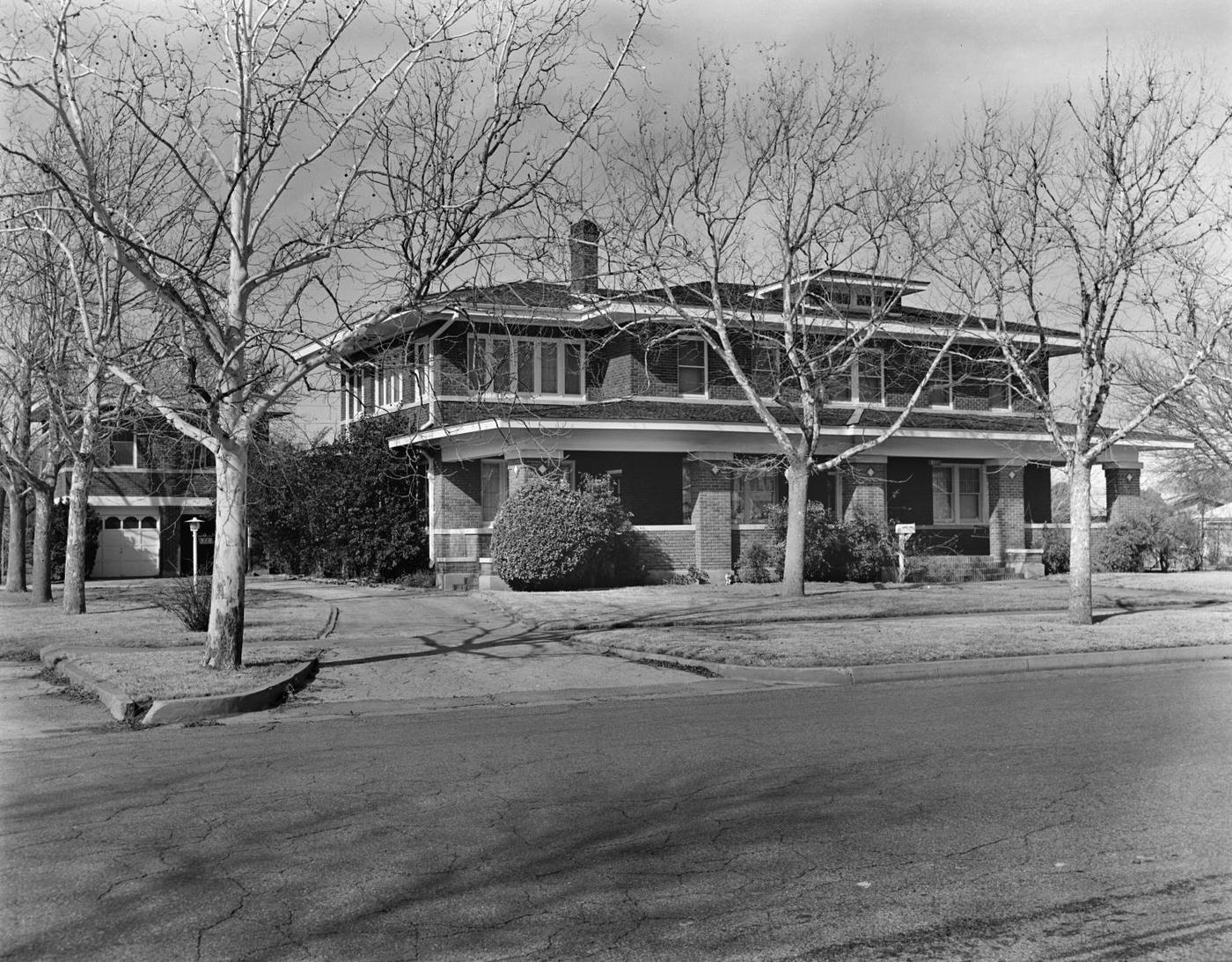
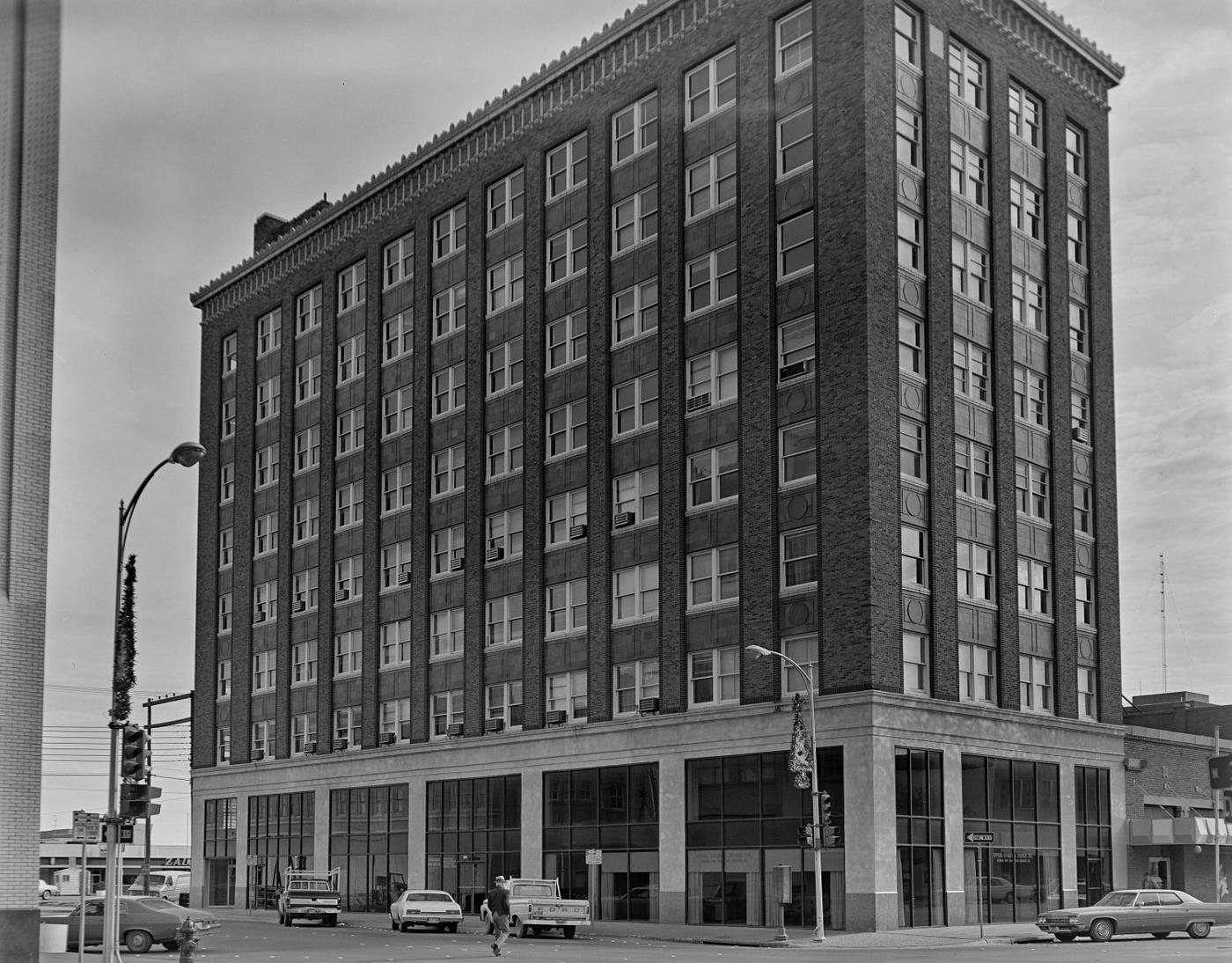
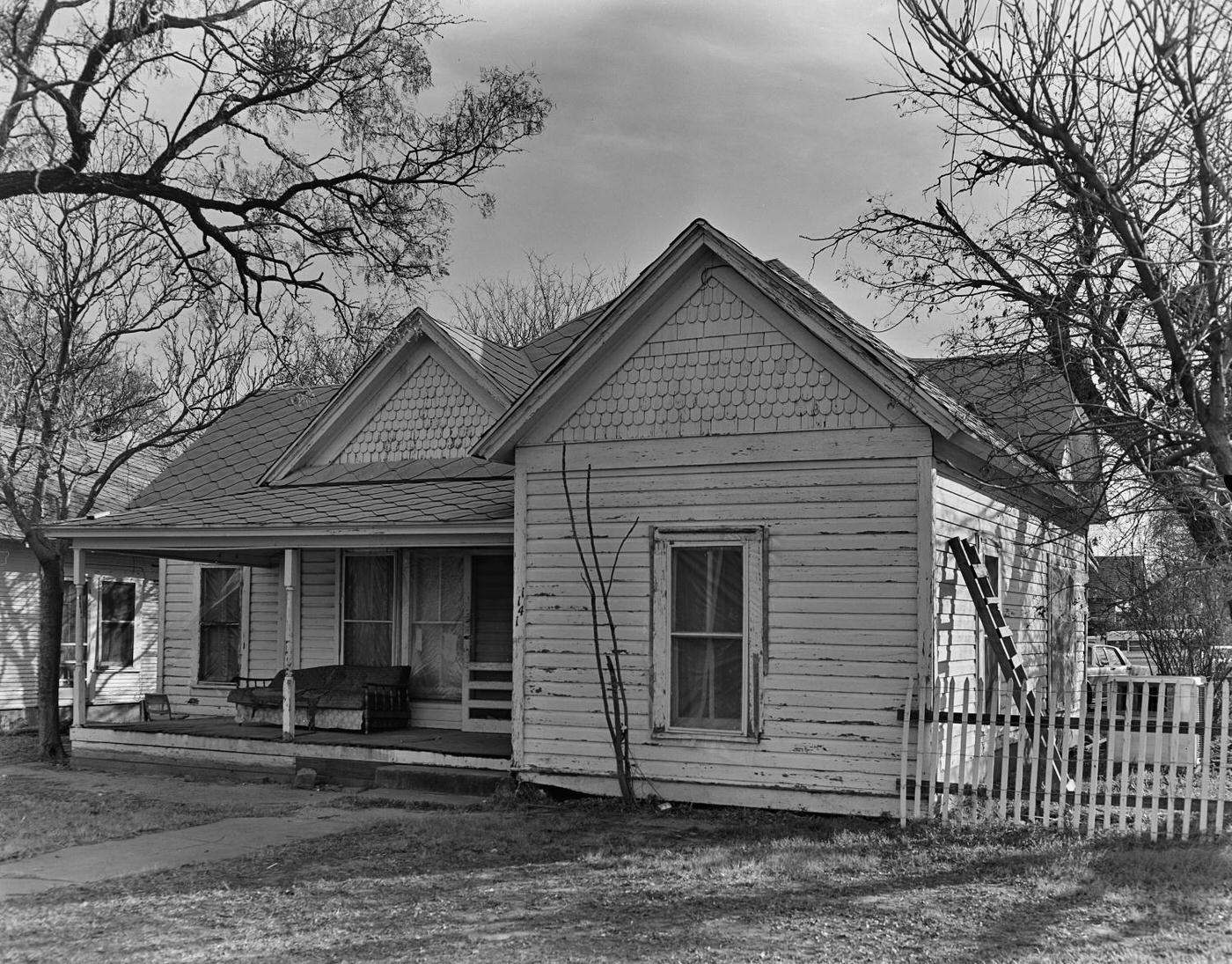
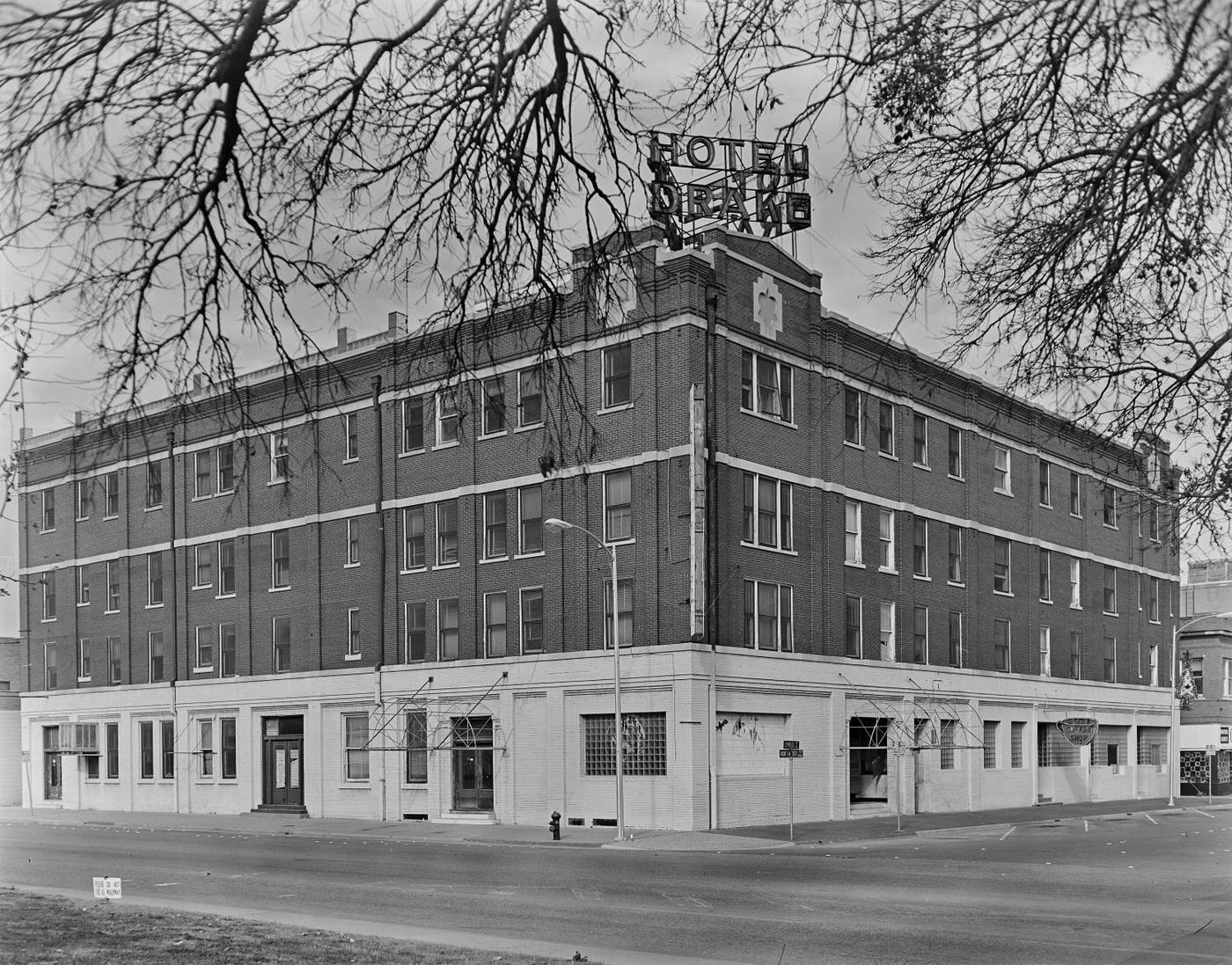
The physical appearance of Abilene in the 1970s offered a stark visual narrative of a city in transition, most notably in the contrast between its historic core and its expanding periphery. Downtown, the long-established commercial heart of the city, bore visible scars of its declining economic fortunes. Once-grand hotels, such as the 16-story Wooten (closed 1979) and the Drake (formerly the Grace Hotel, closed 1974), stood vacant or shuttered during the decade, their empty windows reflecting the departure of commercial energy. Storefronts along traditional retail streets like Cypress and Pine likely displayed an increasing number of “For Lease” signs as businesses migrated south or closed altogether. The imposing Texas & Pacific Railway Depot, though architecturally significant, no longer served passenger trains, standing as a monument to a past era of transportation and downtown activity.
Riding the Economic Rollercoaster
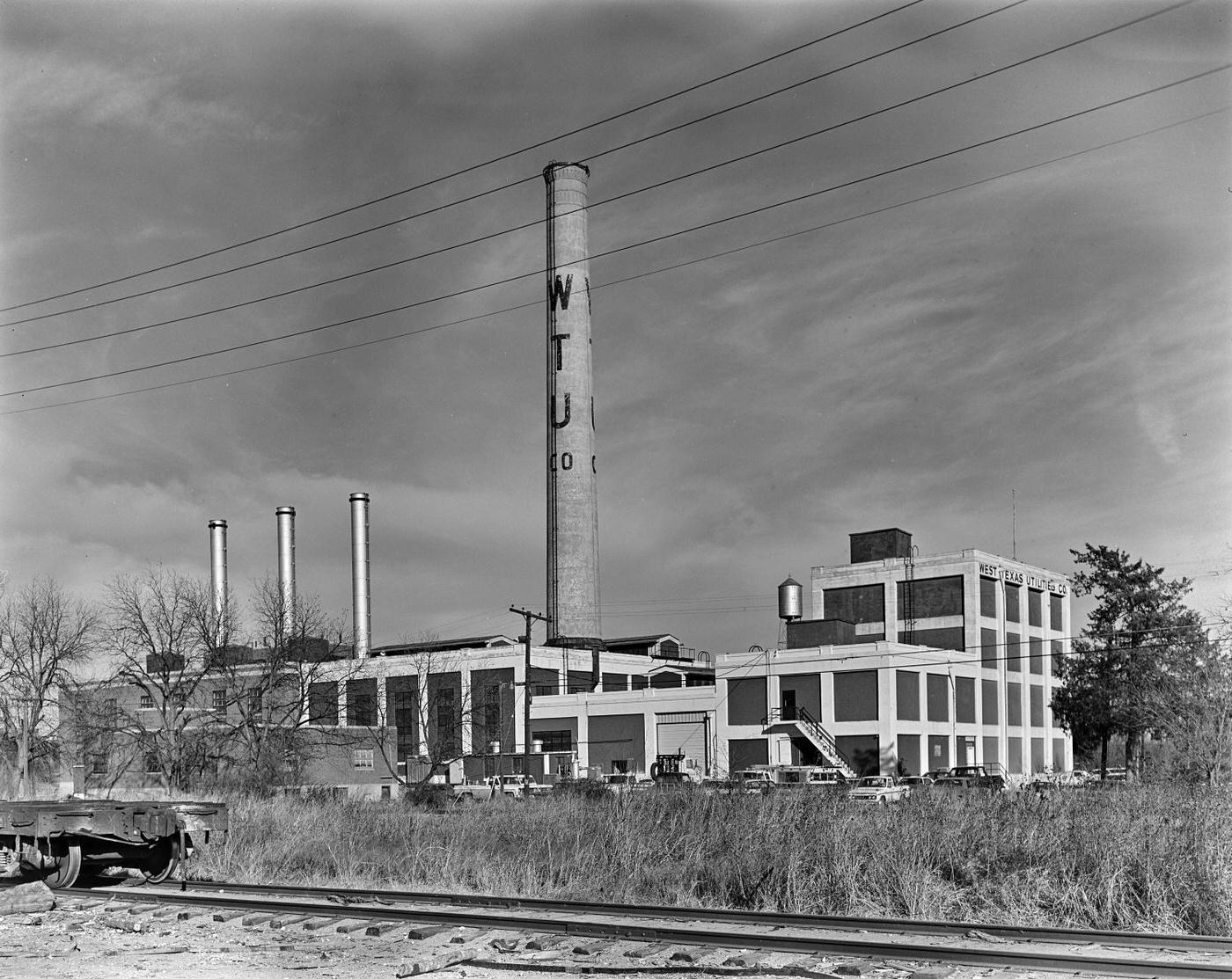
The economic trajectory of Abilene in the 1970s was dramatically altered by geopolitical events half a world away. Entering the decade, Taylor County’s oil production was continuing a downward trend that had begun after its peak in 1960. However, the 1973 OPEC (Organization of the Petroleum Exporting Countries) oil embargo fundamentally changed this dynamic. The embargo, a response to U.S. support for Israel during the Yom Kippur War, led to a quadrupling of world oil prices and triggered widespread energy shortages and economic hardship across the United States, manifested in high gasoline prices and rampant inflation.
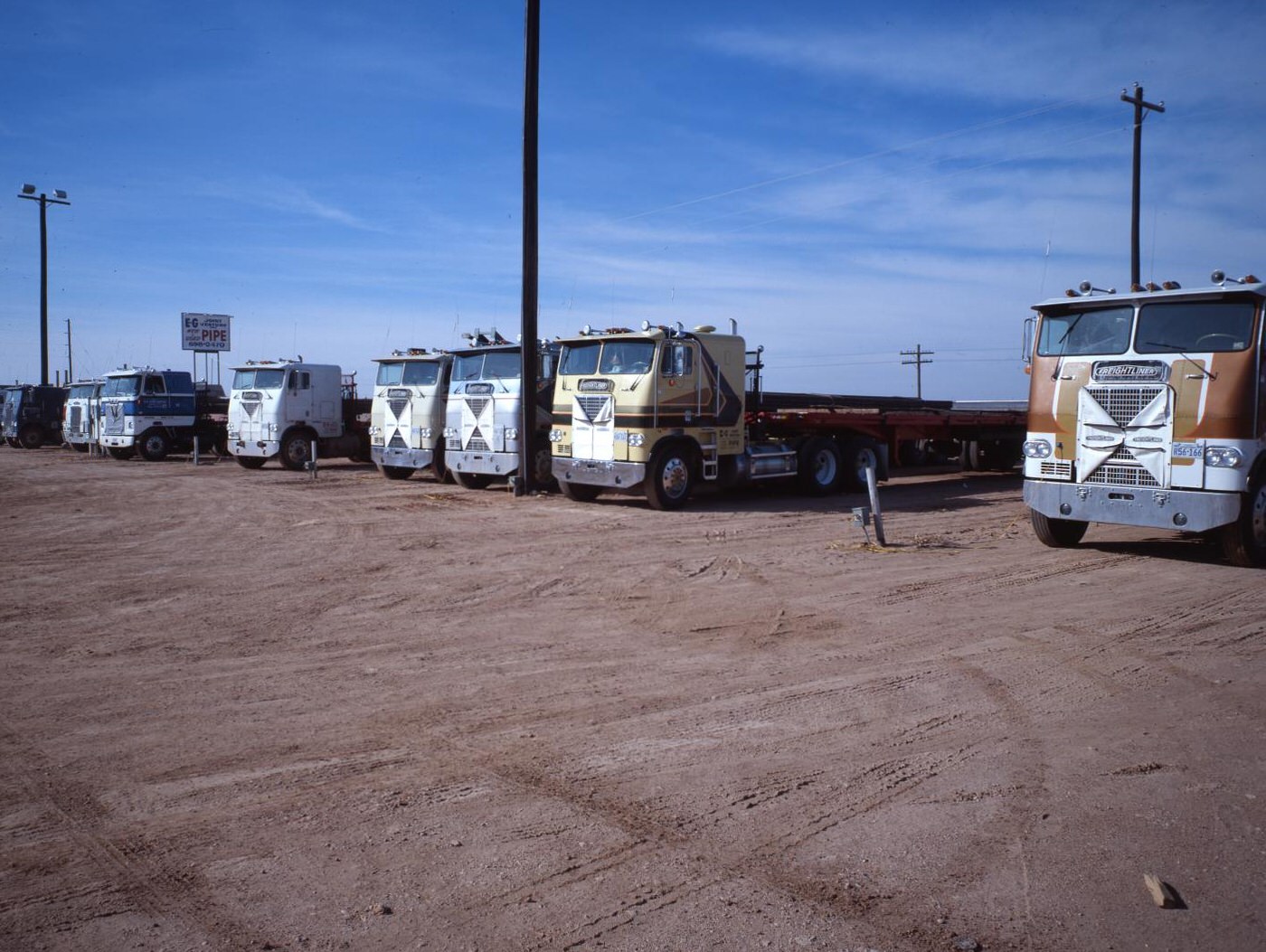
For oil-producing regions like West Texas, however, the crisis had the opposite effect. The soaring prices spurred a renewed frenzy of exploration and production activity throughout Texas, including the vast Permian Basin fields accessible from Abilene. Abilene, strategically positioned, benefited significantly, re-emerging as a vital service and supply center for this revitalized drilling activity. This unexpected oil boom brought a surge of economic activity and prosperity back to the city, particularly during the middle and later years of the decade. It played a crucial role in reversing the population stagnation observed in the 1970 census and fueled renewed growth.
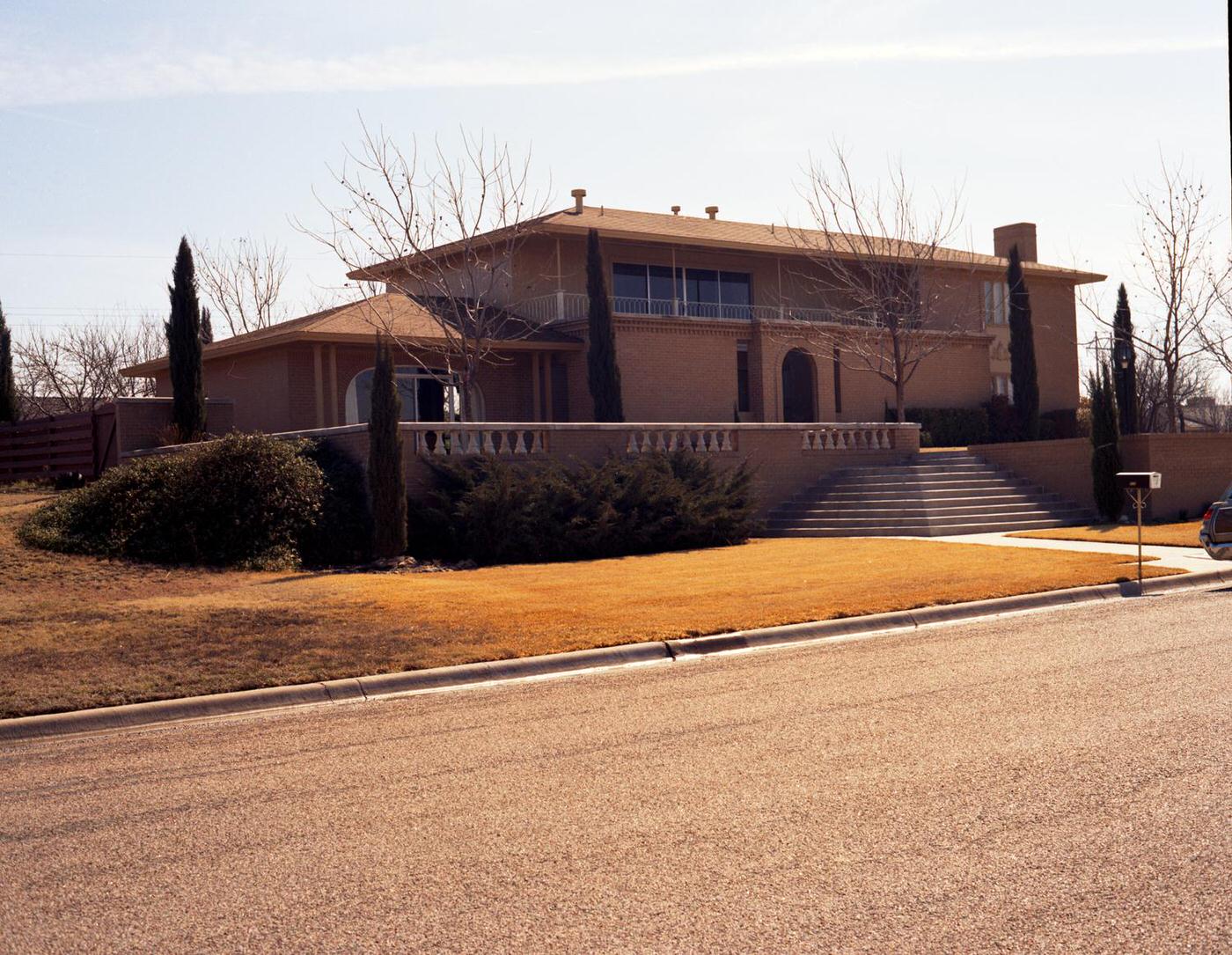
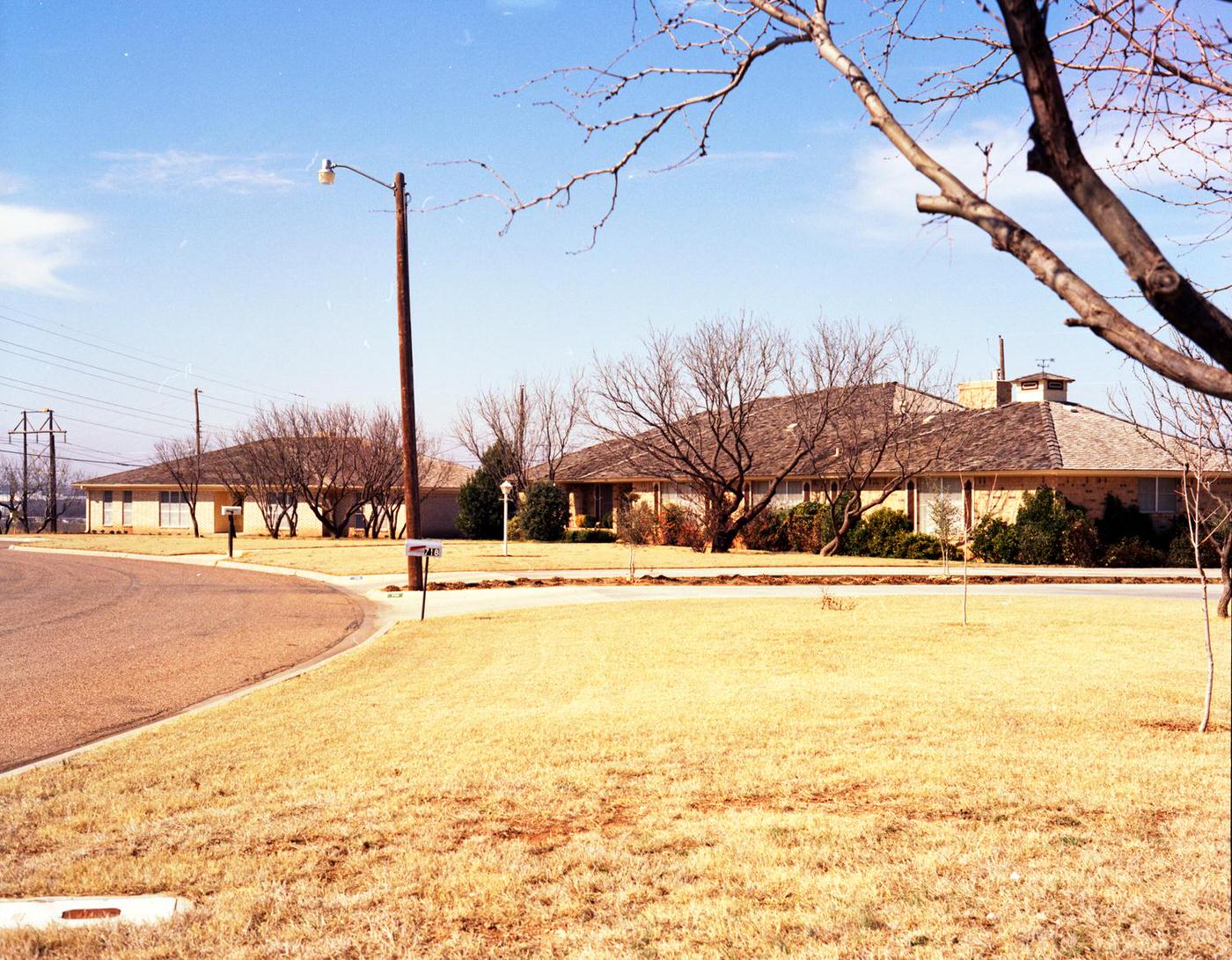
The economic landscape of 1970s Abilene was thus characterized by a potent, yet potentially precarious, combination of oil-fueled dynamism and military stability. This dual engine drove significant growth, most notably reversing the population dip of the late 1960s and pushing the city closer to the 100,000 resident mark by 1980. However, this prosperity came with inherent risks. The very global political and economic forces that ignited the oil boom were entirely outside local control, reinforcing the deeply ingrained awareness of the industry’s “boom-and-bust” nature that local leaders sought to mitigate through diversification. Furthermore, the influx of wealth and population associated with the boom likely acted as an accelerant for existing urban trends, particularly the movement of residents and investment towards the suburbs. This outward expansion, fueled by prosperity, arguably contributed to the simultaneous decline of the city’s traditional downtown core, setting the stage for the decade’s most significant shift in urban geography. The economic success of the 1970s, therefore, was a double-edged sword, bringing growth and opportunity while simultaneously embedding vulnerability and exacerbating spatial inequalities within the city.



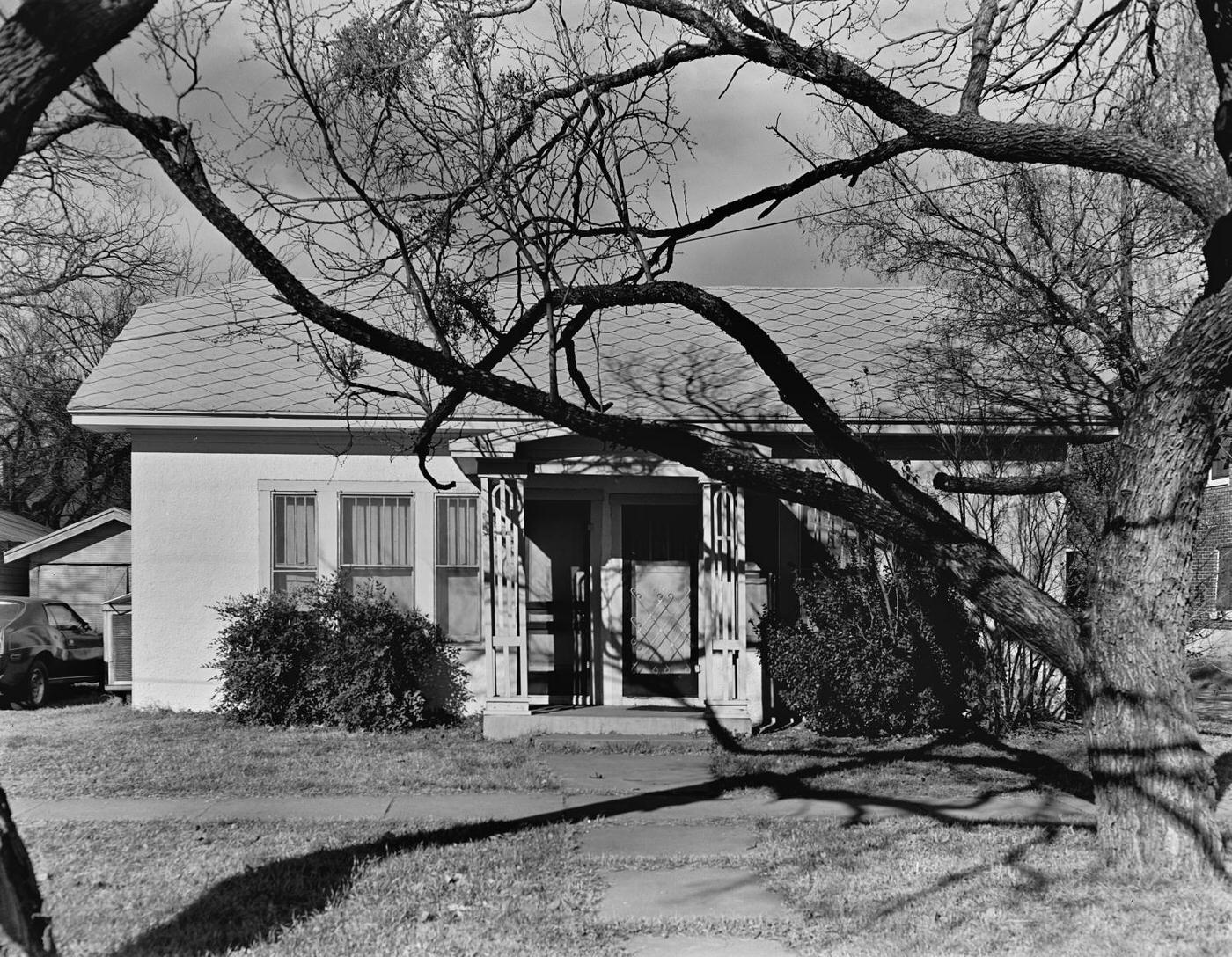

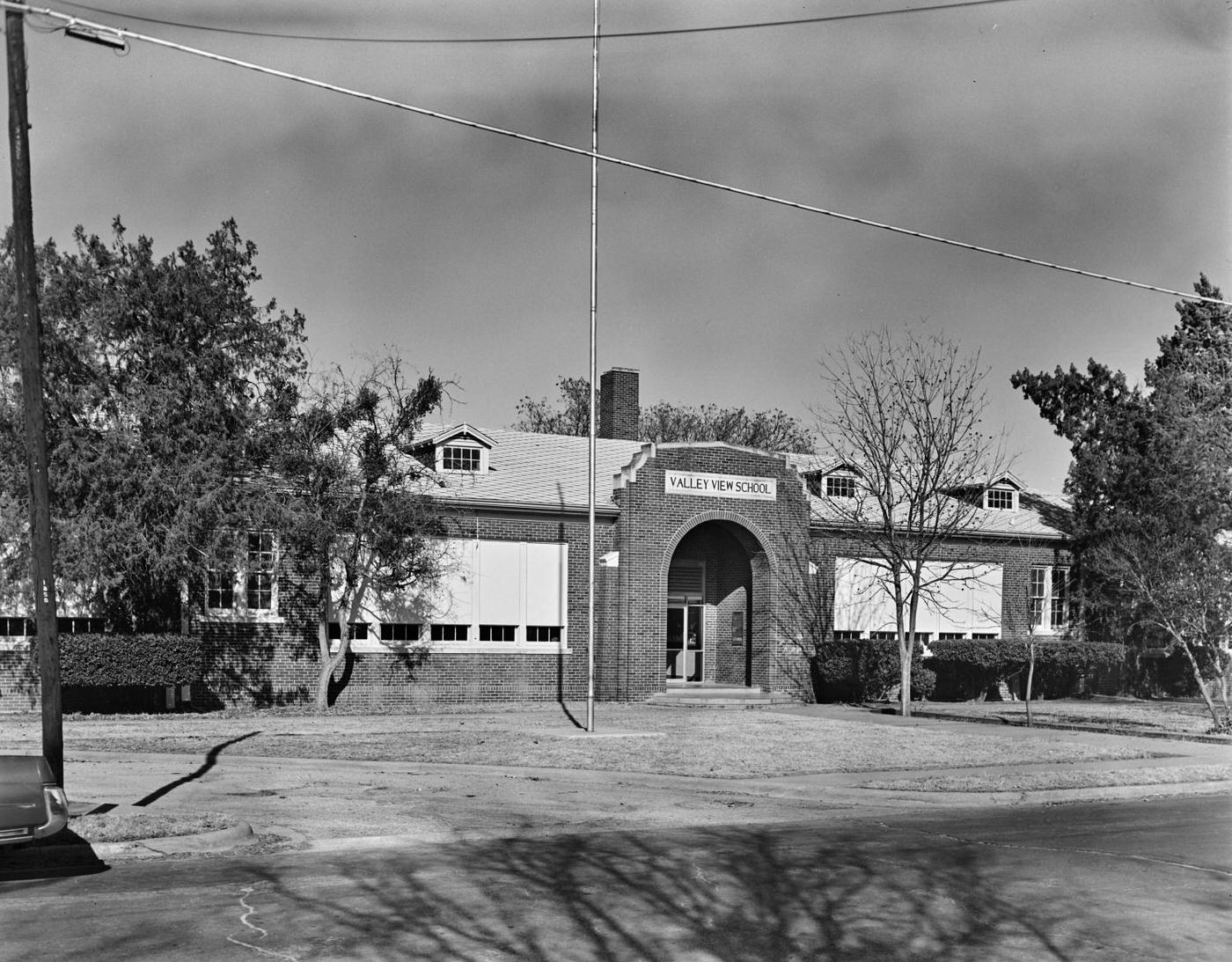

Life in 1970s Abilene: Culture, Community, and Change
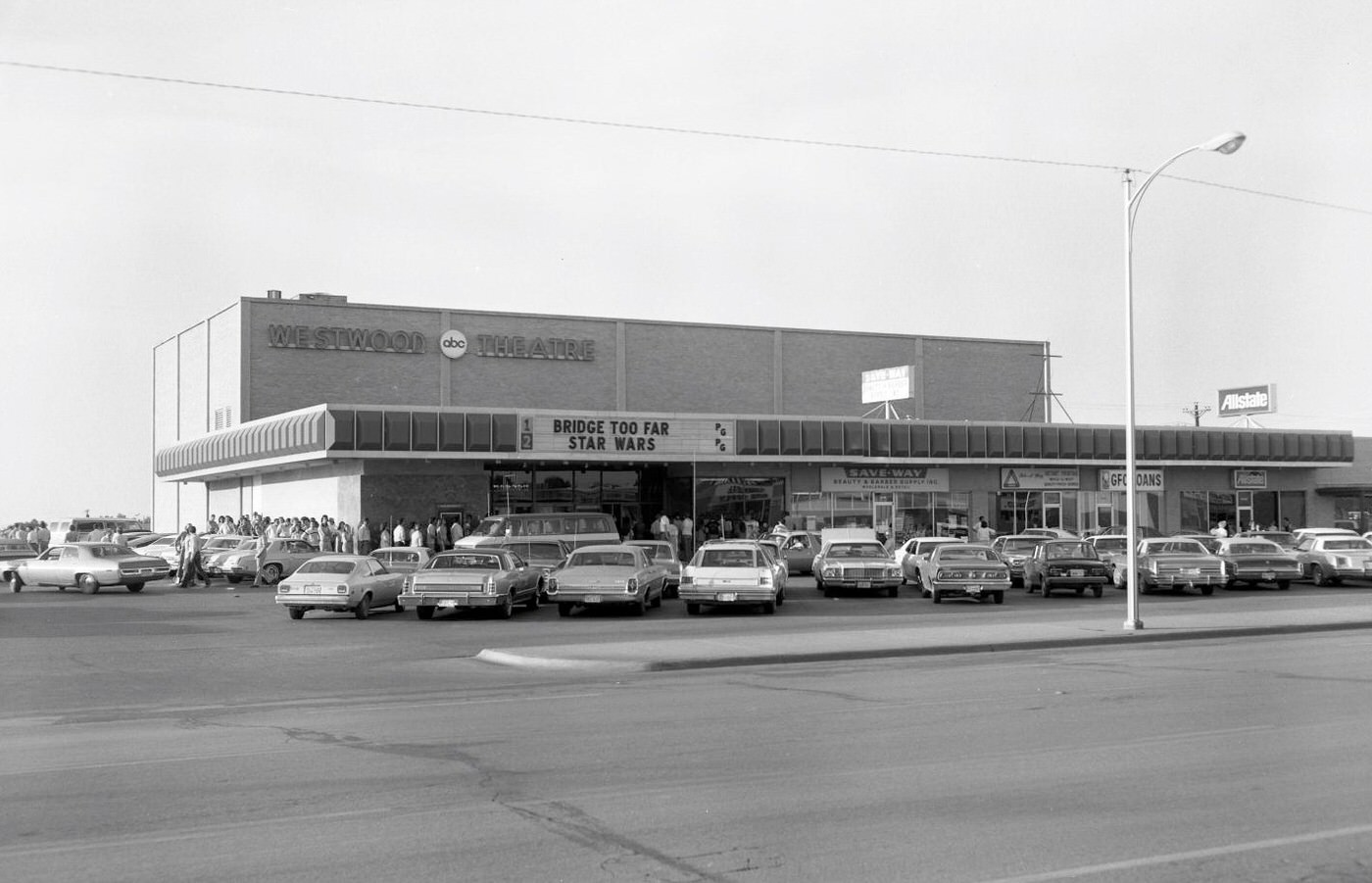
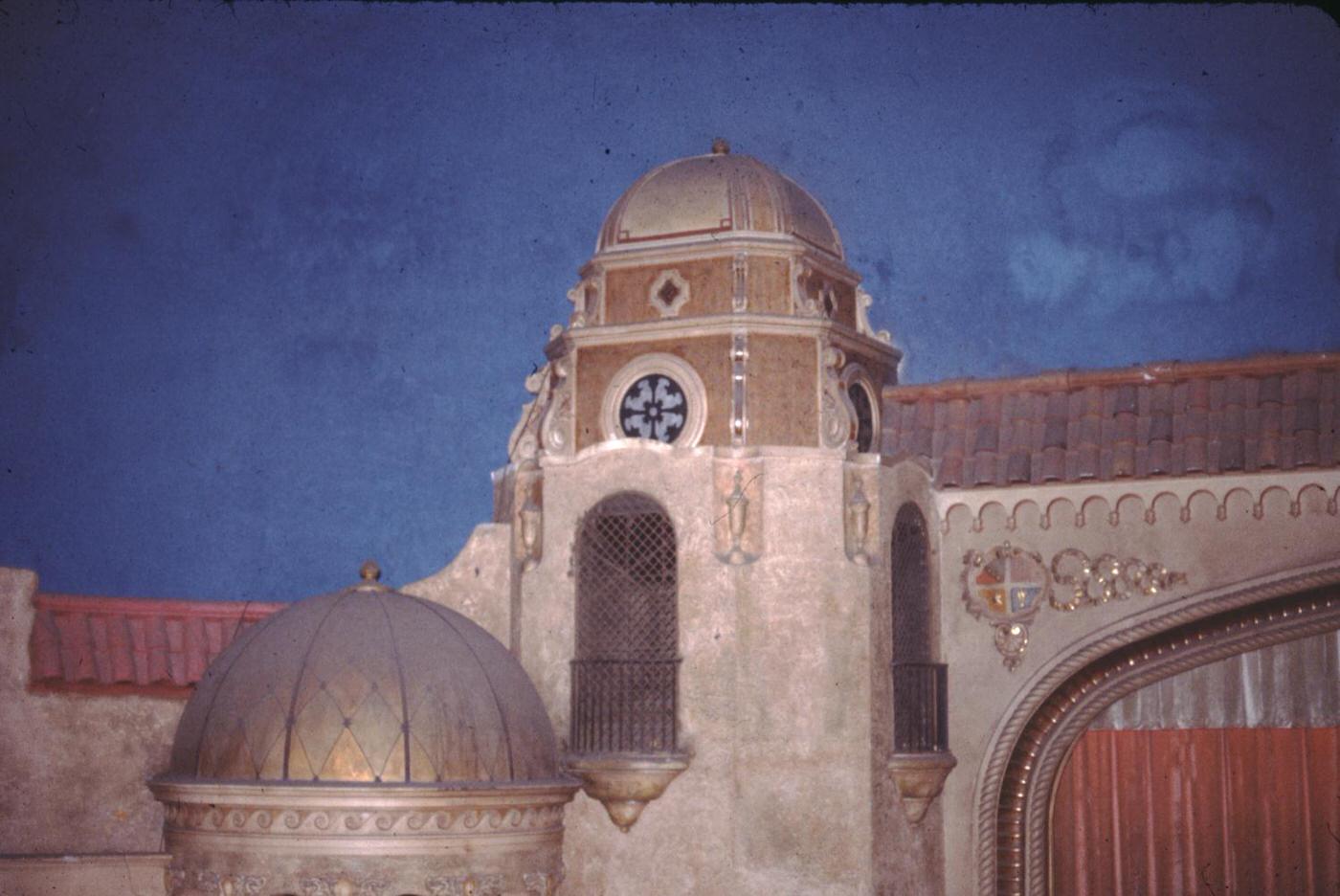
Social and cultural life in Abilene during the 1970s blended national trends with a distinct West Texas character. Entertainment options reflected the era’s tastes. Drive-in movie theaters, such as the Town & Country and the Key City Drive-In, continued to be popular destinations, offering open-air viewing experiences that had thrived in the post-war decades. The Town & Country, opened in 1956, was known as one of the largest drive-ins in Texas at the time. Indoor cinemas also catered to moviegoers. The historic Paramount Theatre downtown, an atmospheric movie palace opened in 1930, still showed films, though it faced declining fortunes and closed temporarily later in the decade before initial restoration efforts began. Newer, multi-screen theaters, likely reflecting the national trend towards multiplexes, were emerging in suburban areas, drawing patrons away from the single-screen downtown venues.
Music preferences mirrored national charts, broadcast over local radio stations like KRBC. Genres popular during the decade, including rock and roll, country music, the burgeoning sounds of disco, and mainstream pop, would have formed the soundtrack for many Abilenians. The newly opened Abilene Civic Center (1970) and the established Taylor County Coliseum (1969/1973) provided modern, large-scale venues capable of hosting concerts by touring artists, alongside conventions and sporting events. The Abilene Philharmonic Orchestra, founded in 1950, continued its tradition of providing classical music performances for the community.
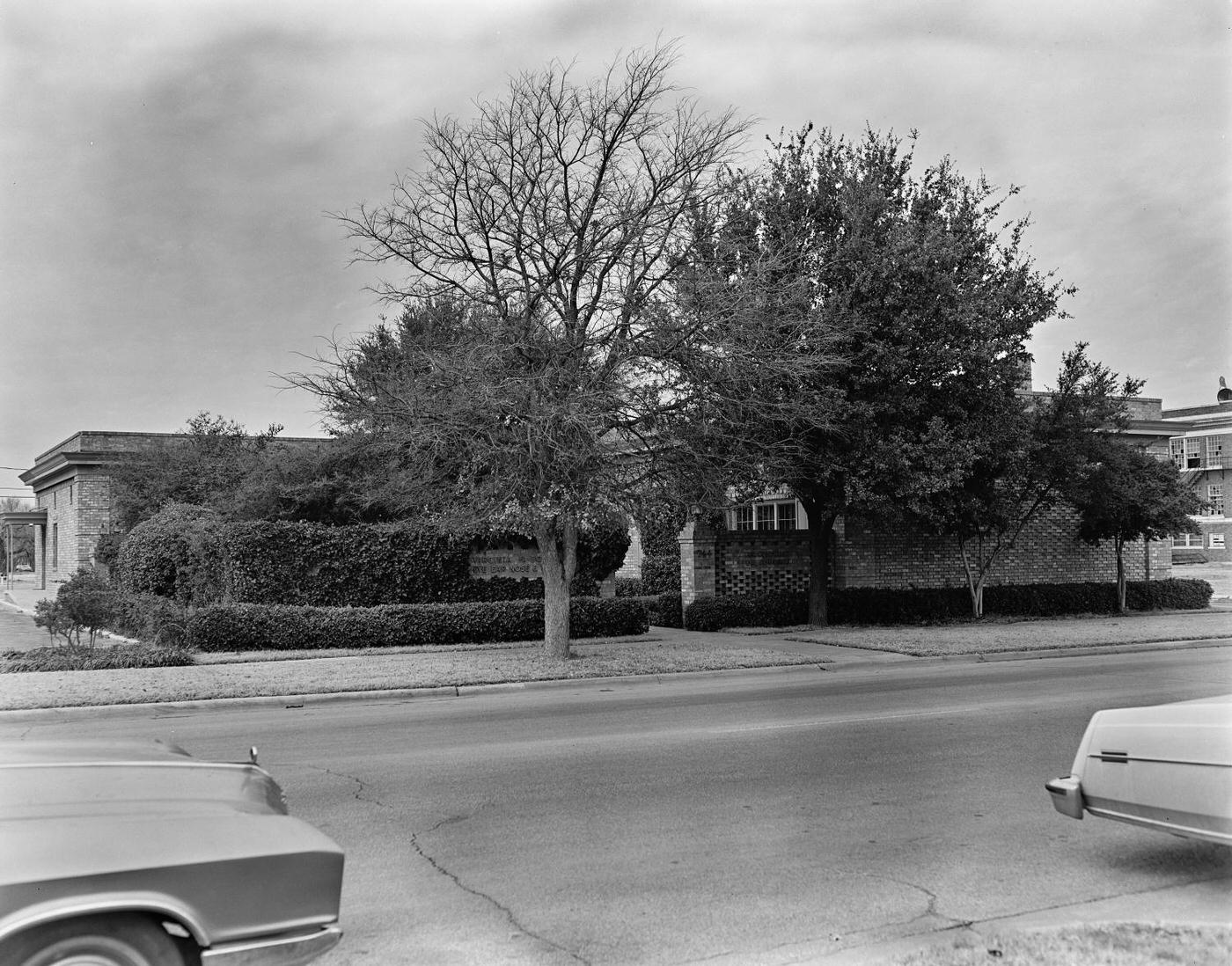
Community events fostered local identity and provided shared social experiences. The West Texas Fair & Rodeo, held annually at the Taylor County Expo Center, remained a cornerstone event, drawing visitors from across the region for its livestock shows, carnival atmosphere, concerts, and rodeo competitions. High school football games, particularly the intense crosstown rivalry between Abilene High School and the newer Cooper High School (opened 1960), were significant social gatherings, reflecting the deep-seated importance of the sport in Texas culture.
One of the most significant social transformations in 1970s Abilene was the repeal of local prohibition laws. Since 1903, the sale of alcoholic beverages within the city limits had been illegal, making Abilene a “dry” city. This stood in contrast to some neighboring areas; by the 1960s, small incorporated communities just outside Abilene, such as Impact and Buffalo Gap, had voted to allow alcohol sales, becoming “wet” destinations for Abilene residents seeking to purchase liquor or dine in restaurants serving mixed drinks.
This long-standing local prohibition ended dramatically in November 1978. Voters in Abilene approved two key propositions: one legalizing the sale of all alcoholic beverages for off-premise consumption (allowing liquor stores, beer barns, etc.) and another permitting the sale of mixed beverages in restaurants and private clubs. The vote was reportedly close, particularly the measure impacting restaurants and clubs, signaling a contentious debate within the community.
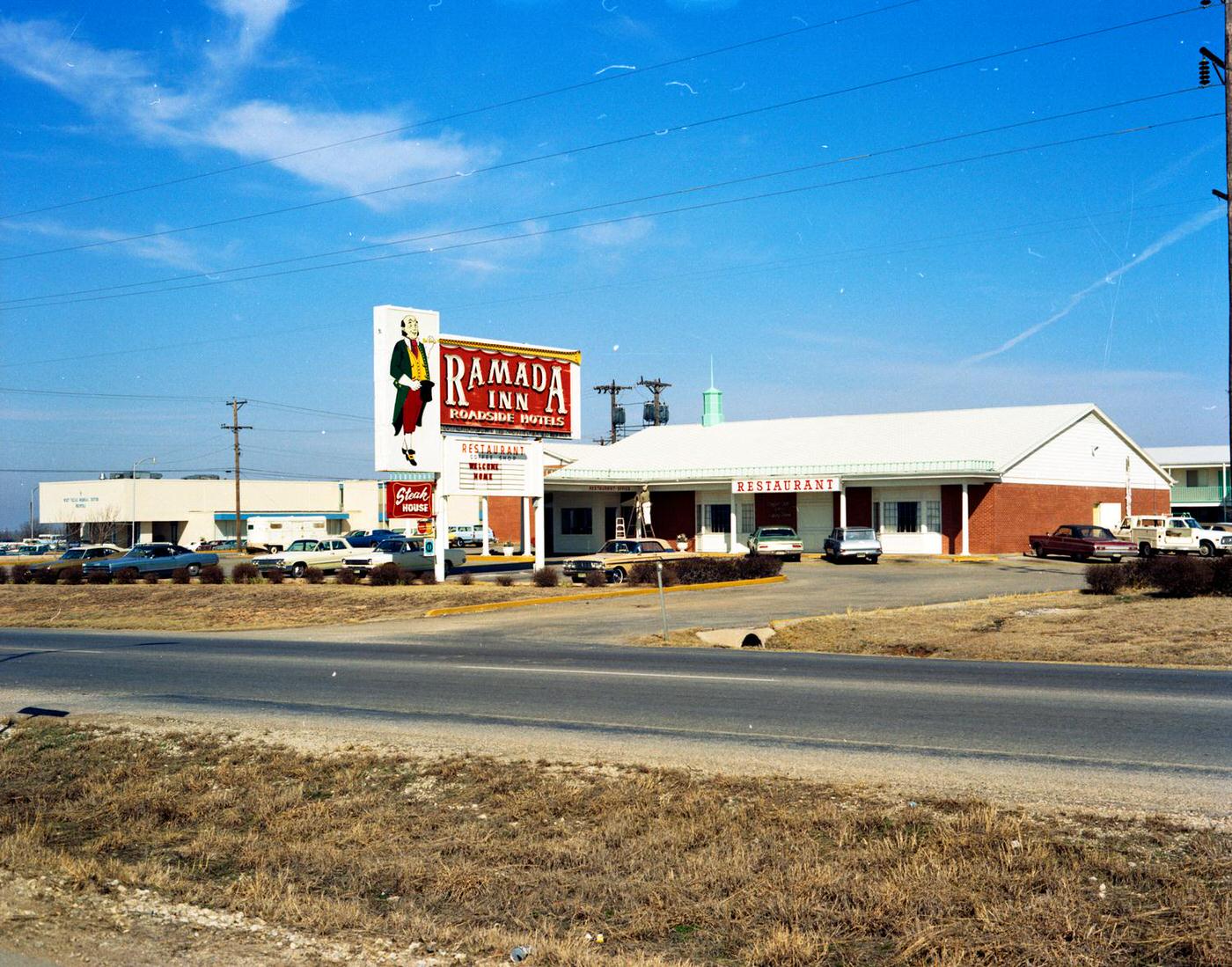
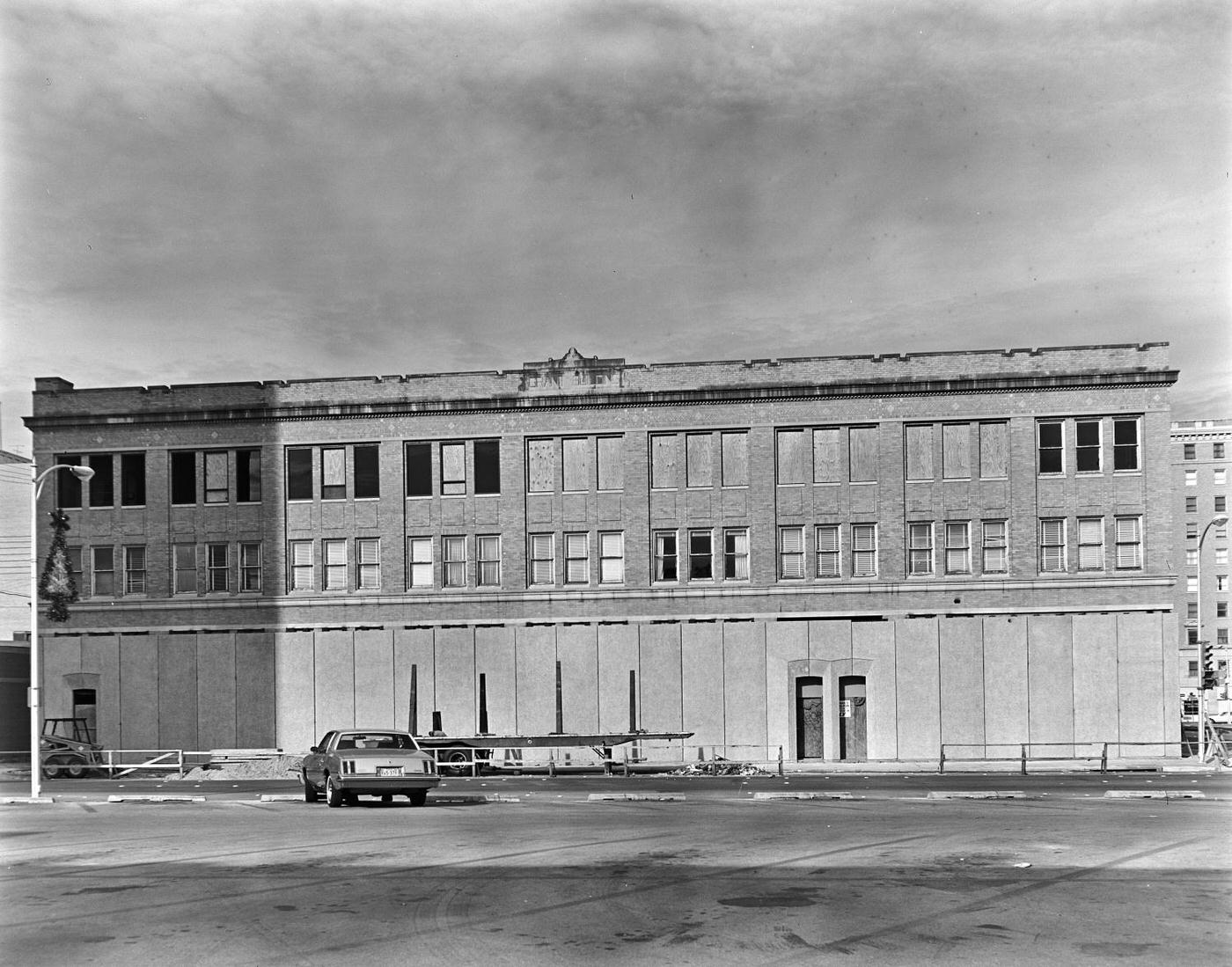

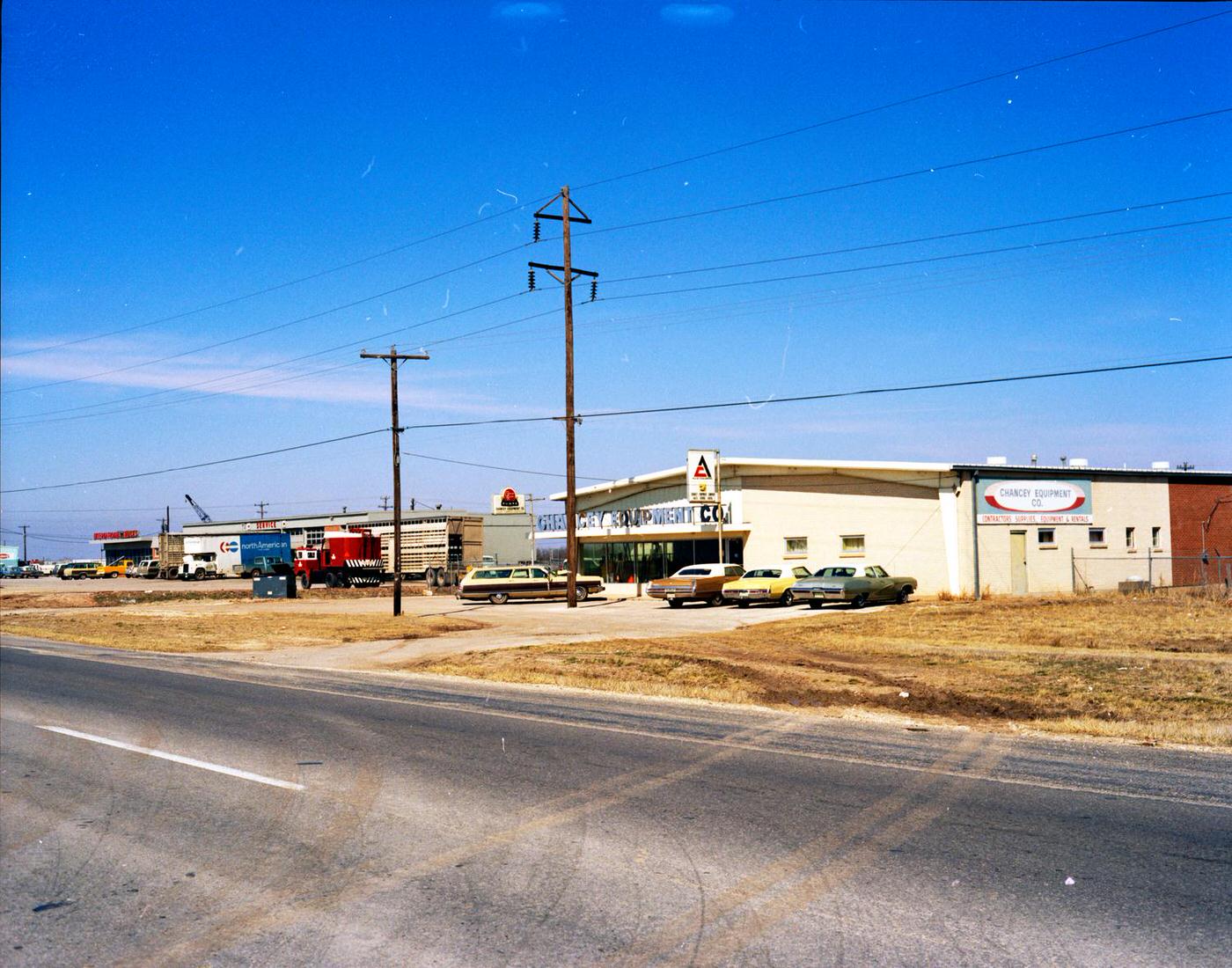
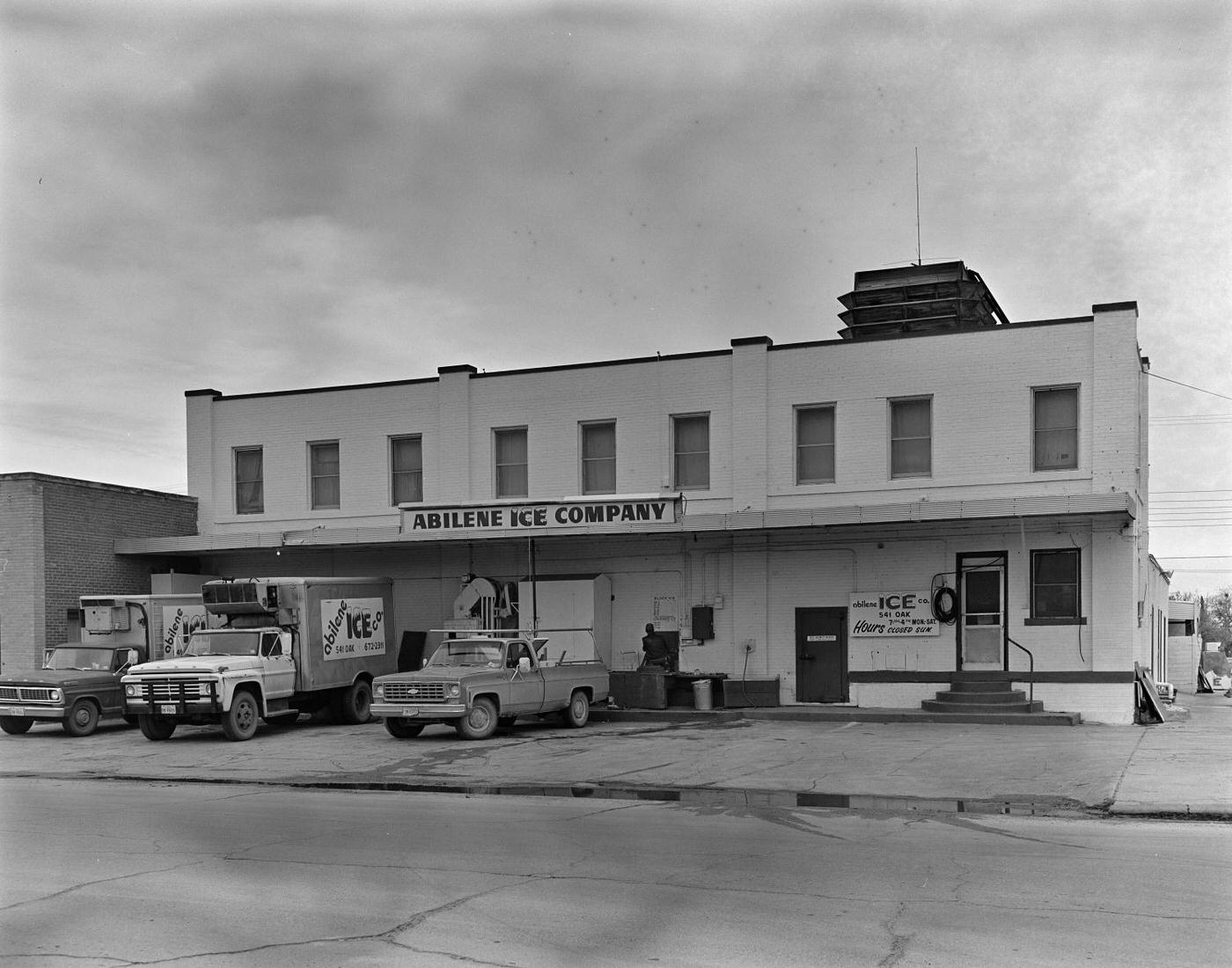
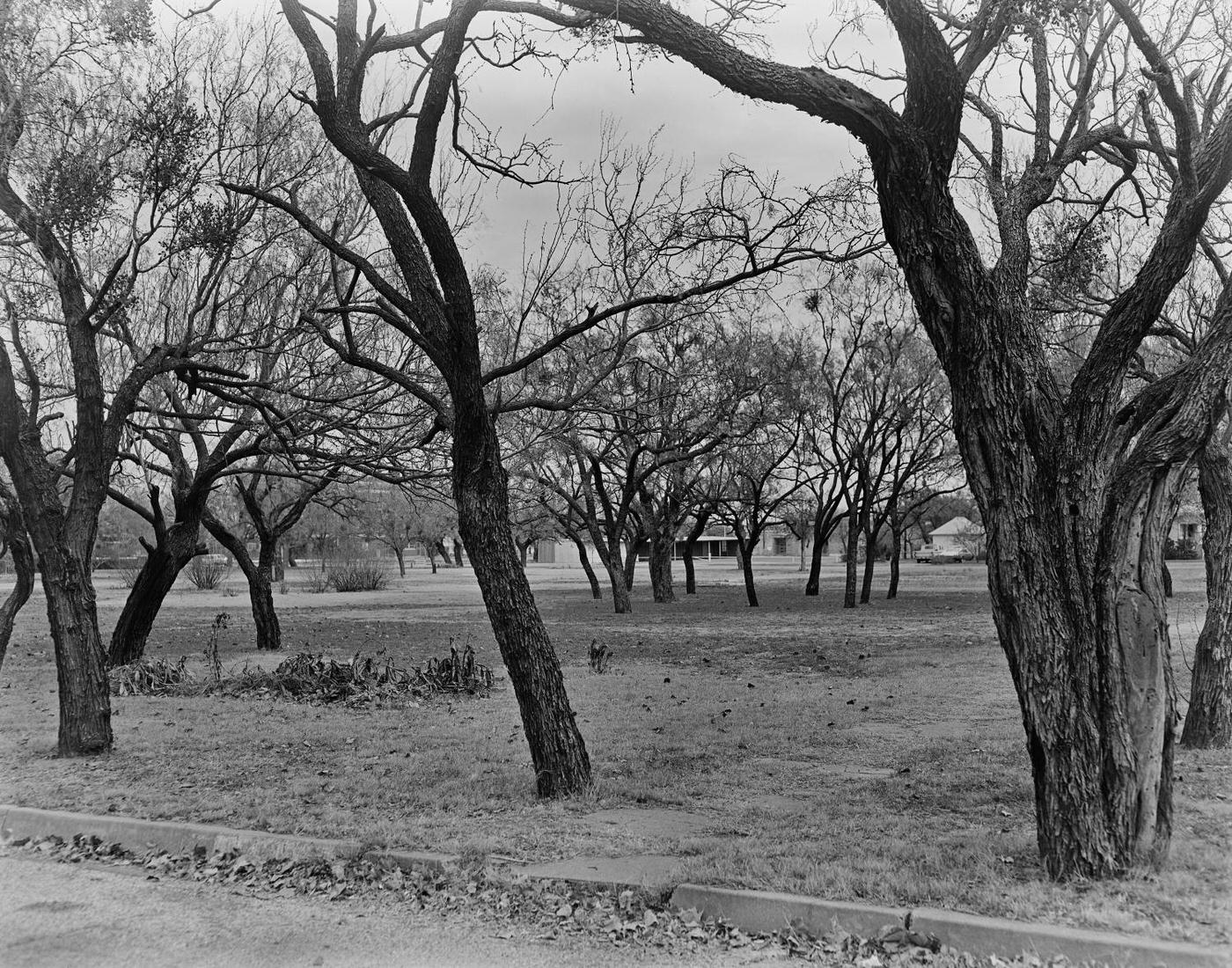


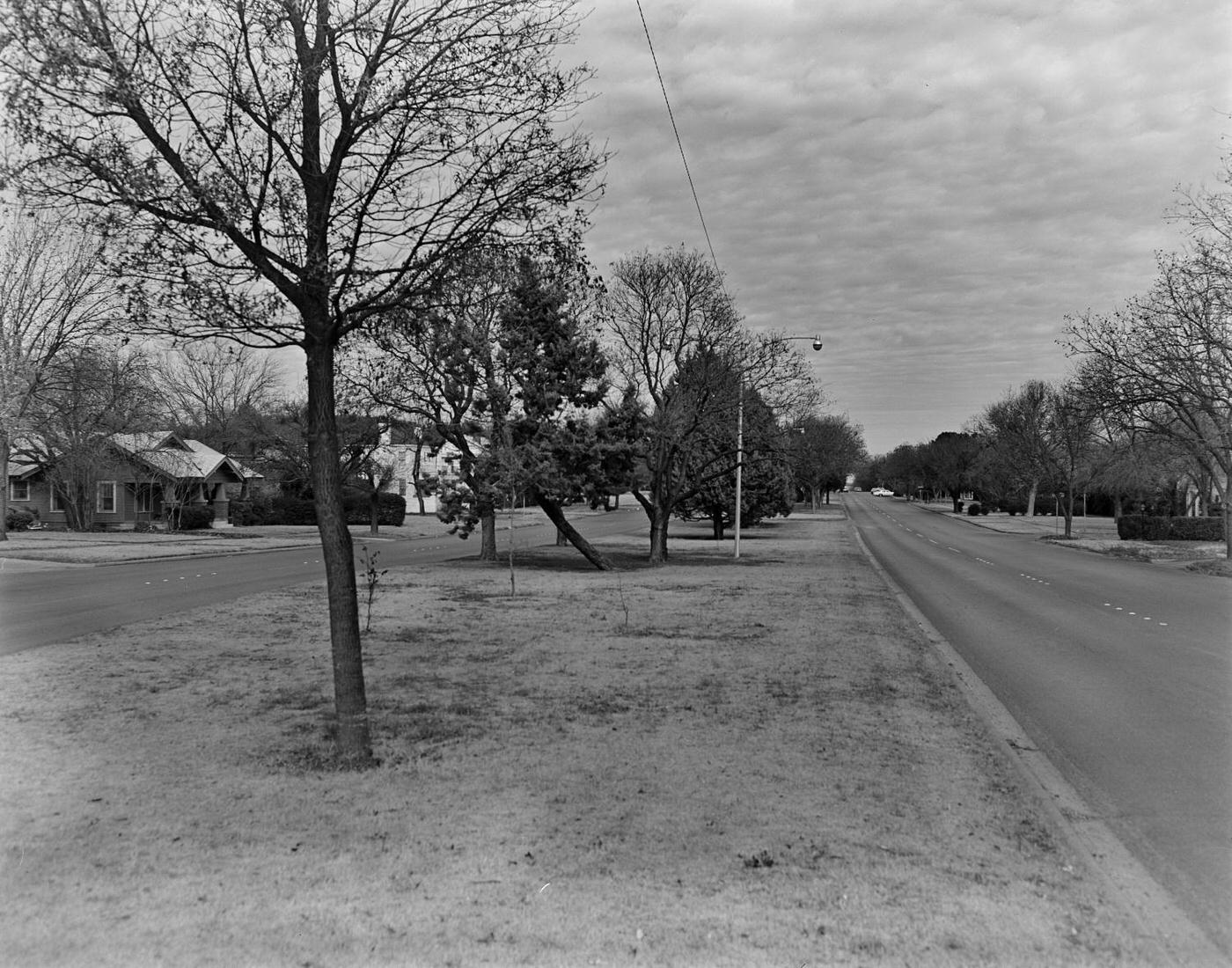
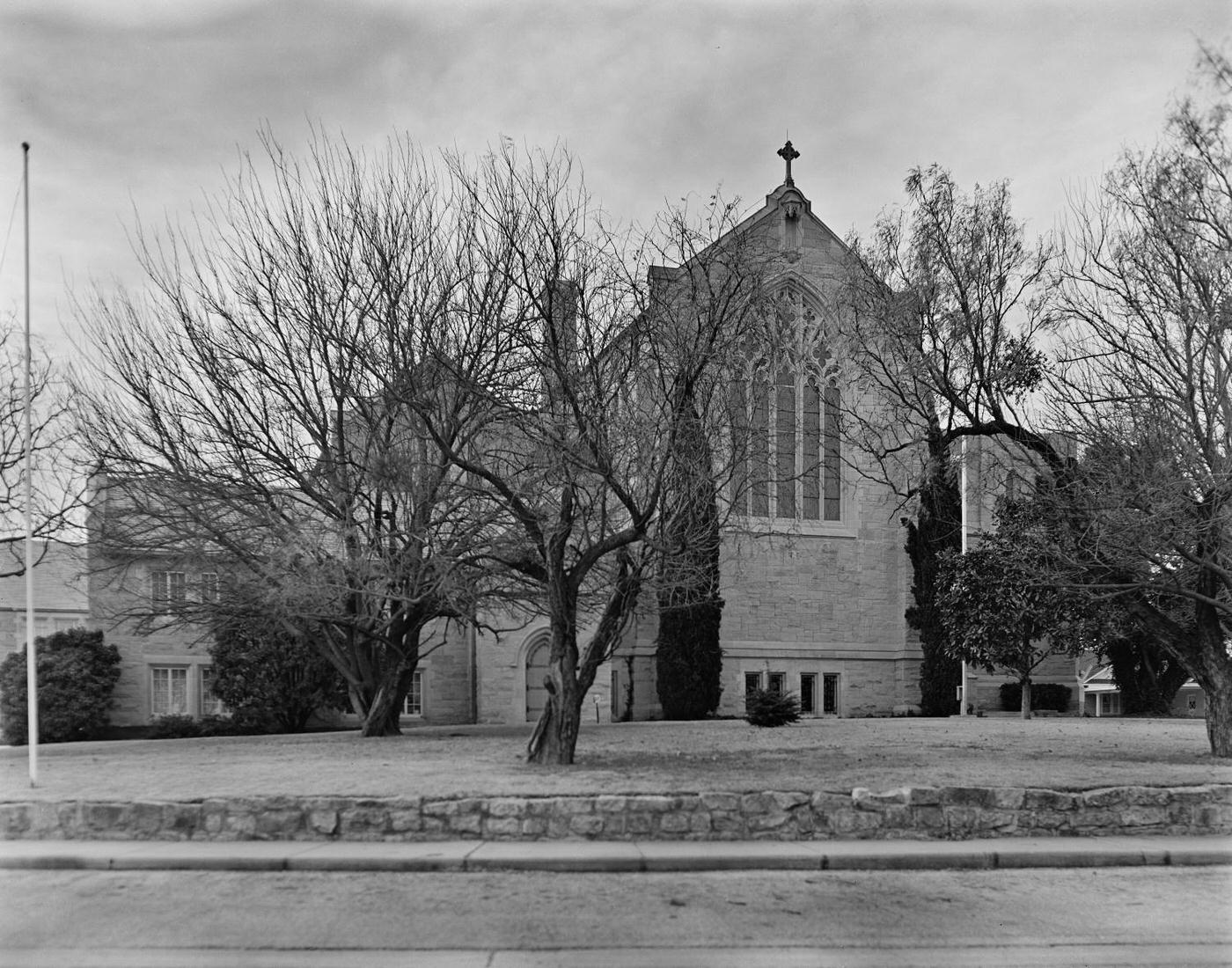

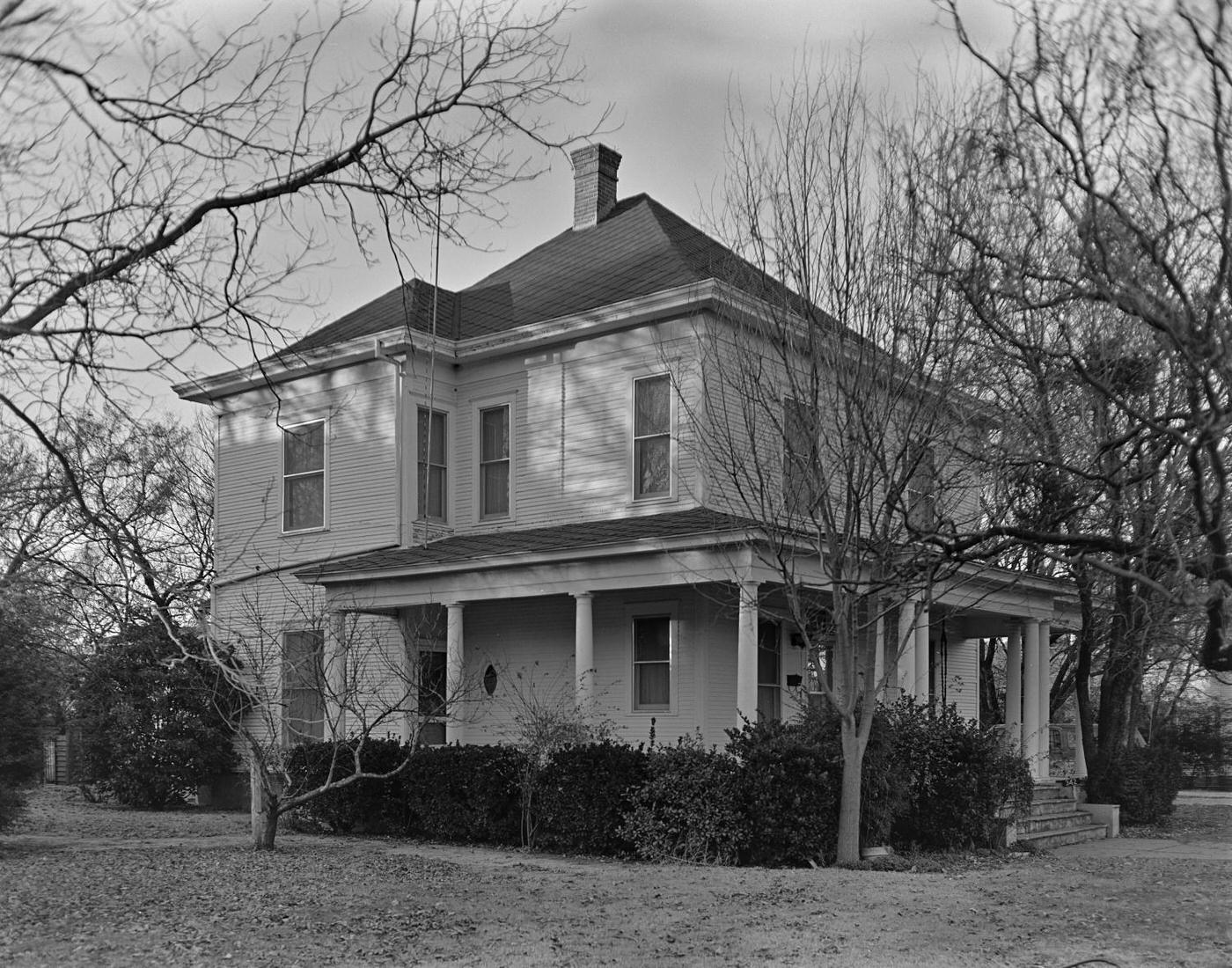
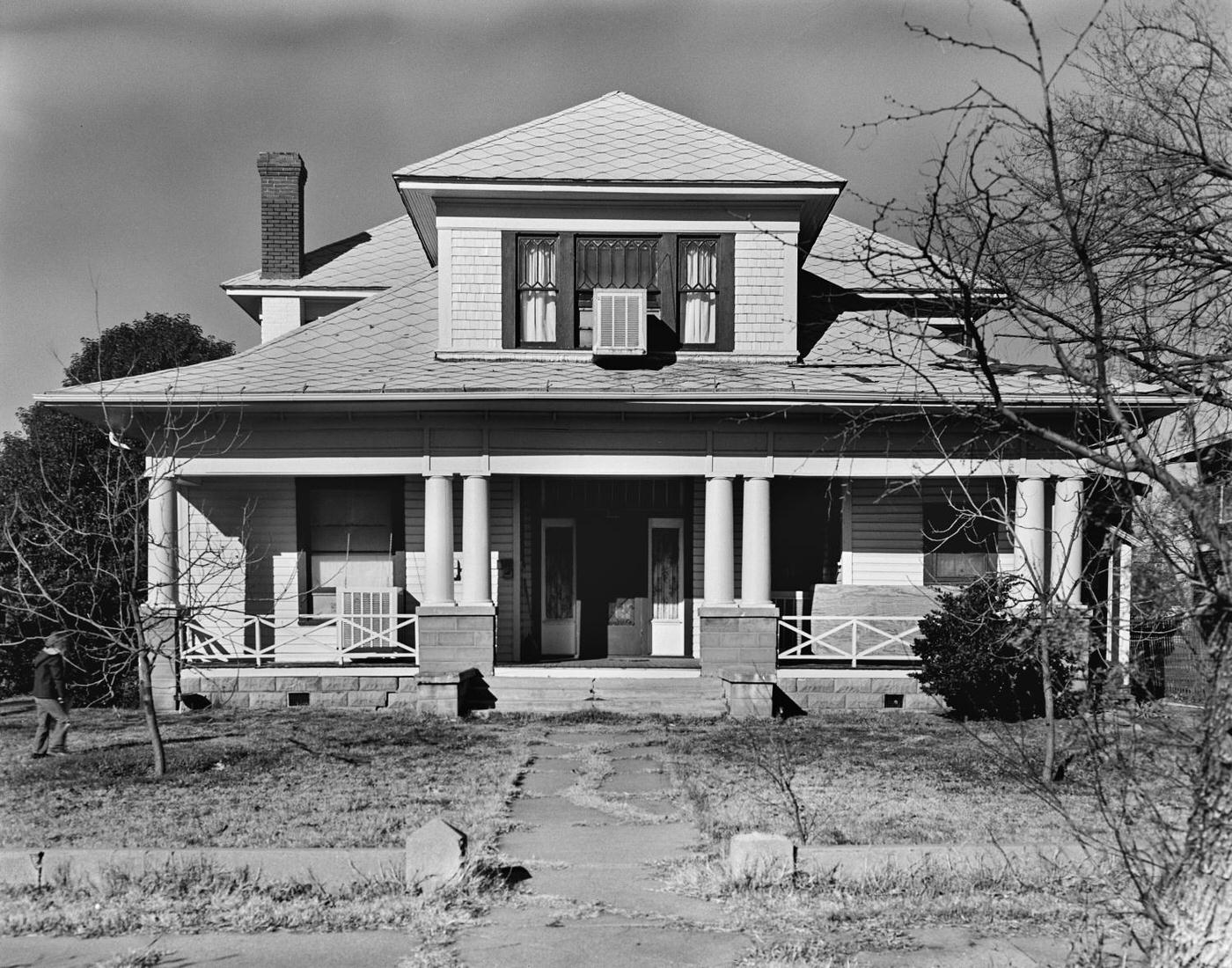
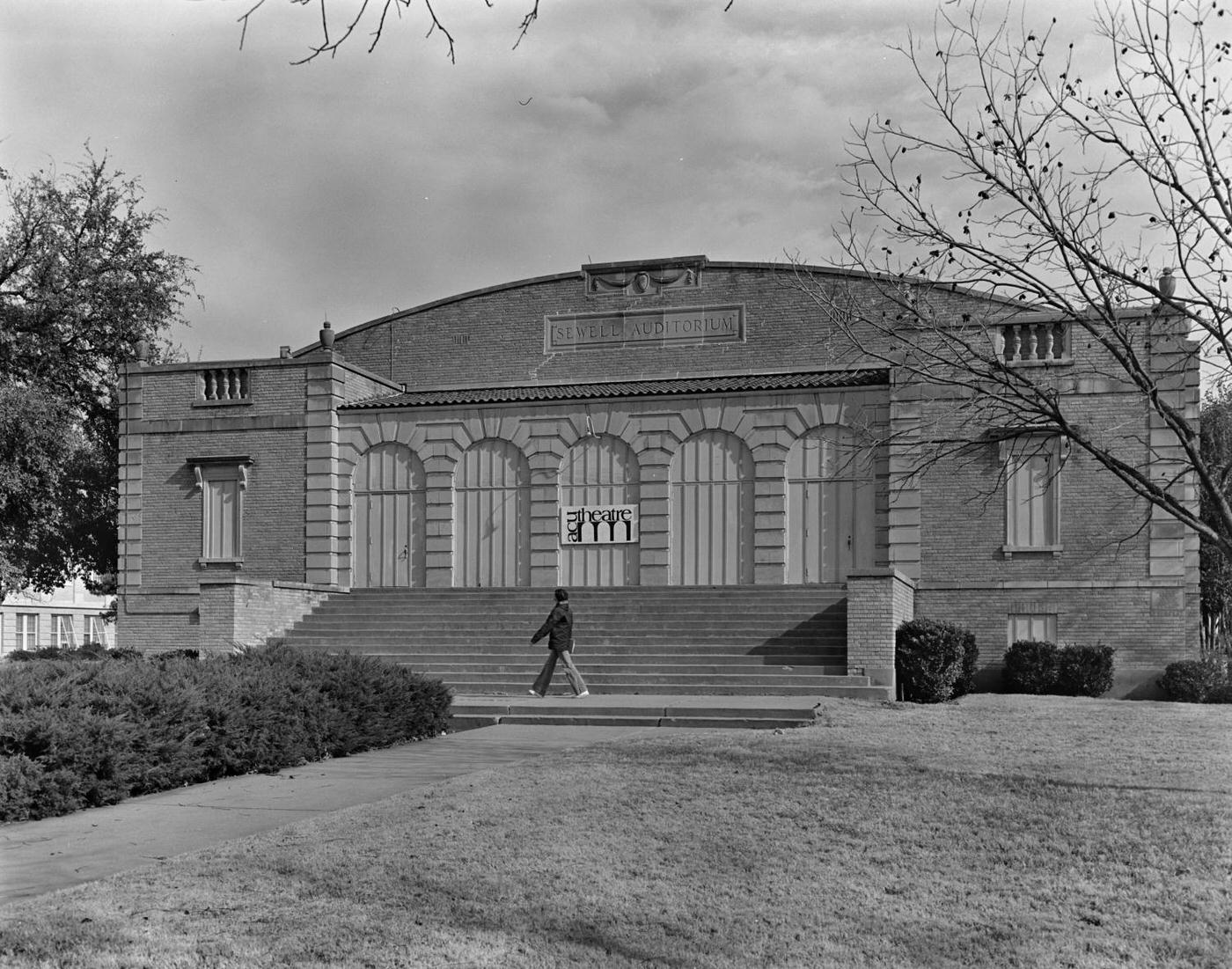
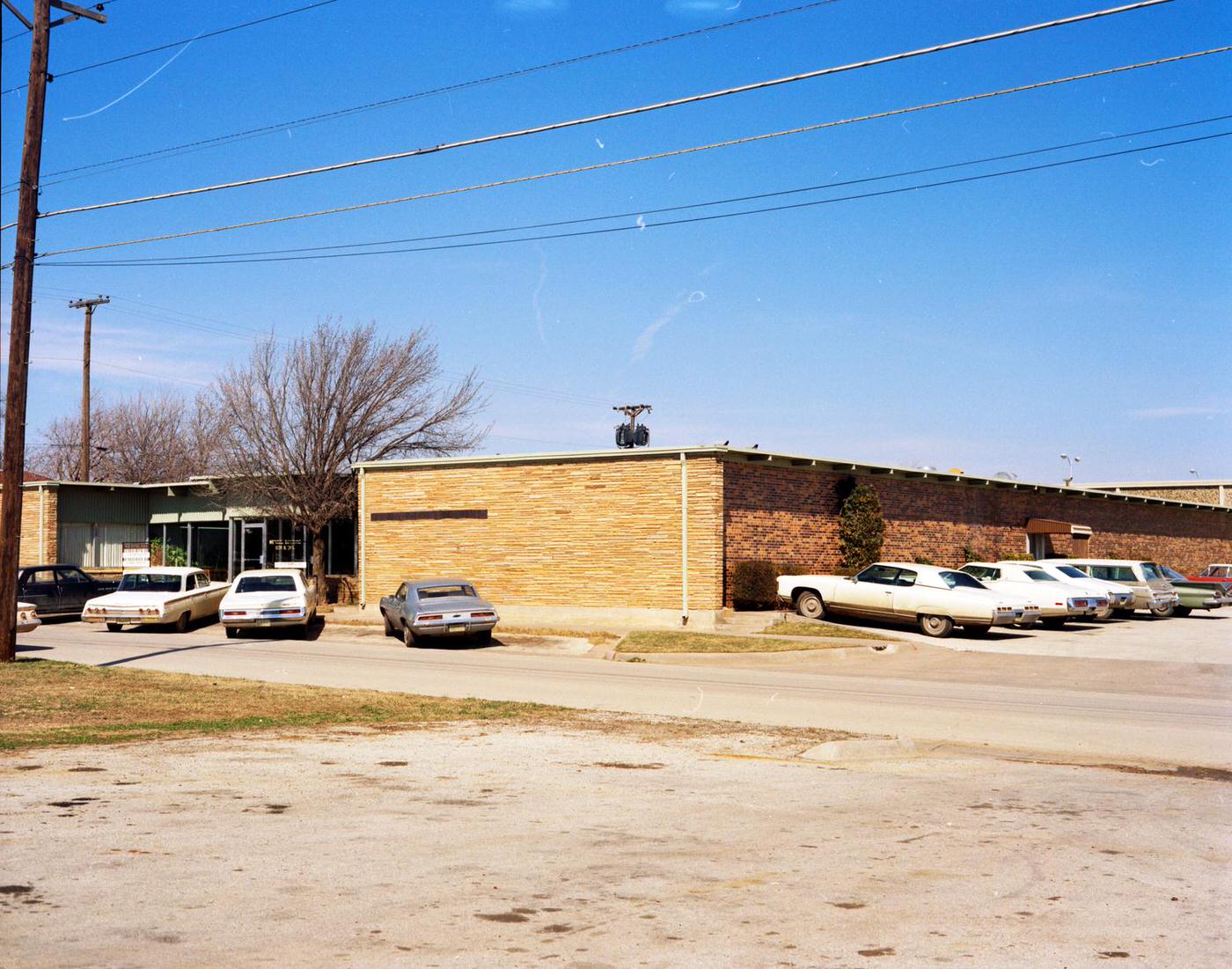
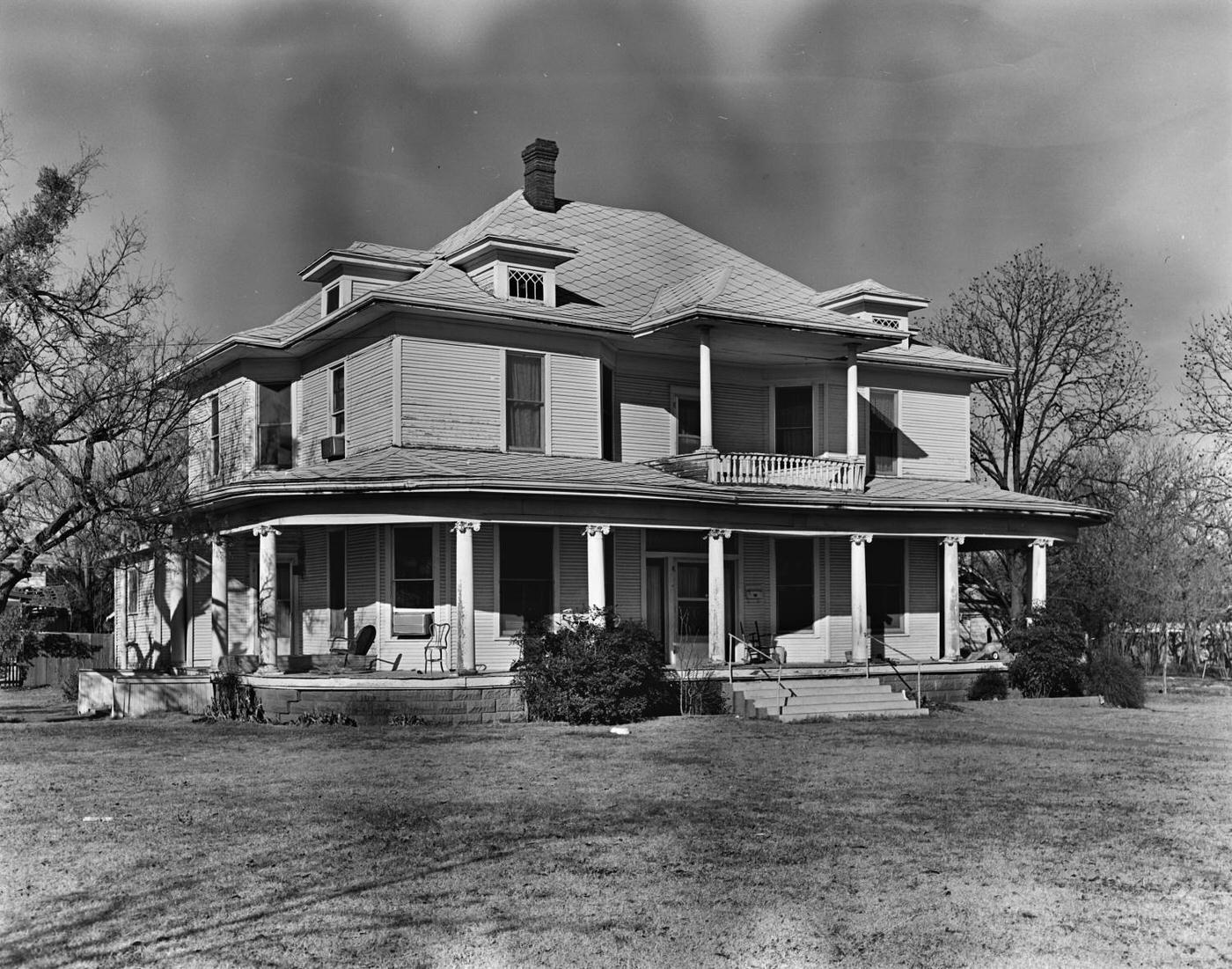
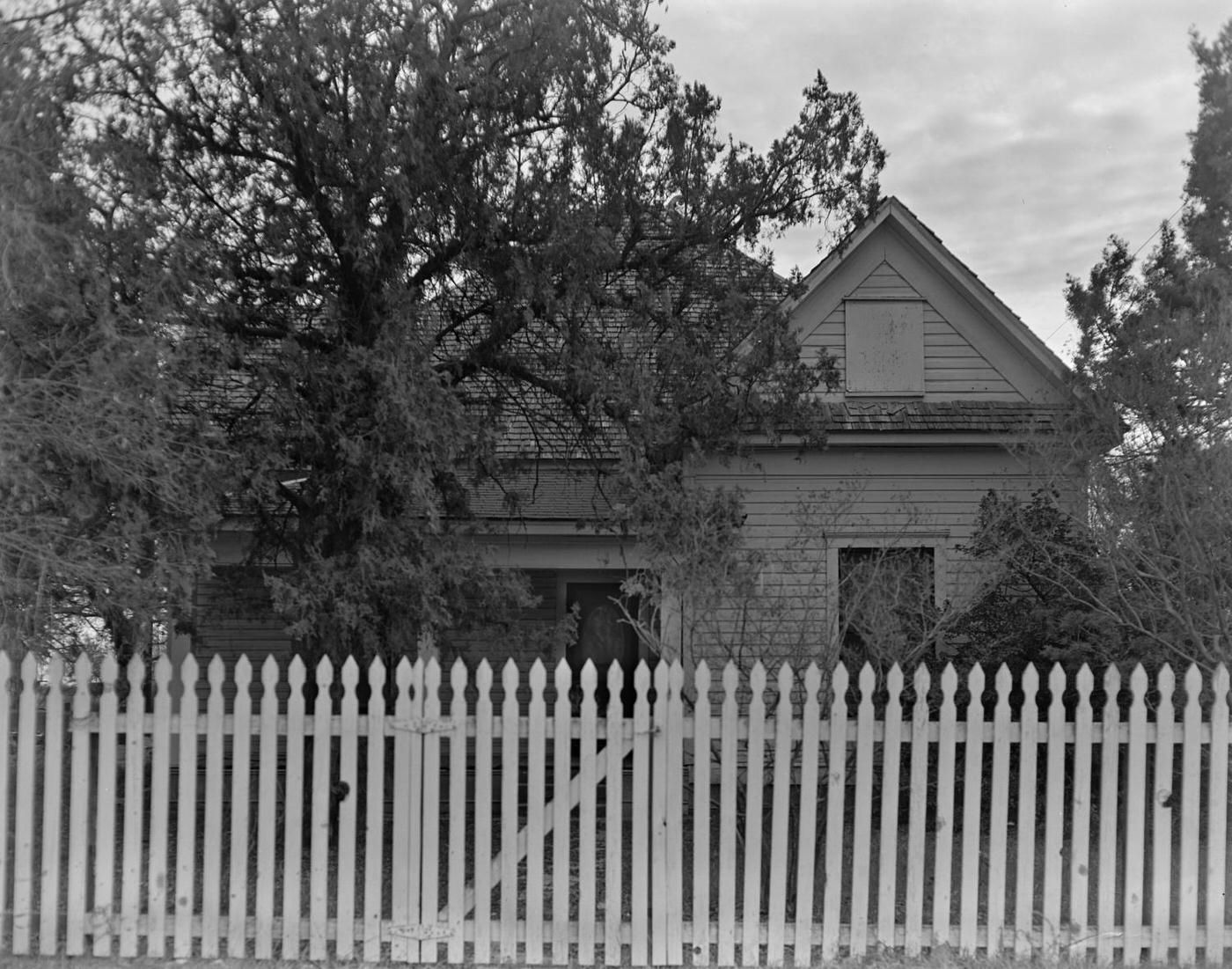
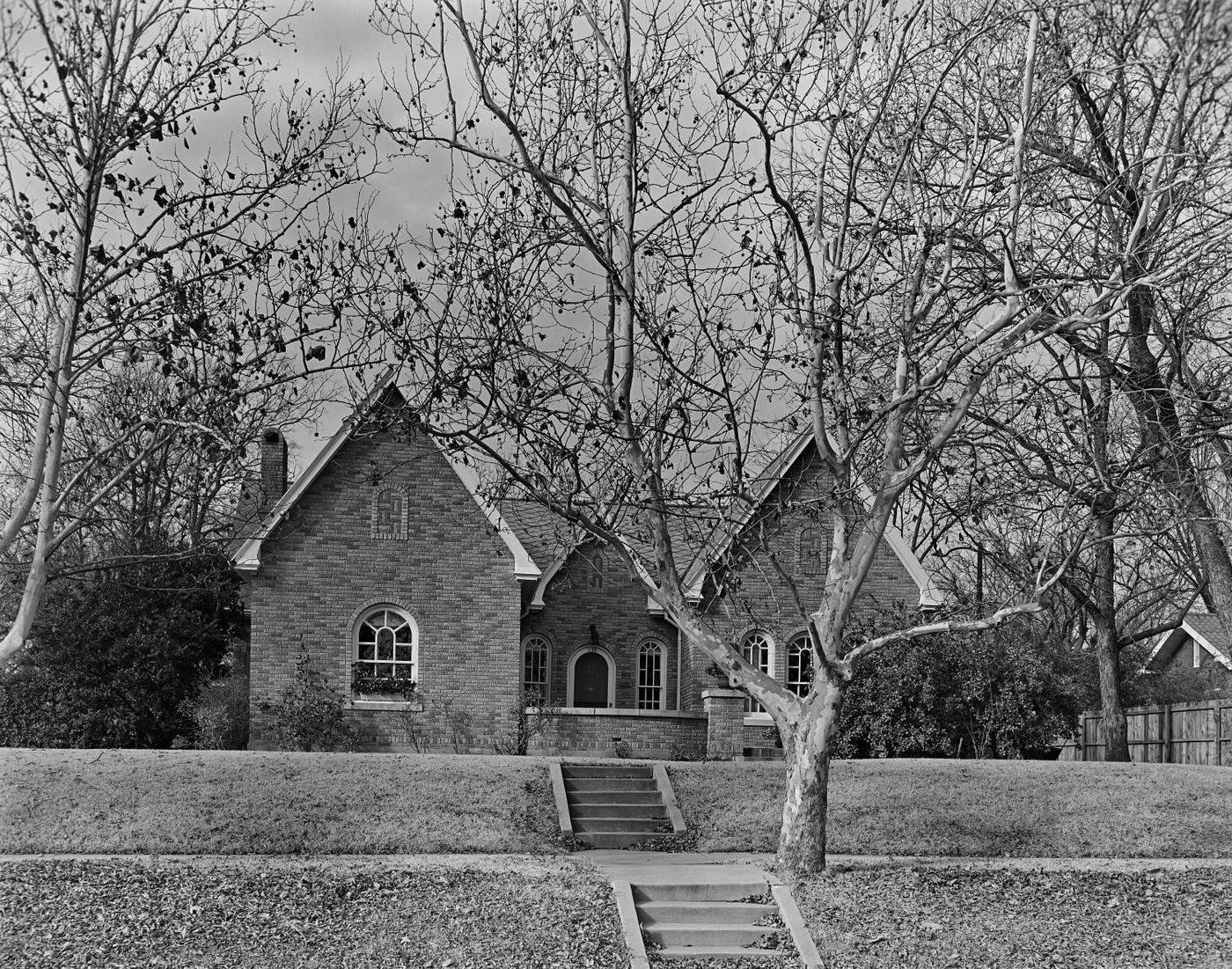
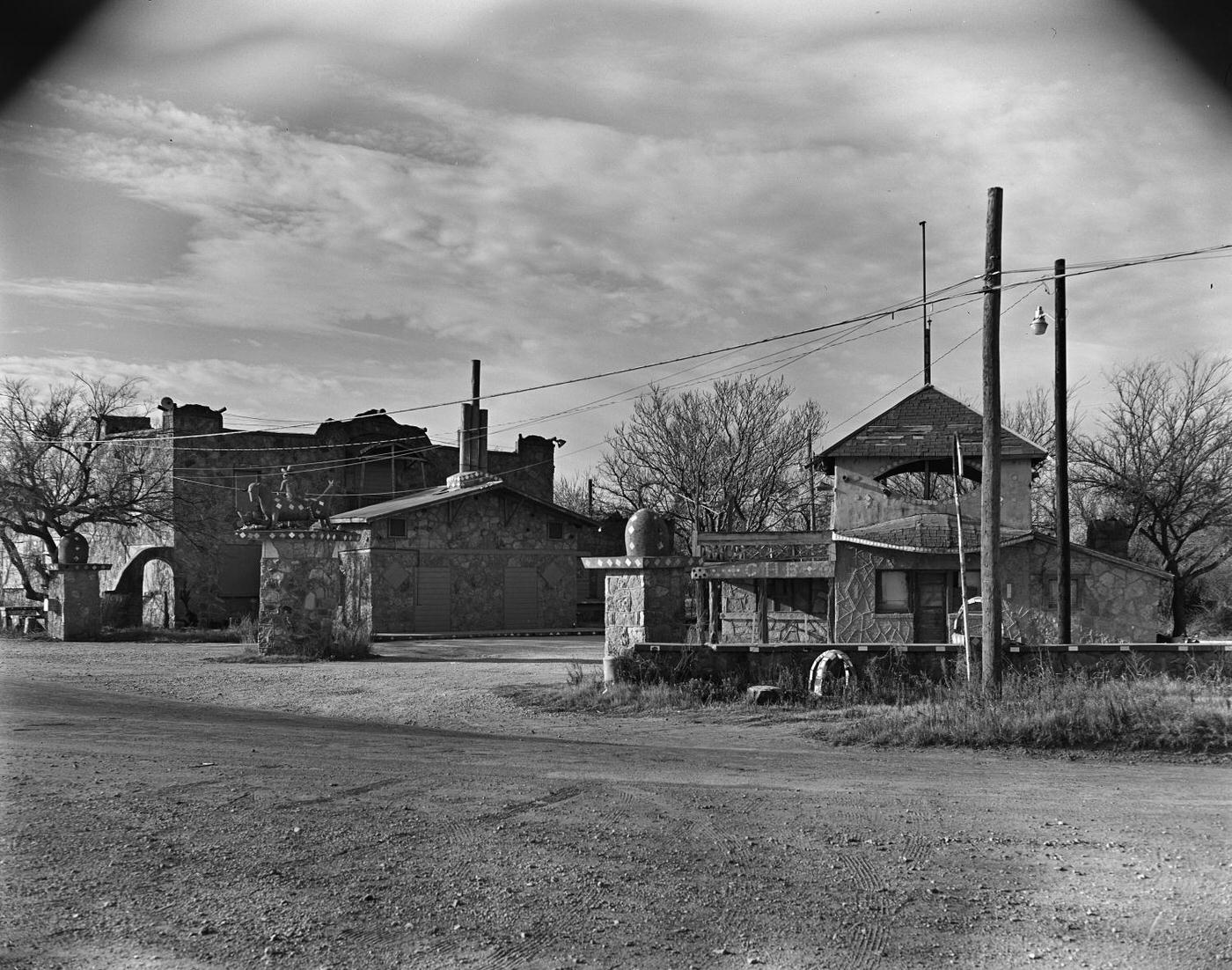
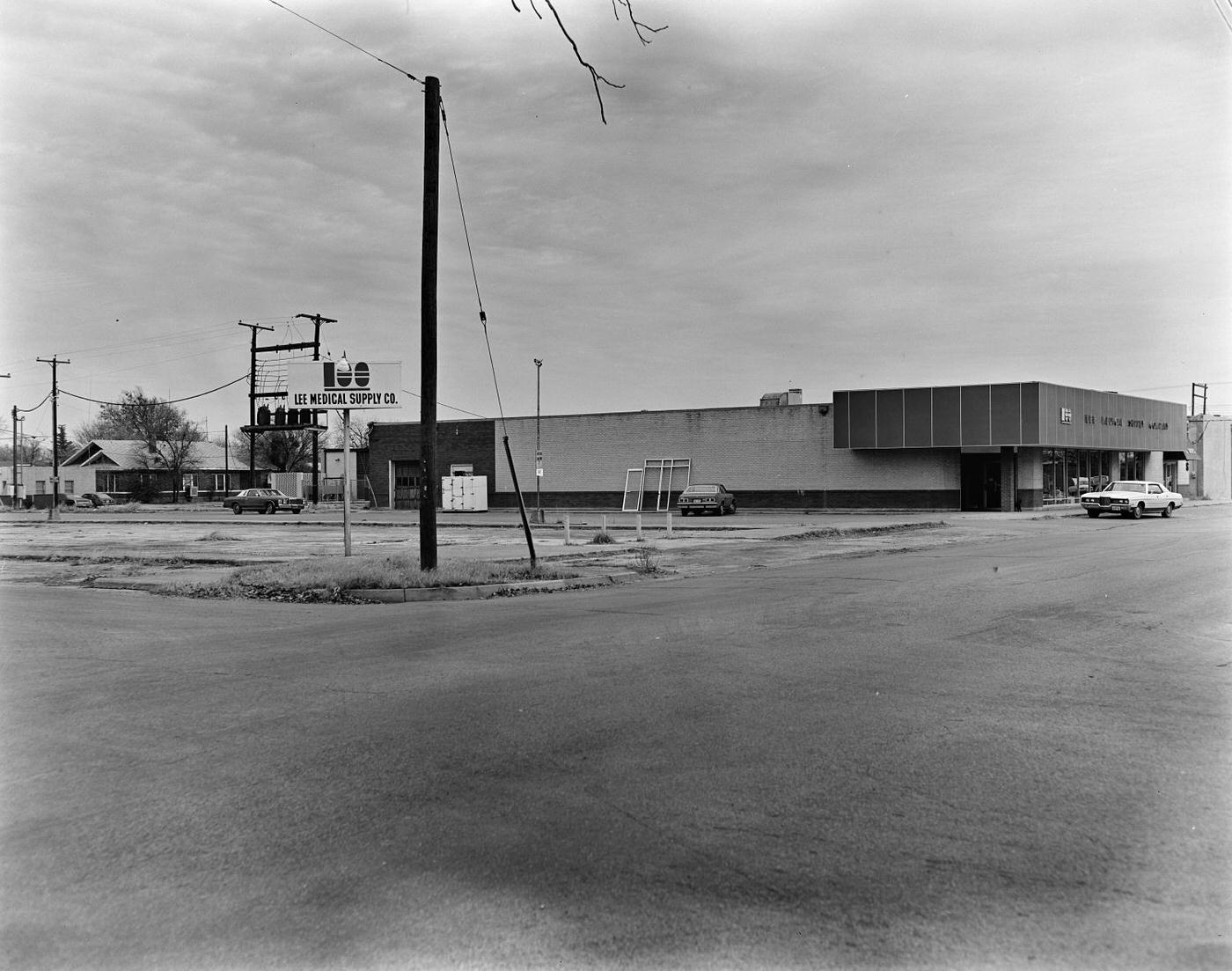
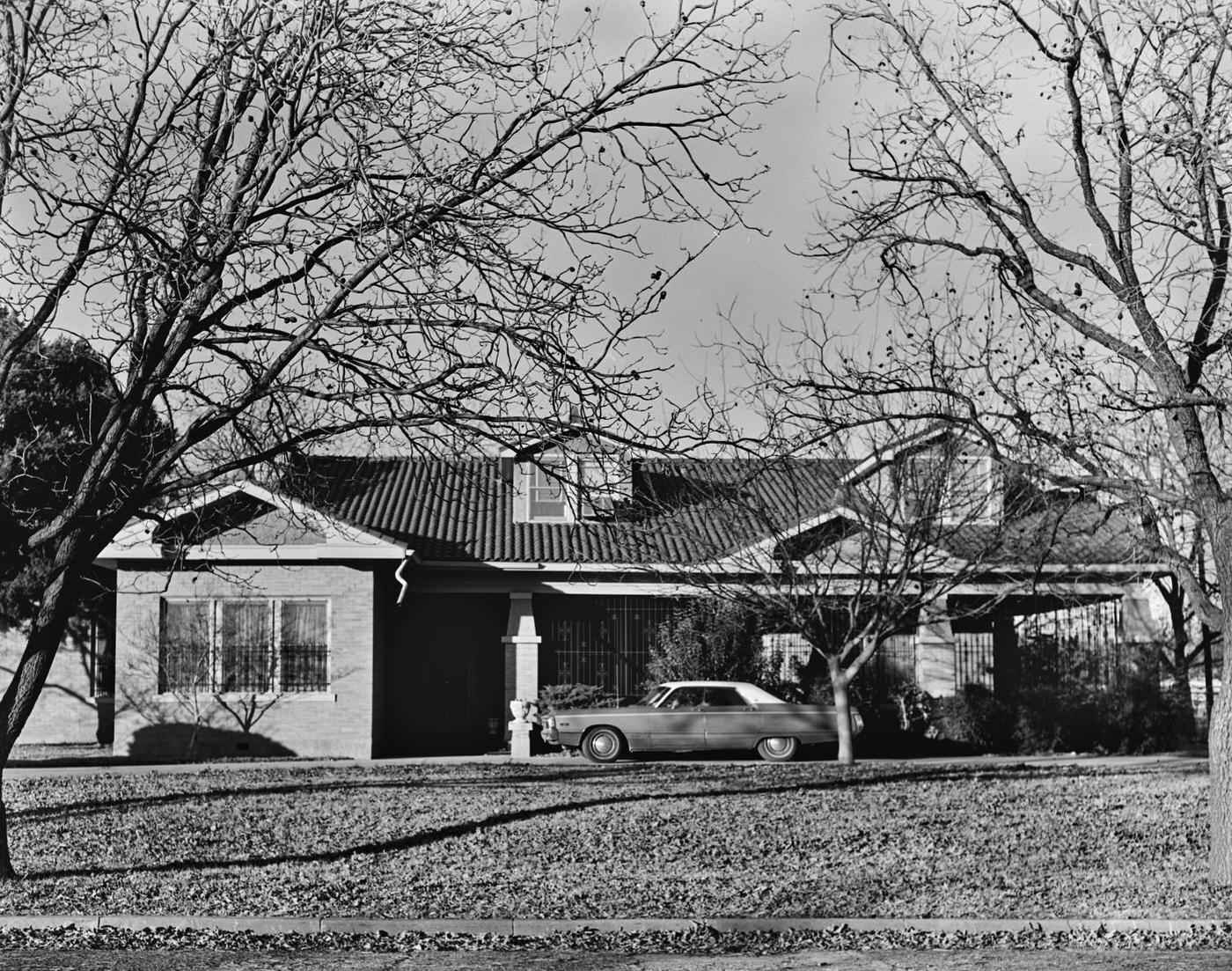
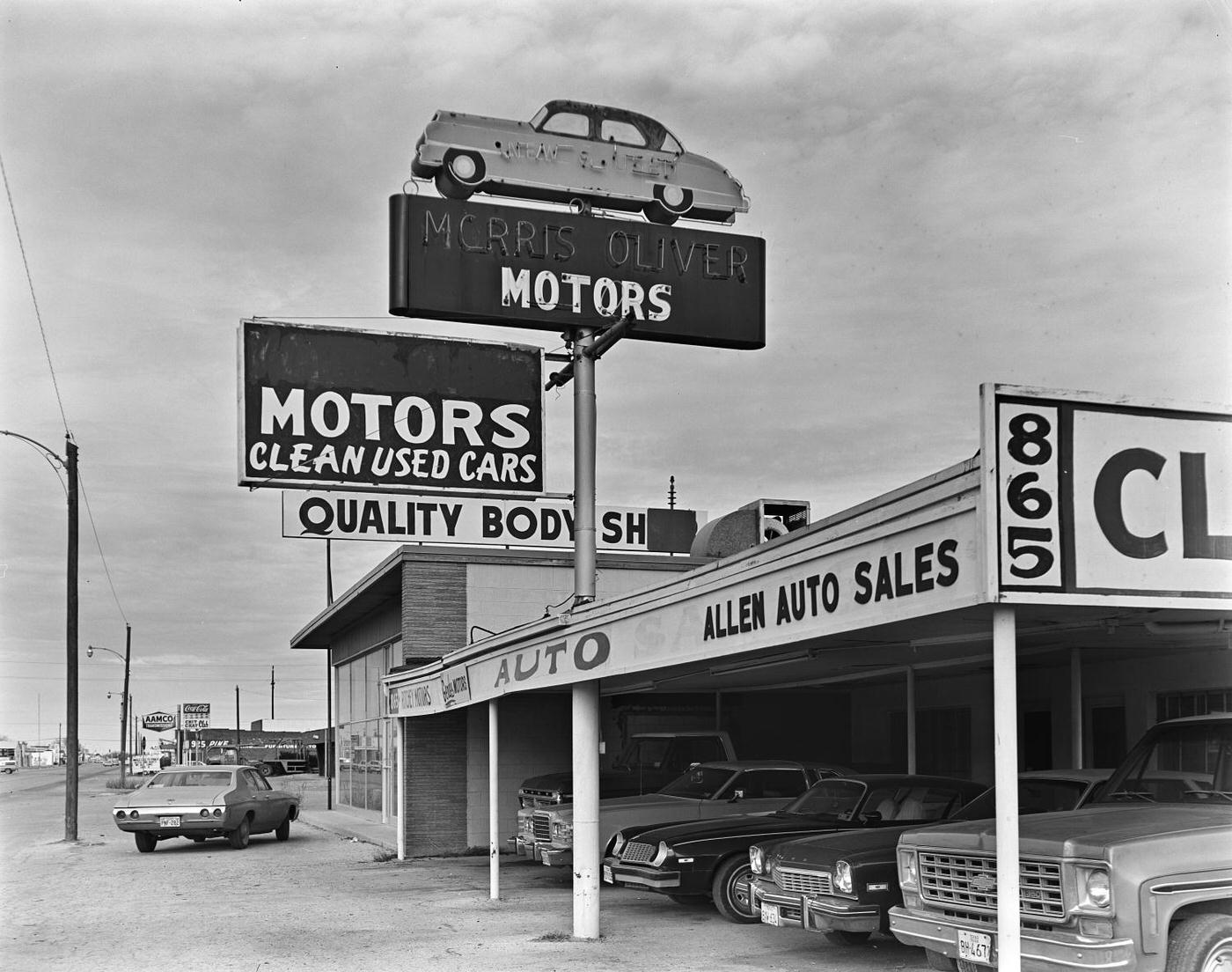
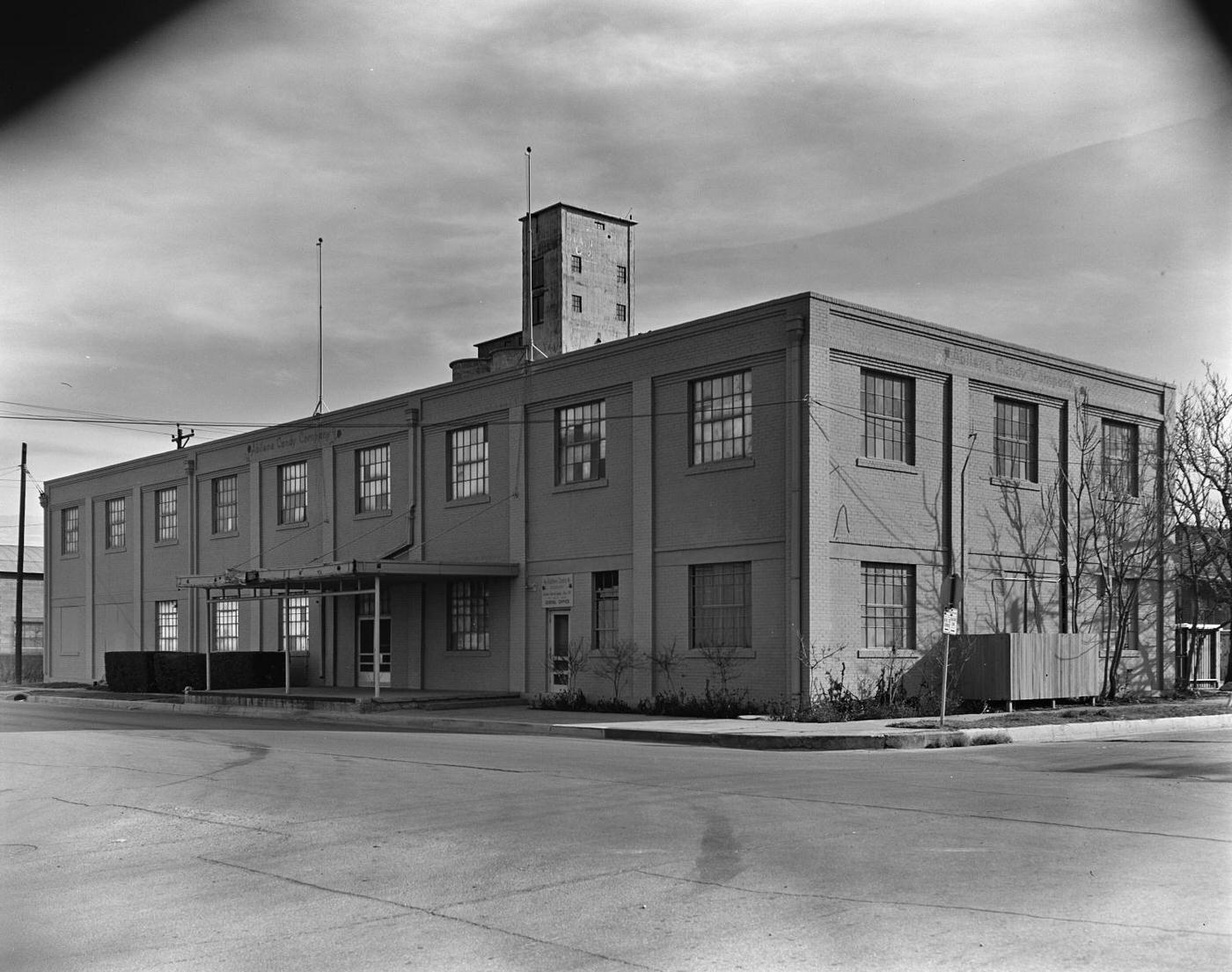
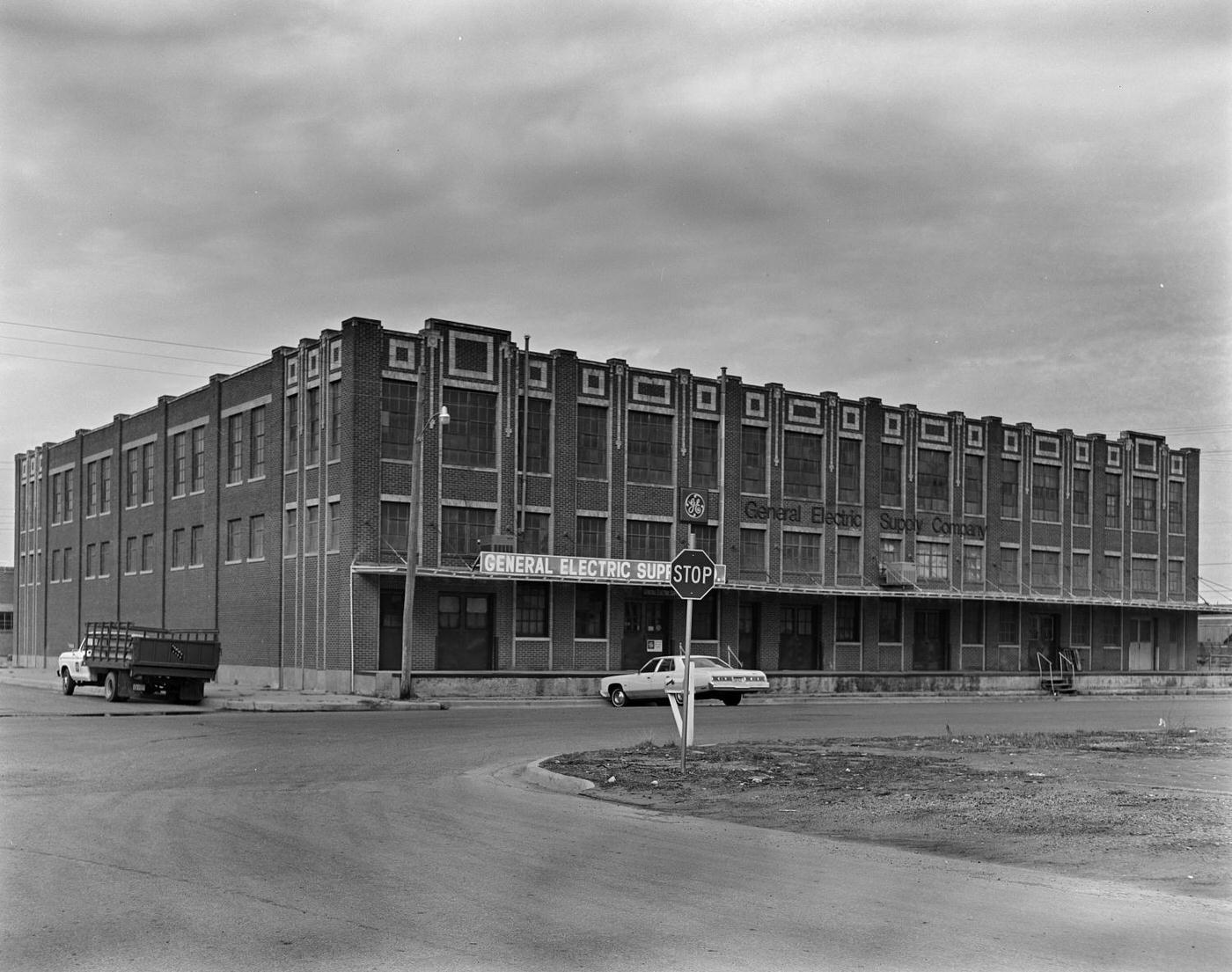
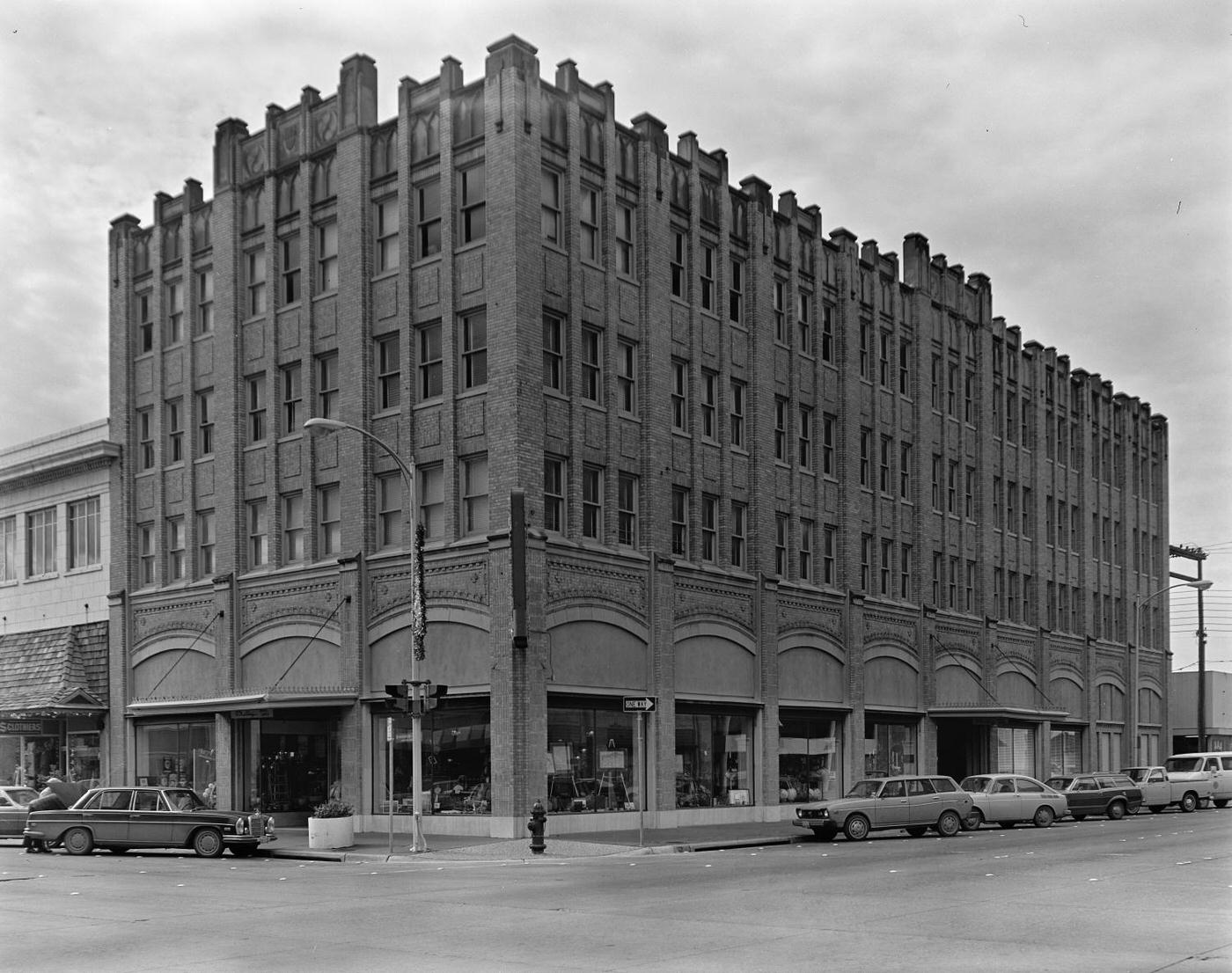

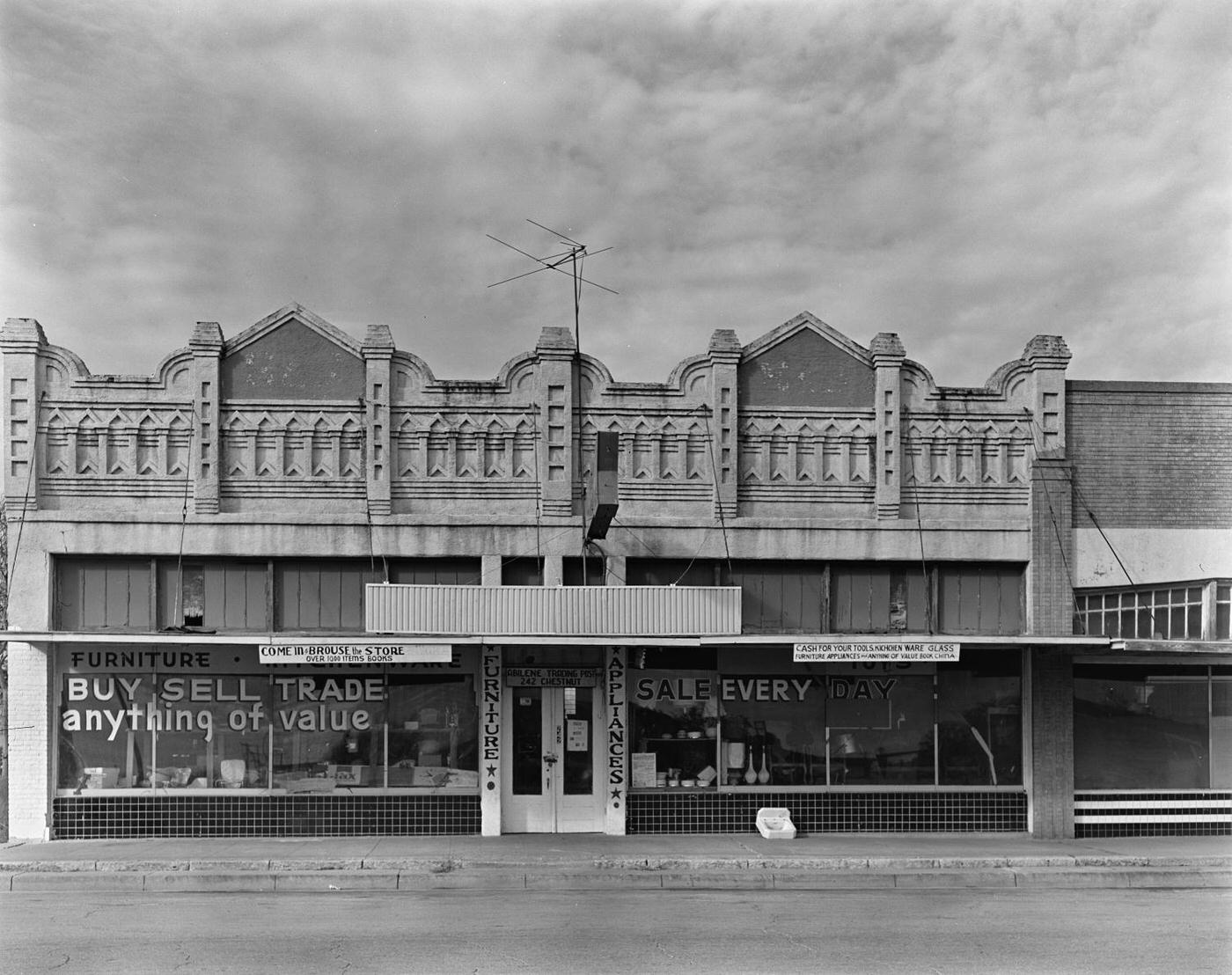
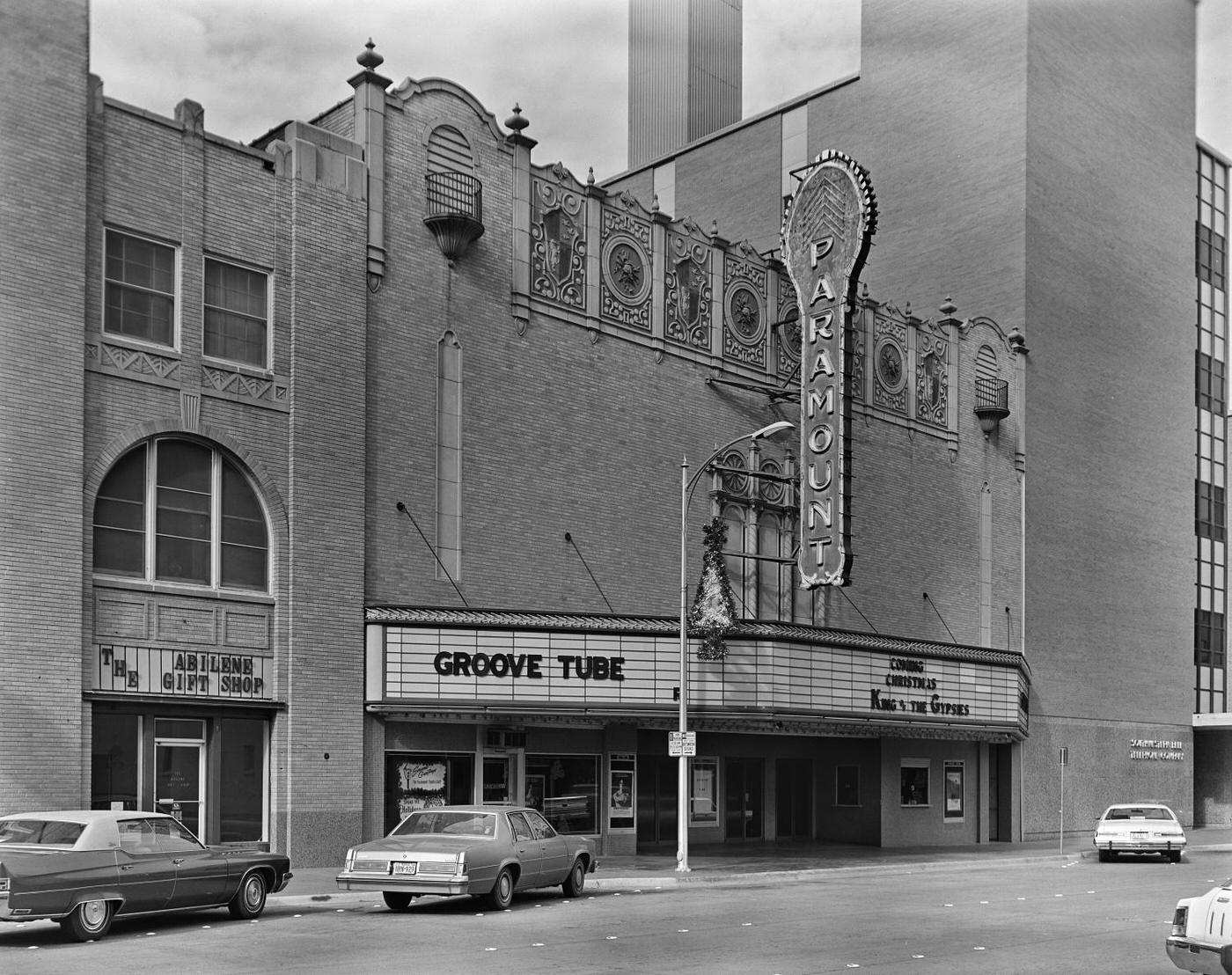
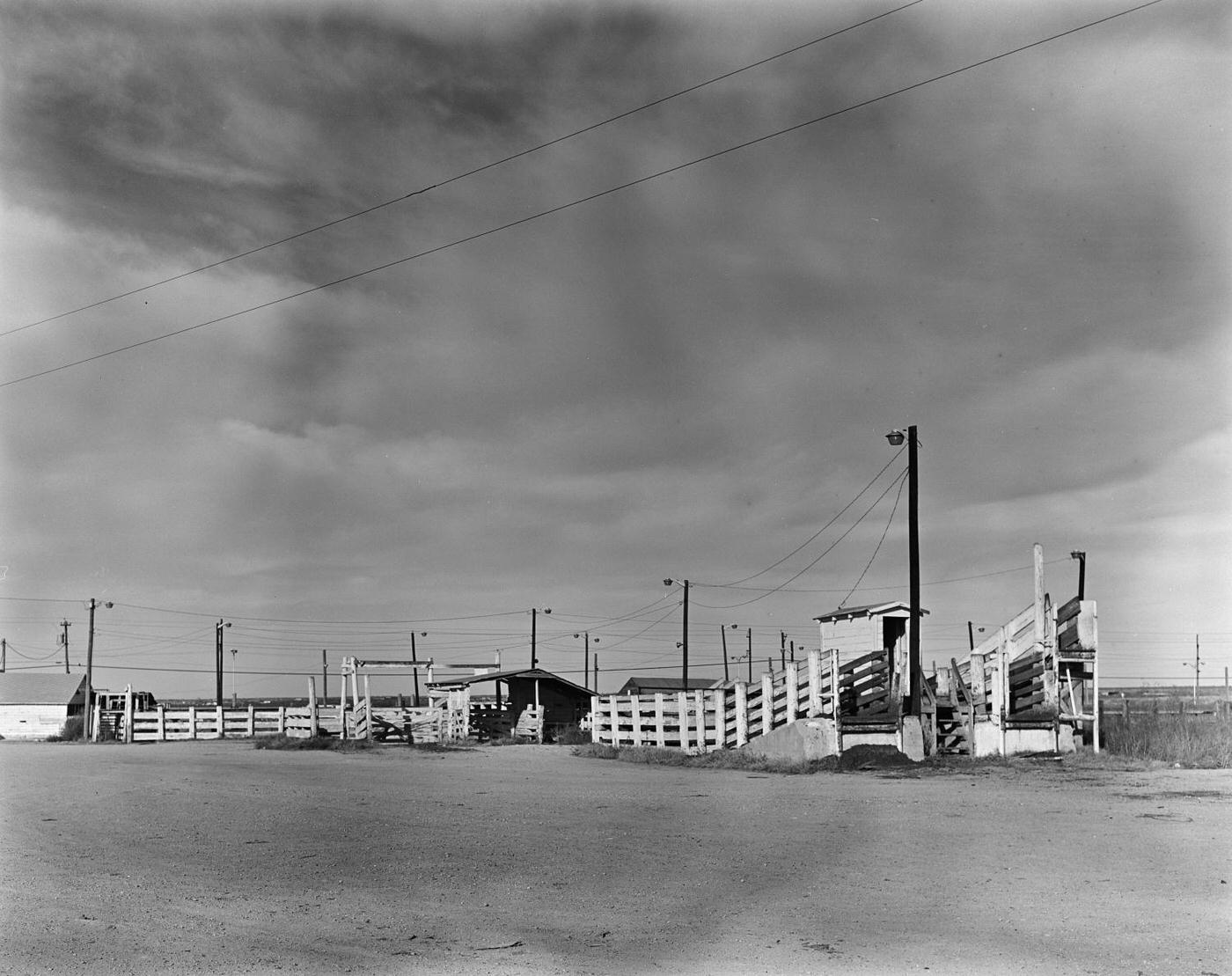
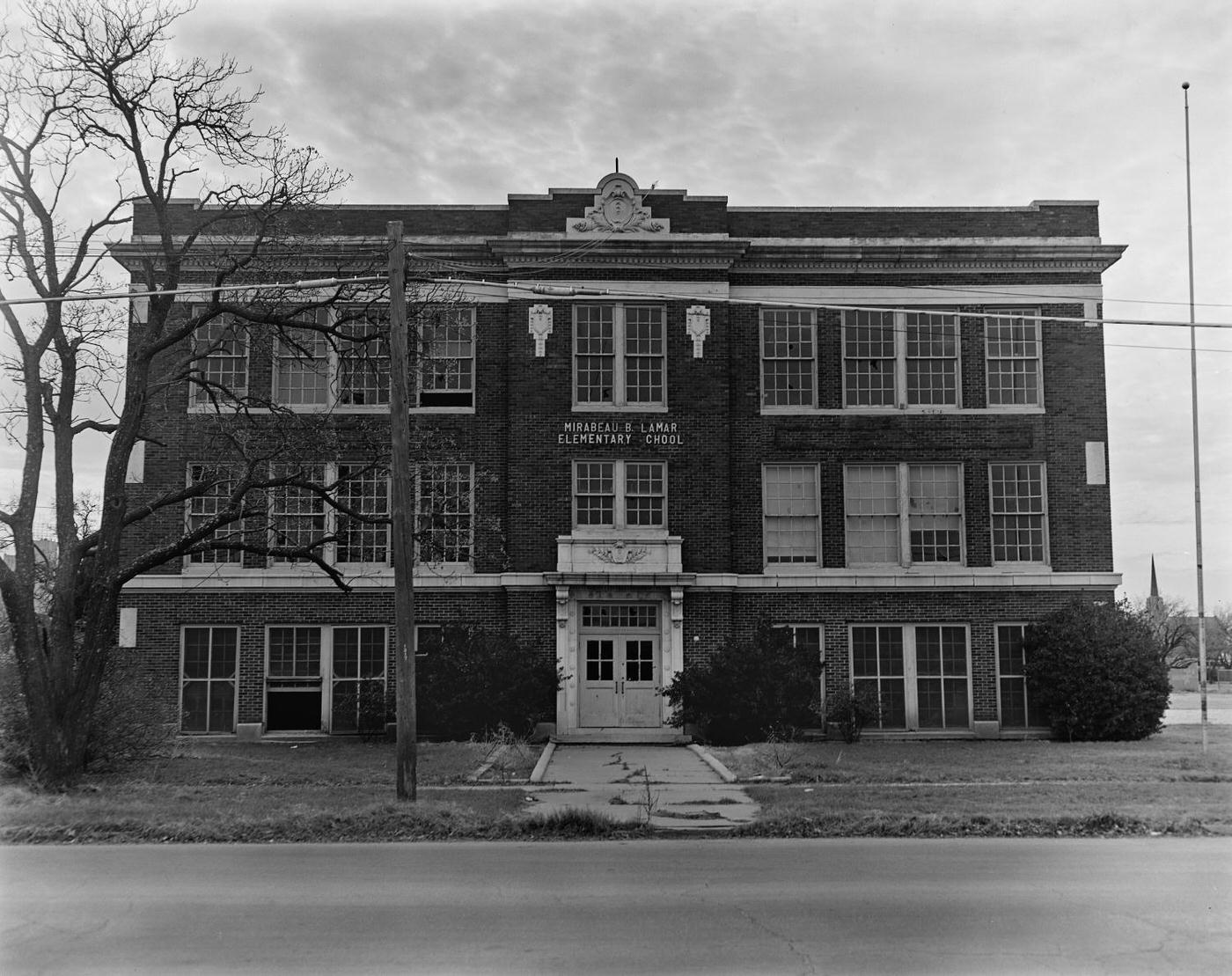
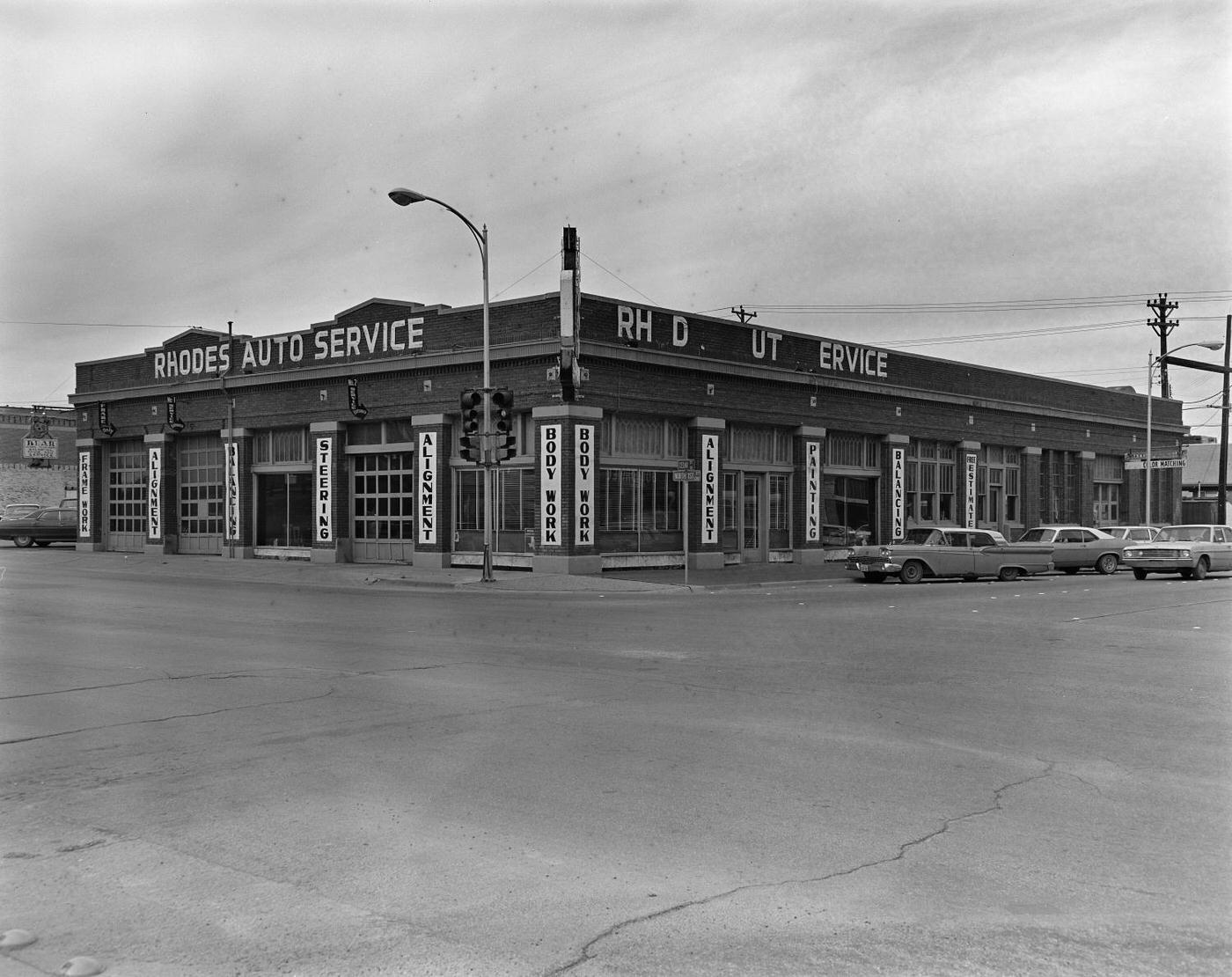
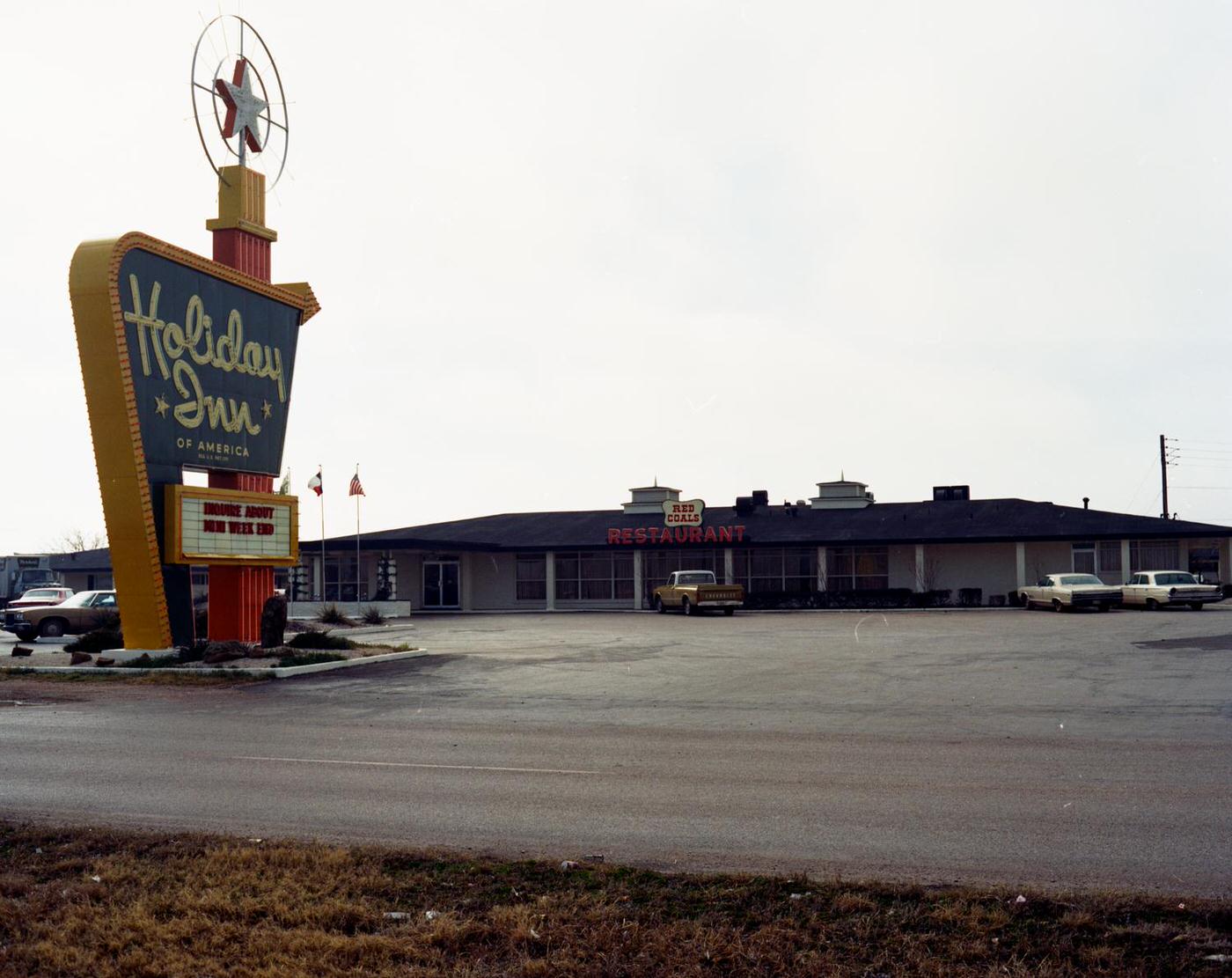
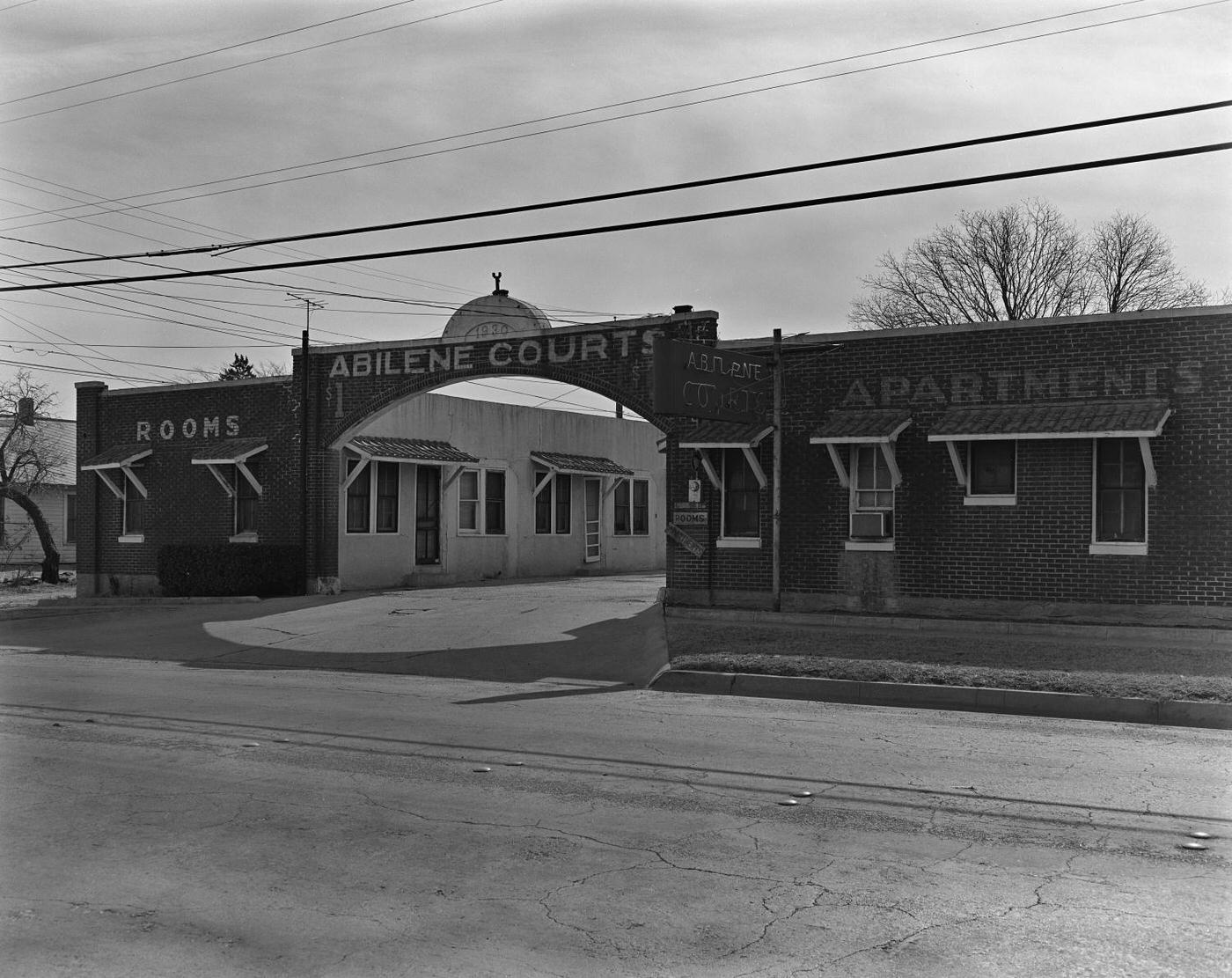
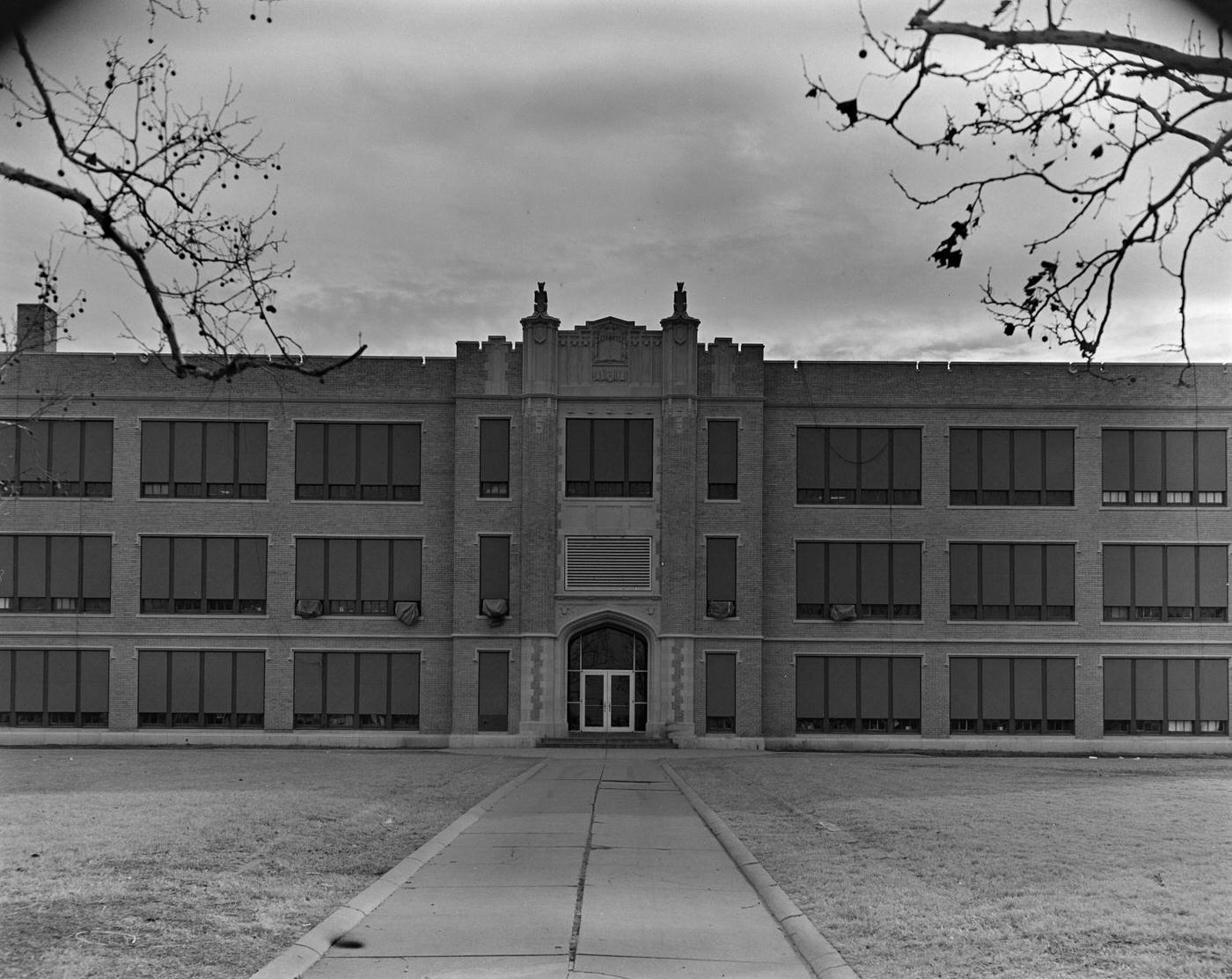

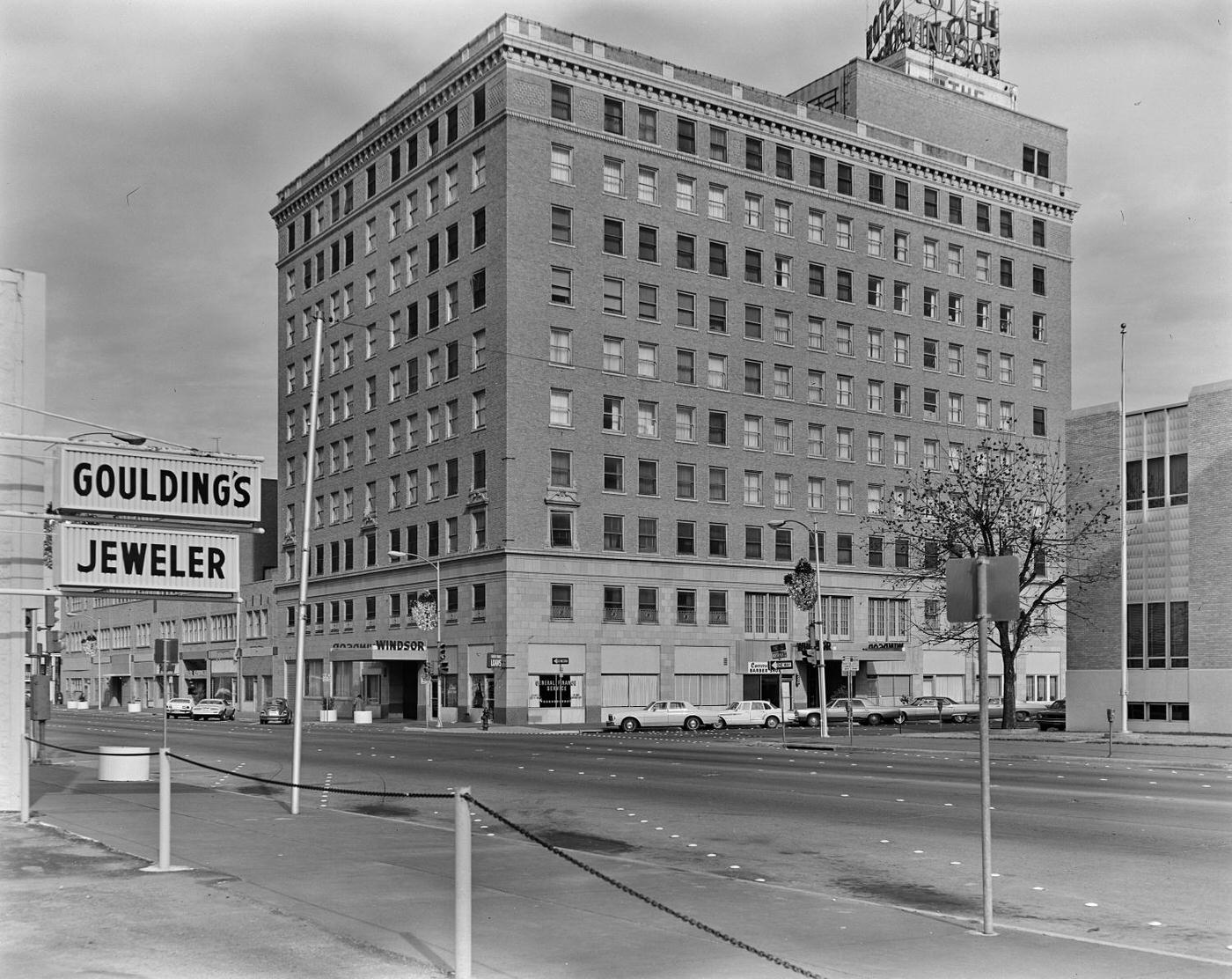

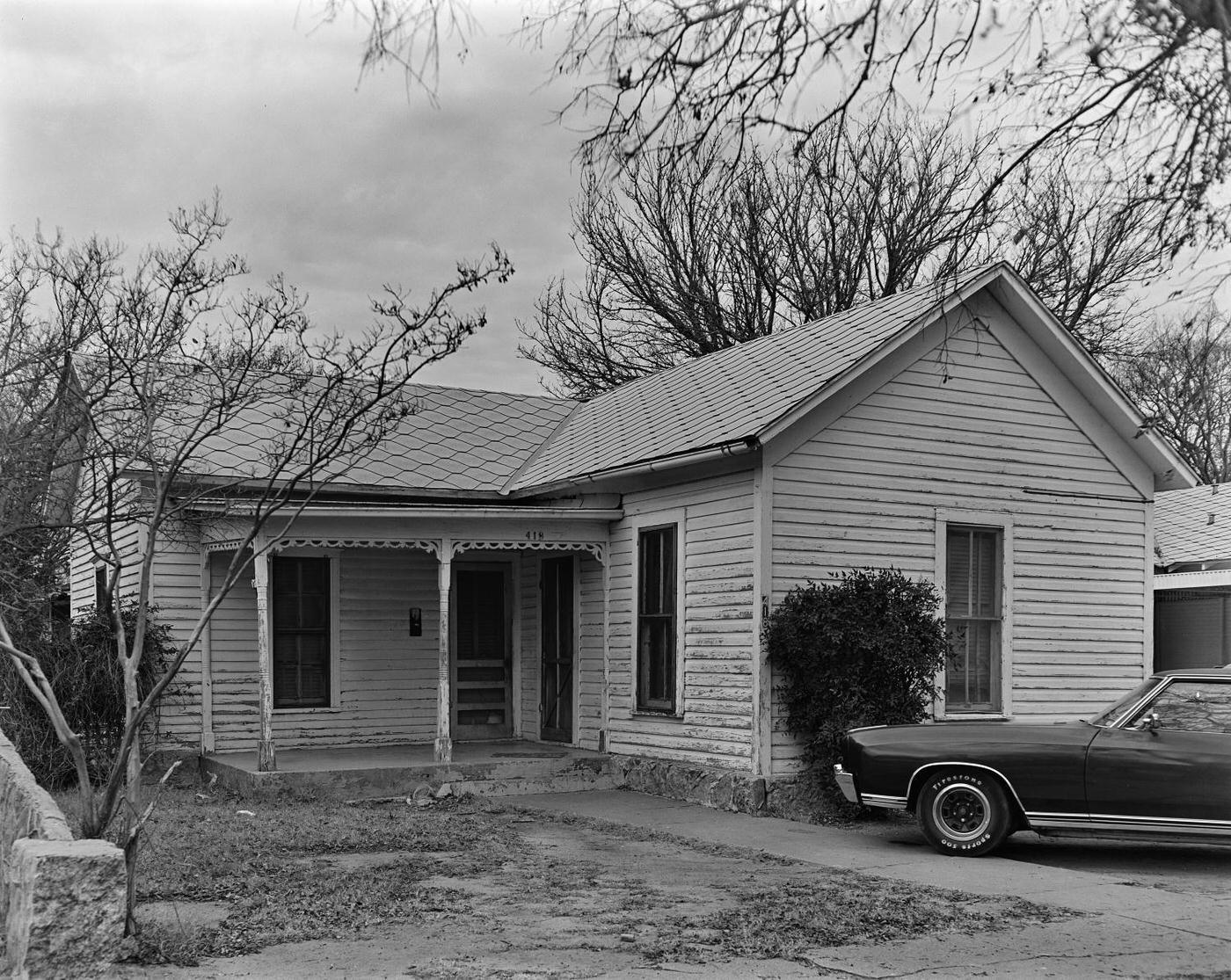
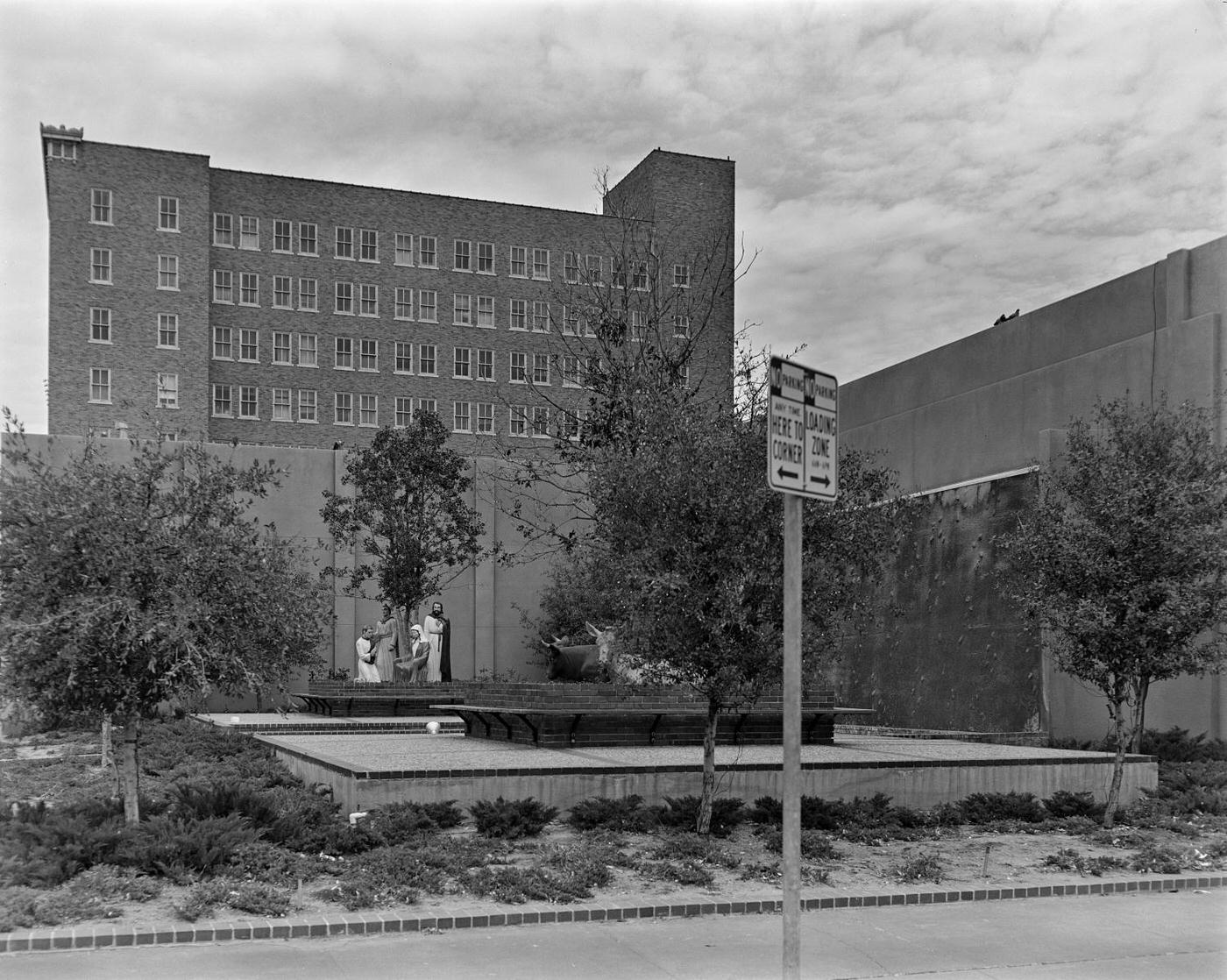
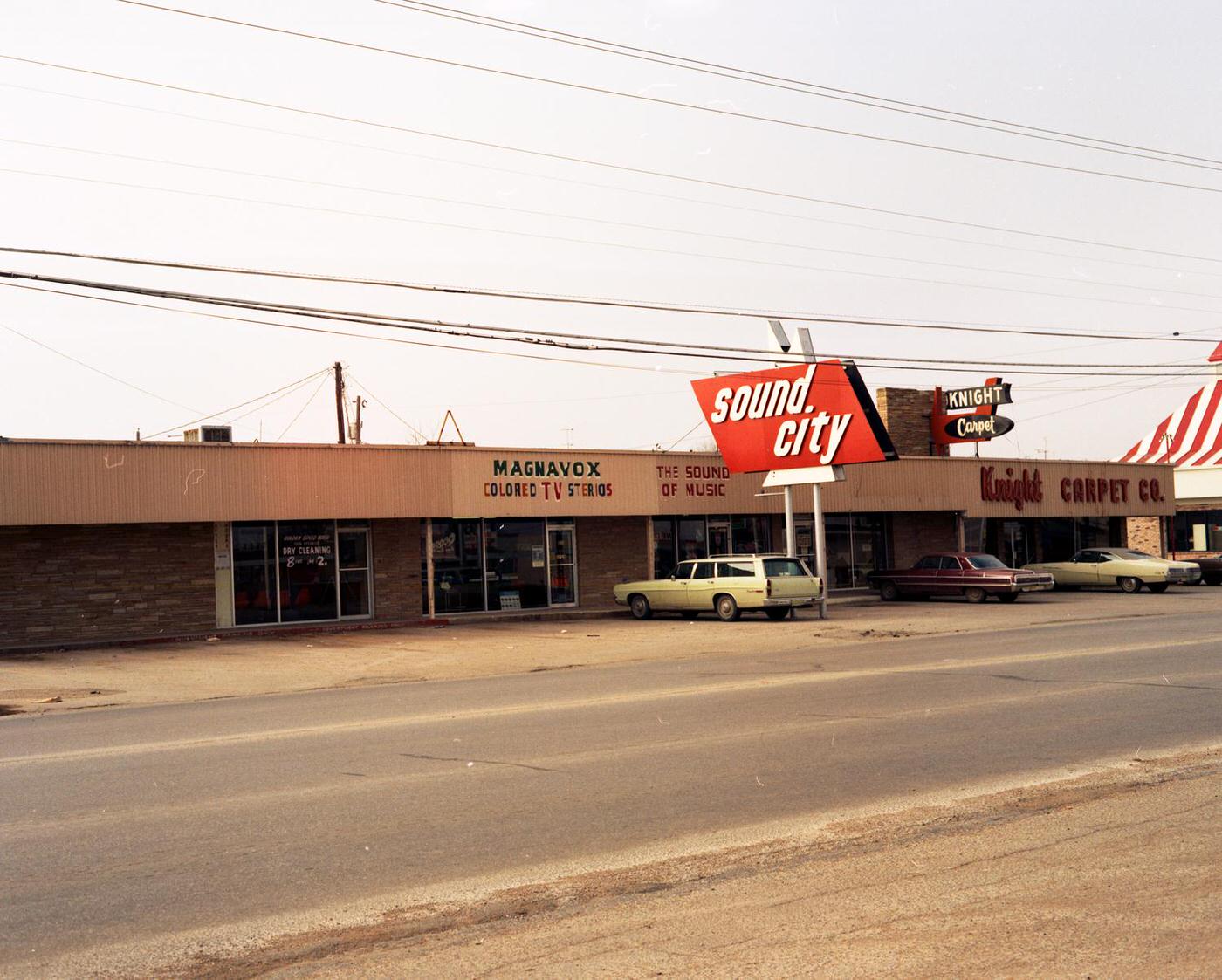
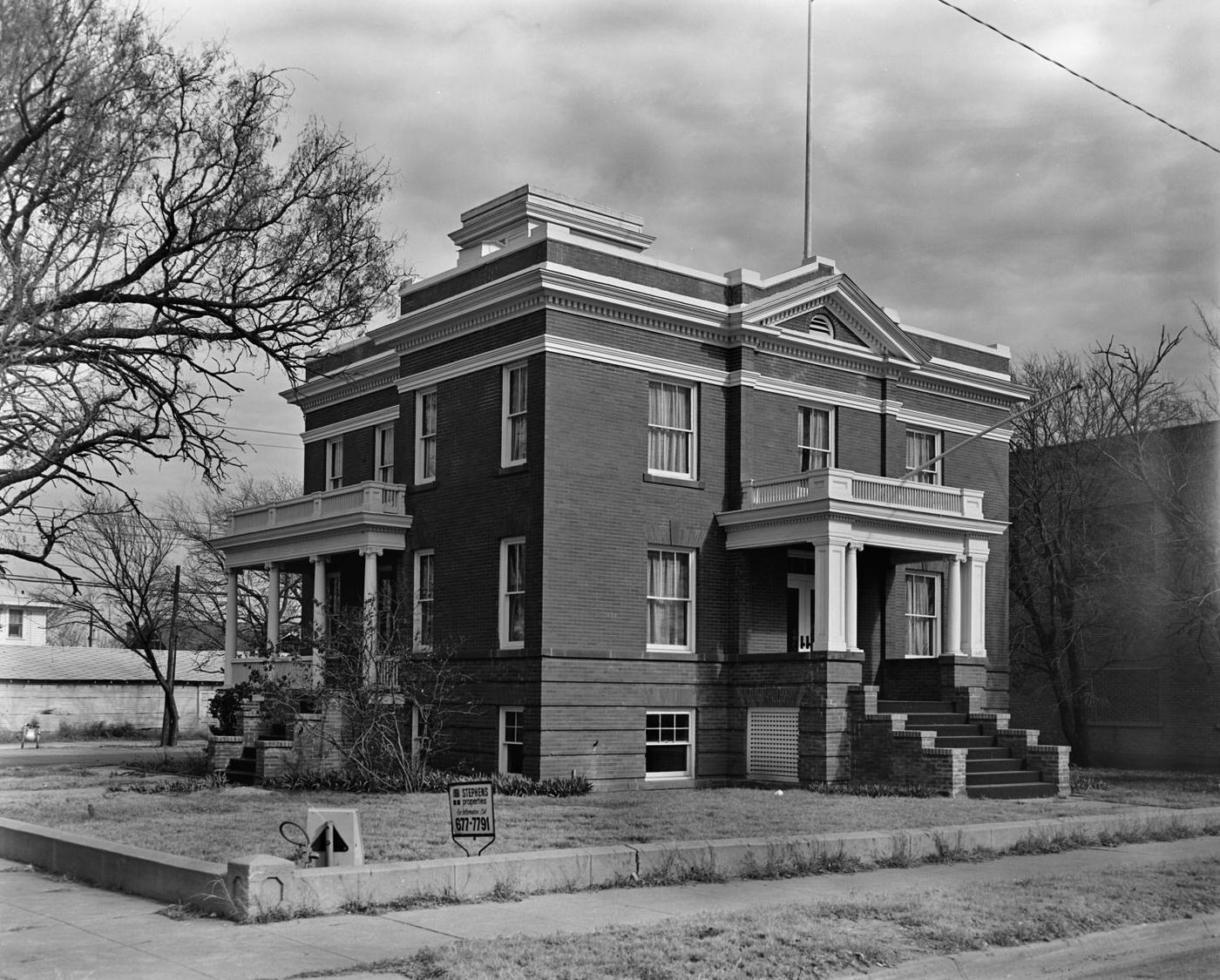
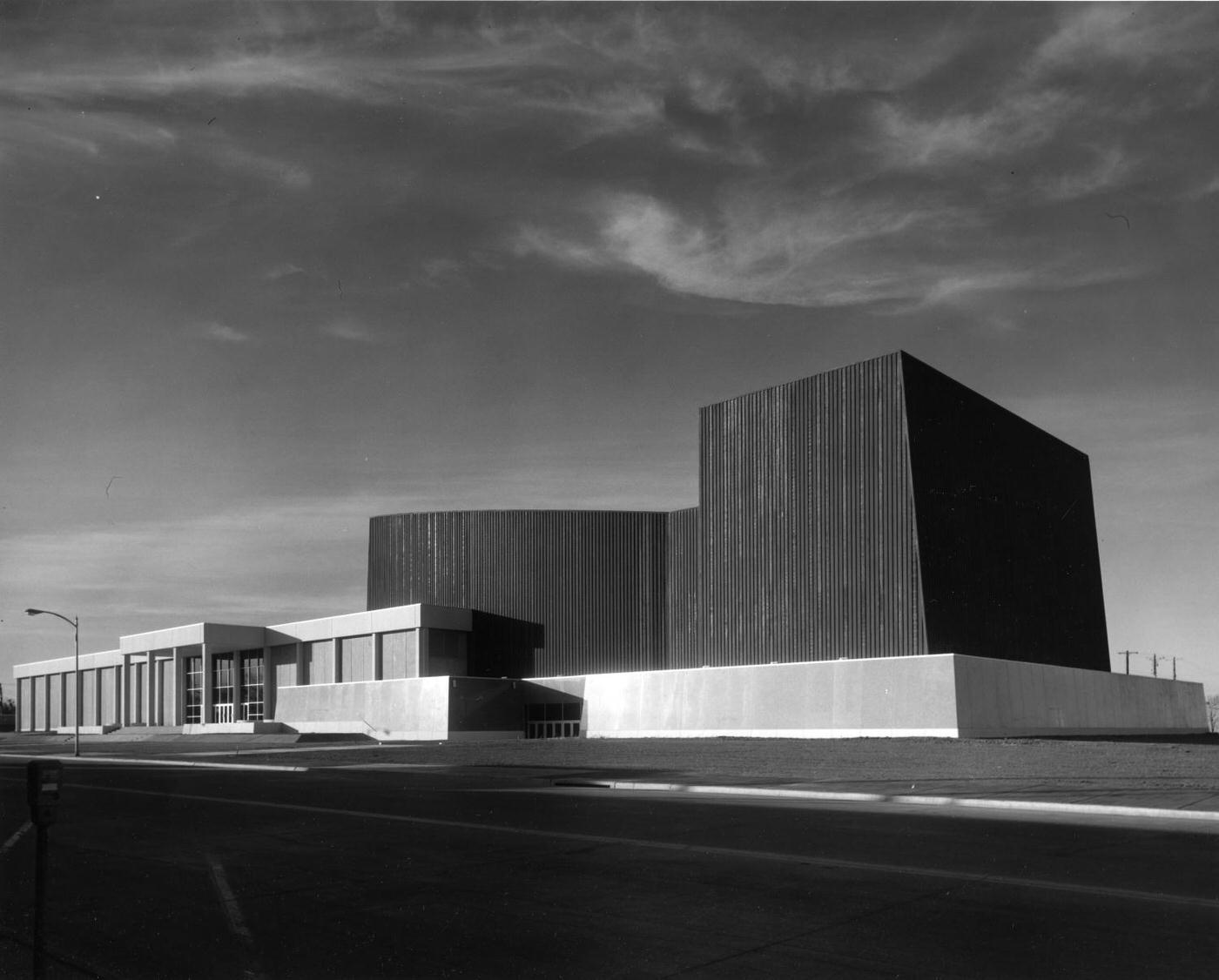
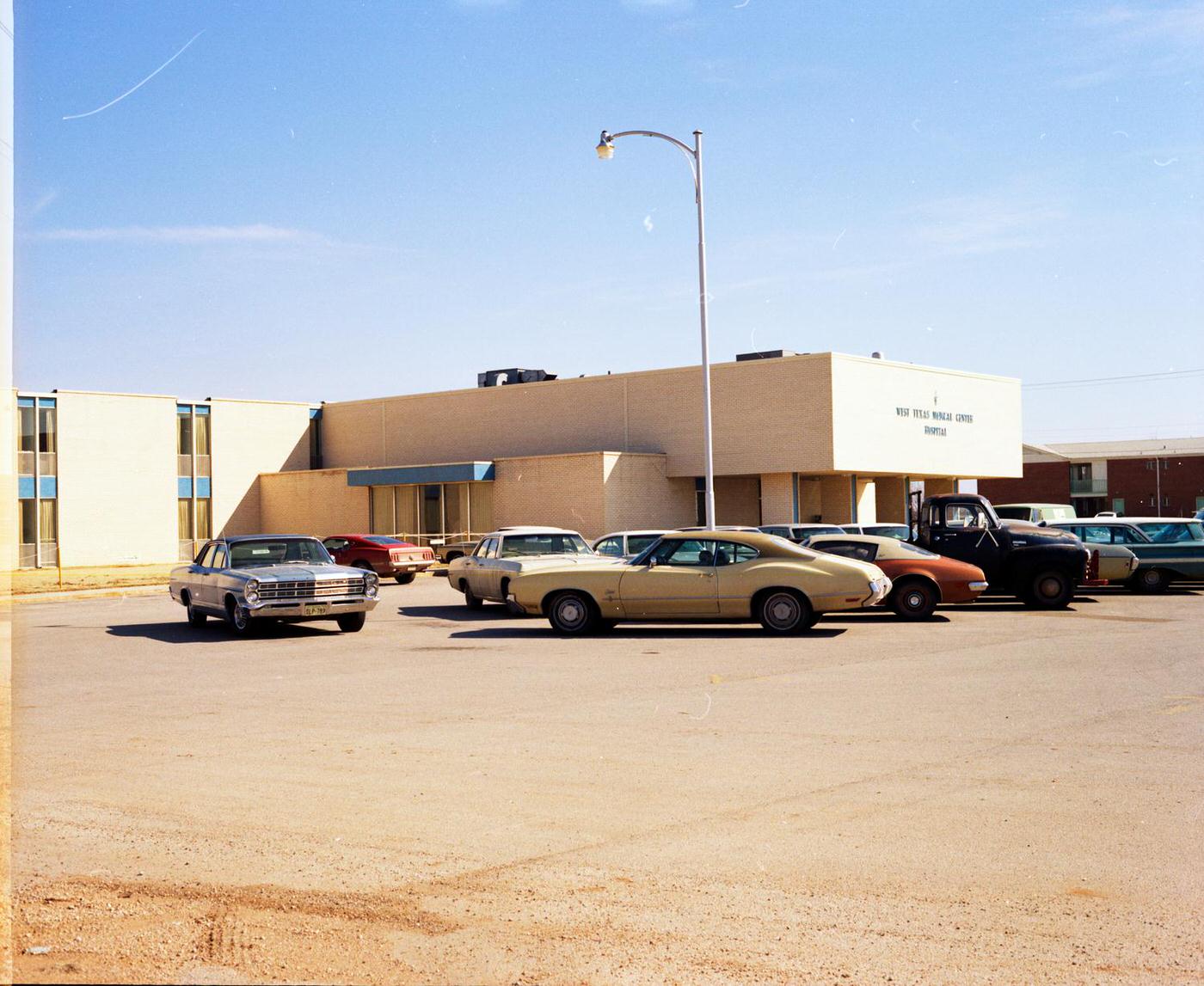
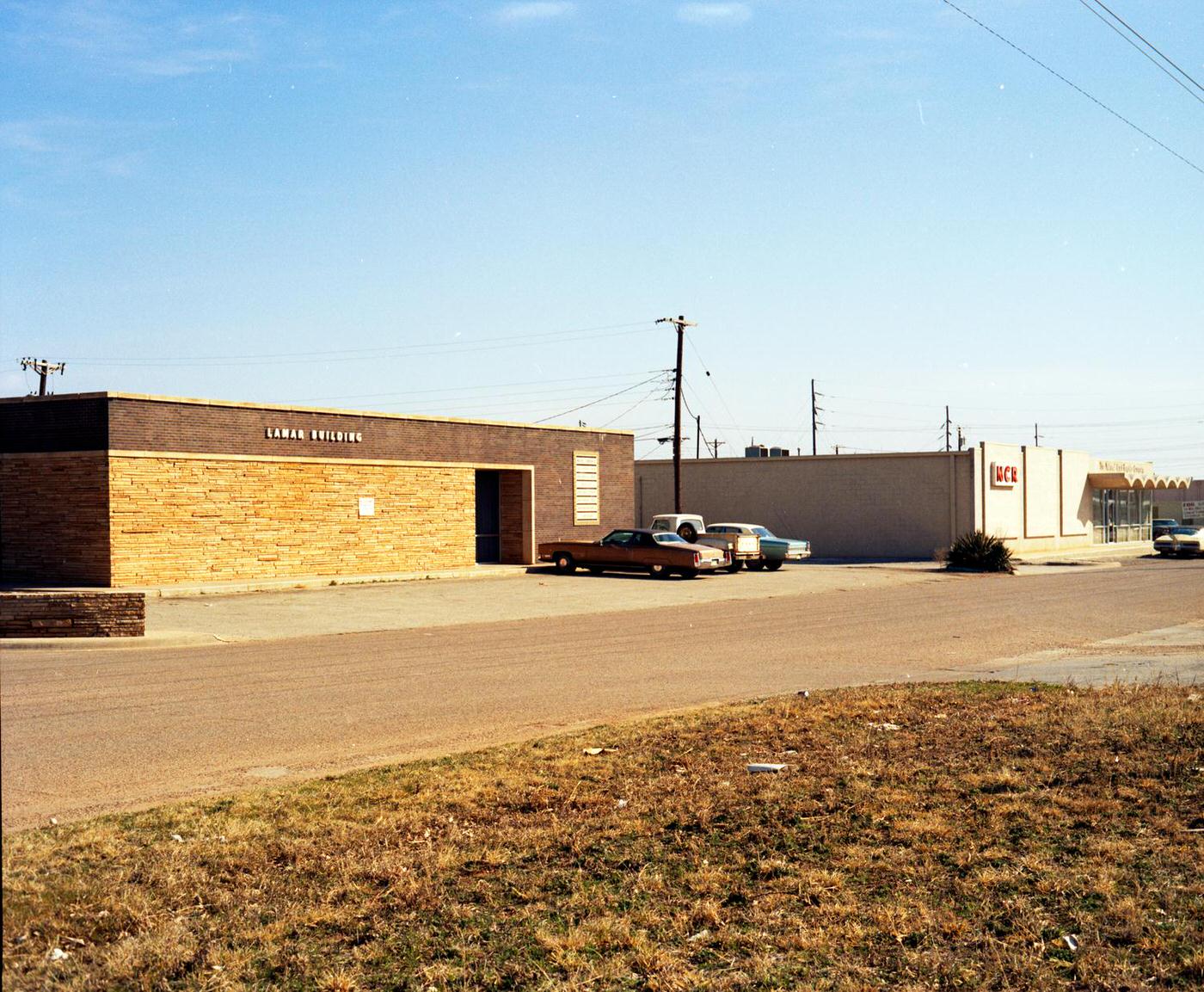
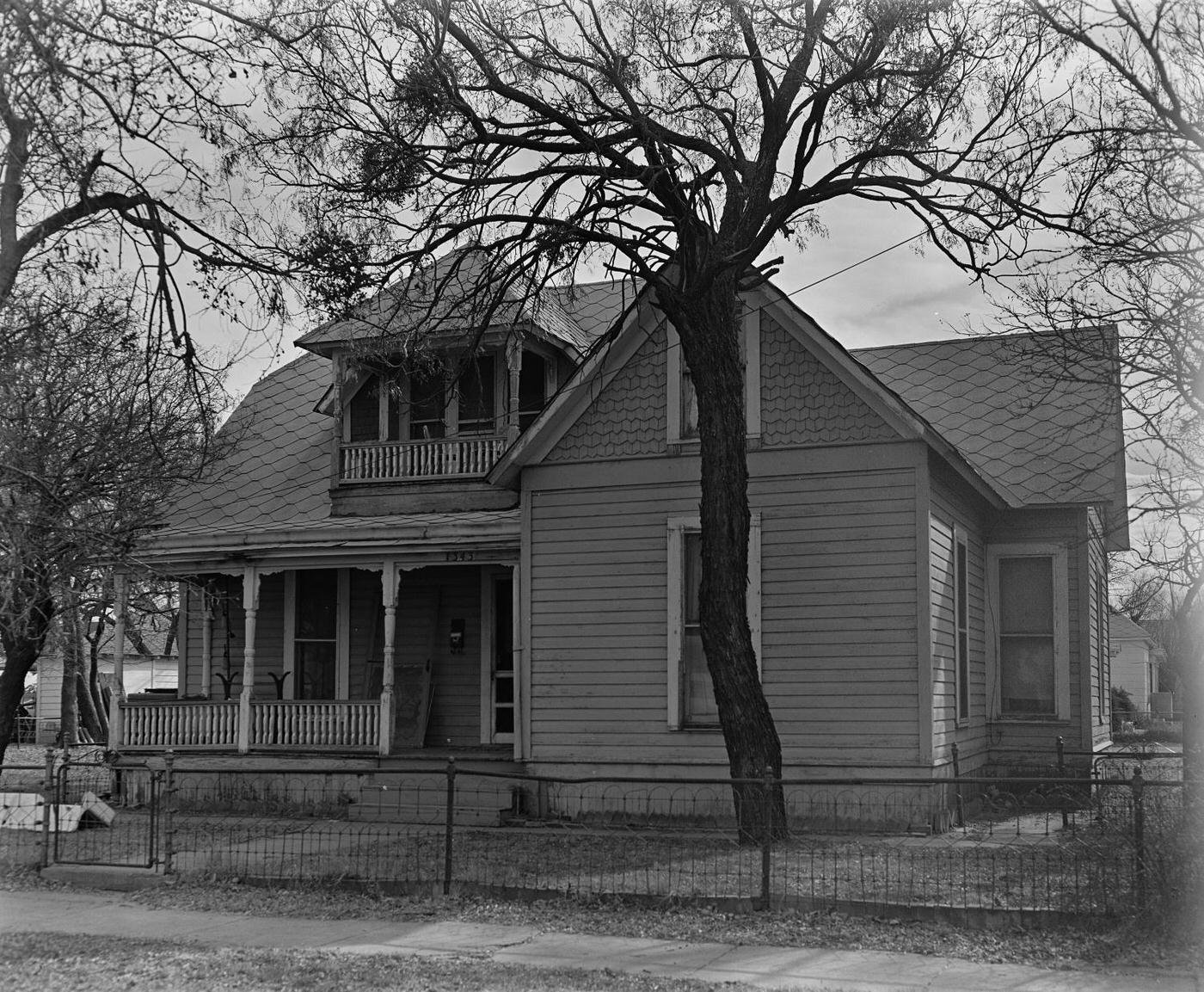
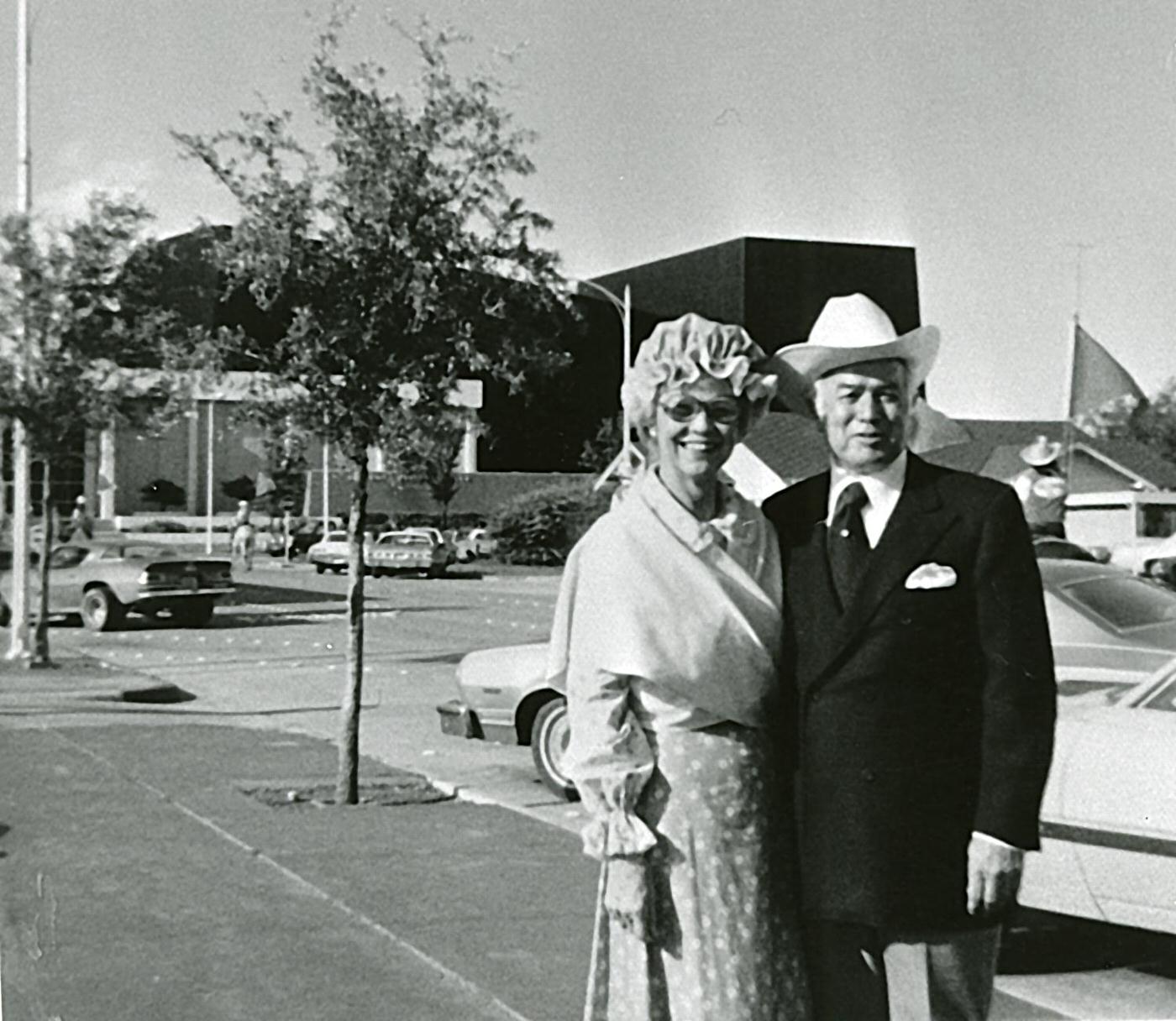
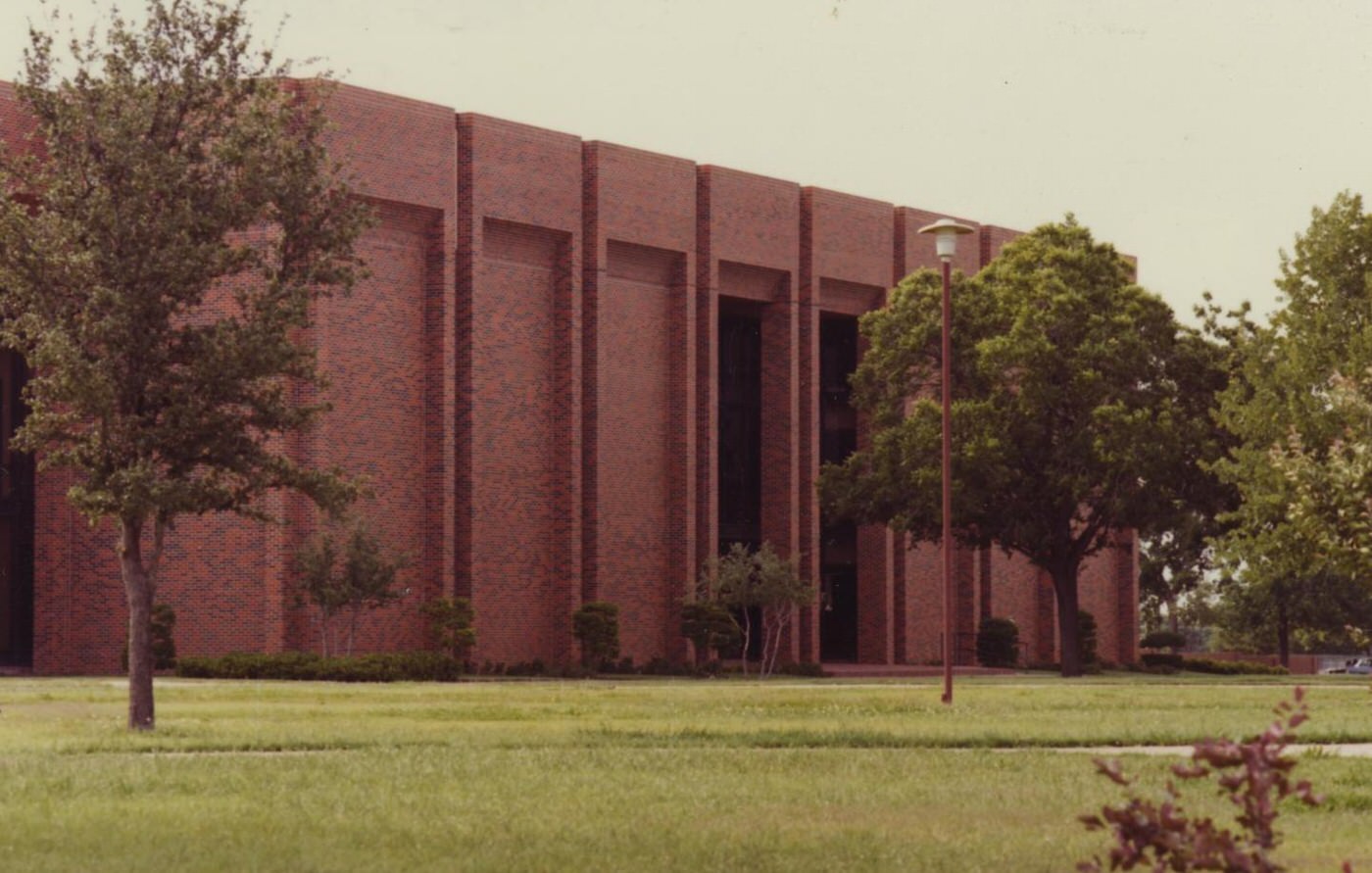
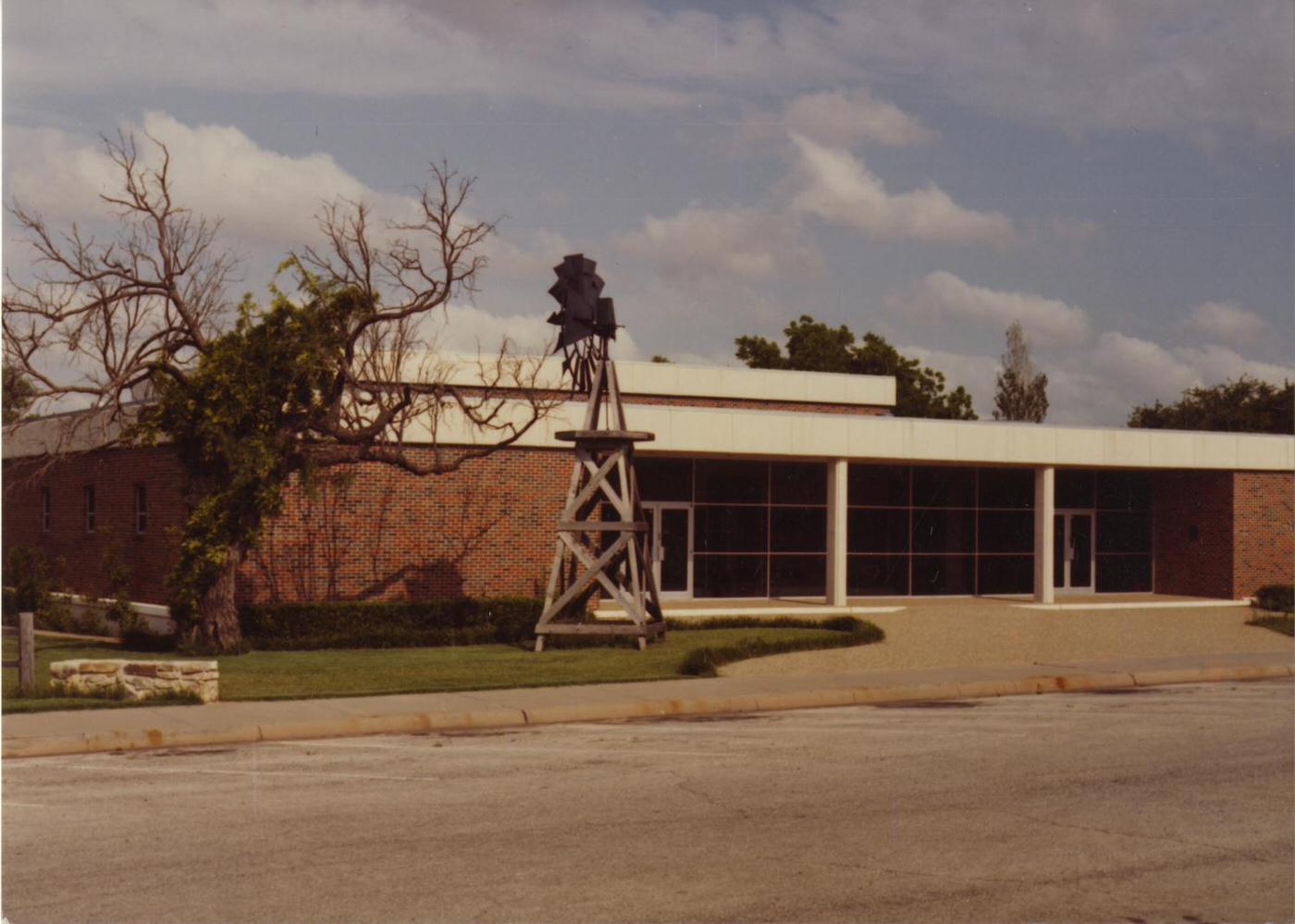
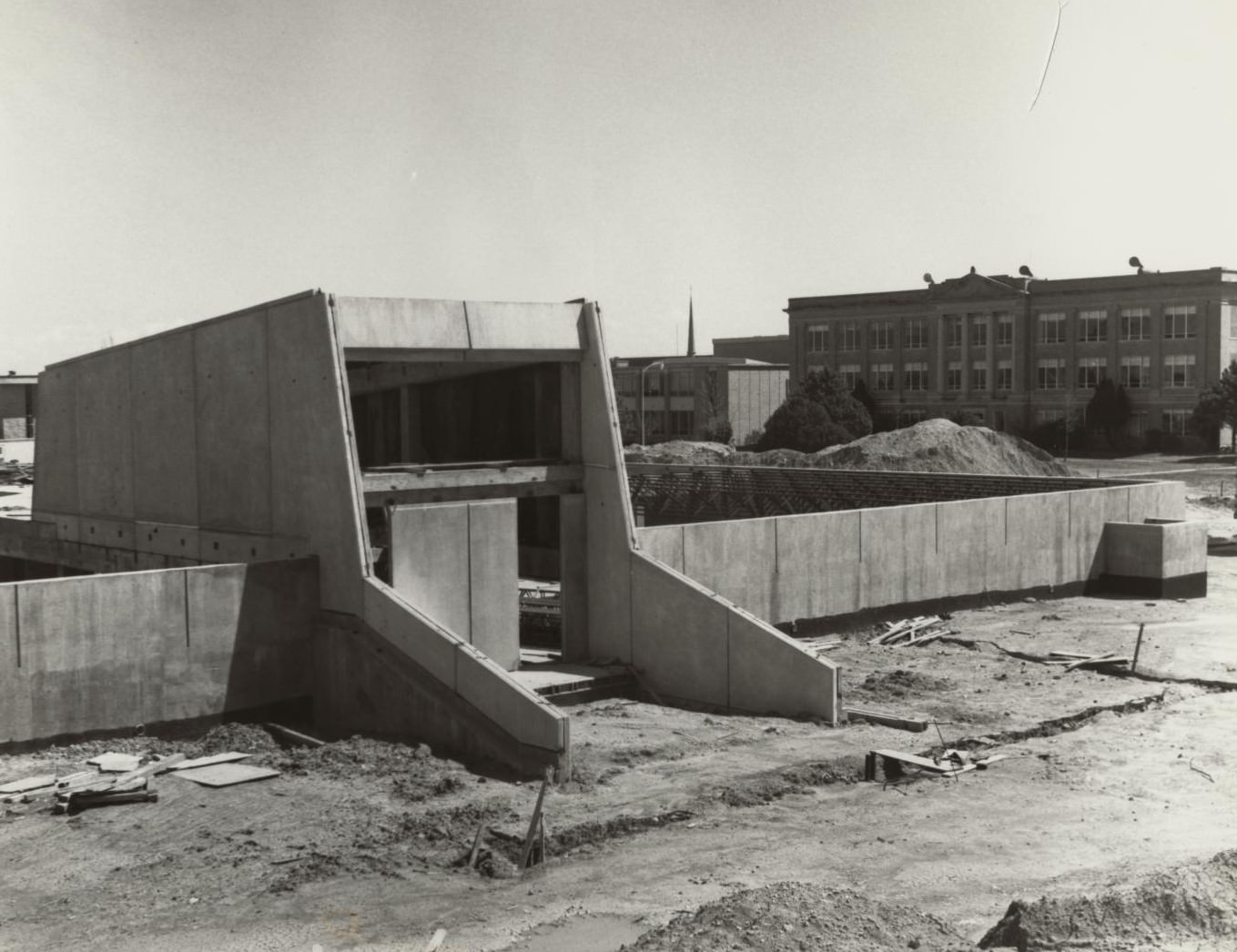
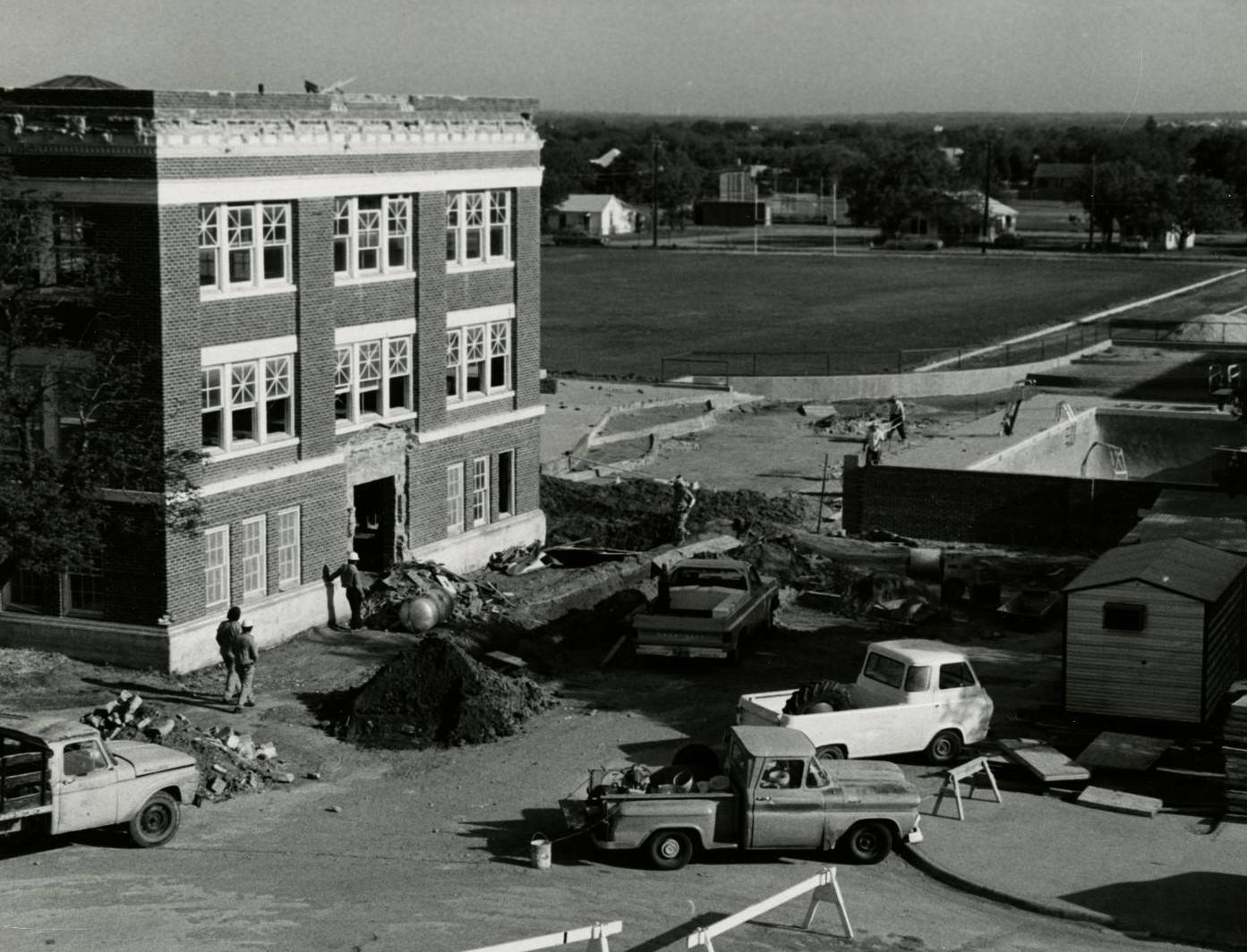
However, even amidst the decline, nascent signs of efforts to preserve downtown’s heritage were beginning to emerge. The late 1970s saw the initial stages of the ambitious project to restore the Paramount Theatre, a 1930 atmospheric movie palace, signaling a growing commitment to saving architectural landmarks. Additionally, the modern Abilene Civic Center, which opened in 1970, introduced a contemporary architectural element near the edge of the old downtown, representing a public investment in maintaining some level of civic activity in the central city.
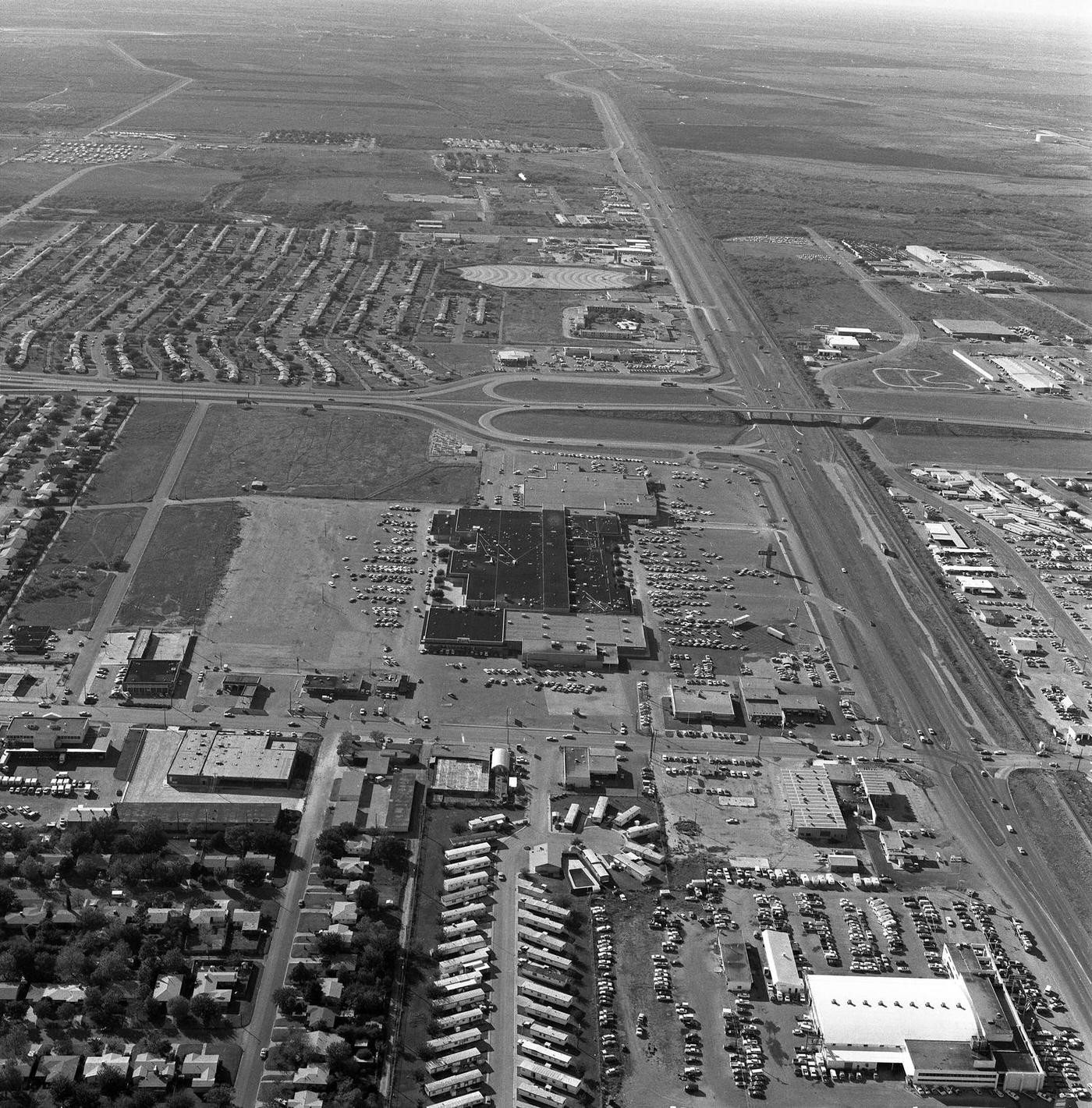
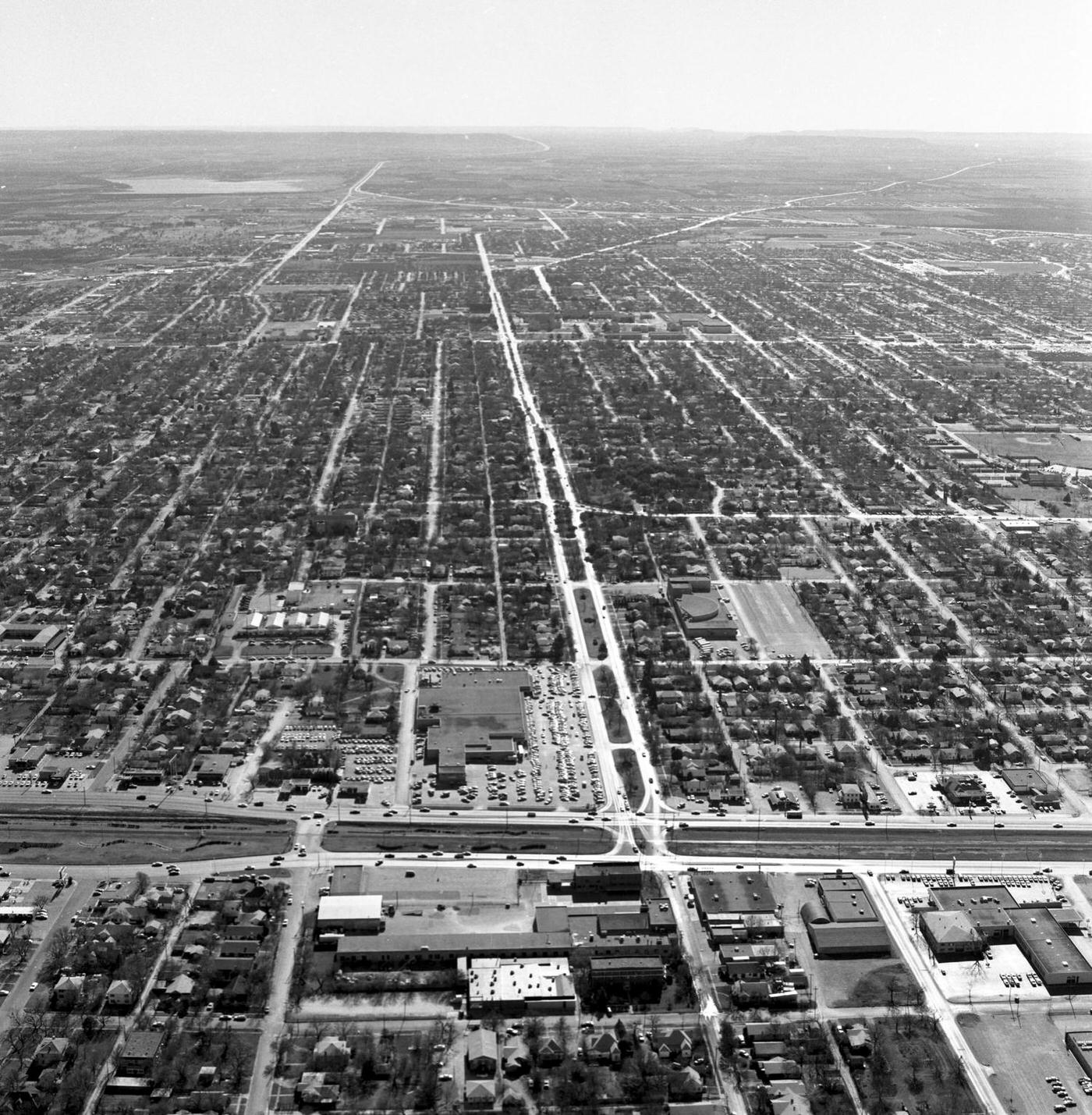
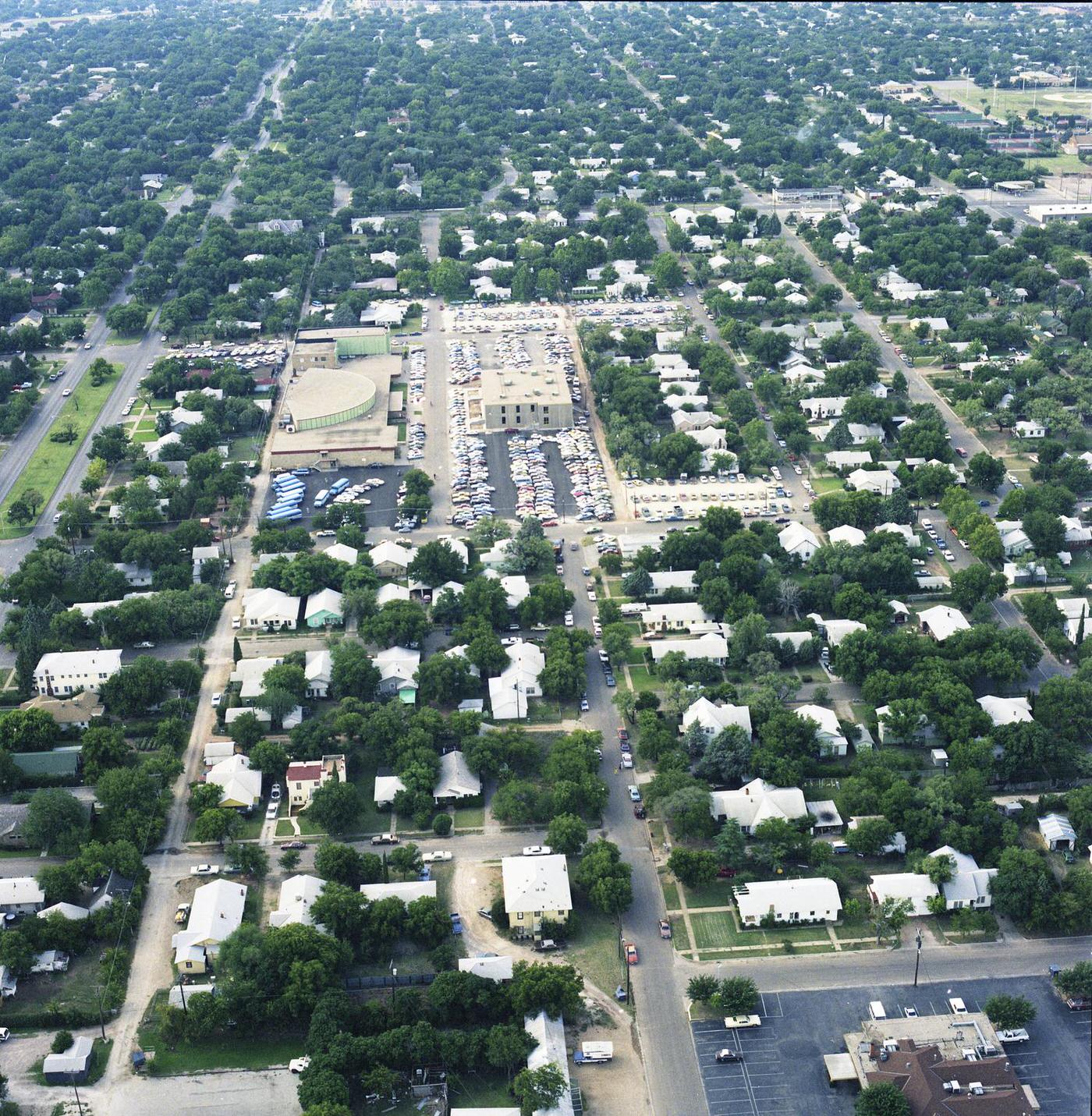
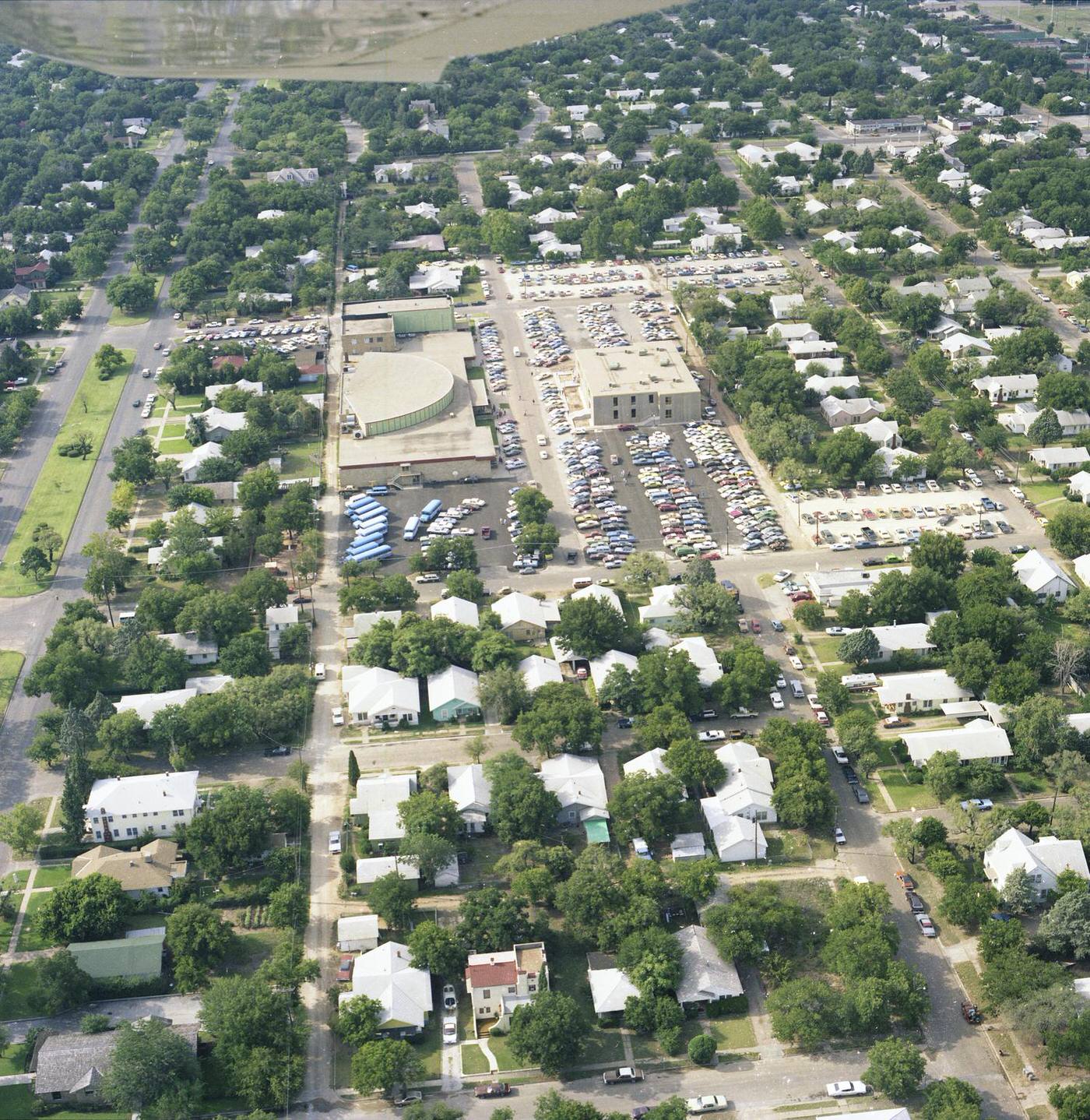
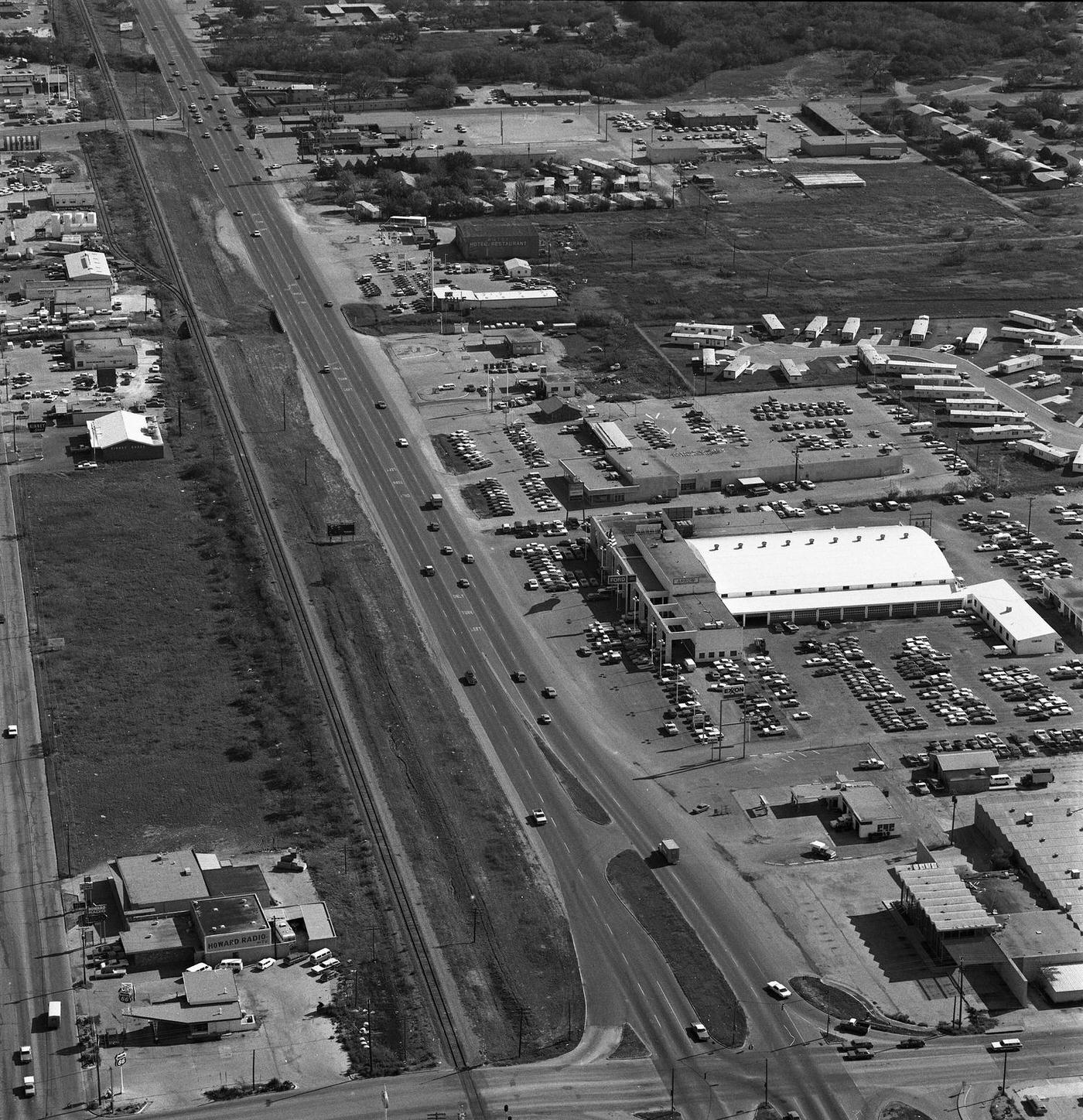
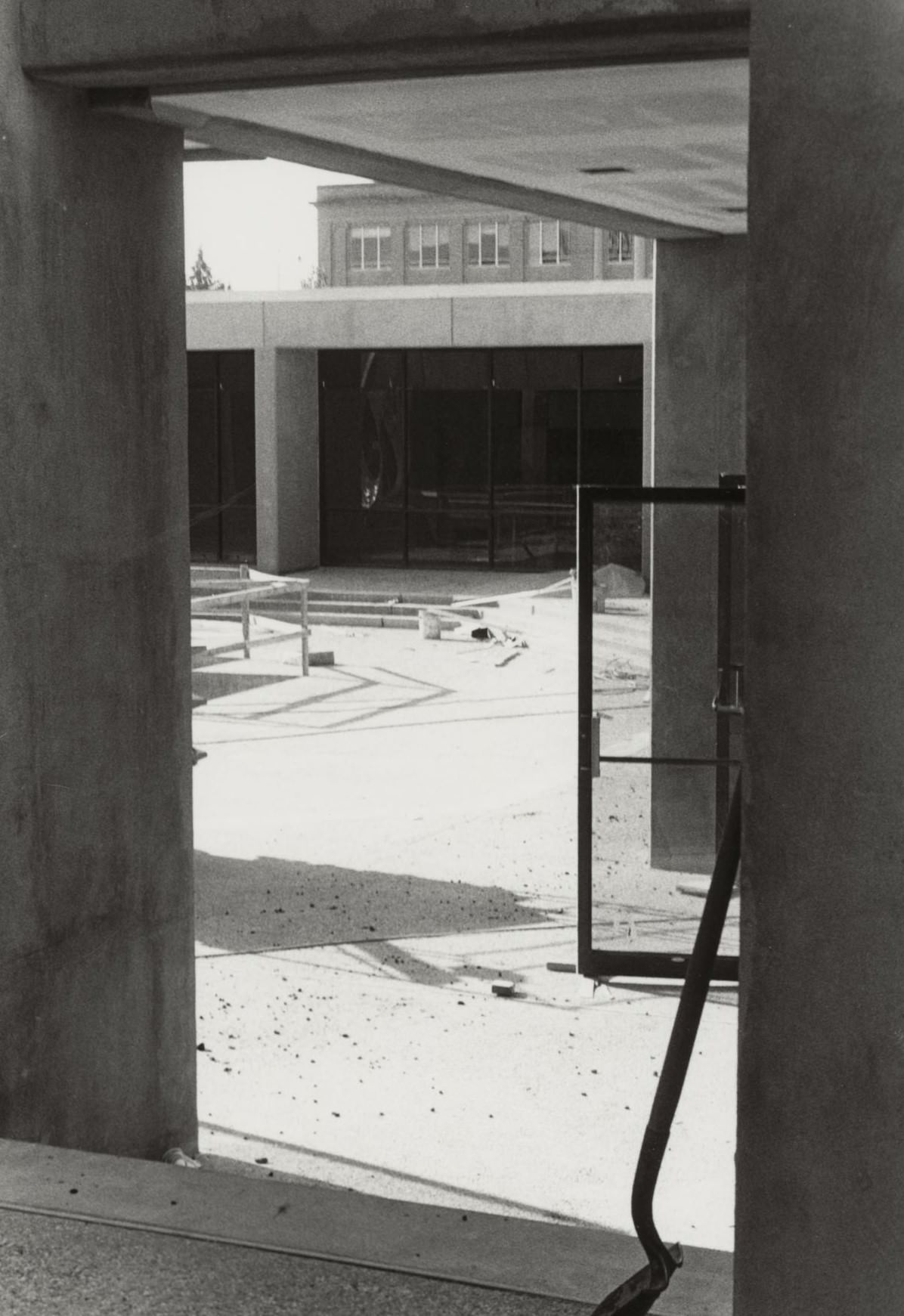
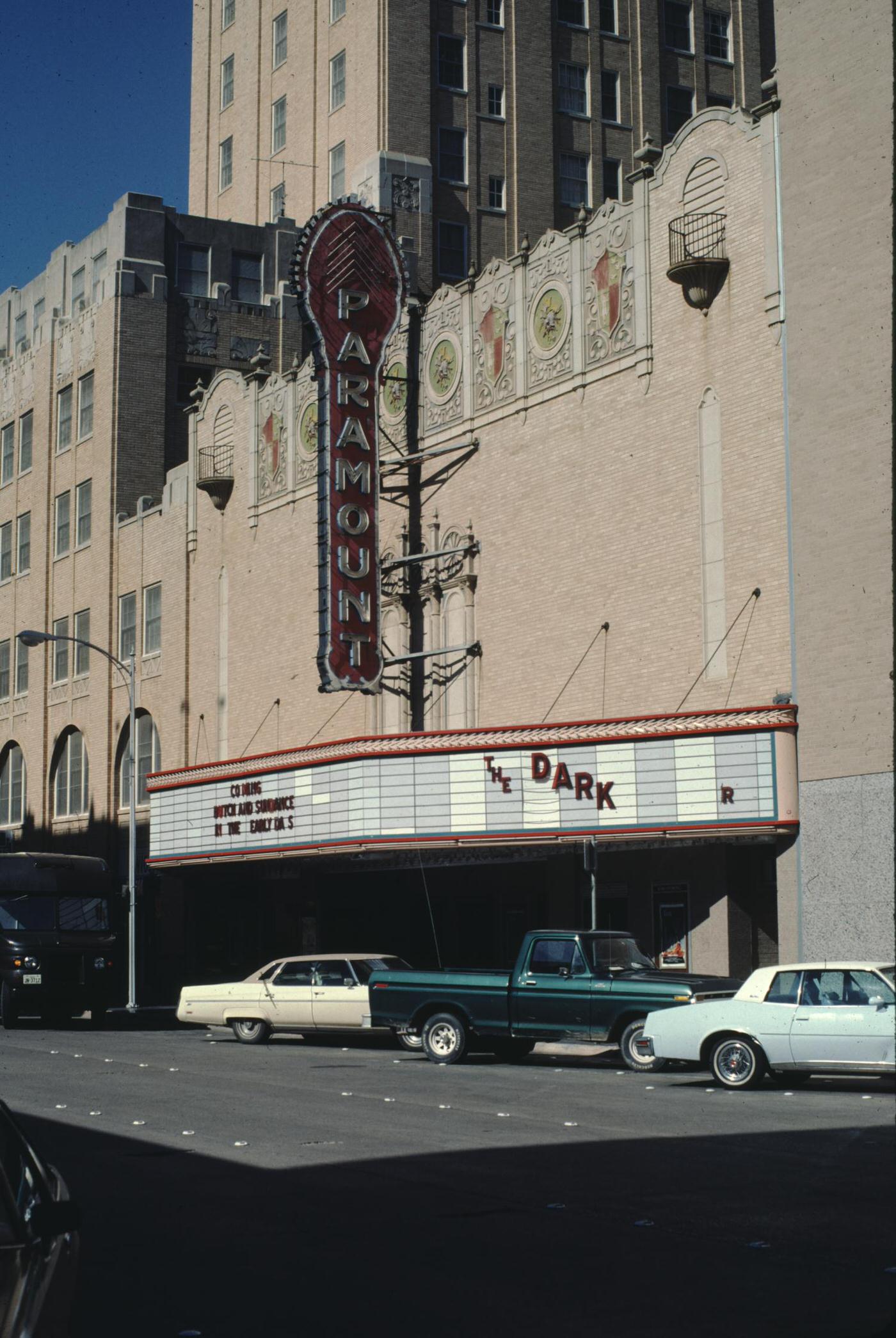
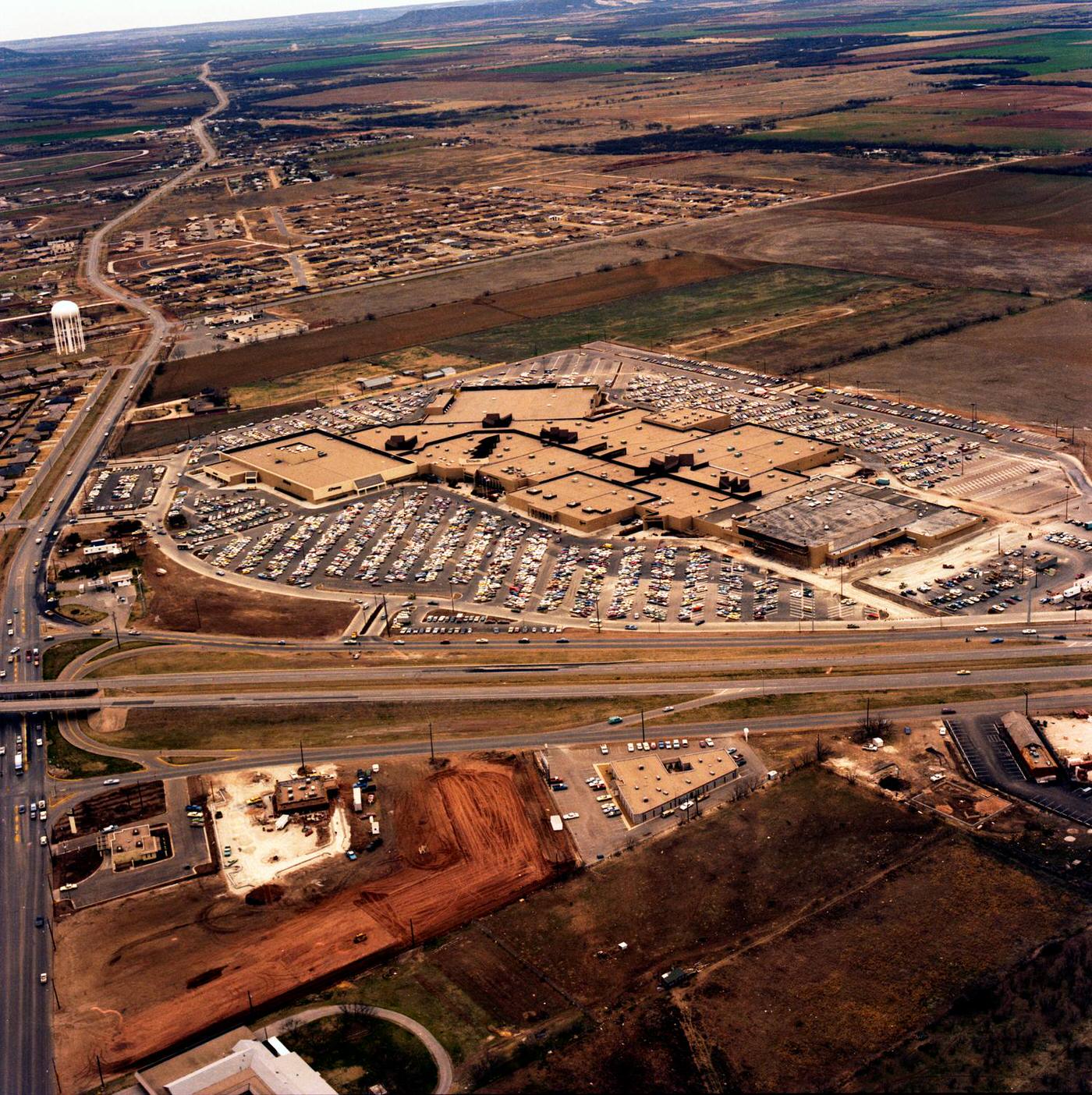
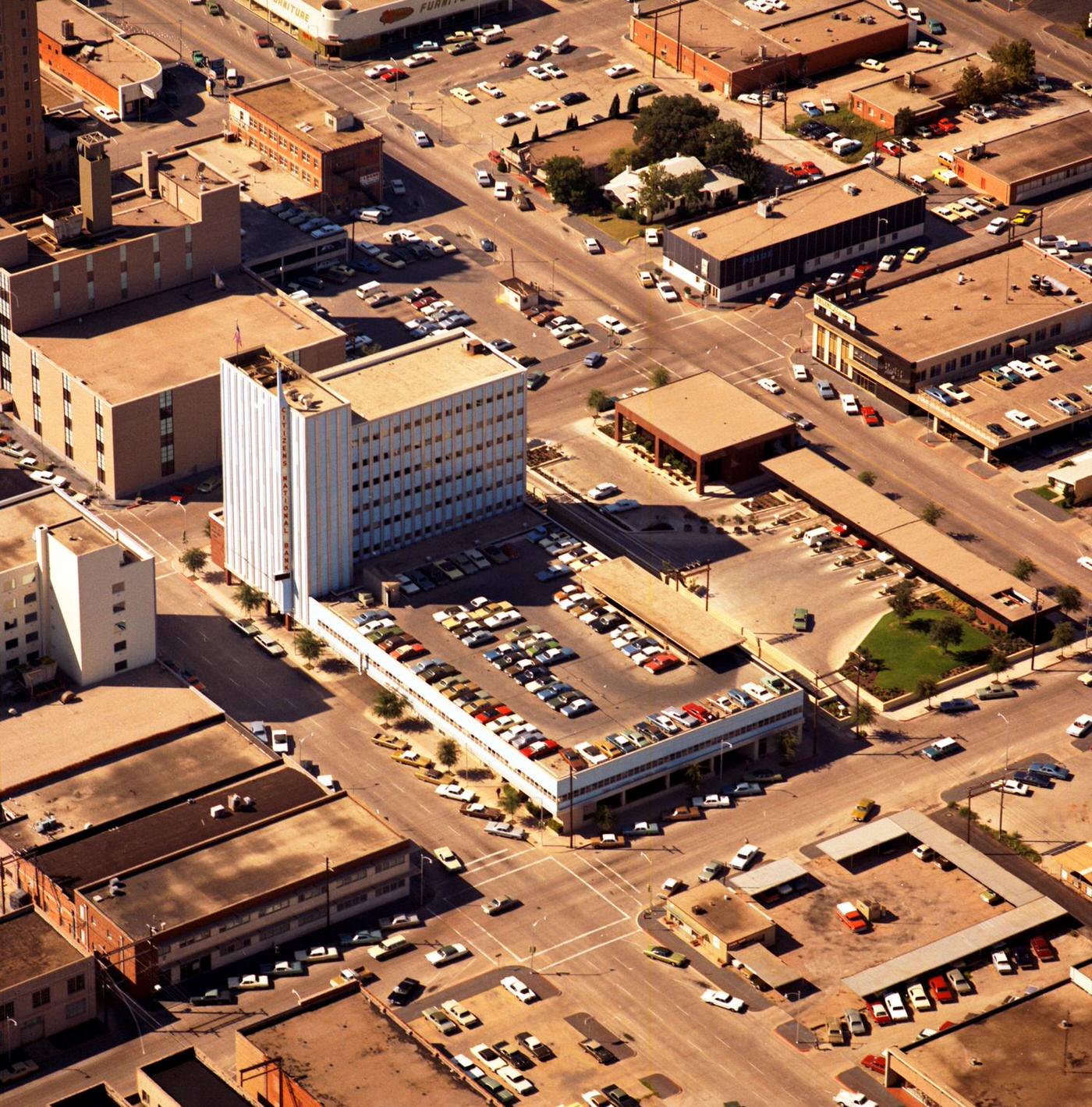
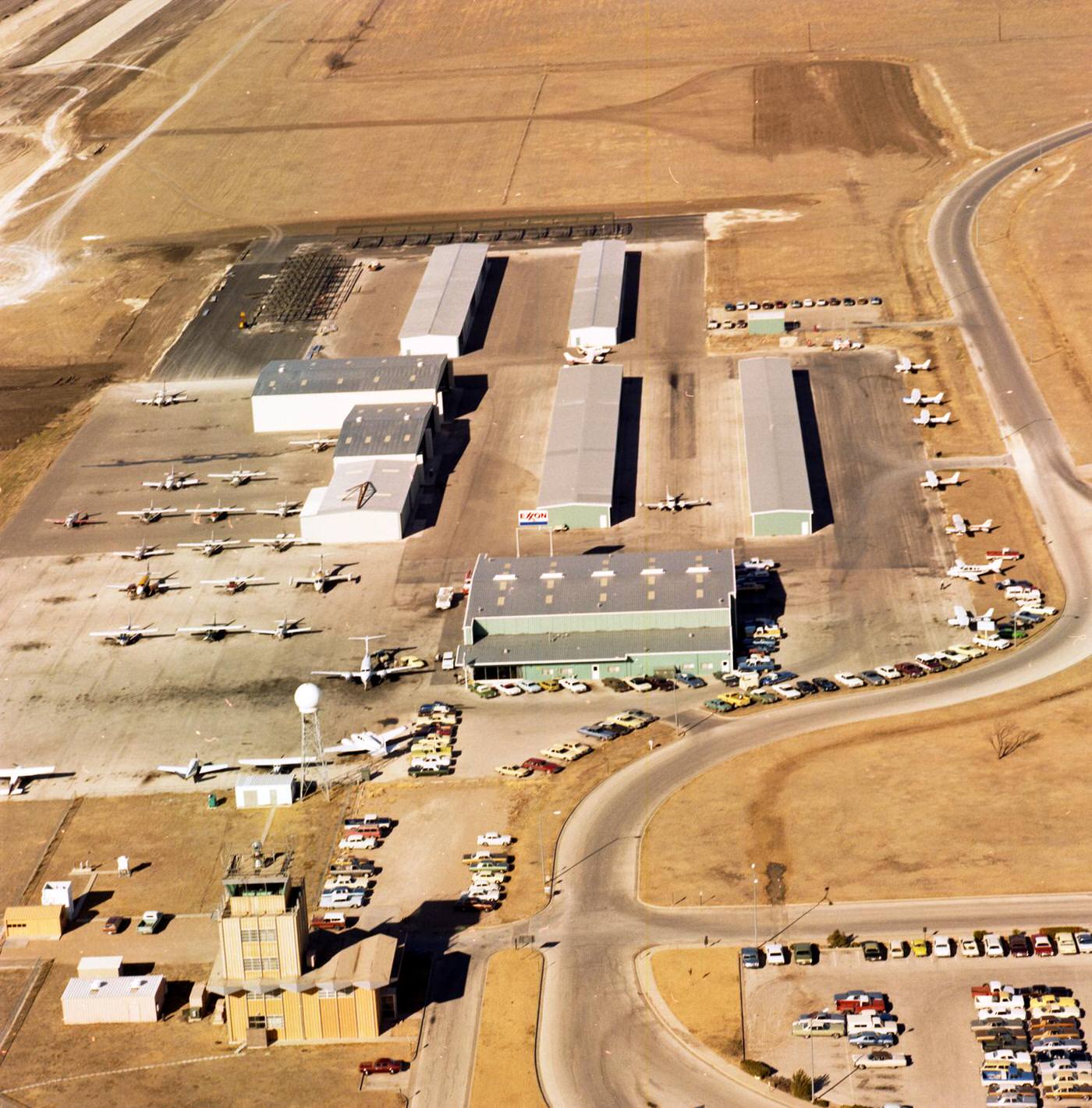
Image Credits: Image Credits: Hardin-Simmons University Library, Texas Historical Commission, Abilene Library Consortium. The Grace Museum. Abilene Christian University Library, Central Texas Library System, Library of congress, wikimedia
Found any mistakes? 🥺 Let us Know