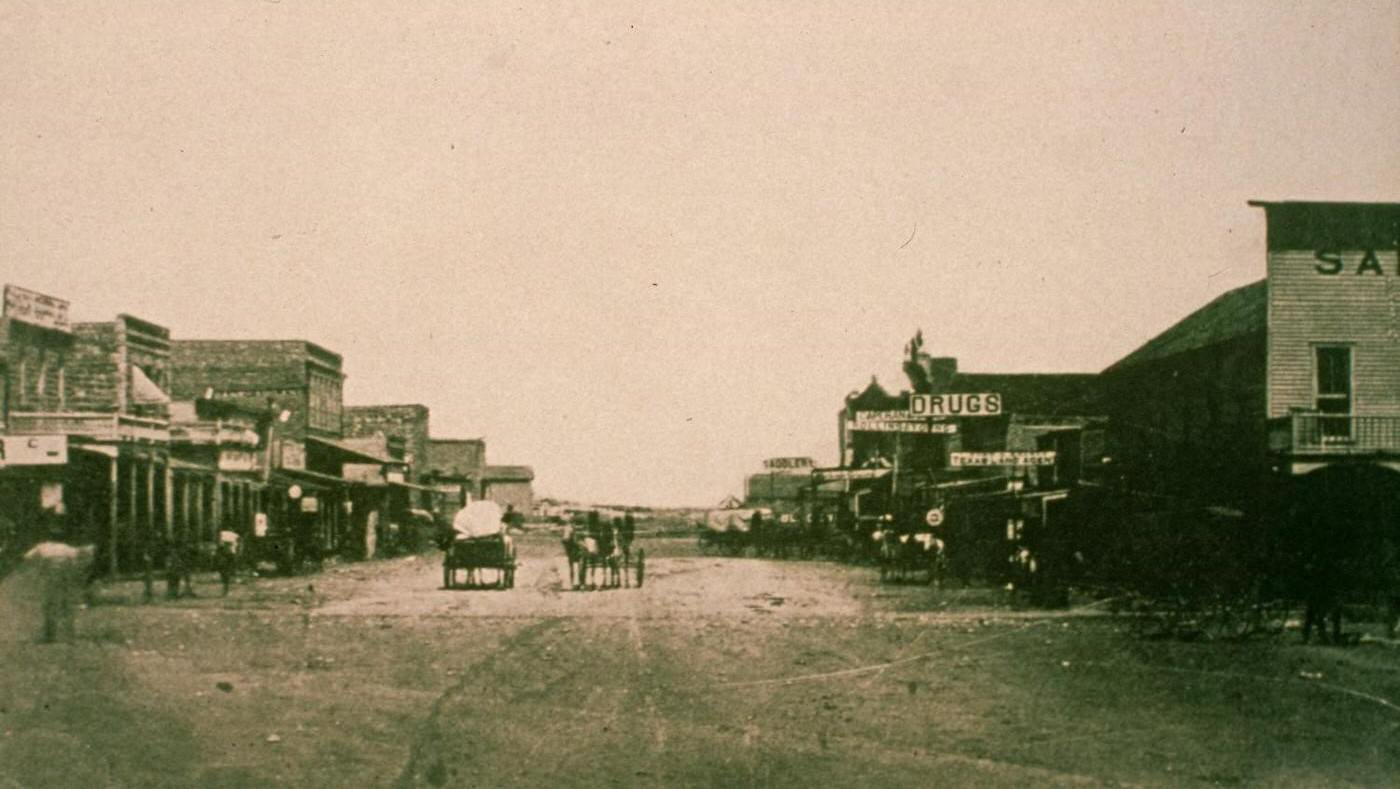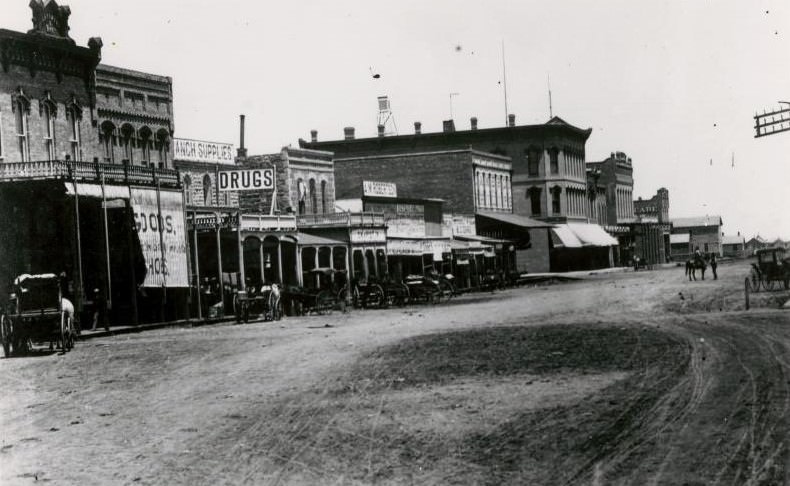
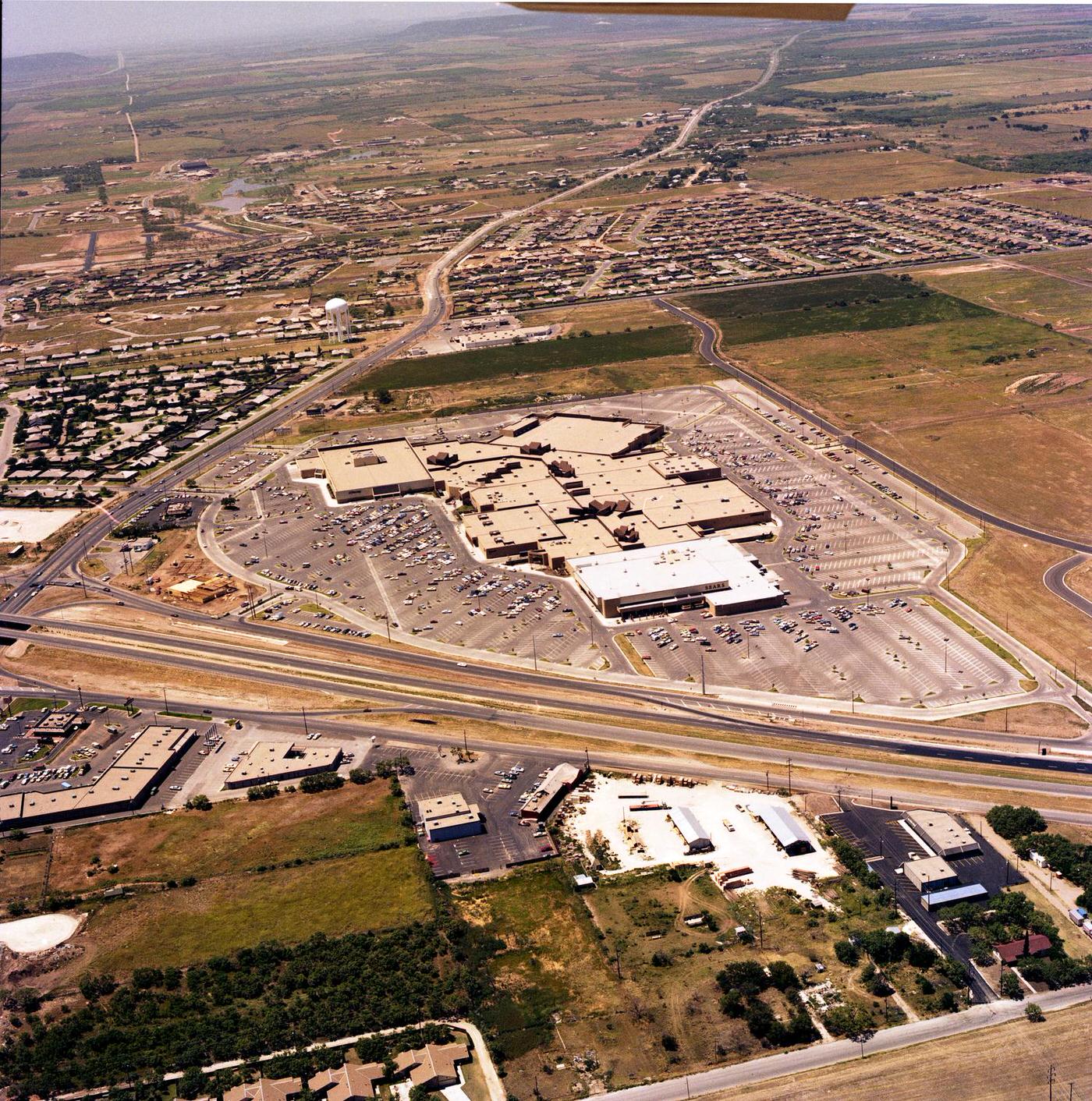
As the 1980s dawned, Abilene, Texas, stood as a key city in the West Texas region. It served as an established center for commerce, agriculture, and higher education, built on a long history of civic promotion and ambition. The city’s landscape was already showing signs of change. The Mall of Abilene opened its doors in 1979 on the south side of town, signaling a shift in retail focus away from the traditional downtown core. This move towards suburban development set the stage for significant urban changes that would accelerate throughout the coming decade, particularly as economic pressures mounted.
Economic Whiplash: The Oil Bust Hits Home
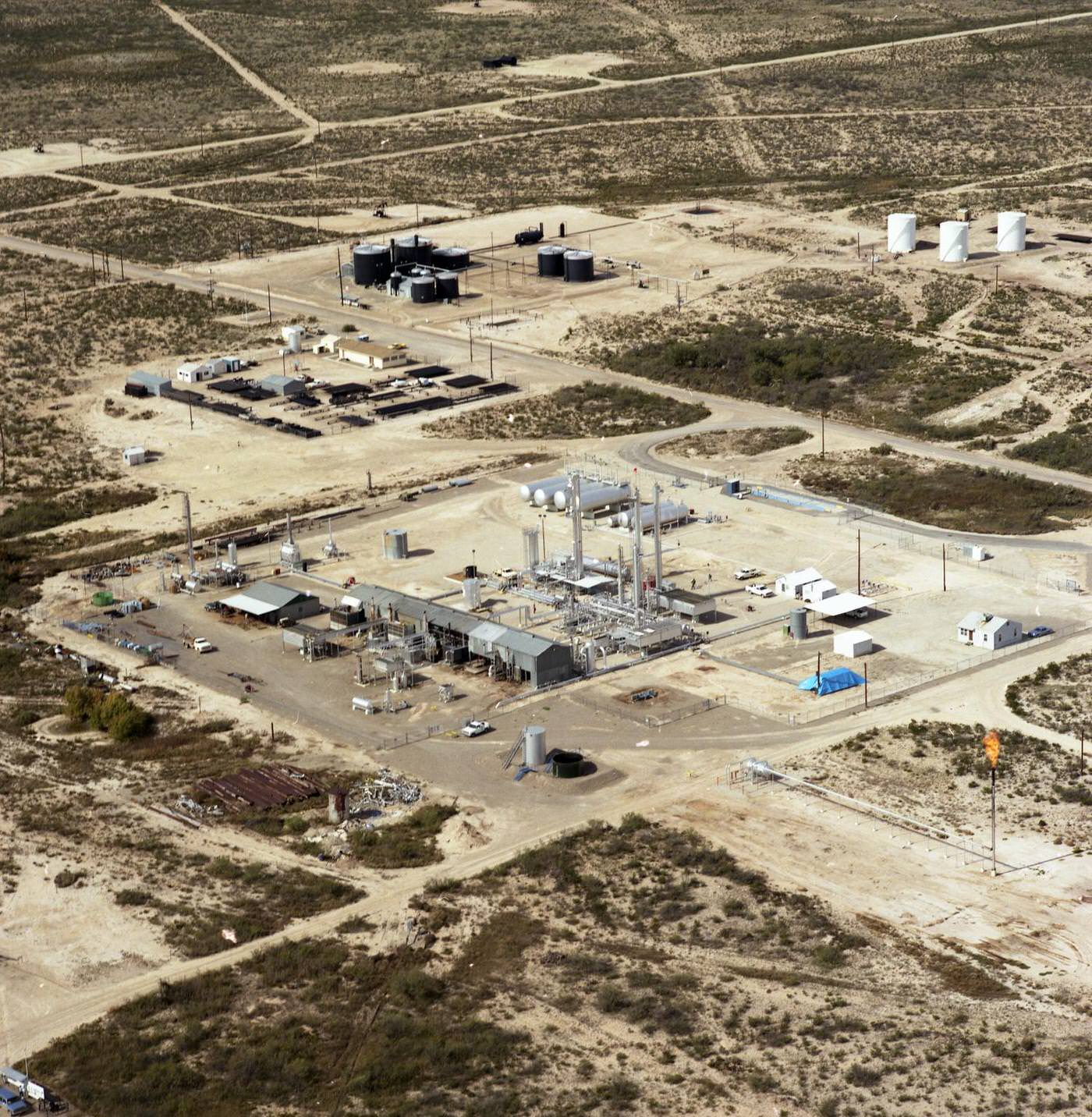
The early years of the decade carried the momentum of the late 1970s oil boom, which had brought prosperity to Texas. However, this economic high was short-lived. Beginning in 1981 and intensifying dramatically by 1986, global oil prices experienced a sharp and sustained decline. The average price per barrel plunged from a peak near $37 in April 1981 to around $10 by August 1986.
This oil bust sent shockwaves through the Texas economy, and Abilene felt the impact deeply. The effects extended far beyond the energy sector itself, creating a systemic shock across the region. The preceding boom years had encouraged significant investment, not just in oil exploration and services, but also in areas like commercial real estate, often fueled by optimistic projections based on high oil prices. When oil prices crashed, it triggered a cascade of negative consequences.
Across Texas, including the Abilene area, widespread job losses occurred, hitting the oil and gas sector hardest but rippling outward to supporting industries and consumer businesses. Businesses struggled and many closed as demand shrank and credit became tighter. The real estate market, particularly commercial properties that had been overbuilt during the boom, collapsed under the weight of high vacancy rates and falling values.
The banking sector faced immense stress. Many Texas banks, having lent heavily to both energy projects and the subsequently collapsing real estate market, found themselves with mounting loan defaults. This led to a wave of bank failures across the state. Abilene National Bank was among the casualties, requiring federal assistance. However, not all local institutions succumbed. First National Bank of Abilene, known for more selective lending practices, managed to weather the storm, absorbing some losses but remaining stable enough to acquire the struggling American National Bank in 1987, marking a turning point as the worst of the bust began to ease.
Daily Life and Diversions in the Key City
Despite the economic anxieties of the oil bust and the background tension of the late Cold War, Abilene in the 1980s maintained a vibrant community spirit and offered various diversions for its residents.
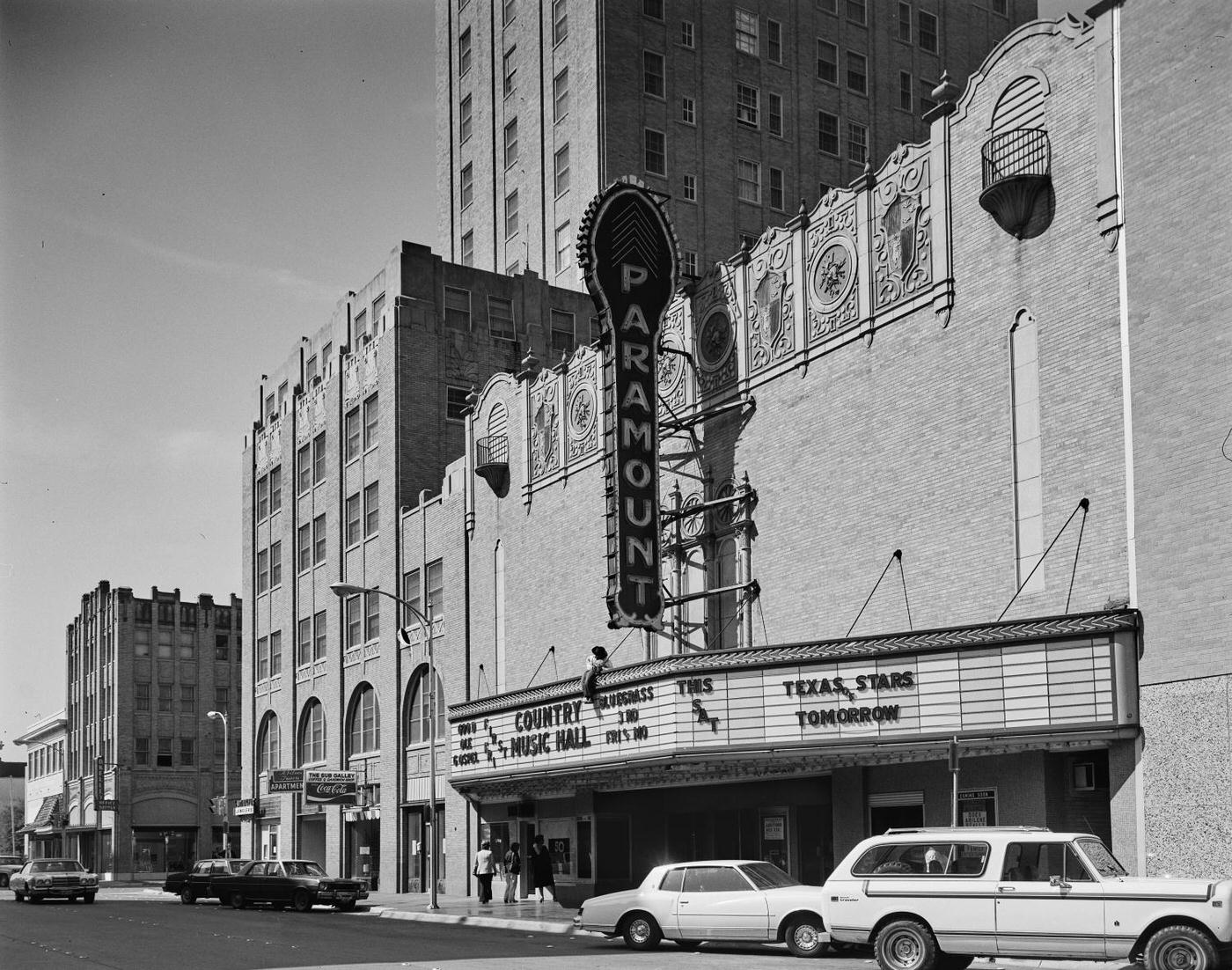
Entertainment options evolved. The historic Paramount Theatre, a downtown landmark since 1930, underwent a major restoration and celebrated its grand re-opening in May 1987. This saved the architectural gem from demolition and provided a venue for classic films, live theatre, concerts, and other performing arts, becoming a symbol of downtown revitalization efforts. Drive-in movie theaters, like the Town & Country, which had opened in 1956, remained popular spots for date nights and family outings. A major shift in home entertainment occurred with the rapid rise of video rental stores. These shops, offering VHS tapes (having won the format war over Betamax), became ubiquitous, providing an affordable way for families to watch movies at home.
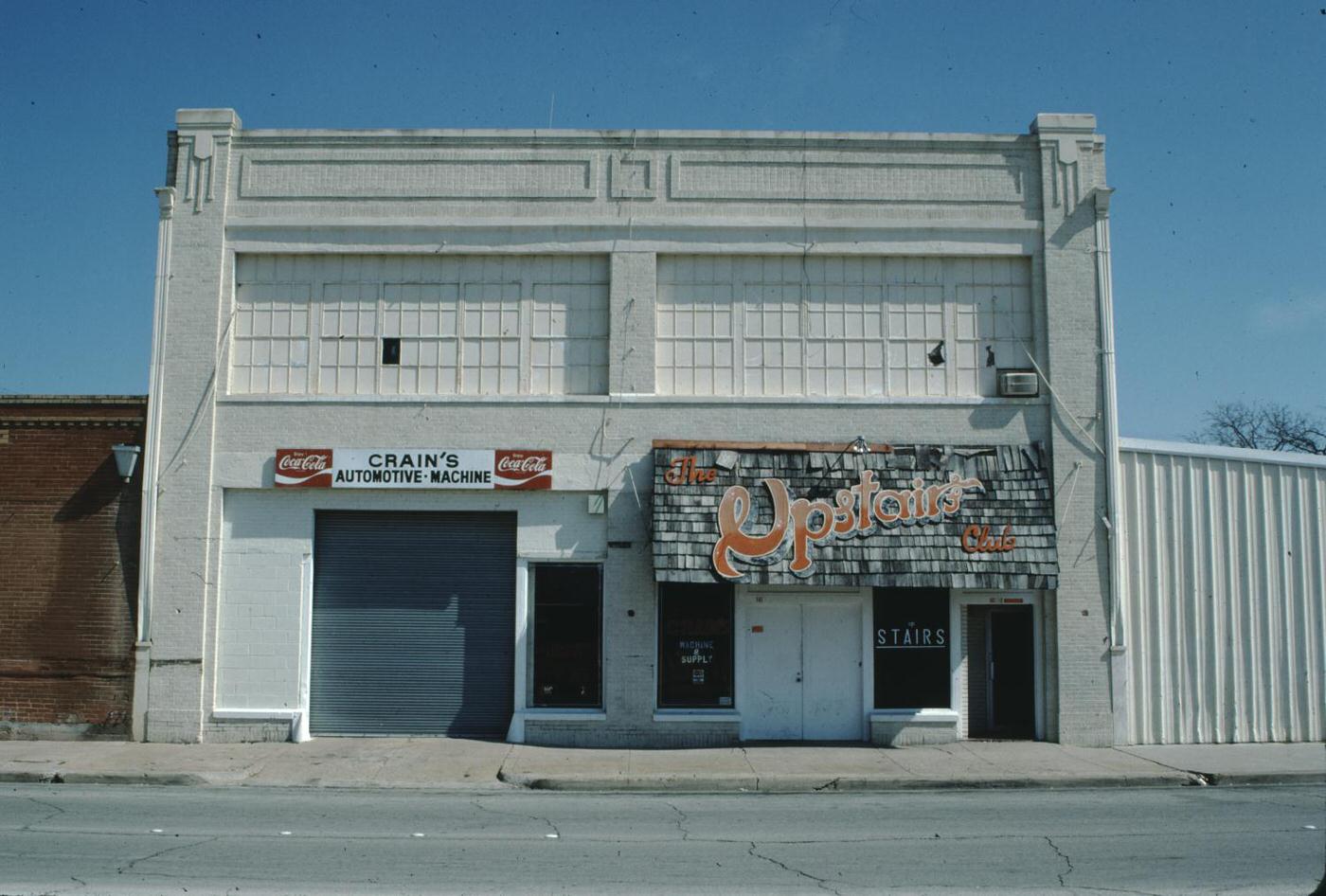
The music scene included performances at venues like the Taylor County Coliseum, which hosted major touring acts, including artists like Ted Nugent and Willie Nelson early in the decade. Local bands also contributed to the city’s nightlife.
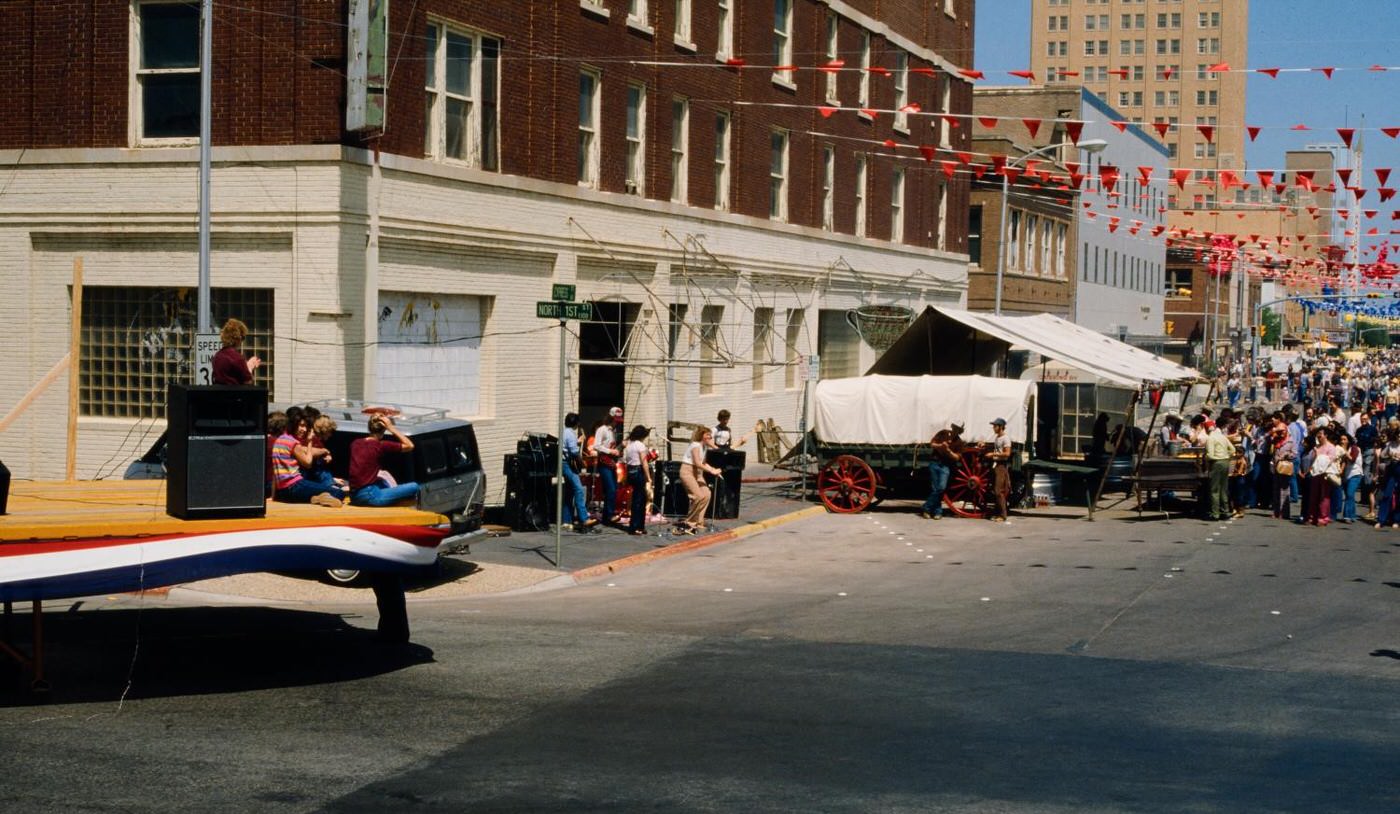
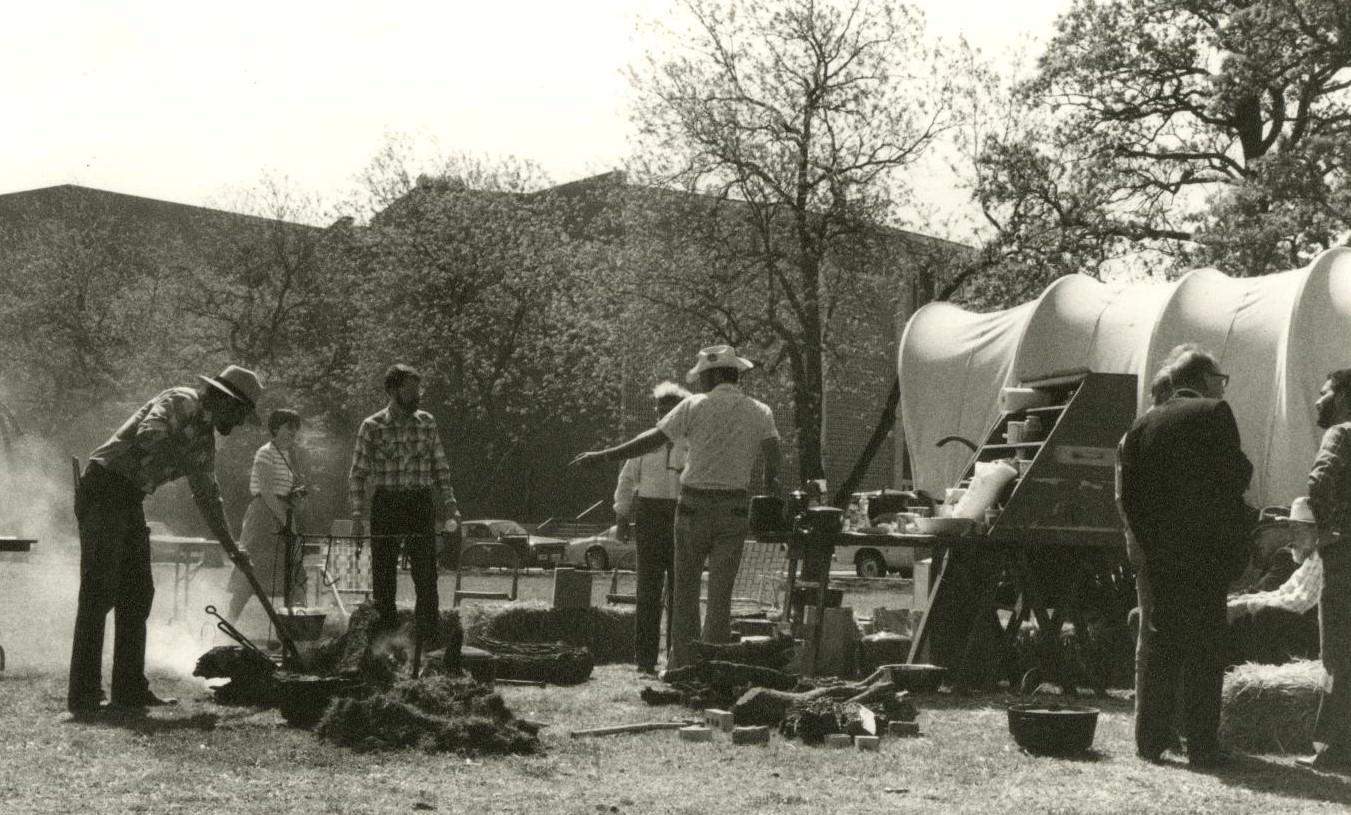
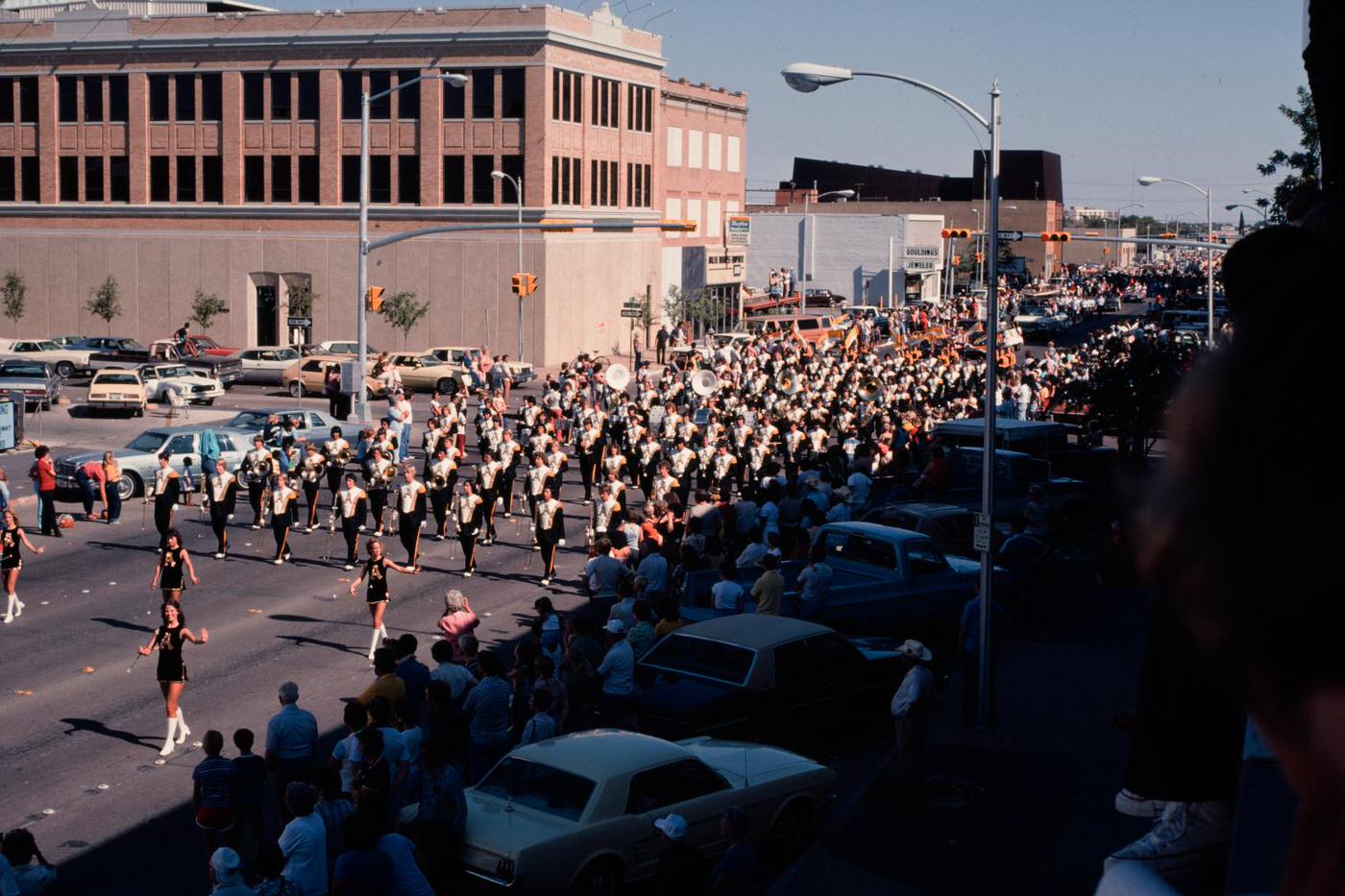
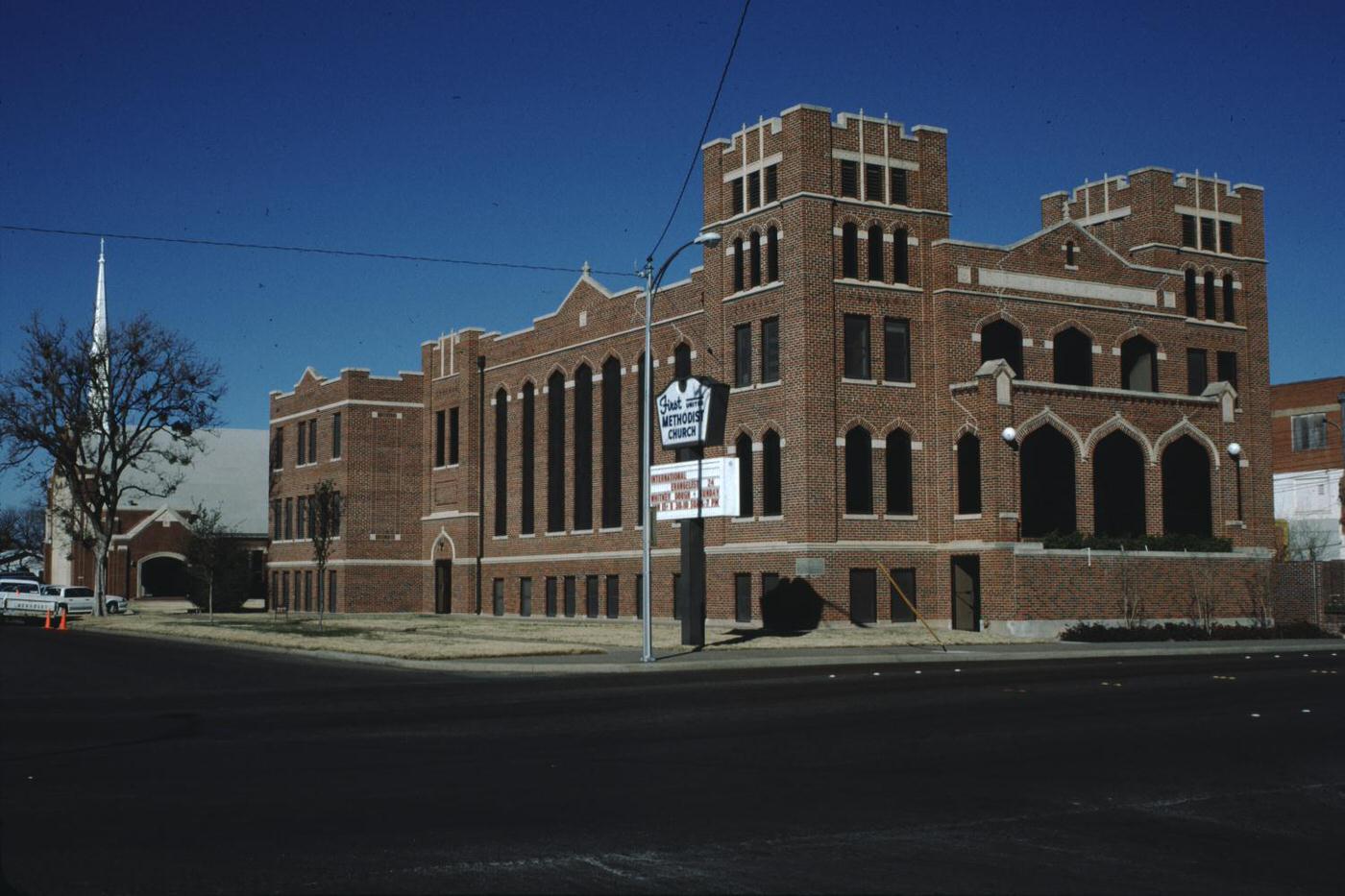
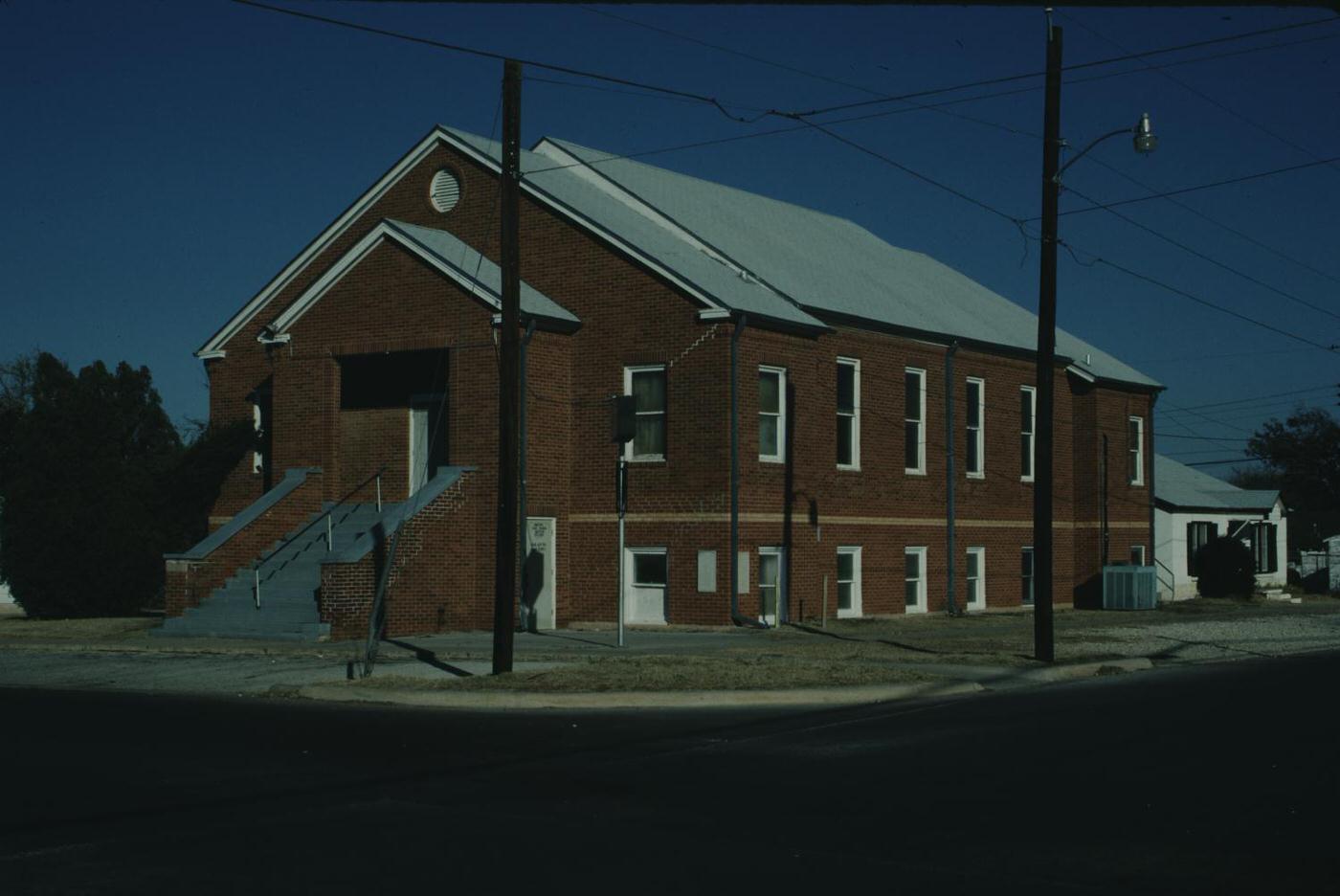
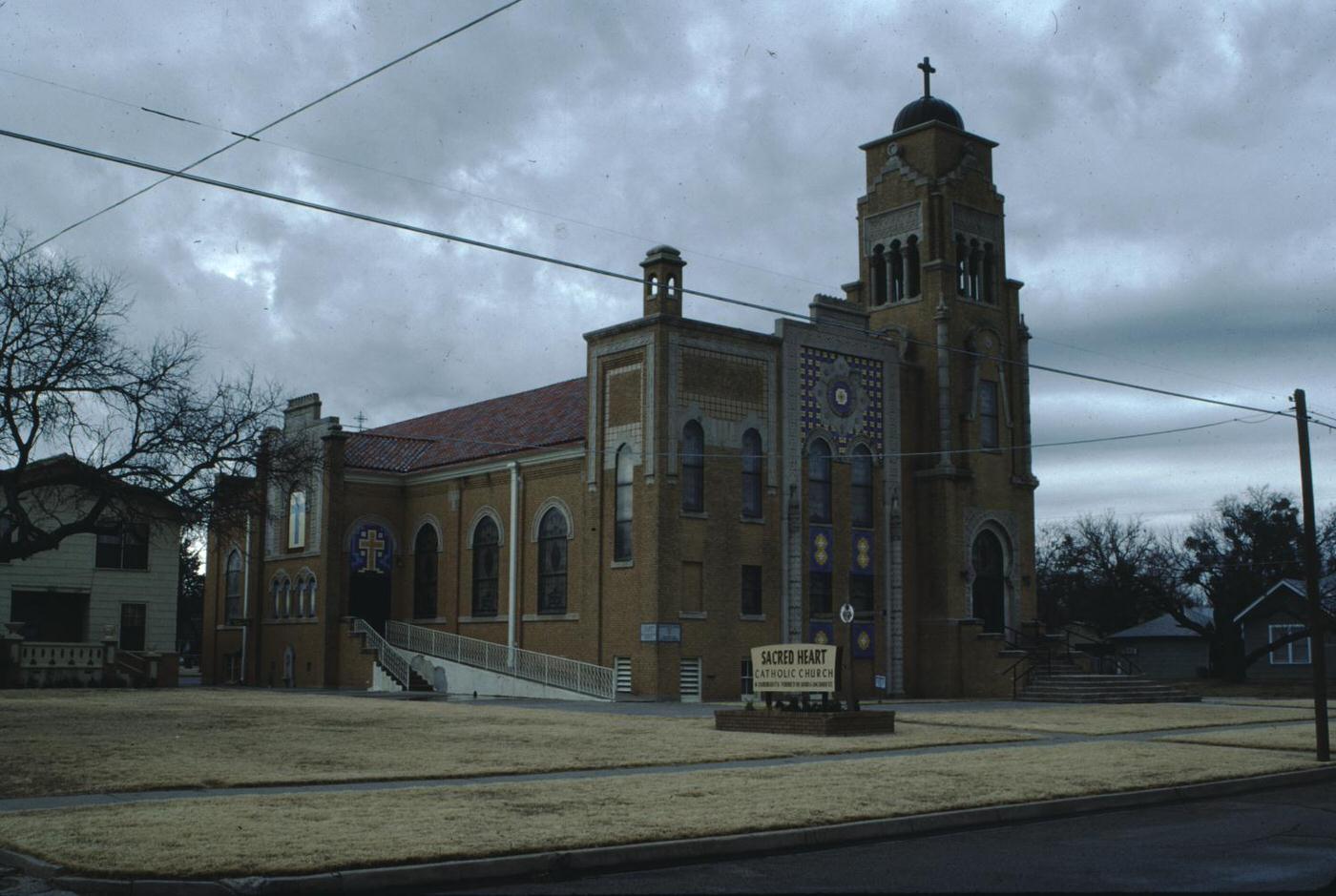
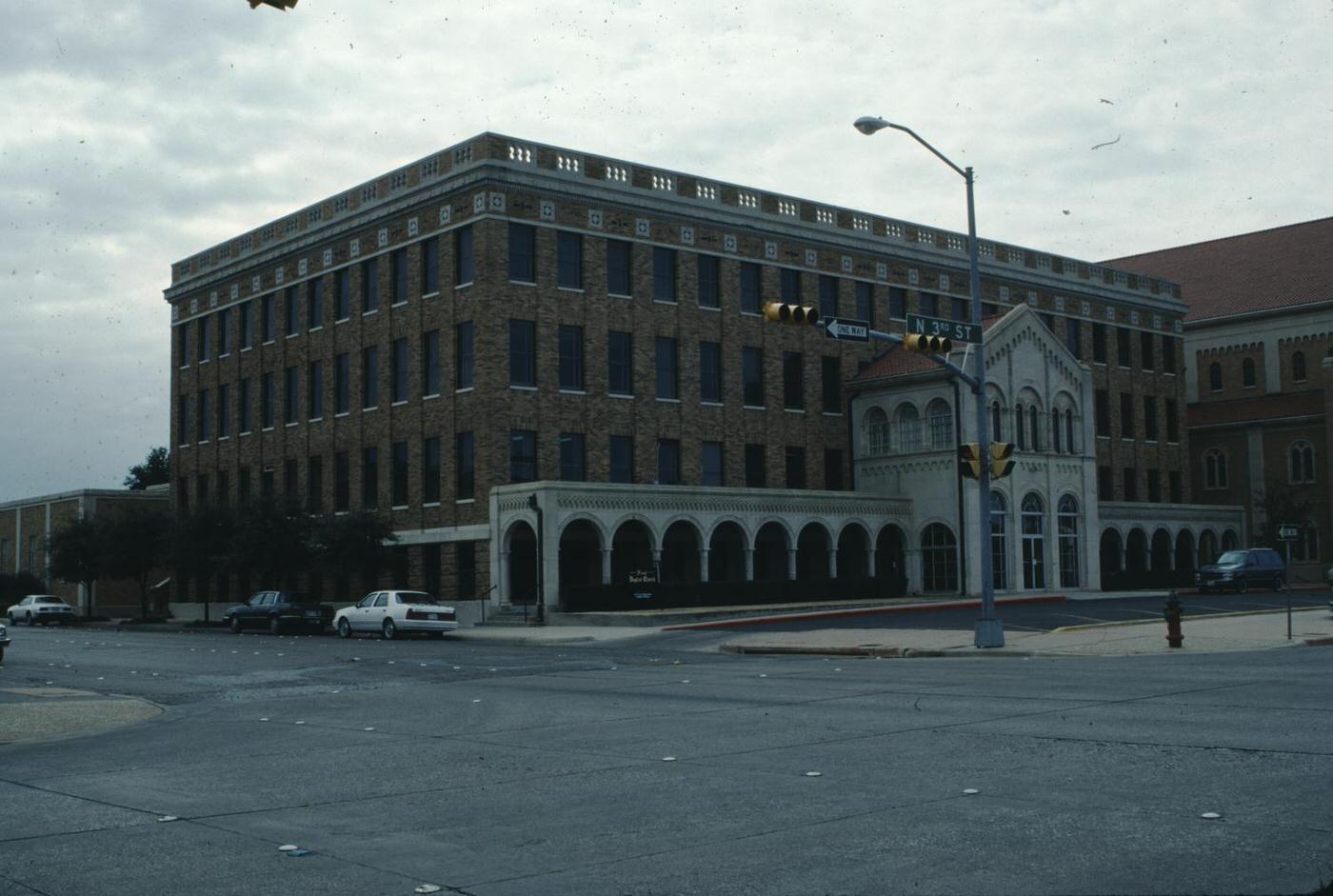
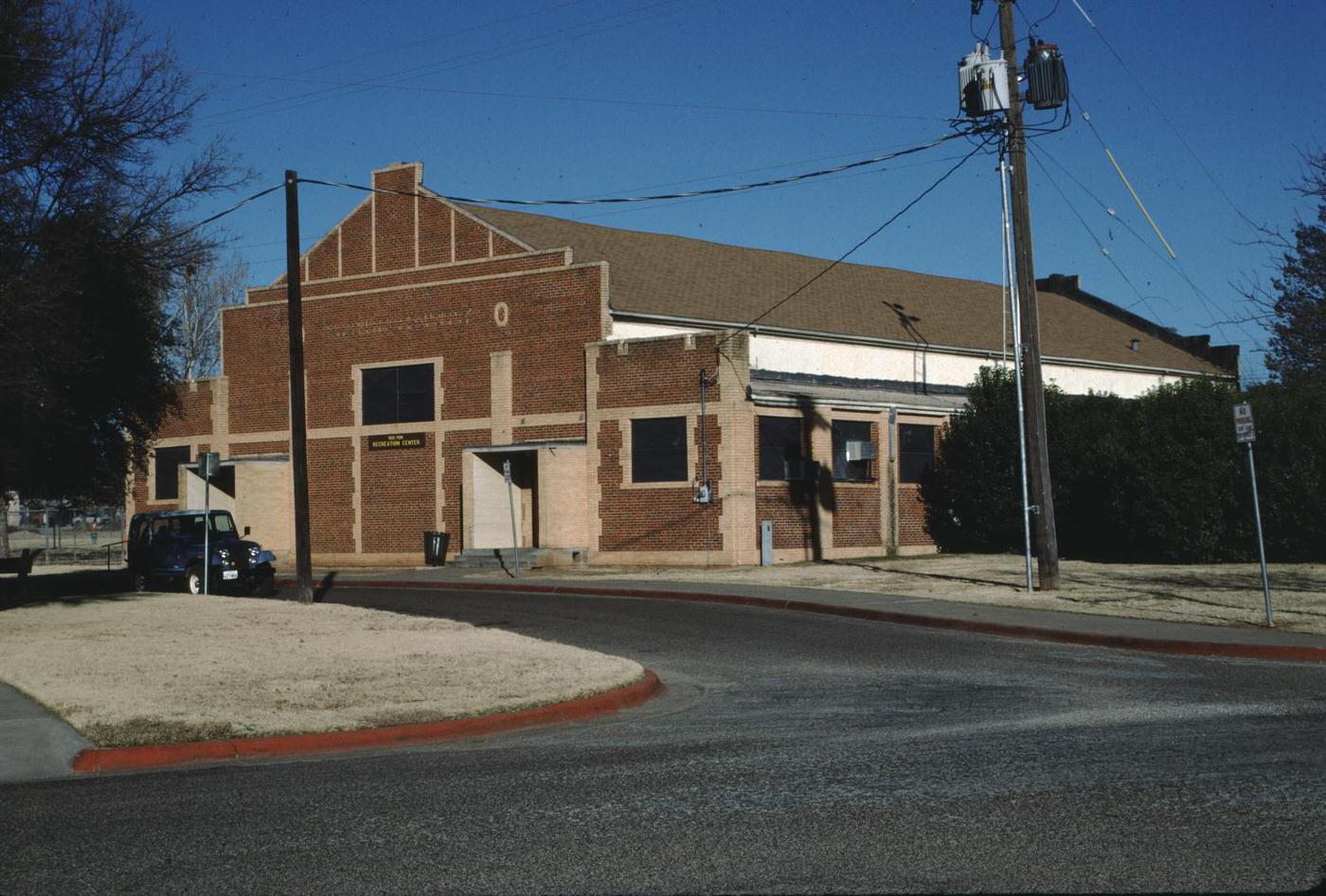
Community events provided focal points for civic life. The city celebrated its 100th birthday with the Abilene Centennial in 1981, marked by a series of public programs, lectures, and events organized by groups like the Abilene Public Library. The West Texas Fair & Rodeo, a long-standing tradition, continued to be a major annual event held at the Taylor County Expo Center, drawing crowds for agricultural exhibits, midway attractions, and rodeo competitions. Churches remained important social and spiritual centers for many Abilenians, with various denominations active in the community and some experiencing growth, like the founding of Beltway Park Baptist Church in 1985.
Shifting Cityscape: Downtown and the Suburbs
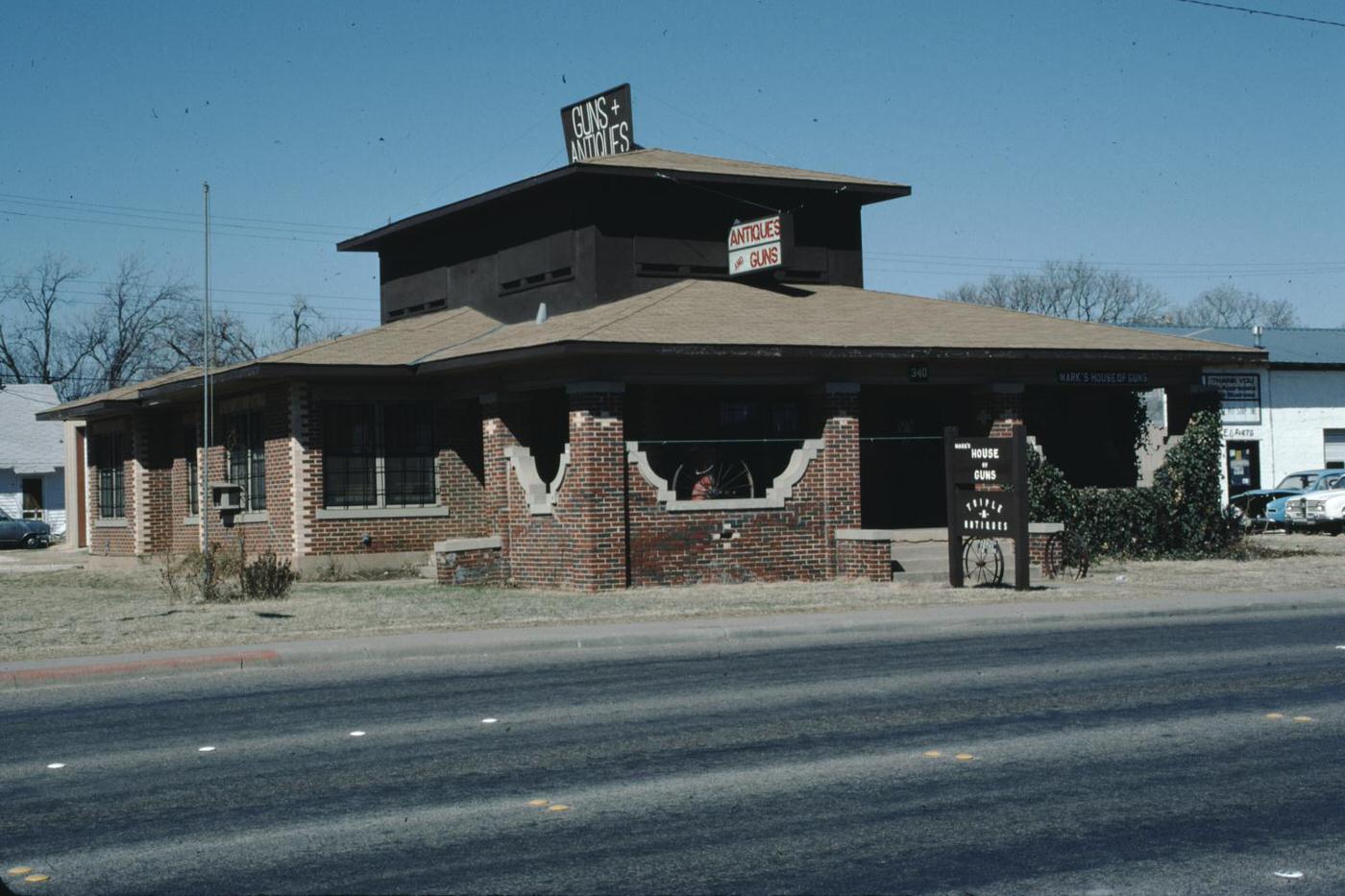
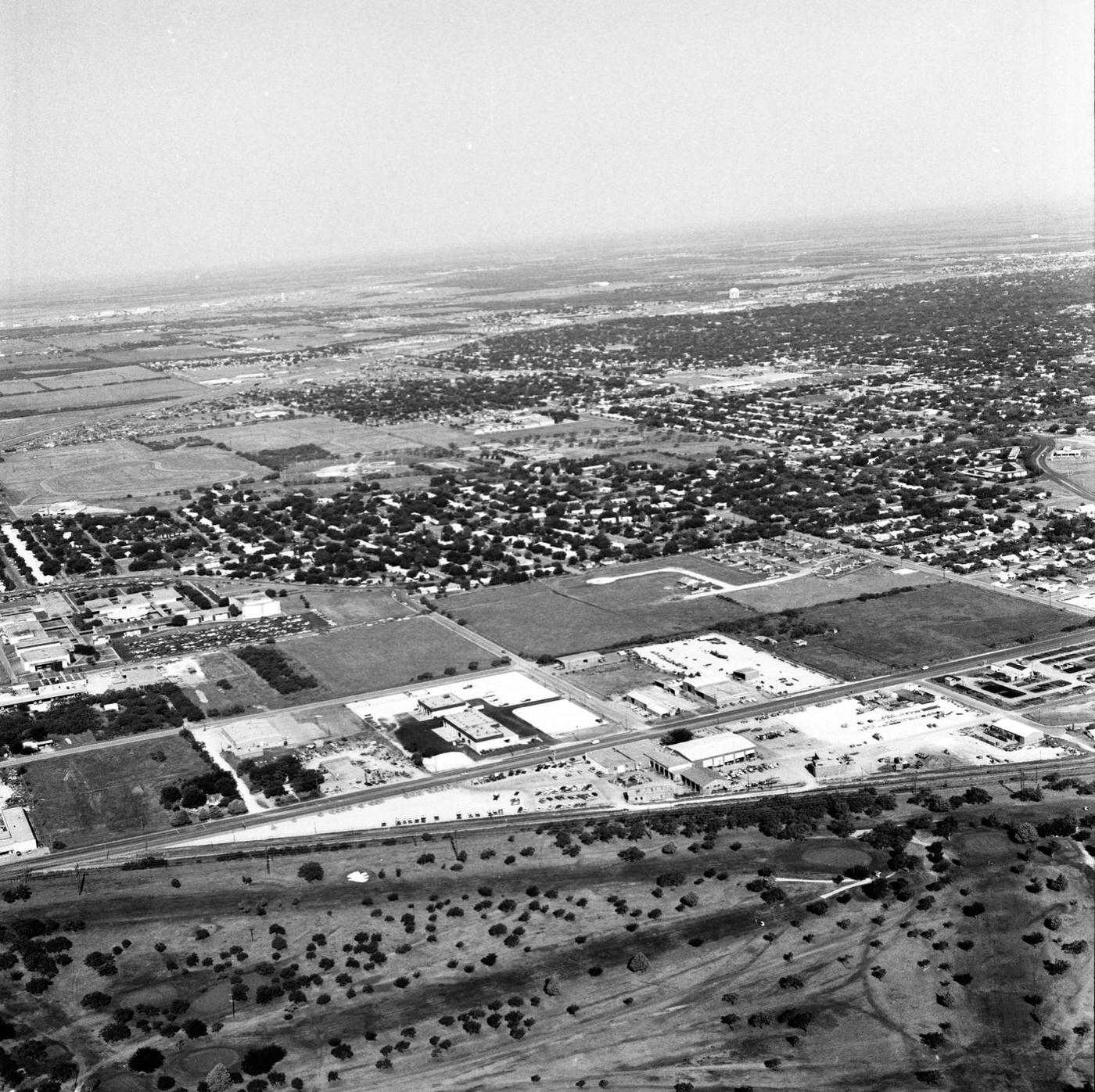
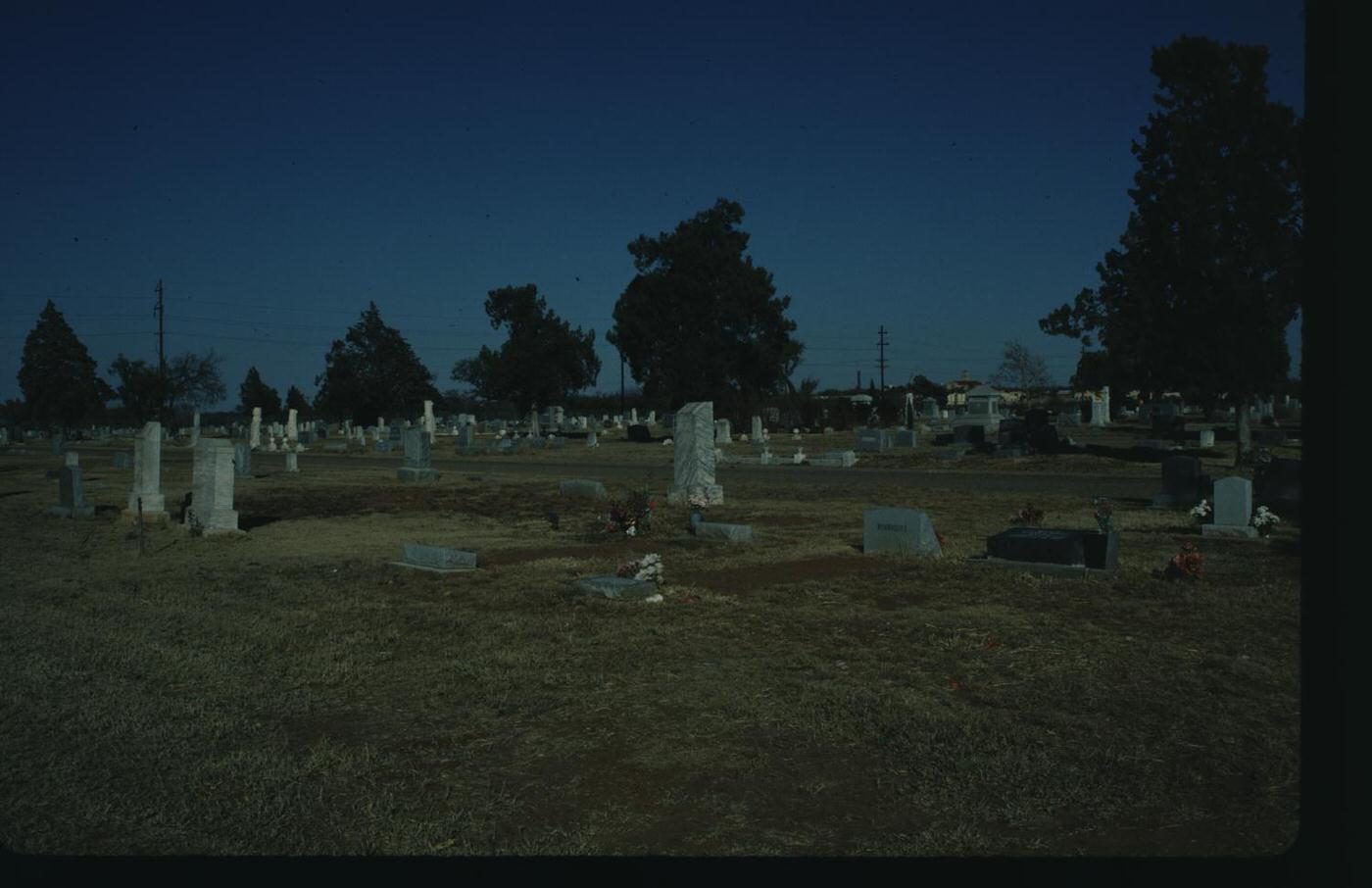
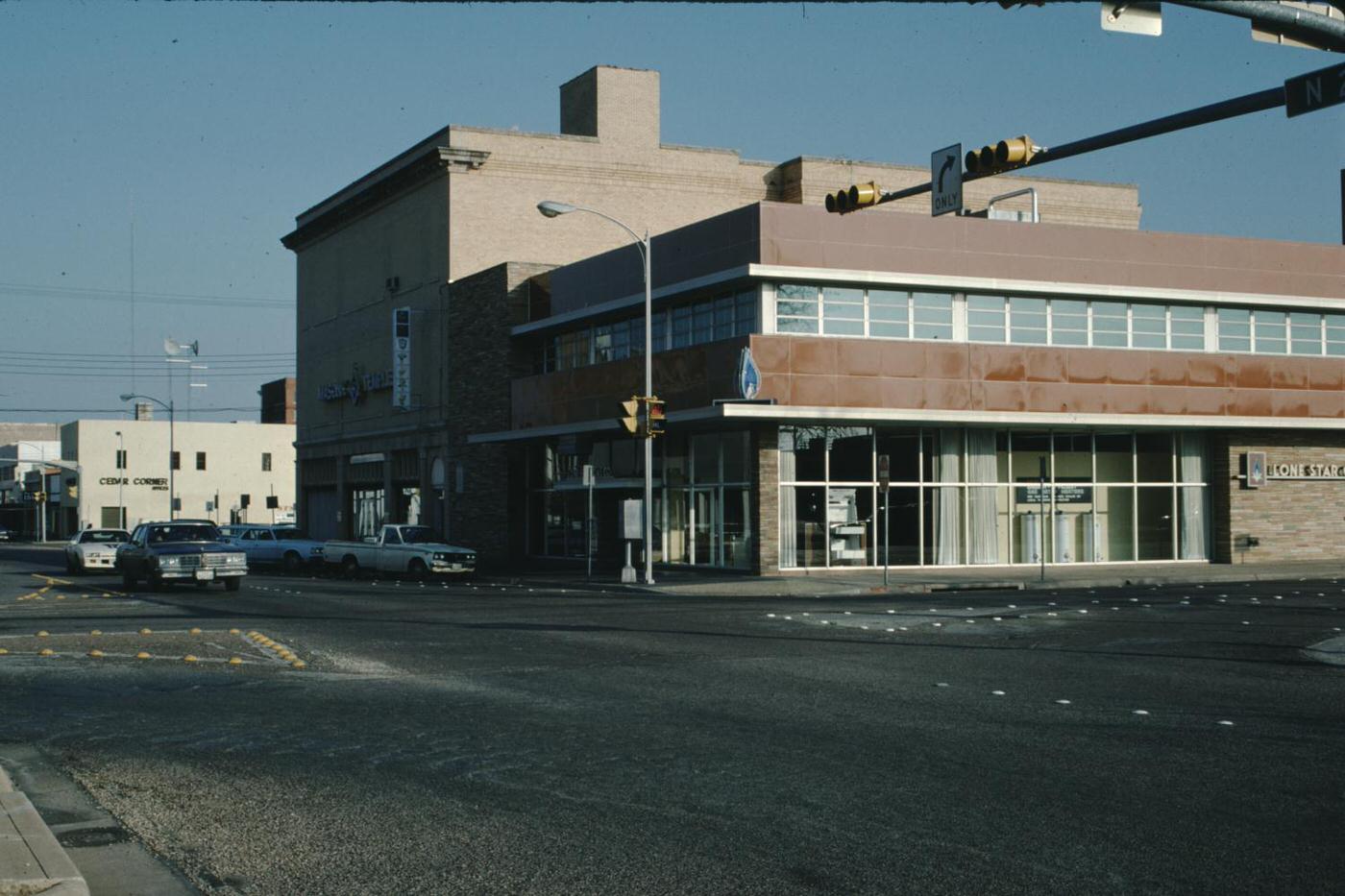
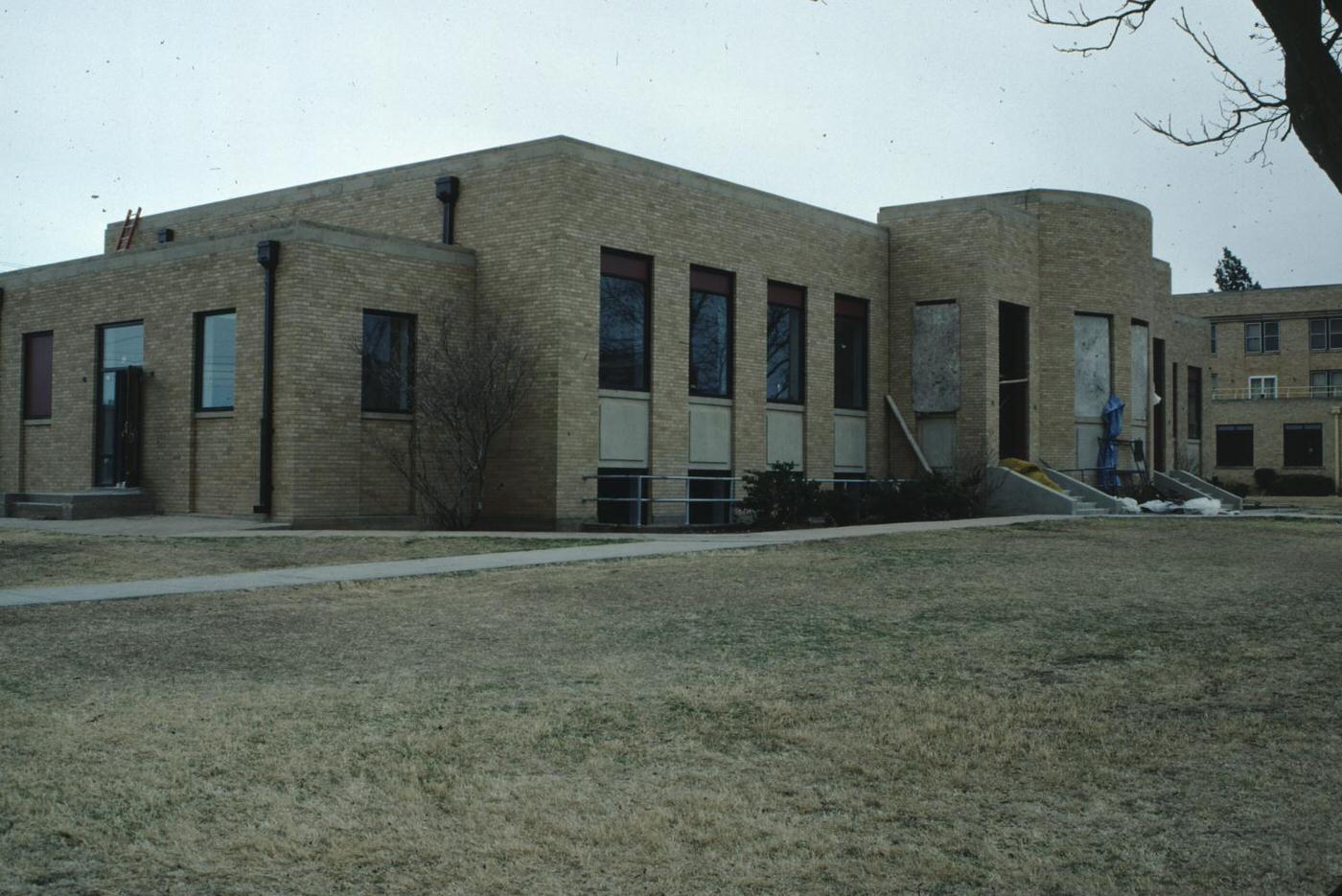
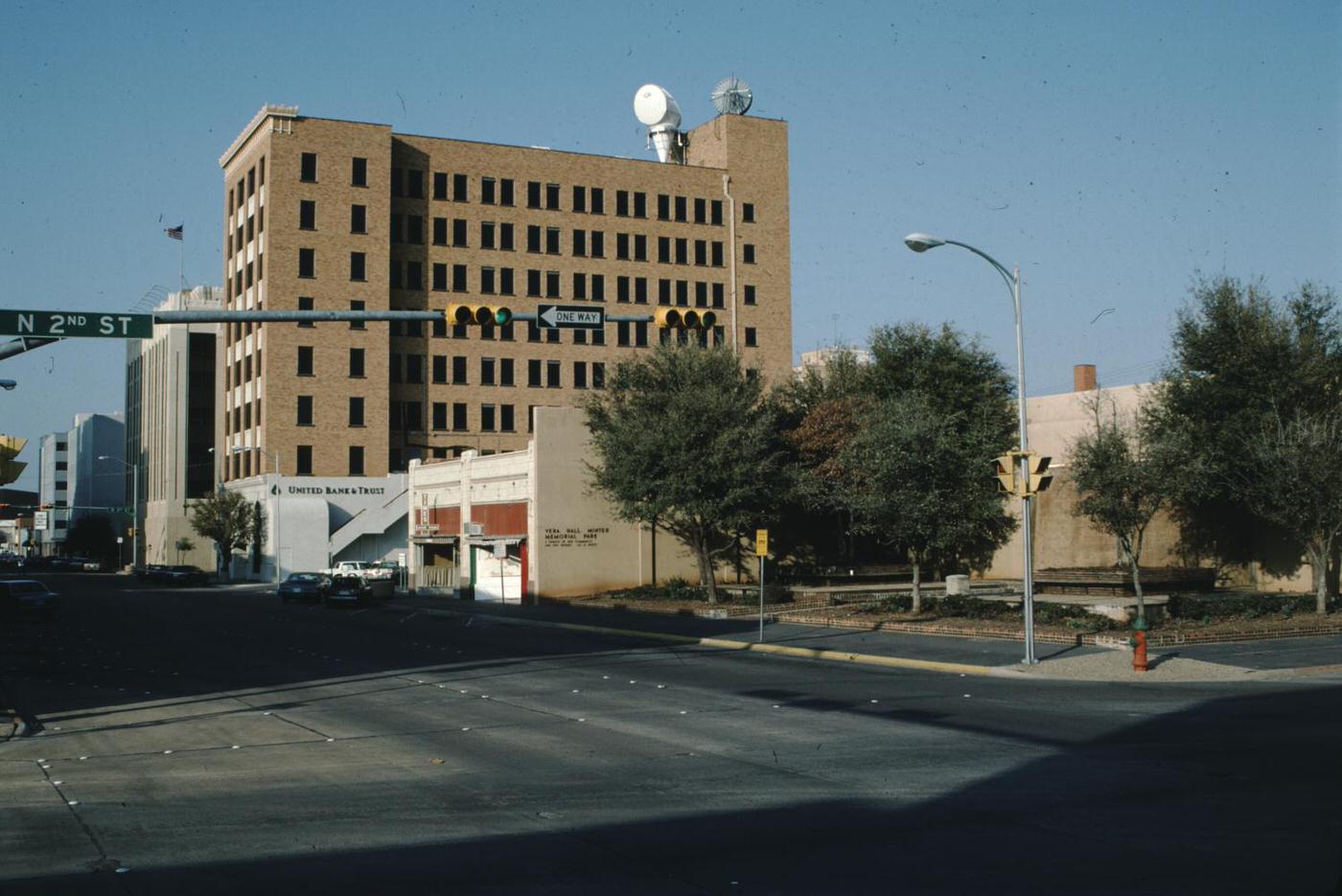
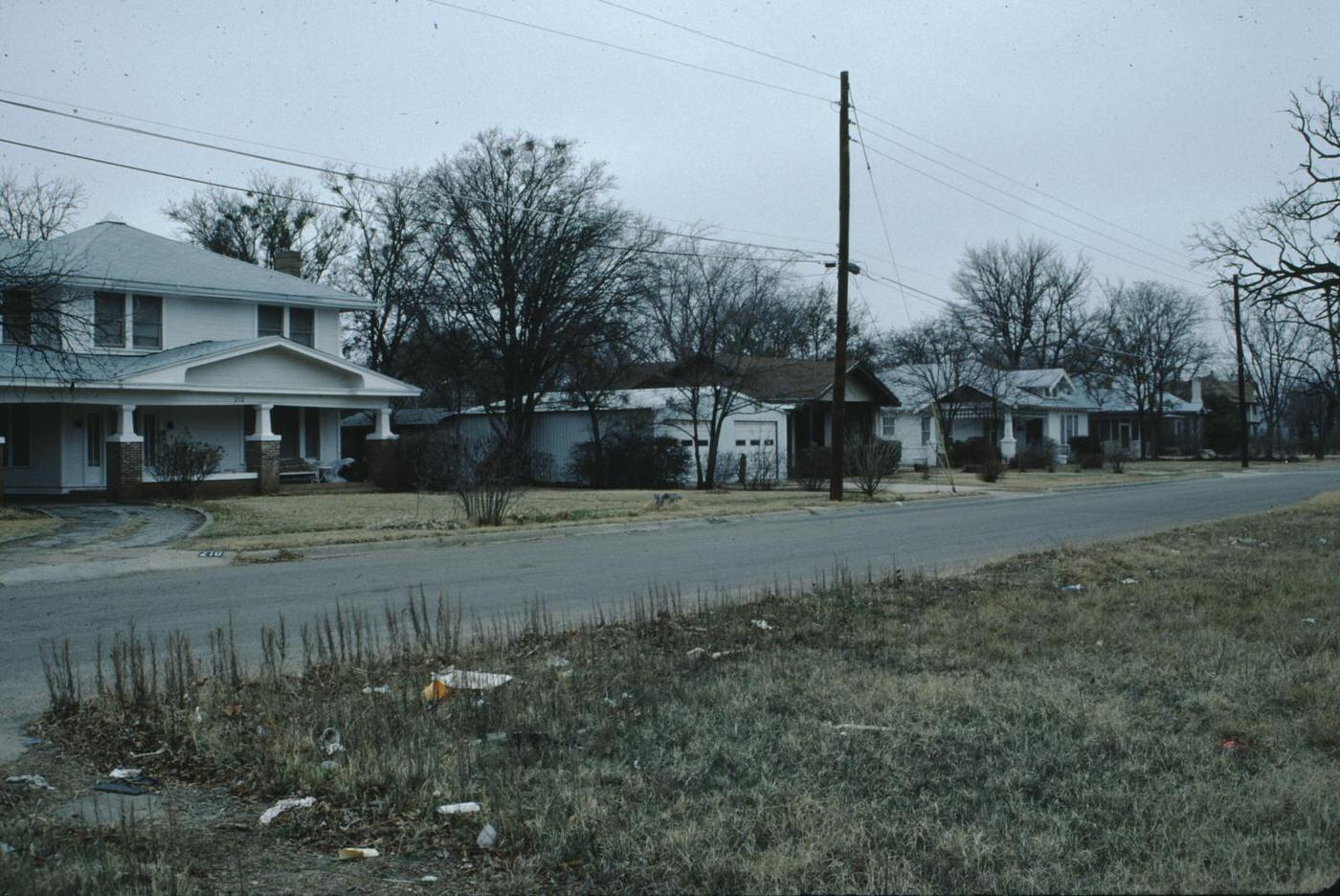
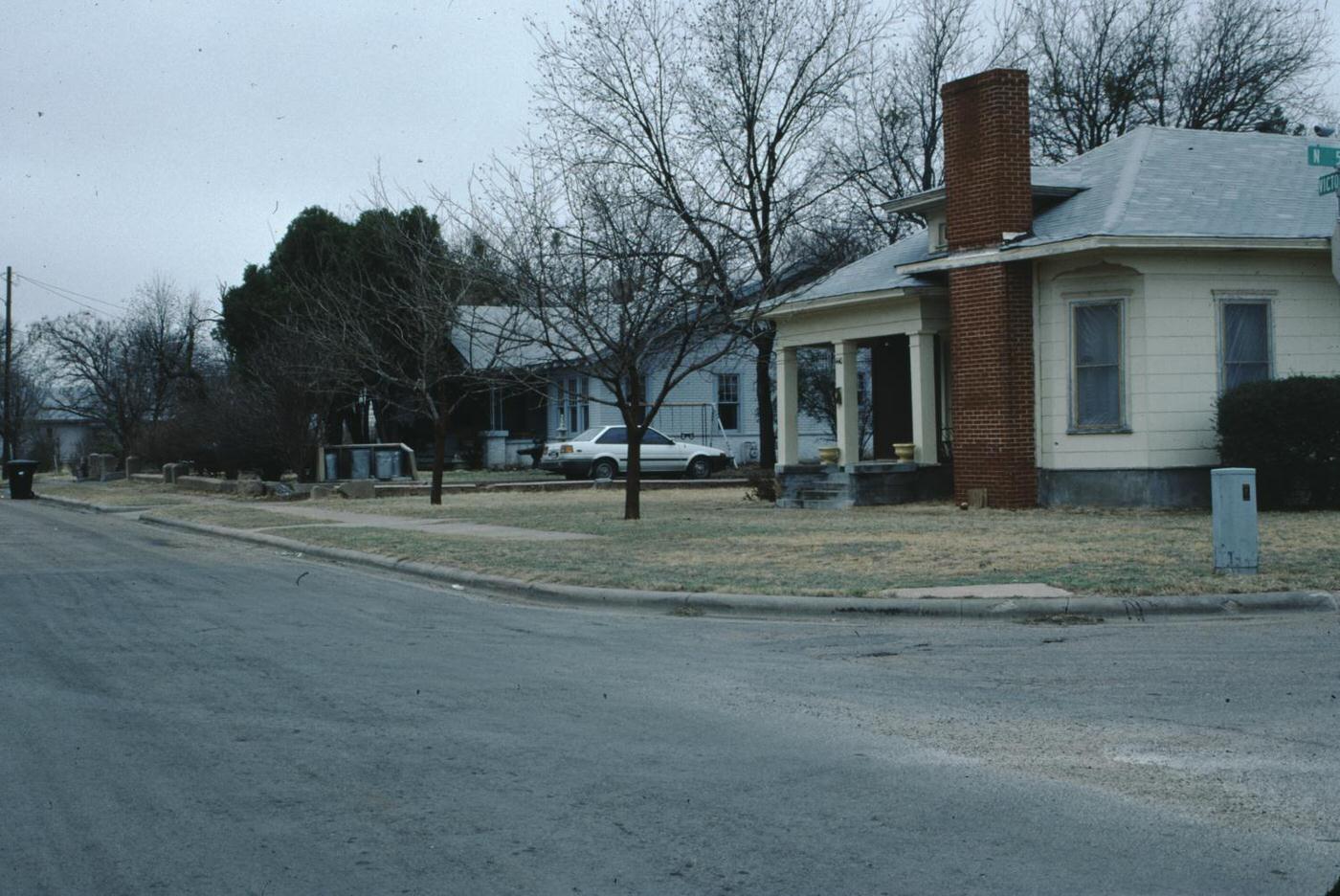
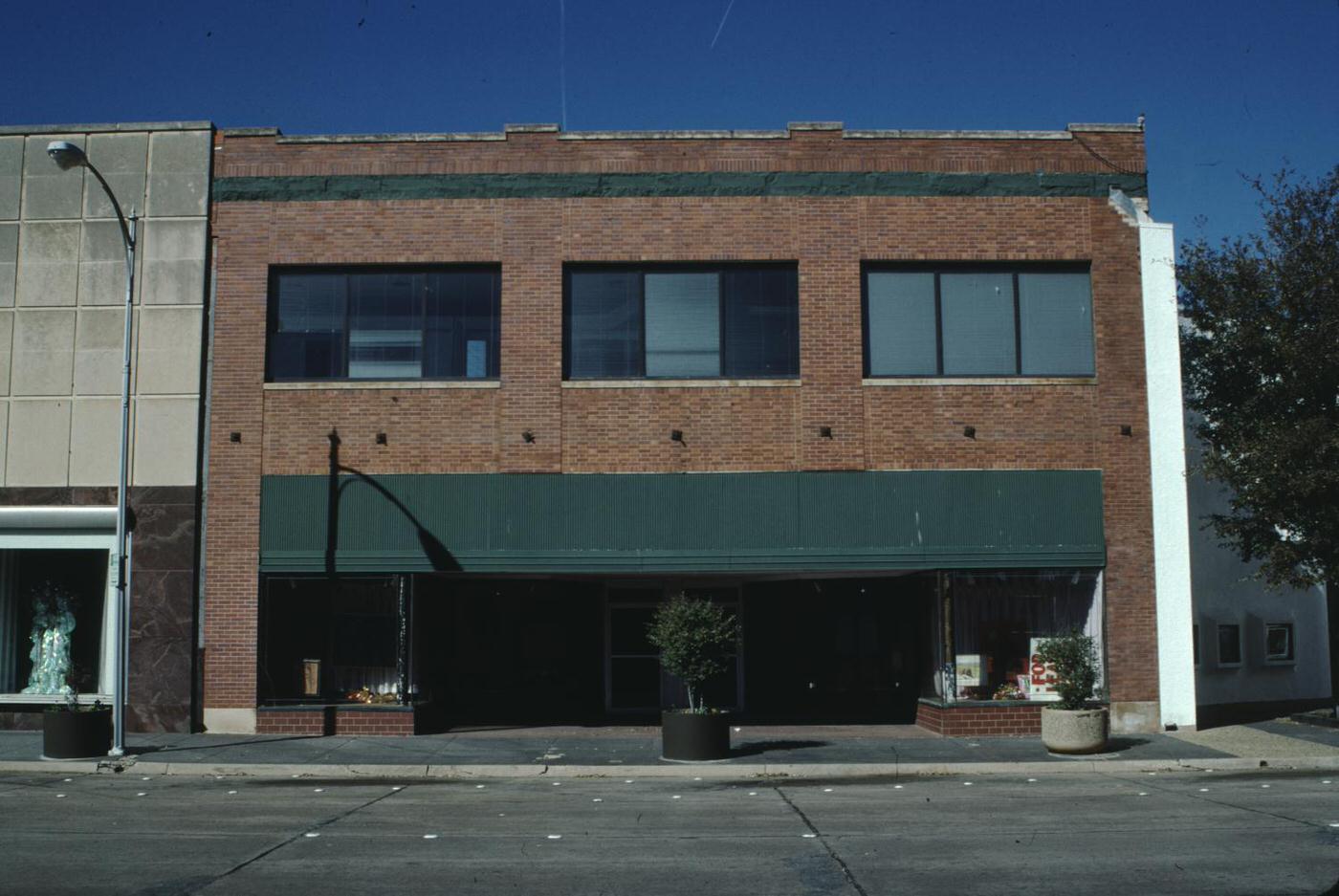
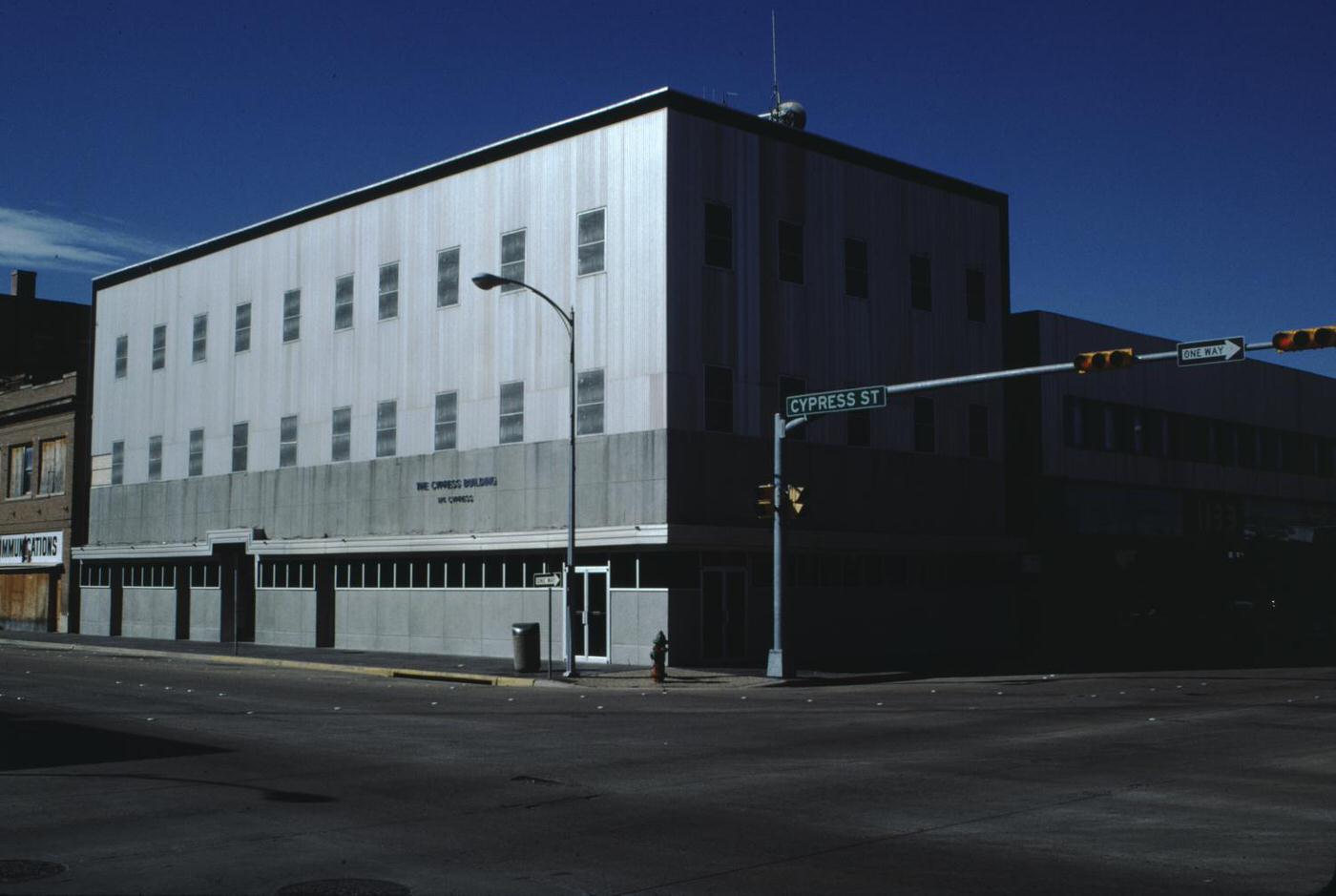
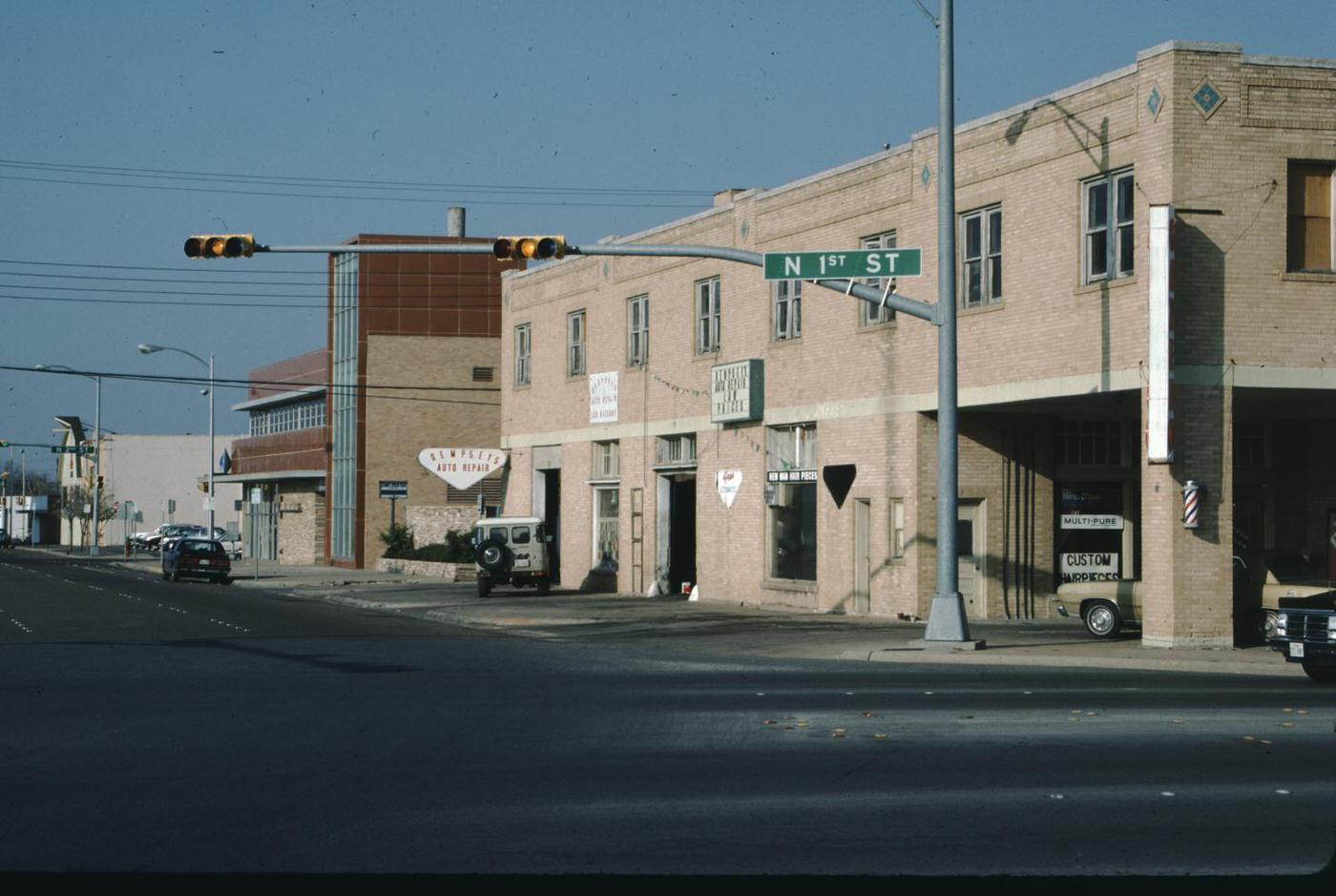
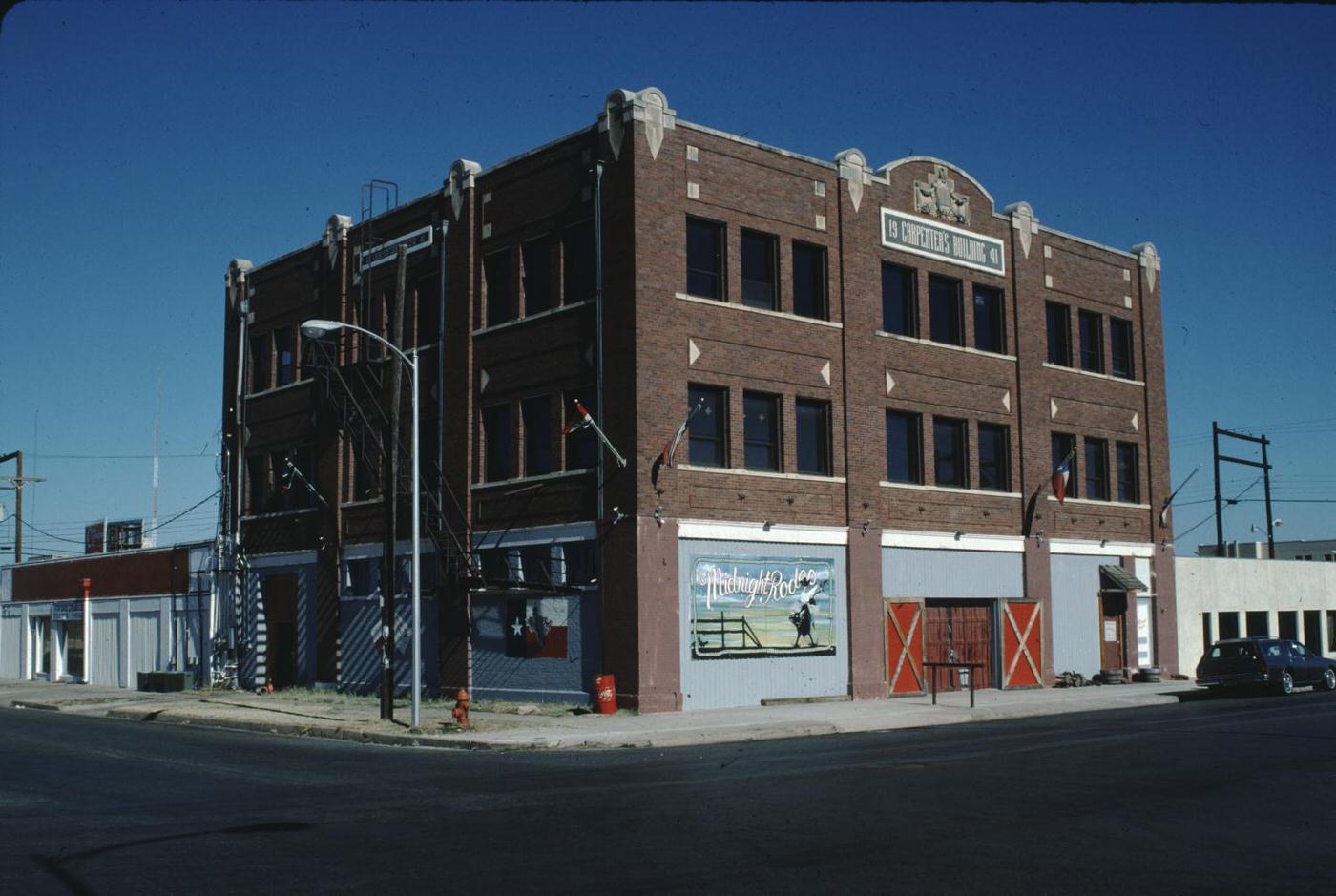
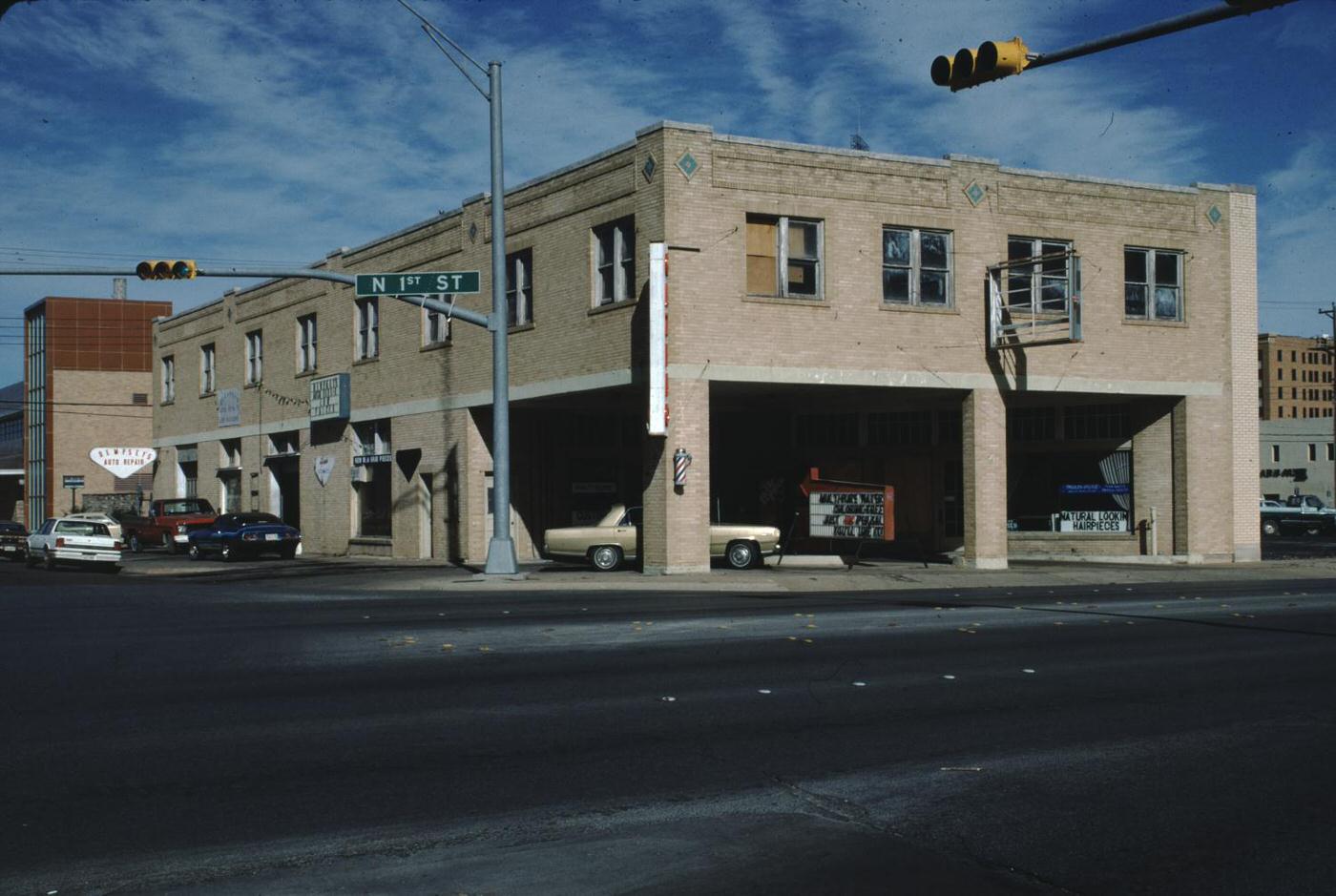
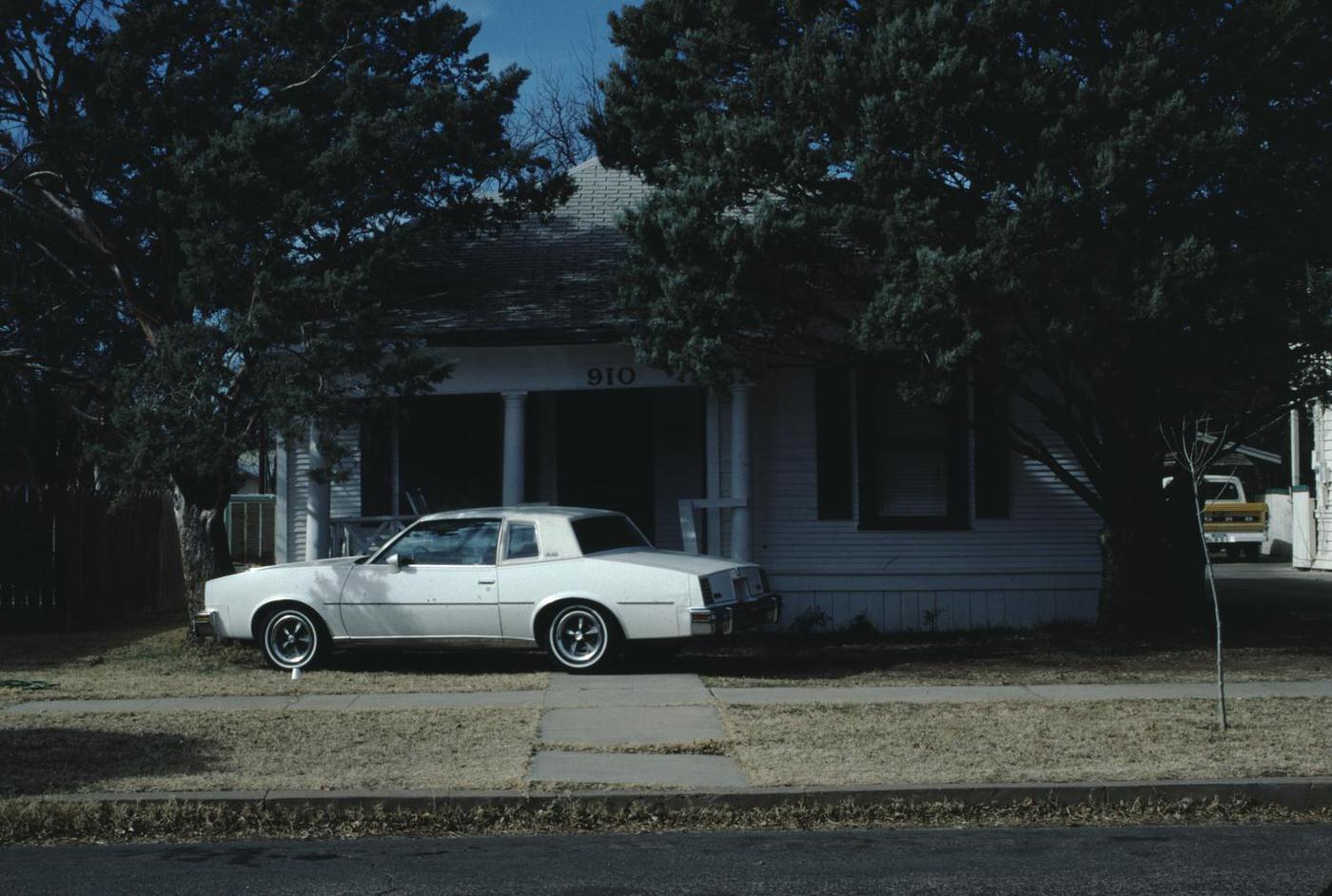
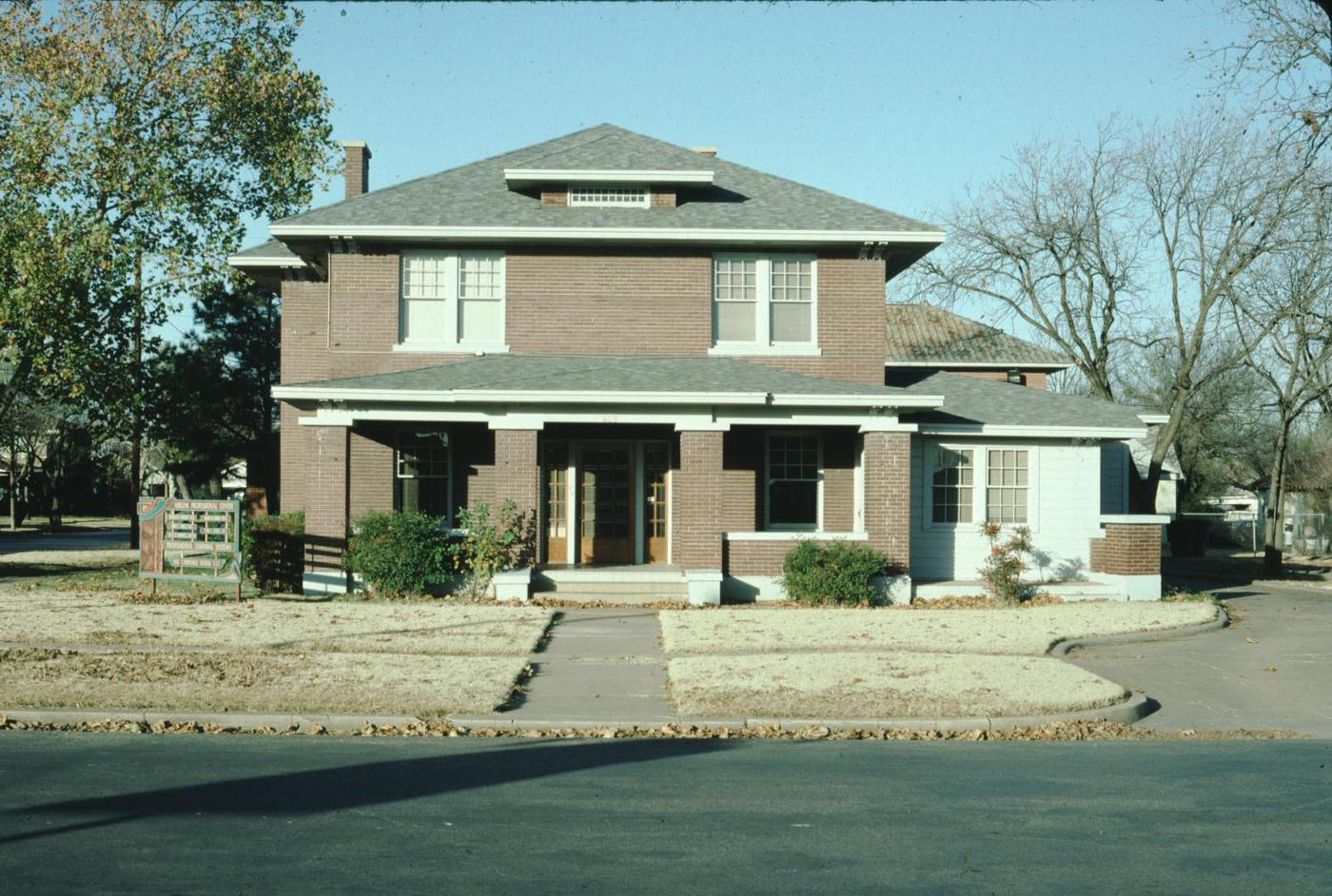
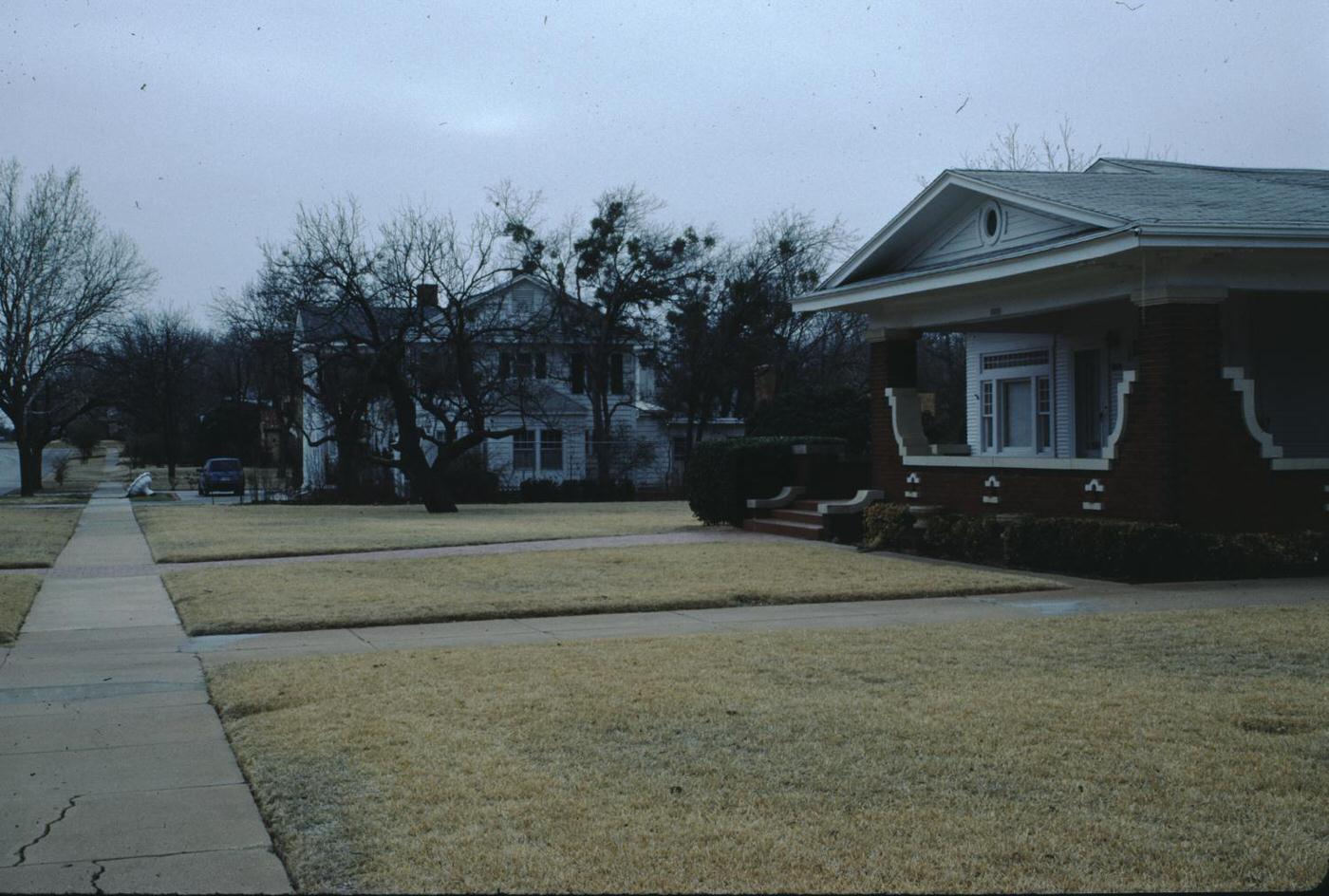
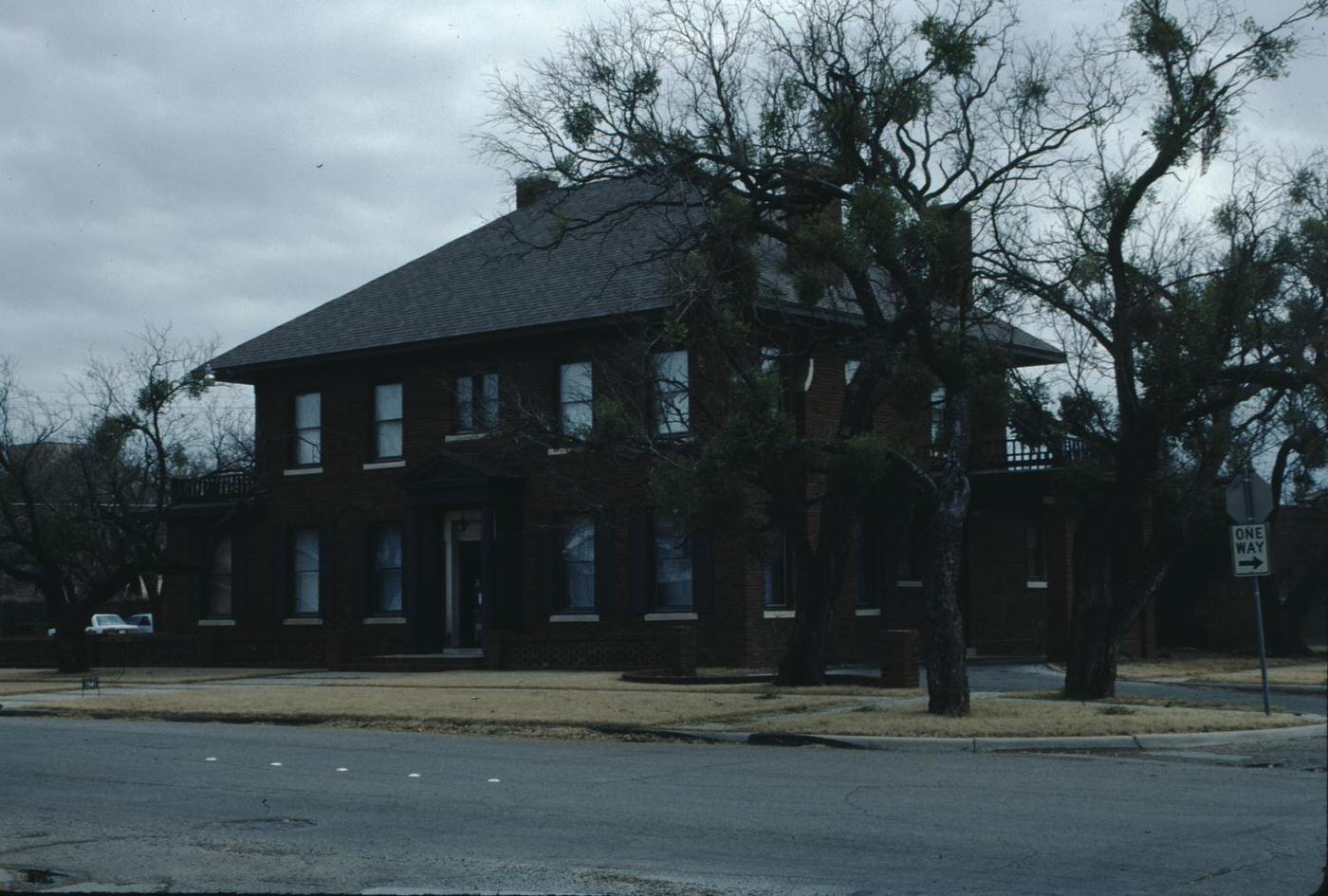
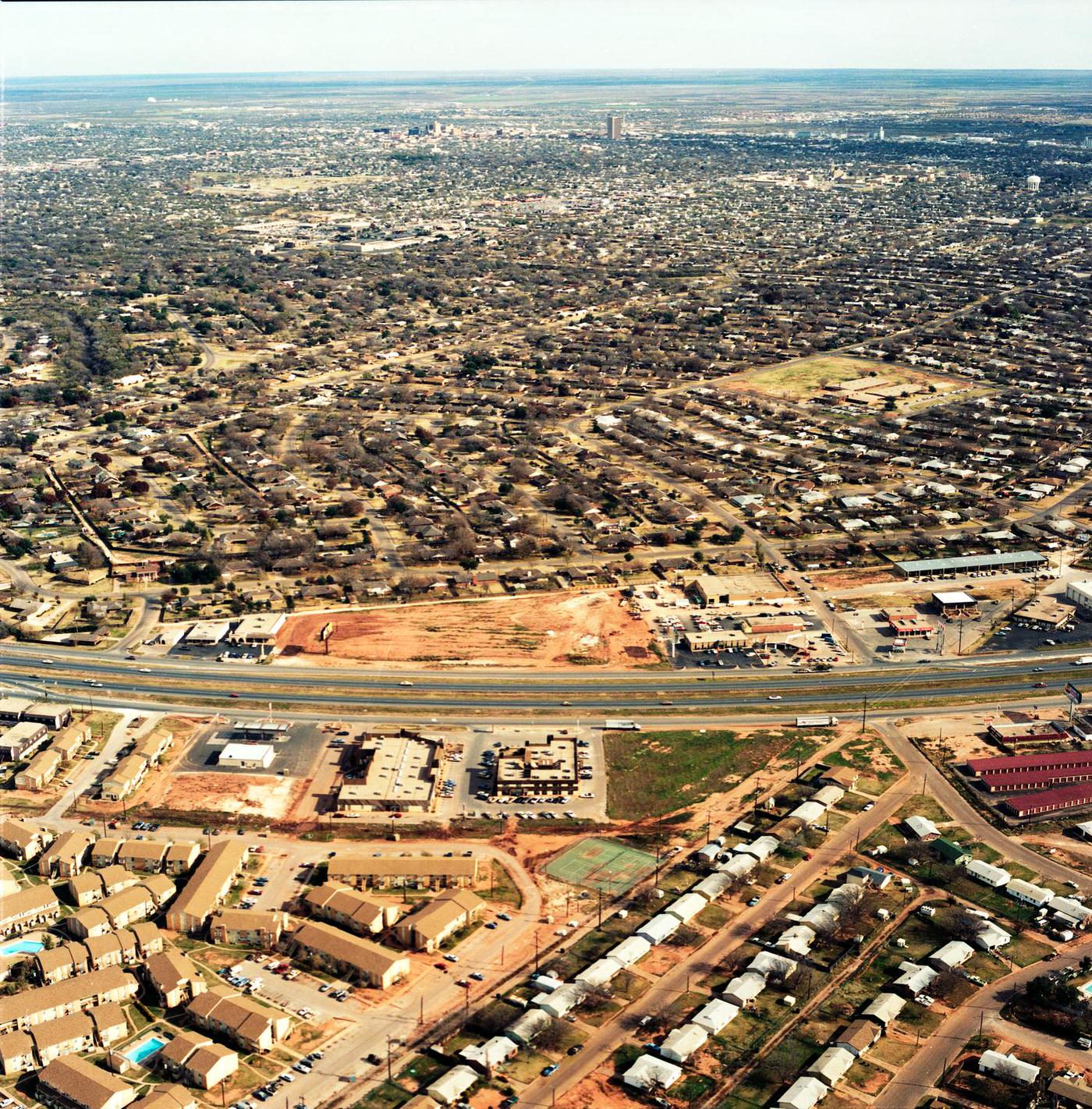
The 1980s solidified a significant shift in Abilene’s urban geography, highlighting a contrast between the struggling downtown and burgeoning suburban areas. While the Mall of Abilene’s opening in 1979 had already signaled a move towards the south, the economic pressures of the 1980s accelerated this trend.
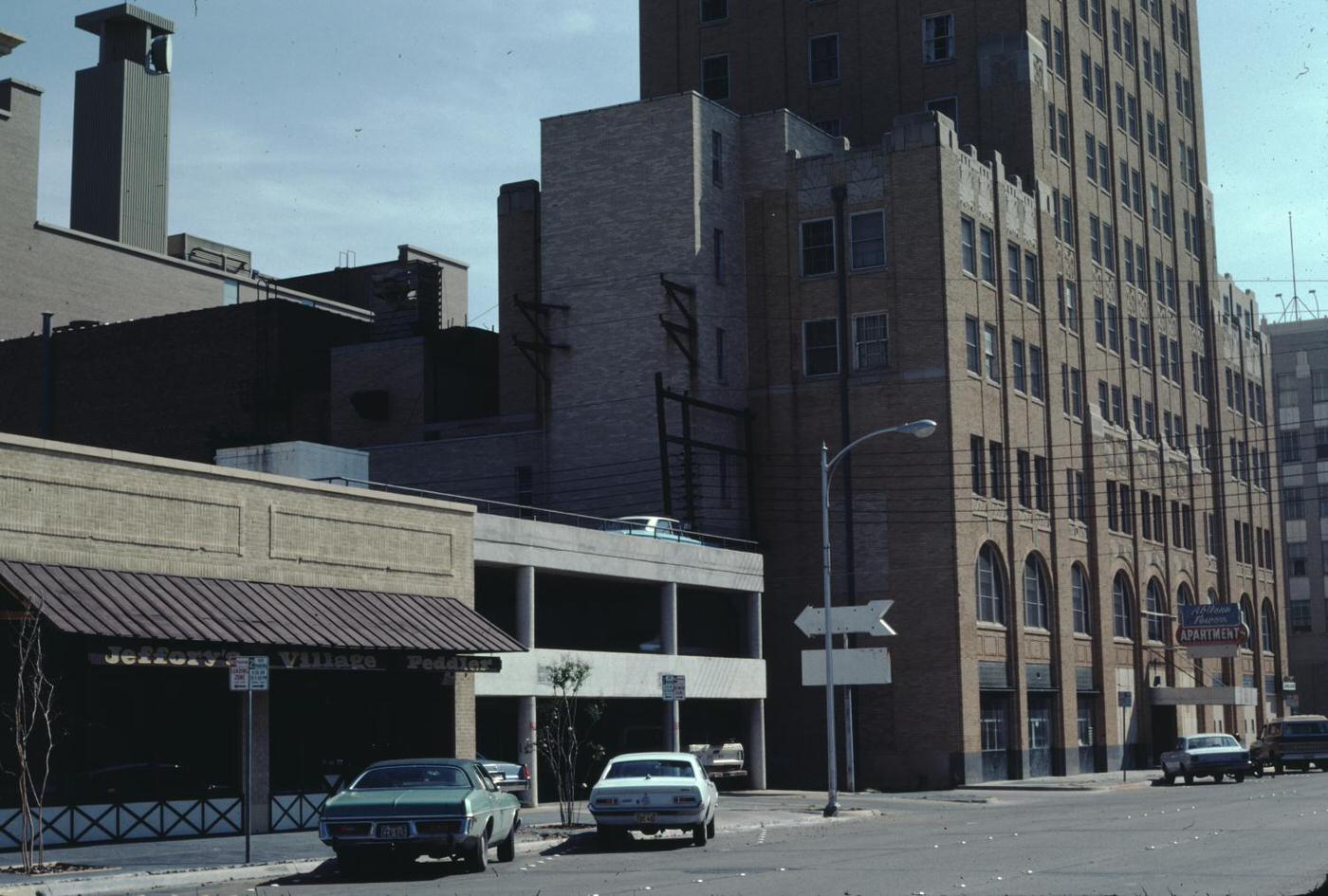
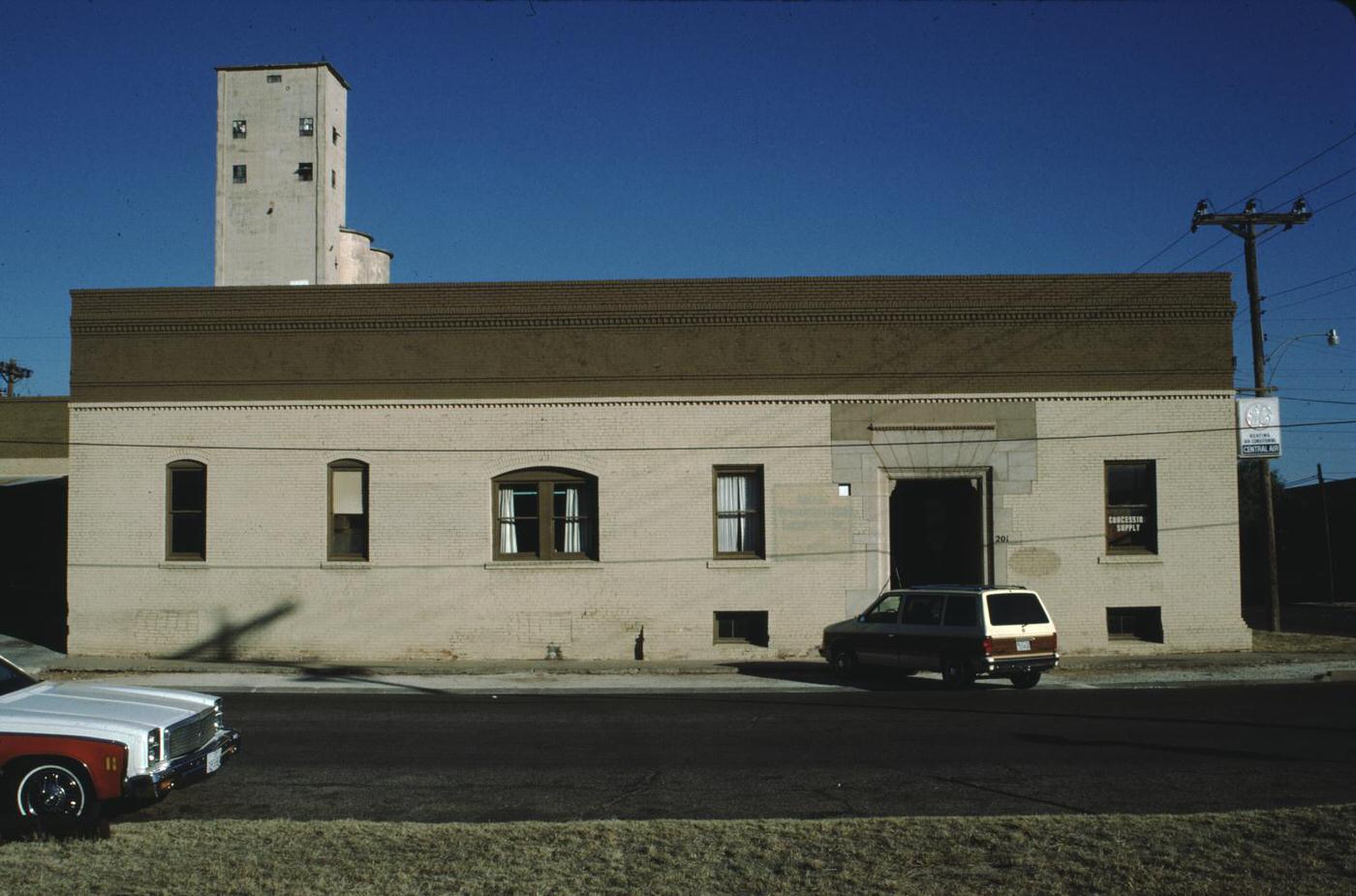
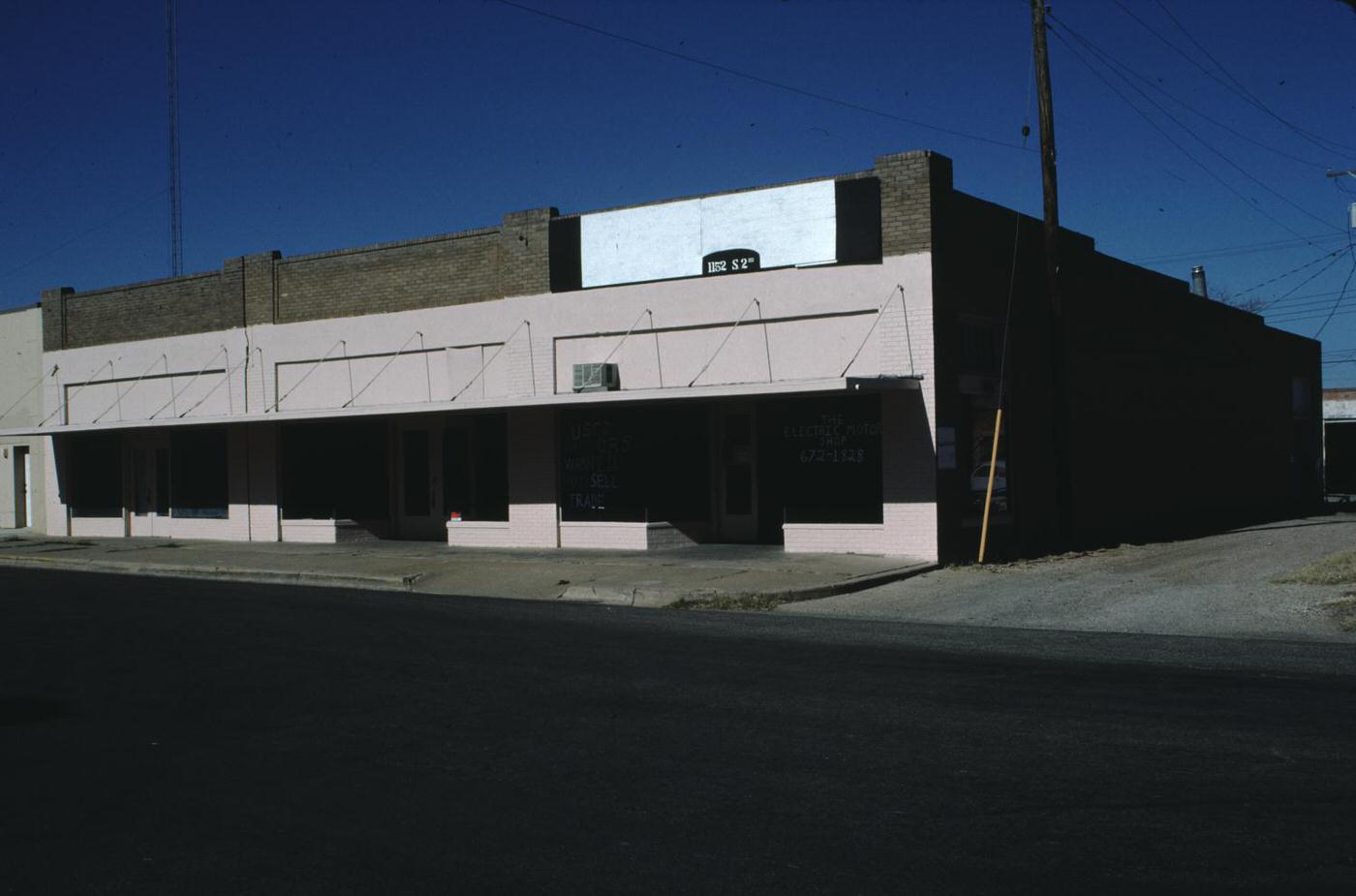
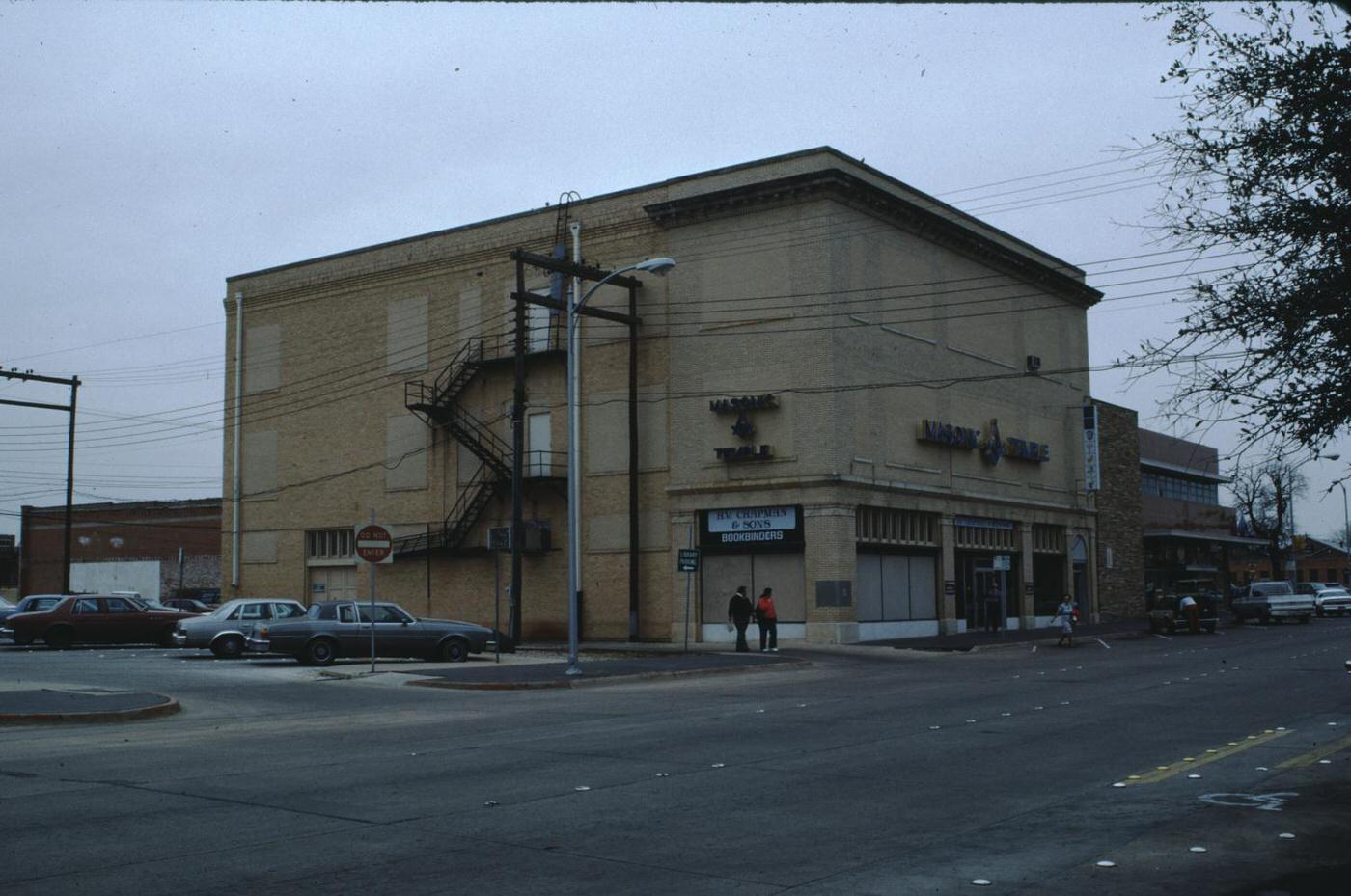
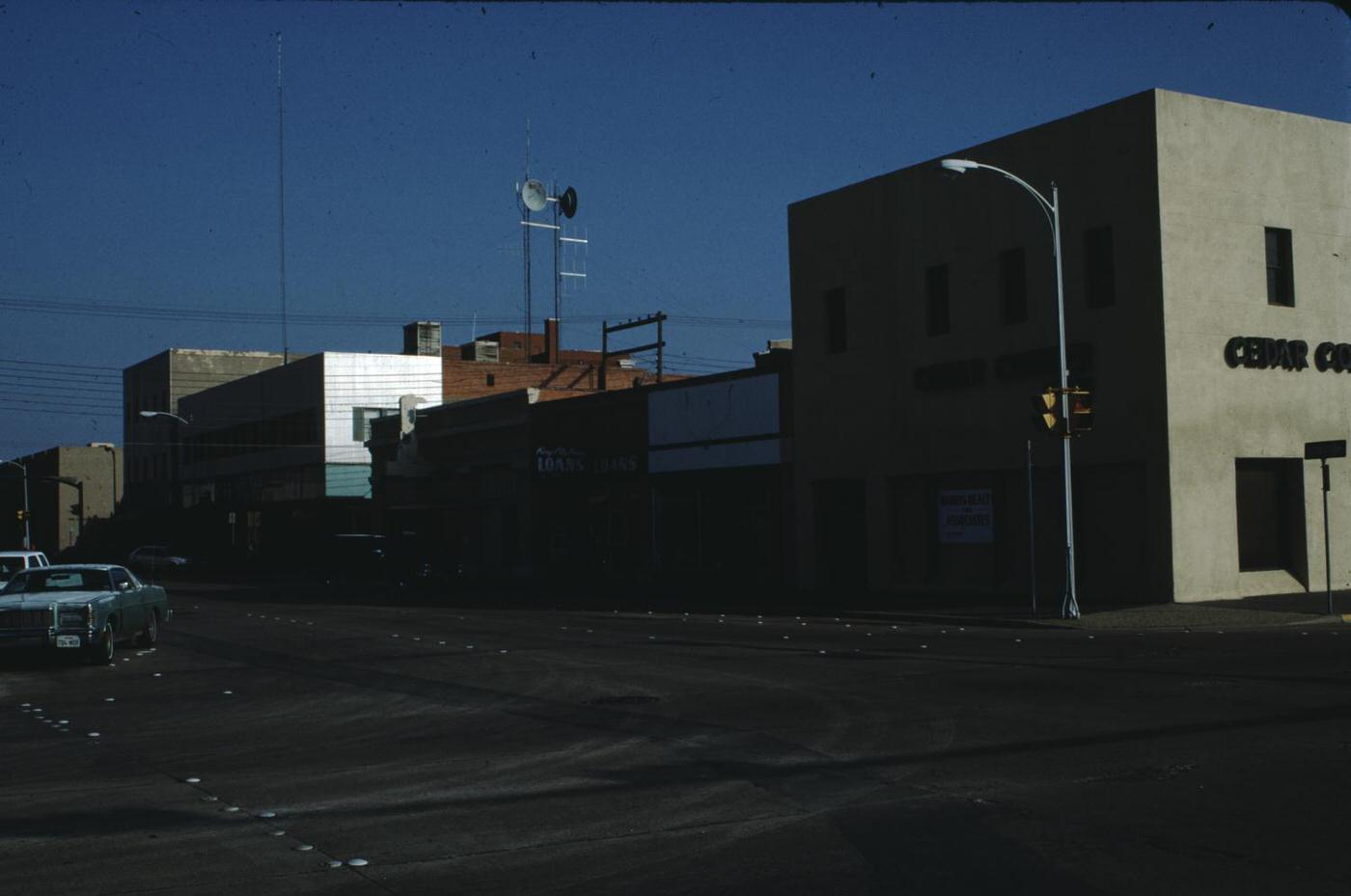
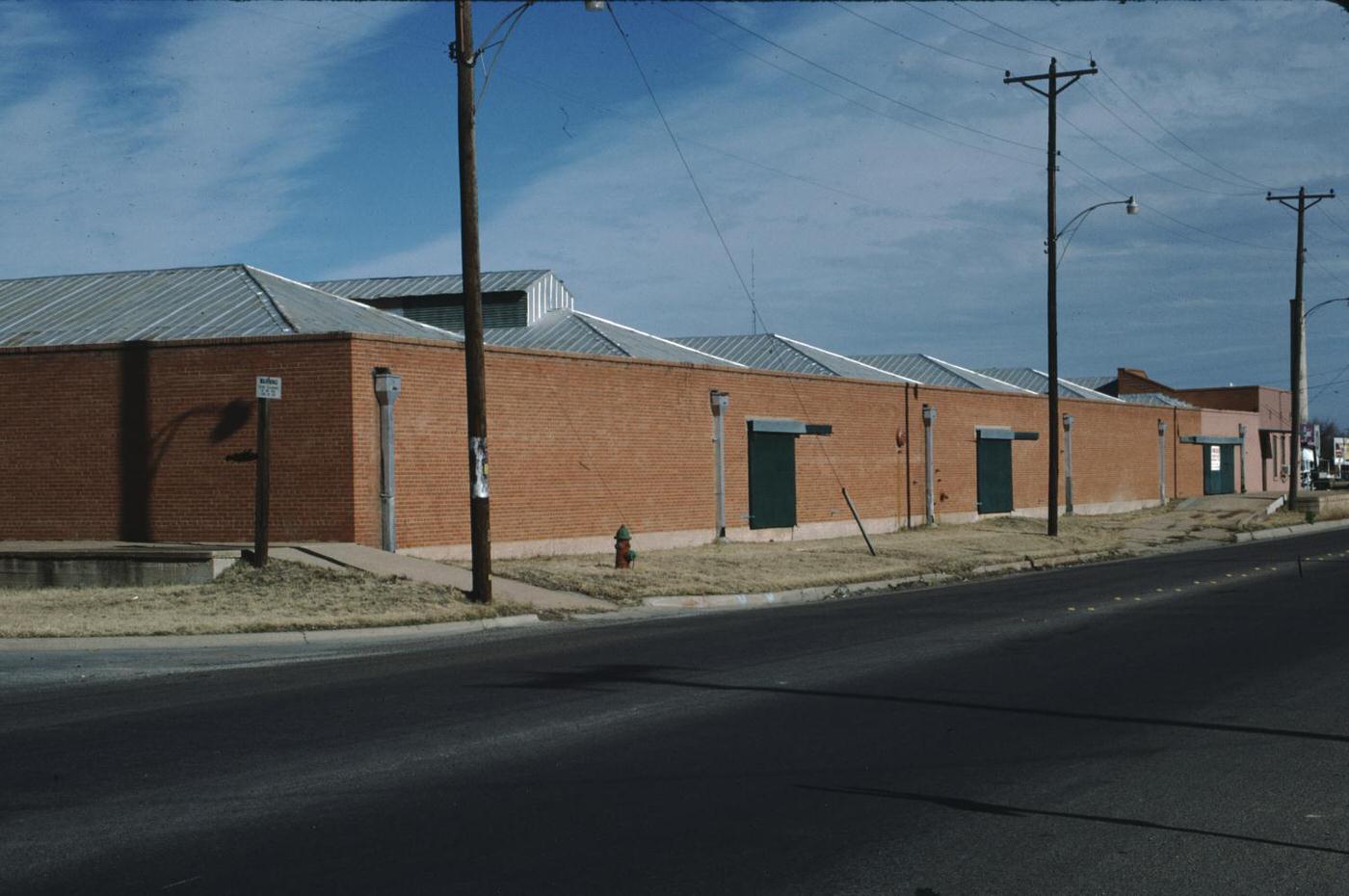
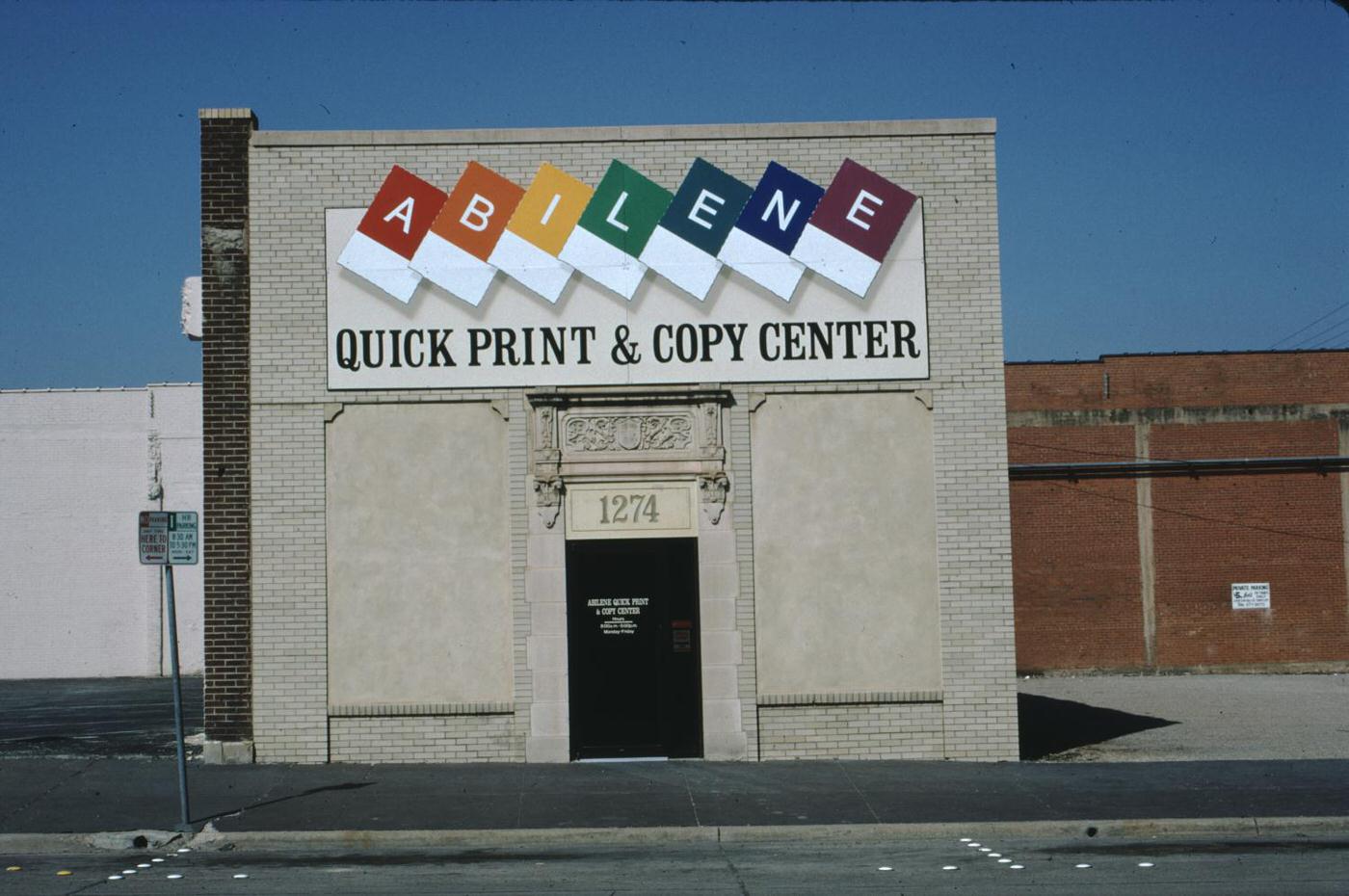
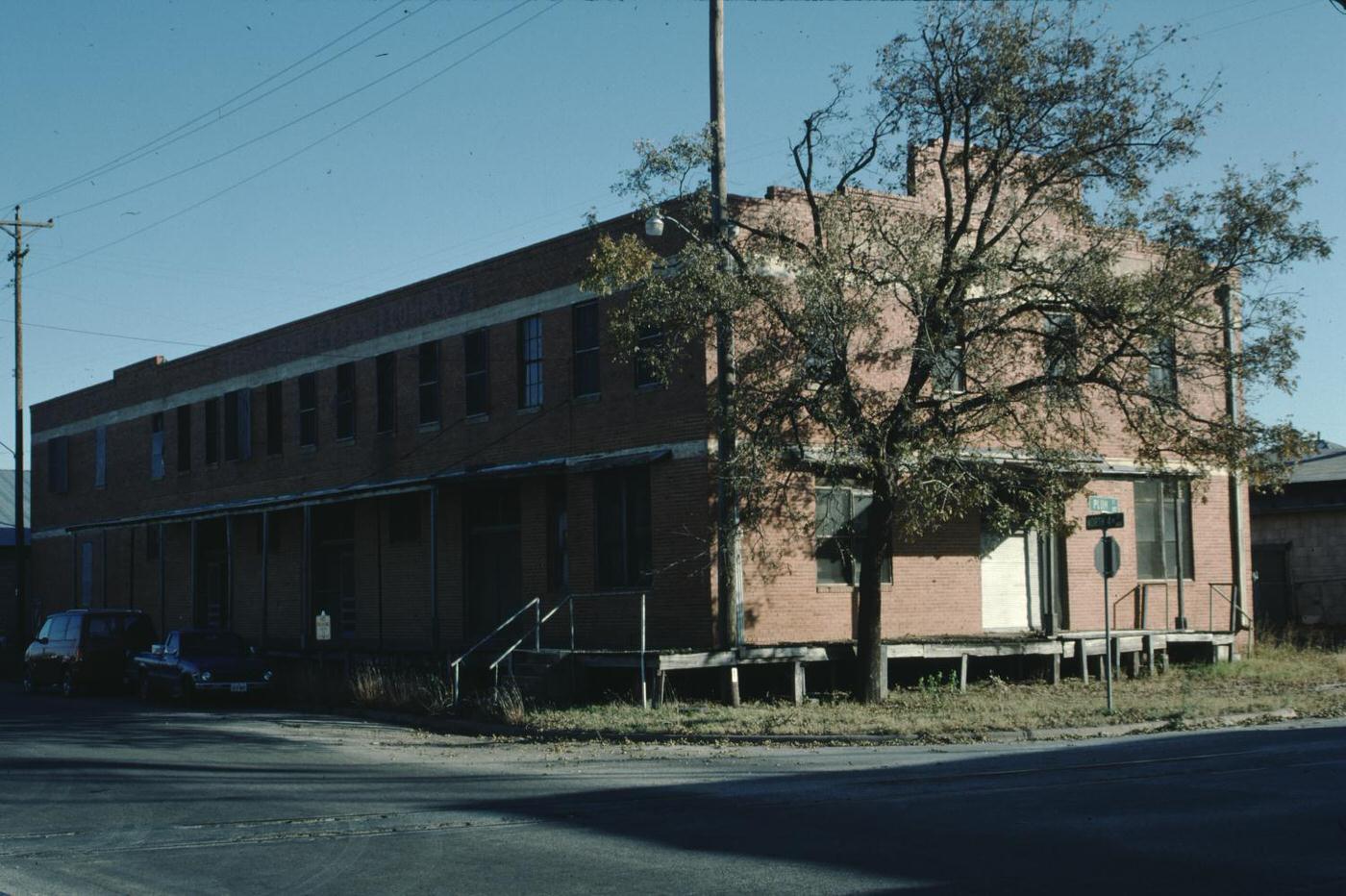
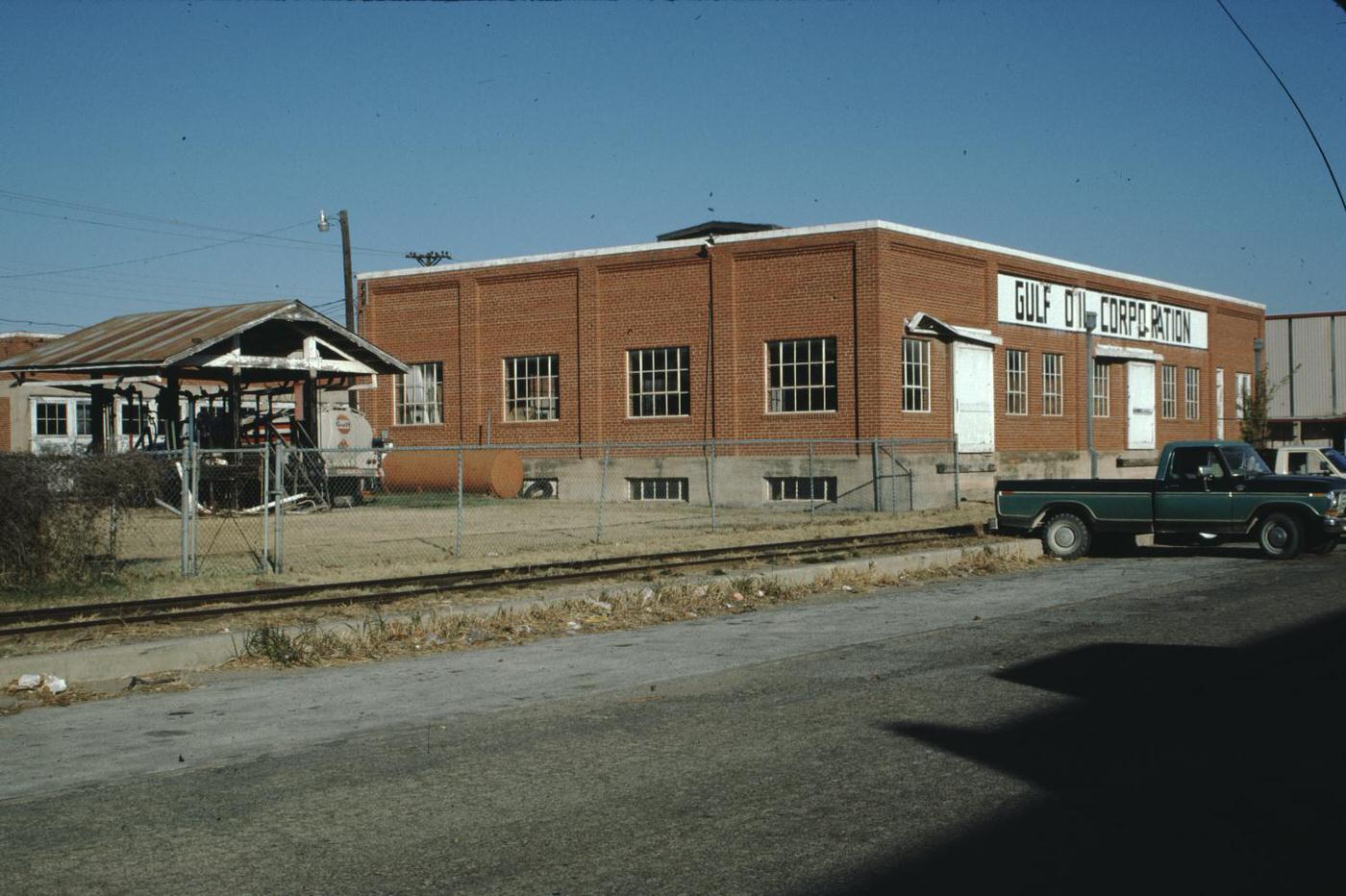
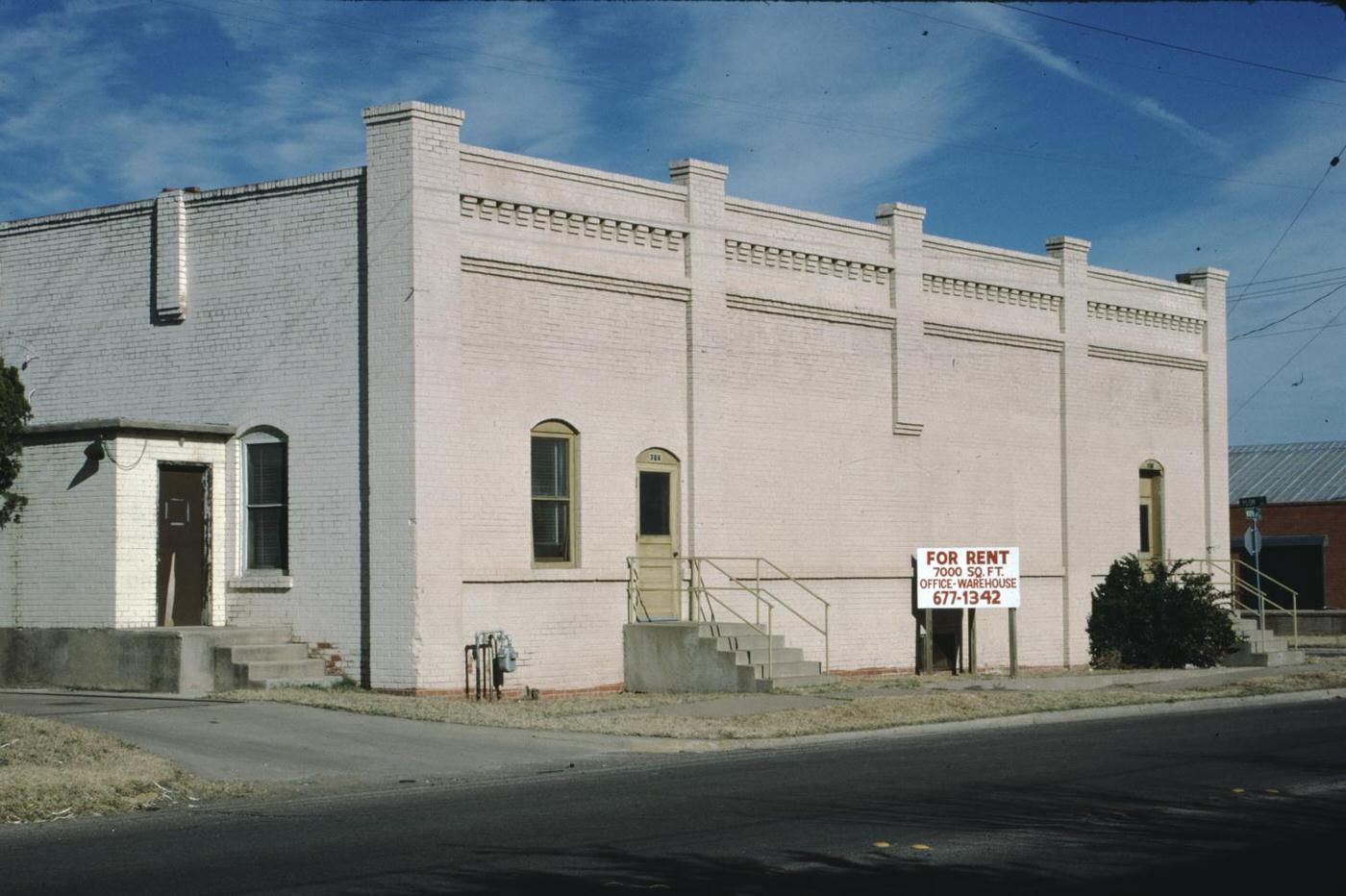
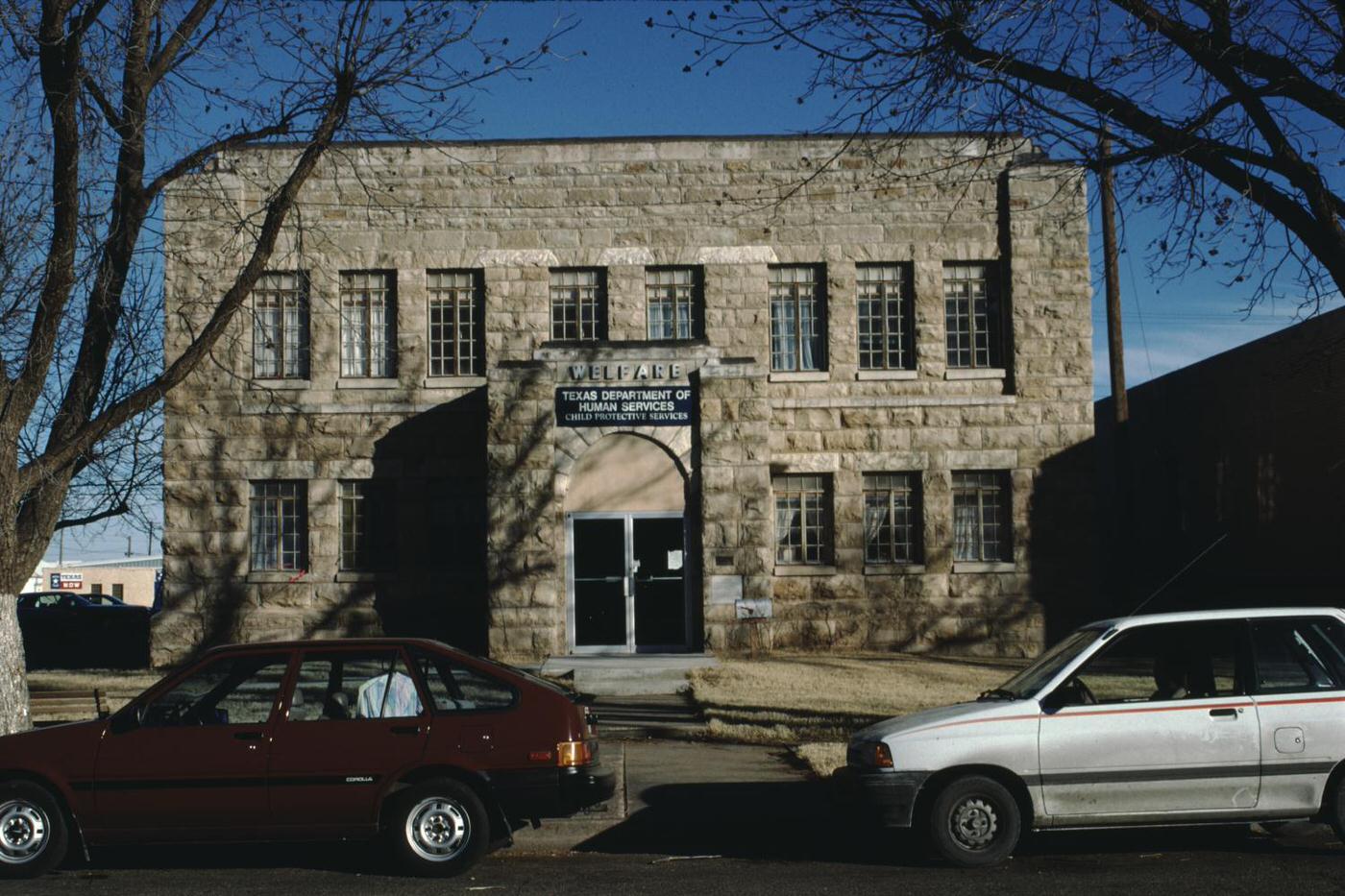
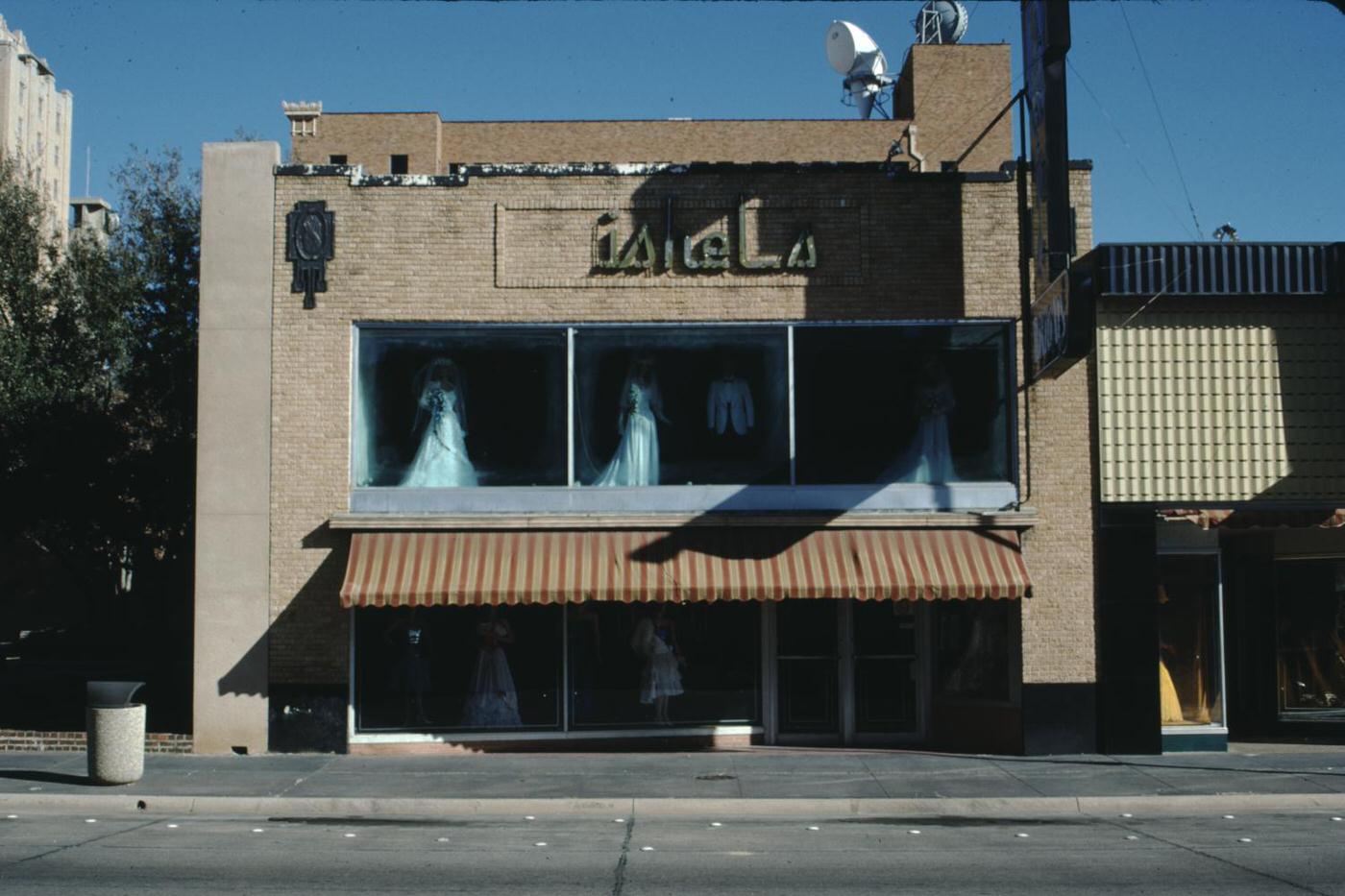
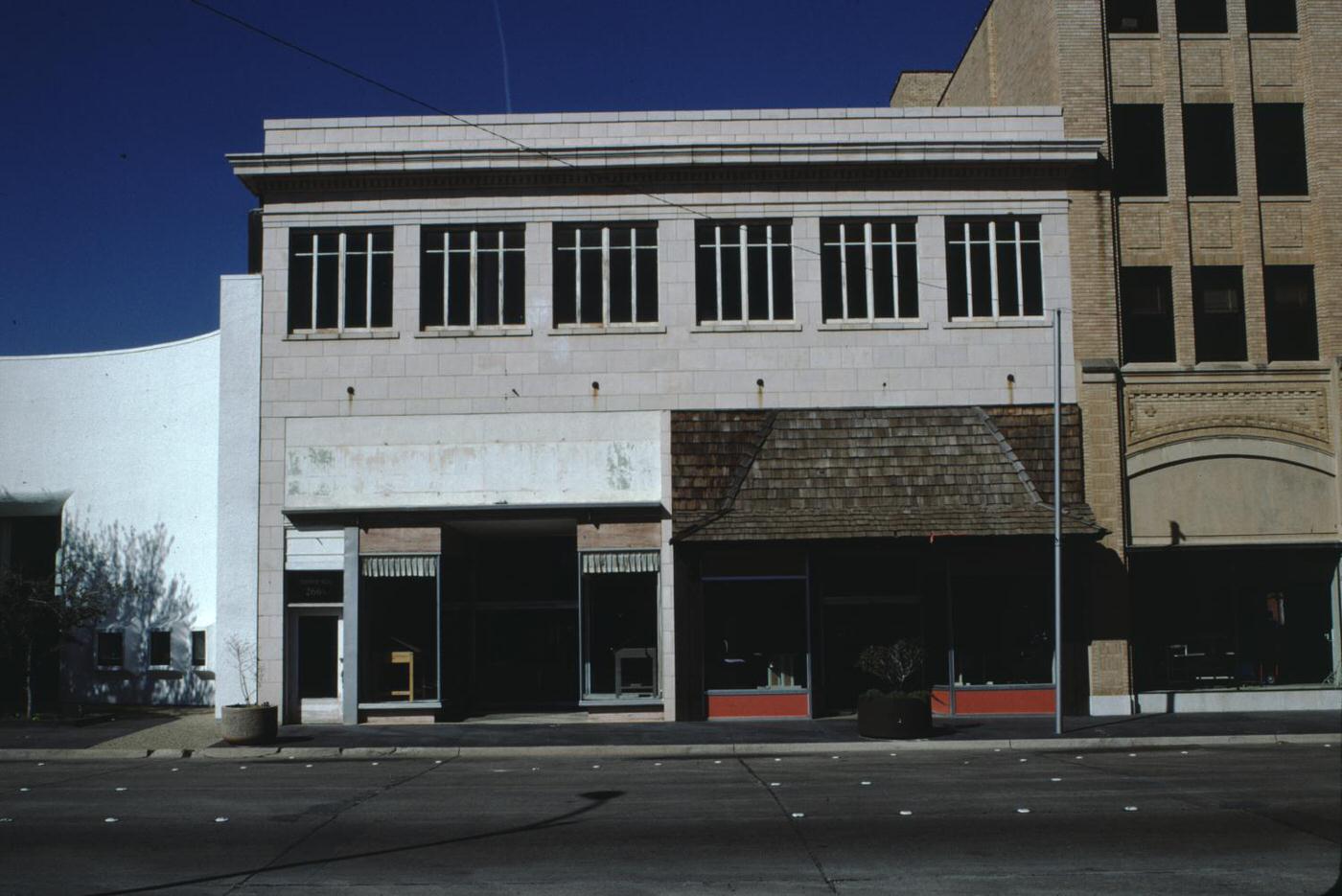
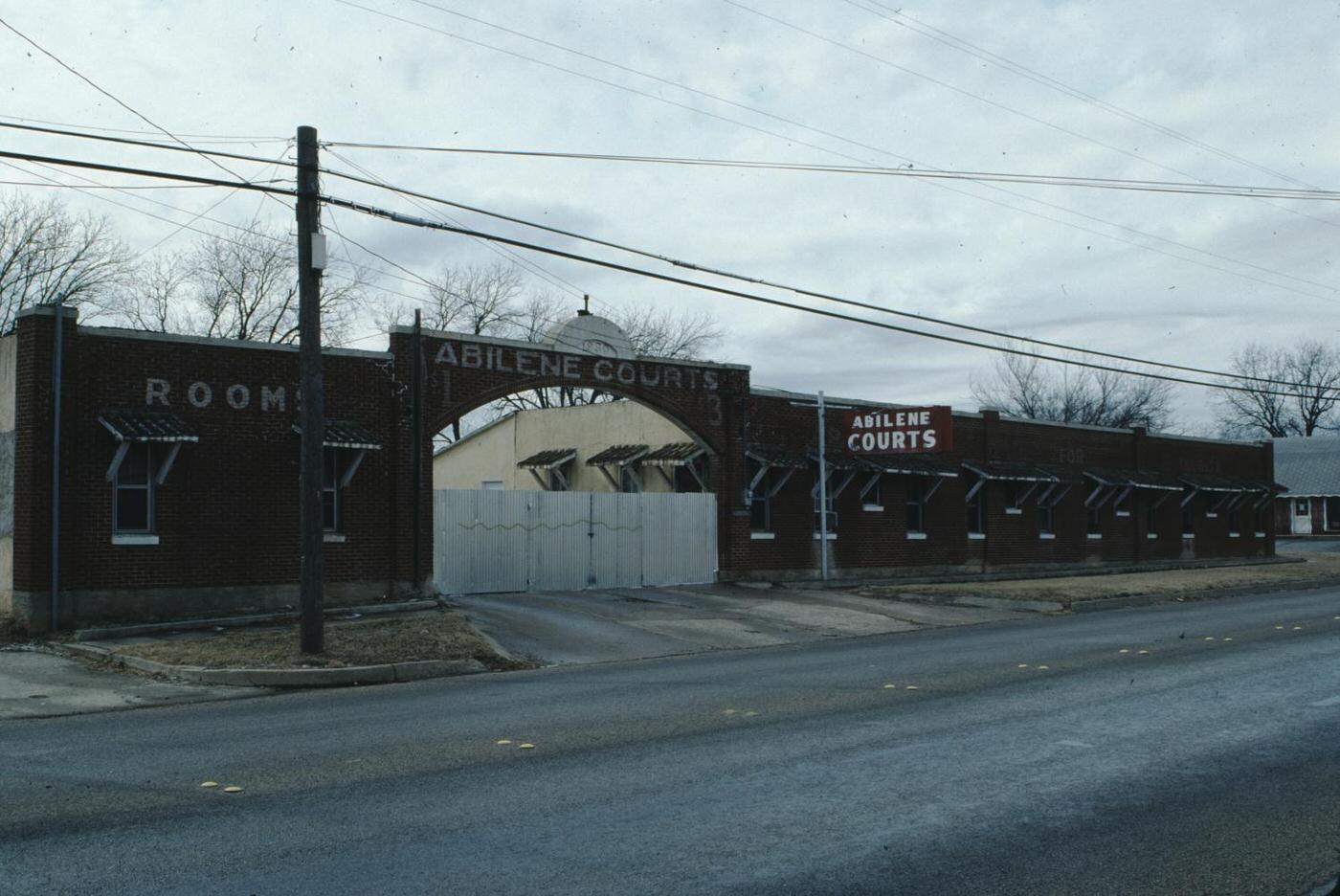
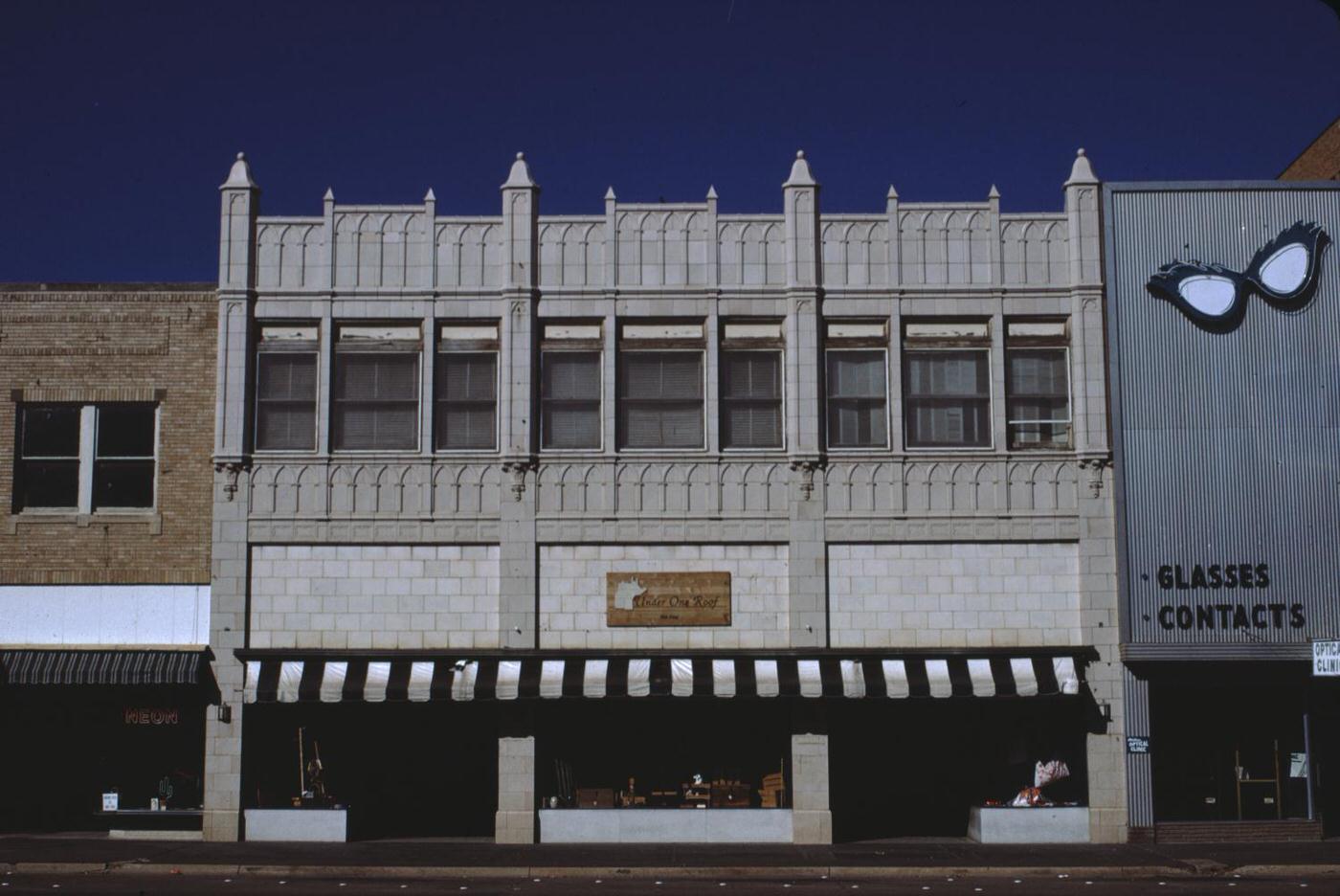
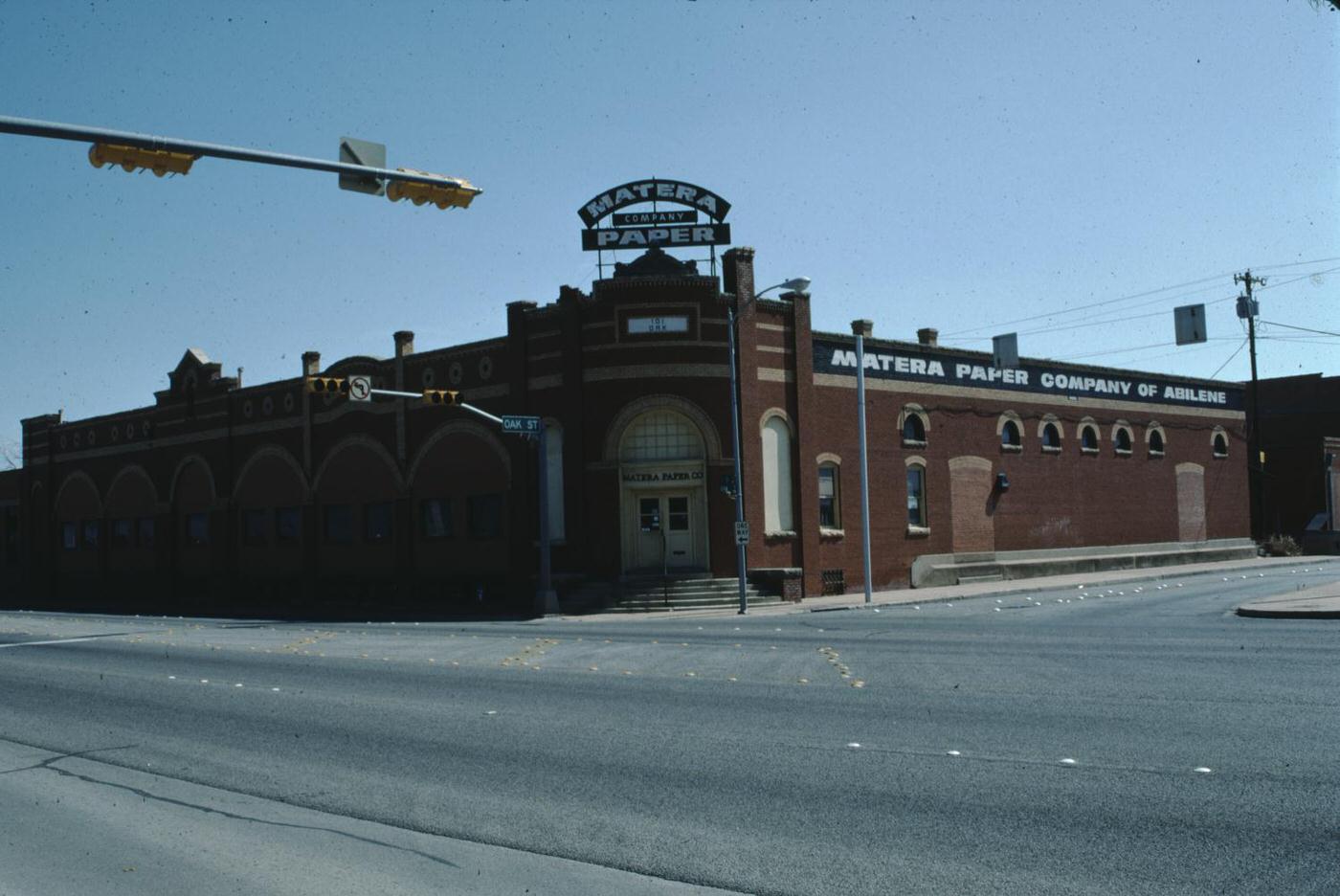
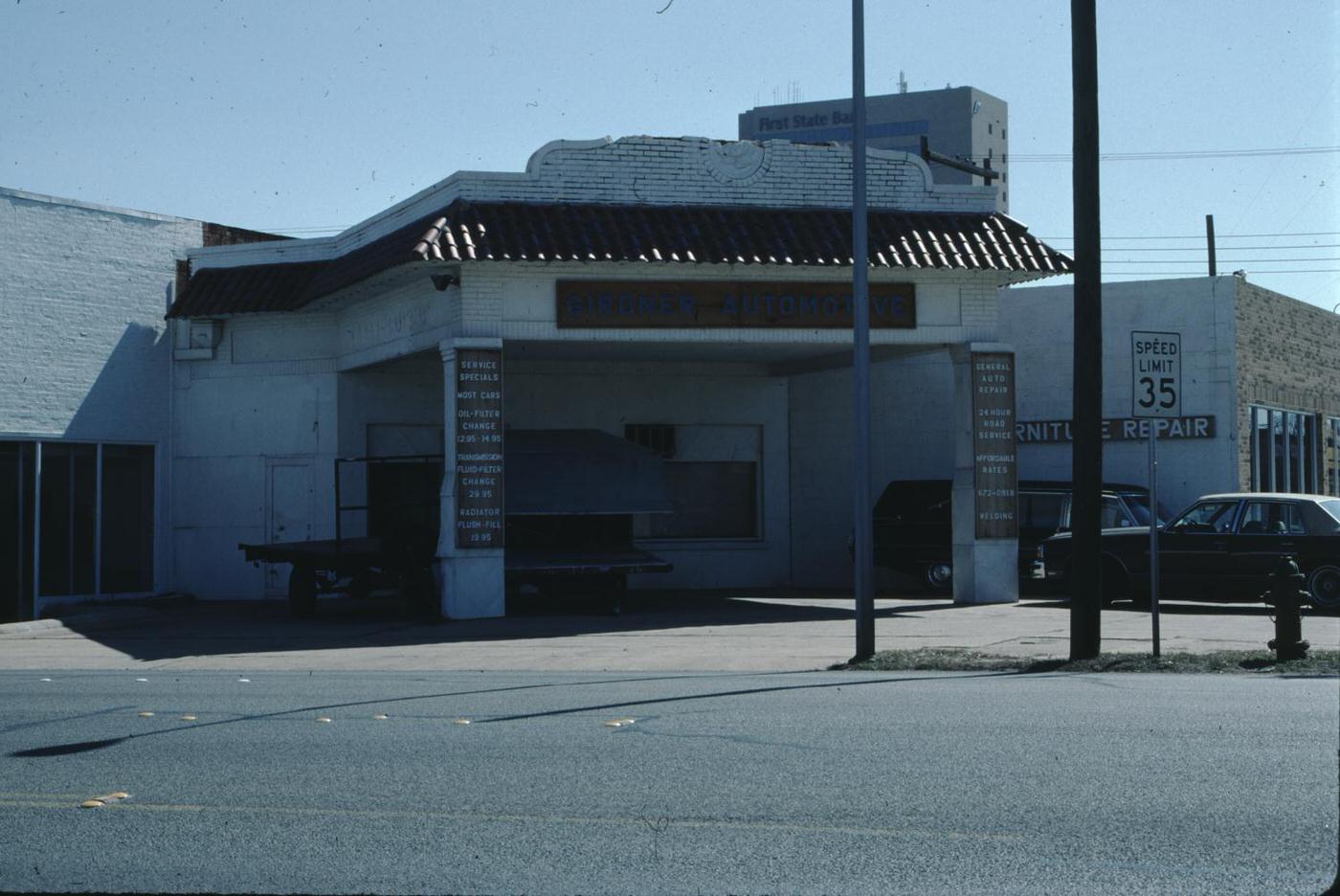
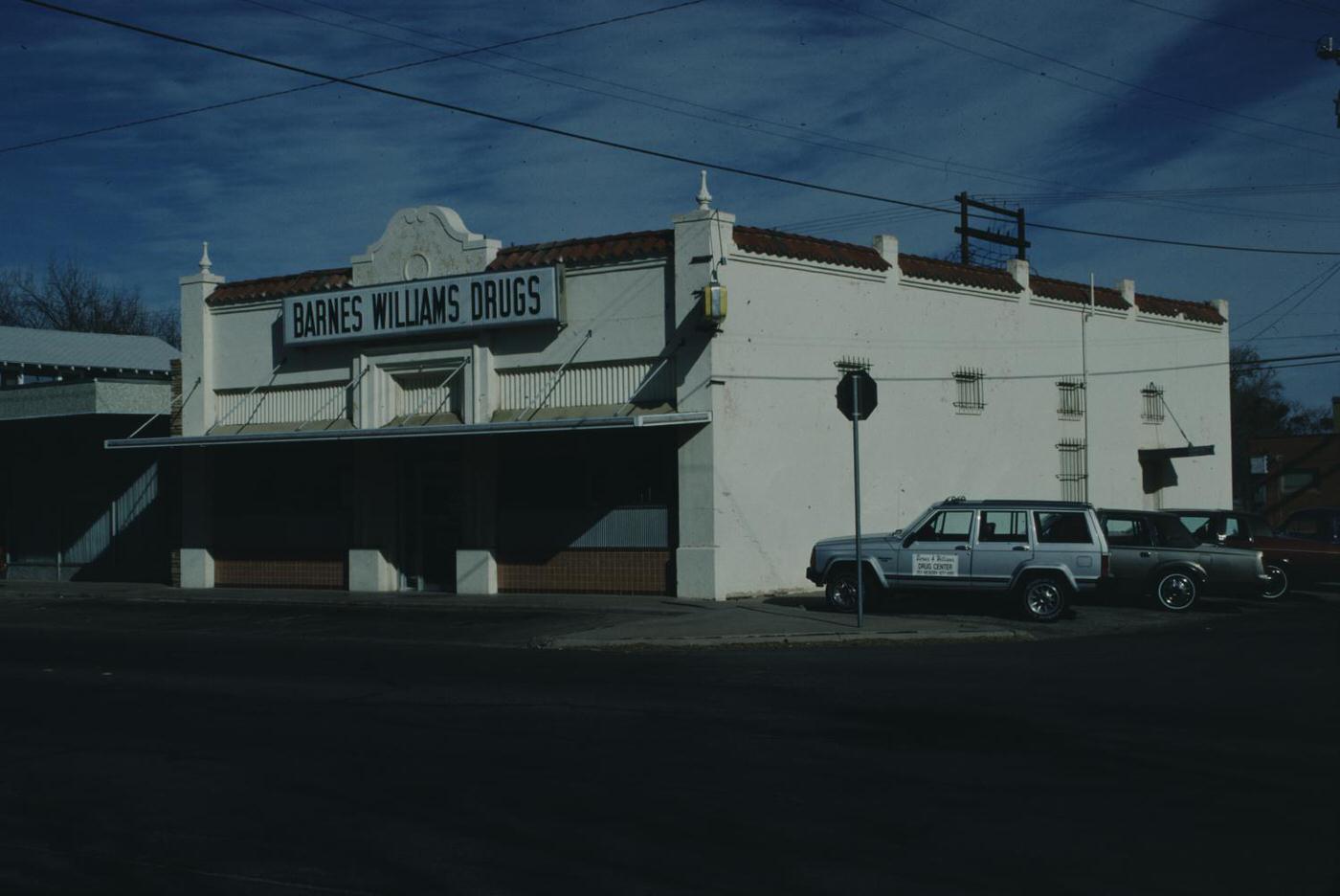
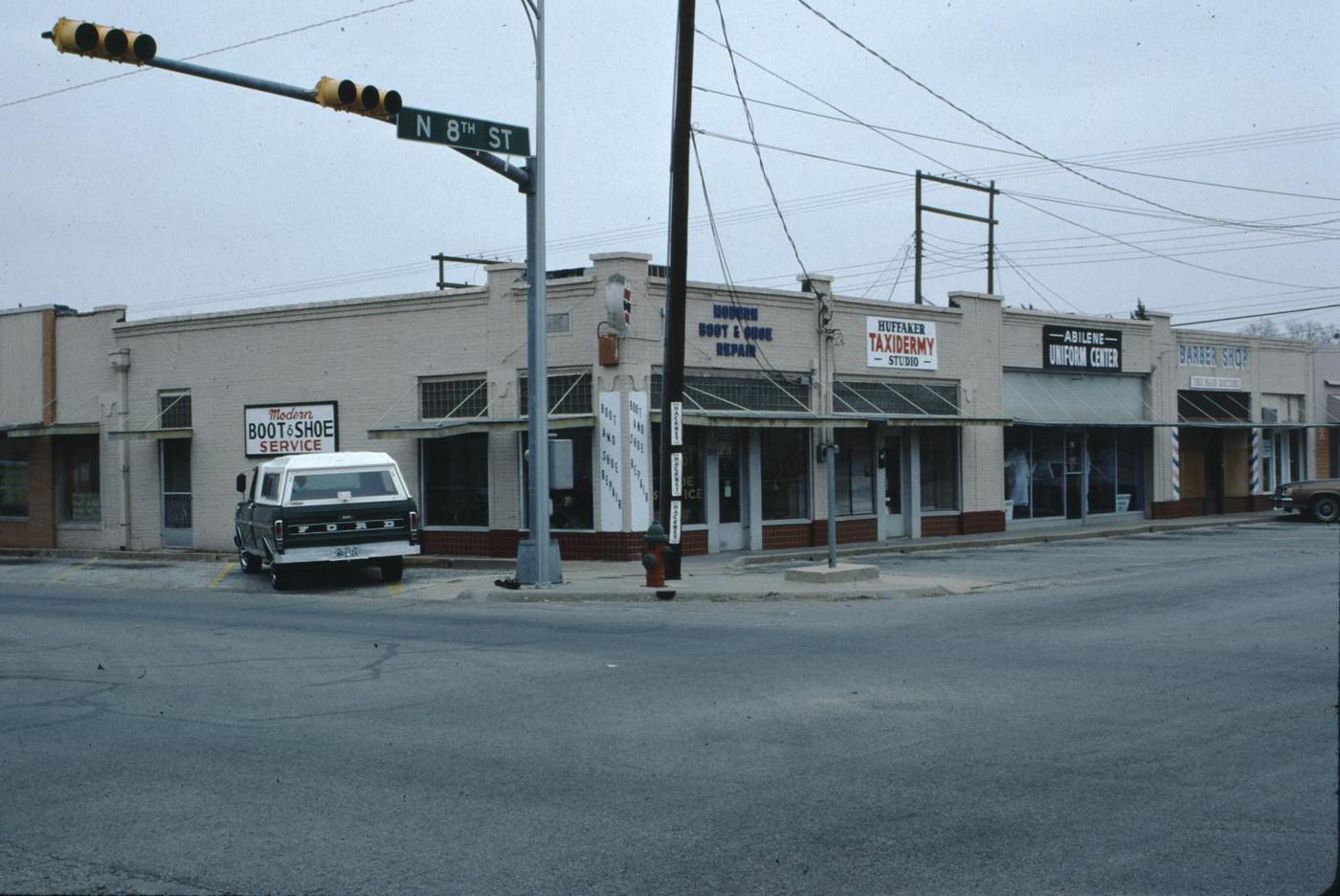
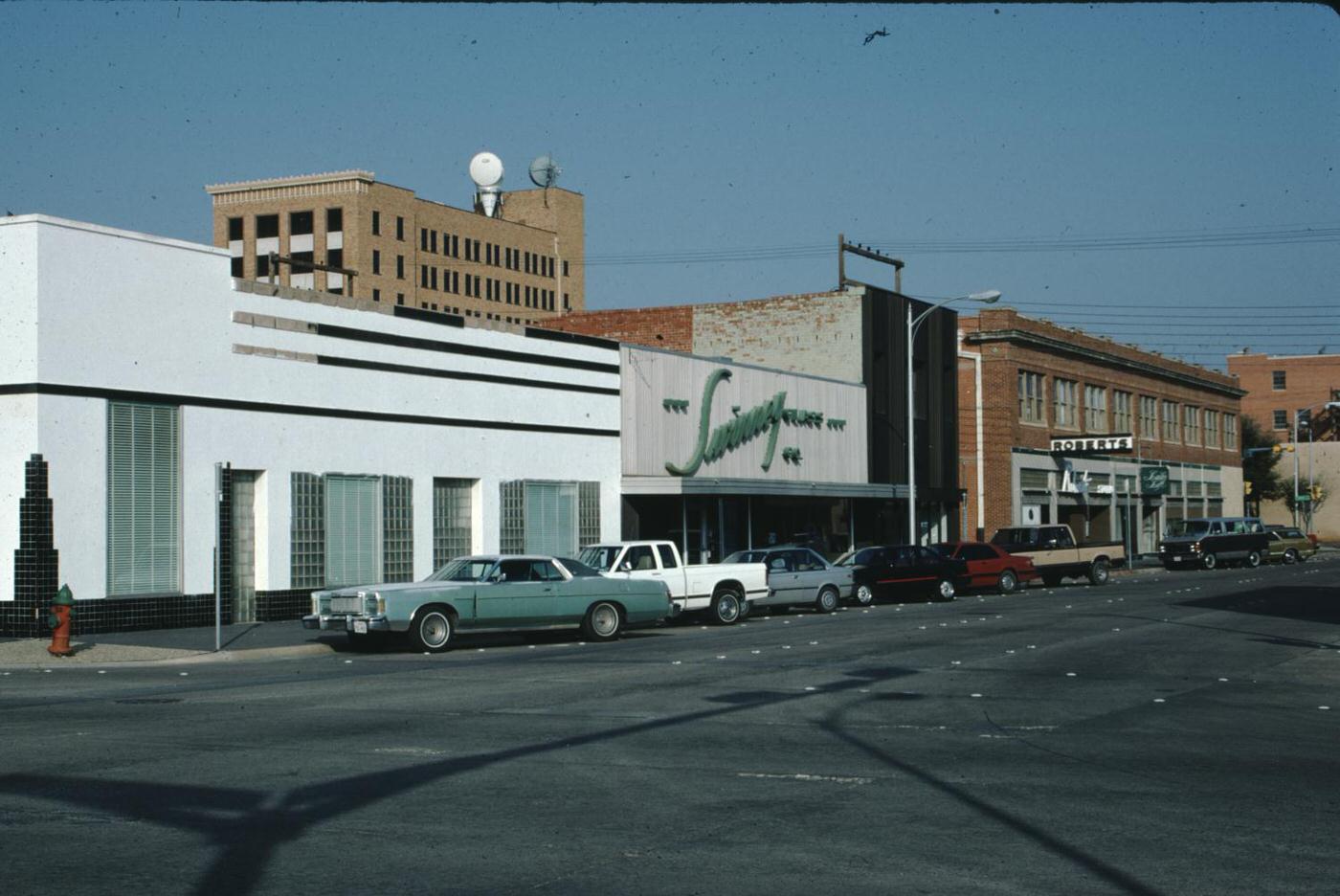
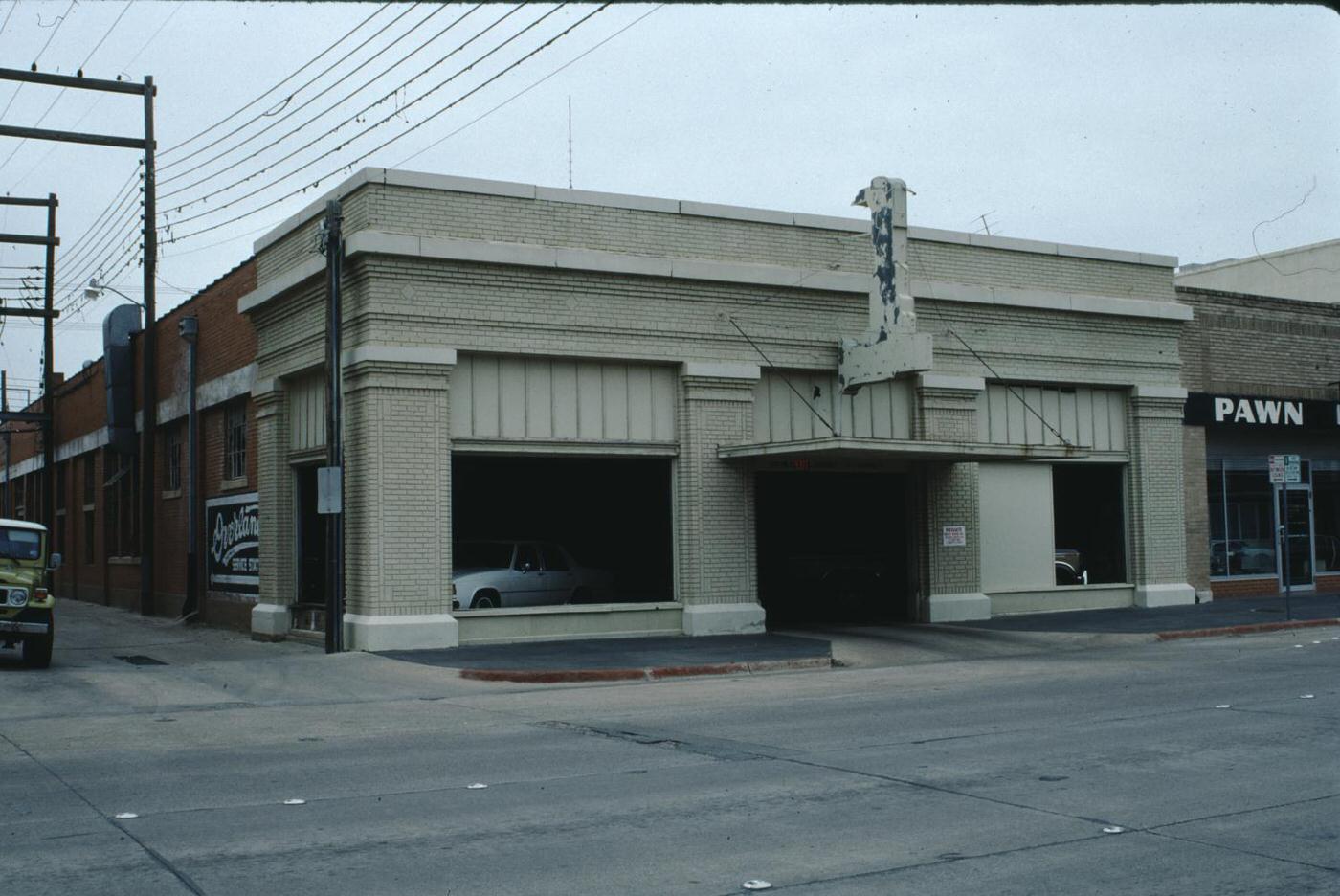
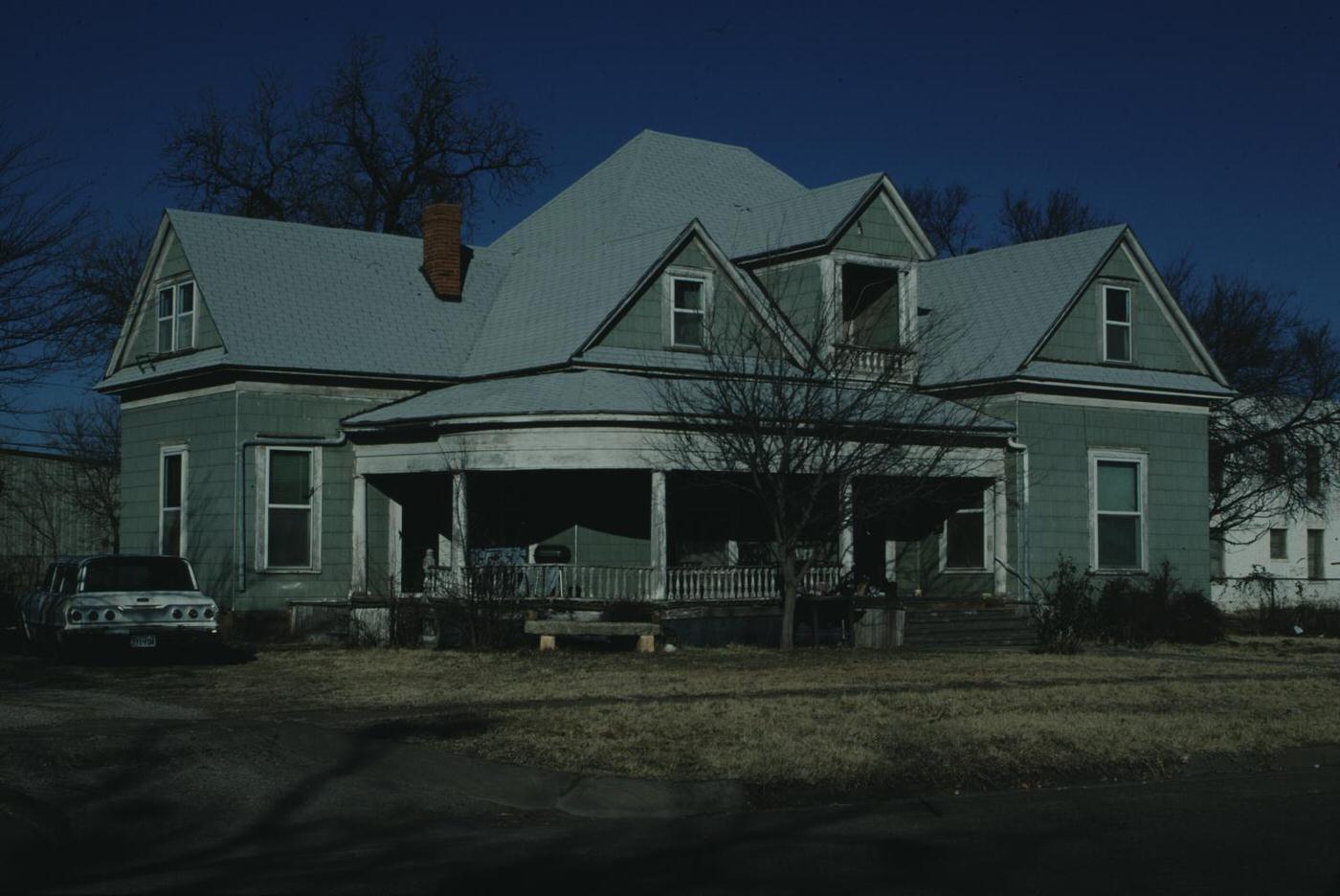
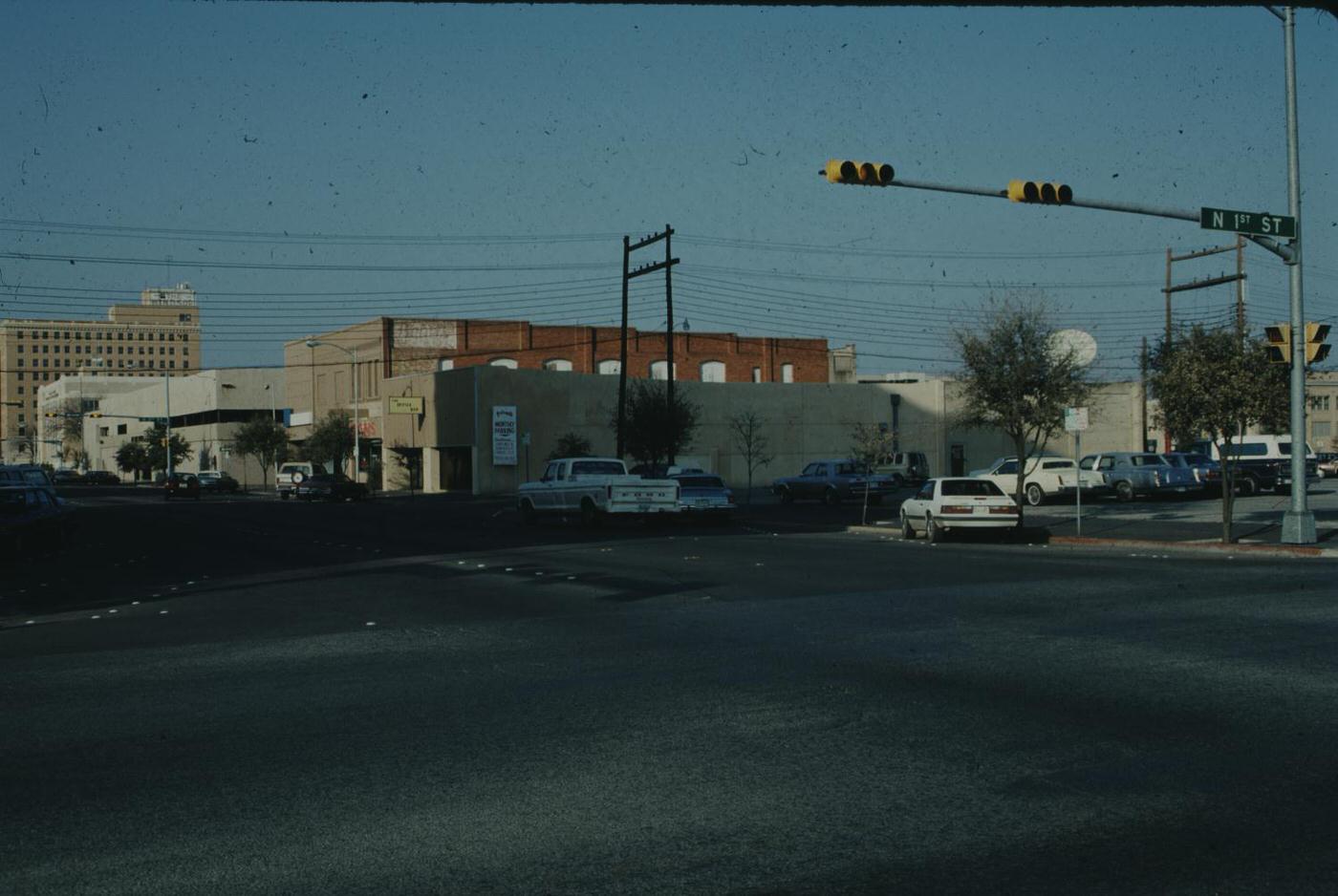
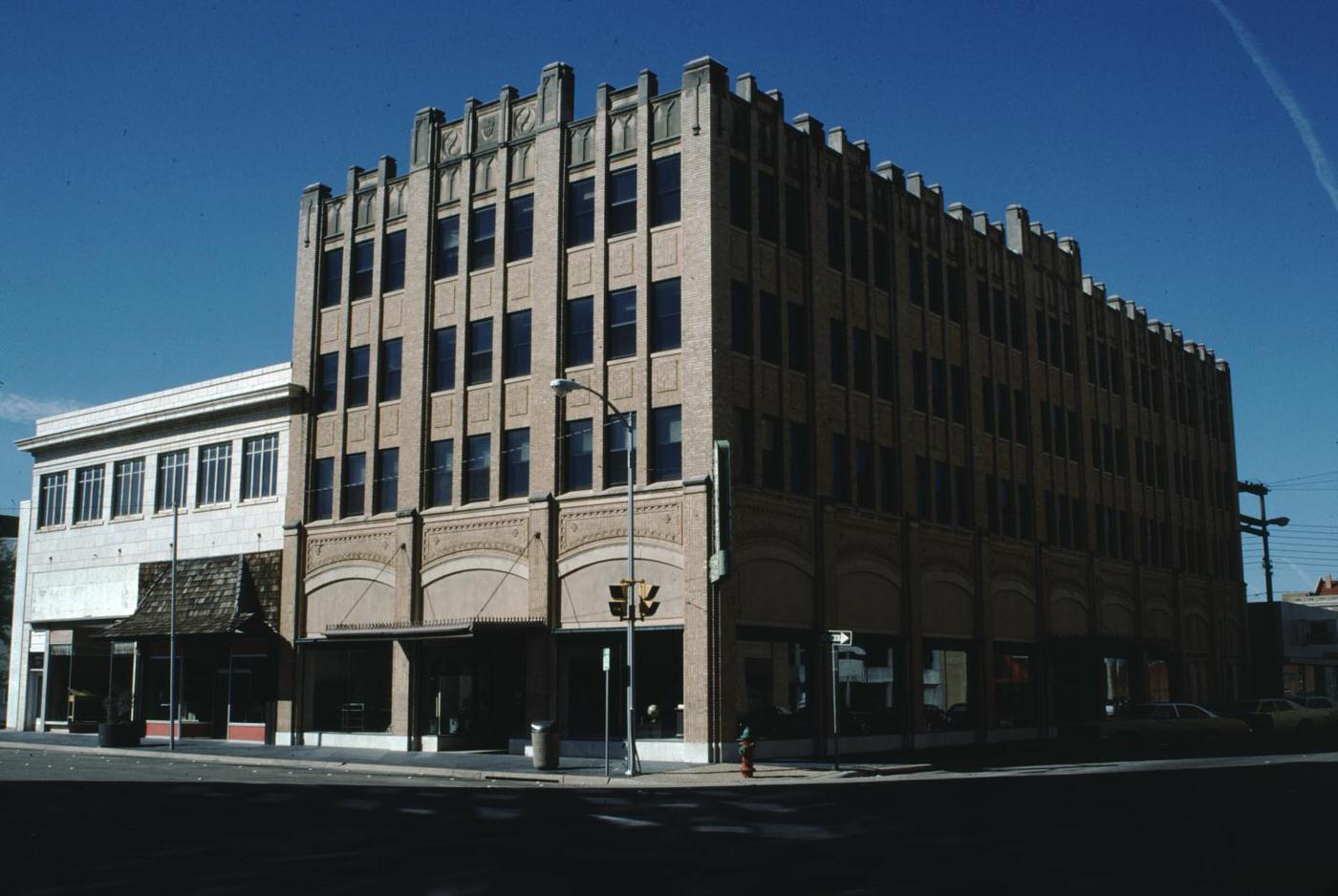
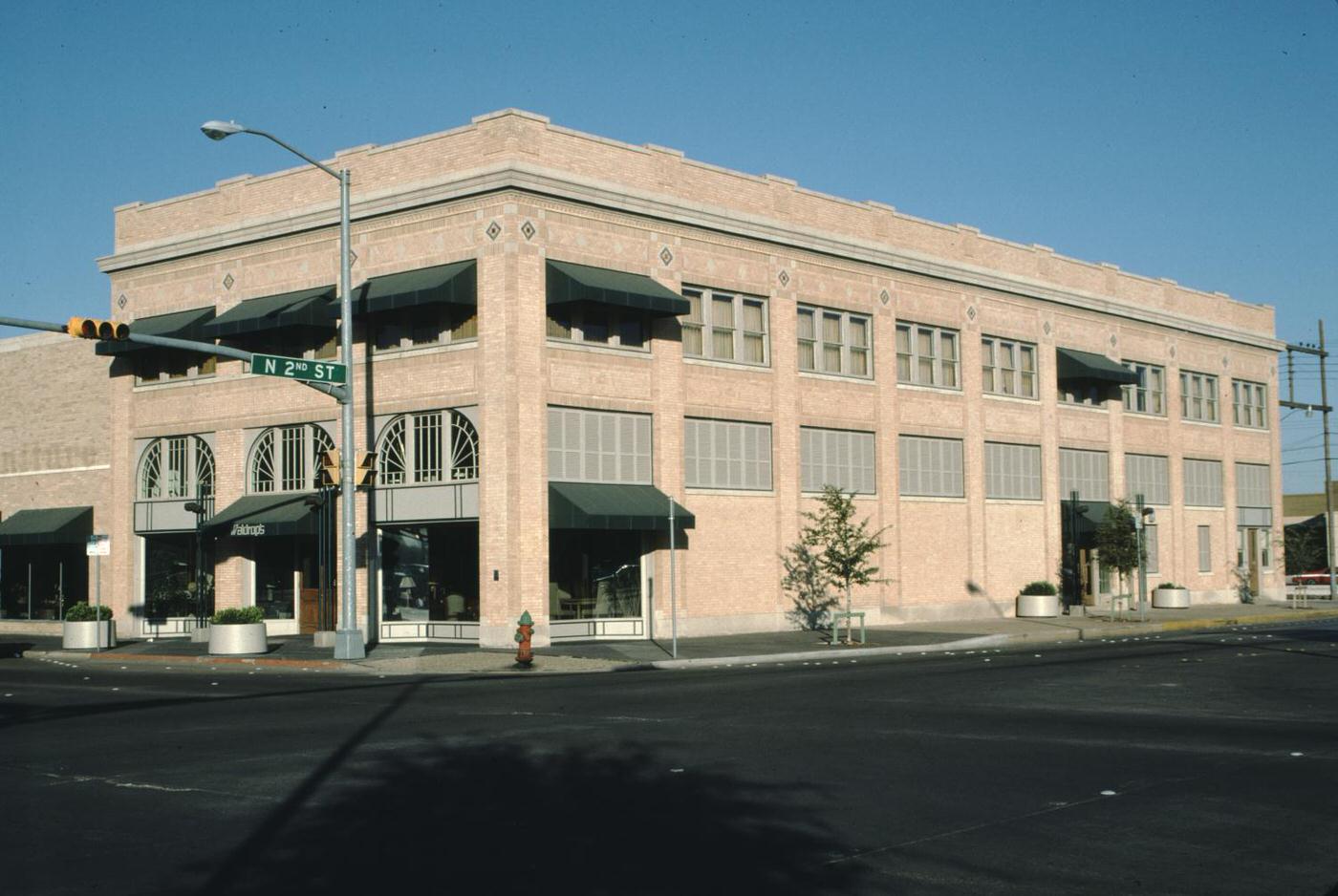
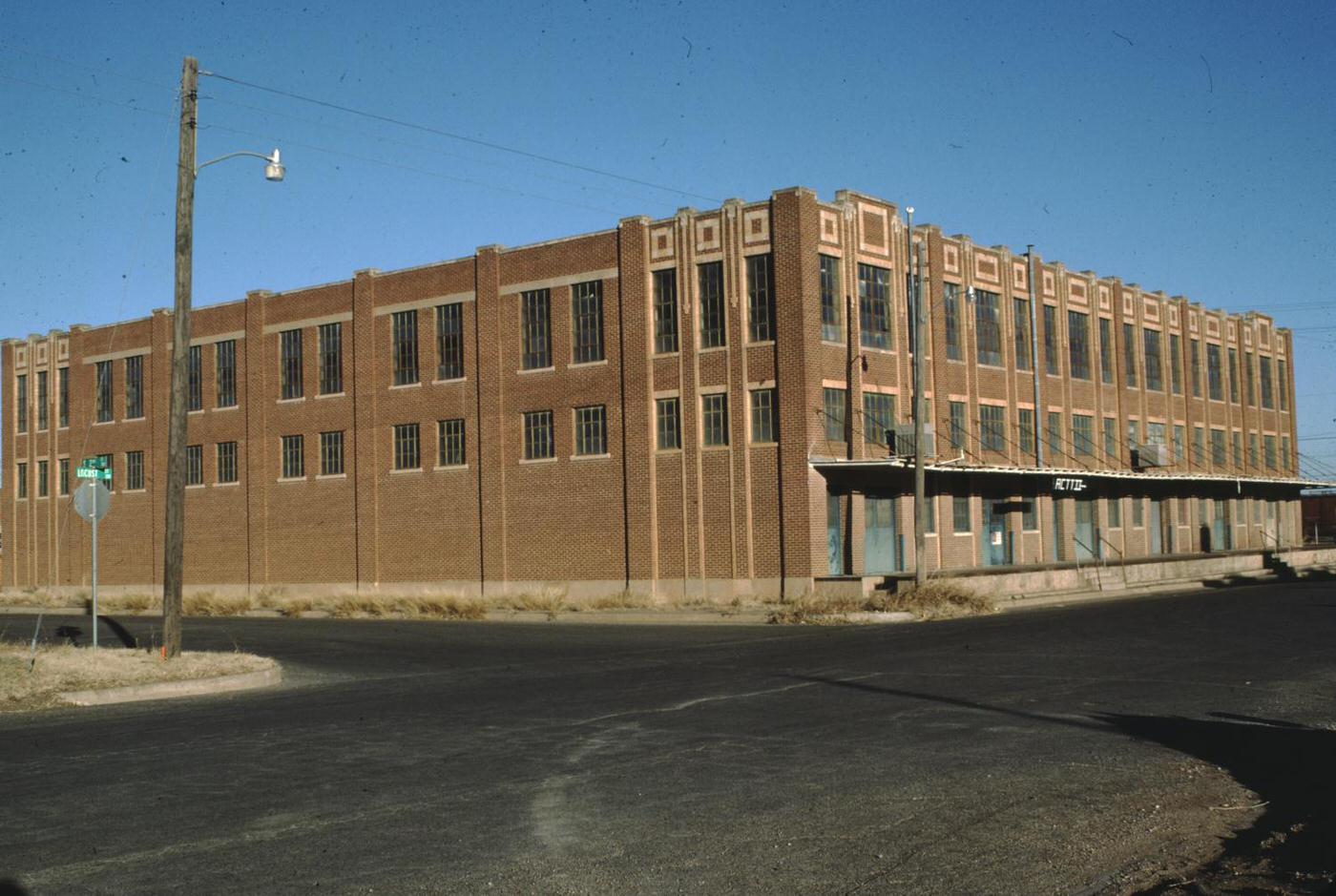
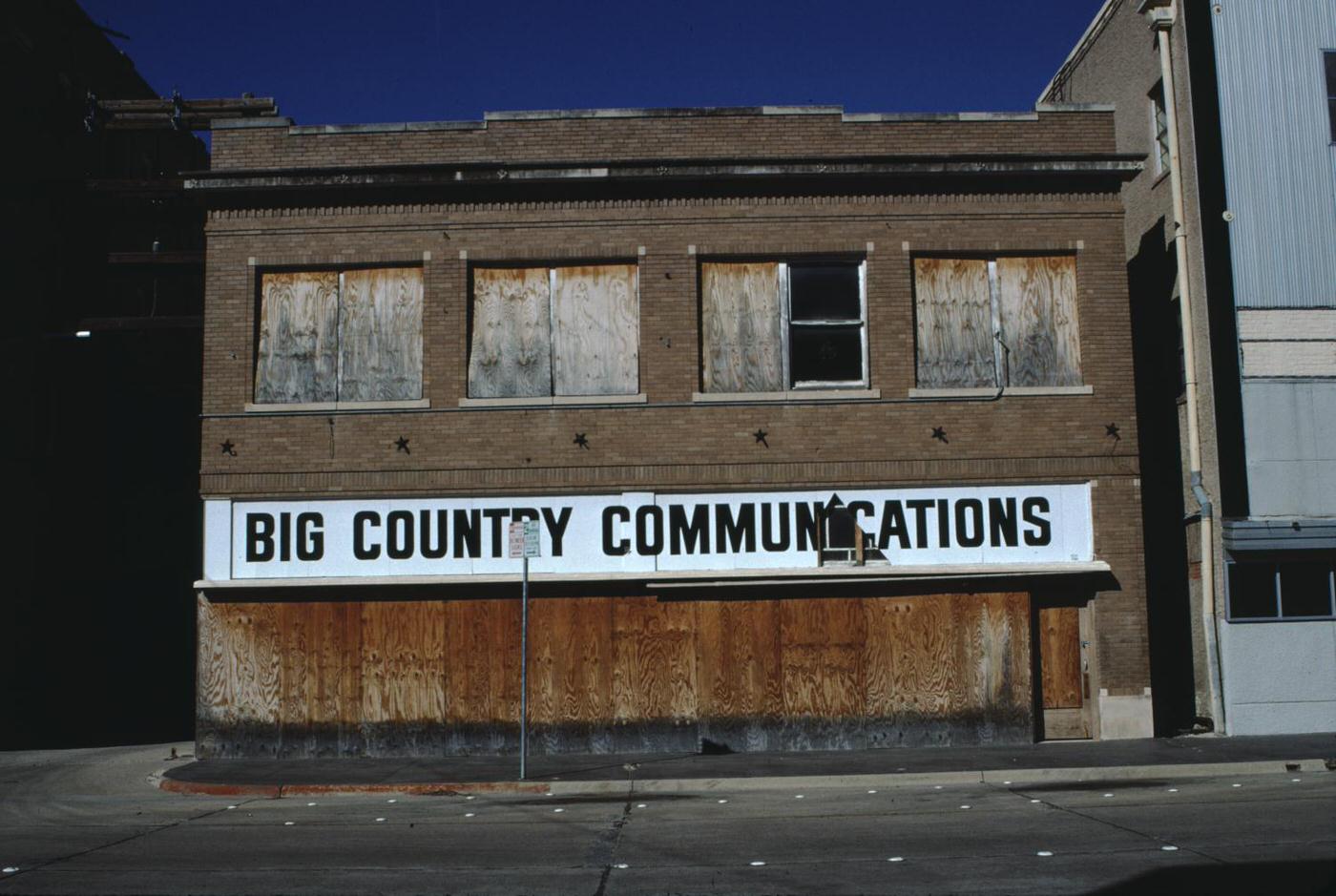
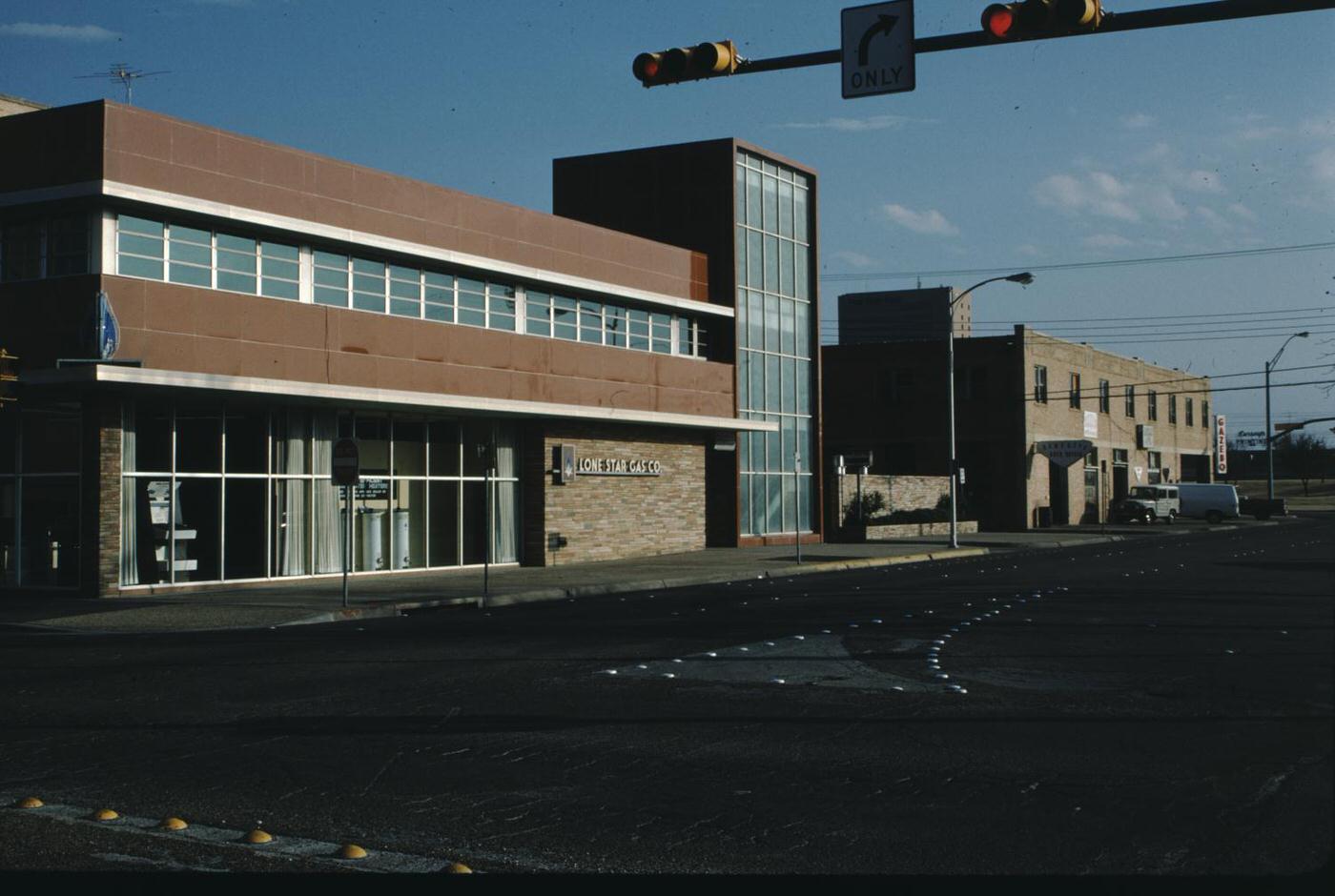
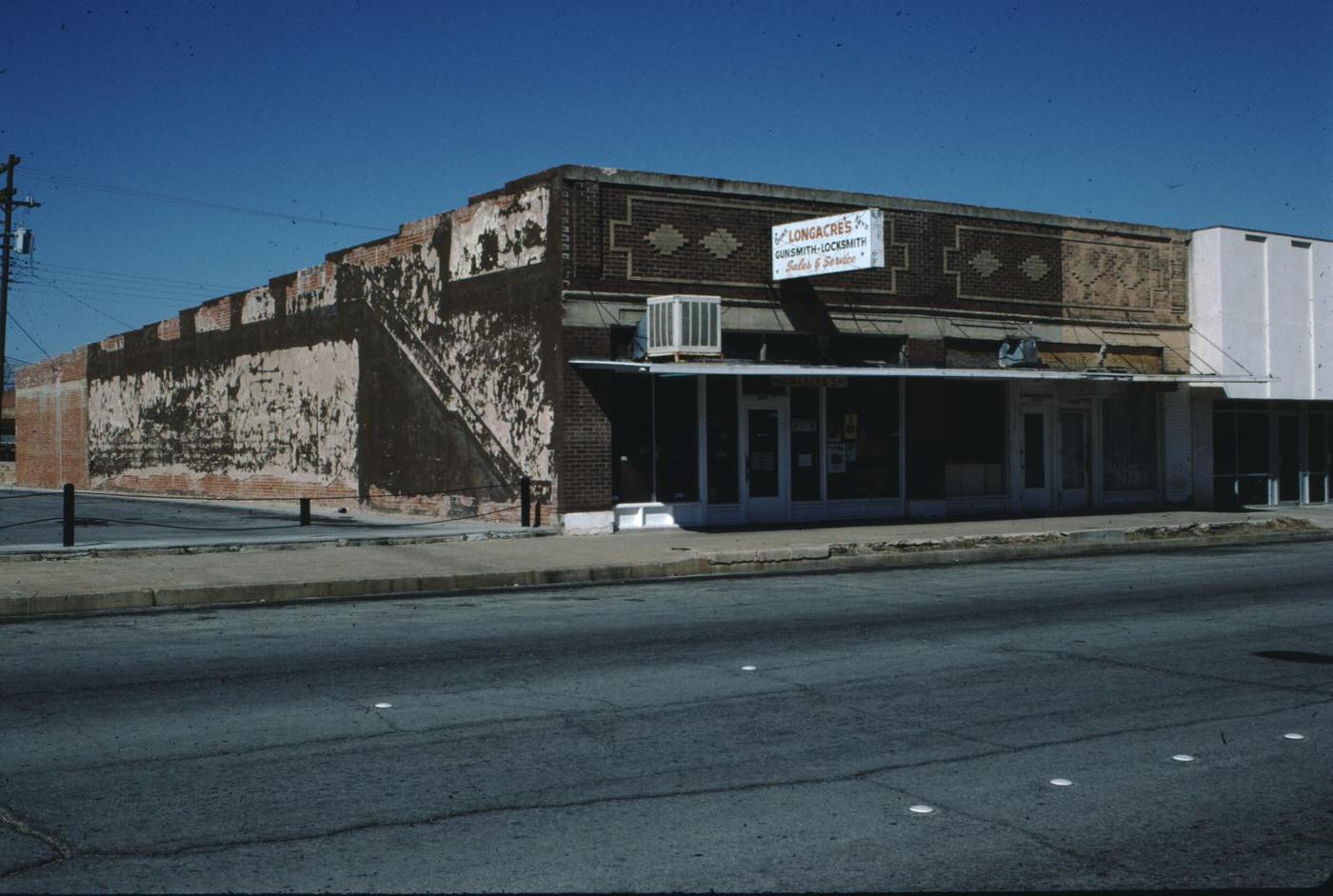
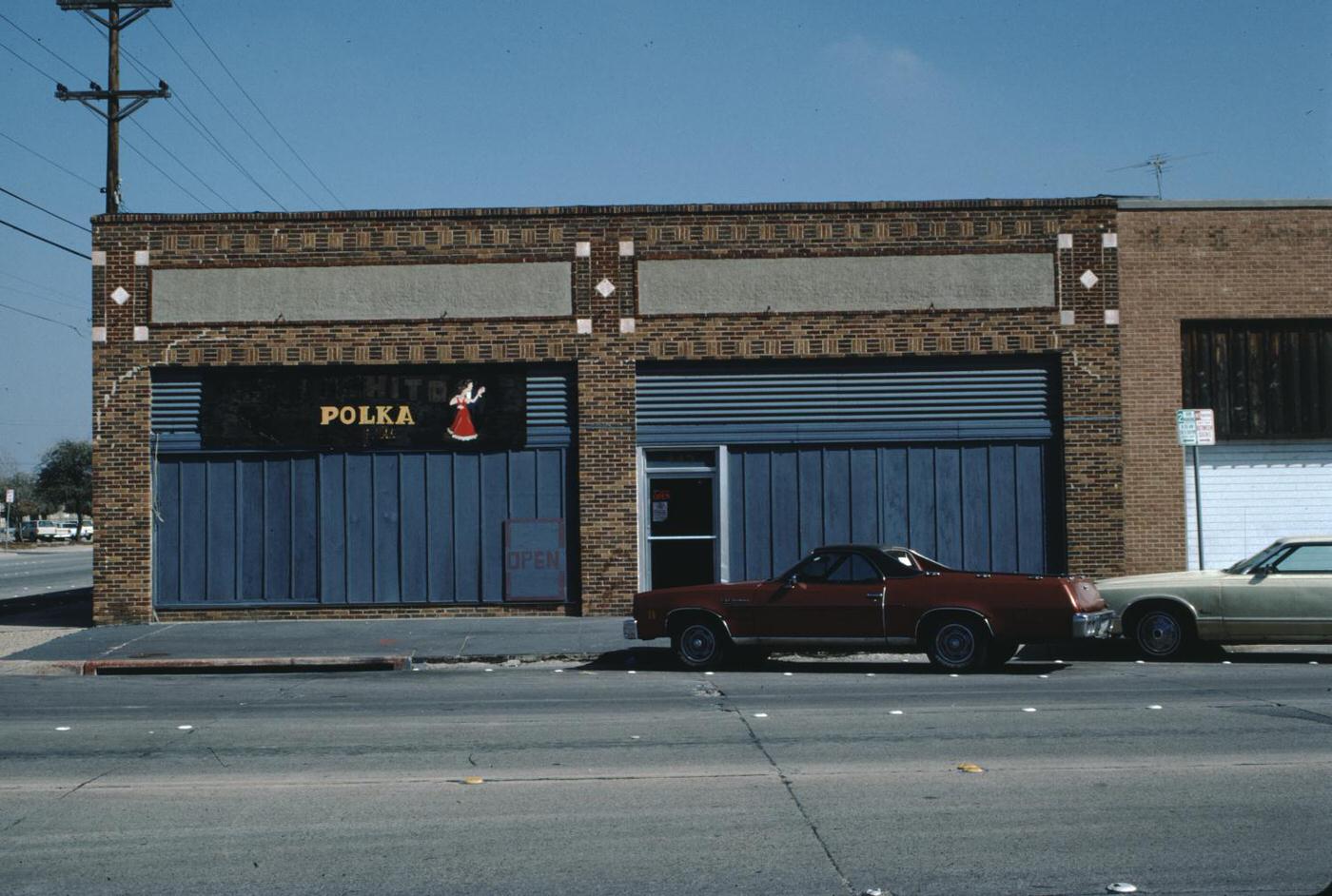
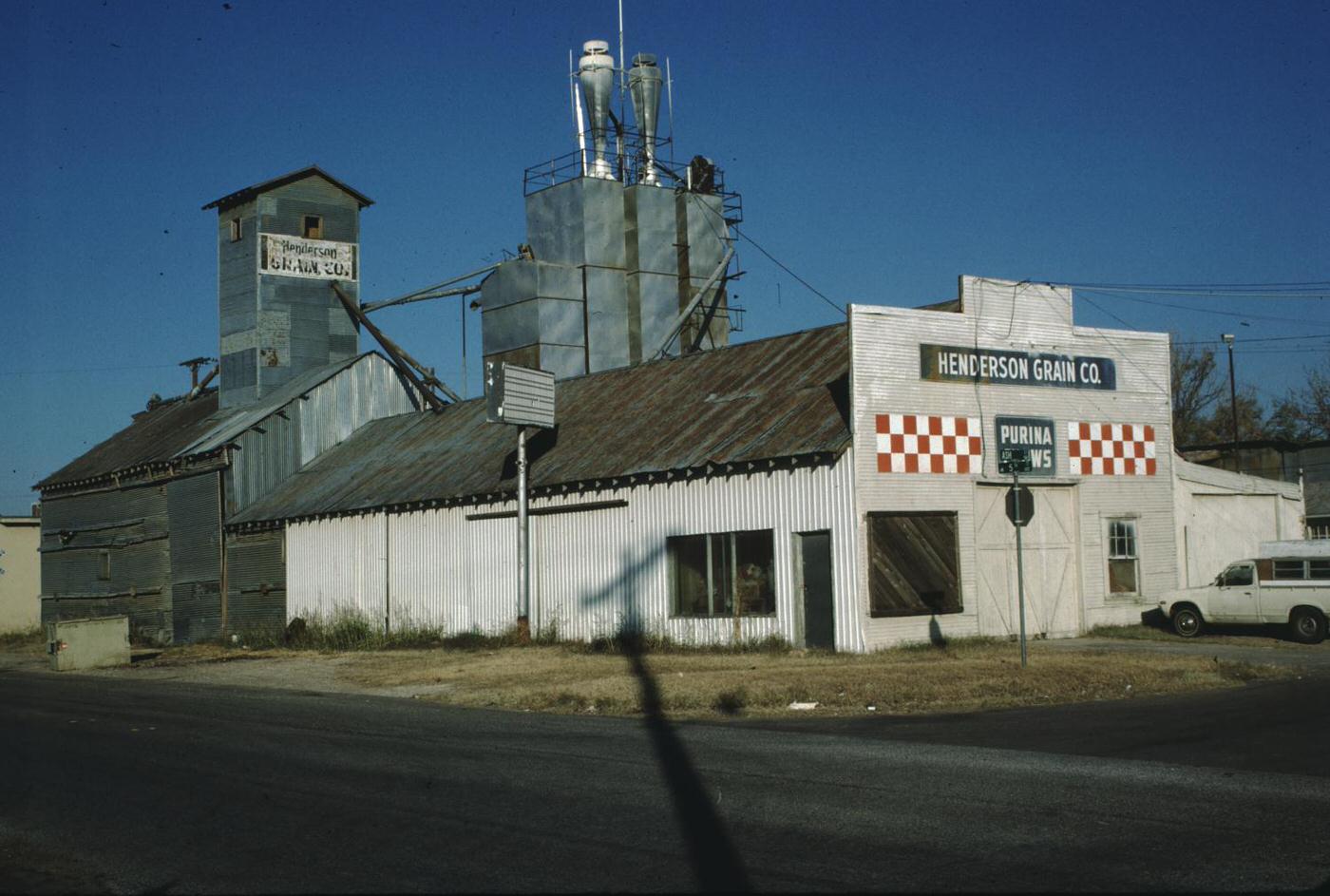
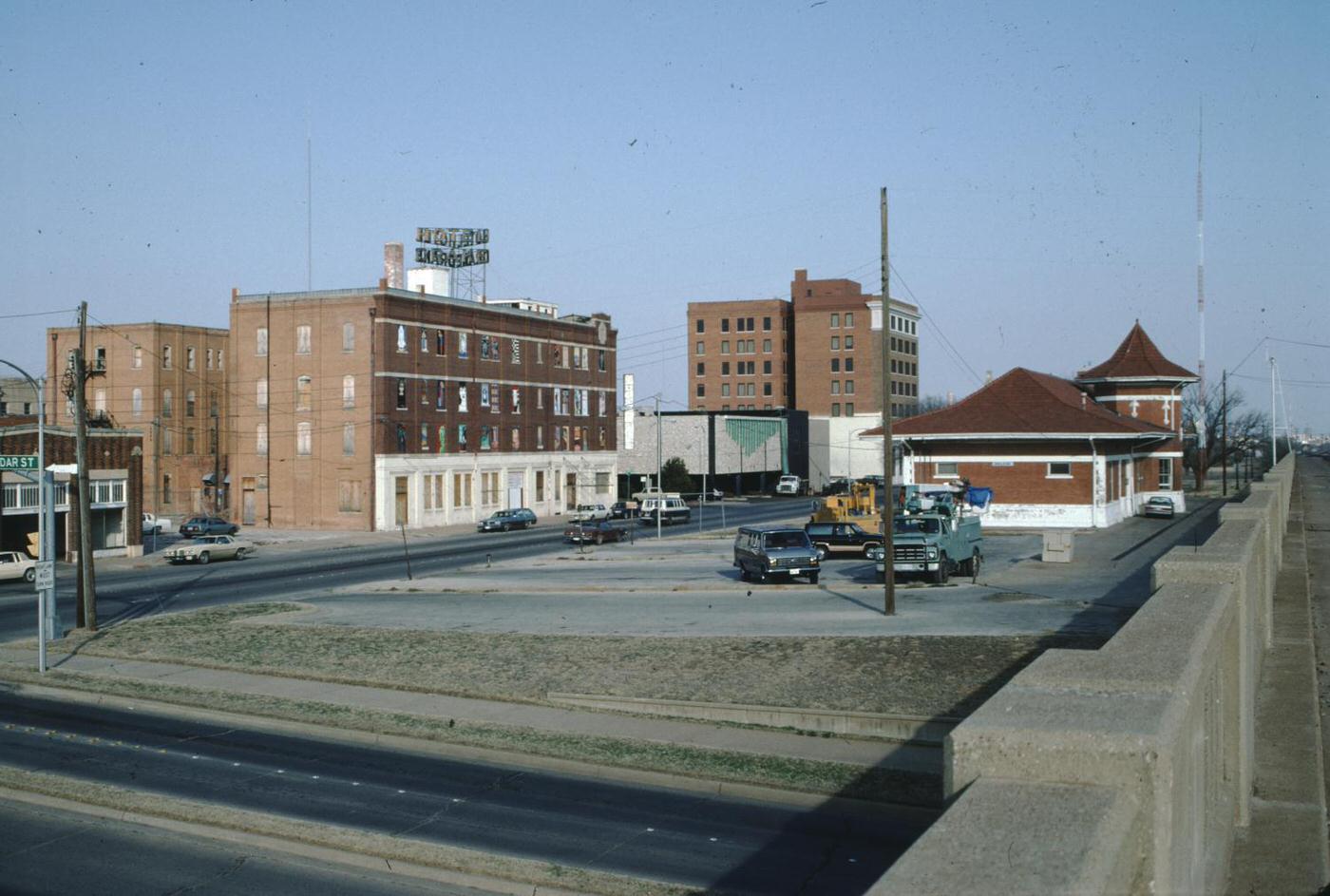
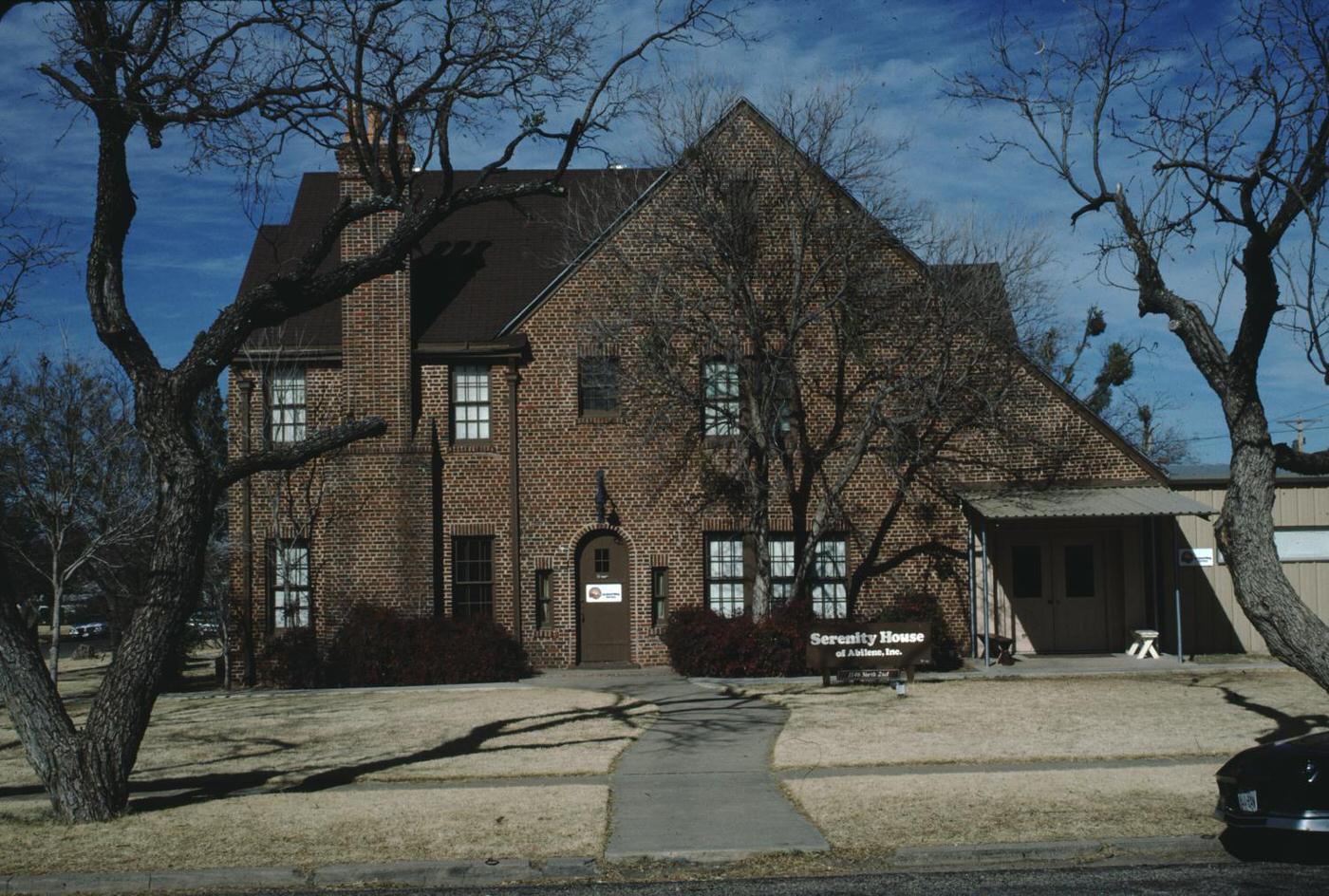
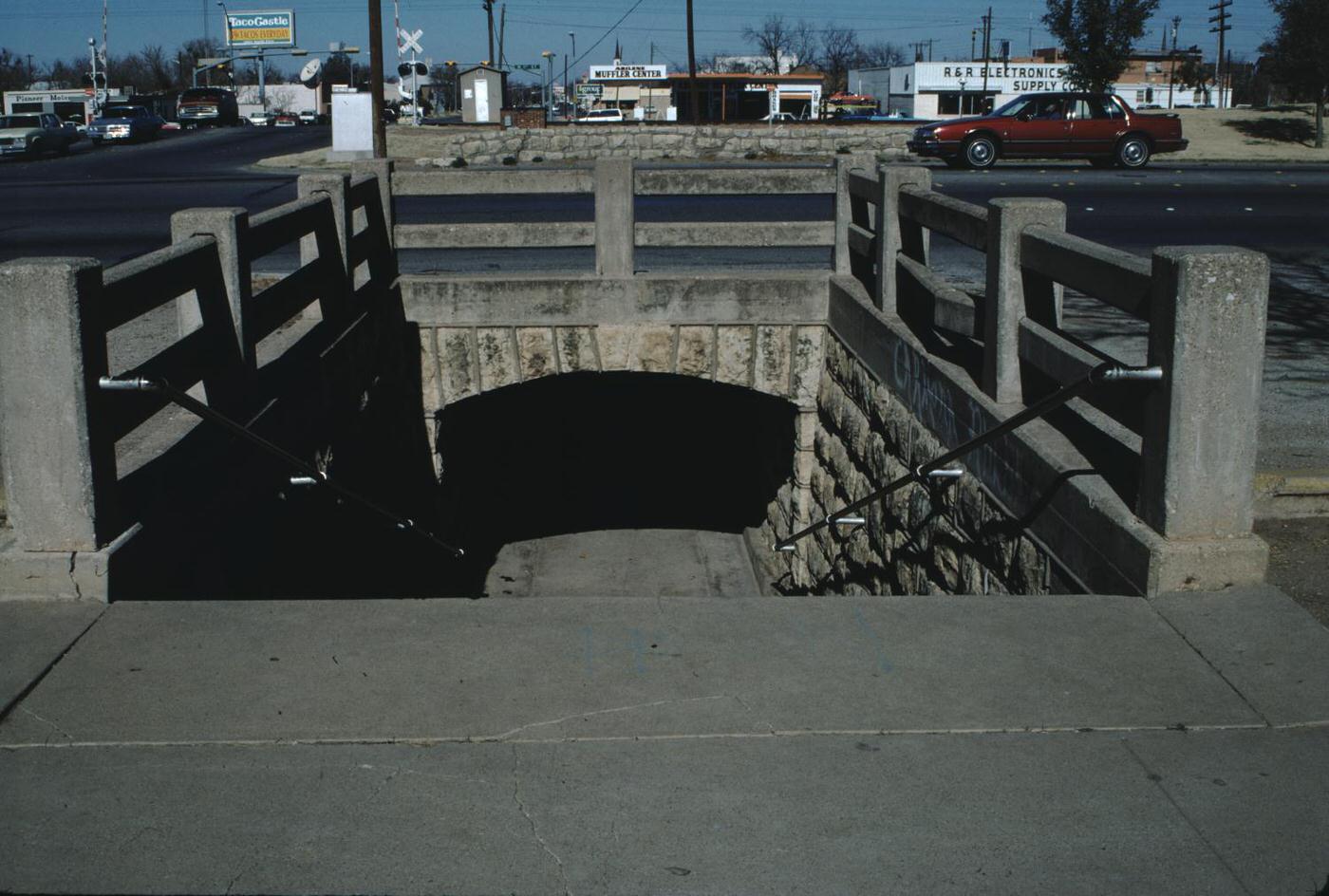
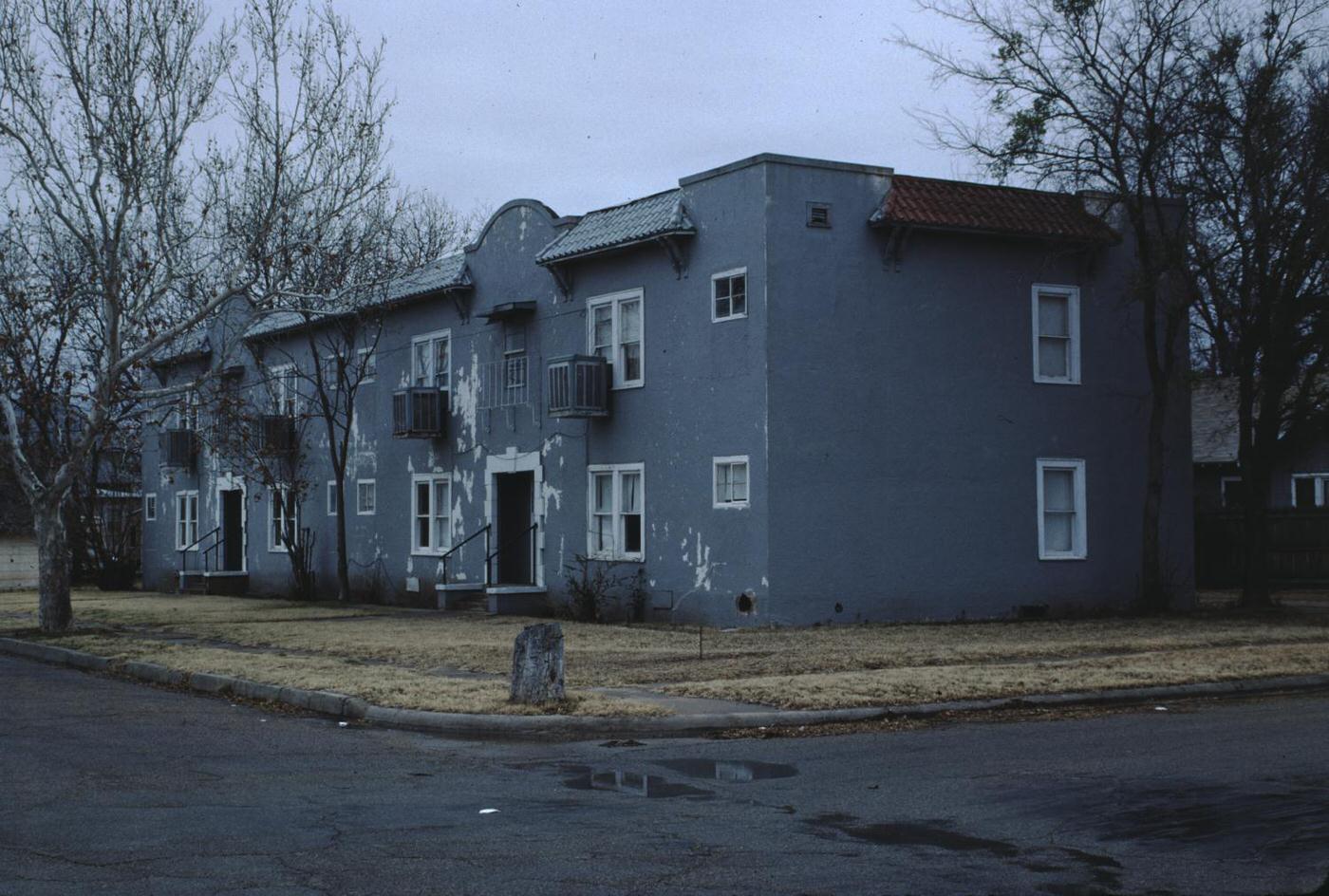
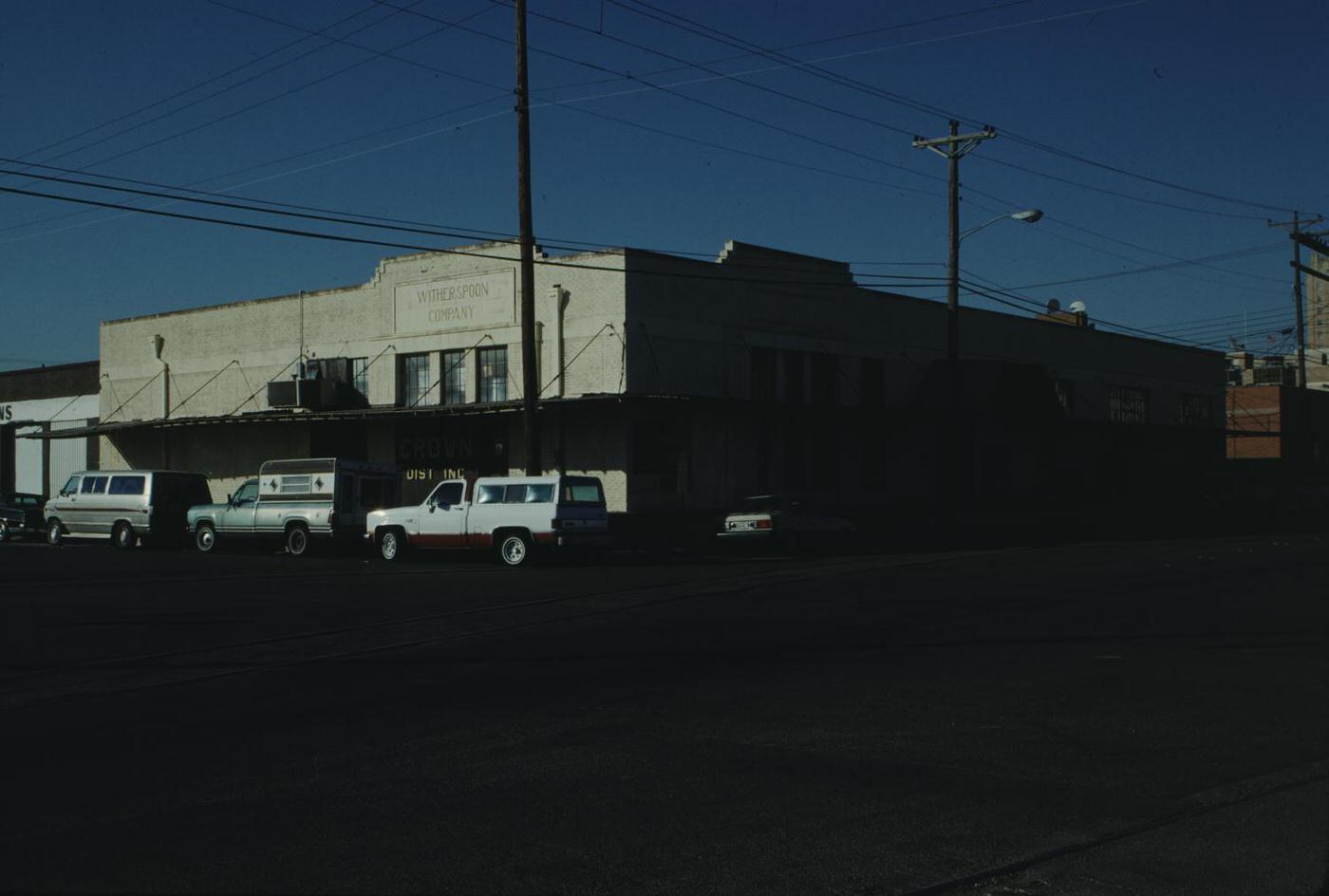
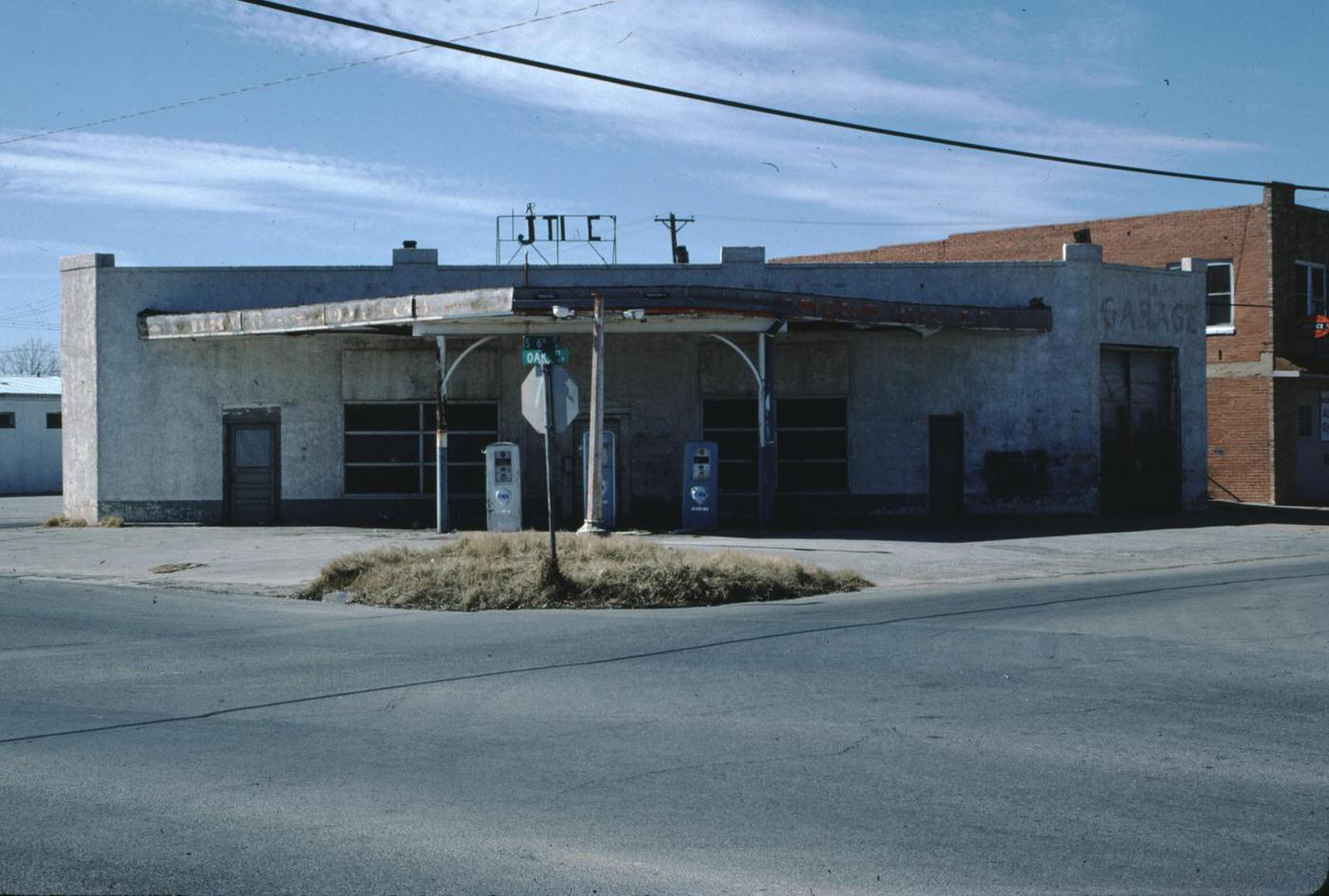
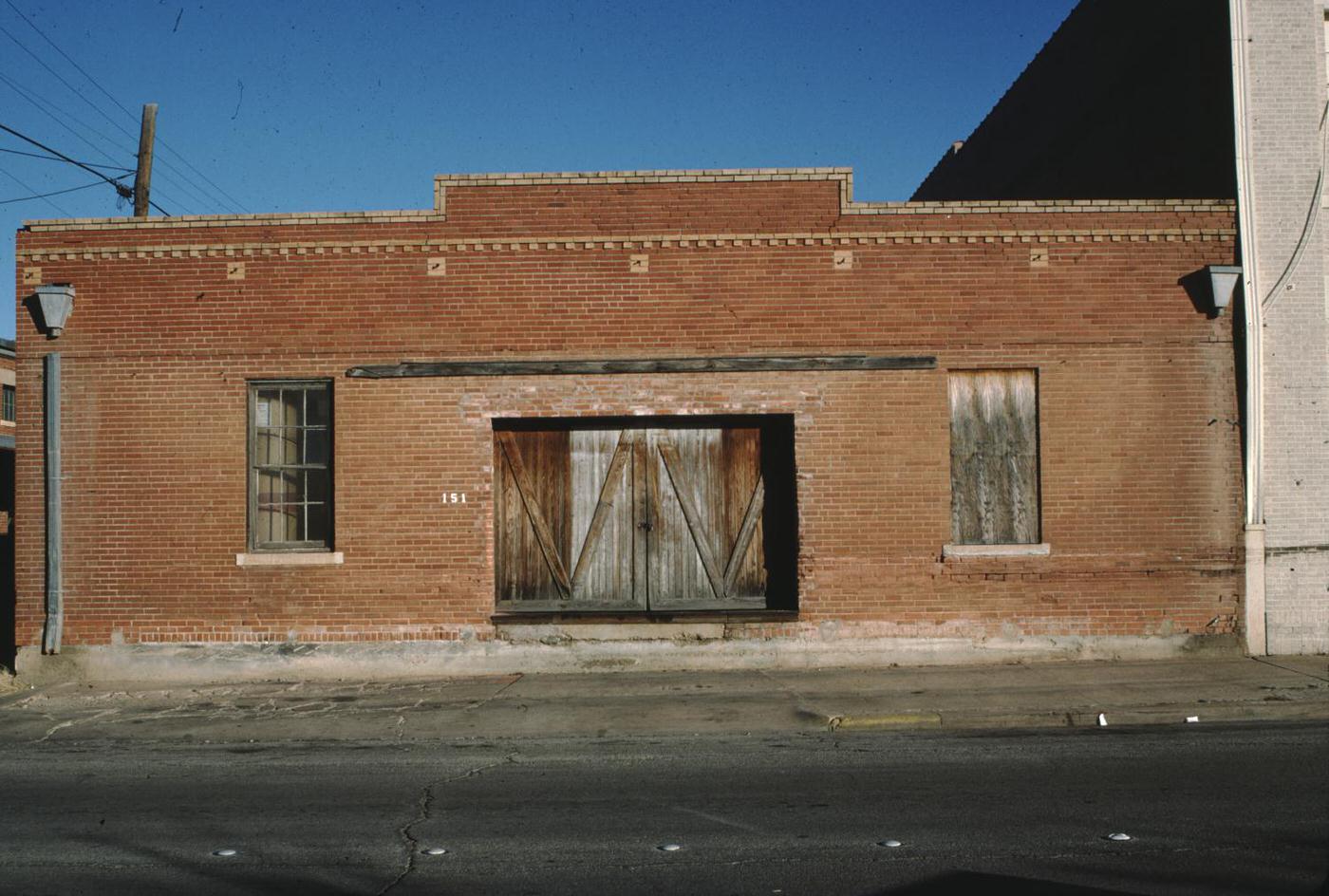
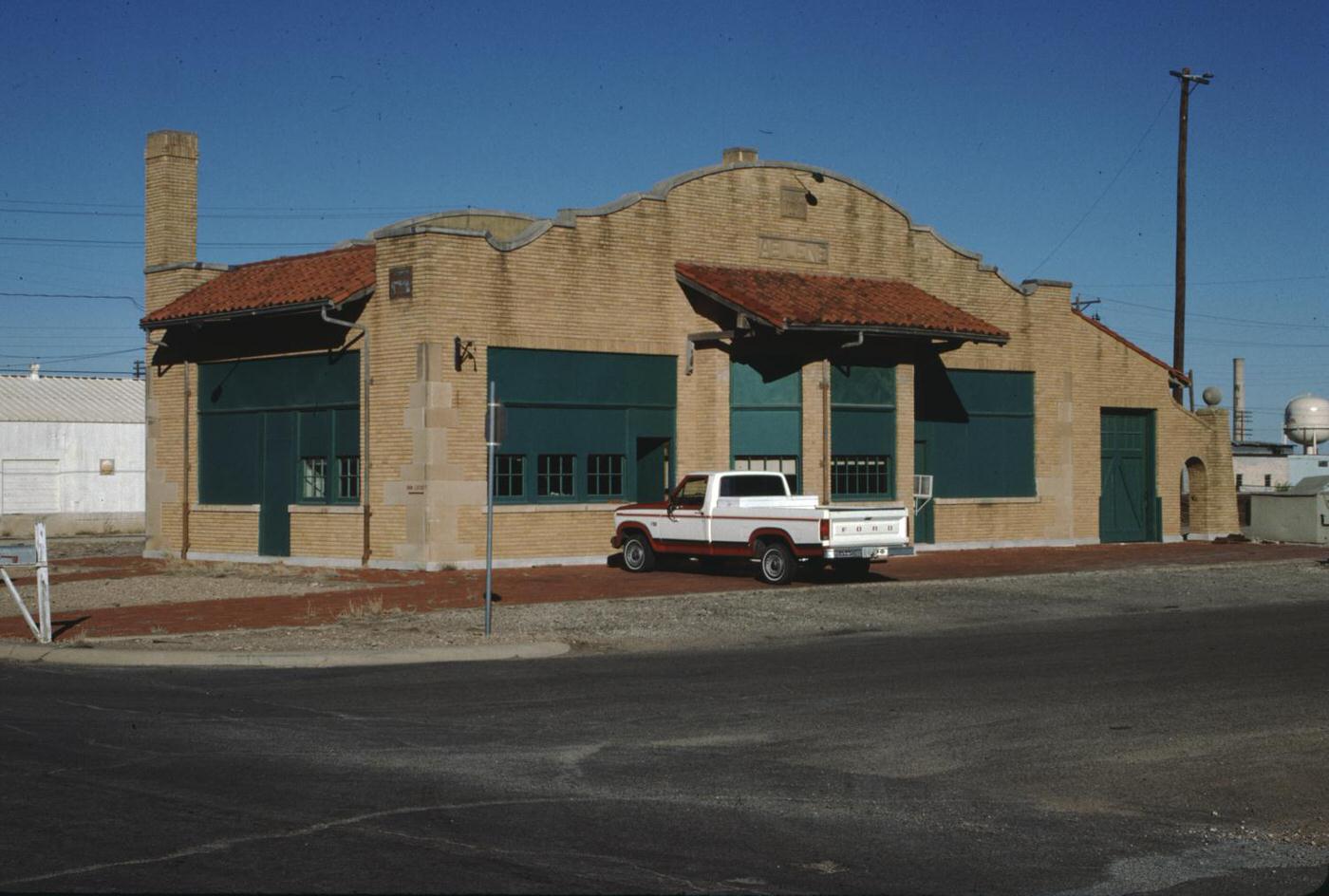
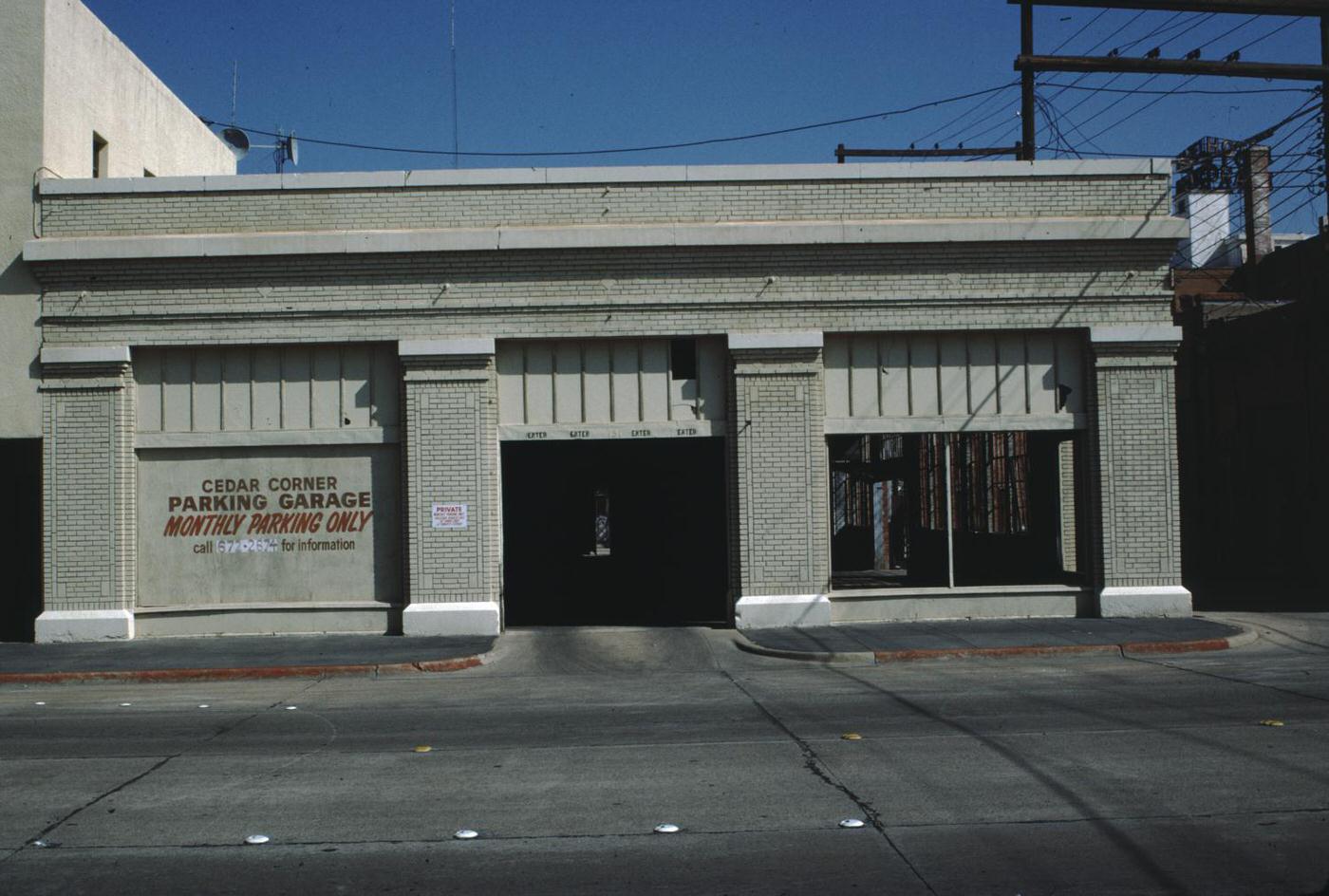
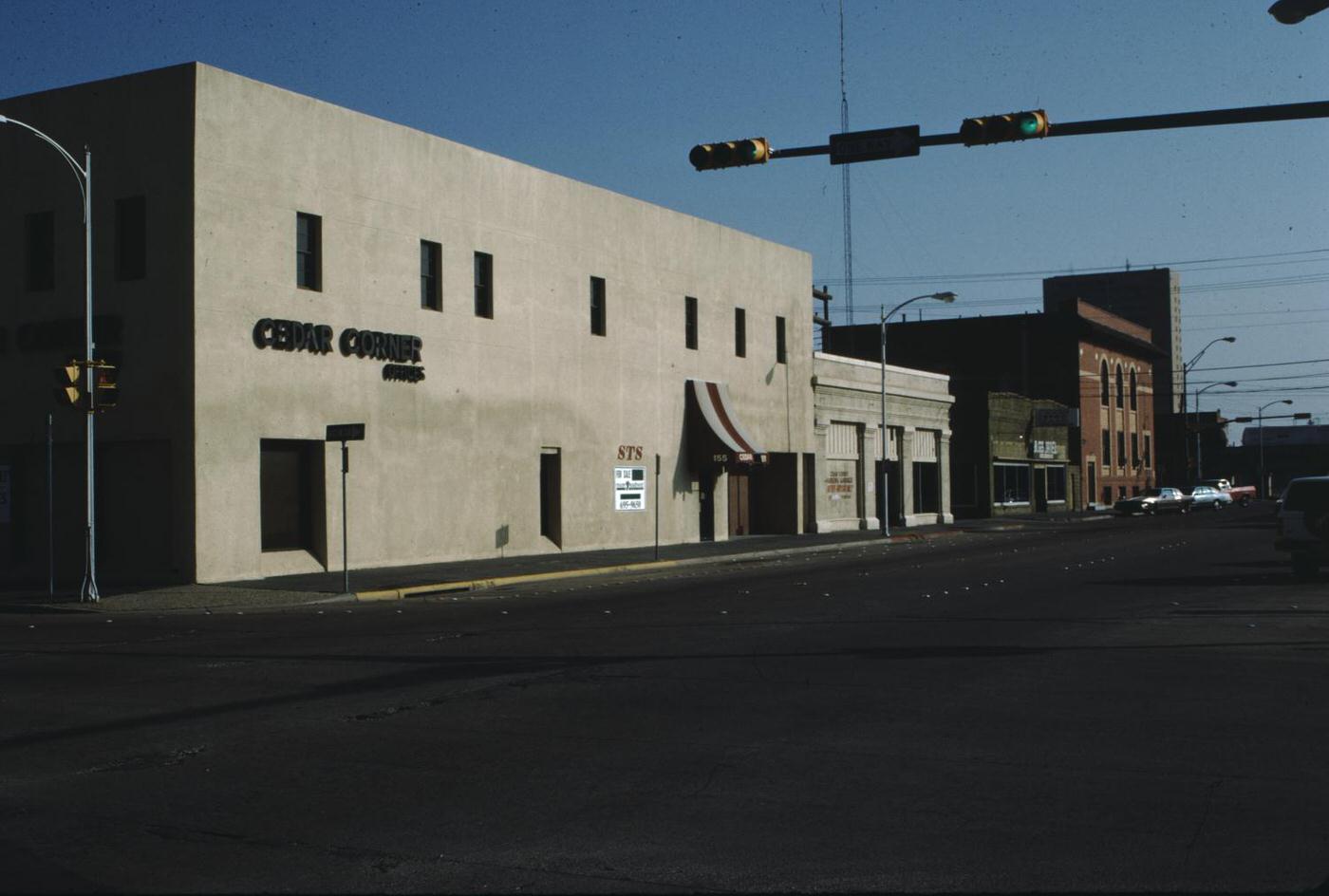
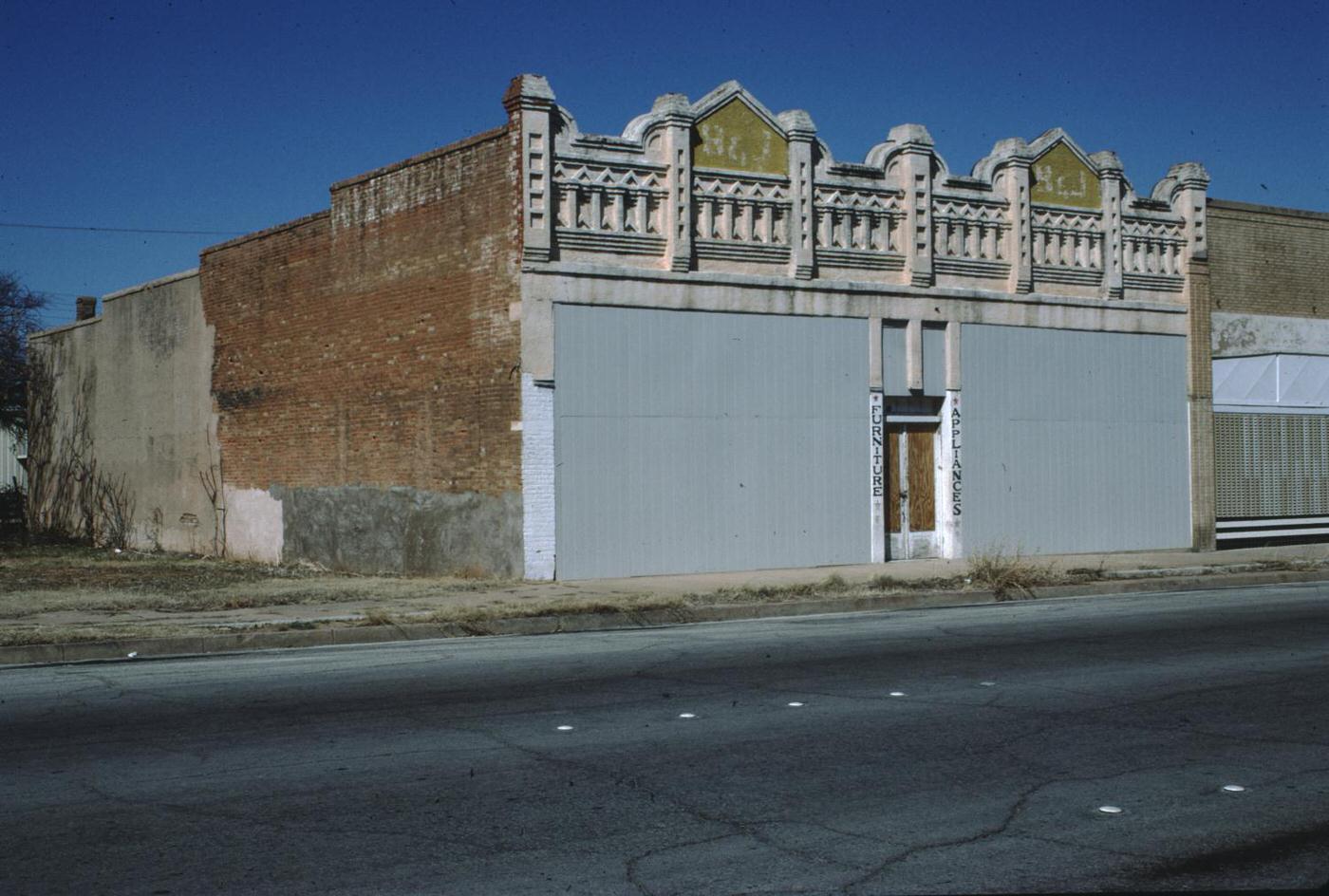
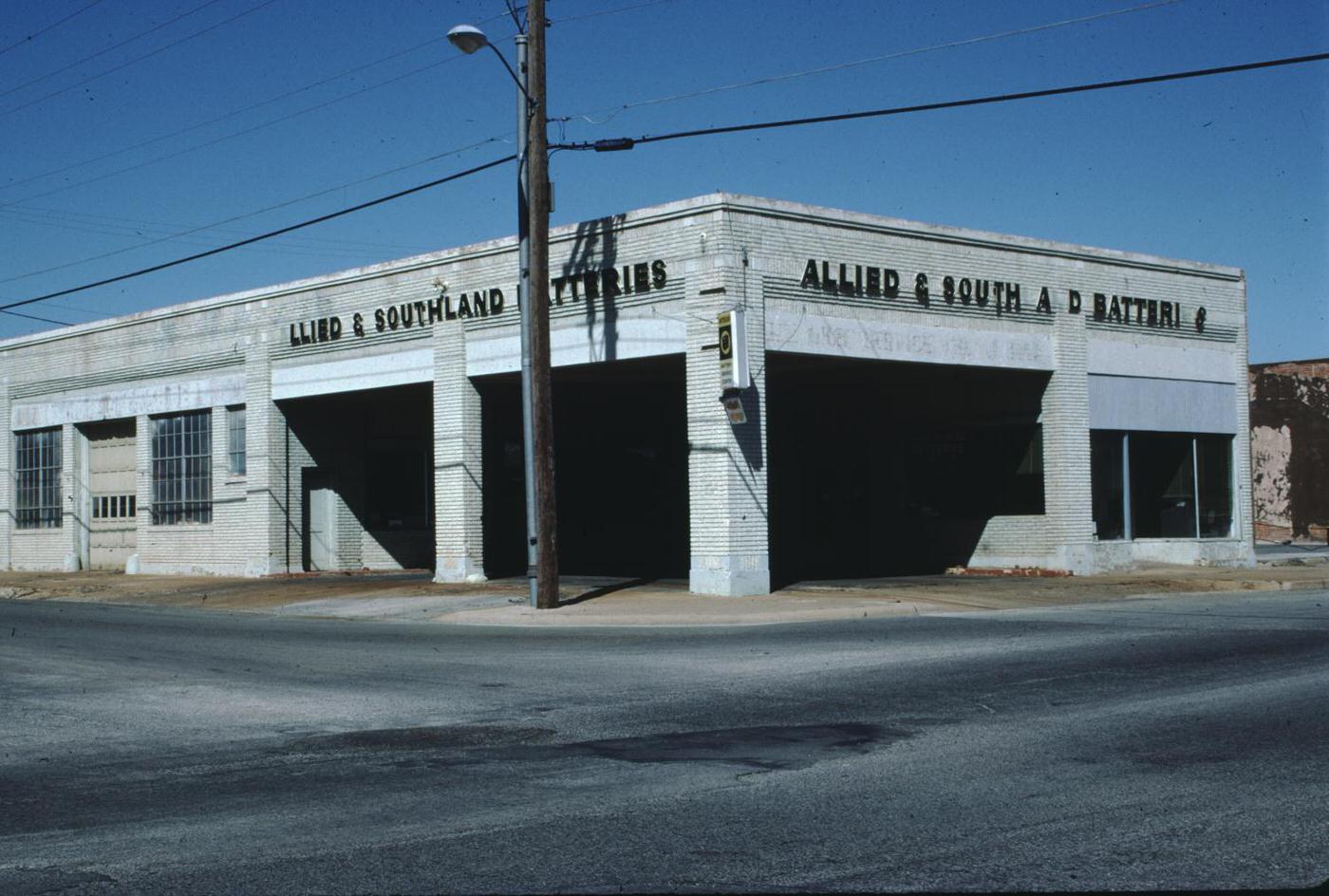
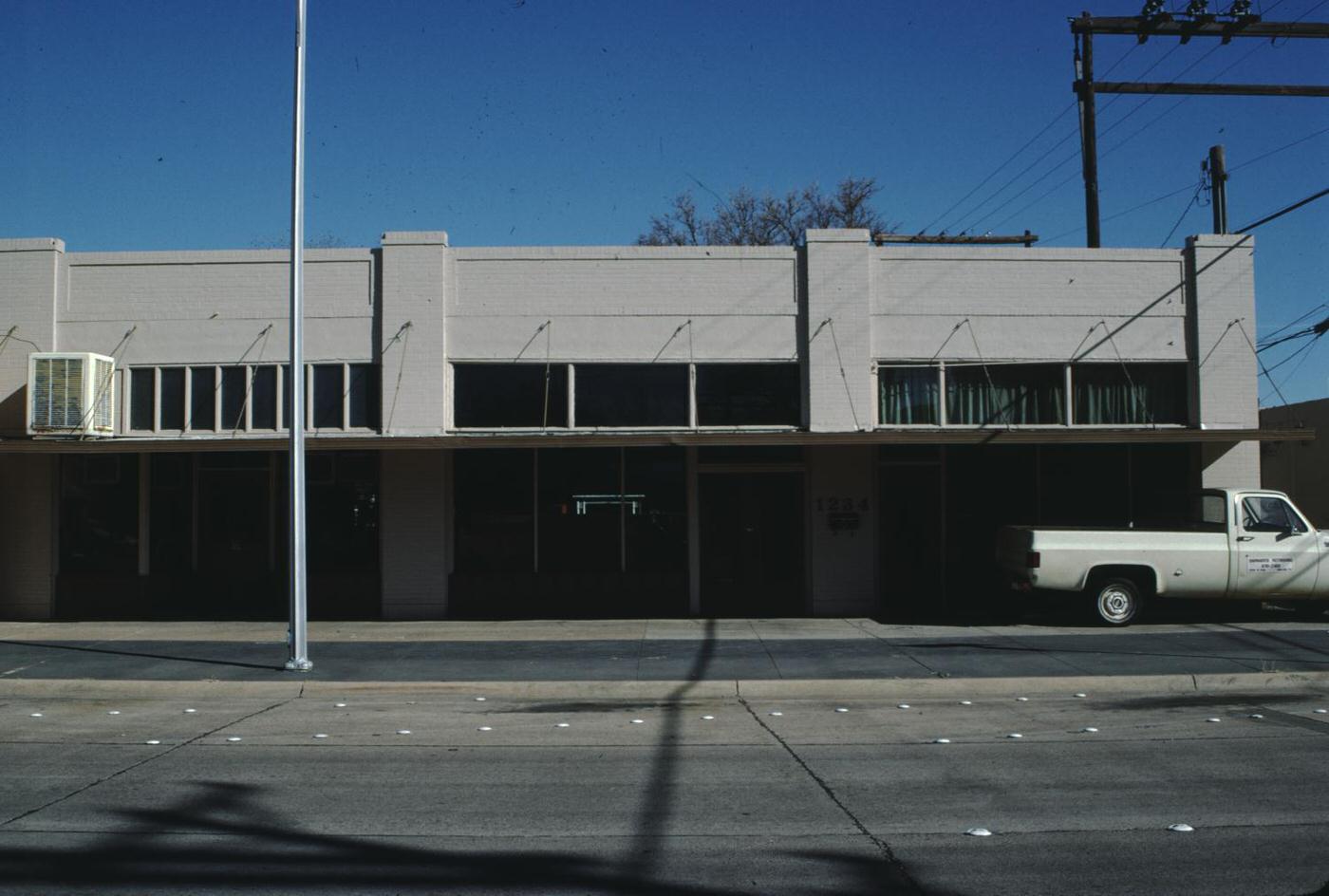
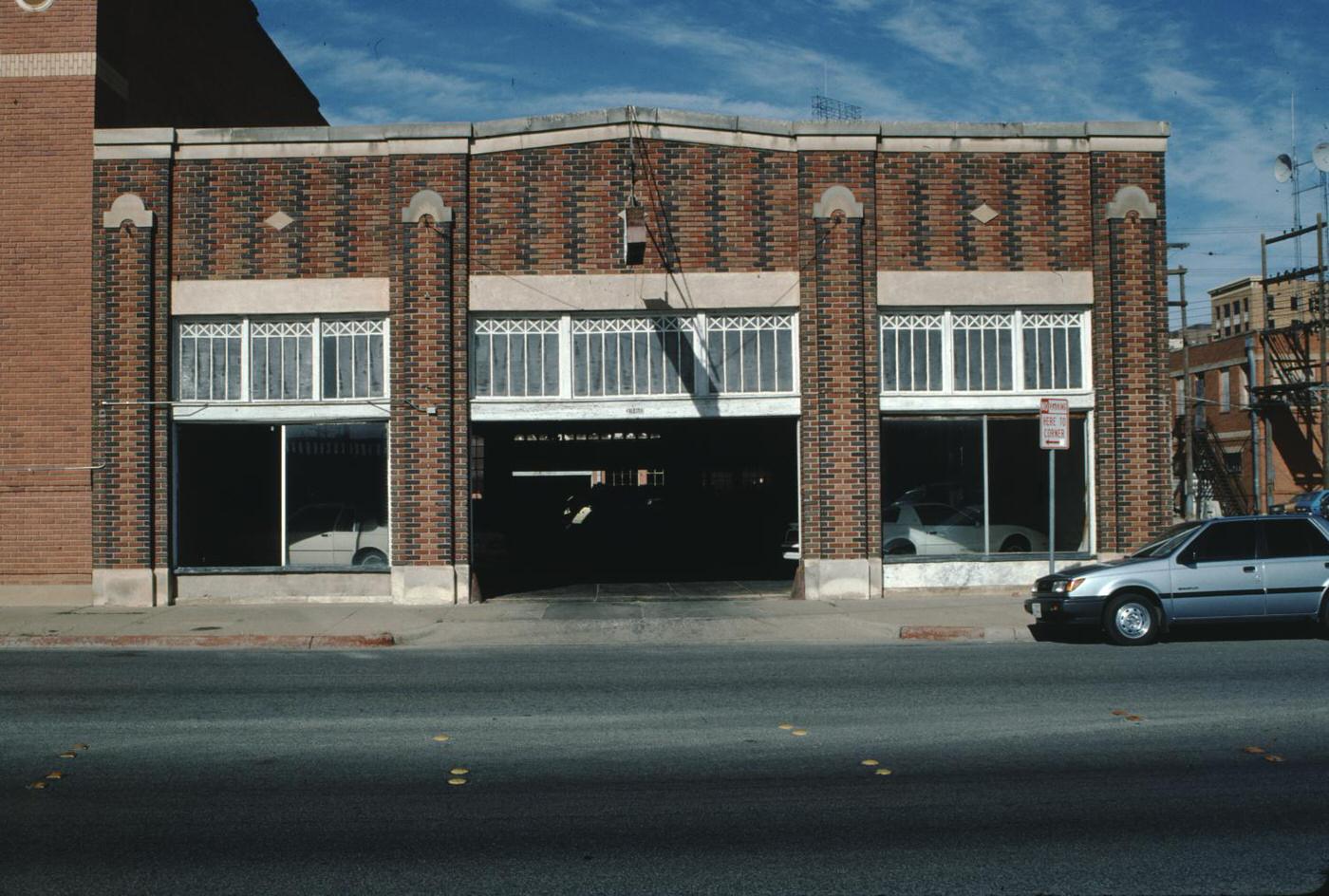
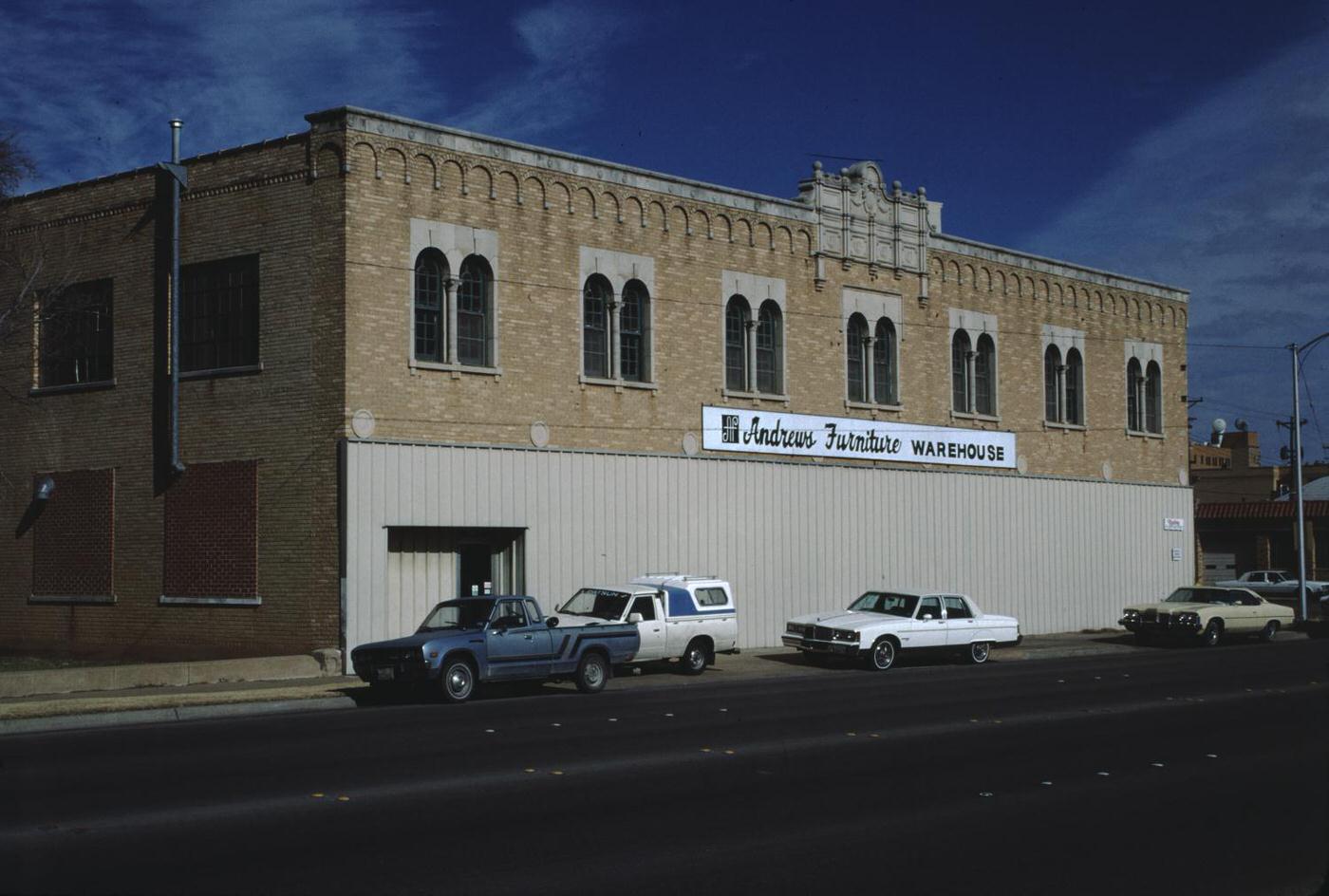
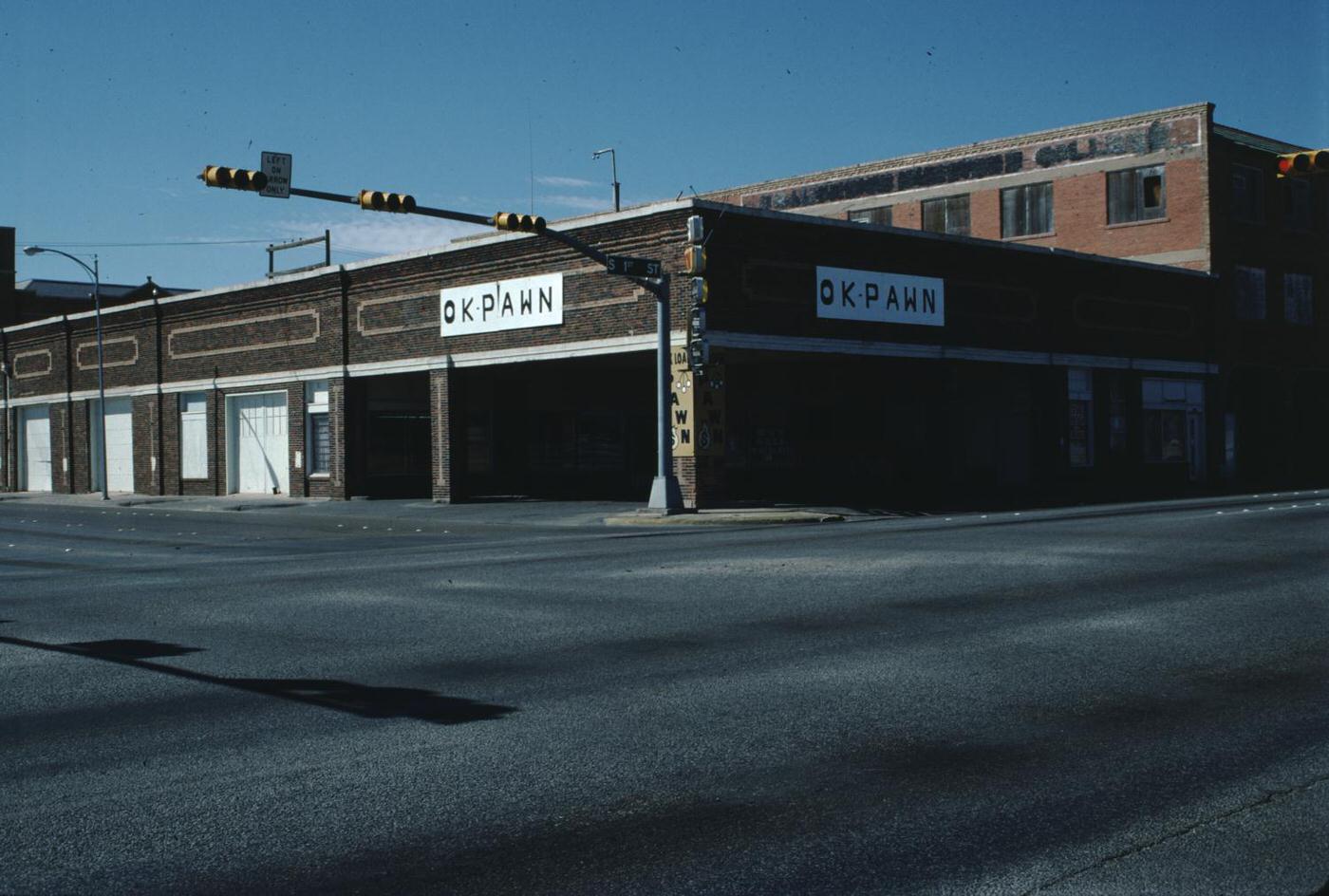
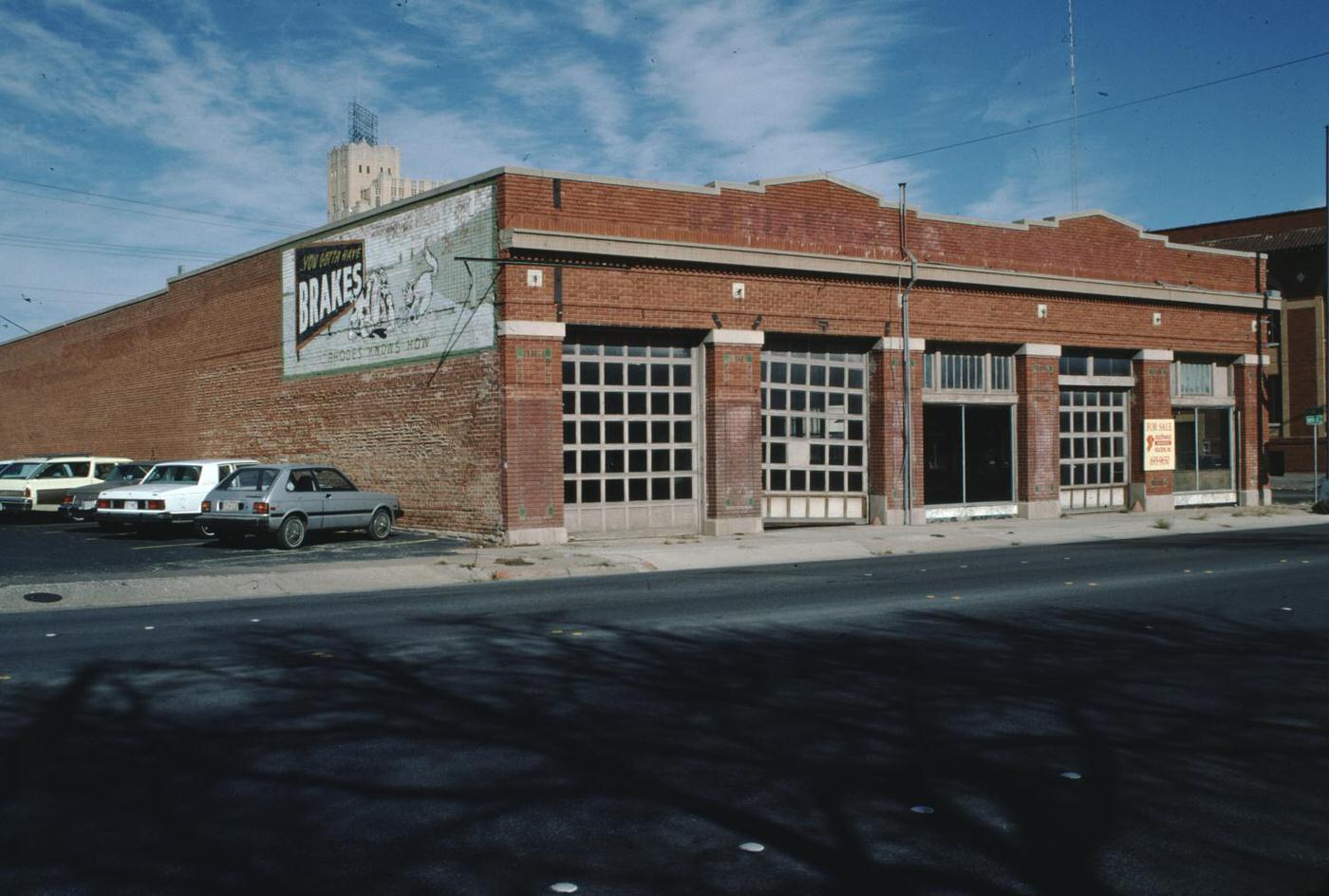
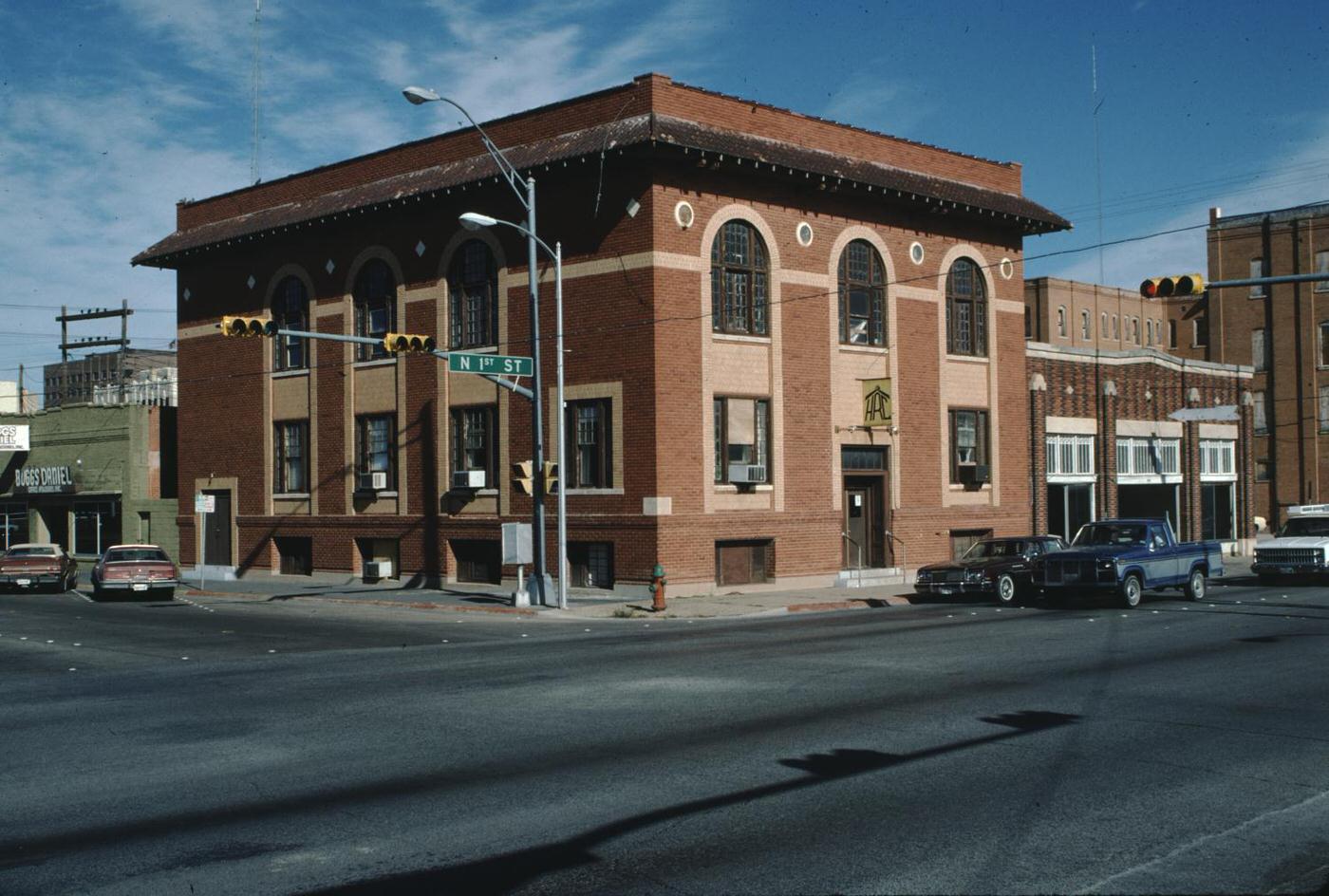
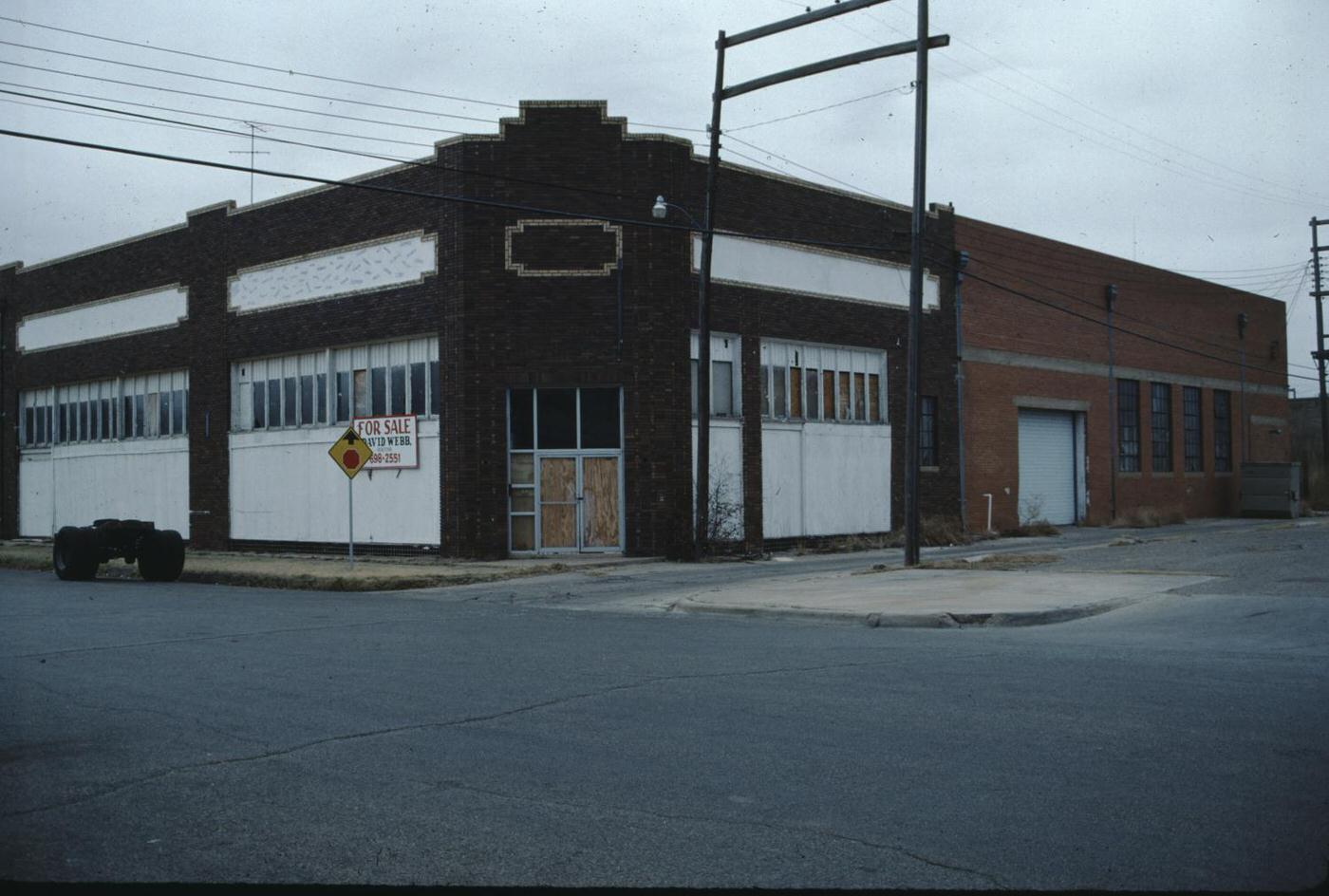
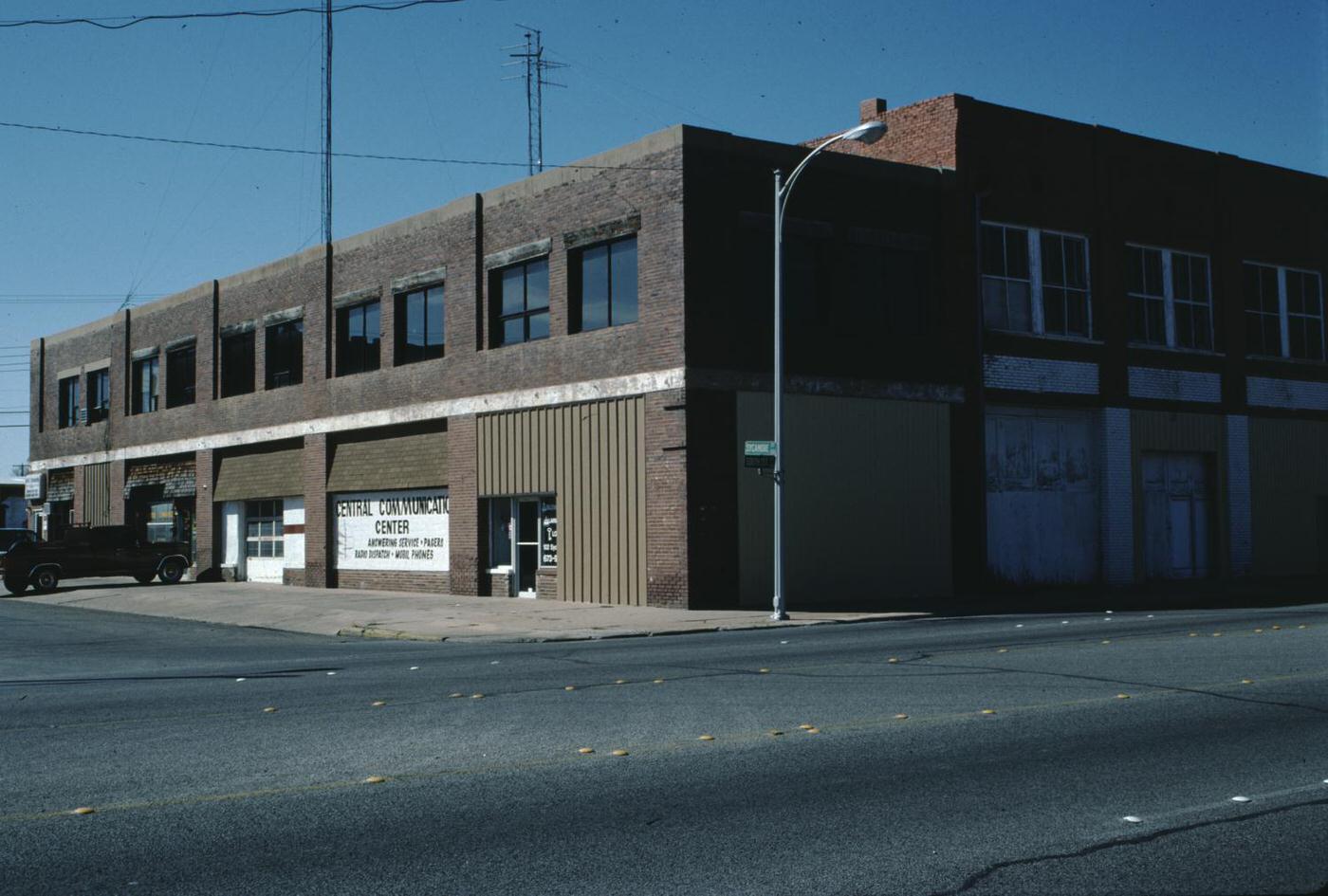
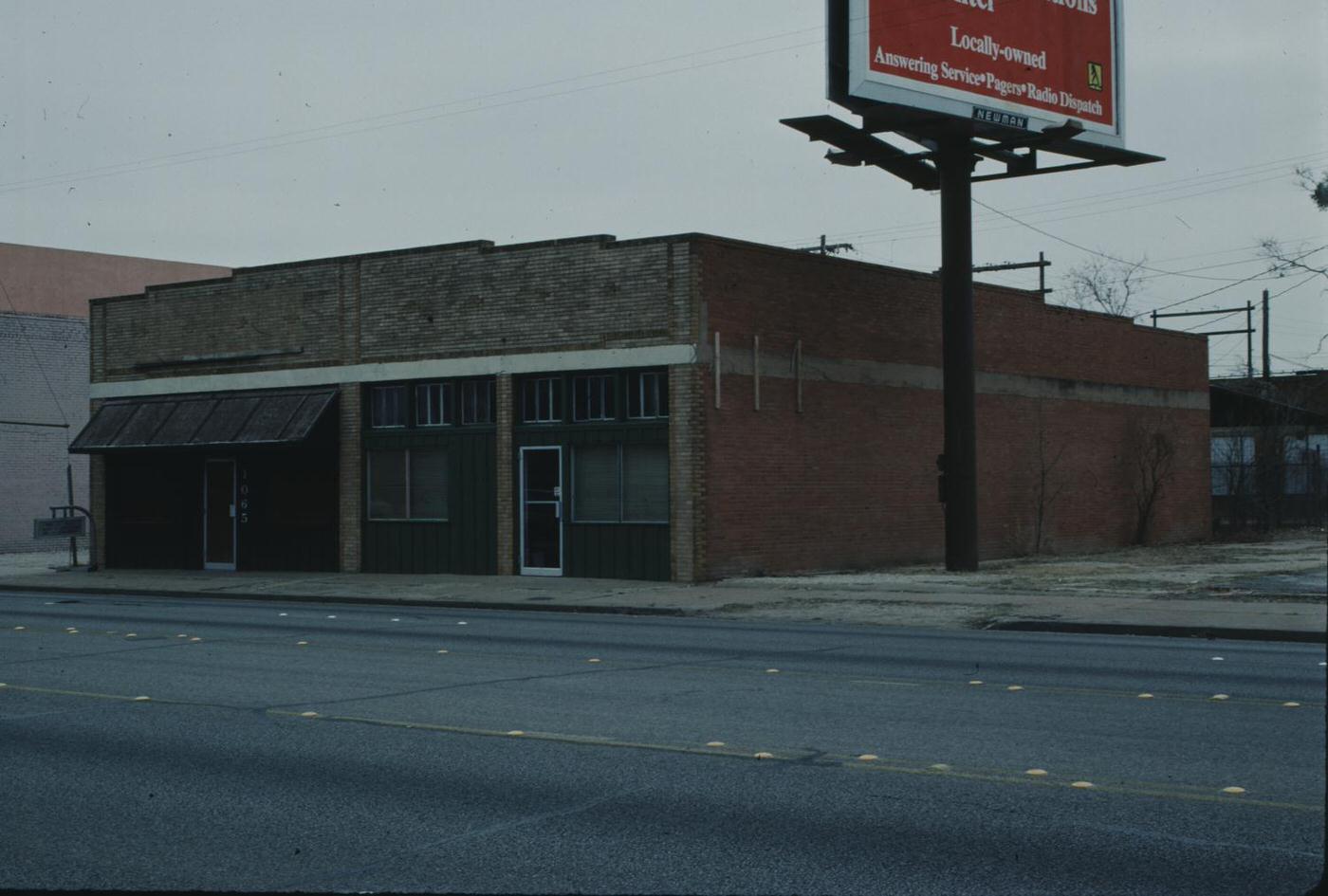
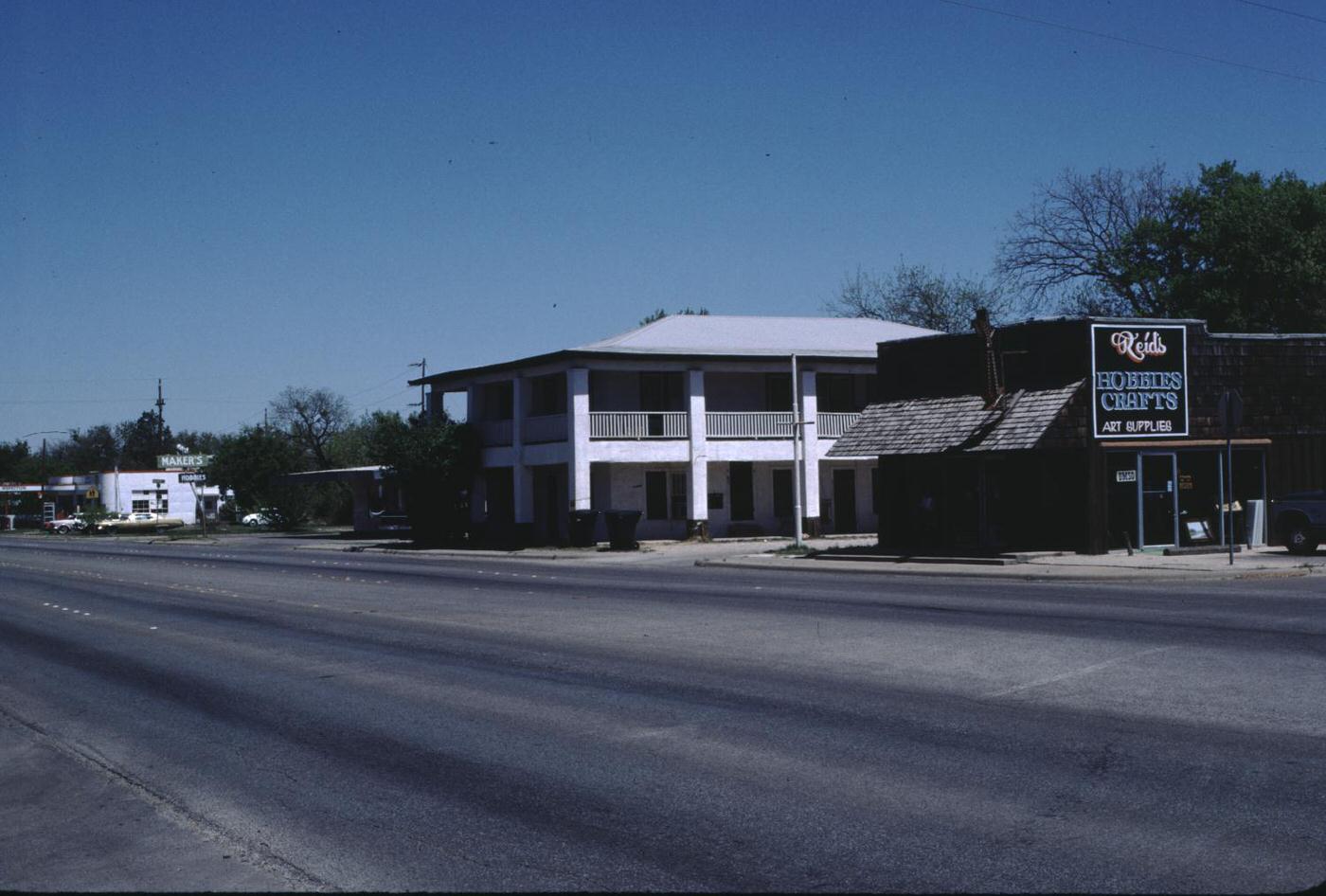
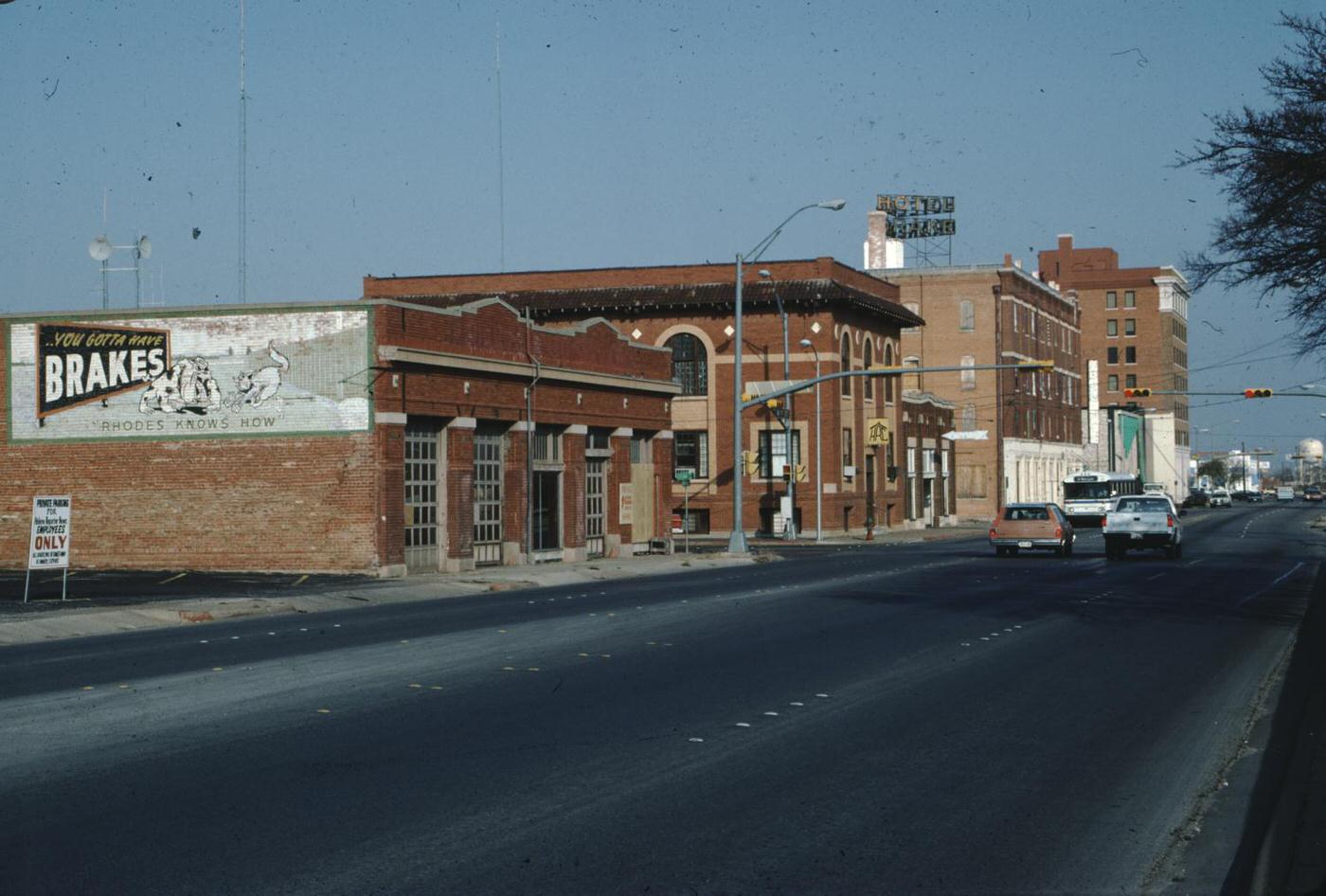
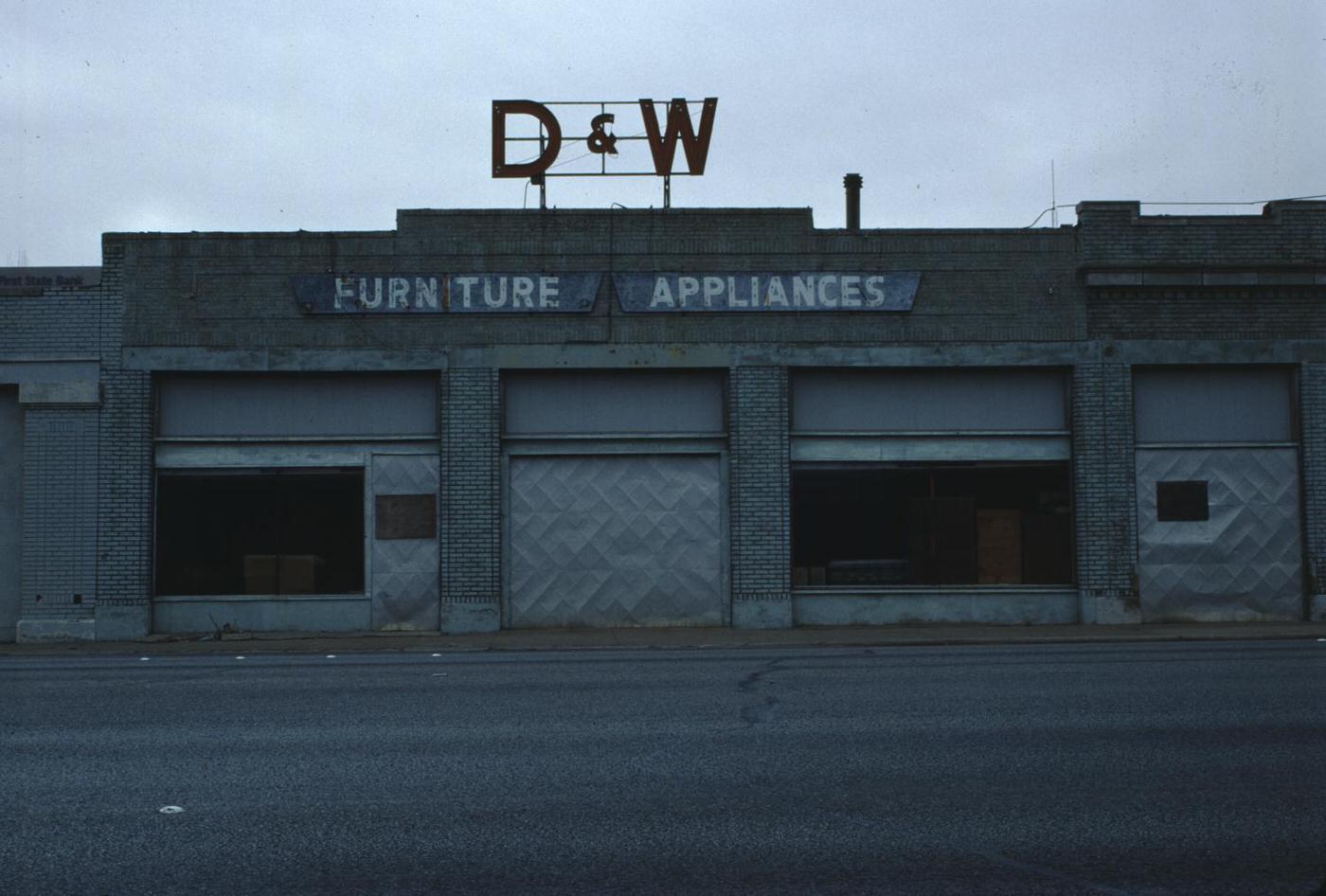
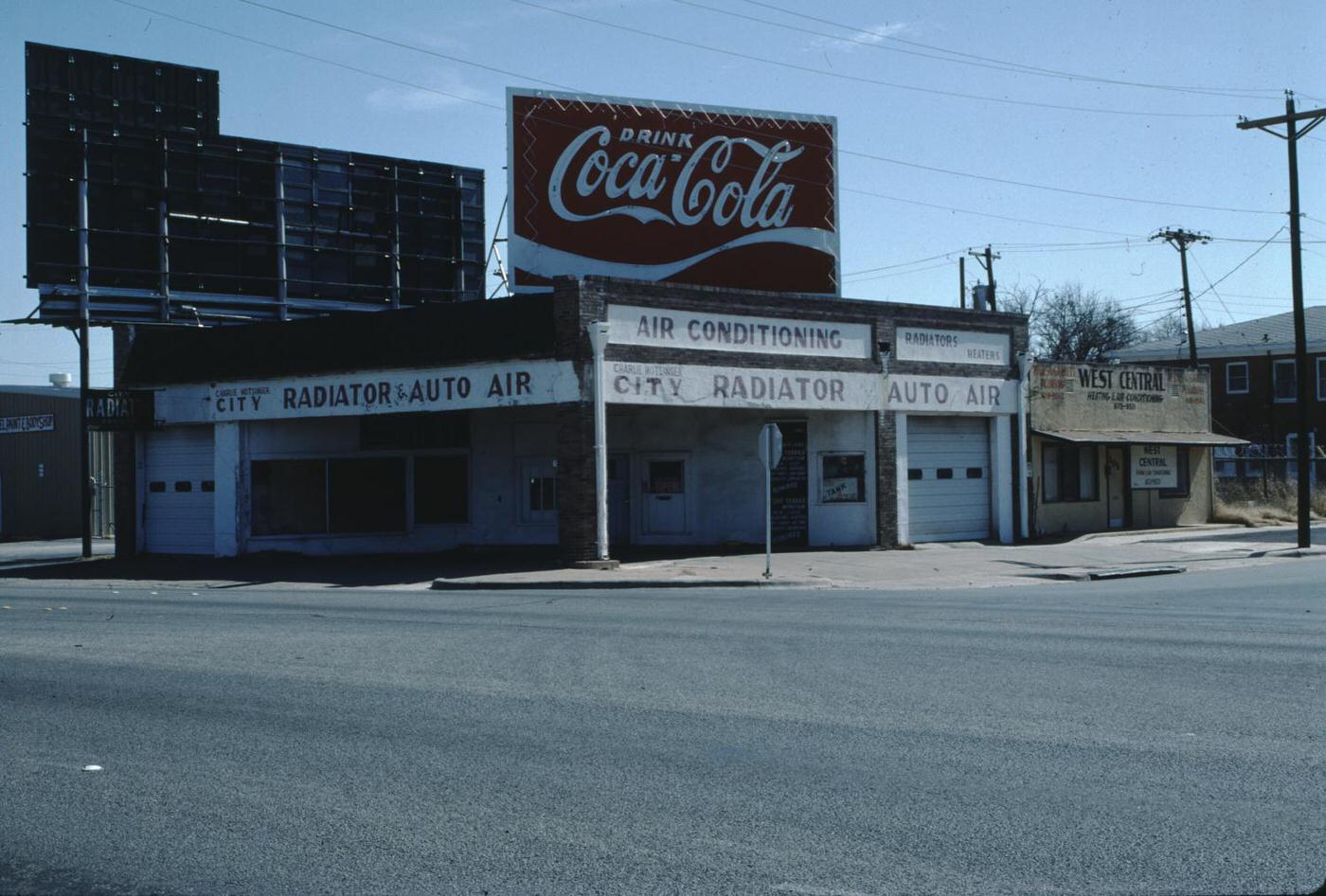
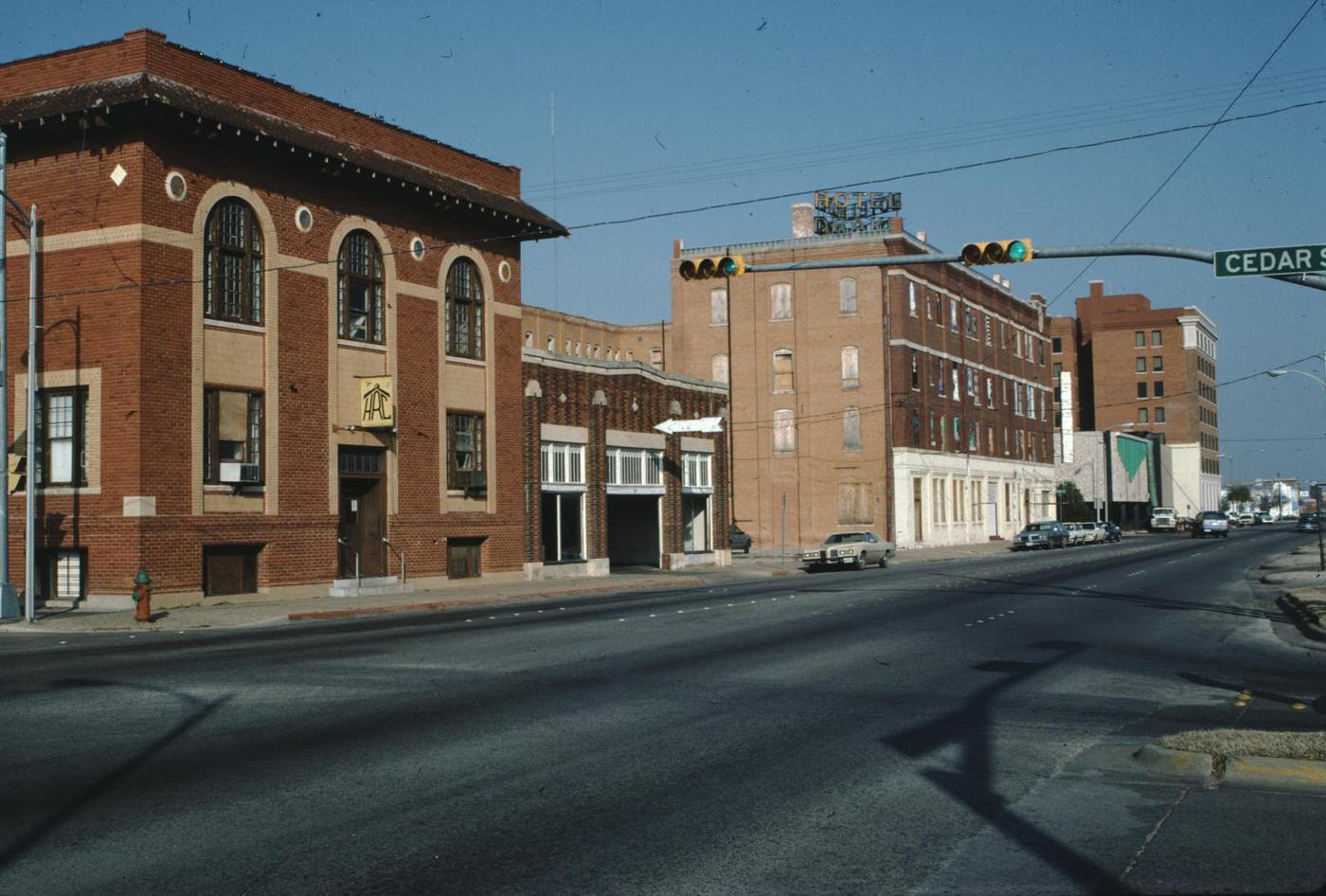
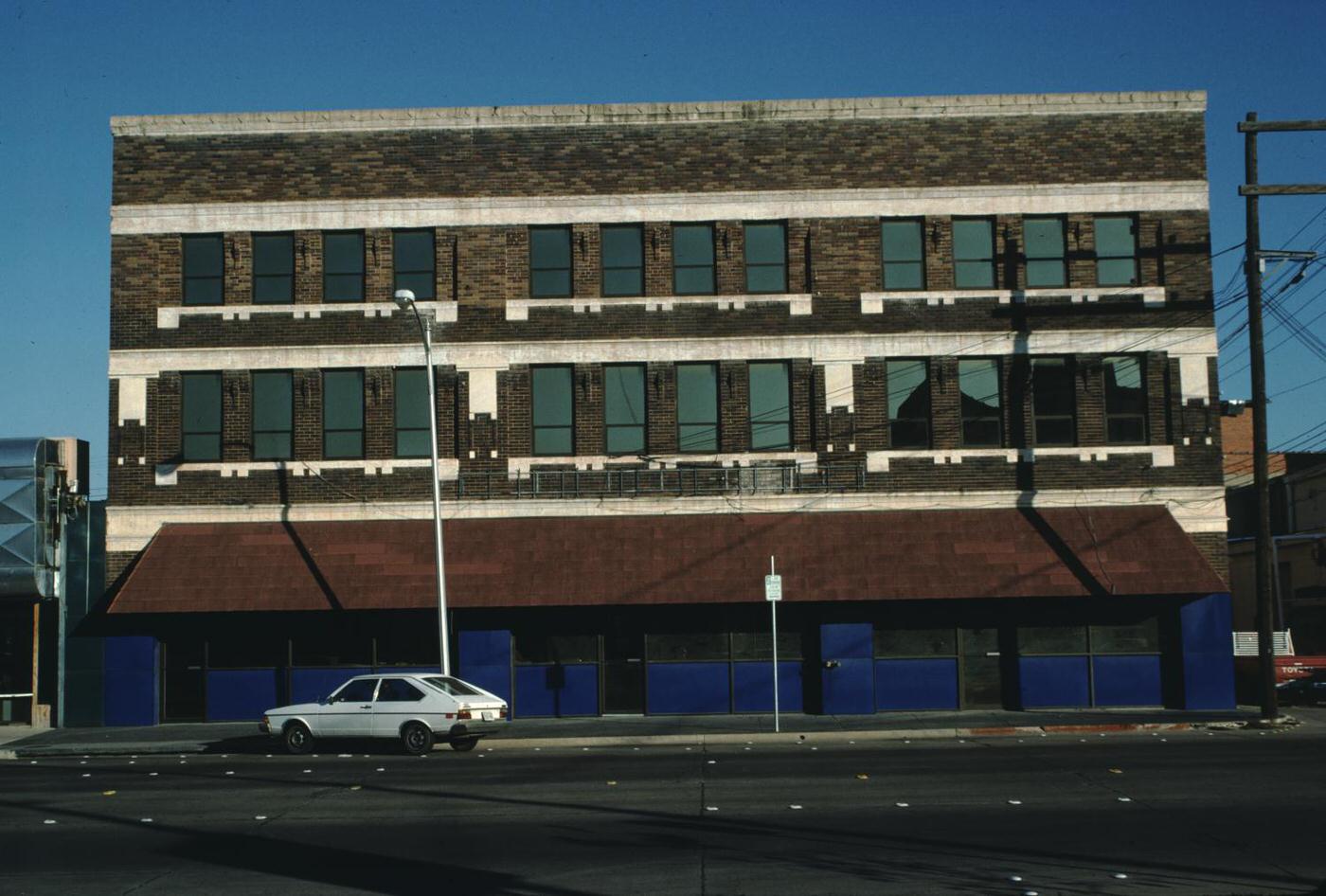
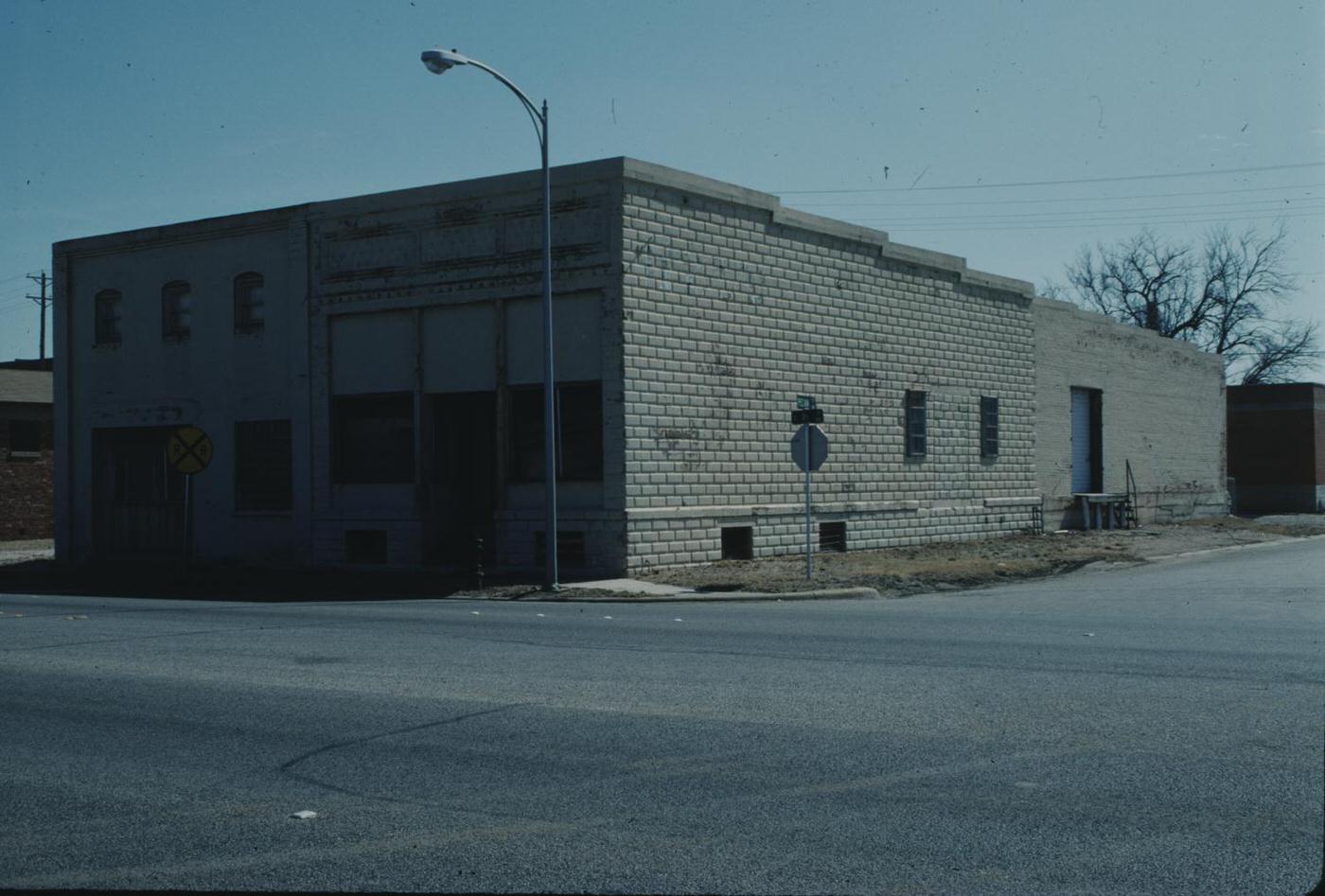
Downtown Abilene experienced continued decline during the decade. Many commercial establishments relocated to suburban shopping centers, leaving behind vacant buildings. Some structures fell into disrepair, becoming targets for vandalism. However, efforts to combat this decline were underway. The Abilene Preservation League, founded in 1977, was active in advocating for the protection of historic downtown buildings. The most visible success story was the extensive restoration of the Paramount Theatre, completed and celebrated with a grand re-opening in 1987, largely funded by the Dodge Jones Foundation. This project, along with the foundation’s work on beautifying the railroad right-of-way, marked the beginnings of a long-term downtown revitalization effort.
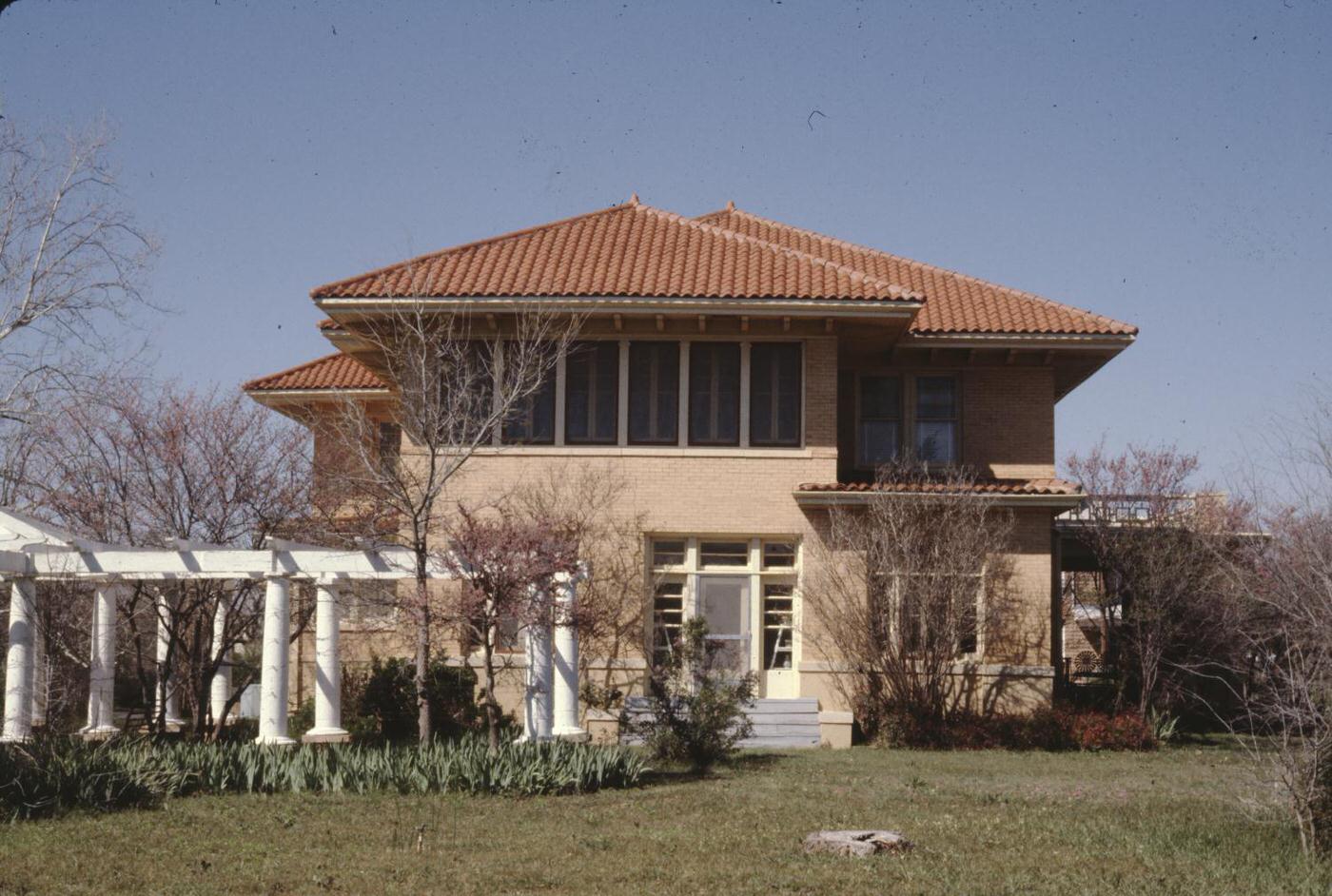
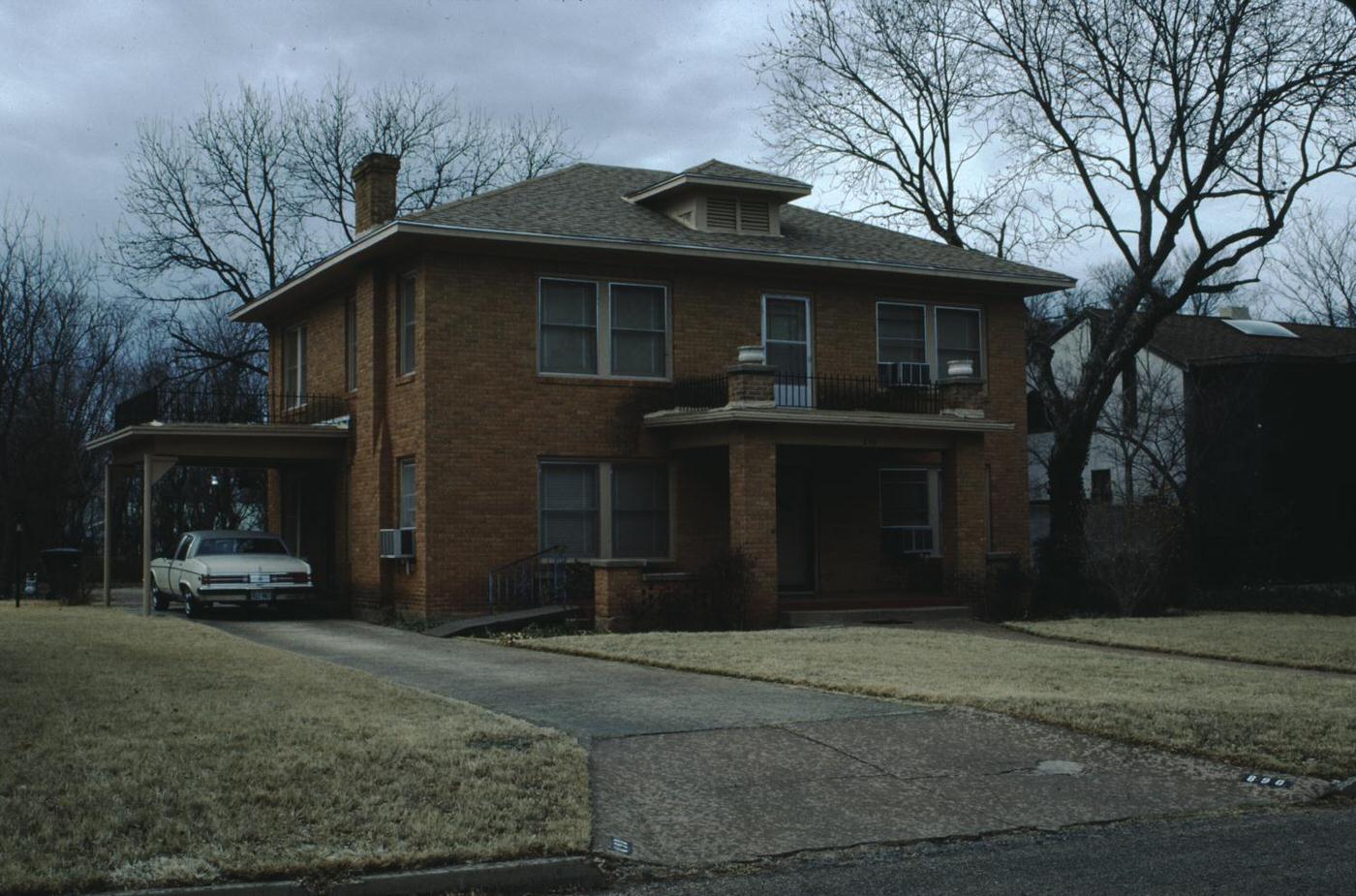
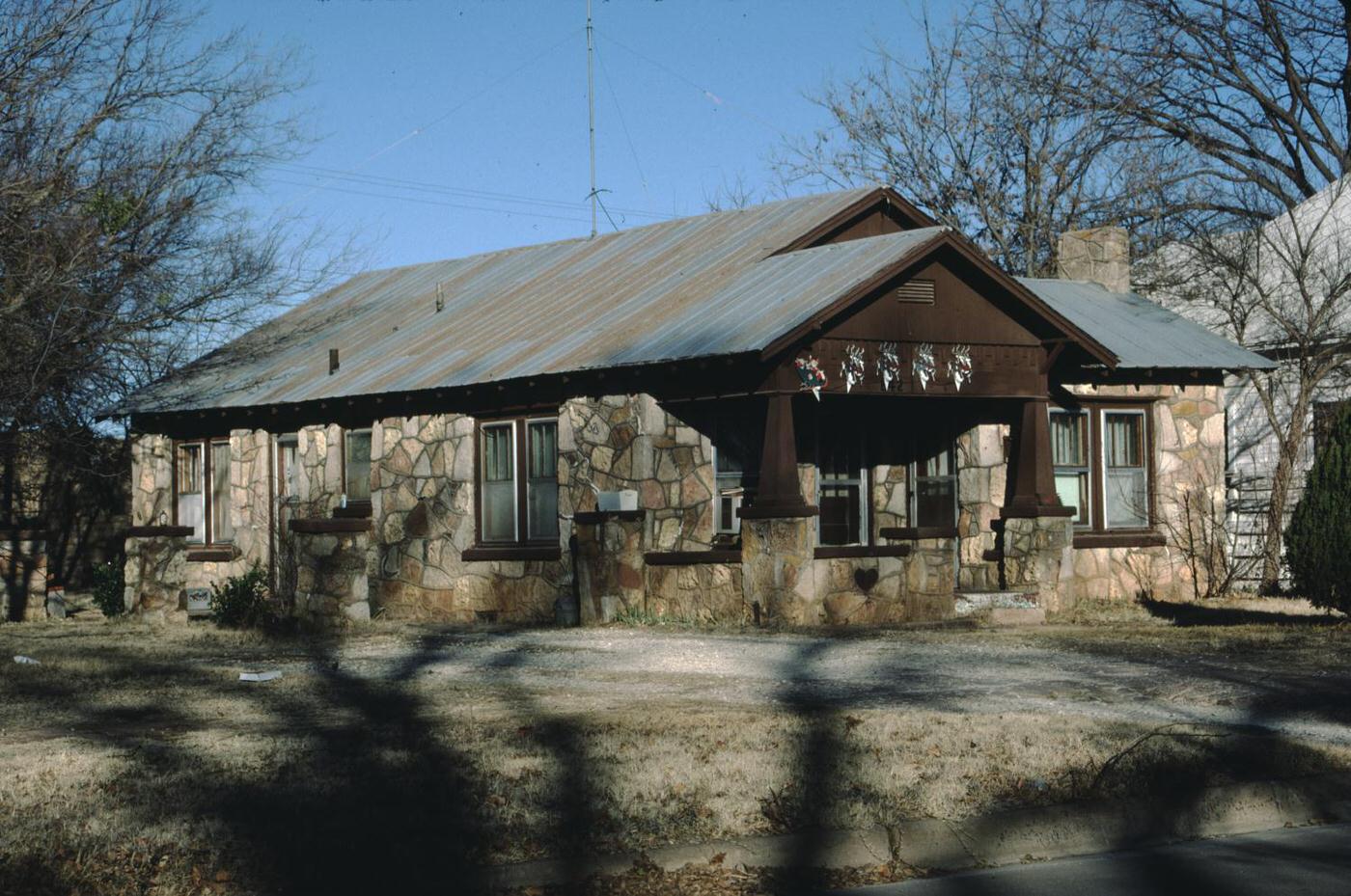
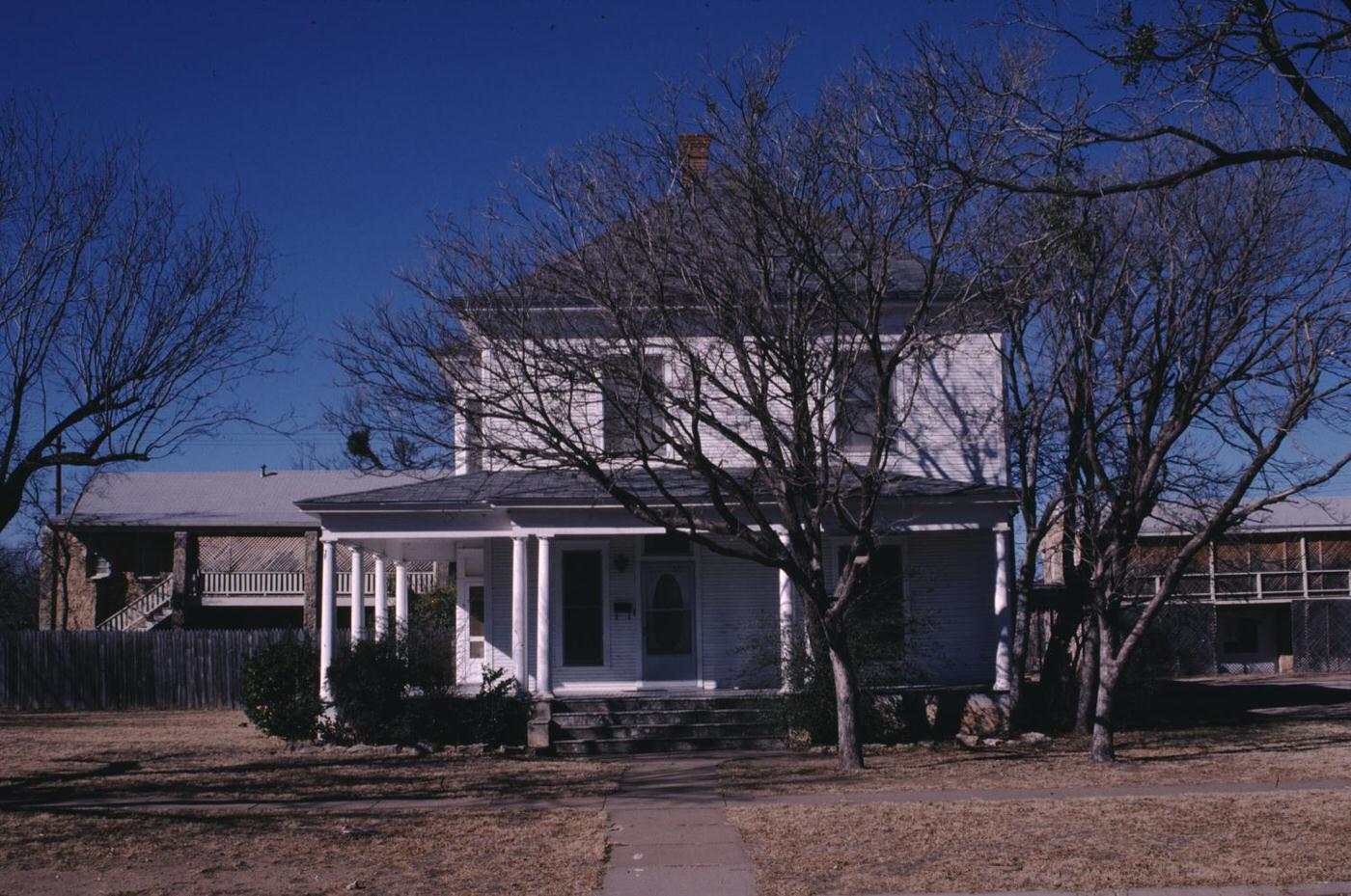
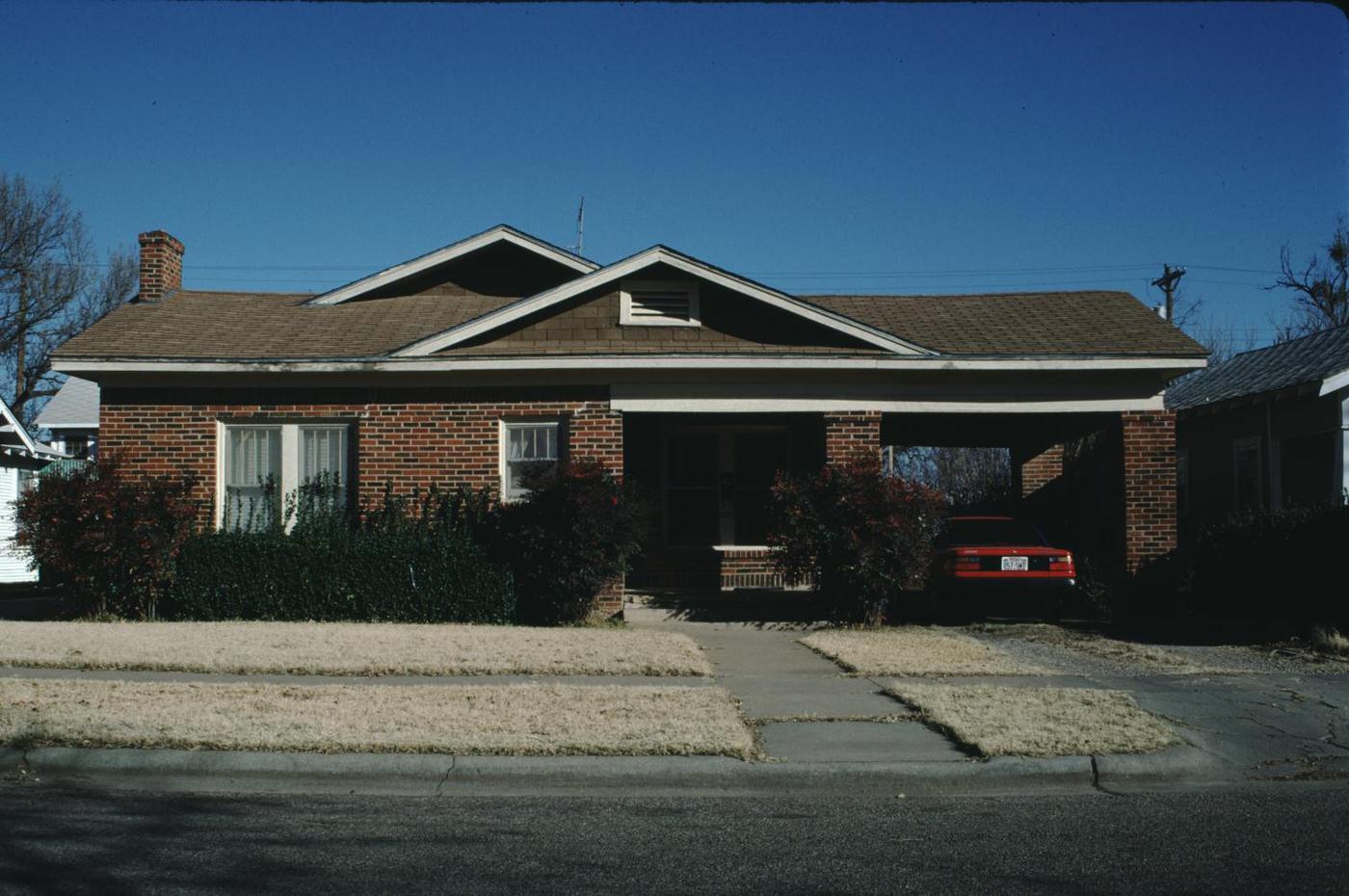
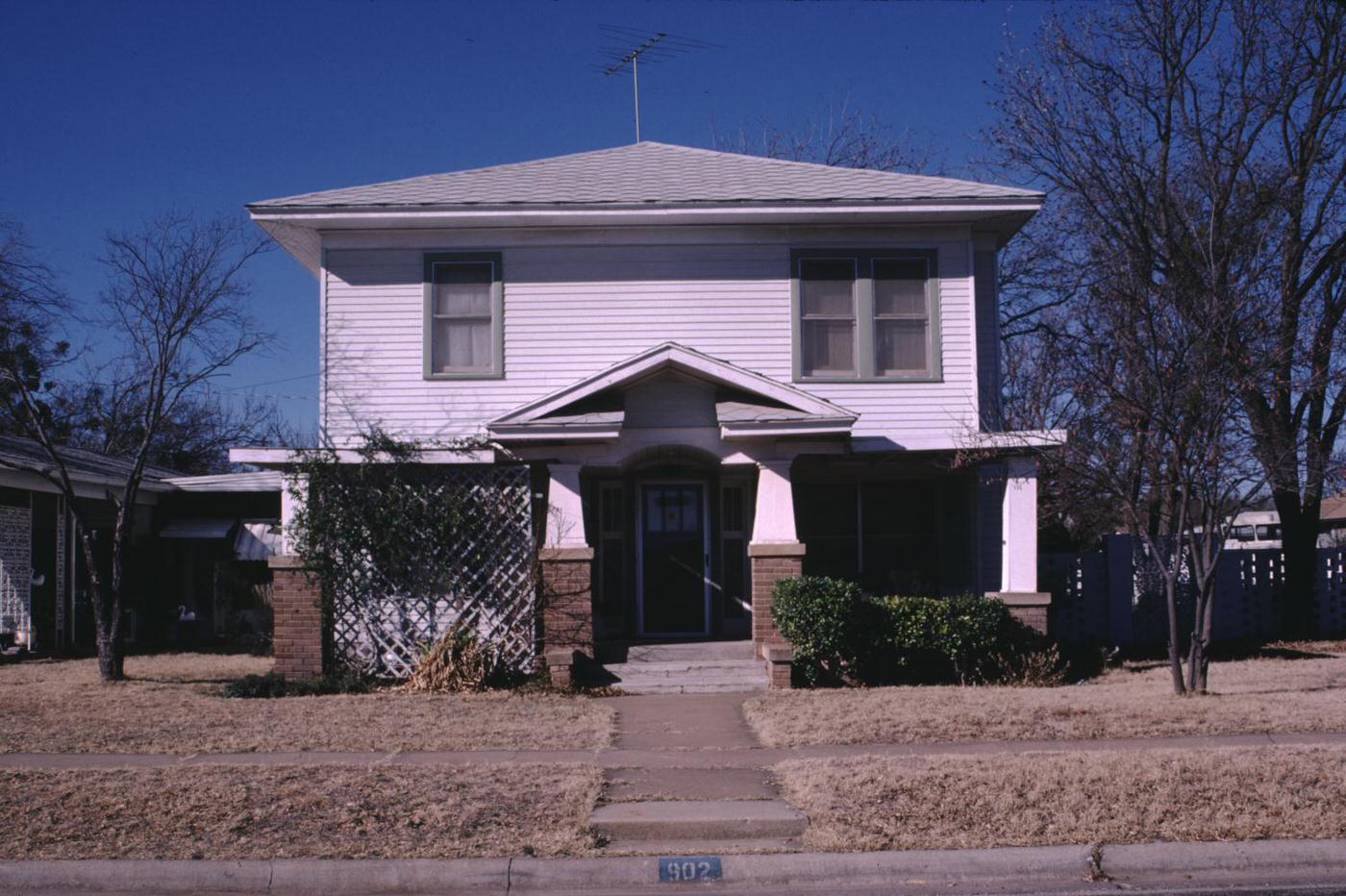
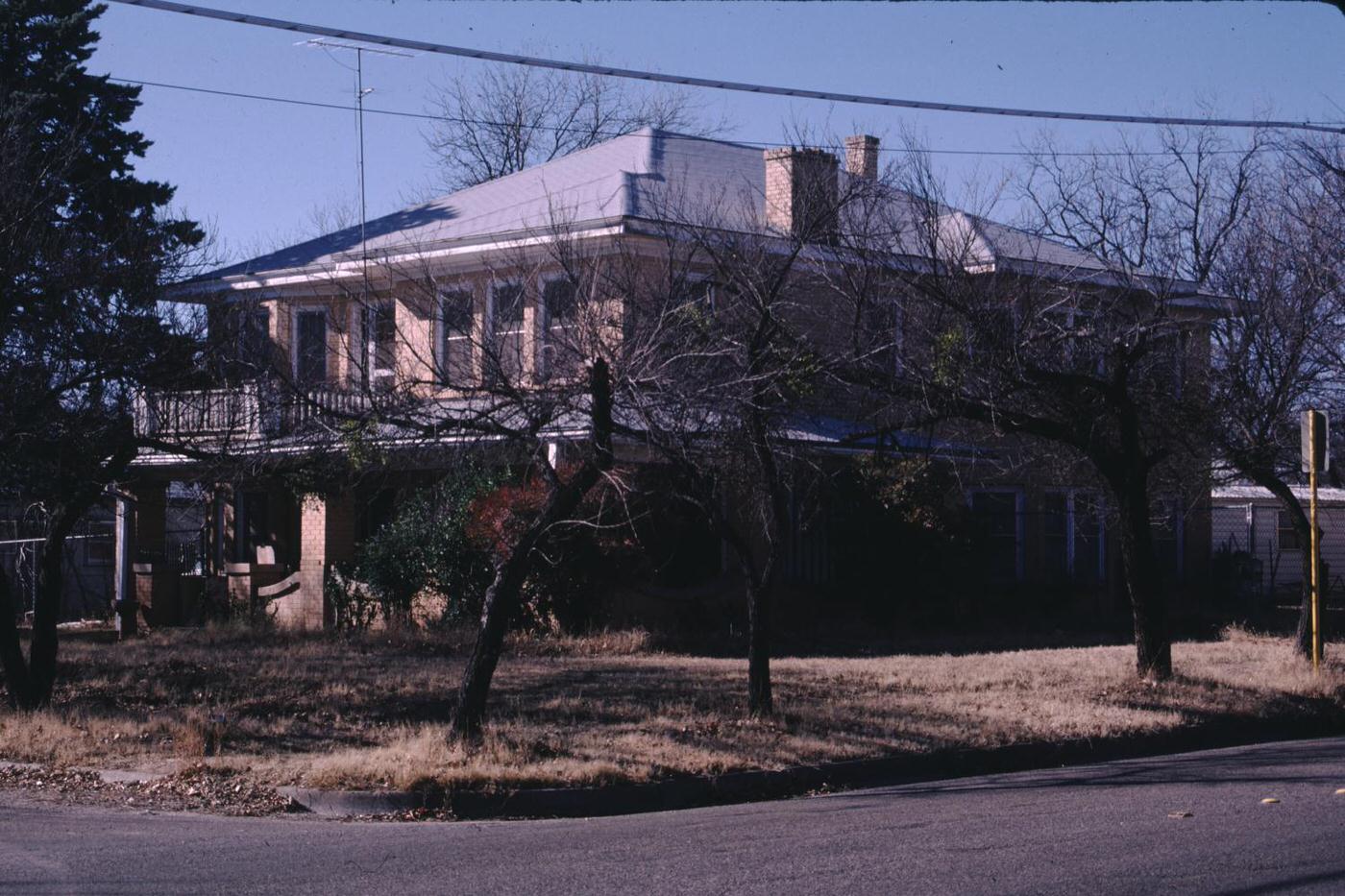
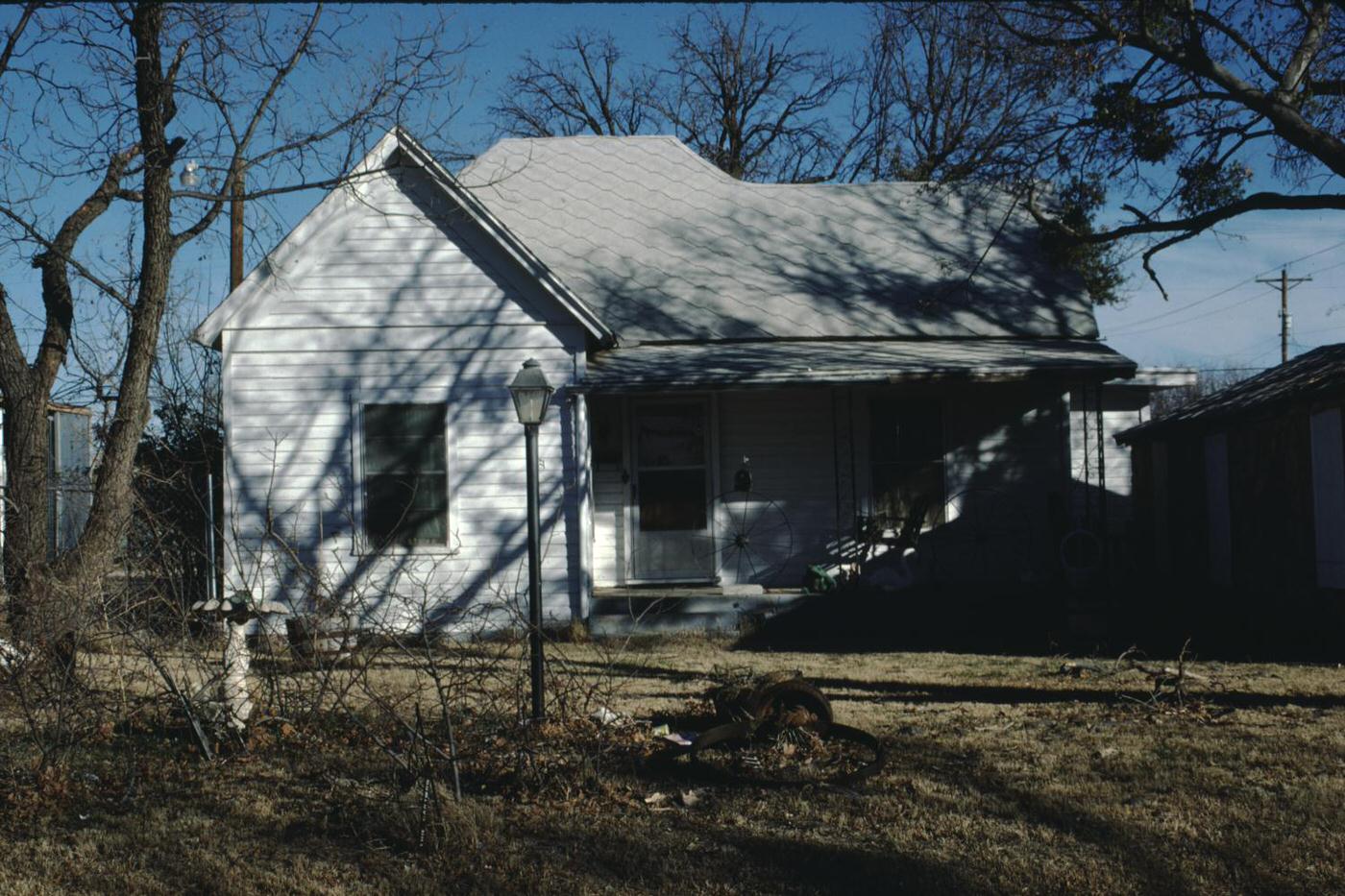
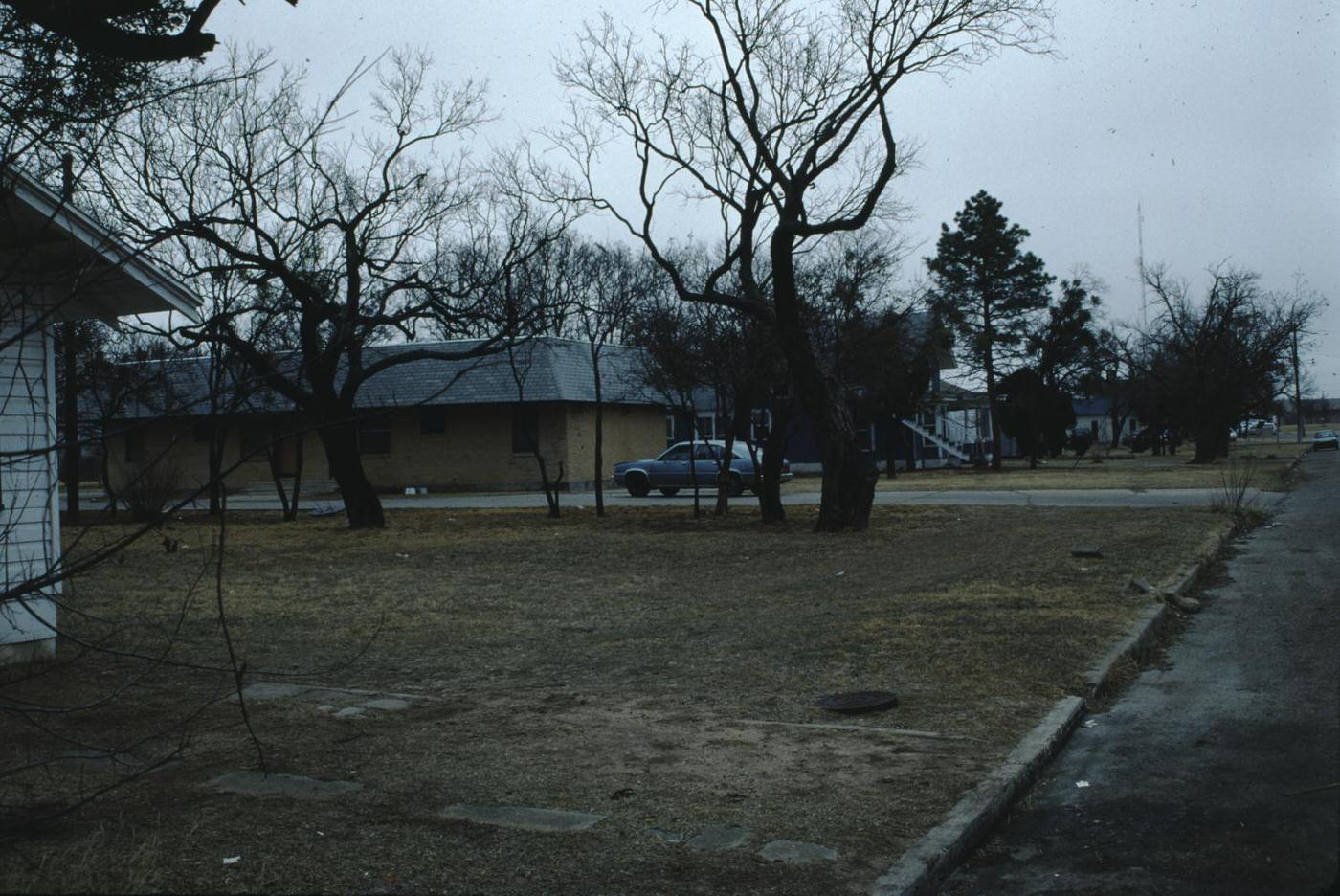
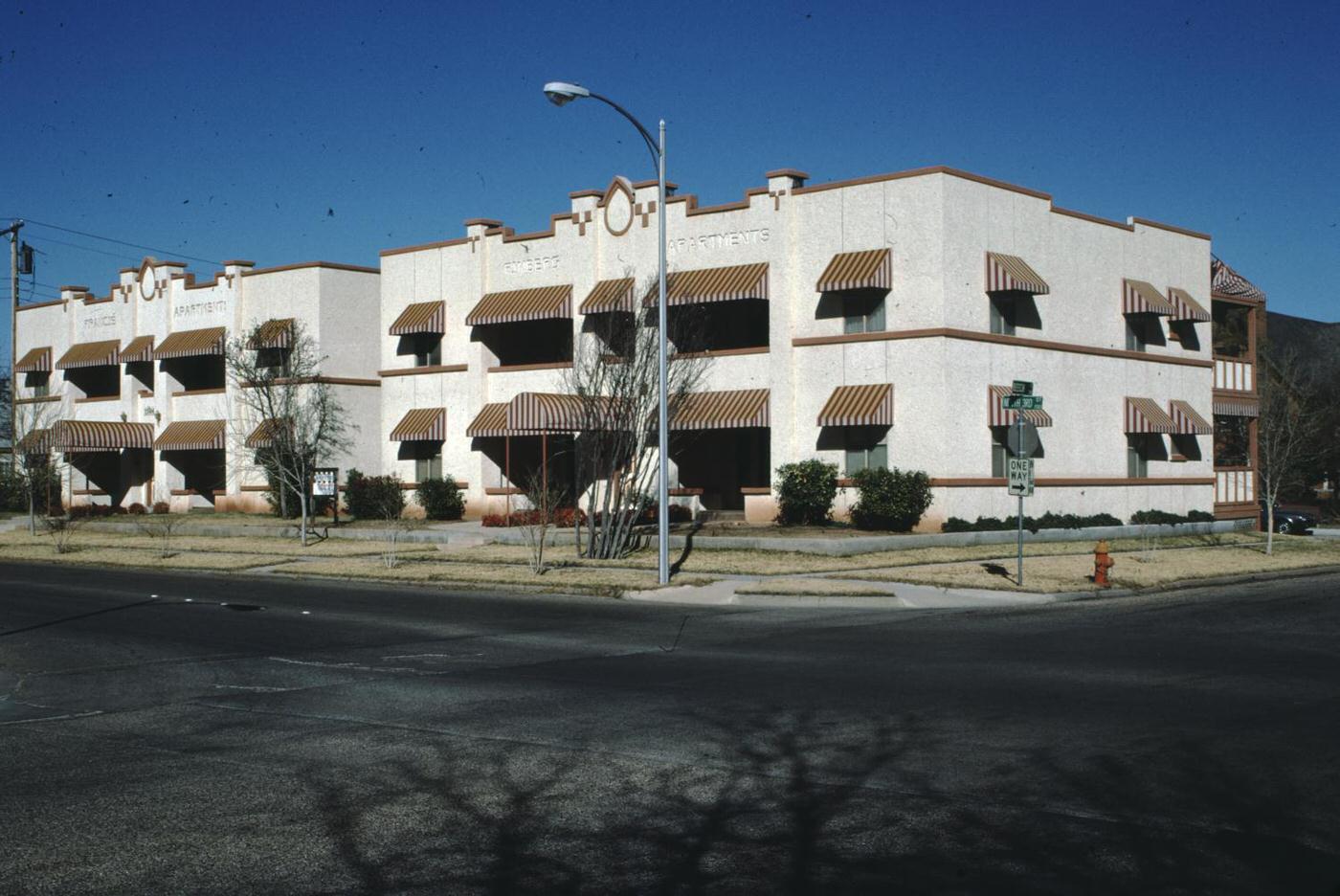
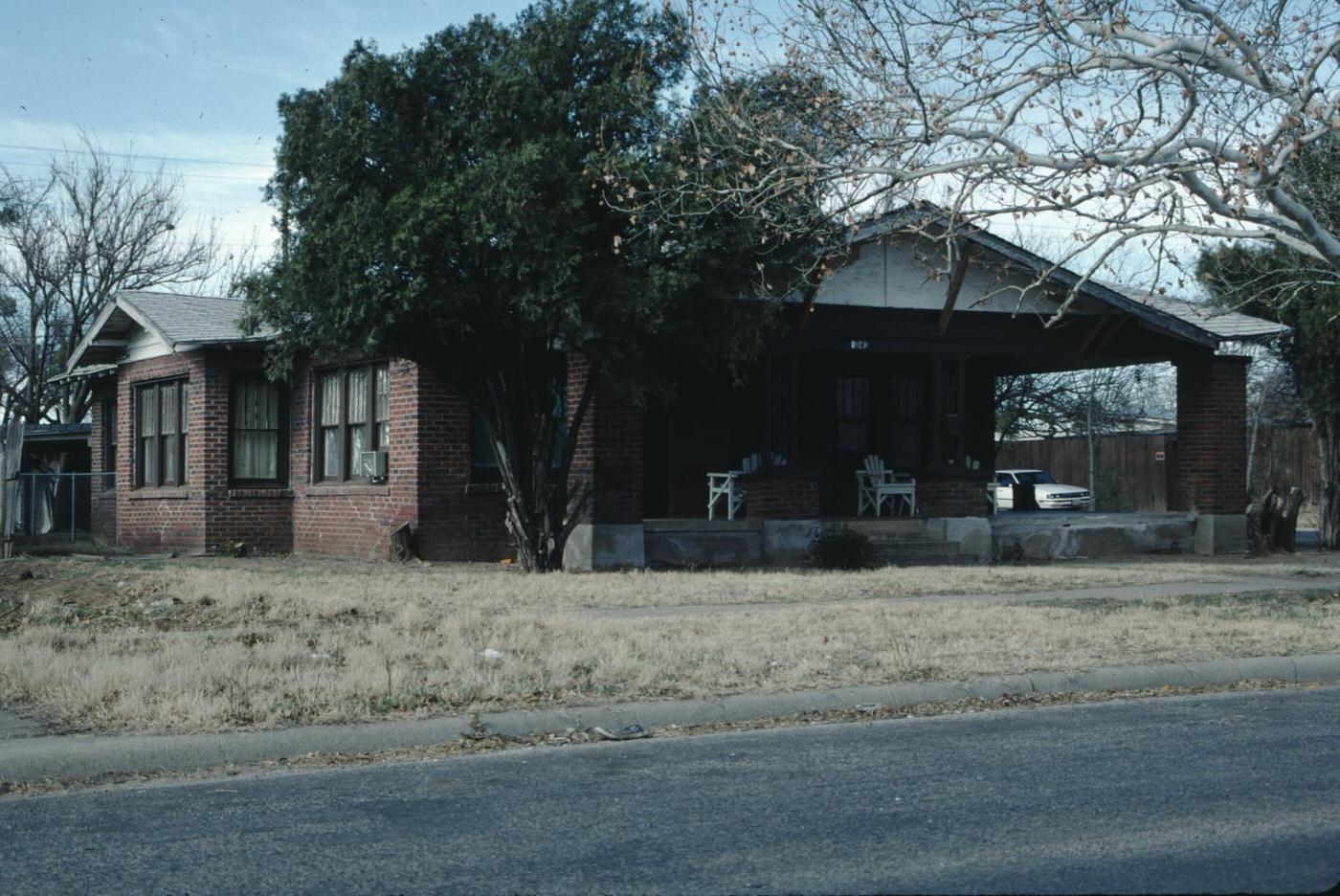
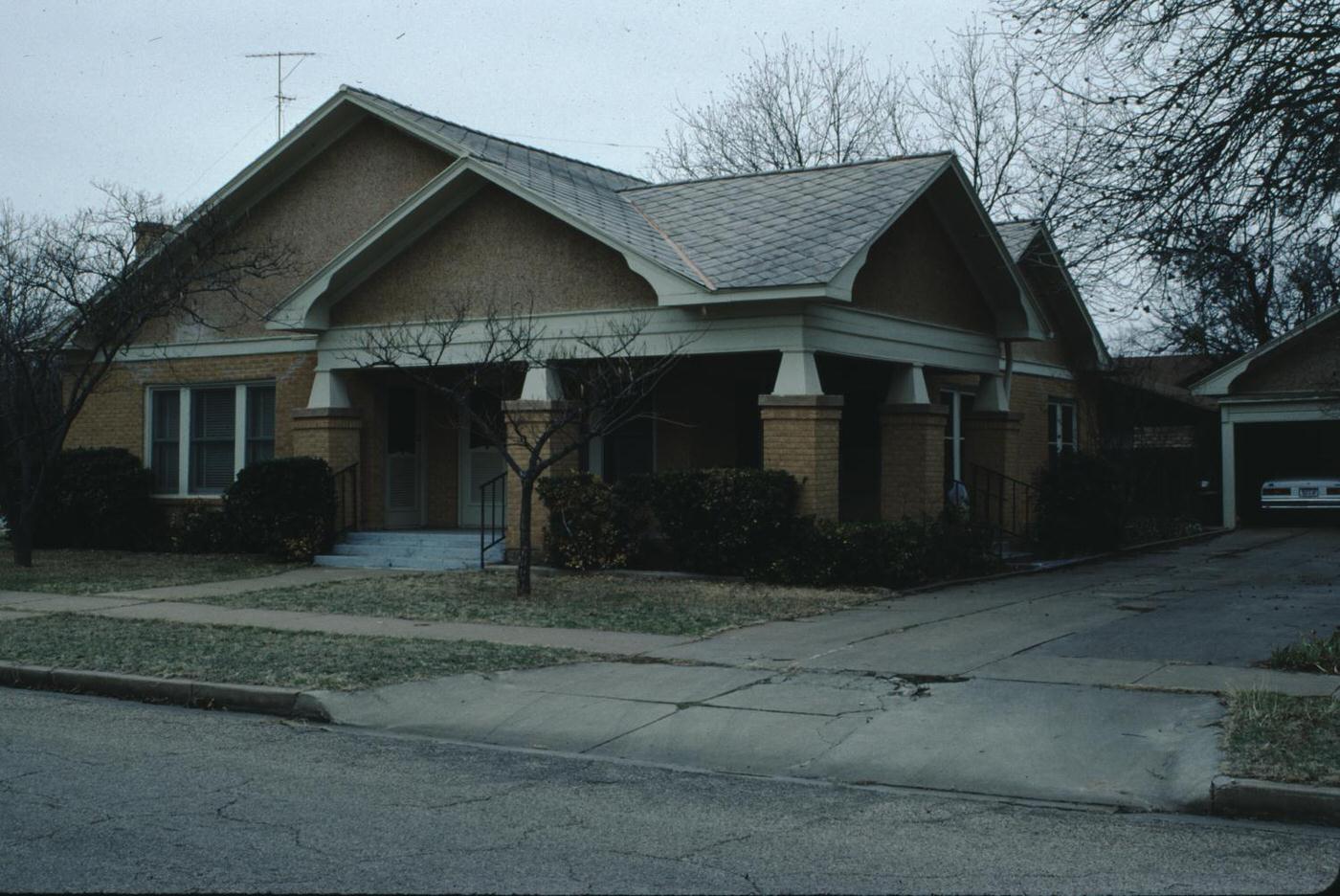
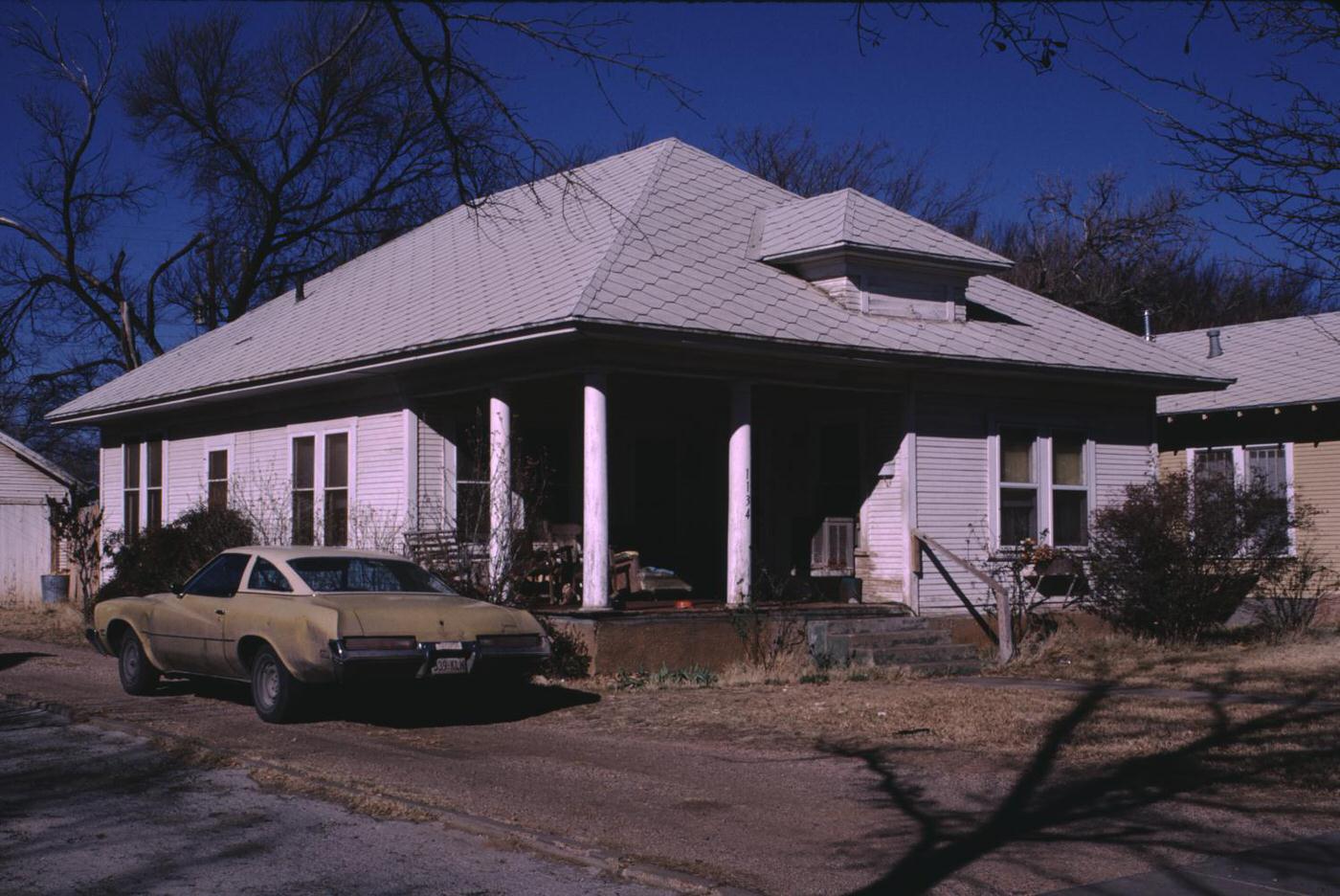
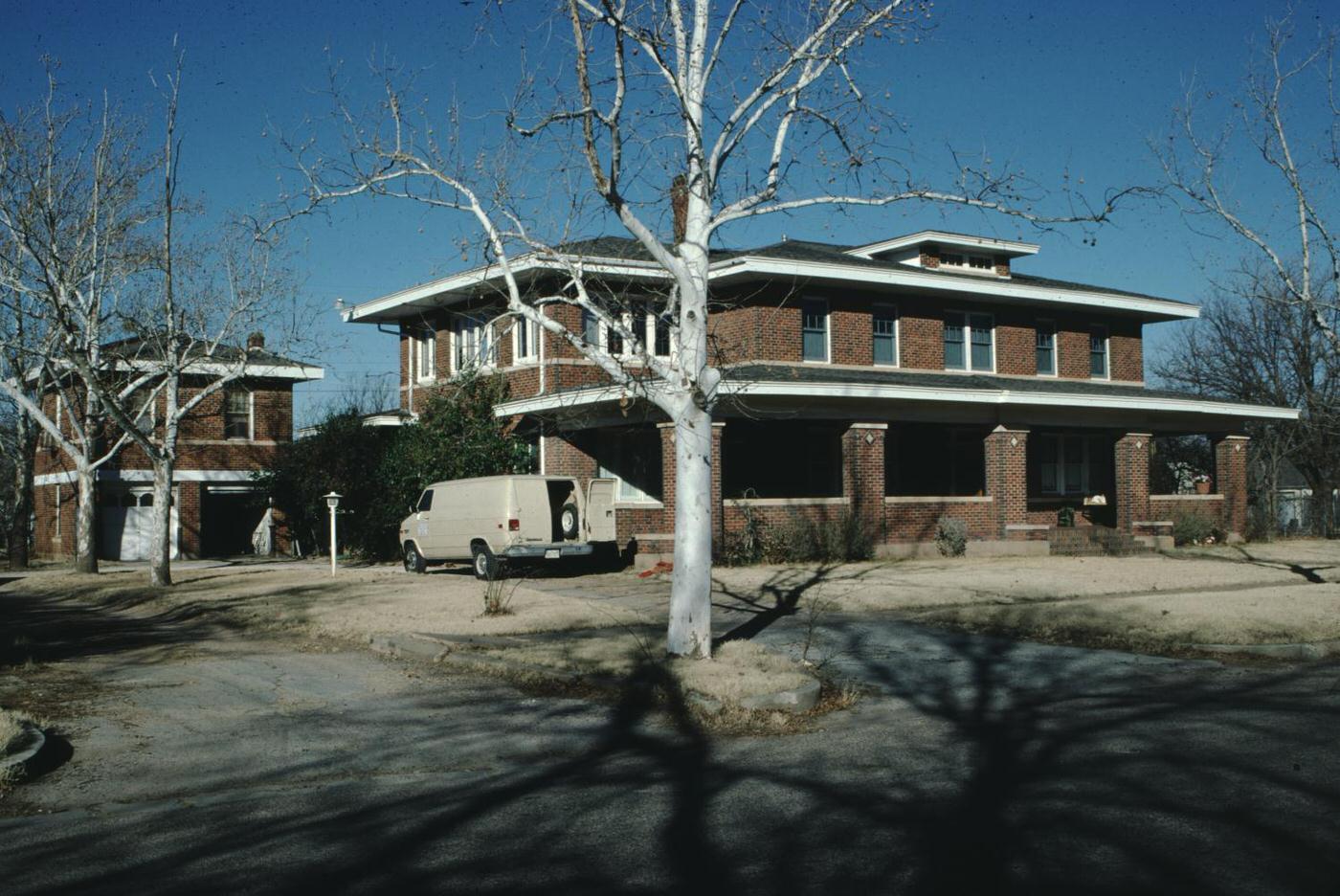
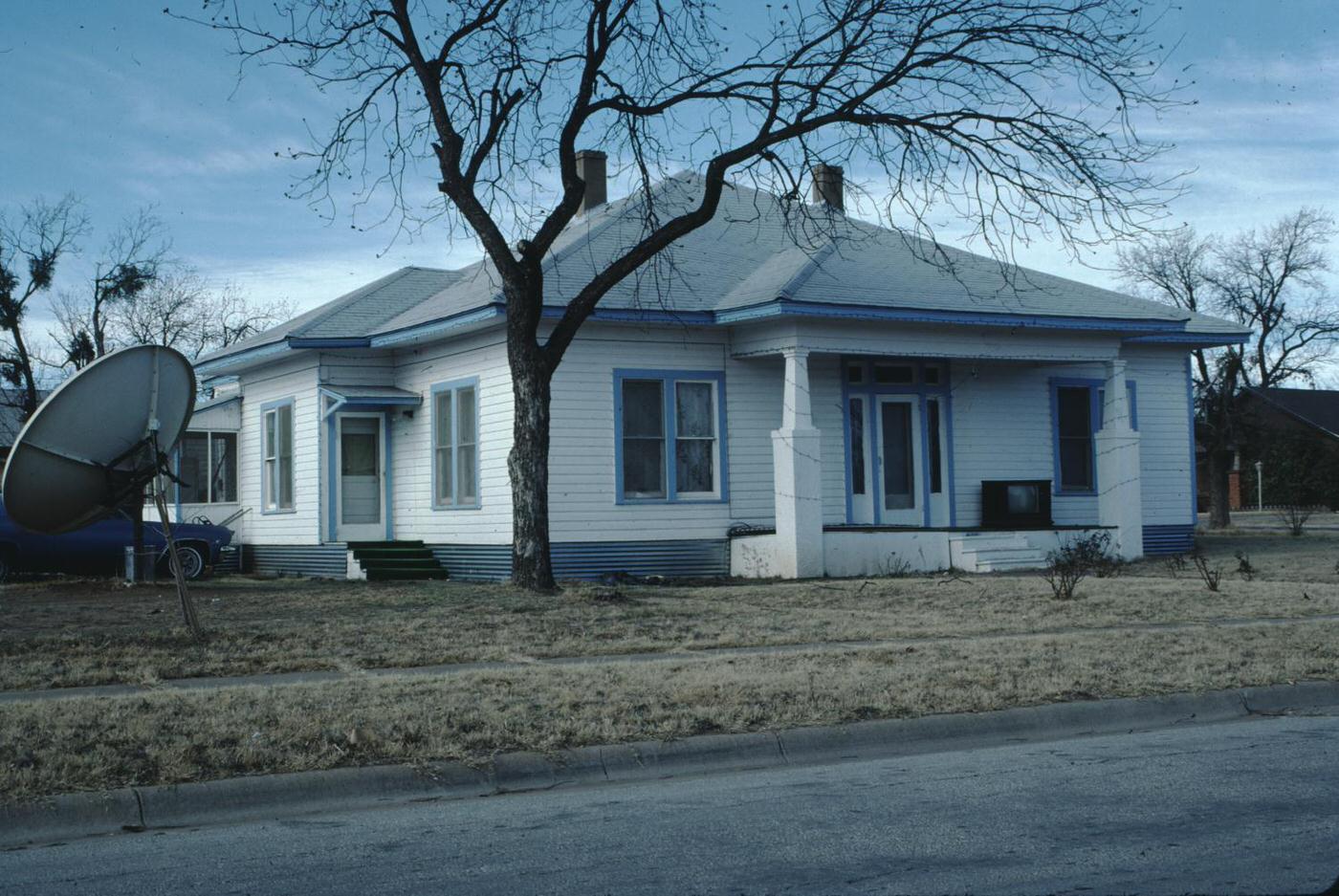
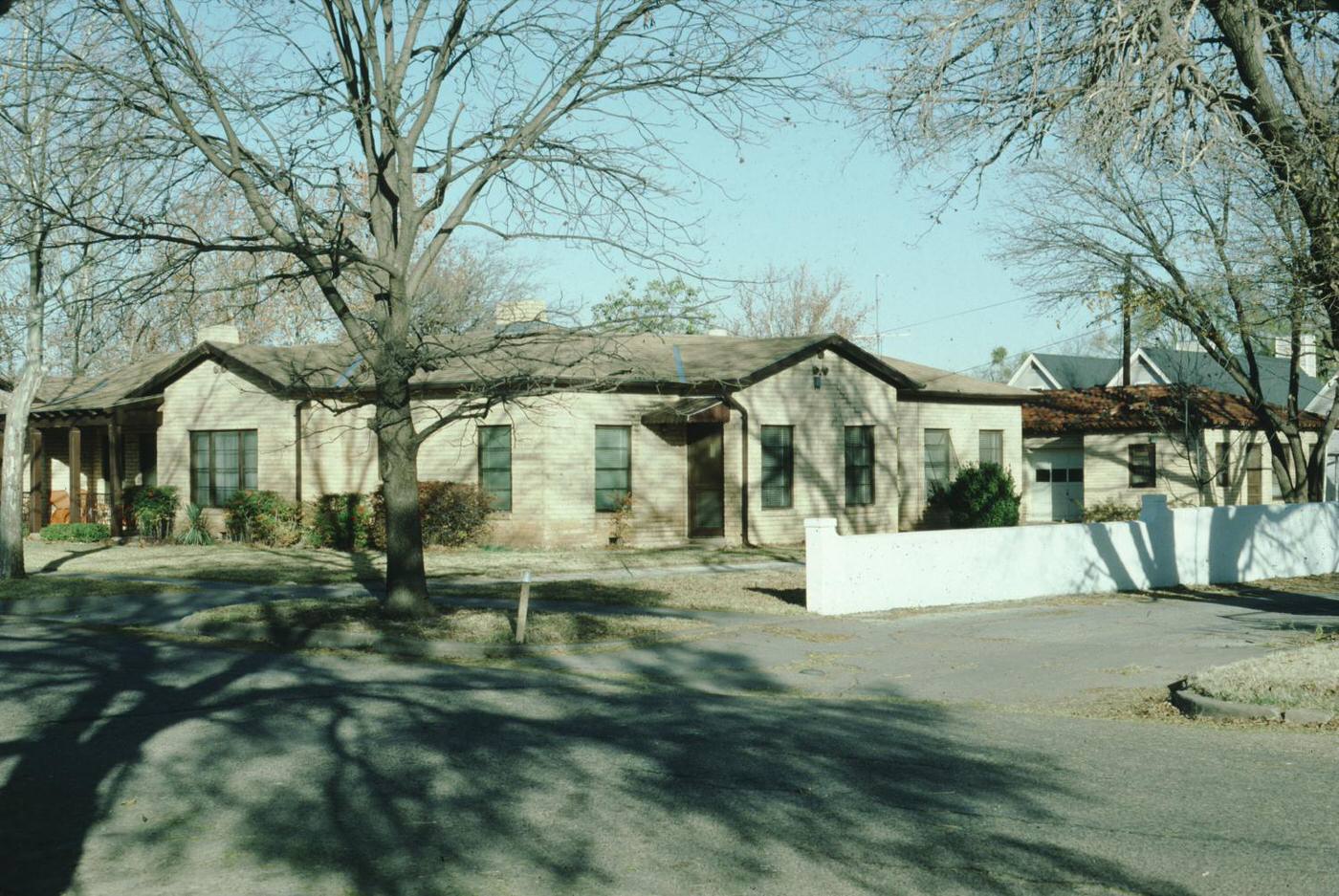
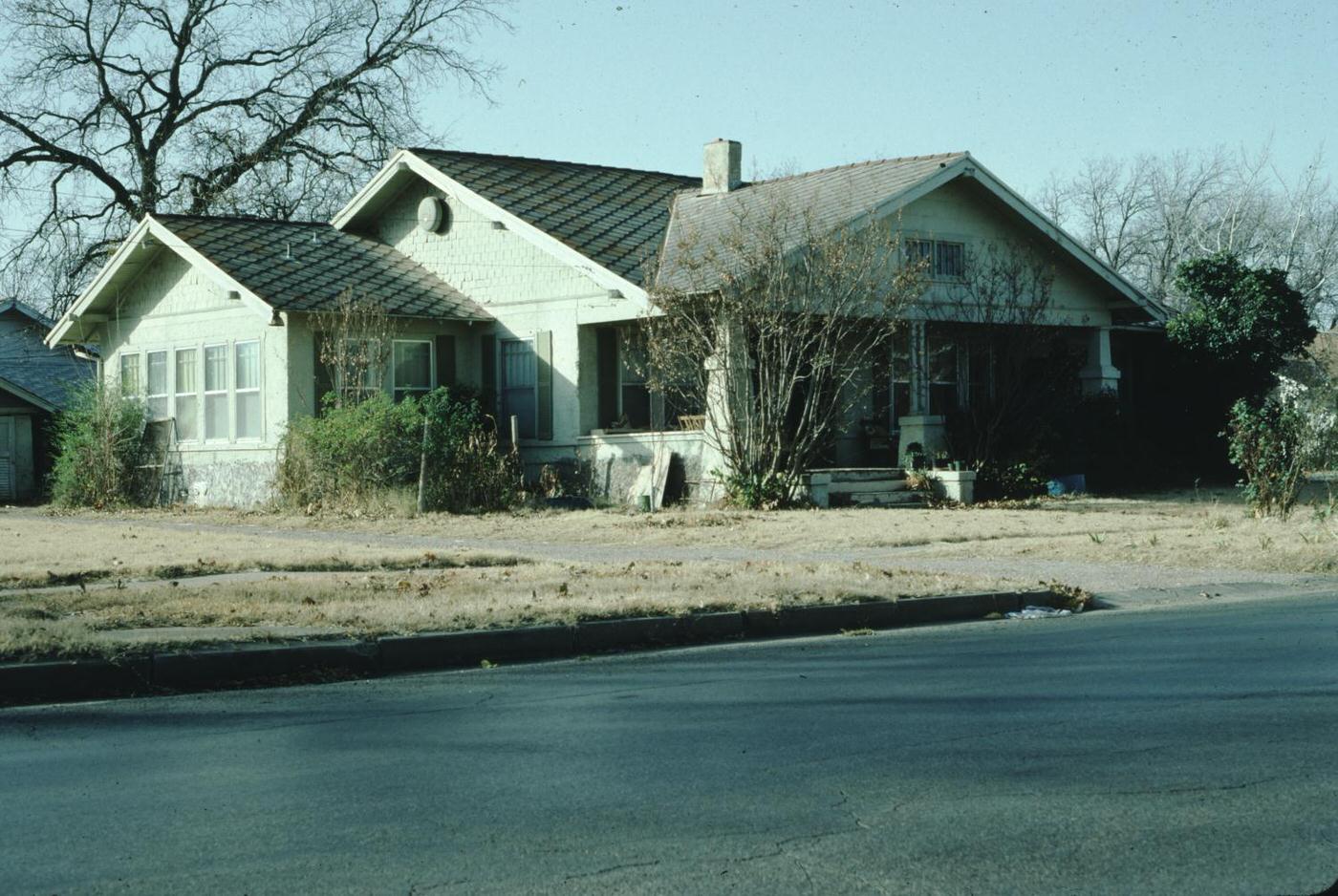
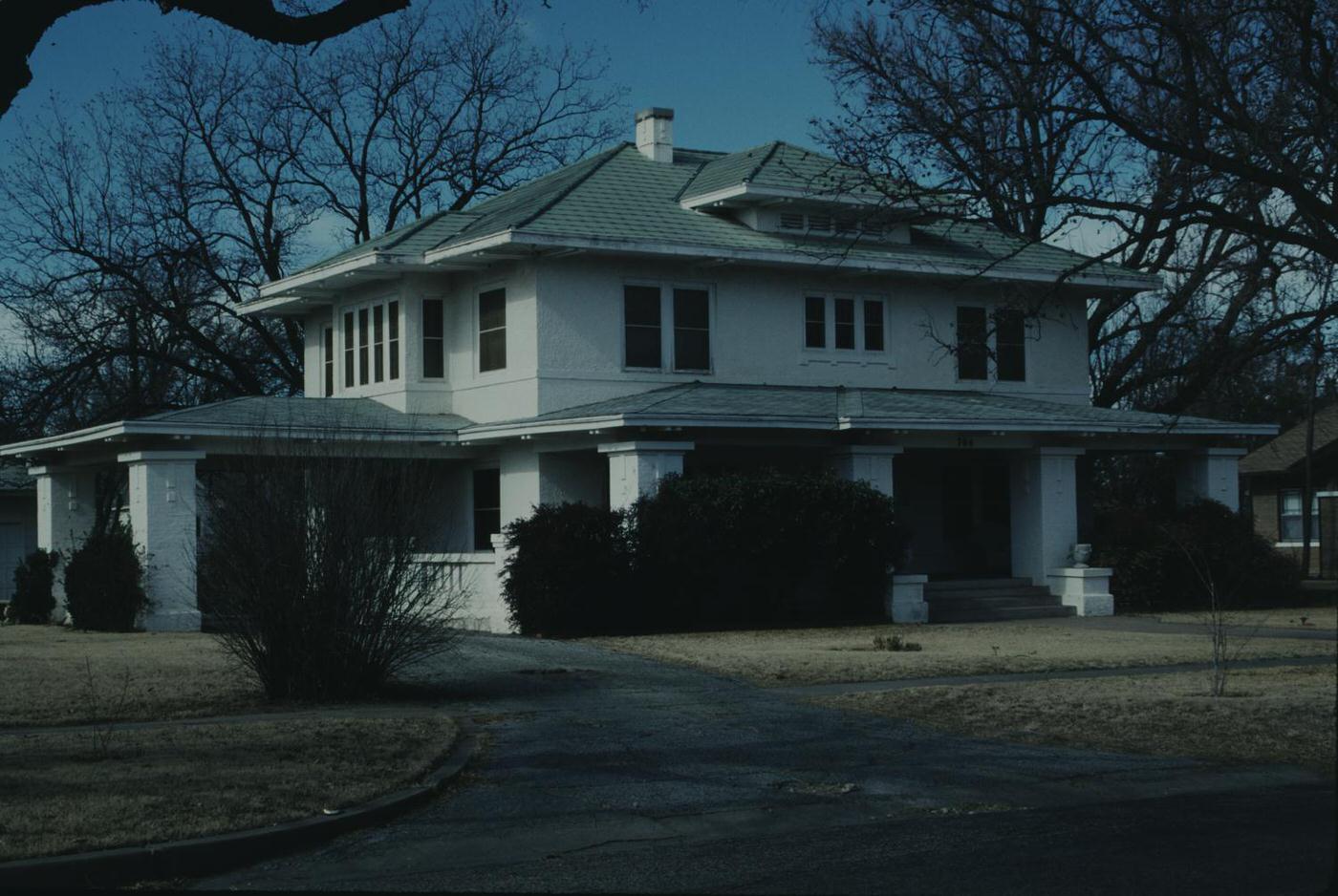
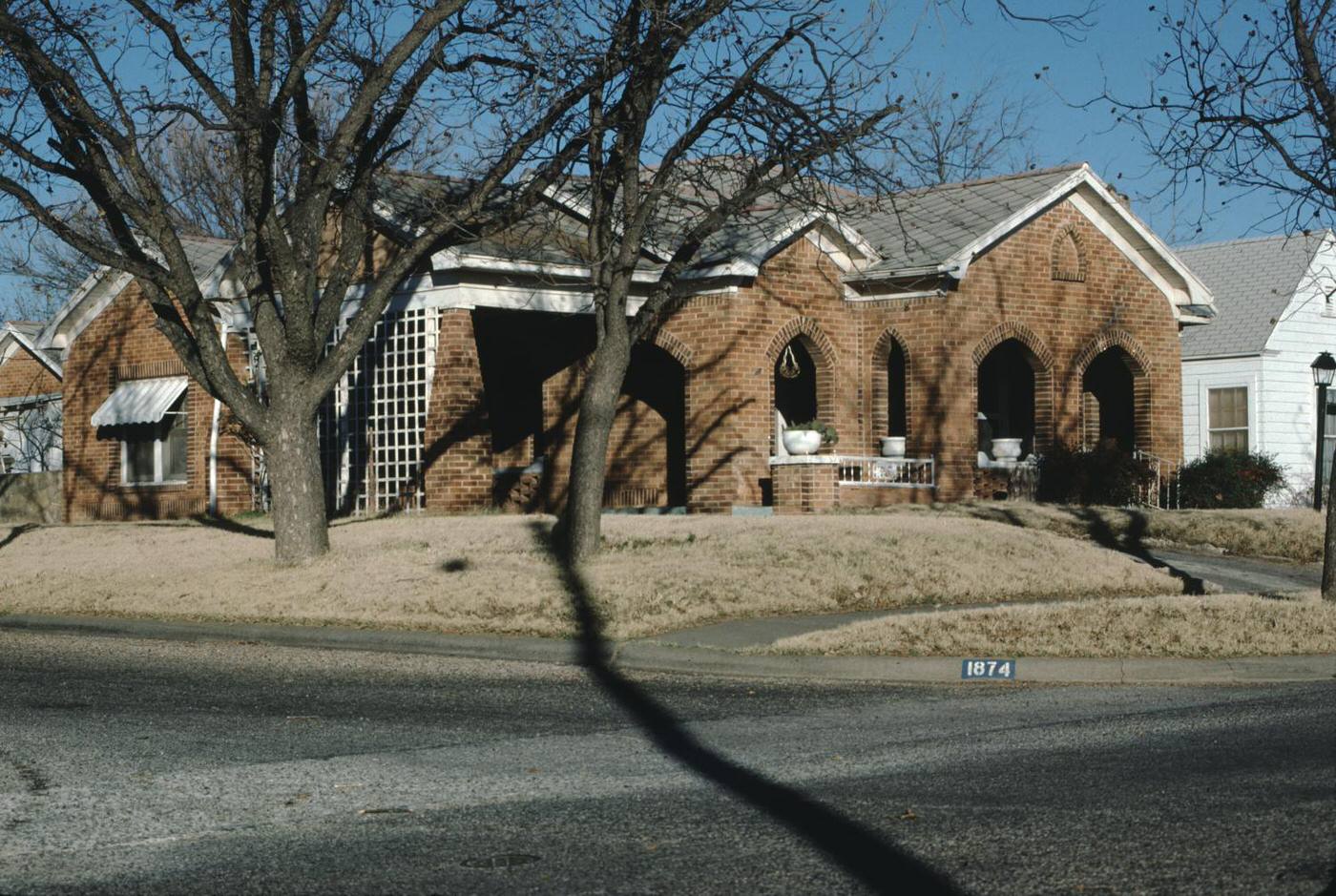
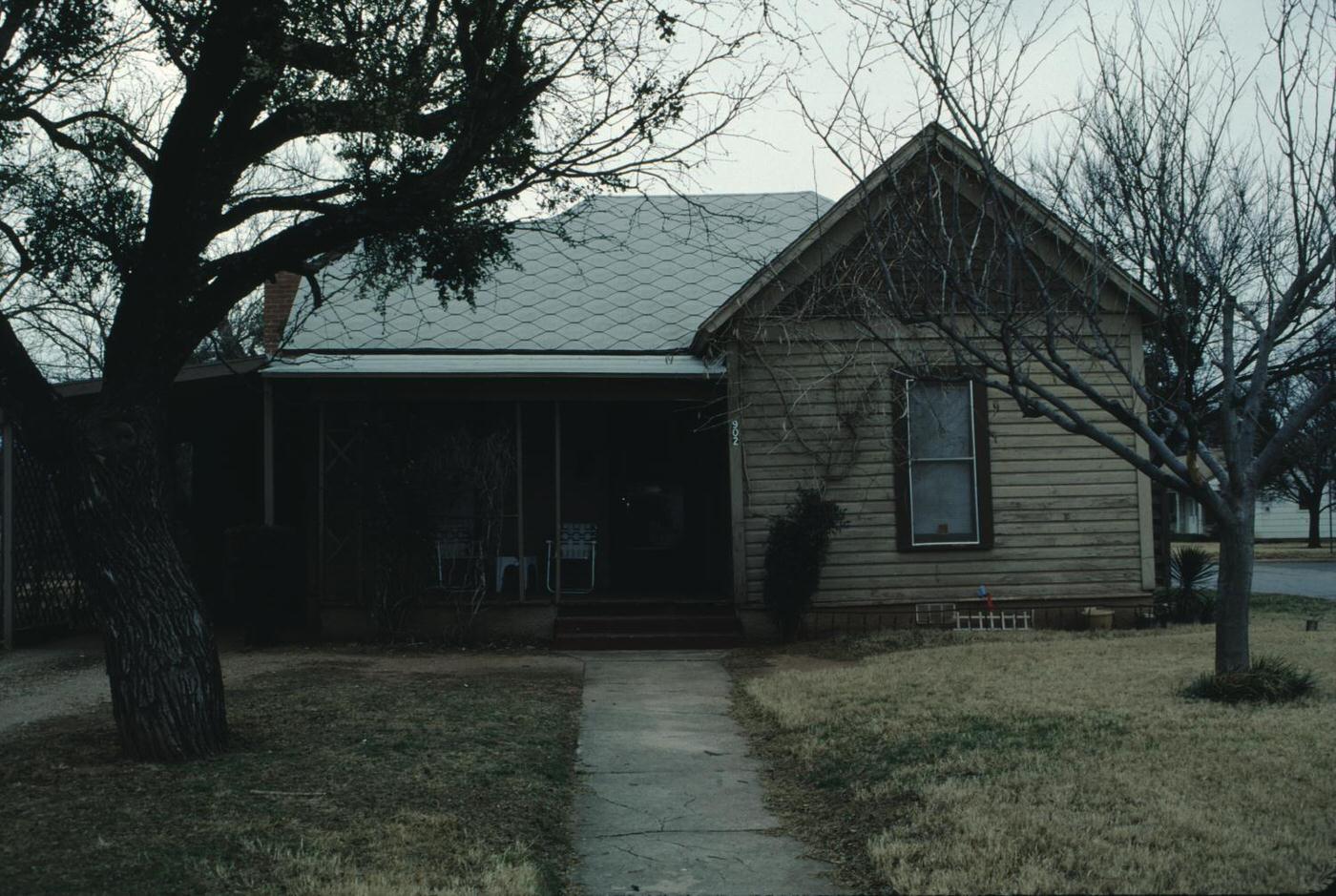
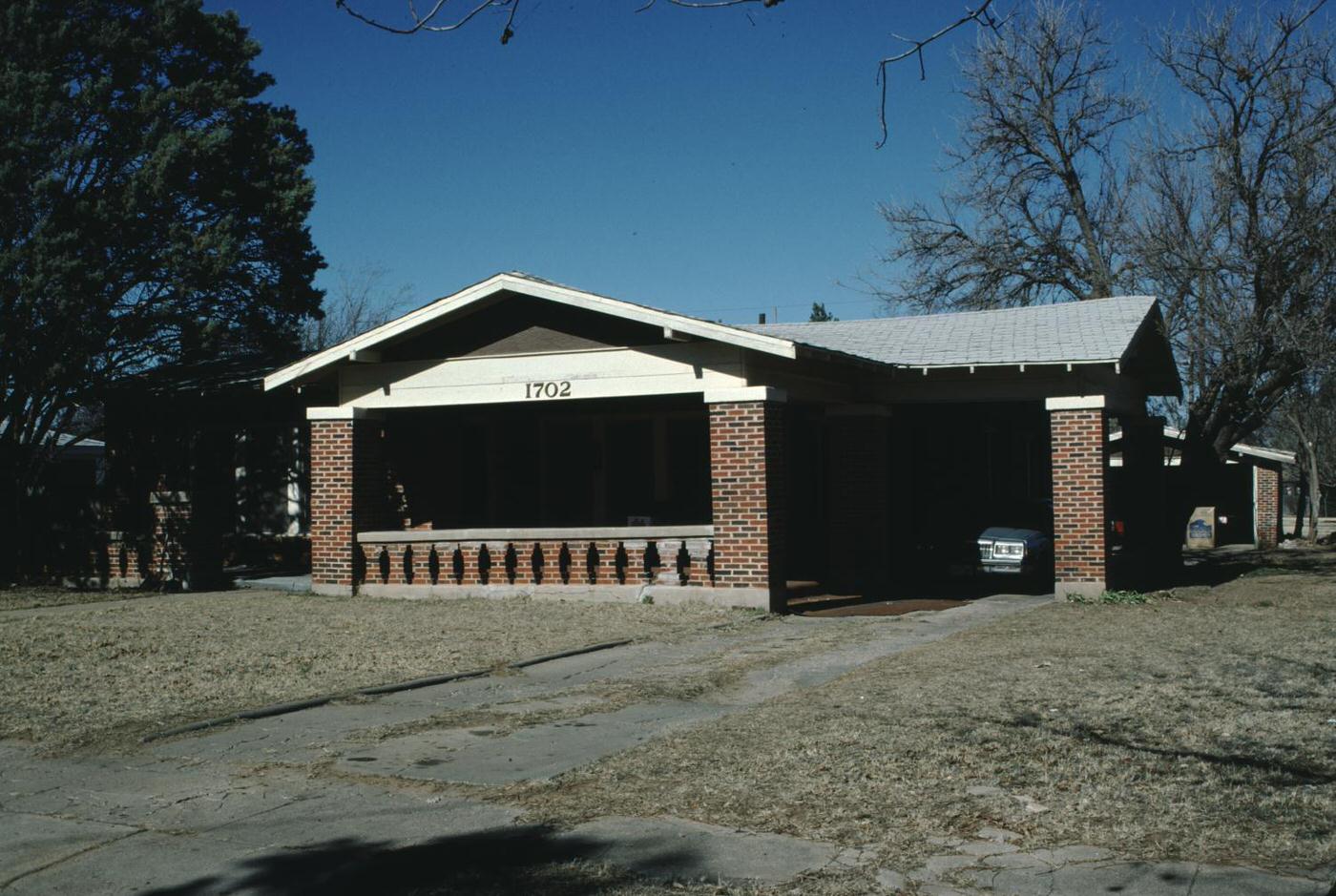
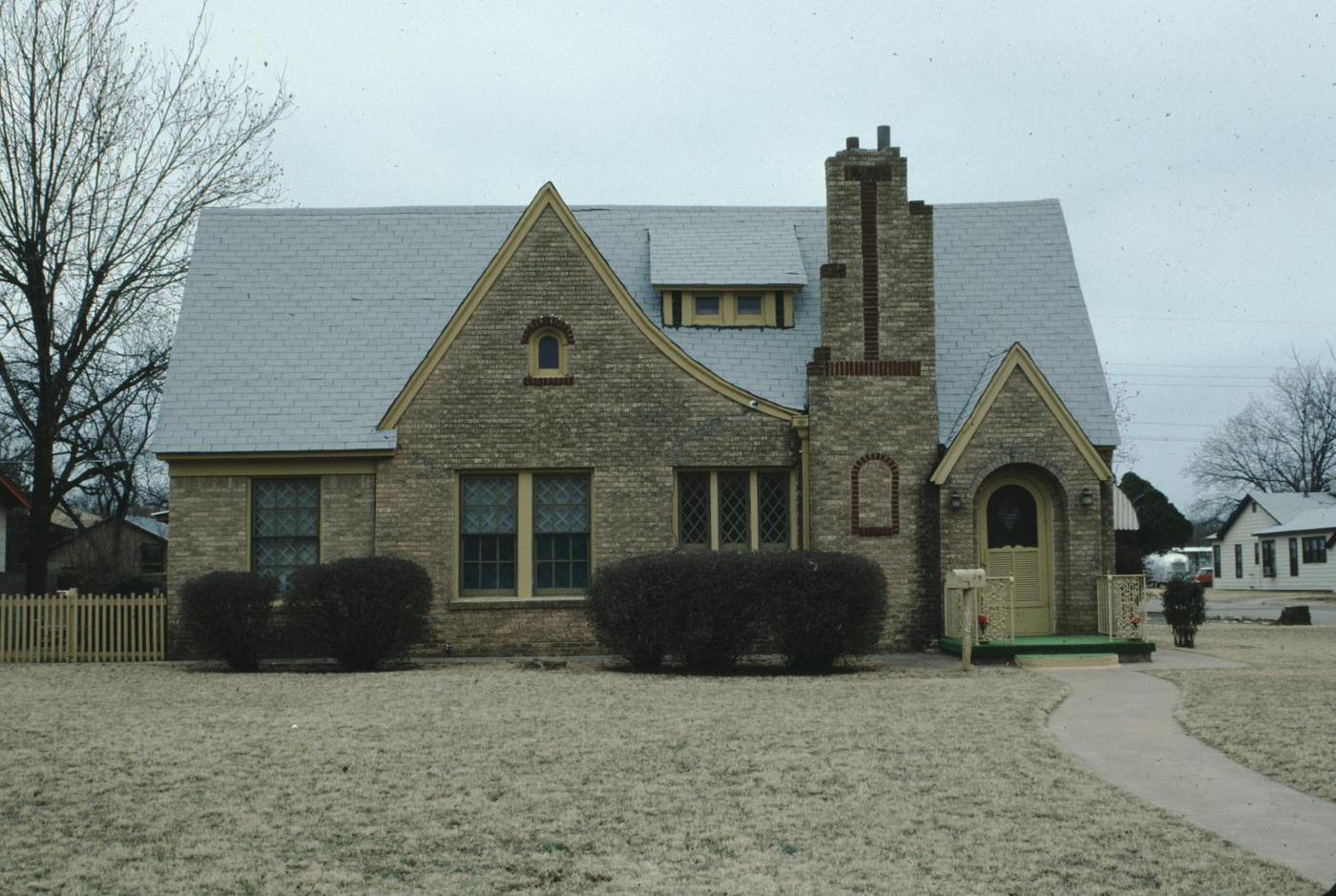
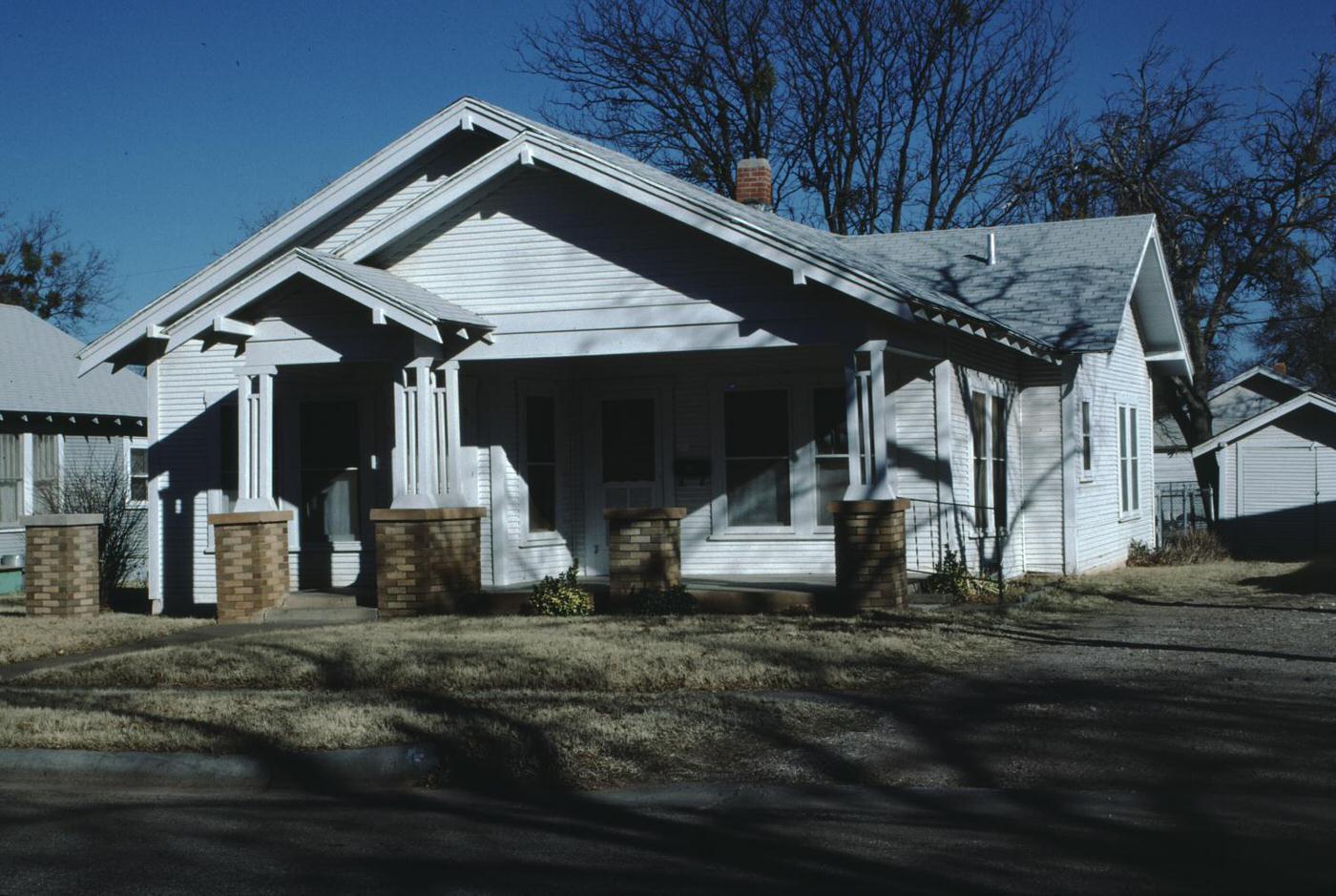
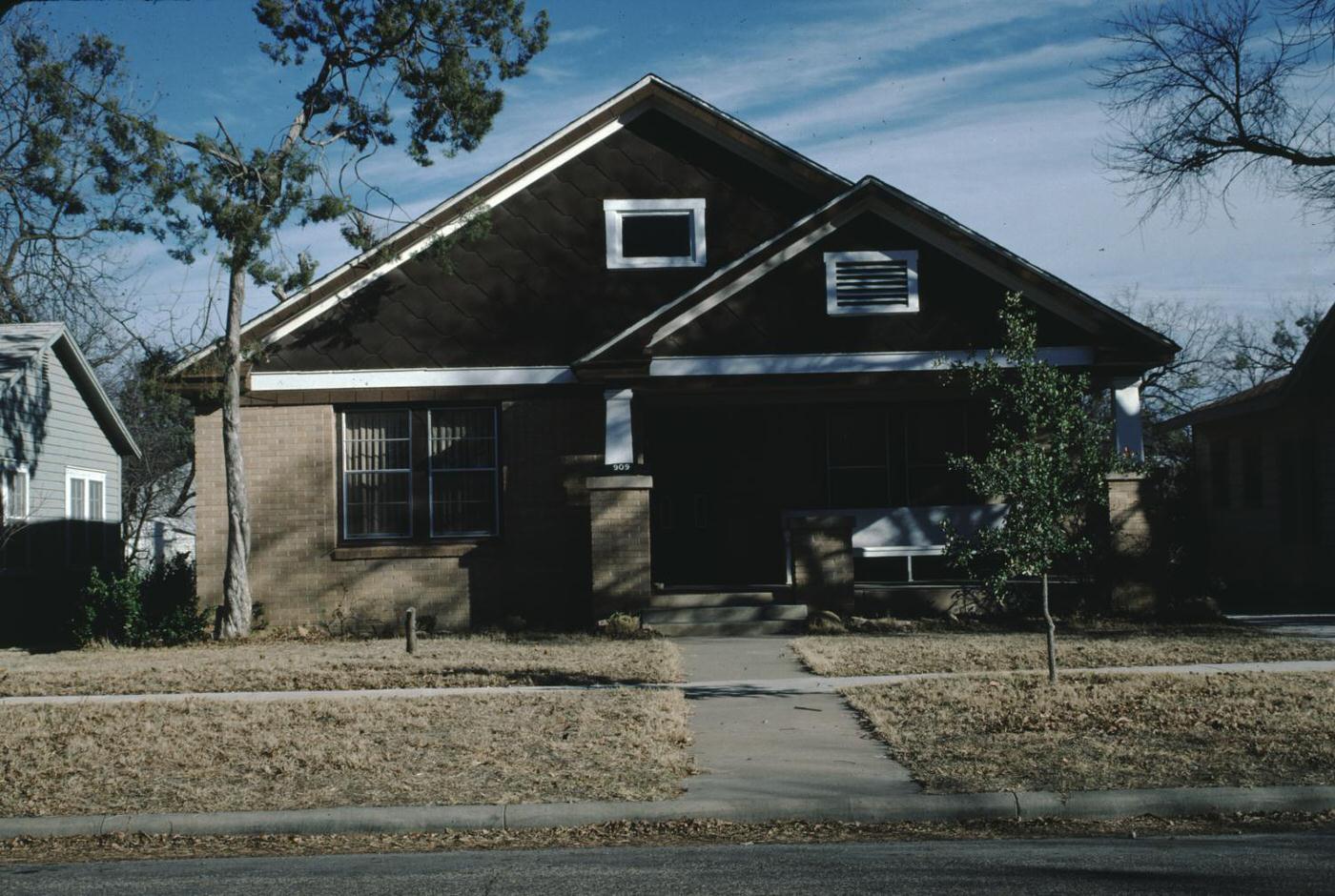
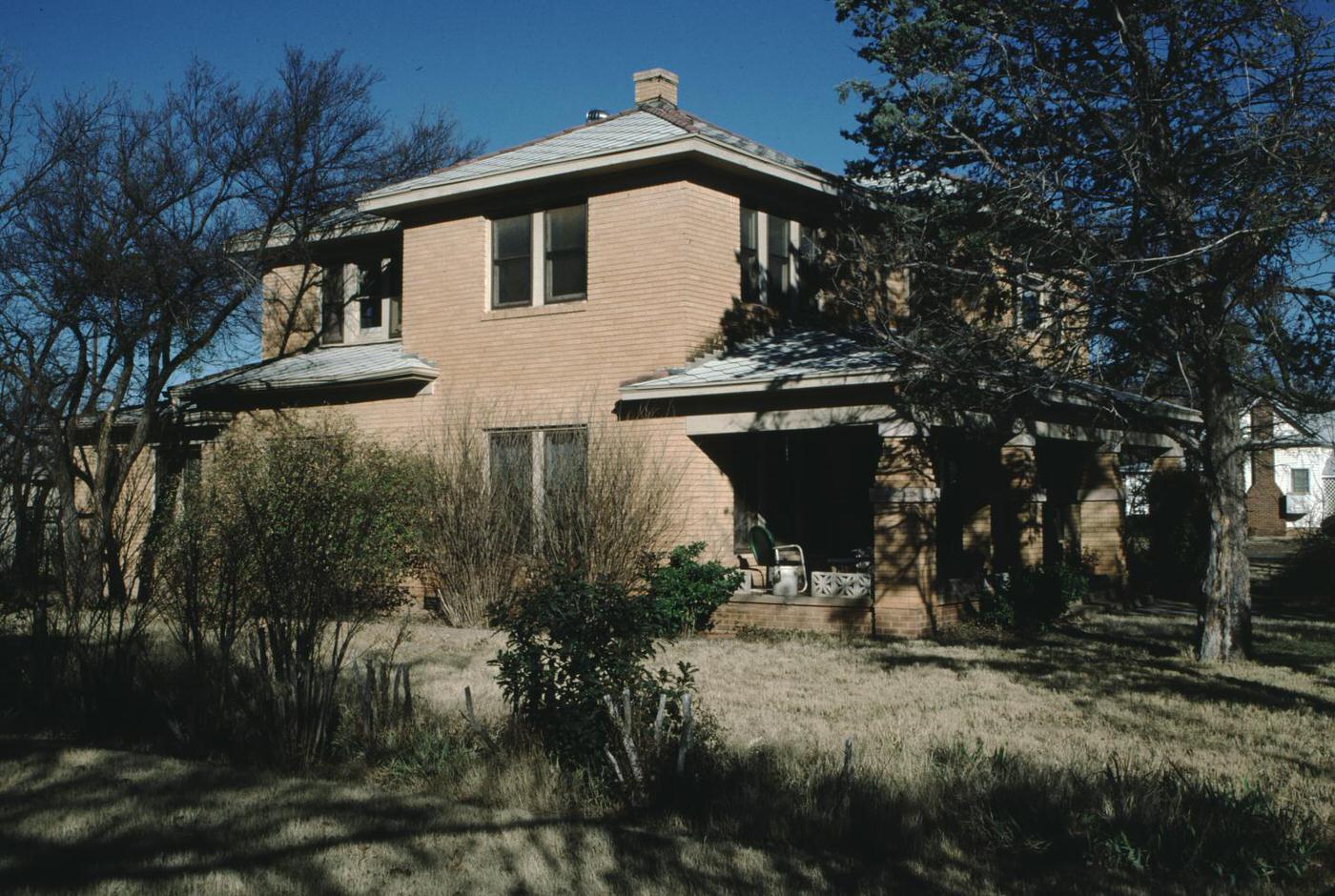
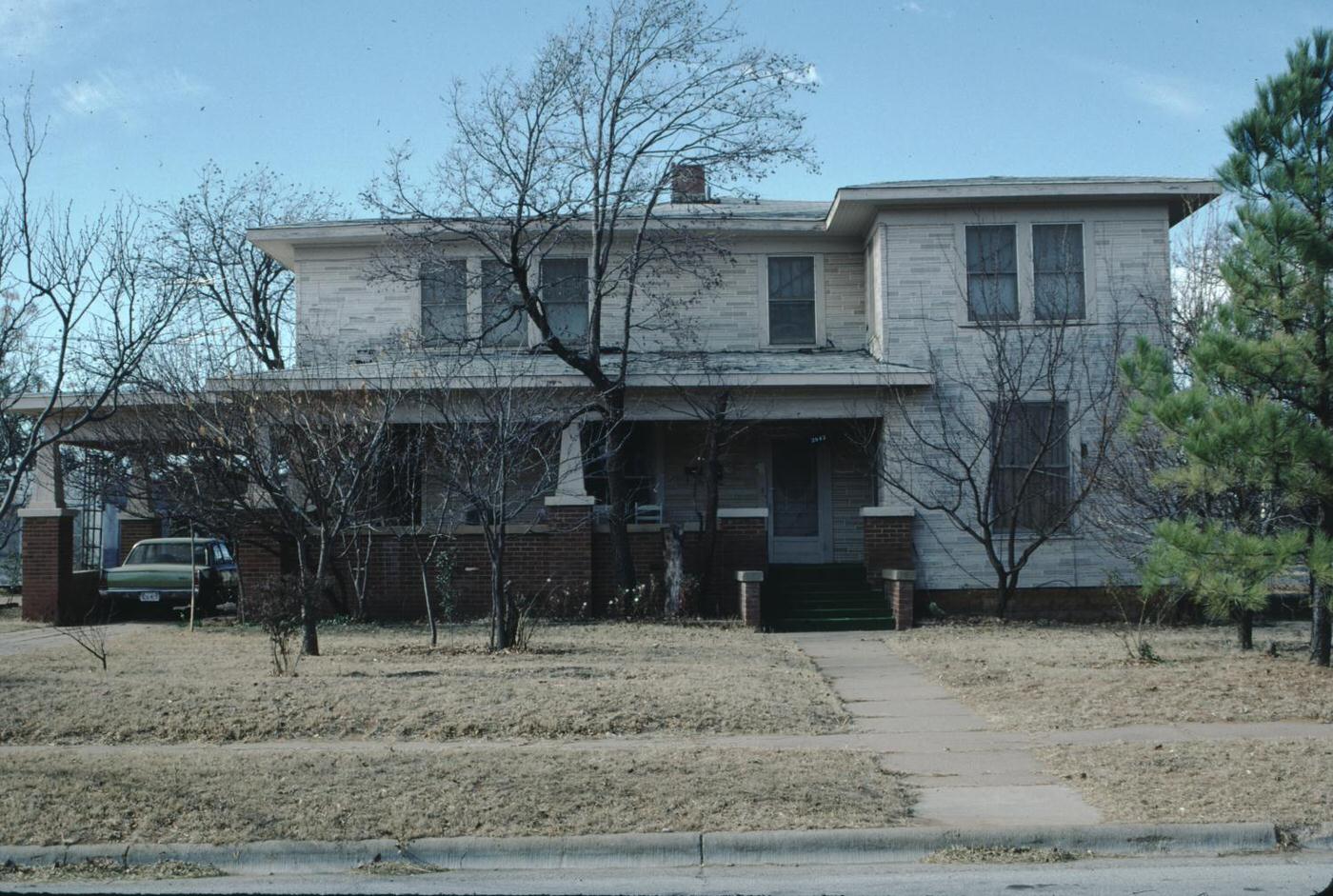
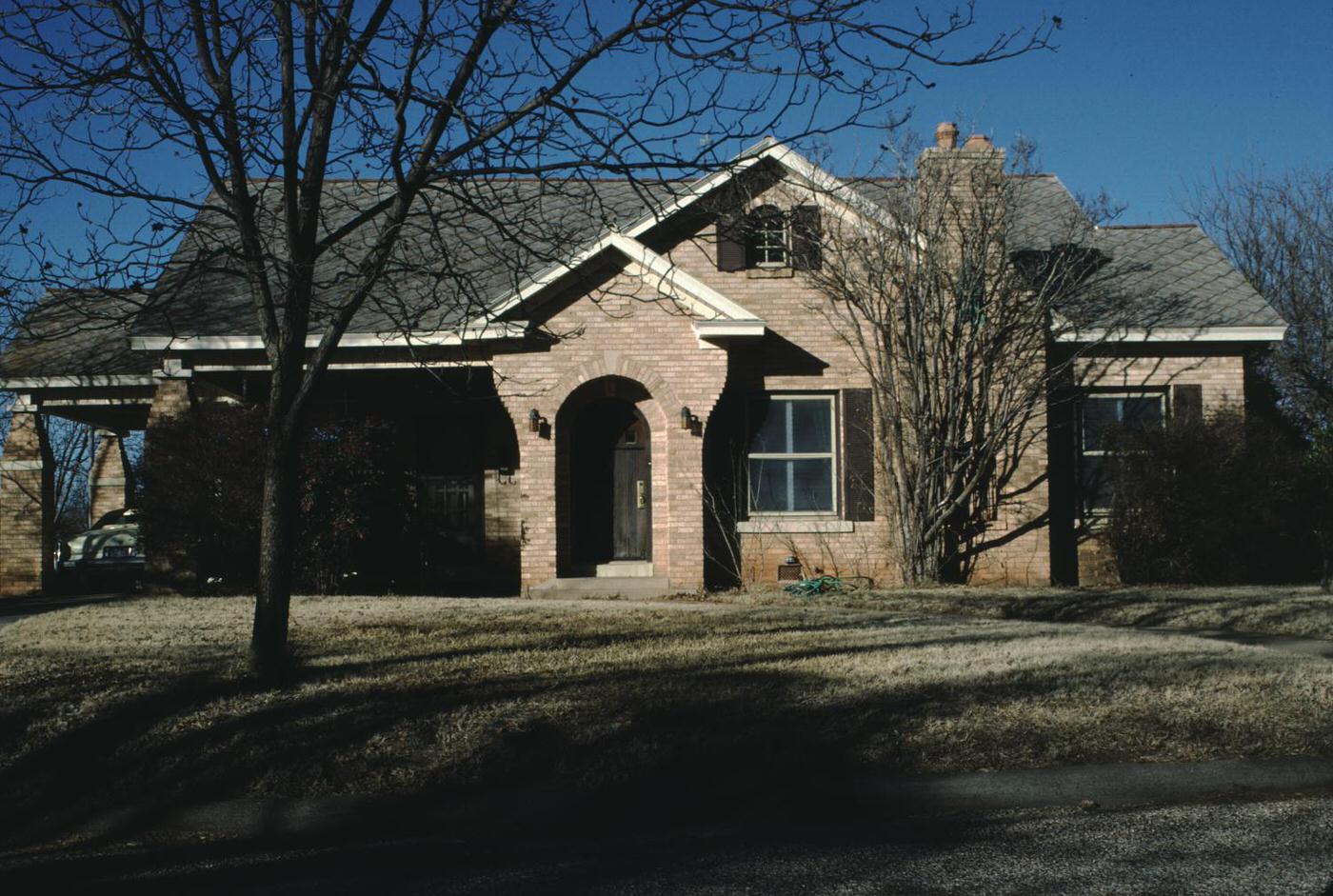
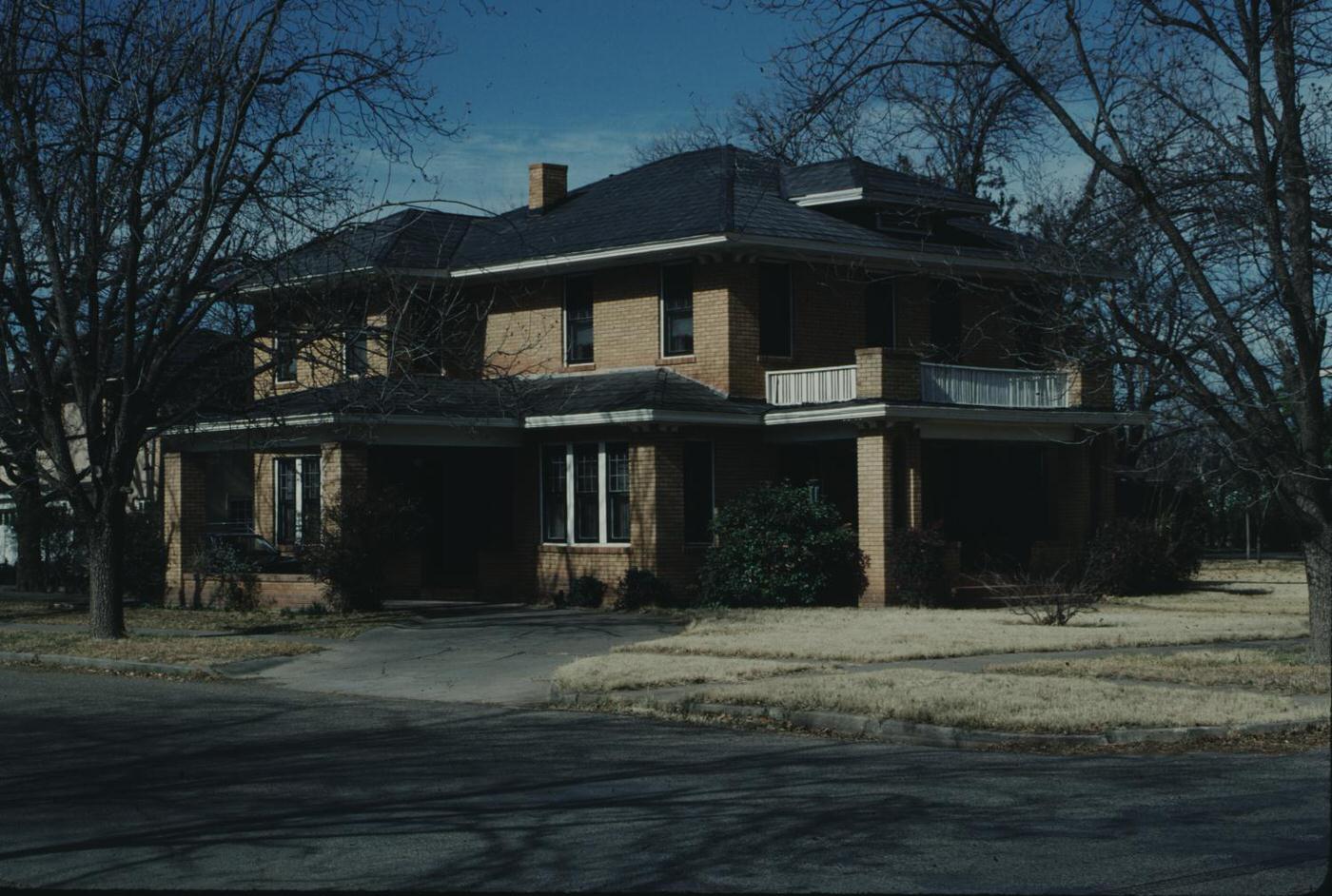
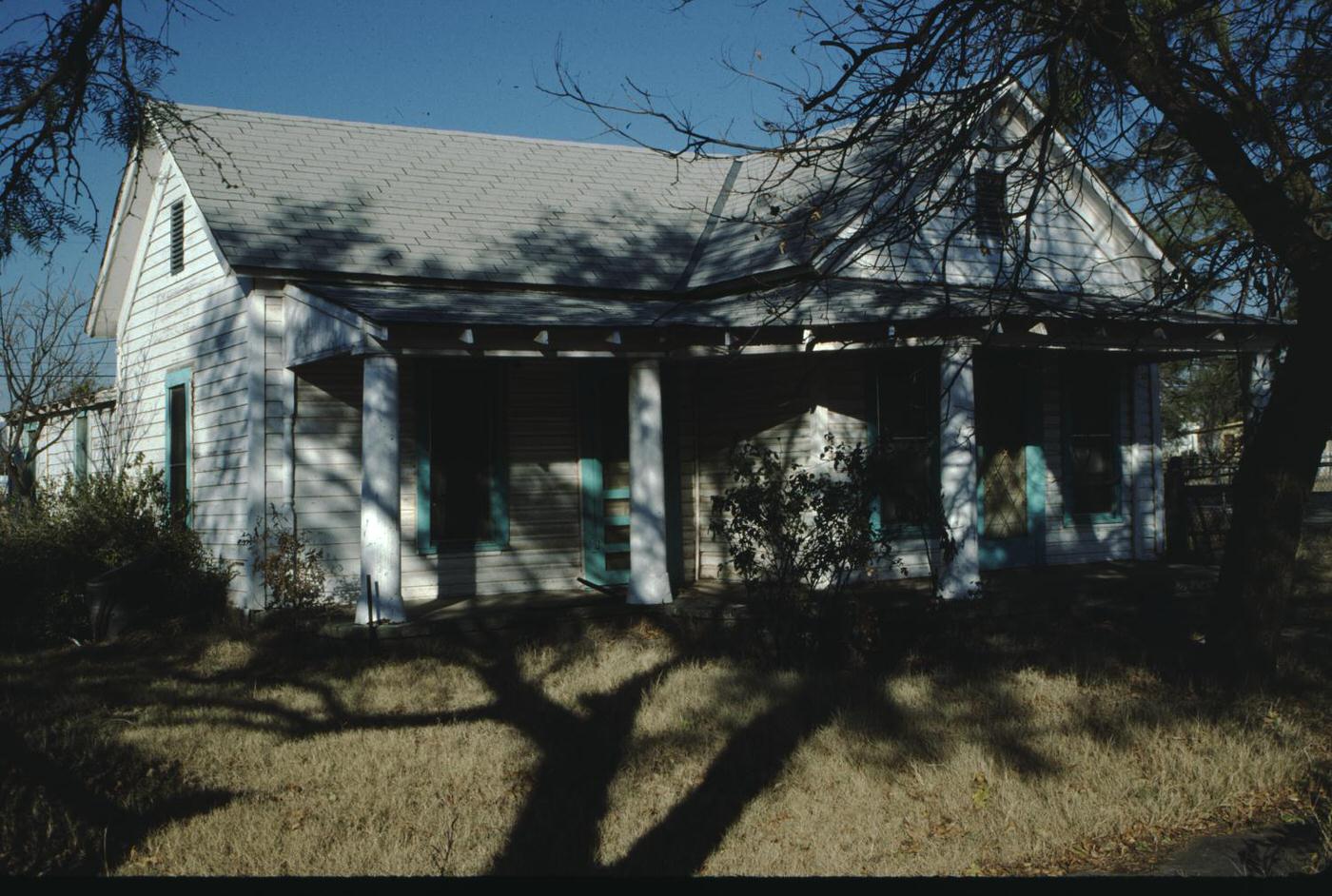
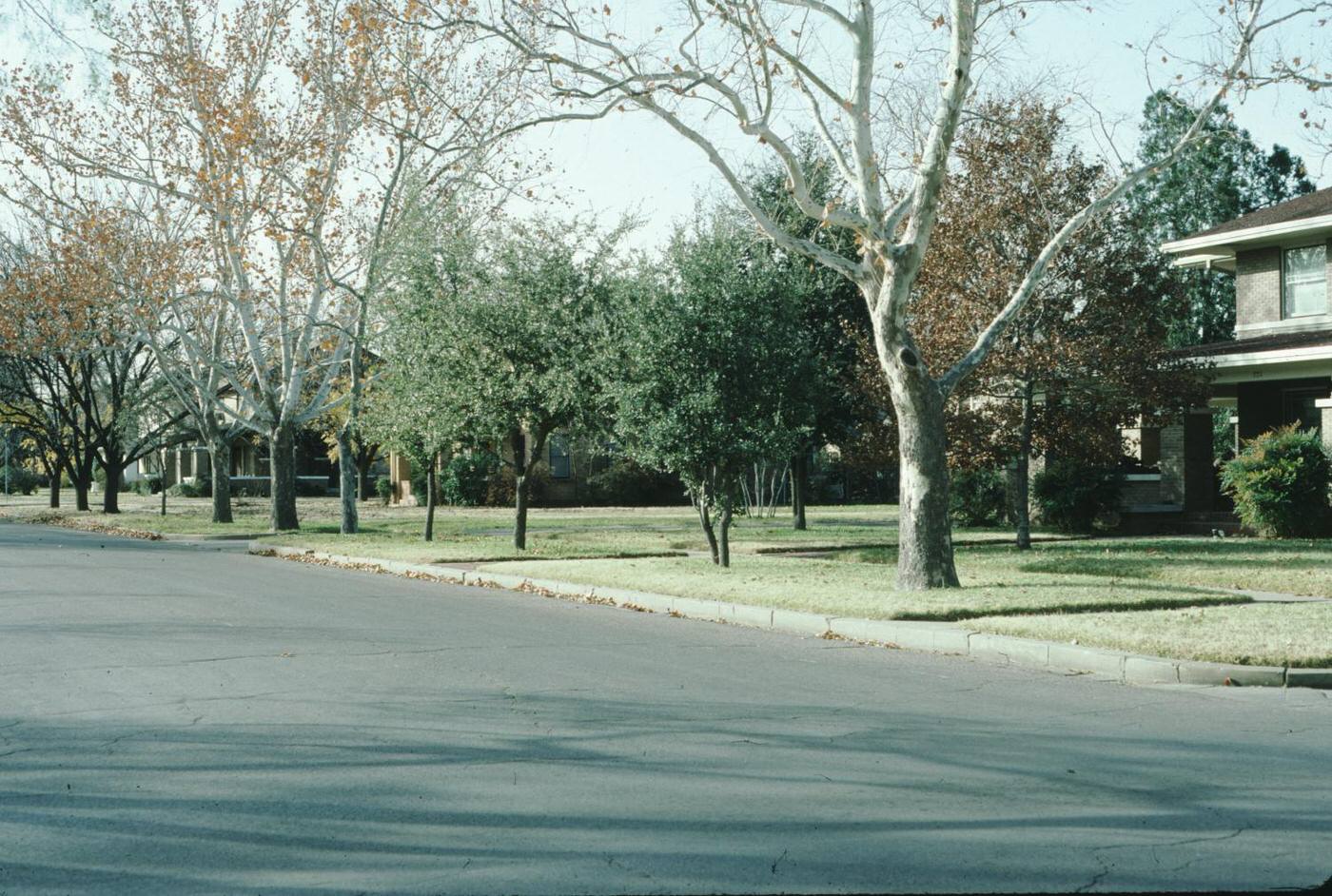
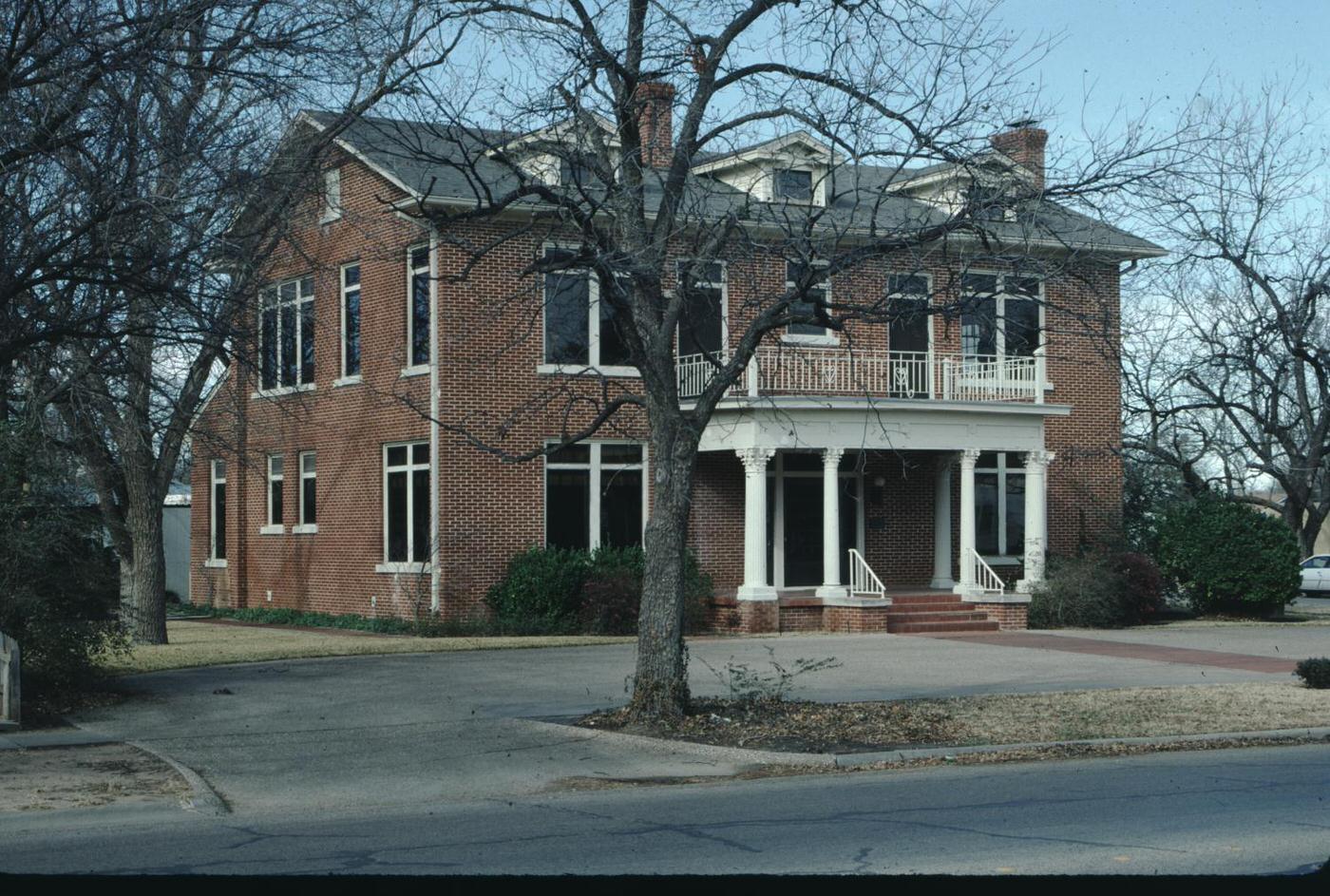
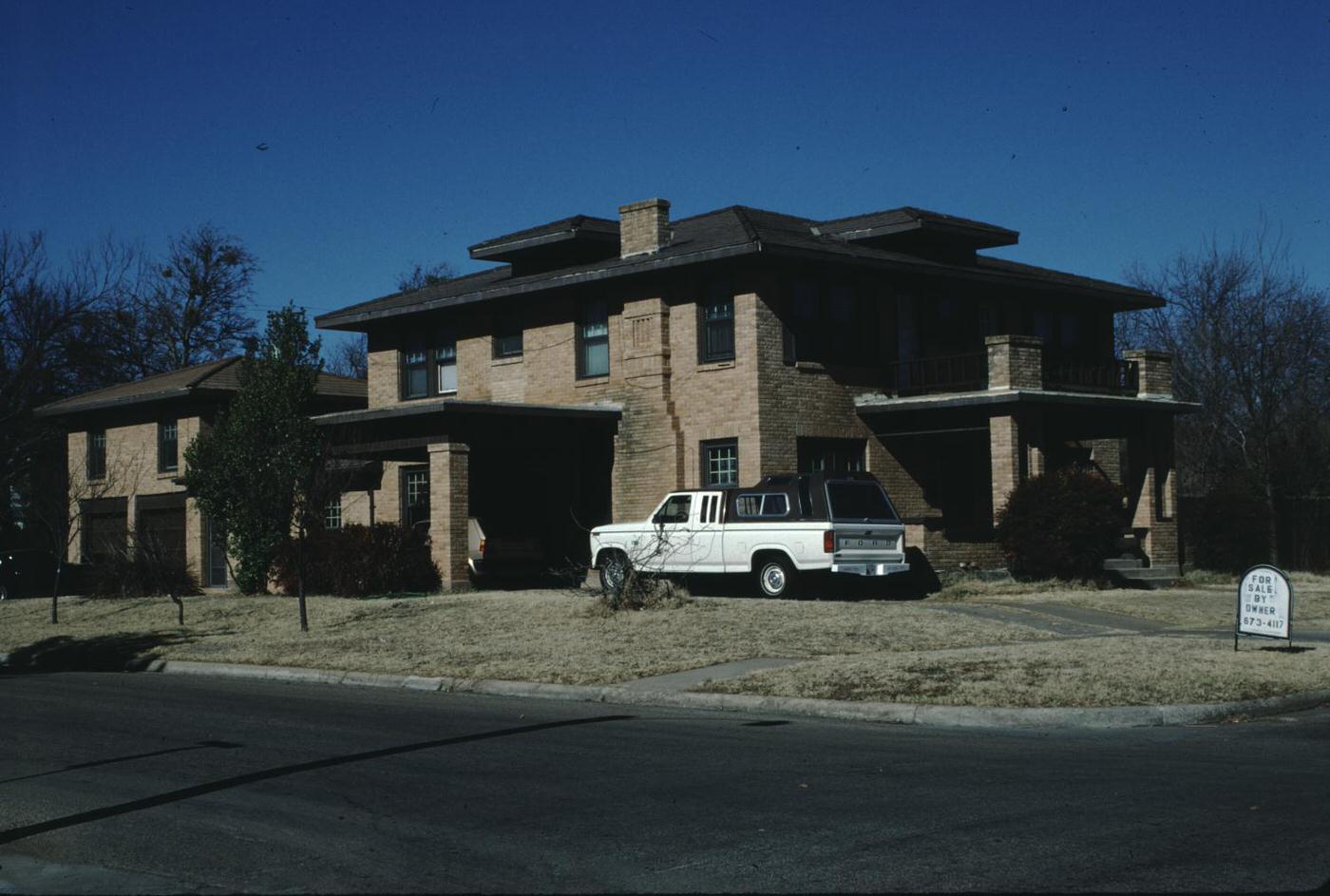
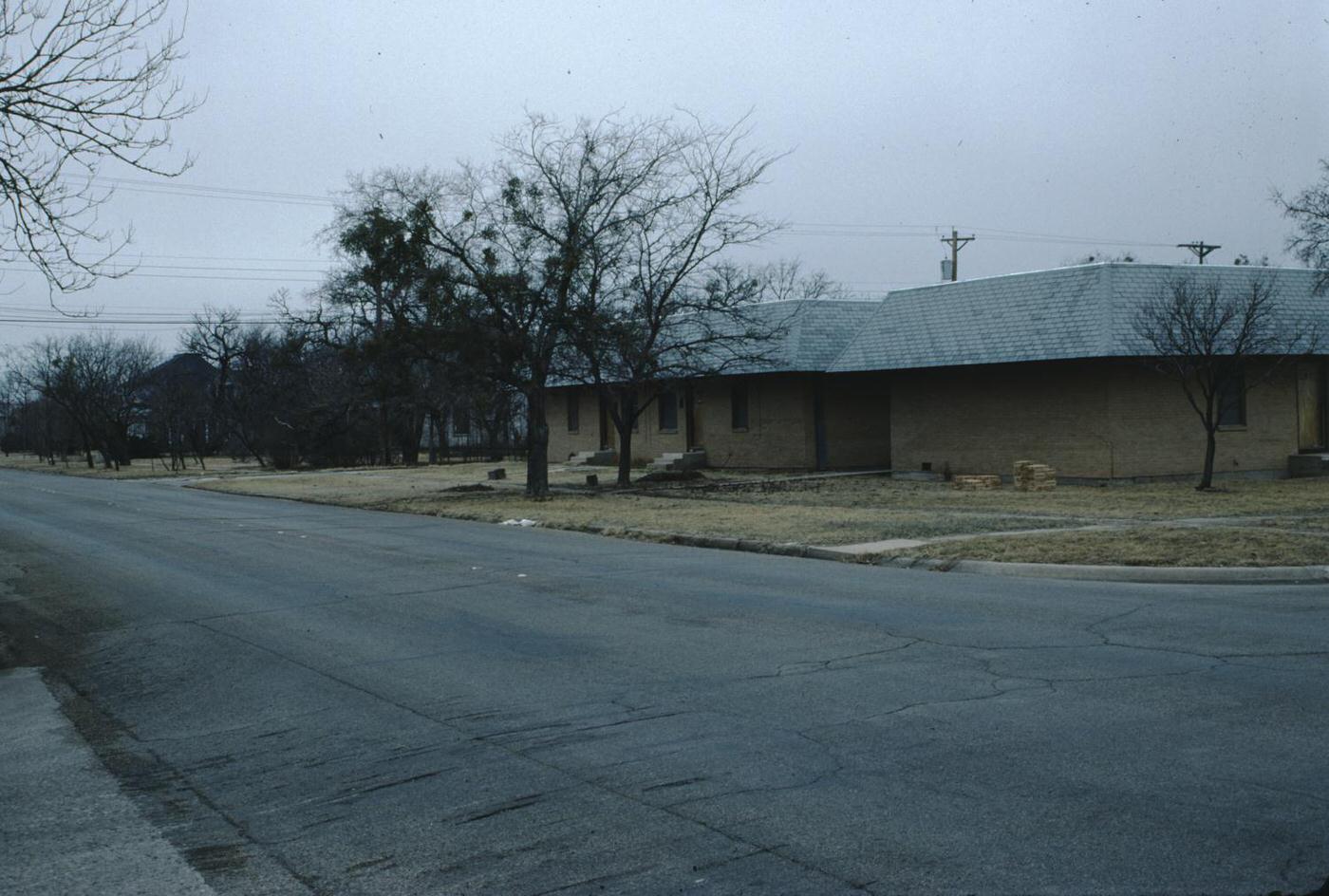
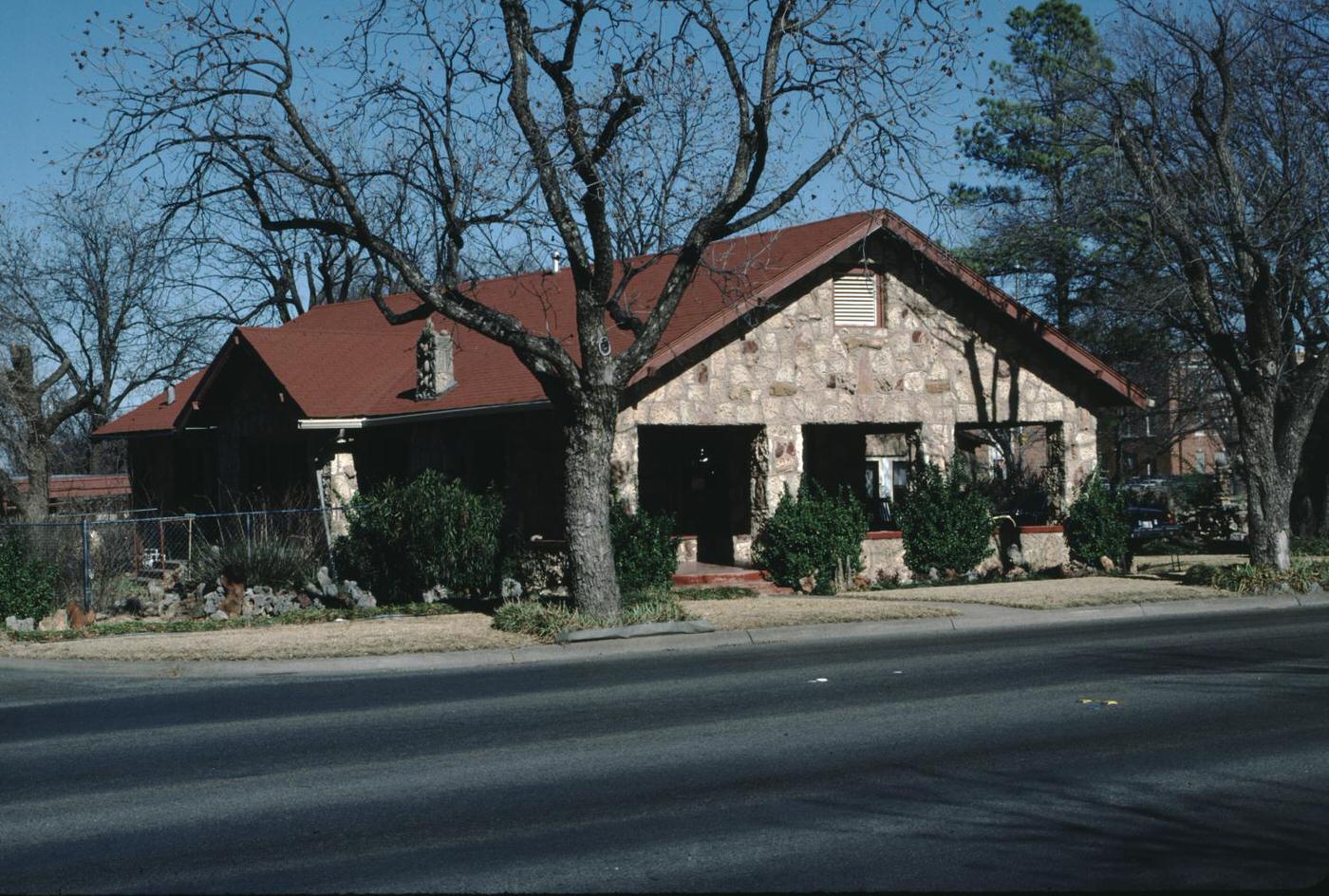
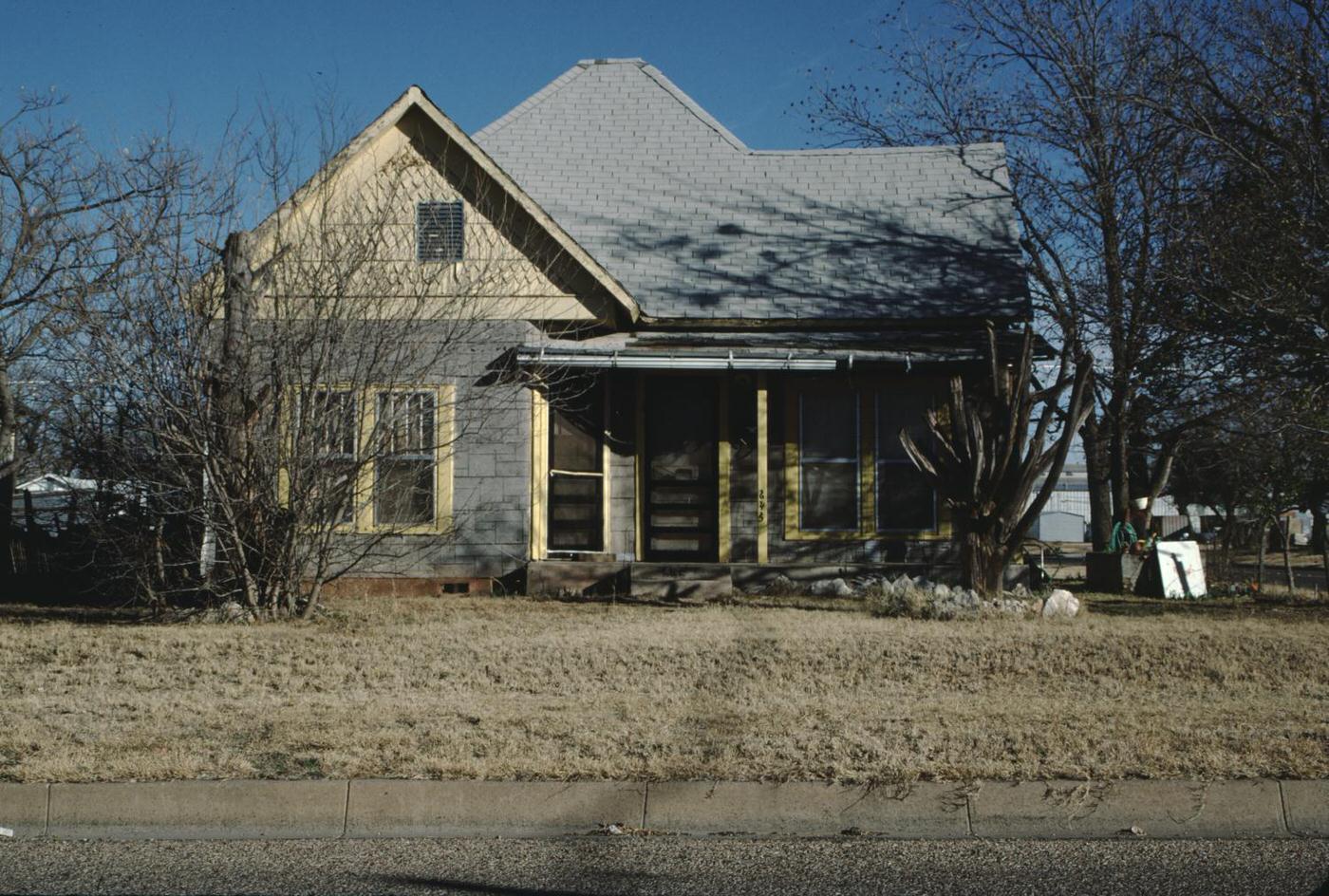
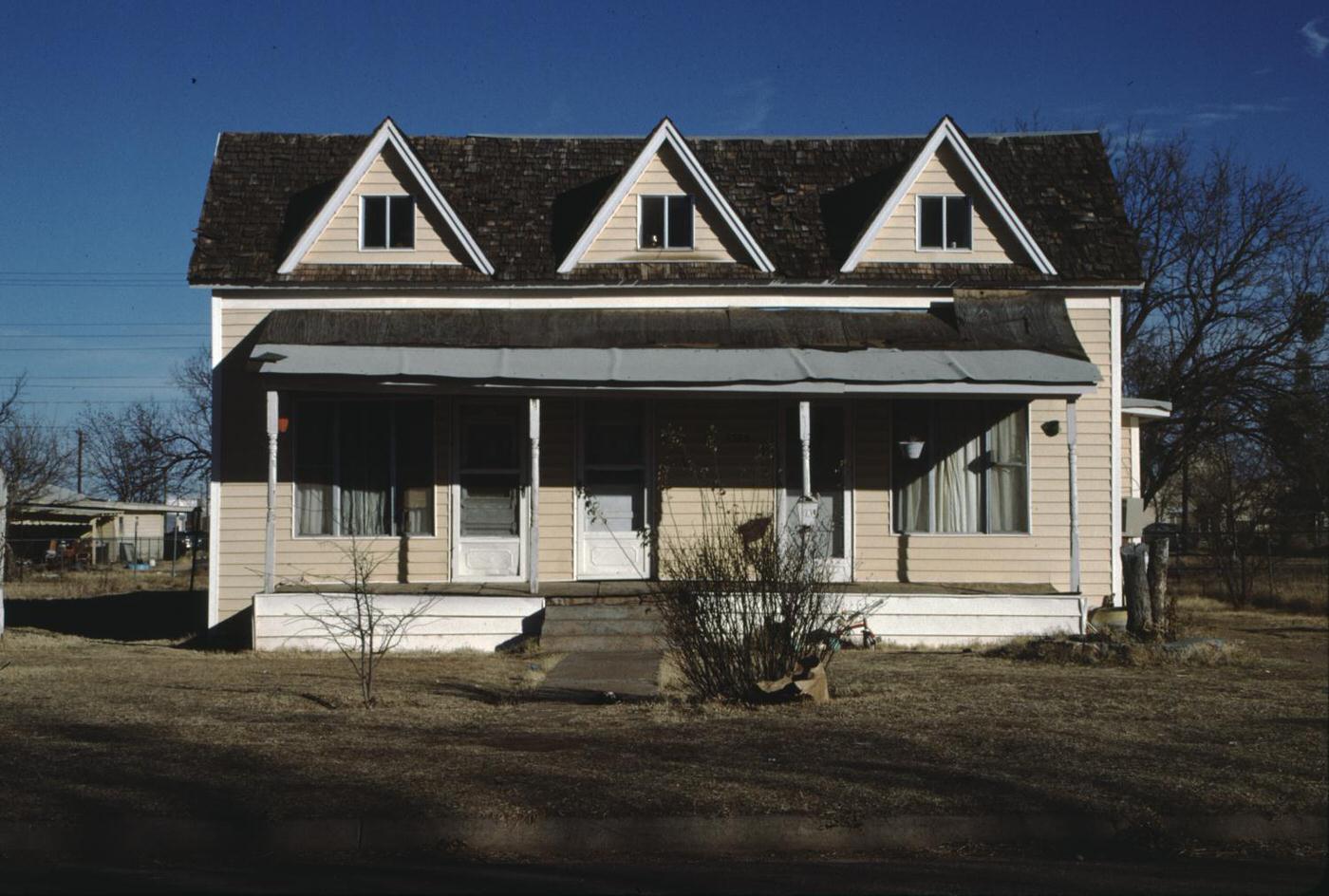
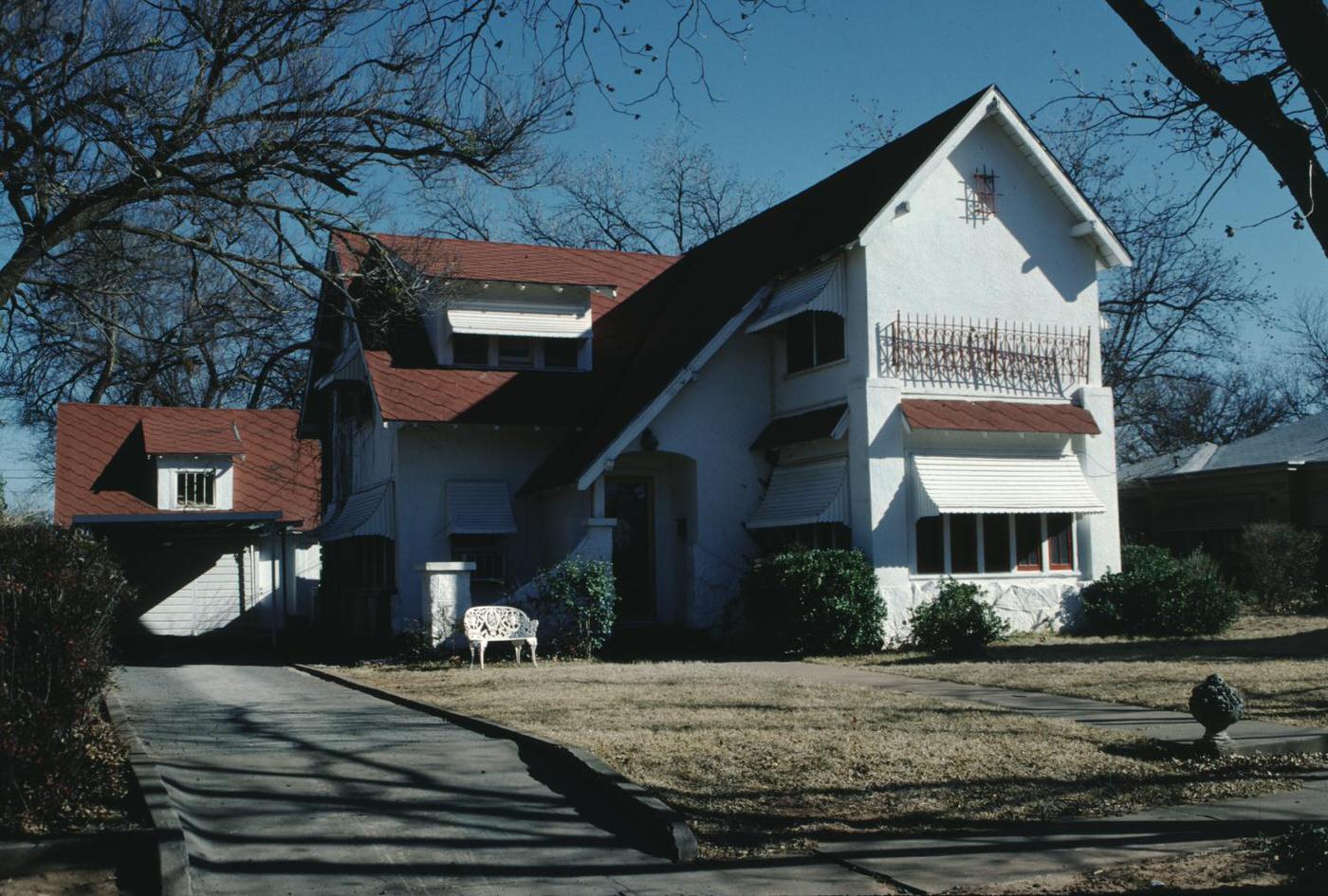
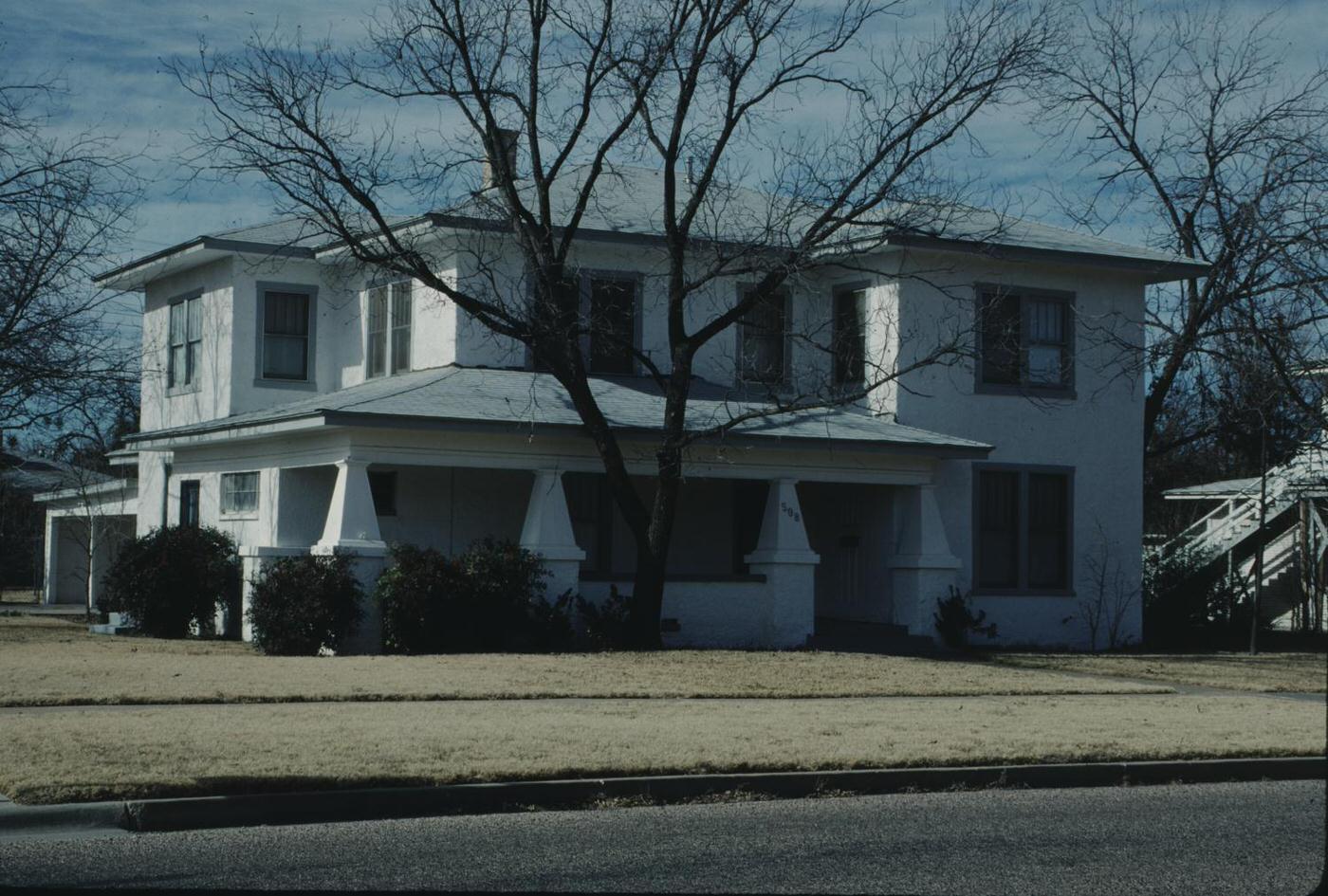
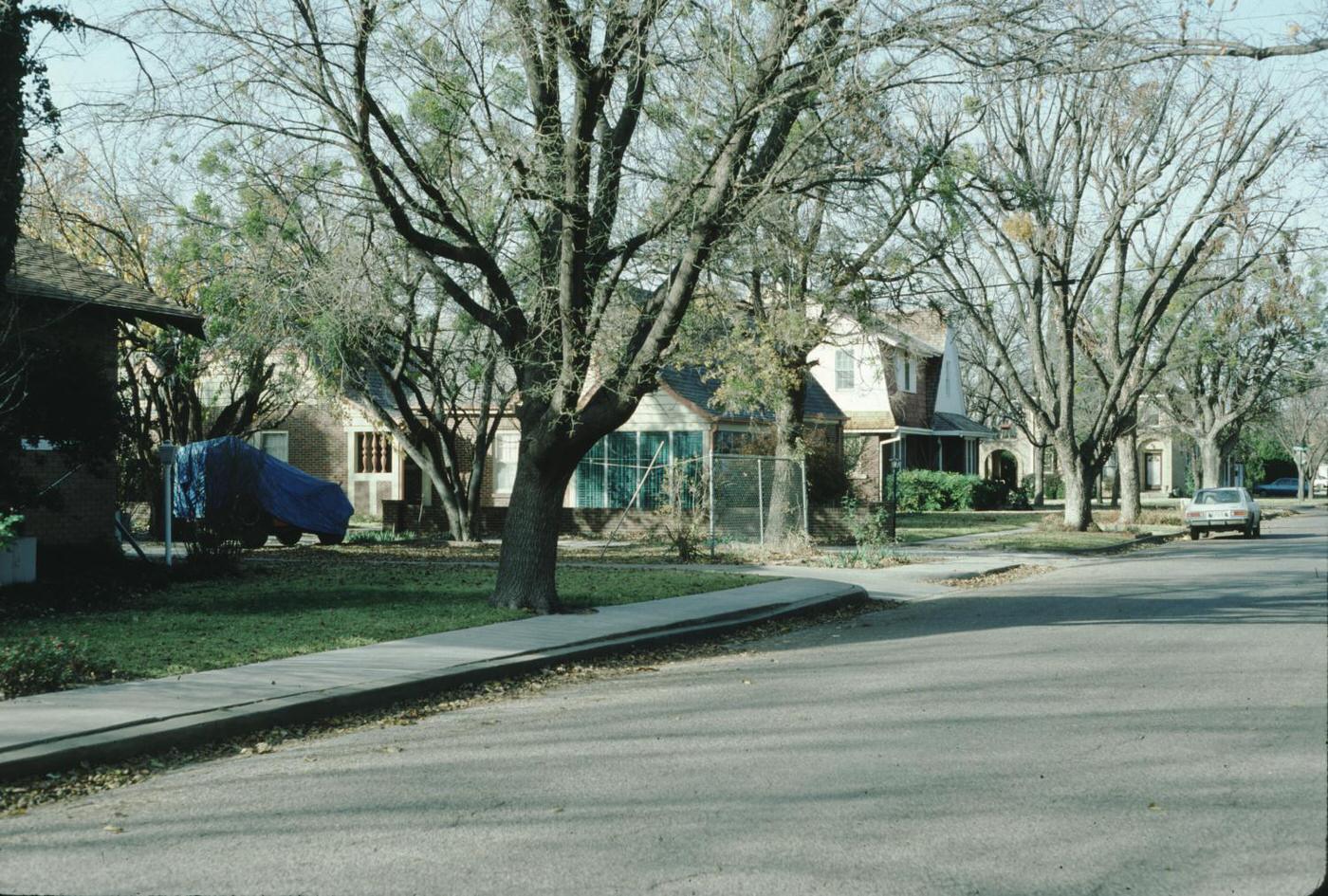
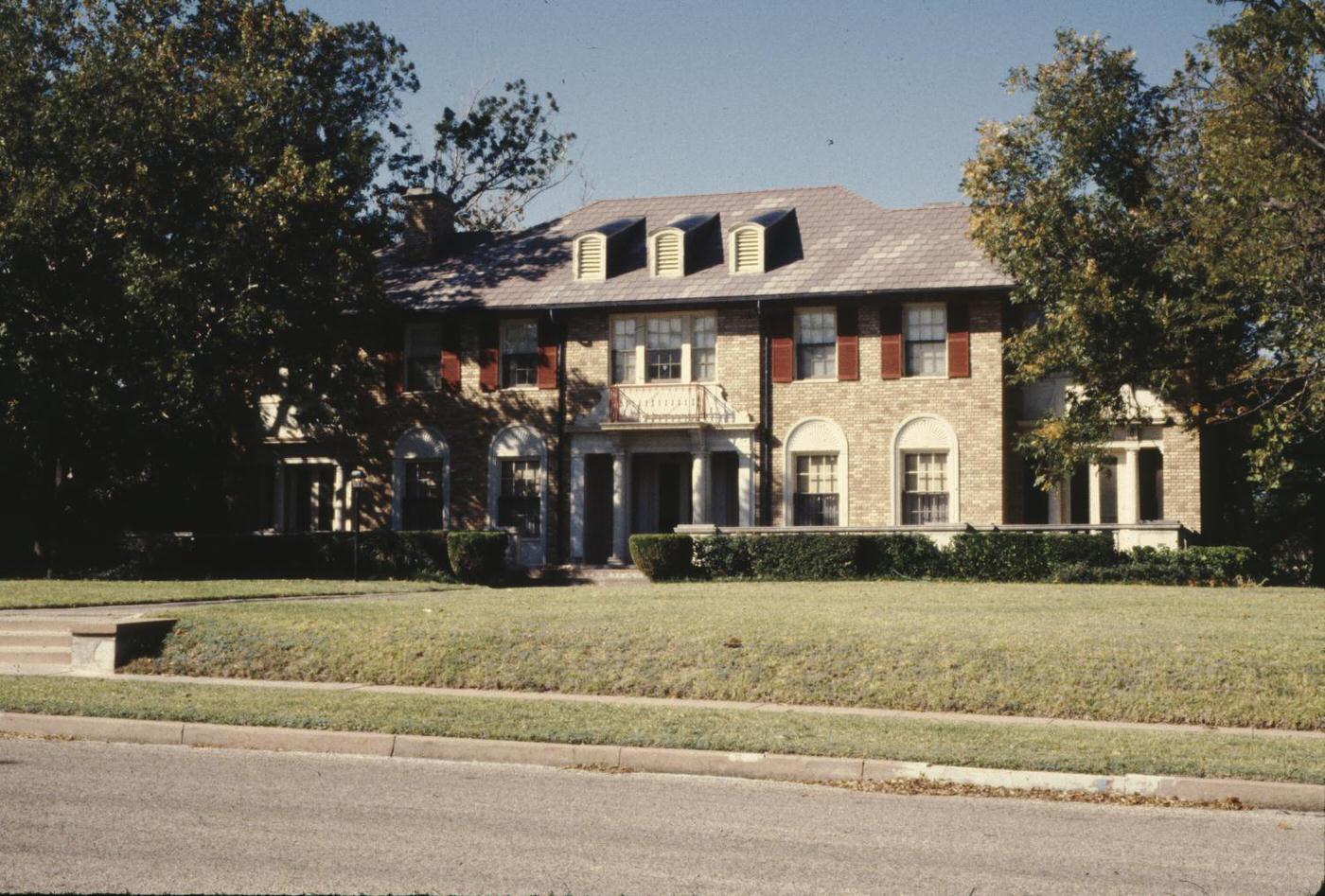
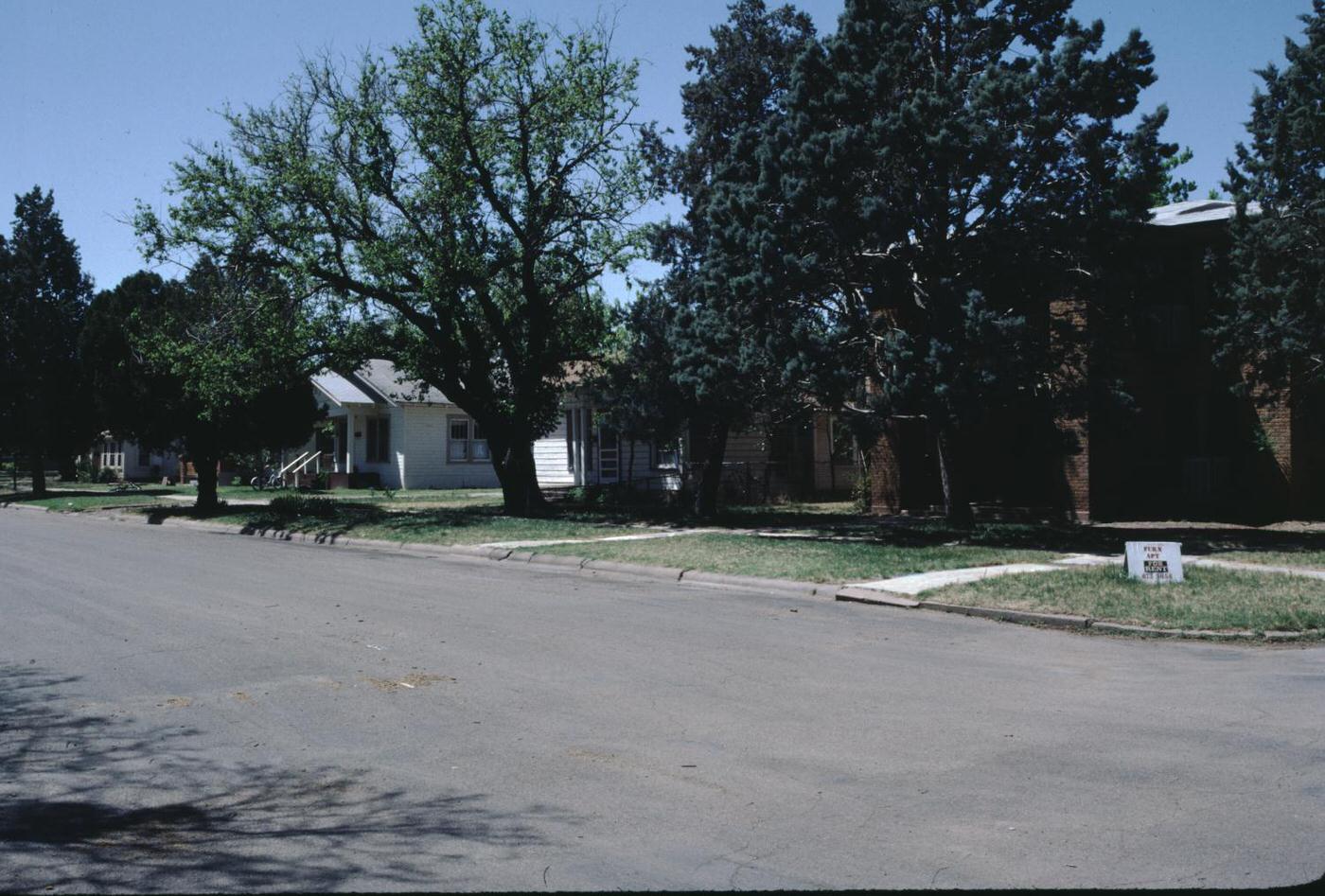
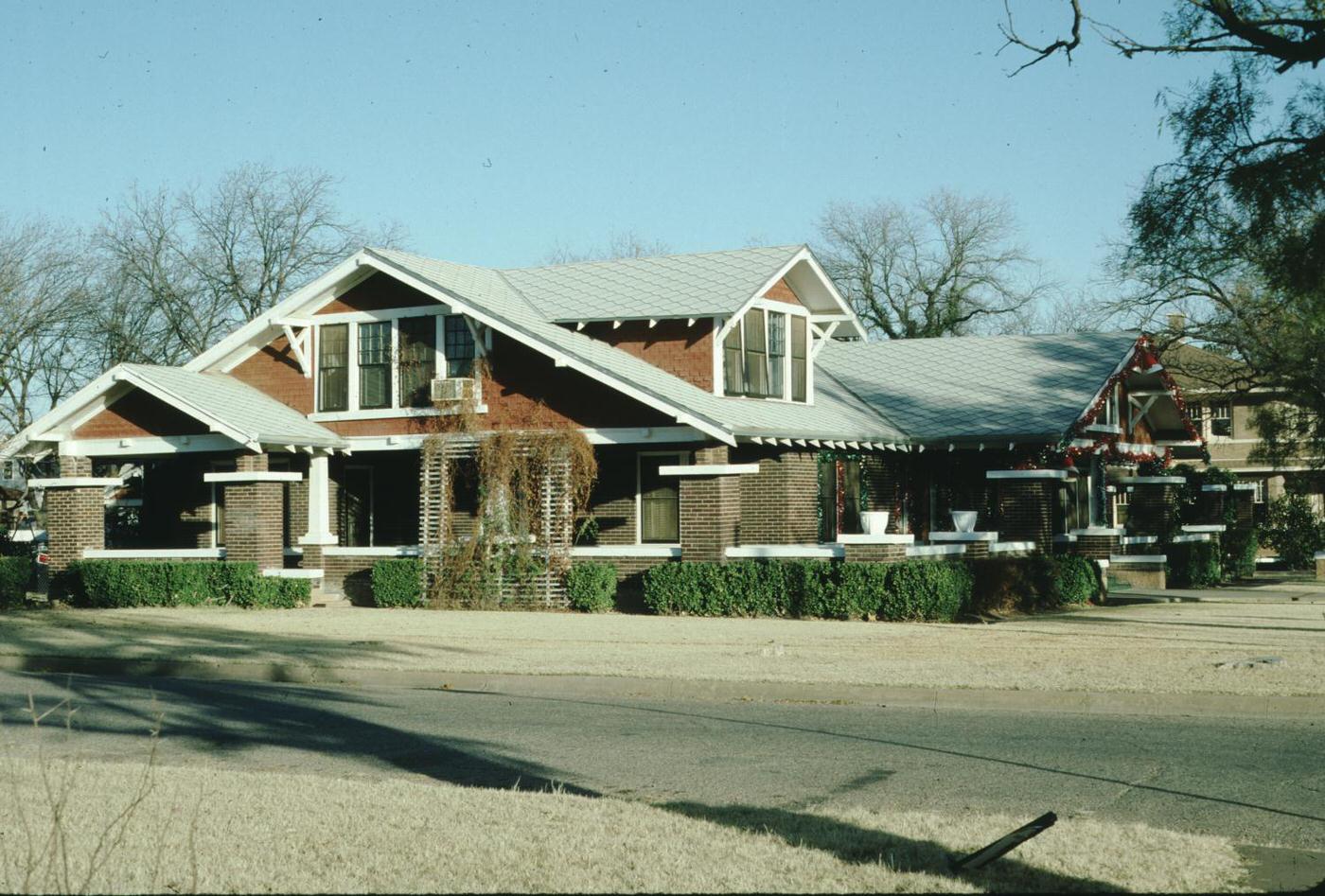
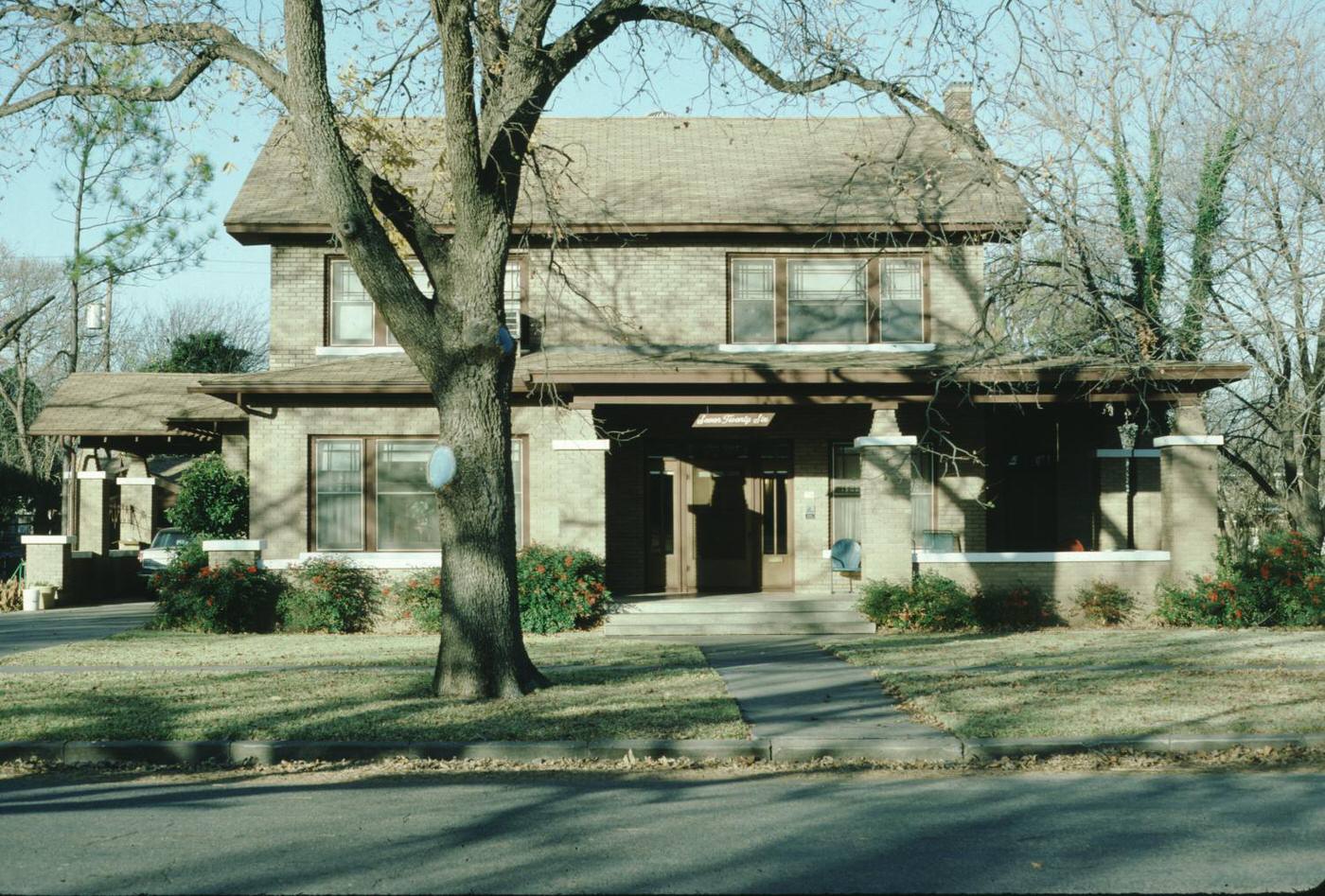
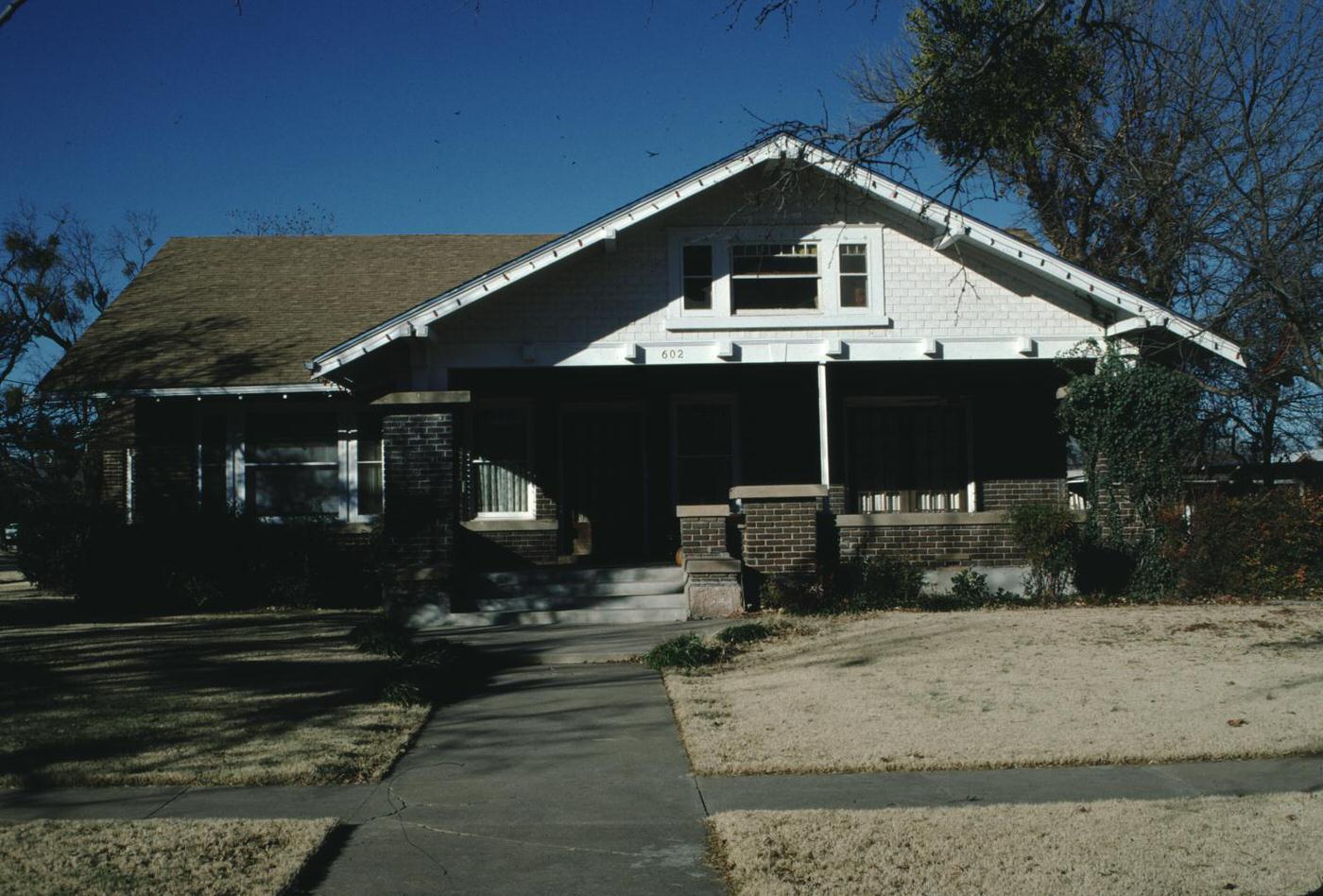
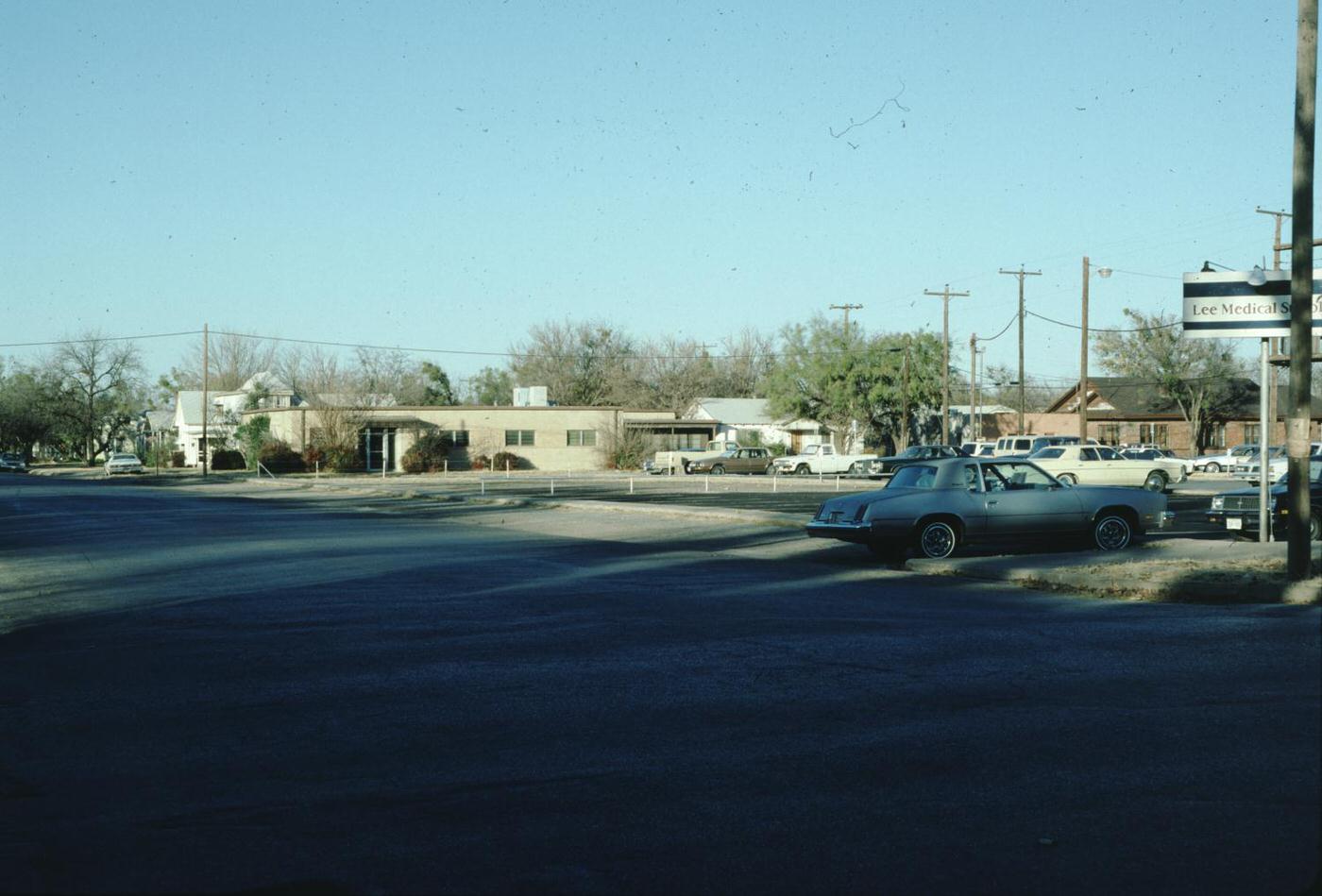
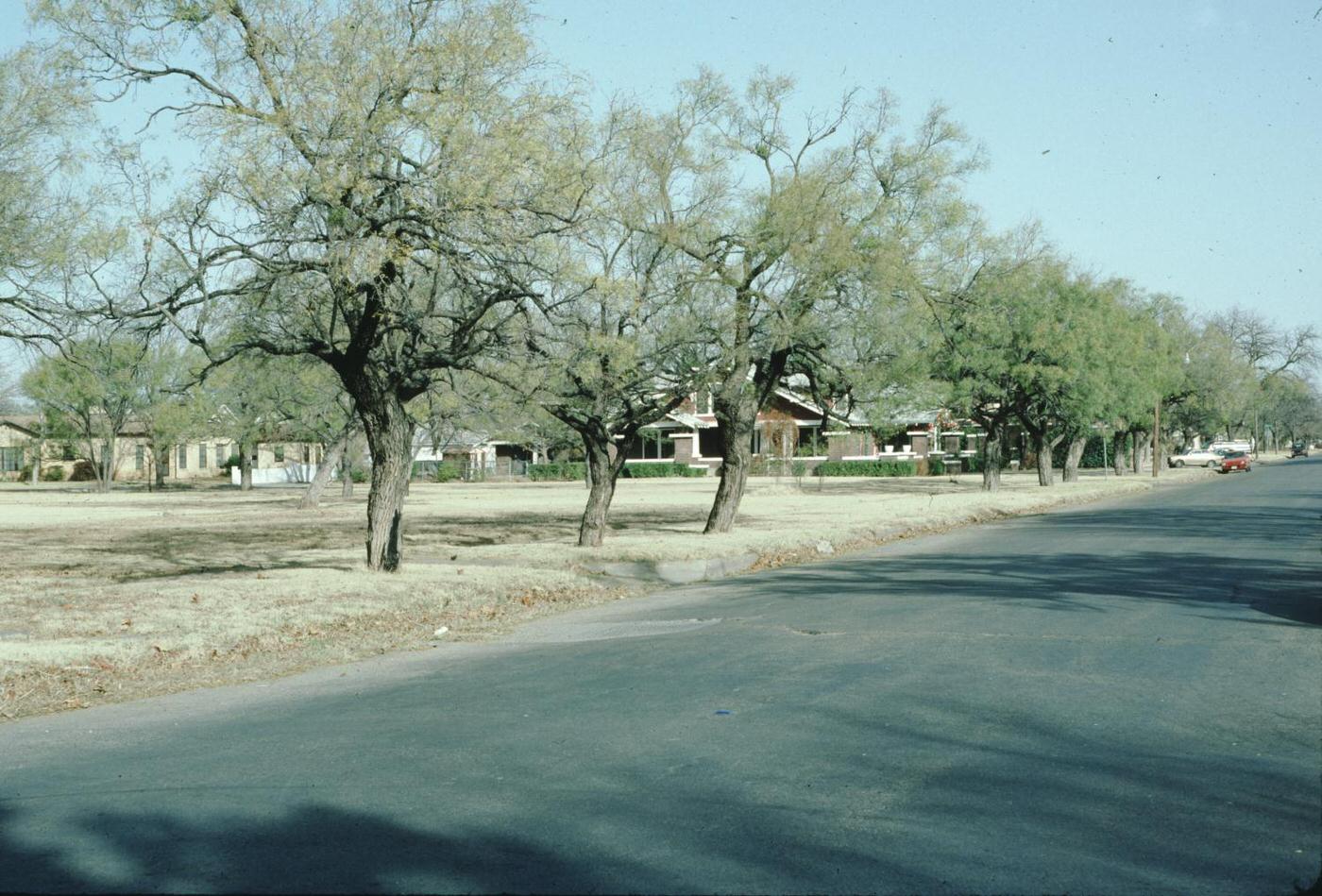
In contrast, suburban Abilene, particularly the areas south and southwest of the traditional center, thrived. The Mall of Abilene cemented its role as the dominant retail hub. Residential growth followed this commercial shift. New housing subdivisions were developed, drawing the population southward. One significant development was Heritage Parks, located in northeast Abilene near Highway 351; its development began based on a preliminary plat approved in 1983. This pattern of downtown decline juxtaposed with suburban expansion reshaped the city’s physical and economic landscape throughout the 1980s.
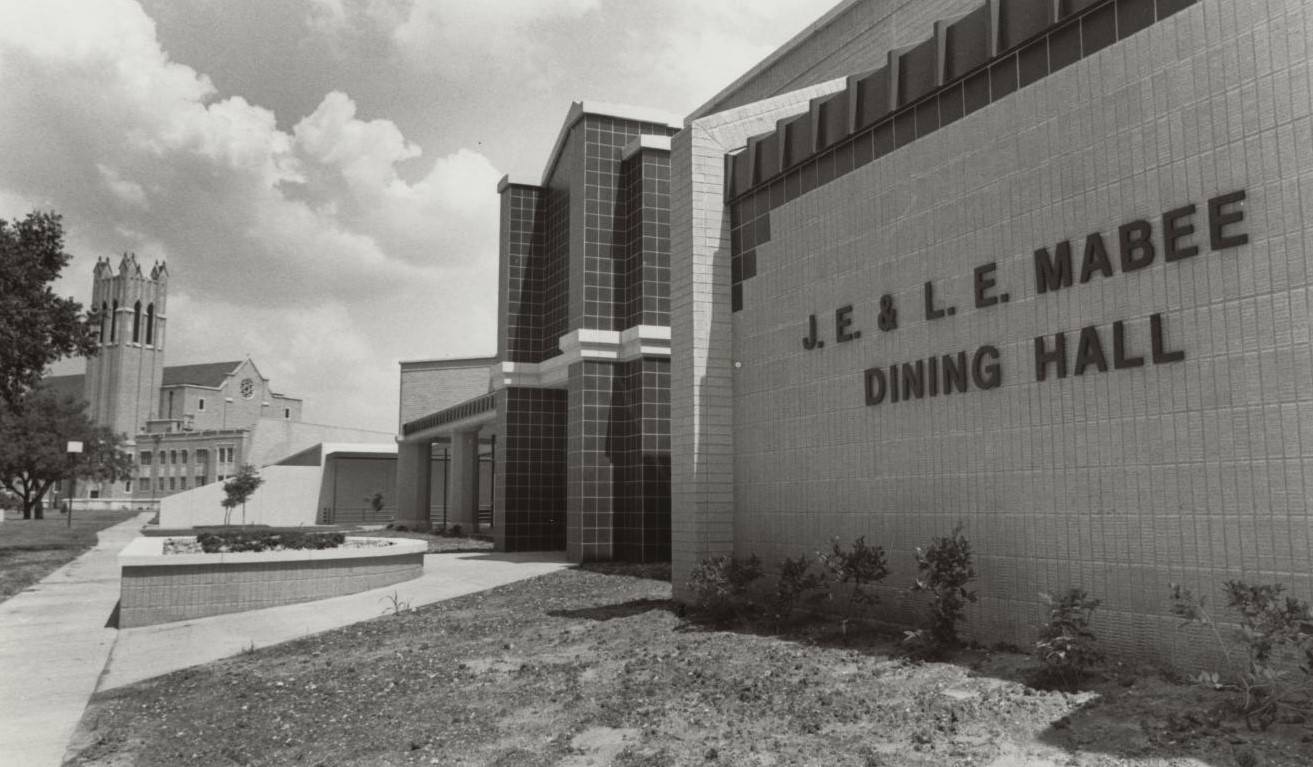
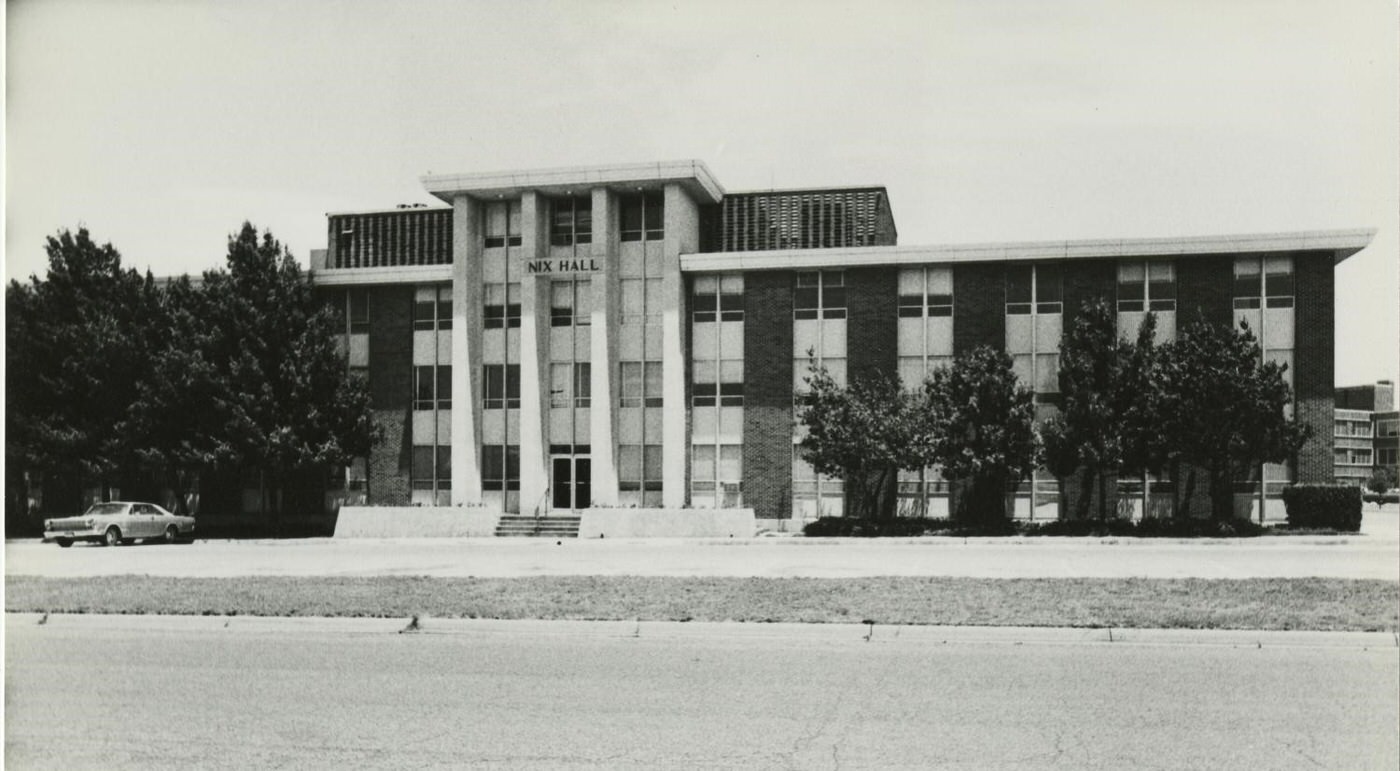
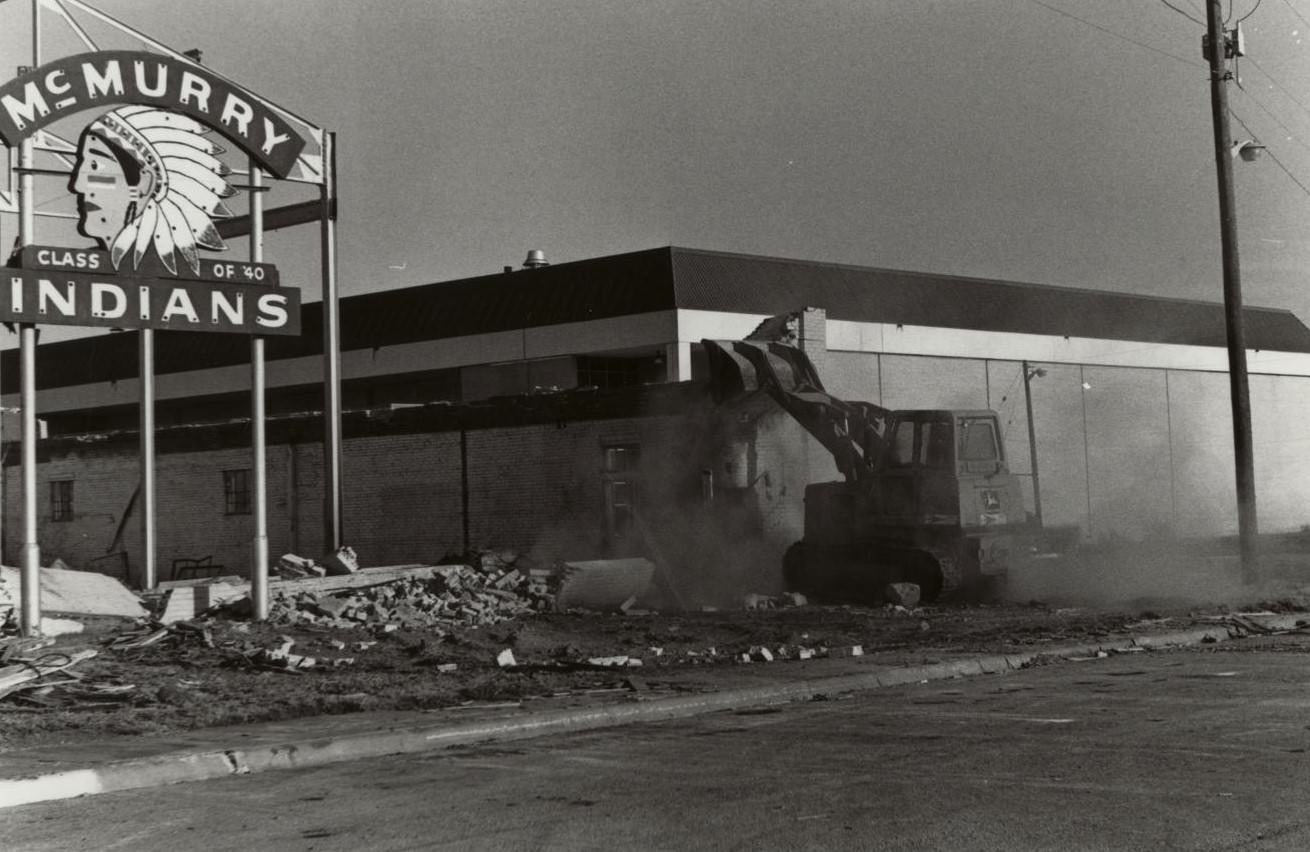
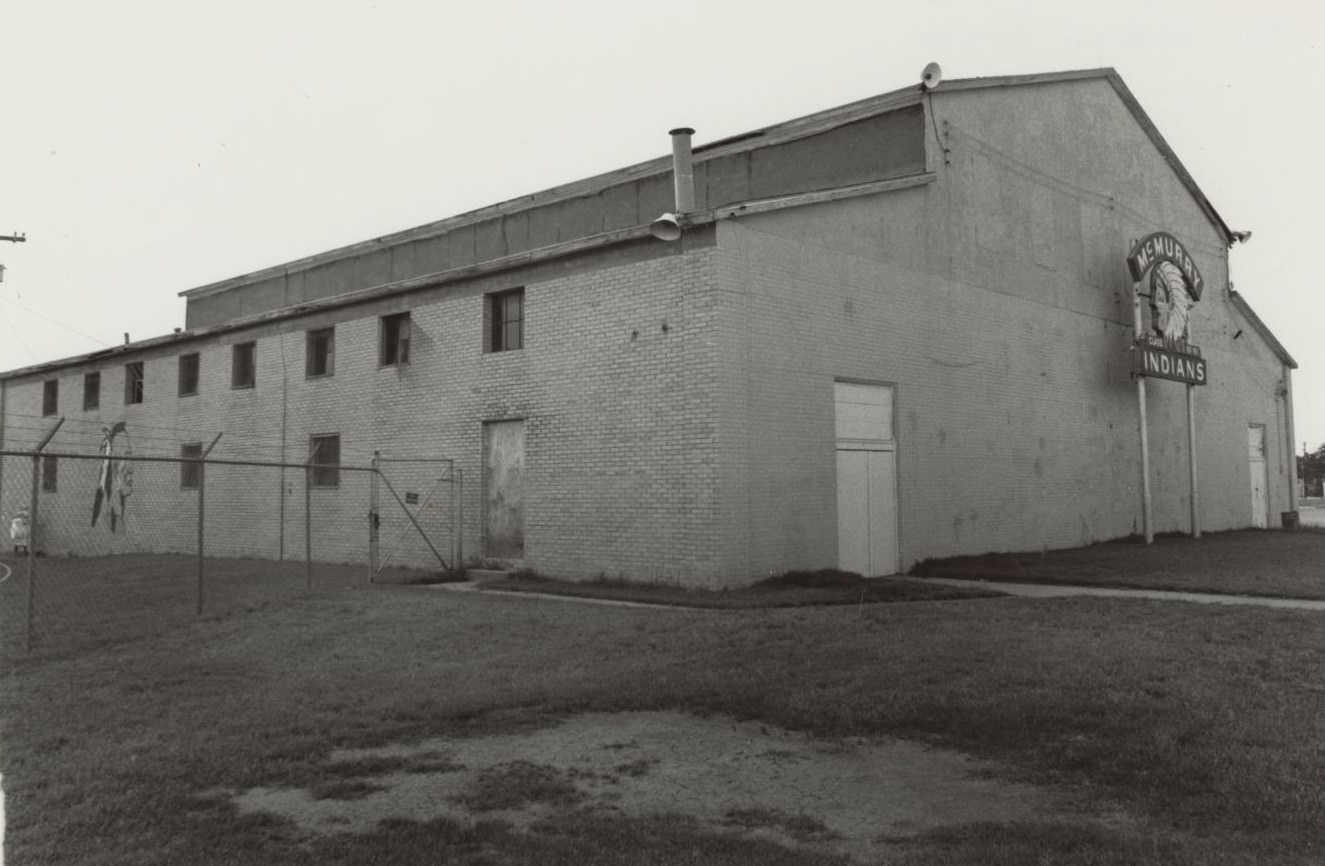
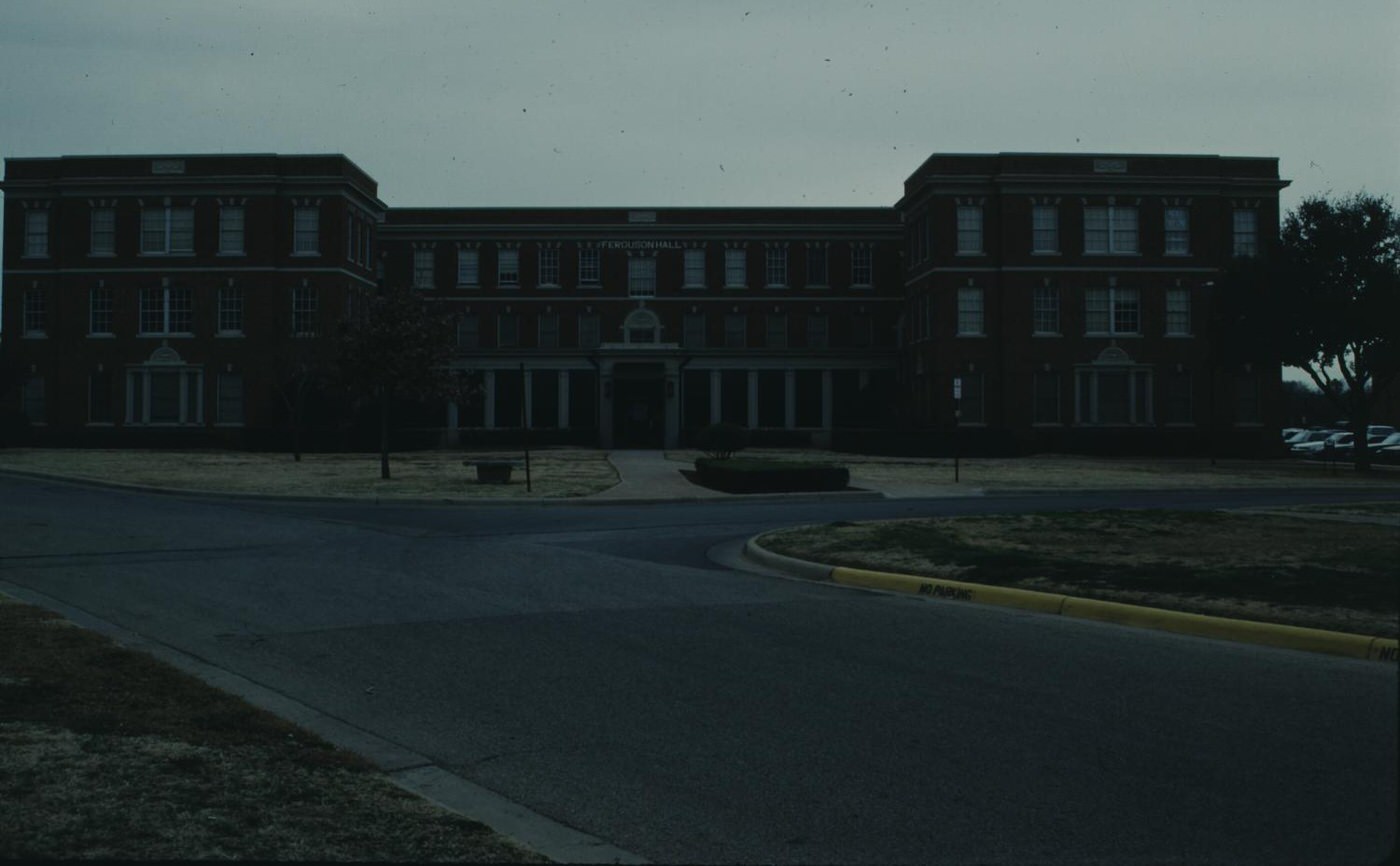
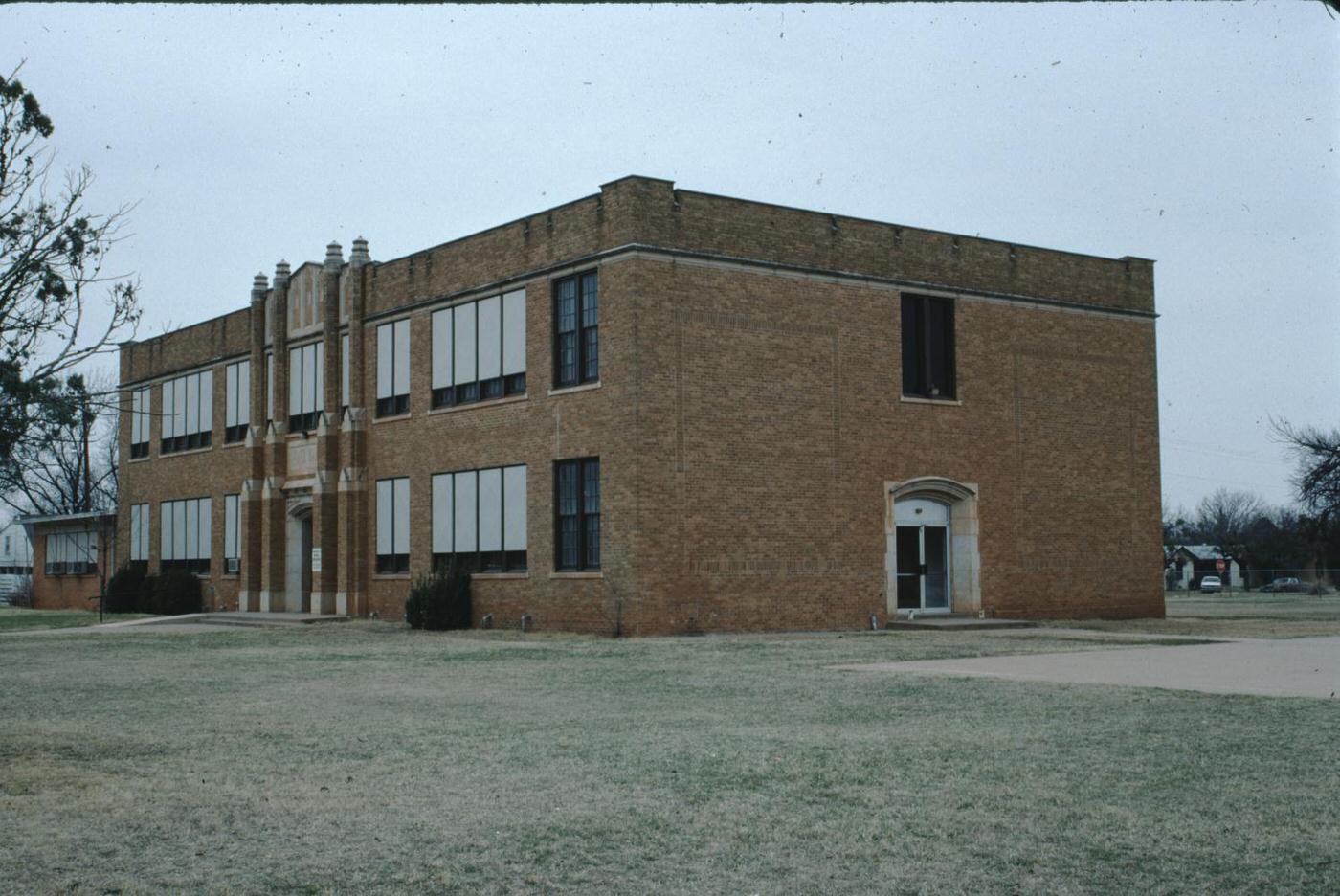
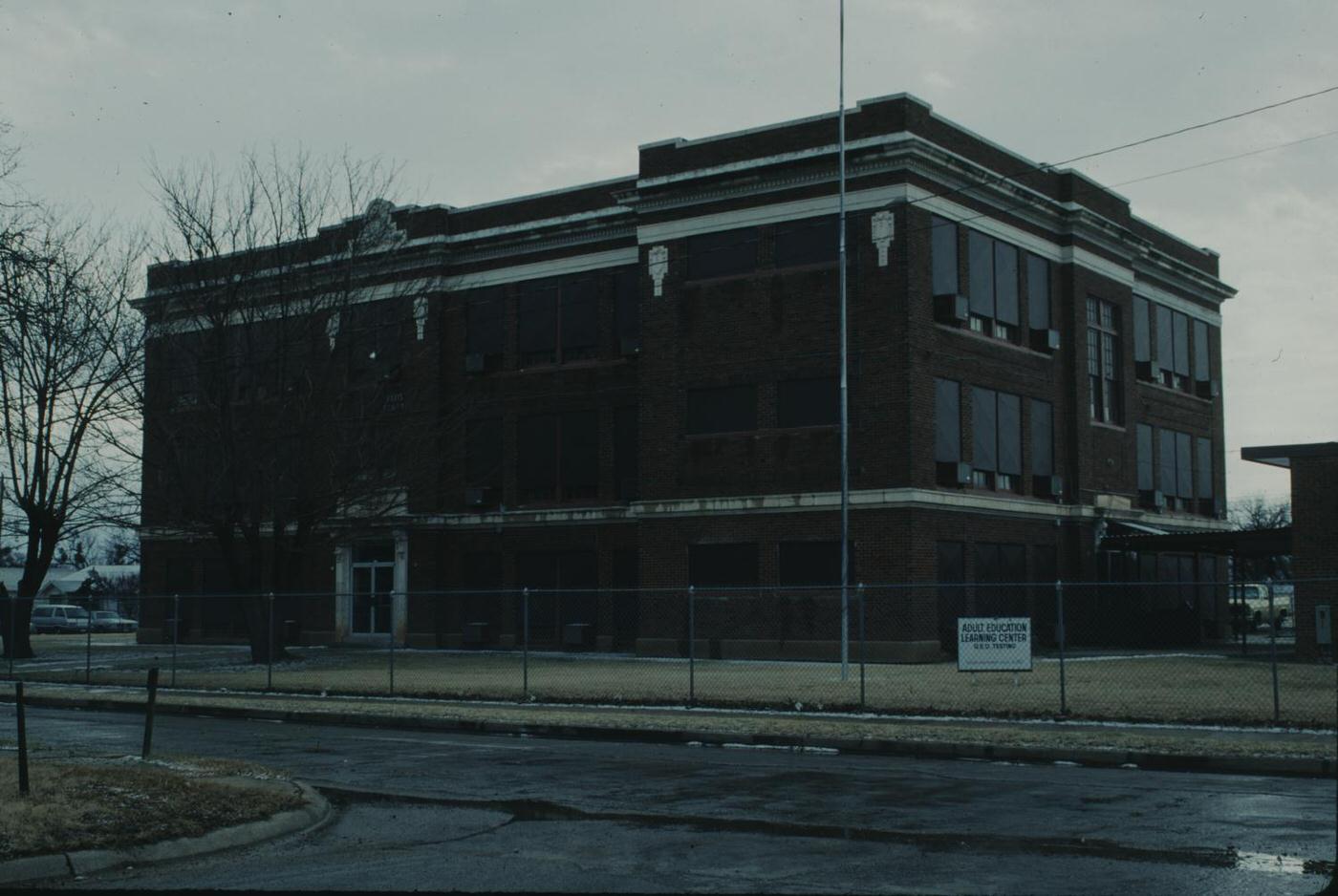
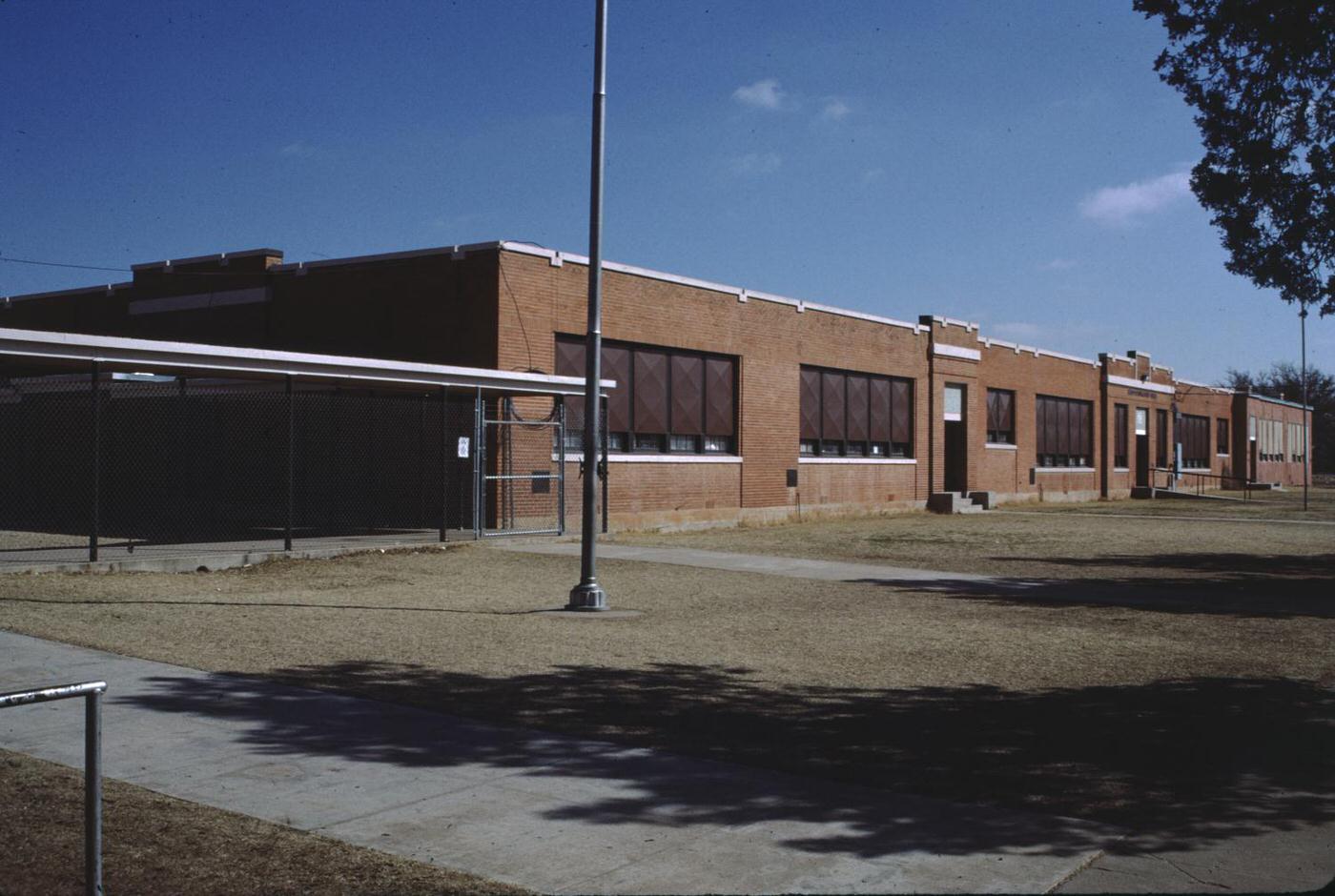
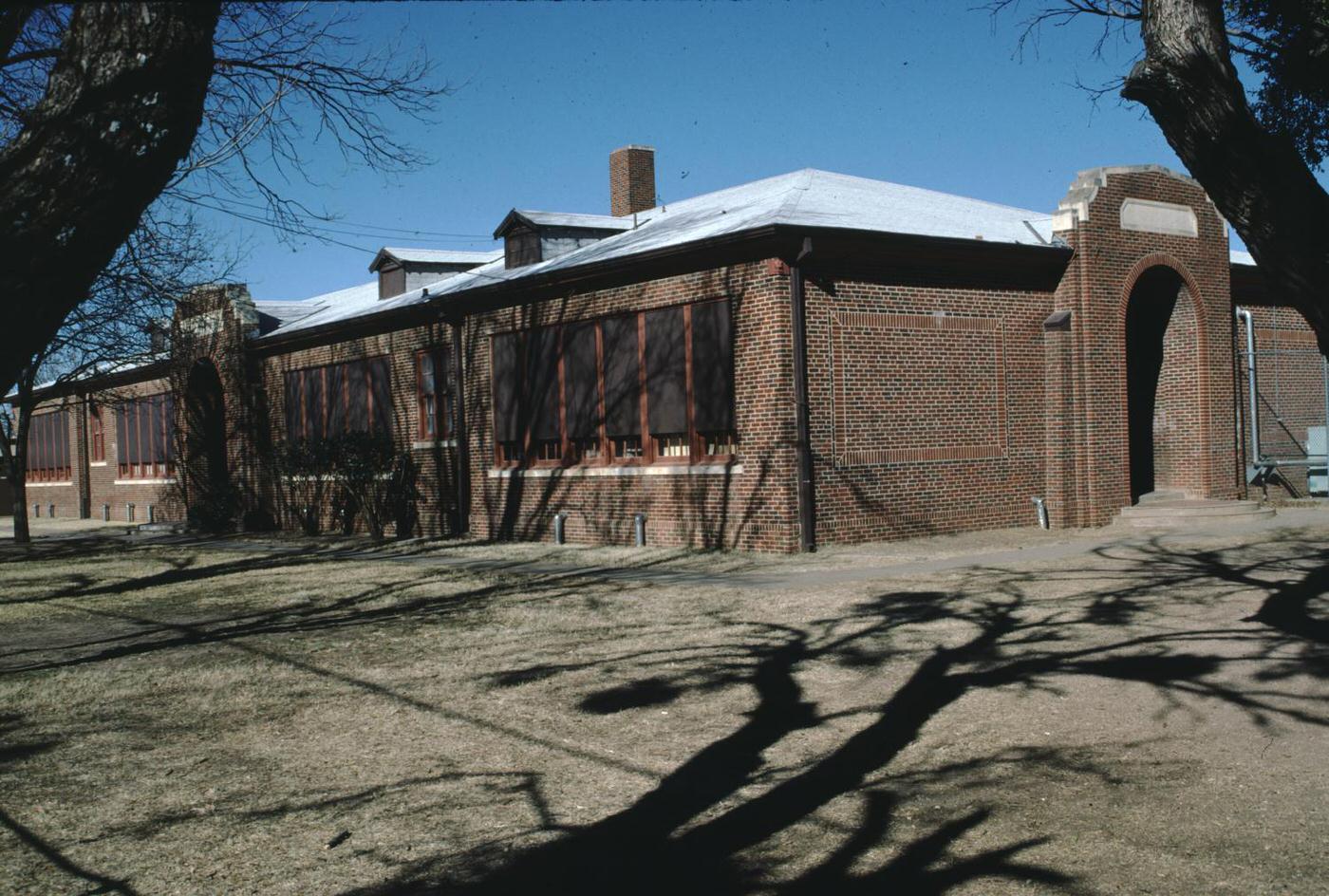
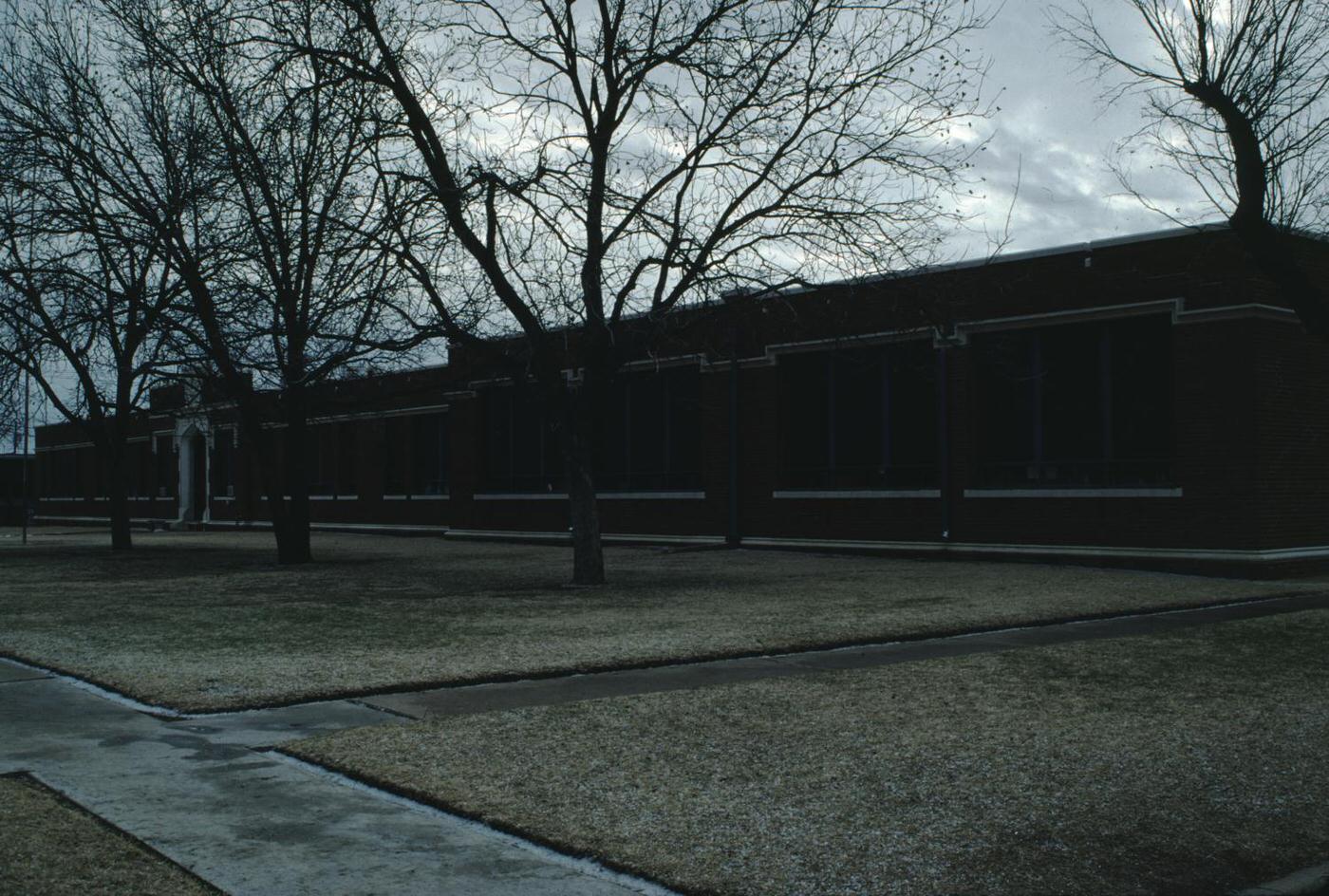
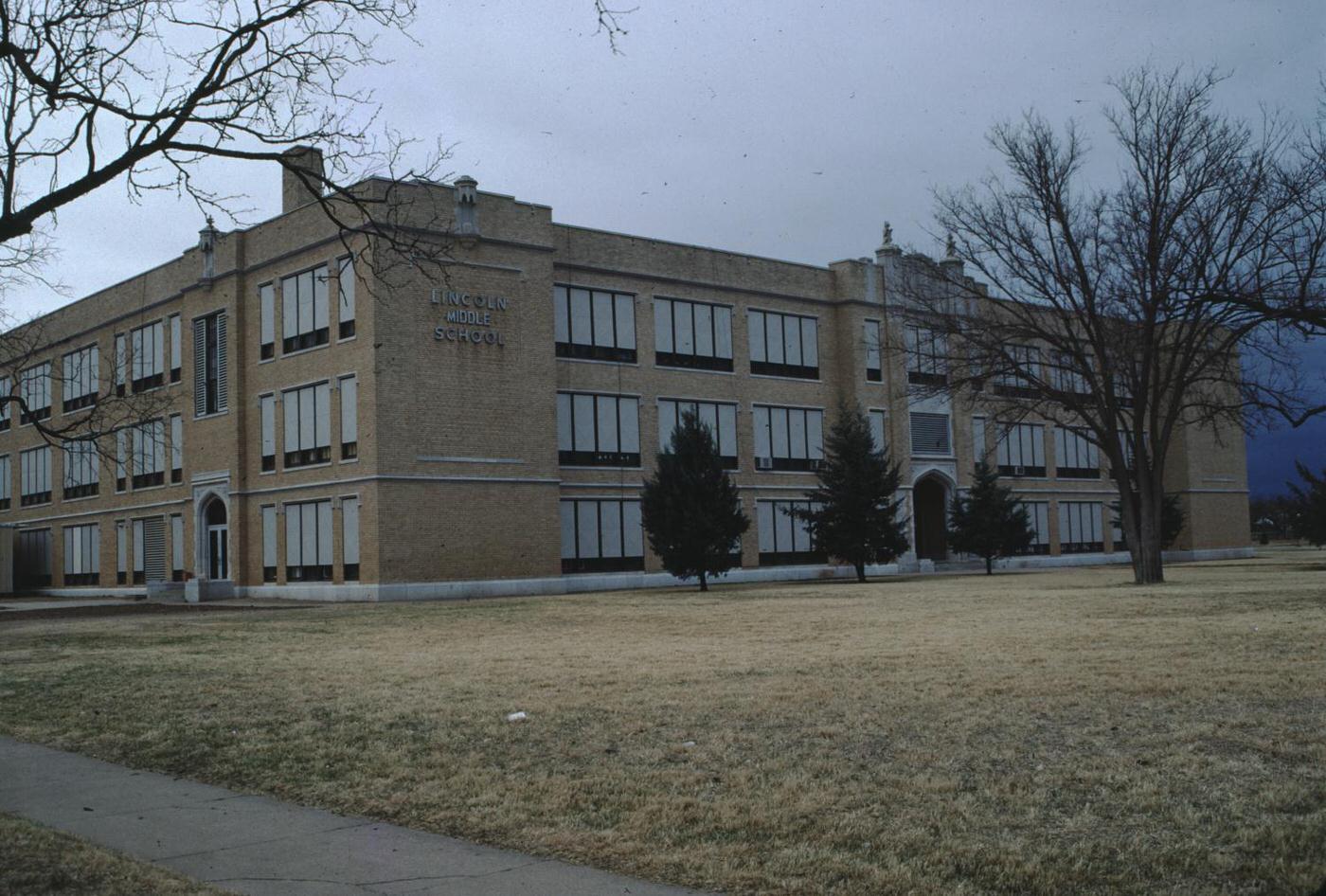
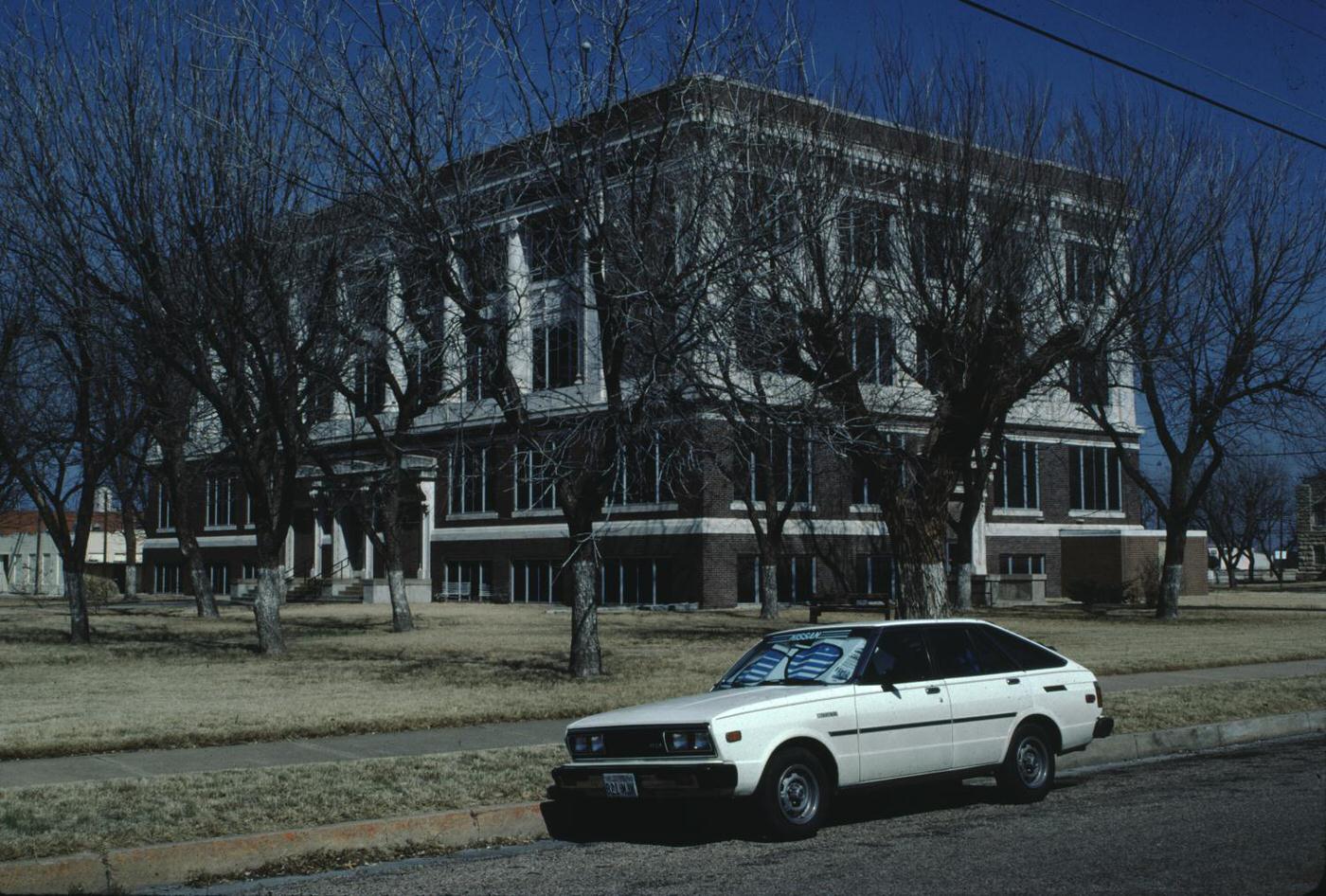
Abilene’s educational institutions, from public schools to universities, navigated the decade’s challenges and opportunities. Abilene Independent School District (AISD) operated fully integrated schools throughout the 1980s. The era of legal segregation had ended previously, with the closure of the separate Woodson elementary and high schools for Black students occurring in 1969 following federal desegregation mandates. The city’s two main public high schools, Abilene High School and Cooper High School (which had opened in 1960), served the student population. Some elementary schools, like Fair Park and Travis, were closed in the mid-1980s, likely due to shifting population patterns within the district.
Dyess AFB: Anchor in Uncertain Times
Amidst the economic turmoil caused by the oil bust, Dyess Air Force Base served as a critical stabilizing force for Abilene. Throughout the 1980s, the base continued its vital Cold War mission as part of the Strategic Air Command (SAC). Its primary role involved maintaining nuclear deterrence against the Soviet Union. This mission was carried out initially with B-52 Stratofortress bombers and KC-135 Stratotanker refueling aircraft, keeping crews on constant alert.
A major development occurred in June 1985 with the arrival of the first operational B-1B Lancer, a technologically advanced supersonic bomber intended to replace the aging B-52s. Dyess AFB was selected as the first base to receive the new aircraft and became the premier training center for B-1B aircrews. In October 1986, the B-1B fleet at Dyess officially assumed nuclear alert status, continuing the base’s crucial SAC role.
Population, Politics, and Persistence
Despite the economic headwinds of the oil bust, Abilene’s population continued to grow during the 1980s. Locally, the city government took active steps to address the economic challenges. Oliver Howard served as mayor at the beginning of the decade. In 1982, Abilene pioneered a downtown reinvestment zone, the first of its kind in Texas, aiming to encourage development in the city’s core. Towards the end of the decade, facing the prolonged effects of the bust, the city sought further measures. In 1989, Abilene voters approved a half-cent sales tax specifically dedicated to economic development, creating the Development Corporation of Abilene (DCOA). This initiative provided a dedicated funding stream for attracting new businesses and supporting existing ones, demonstrating the community’s proactive approach to economic recovery and future growth.
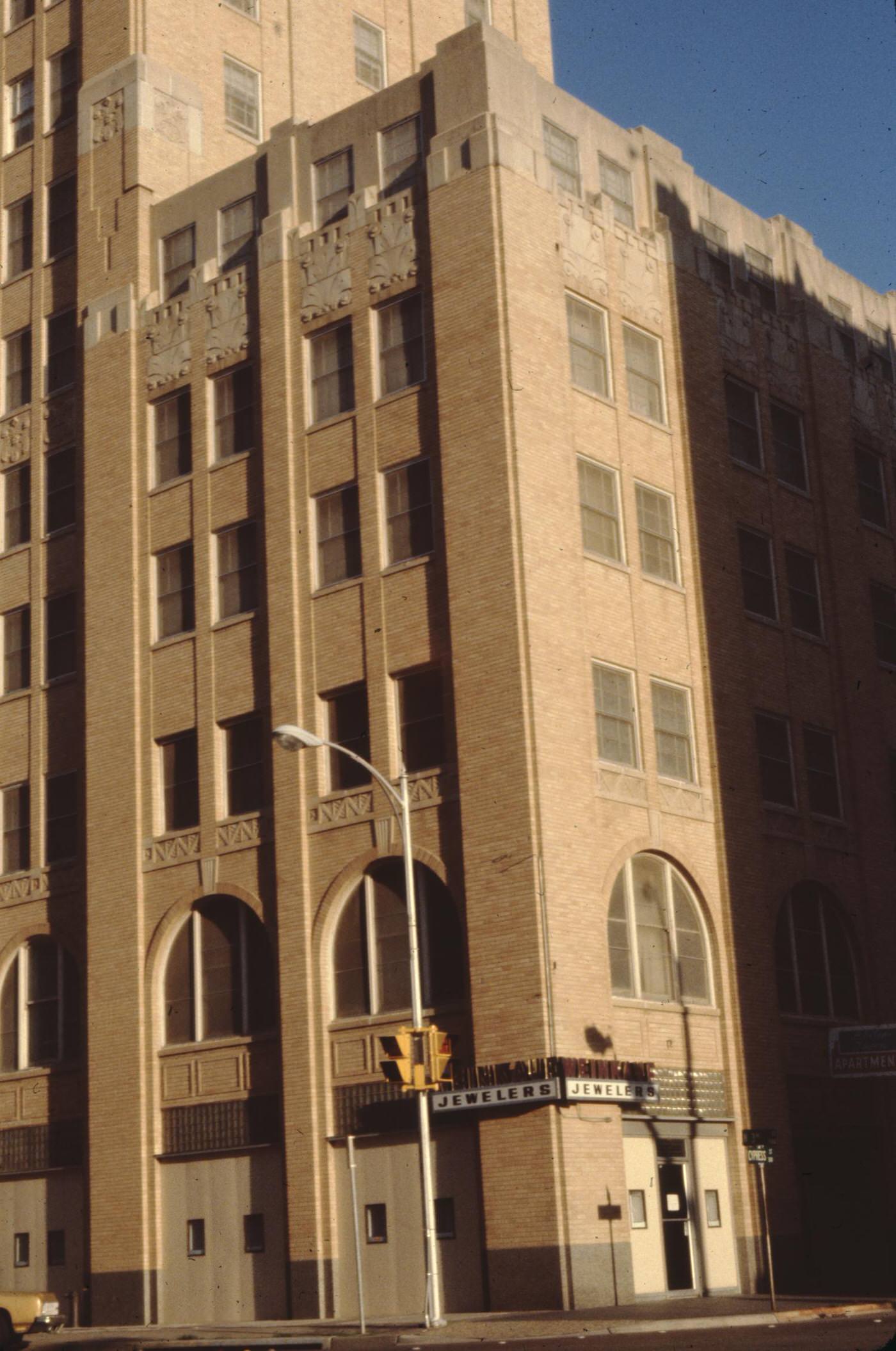
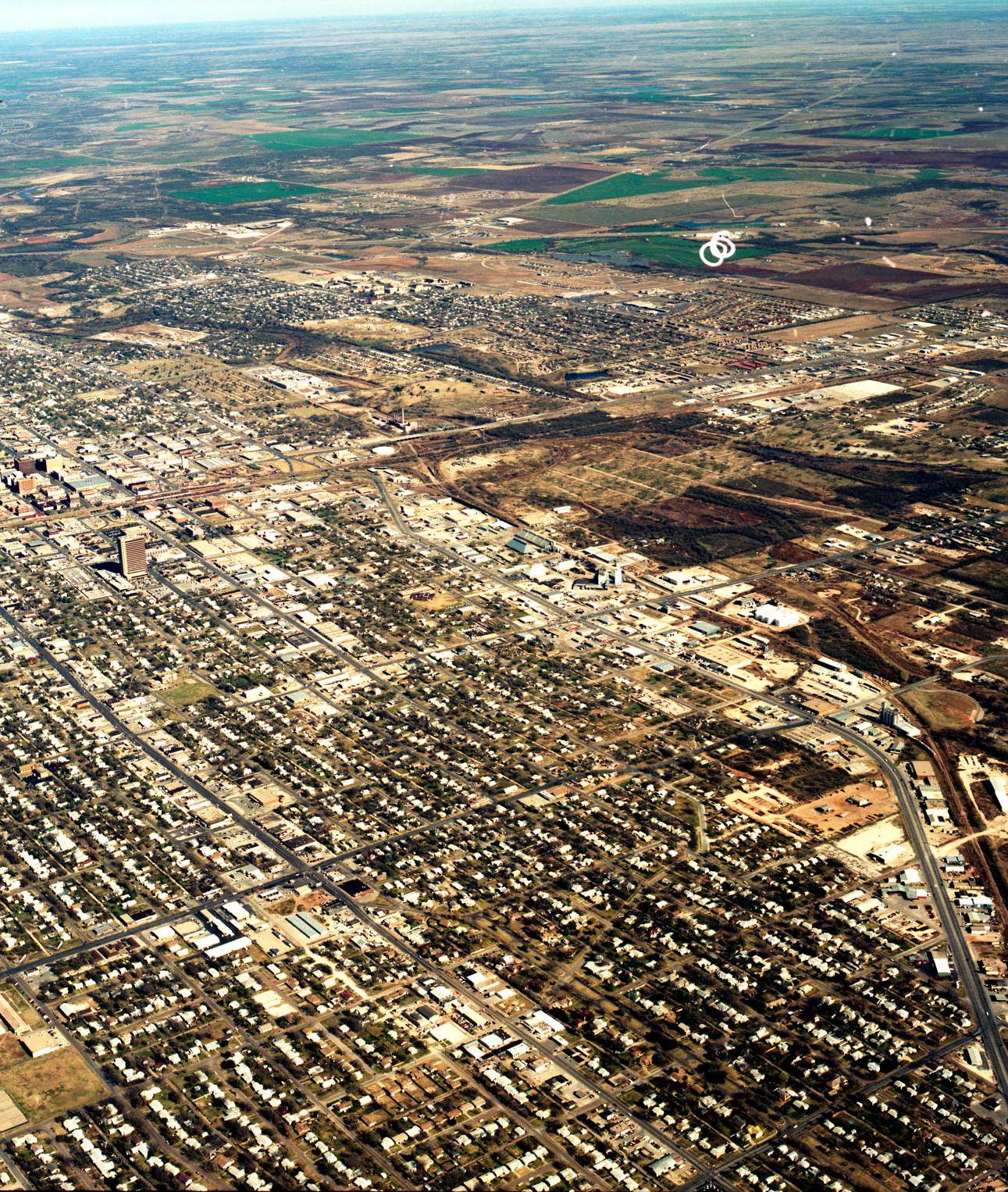
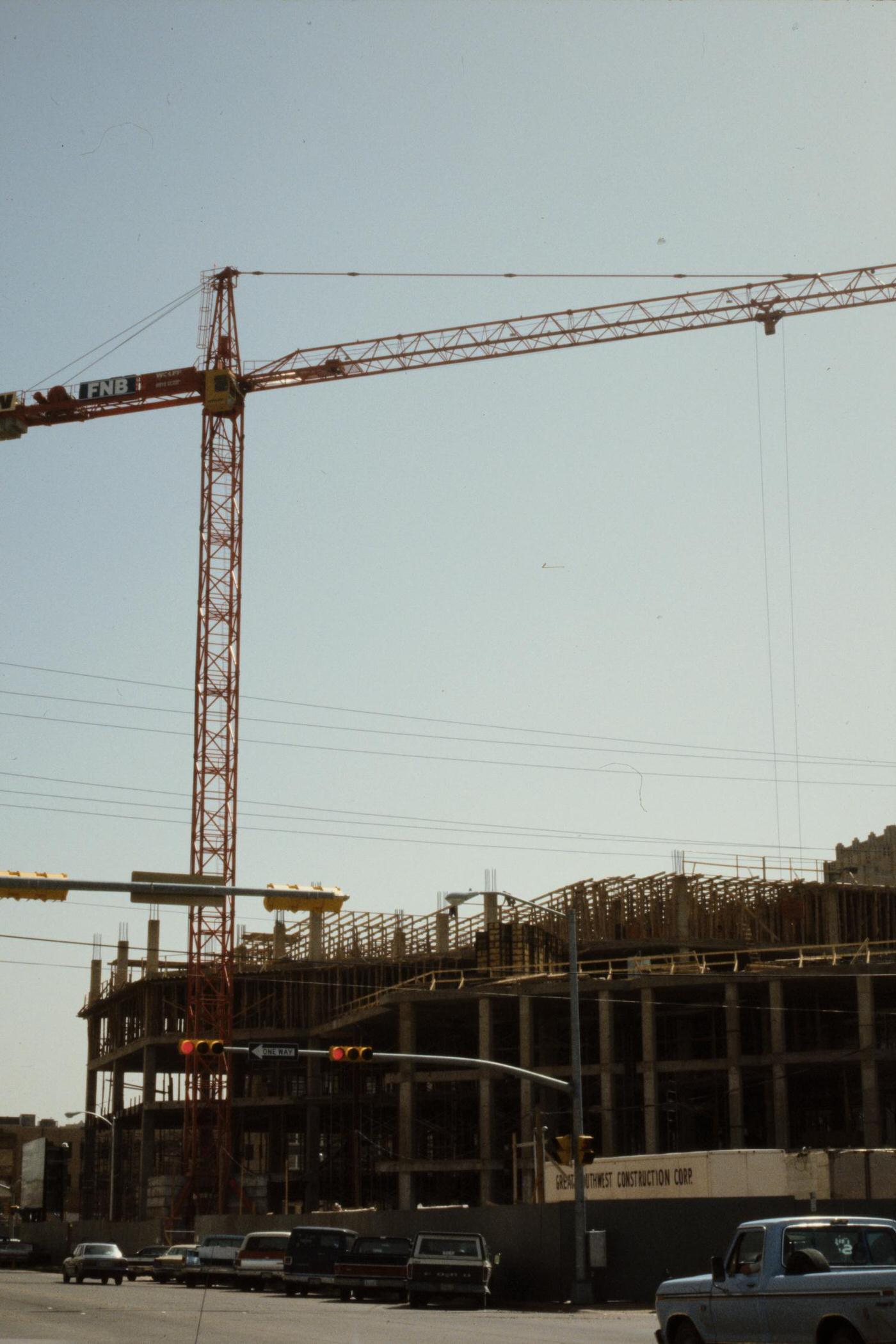
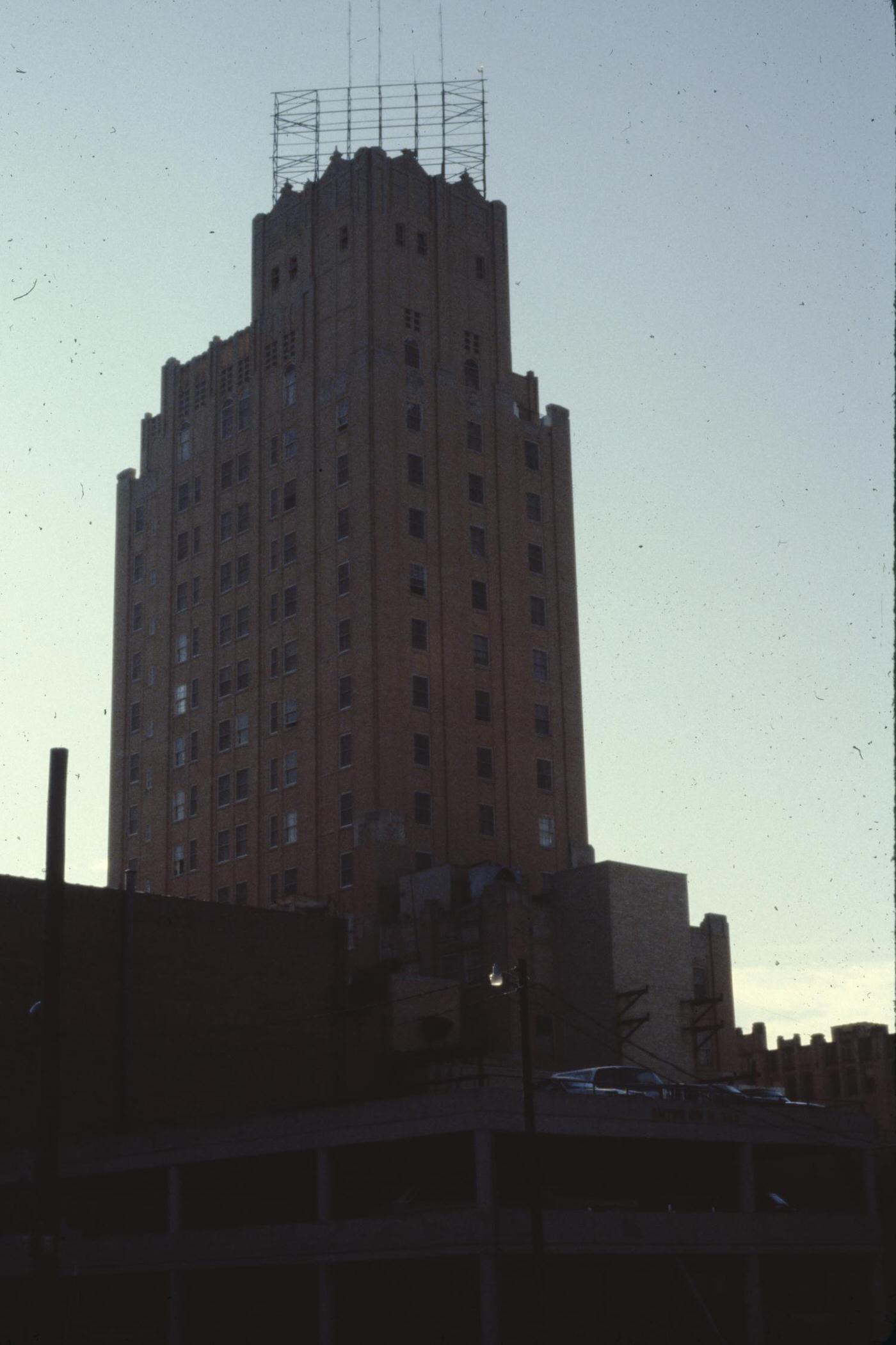
Image Credits: Hardin-Simmons University Library, Texas Historical Commission, Library of Congress, Wikimedia, archive.org
Found any mistakes? 🥺 Let us Know