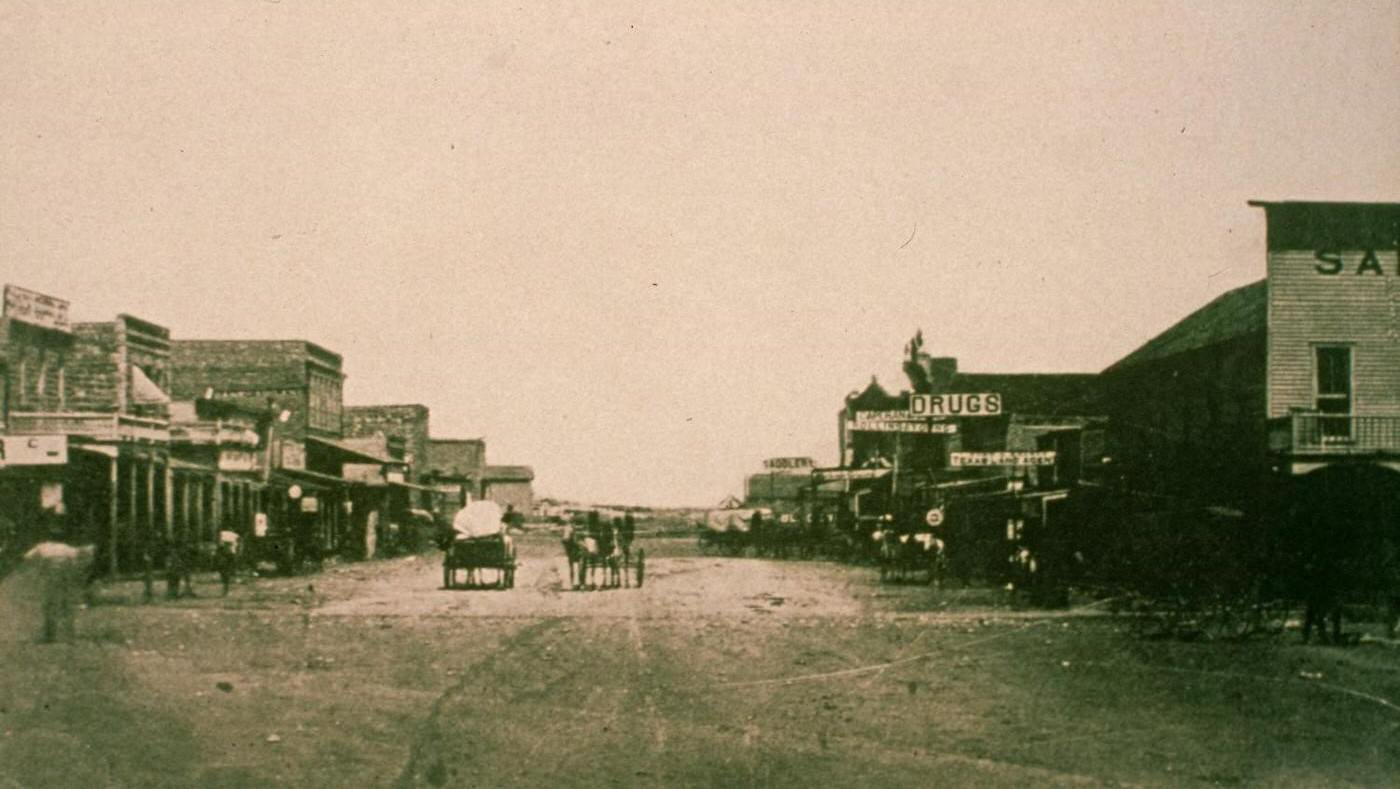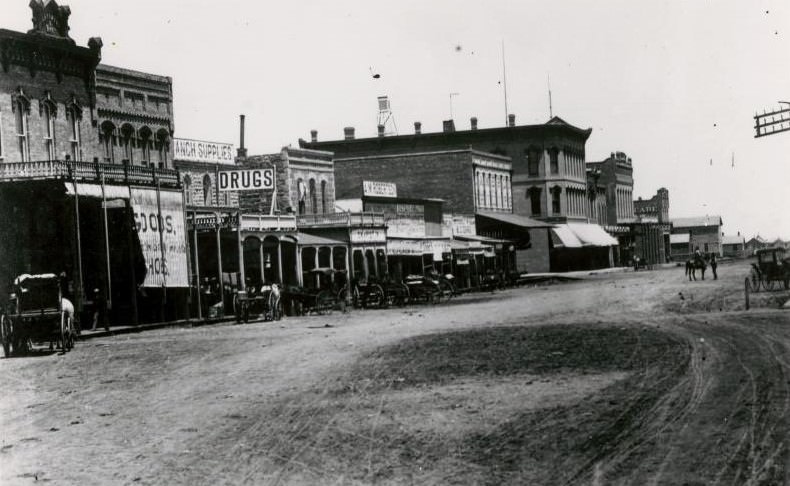
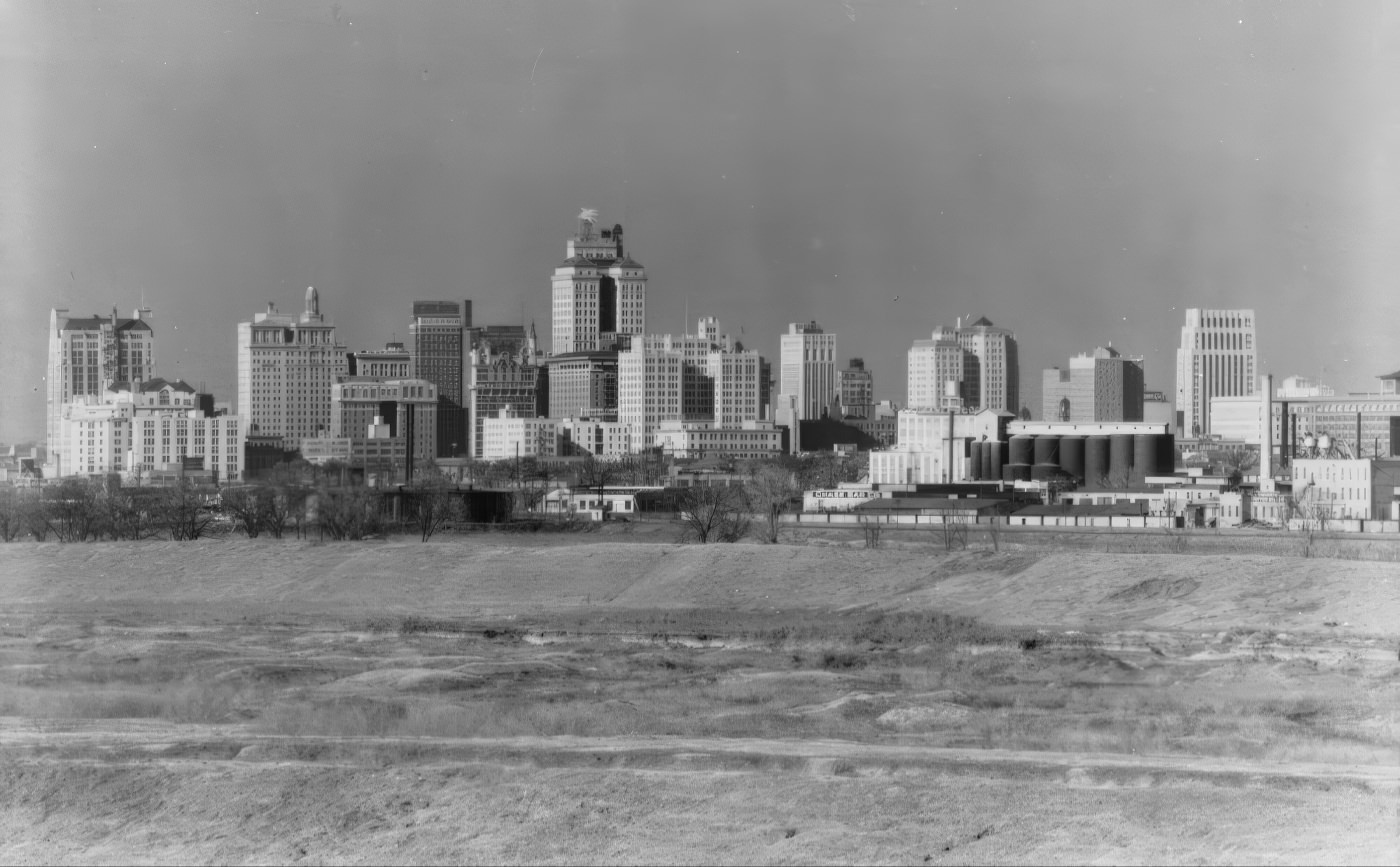
The decade of the 1930s arrived in Dallas on a wave of confidence that soon crashed against the hard realities of a national economic collapse. Like many Texans, Dallasites initially believed their state’s rugged individualism and economy, rooted in cotton and cattle, would insulate them from the financial chaos that began with the 1929 stock market crash in distant New York. This optimism, however, proved to be short-lived. By 1931, the city could no longer deny the severity of the Great Depression. The crisis manifested in stark, unavoidable terms: by the middle of that year, more than 18,000 people in Dallas were unemployed. Two years later, in 1933, the situation had worsened, with 15,000 residents officially on the relief rolls as bank deposits and retail sales plummeted.
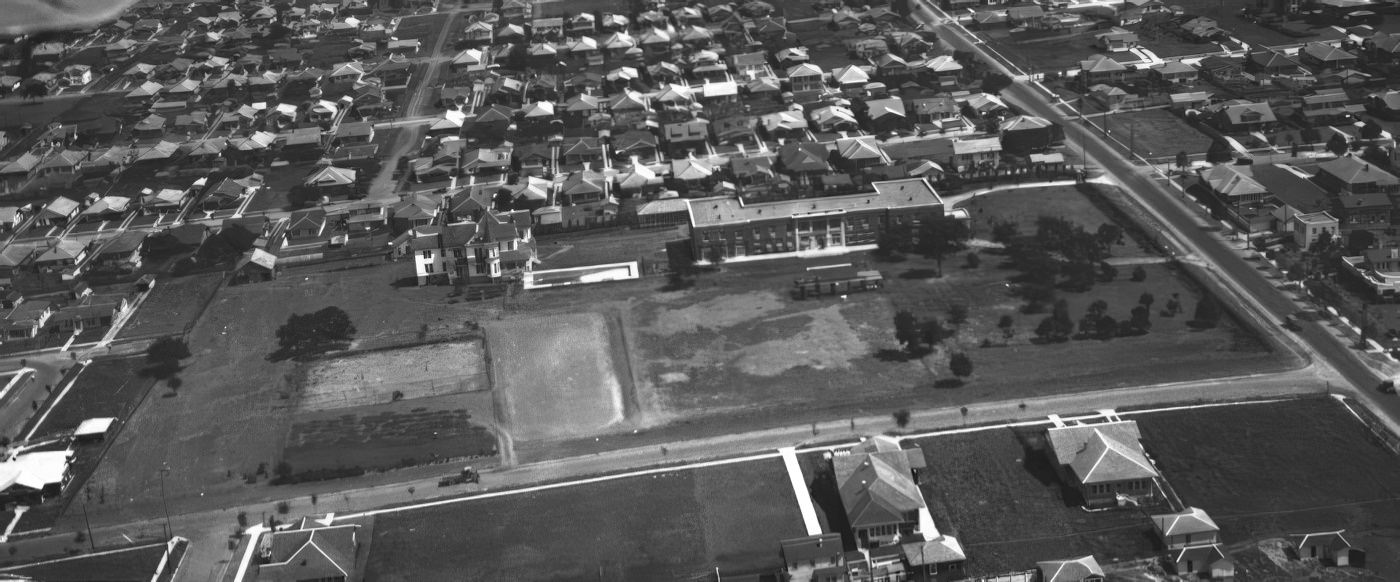
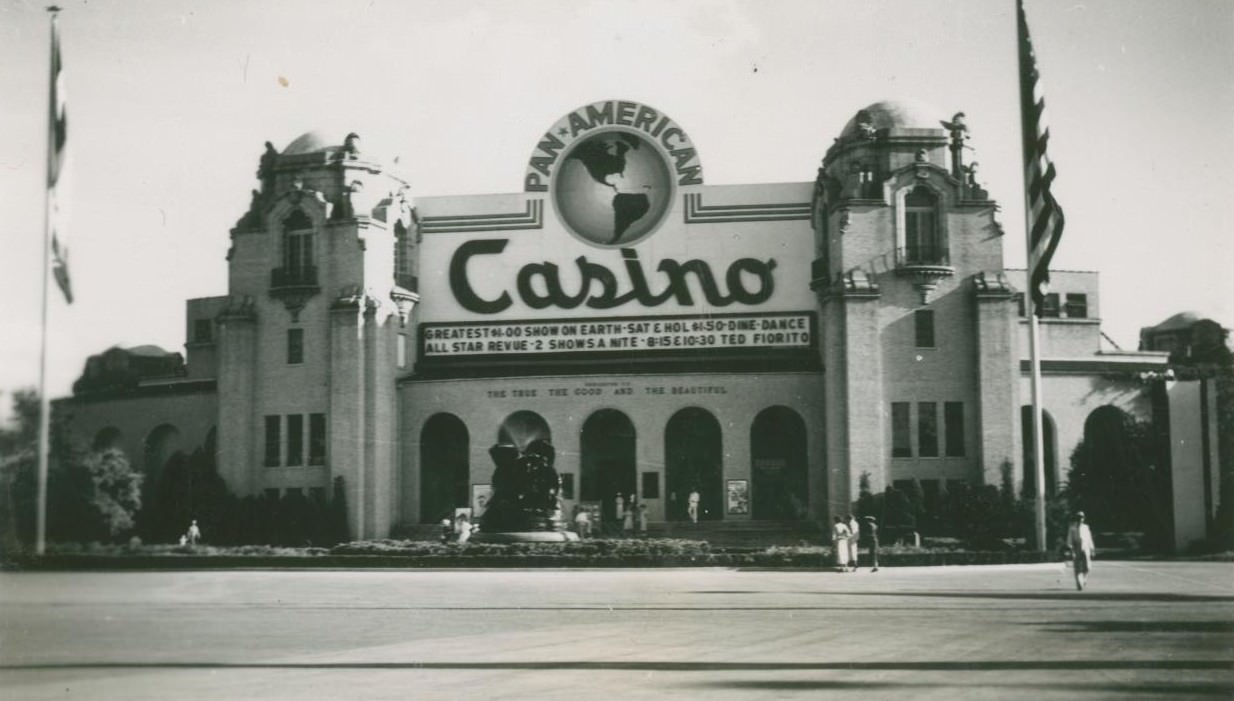
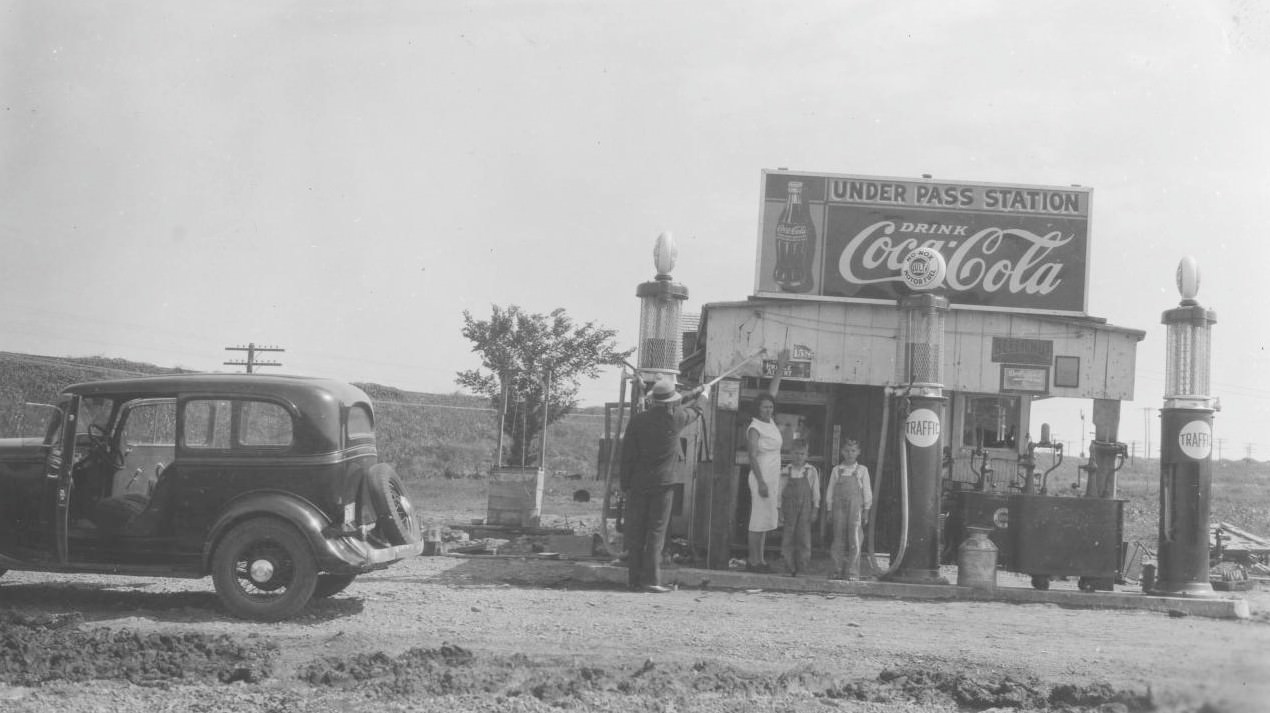
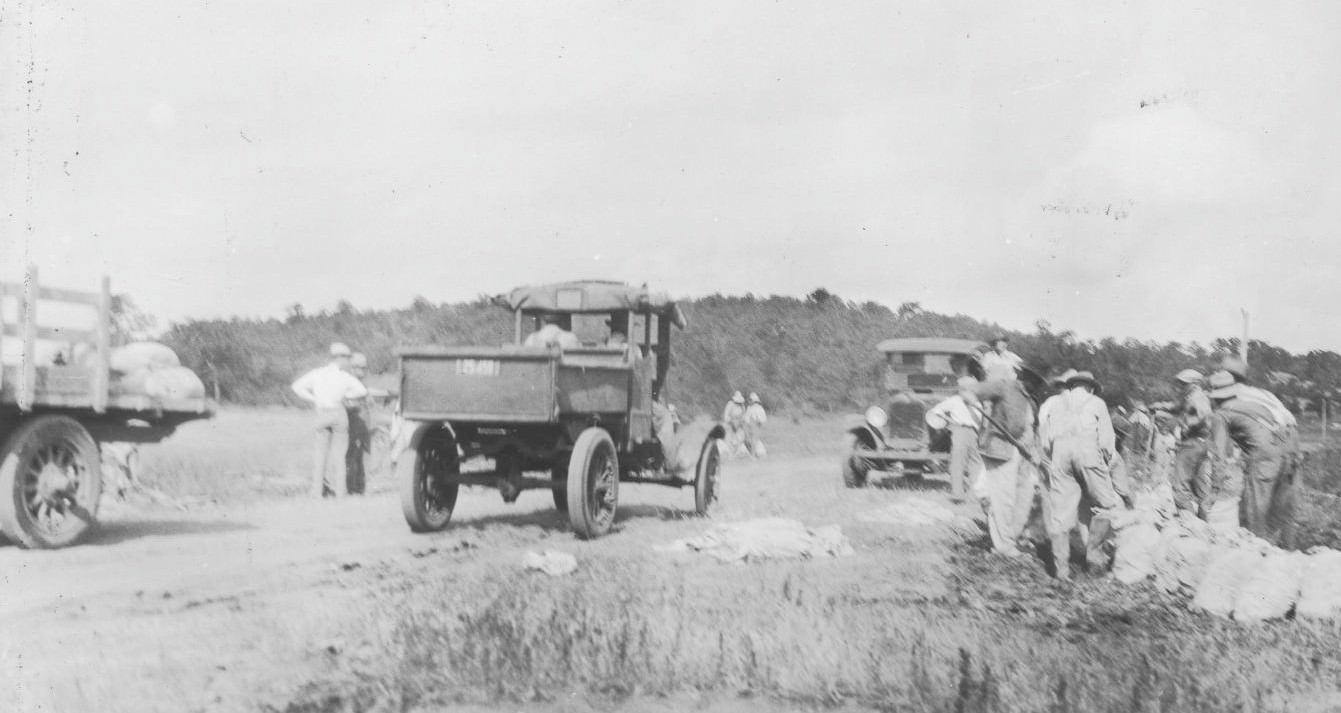
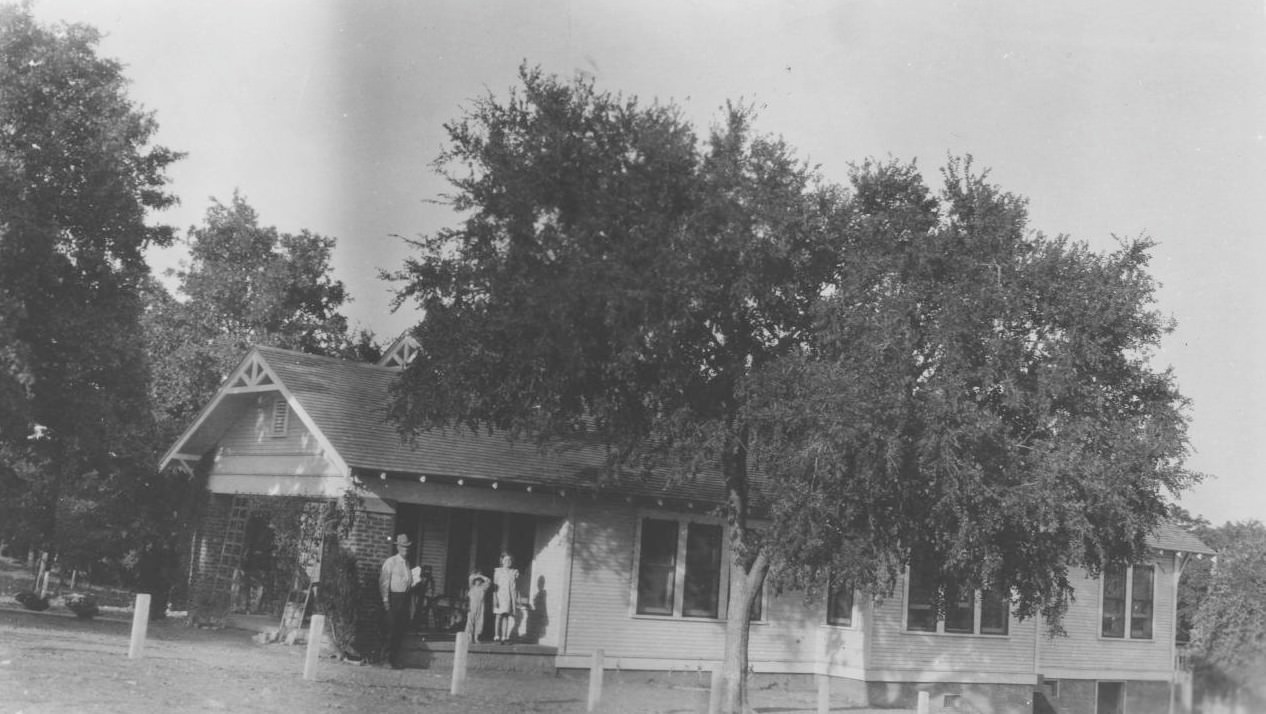
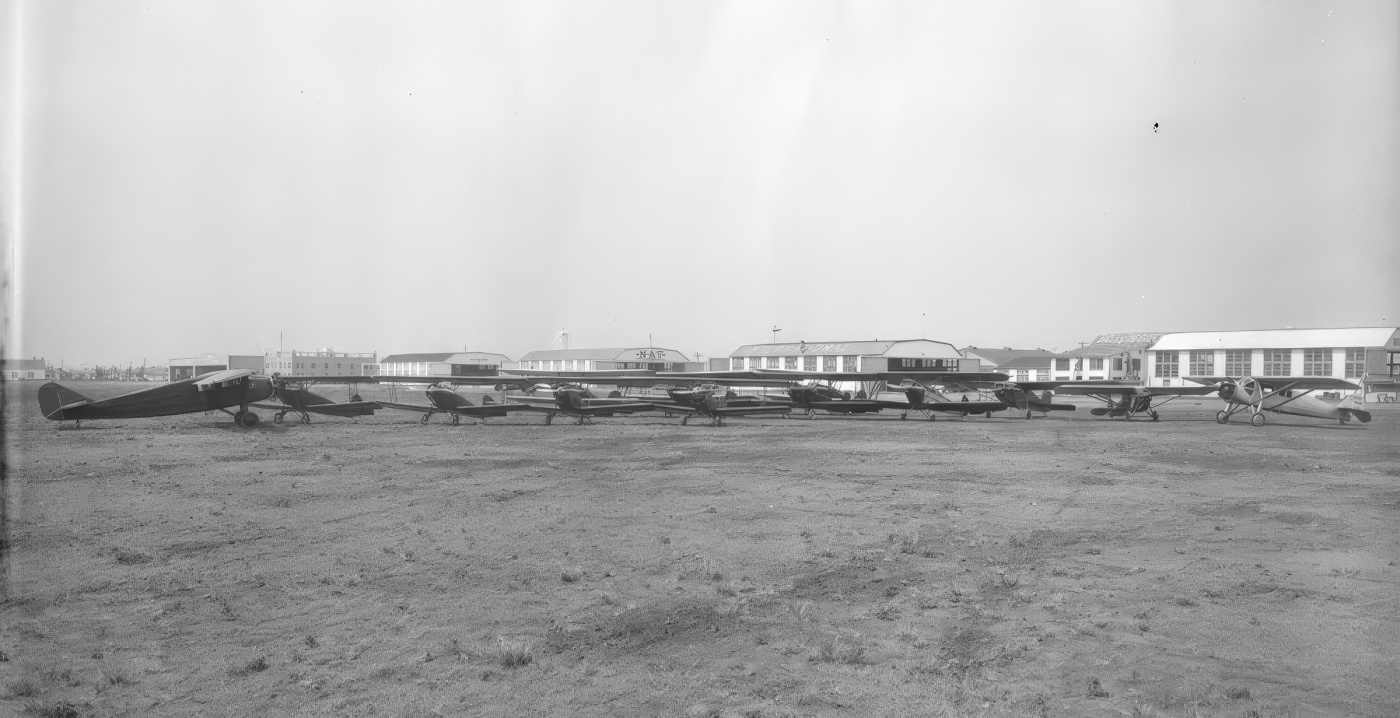
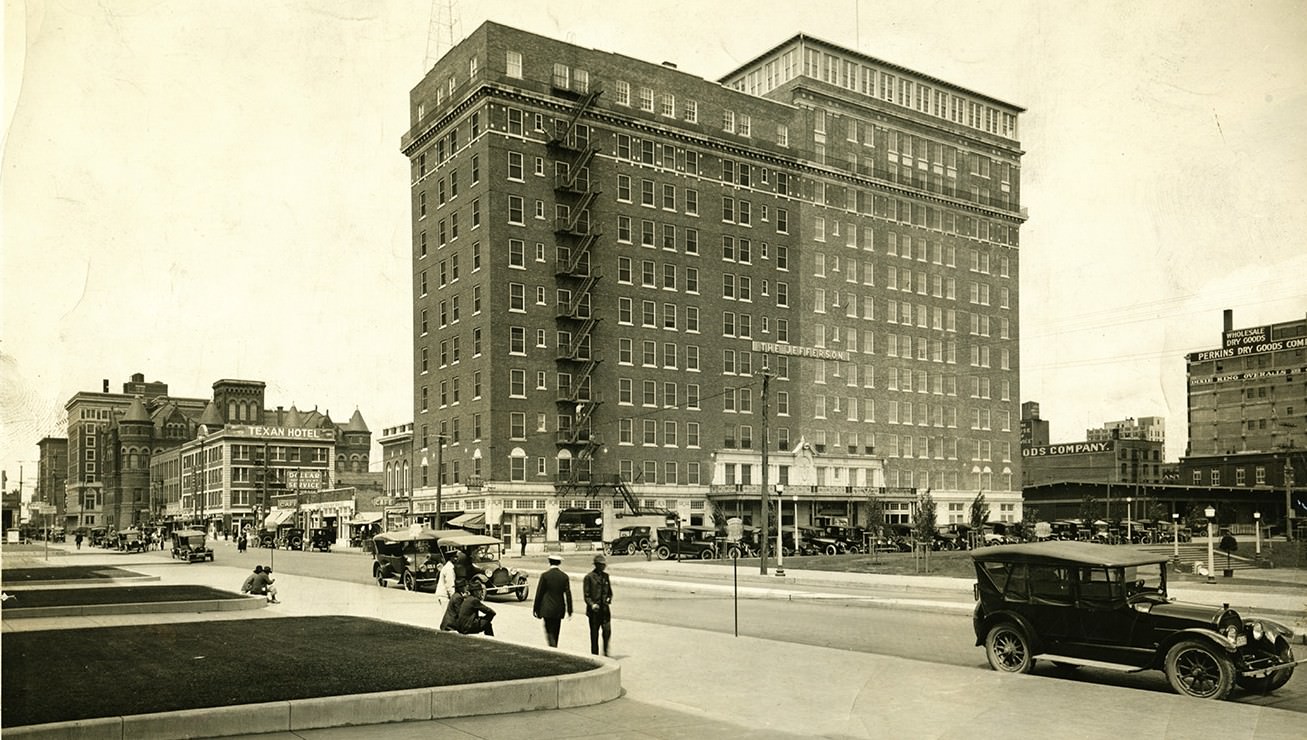
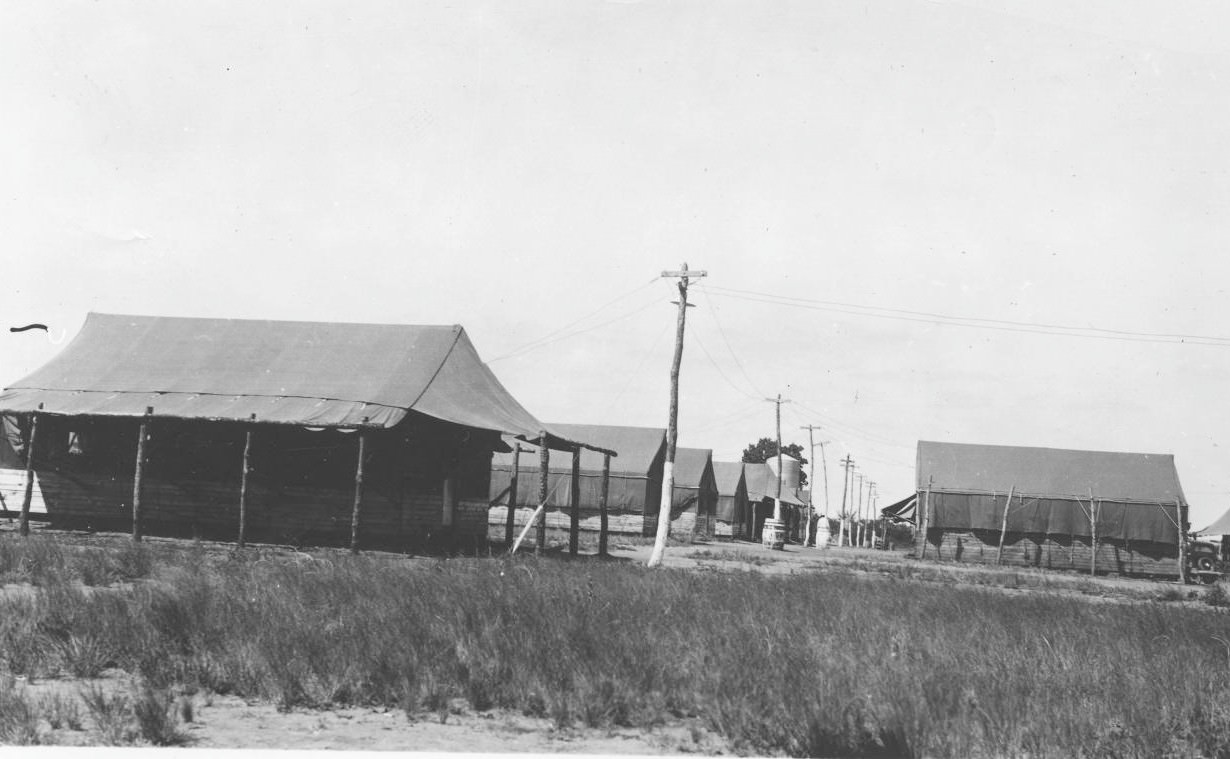
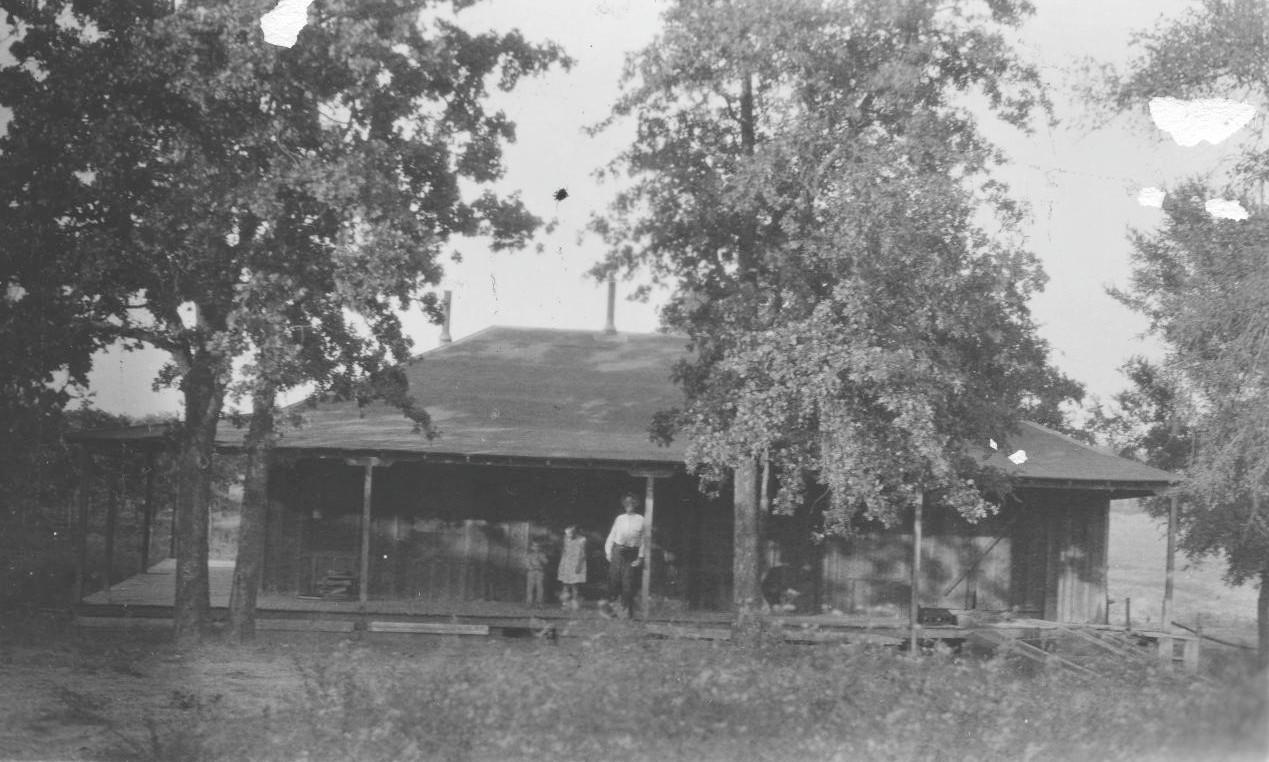
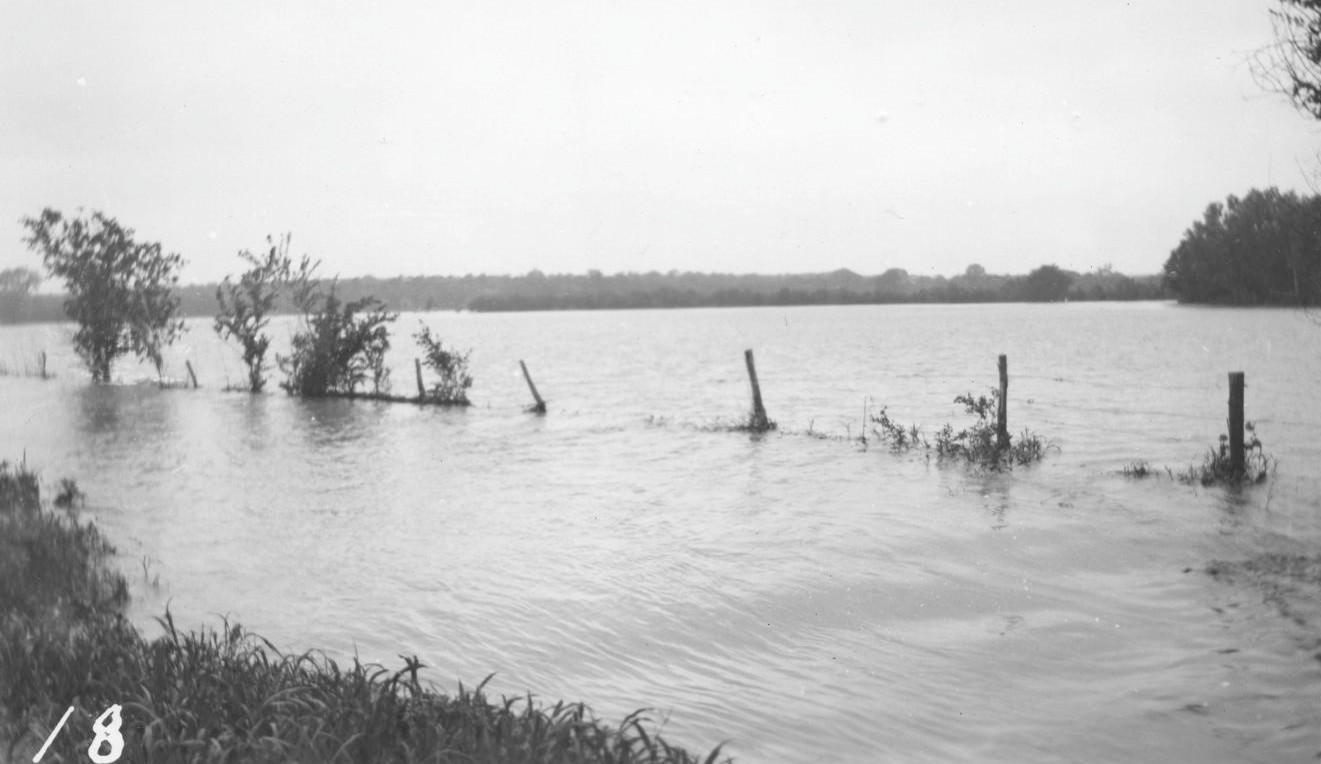
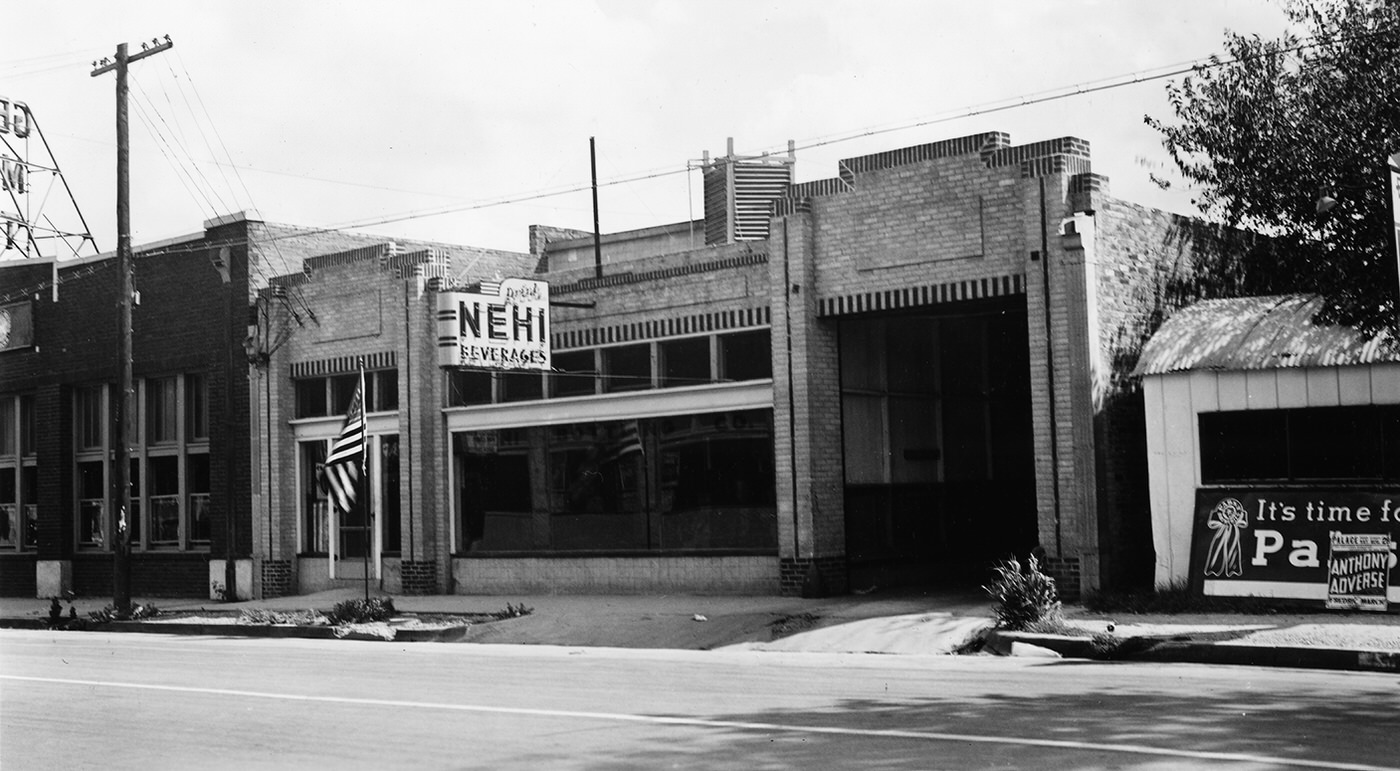
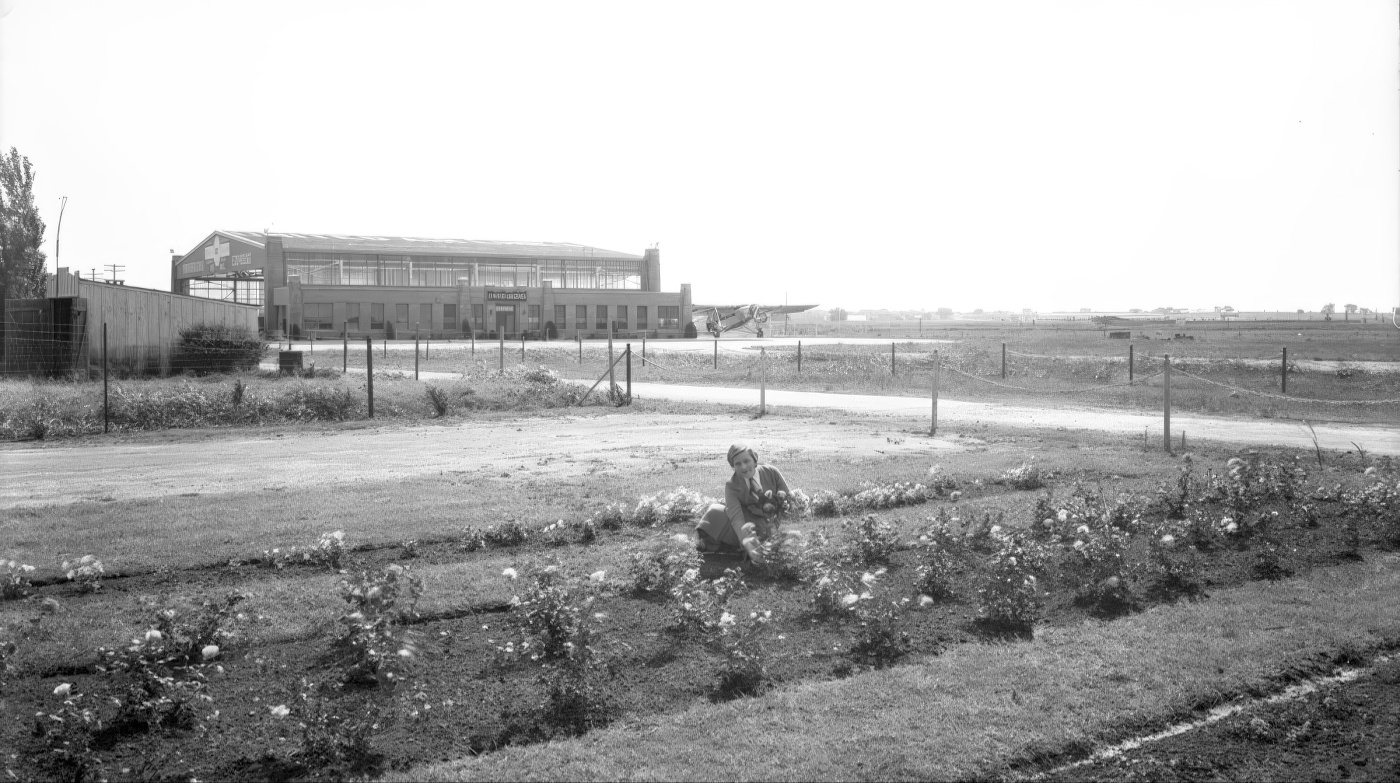
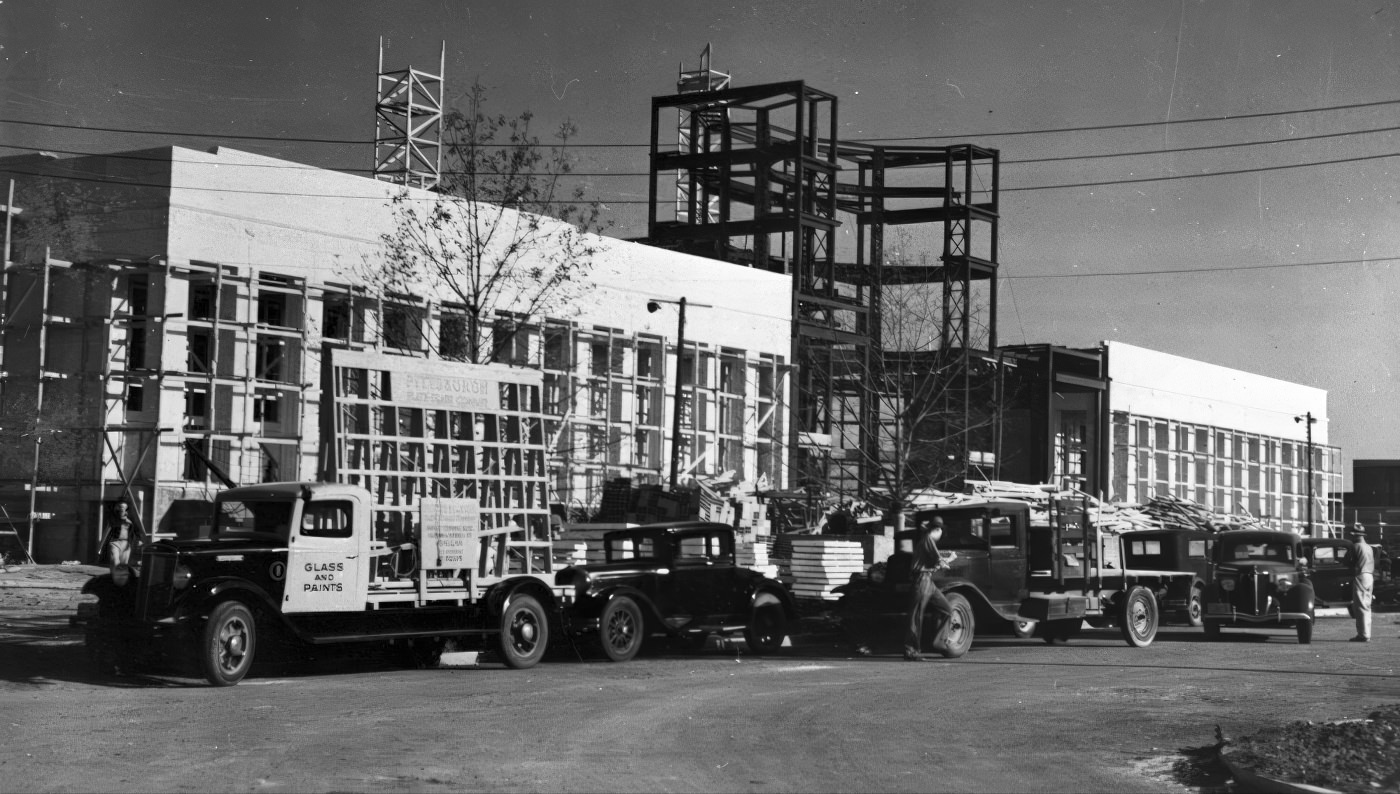
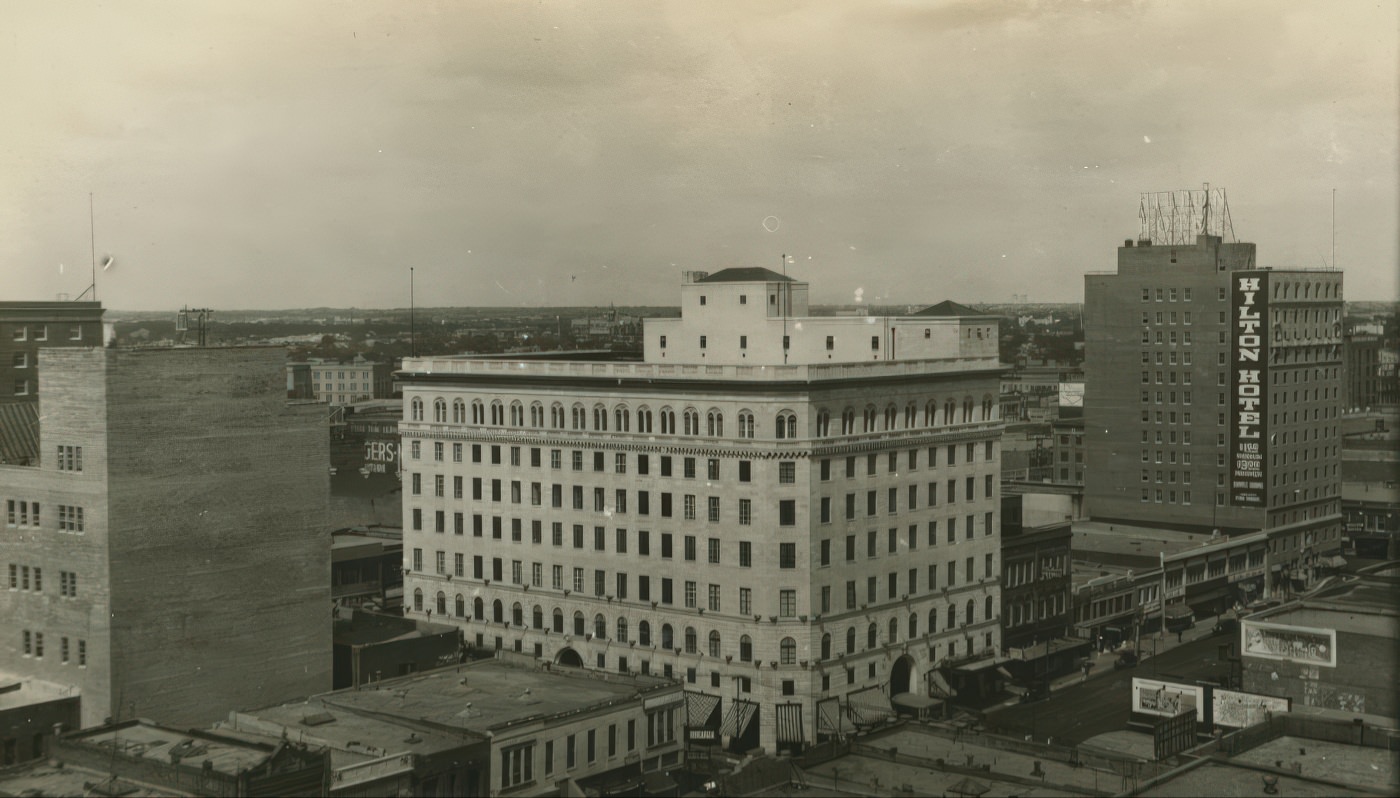
The city’s once-booming population growth, a key indicator of its prosperity, slowed to a crawl. After expanding dramatically in the previous decade, the population increased from 260,475 in 1930 to only 294,734 in 1940, a fraction of its earlier growth rate. As the crisis deepened, private charities, the traditional first line of defense for the poor, saw their funds exhausted, forcing municipal leaders to step in. Before the arrival of federal aid, the city of Dallas created its own local relief programs, including a work-for-food system that provided basic sustenance for the jobless. The Dallas Chamber of Commerce sponsored community gardening projects, donating land and seed to encourage residents to grow their own vegetables and fend off hunger.
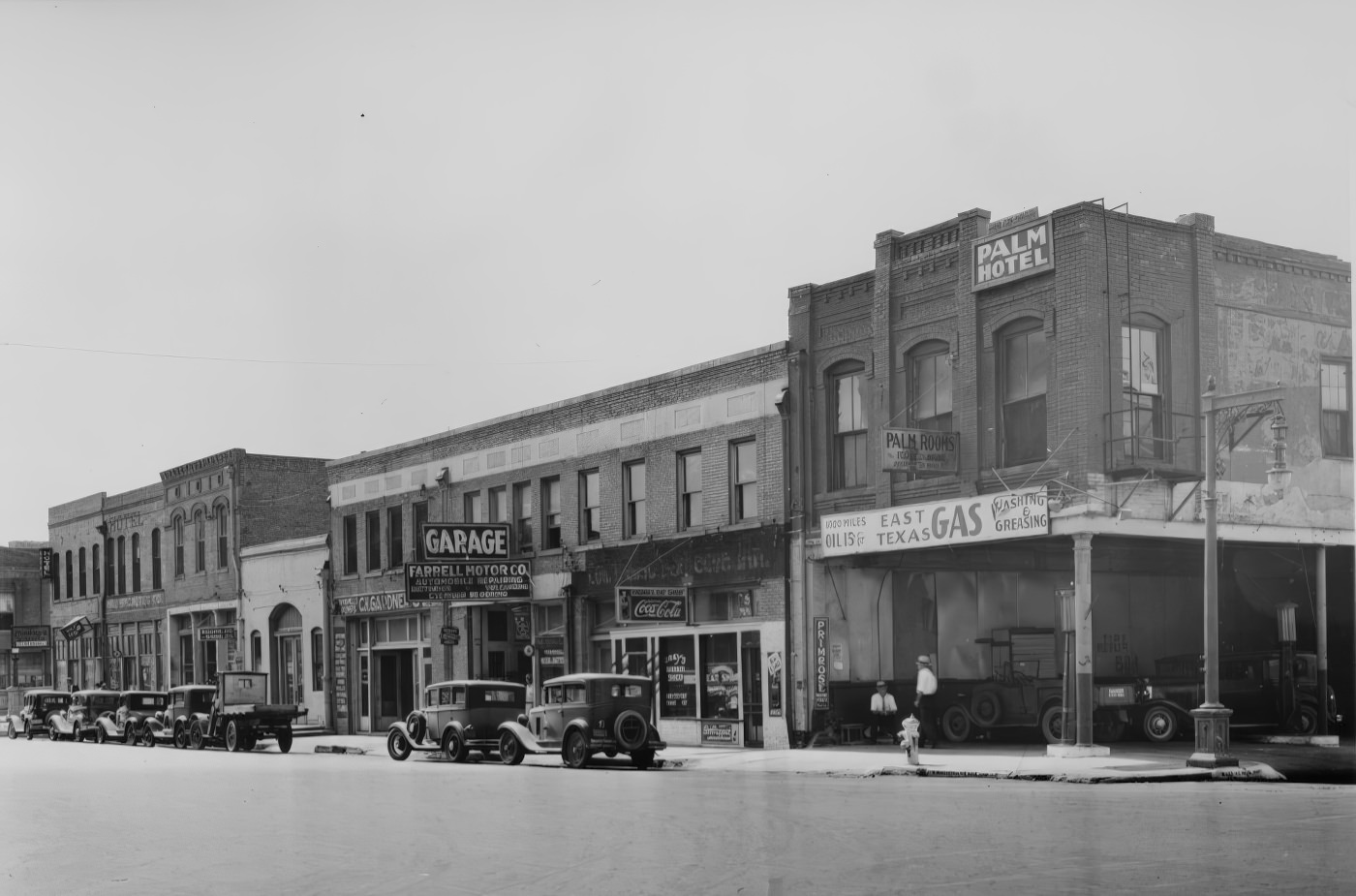
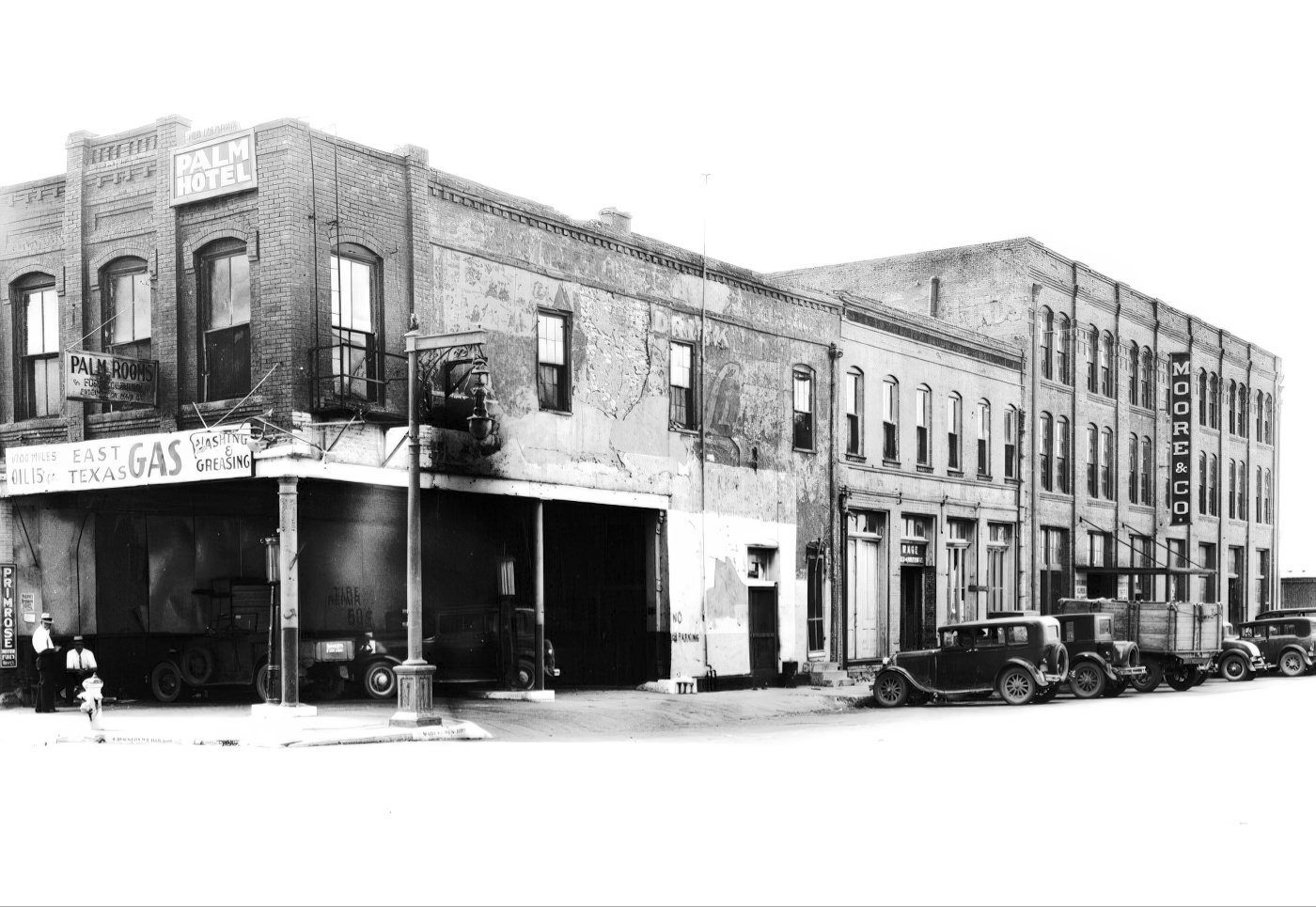
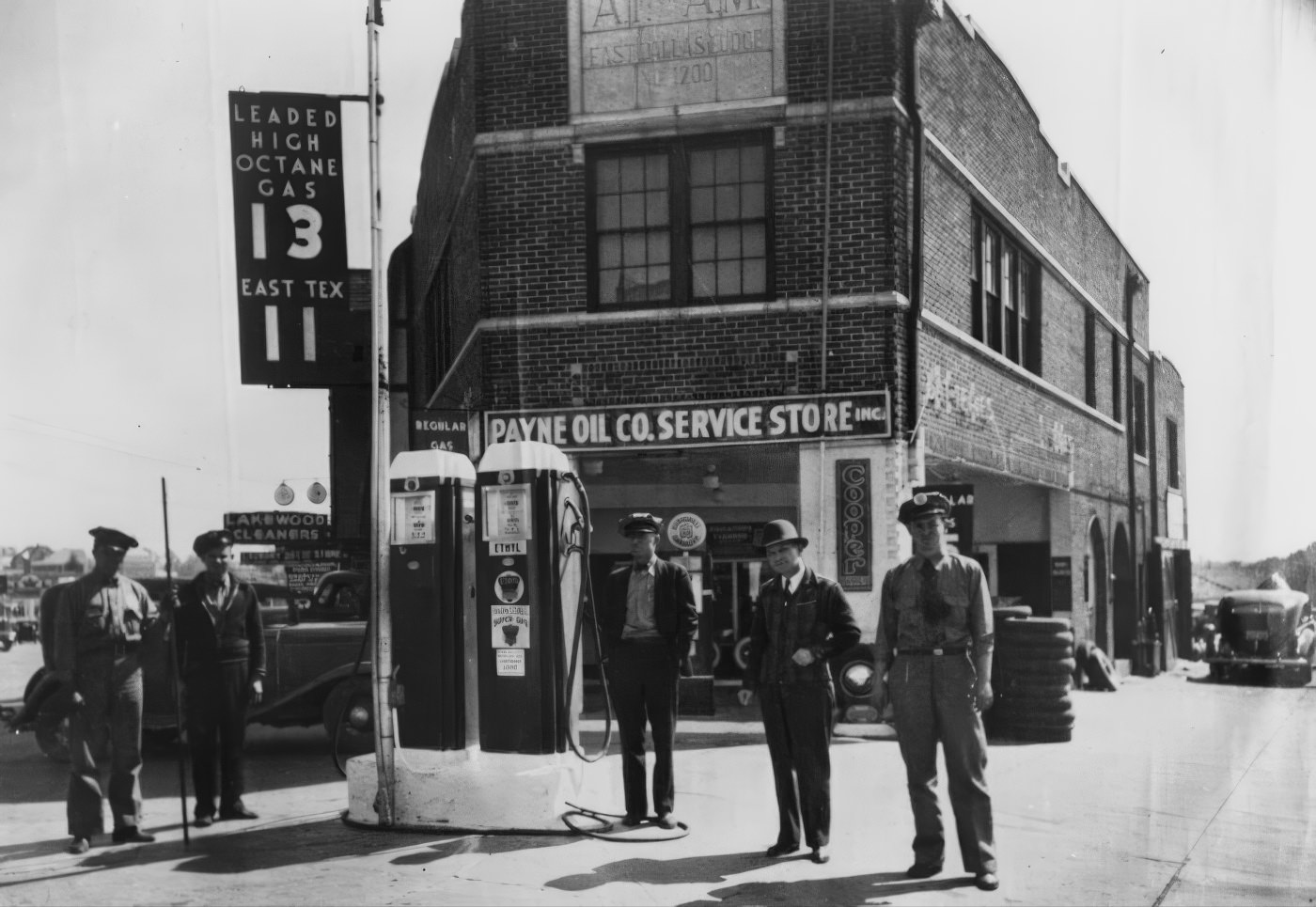
Yet, even as Dallas grappled with breadlines and overwhelmed charities, a discovery 100 miles to the east would fundamentally alter its destiny. In October 1930, a wildcat oil prospector named Columbus Marion “Dad” Joiner struck black gold in Rusk County, uncovering what would become known as the East Texas Oil Field. It was the largest petroleum reserve yet found in the contiguous United States, and its discovery triggered a chaotic and transformative boom that pulled the entire region through the worst of the Depression. The scale of the find was immense; within a few years, the East Texas field was producing an astonishing 40% of the nation’s oil and a quarter of the world’s supply. The towns nearest the oilfields, like Kilgore and Longview, swelled overnight with an influx of workers, speculators, lease hounds, and con artists, creating a lawless frontier environment that eventually required the intervention of the Texas National Guard to restore order.
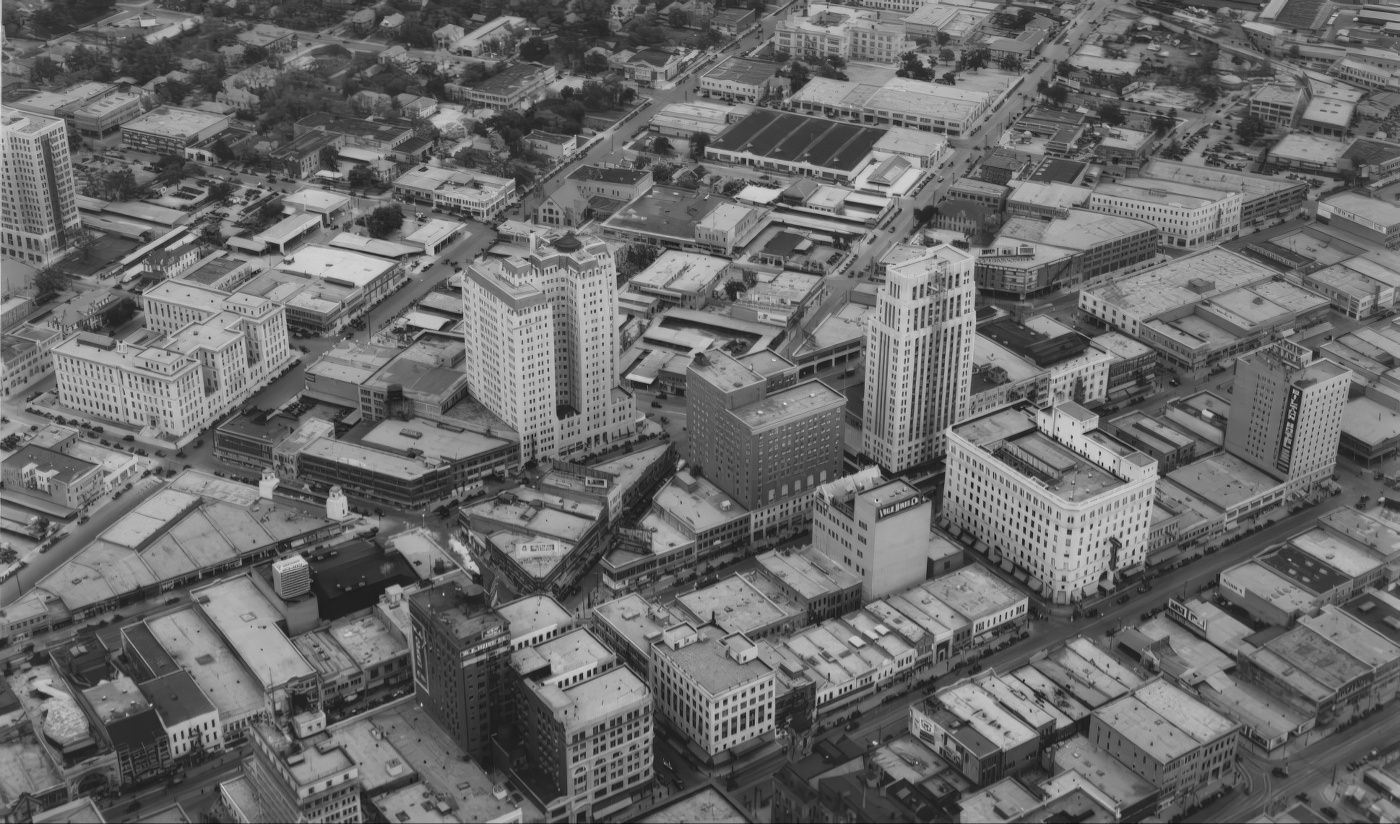
While the drilling, the roughnecks, and the chaos were in East Texas, the money, power, and control flowed directly to Dallas. The city rapidly became the financial command center for this new oil empire. This transformation was driven by the foresight of Dallas bankers, most notably Nathan Adams of the First National Bank. Adams and his peers pioneered a revolutionary financial concept: lending money to oil companies by using the proven oil reserves still in the ground as collateral. This innovative practice was a bold financial gamble that paid off spectacularly, cementing Dallas’s status as the undisputed center for petroleum financing in the United States. The city’s economic identity shifted decisively from being the world’s leading inland cotton market to a capital of oil and finance. This influx of oil money created a dual economy within the city. While thousands of Dallasites were struggling with unemployment, a new class of oil tycoons, like H. L. Hunt, was being forged, and the city’s banks were accumulating immense capital. The oil boom did not erase the Depression in Dallas, but it provided a powerful economic buffer that few other American cities possessed, creating a profound and defining contradiction that would shape the city for the entire decade.
The New Deal and Urban Transformation
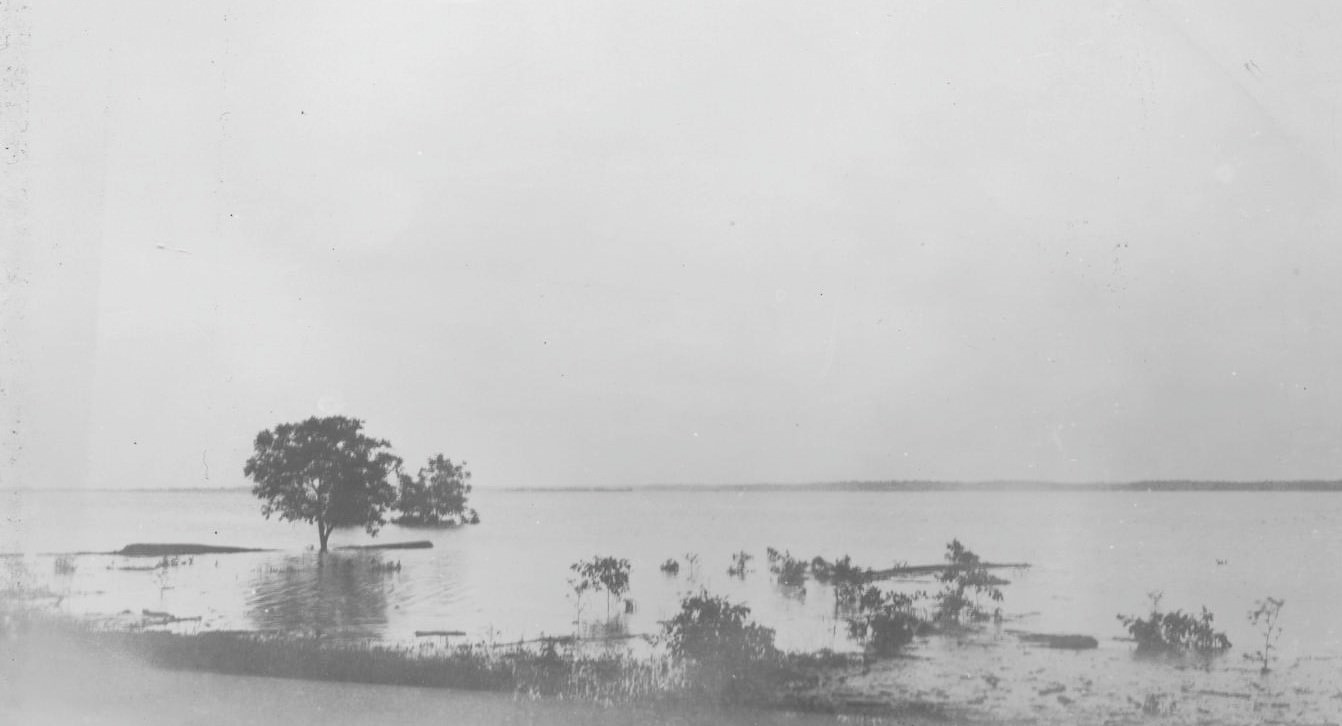
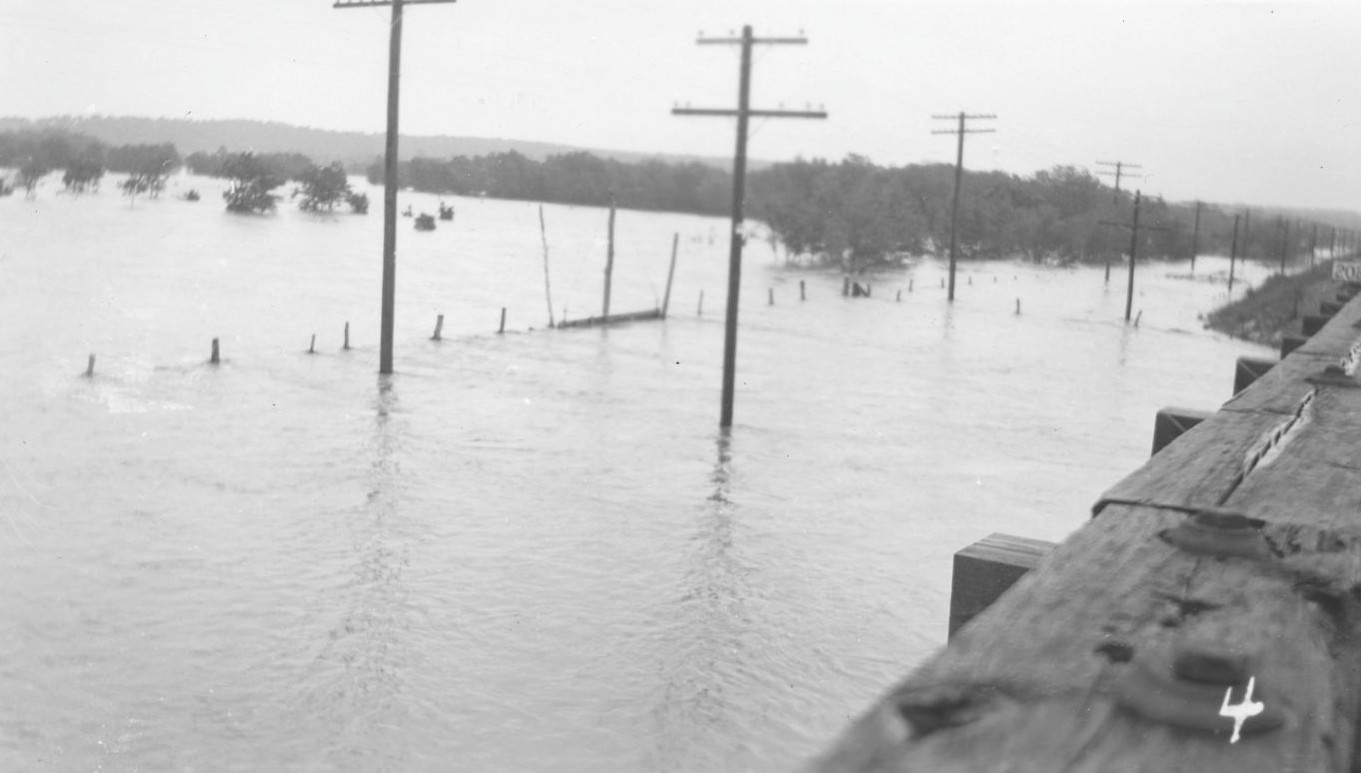
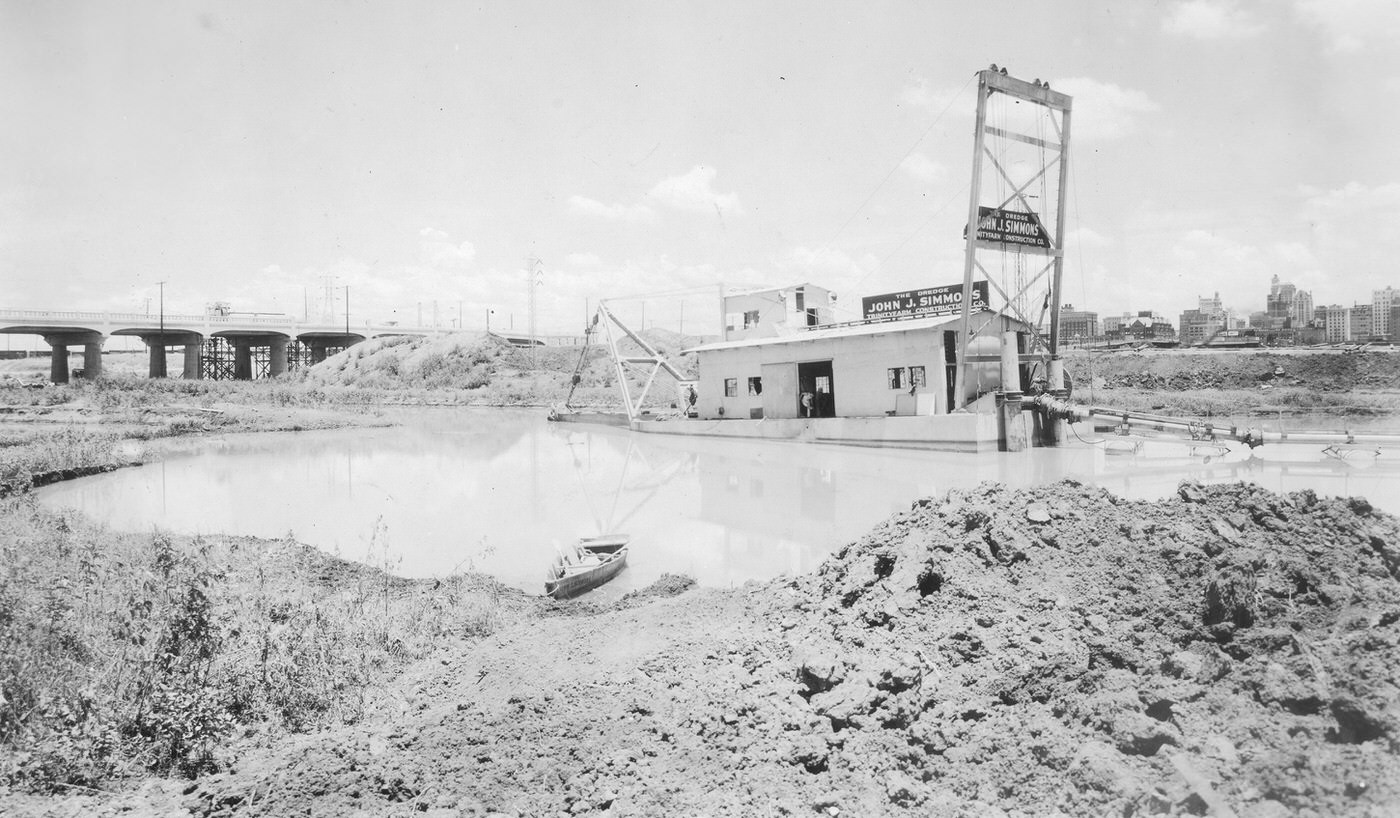
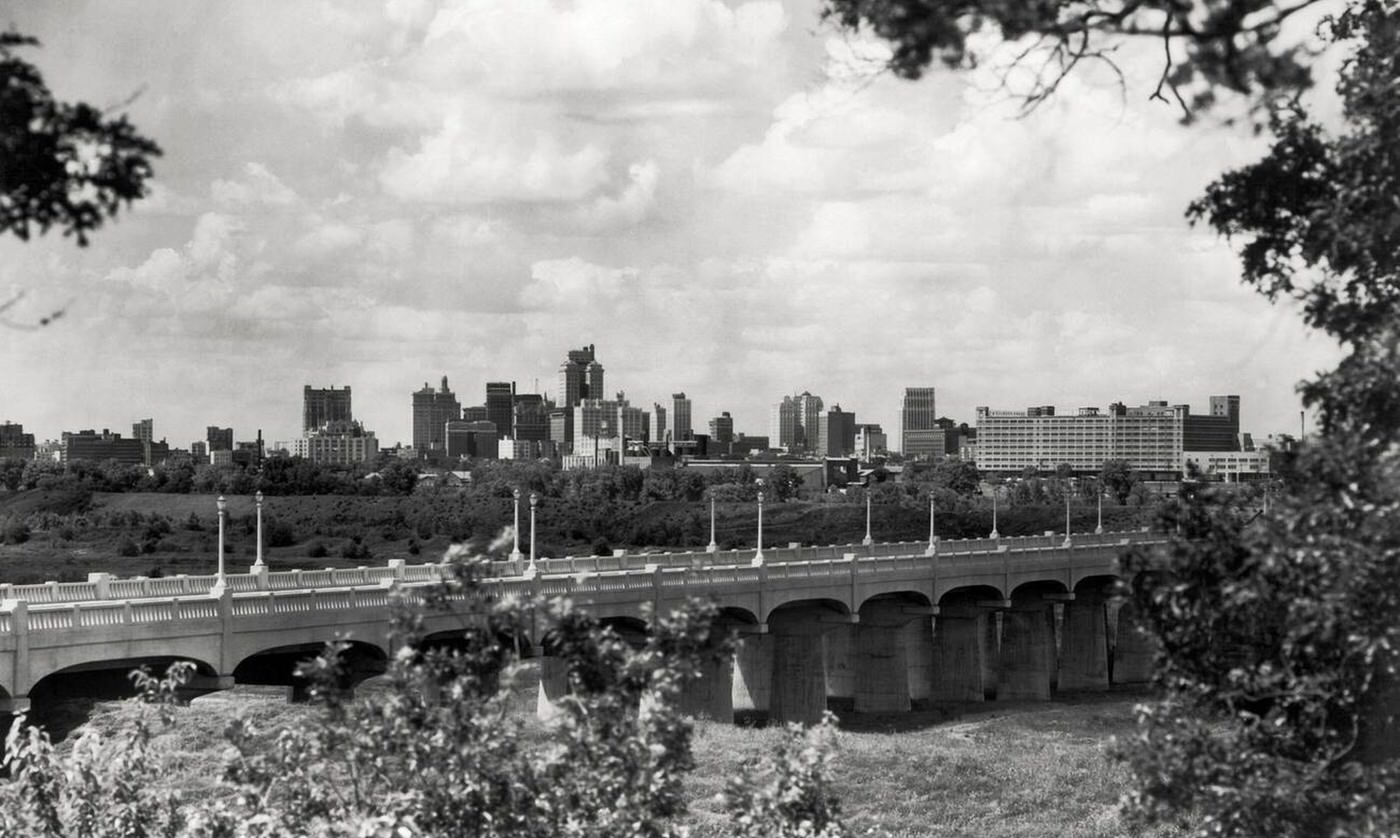
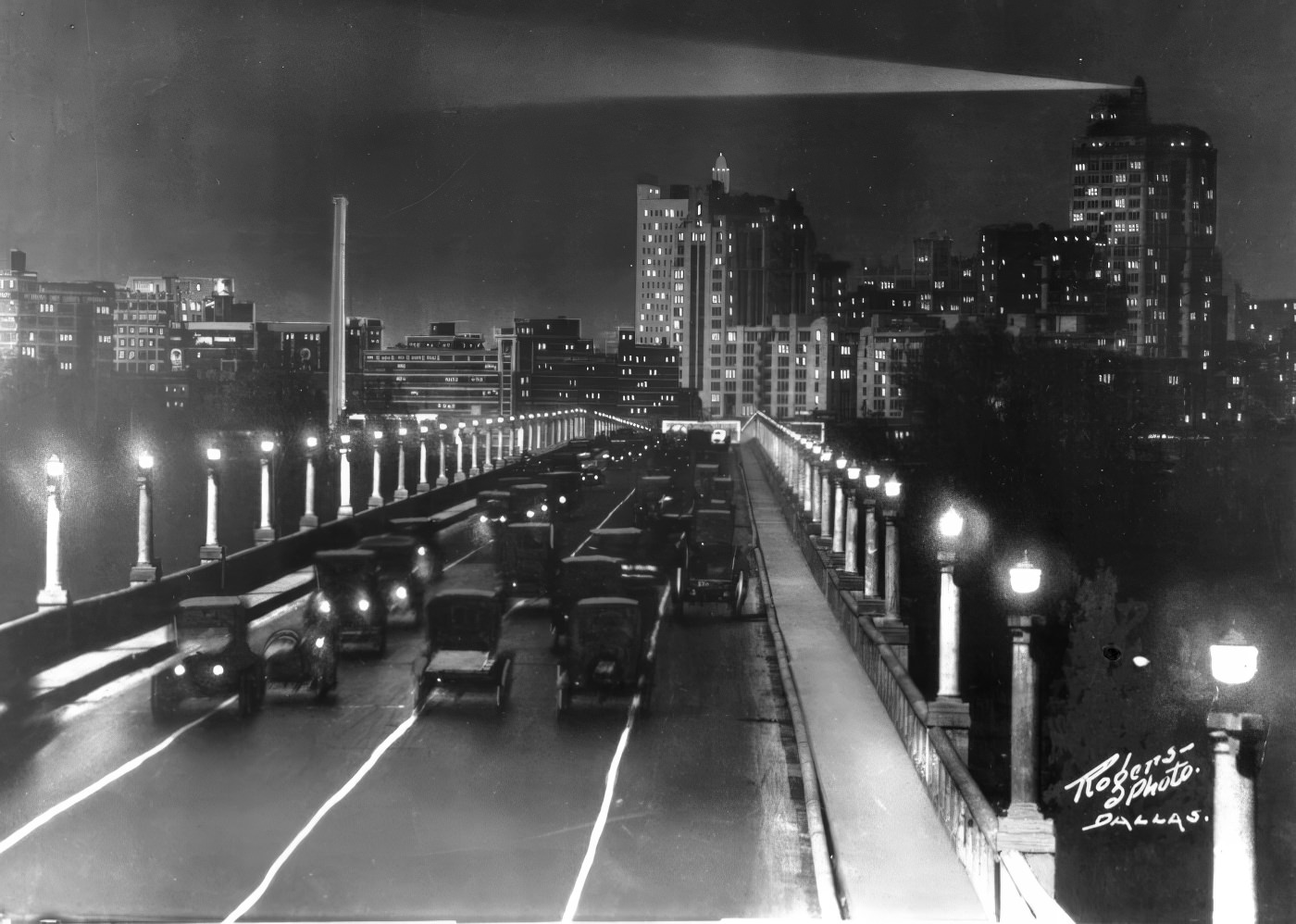
Even before the full force of federal aid arrived, Dallas leaders began to physically reshape the city to meet the challenges of a new era. The Trinity River, which flowed through the city, had a long history of destructive flooding. In 1930, the city embarked on a massive civil engineering project to tame it once and for all. In a massive undertaking, the river’s channel was straightened, moved, and confined between a new system of protective levees. This ambitious project not only secured the city’s downtown from future floods but also reclaimed valuable land for development and, critically, provided construction jobs for many residents at the very outset of the Depression.
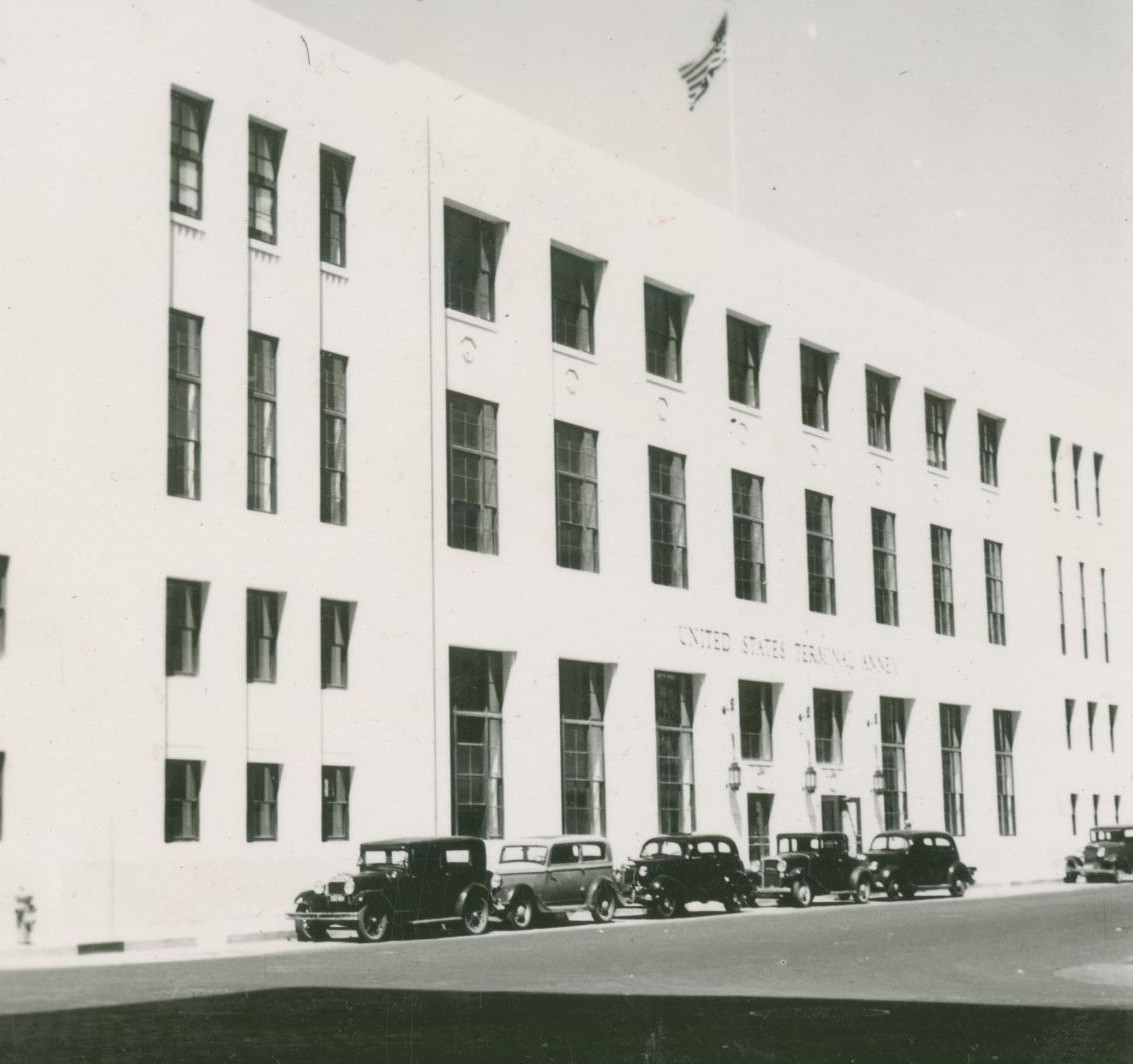
This local ambition soon merged with national resources as President Franklin D. Roosevelt’s New Deal programs began to channel federal money into cities across the country. Texas received over $100 million in federal relief funds, and Dallas became a major site for New Deal construction projects that left a permanent mark on its landscape. Three programs were particularly significant.
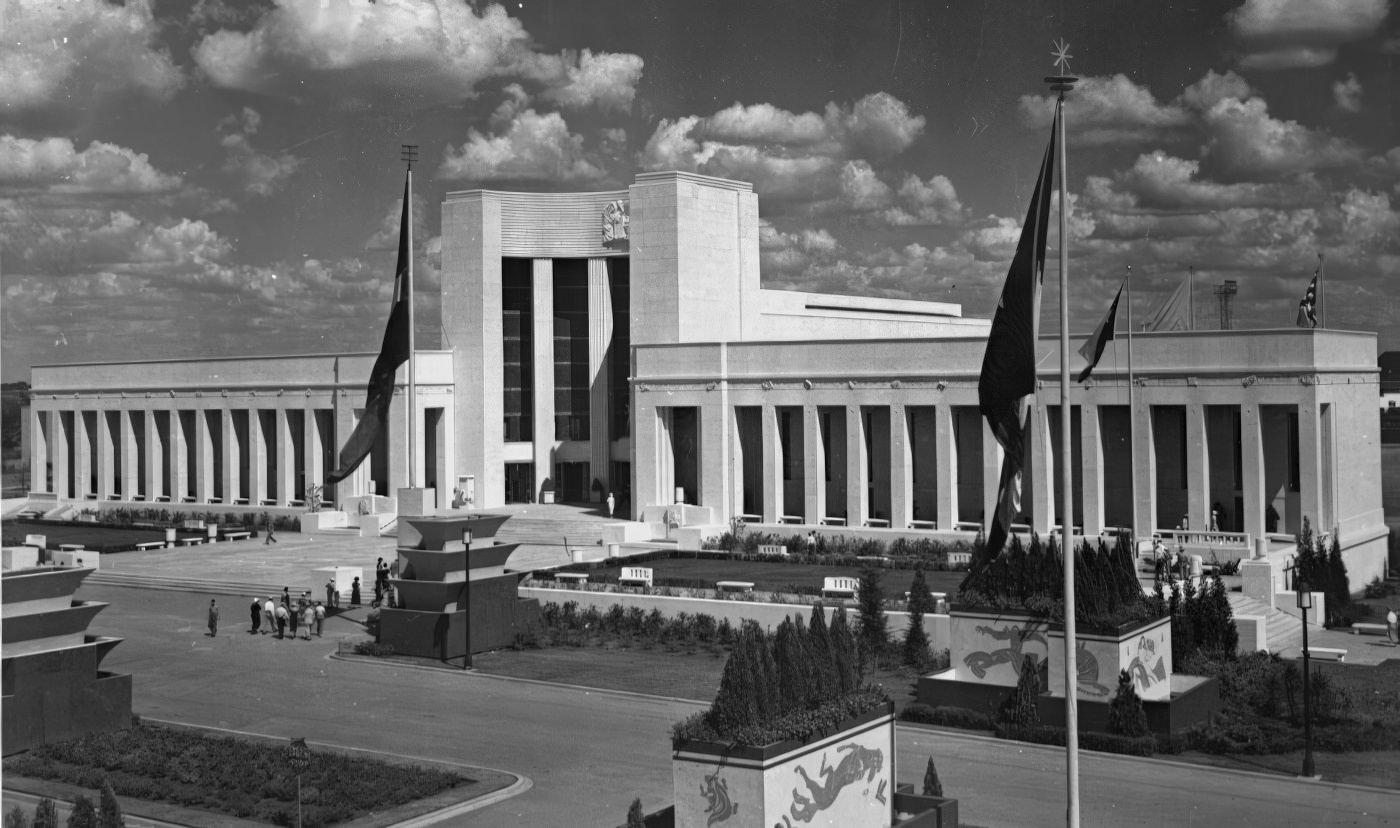
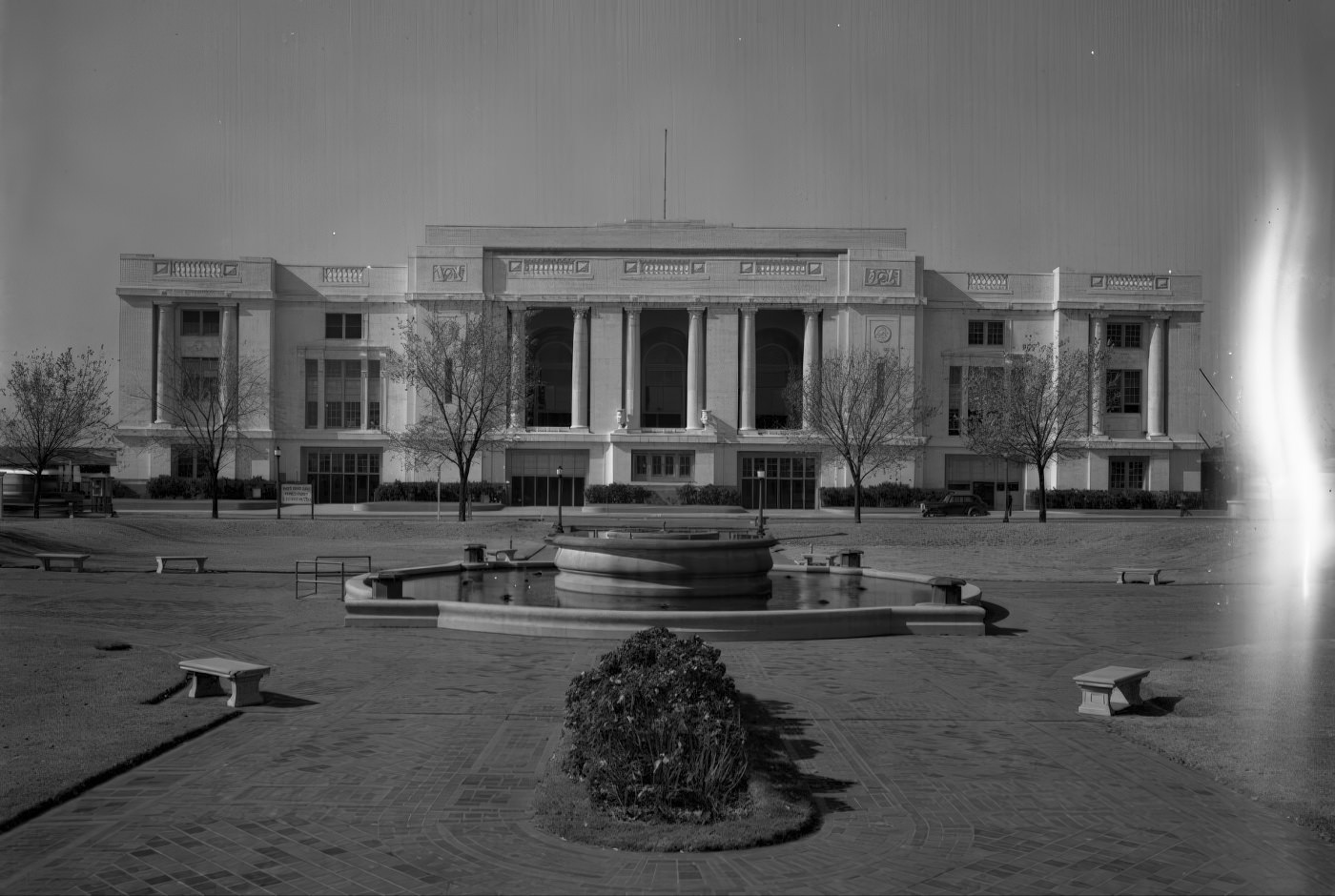
The Public Works Administration (PWA), created in 1933, operated on a model of shared city and federal funding. In Dallas, the PWA’s most visible contribution was the construction of several of the magnificent Art Deco buildings at Fair Park, which would soon host a world’s fair.
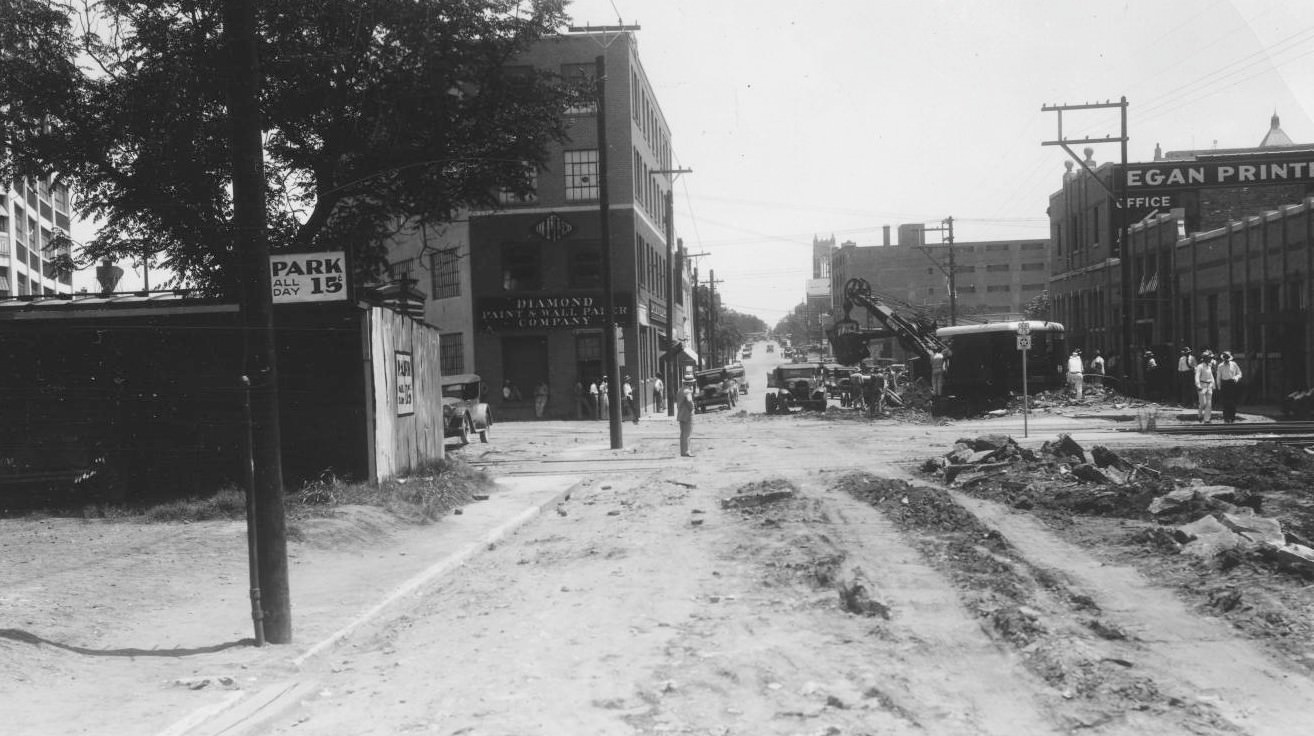
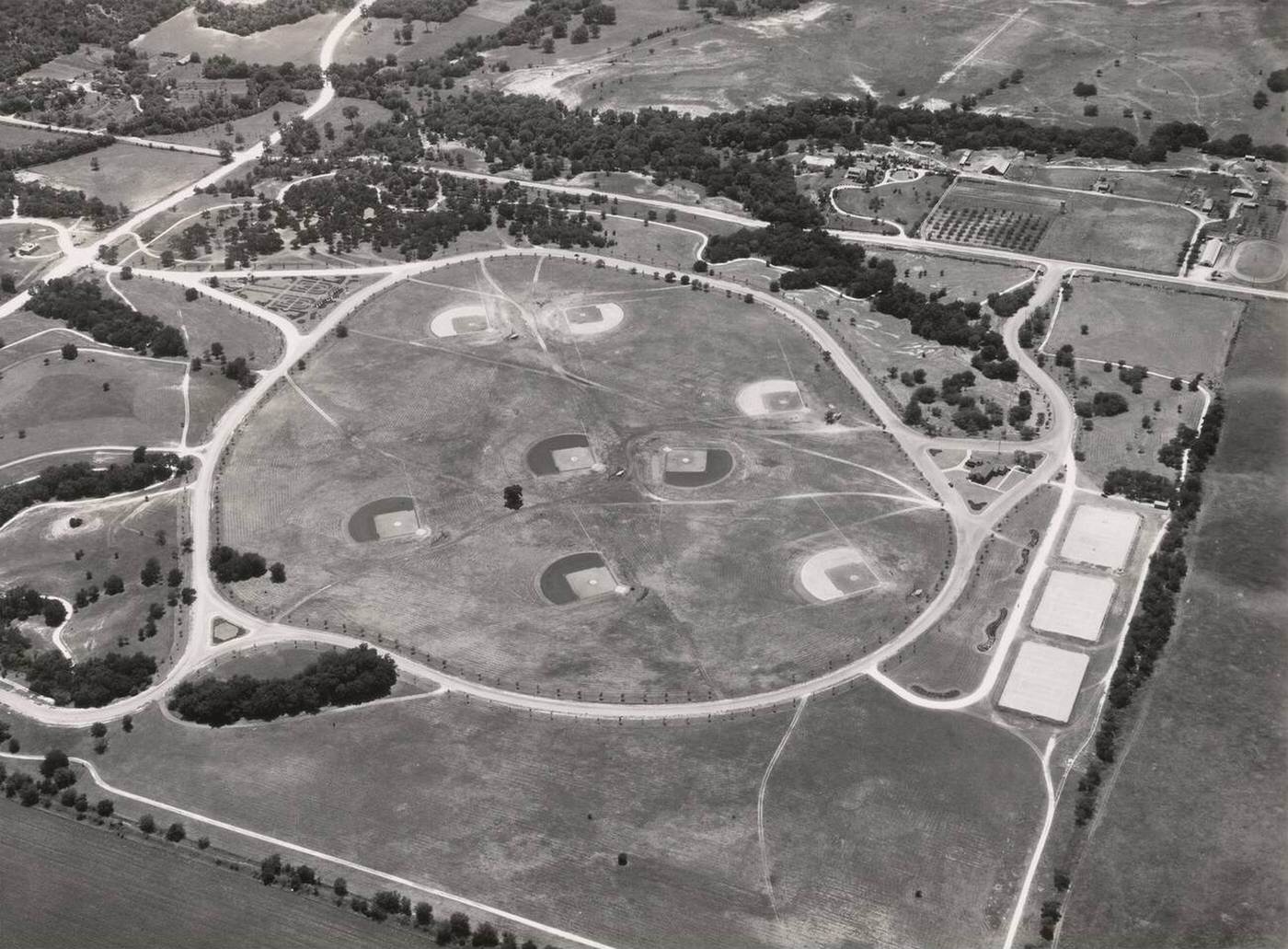
The Works Progress Administration (WPA), which began its work in 1935, focused on a wide range of public construction. WPA crews built numerous parks and paved roads throughout Dallas, improving the city’s infrastructure and public spaces. One of its most enduring projects was the construction of Dealey Plaza, the public square at the western edge of downtown.
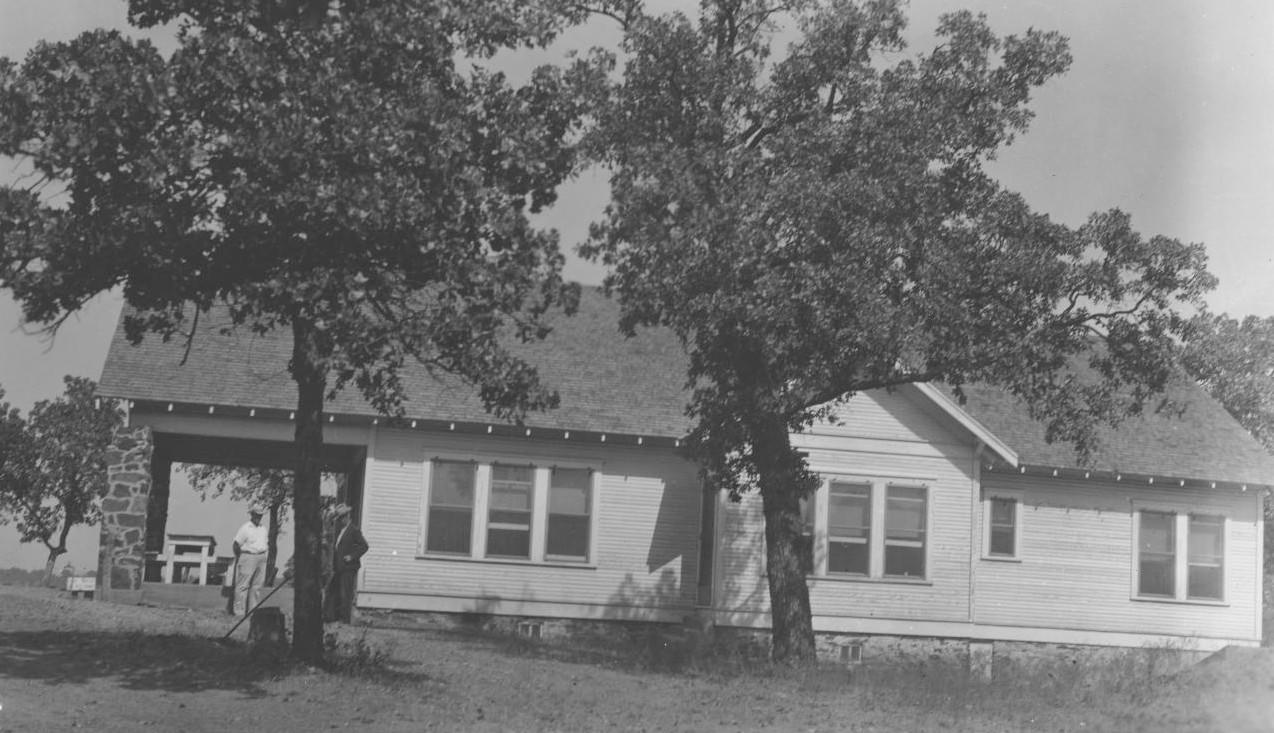
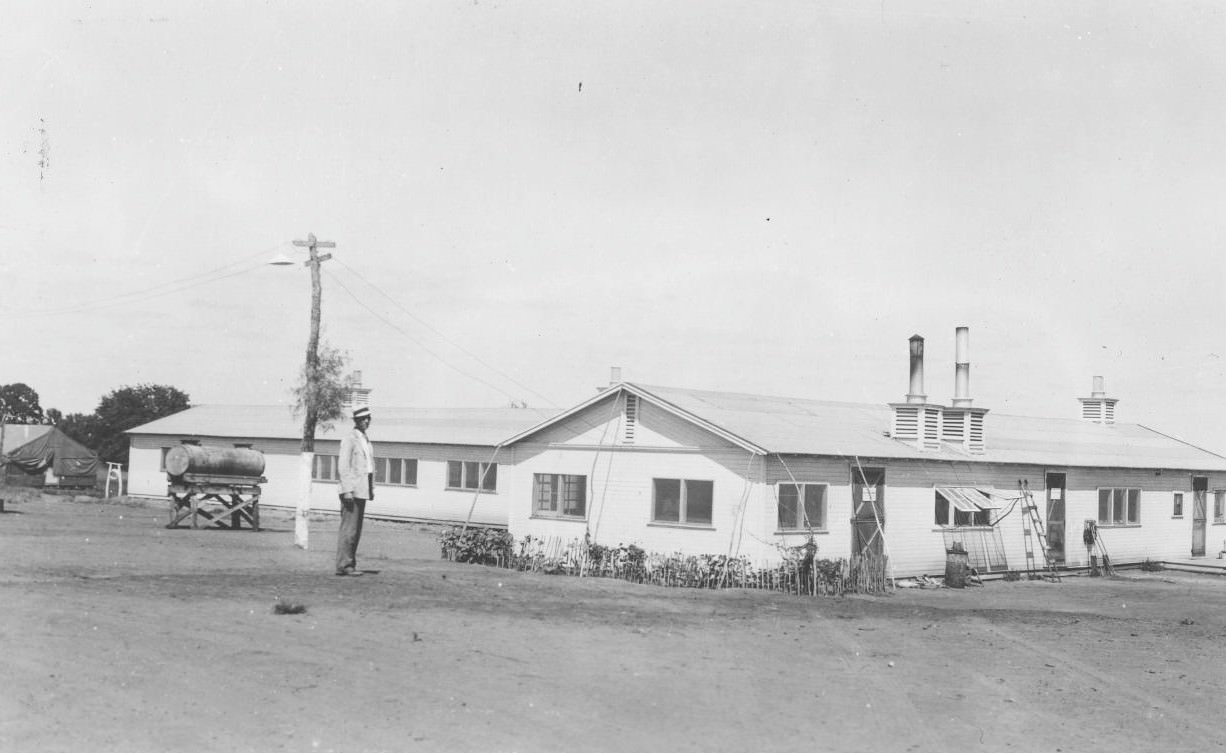
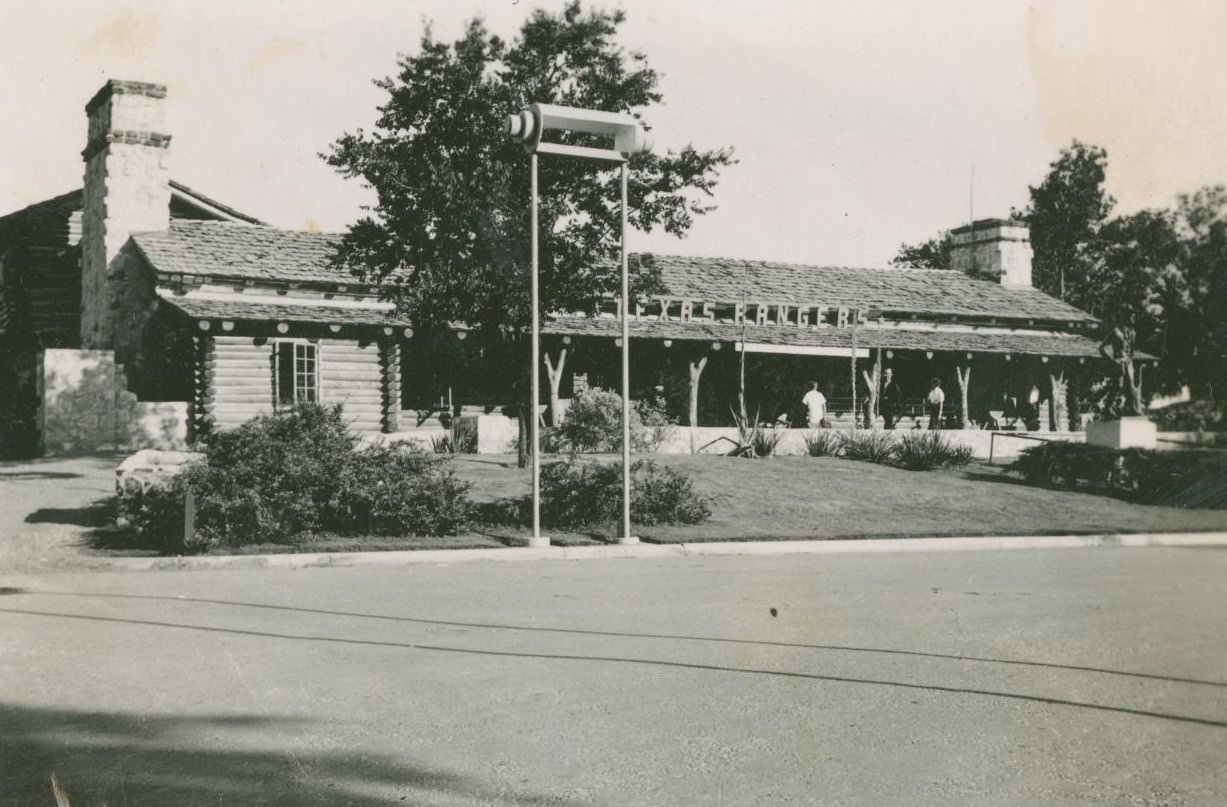
The Civilian Conservation Corps (CCC), established in 1933, put unemployed young men to work on outdoor conservation and construction projects. The most celebrated CCC project in Dallas was the development of its camp at White Rock Lake. For seven years, CCC workers transformed the area around the city’s reservoir into a vast urban oasis. They planted thousands of trees and built many of the park’s unique stone and timber structures, including shelters, picnic areas, and concession buildings, much of which still stands today. The camp was more than just a worksite; it provided young men with housing, food, and valuable educational and vocational training opportunities, equipping them with skills for a post-Depression world.
These New Deal initiatives were not merely temporary relief measures. They represented a permanent and foundational investment in the city’s future. The choice of projects—taming a river, building a monumental fairground, and creating a premier urban park—reveals a clear vision among the city’s leadership. They were not just trying to keep people employed; they were actively building a grander, more modern, and more livable city, using a combination of local ambition and federal resources to lay the groundwork for decades of future growth.
The 1936 Texas Centennial Exposition
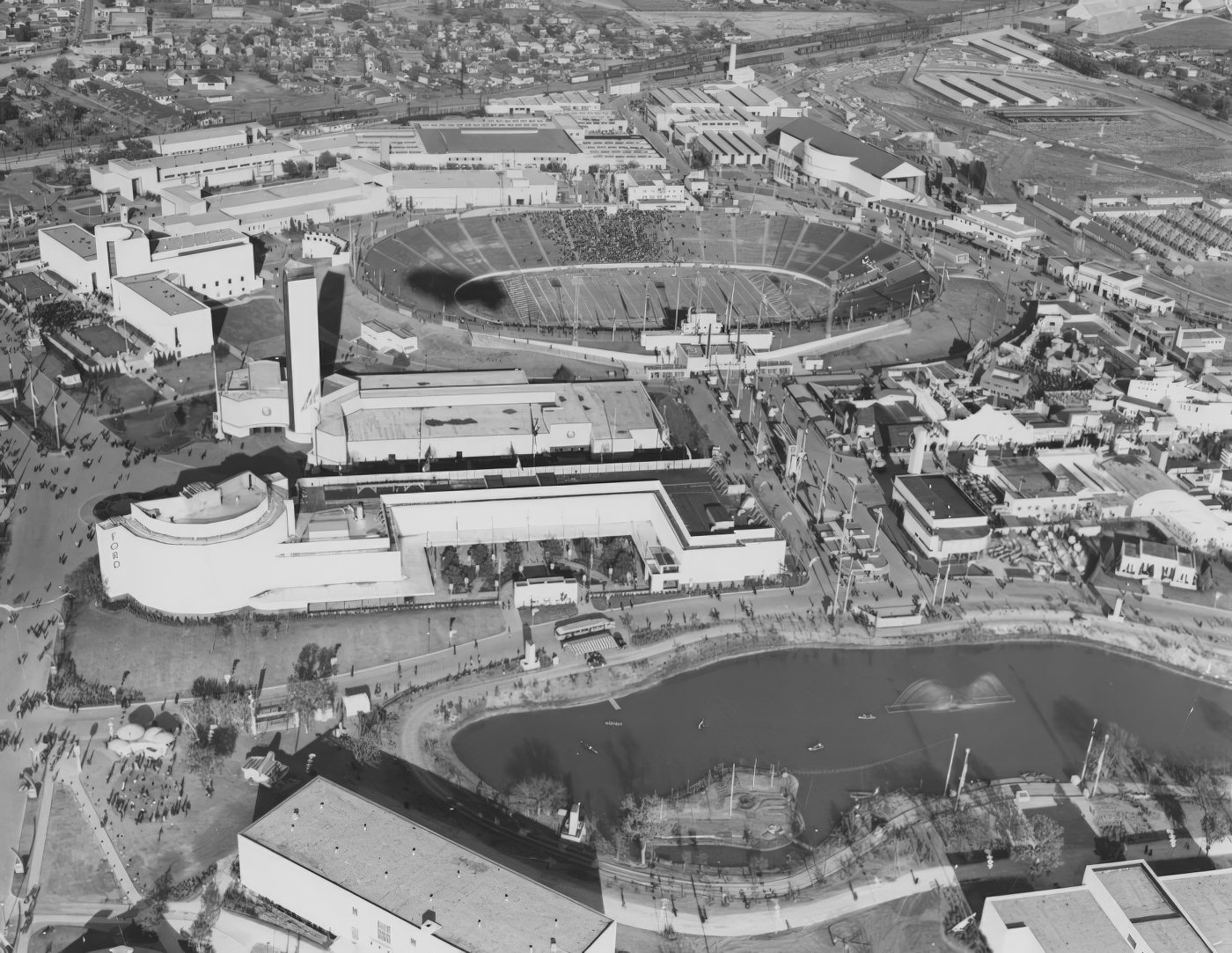
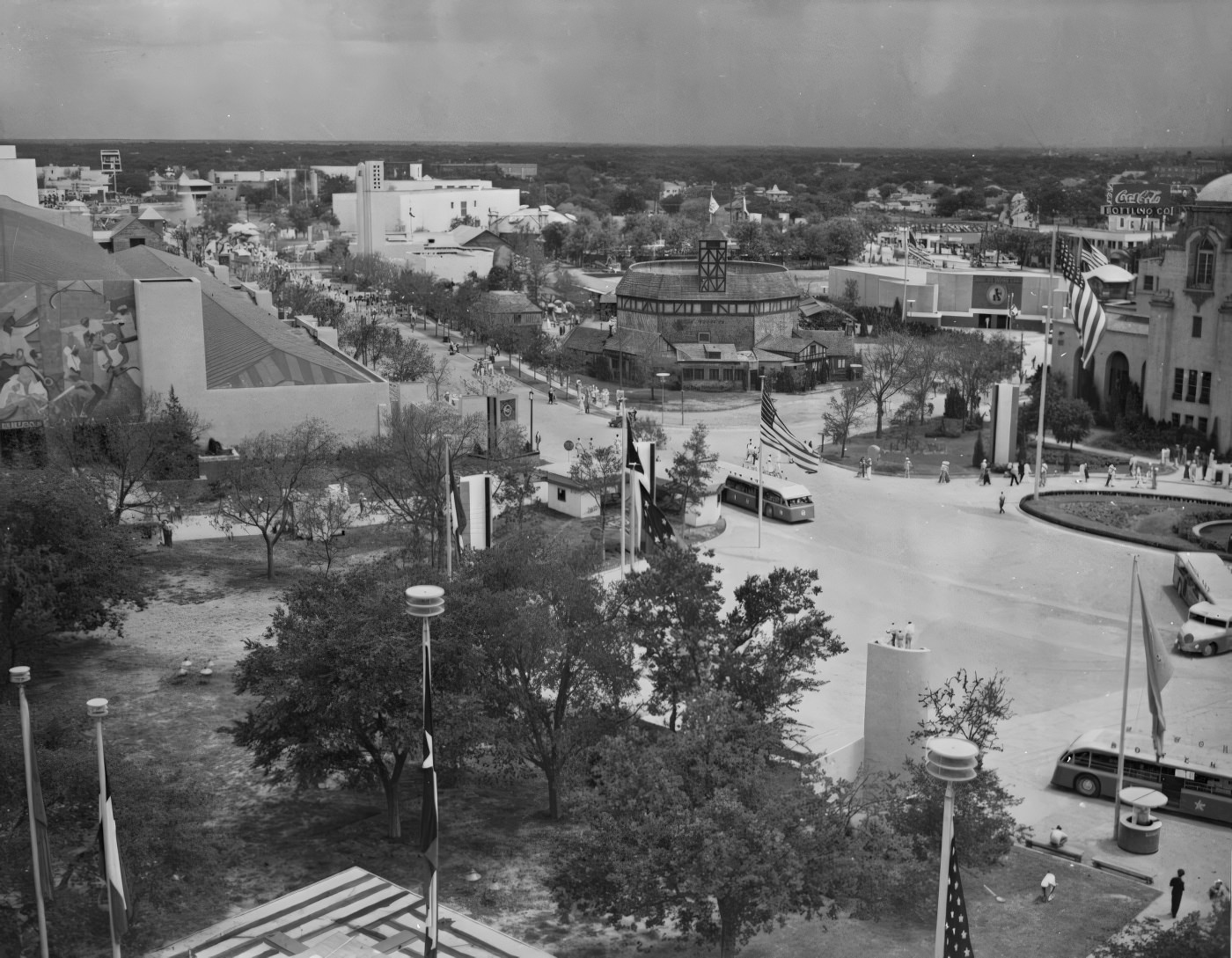
In the middle of the Great Depression, Dallas made a bold bid to host the central celebration for the 100th anniversary of Texas’s independence from Mexico. Competing against its rivals Houston and San Antonio, Dallas won the honor through the efforts of its determined civic leaders and a massive financial pledge of $7.79 million, along with the use of the existing State Fair grounds at Fair Park. The result was the 1936 Texas Centennial Exposition, a world’s fair that transformed the city’s landscape and its national reputation.
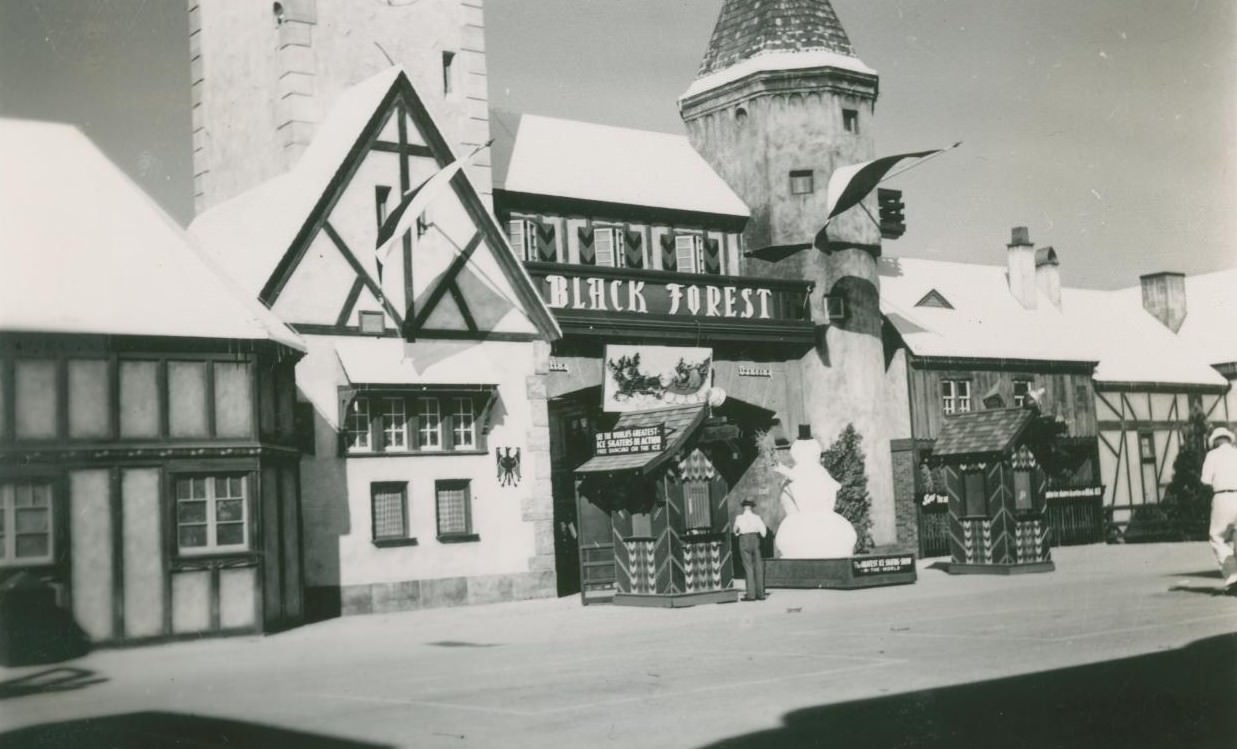
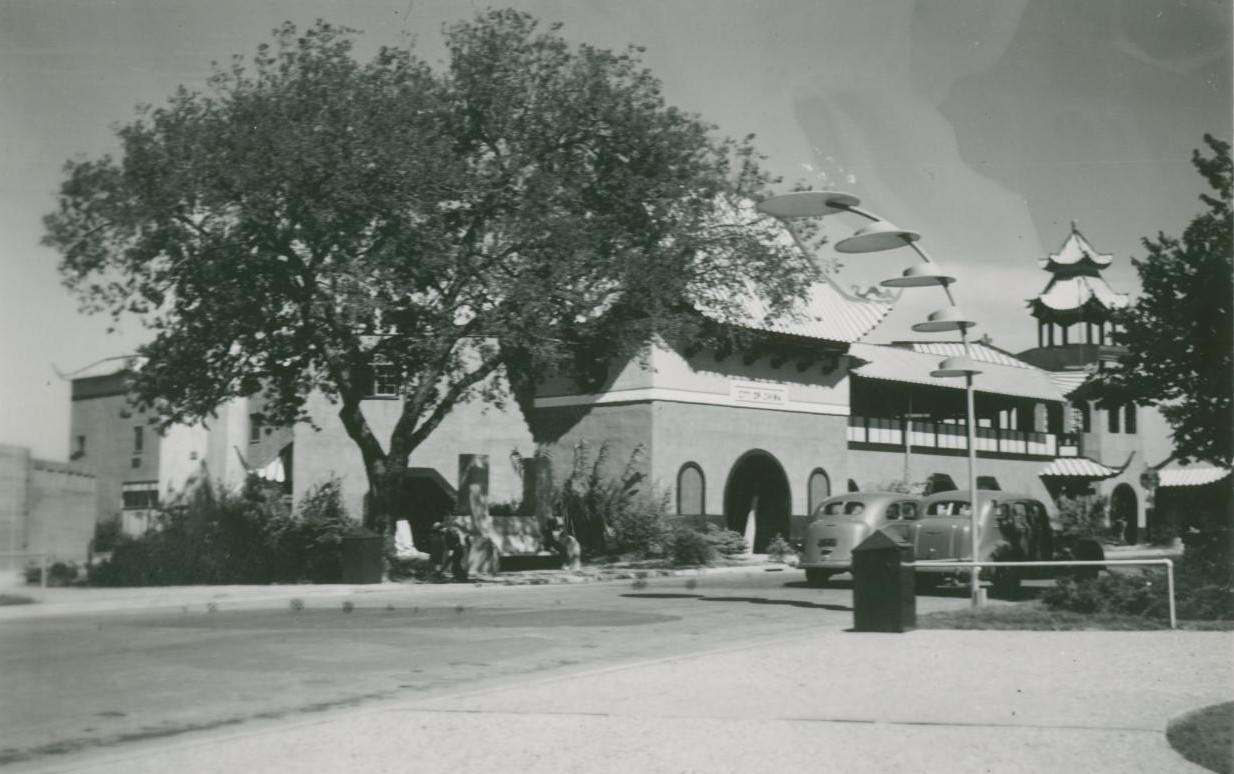
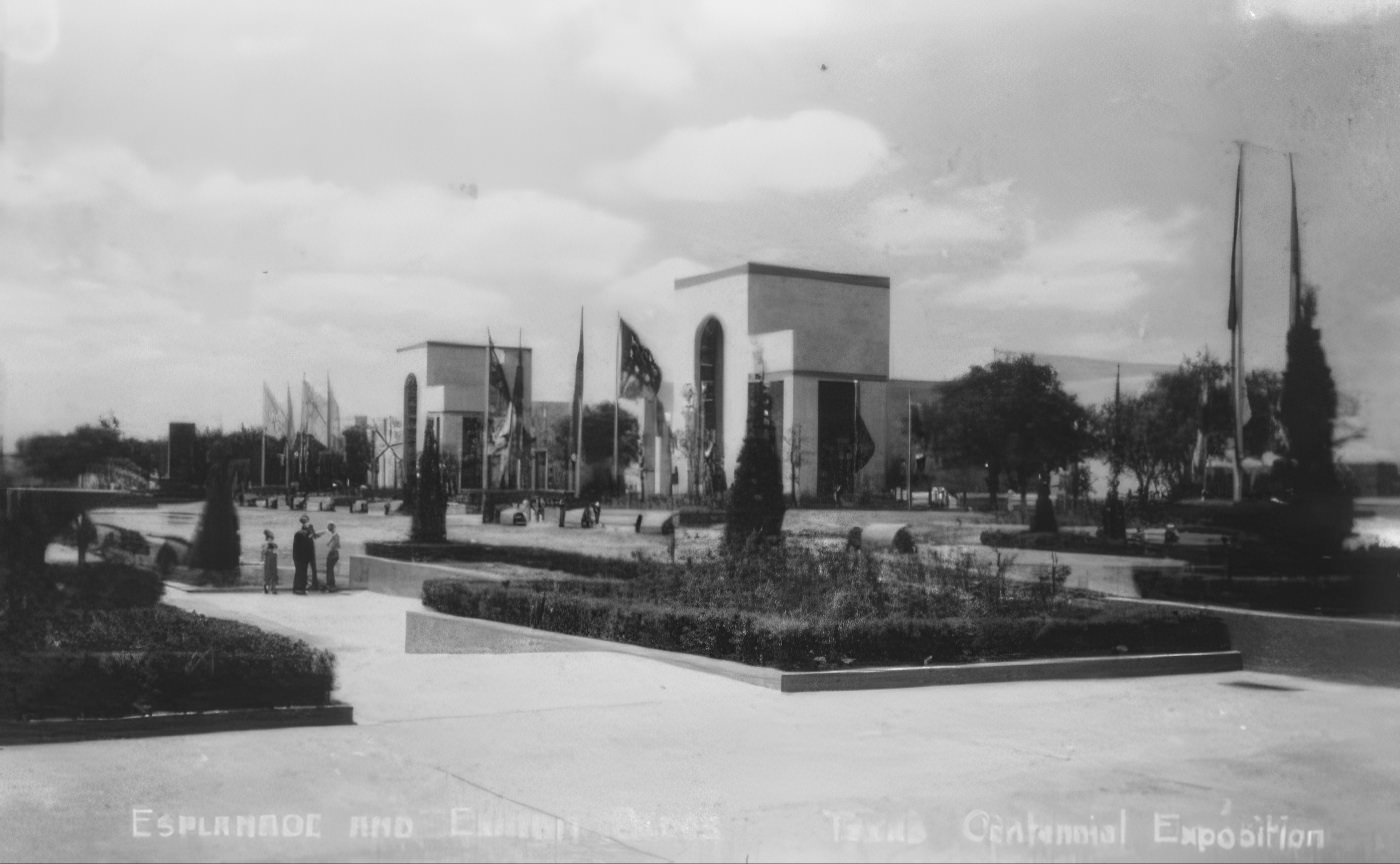
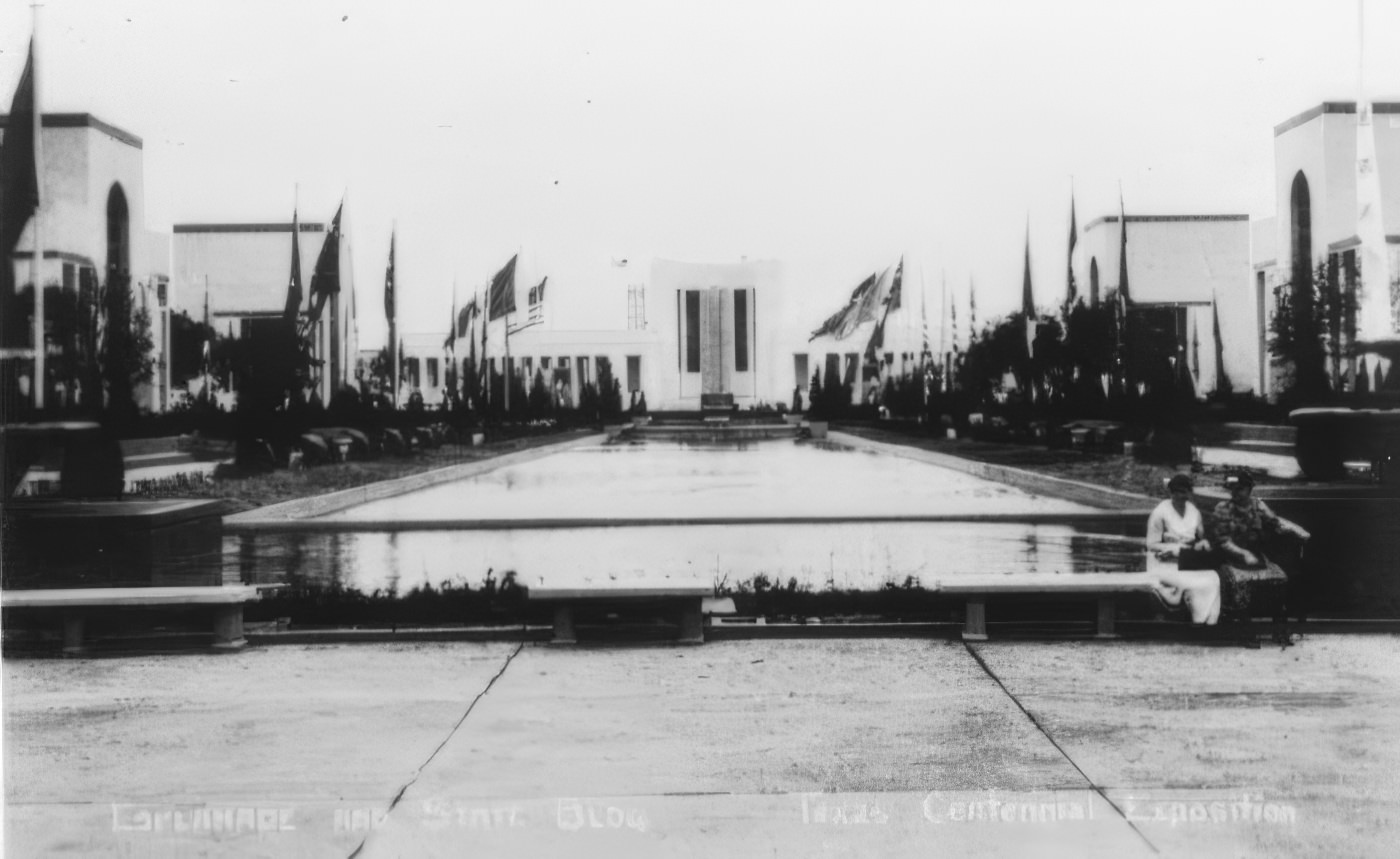
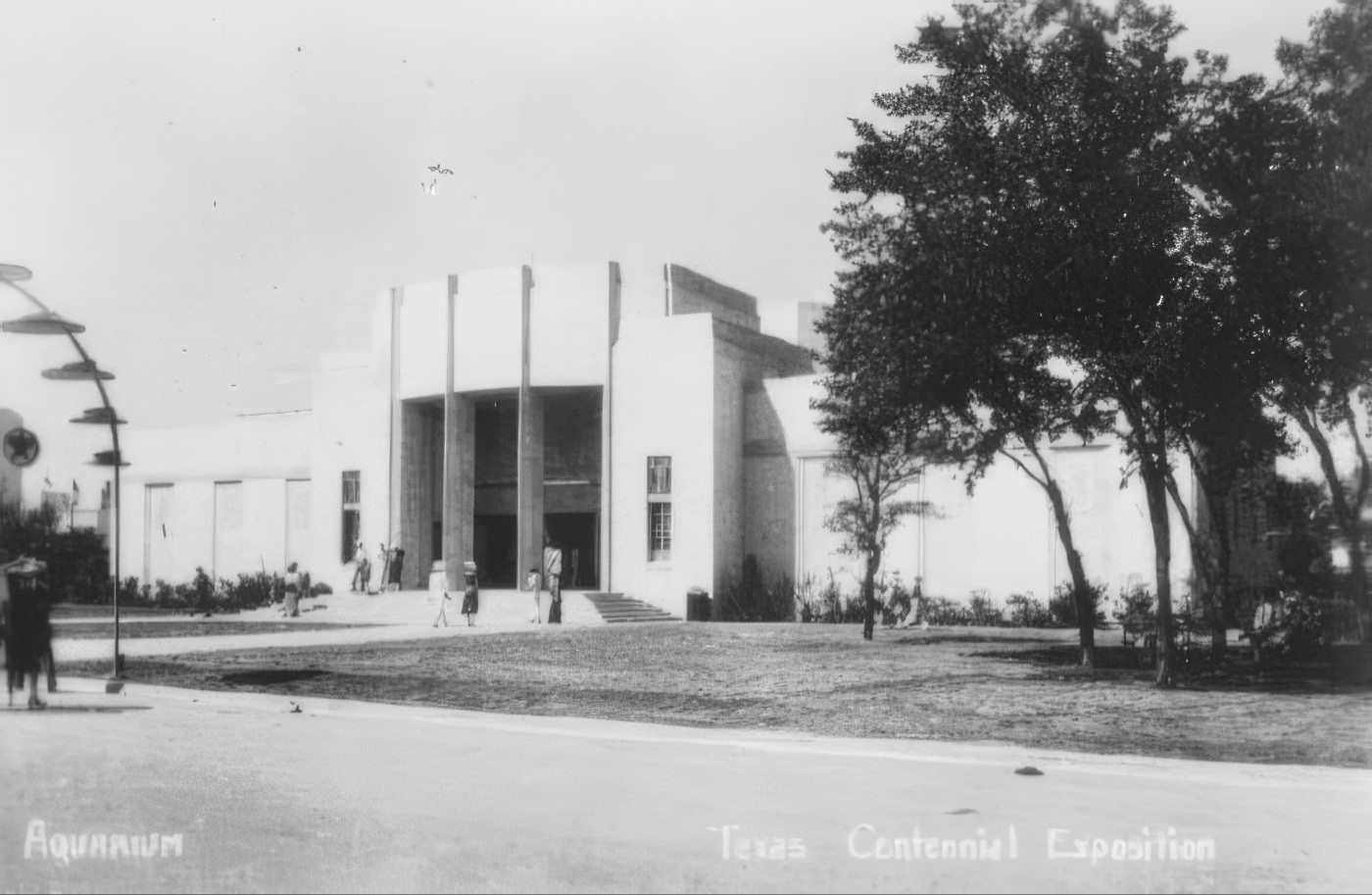
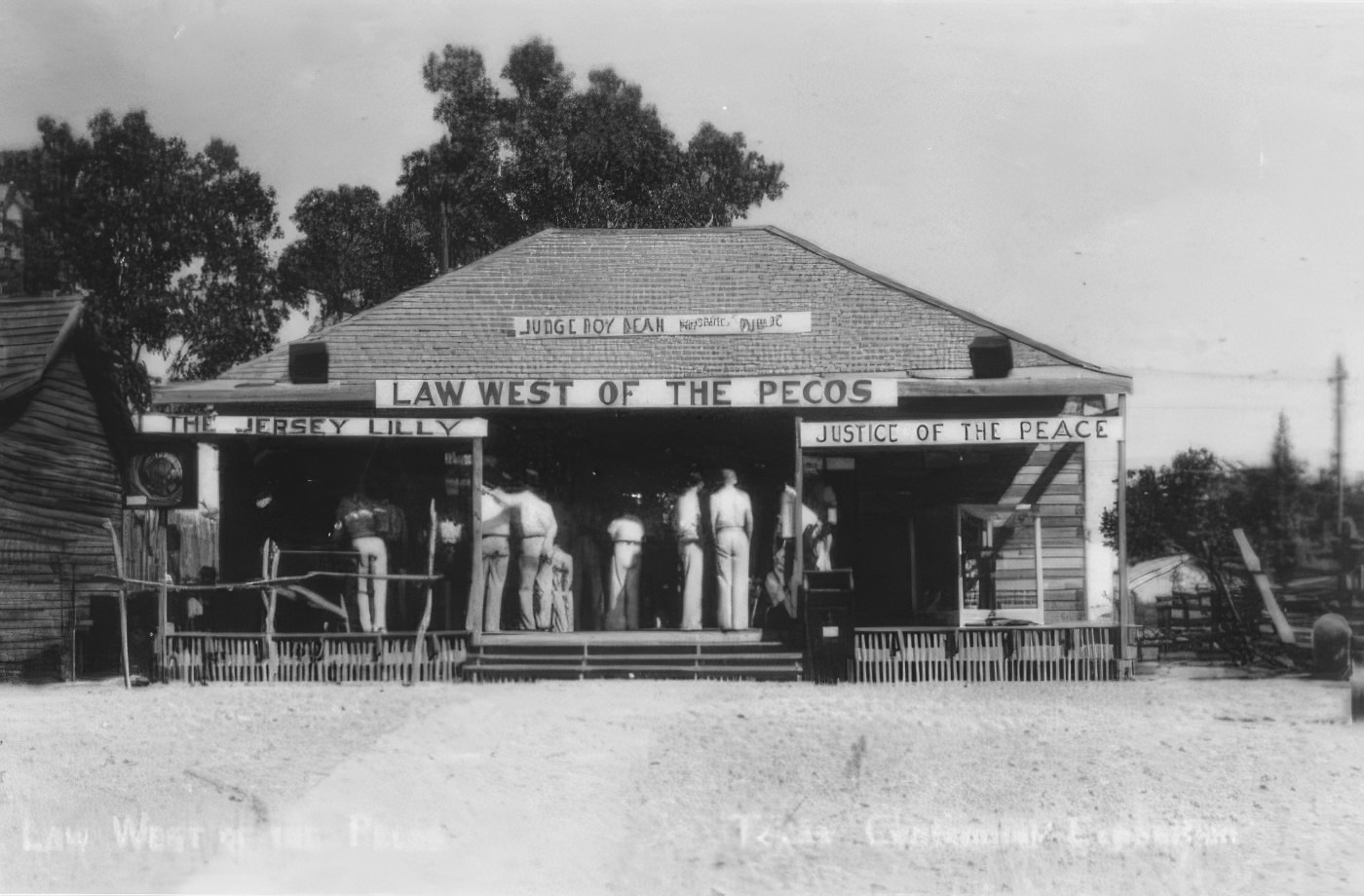
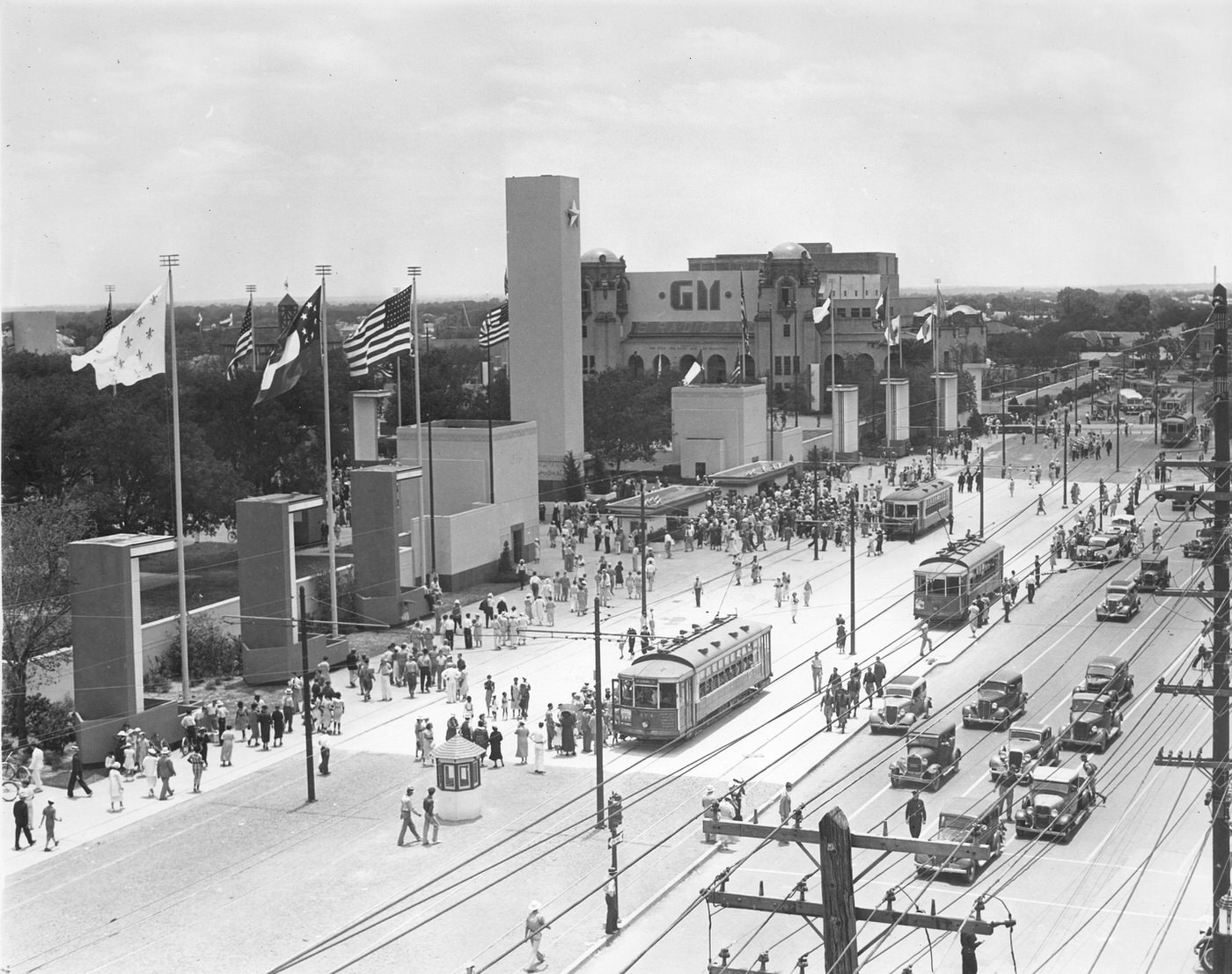
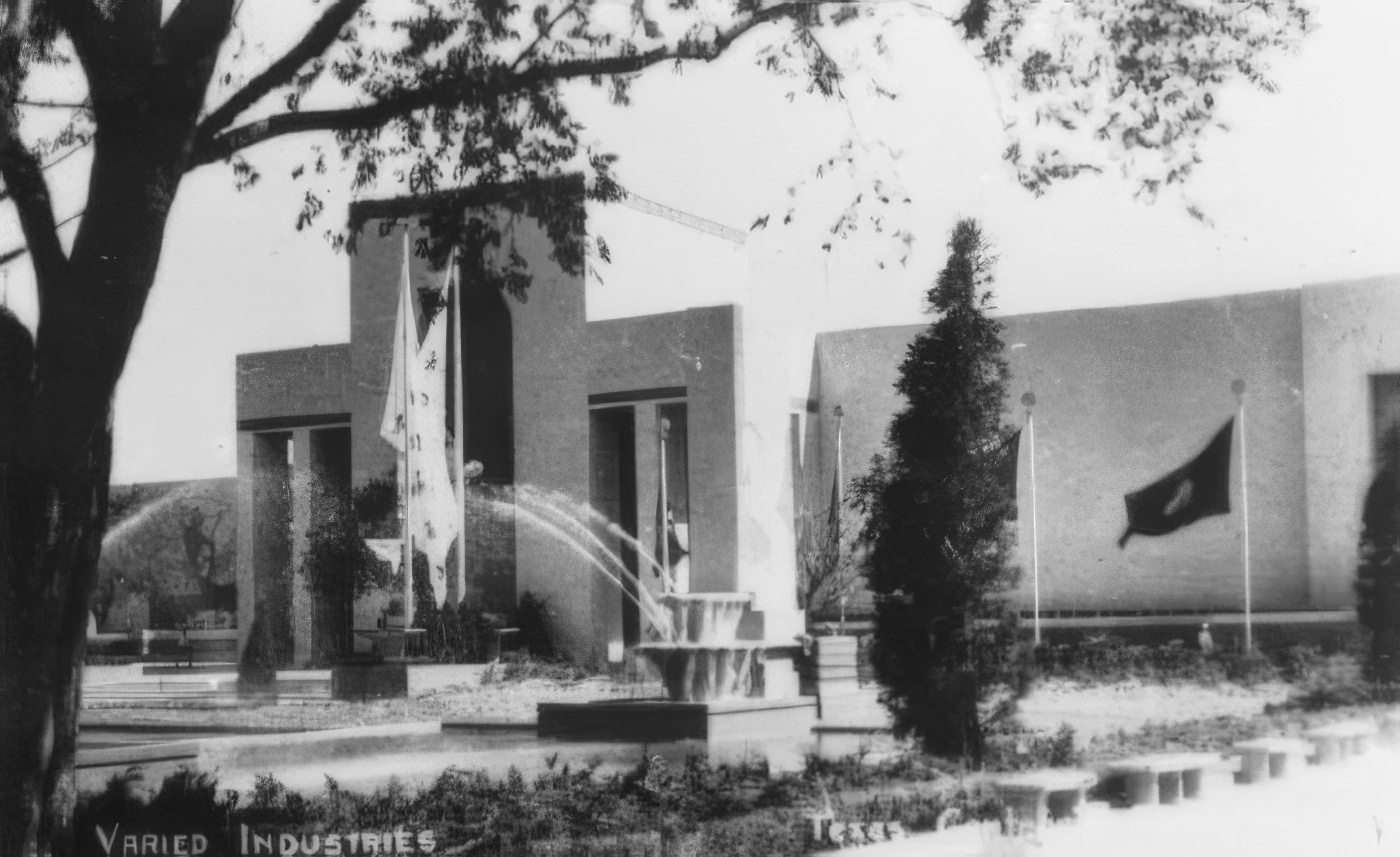
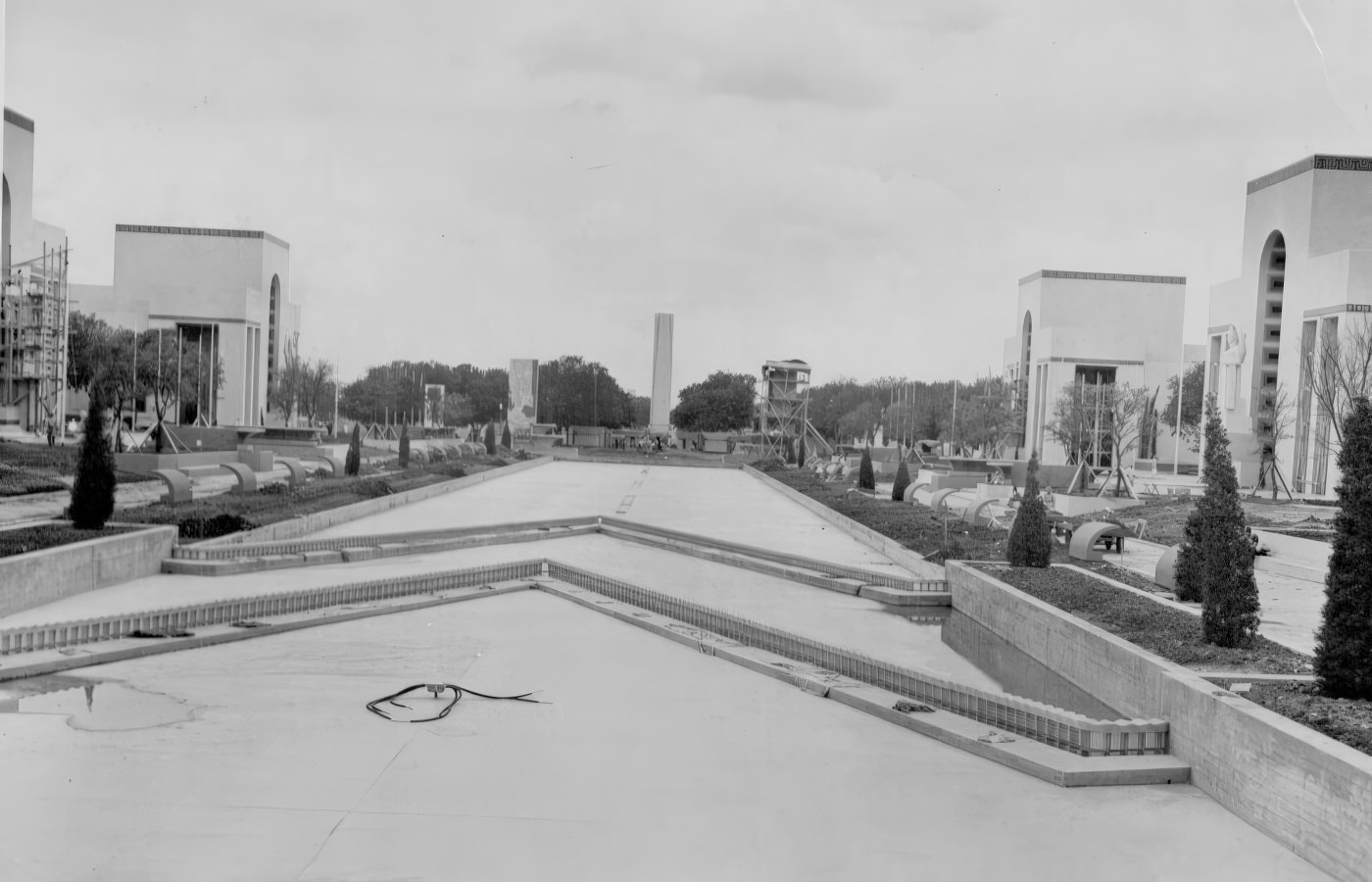
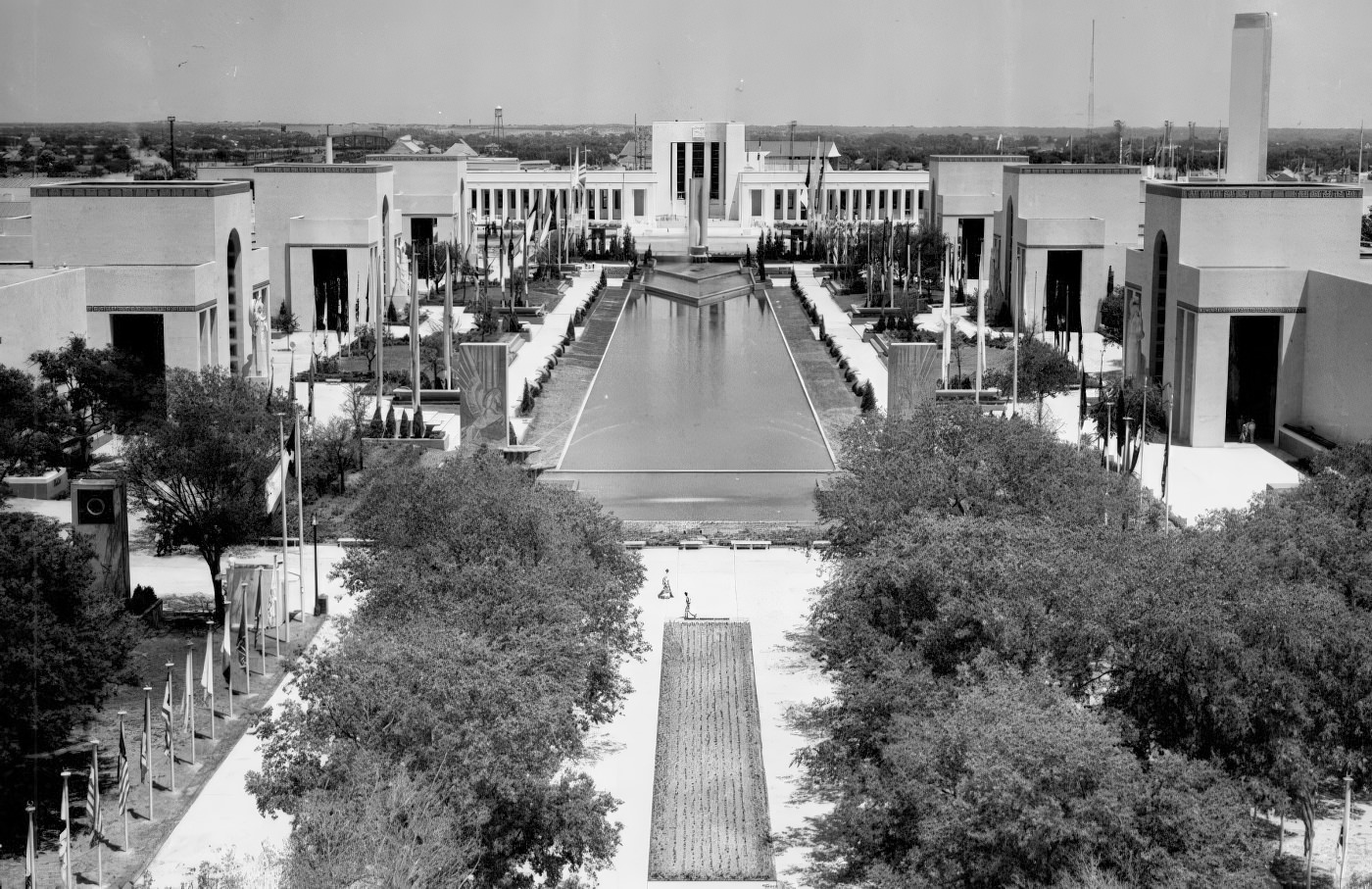
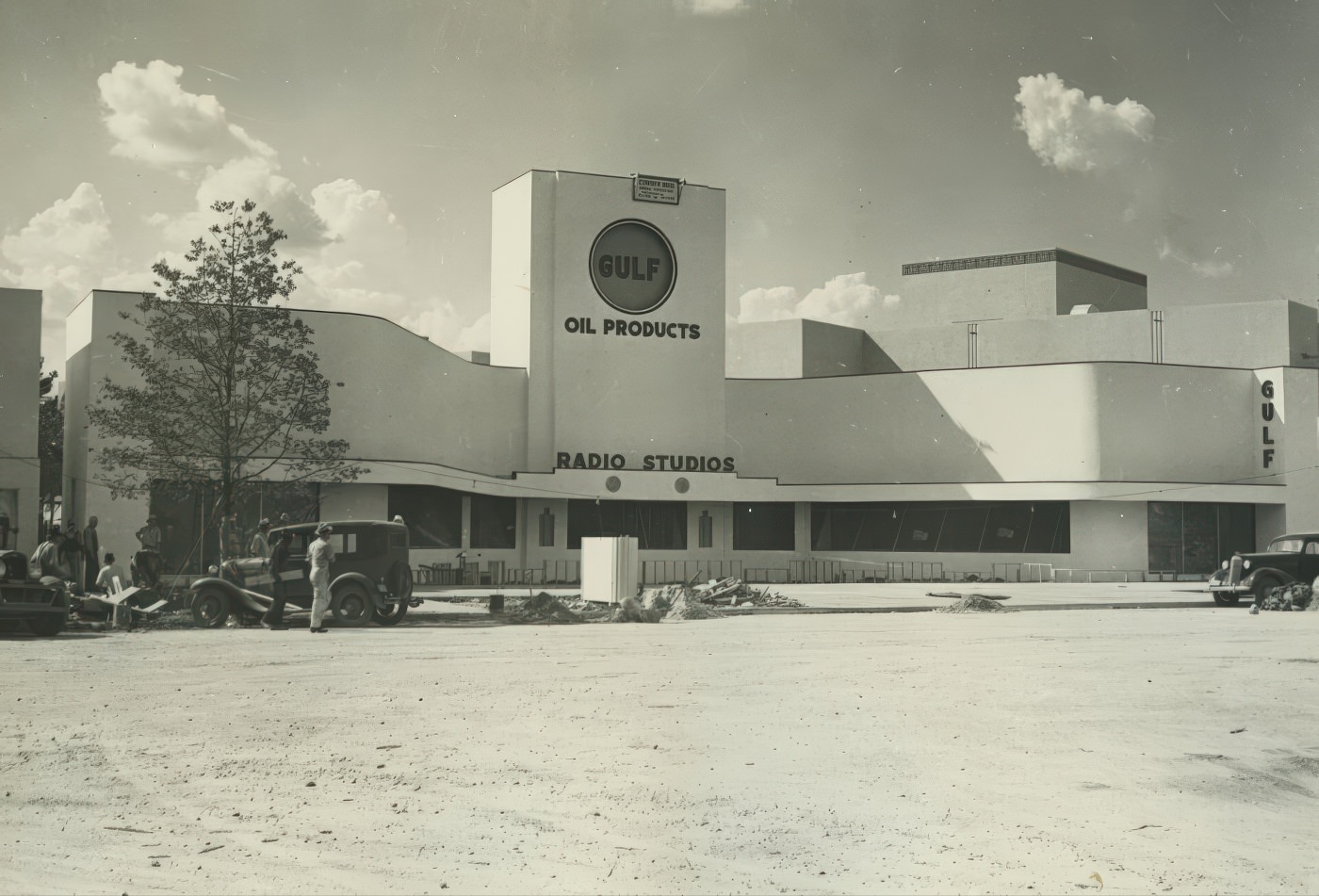
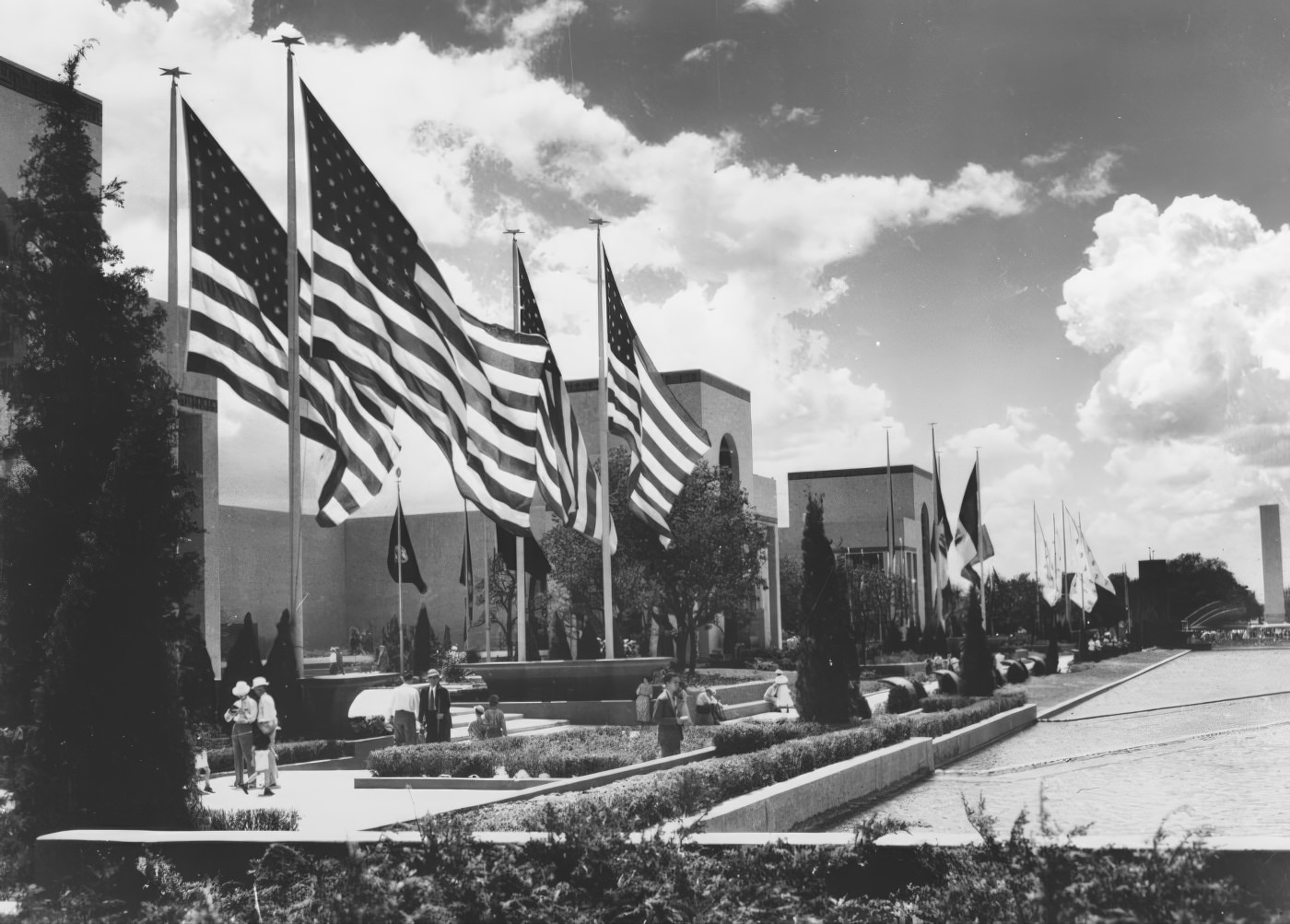
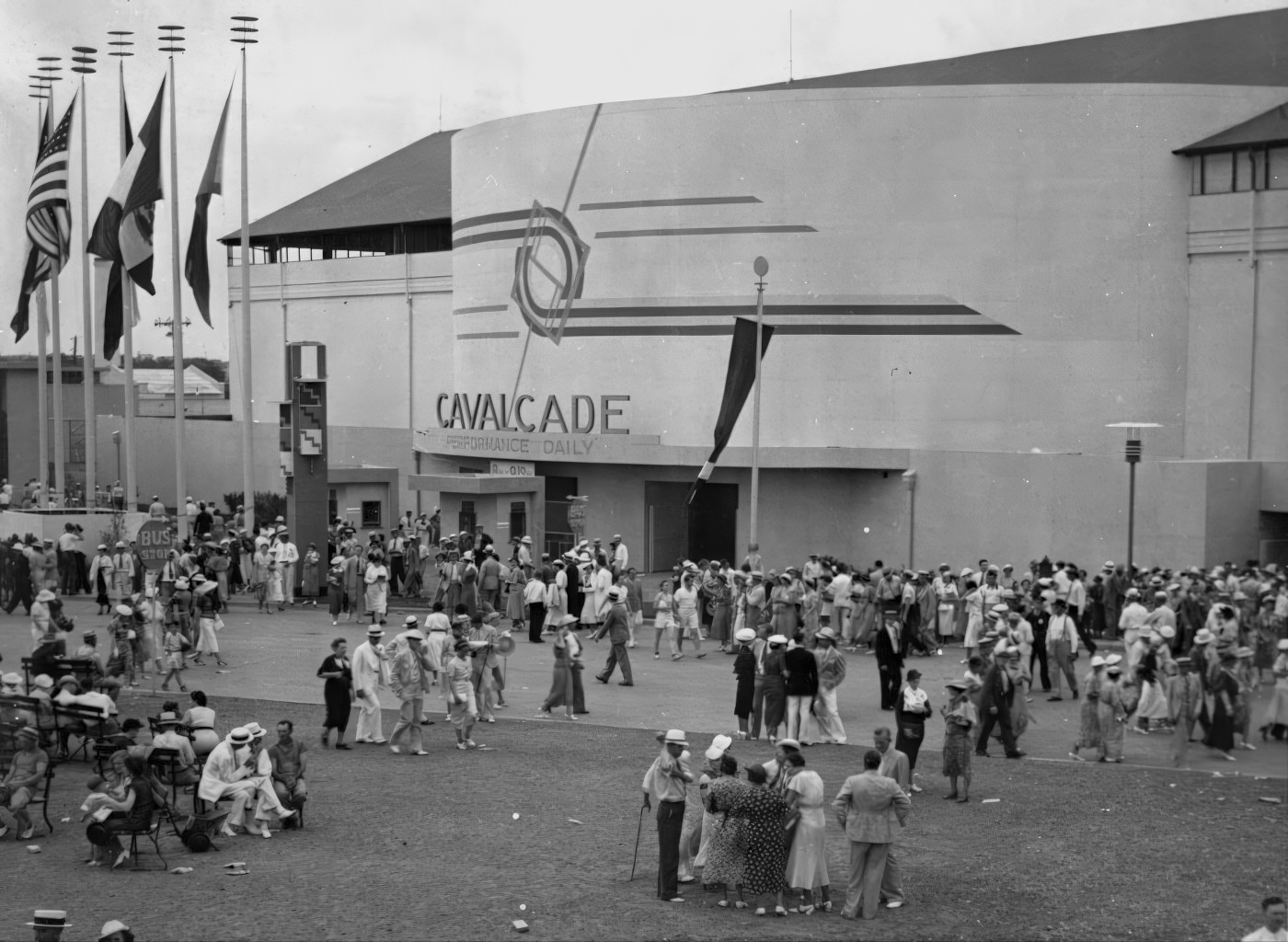
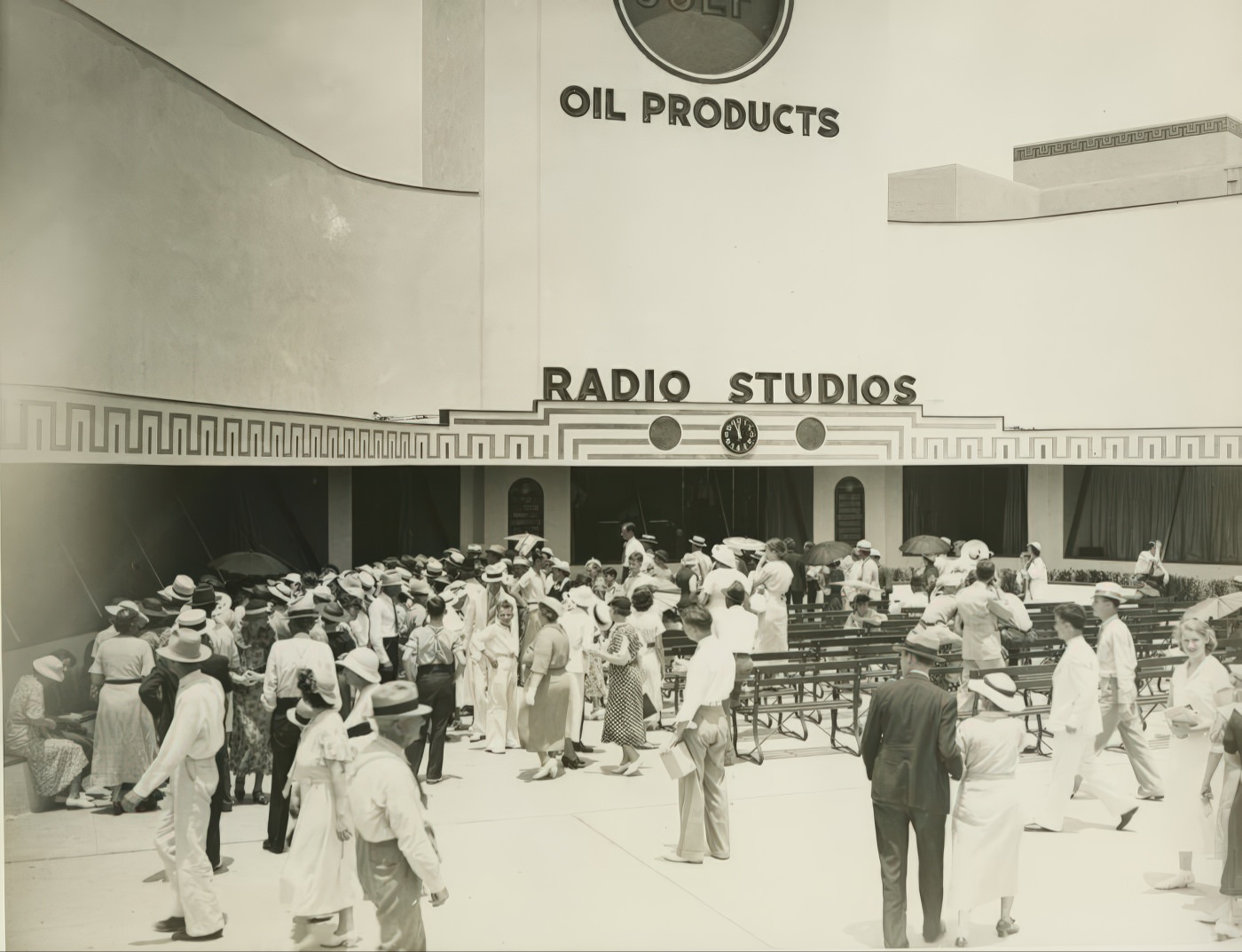
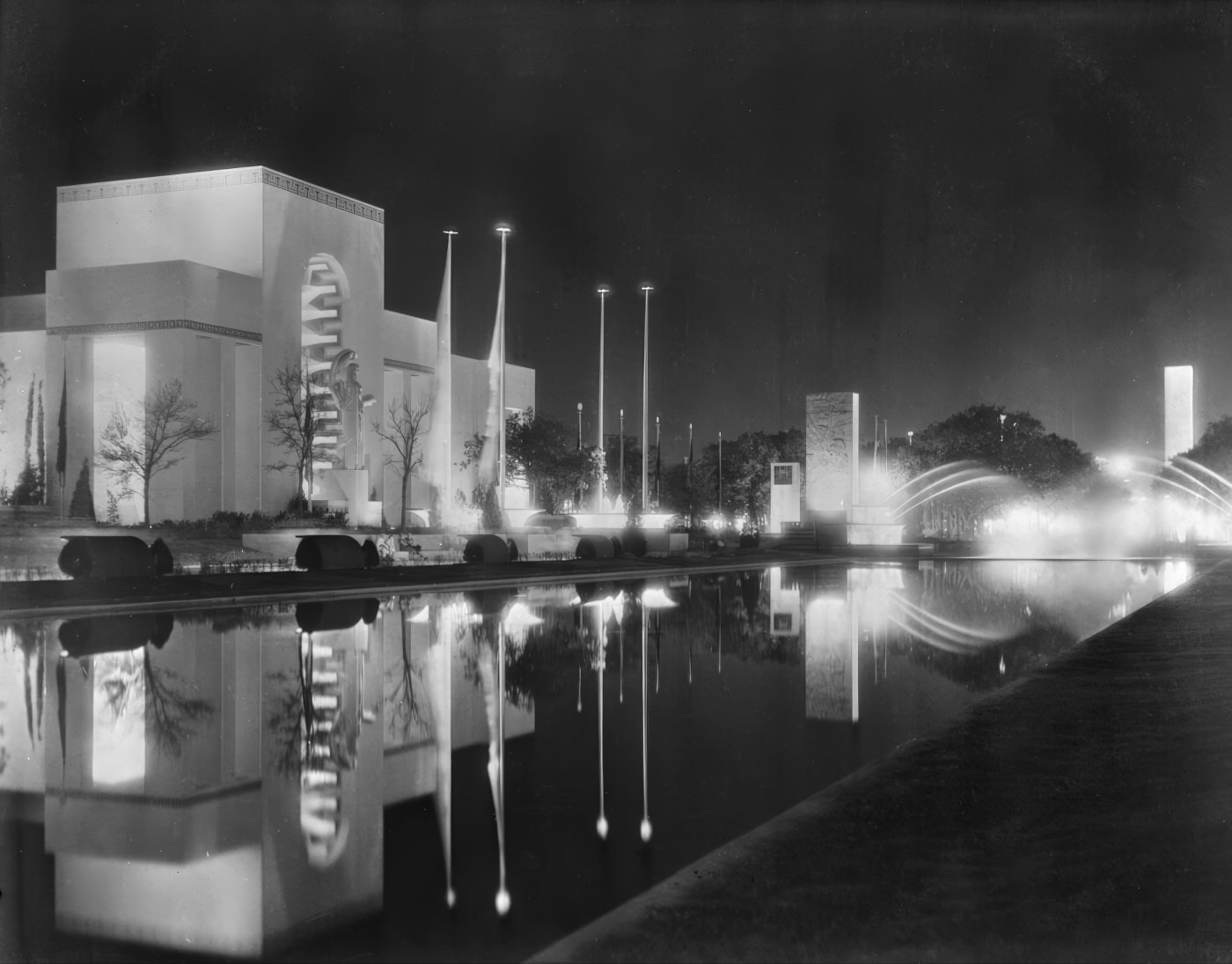
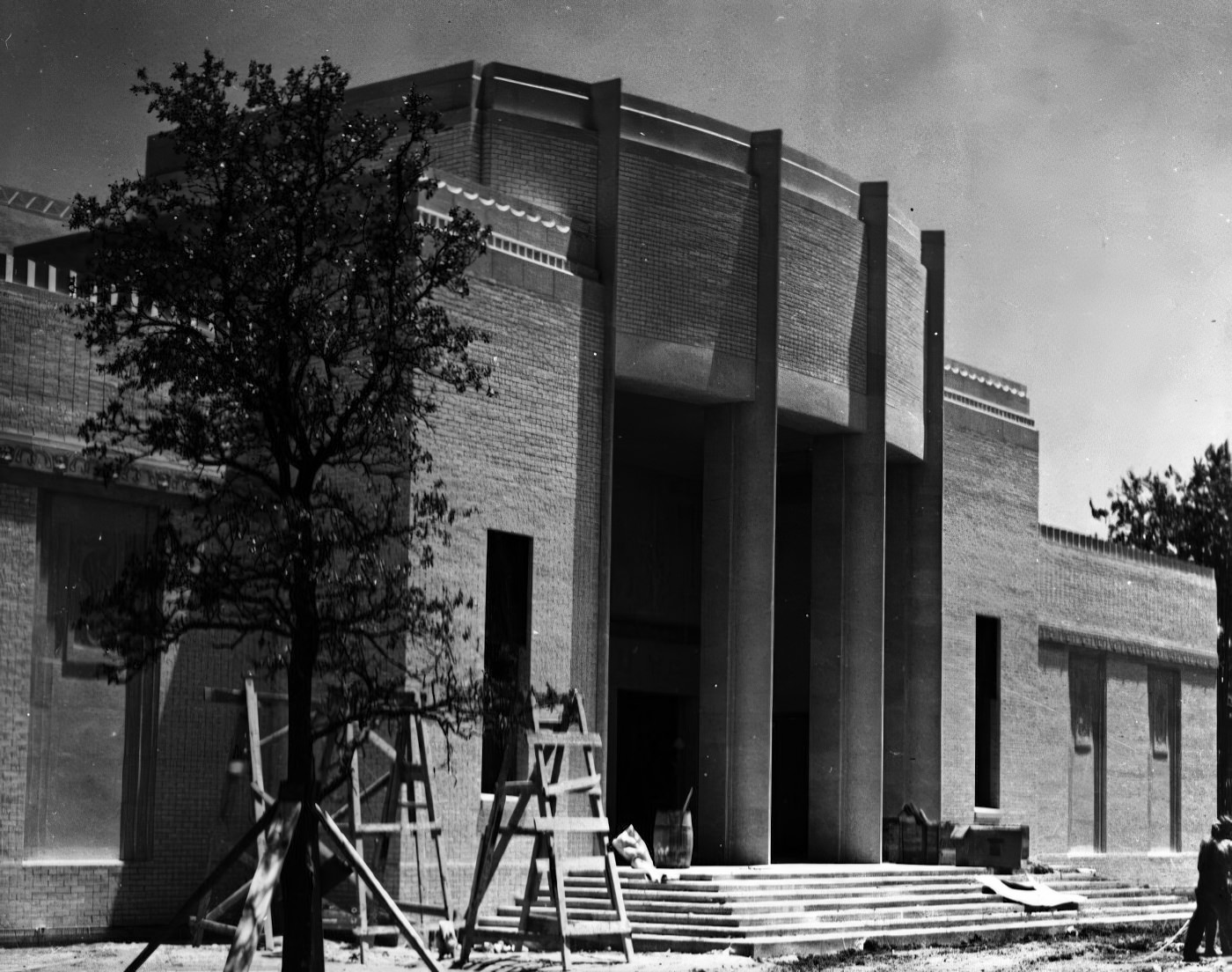
In a remarkable feat of construction, the $25 million project remade the 178-acre Fair Park in just over nine months. A team of 130 architects, designers, and artists, led by director-general George Dahl, designed and built more than 50 new structures. They created a breathtaking spectacle of Art Deco architecture, which was the height of modern style, meant to convey progress, optimism, and technological prowess. Today, the collection of buildings at Fair Park represents one of the largest and most significant intact groupings of 1930s exposition architecture in the world. The fairground’s centerpiece was the Esplanade of State, a 700-foot-long reflecting pool flanked by massive exhibition halls. These buildings featured heroic statues symbolizing the six nations whose flags had flown over Texas, along with vibrant murals depicting scenes from industry and agriculture. The entire complex culminated in the magnificent Texas Hall of State, a limestone shrine to Texas history.
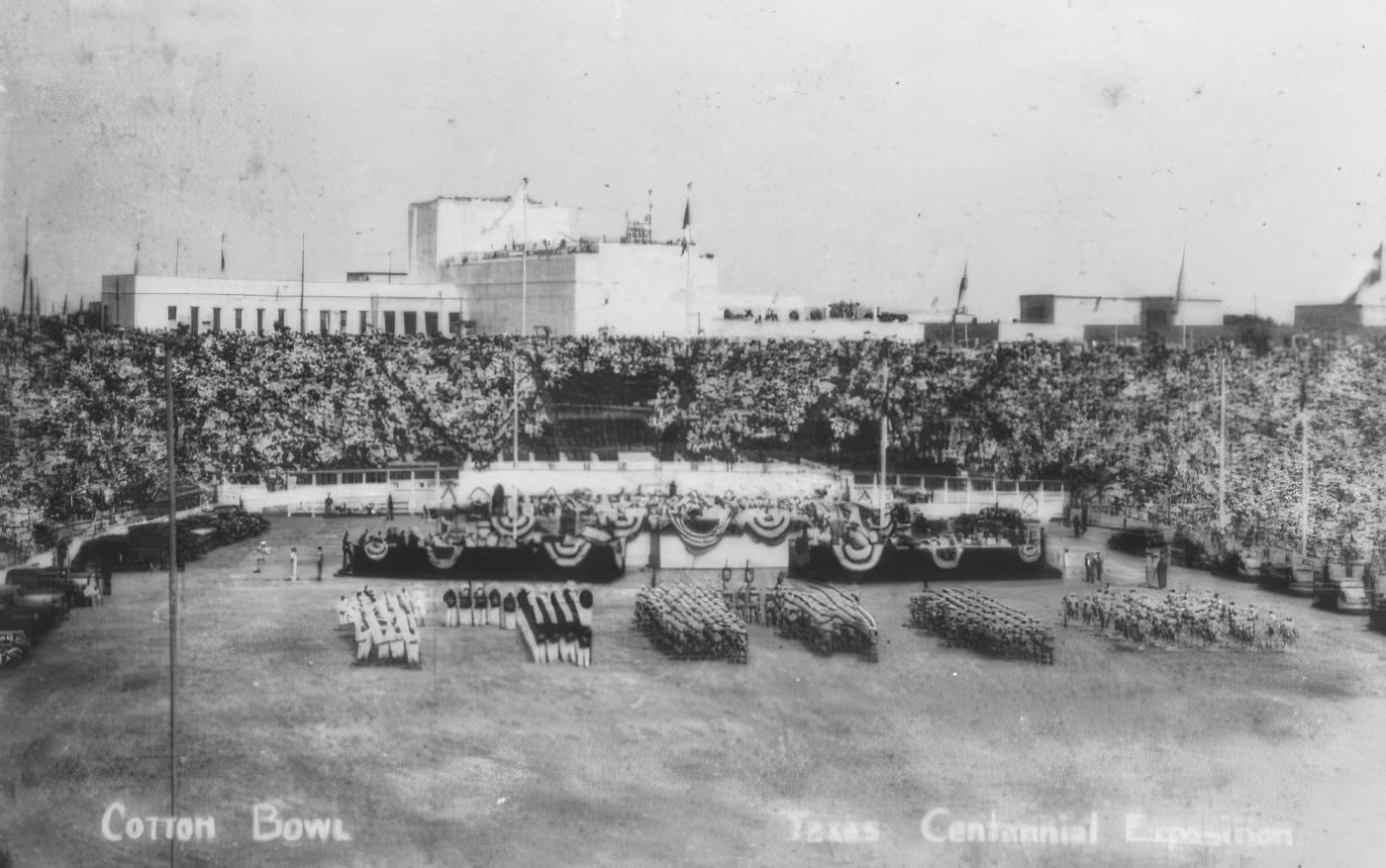
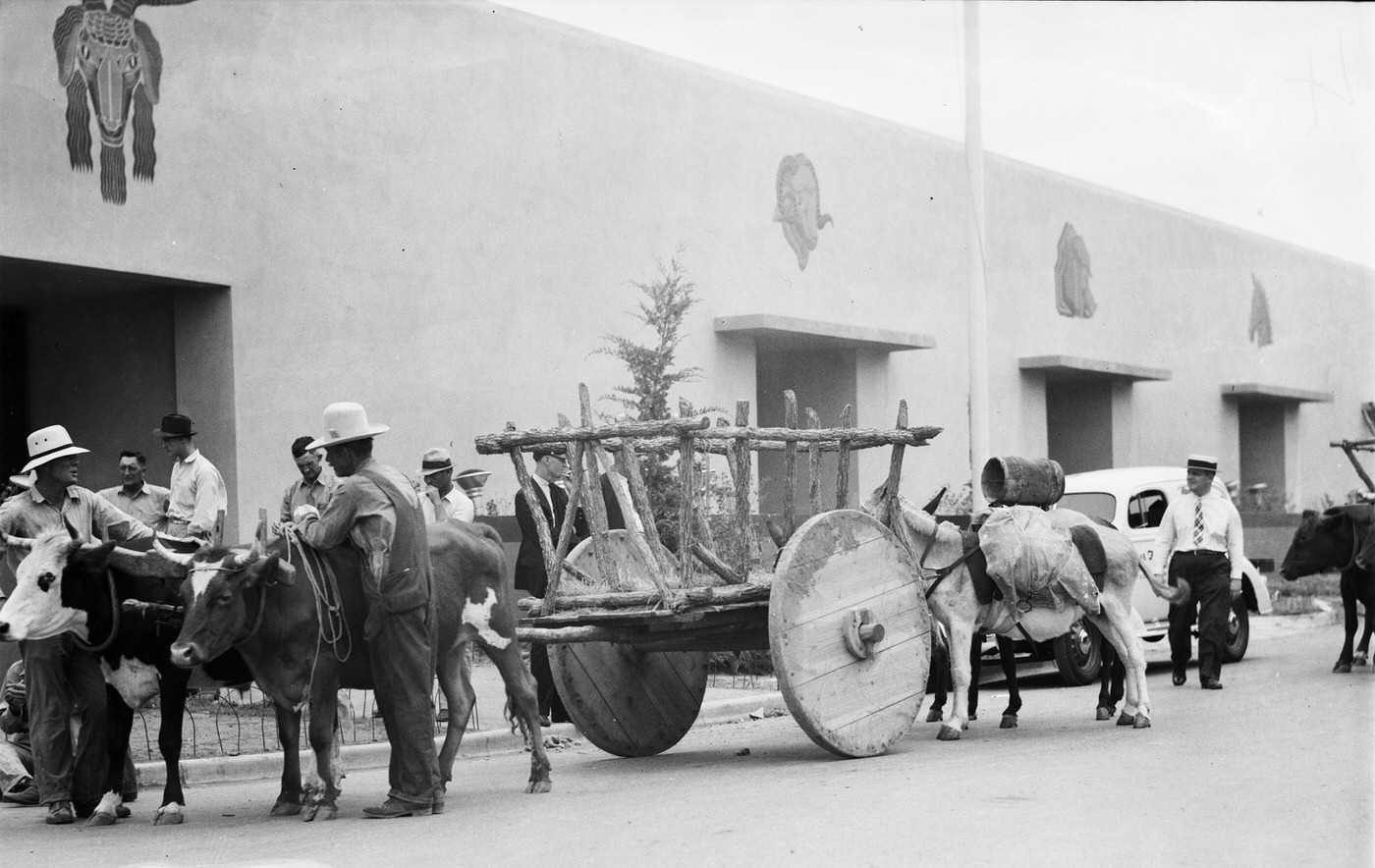
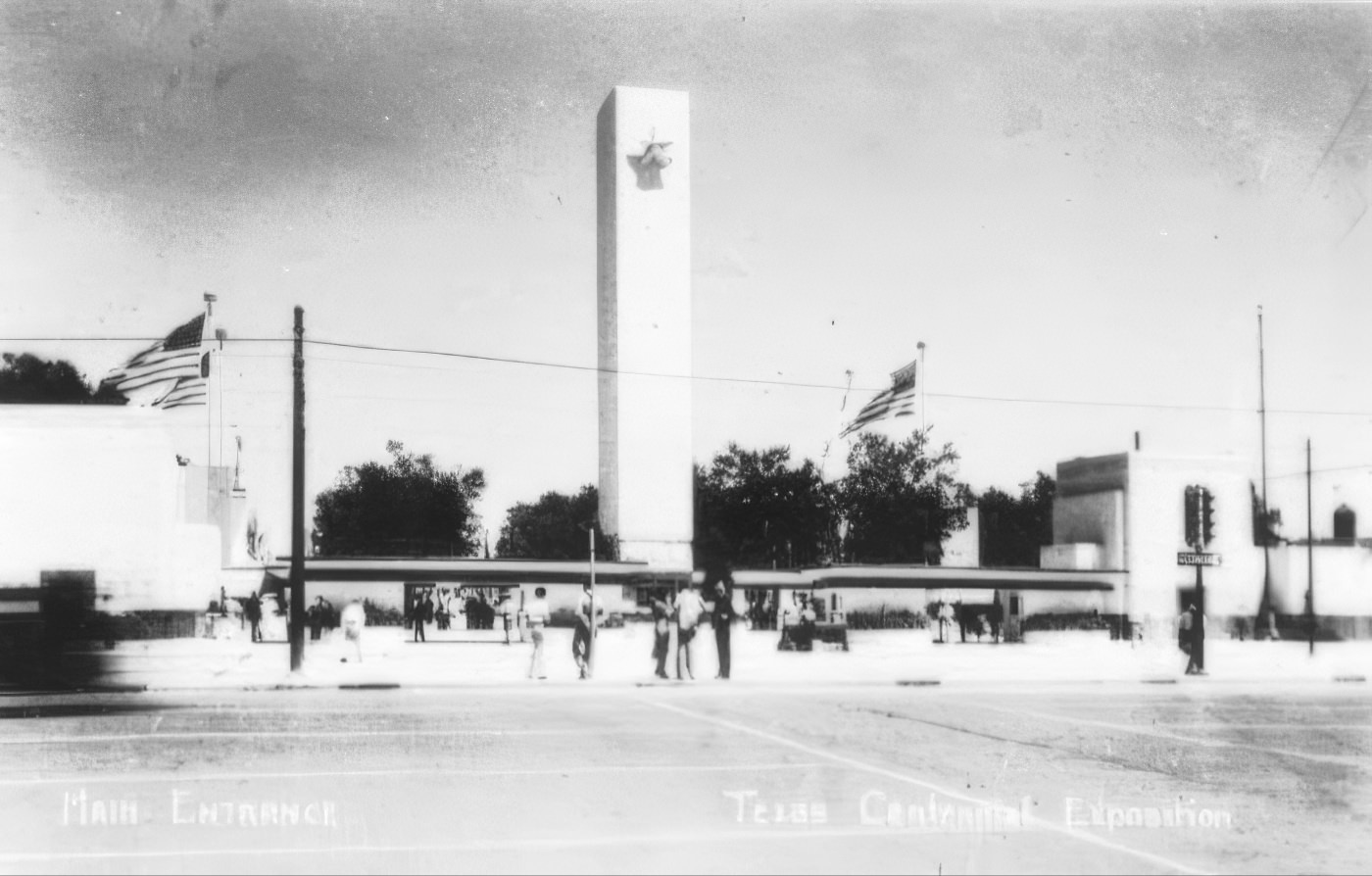
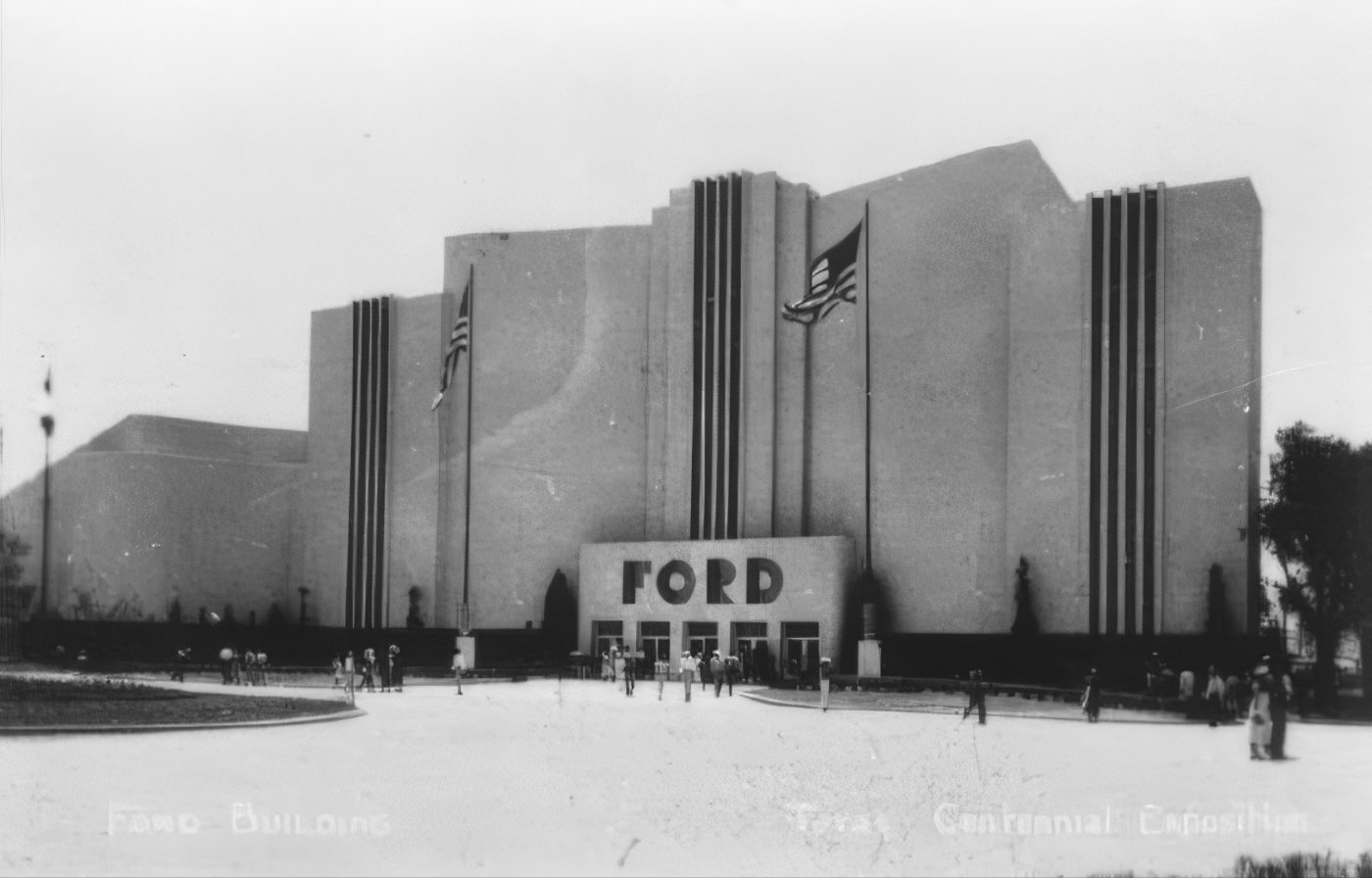
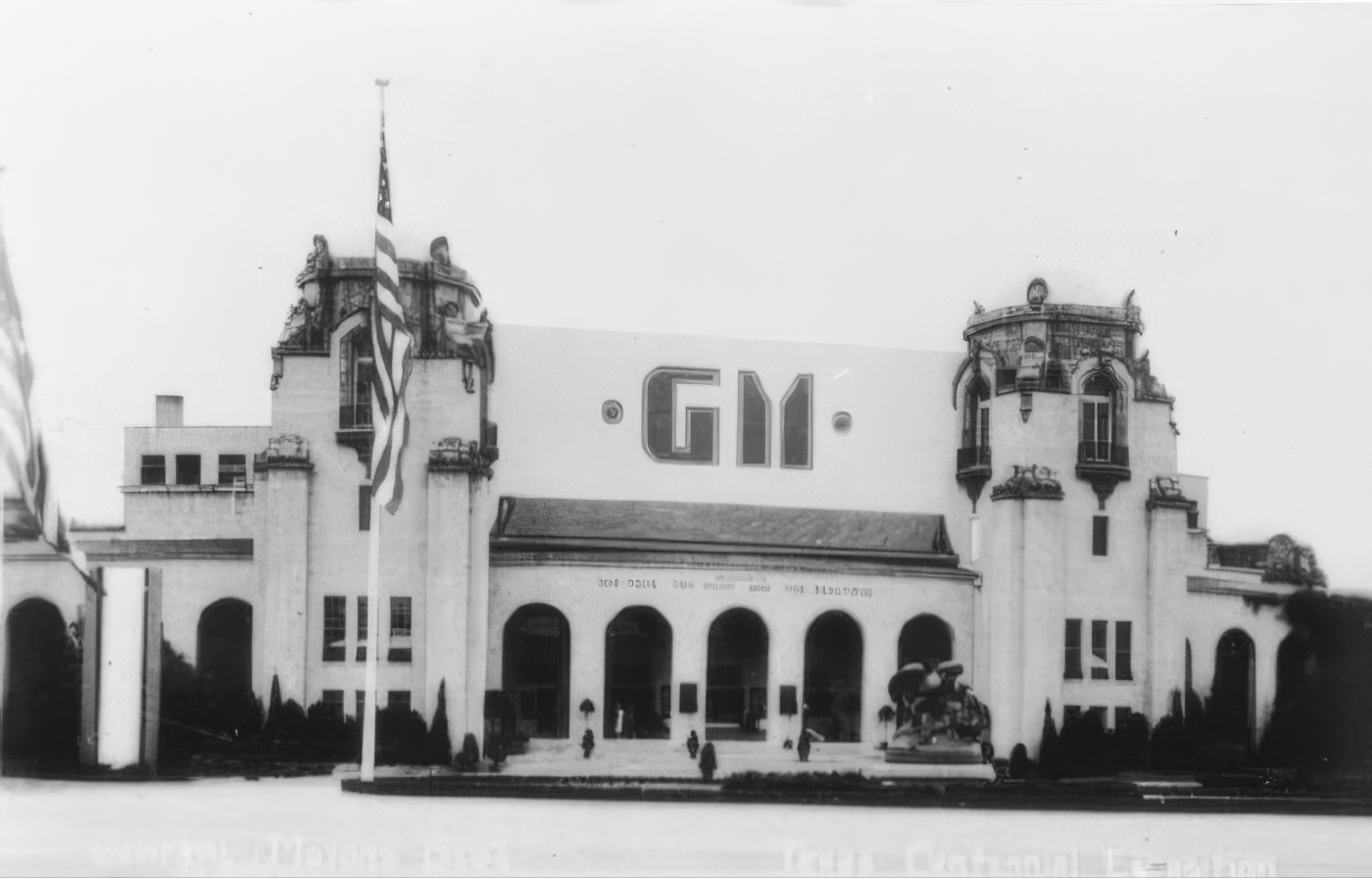
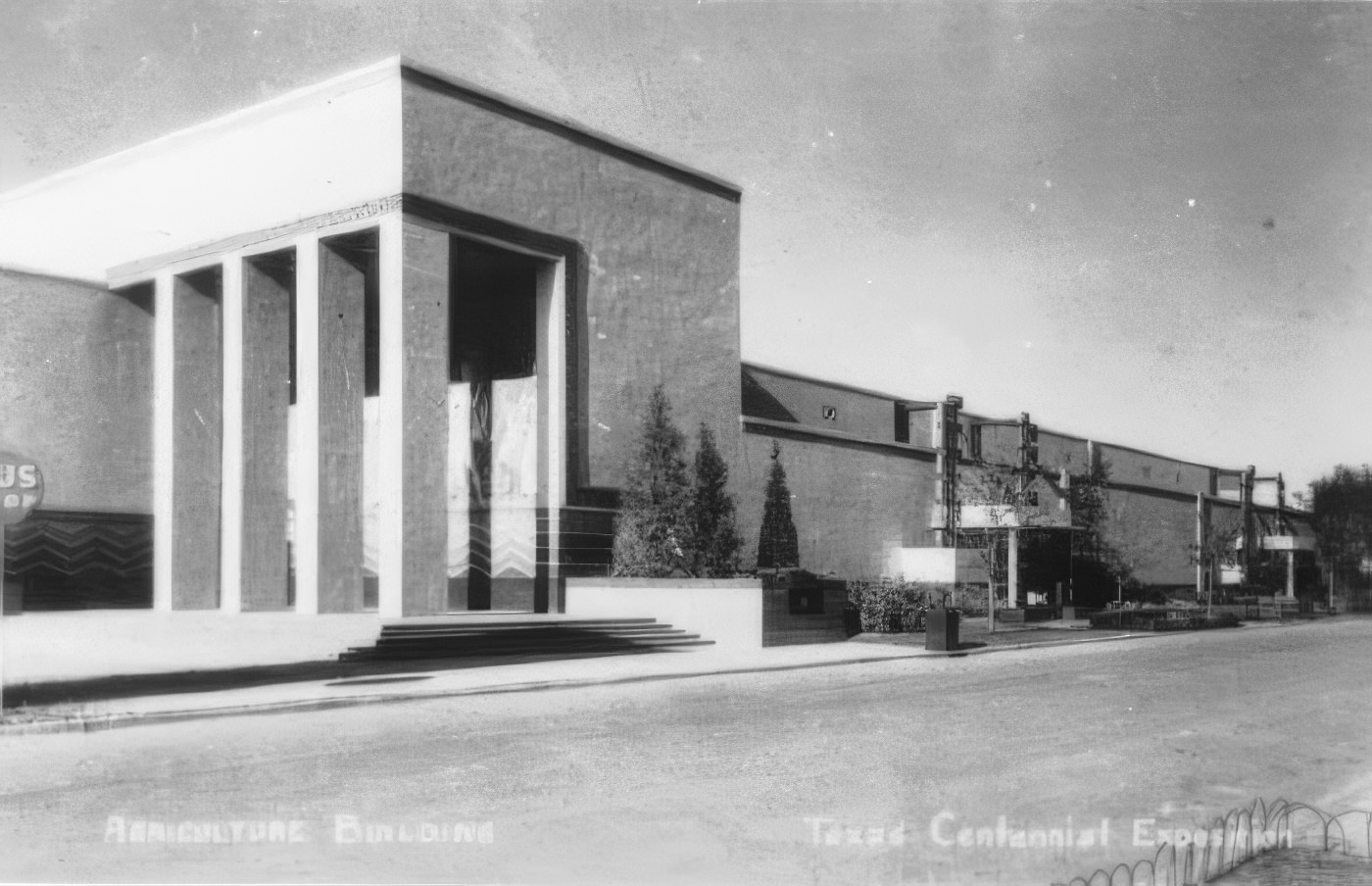
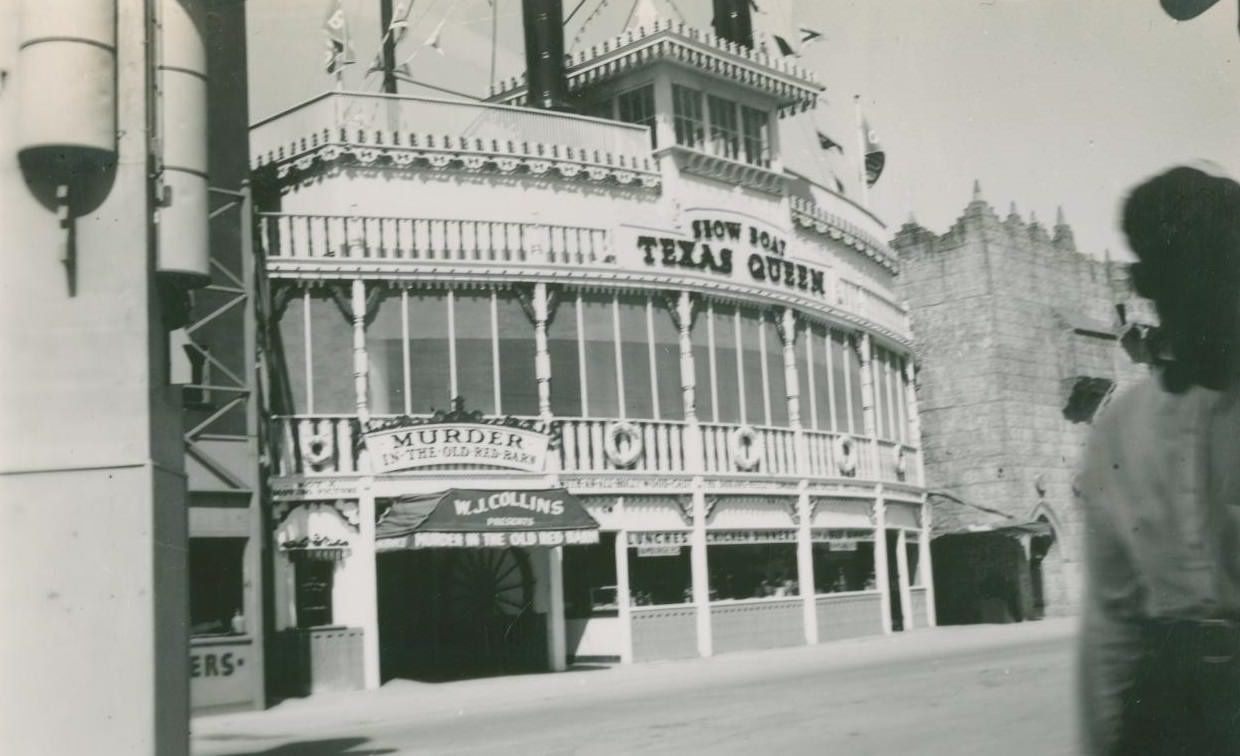
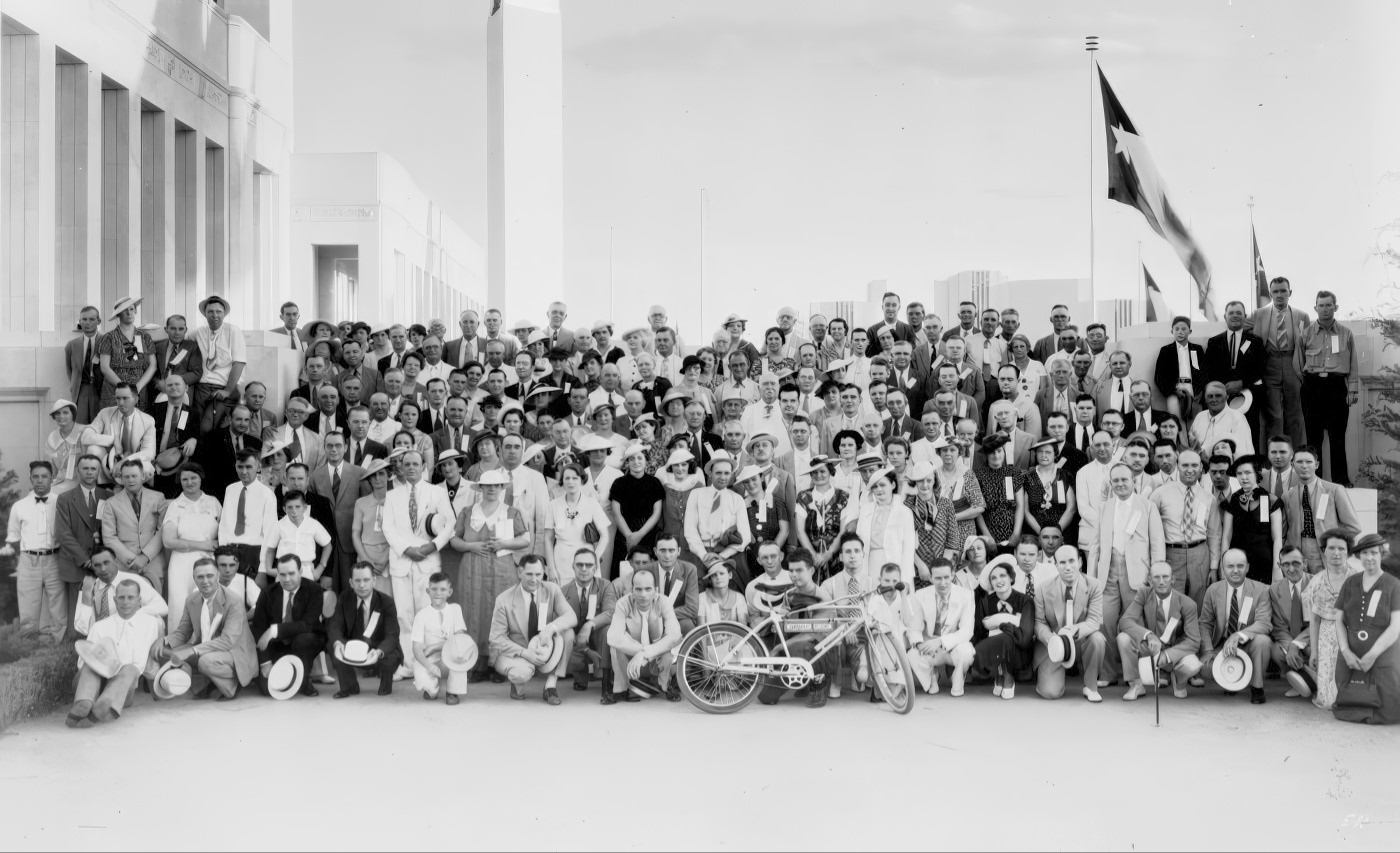
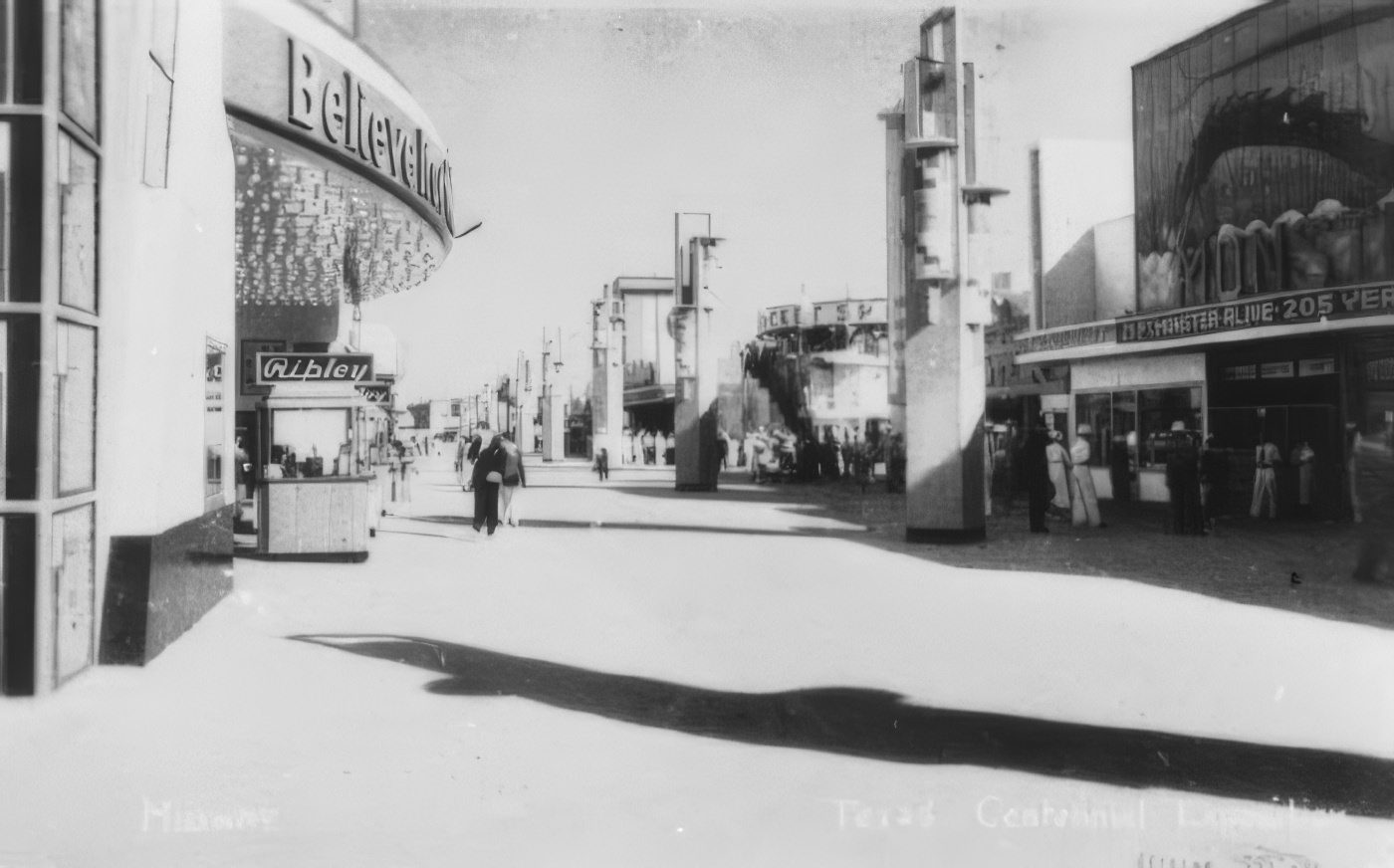
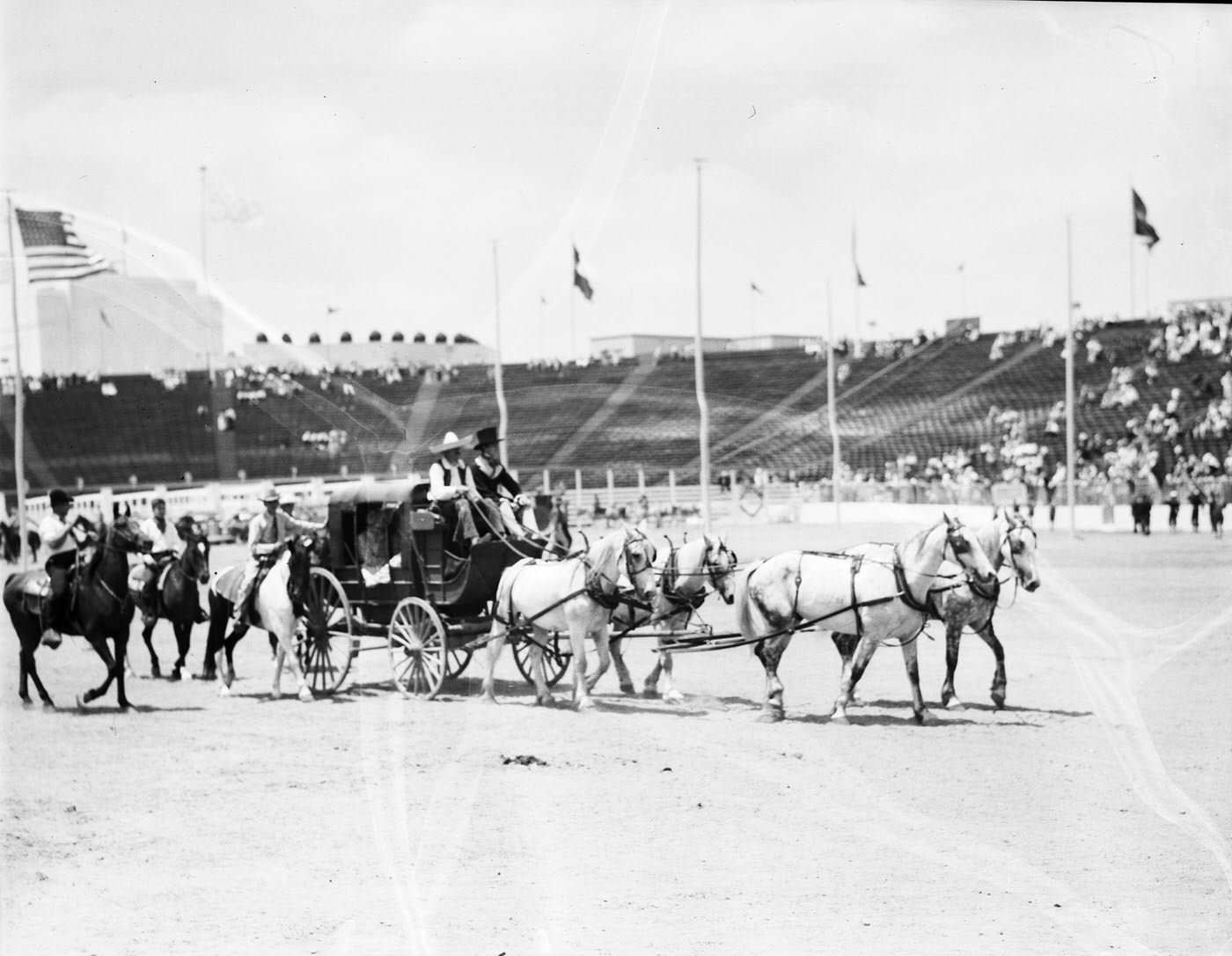
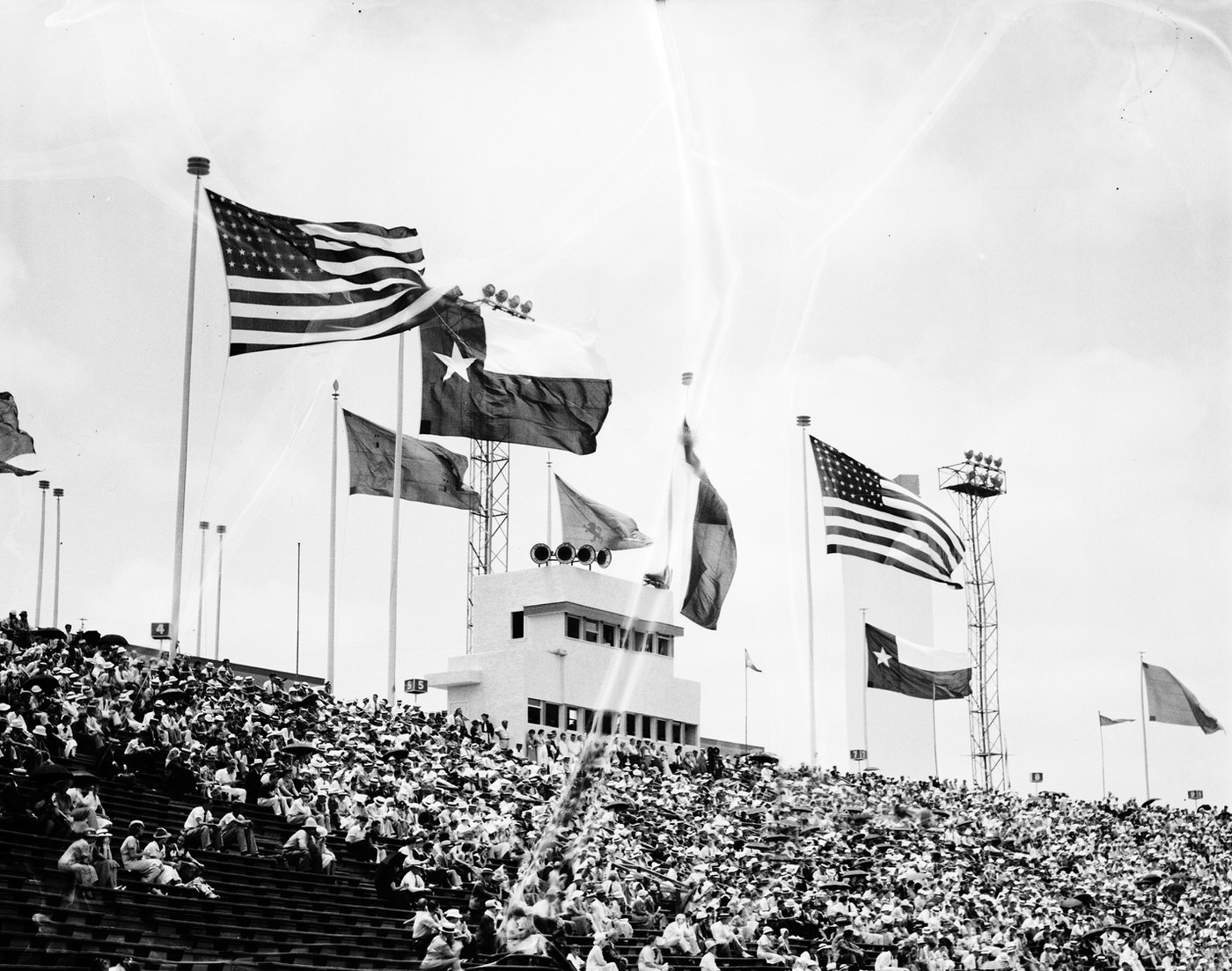
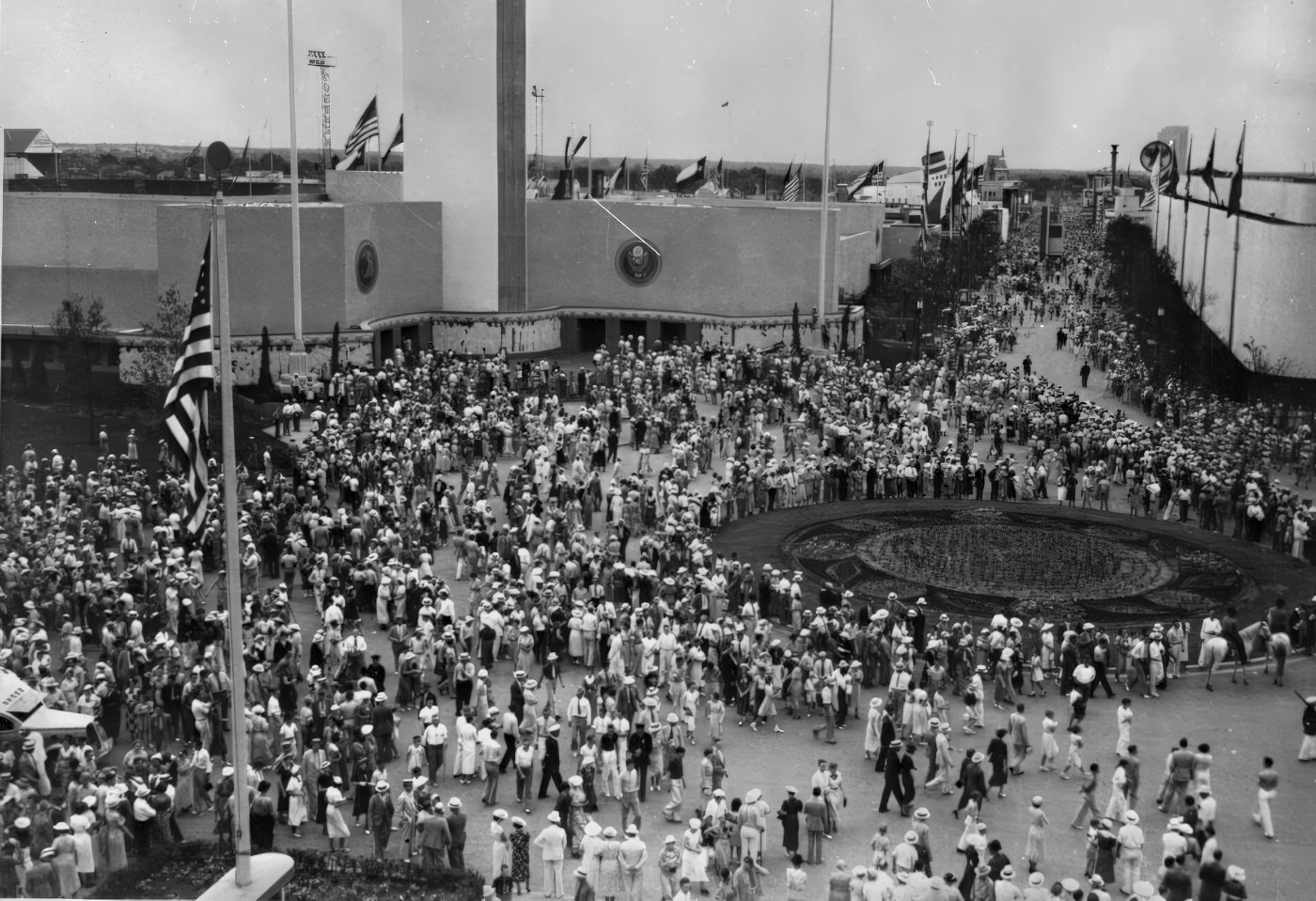
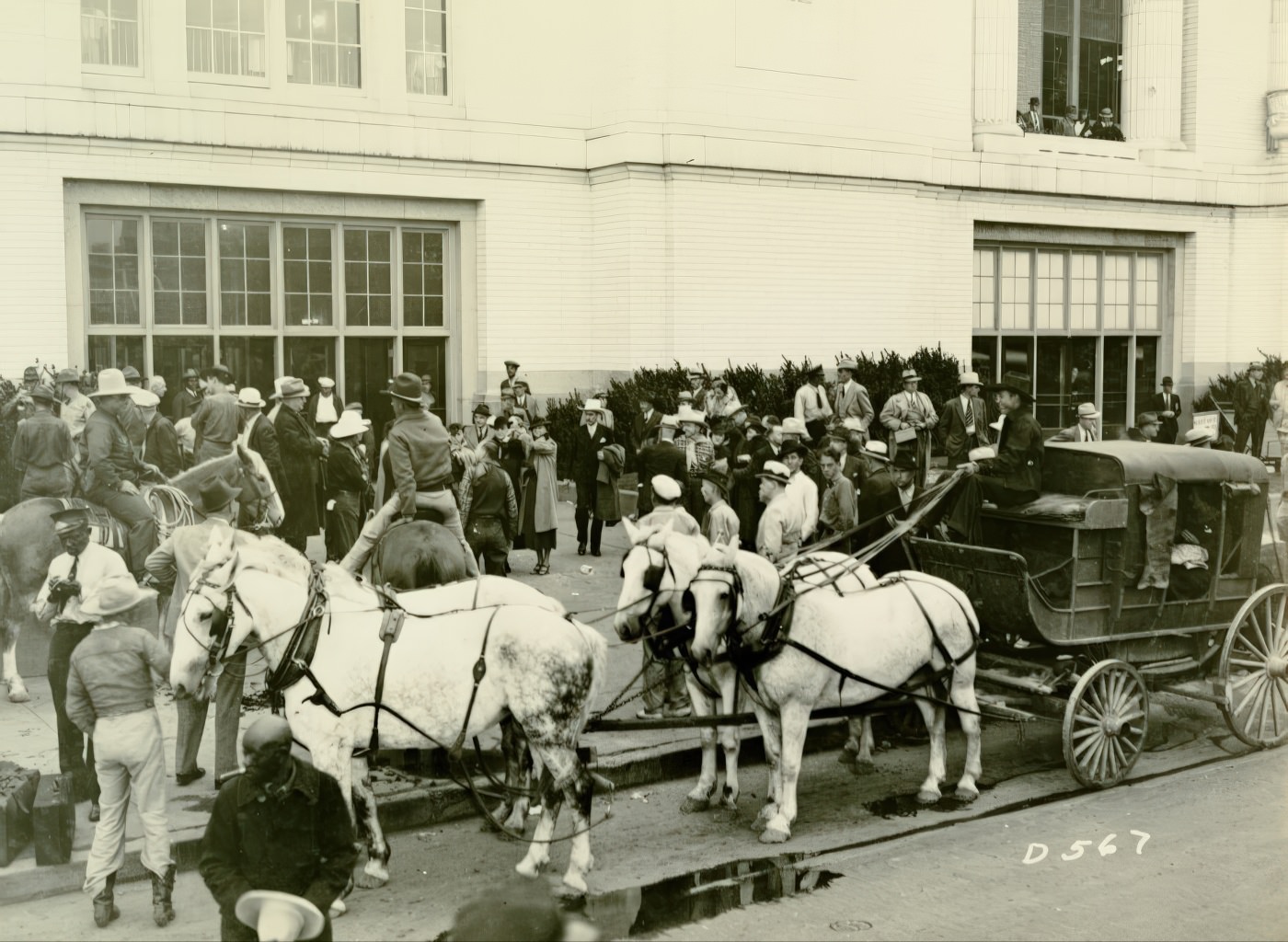
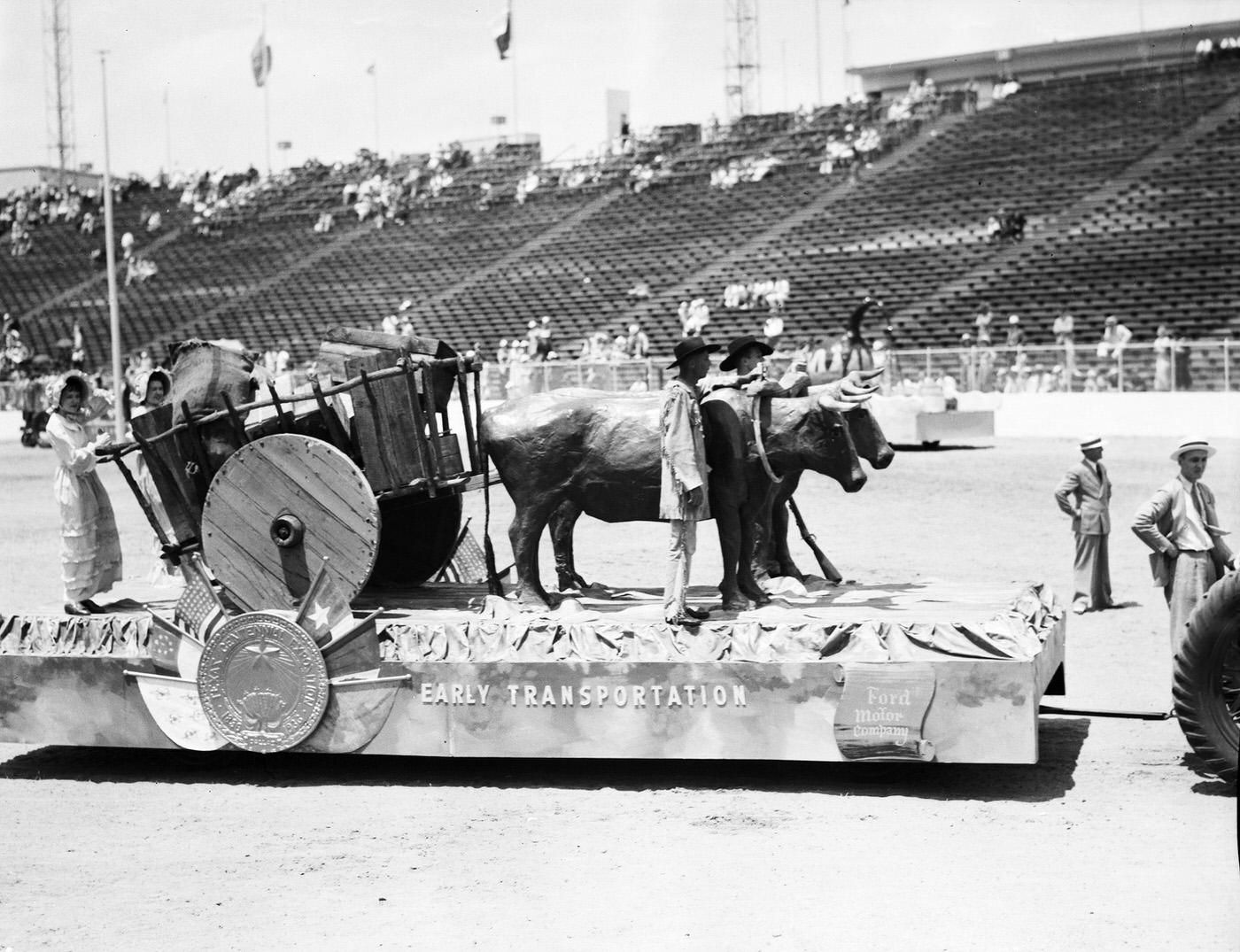
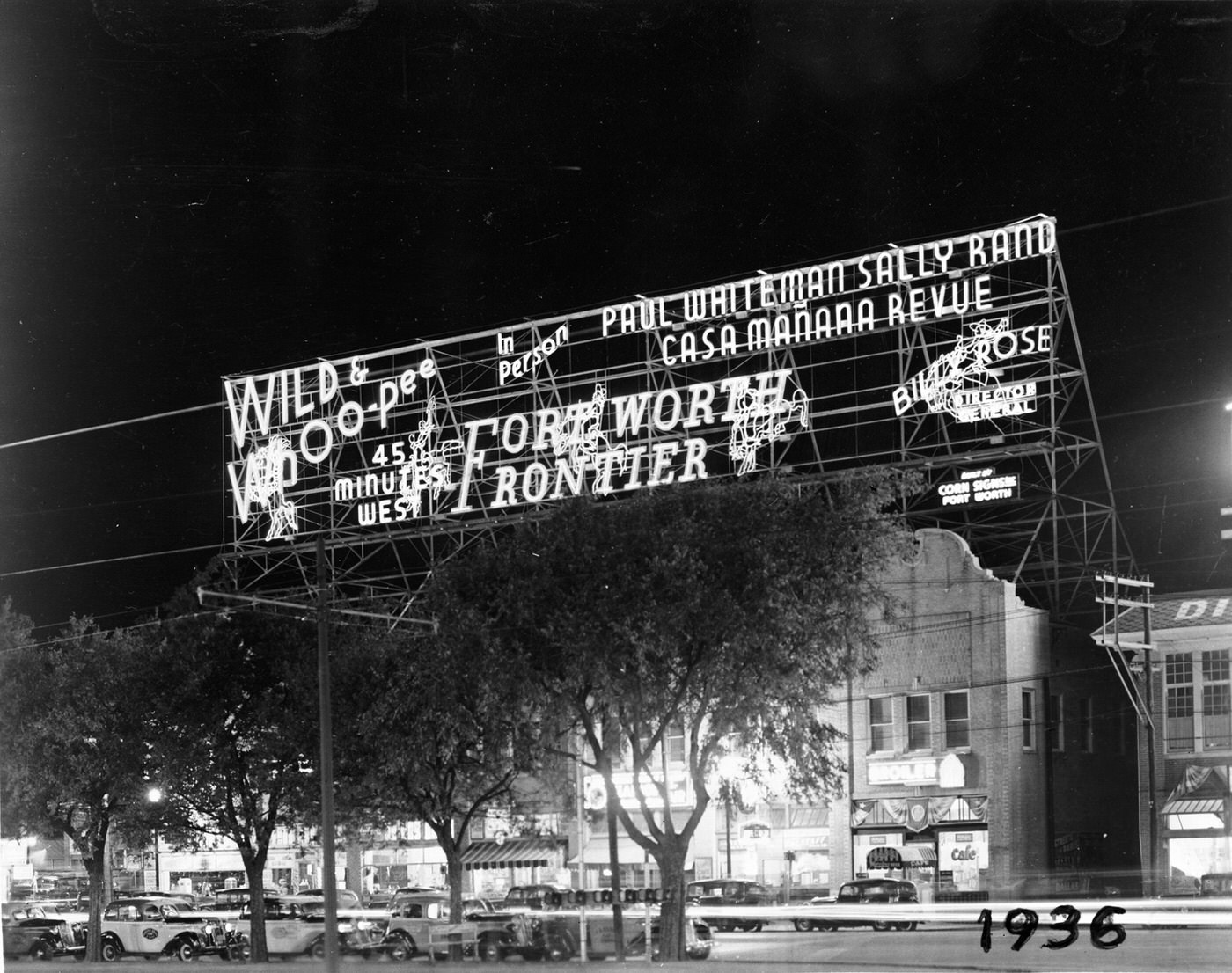
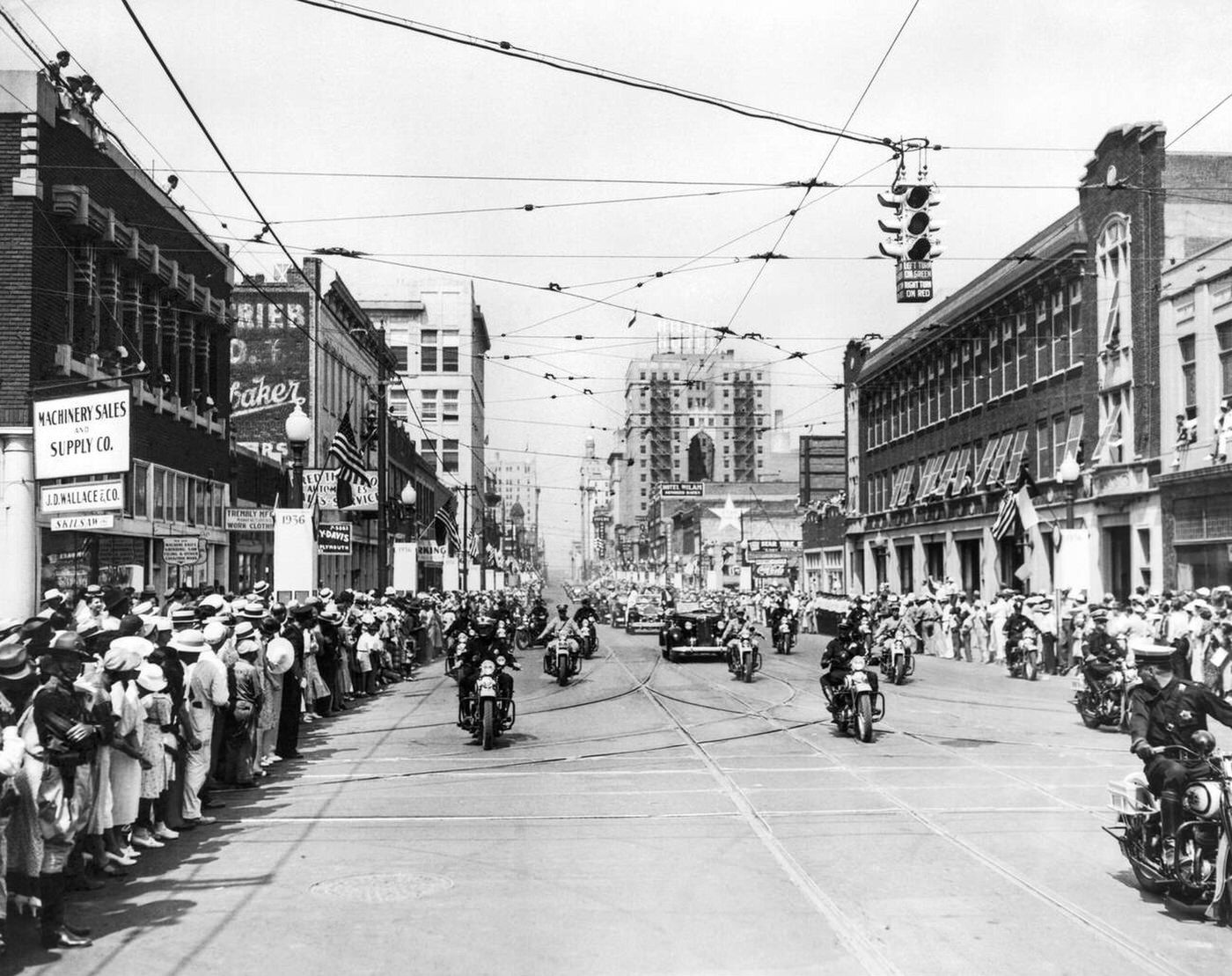
The Exposition opened on June 6, 1936, and over its six-month run, it attracted more than six million visitors. Among them was President Franklin D. Roosevelt, who visited on June 12 and delivered a nationally broadcast radio address from the Cotton Bowl stadium. Visitors were treated to a wide array of attractions. The most popular was the “Cavalcade of Texas,” a massive historical pageant with hundreds of actors that covered four centuries of the state’s history. The Midway offered thrilling rides like the “Rocket Speedway,” while other exhibits featured animatronic dinosaurs, General Electric’s “House of Magic,” and a futuristic “Mechanical Man”. For Dallas, the Exposition was a powerful economic engine. It created over 10,000 jobs and gave the local economy a $50 million boost, helping to buffer the city from the worst effects of the Depression.
Beyond its economic and architectural significance, the Exposition was the site of several groundbreaking cultural moments. It featured the “Hall of Negro Life,” the first time African American culture and achievements were recognized in a dedicated exhibition at a world’s fair. Secured with $100,000 in federal funds after the city and state refused to provide money, the hall was a triumph for Dallas’s Black community. It featured four stunning murals by the celebrated Harlem Renaissance painter Aaron Douglas and drew over 400,000 visitors of all races. The fair also hosted the Texas Centennial Olympics in the Cotton Bowl, which was the first integrated public athletic competition in the history of the American South. Furthermore, a theatrical production of Macbeth with an all-Black cast and integrated seating for the audience proved to be a popular and unique experience for Dallas theatergoers.
The Exposition was a masterstroke of civic branding, a calculated investment that used a historical anniversary to create jobs, modernize a vast public space, and project an image of Dallas as a dynamic, forward-looking metropolis. Yet, it also embodied the city’s deepest contradiction. It celebrated progress and even showcased moments of racial inclusion while existing in a city still defined by the rigid laws and customs of Jim Crow segregation. The fate of the Hall of Negro Life was a stark symbol of this paradox. Despite its success and cultural importance, it was the only major exhibit hall to be demolished immediately after the fair closed, an act that underscored the fragile and contested nature of racial progress in 1930s Dallas.
The Dallas Landscape: Homes, Shops, and Streetcars
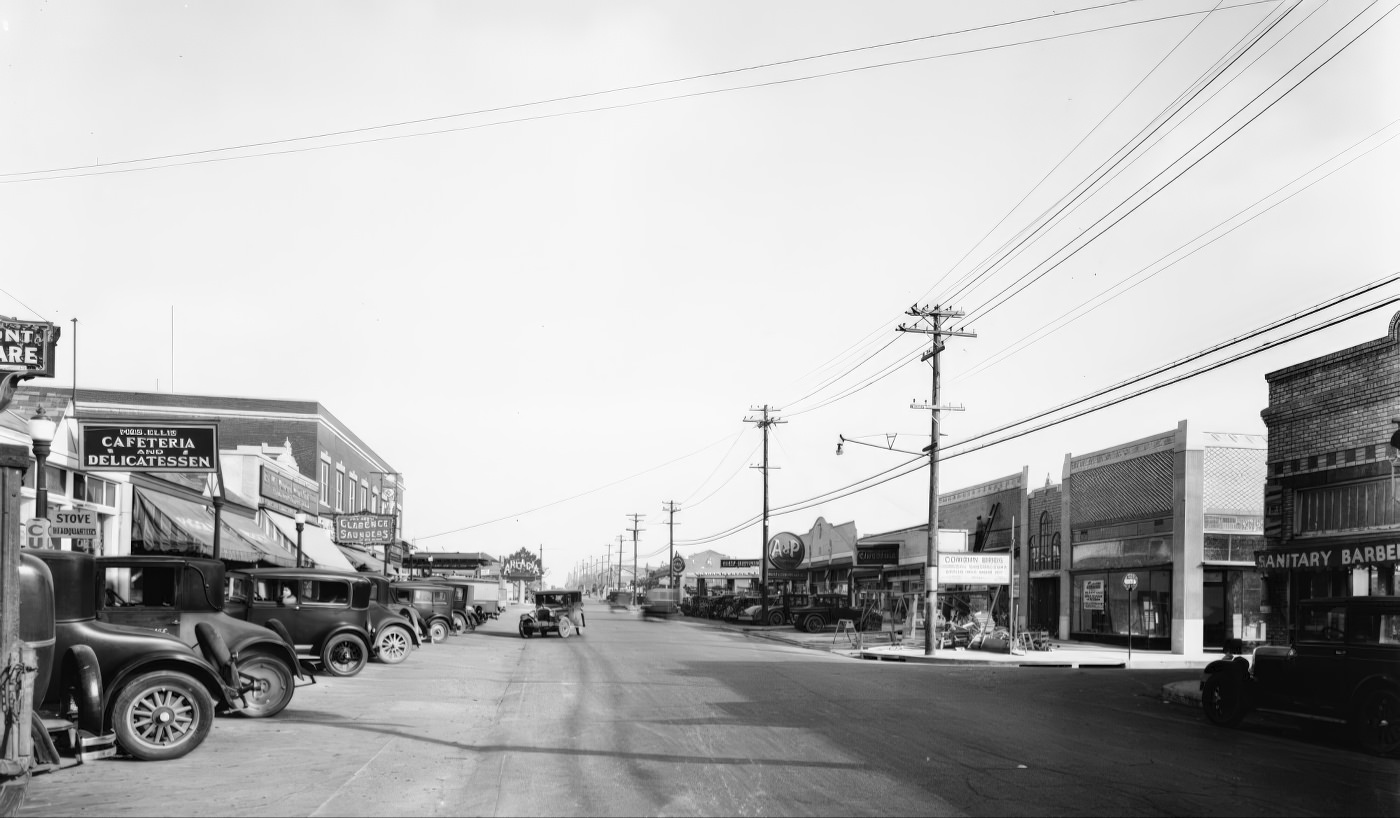
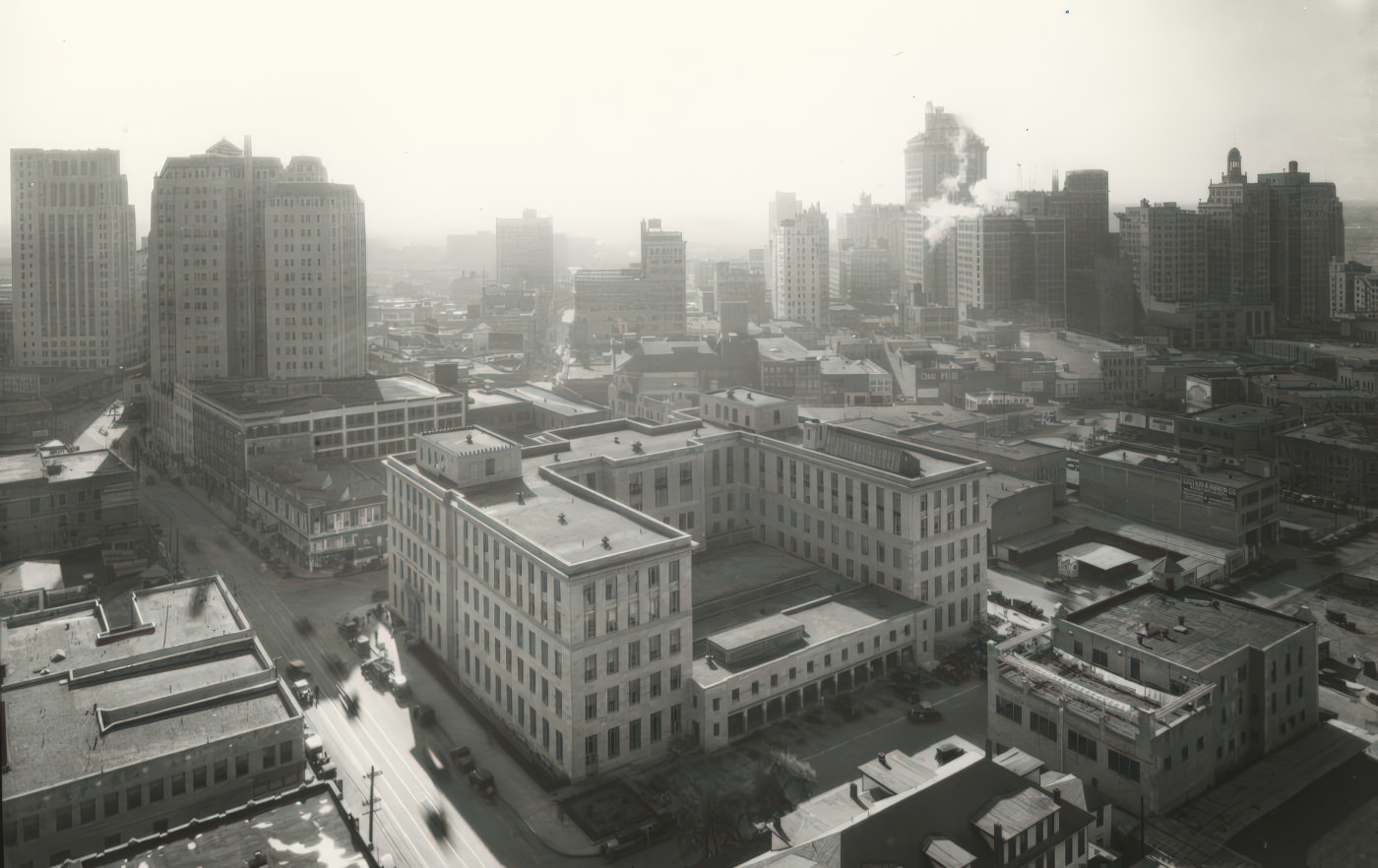
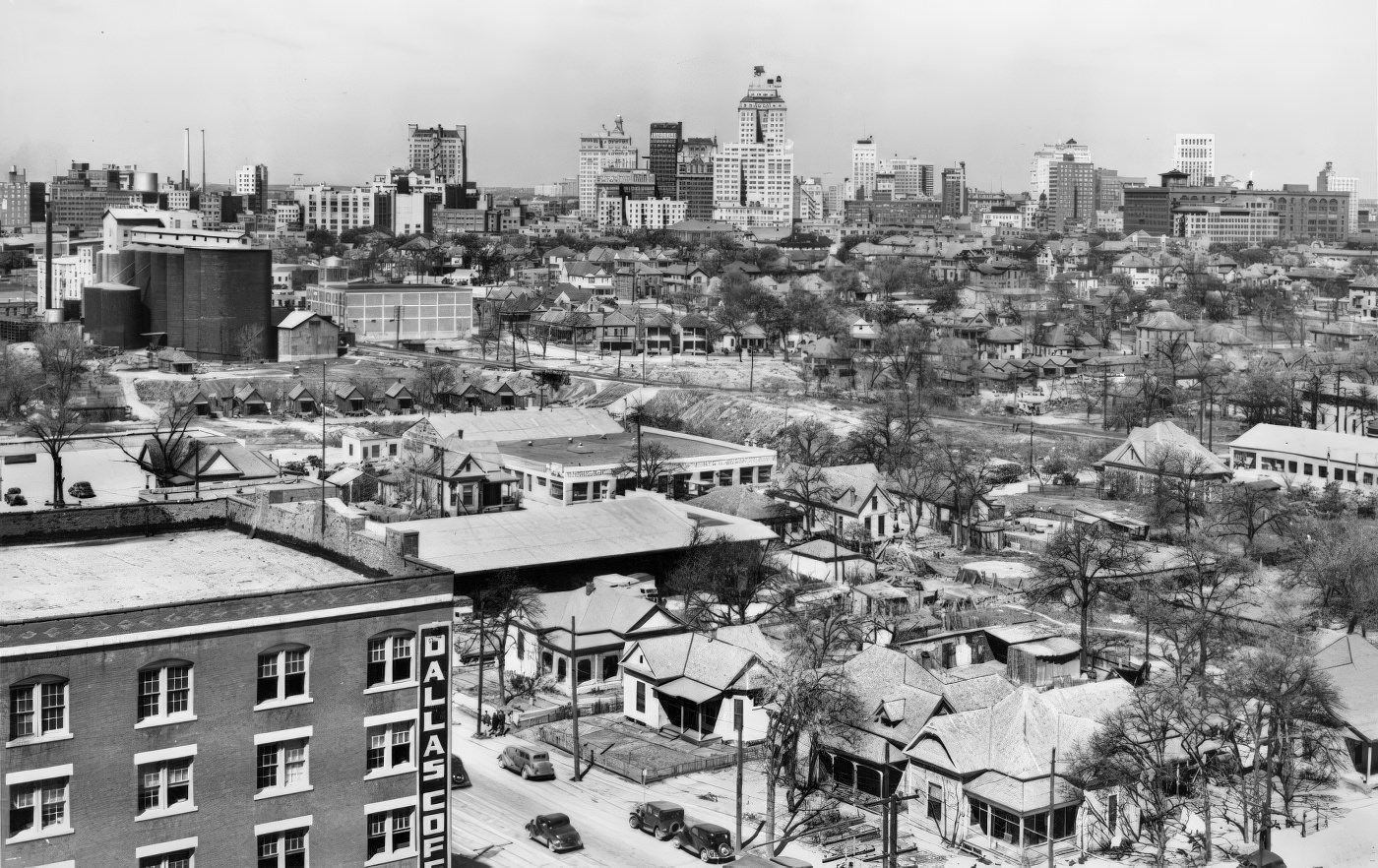
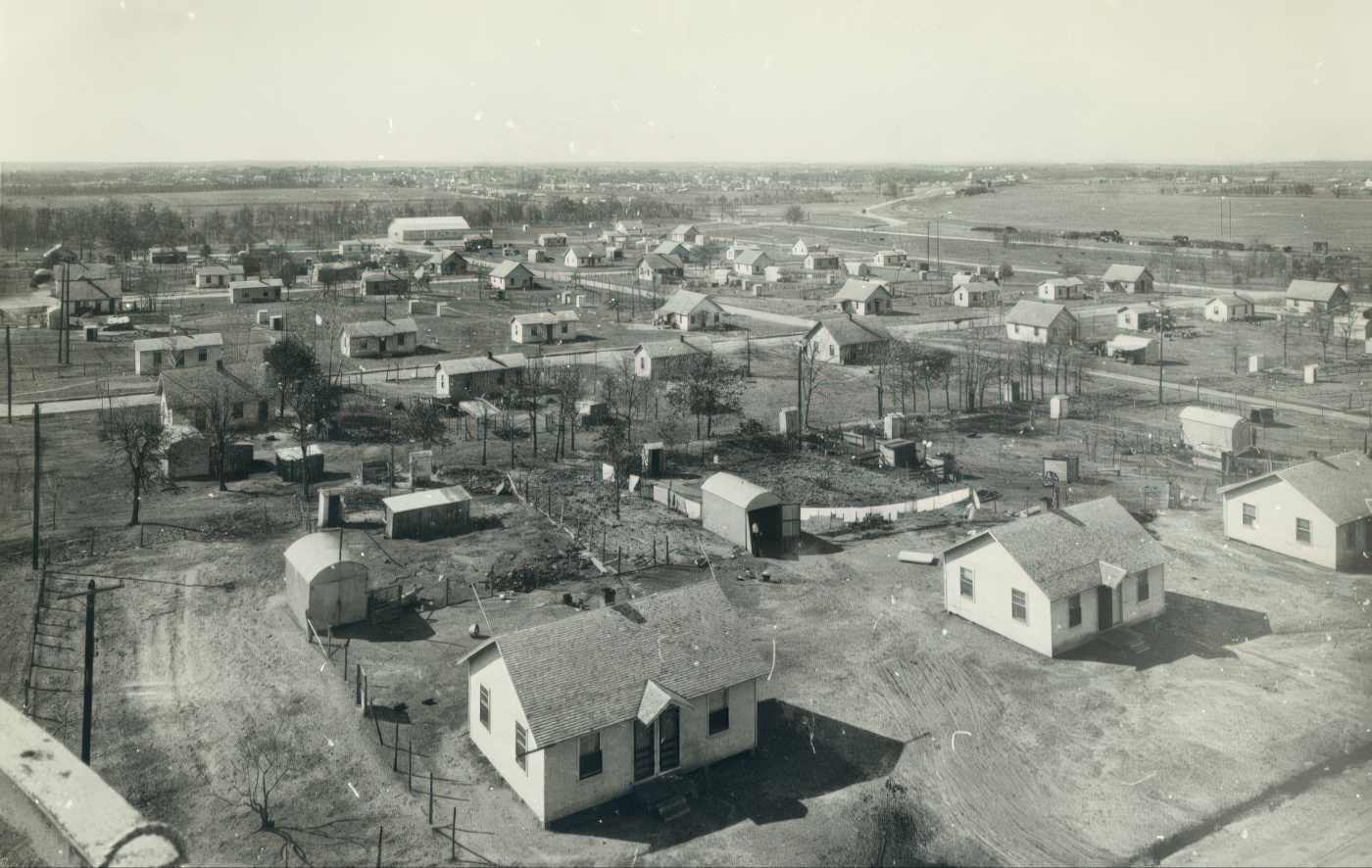
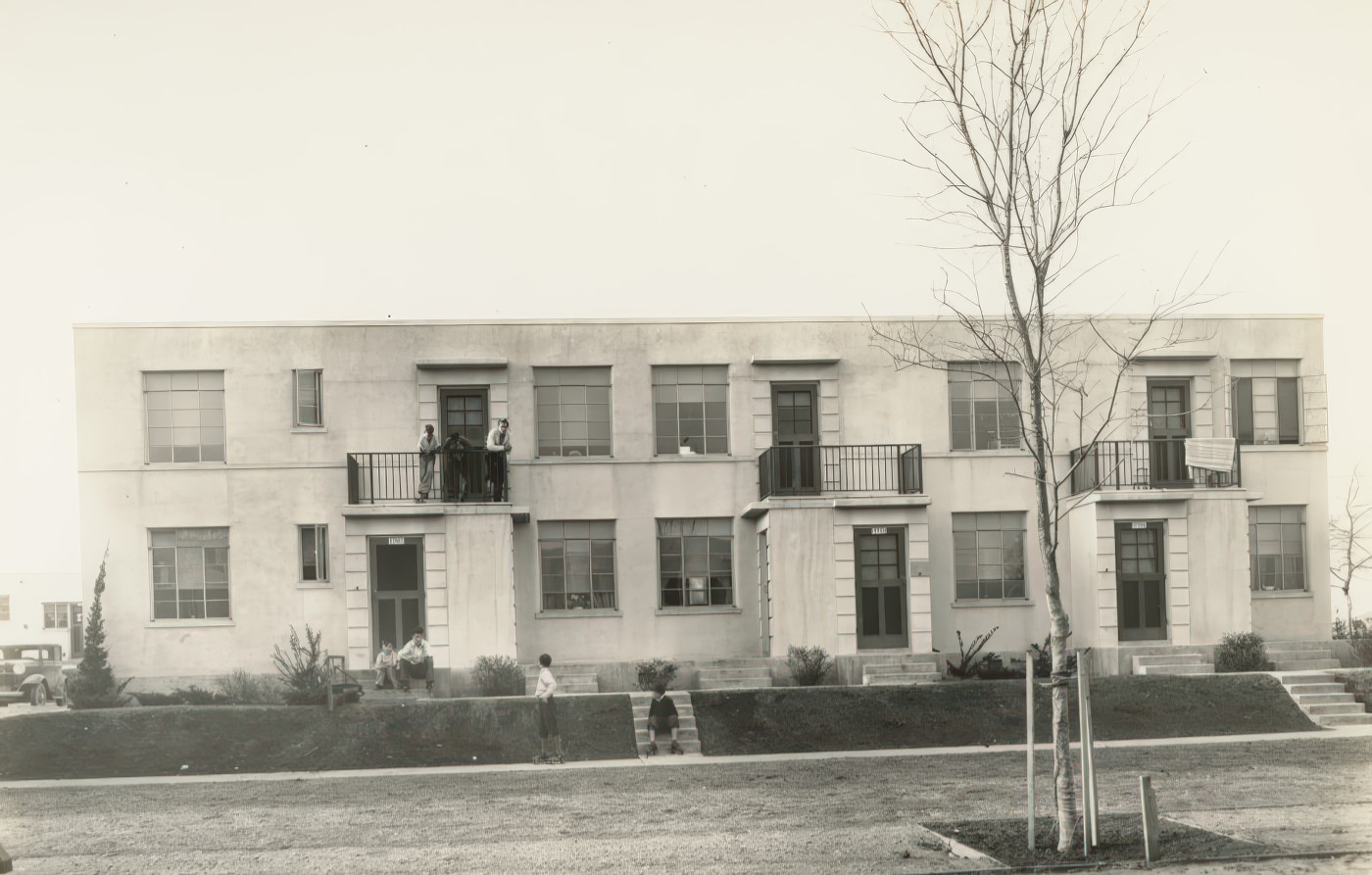
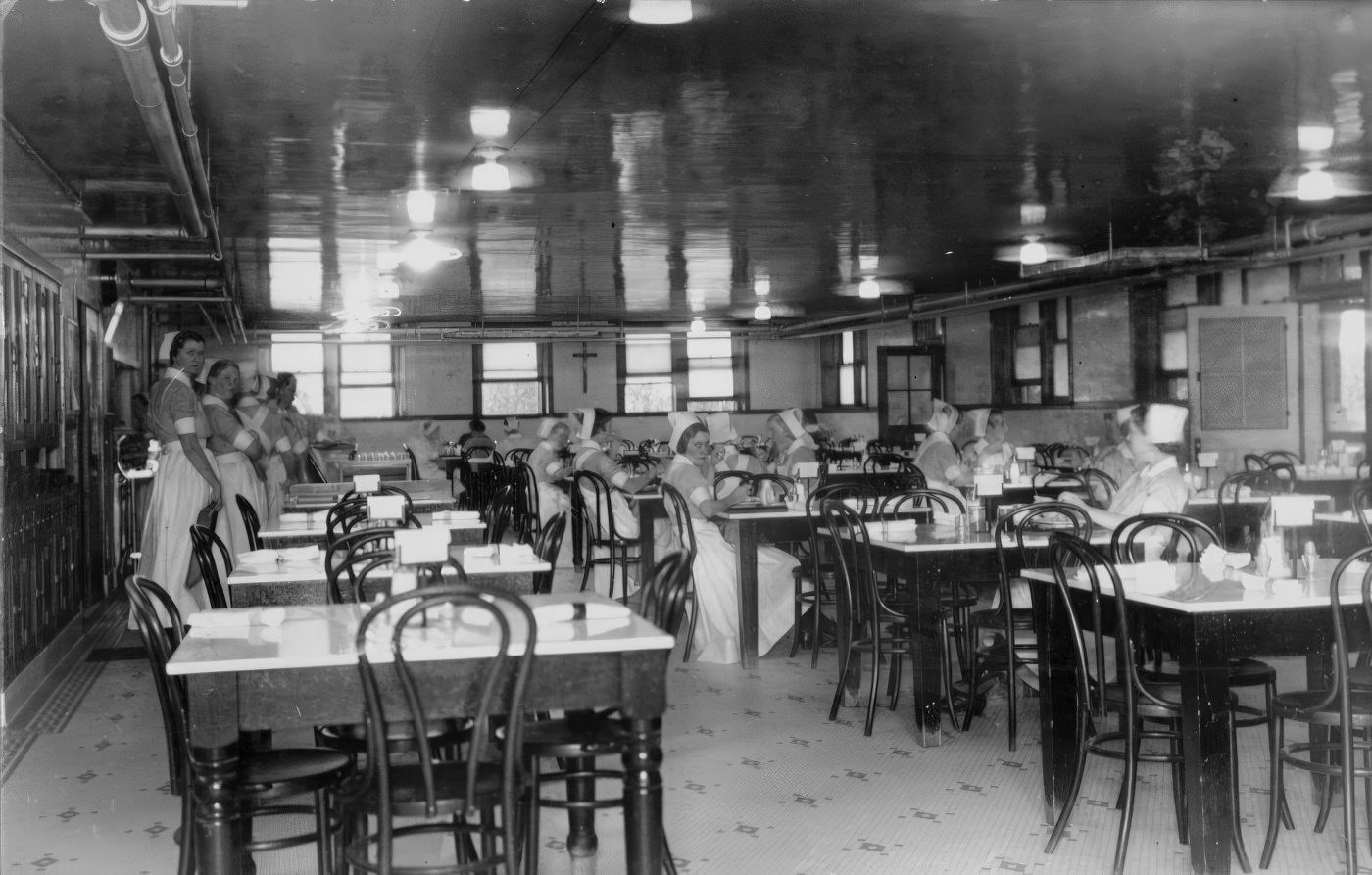
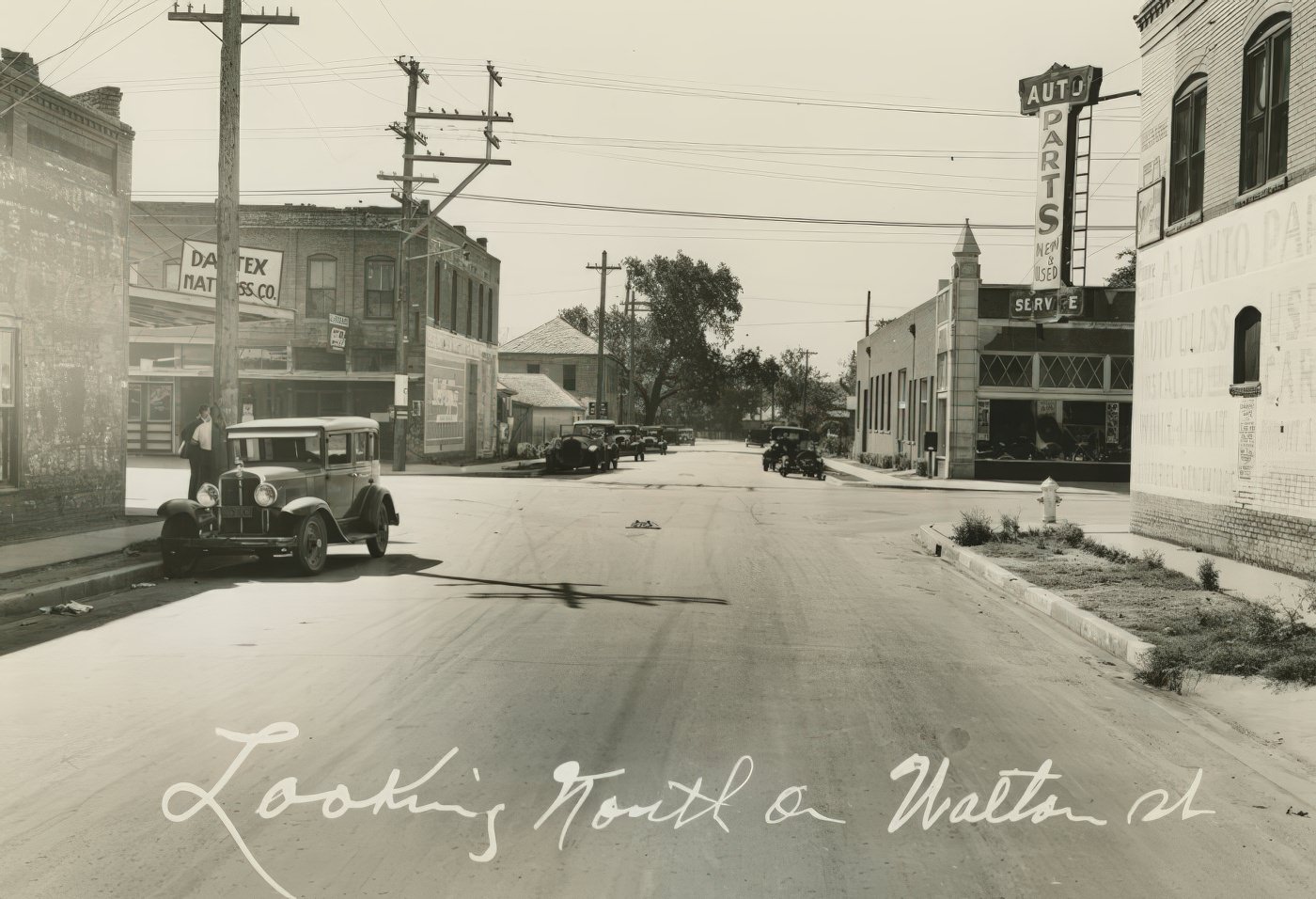
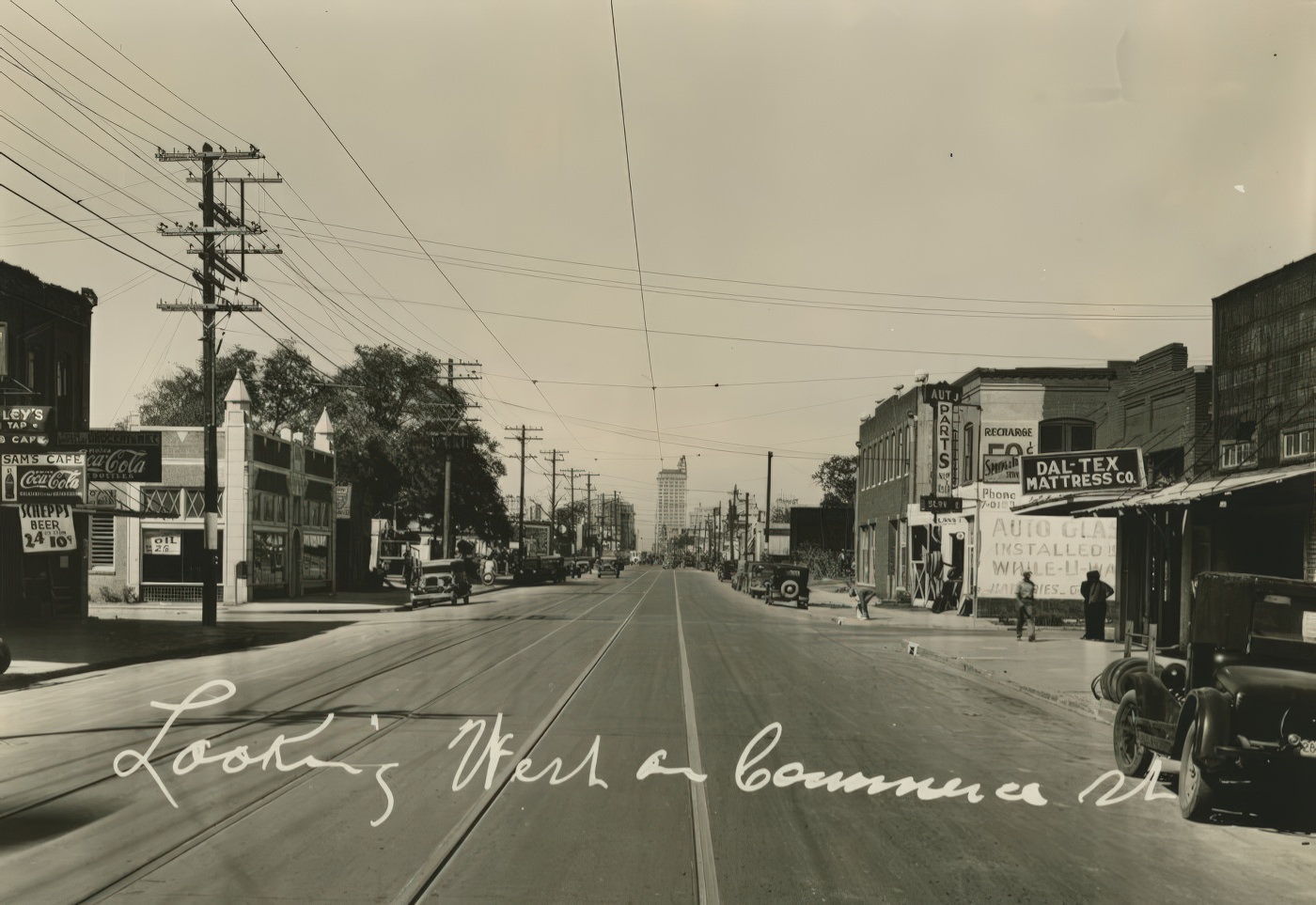
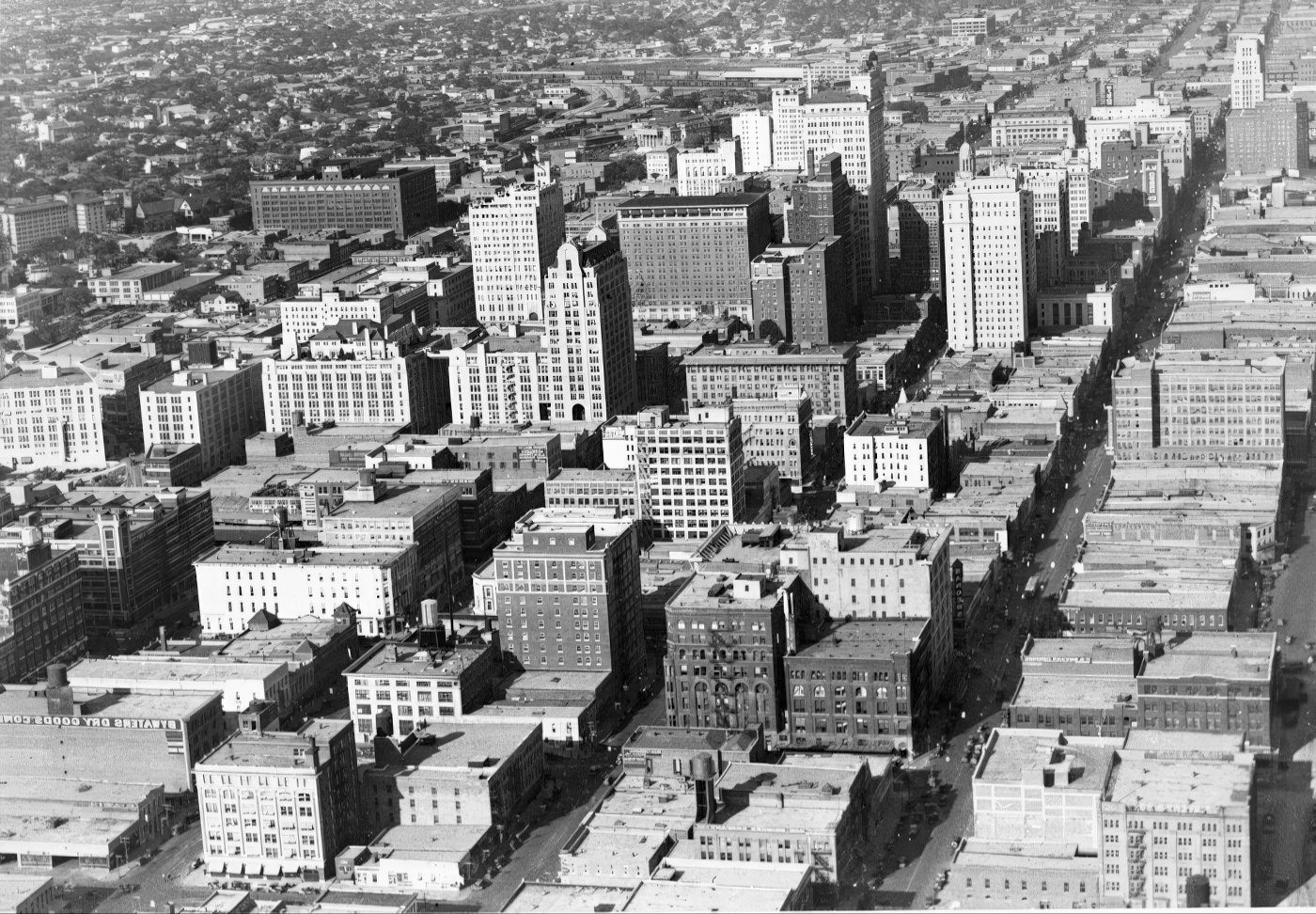
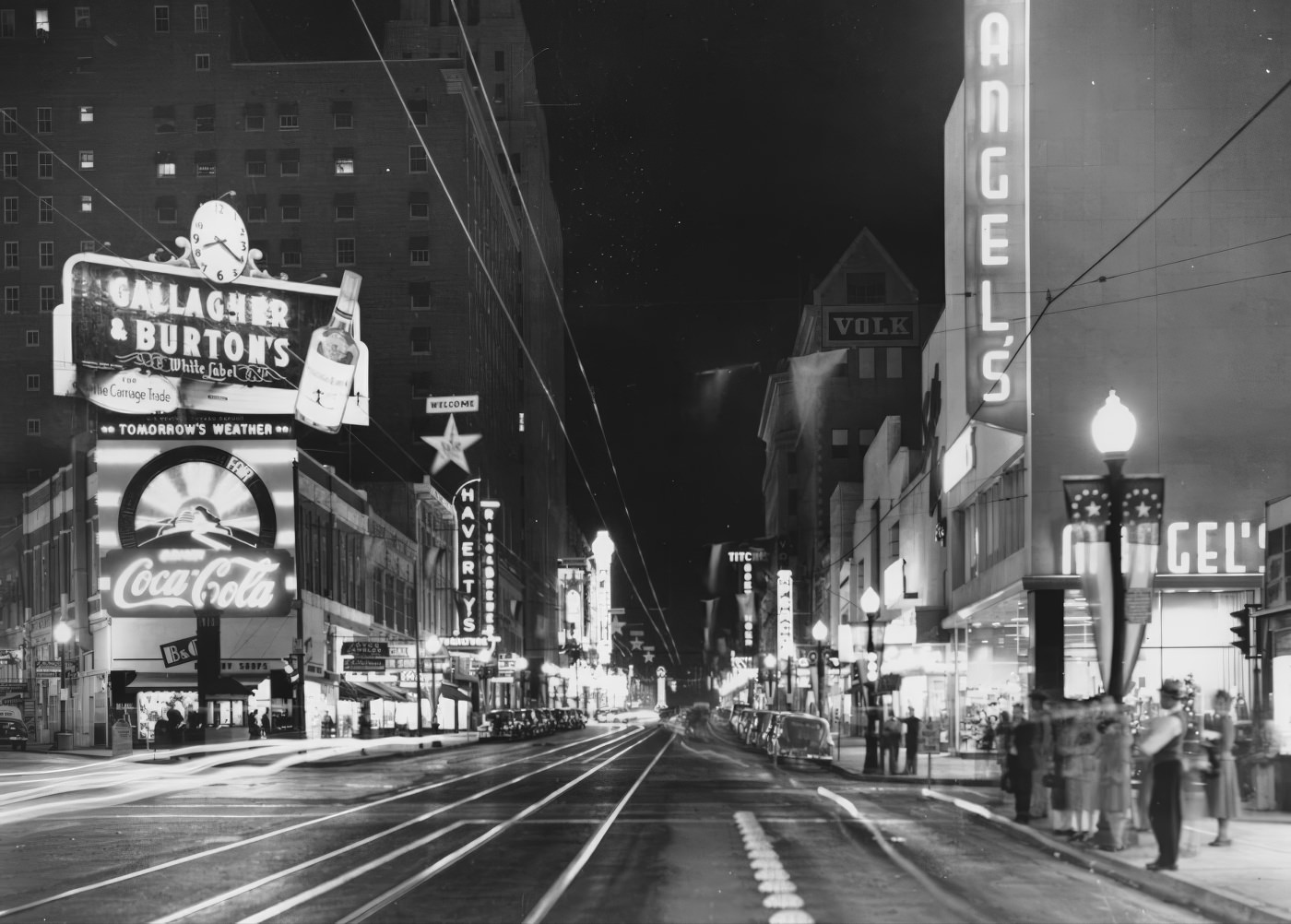
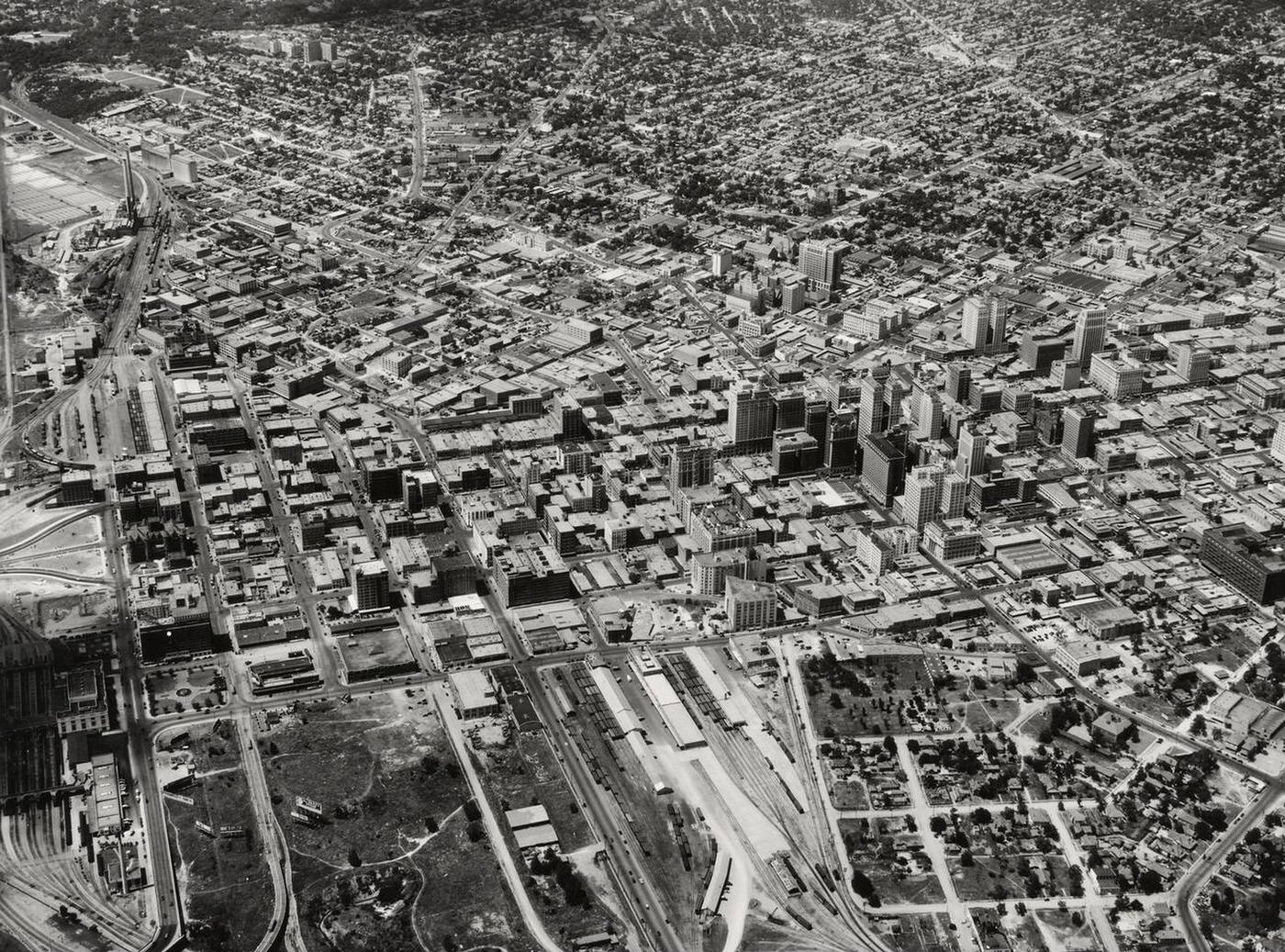
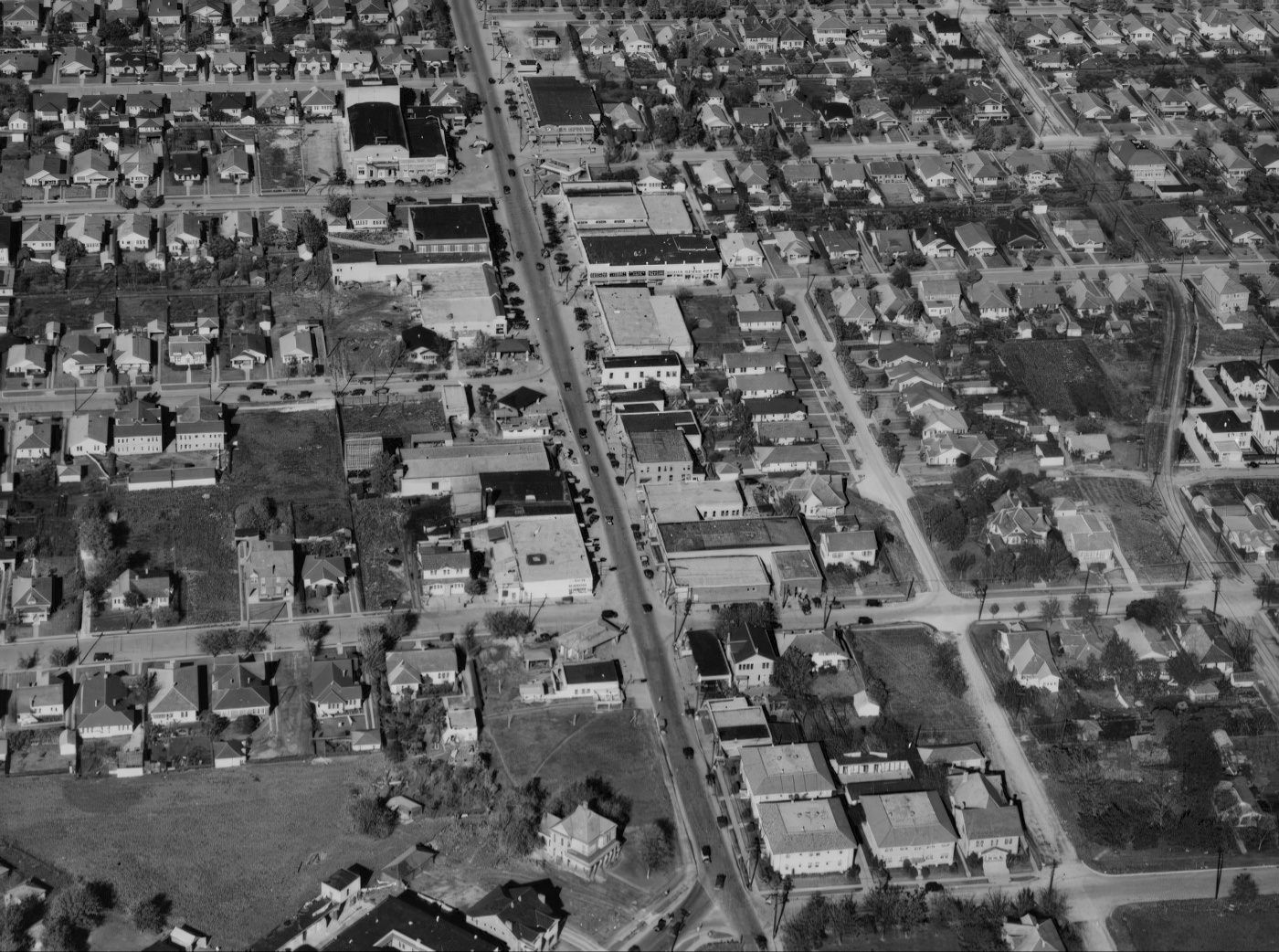
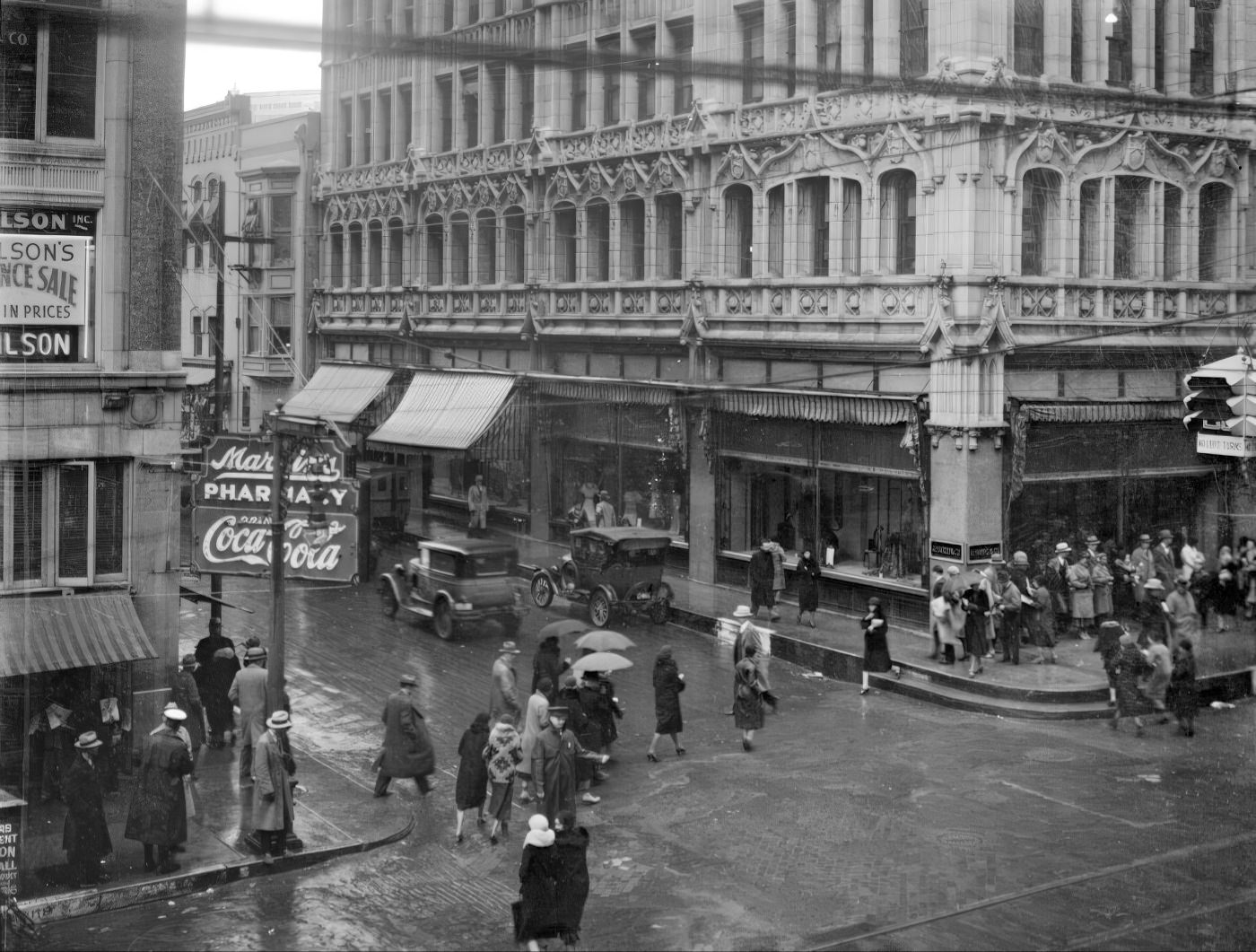
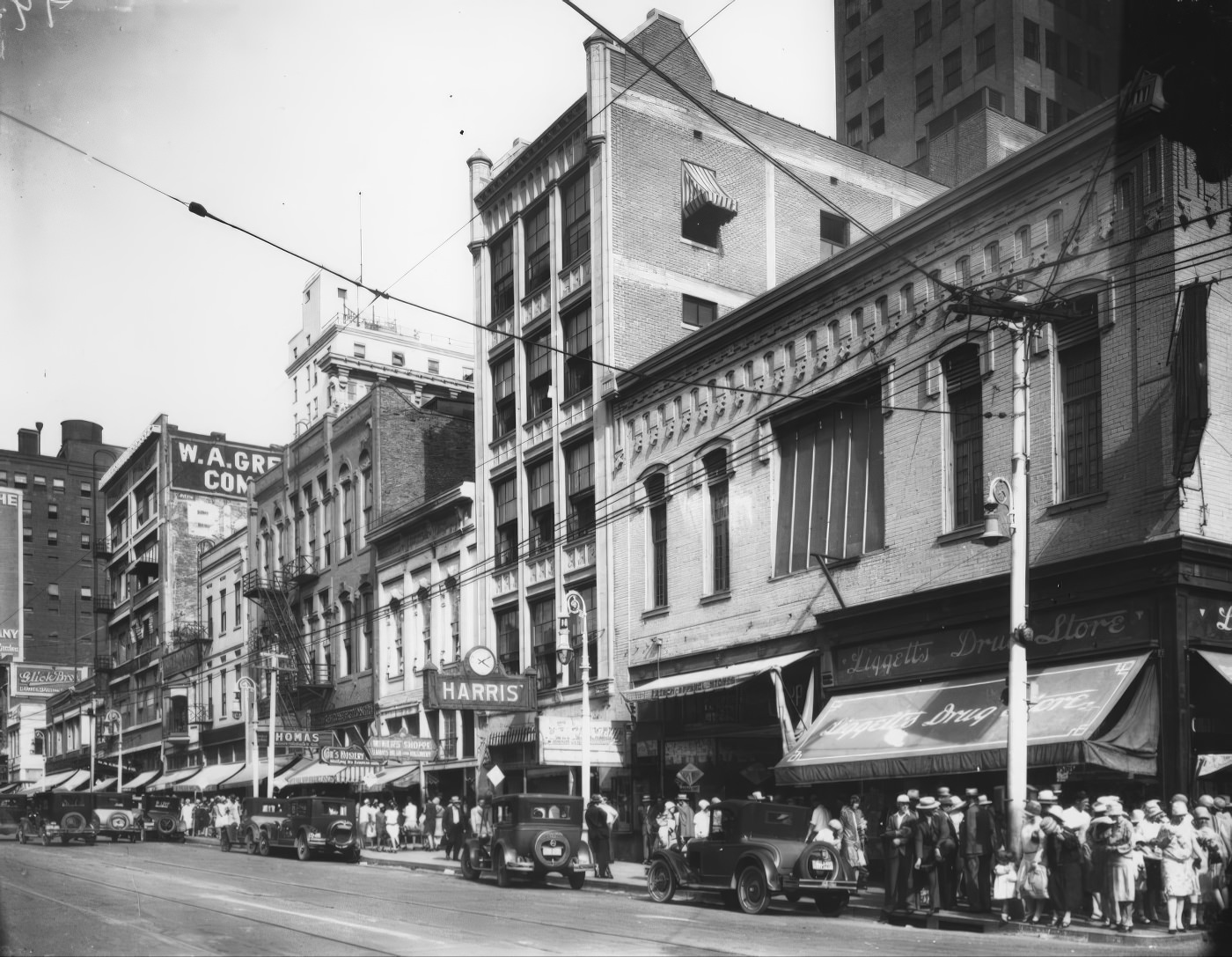
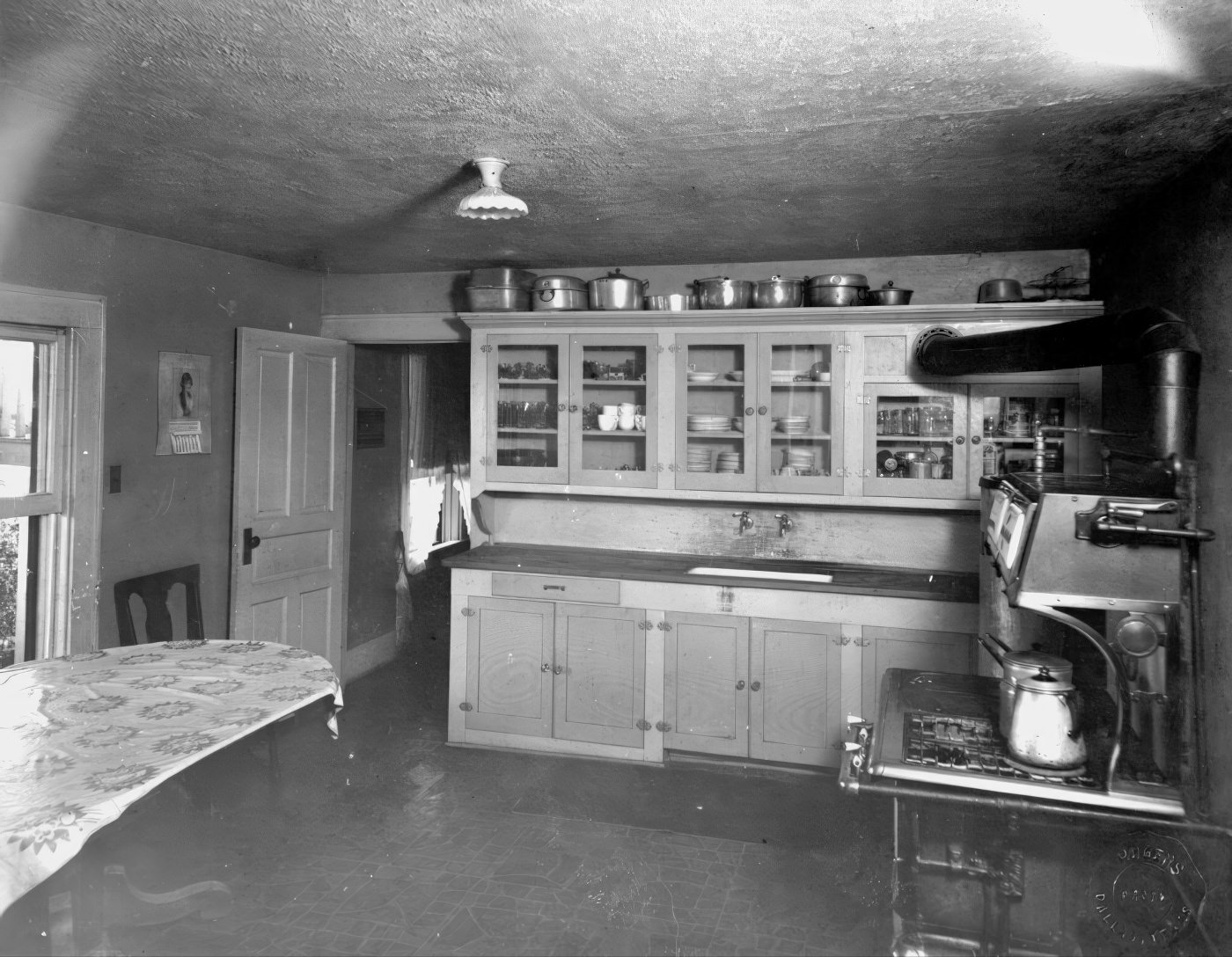
The physical environment of Dallas in the 1930s was one of dynamic growth and transition, as new neighborhoods, new forms of retail, and new modes of transportation reshaped how its citizens lived, worked, and shopped. The decade saw the continued expansion of the city’s first suburban-style residential areas, many of which were located in the eastern part of the city, clustered around the increasingly popular recreational hub of White Rock Lake.
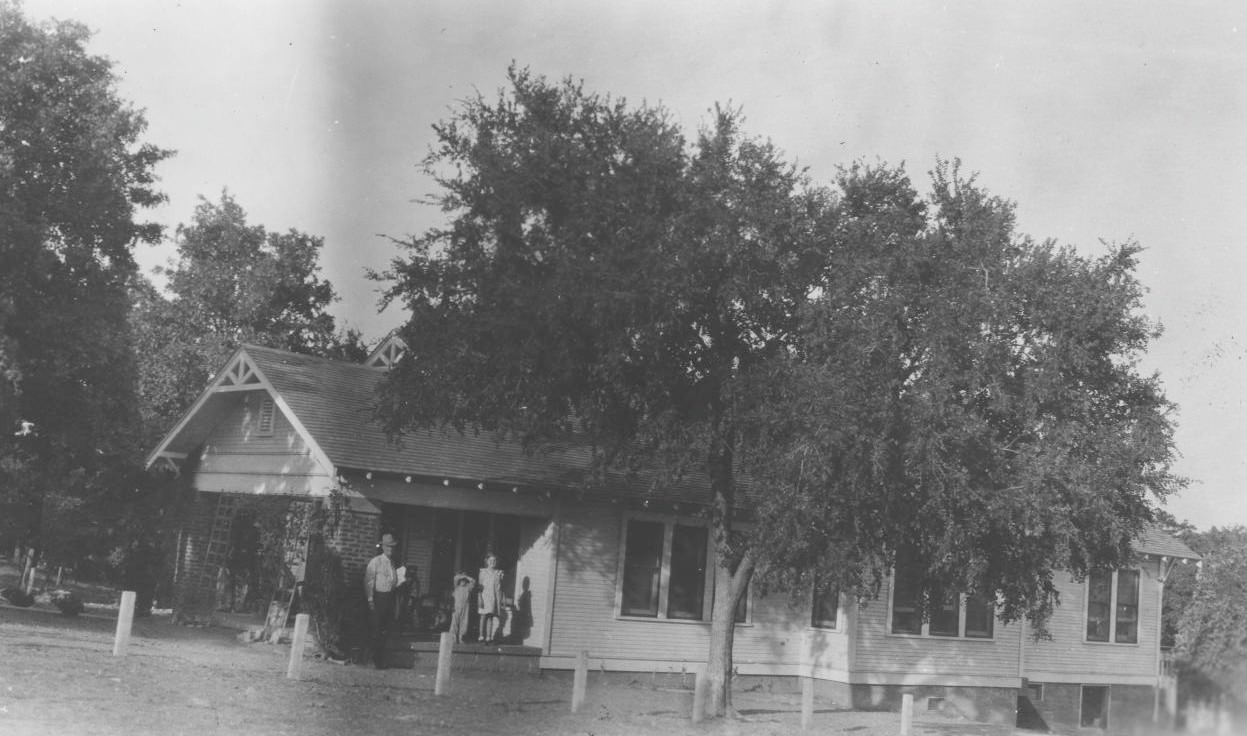
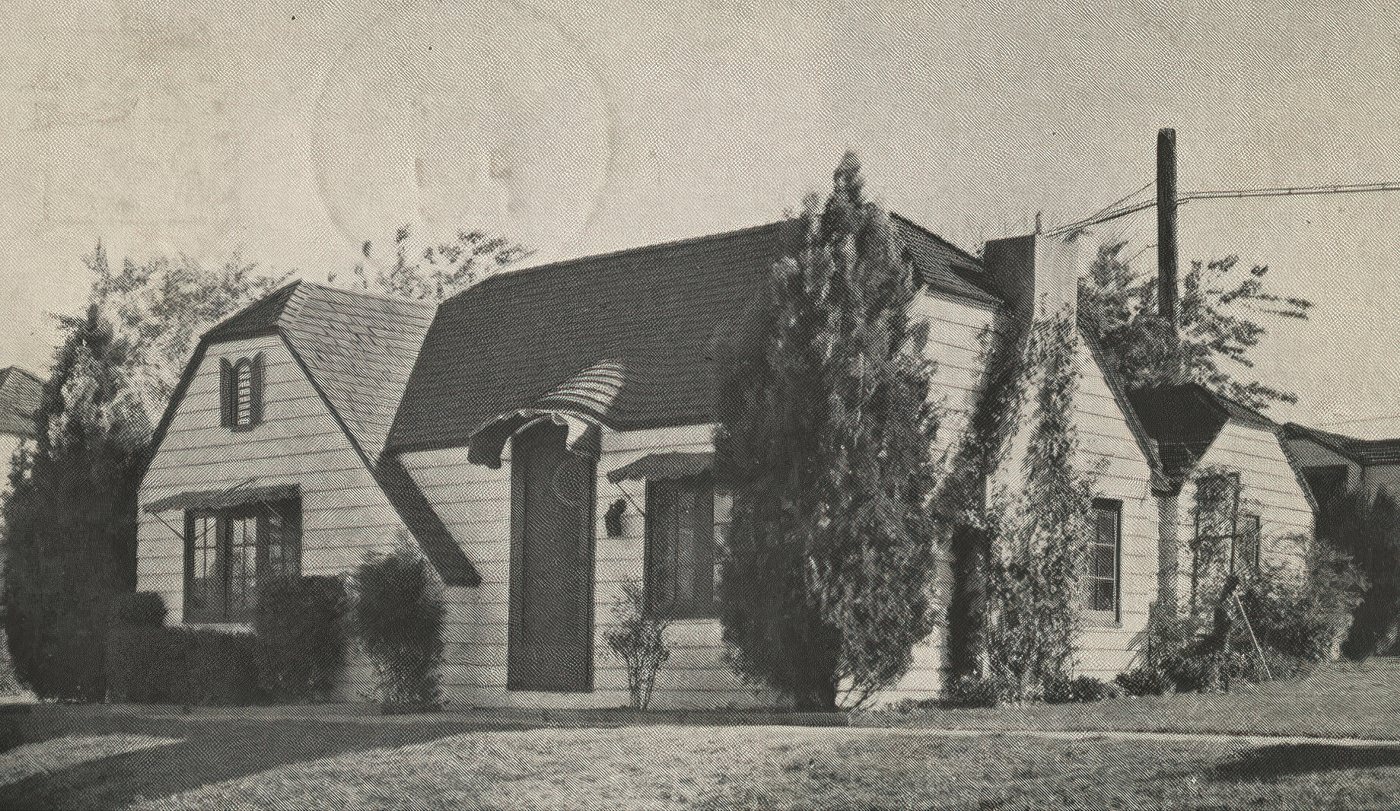
These neighborhoods were characterized by their distinctive architecture. Tudor Revival was an especially popular style, defining the look of areas like the “M Streets” of Greenland Hills with its characteristic steep gables, decorative half-timbering, and elaborate brickwork. Alongside Tudor, homes in the Spanish Eclectic style, with their red-tiled roofs and stucco walls, and the stately Colonial Revival style were common in affluent areas like Lakewood and Forest Hills. For more modest middle-class homes, the Craftsman bungalow remained a popular choice. This architectural boom was led by local architects who left a lasting mark on the city. Clifford D. Hutsell became almost synonymous with the Lakewood area, known for his fanciful and sometimes eccentric Spanish-style homes. In neighborhoods like Hollywood Heights and Cochran Heights, architect Charles Dilbeck designed dozens of eclectic cottages that blended different styles, creating unique and charming streetscapes.
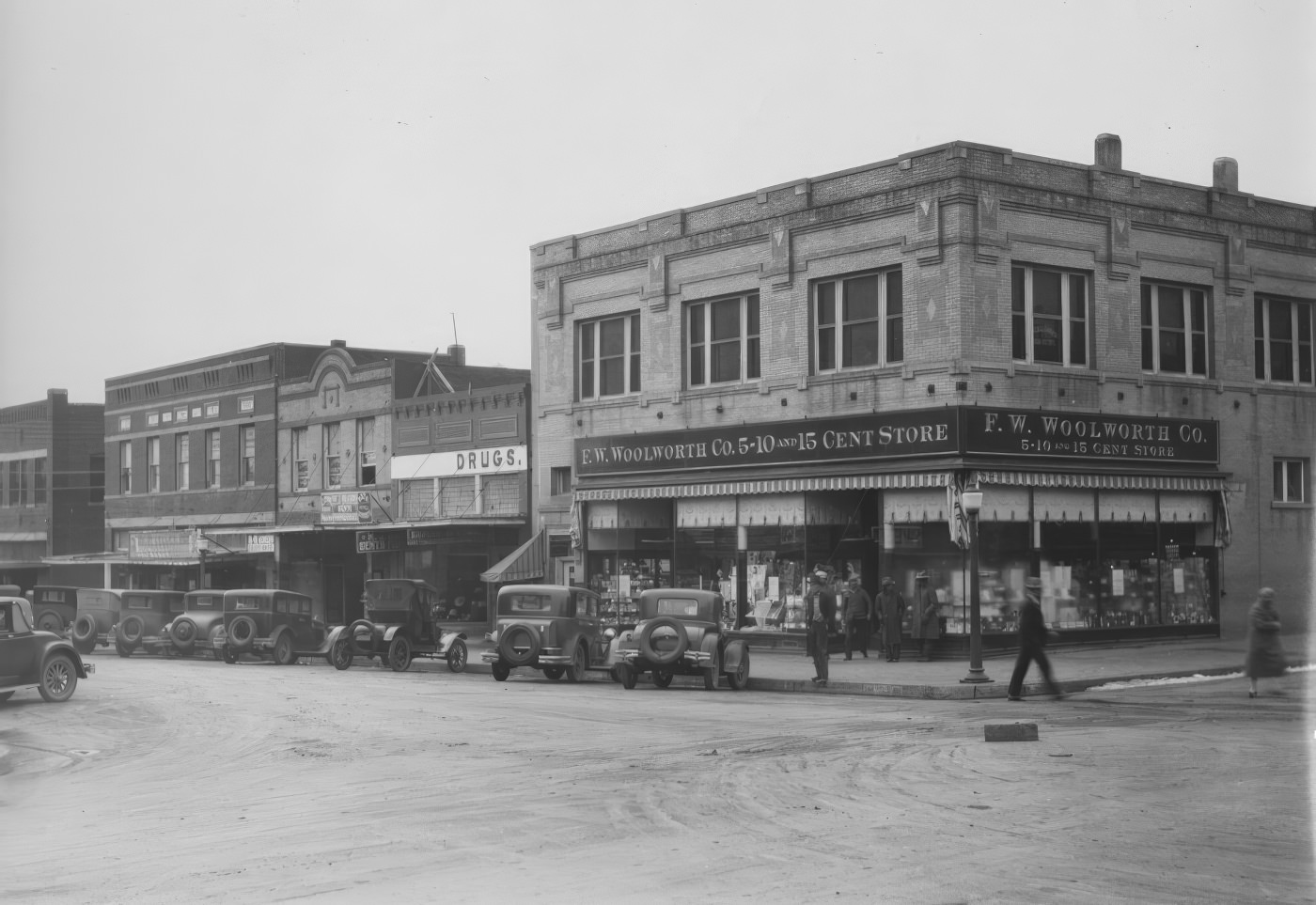
As these new neighborhoods grew, Dallas was also at the forefront of a revolution in retail. In 1931, developers Hugh Prather and Edgar Flippen opened Highland Park Village. Inspired by the architecture of Spain and California, it was designed by architects Marion Fooshee and James Cheek as a unified shopping center with a consistent Mediterranean style. Its most revolutionary feature was its design: the stores faced inward toward a central parking lot, making it the first planned, self-contained shopping center in America built for the automobile. This concept would become the prototype for suburban shopping centers across the country for the next fifty years. While Highland Park Village catered to the new automobile culture, downtown Dallas was home to Neiman-Marcus, a luxury retailer that came into its own in the 1930s. Founded in 1907 by Herbert Marcus Sr., his sister Carrie Marcus Neiman, and her husband A.L. Neiman, the store established Dallas as a national center for high fashion. It was the first retail store outside of New York City to place advertisements in national magazines like Vogue and Harper’s Bazaar, bringing international style to wealthy Texans. On a more everyday level, the world’s first convenience store, 7-Eleven, which had started as a Southland Ice Company location in Dallas in 1927, continued to pioneer a new model of local, accessible retail.
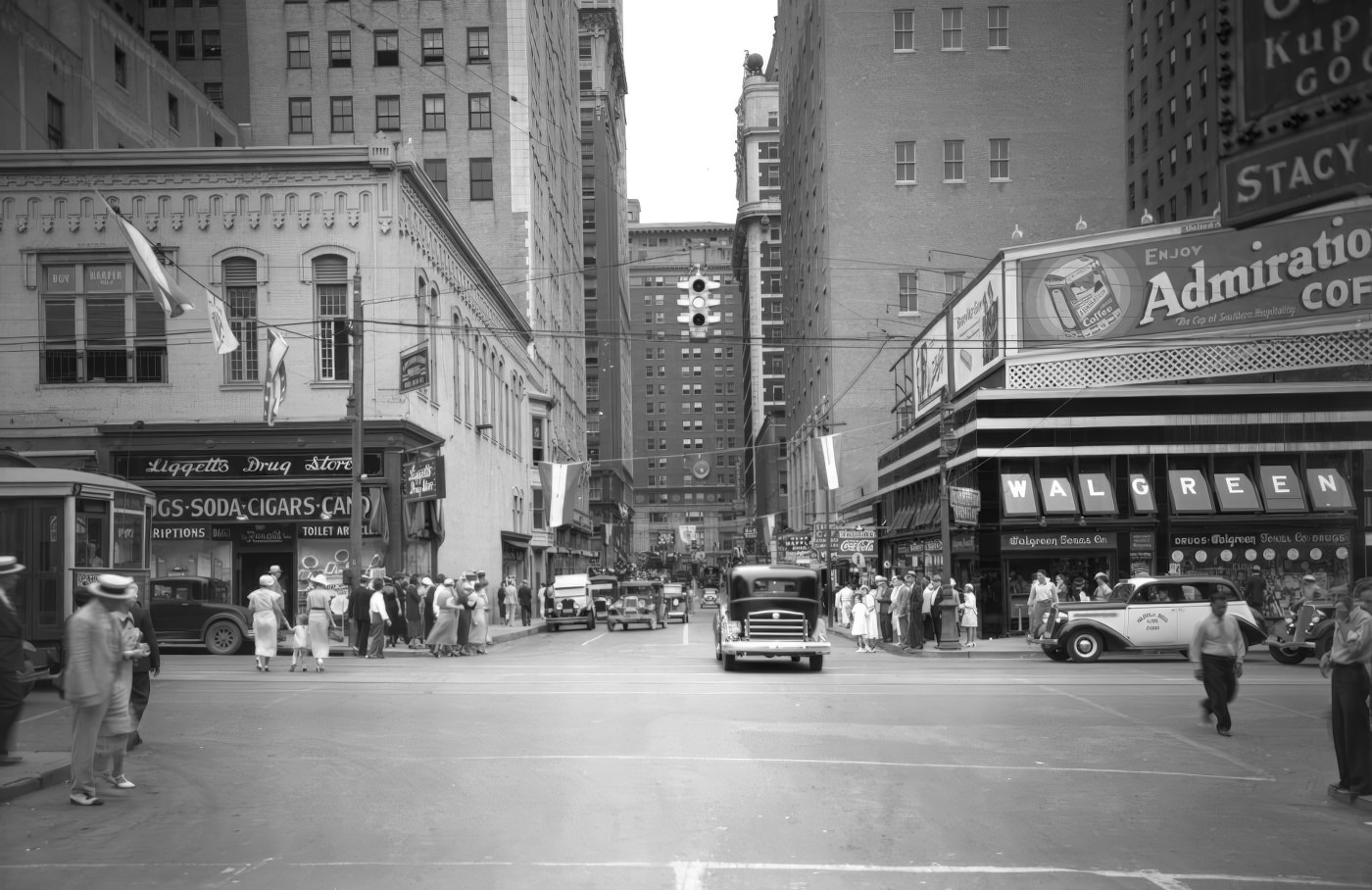
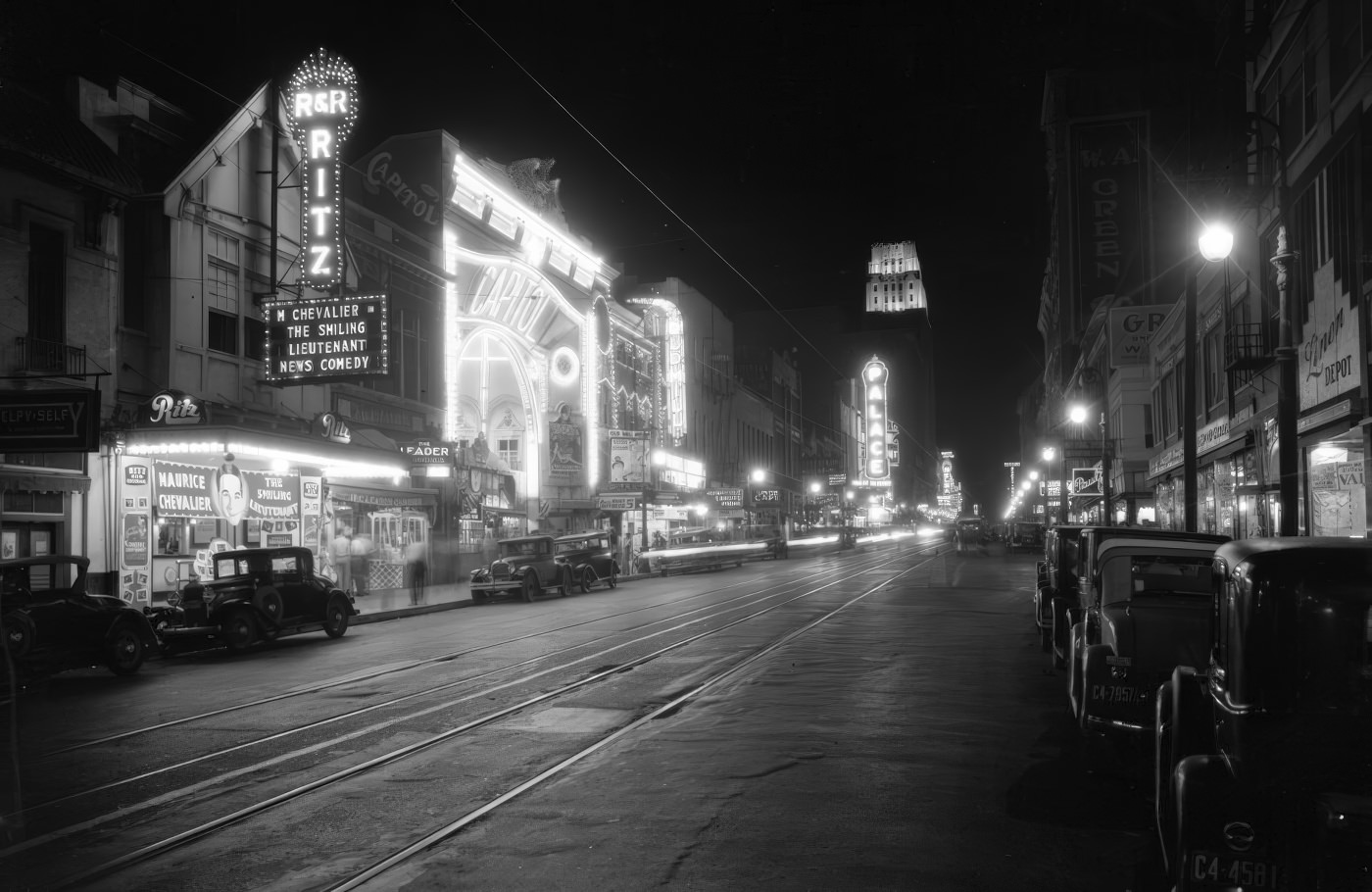
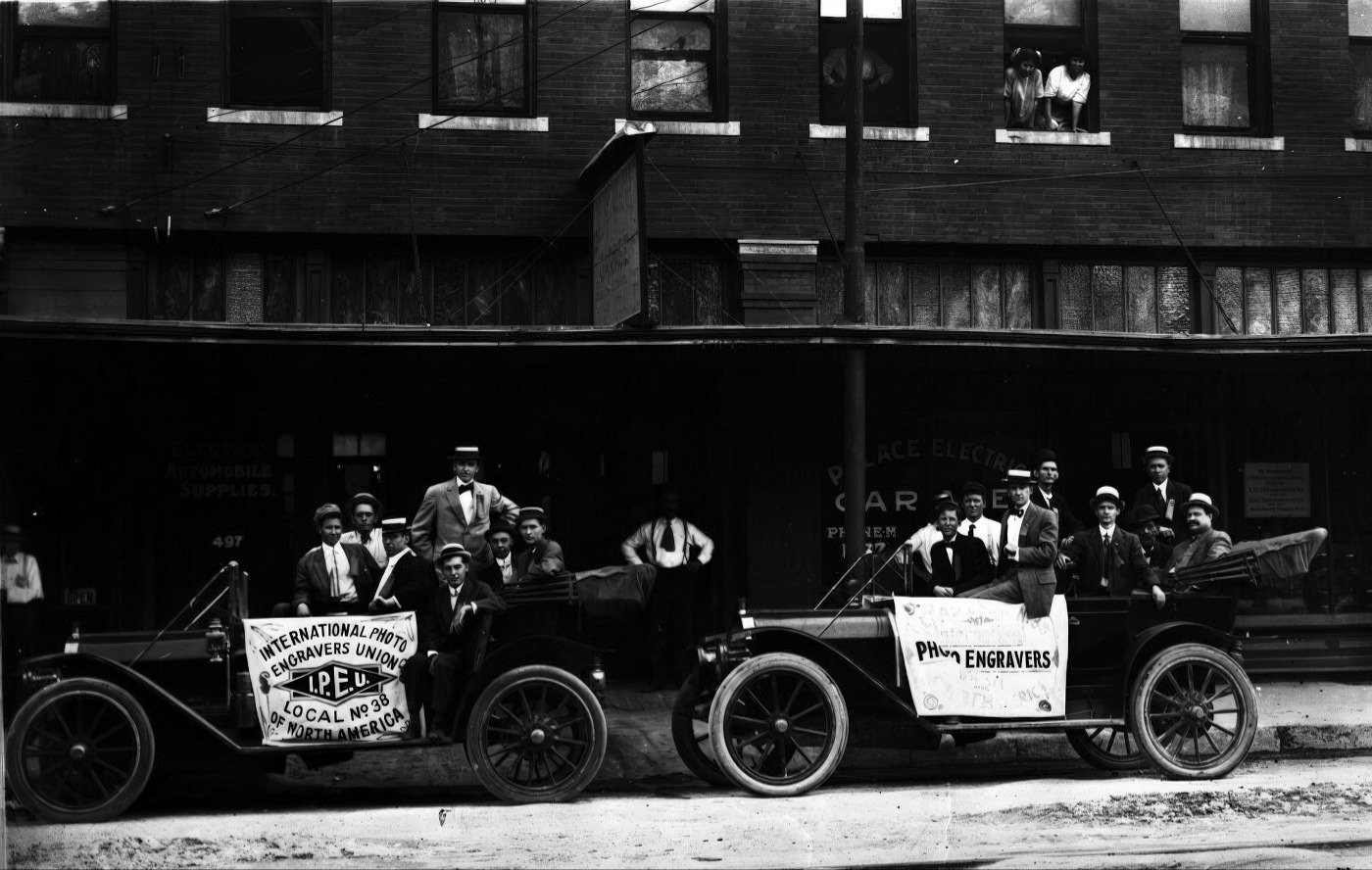
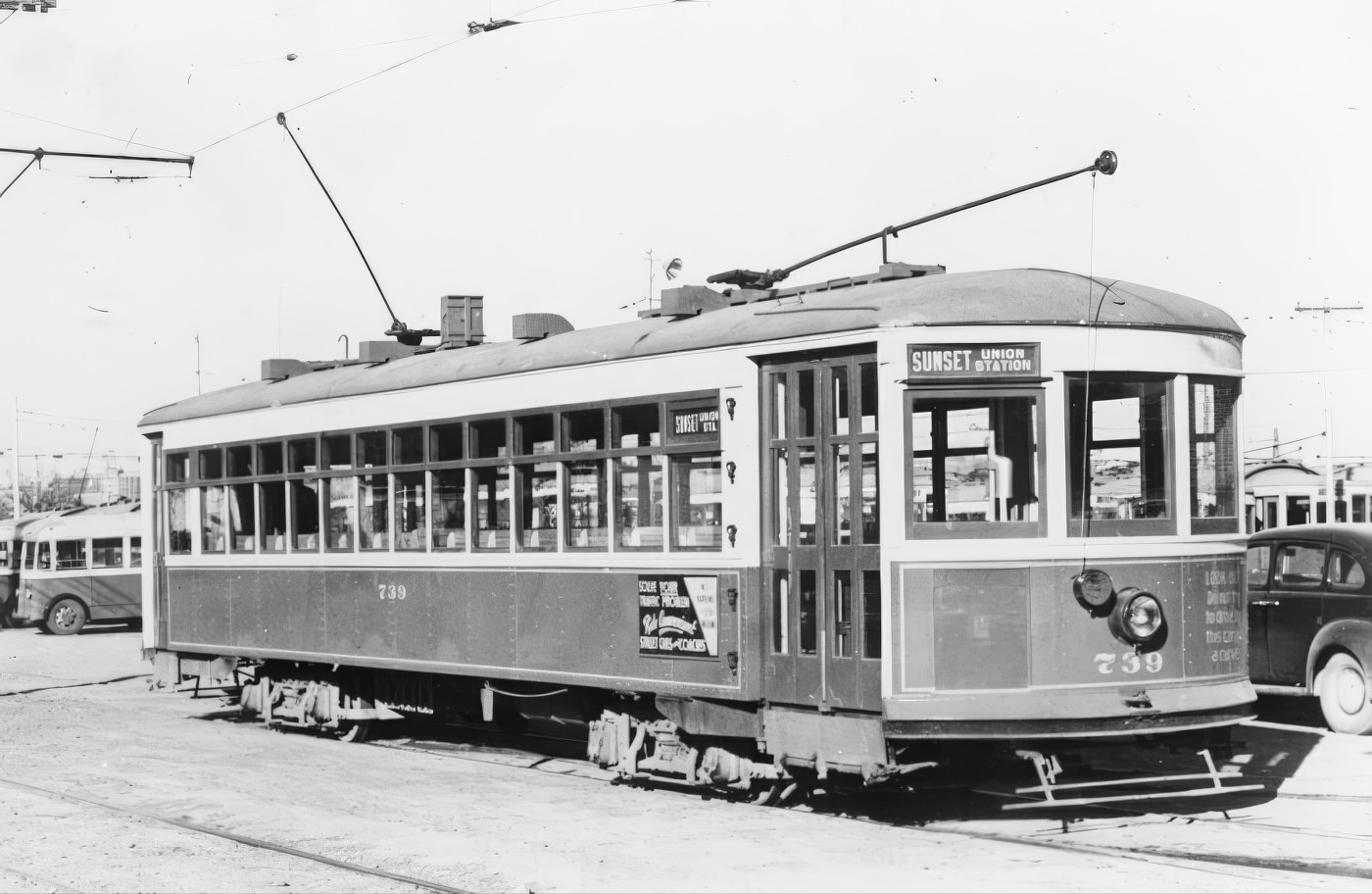
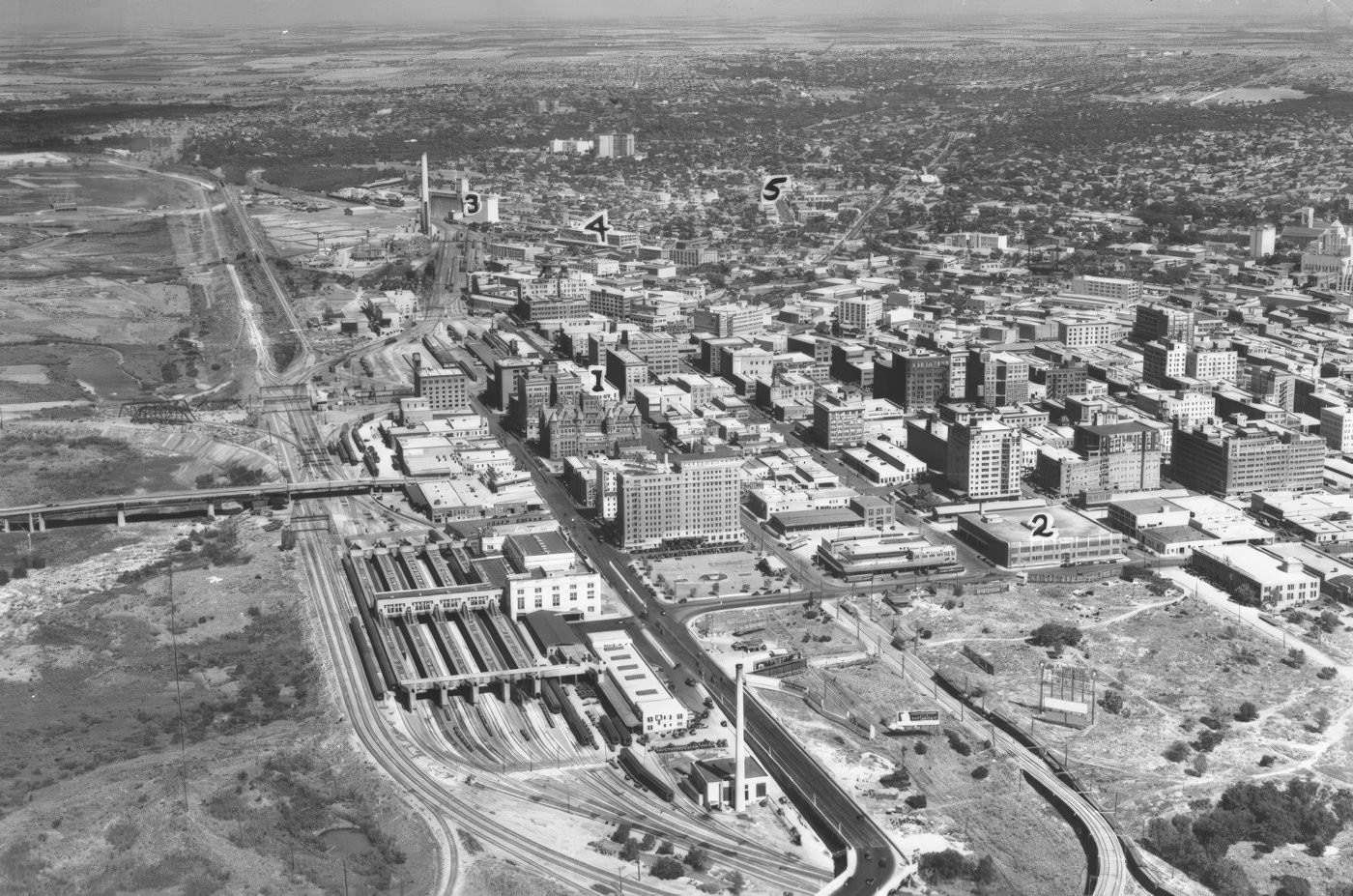
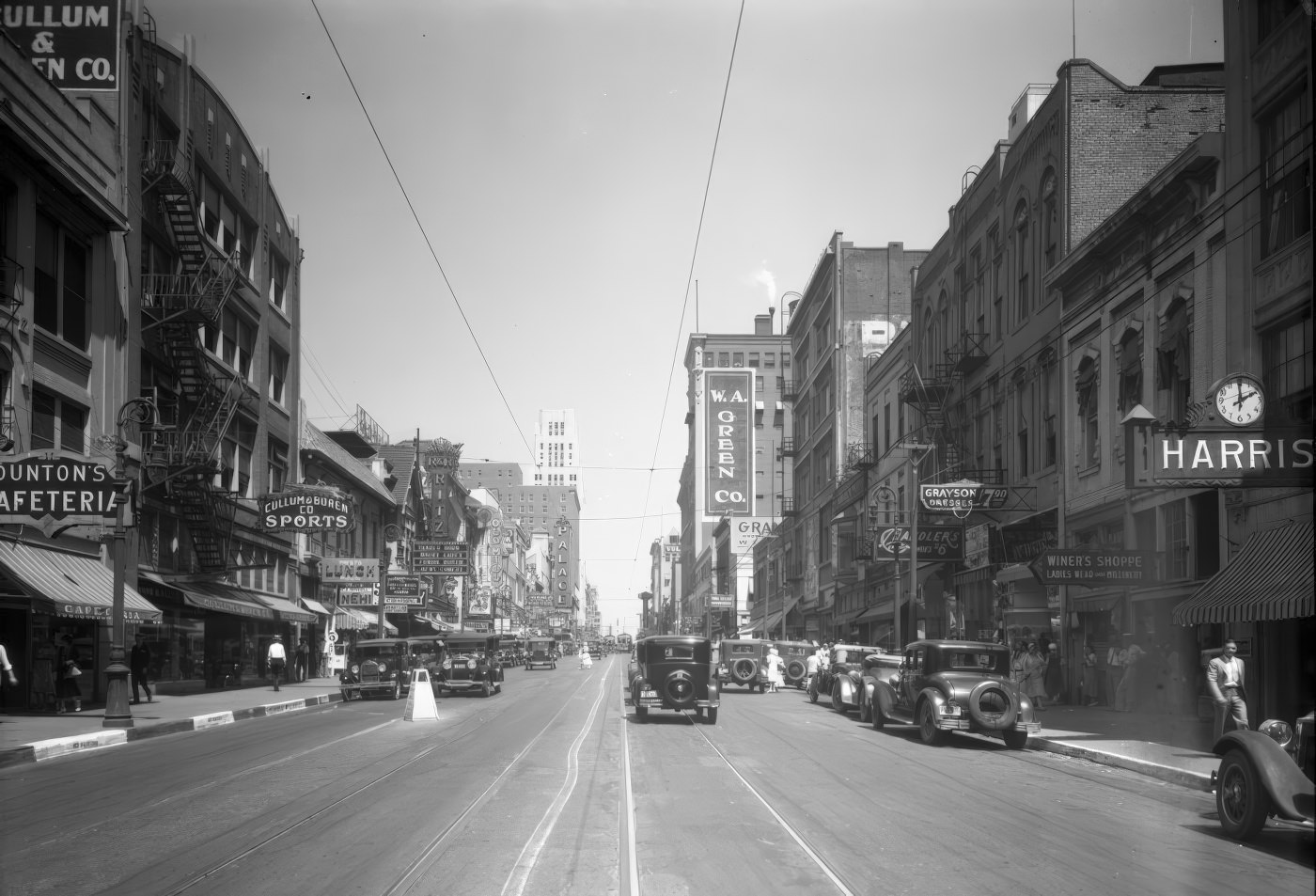
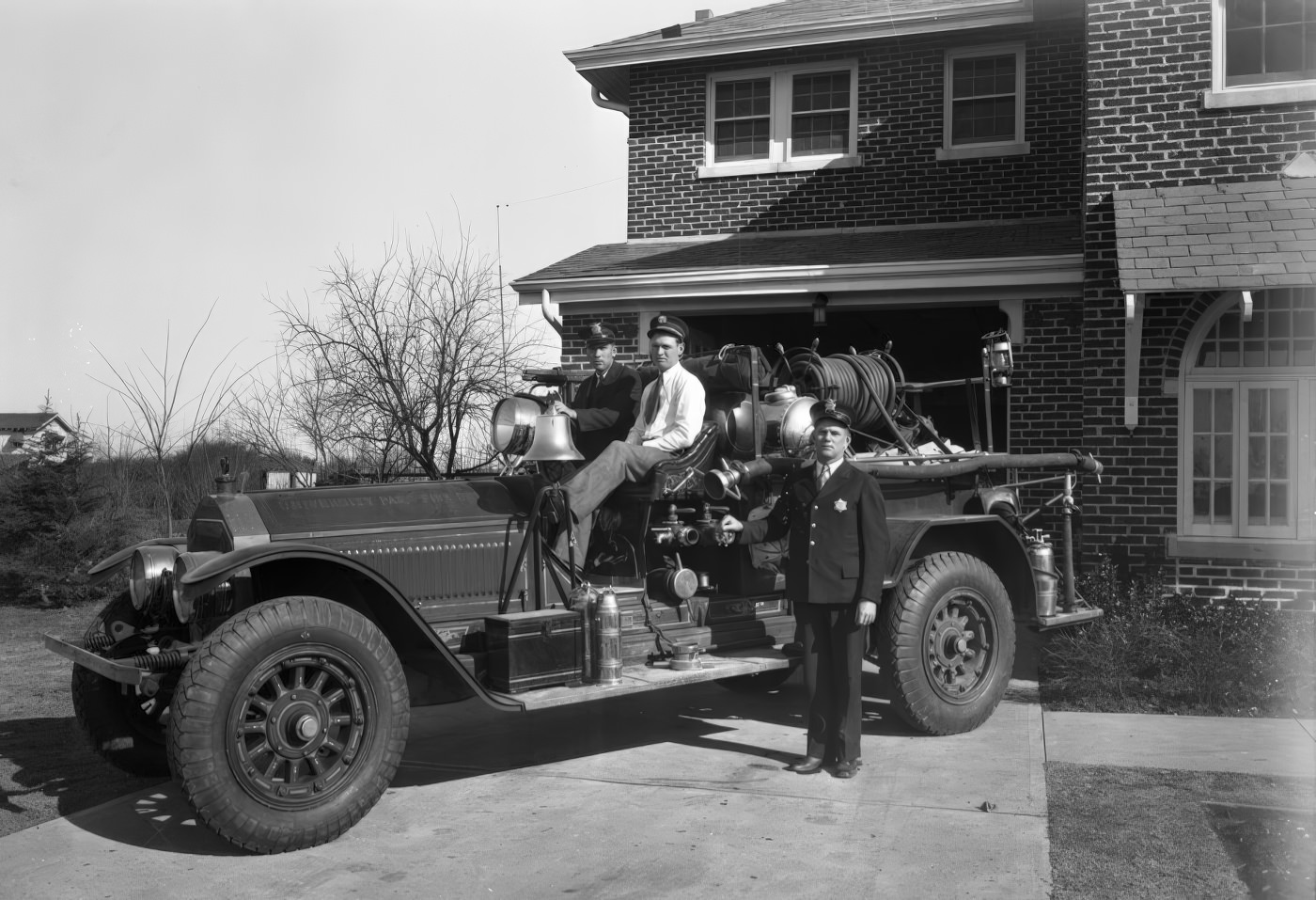
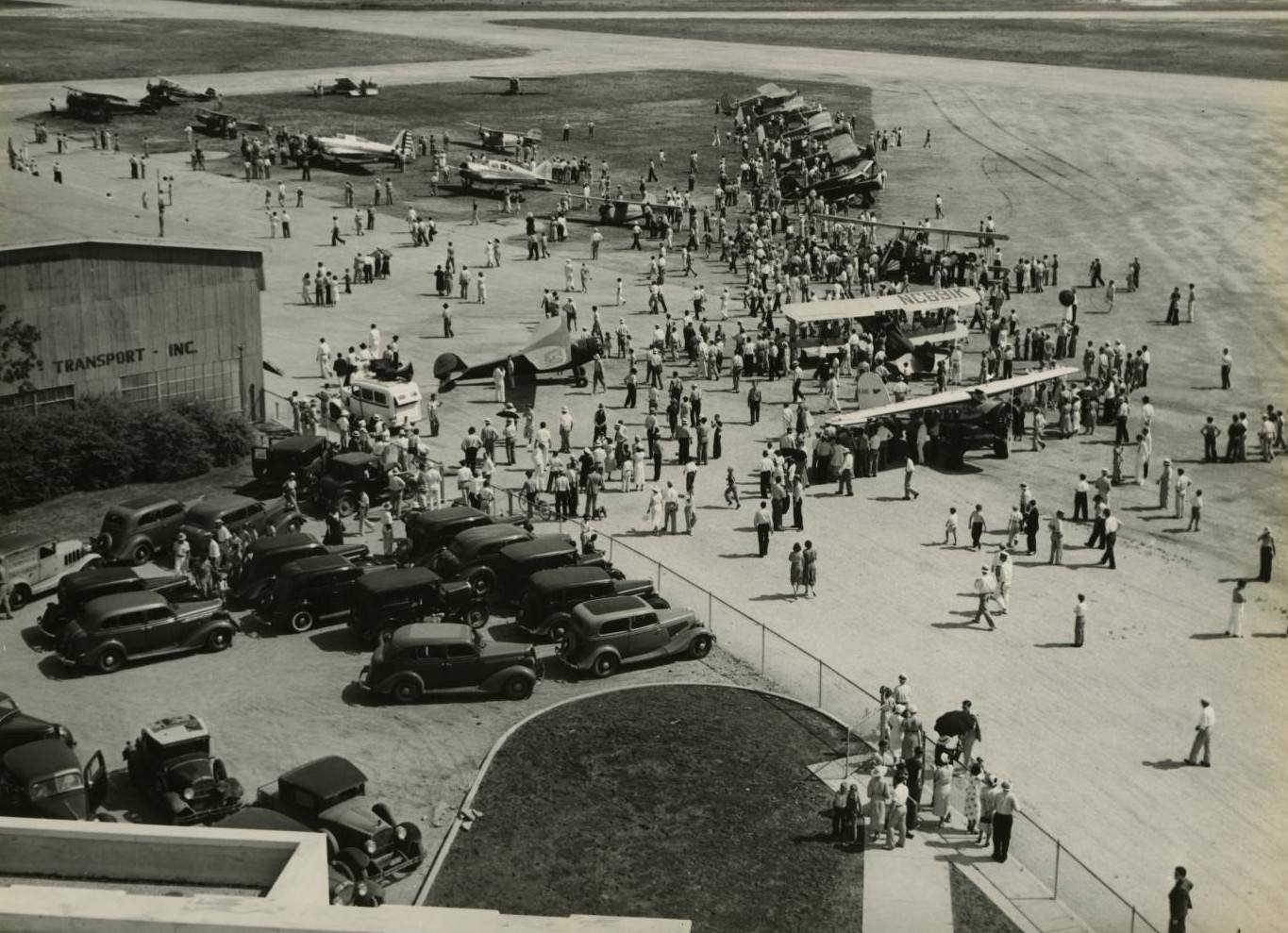
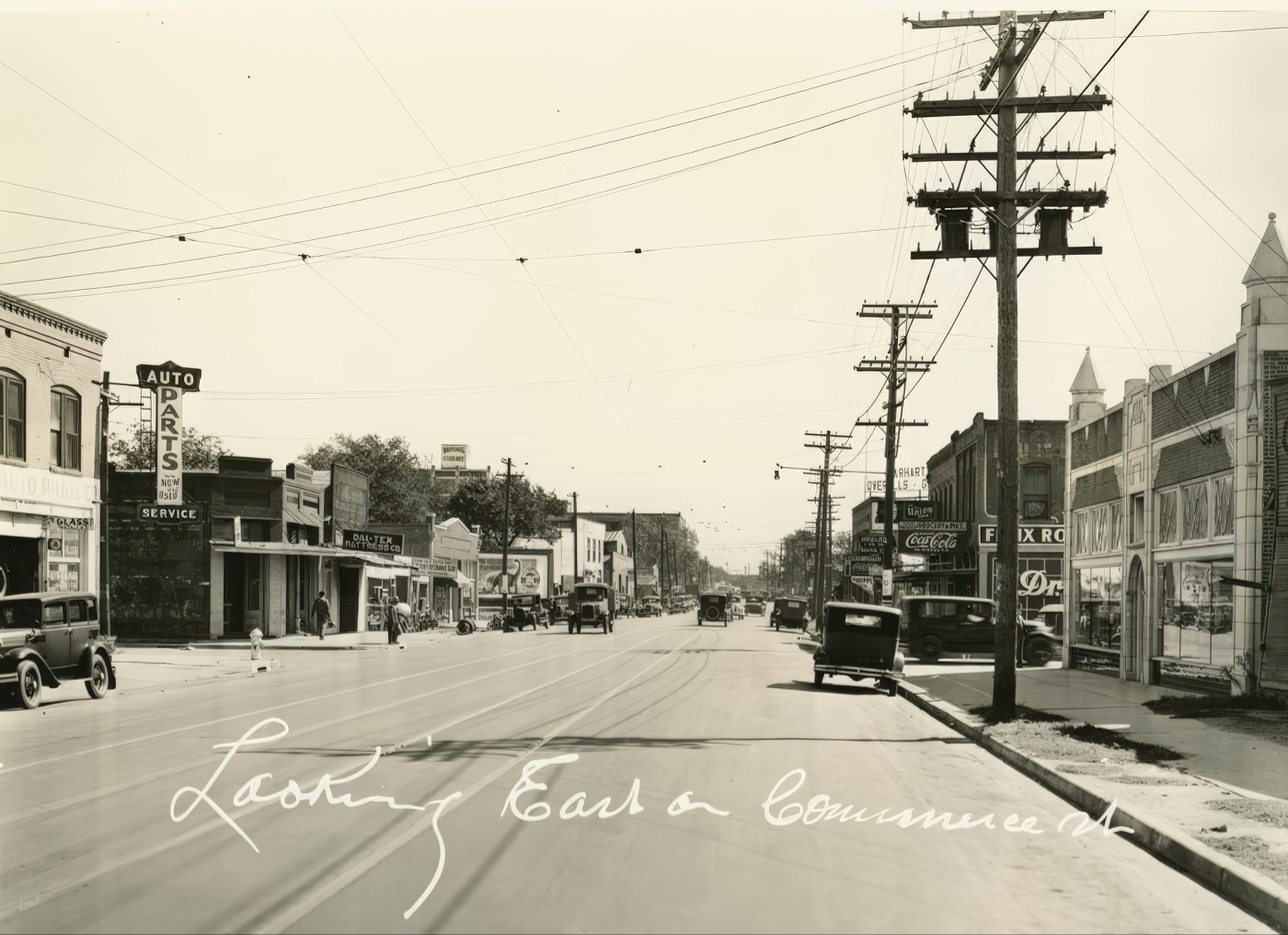
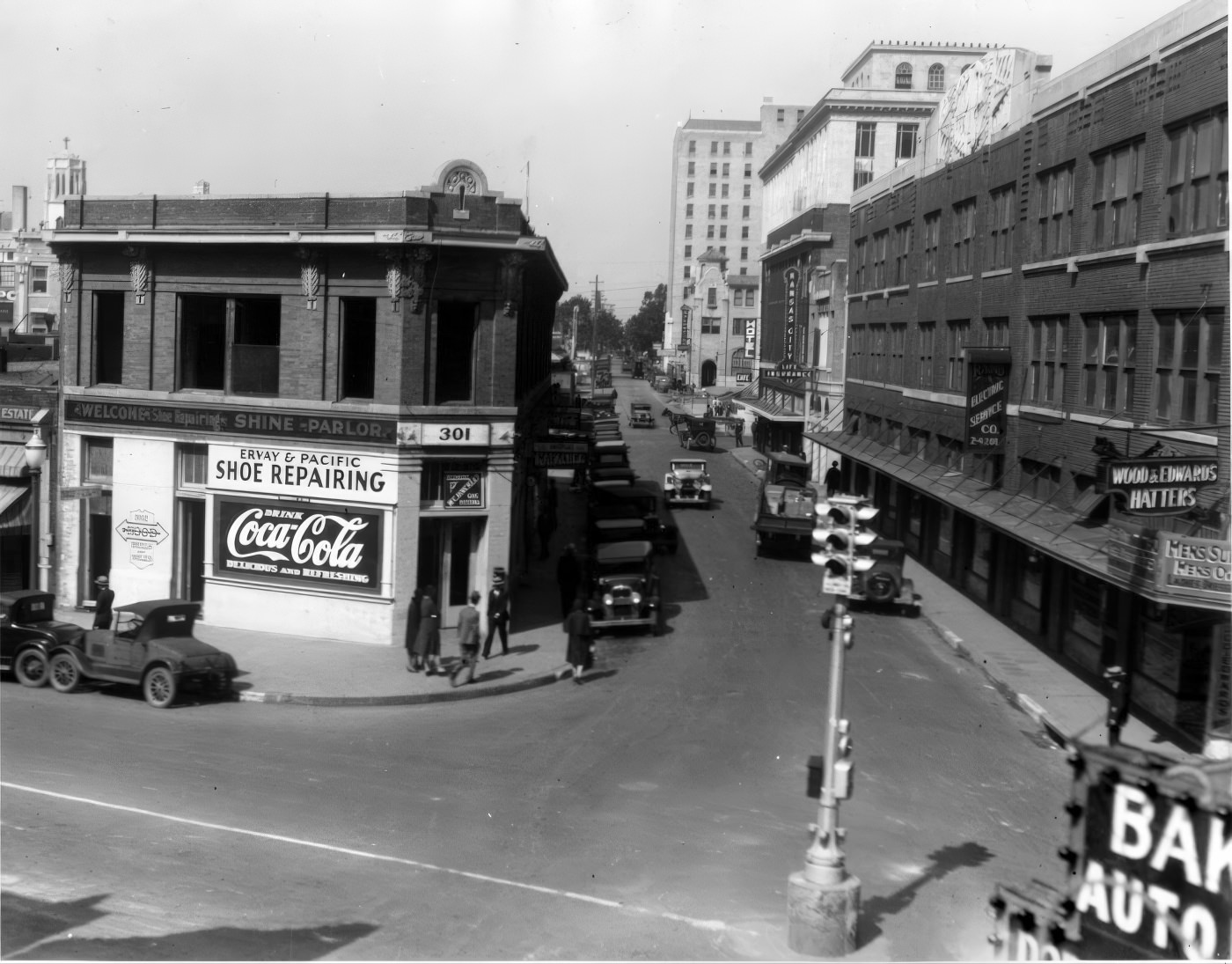
Connecting these sprawling neighborhoods and commercial centers was an extensive streetcar system. Throughout the 1930s, Dallas was a true streetcar city. At its peak in 1936, the Dallas Railway Company operated nearly 300 streetcars on more than 20 different lines, with tracks covering hundreds of miles. These electric trolleys were the backbone of the city’s suburbanization, allowing residents to live in developing areas like Oak Cliff, Oak Lawn, Junius Heights, and Highland Park and commute easily to jobs and shops downtown. The city was at a pivotal crossroads in urban development. It was simultaneously perfecting its traditional, transit-oriented city form while inventing the new, automobile-centric suburban model that would come to dominate American life after World War II. However, by the end of the decade, the growing affordability and popularity of the private automobile, combined with the economic pressures of the Depression on public transit revenues, began to signal the end of the streetcar era.
| Route | Name | Key Streets and Destinations |
|---|---|---|
| 1 | Belmont | Downtown (Elm St.), Live Oak St., Bryan St., Matilda St., Mockingbird Lane |
| 2 | Ervay | Downtown, Ervay St., Colonial Ave. |
| 3 | Junius Hts. | Downtown (Main St.), Columbia Ave., Gaston Ave. |
| 4 | Highland Park / SMU | Downtown, McKinney Ave., Cole Ave., Hillcrest Ave., Southern Methodist University |
| 5 | State | Downtown (Elm St.), St. Paul St., State St., Haskell Ave. |
| 7 | Harwood | Downtown (Commerce St.), Grand Ave. |
| 8 | Oak Lawn | Downtown (Elm St.), St. Paul St., McKinney Ave., Bowen St., Hawthorne Ave. |
| 10 | Sunset | Downtown, Trinity River Bridge, Jefferson Blvd., Brooklyn Ave. |
| 12 | Second | Downtown (Commerce St.), Exposition Ave., Second Ave. |
| 15 | Trinity Hts. | Downtown, Trinity River Bridge, Hutchins Ave., Saner Ave. |
| 16 | Seventh | Downtown, Trinity River Bridge, Colorado Blvd., 7th St., Kings Highway |
| 17 | Mt. Auburn | Downtown (Commerce St.), Exposition Ave., Lindsley Ave. |
A Divided City: Life Across the Color Line
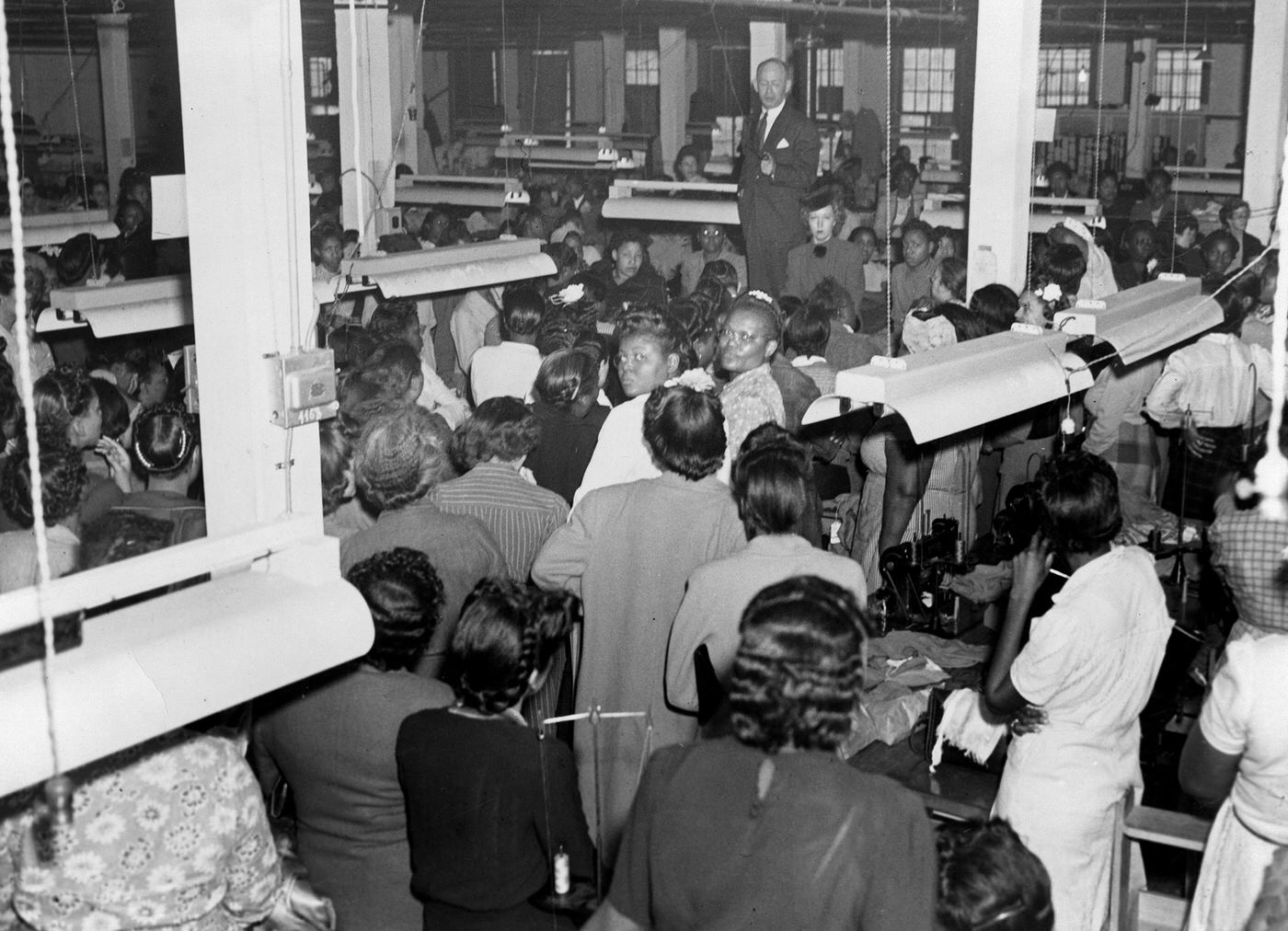
Beneath the veneer of Art Deco modernity and oil-fueled wealth, Dallas in the 1930s was a city rigidly defined by racial segregation. The social order was governed by a combination of formal Jim Crow laws and deeply entrenched social customs that systematically separated white, Black, and Mexican American residents. This system of segregation was pervasive, touching every aspect of daily life.
African Americans and, to a large extent, Mexican Americans were barred from using the same public facilities as whites. This included restaurants, hotels, theaters, parks, and even water fountains. Signs designating spaces for “White Only” and “Colored” were a common sight in public buildings and businesses. African Americans were not permitted to try on clothes in department stores. The school system was completely separate and profoundly unequal. The Dallas Independent School District operated different, and deliberately inferior, schools for Black and Mexican children. Throughout the 1930s, the city’s entire Black population was served by only one public high school, Booker T. Washington High School, which had opened in 1922. Elementary schools for Black children included the Phillis Wheatley School and the B.F. Darrell School.
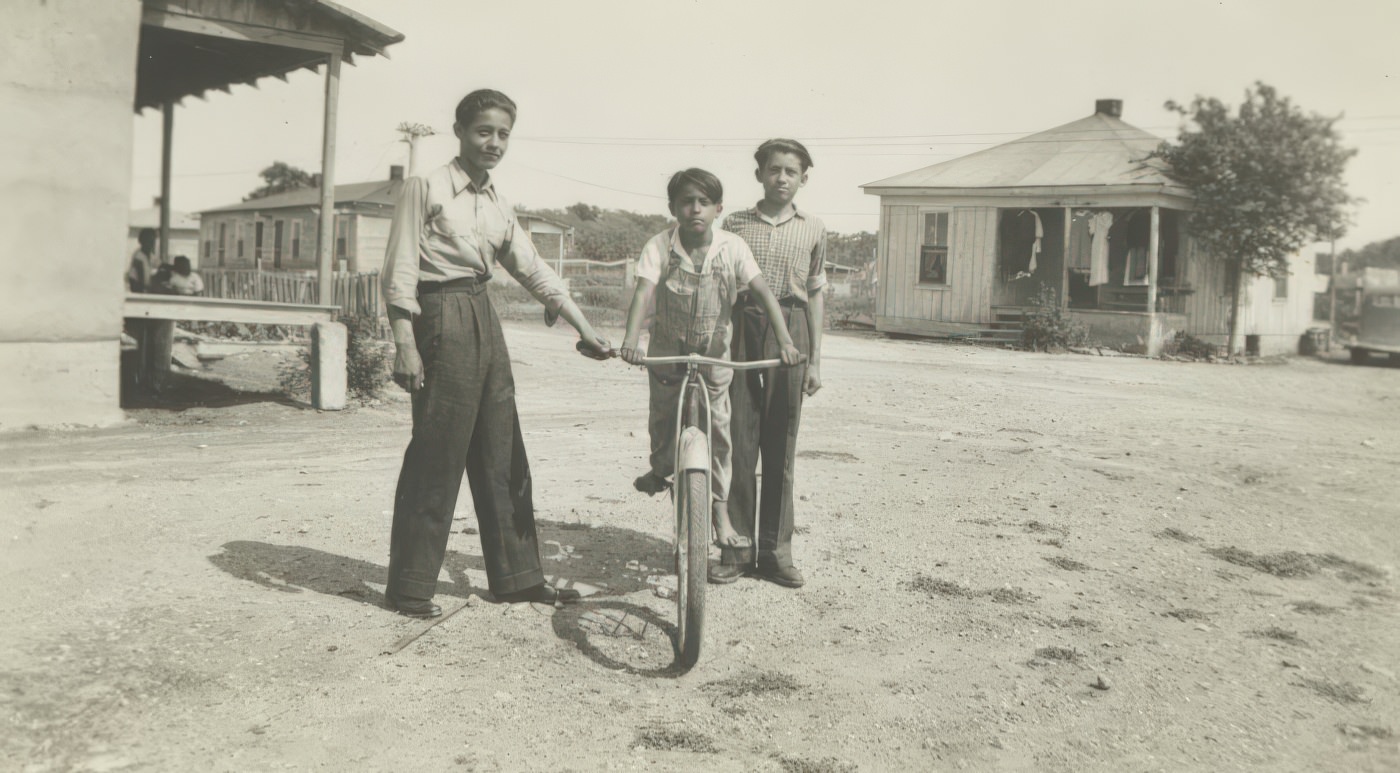
This segregation was starkest in housing. Most African Americans were confined to specific residential areas, primarily in South Dallas and parts of West Dallas, while Mexican Americans were often relegated to their own “quarter”. This existing pattern of residential segregation was formalized and locked into place by the federal government in 1937 through the practice of redlining. The Home Owner’s Loan Corporation, a New Deal agency, created maps of the city that color-coded neighborhoods based on their perceived investment risk. Predominantly Black and low-income neighborhoods, such as those in South Dallas, were outlined in red and deemed “hazardous”. This official designation made it nearly impossible for residents in these areas to secure mortgages or loans for home purchases or improvements. Redlining effectively cut off the flow of both private and public investment, guaranteeing that the wealth being generated by oil and finance elsewhere in the city would not reach these communities. The policy directly contributed to overcrowding, the deterioration of housing stock, and the creation of slum conditions. At the same time, major public works projects, like the construction of the Central Expressway, were often routed directly through Black neighborhoods, destroying homes and businesses.
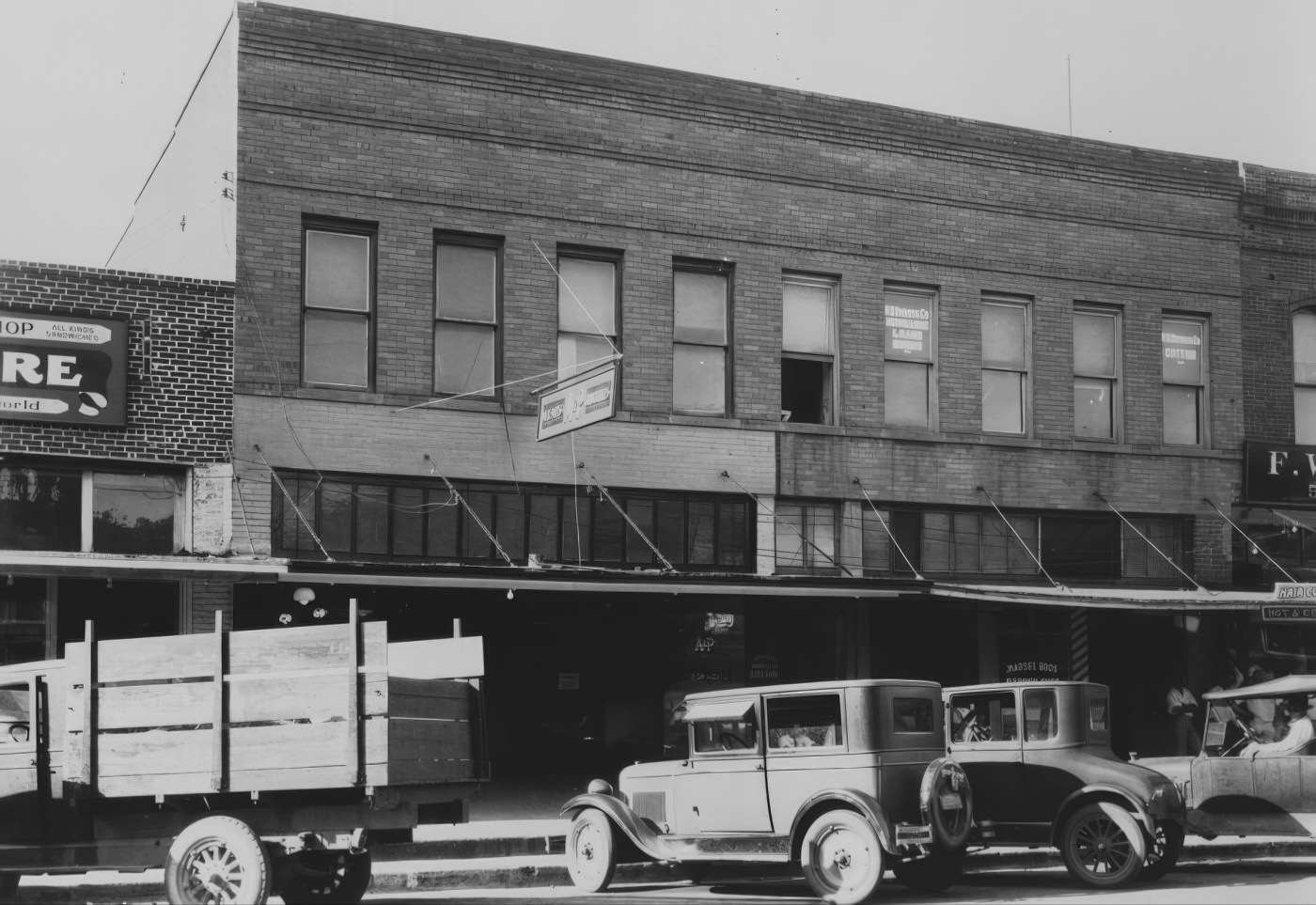
In the face of this systemic discrimination, Dallas’s minority communities built their own parallel social and economic worlds. Deep Ellum, located just east of downtown, was the vibrant heart of the Black community. It was a thriving district filled with Black-owned businesses, including barber shops, cafes, pool halls, and taverns, and it served as a primary center for social life and entertainment. The neighborhood was famous for its music scene and was a gathering place for legendary blues musicians. Beyond Deep Ellum, other institutions served as pillars of the community. The Knights of Pythias Temple, an impressive building designed by the prominent Black architect William Sidney Pittman, was the city’s premier social, professional, and cultural center for the African American community until it closed in 1939. The Moorland Branch YMCA, built in 1930 with funds raised largely by the Black community, provided one of the few places outside of church where Black professionals could hold meetings, social clubs could gather, and Black travelers could find safe lodging, as they were barred from the city’s white-owned hotels. These institutions were more than just buildings; they were powerful acts of self-determination and defiance in a city that sought to deny Black residents space and dignity.
The 1930s also marked the strengthening of organized resistance to segregation. In 1935, a determined activist named Juanita Craft joined the Dallas chapter of the National Association for the Advancement of Colored People (NAACP). The organization focused its efforts on two key goals: ending the discriminatory all-white Democratic primary election and fighting for expanded and improved educational opportunities for Black children. At the same time, the League of United Latin American Citizens (LULAC), which had been founded in Texas in 1929, grew its membership as it worked to combat prejudice and secure civil rights for Mexican Americans.
Outlaws and Entertainment: The Pulse of Daily Life
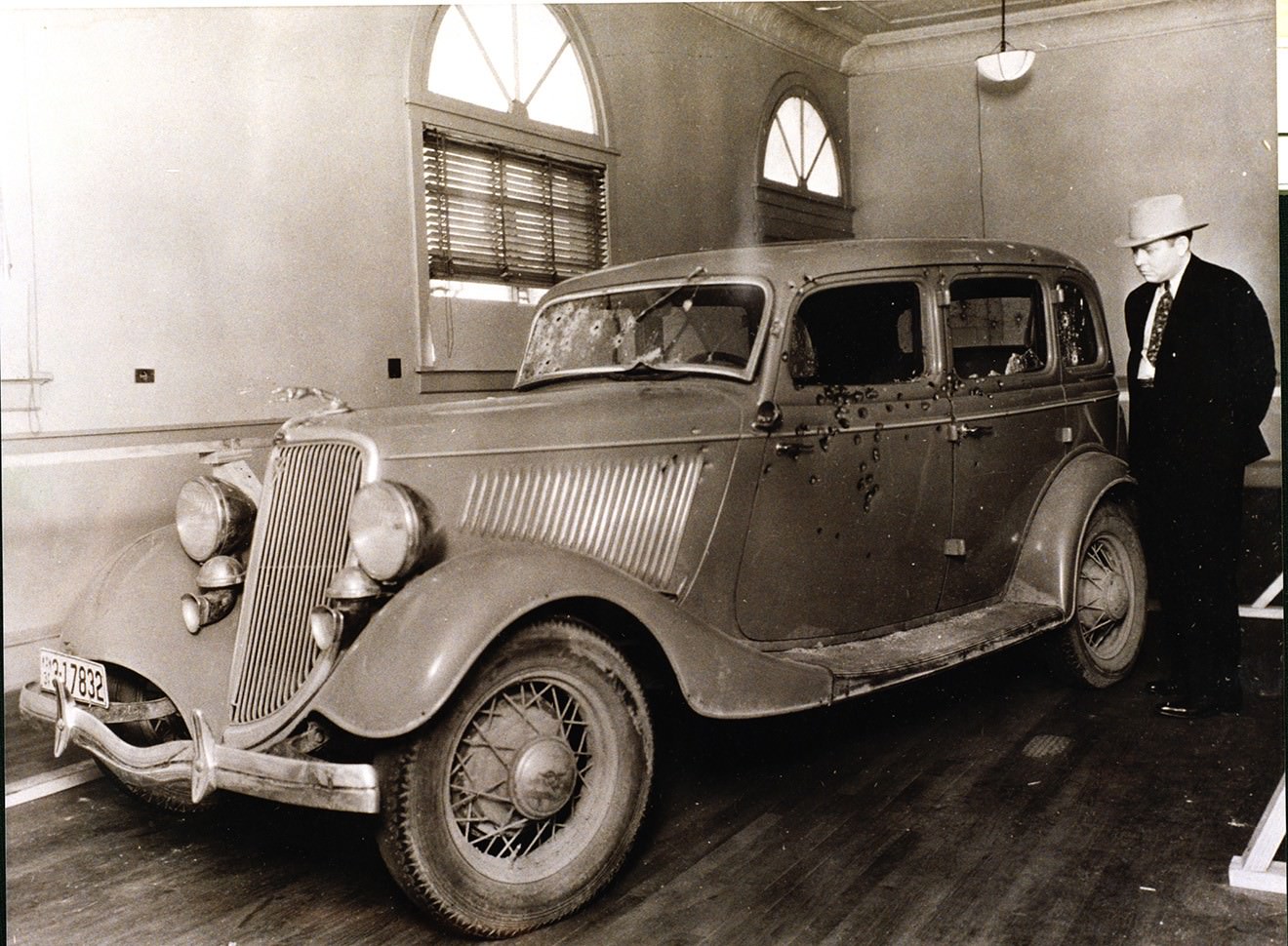
While Dallas leaders projected an image of civic pride and modern progress, the city’s popular imagination during the early 1930s was captivated by a pair of notorious outlaws who called Dallas home: Bonnie Parker and Clyde Barrow. Their violent, two-year crime spree from 1932 to 1934 coincided with the bleakest years of the Great Depression, and their story is deeply woven into the fabric of the city. Both came from the working-class neighborhoods of West Dallas, an area then known as a rough, semi-industrial enclave sometimes called “Little Cicero”. Bonnie had attended school in the area and worked as a waitress in downtown cafes, including Marco’s Cafe near the county courthouse, before meeting Clyde.
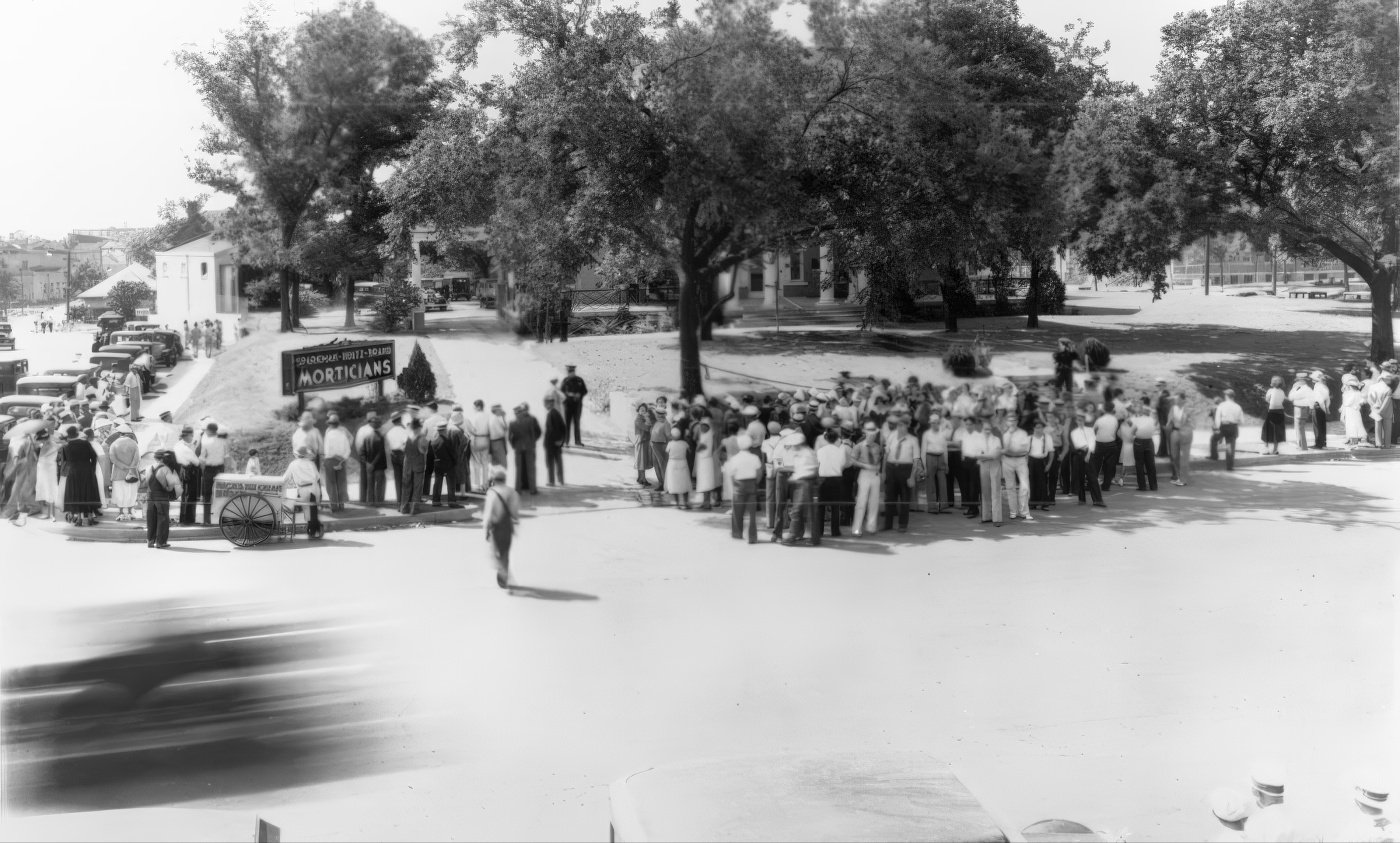
Dallas served as the gang’s home base. They frequently returned to the city to visit family, using the familiar territory to hide out between robberies of gas stations, grocery stores, and small banks across the Southwest. Their presence led to numerous violent encounters with Dallas County law enforcement, led by Sheriff “Smoot” Schmid. Several infamous events in the Bonnie and Clyde saga took place in and around Dallas, including a failed police ambush at Sowers (now part of Irving) and the cold-blooded murder of two highway patrolmen on Easter Sunday in Grapevine. After they were gunned down in Louisiana in 1934, their bodies were brought back to Dallas, where their funerals drew thousands of curious onlookers. They were buried in separate Dallas cemeteries: Clyde in Western Heights Cemetery and Bonnie in Crown Hill Cemetery. The public’s immense fascination with the outlaw couple was fueled by the era’s economic desperation. To many struggling Americans, Bonnie and Clyde were seen as anti-establishment rebels striking back at the banks and authorities that were blamed for their hardship, transforming them from mere criminals into romanticized folk heroes.
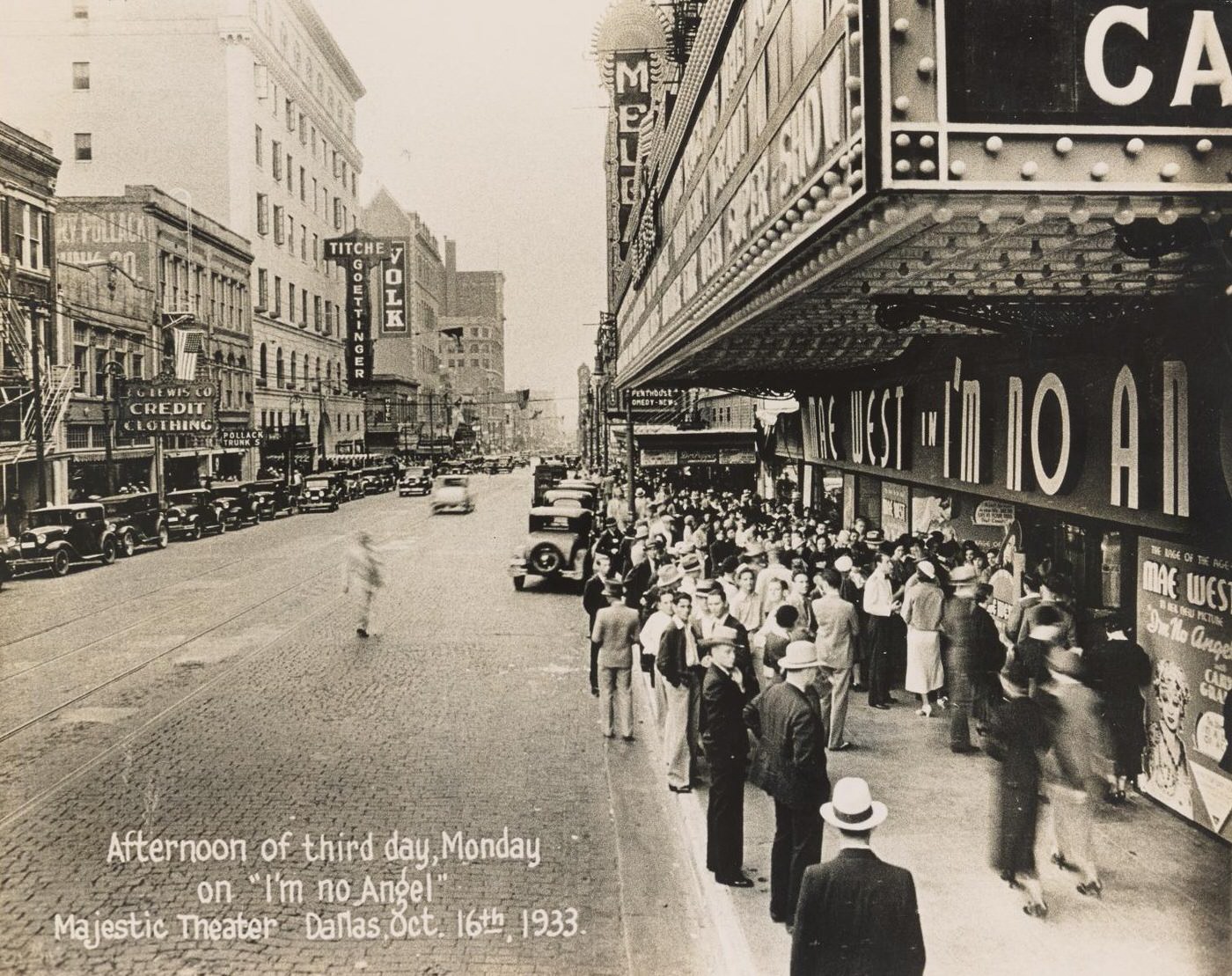
For most Dallasites, daily life was focused on finding more conventional forms of escape from the decade’s difficulties. Movies were a primary pastime. For a dime or a quarter, residents could lose themselves in the glamour and adventure of Hollywood films. Radio was also a central part of home life, with families gathering in their living rooms to listen to popular programs like The Lone Ranger and Amos and Andy, or to the sounds of live big band music broadcast from ballrooms across the country.
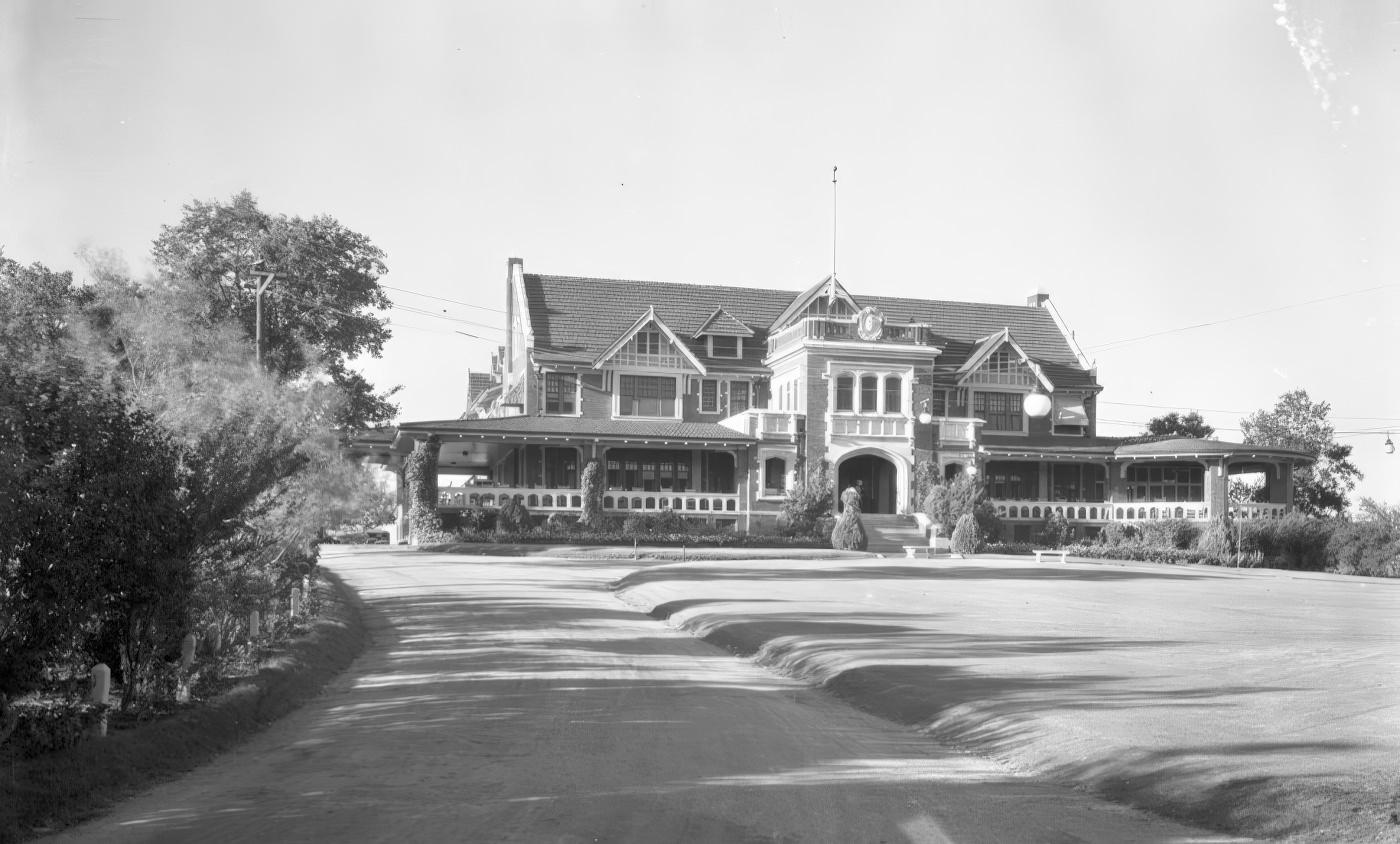
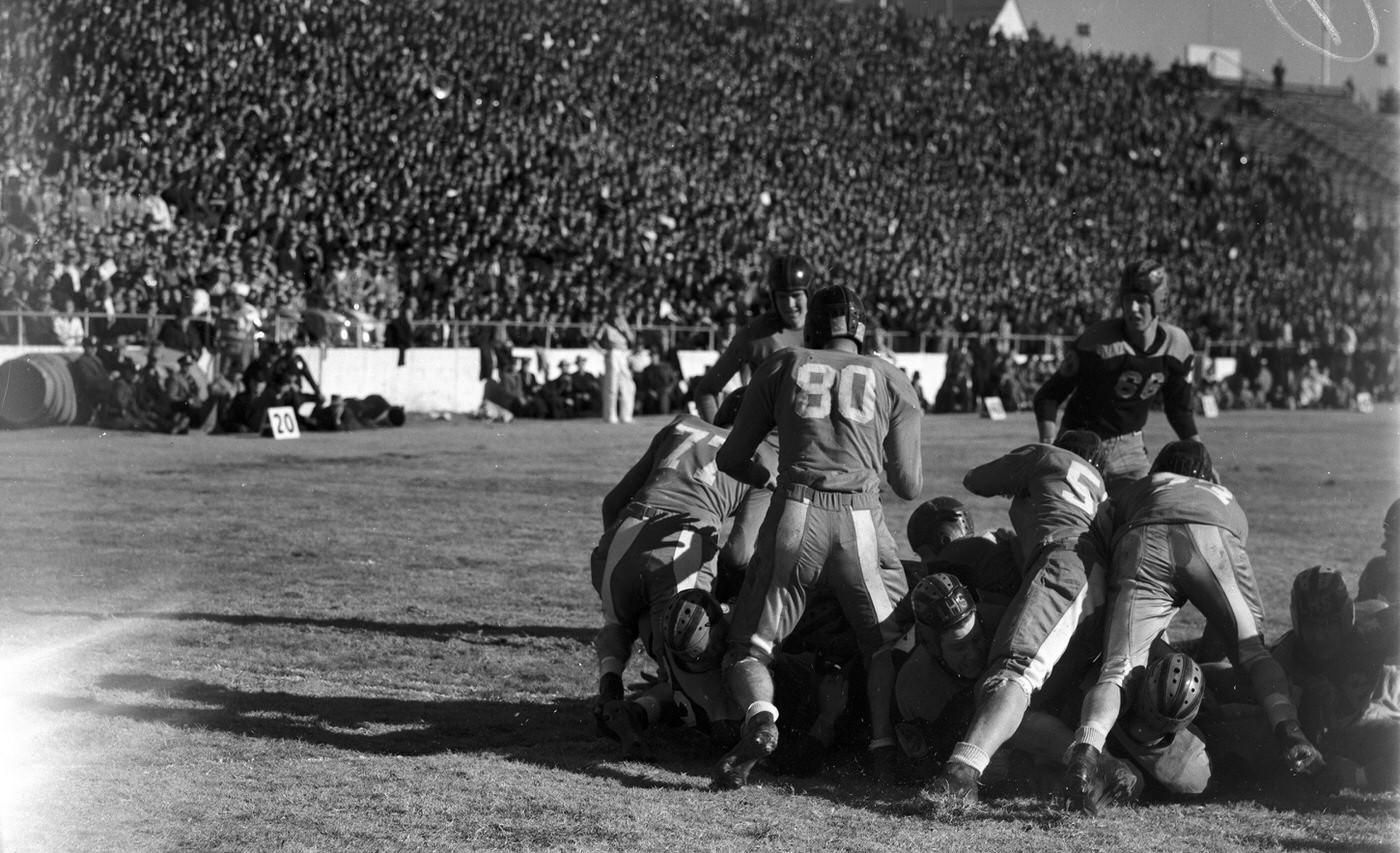
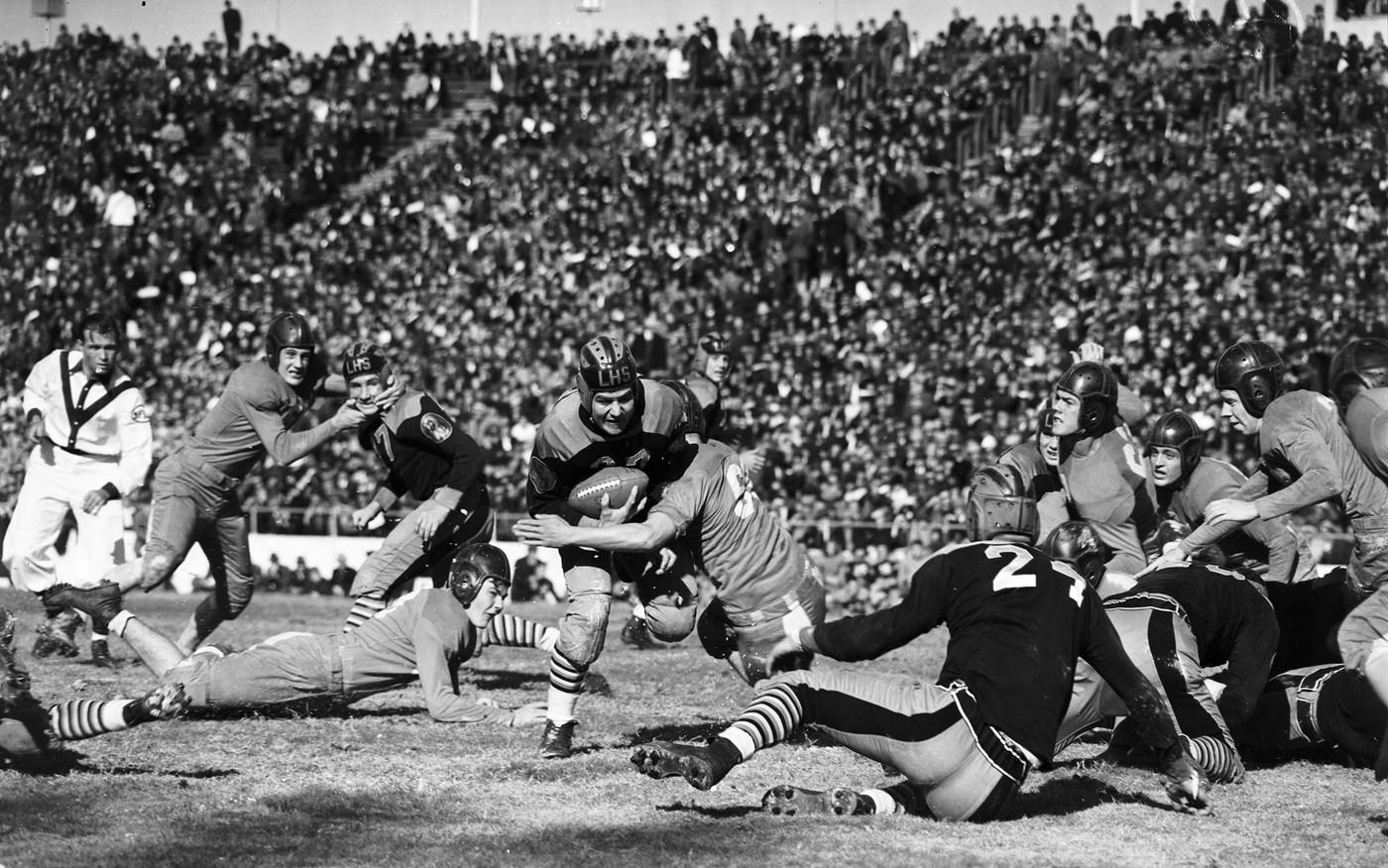
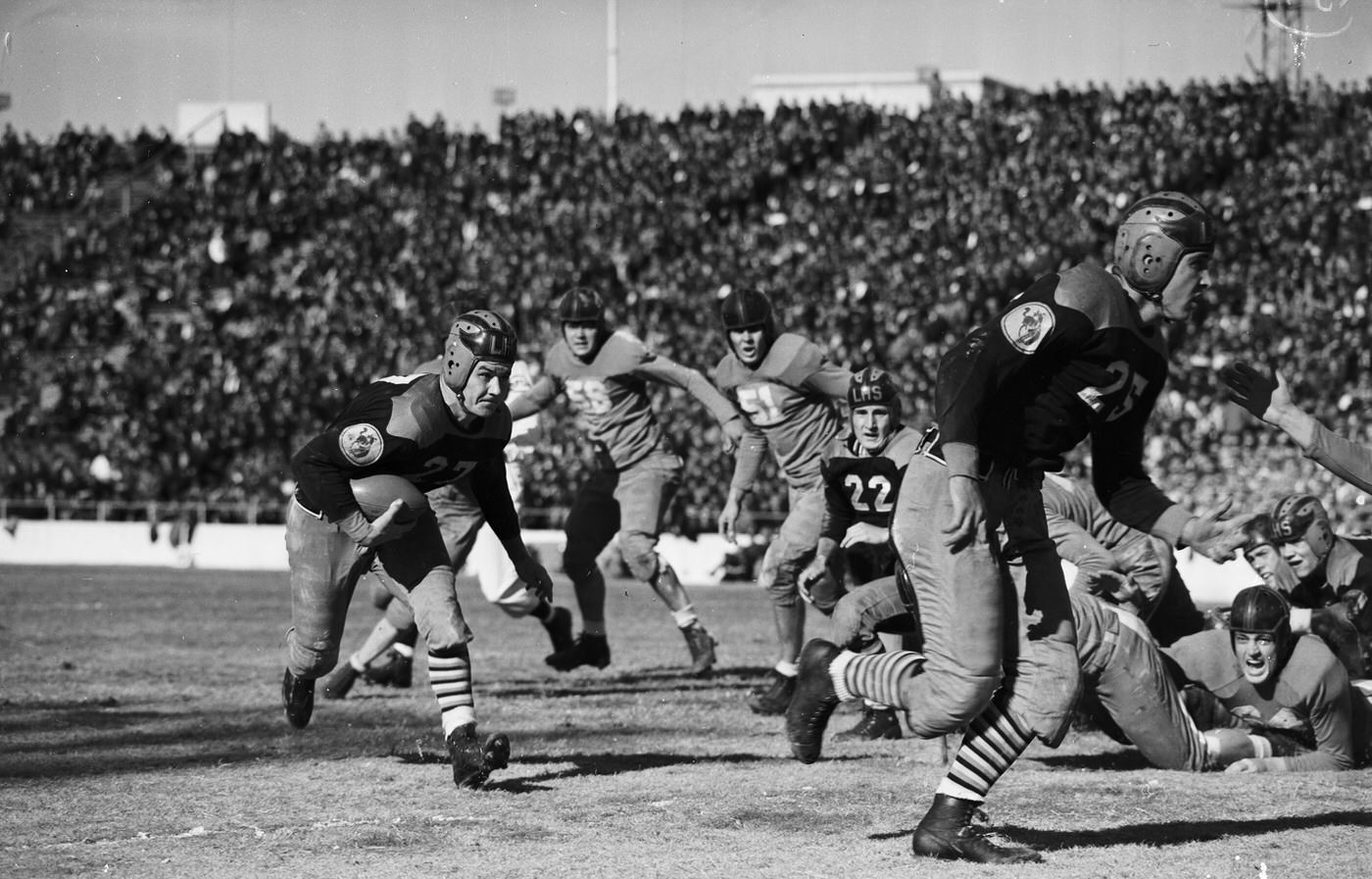
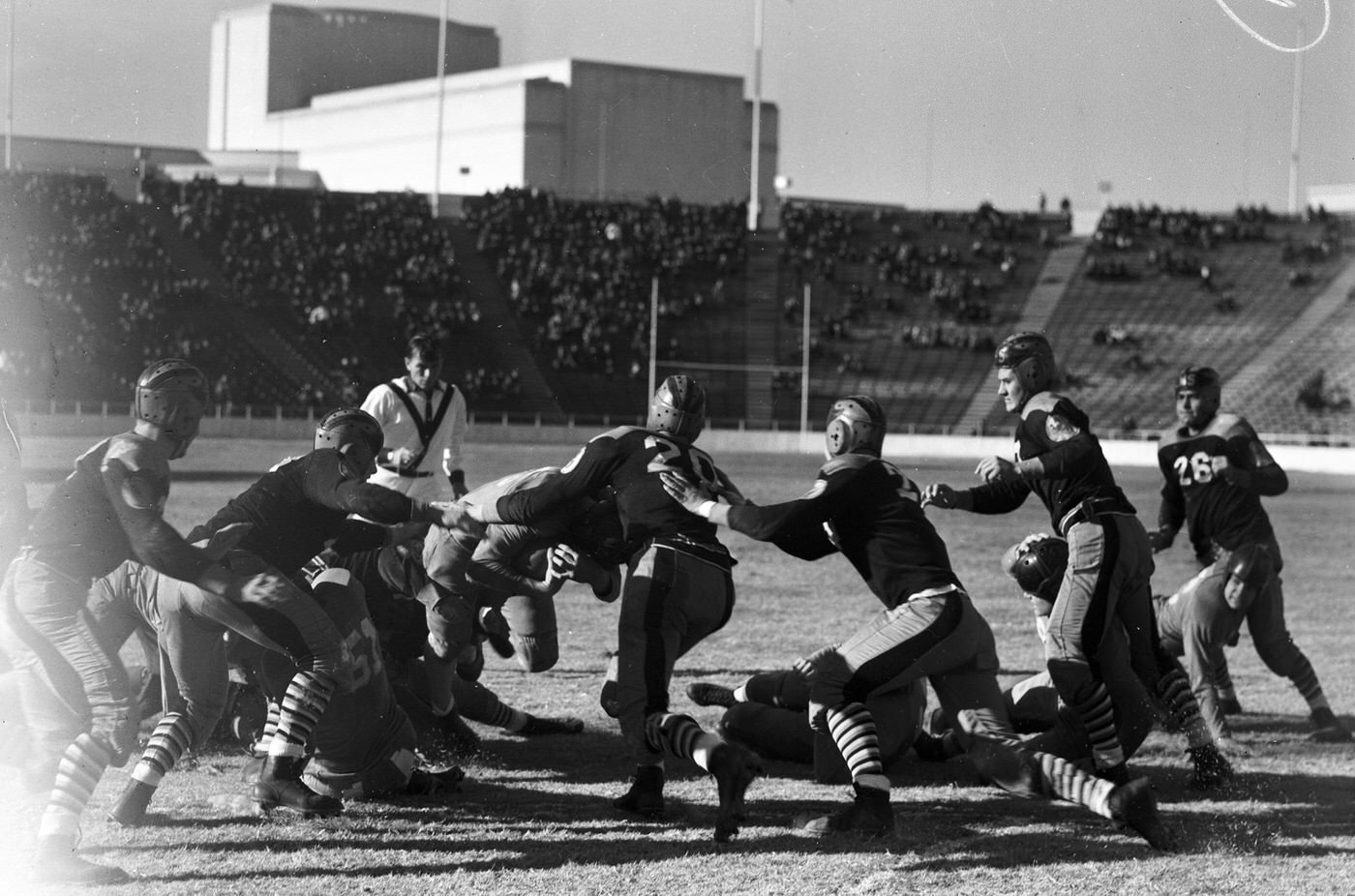
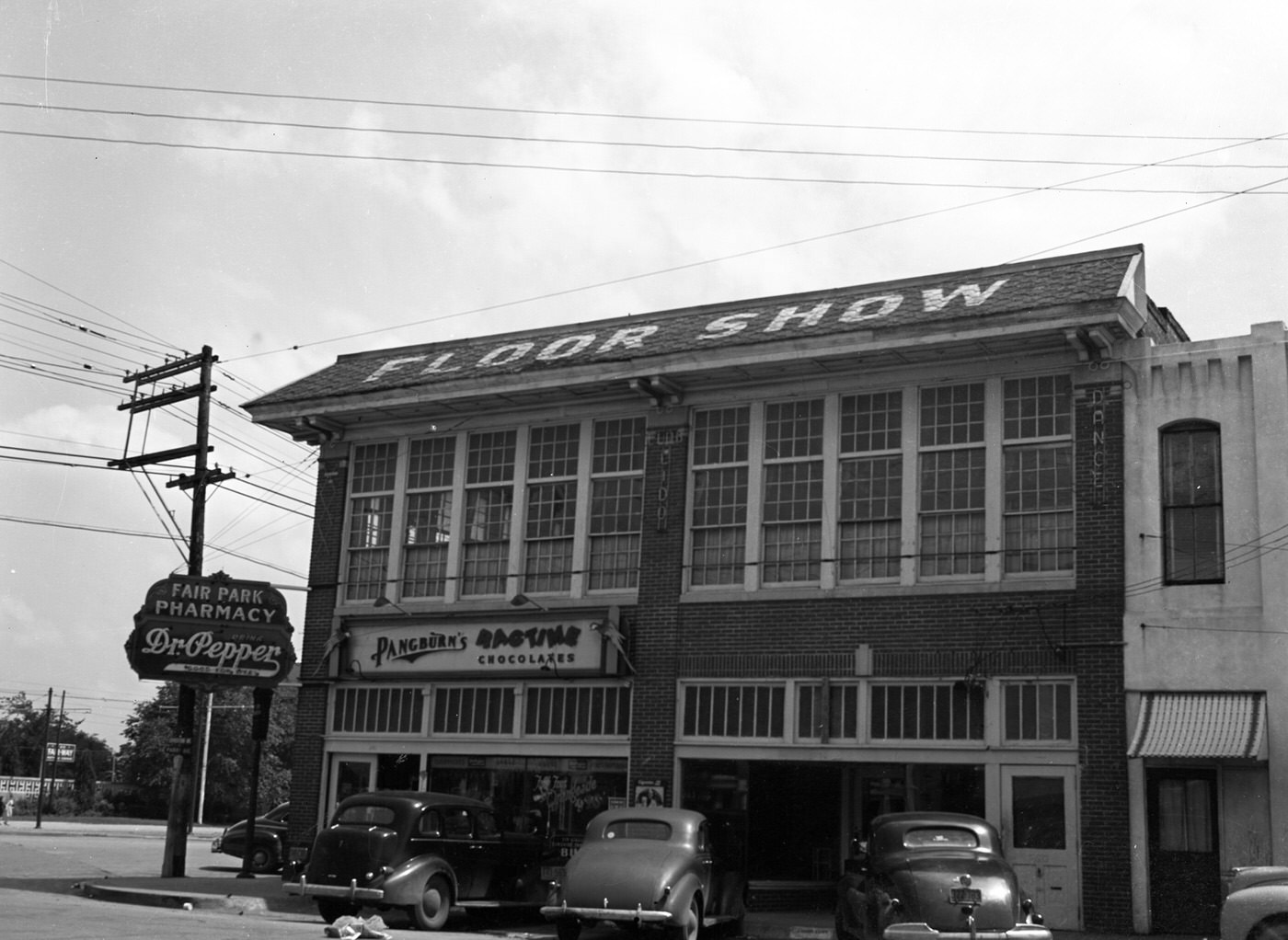
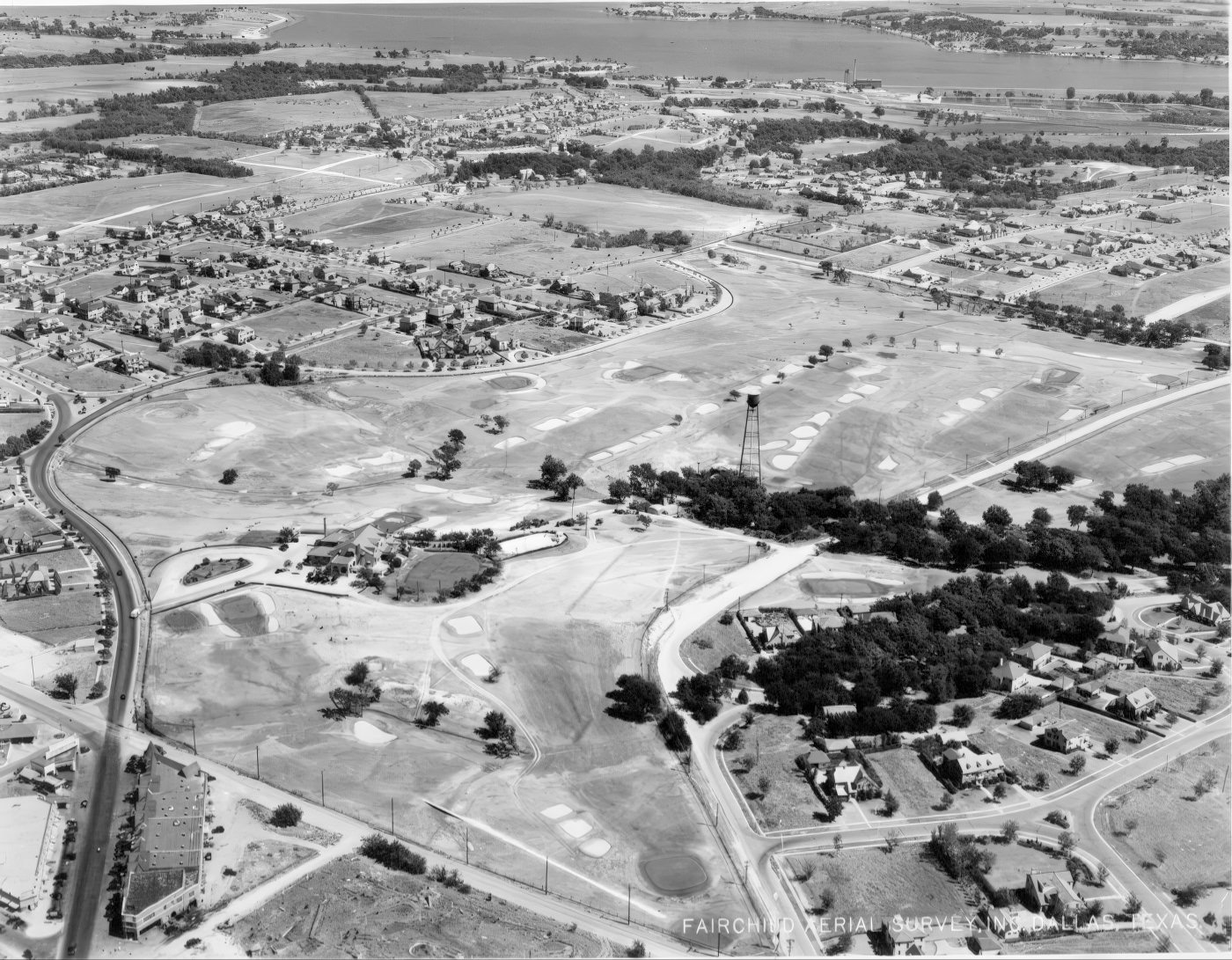
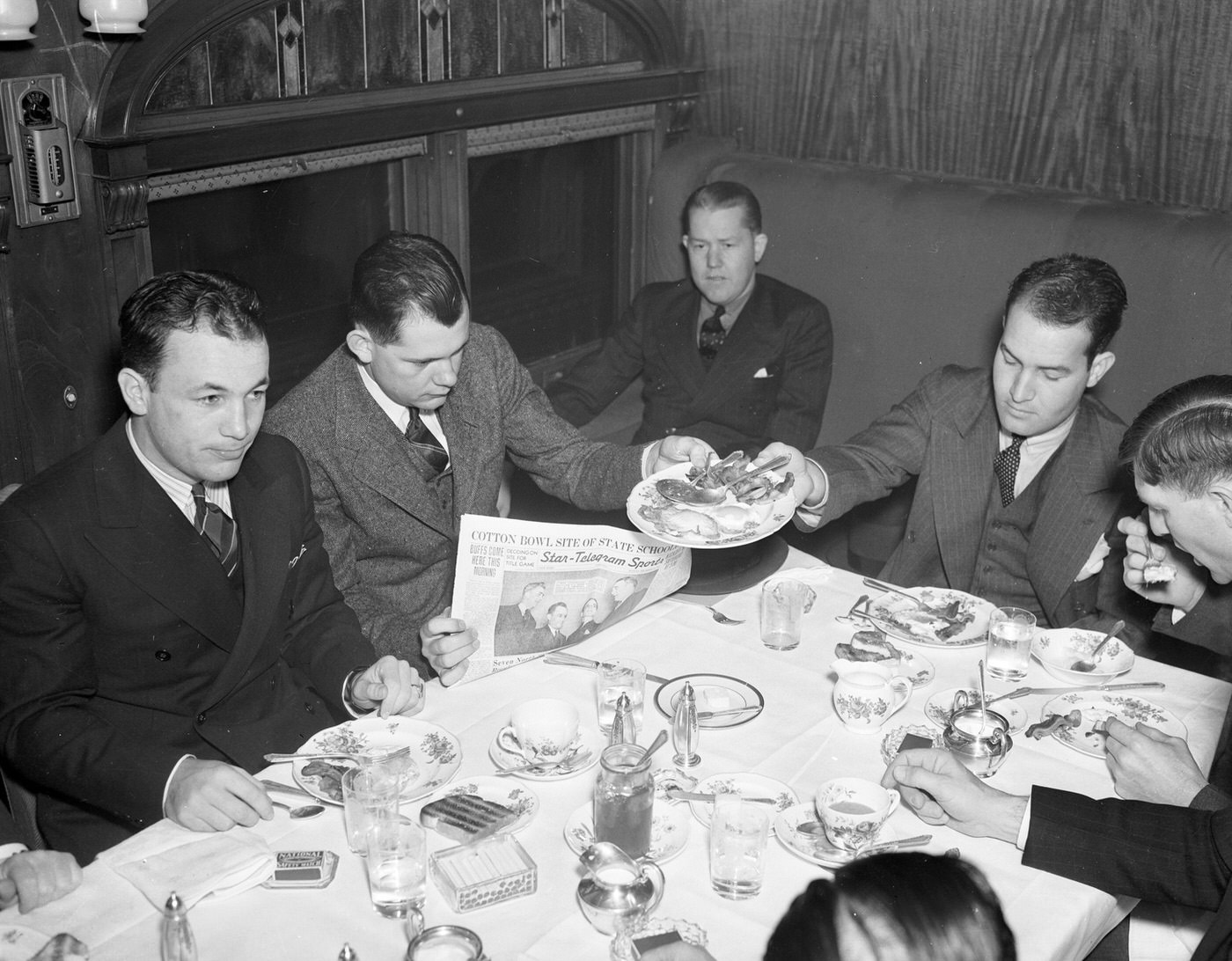
Public recreation spaces offered another affordable escape. White Rock Lake became a major destination for leisure. In 1930, the city opened a public bathing beach and bathhouse on its shore, and a large, open-air dance pavilion was built nearby. On summer nights, crowds gathered to dance to the music of live bands, including all-female groups like “Babe Lowry and her Rhythm Sweethearts”. The annual State Fair of Texas was a major highlight for the entire region, and the yearly football showdown between the University of Texas and the University of Oklahoma, held at the Cotton Bowl during the fair, became a cherished tradition after its establishment in 1929. For indoor entertainment, the Dallas Sportatorium hosted a variety of events, from professional wrestling matches to traveling vaudeville shows.
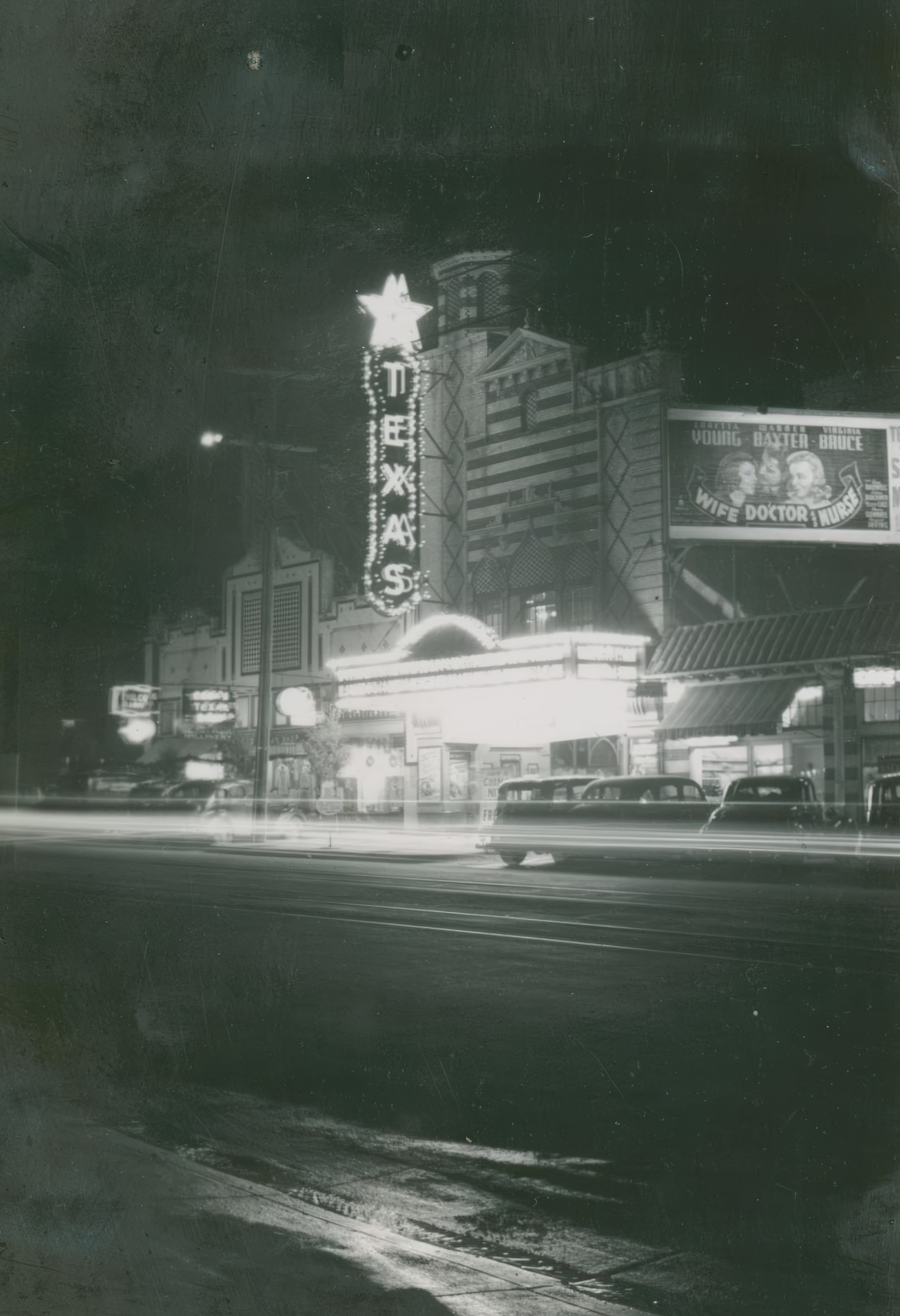
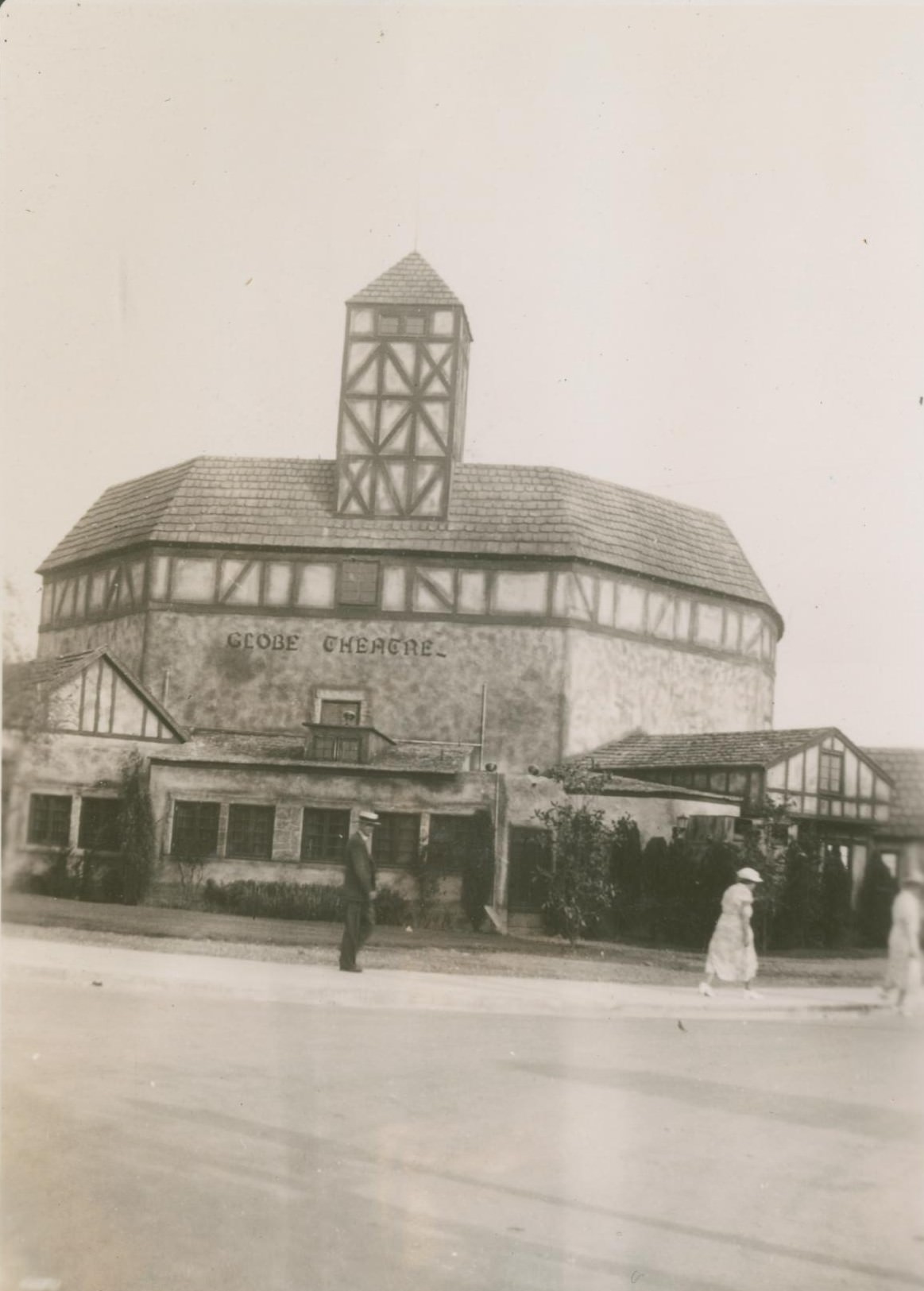
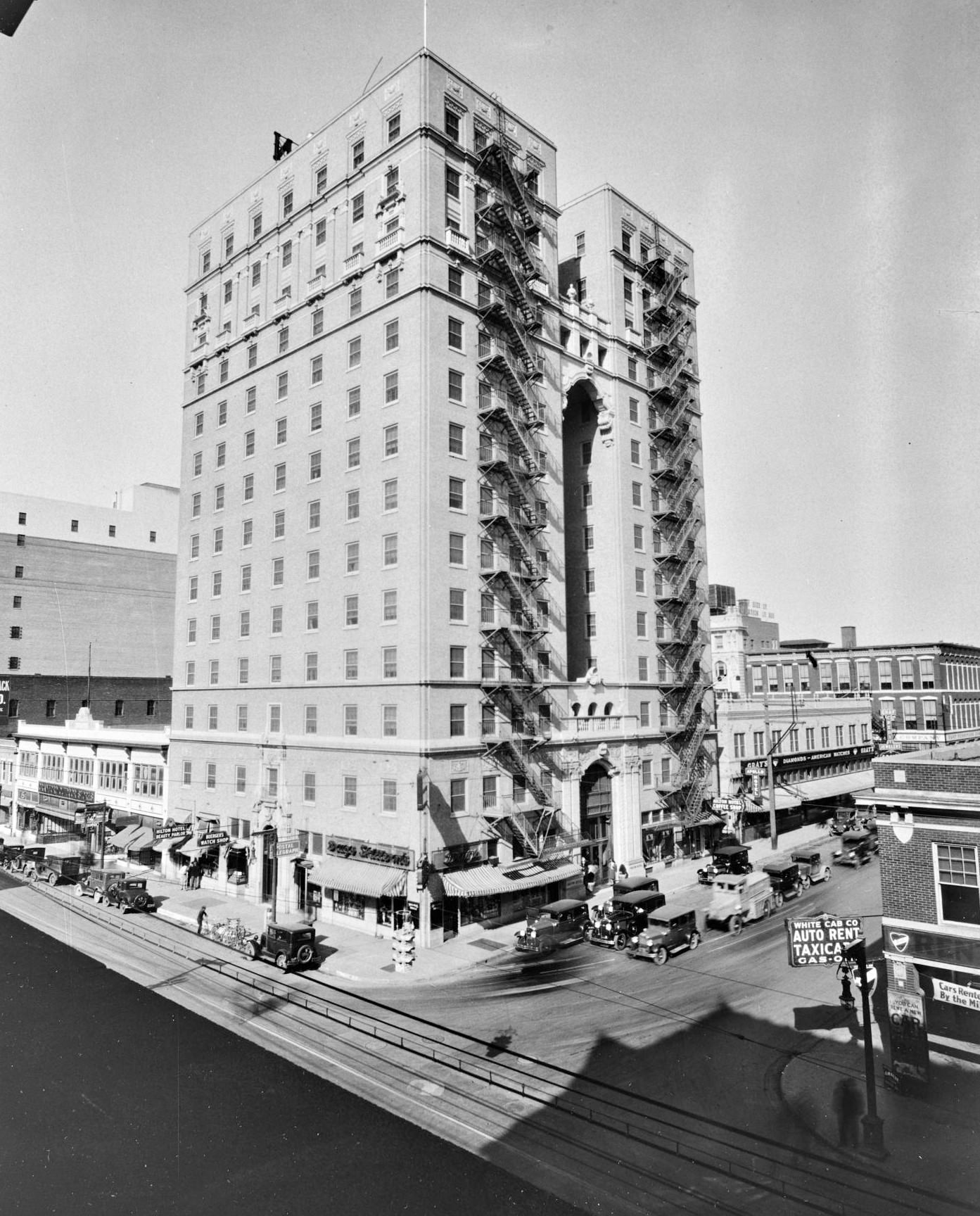
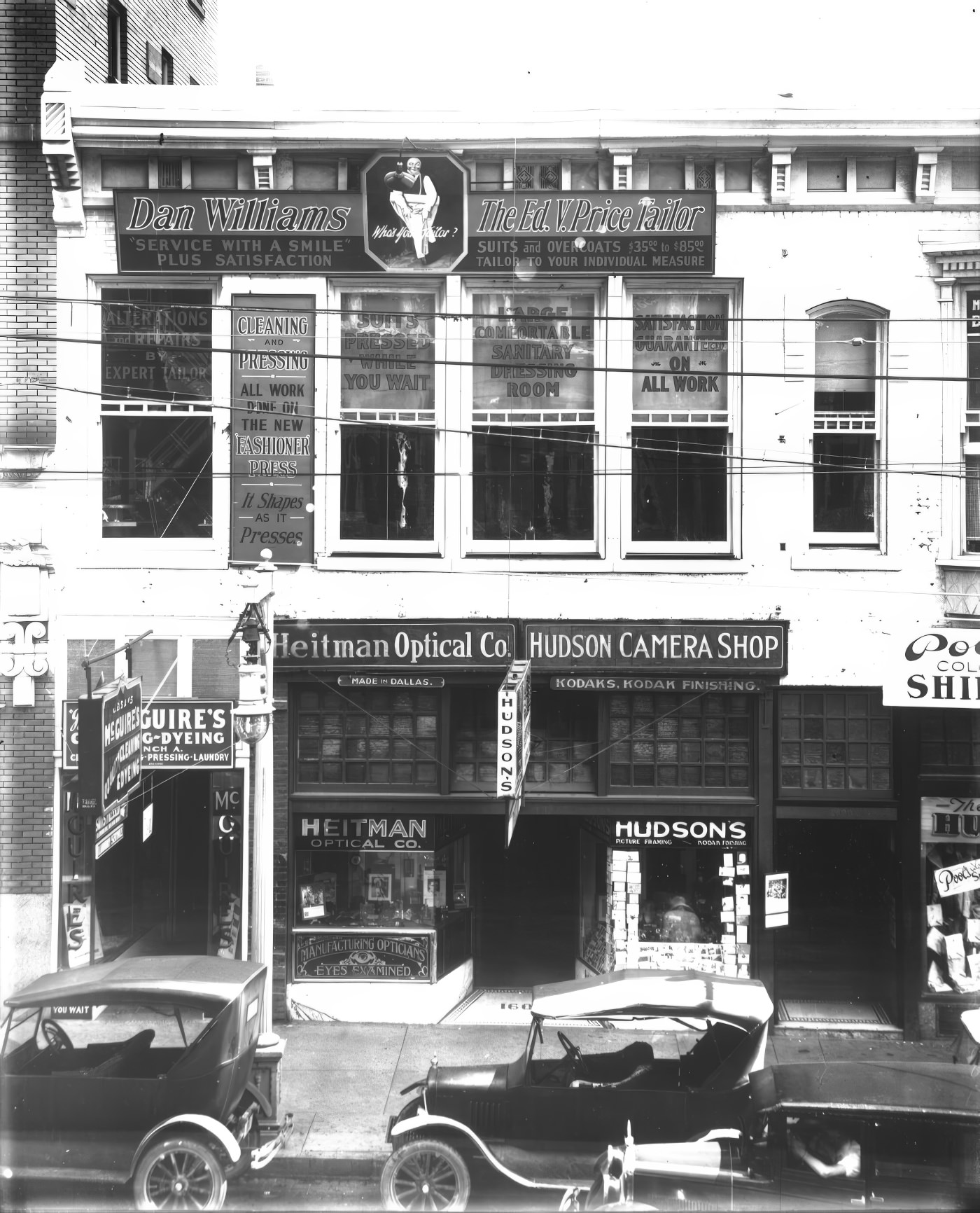
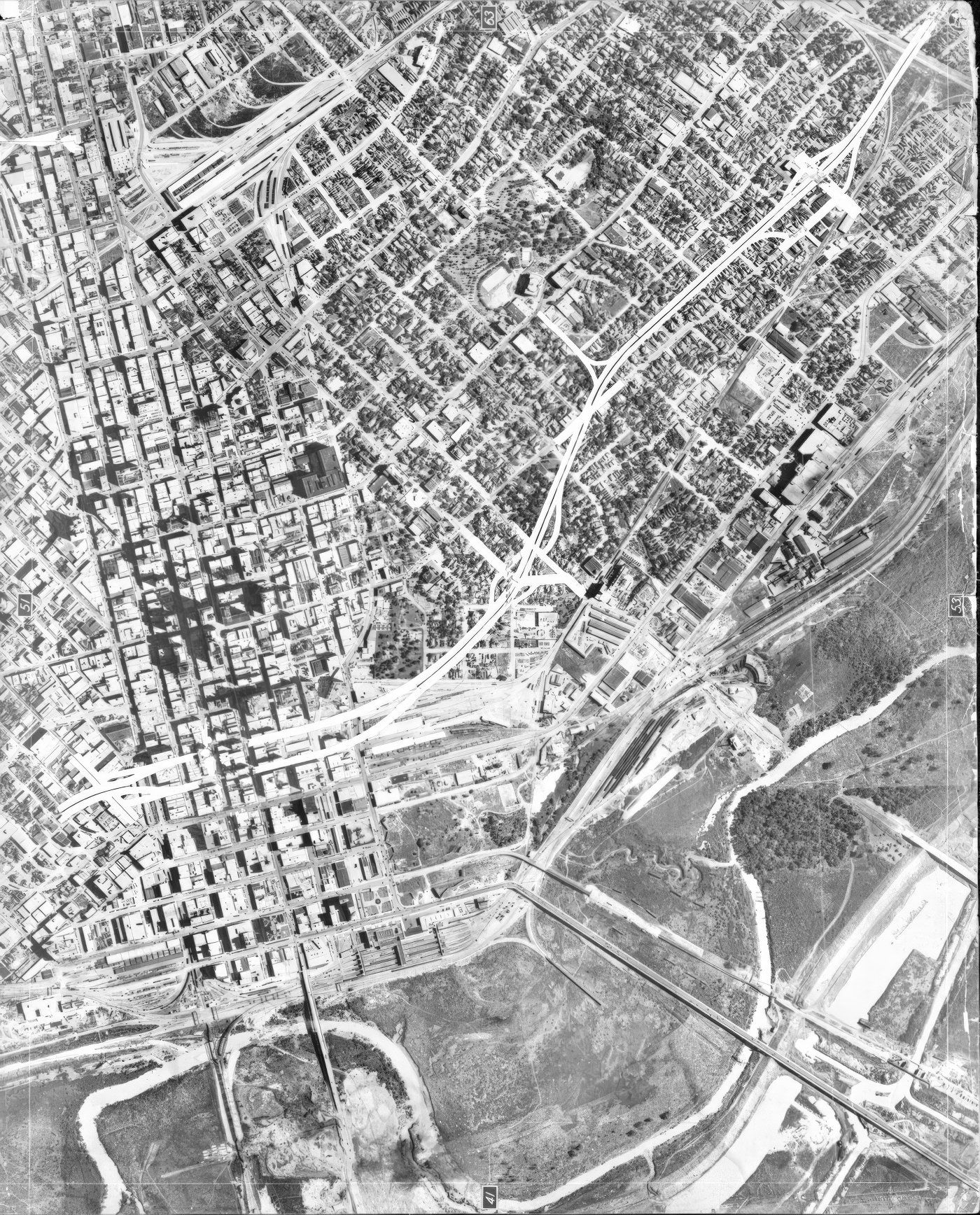
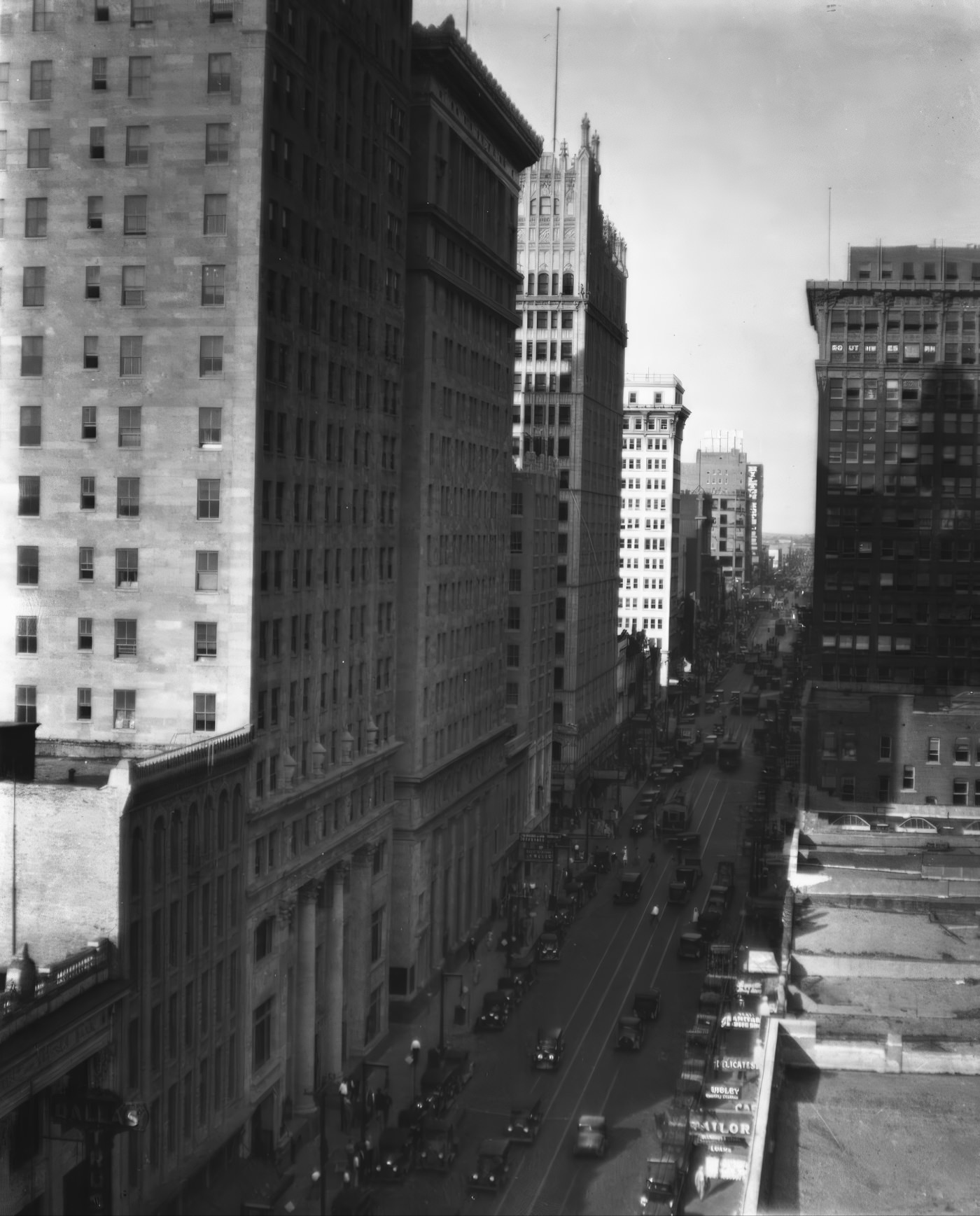
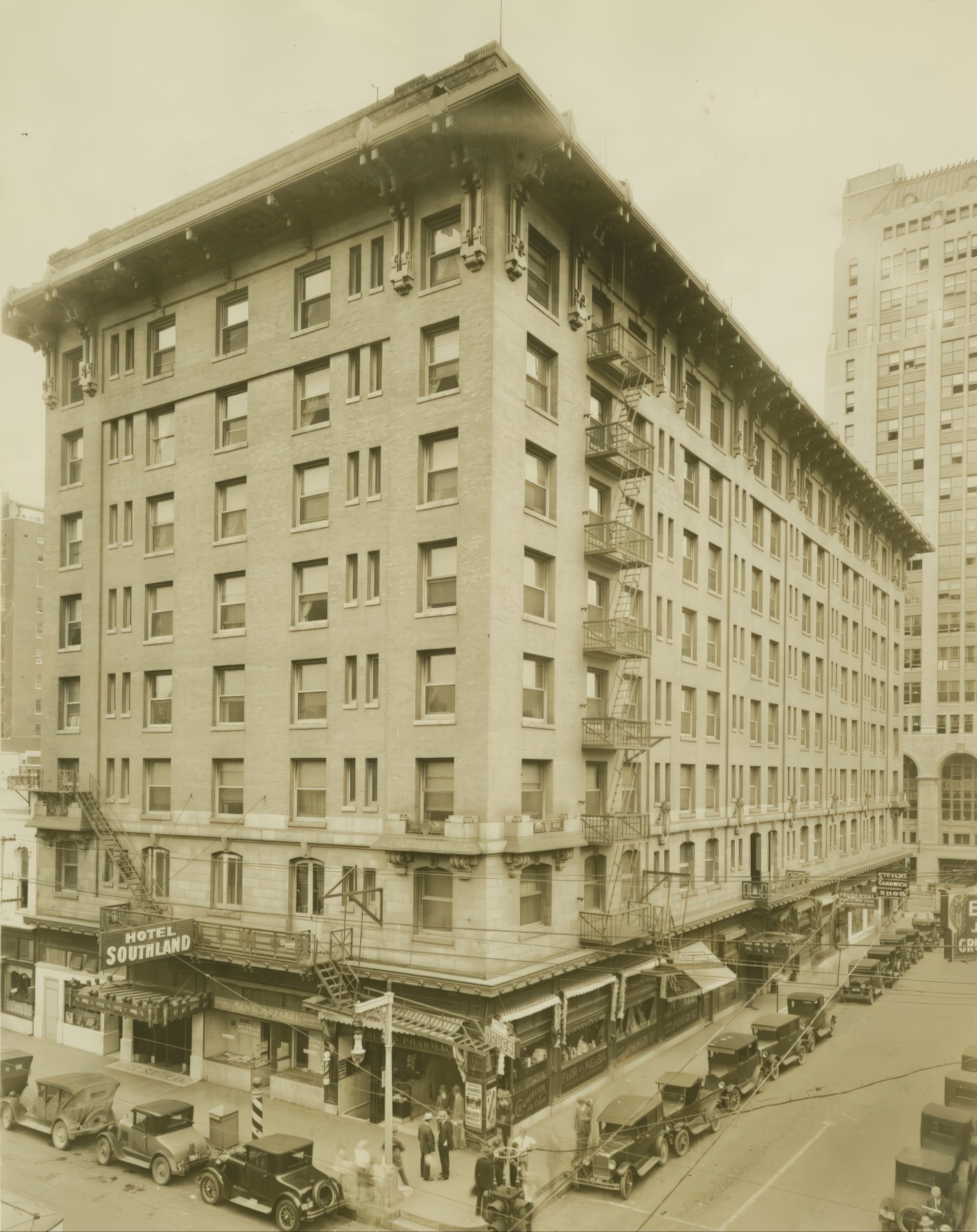
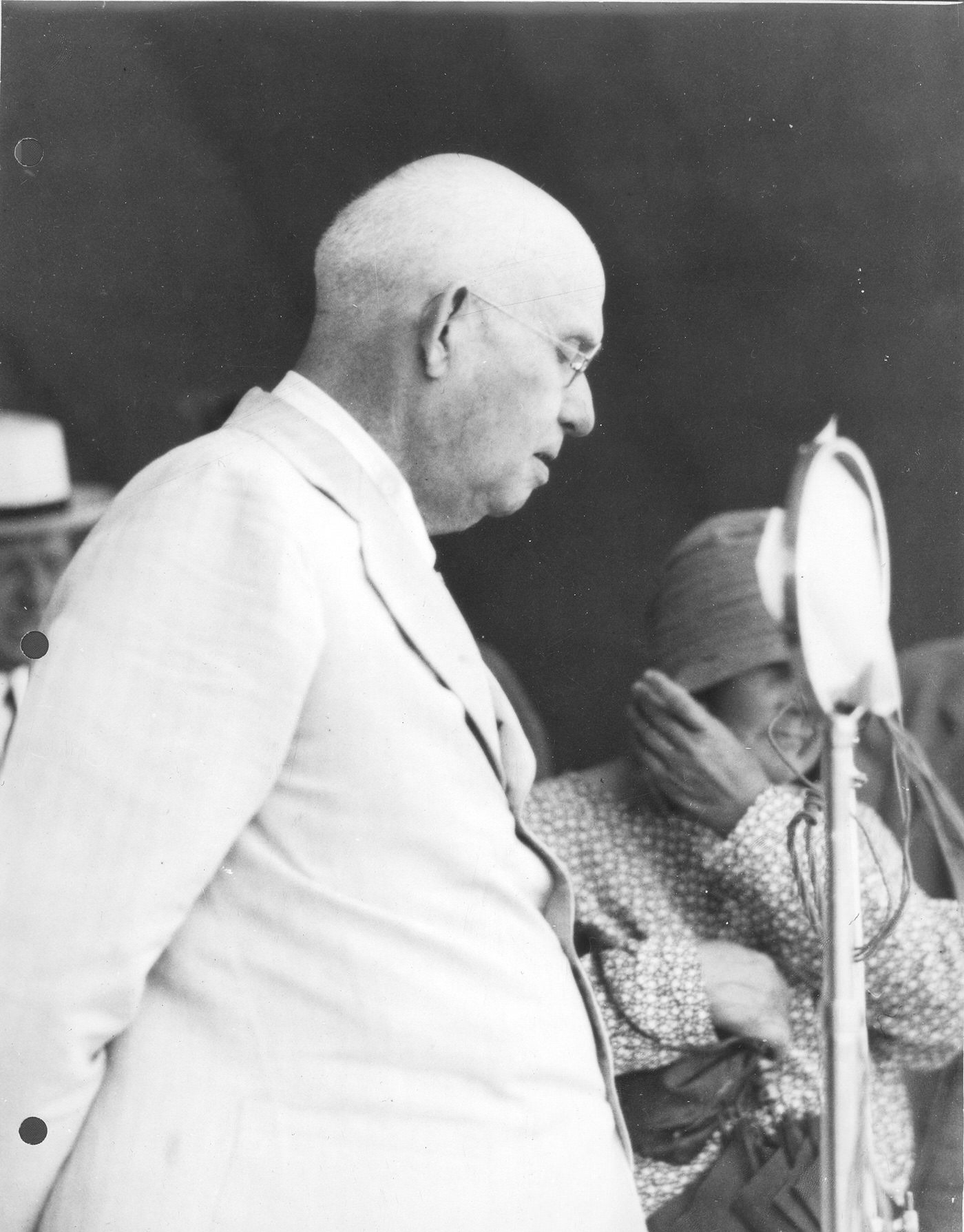
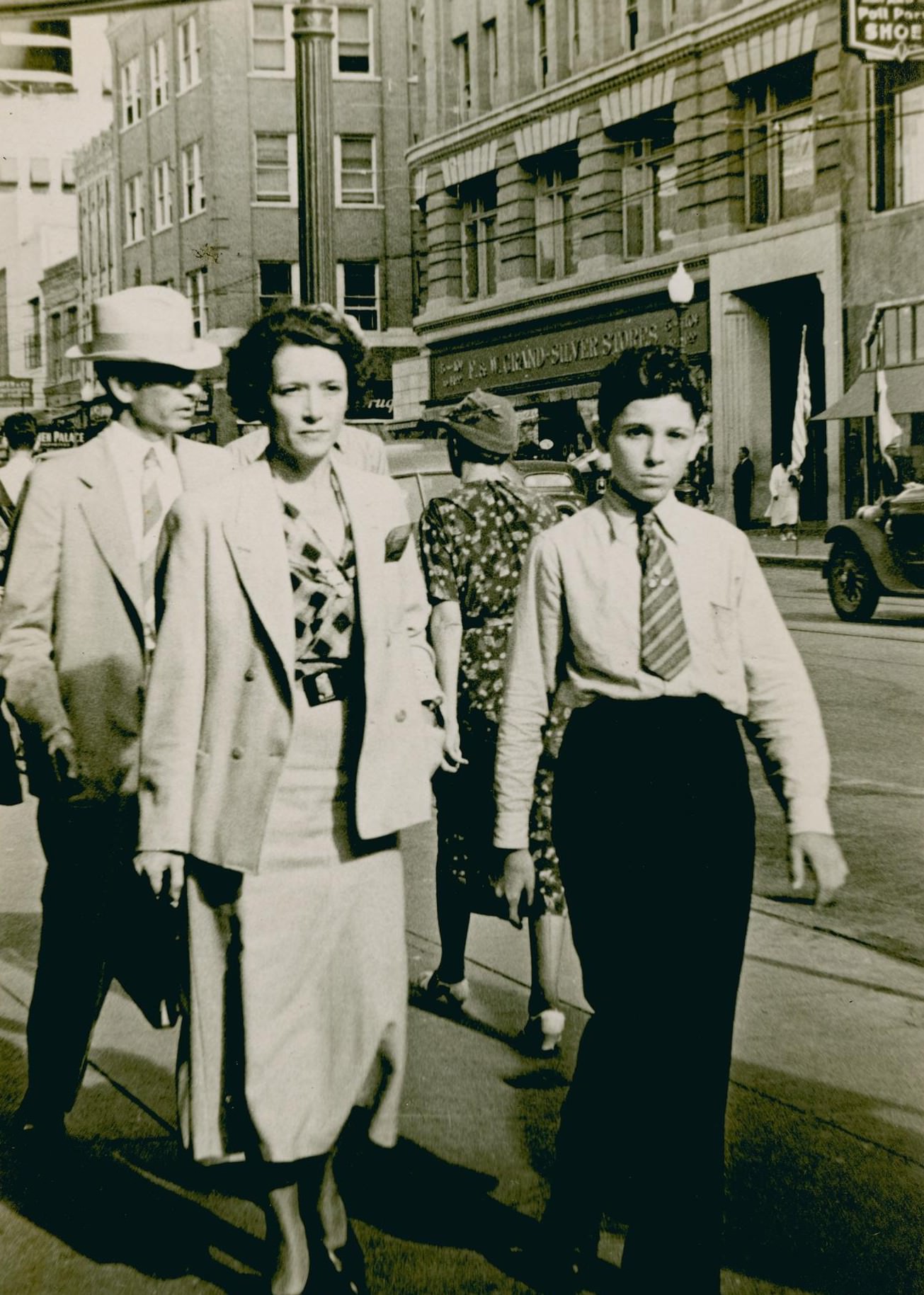
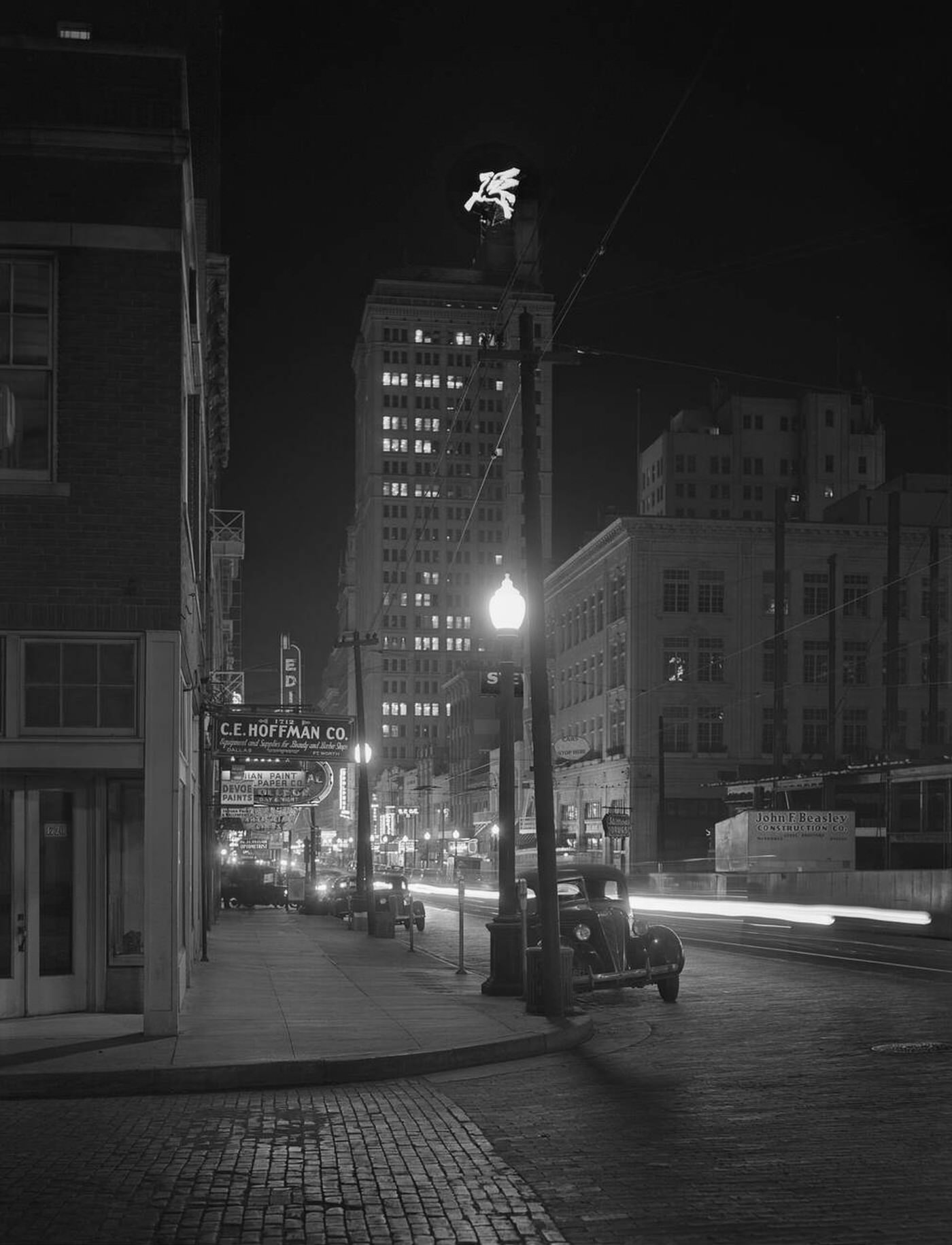
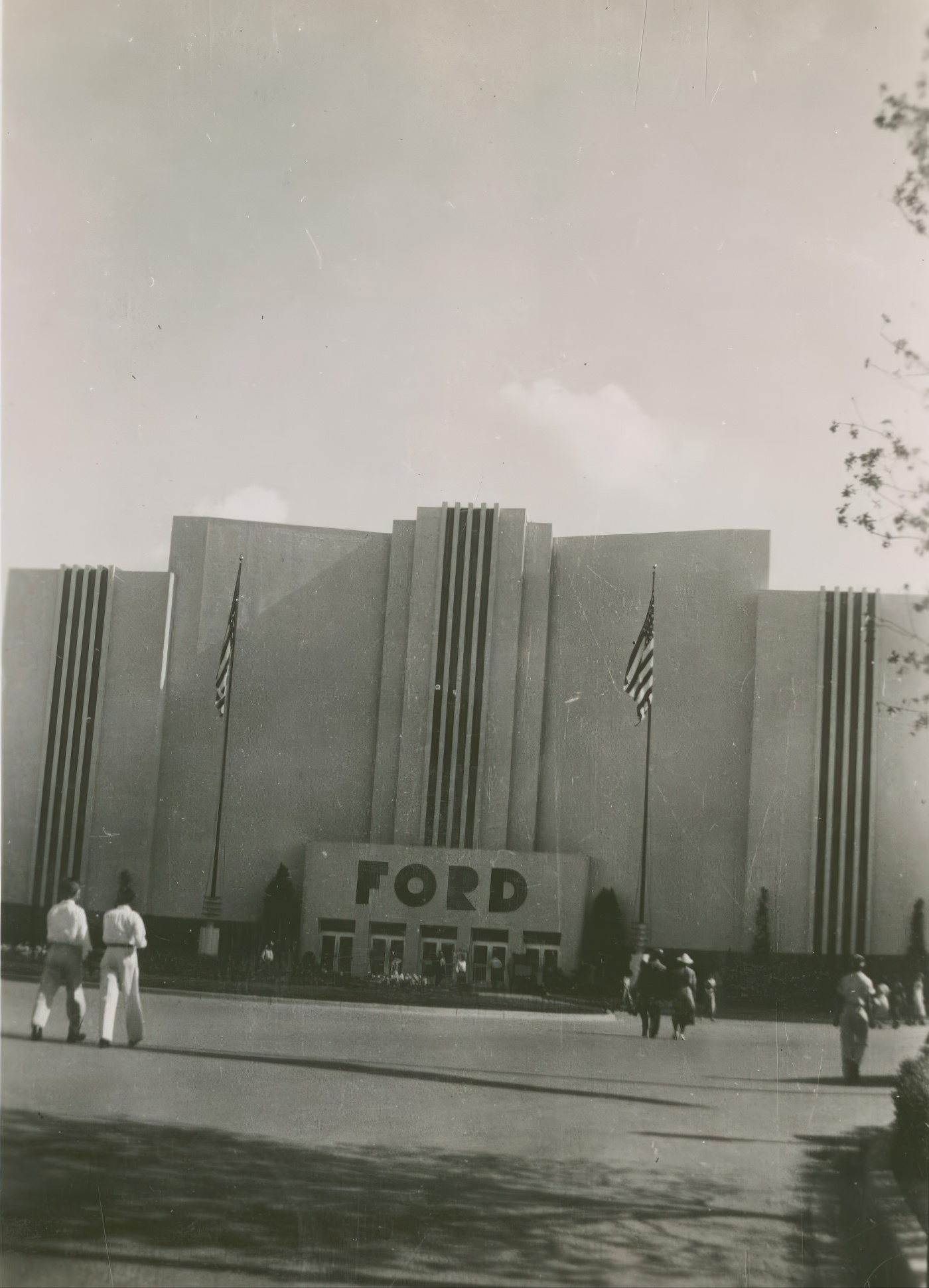
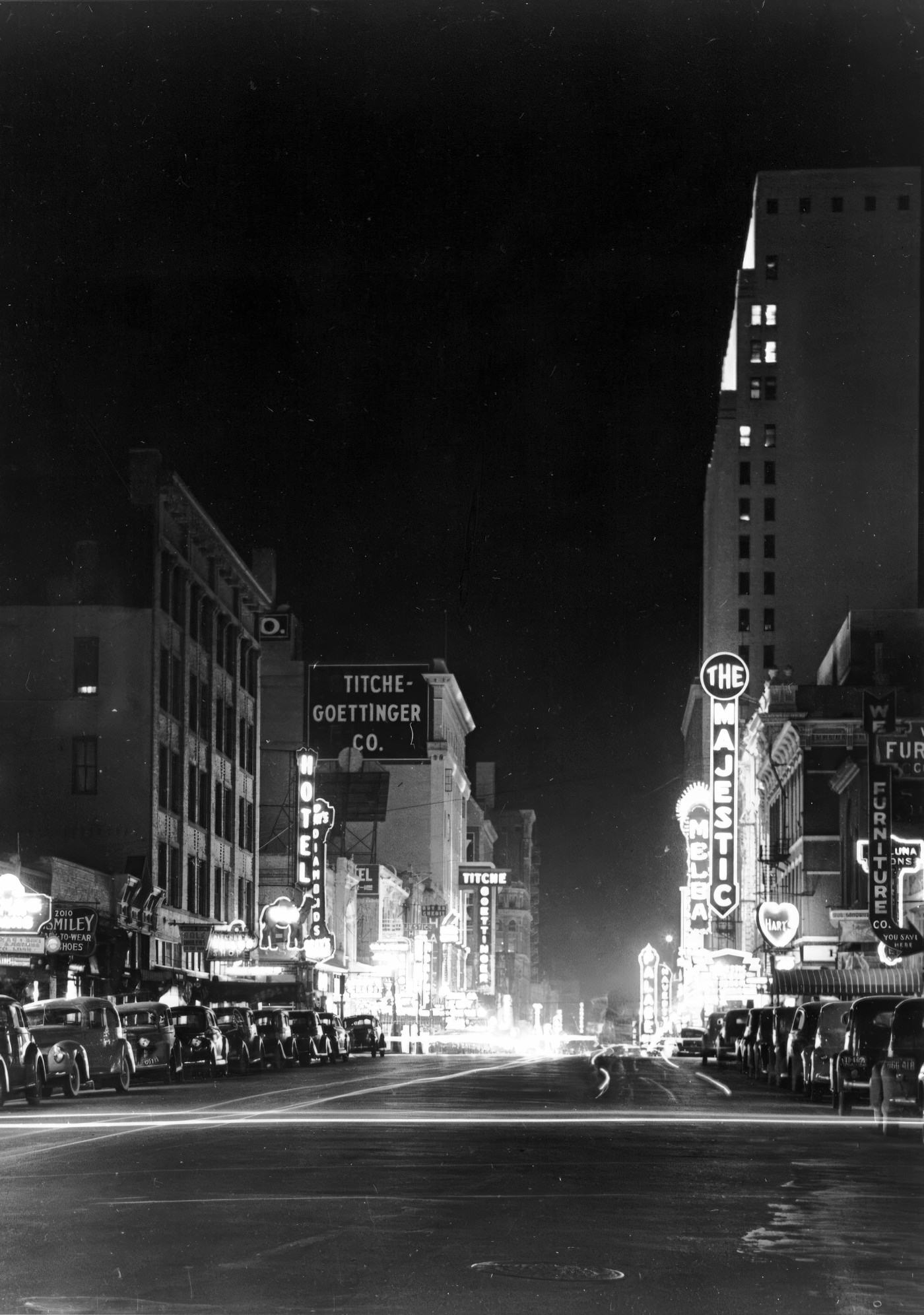
Image Credits: Texas History Portal, UTA Libraries, Dallas Public Library, Library of Congress, Wikimedia
Found any mistakes? 🥺 Let us Know