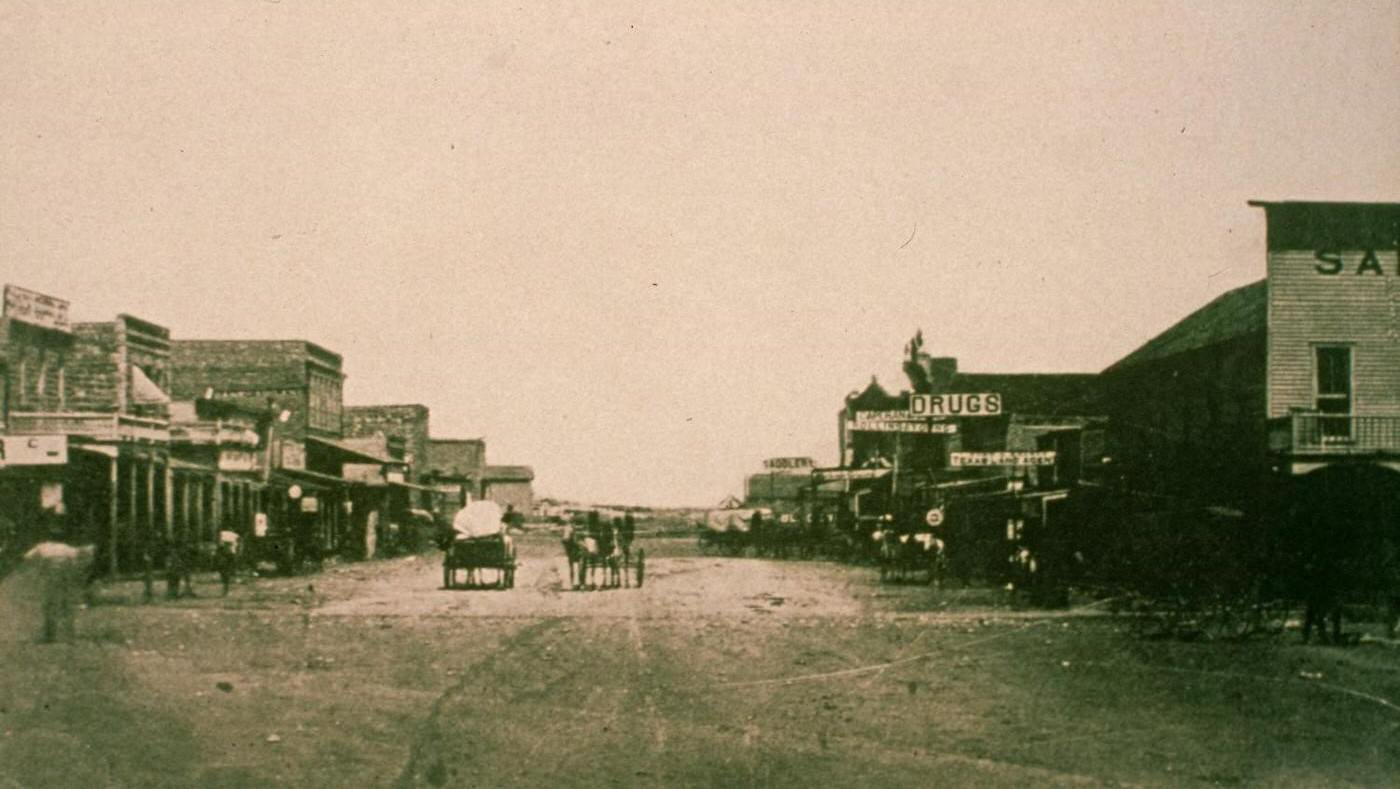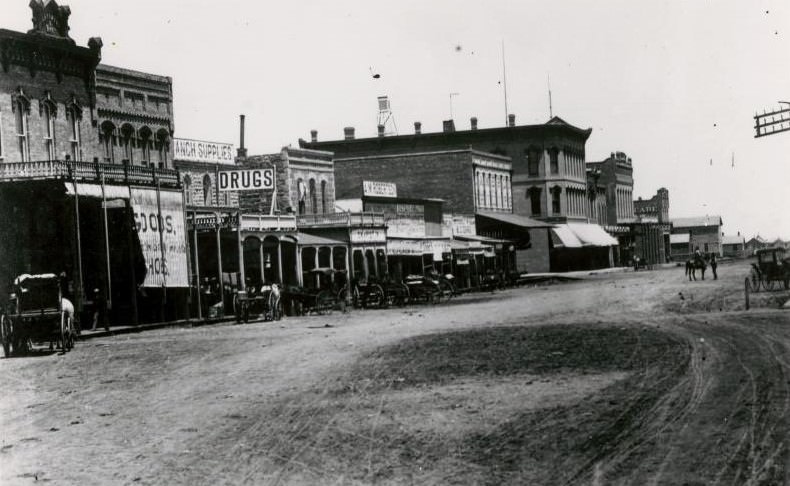
The 1990s dawned on a Fort Worth still grappling with the harsh economic realities left by the 1980s oil bust. That downturn had sent shockwaves across Texas, hitting Fort Worth hard. The state’s economy, once booming on high oil prices, faced a severe recession as prices collapsed from around $40 per barrel in 1983 to as low as $9 in 1985. This wasn’t a short-term dip; oil prices wouldn’t consistently top $40 again until the mid-2000s. The fallout included widespread business closures, even affecting prominent figures like Fort Worth oilman and Texas Rangers owner Eddie Chiles, whose energy company went bankrupt. Banks struggled as loans made during the boom went unpaid, and the real estate market cratered, leaving empty office buildings and struggling homeowners. Fort Worth’s economy, which had a significant manufacturing base, felt the combined effects of the oil slump, real estate troubles, and cuts in defense spending during the 1980s.
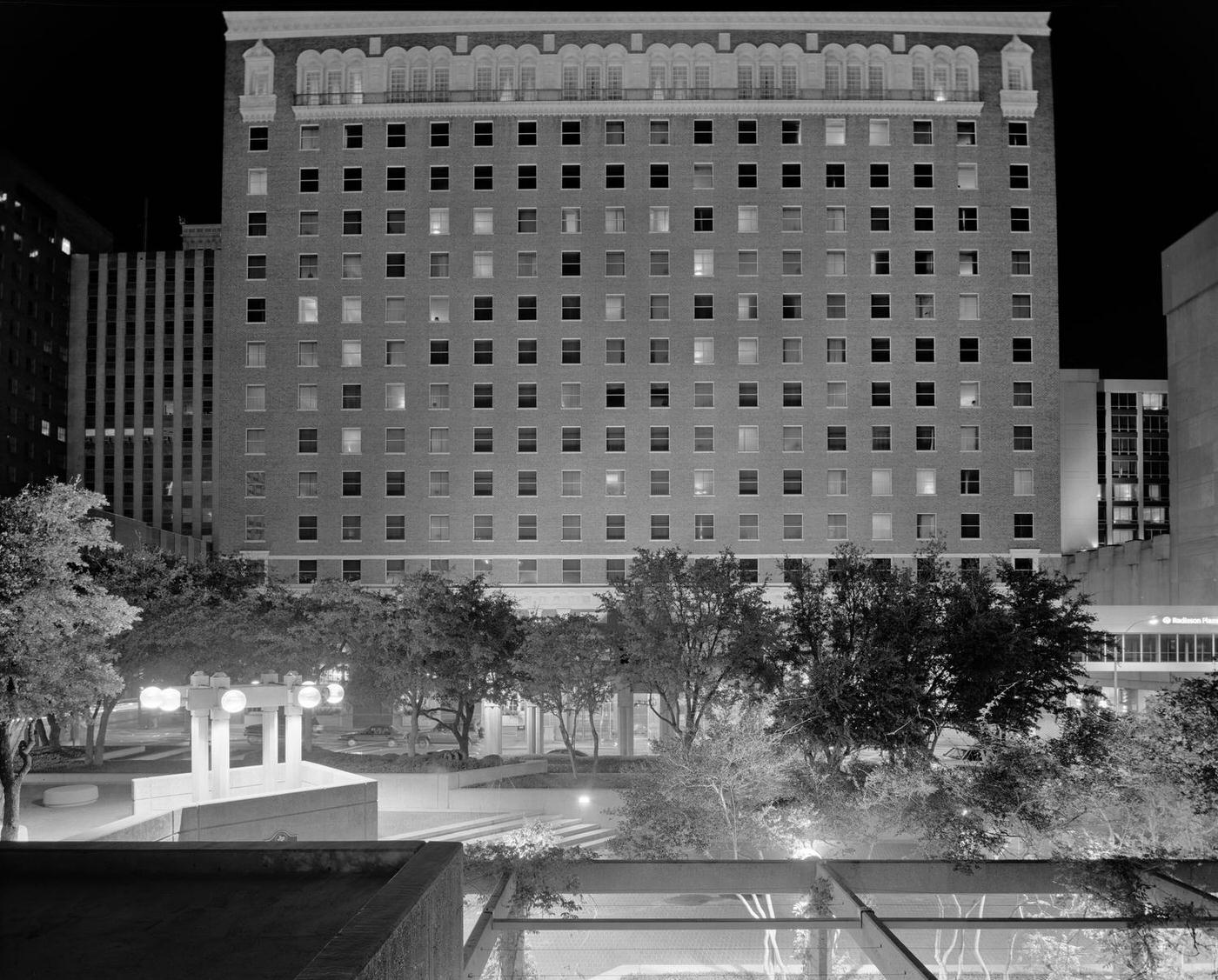
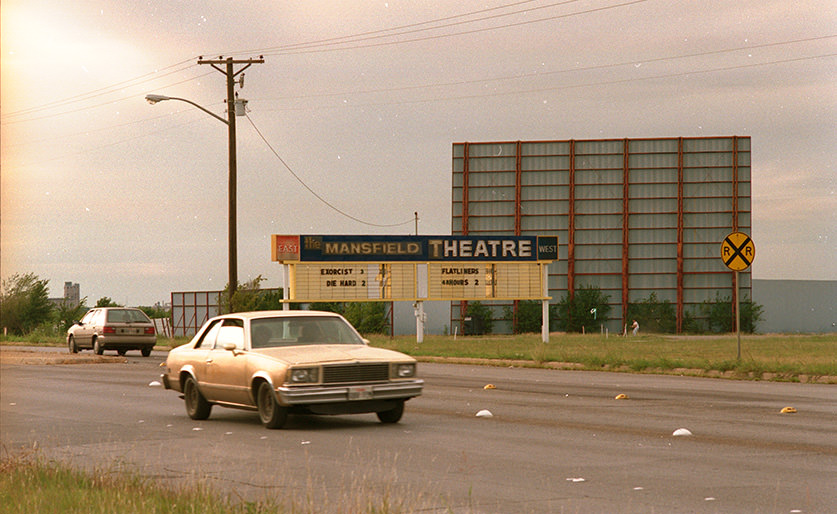
This deep economic pain directly spurred Fort Worth leaders to seek new directions in the 1990s. Faced with the slow recovery of oil prices and substantial cutbacks in defense contracts, the city began a deliberate push to diversify its economy. The goal was to build a more resilient foundation, less dependent on the volatile fortunes of oil and defense. This meant actively encouraging growth in different kinds of businesses, including services, trade, transportation, communication, and construction, often by supporting small business development. Across Texas, this era saw a shift away from oil dependency, aided by a business environment with relatively low taxes and regulations that encouraged new ventures. The difficulties of the 1980s, in effect, forced Fort Worth to forge a new economic path for the coming decade.
Economic Engines: Jobs and Growth
A powerful engine driving Fort Worth’s economic shift in the 1990s was the massive AllianceTexas development taking shape in the city’s northern reaches. Centered around the Fort Worth Alliance Airport, which opened its runways in December 1989, this project was a cornerstone of the new economic strategy. Conceived by developer Ross Perot Jr. on vast tracts of relatively inexpensive farmland acquired during the 1980s, AllianceTexas was envisioned as a 27,000-acre, master-planned community blending industrial, logistics, and other uses. Its creation involved a significant public-private partnership between Perot’s Hillwood Development Company, the City of Fort Worth under the guidance of Mayor Bob Bolen, and the Federal Aviation Administration (FAA).
Key to its success was its infrastructure. Alliance Airport itself was designed as the world’s first purely industrial airport, built for cargo and logistics. Complementing the airport was a large BNSF Railway intermodal facility, allowing for the seamless transfer of goods between trucks and trains, establishing a major logistics hub. Easy access to Interstate 35W further enhanced its position. Throughout the 1990s, AllianceTexas began attracting billions in investment and numerous companies, becoming a major job creator for the region. While many major company announcements came later, anchor tenants like FedEx, which broke ground on a major sorting hub in 1994, established the development’s credibility early on. The significant property taxes generated from 1990 onward point to the substantial economic activity taking root during the decade. Supporting this growth was ongoing infrastructure work within the development, including a new bridge at Alliance Boulevard (1991), the State Highway 170 interchange (1992), and new interchanges at Golden Triangle Boulevard and Heritage Trace Parkway (1997). AllianceTexas thus became a physical embodiment of Fort Worth’s diversification strategy, moving the city strongly into logistics and large-scale industrial and commercial activity.
The airline industry provided another major source of employment. American Airlines, headquartered in Fort Worth near DFW International Airport since 1983, solidified its massive hub operations during the 1980s and into the 1990s. As the world’s largest airline, it became the single largest private employer in the Fort Worth area, anchoring the region’s vital trade and transportation sector. The decade saw American place a historic order for hundreds of Boeing aircraft in 1996, but the airline also navigated challenges, including a pilot strike in 1997 and the closure of hubs in other cities.
Beyond these giants, Fort Worth saw job growth across various sectors that reflected its diversification efforts. Services, trade, transportation and logistics (fueled by Alliance and DFW Airport), and construction all expanded. The Dallas/Fort Worth region also emerged as a significant center for high-tech and telecommunications industries, benefiting from the skilled labor pool originally developed by the long-standing defense and aviation companies. Overall, the Fort Worth area experienced robust job creation throughout the 1990s, averaging about 20,000 new nonfarm jobs each year until the national economic downturn began around 2000-2001. The broader Dallas/Fort Worth metroplex saw employment grow at an average annual rate of 3.3 percent, significantly outpacing the national average of 2.1 percent. This steady job growth, despite the turbulence in the defense sector early in the decade, demonstrated that the city’s focus on broadening its economic base was yielding results, creating a more resilient economy capable of weathering challenges in any single industry.
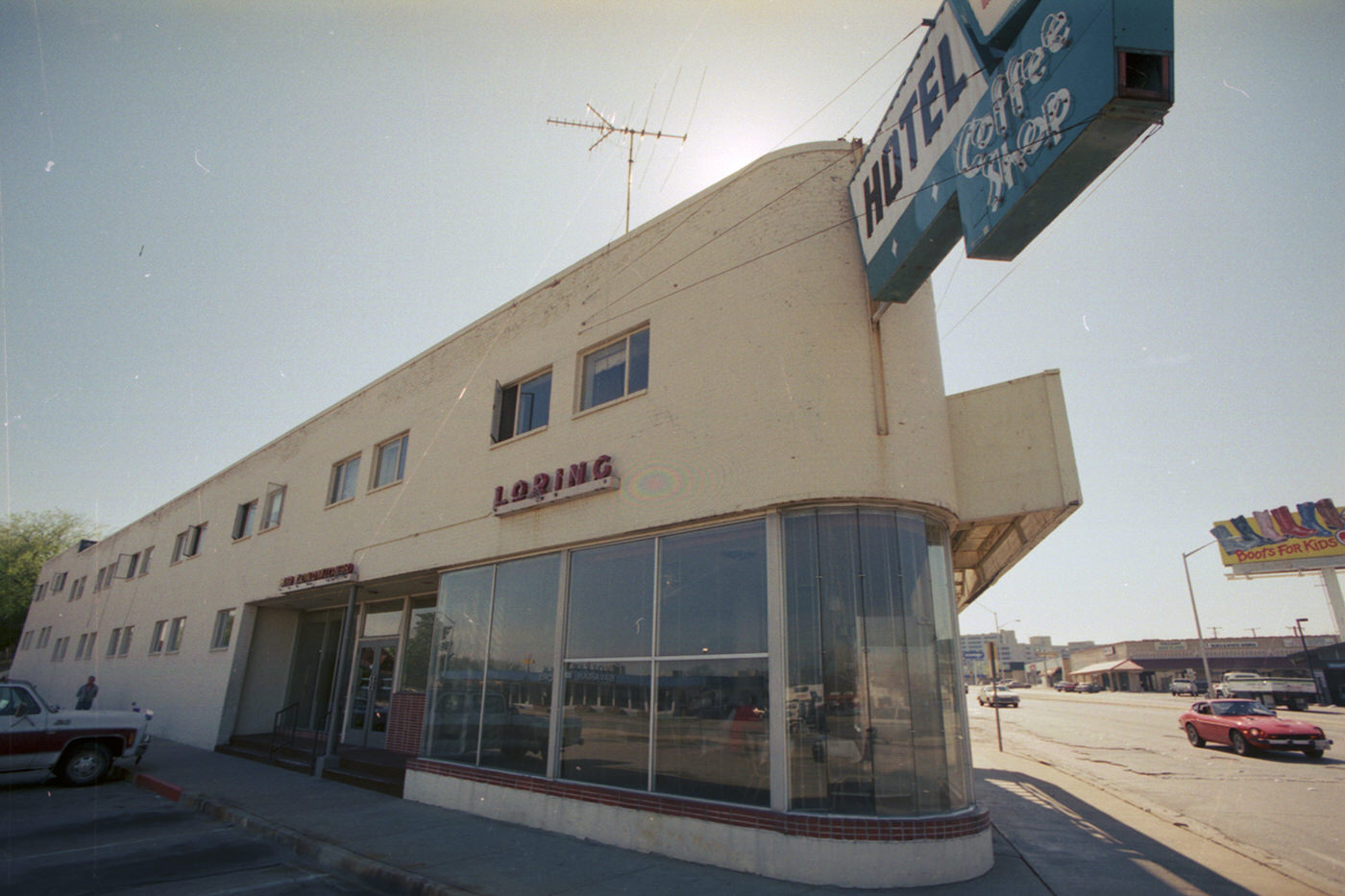
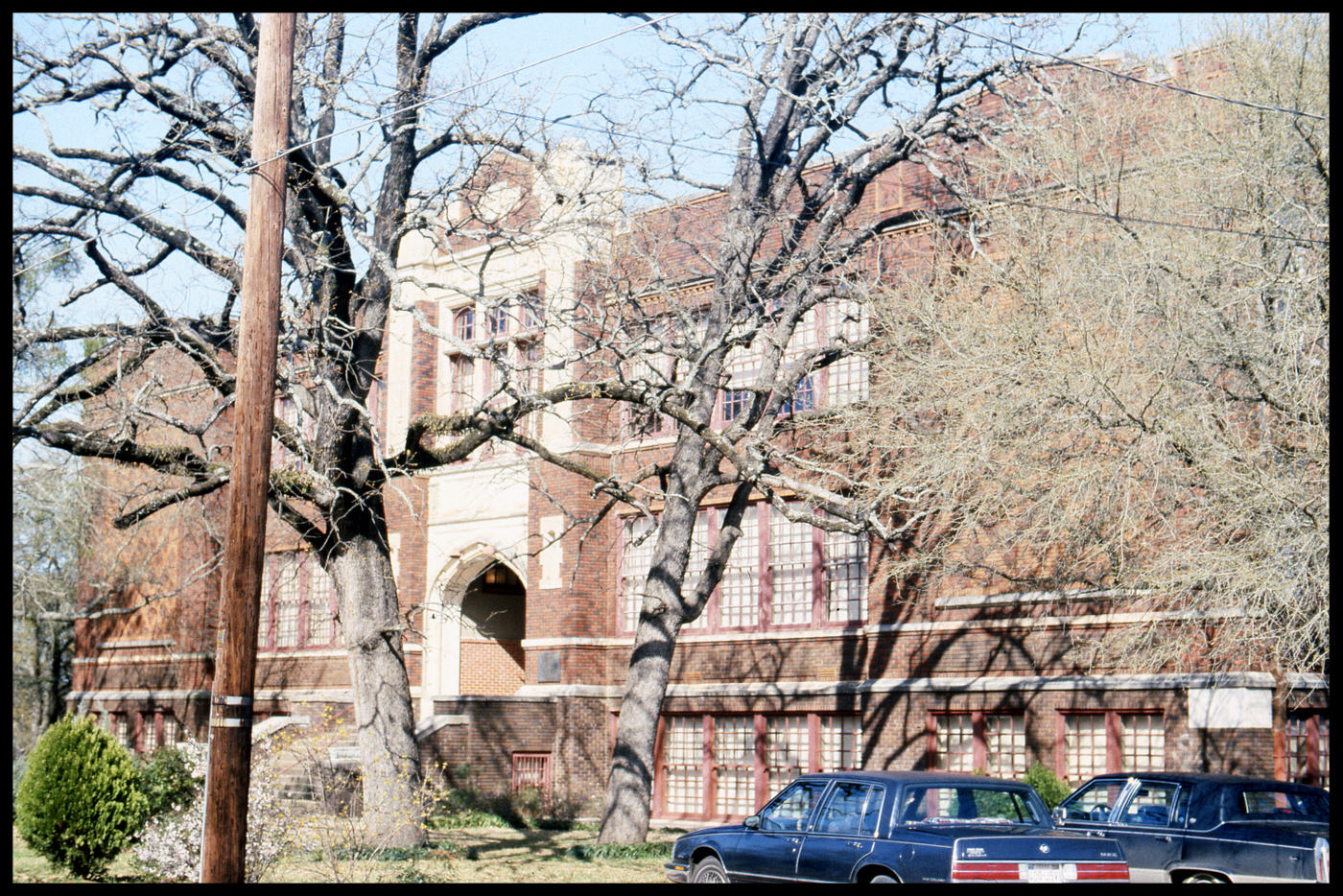
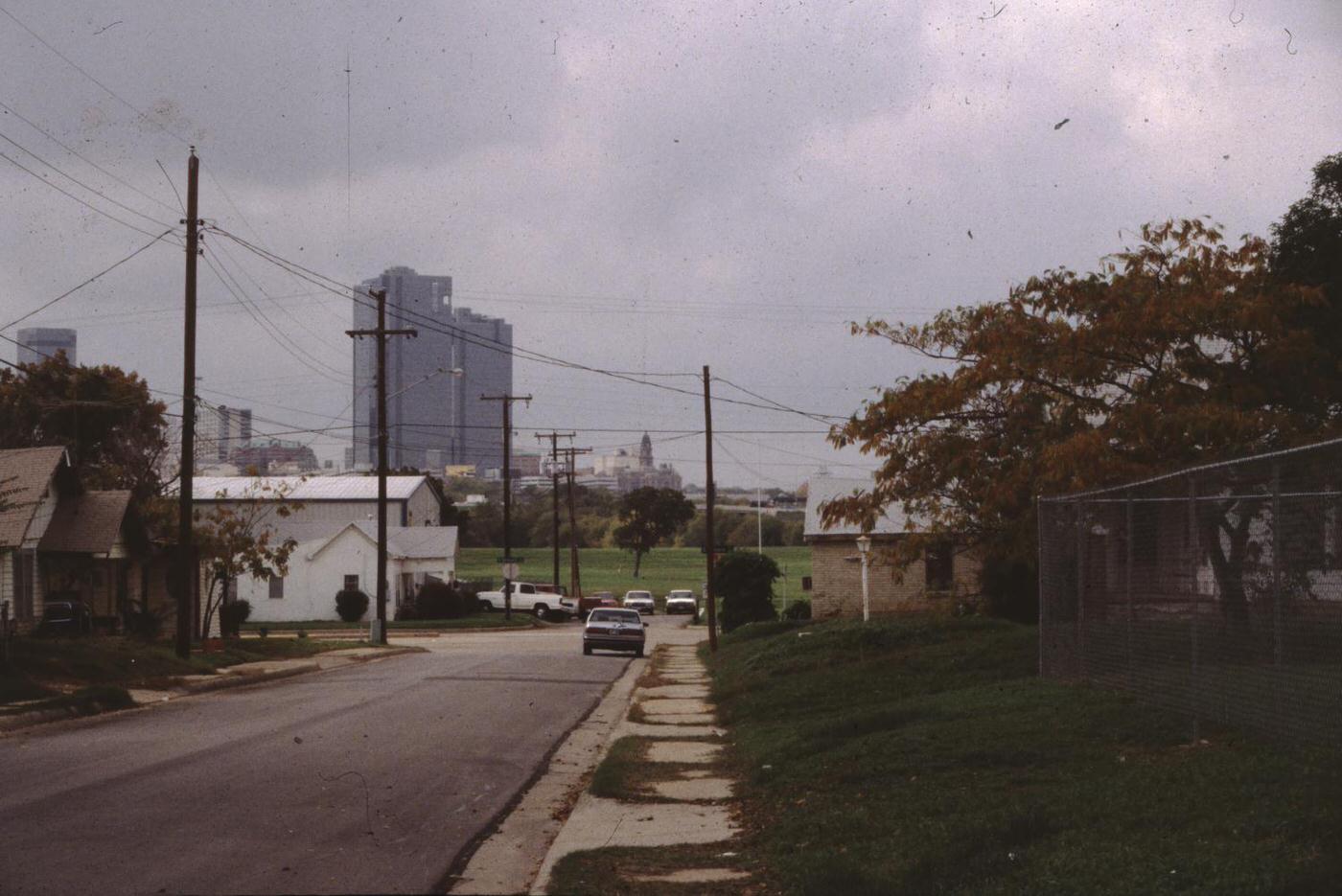
Fashion in 1990s Fort Worth reflected a blend of national trends and enduring local styles. The early part of the decade saw the influence of grunge music translate into widespread casual wear: oversized flannel shirts, often layered over band t-shirts, paired with ripped or stonewashed jeans, and finished with combat boots like Doc Martens or sneakers like Converse. This intentionally unkempt look was common nationwide. Simultaneously, hip-hop culture influenced fashion with baggy jeans, tracksuits, bomber jackets, baseball caps (often worn backward), Timberland boots, and gold chains becoming popular. Other mainstream trends included bright, sometimes fluorescent colors, crop tops, babydoll dresses worn over leggings, denim overalls, and casual footwear like Keds with slouch socks.
Amid these national currents, traditional Western wear maintained its presence in Fort Worth and Texas. Cowboy boots, pearl-snap shirts, denim jeans, and sometimes fringe or Southwestern patterns remained staples for many. Rather than being replaced, these elements often blended with contemporary styles, creating a distinct regional look. Vintage shops and mainstream retailers likely offered both the latest national trends and updated takes on Western classics. This fusion meant 90s Fort Worth style was likely a unique mix, allowing residents to express both contemporary fashion sense and local identity.
While Alliance boomed, Fort Worth’s traditional anchor industry, defense and aviation, navigated a period of significant change. General Dynamics had been a massive employer for decades, building the F-16 fighter jet at its Fort Worth plant. However, in the face of post-Cold War defense budget cuts, the company sold its Fort Worth military aircraft division to Lockheed Corporation in March 1993 for $1.5 billion. Two years later, in 1995, Lockheed merged with Martin Marietta, creating the modern Lockheed Martin. This transition wasn’t smooth; the early 1990s saw job losses due to defense cutbacks and the cancellation of programs like the Navy’s A-12 attack plane in 1991. F-16 production, the plant’s mainstay, slowed down. Despite these challenges, the Fort Worth facility, now under Lockheed Martin, secured its future during the decade by winning new F-16 orders from overseas markets in Asia and the Middle East and securing work manufacturing the mid-fuselage for the new F-22 Raptor fighter jet. These successes, driven by innovation in manufacturing and design, positioned the plant for future growth, eventually leading to the F-35 Joint Strike Fighter contract win in 2001. Employment at the plant, which had exceeded 30,000 in the 1980s, fluctuated during these turbulent years.
Bell Helicopter Textron, the city’s other major aviation employer, also continued operations through the 1990s. The company was a leader in tiltrotor technology with its V-22 Osprey (which first flew in 1989 ) and introduced new commercial helicopters like the Model 407 in 1995. Bell faced its own hurdles, including losing a bid for a major Army light helicopter contract in 1991 and dealing with cost issues related to the V-22 program. However, Bell remained a vital part of Fort Worth’s economy and a key contributor to the region’s high-tech workforce. Some legal disputes over cost allocation practices surfaced in the early part of the decade.
Reshaping the City: Downtown and Beyond
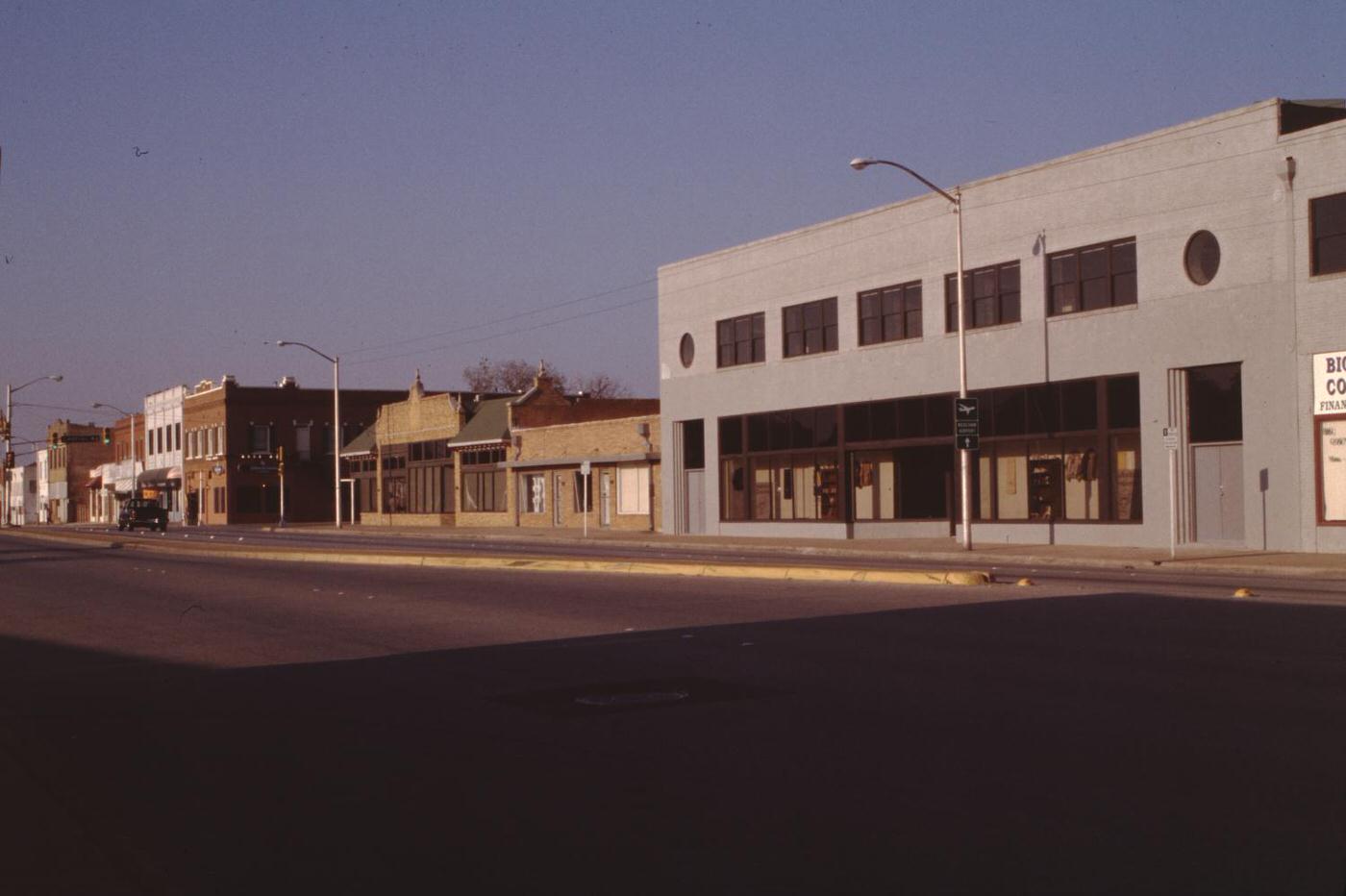
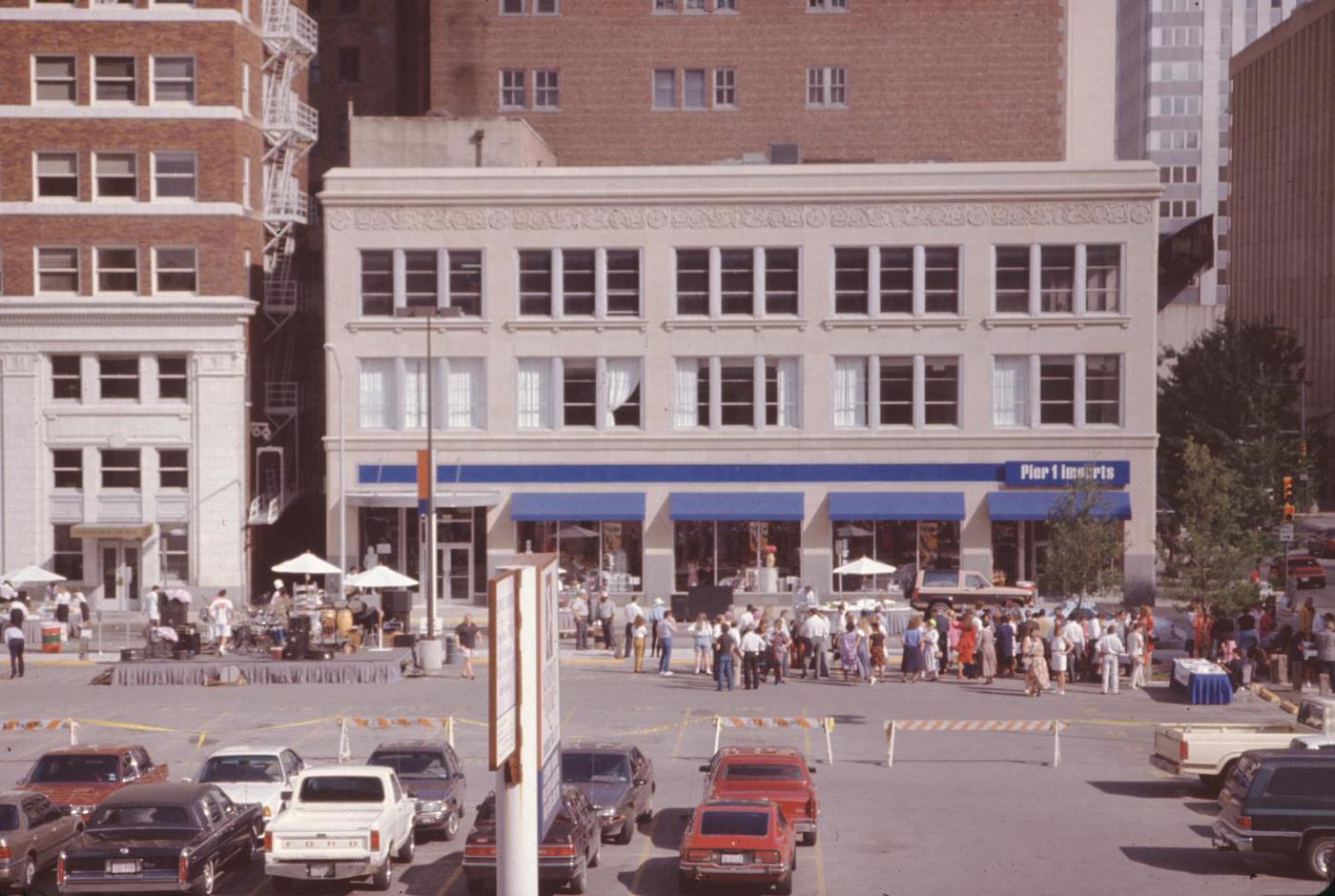
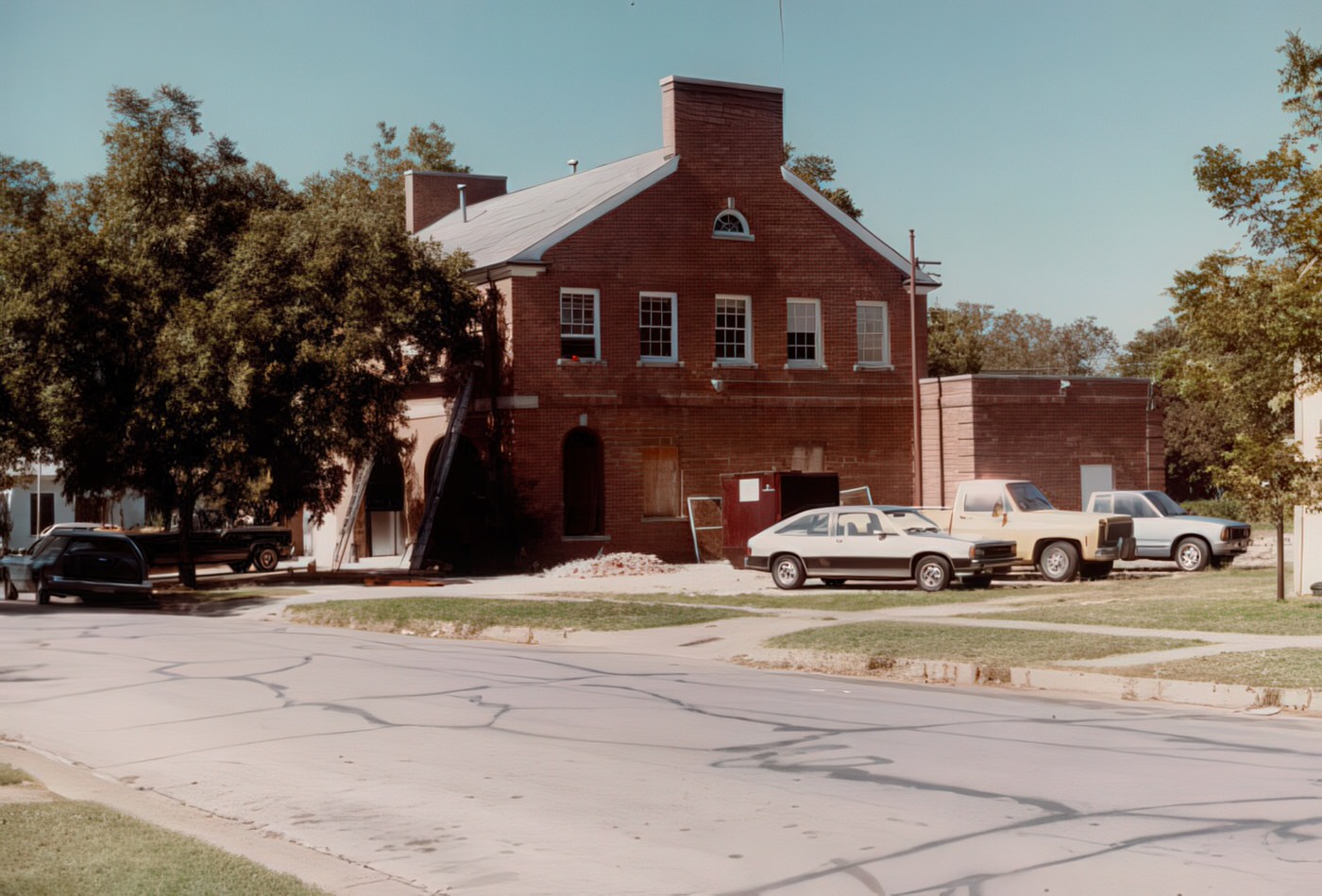
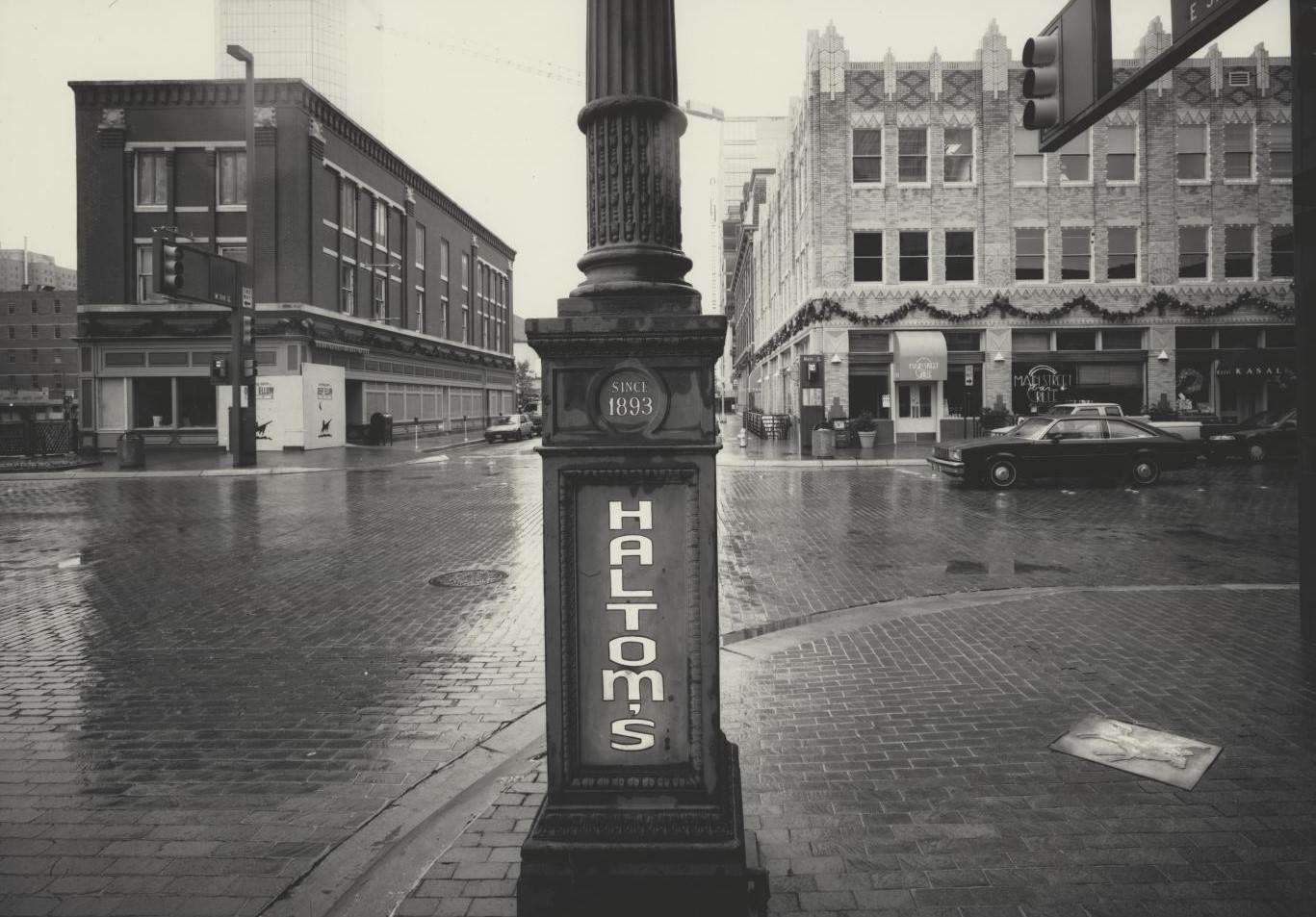
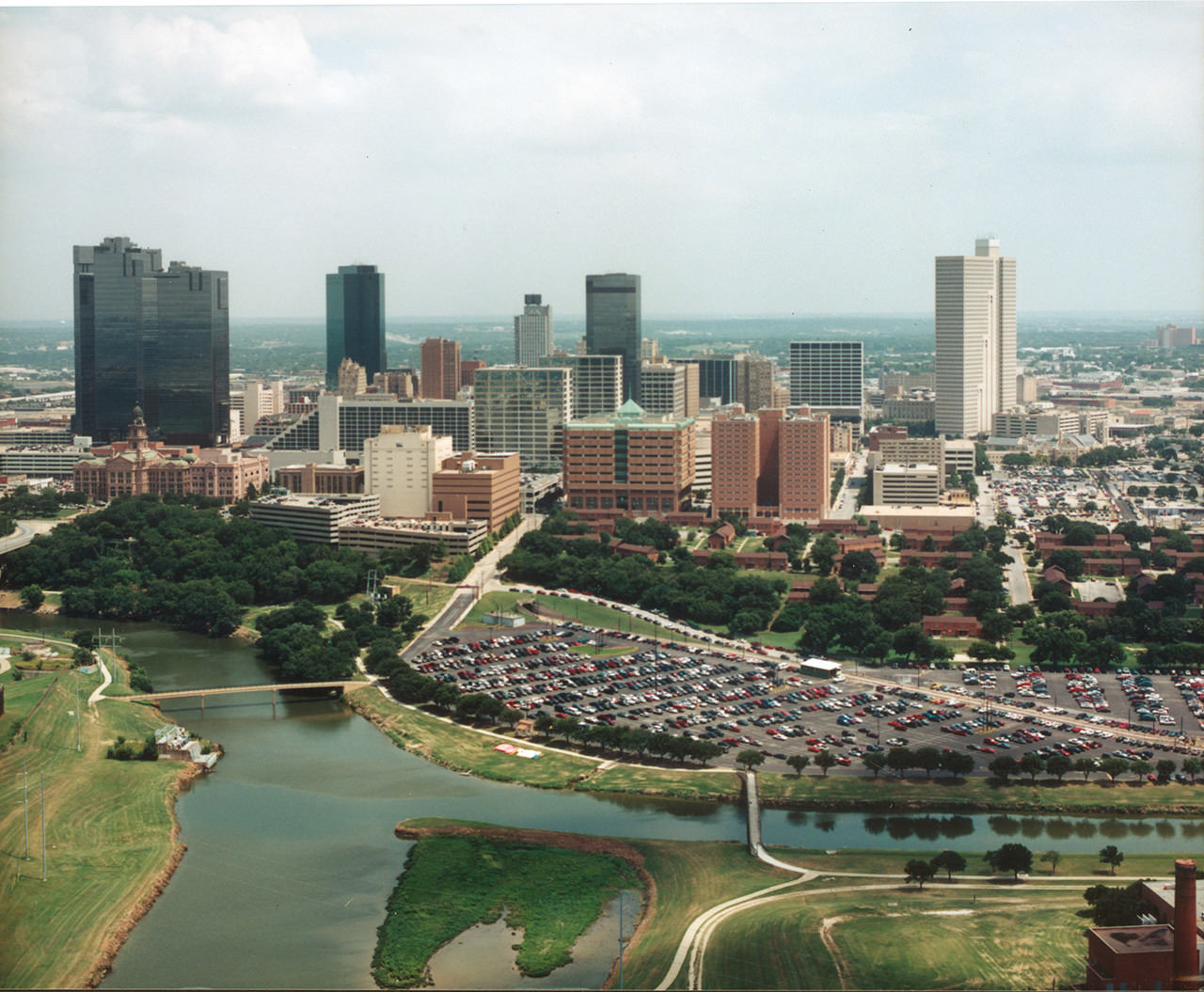
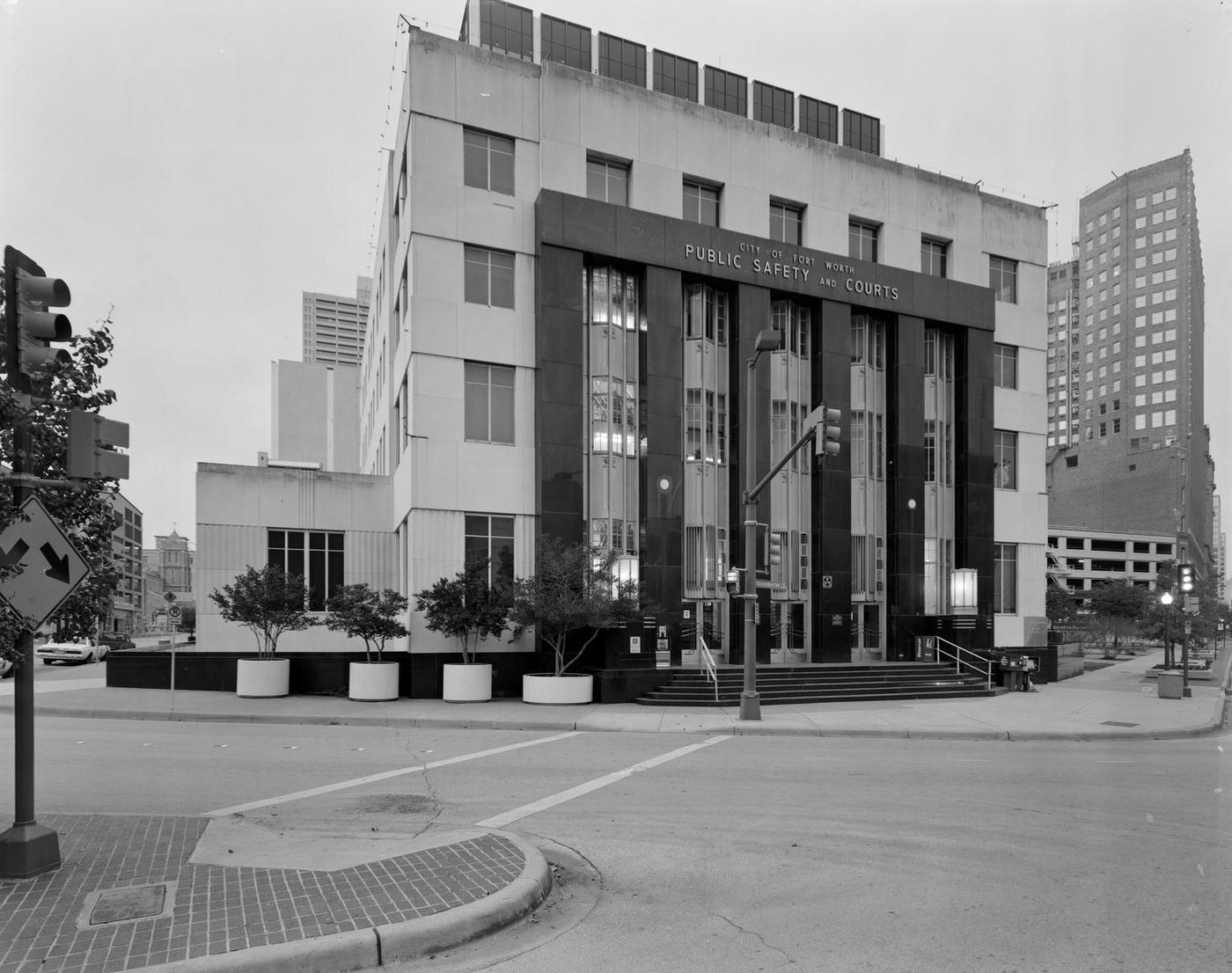
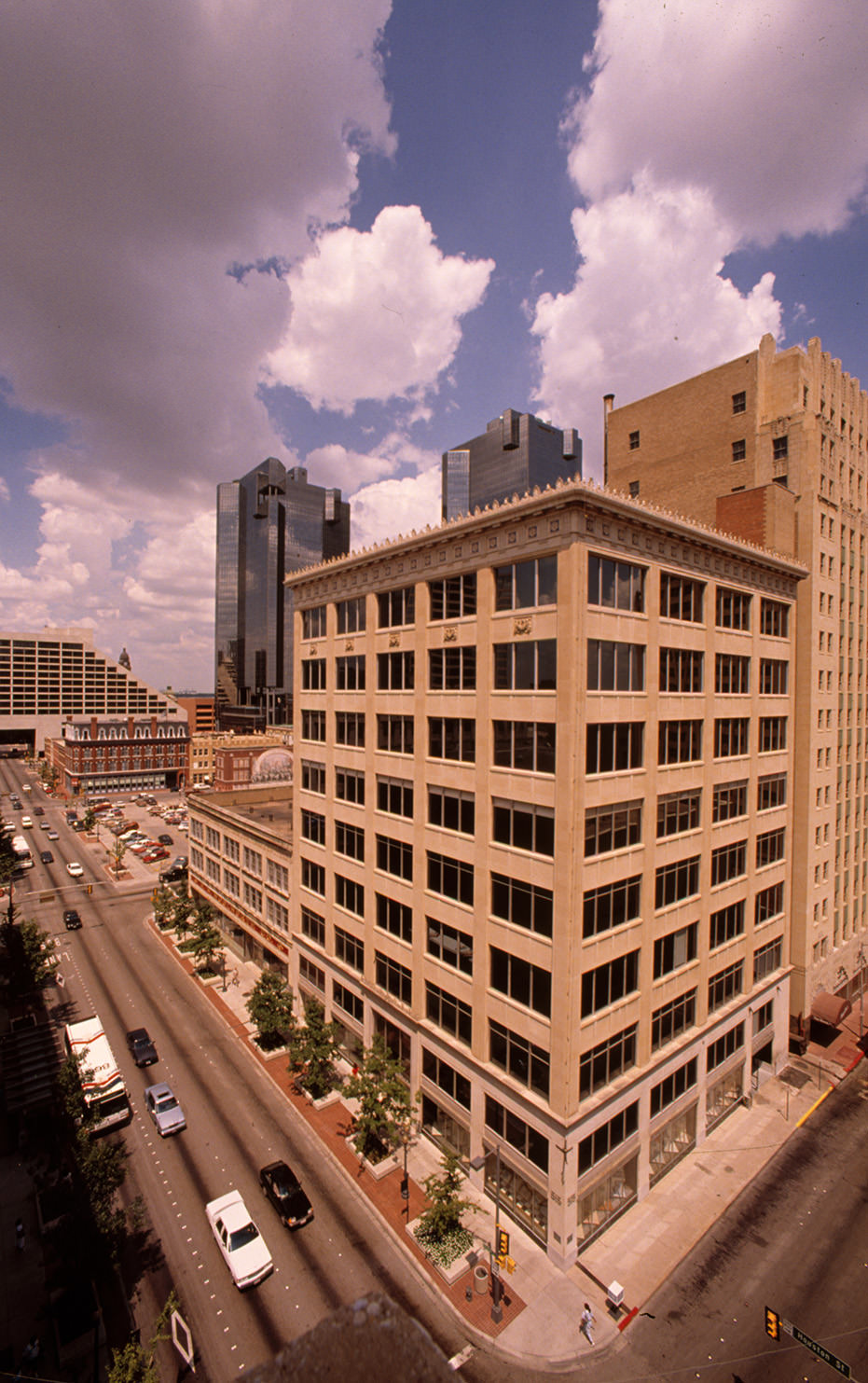
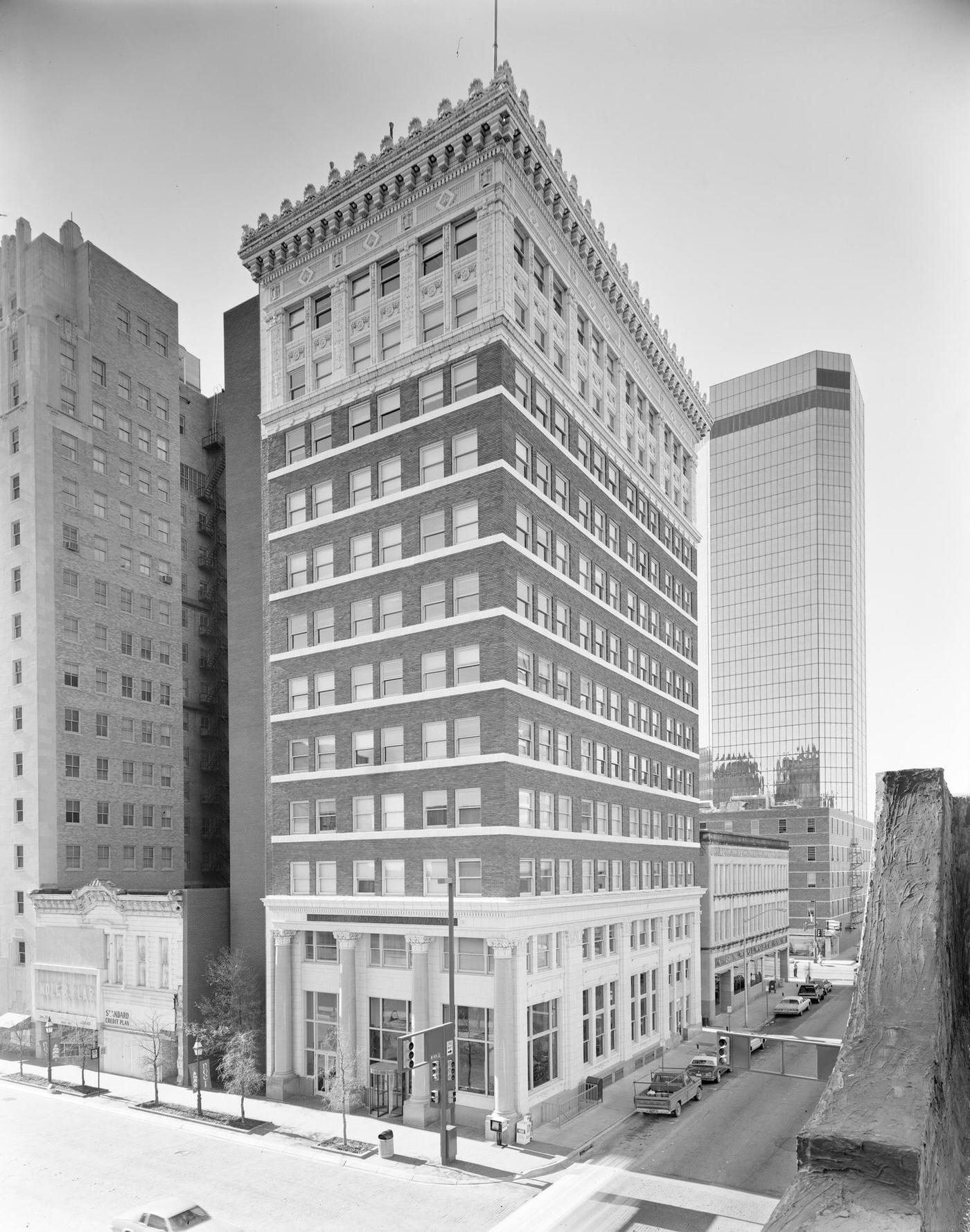
Downtown Fort Worth saw a dramatic transformation during the 1990s, largely driven by the continued expansion of Sundance Square. This ambitious revitalization project, spearheaded by the Bass family starting in the late 1970s and early 1980s, hit its stride in the 90s. The vision was to counteract the urban decline caused by earlier suburban flight and create a vibrant, walkable city center active day and night, filled with a mix of shops, restaurants, entertainment venues, offices, and places to live.
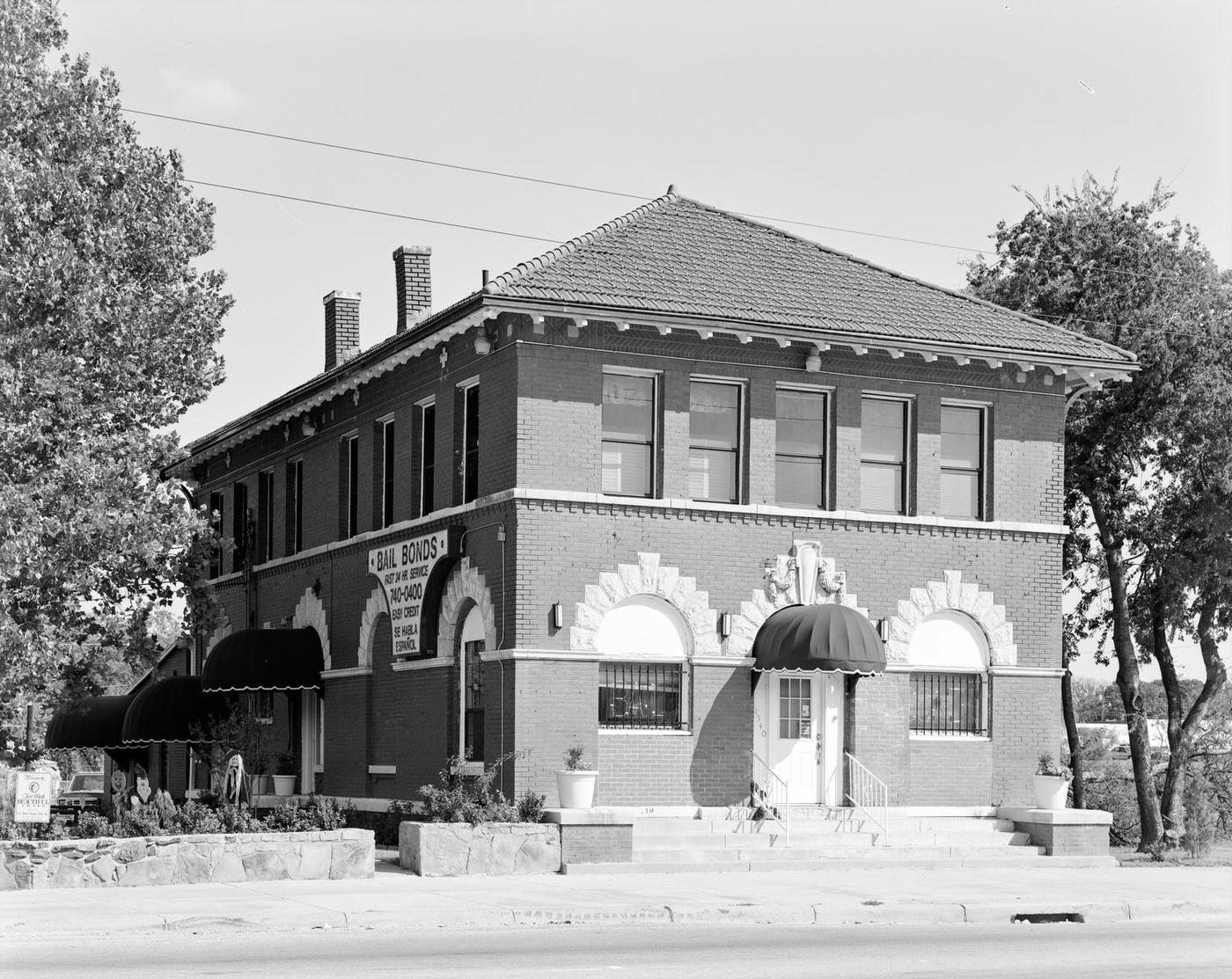
The opening of the AMC Sundance 11 cinema within the new Sundance West building was a significant step, bringing evening entertainment back to a downtown that had largely gone dark after business hours. Sundance West itself marked the return of residential life to the core, offering 59 apartments in a 12-story mixed-use structure. The conversion of the upper floors of the historic Sanger Building into Sanger Lofts added another 59 residential units, further diversifying downtown’s offerings. Capping off the decade’s major additions was the opening of the magnificent Bass Performance Hall in 1998. This $67 million, 2,056-seat venue, designed by David M. Schwarz and famed for its grand facade with 48-foot limestone angels, became an instant cultural landmark. Entirely funded by the Bass family, it provided a world-class home for the Fort Worth Symphony Orchestra, Fort Worth Opera, Texas Ballet Theater, and the prestigious Van Cliburn International Piano Competition. Other developments included the Plaza Block, which opened in 1996 with another nine-screen AMC Theatre and a Barnes & Noble bookstore, and the small Etta’s Place Bed & Breakfast, also opening in 1996. Throughout the decade, renovations of historic buildings continued, and initiatives like free downtown parking, started under Mayor Bob Bolen, helped attract visitors and support the growing number of restaurants and shops.
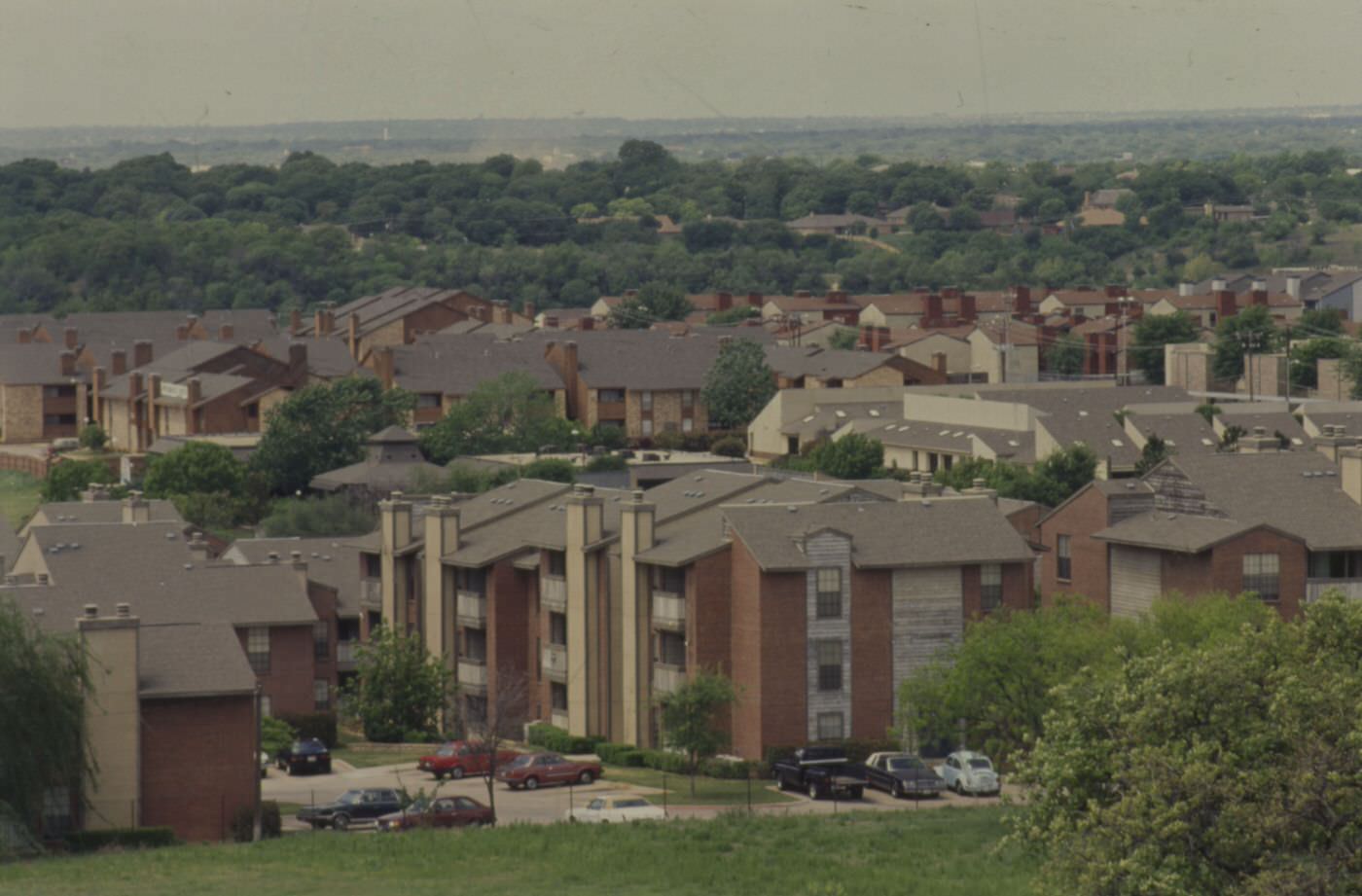
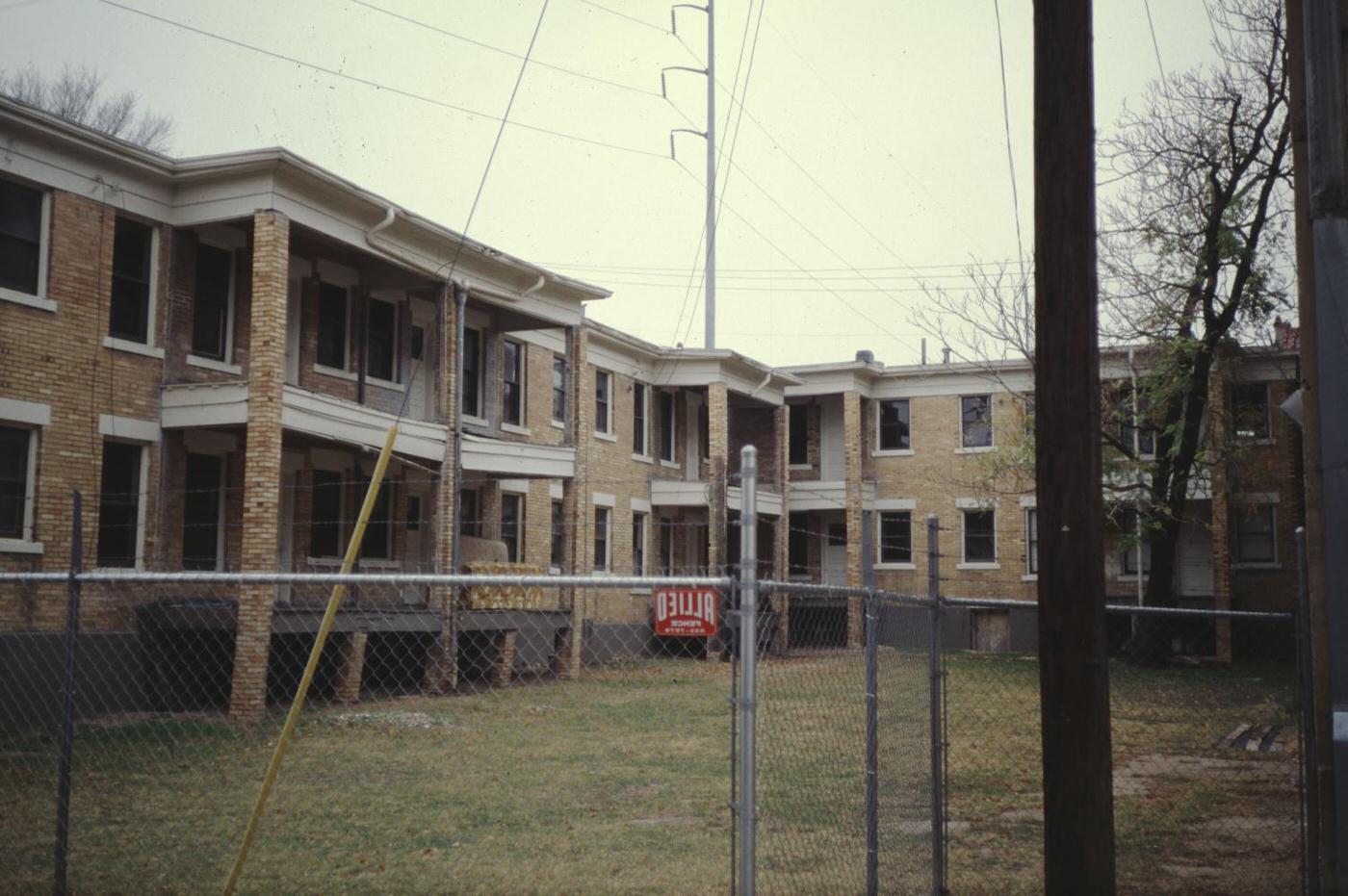
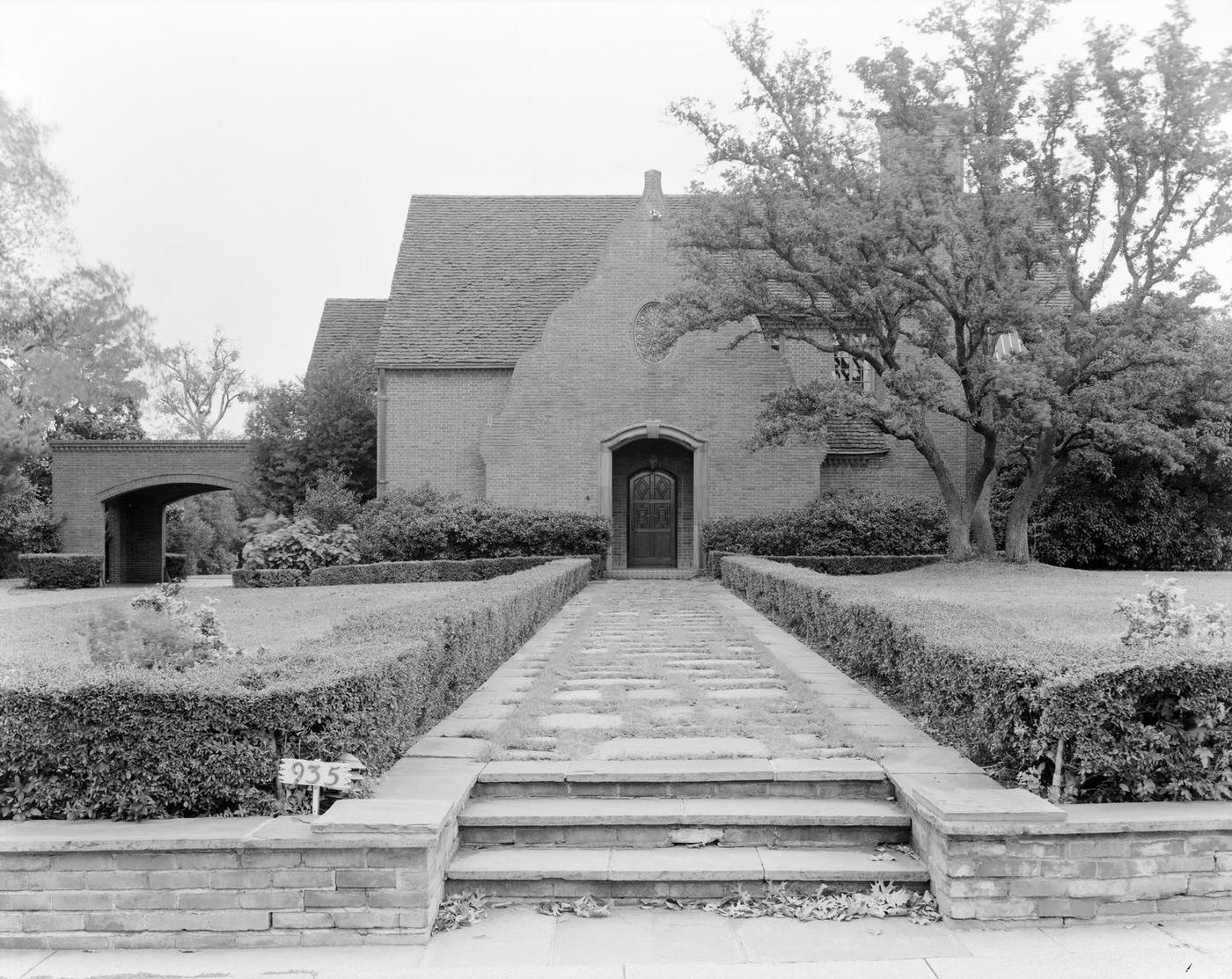
While downtown was experiencing this renaissance, the outward expansion of suburbs continued, a pattern seen since the end of World War II. Fort Worth annexed more land during this period, but a growing share of the Tarrant County population lived outside the central city. The 1990 Census revealed significant population growth in surrounding suburban cities. Some newer suburbs like Southlake boasted high median incomes, while older, closer-in suburbs began facing challenges with aging infrastructure. The housing market across Tarrant County was somewhat sluggish in the early 1990s, still recovering from the late 1980s recession, with relatively high vacancy rates, declining home prices, and numerous foreclosures. Although Fort Worth’s housing stock had grown significantly between 1980 and 1990, outpacing the increase in households, many newer homes were smaller, and a substantial portion of vacant units were not actually available for rent or purchase. Single-family home construction continued to dominate over multi-family development. Master-planned communities and new subdivisions defined much of the growth on the suburban edges of the Metroplex, although specific names of large Fort Worth developments from the 1990s are not frequently cited in the available materials. The Fort Worth Housing Authority remained active in providing public and assisted housing options.
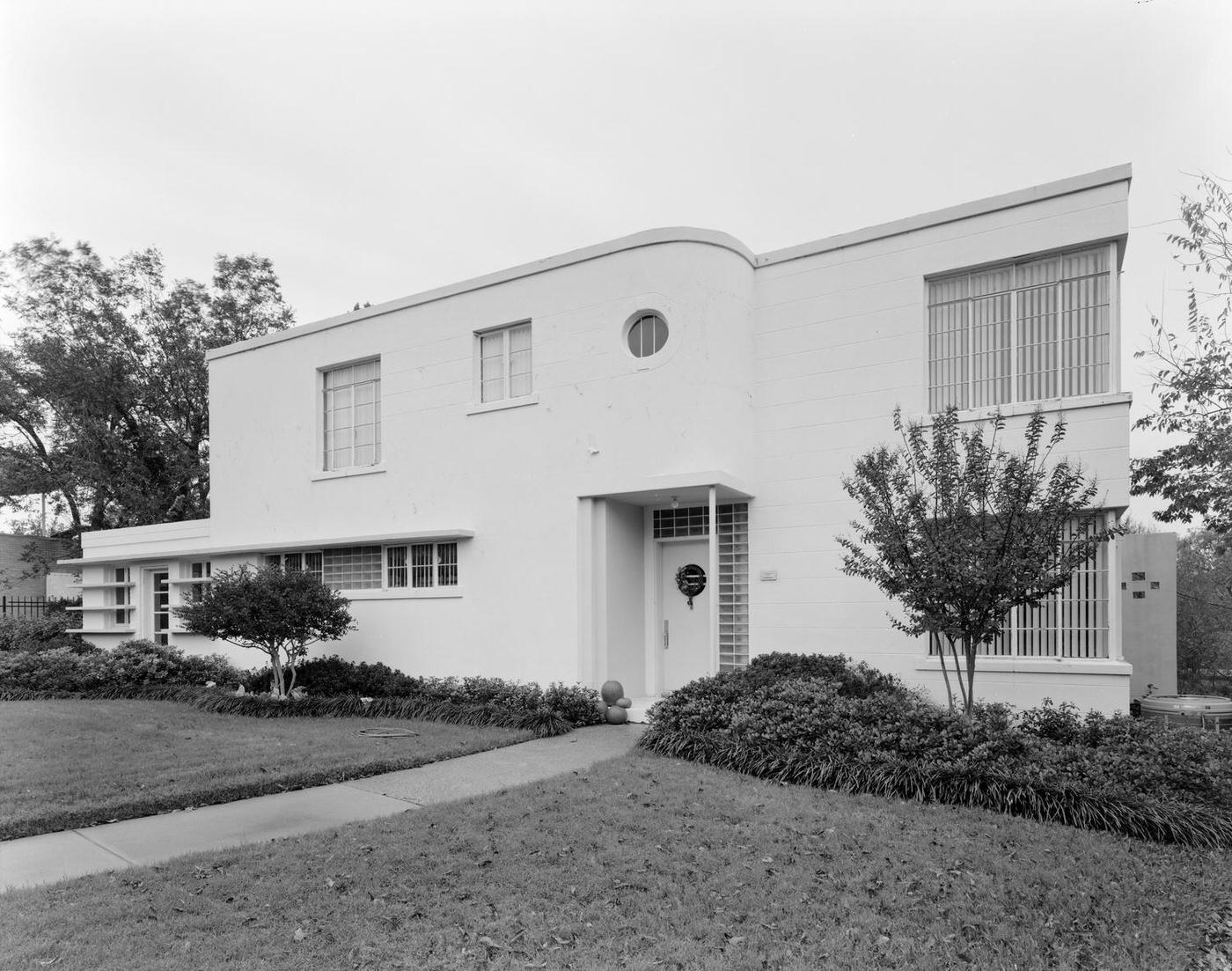
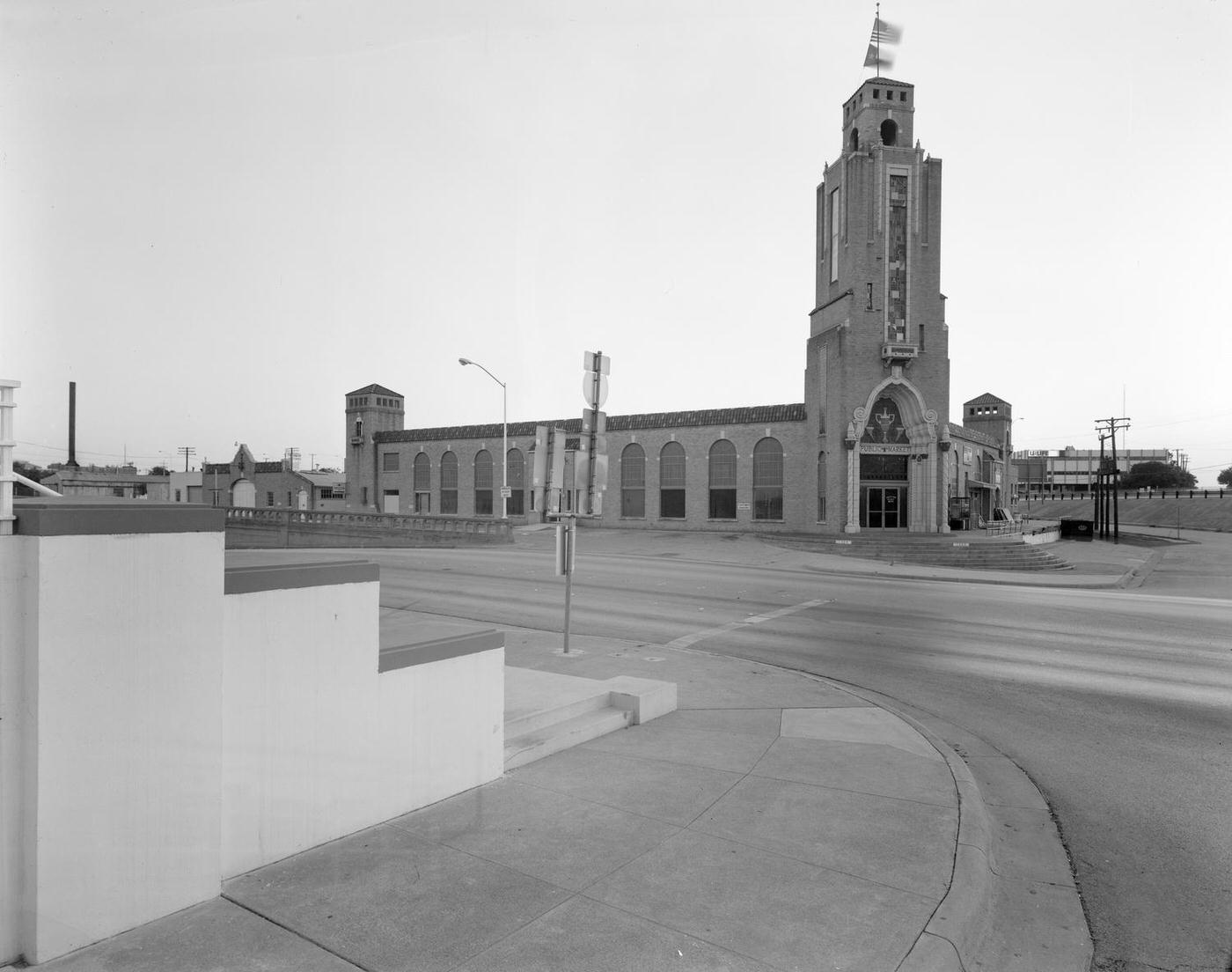
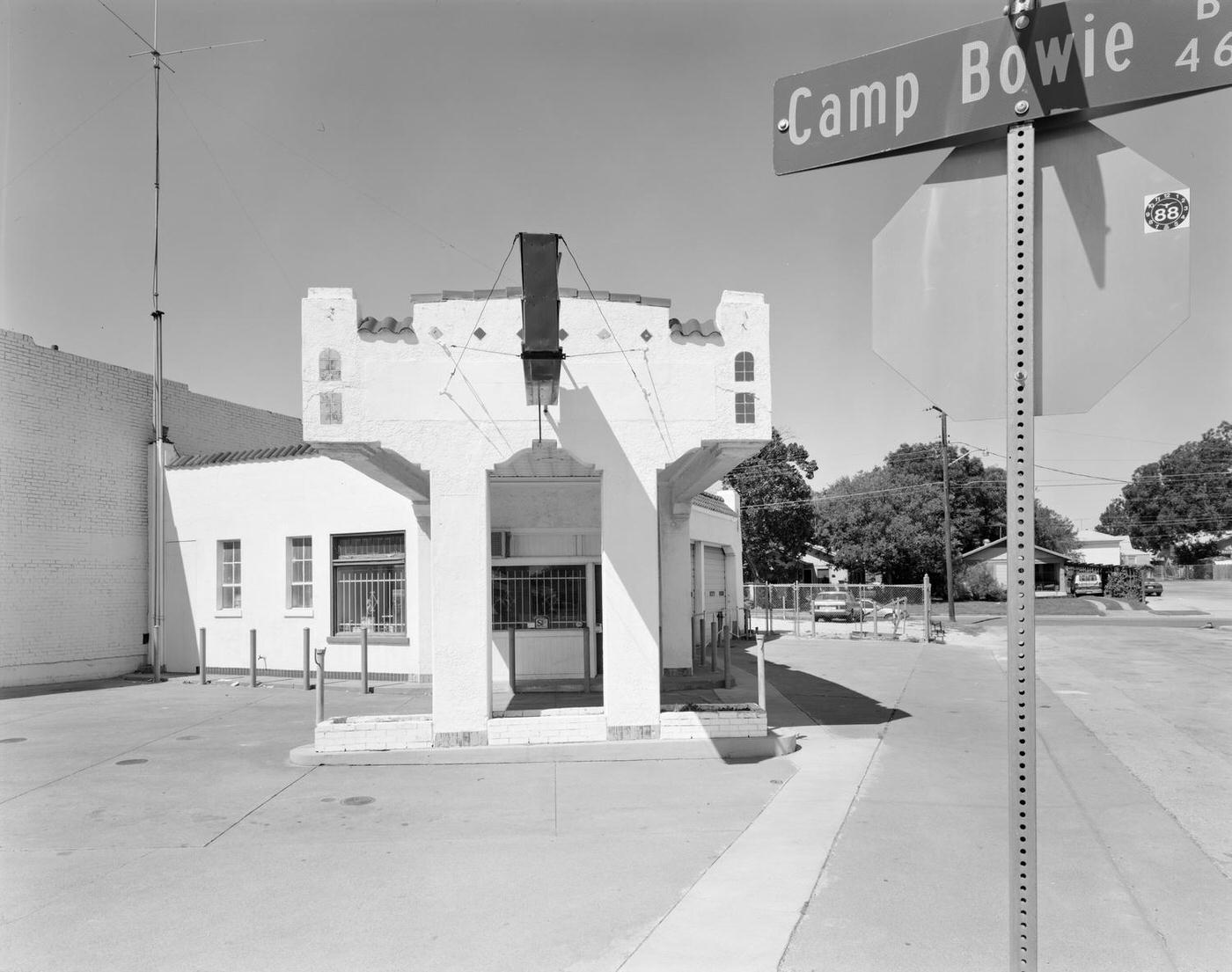
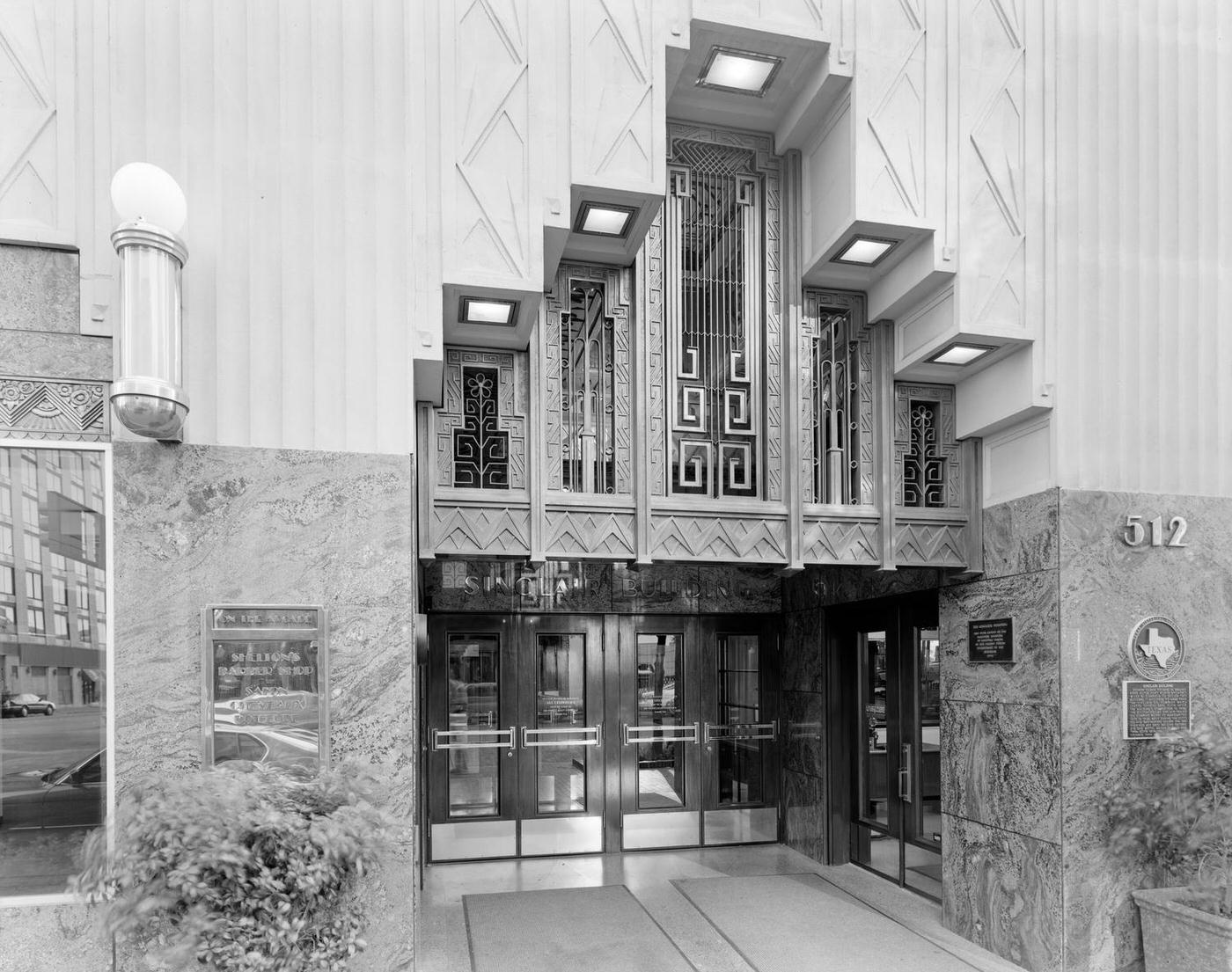
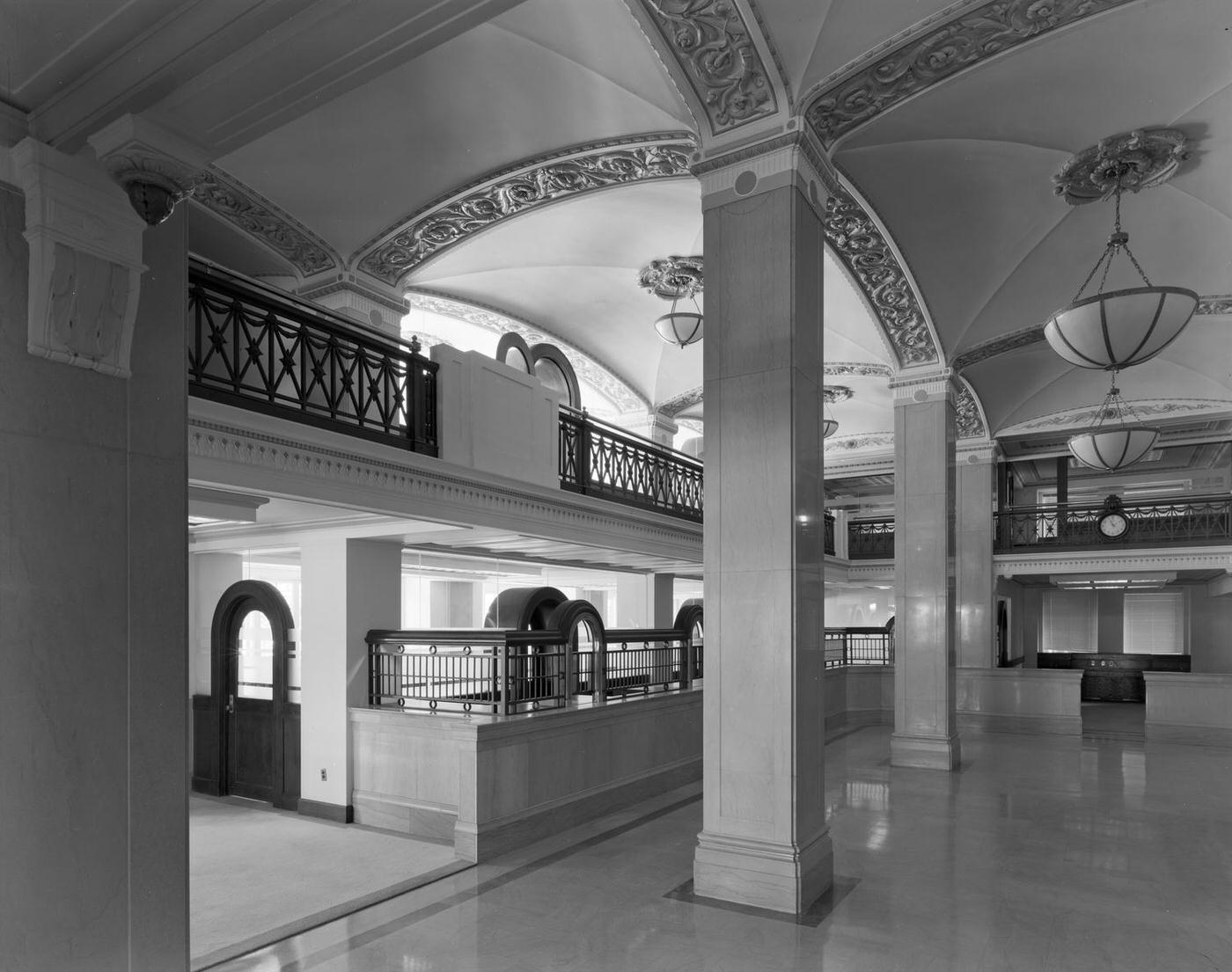
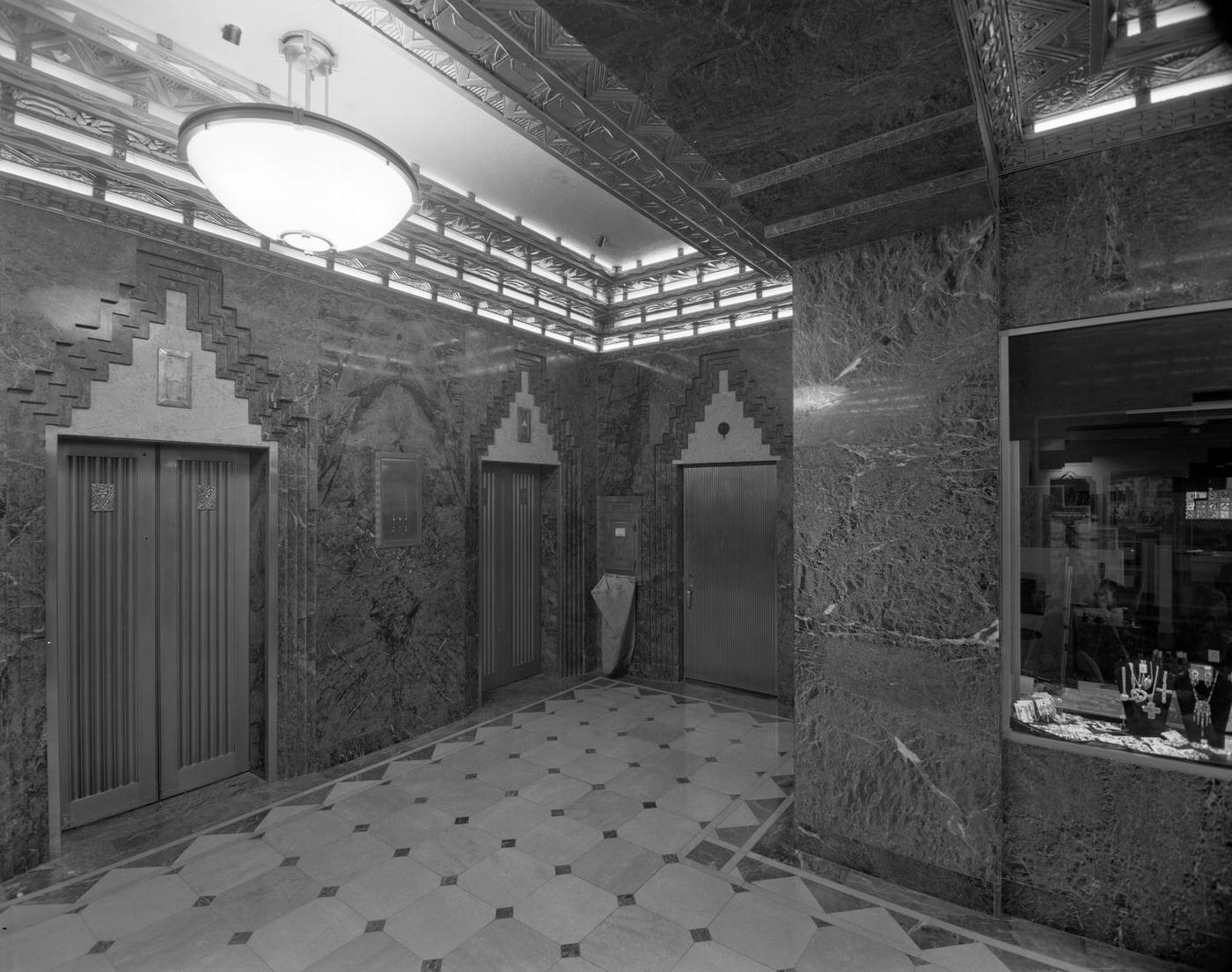
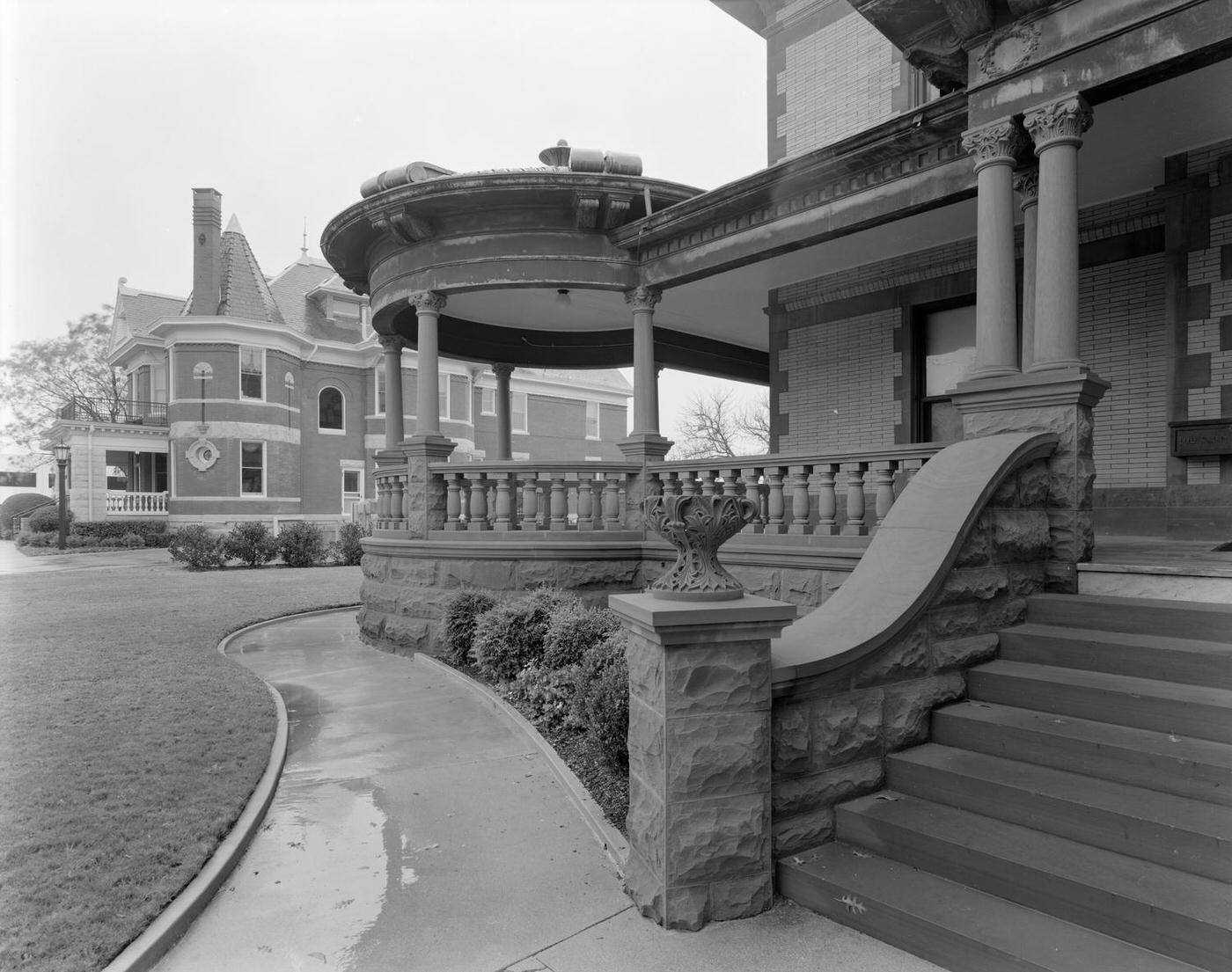
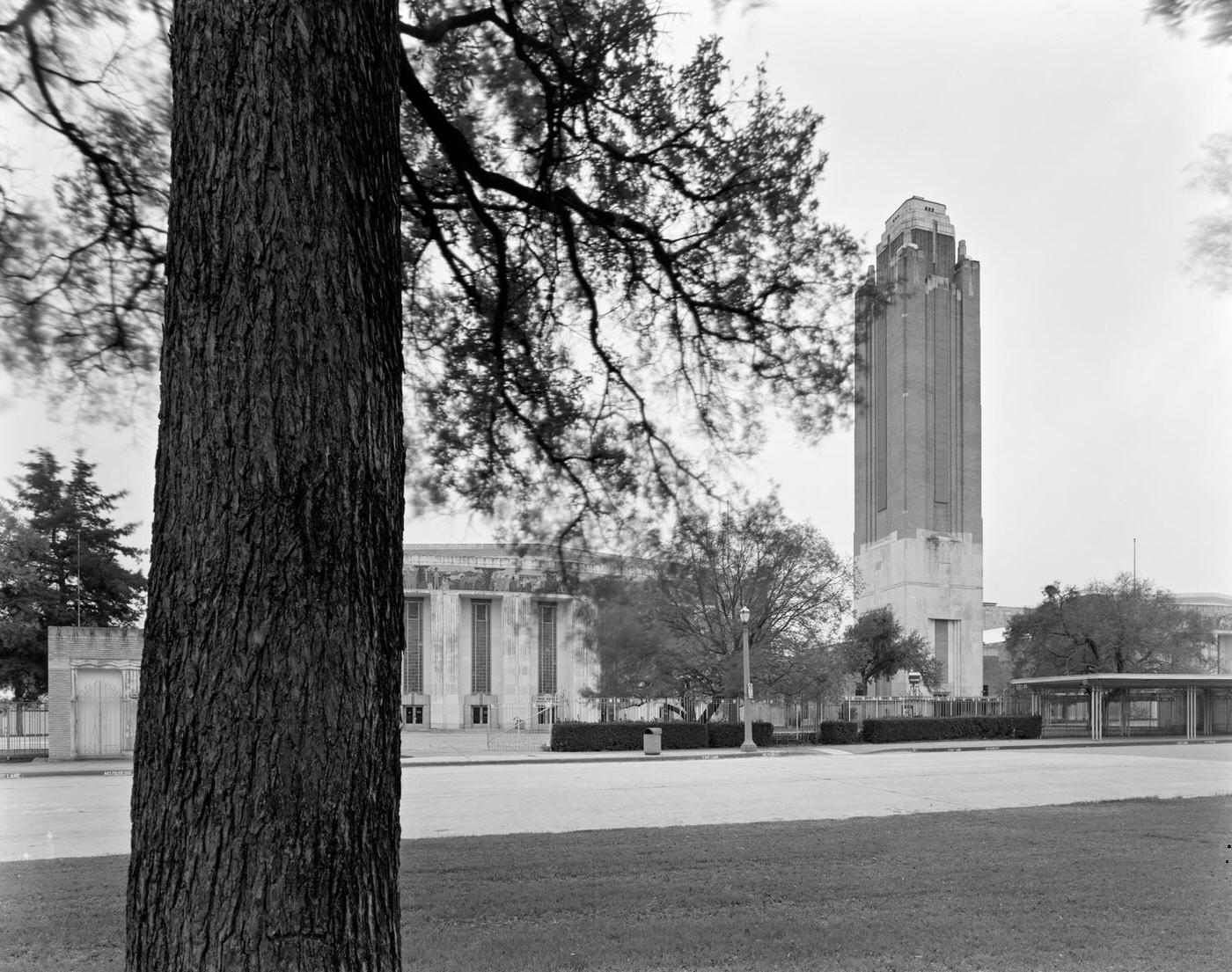
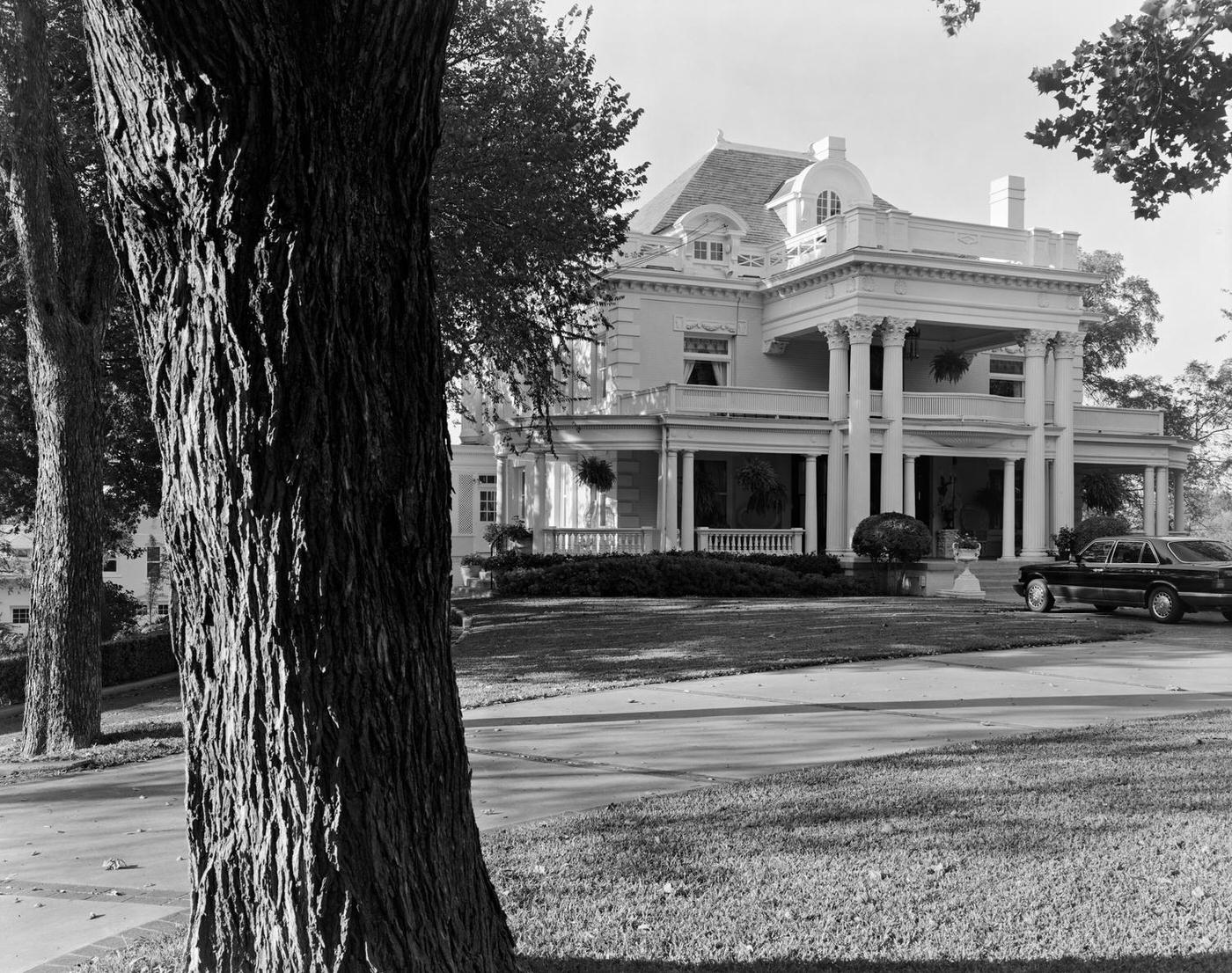
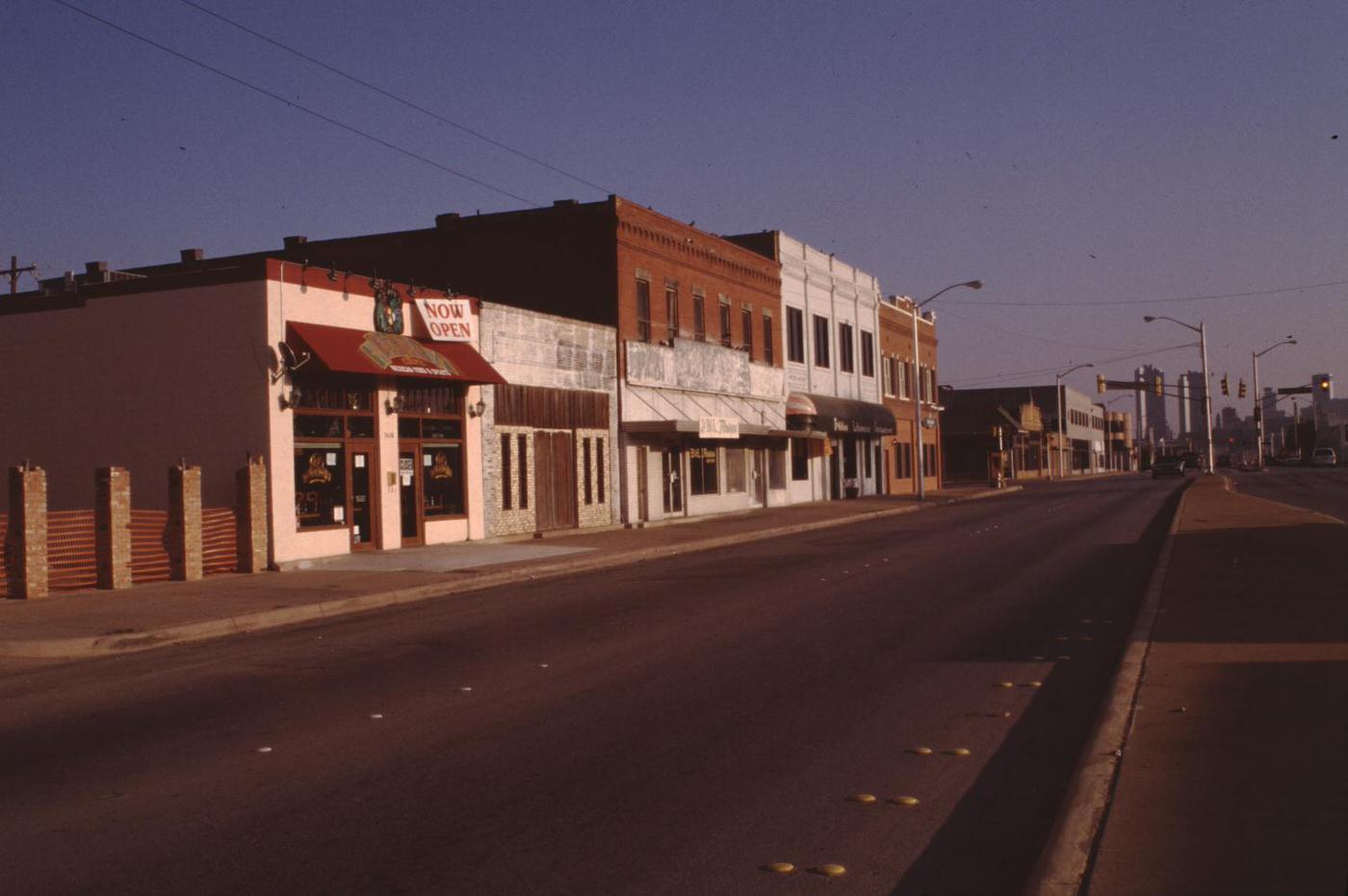
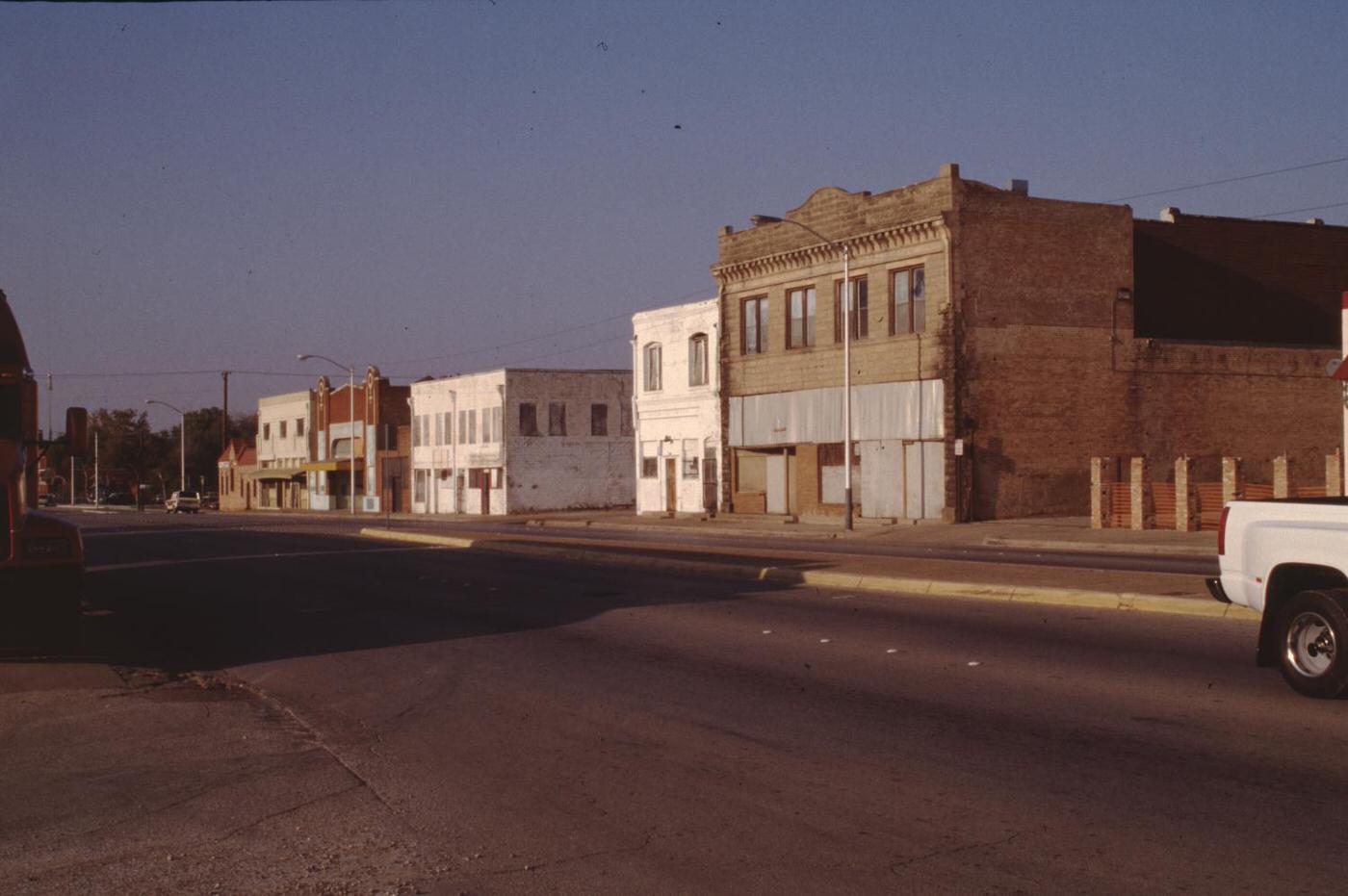
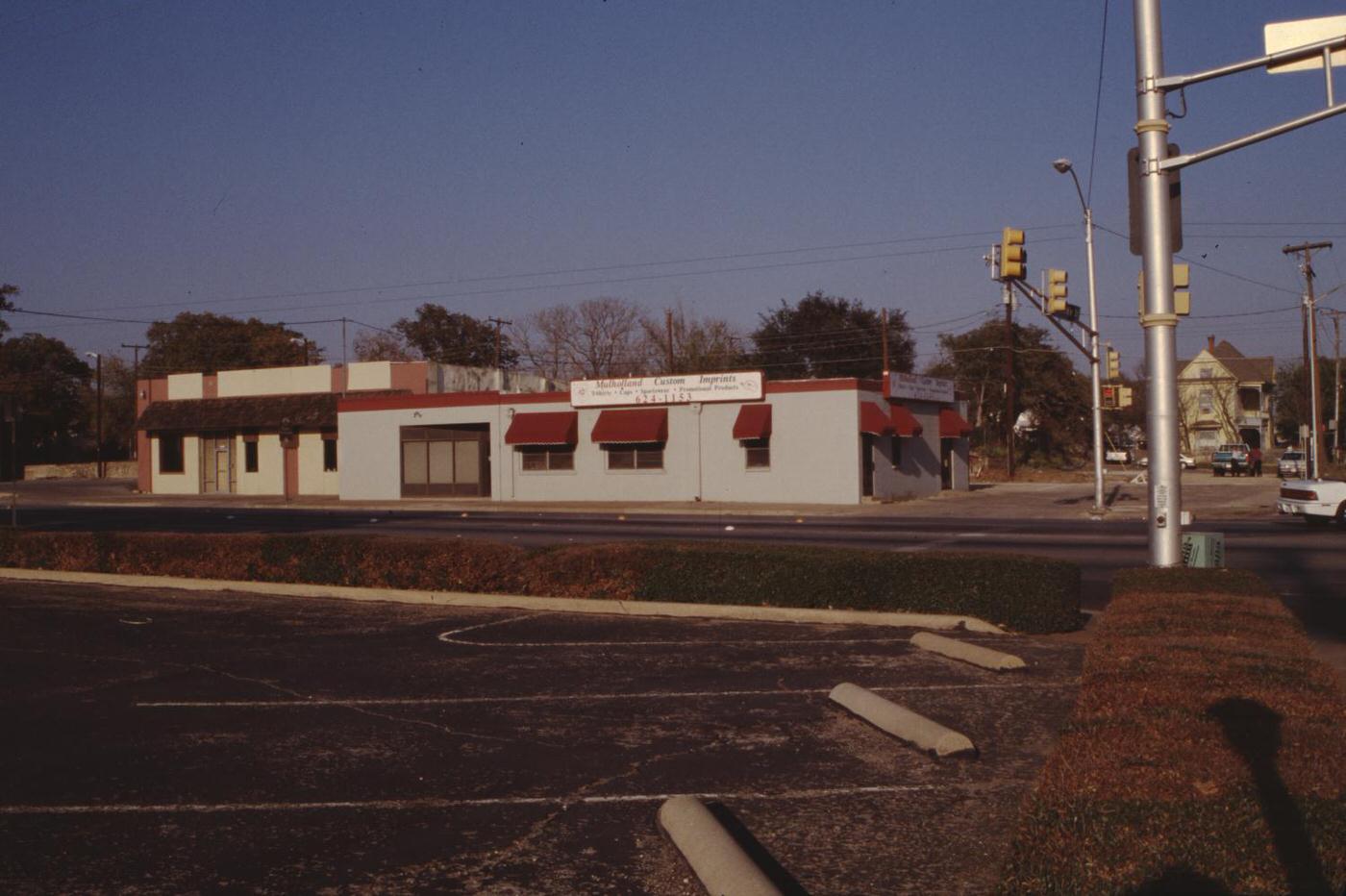
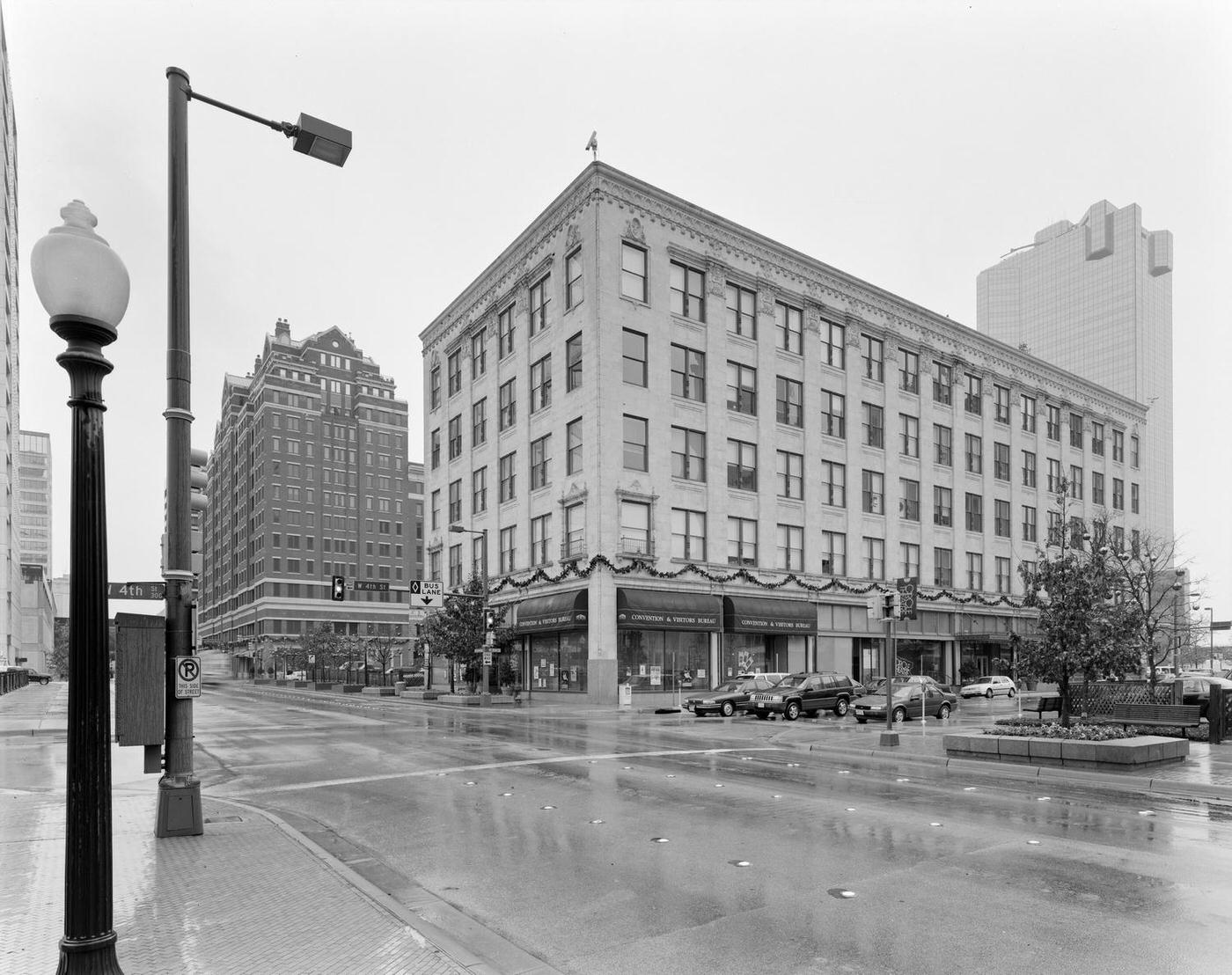
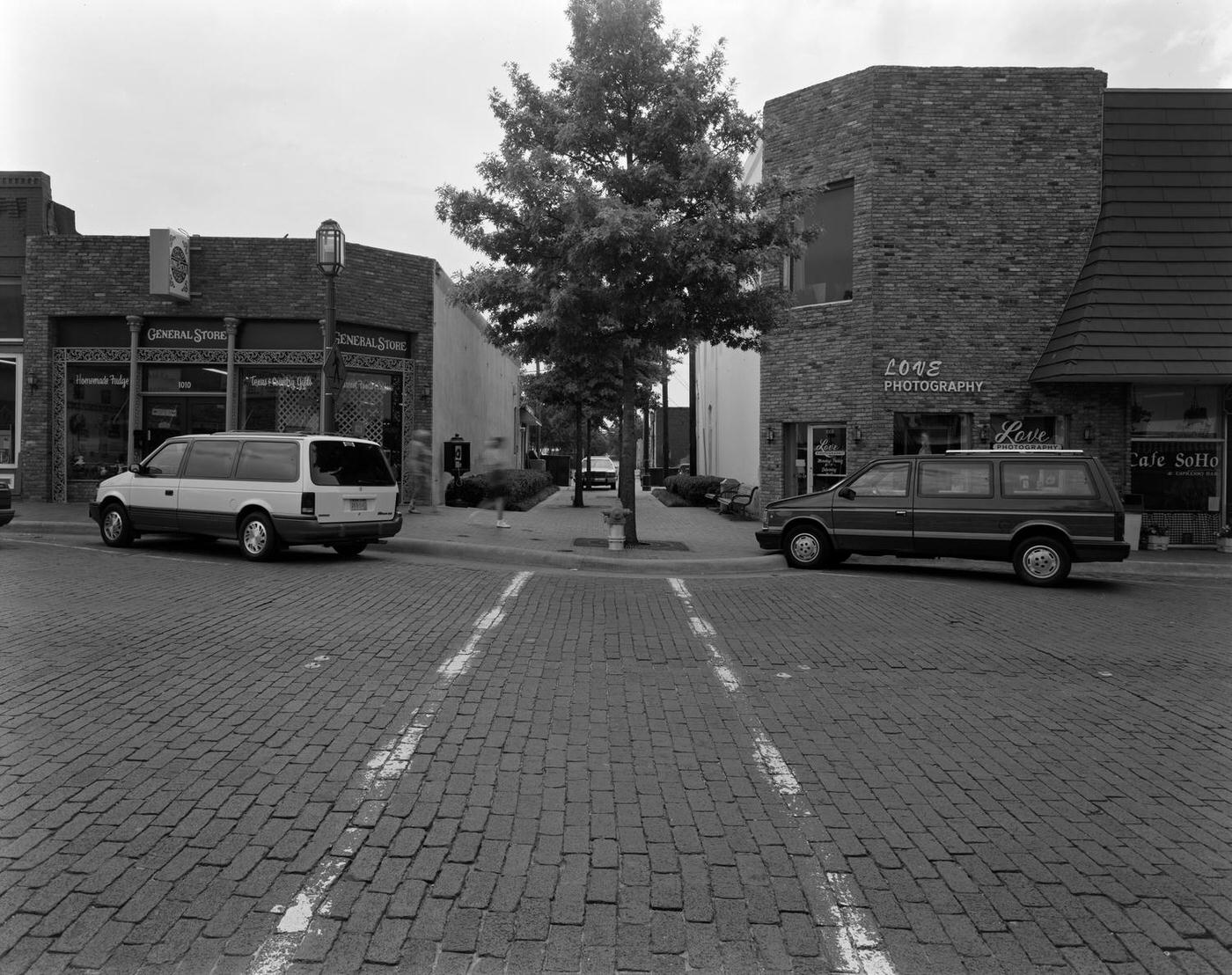
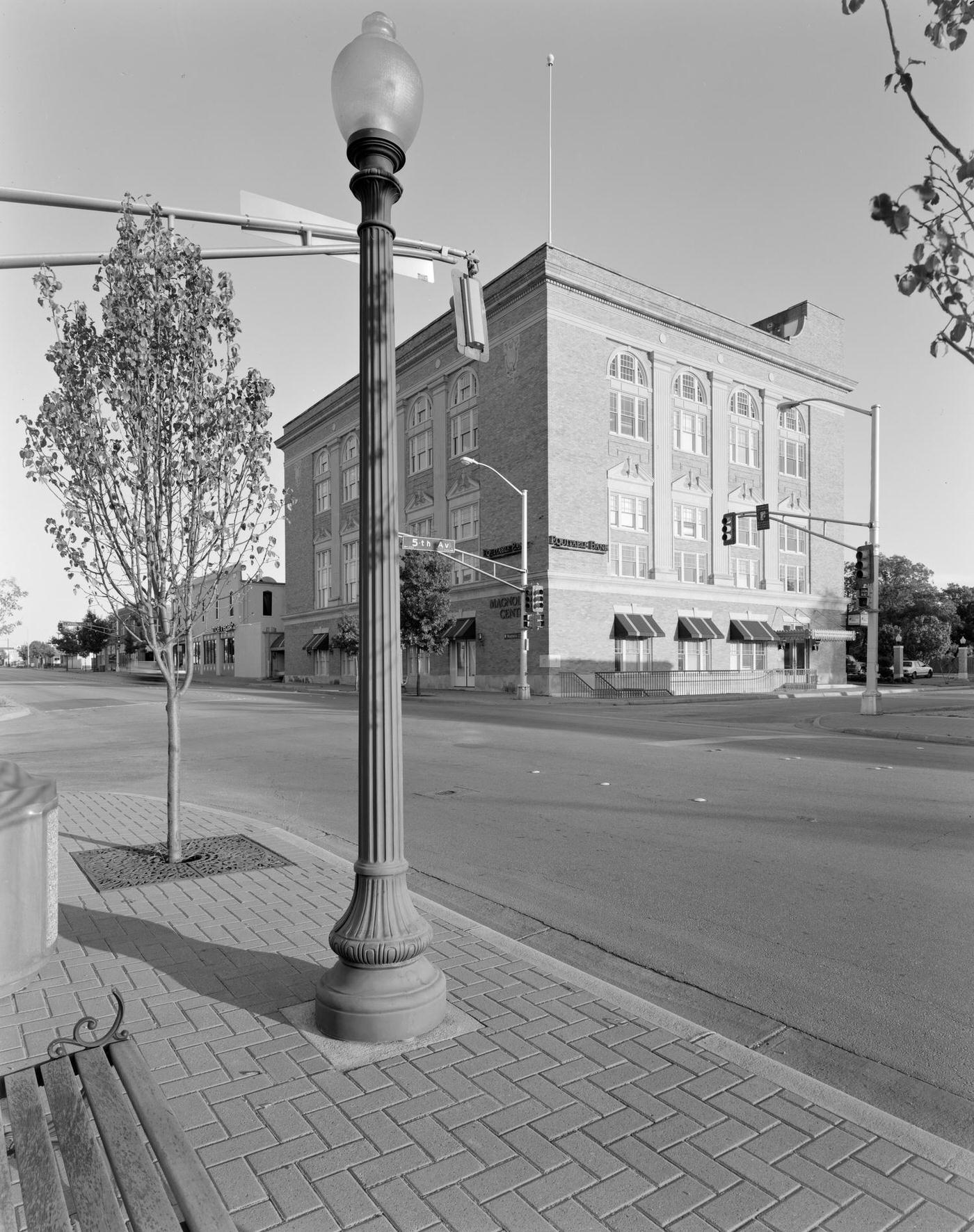
The success radiating from Sundance Square began to spark interest in revitalizing areas immediately surrounding downtown. In the Near Southside neighborhood, centered along Magnolia Avenue, efforts that began in the 1980s to renovate historic turn-of-the-century buildings gained traction through the 1990s. Early adopter businesses started moving into the area, attracted by its central location and historic character. Streetscape improvements, including new sidewalks, lighting, and trees, helped lay the foundation for the vibrant dining and retail scene that would fully blossom later. Similarly, the West 7th Street corridor, which historically housed industry and car dealerships, began showing early signs of transformation. Its location between the newly energized downtown and the established Cultural District made it a prime area for redevelopment, a process perhaps accelerated later by damage from the 2000 tornado. Other nearby areas, like Race Street in the Riverside neighborhood and the streets around Texas Wesleyan University, also saw initial revitalization efforts with new businesses and infrastructure upgrades. This pattern suggests that the investment and energy focused on downtown Sundance Square created a positive ripple effect, encouraging renewal in adjacent inner-city neighborhoods during the 1990s.
Amidst these changes, traditional enclosed shopping malls remained important centers for commerce and social life. Ridgmar Mall, located on the west side since 1976, continued to be a major draw. Its anchor stores included Dillard’s, JCPenney, and Neiman Marcus, with Sears joining in 1977. A Foley’s department store (which later became Macy’s) was added in 1998. Contemporary accounts and nostalgic recollections depict Ridgmar as a bustling hub during the 1990s, complete with a large arcade. On the city’s southwest side, Hulen Mall, opened in 1977, also thrived. Anchored initially by Sanger-Harris (which became Foley’s in 1987) and Montgomery Ward, Hulen Mall underwent a significant expansion between 1993 and its completion in August 1994. This project added a new western wing featuring a large Dillard’s anchor store and an updated food court, signaling the mall’s continued popularity and growth in the mid-1990s.
The Vibe: Culture and Lifestyle in 90s Cowtown
The sounds of 1990s Fort Worth offered a mix of traditional Texas twang and more eclectic beats. Billy Bob’s Texas, the sprawling honky-tonk in the Stockyards that opened in 1981, remained a dominant force in the country music scene. Although it faced bankruptcy and a temporary closure in 1988 due to financial issues and a dip in country music’s mainstream popularity, it reopened under new ownership and thrived through the 90s. Billed as the “World’s Largest Honky-Tonk”, it drew large crowds and tourists with its blend of live country music from major stars (like Garth Brooks, Tim McGraw, and Clint Black during this era), live bull riding inside the venue, multiple bars, games, and a huge dance floor. It served as a key venue for established acts and a launching pad for rising Texas artists.
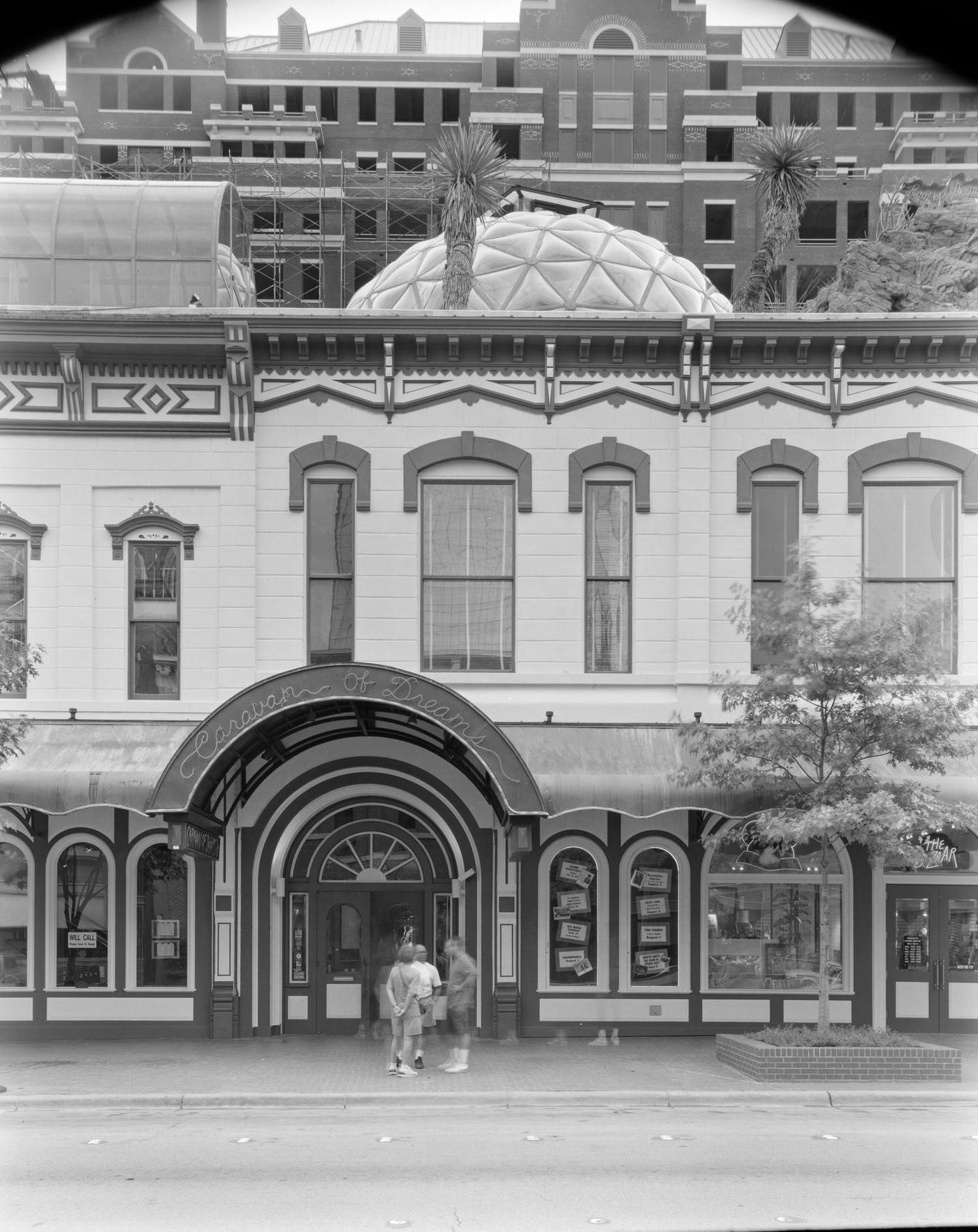
Offering a stark contrast was Caravan of Dreams, the unique performing arts center downtown that had opened in 1983. Known for its avant-garde and experimental programming, Caravan featured a nightclub hosting jazz, blues, and world music, alongside a theater, recording studio, art gallery, and a distinctive rooftop grotto bar with a geodesic dome. It brought in legendary figures like jazz innovator Ornette Coleman (a Fort Worth native who performed at the opening), Ronald Shannon Jackson, and James Blood Ulmer, as well as spoken word artists like William S. Burroughs. While its own record label ceased operations around 1990, the venue continued to operate throughout the 1990s, gradually shifting towards more mainstream performers alongside its core jazz and blues offerings before eventually closing in 2001. Other remembered spots included the Wreck Room, a popular dive bar known for its lively atmosphere. While specific venues for the nationally popular alternative rock and grunge genres aren’t detailed, these sounds undoubtedly influenced the local music landscape alongside country, jazz, and blues.
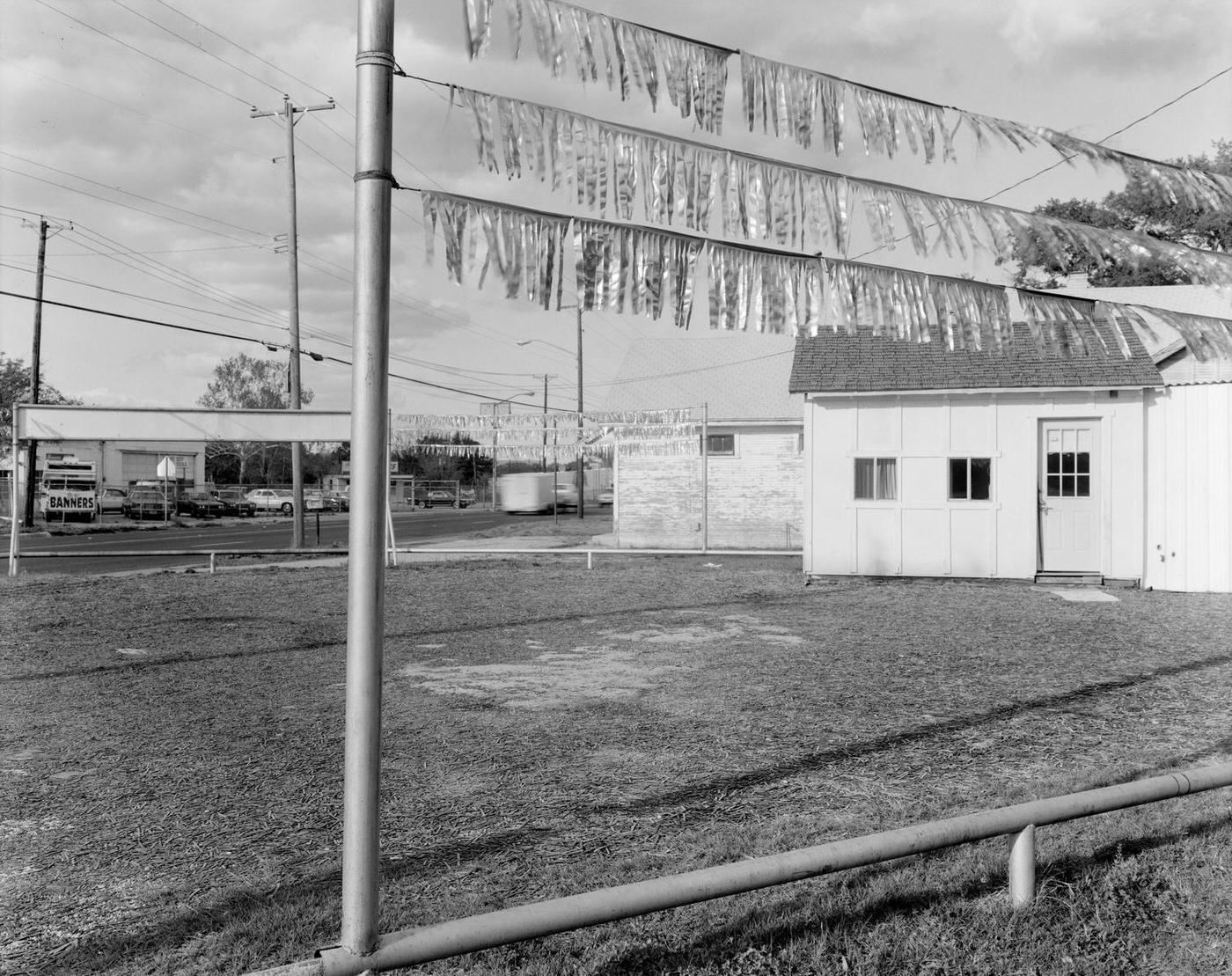
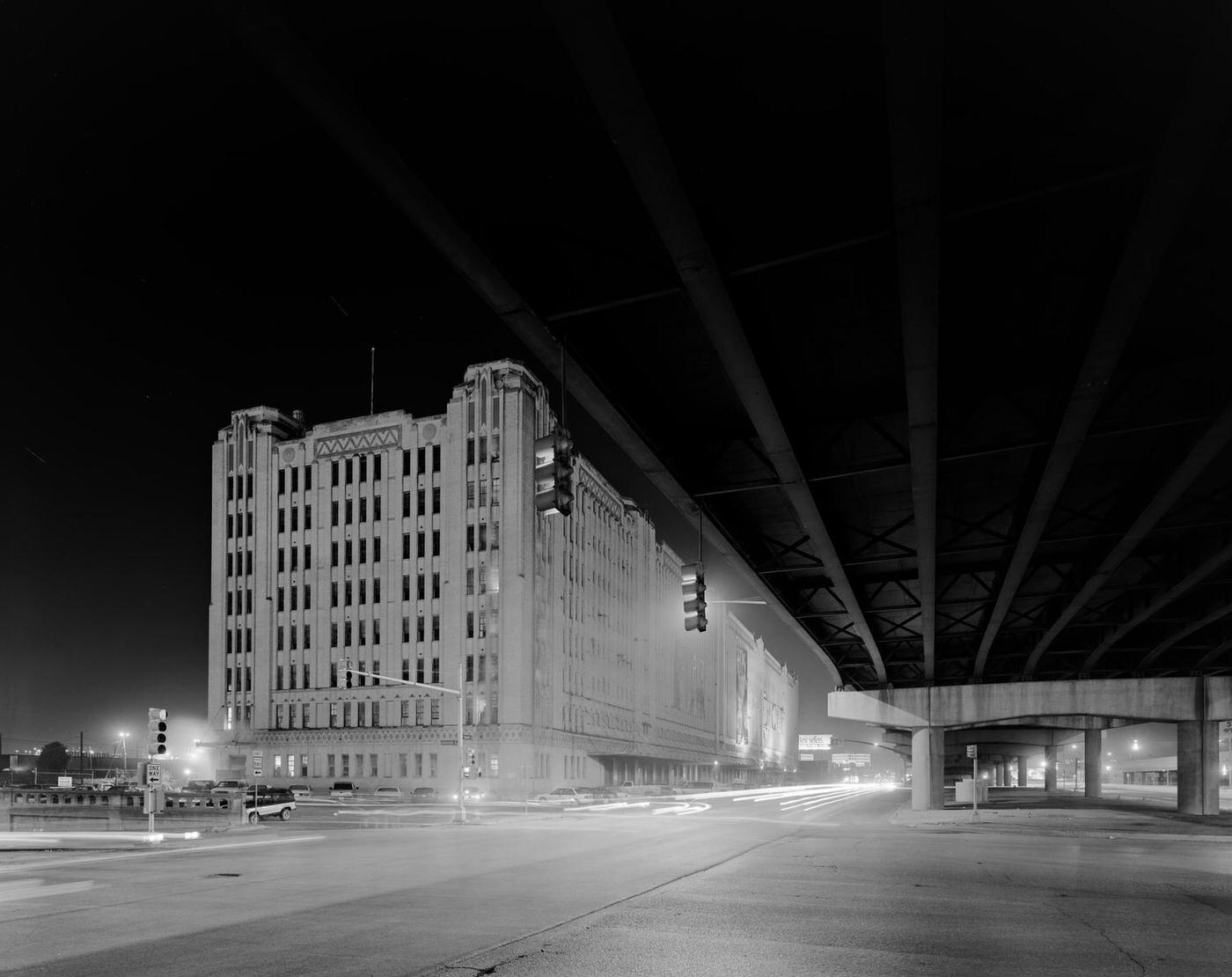
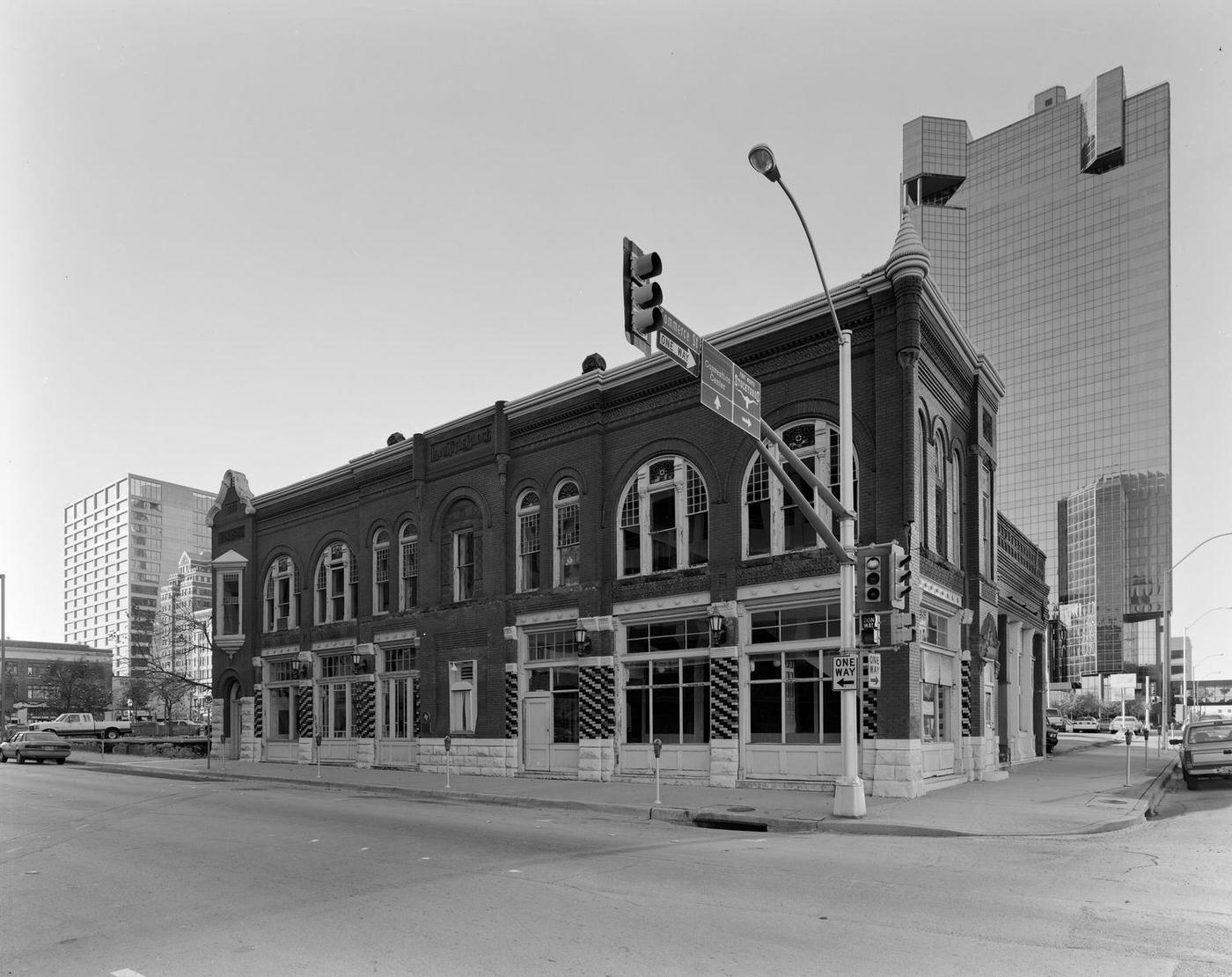
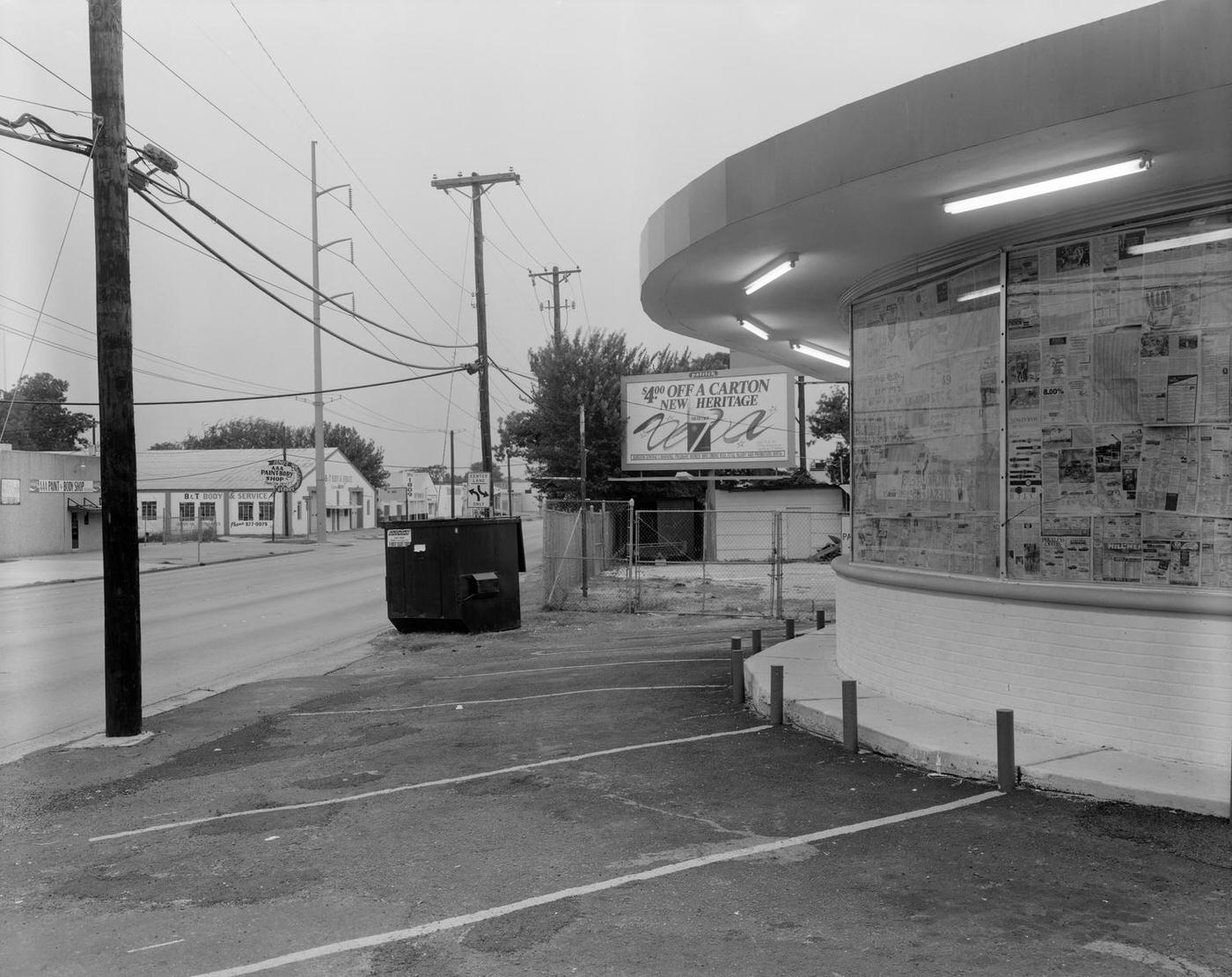
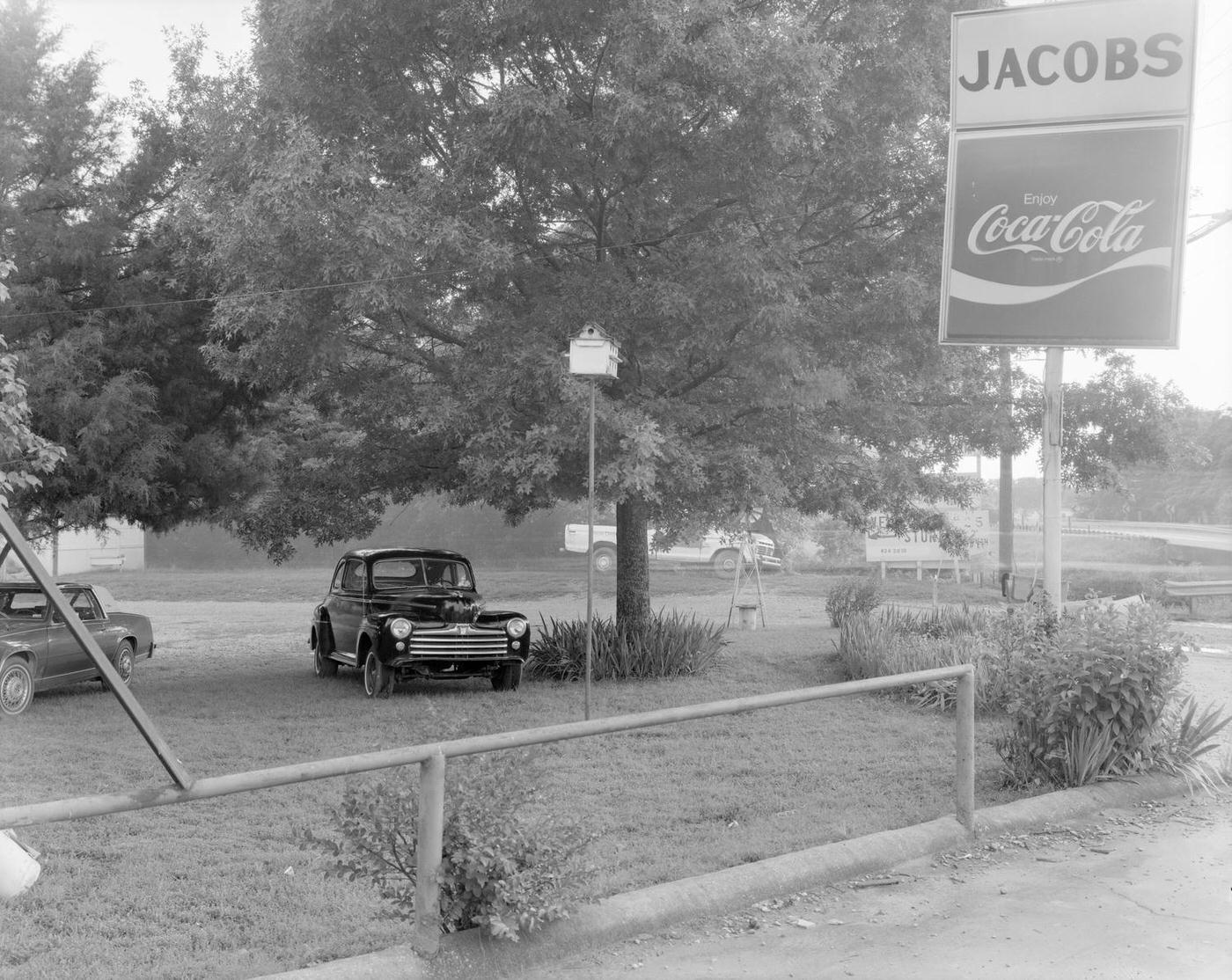
Daily life involved gathering at various hangouts. Restaurants ranged from ubiquitous national chains like Chili’s and Red Lobster to popular buffets like Furr’s, Pancho’s Mexican Buffet, Pizza Inn, and CiCi’s Pizza. Local favorites from the era included drive-ins like Carlson’s on University Drive (known for root beer floats) and the Merry-Go-Round on West Berry Street, German food at the Heidelberg Hof on Jacksboro Highway, barbecue spots like Smokey’s Ribs on East Lancaster or the legacy of the Big Apple near the Stockyards, and cafeterias like Jetton’s on Camp Bowie. Tex-Mex and barbecue, naturally, remained dietary staples. Besides the major music venues, nightlife might involve spots like the Wreck Room or bars near the TCU campus. Entertainment options expanded during the decade. Arcades remained popular, with large ones found in malls like Ridgmar and Hulen. Roller skating rinks, such as Skate World in Watauga or the retro-themed Interskate in Lewisville (opened 1982), offered recreation complete with disco balls and pop music soundtracks. For those preferring ice, a rink operated at the Fort Worth Outlet Square Mall in the Tandy Center. And catching a movie downtown became a viable option again with the opening of the AMC theaters in Sundance Square.
Landmarks and Legacies
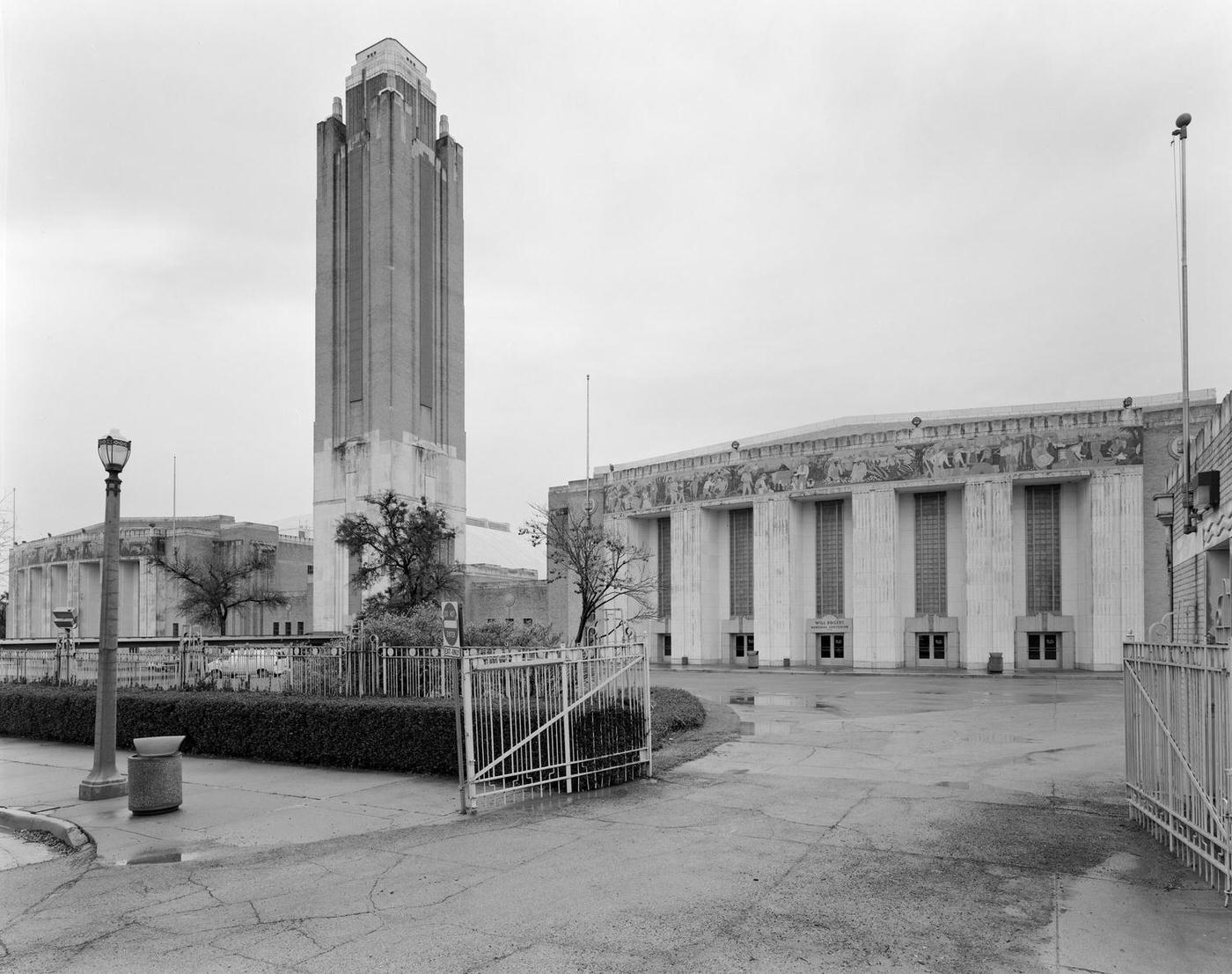
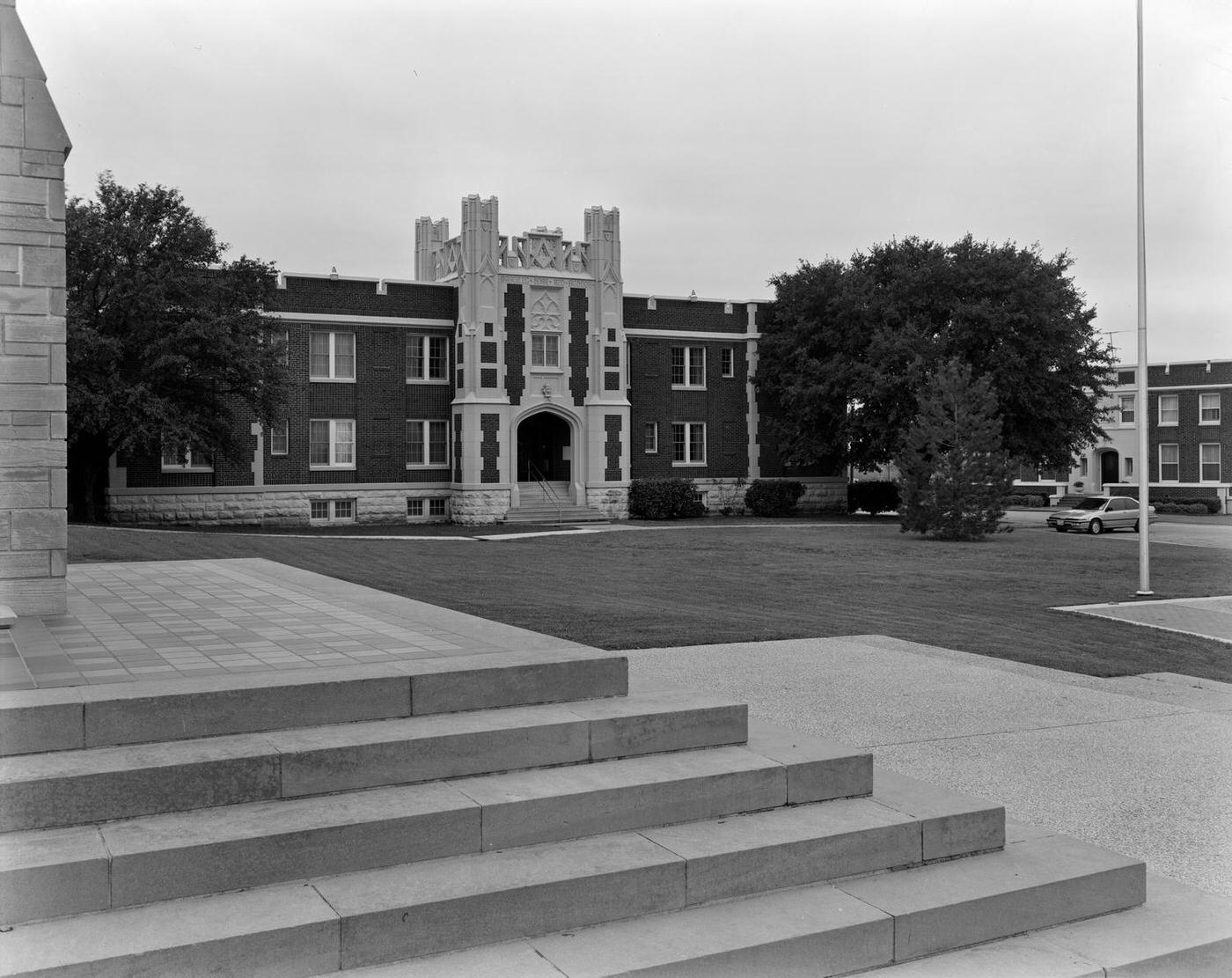
The Fort Worth Stockyards National Historic District cemented its status as a major tourist destination during the 1990s. Efforts to preserve the area began in 1976 with its listing on the National Register of Historic Places, driven by the North Fort Worth Historical Society. By the 1990s, building on the revitalization work of the 80s, the Stockyards had become an internationally recognized attraction. A key development during this decade was the creation of Stockyards Station, a festival marketplace featuring shops and restaurants, which local businessman Holt Hickman developed by converting the historic hog and sheep pens. Visitors flocked to see the twice-daily longhorn cattle drive down Exchange Avenue, attend rodeos at the Cowtown Coliseum, explore the Stockyards Museum (opened 1989), and experience the unique atmosphere of Billy Bob’s Texas. The area offered a blend of history and entertainment, with numerous Western wear shops (like the historic Ryon’s ), restaurants, saloons, and attractions like historic reenactments and the Tarantula Steam Train. The goal was to maintain the authentic Old West feel while providing modern amenities for tourists.
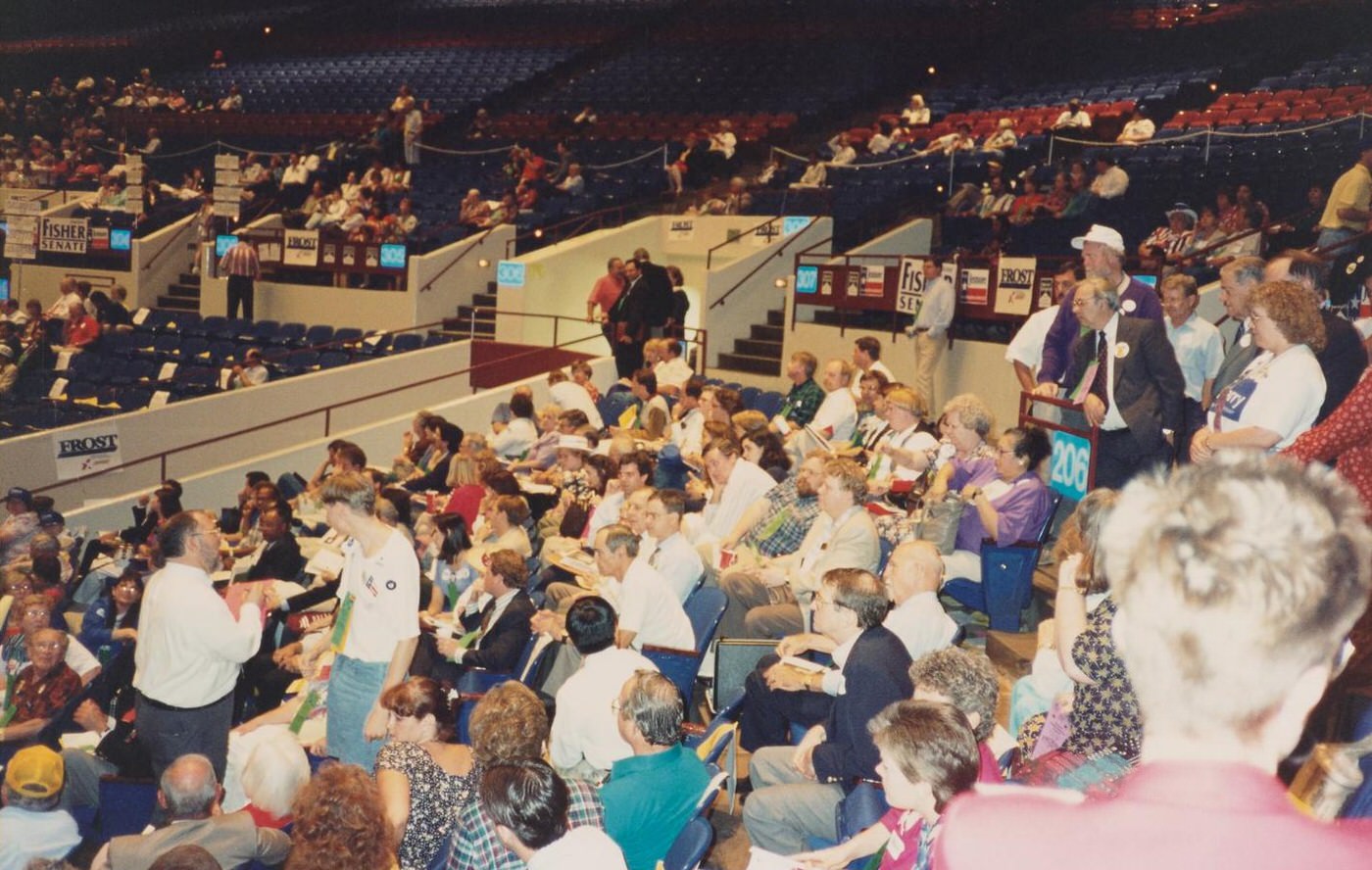
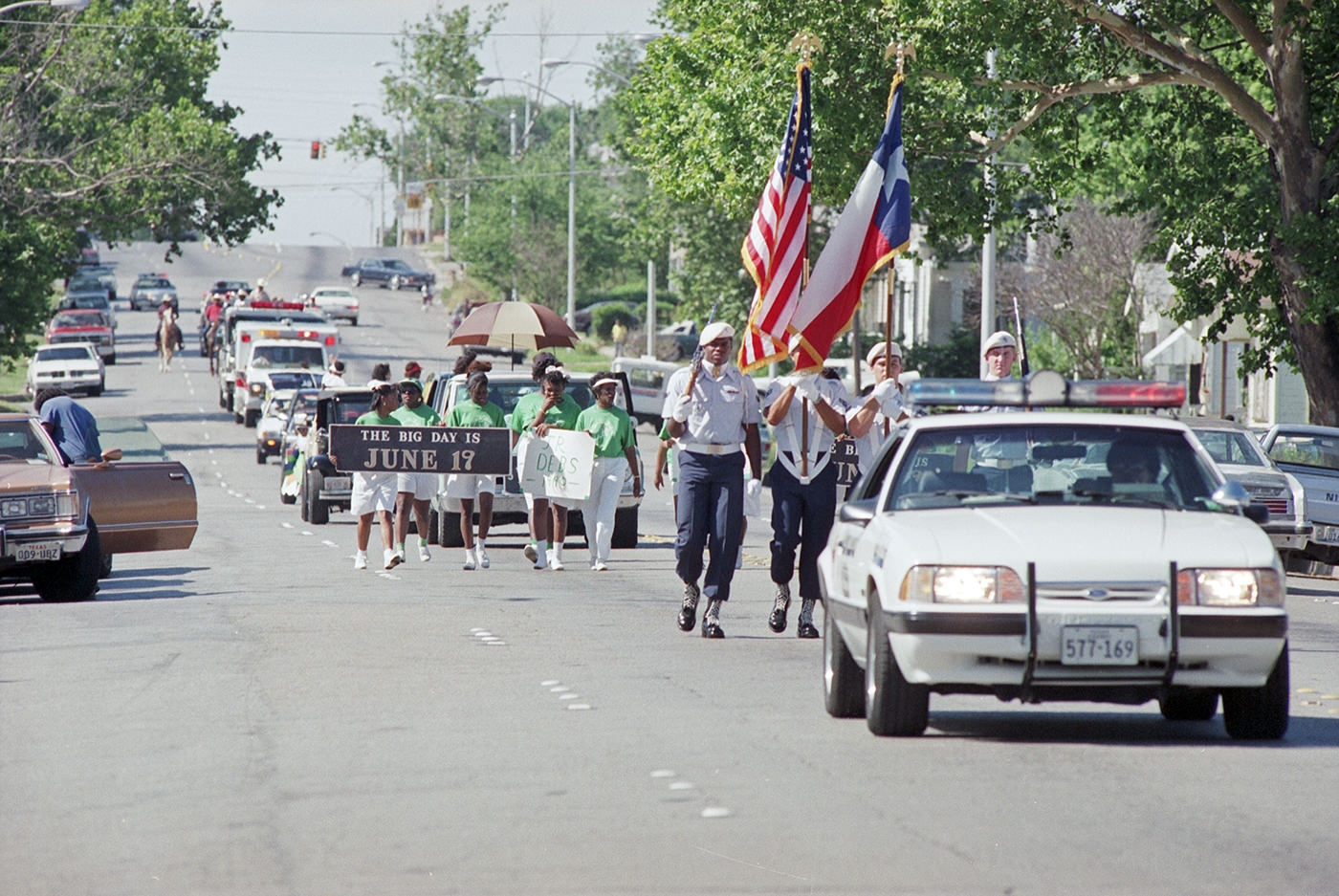
The 1990s brought significant events that shaped Fort Worth’s civic life and community memory. In city politics, Kay Granger made history in 1991 when she was elected Fort Worth’s first female mayor. Serving until 1995, her administration focused on economic development and public safety, overseeing a period where the city reported a significant drop in crime rates and earned the national All-America City Award. Granger also played a key role in efforts to establish the Naval Air Station Joint Reserve Base Fort Worth, successfully transitioning the former Carswell Air Force Base (which had been slated for closure in 1993 ) into a new, multi-service military installation, thus preserving a vital economic and community asset.
Nature delivered a harsh blow on May 5, 1995, when a catastrophic hailstorm swept through Tarrant County. The storm unleashed massive hailstones, some reportedly the size of softballs, directly over the city’s popular outdoor Mayfest celebration along the Trinity River. Thousands of festival-goers were caught exposed, resulting in over 400 injuries, including 60 serious enough to require hospitalization. While no fatalities occurred directly from the hail at Mayfest, the storm system caused immense destruction, estimated at $2 billion across Tarrant and Dallas counties. Downtown buildings suffered significant damage, with windows shattered and facades battered, and hundreds of vehicles were damaged by hail and subsequent flash flooding. The associated heavy rains led to tragic flooding deaths elsewhere in the region.
The decade ended on a somber note with a community tragedy. On September 15, 1999, Larry Gene Ashbrook entered the Wedgwood Baptist Church during a youth rally and concert. He opened fire, killing seven people and wounding seven others before taking his own life inside the church. The event shocked the city and the nation.
Other ongoing issues and developments marked the decade. The Fort Worth Independent School District (FWISD), which had been under federal court oversight regarding desegregation since the 1960s, continued to address these complex issues. A 1989 court decision declared the district had largely dismantled its former dual system but maintained supervision for a period. Discussions about achieving racial balance in student populations and faculty assignments, as well as the role of magnet schools, persisted through the 1990s. Gary Manny served as the President of the Fort Worth School Board throughout much of this time, starting in 1988. On the economic front, the U.S. Bureau of Engraving and Printing facility, a major recruitment success from the Bolen mayoral era, was fully operational in Fort Worth, printing a significant portion of the nation’s currency.
On the Move: Transportation Shifts
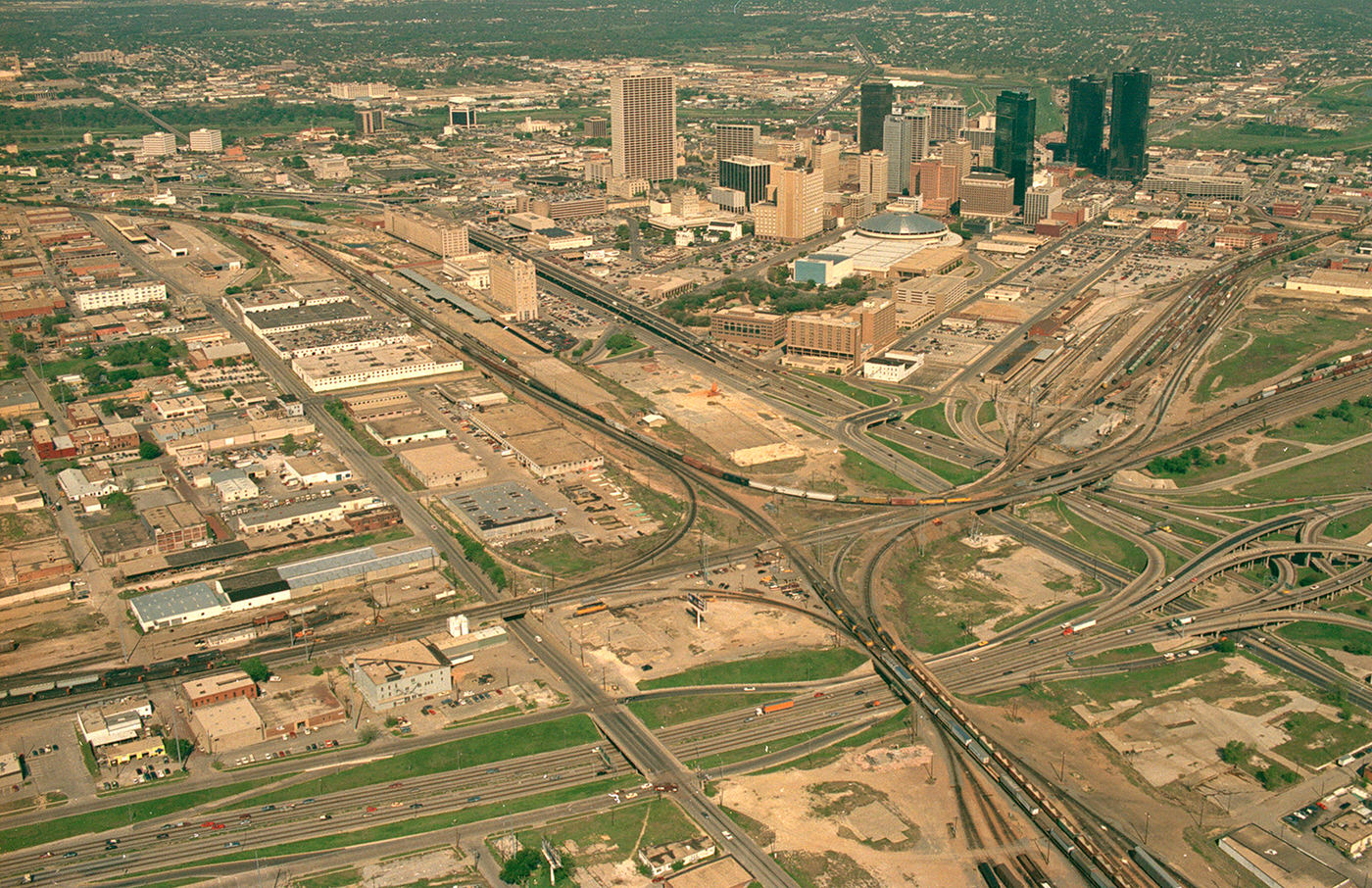
Getting around Fort Worth and the region saw changes during the 1990s, with major work on highways and the first steps towards regional rail. Interstate 35W, a critical north-south artery, underwent significant upgrades. The expansion to eight lanes between downtown and I-20 had been completed just at the decade’s start (1989). The 1990s saw the completion of a new, modern interchange connecting I-35W with the southern loop, I-20, in 1991. Further north, the growth spurred by AllianceTexas drove several projects along I-35W, including a new bridge at Alliance Boulevard (1991), a major interchange with the new State Highway 170 (1992), new interchanges serving developing areas at Golden Triangle Boulevard and Heritage Trace Parkway (1997), and additional ramps and frontage road segments connecting Alliance Boulevard and SH 170 (1998).
Interstate 30, the main east-west route through the heart of the city and the successor to the old Dallas-Fort Worth Turnpike, was also the subject of planning and initial work for future improvements. While the major reconstruction moving the freeway south of downtown occurred later, and the rebuilt I-30/I-35W interchange wasn’t fully completed until 2003, the groundwork and studies for these large projects were likely advancing during the late 1990s.
Public transportation within the city was provided by the Fort Worth Transportation Authority (FWTA), commonly known as “The T”. The agency operated the city’s bus network, utilizing transfer points like the one at Hulen Mall. The T saw modest expansion of its service area in the early 90s, adding suburban partners like Lake Worth (1991, though they later withdrew service), Blue Mound (1992), and Richland Hills (1992, also later withdrew). The small, privately operated Tandy Center Subway provided shuttle service within a limited downtown area until its closure in 2002.
Perhaps the most significant transportation development of the decade was the launch of regional commuter rail. The Trinity Railway Express (TRE) emerged from a joint effort between Fort Worth’s FWTA and Dallas Area Rapid Transit (DART). This collaboration was built upon the cities’ joint purchase of the former Rock Island railroad line connecting the two downtowns back in 1983, a move facilitated by leaders like Mayor Bolen. After years of planning, the first segment of the TRE began service on December 30, 1996, running initially between Dallas Union Station and the South Irving Transit Center. Although the full line reaching downtown Fort Worth wouldn’t be completed until 2001, the launch of the TRE in the 1990s marked a crucial step in regional transportation cooperation, acknowledging the growing need to connect the increasingly intertwined Dallas-Fort Worth metroplex.
Image Credits: Image Credits: Williams Family Photography Collection, THC National Register Collection, UTA Libraries, Wikimedia, YWCA Records Collection
Found any mistakes? 🥺 Let us Know