The first decade of the 21st century brought dramatic highs and challenging lows to San Diego. It began with continued optimism and major development projects, most notably a new downtown ballpark that reshaped a neighborhood. However, the decade was also marked by the national trauma of 9/11, devastating wildfires that scarred the region, and a severe economic downturn that brought years of booming growth to an abrupt halt.
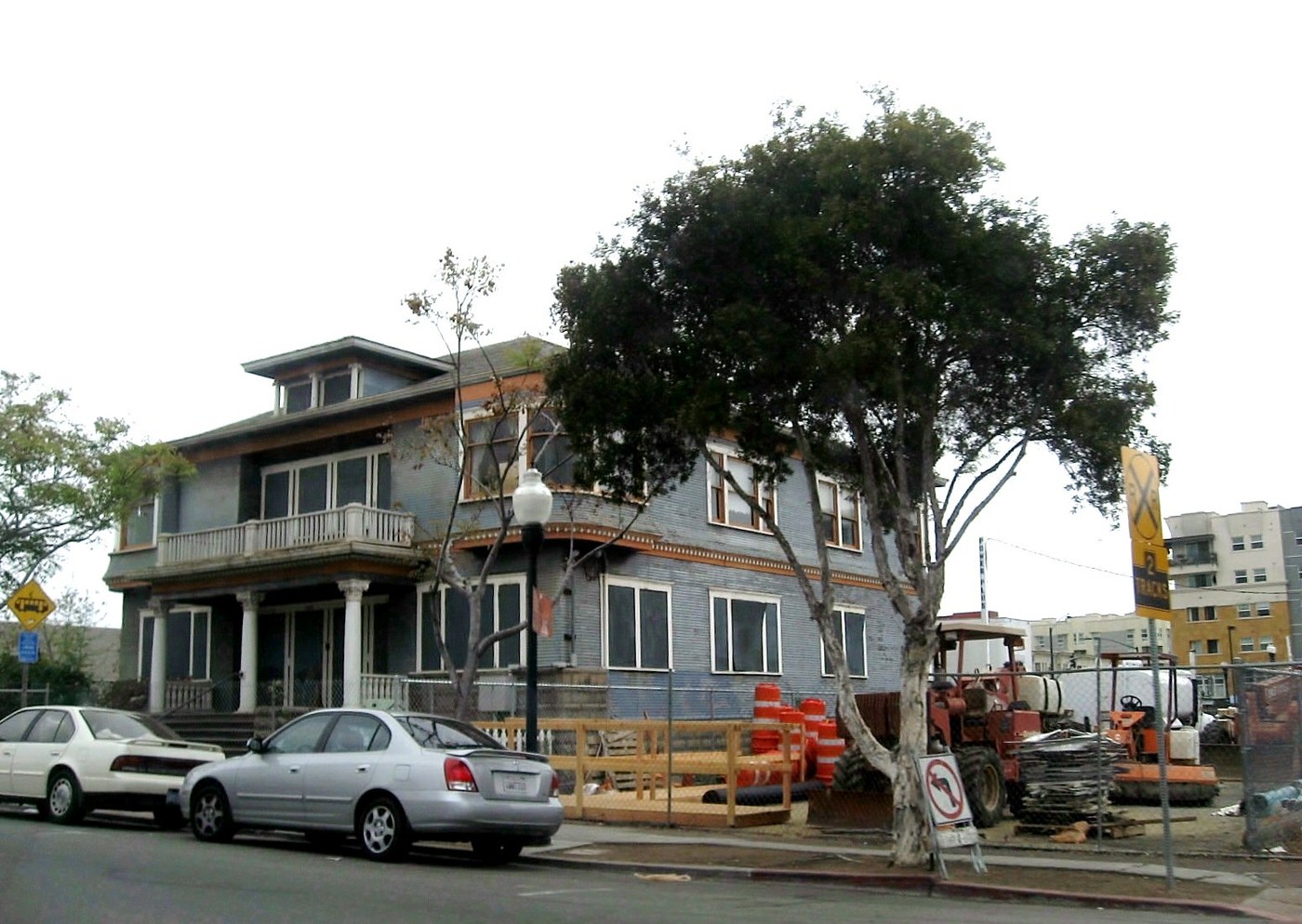
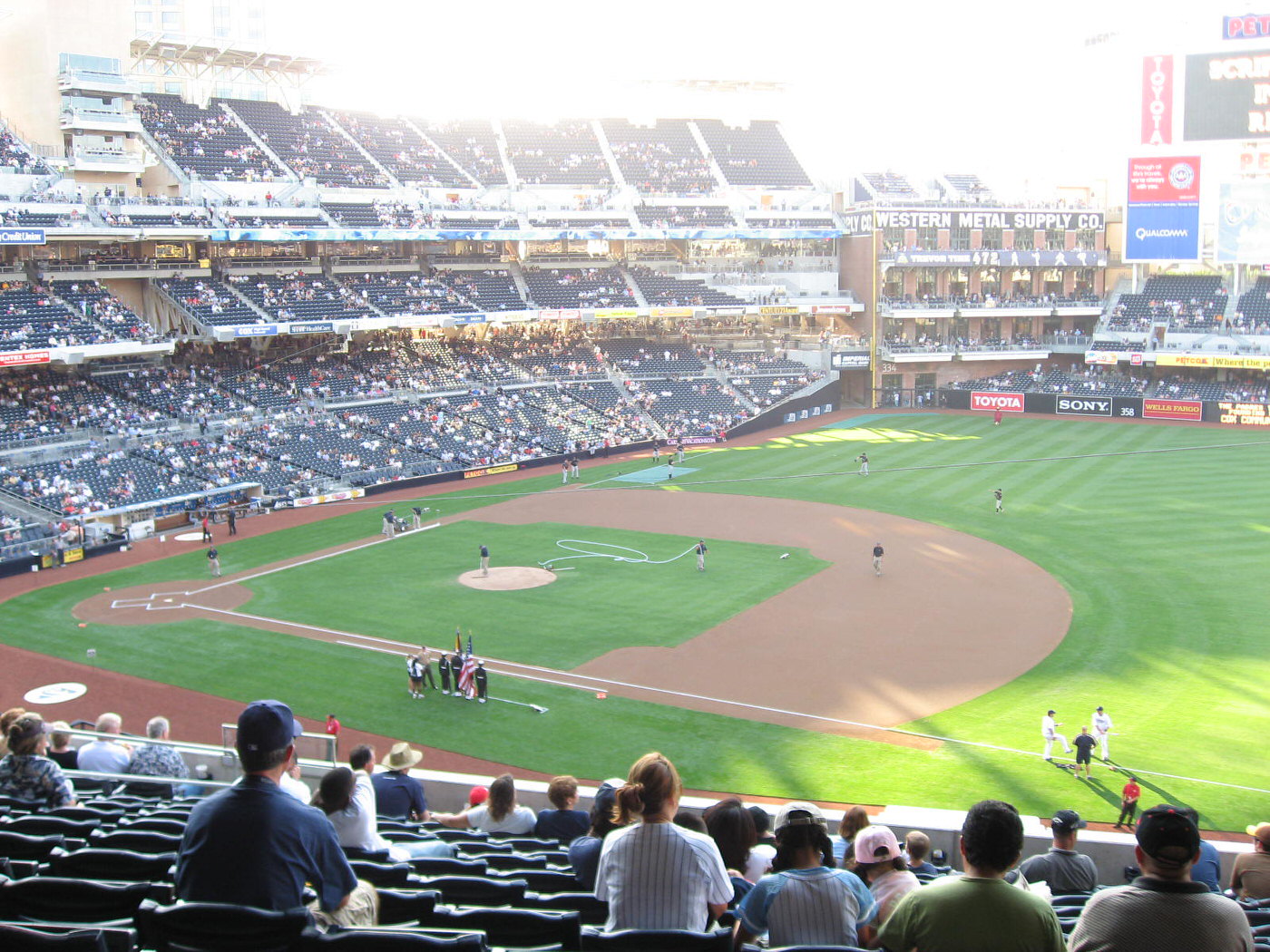
A defining moment arrived in April 2004 with the opening of Petco Park, the new downtown home for the San Diego Padres. More than just a baseball stadium, Petco Park was designed to integrate into the urban fabric, with its unique architecture and park-like elements. Its construction acted as a powerful catalyst for the surrounding East Village neighborhood. Once an area dominated by warehouses and parking lots, East Village exploded with development. Scores of new mid-rise and high-rise condominium buildings went up seemingly overnight, accompanied by trendy restaurants, bars, boutiques, and art galleries. The ballpark transformed the formerly neglected eastern edge of downtown into one of the city’s liveliest districts.
The terrorist attacks of September 11, 2001, had a profound effect on the nation, and San Diego, with its large military population and border location, felt the impact keenly. Security measures increased noticeably at Lindbergh Field (now San Diego International Airport), naval bases, Marine Corps facilities, and the U.S.-Mexico border crossing. The subsequent wars in Afghanistan and Iraq meant frequent deployments for local military personnel and their families, bringing the realities of distant conflicts close to home. Support networks for military families became increasingly important during these years of sustained overseas operations.
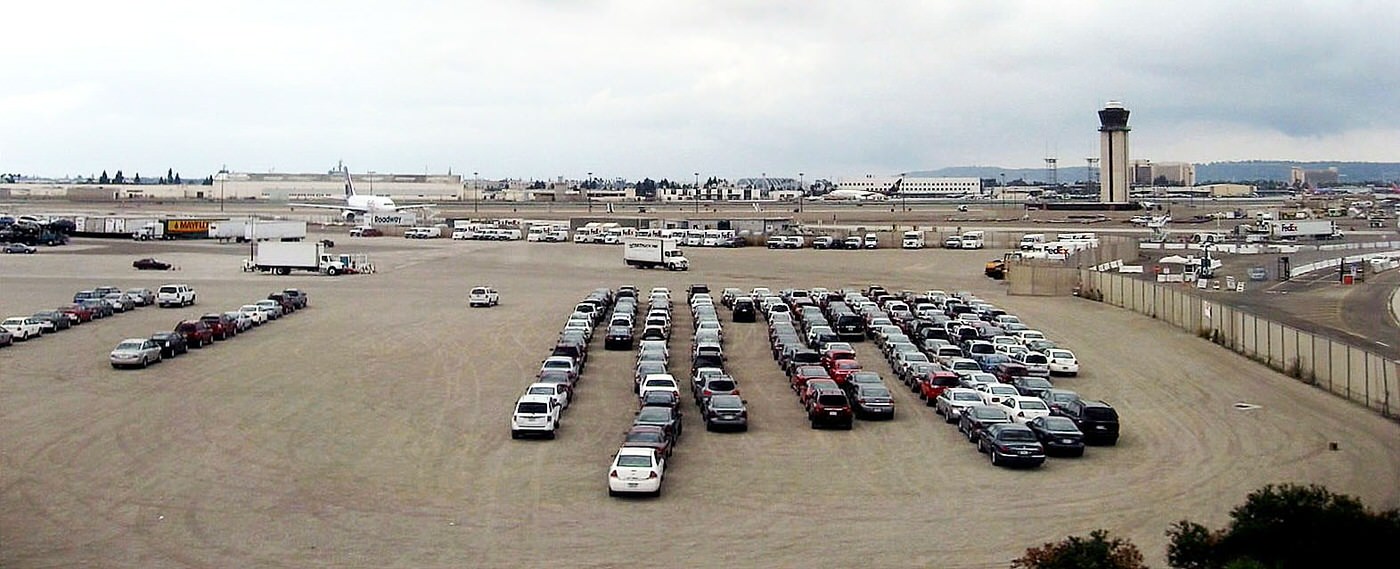
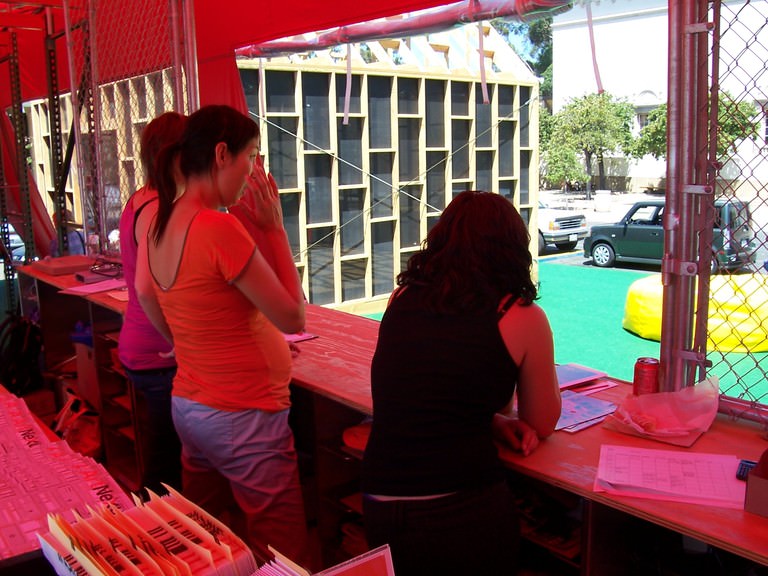
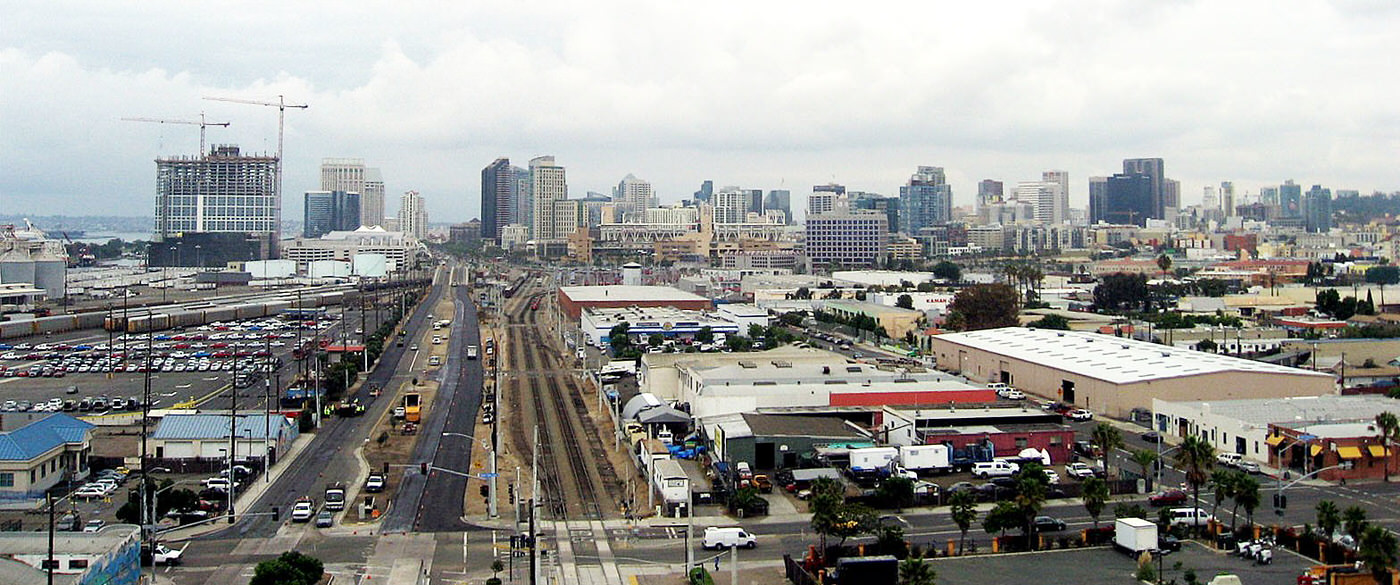
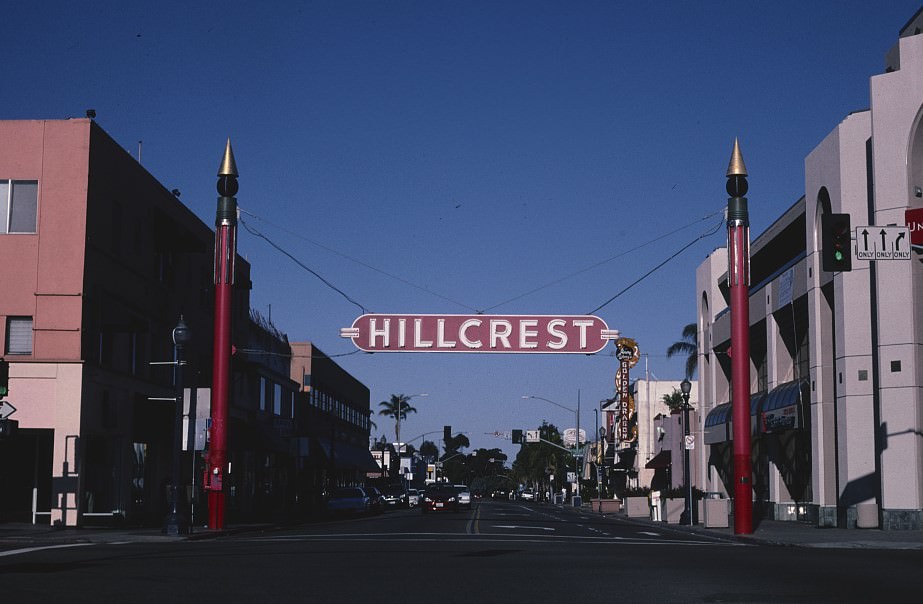
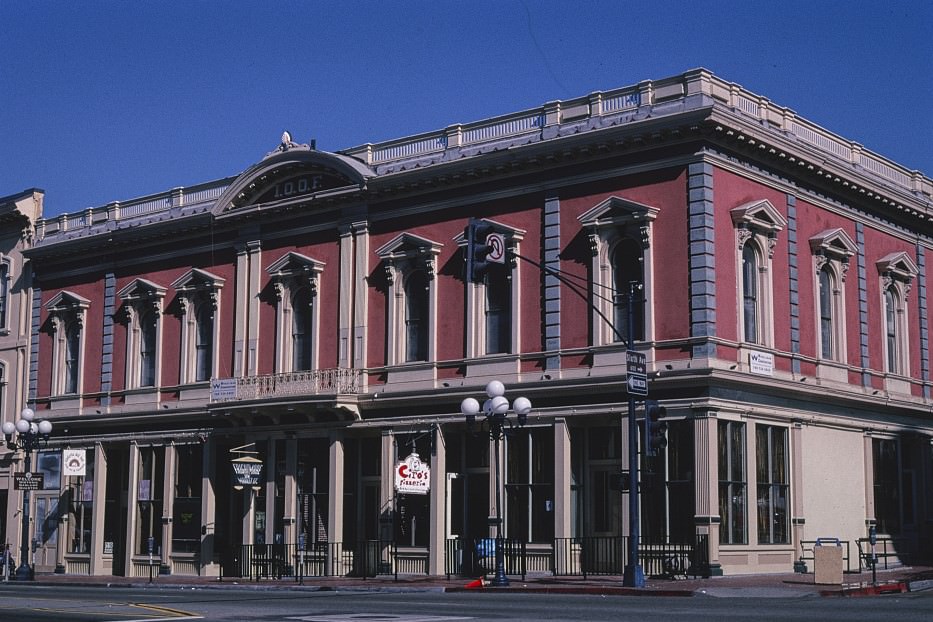
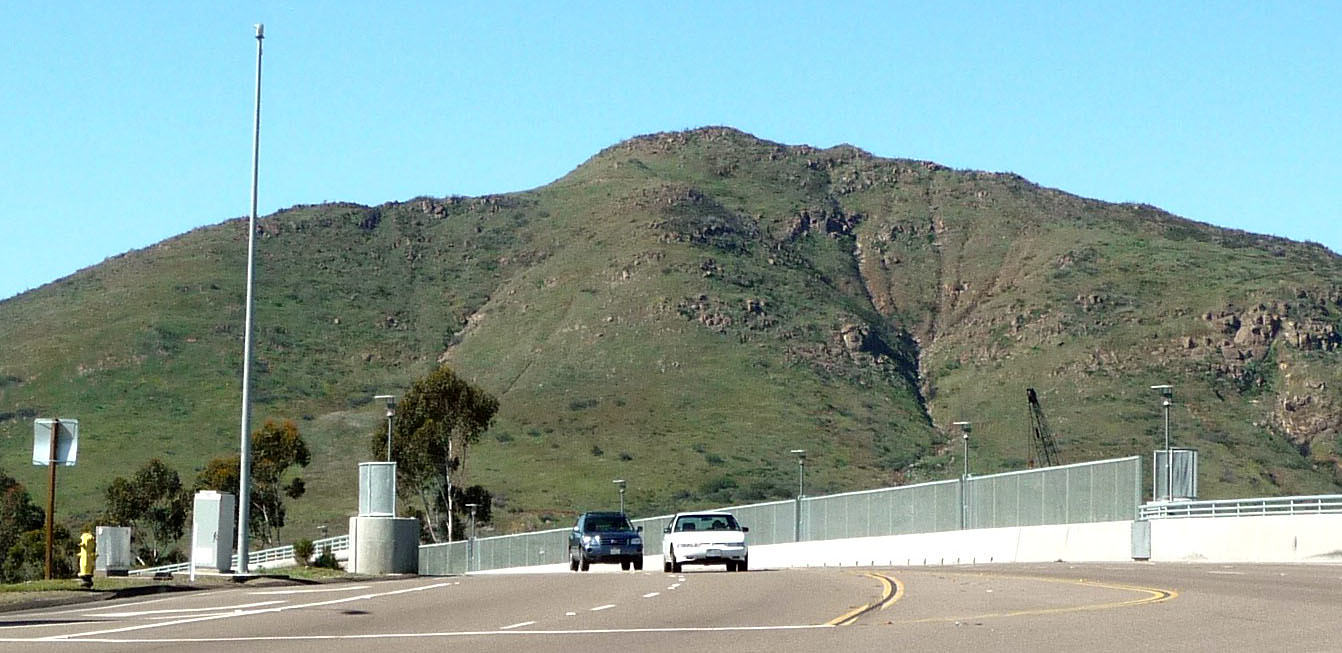
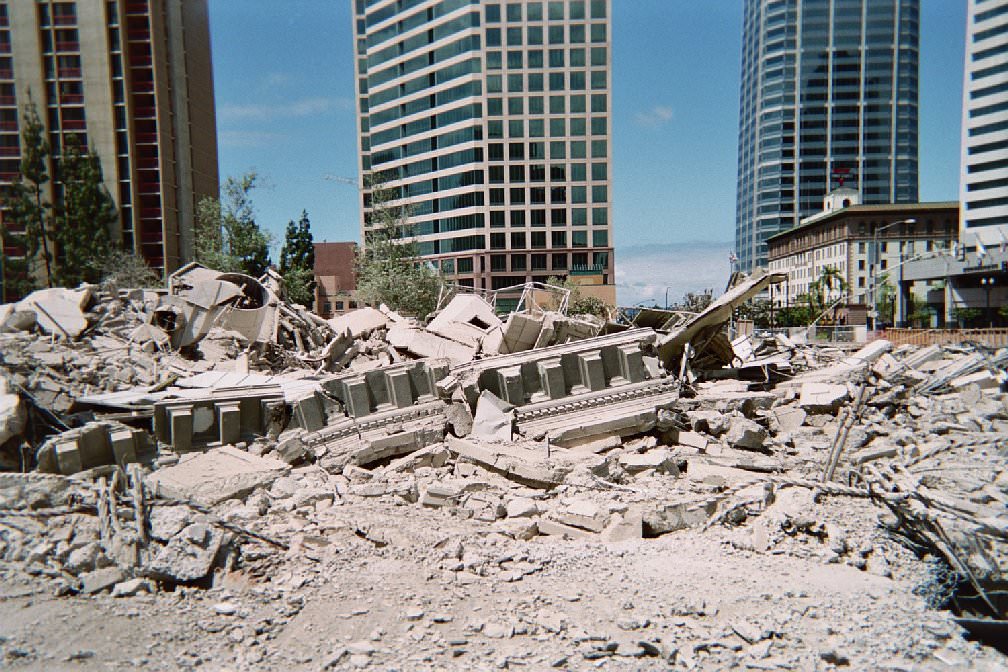
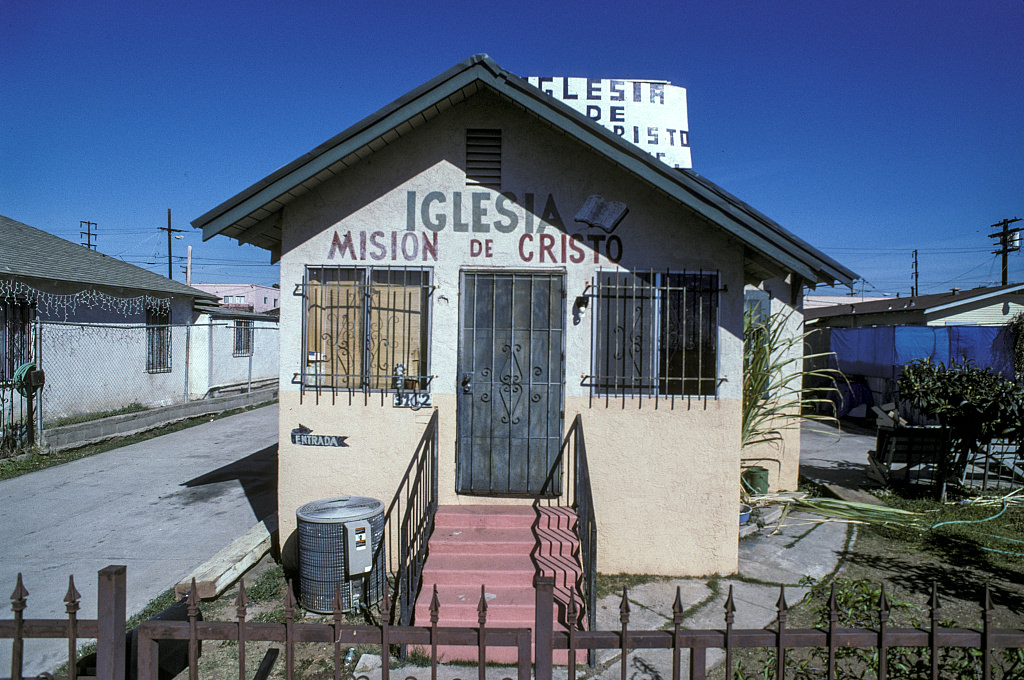
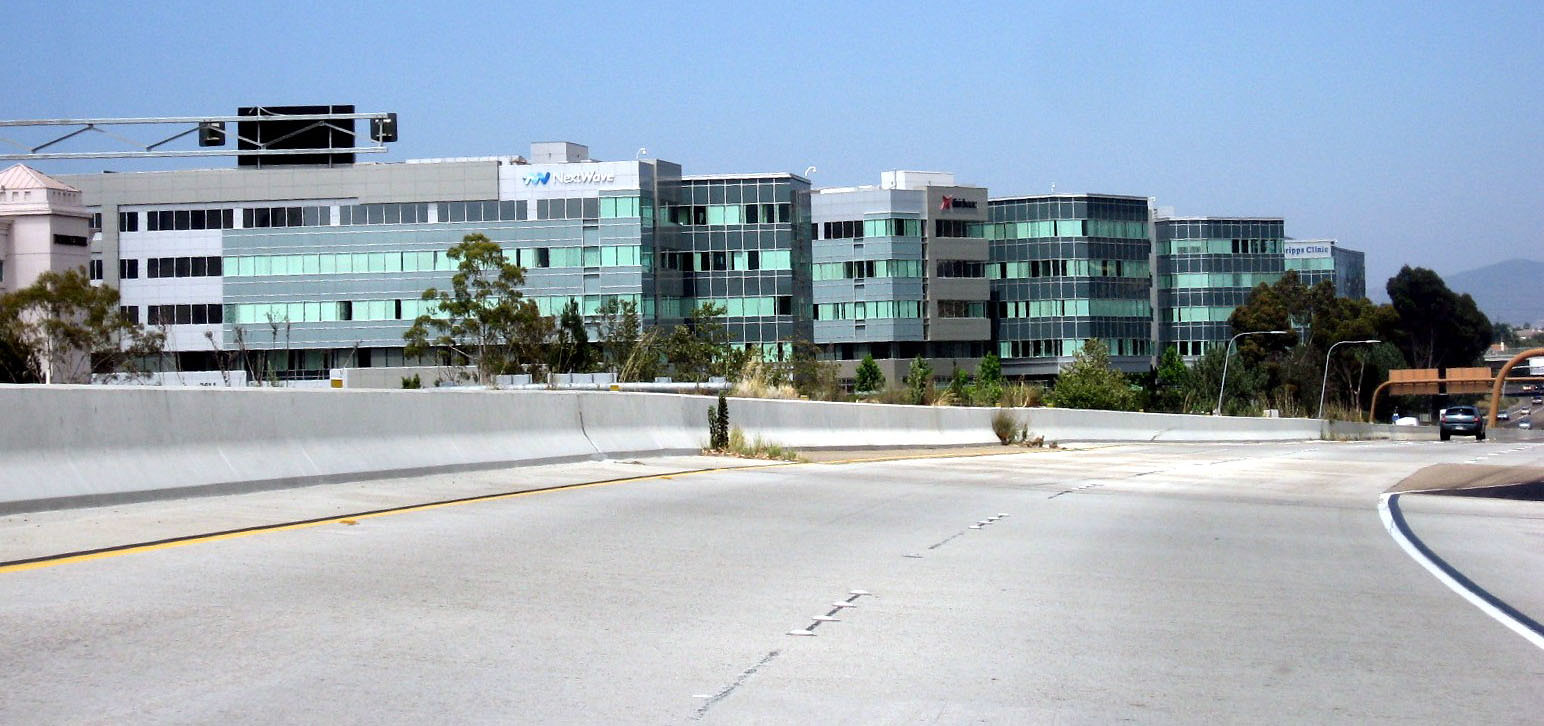
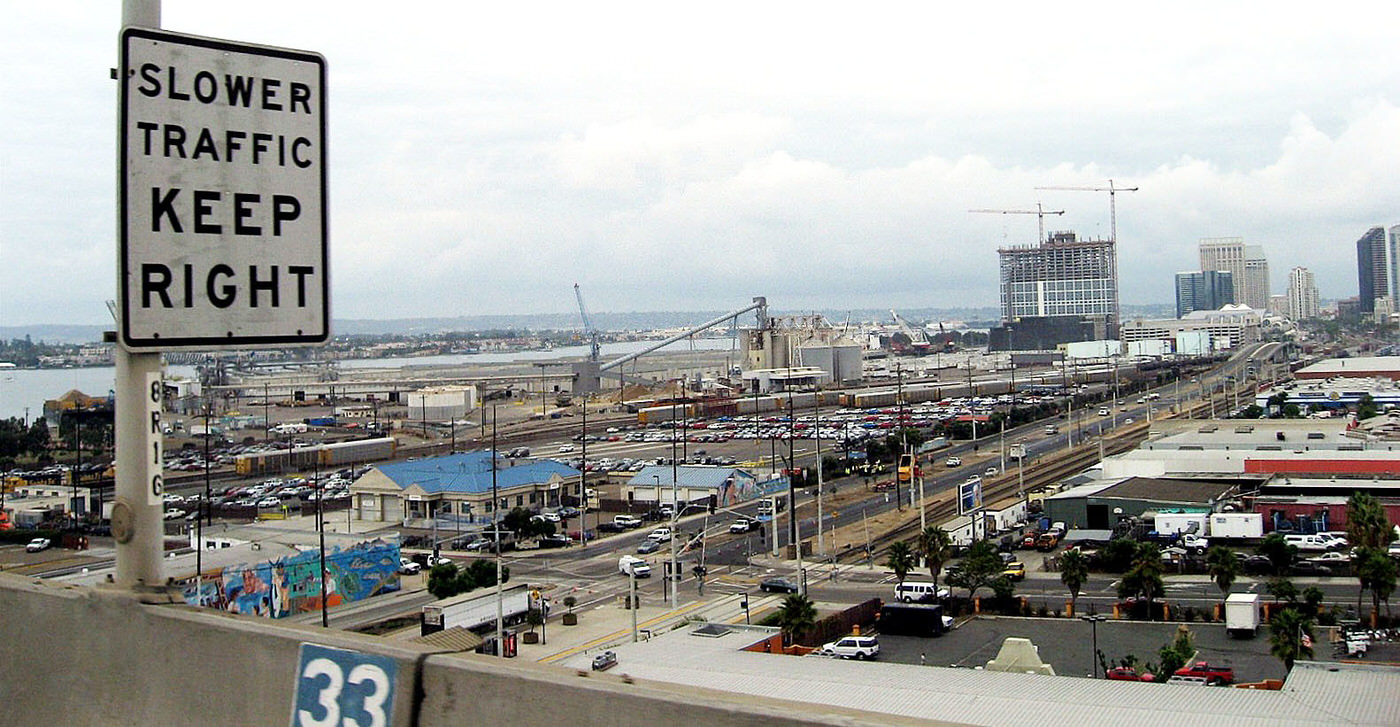
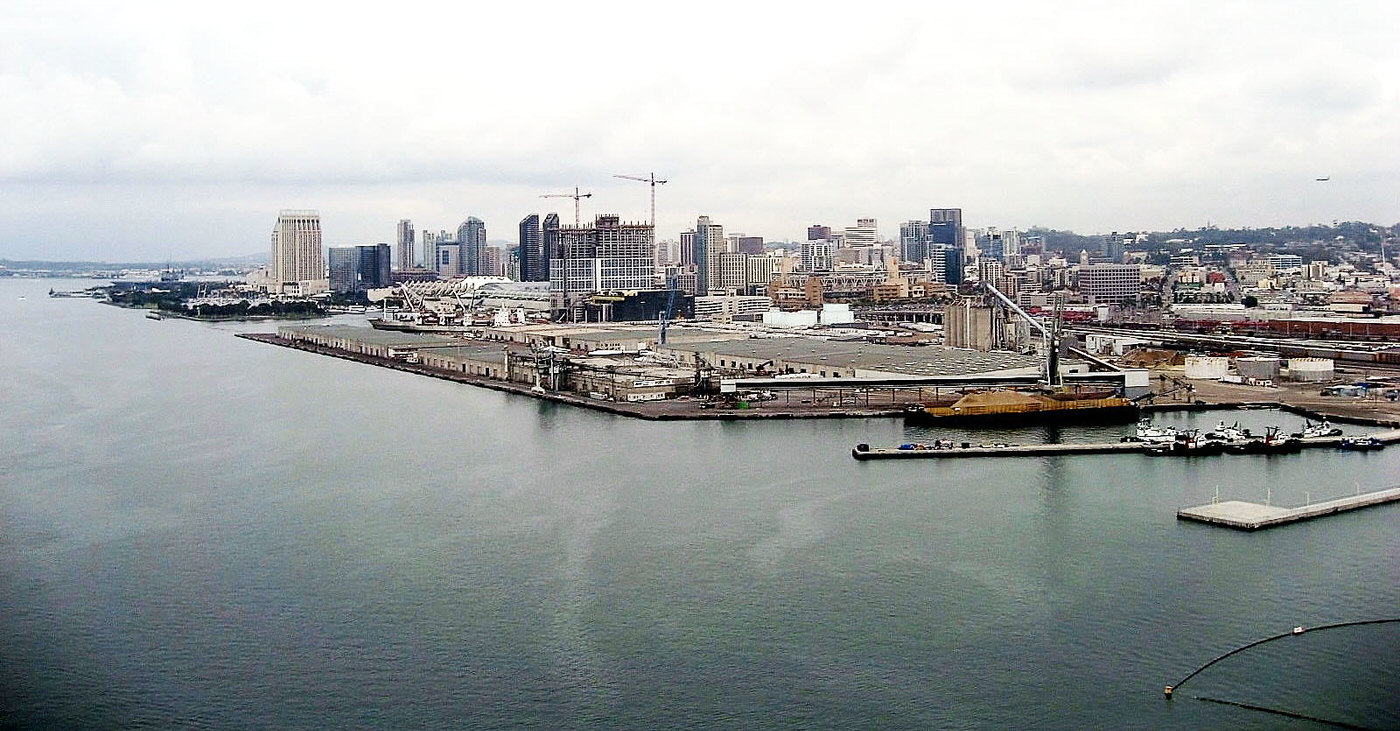
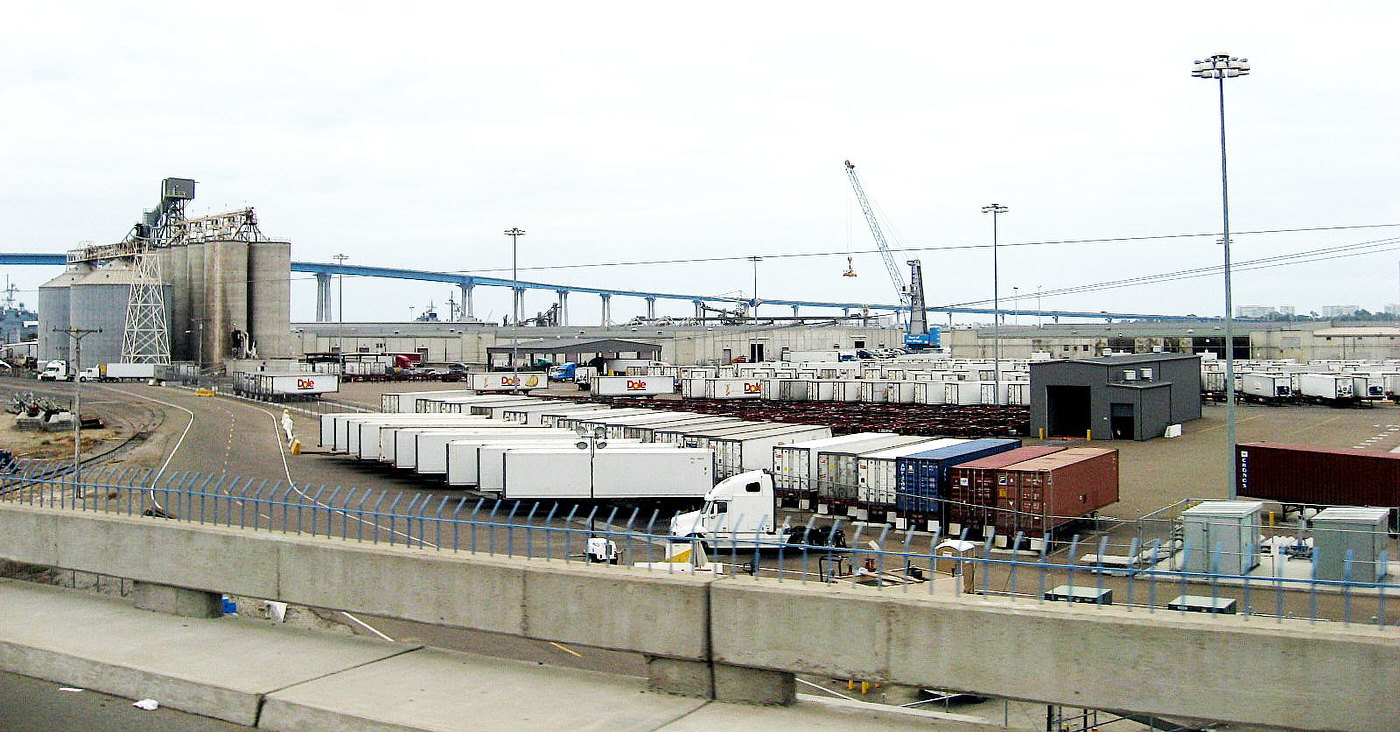
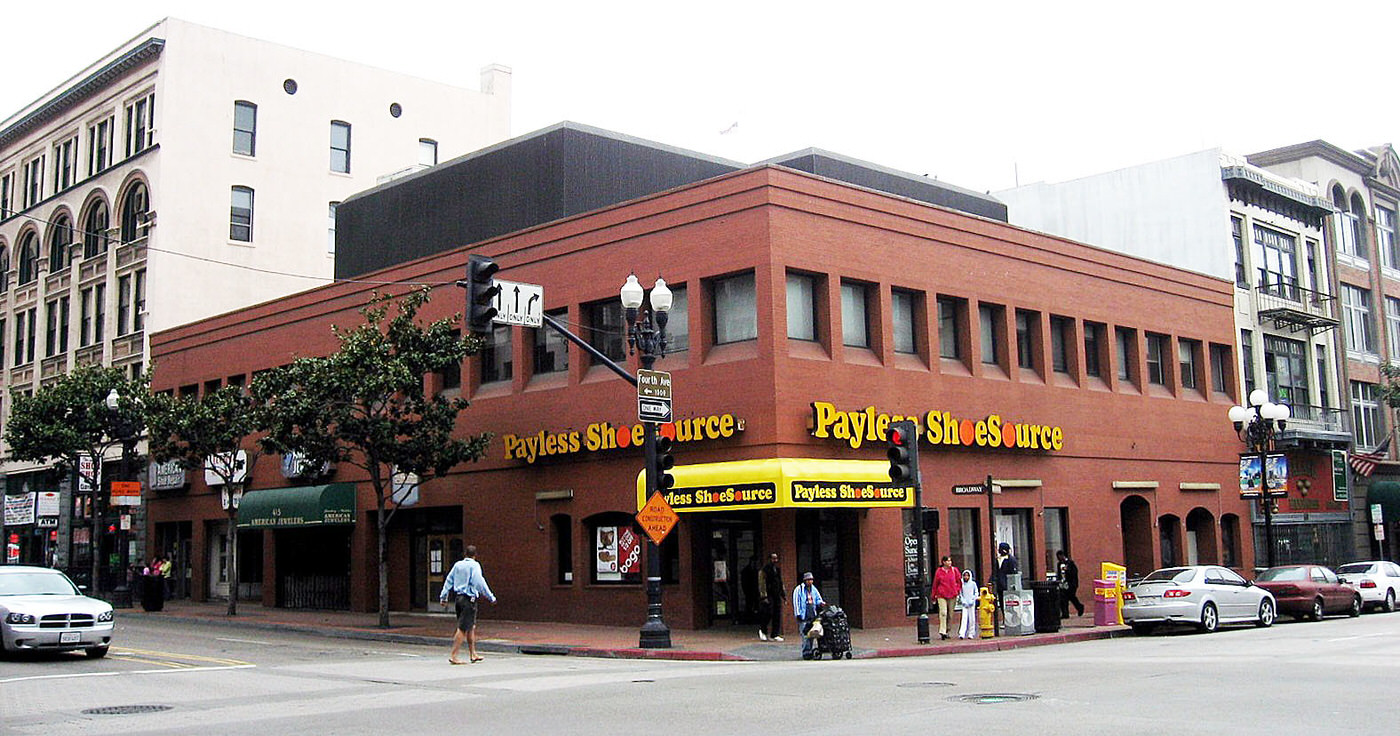
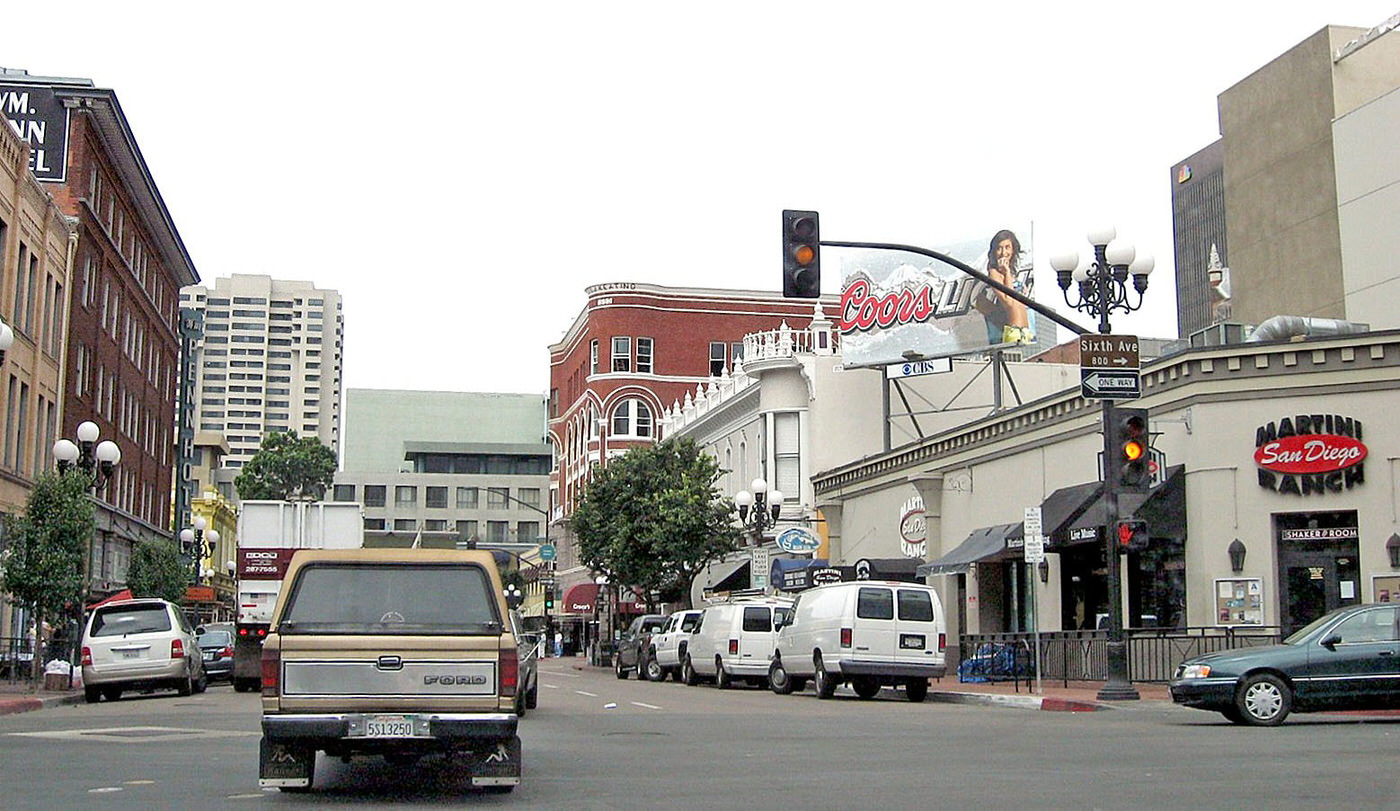
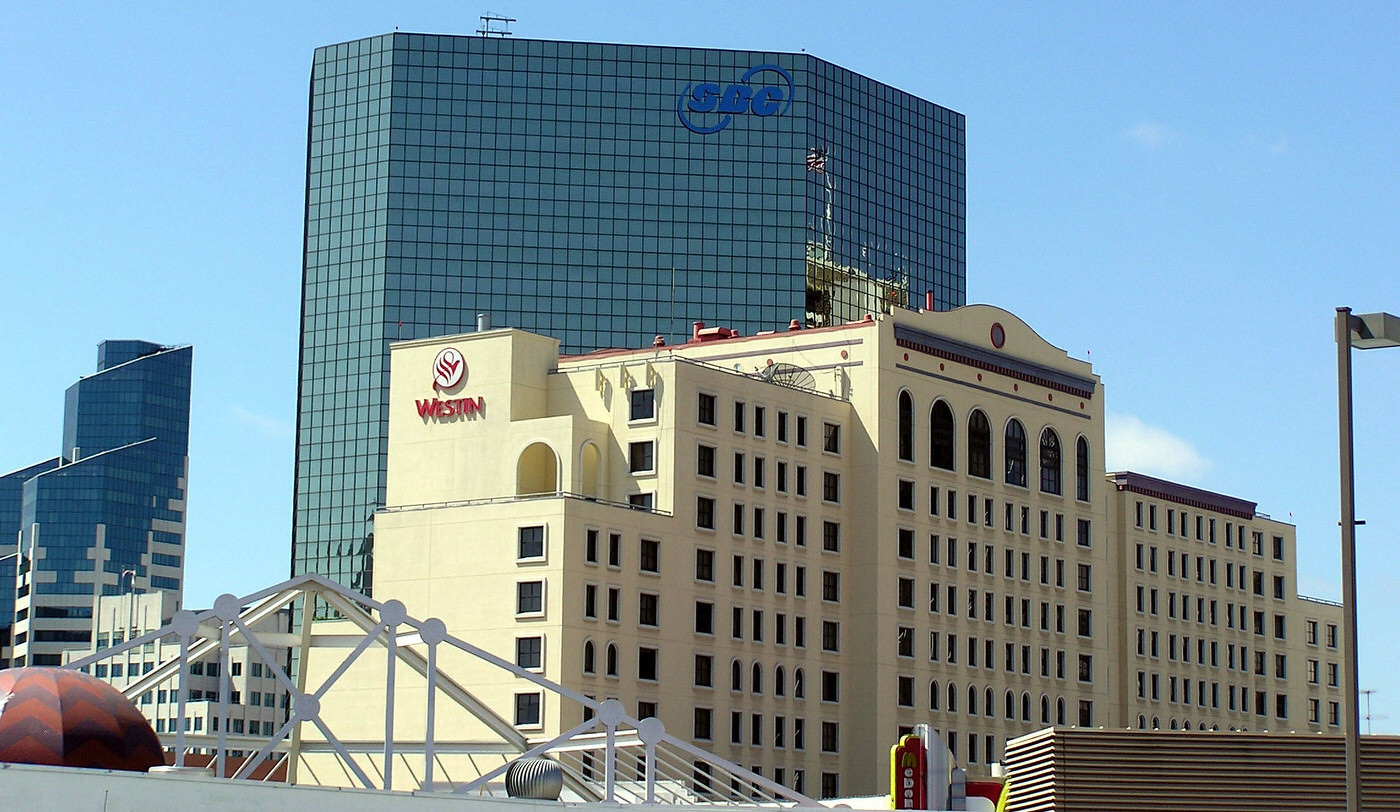
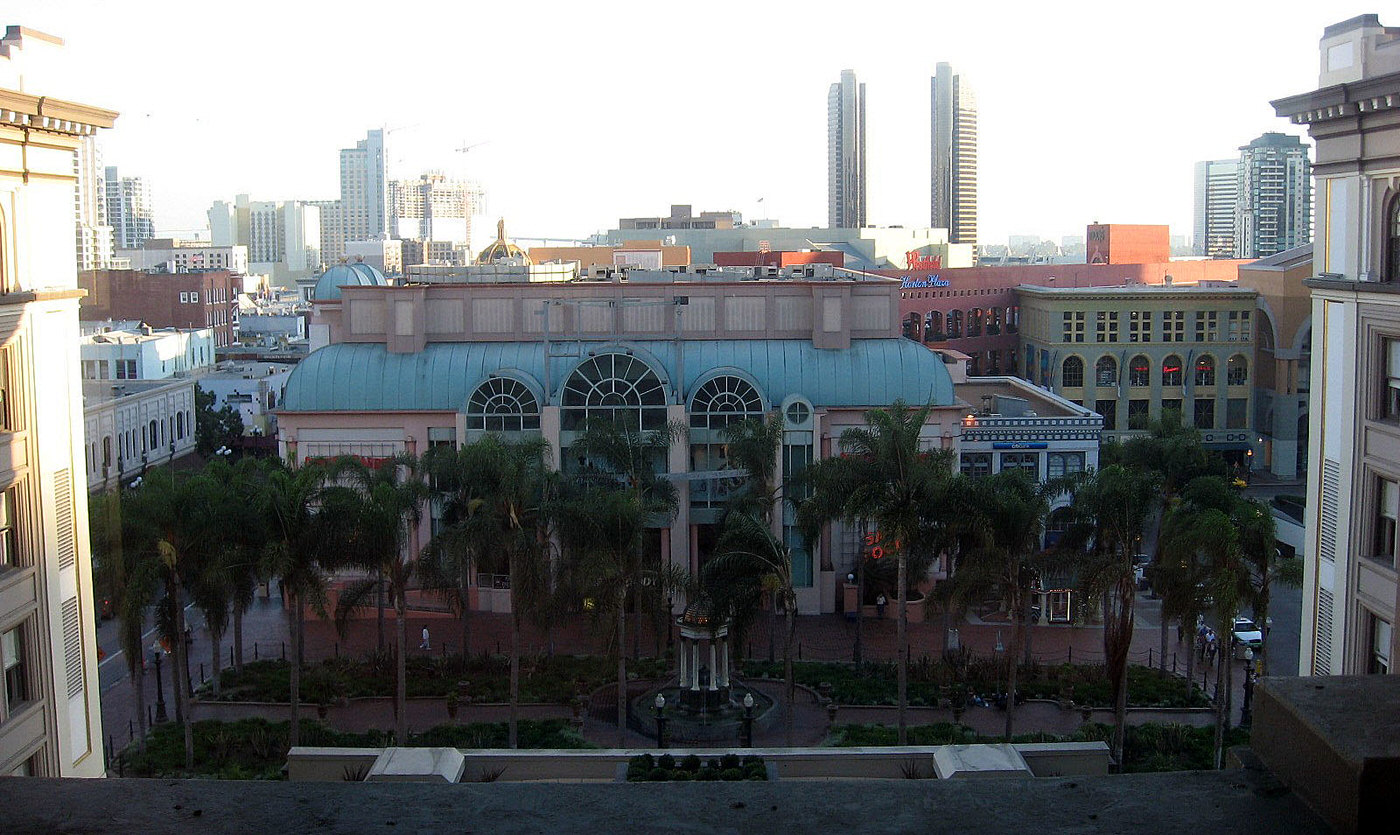
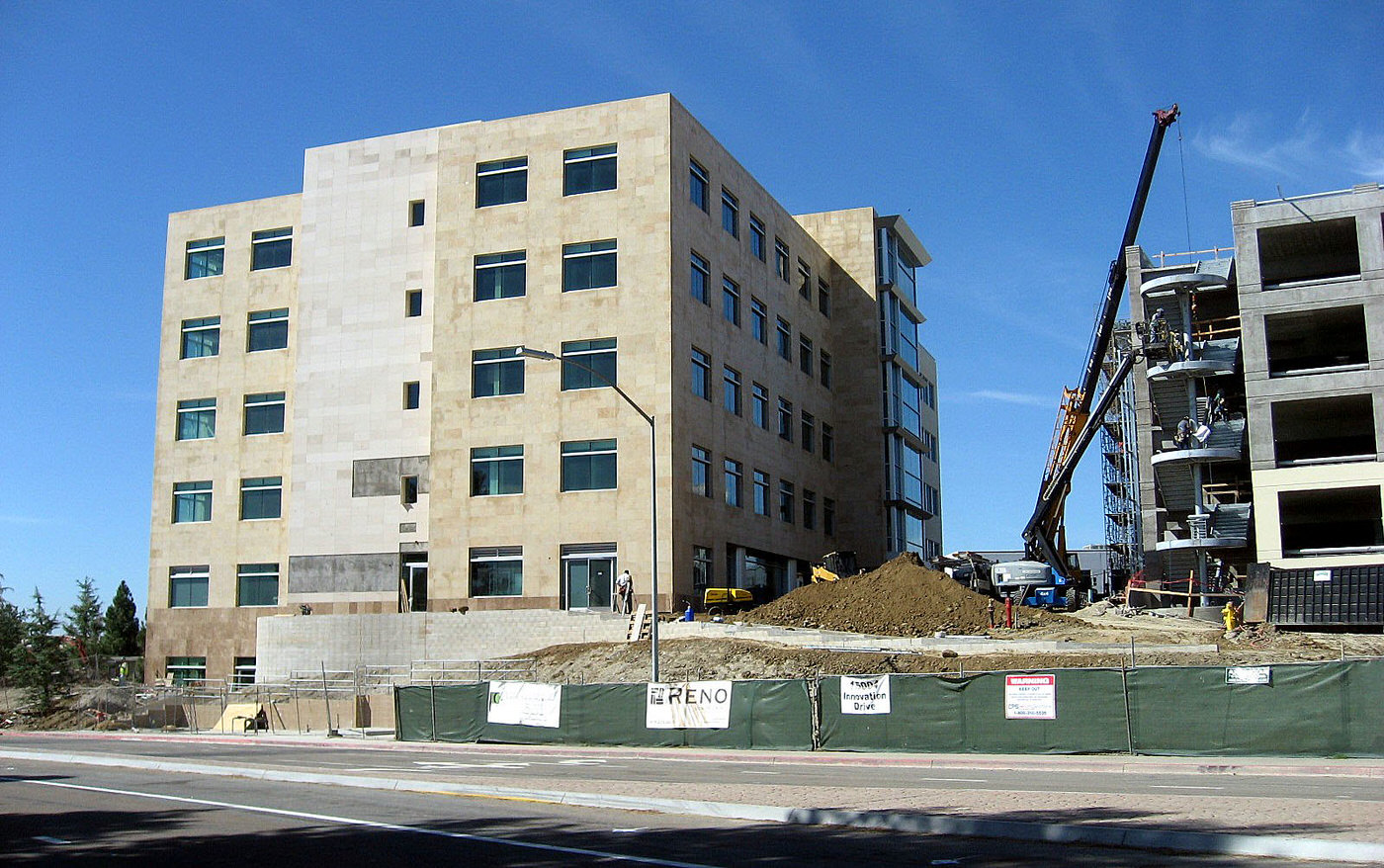
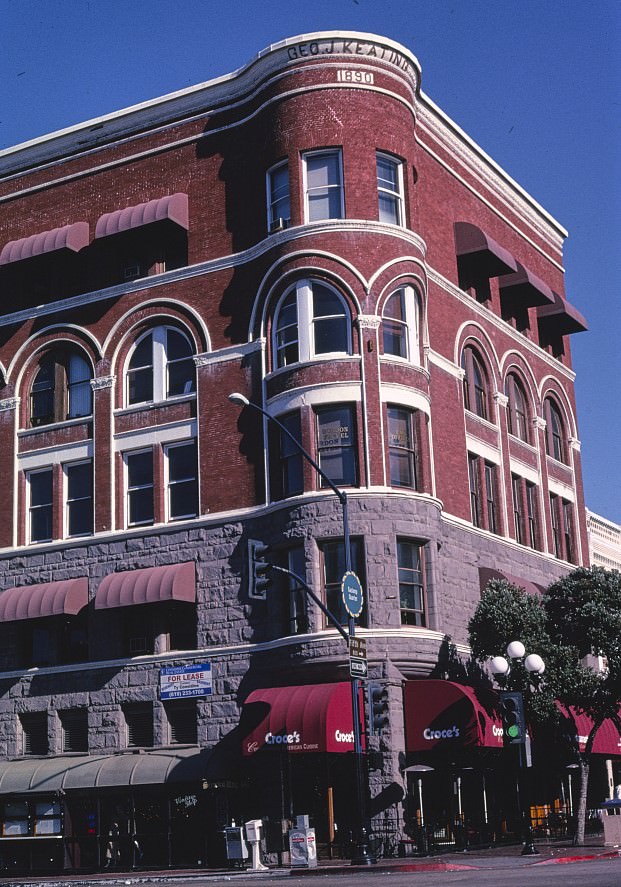
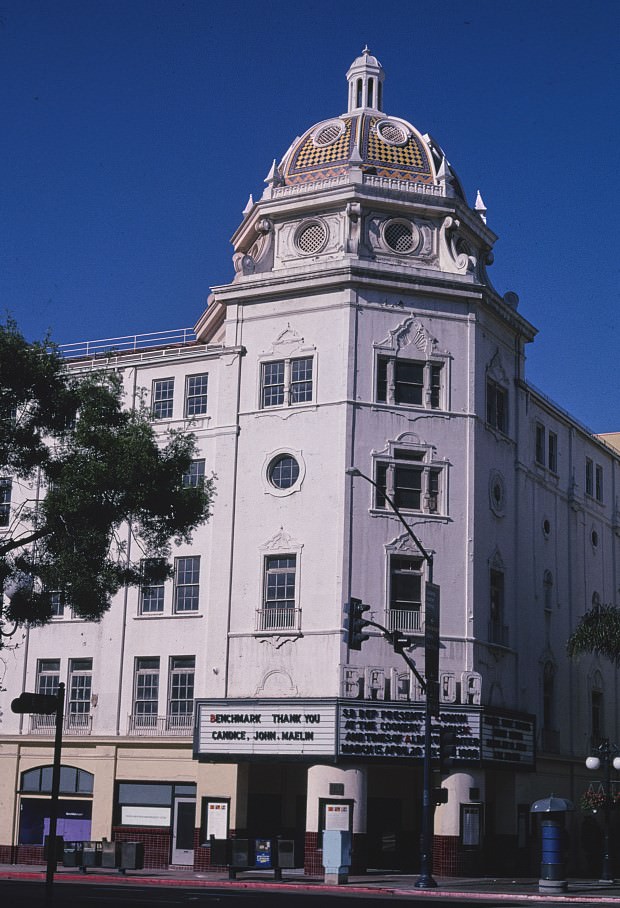
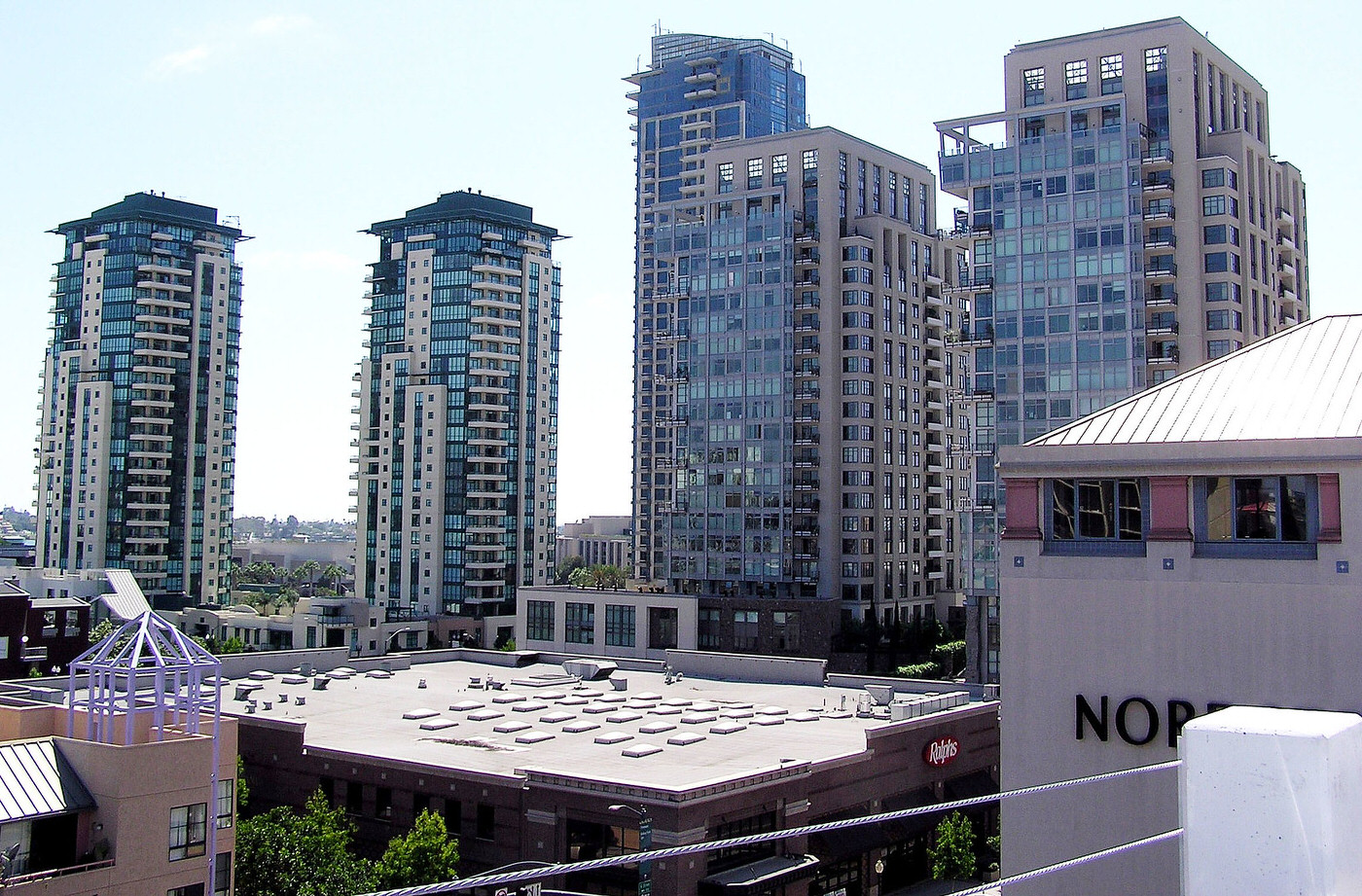
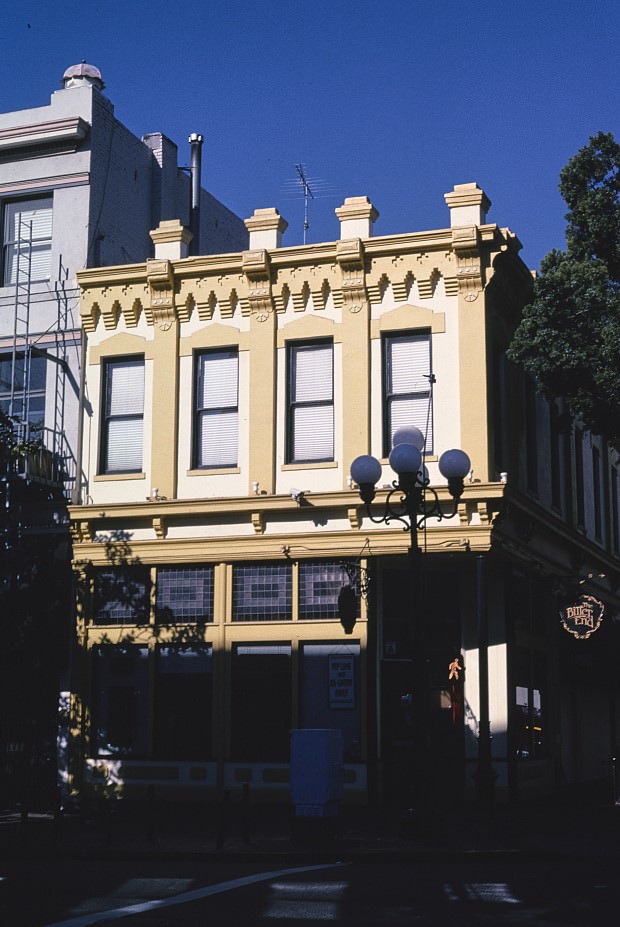
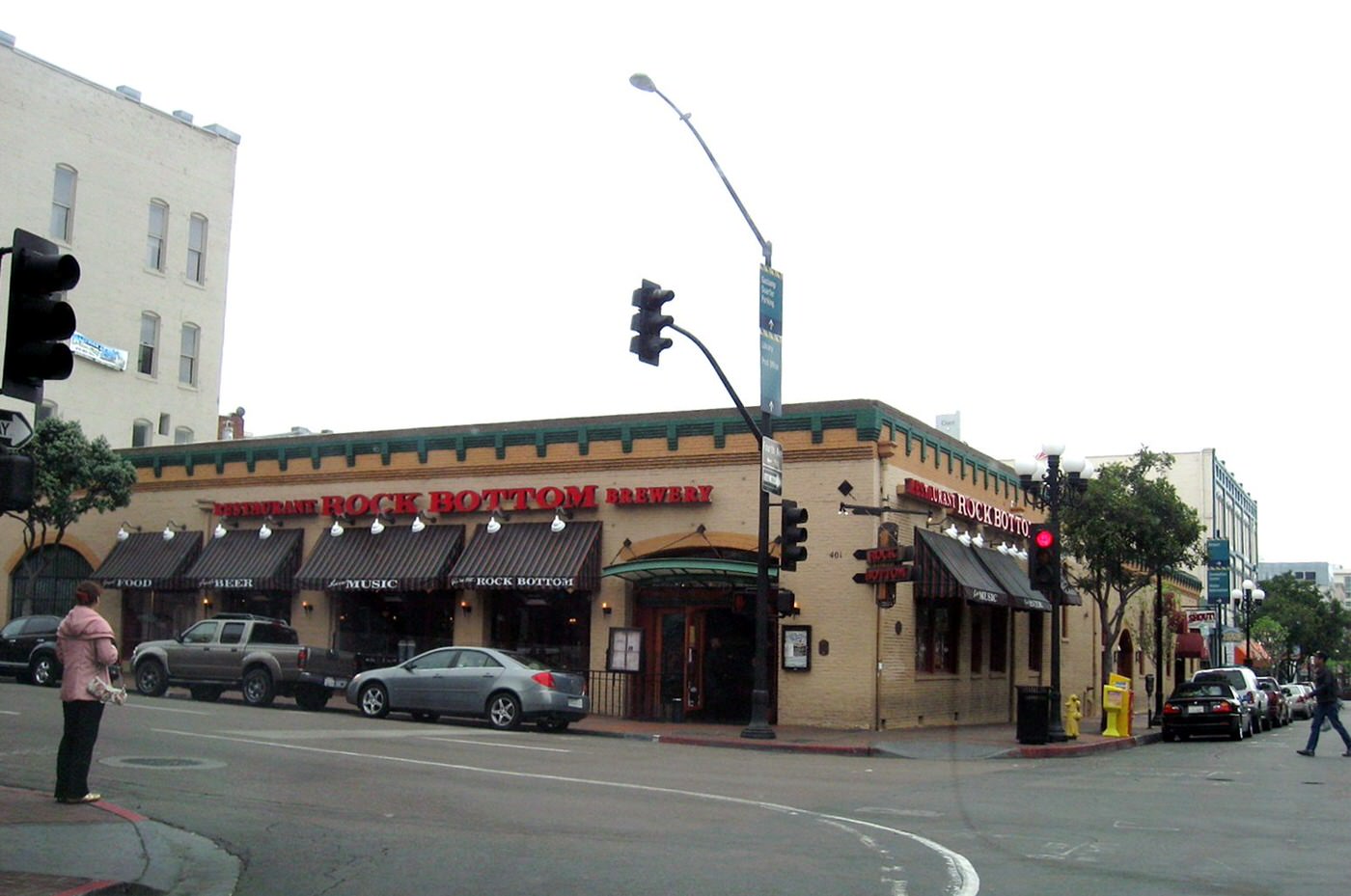
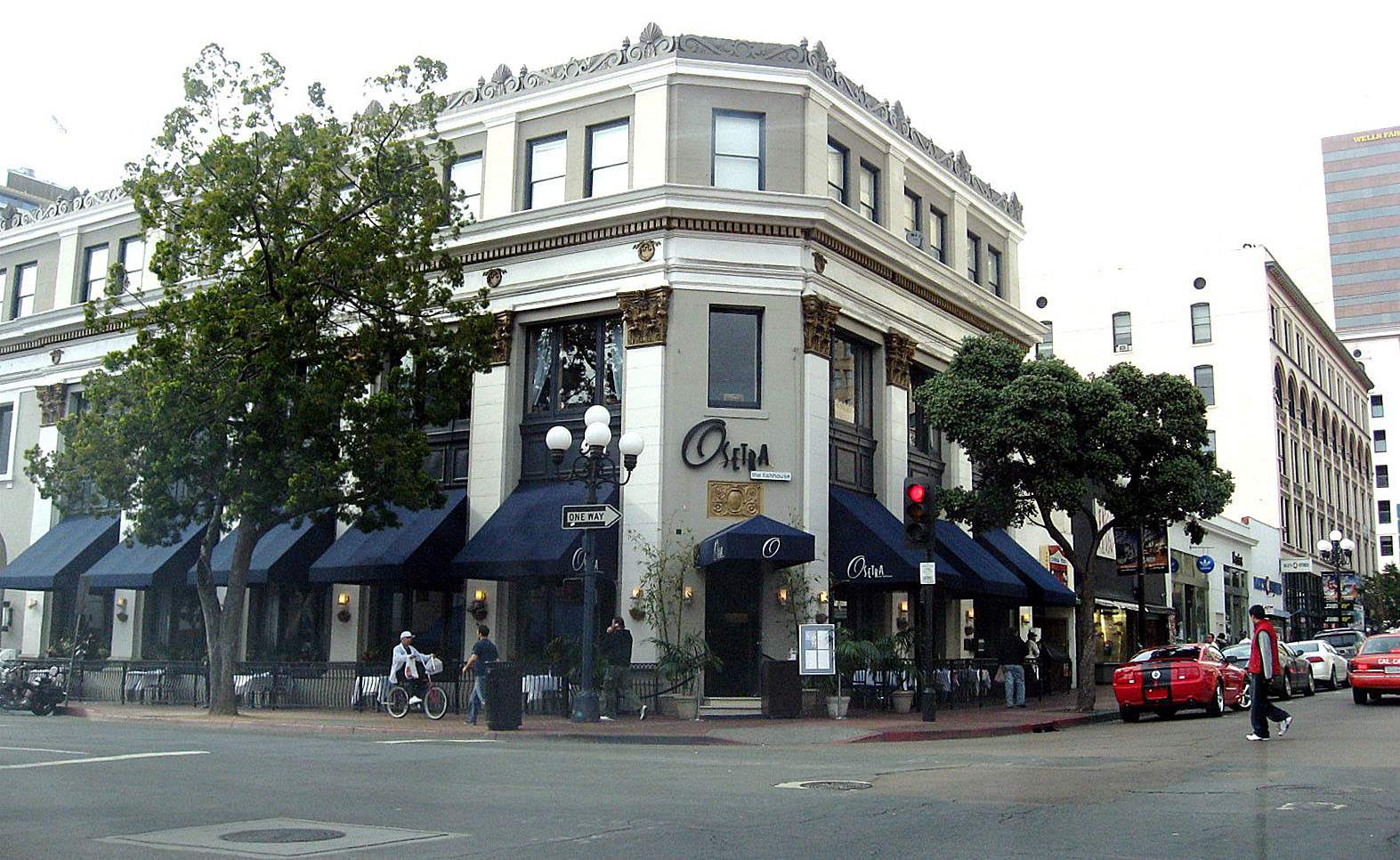
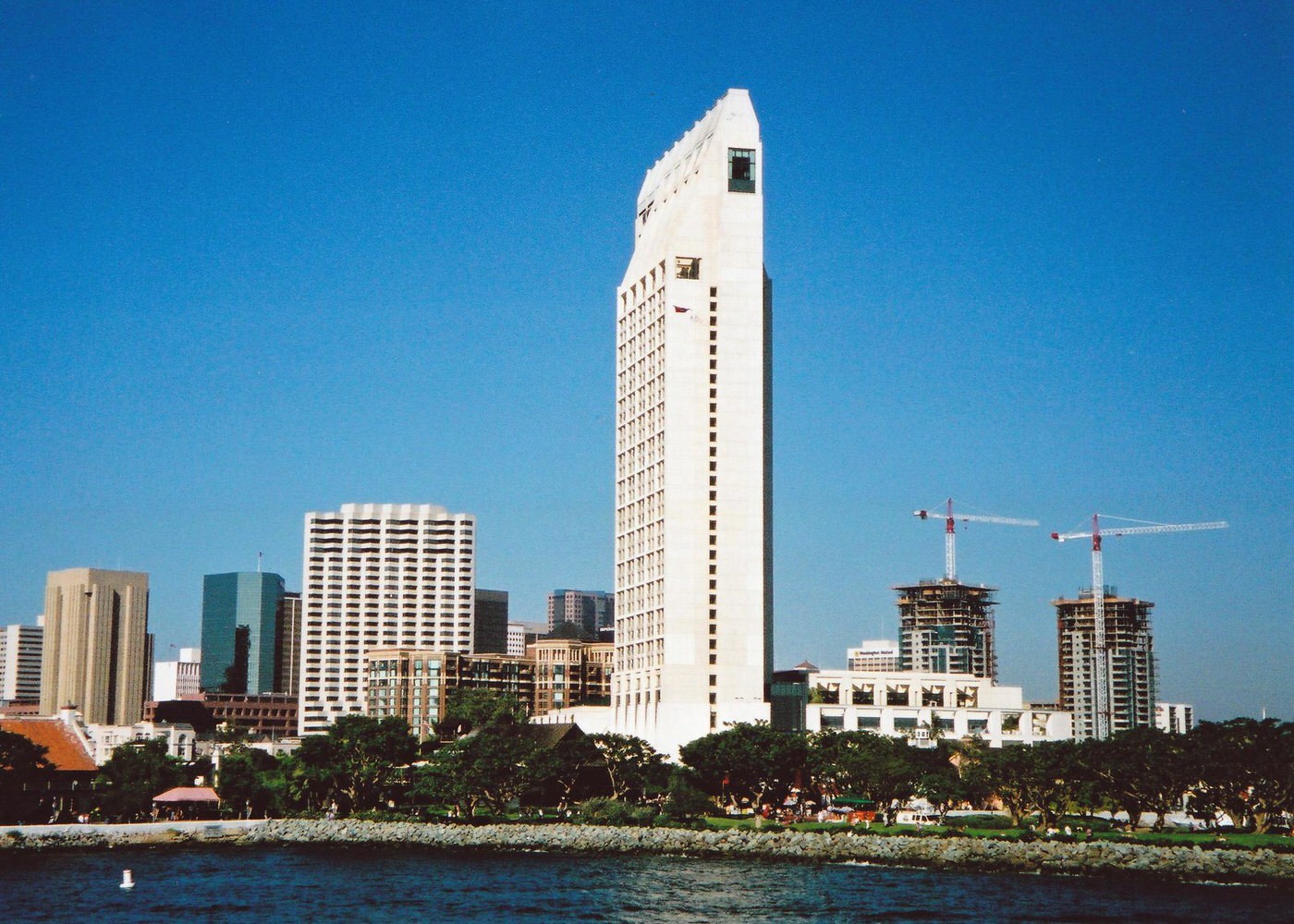
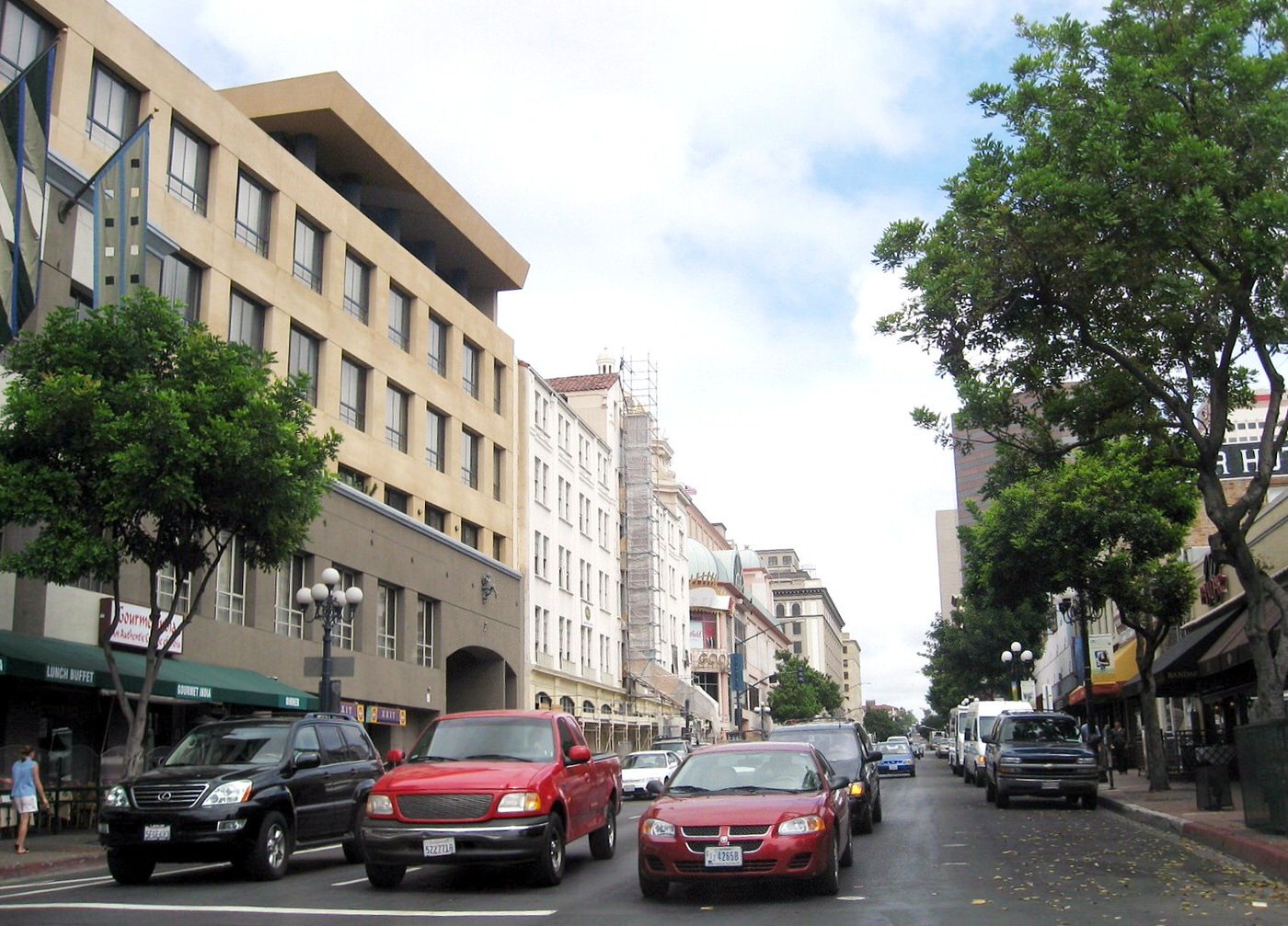
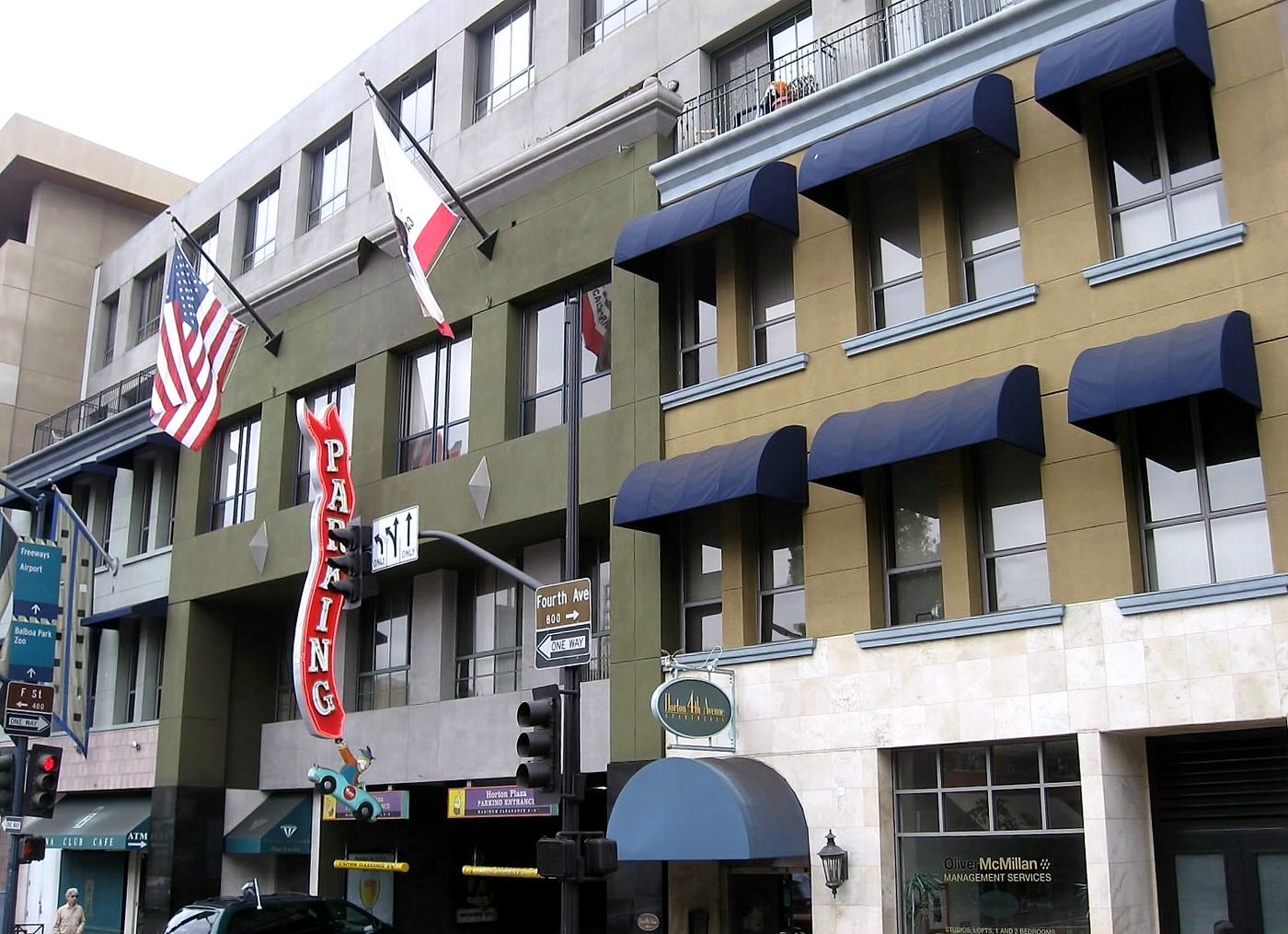
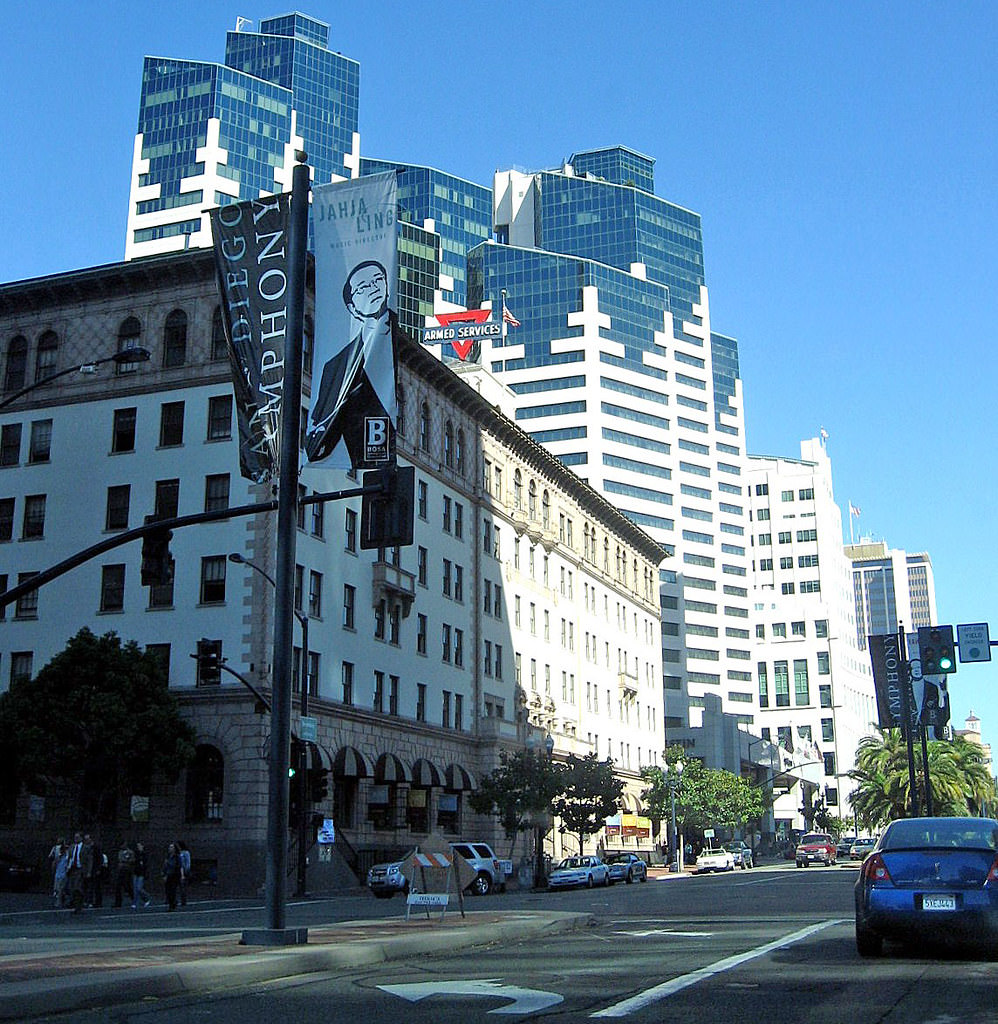
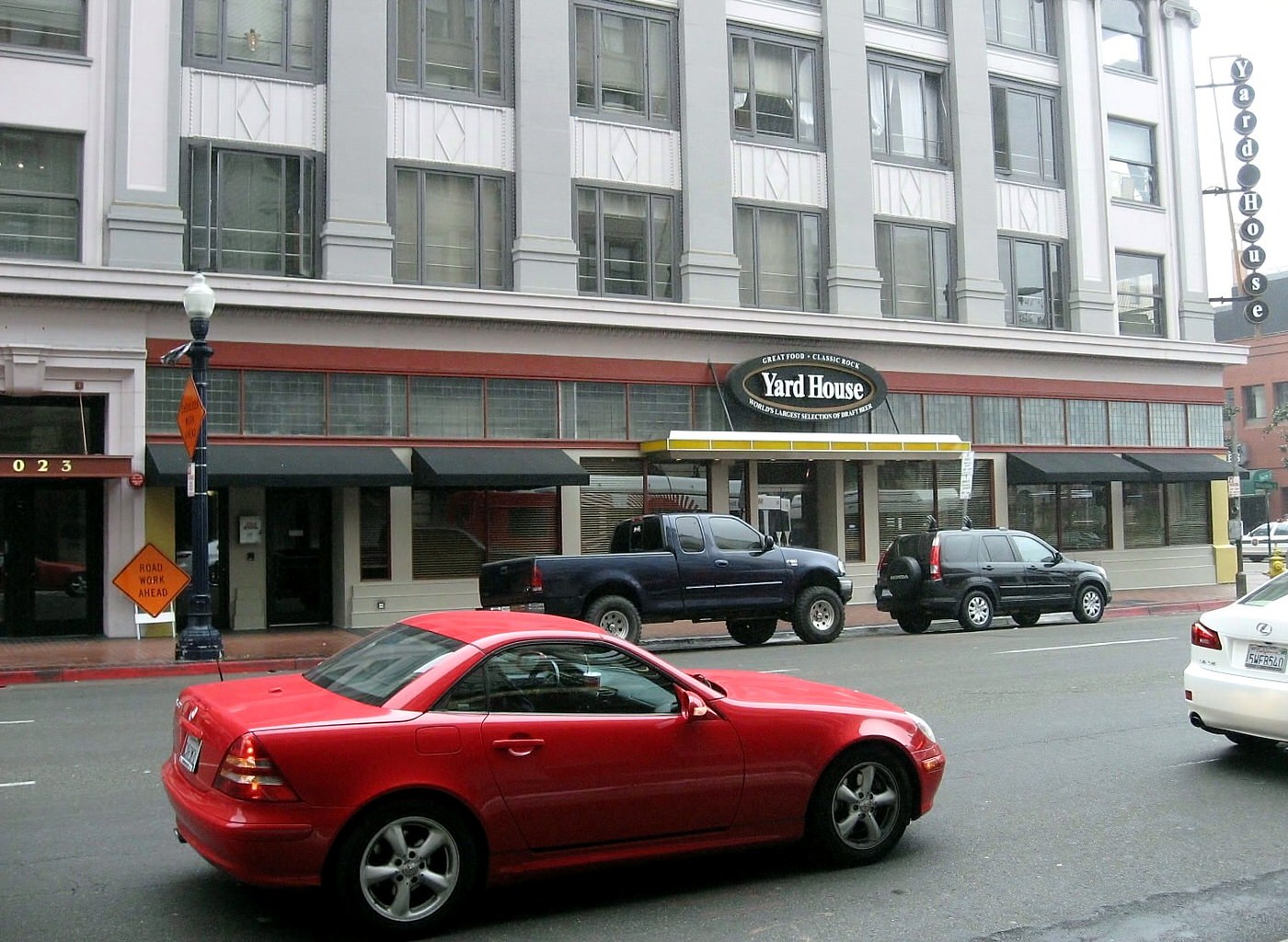
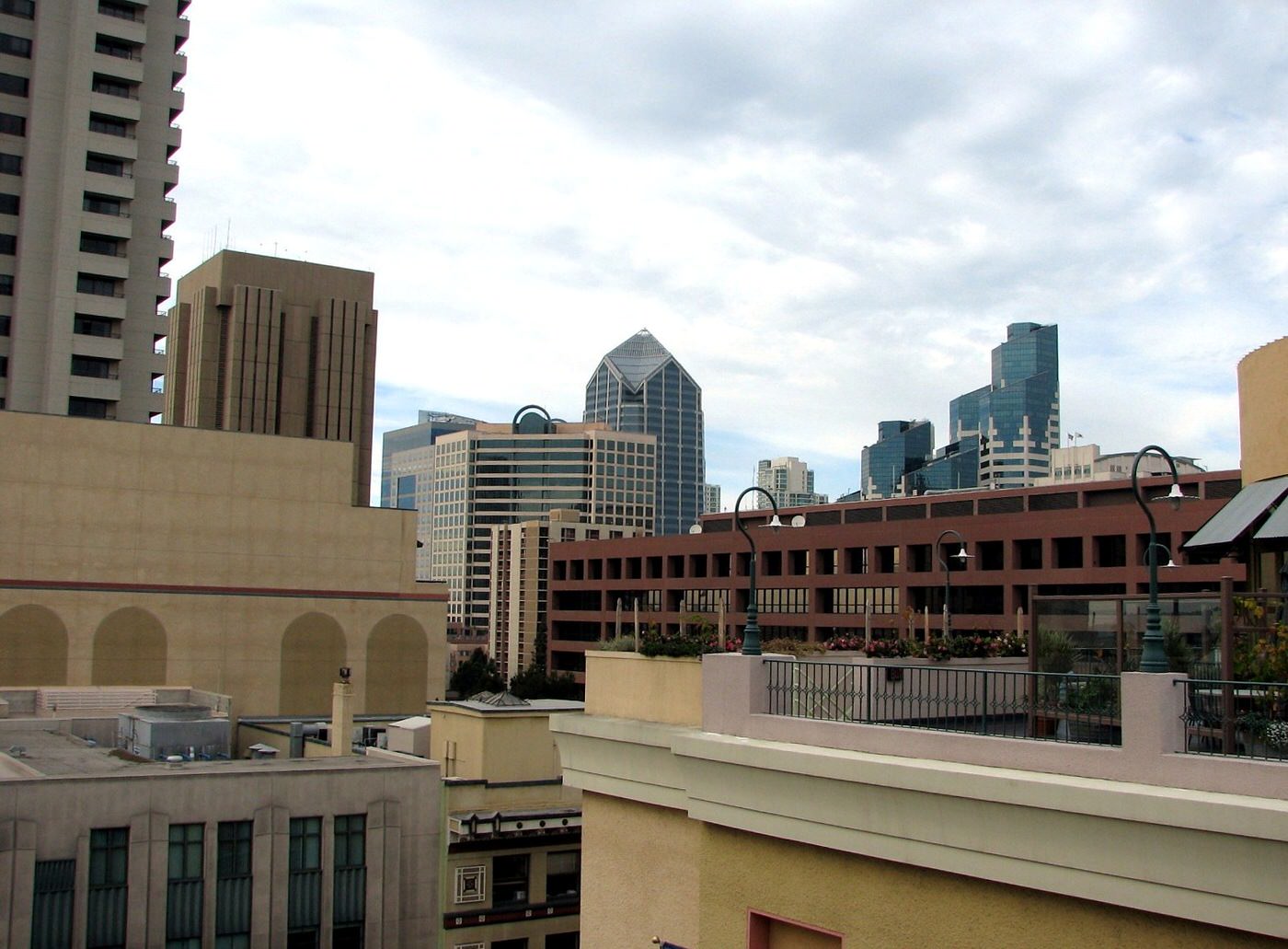
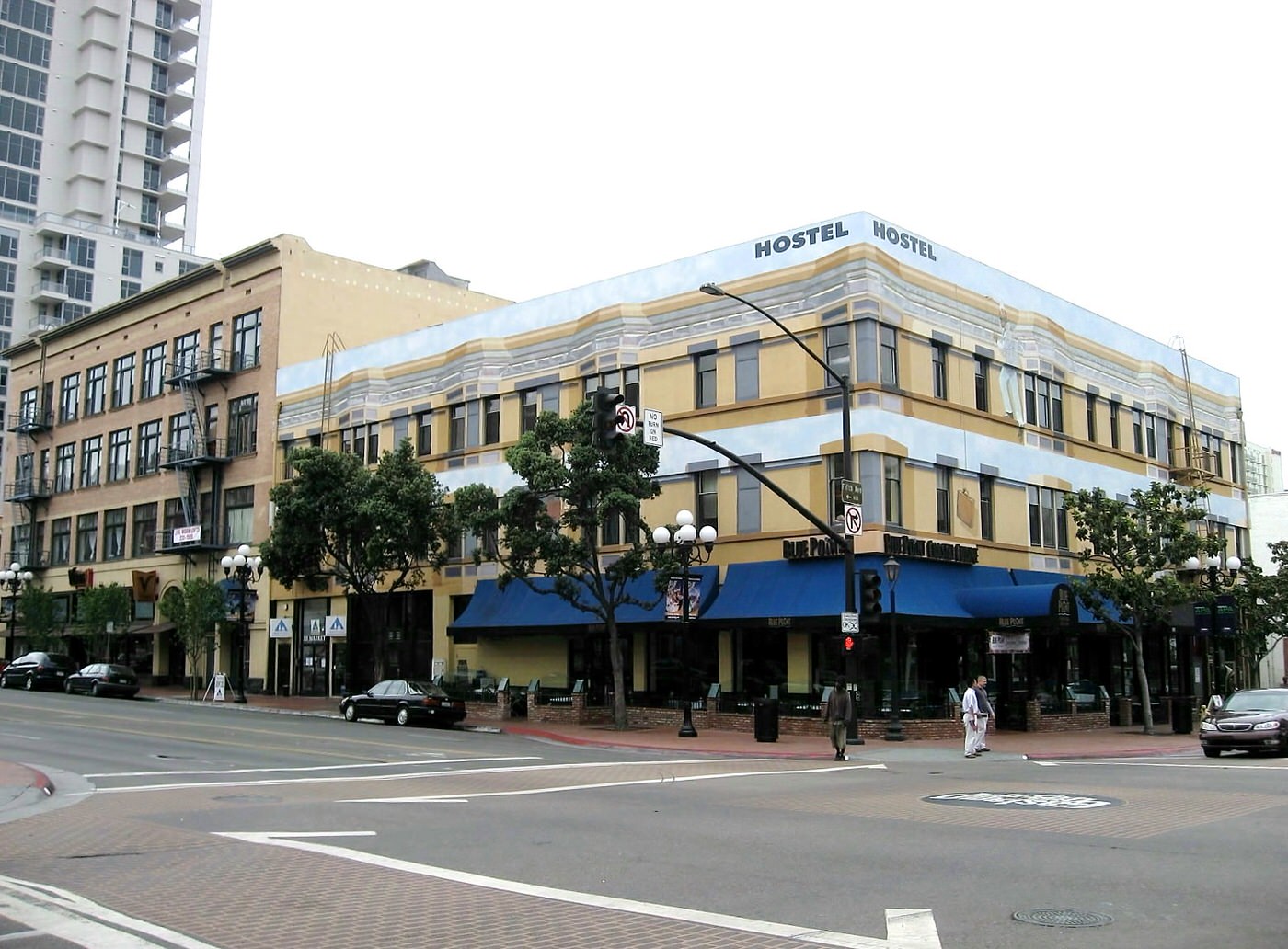
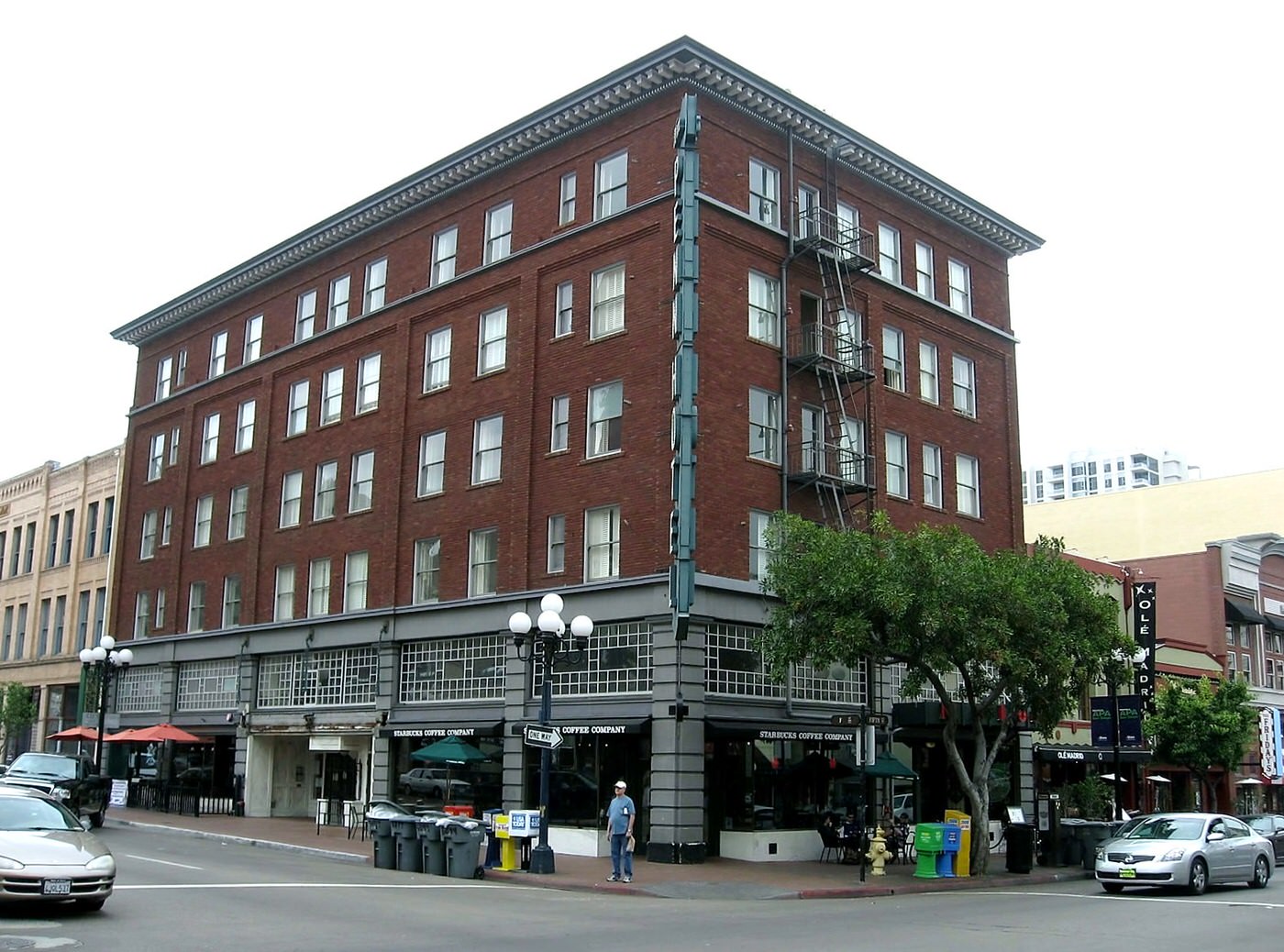
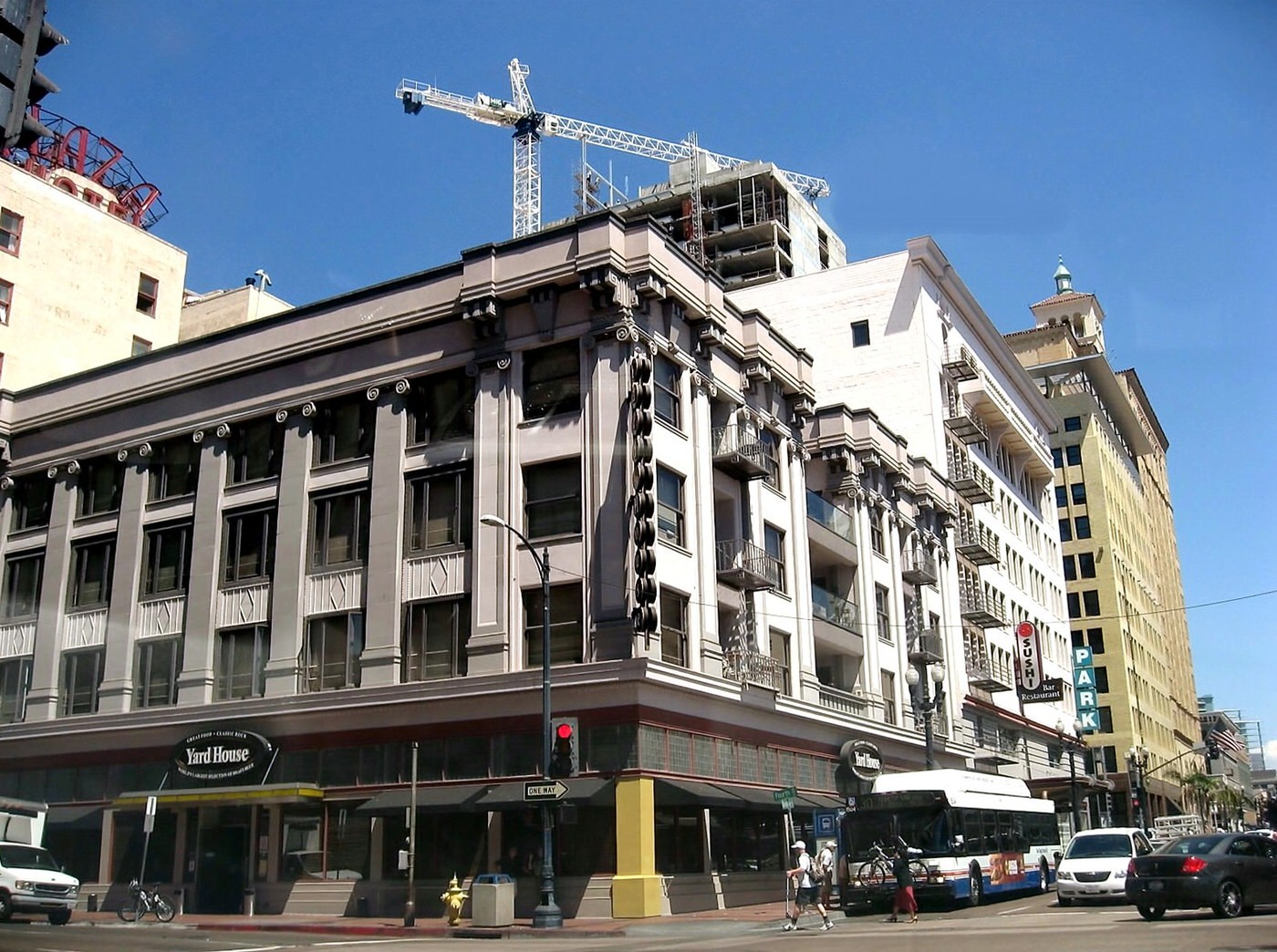
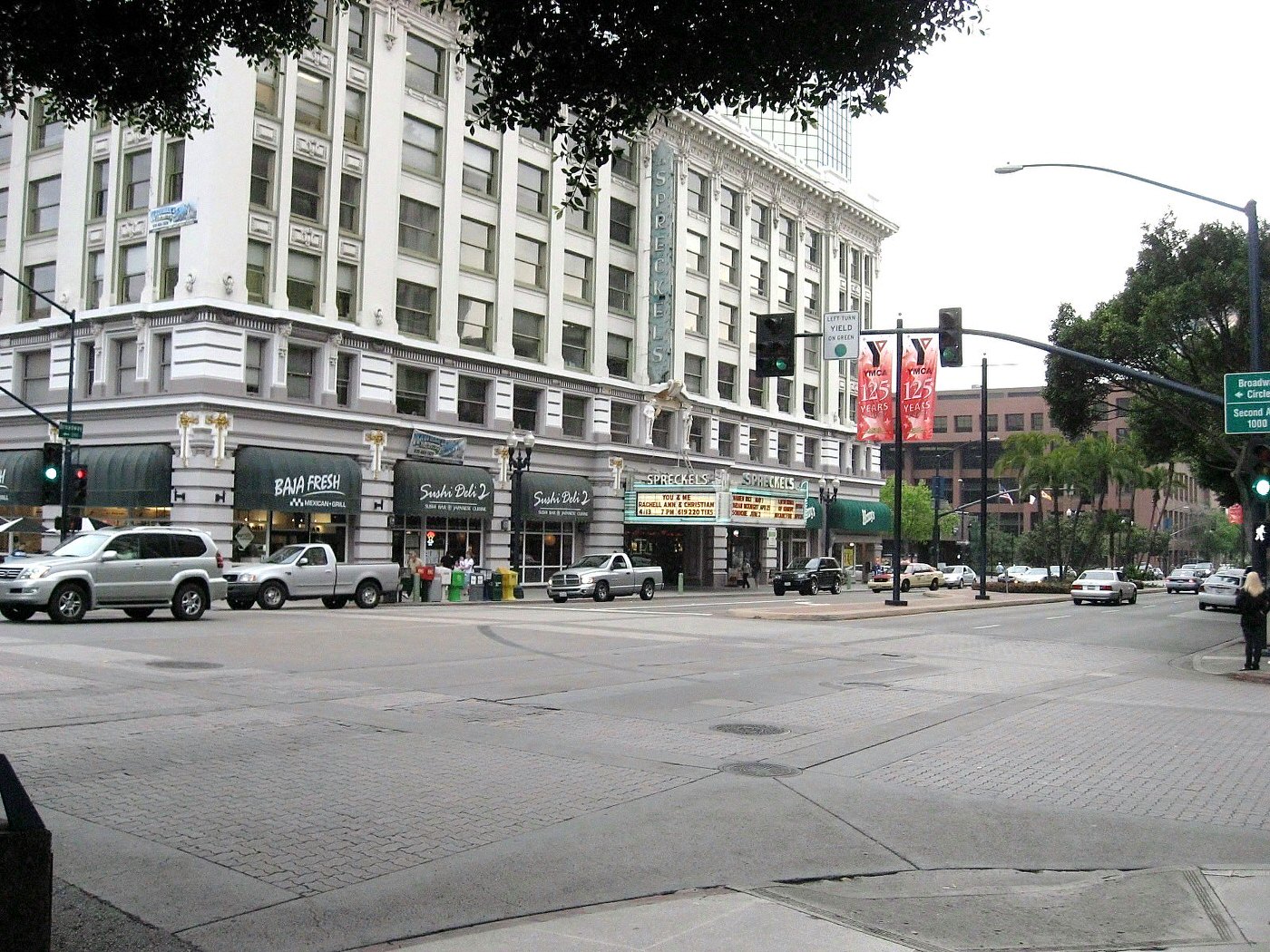
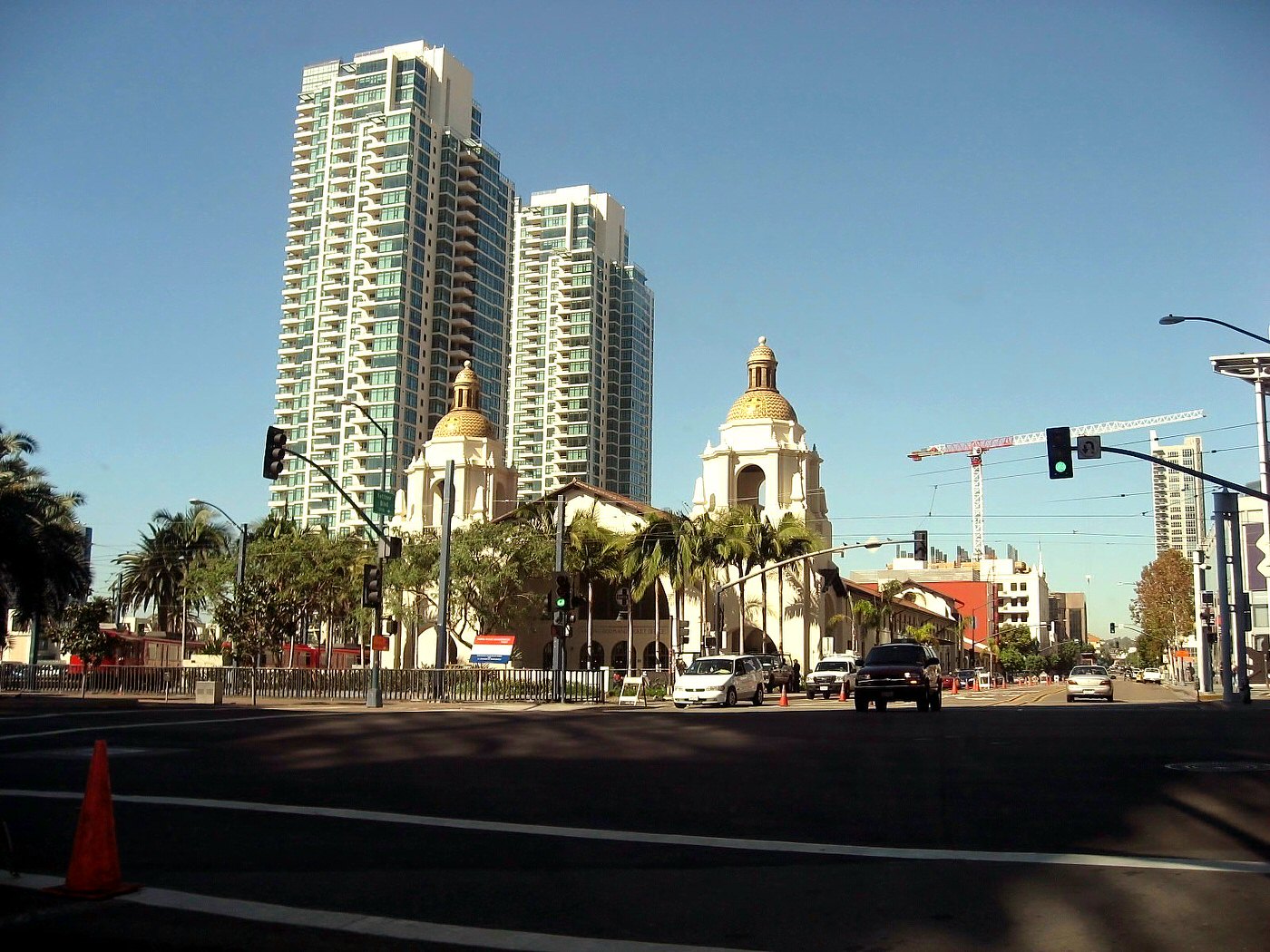
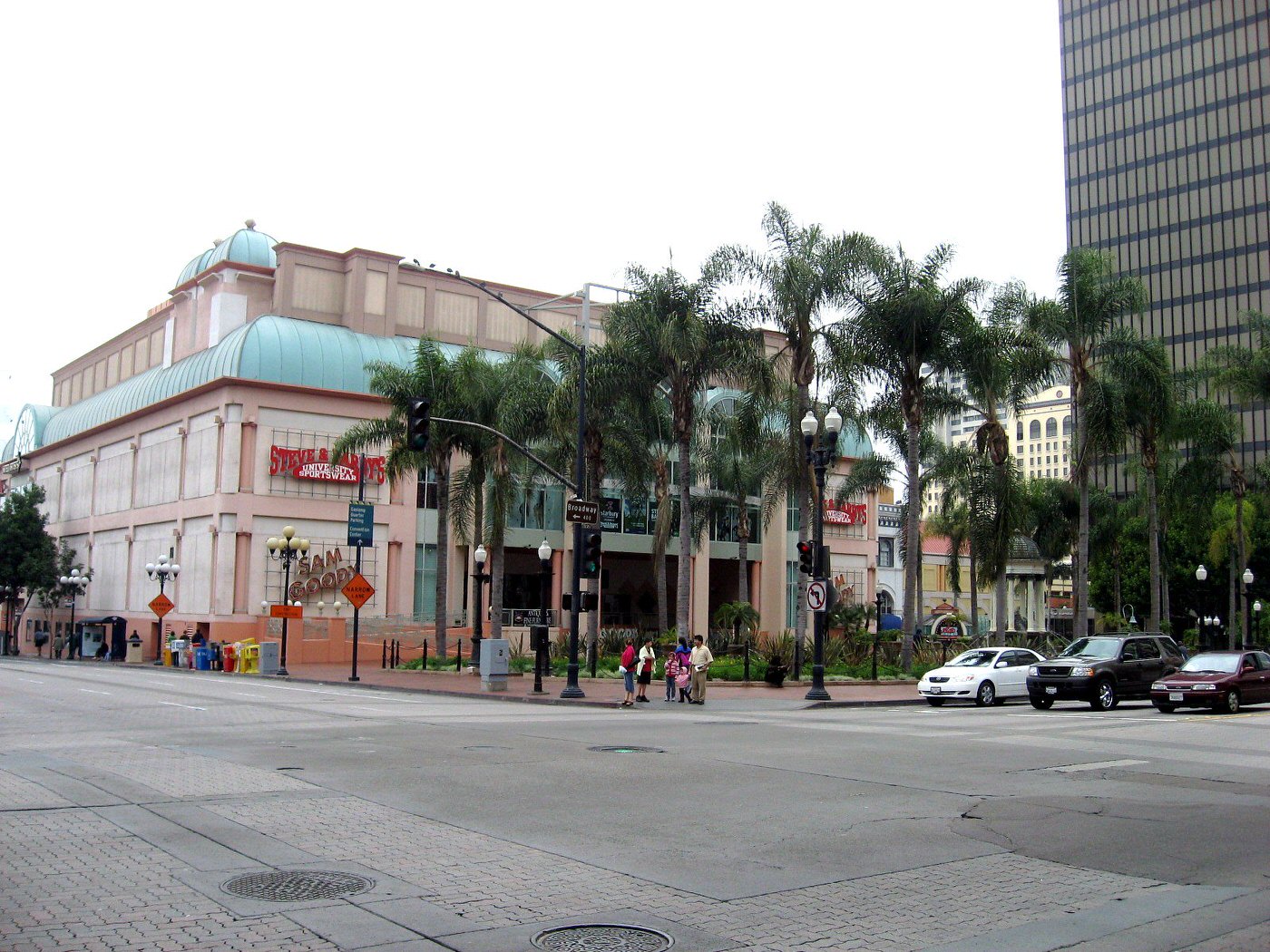
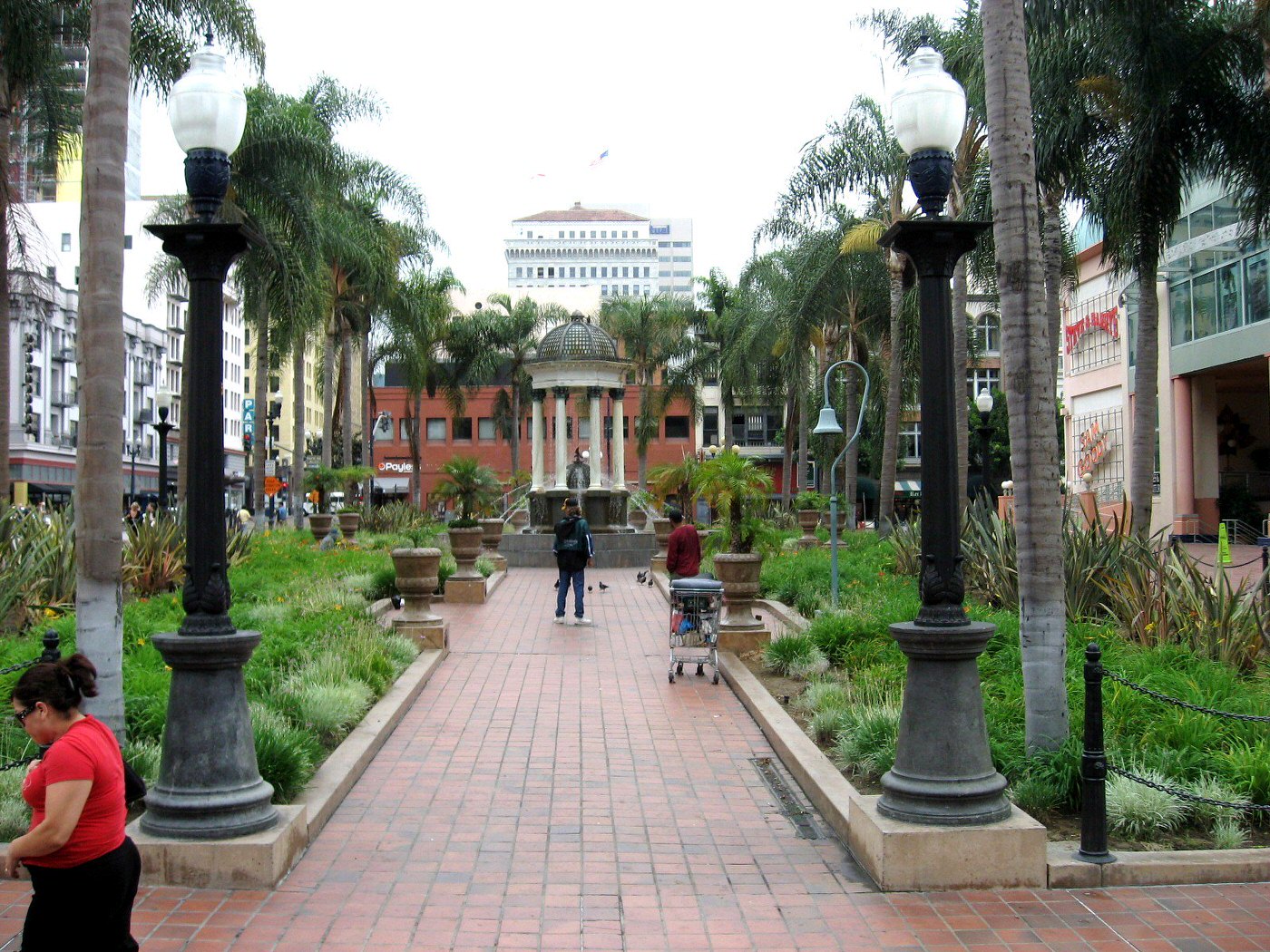
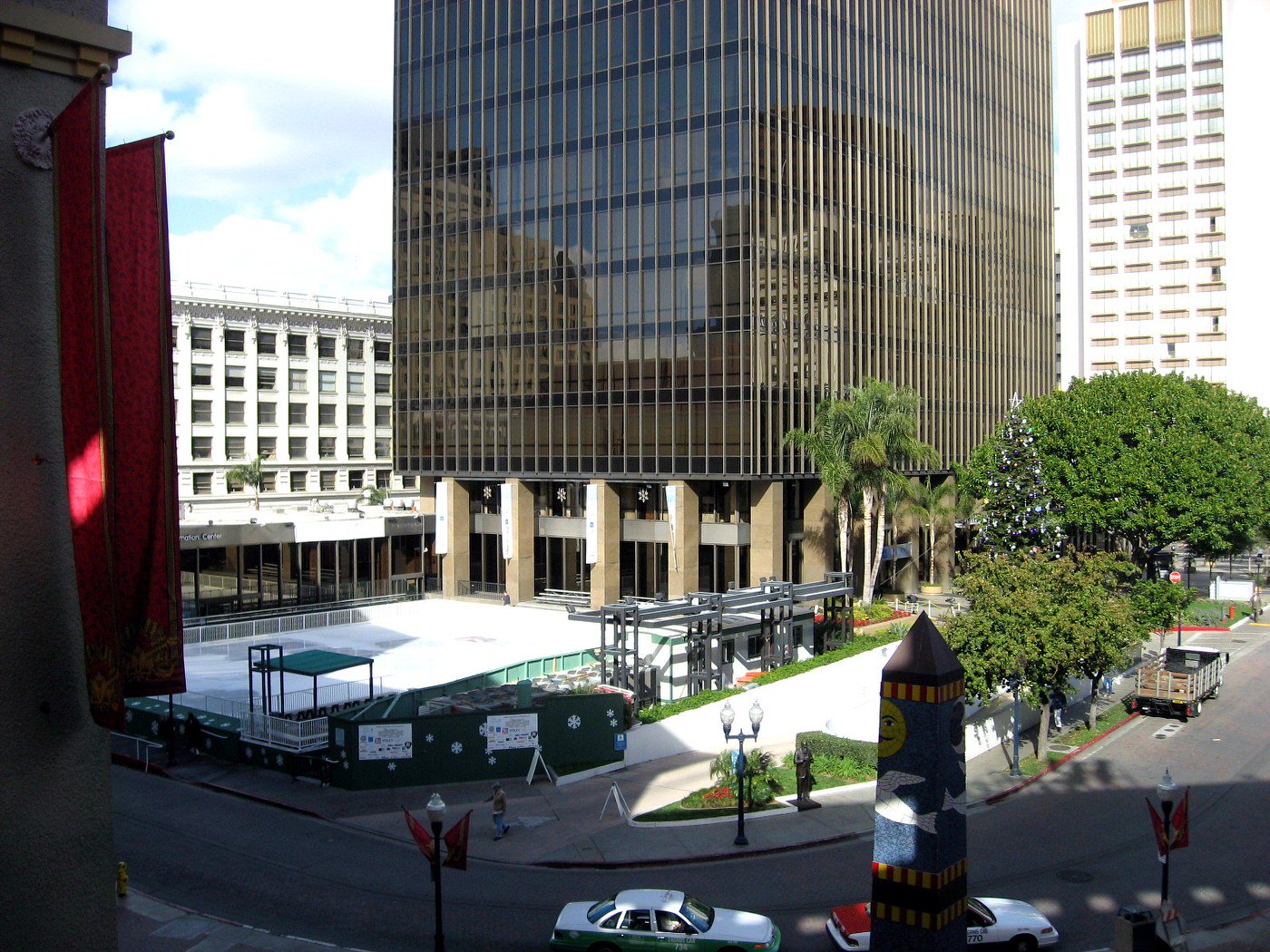
This East Village boom was part of a larger downtown residential surge that peaked mid-decade. Fueled by low interest rates and soaring housing prices – what became known as the housing bubble – cranes dotted the downtown skyline as numerous condominium towers were built in Core Columbia, Little Italy, and the Marina District. The Gaslamp Quarter remained a popular entertainment hub, and Little Italy solidified its reputation for dining and charm. The expanded San Diego Convention Center, completed early in the decade, helped attract major events and visitors. For several years, downtown buzzed with construction activity and a sense of urban renaissance.
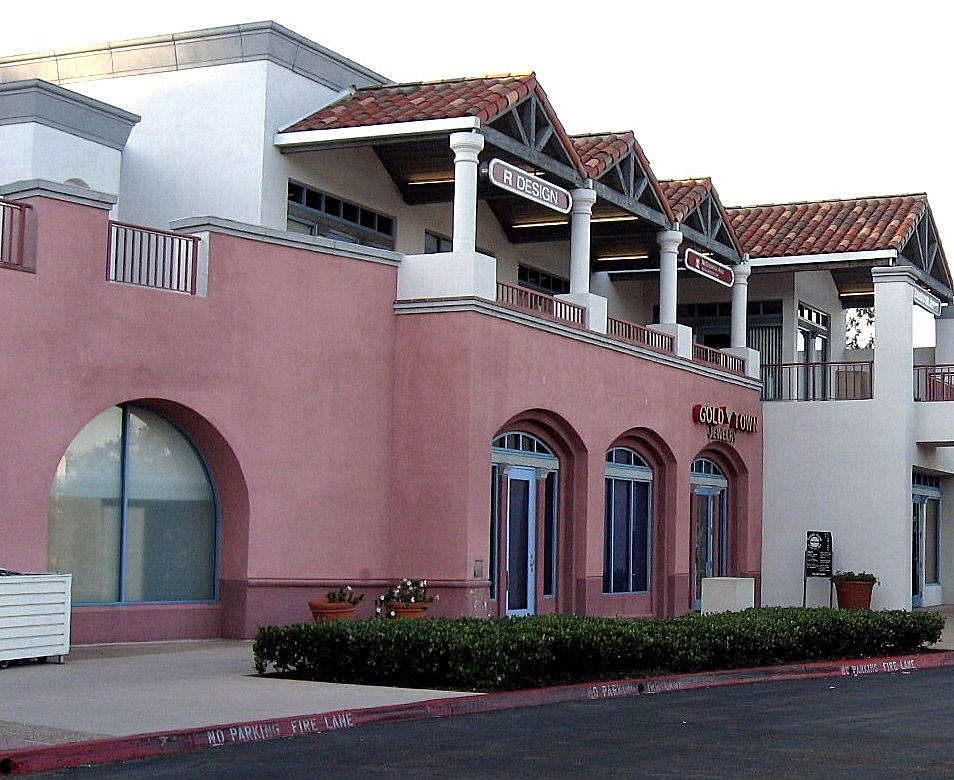
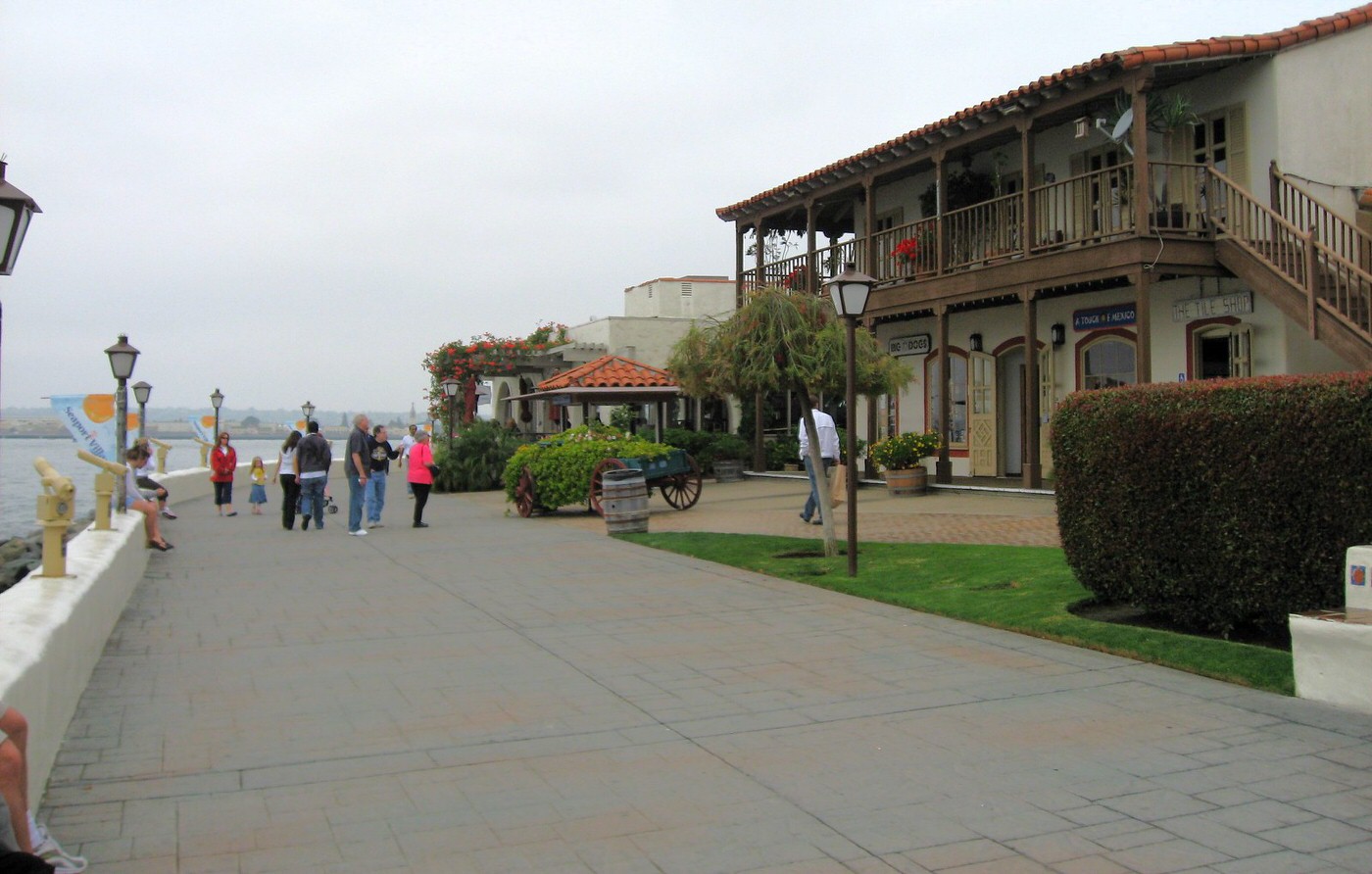
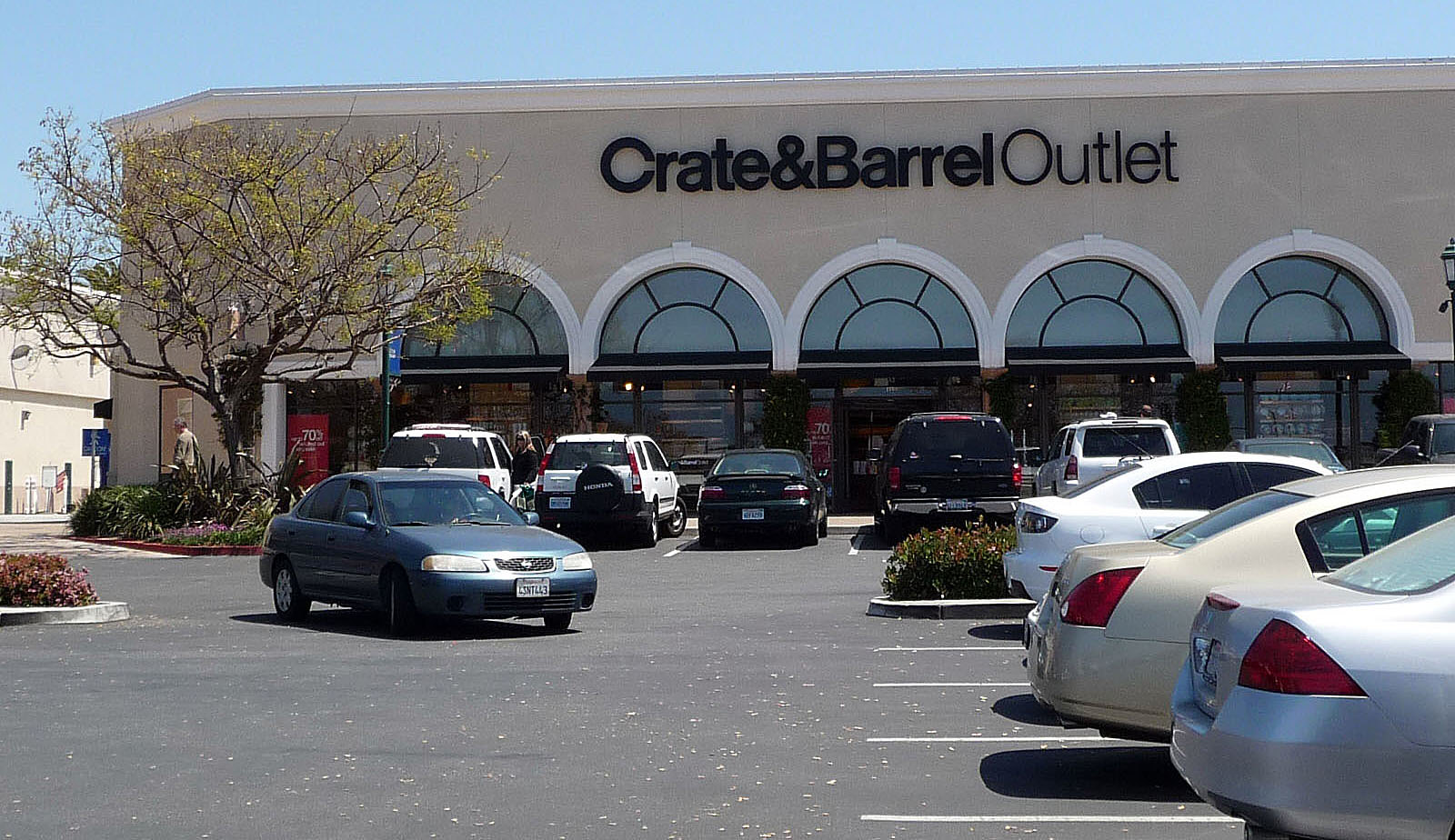
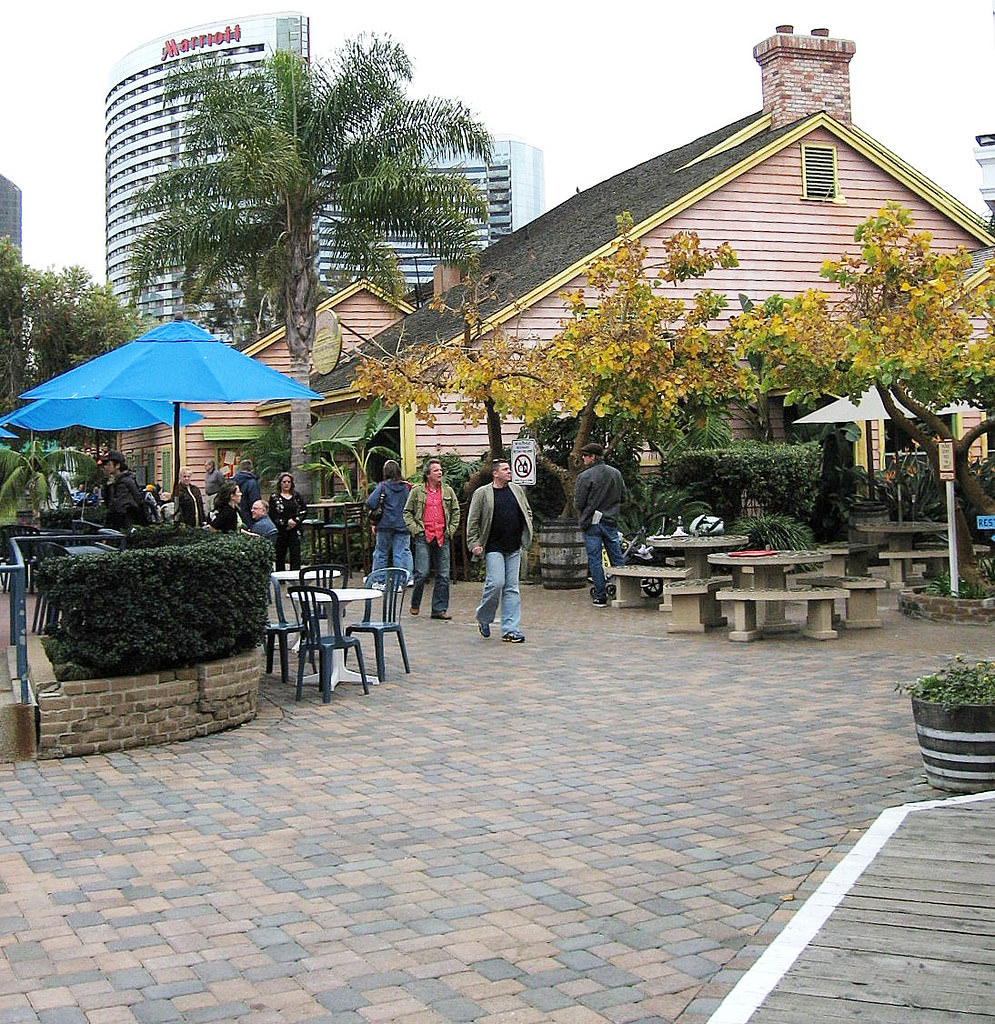
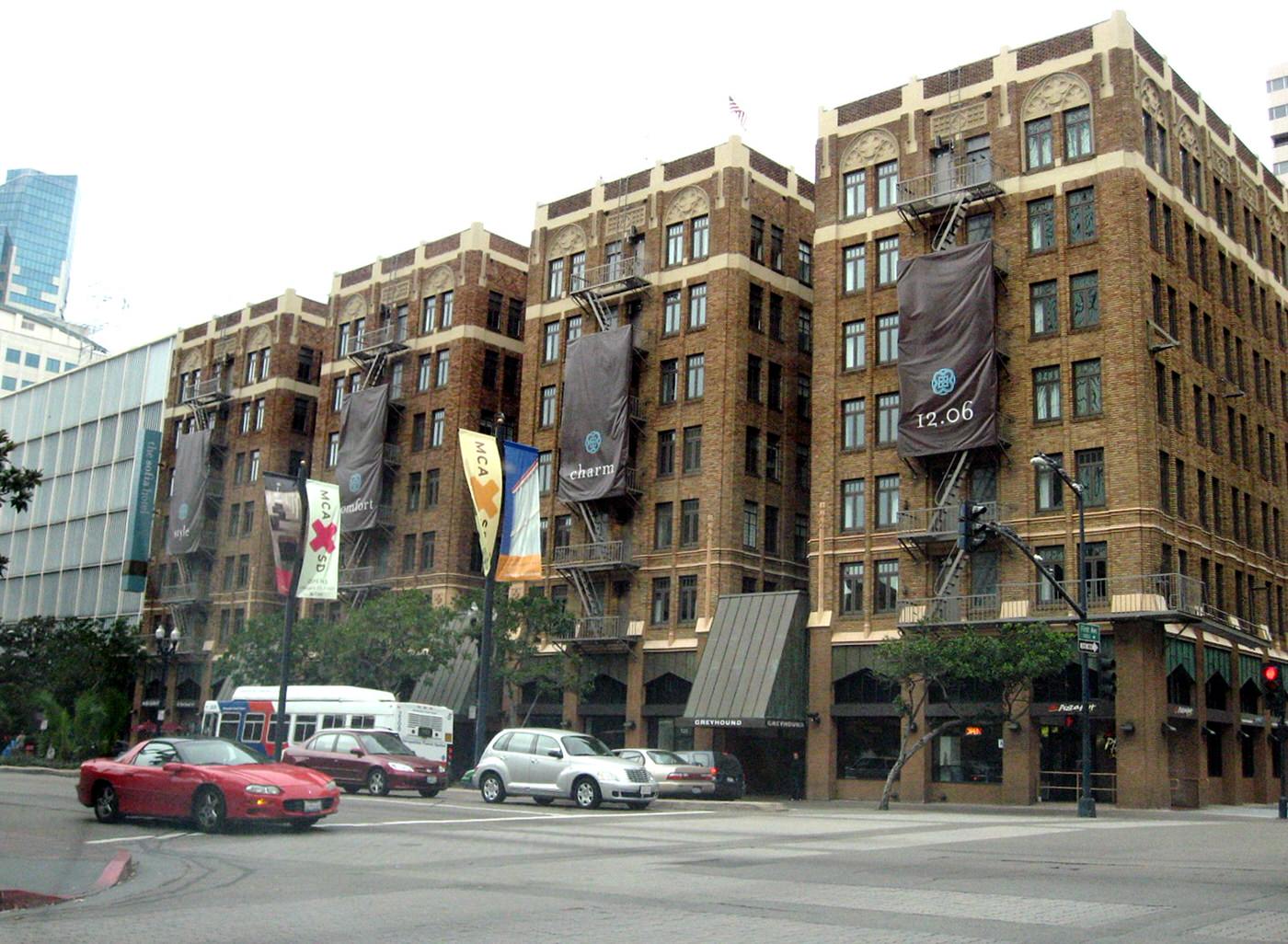
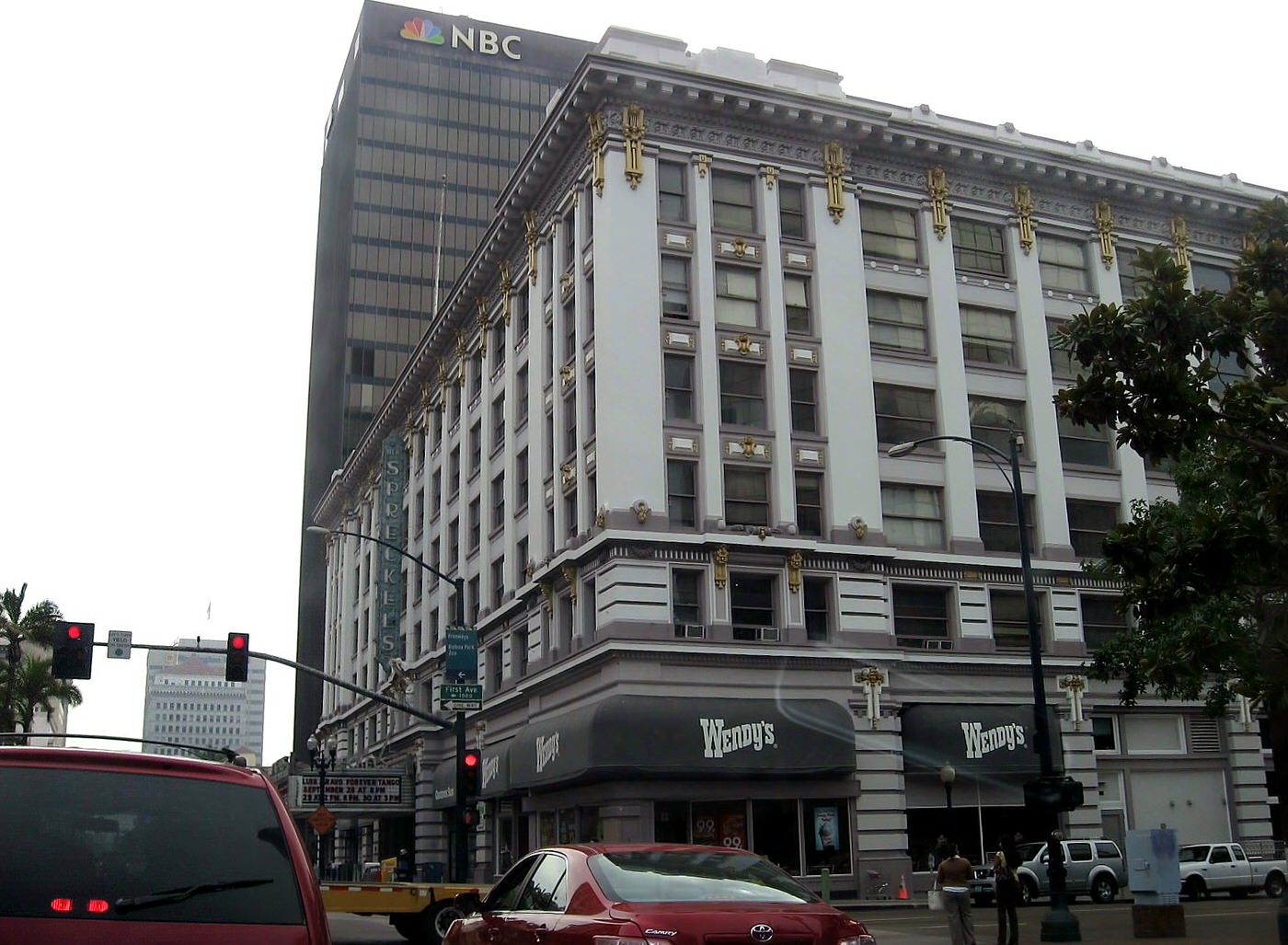
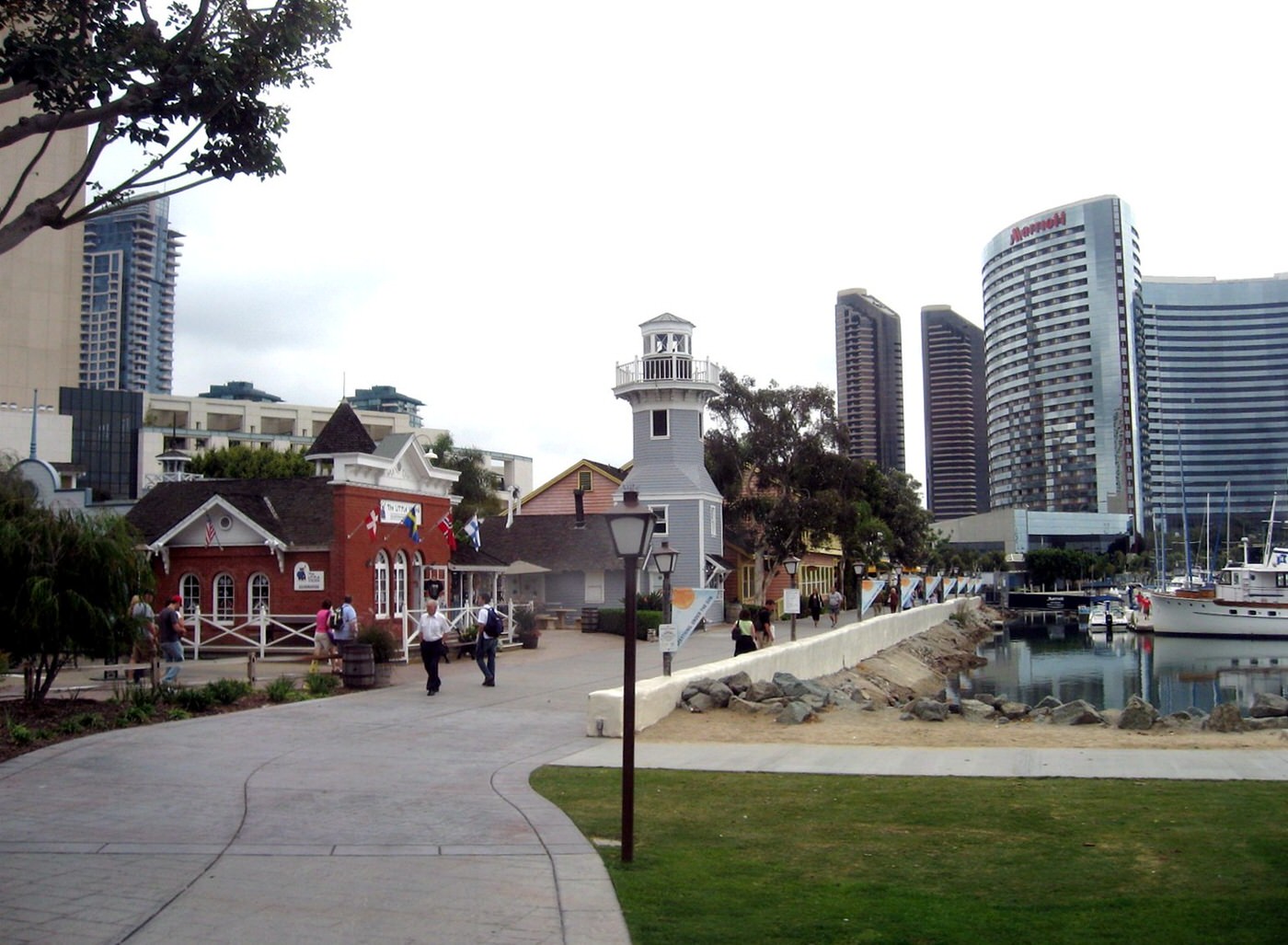
A significant redevelopment project gained momentum throughout the decade: the transformation of the former Naval Training Center (NTC) into Liberty Station. After the base closed in the 1990s, ambitious plans were made to repurpose the historic site. By the 2000s, Liberty Station was actively developing into a unique mixed-use community. Historic Navy buildings were carefully renovated to house art galleries, studios, museums, restaurants, shops, and educational institutions. New parks, homes, and commercial spaces were also integrated, creating a vibrant new district in Point Loma that preserved the site’s character.
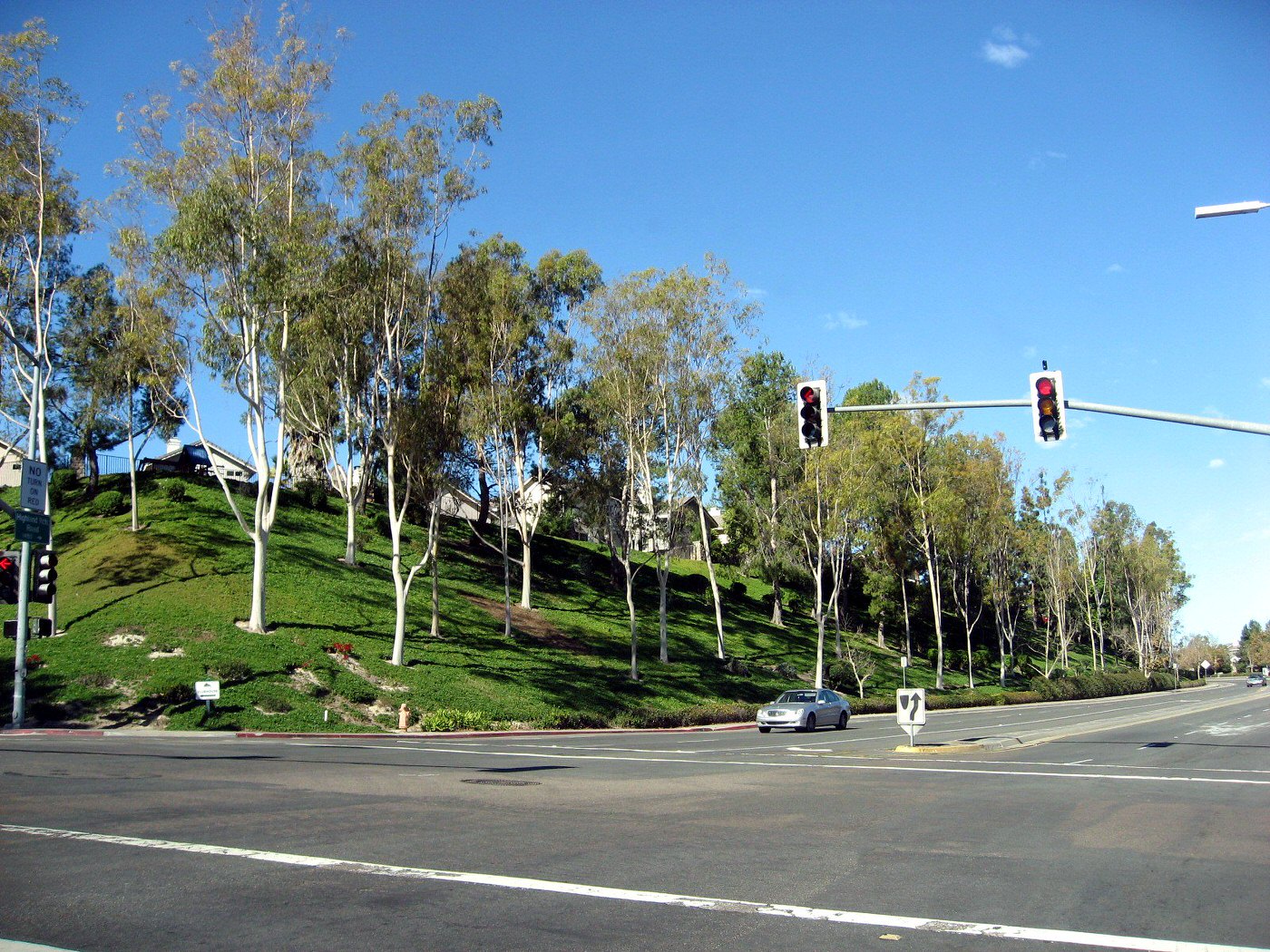
However, nature delivered harsh blows during the 2000s. In late October 2003, the Cedar Fire erupted and quickly became the largest wildfire in California history at that time. Driven by fierce Santa Ana winds, the fire swept through large parts of San Diego County, devastating communities like Scripps Ranch and Tierrasanta within the city limits, as well as many outlying areas. Thousands of homes were destroyed, and tragically, lives were lost. The smoke-choked skies and widespread destruction left a deep psychological scar on the region. Just four years later, in October 2007, another series of massive wildfires broke out, including the Witch Creek Fire, Harris Fire, and others. This firestorm again forced mass evacuations – one of the largest in U.S. history – and destroyed hundreds more homes across the county. These events dramatically increased awareness of wildfire danger in areas bordering open spaces and led to changes in building codes and emergency preparedness.
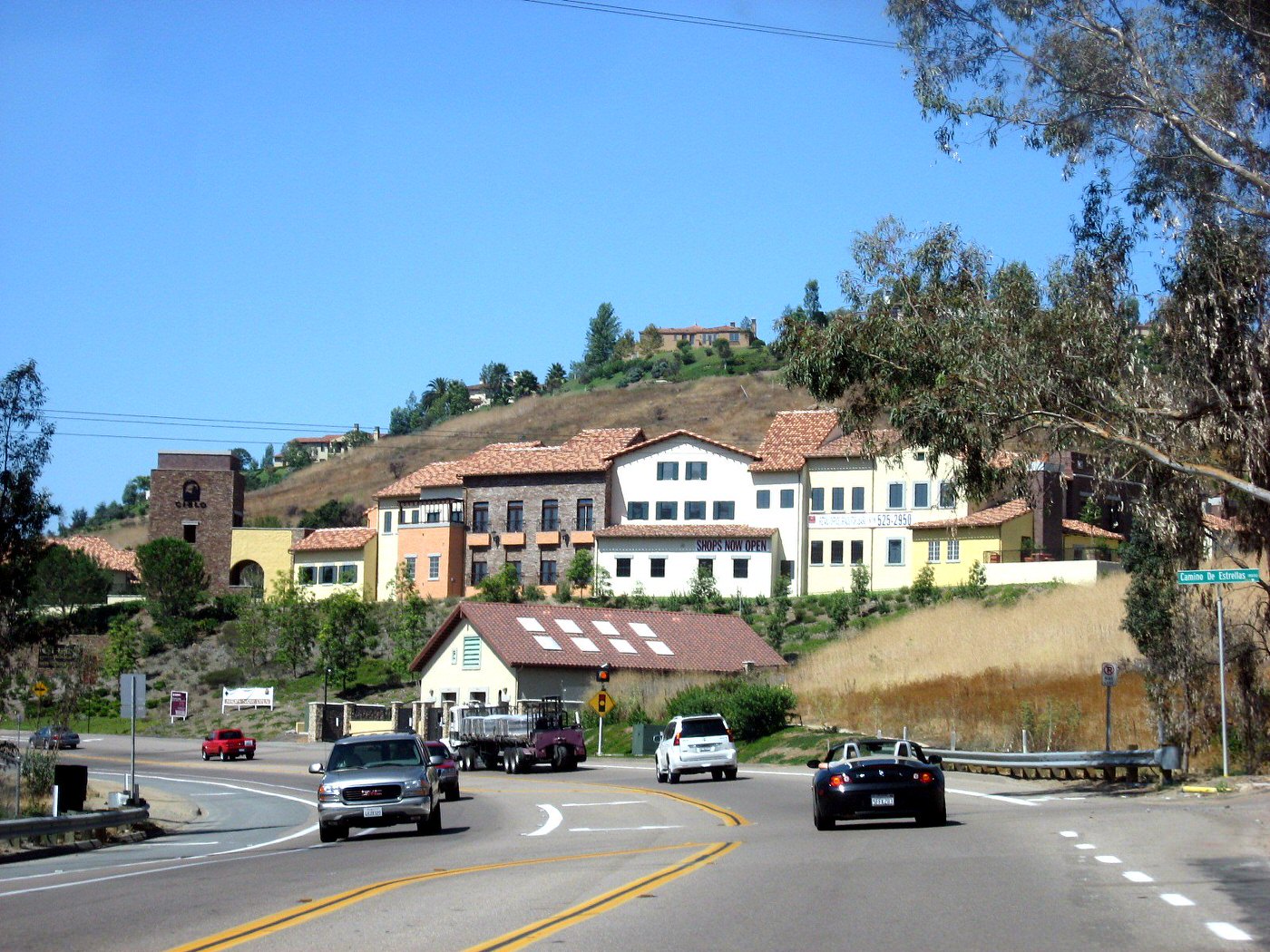
The economic boom that fueled downtown’s growth proved unsustainable. The housing bubble, characterized by rapidly escalating home prices and risky lending practices, began to burst around 2007. Home values started to plummet, leaving many homeowners owing more on their mortgages than their properties were worth. This housing crash triggered a broader financial crisis and led to the Great Recession, which hit San Diego hard in the latter part of the decade. Construction projects stalled, businesses closed, and unemployment rose significantly. Foreclosures became common across the county, impacting both new suburban developments and established neighborhoods. The economic hardship marked a stark contrast to the prosperity of the mid-2000s.
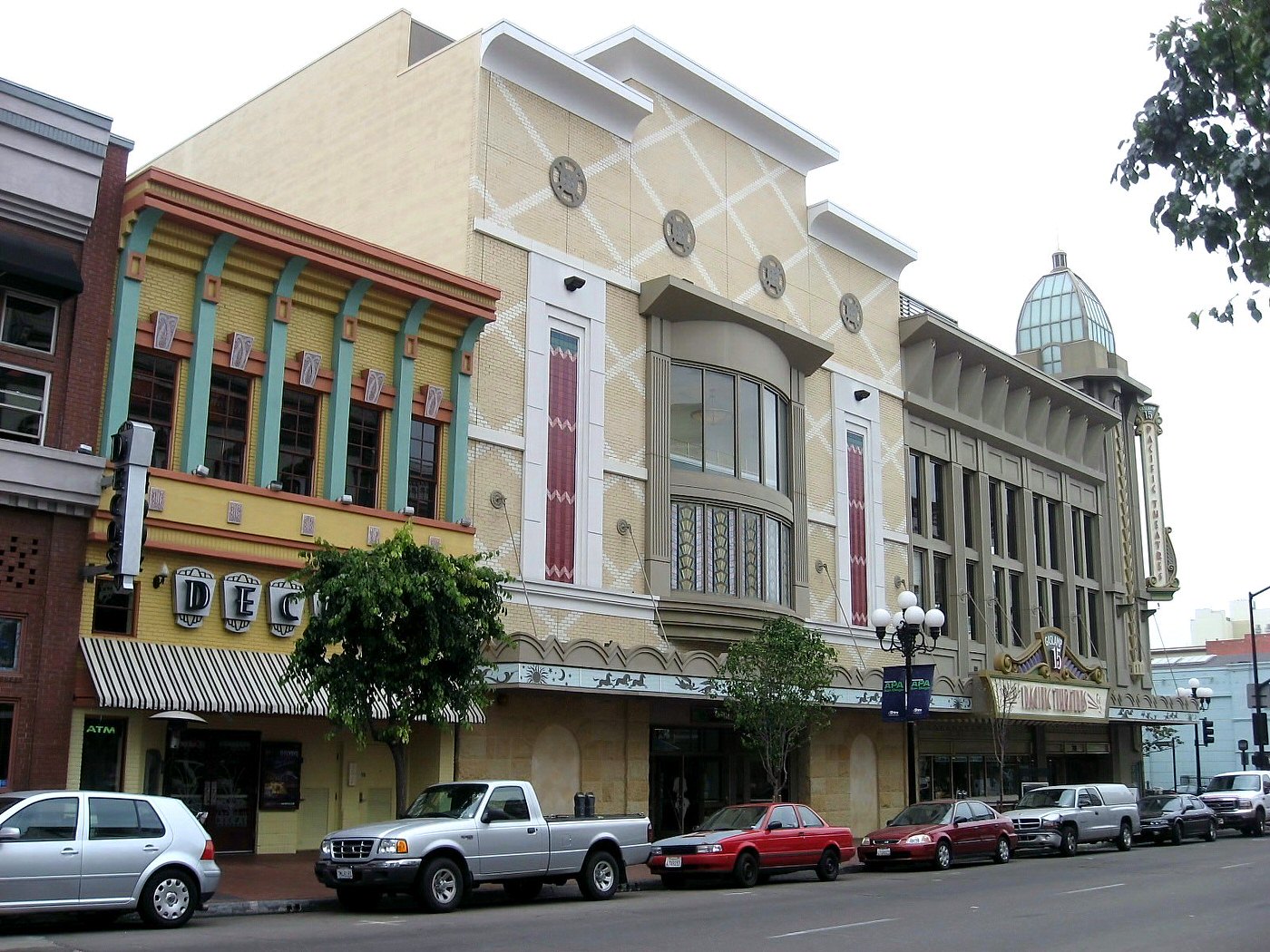
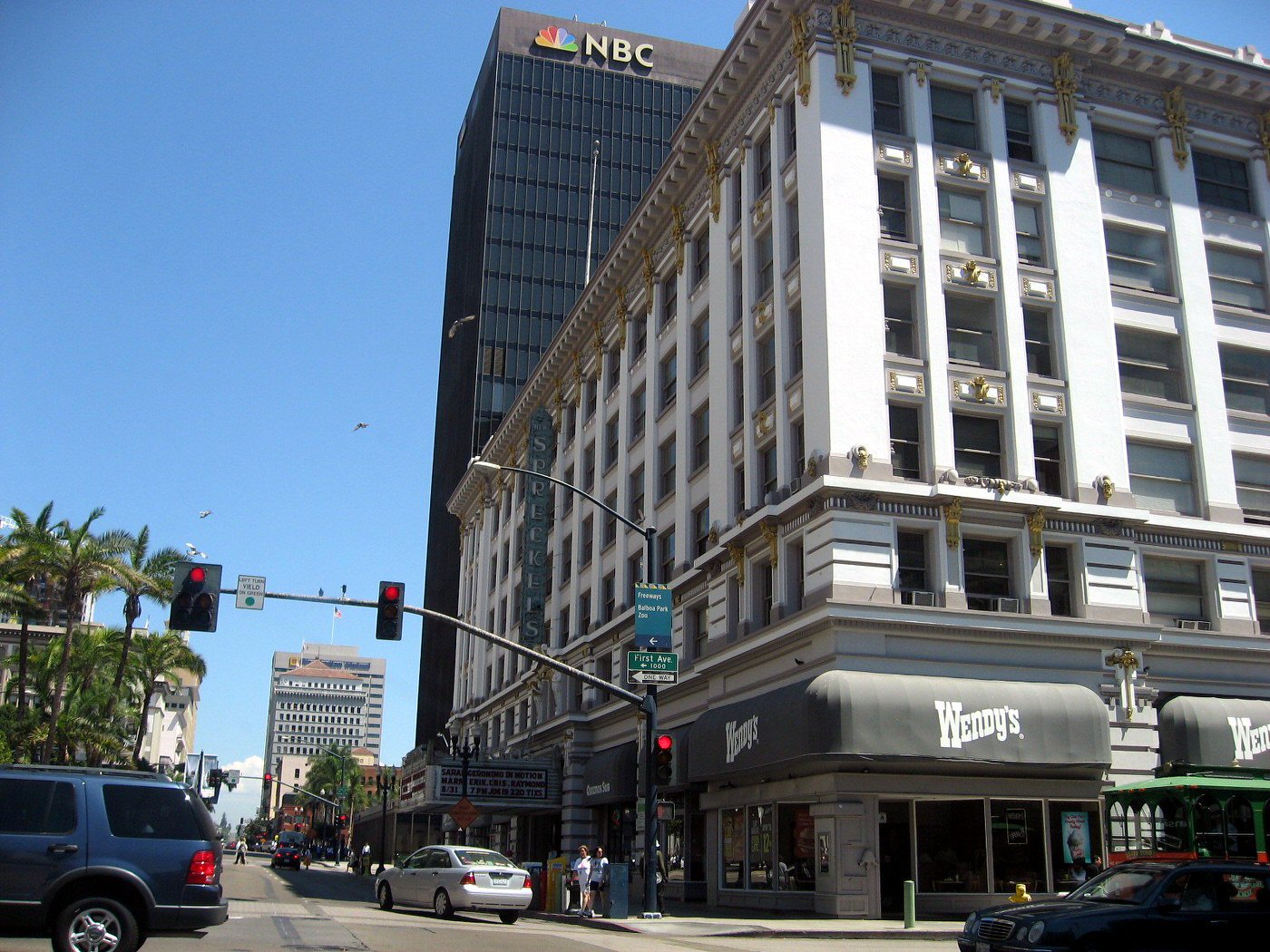
City Hall also faced significant turmoil during this period. A major scandal erupted over the underfunding of the city employee pension system. Complex financial decisions made over years had created a massive deficit, threatening the city’s financial stability. The controversy led to investigations, lawsuits, and political upheaval. Mayor Dick Murphy resigned under pressure in 2005. A special election brought former police chief Jerry Sanders into the mayor’s office, tasked with navigating the financial crisis, restoring public trust, and making difficult budget cuts, especially as the Great Recession further strained city resources.
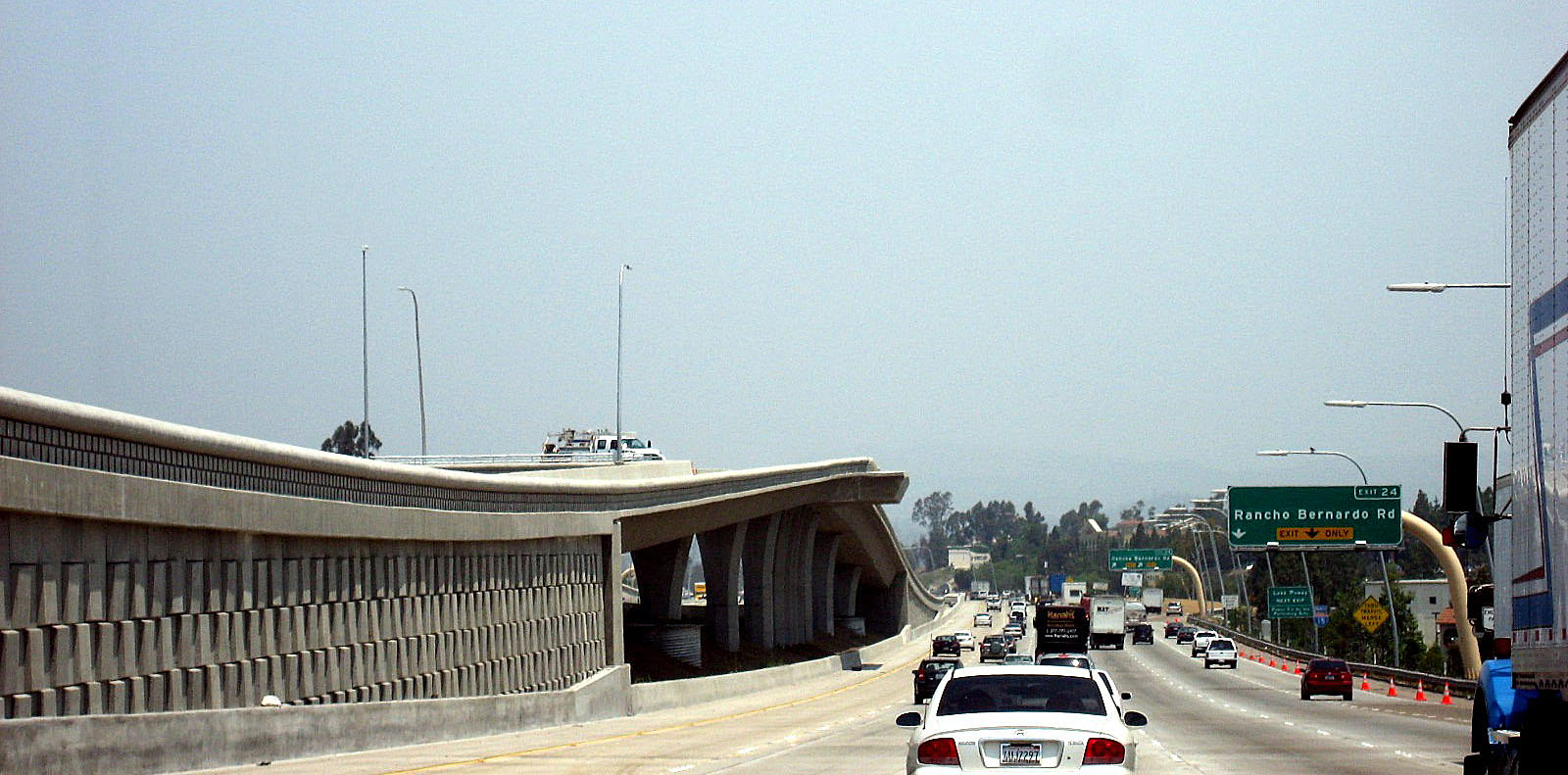
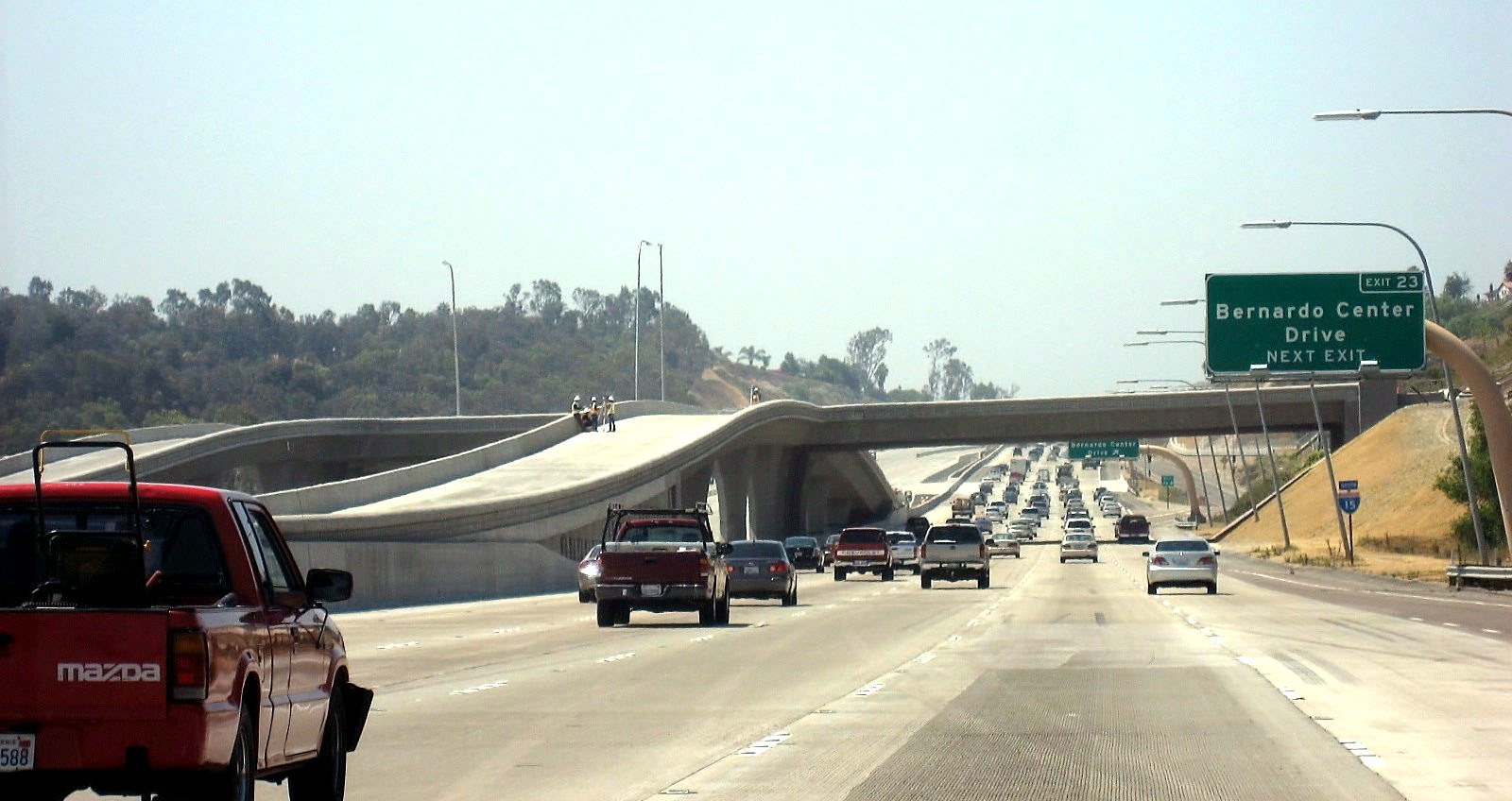
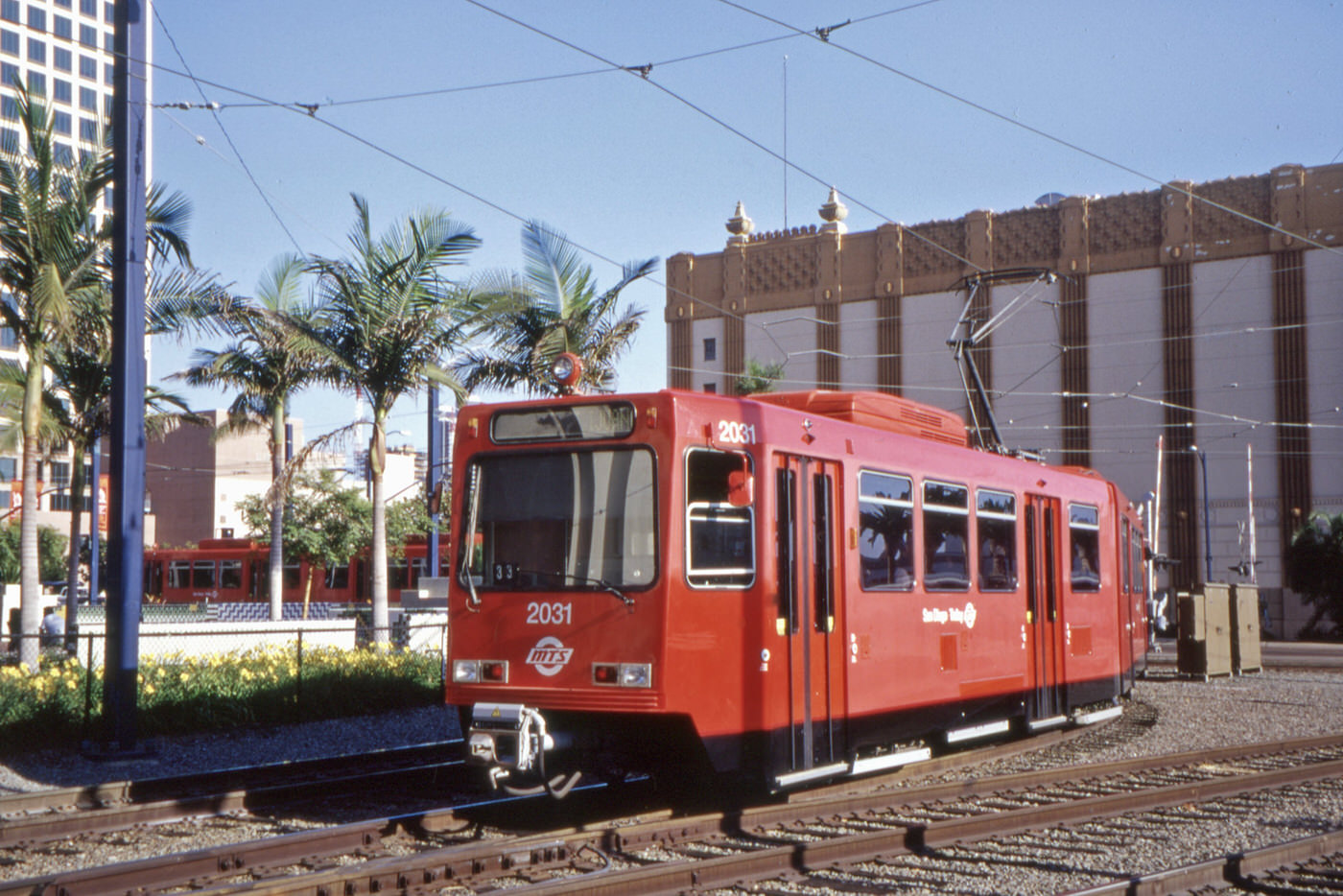
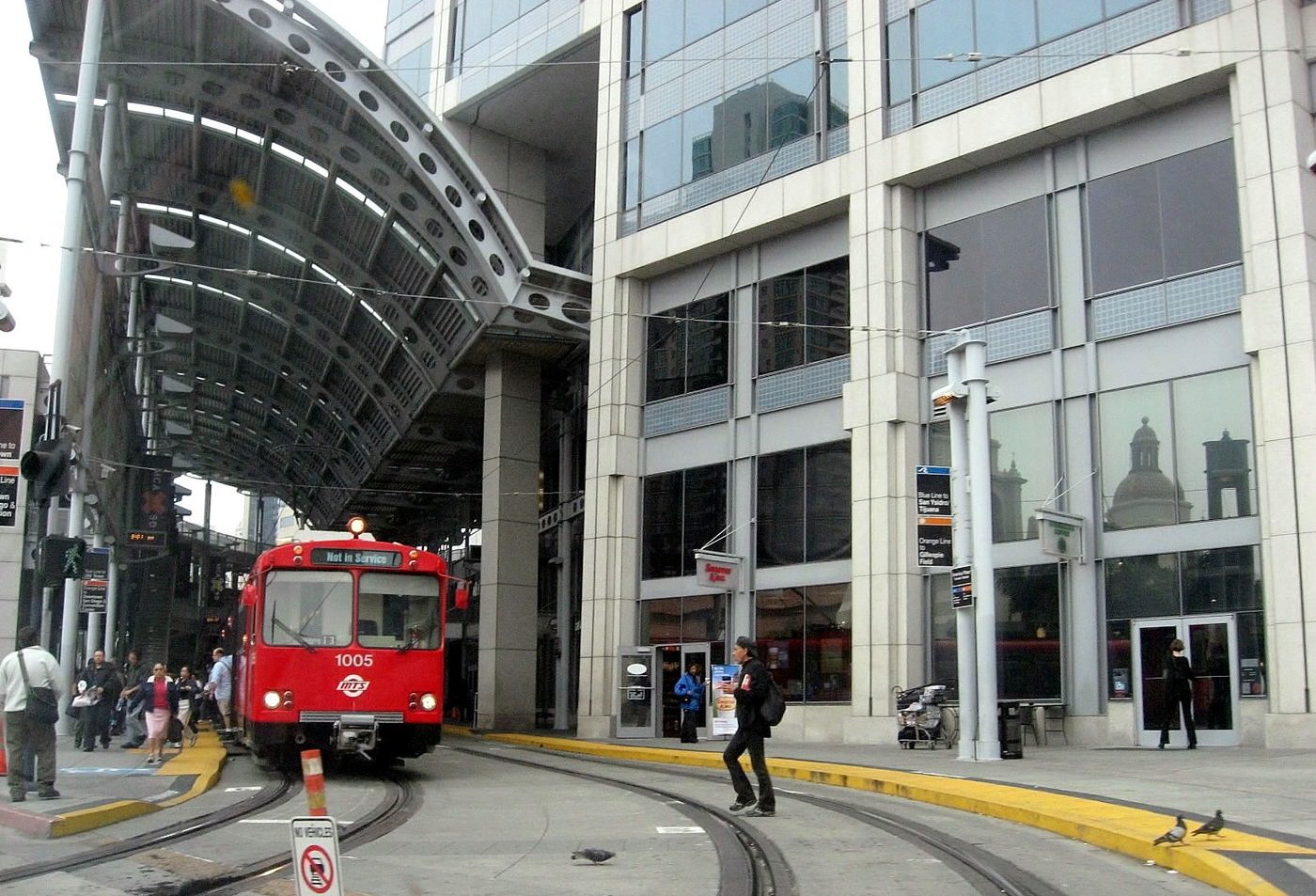
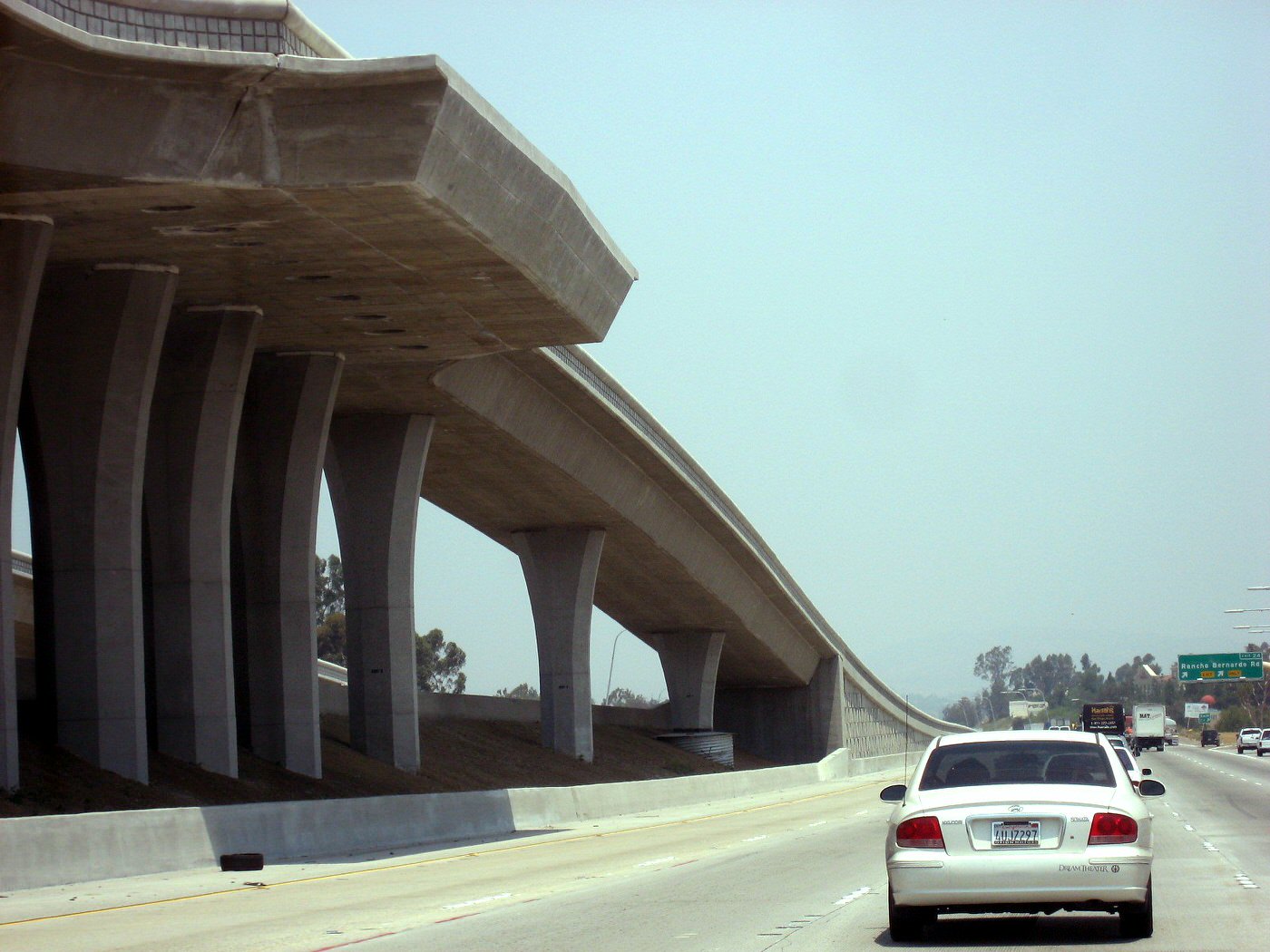
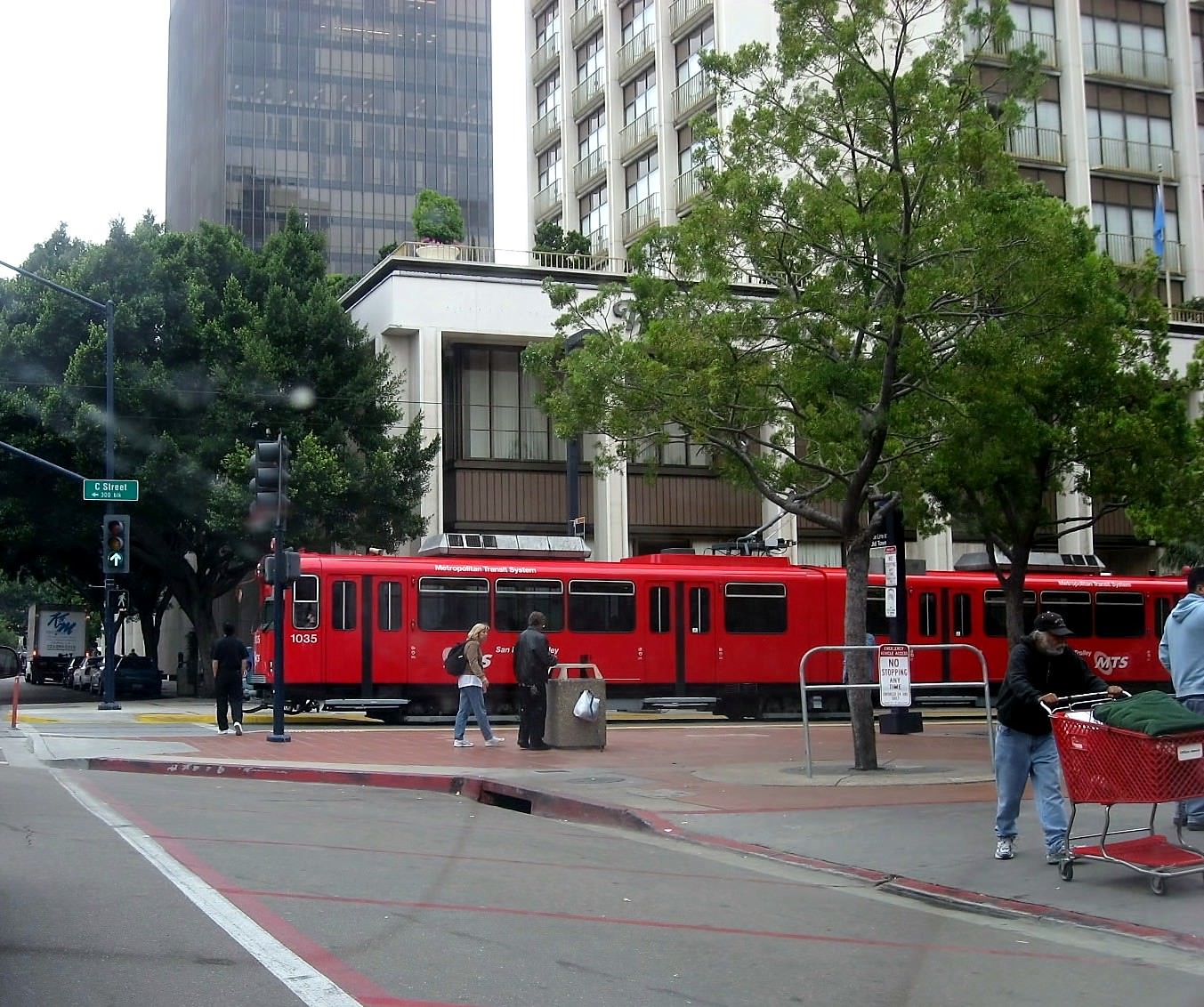
Despite economic challenges, infrastructure projects moved forward. The San Diego Trolley’s Green Line opened in 2005, providing a long-awaited connection through Mission Valley, linking Old Town, Qualcomm Stadium, San Diego State University (via an underground station completed earlier), and East County cities like La Mesa and El Cajon. This significantly expanded the reach of the light rail system. In North County, the Sprinter light rail line began service in 2008, connecting Oceanside, Vista, San Marcos, and Escondido along an existing railway corridor. Roadwork also continued, with projects like the State Route 125 toll road (South Bay Expressway) opening to provide a new option for South County commuters.
The digital revolution accelerated rapidly in the 2000s. High-speed internet access became more common, replacing slow dial-up for many. Social media platforms emerged and exploded in popularity, with MySpace dominating early on, followed by the rise of Facebook towards the end of the decade. Portable digital music players like the iPod became ubiquitous. The first smartphones, most notably the iPhone released in 2007, began to merge internet access, communication, and entertainment into a single handheld device, hinting at the even greater technological changes to come.
Other notable events occurred, such as a significant landslide in La Jolla in 2007 that destroyed several homes and forced evacuations. Established attractions like the San Diego Zoo, Wild Animal Park (renamed San Diego Zoo Safari Park), SeaWorld, and Balboa Park’s museums continued to draw visitors and serve as important community assets. The decade ended with the region slowly beginning to grapple with the effects of the Great Recession, having weathered natural disasters and political crises, while also celebrating major urban developments and technological shifts.
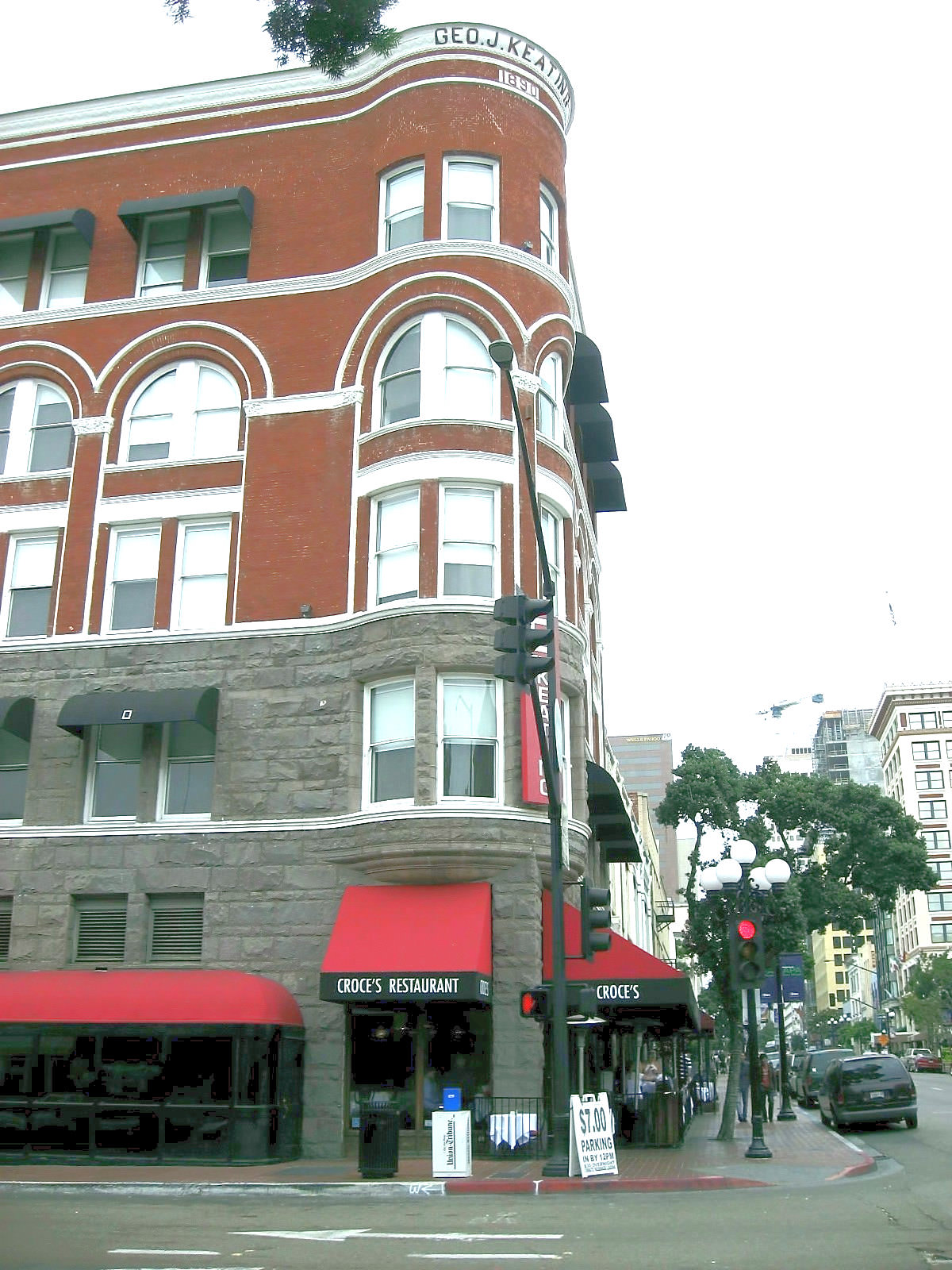
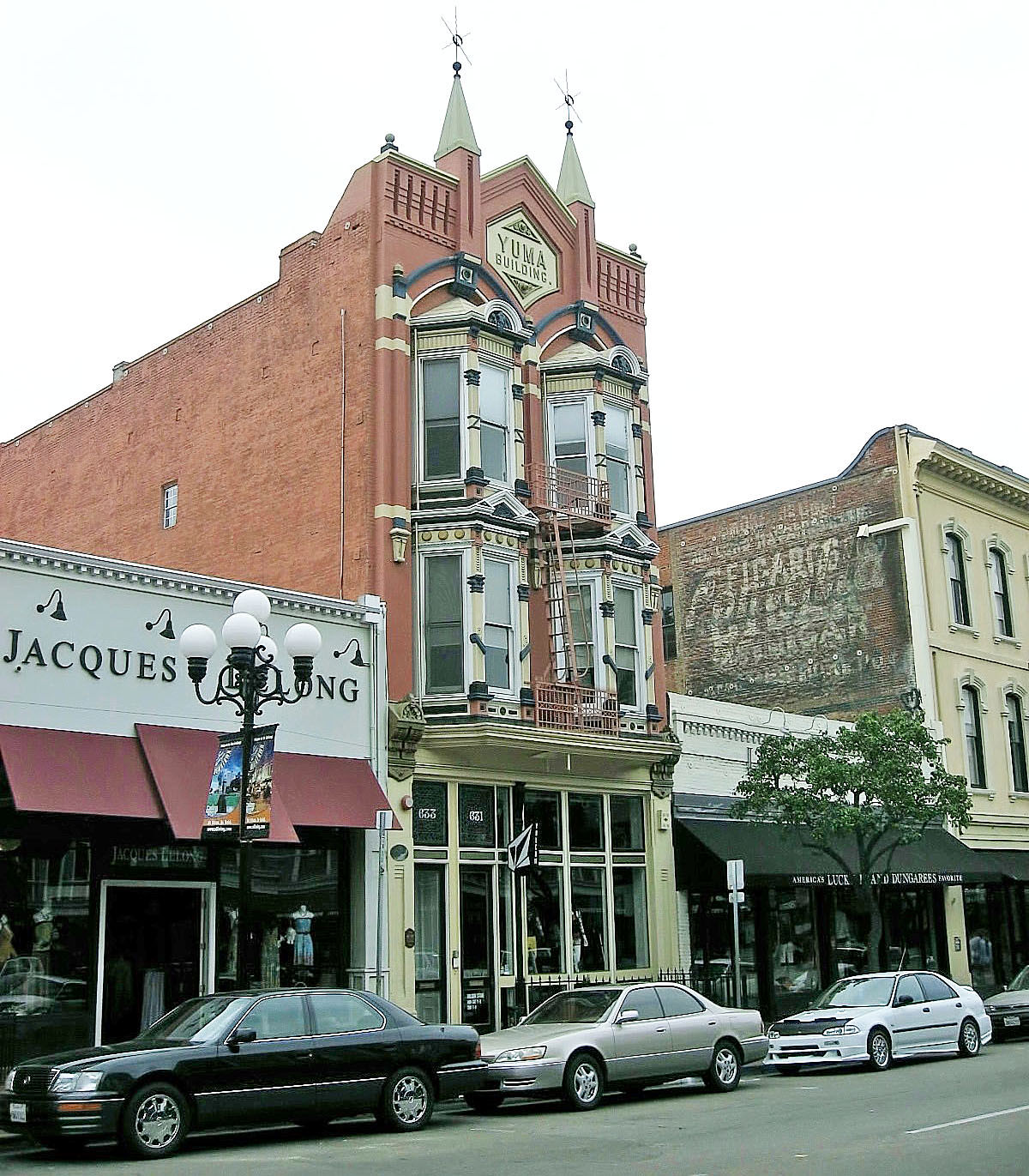
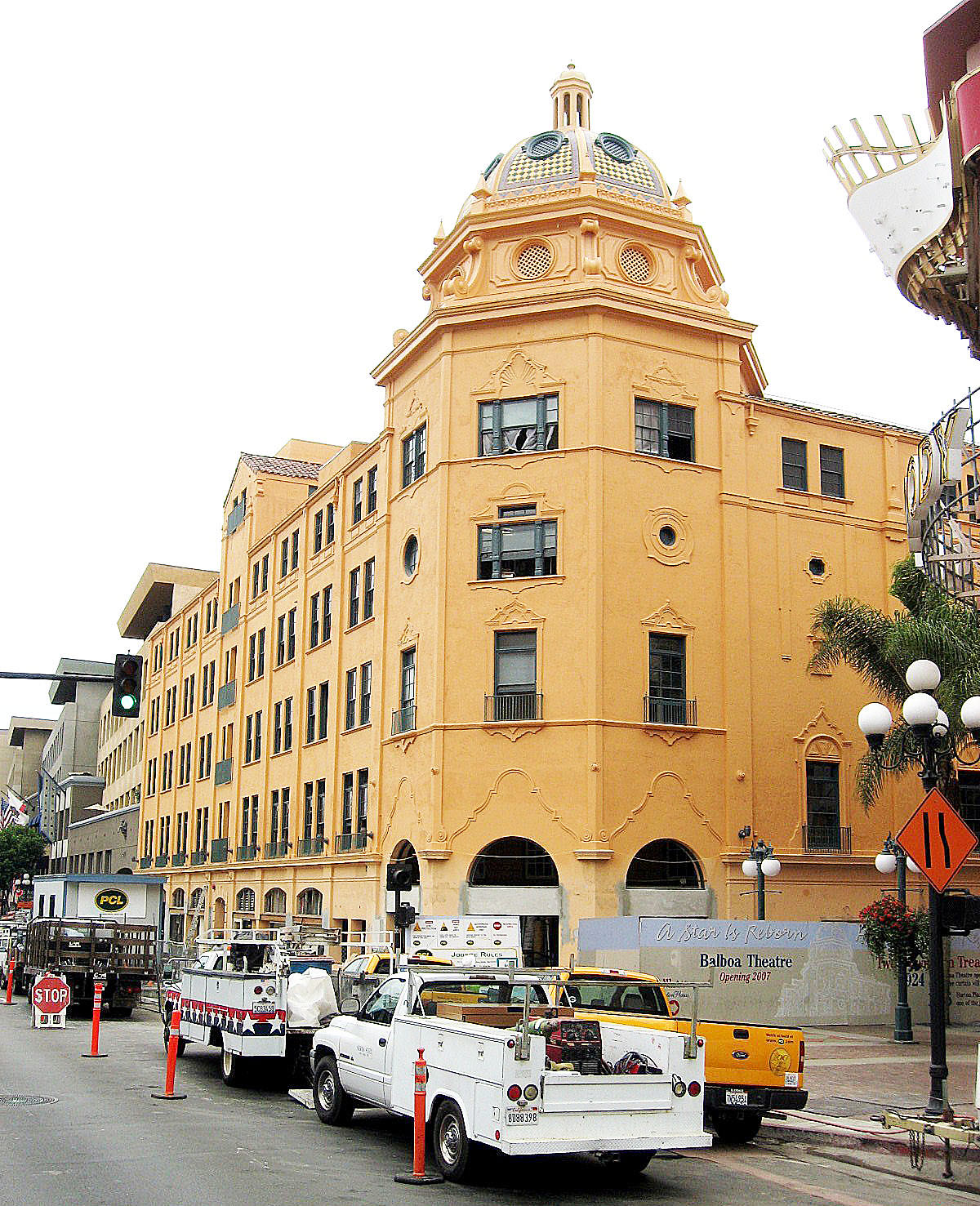
Image Credits: Image Credits: Library of Congress, UC San Diego, Wikimedia, Dave Smith, David Valenzuela
Found any mistakes? 🥺 Let us Know