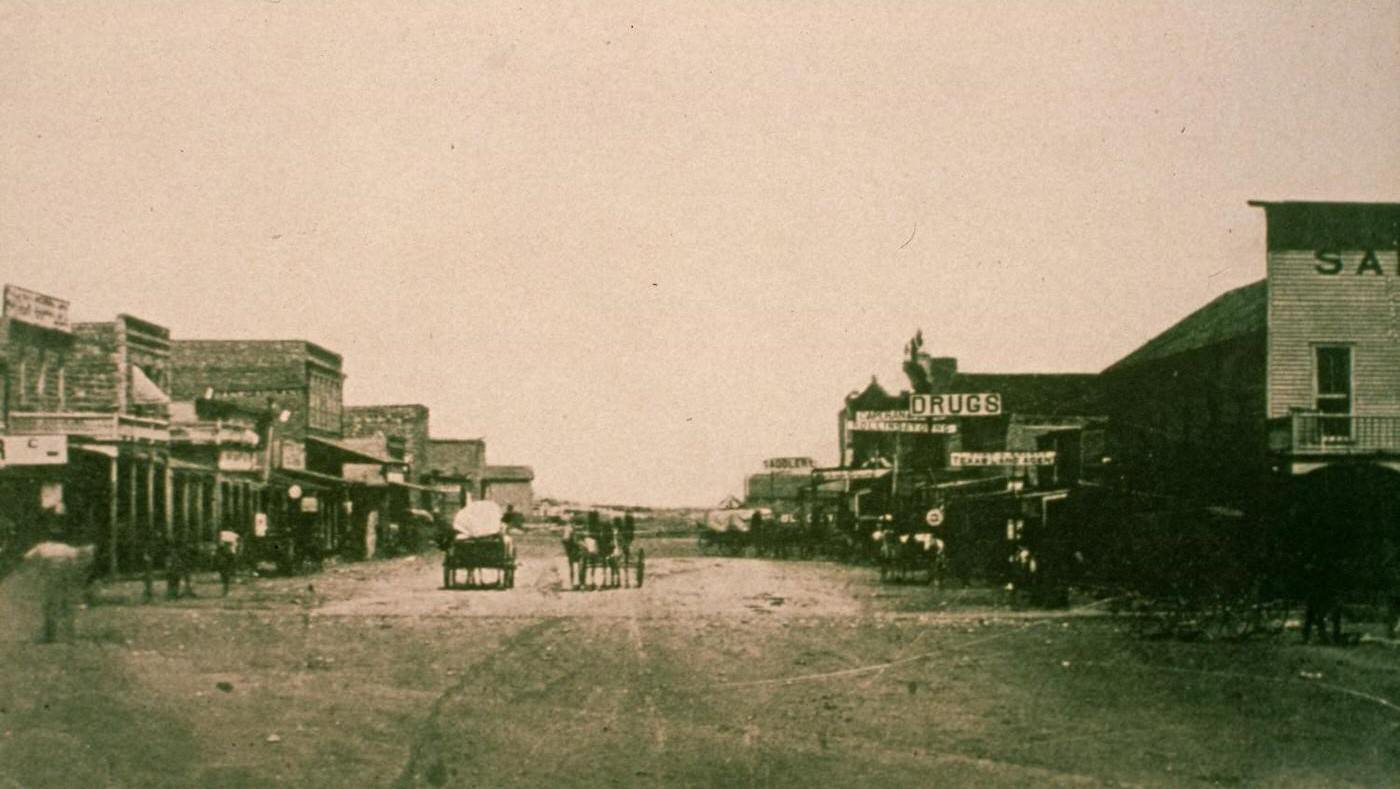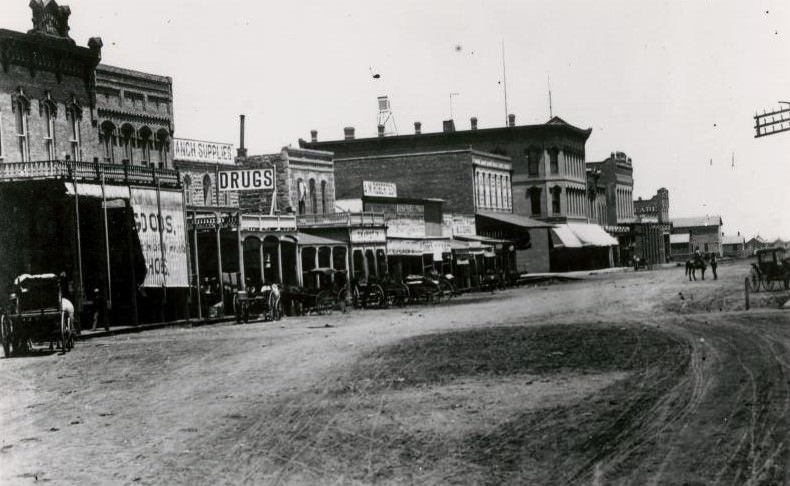
Abilene, Texas, moved into the 1990s leaving behind the economic turbulence of the previous decade and stepping towards the threshold of a new millennium. The city continued its evolution, shaped by the end of the Cold War, the beginnings of the digital revolution, and ongoing efforts to diversify its economic base. While the landscape retained familiar elements, the decade brought noticeable changes in technology, commerce, and community focus. The population continued its steady, if not explosive, growth, building on the foundations established over the previous century.
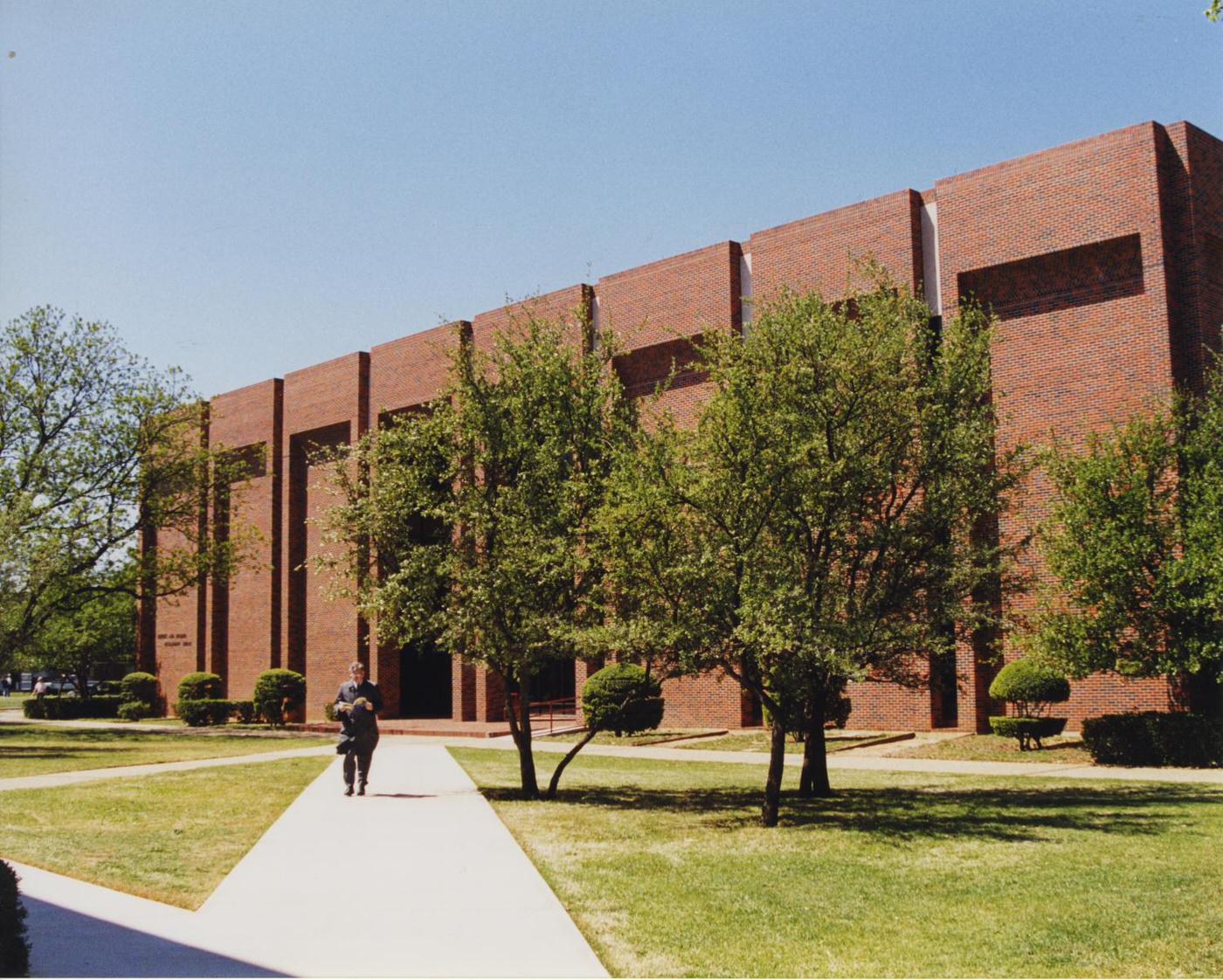
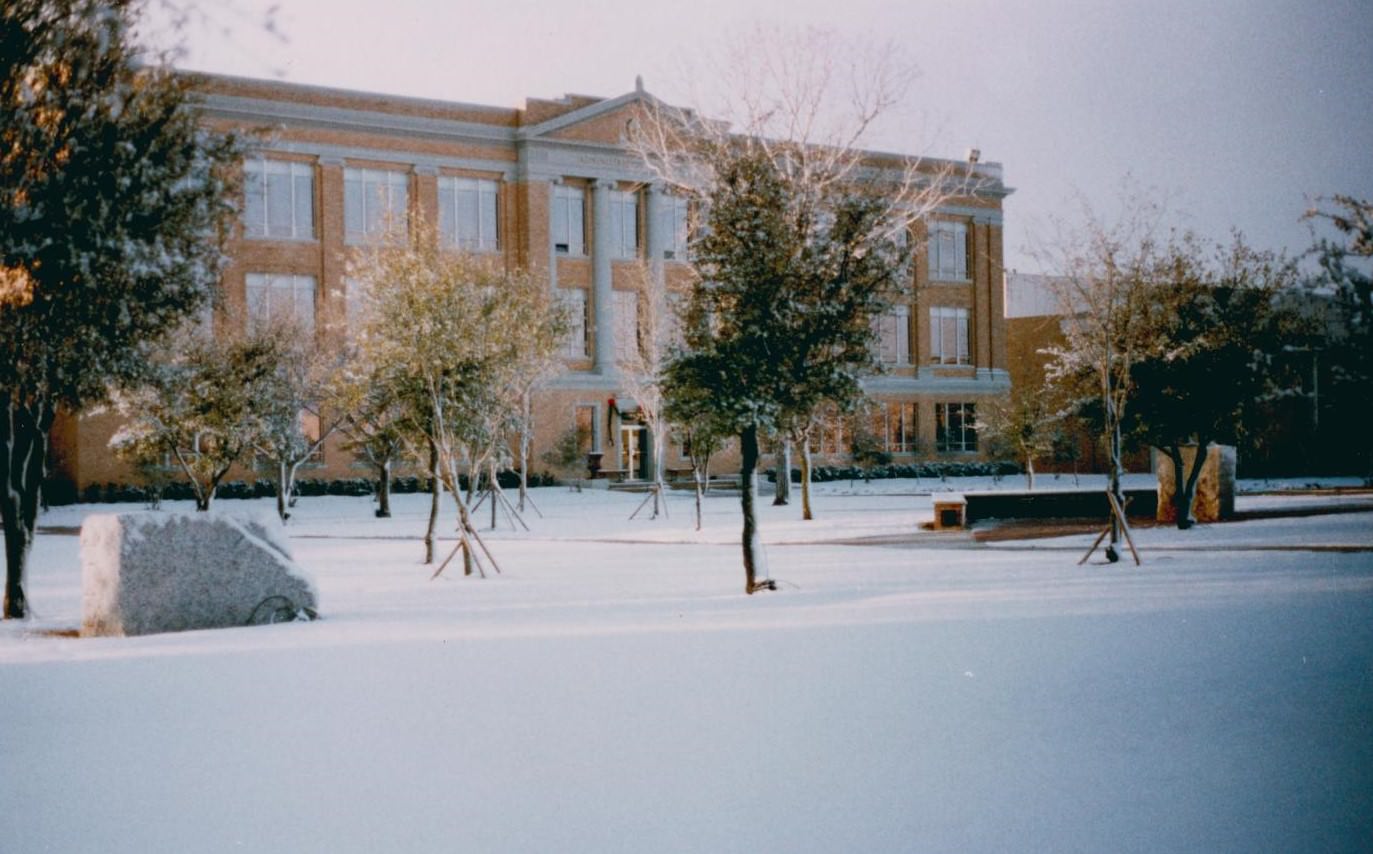
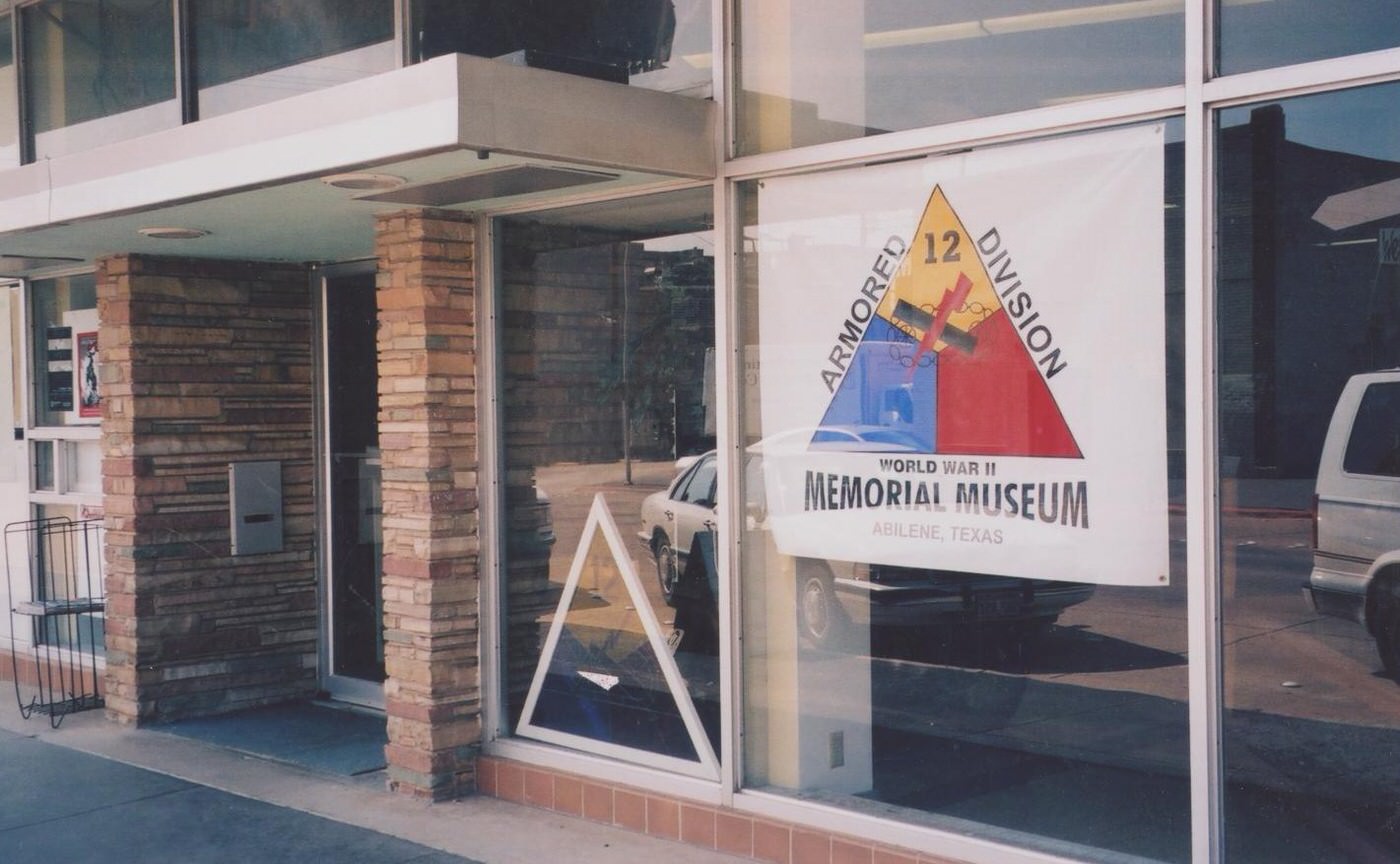
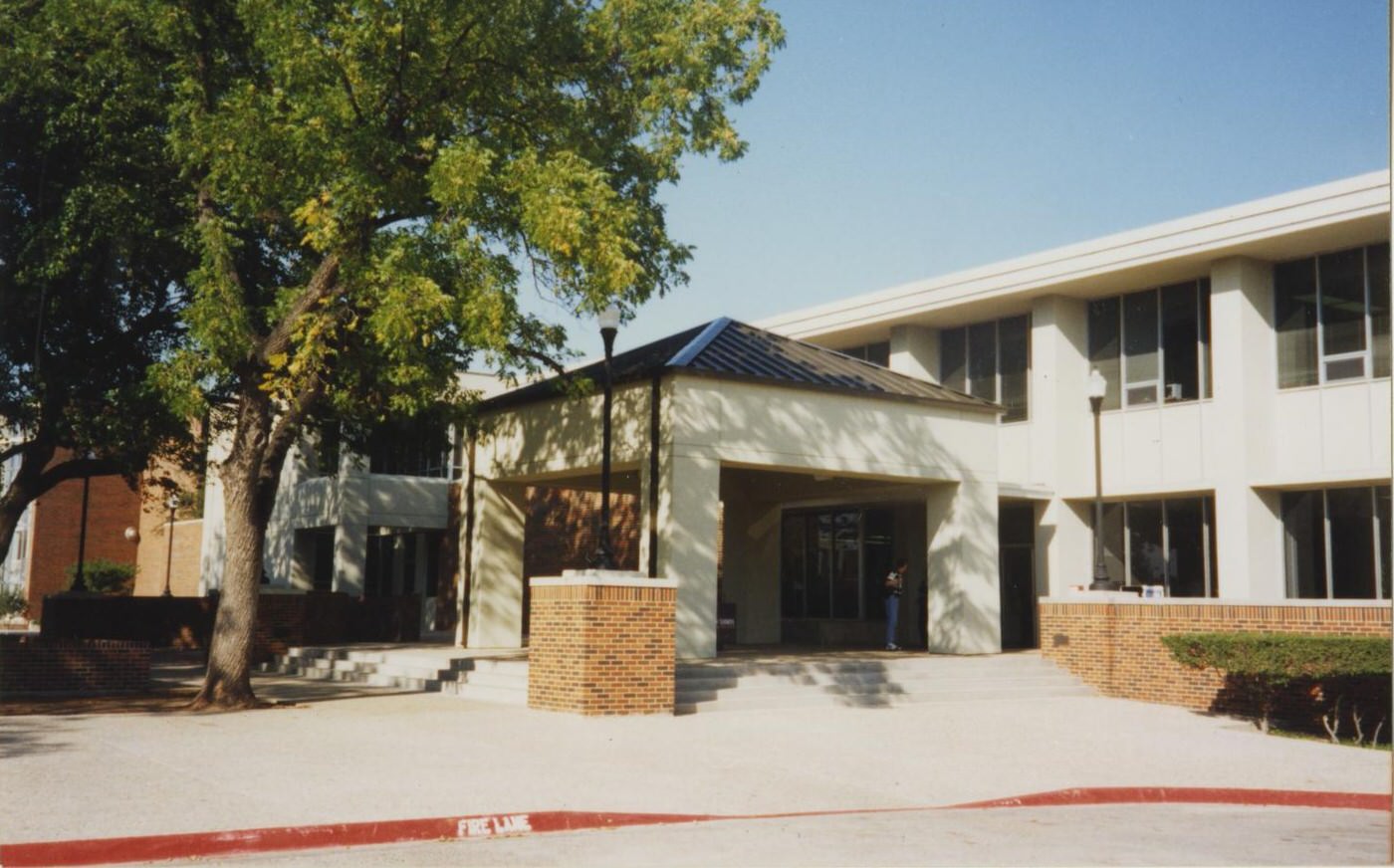
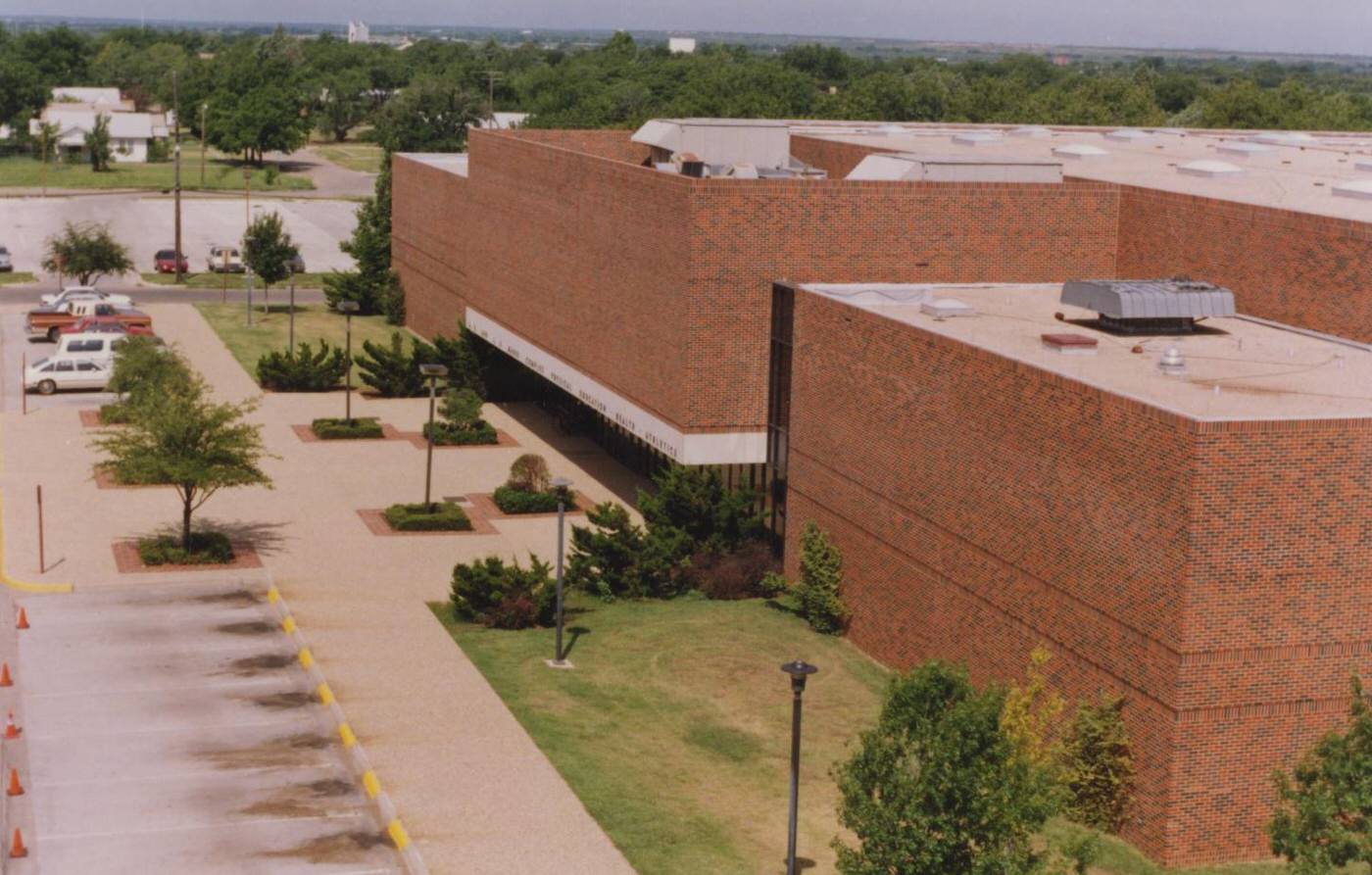
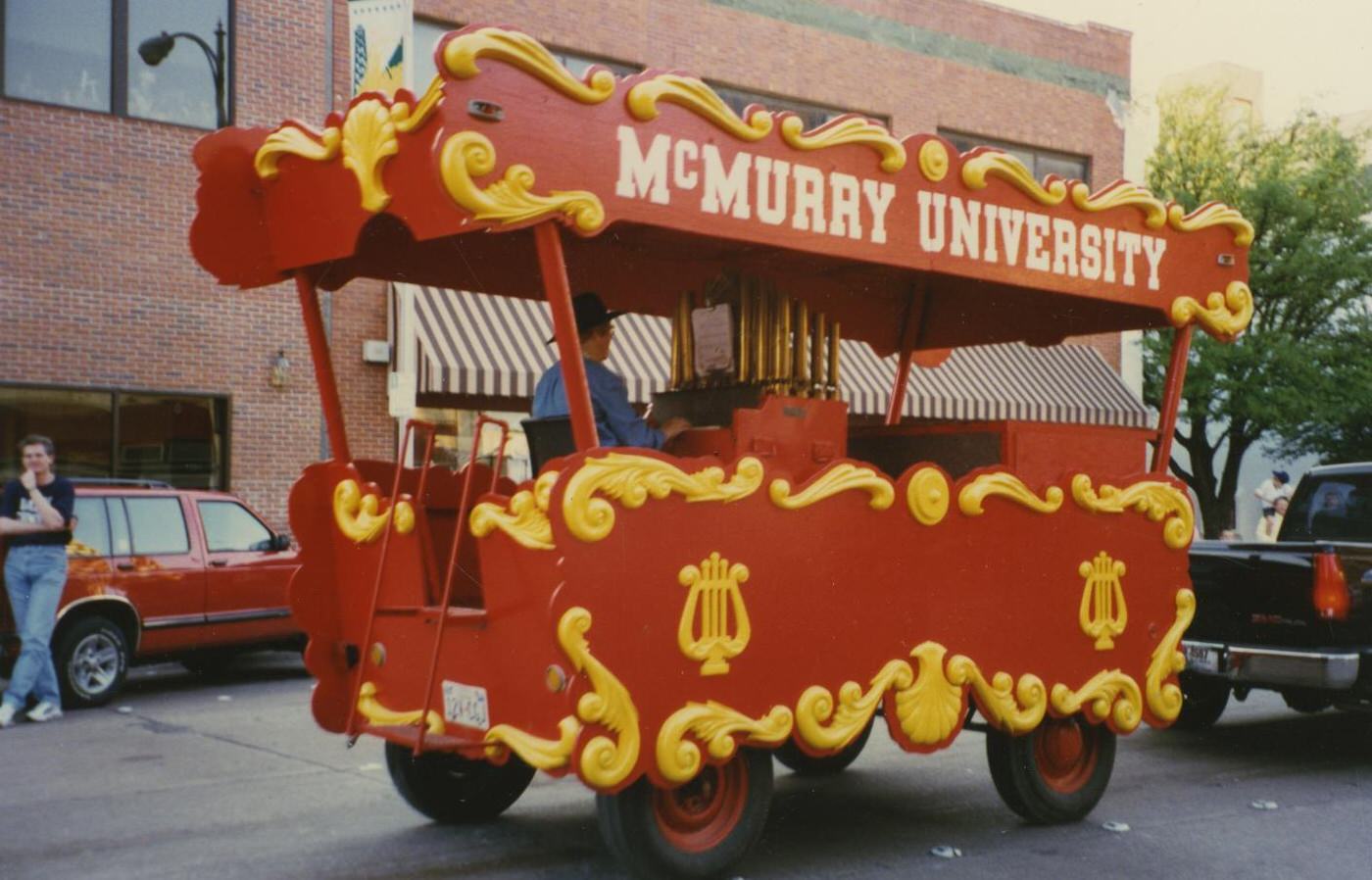
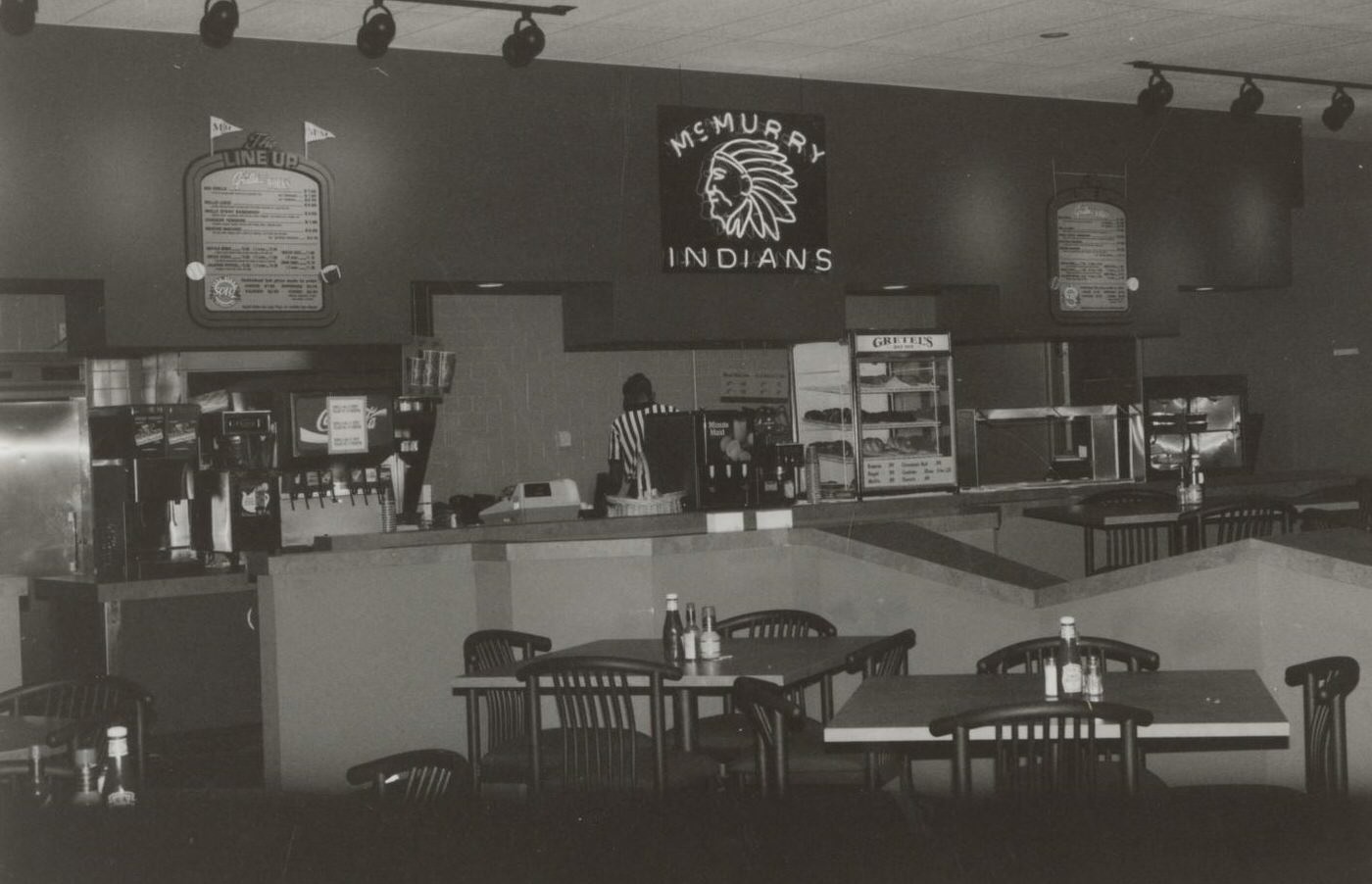
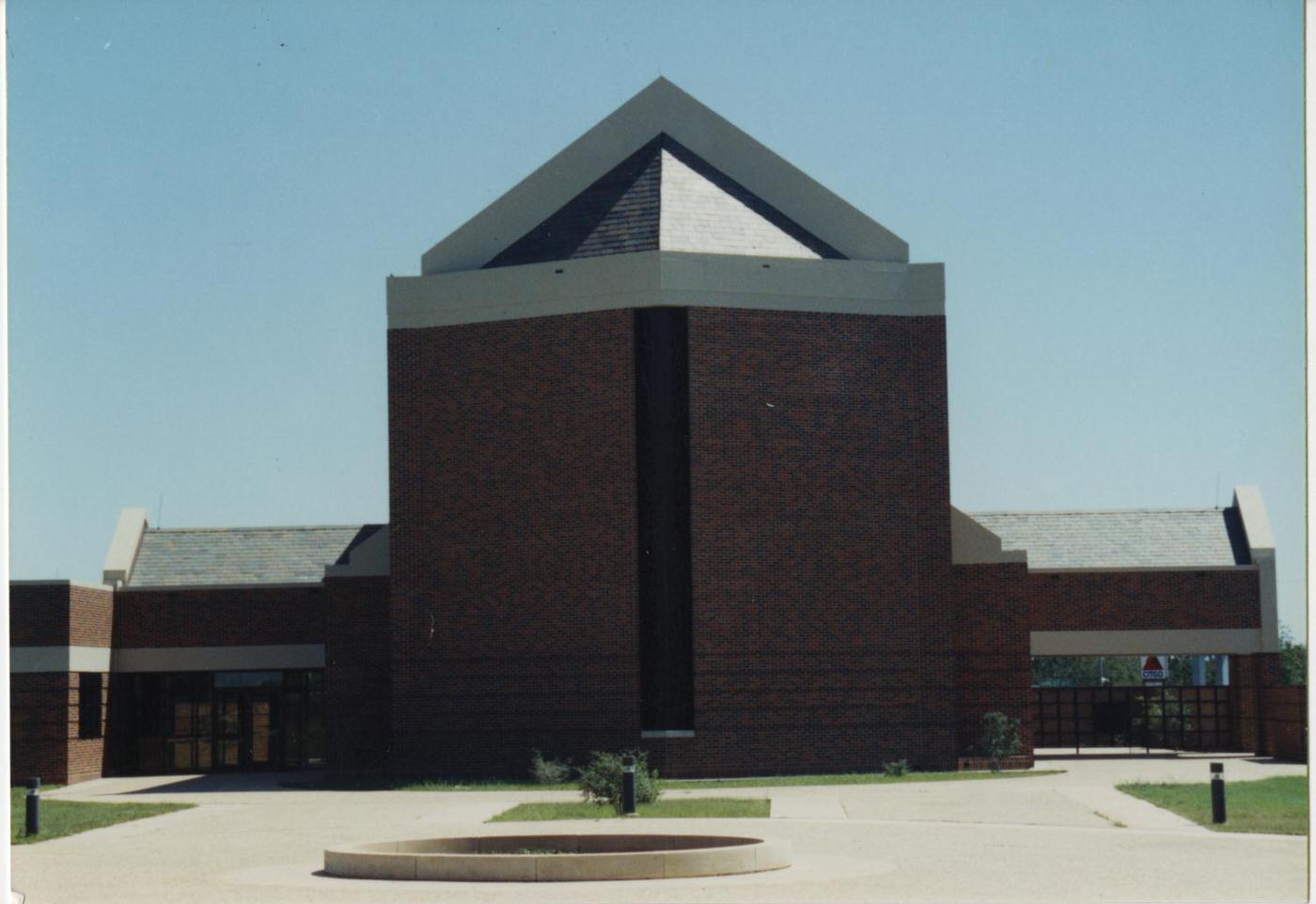
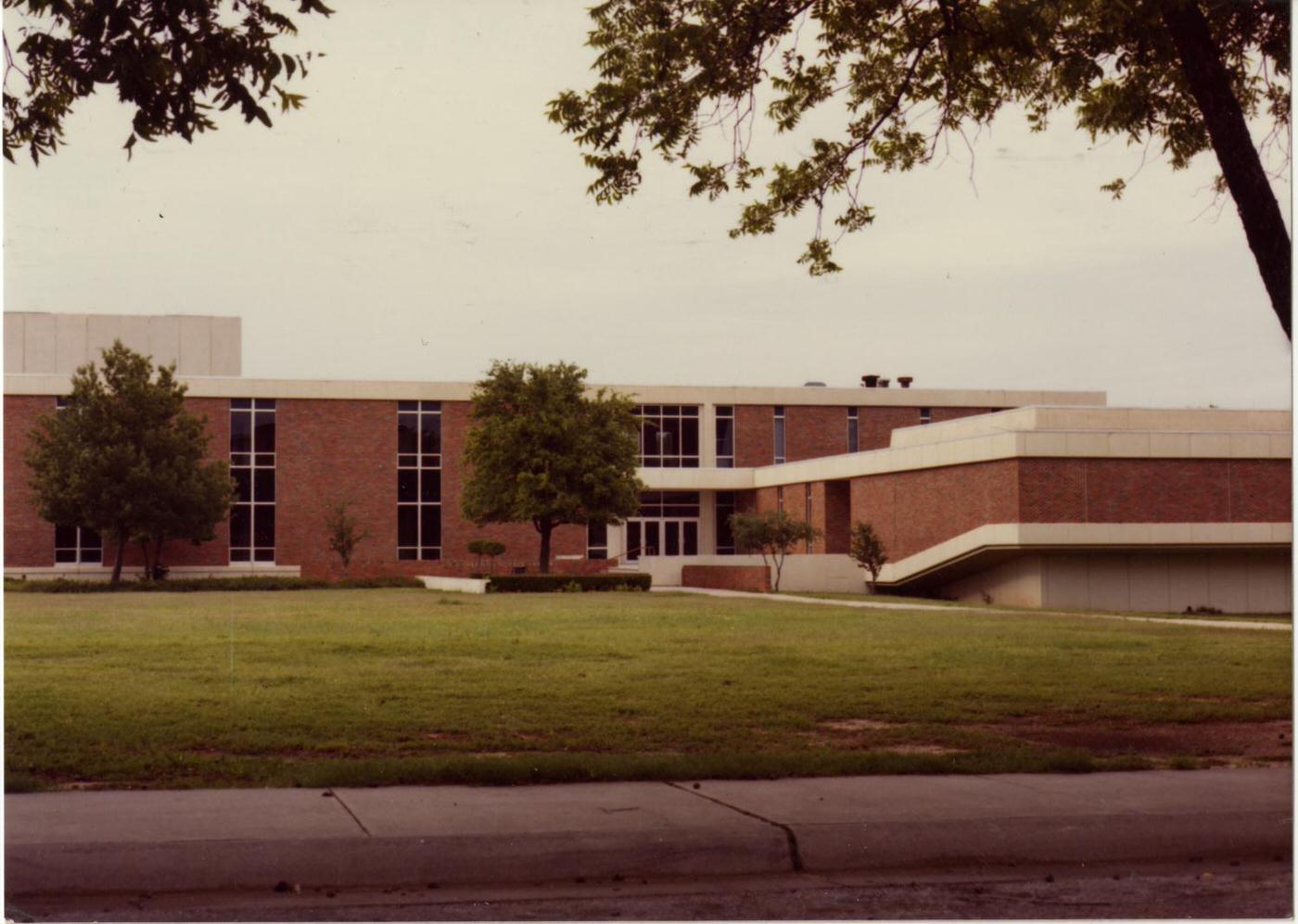
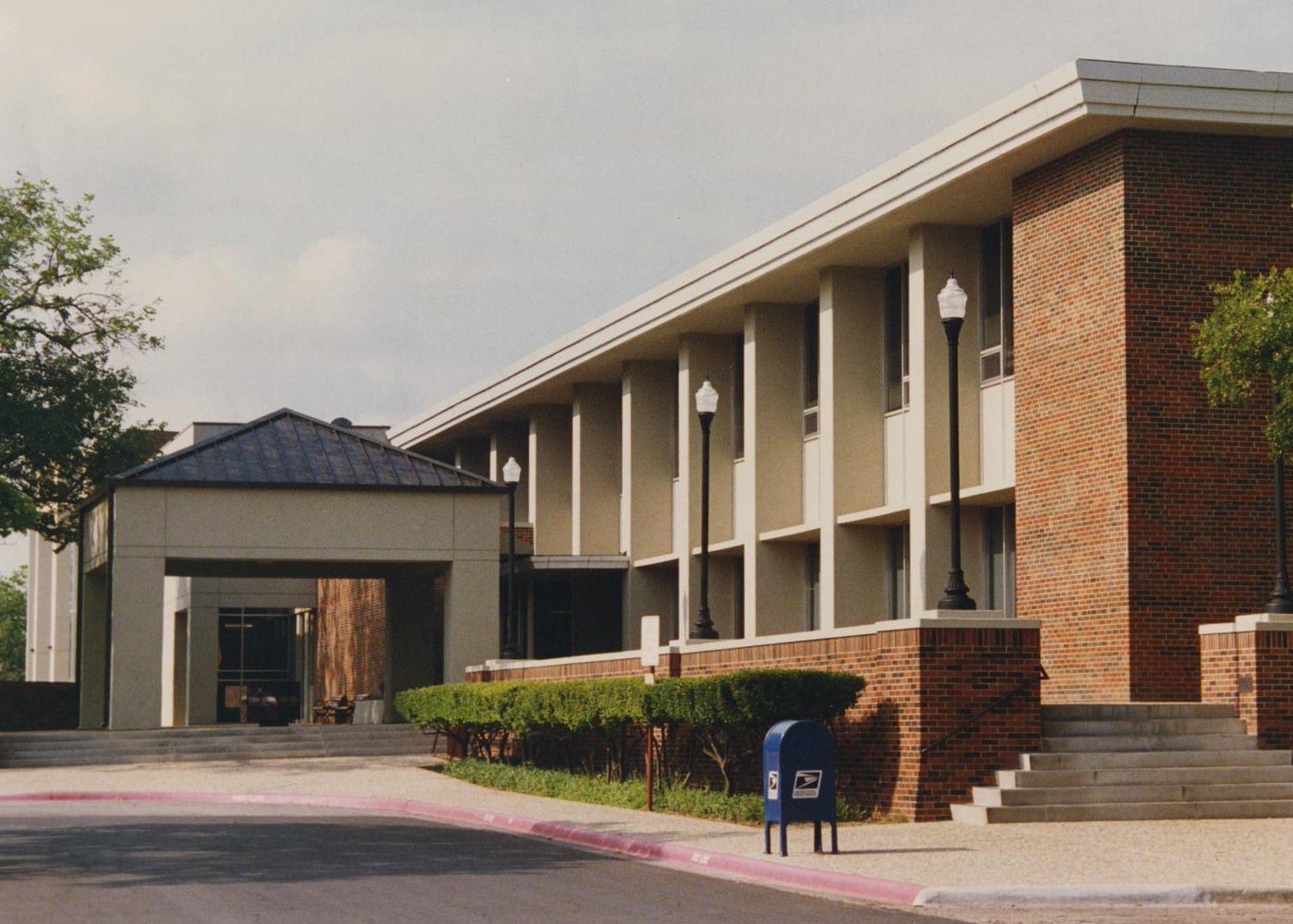
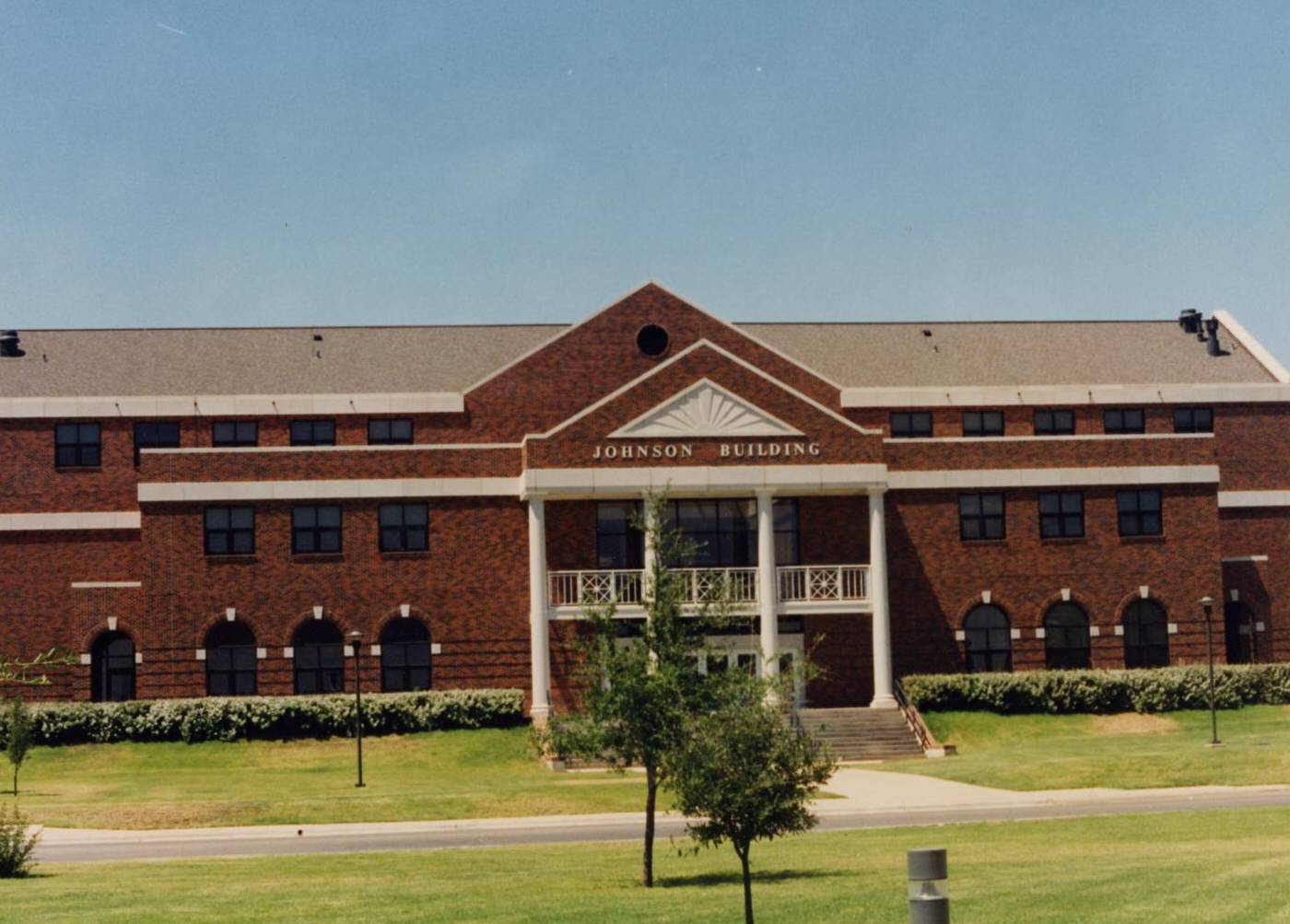
Abilene’s educational institutions continued to be pillars of the community. The three private universities – ACU, HSU, and McMurry – attracted students from across Texas and the nation, contributing to the city’s cultural diversity and intellectual life. They undertook campus improvements and program expansions throughout the decade. Cisco College also maintained a branch campus in Abilene, offering vocational training and associate degree programs. In public education, the Abilene Independent School District and the rapidly growing Wylie Independent School District grappled with issues of school finance, curriculum standards, and student population shifts. The Texas Assessment of Academic Skills (TAAS) test became a major focus, influencing instruction and school accountability ratings. Bond issues were likely passed during the decade to fund the construction of new schools or renovate existing ones to accommodate growth and modernize facilities.
The local economy worked to solidify its recovery from the oil bust downturn of the mid-1980s. While oil and gas activity in the surrounding region remained a factor, Abilene increasingly relied on more stable sectors. Healthcare emerged as a powerful economic engine. Hendrick Medical Center and the Abilene Regional Medical Center (West Texas Medical Center earlier in the decade) expanded their services and facilities, becoming major employers and drawing patients from a wide area of West Texas. Education also played a vital role, with Abilene Christian University, Hardin-Simmons University, and McMurry University contributing significantly through employment, student spending, and attracting external funding. The retail sector continued its migration towards the south side of the city, centered around the Mall of Abilene and the growing number of big-box stores and chain restaurants along the Winters Freeway (US 83/84) corridor. Manufacturing, transportation, and service industries rounded out the economic picture, creating a more diversified base than in previous decades, although challenges related to workforce development and attracting high-paying jobs persisted.
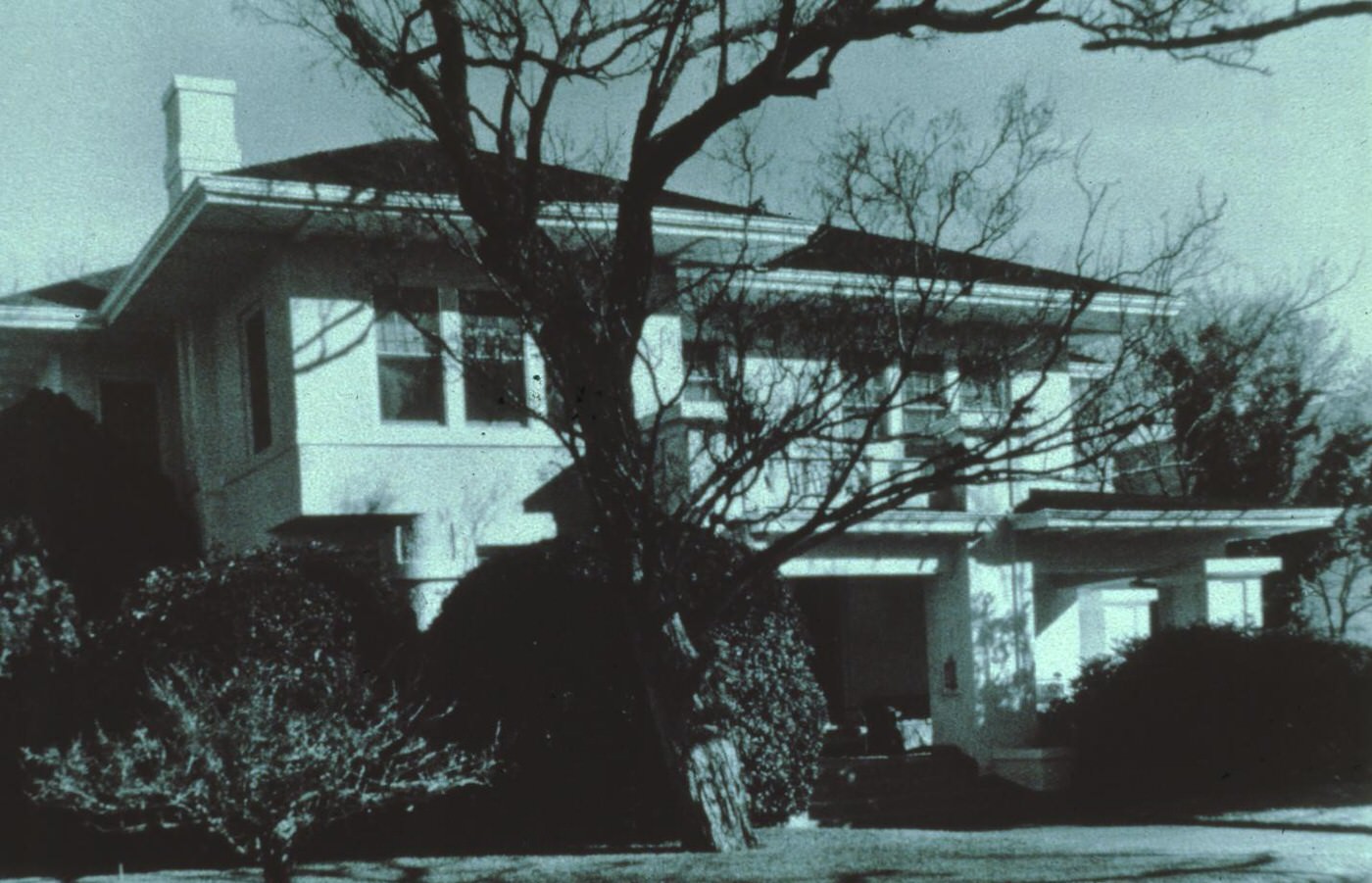
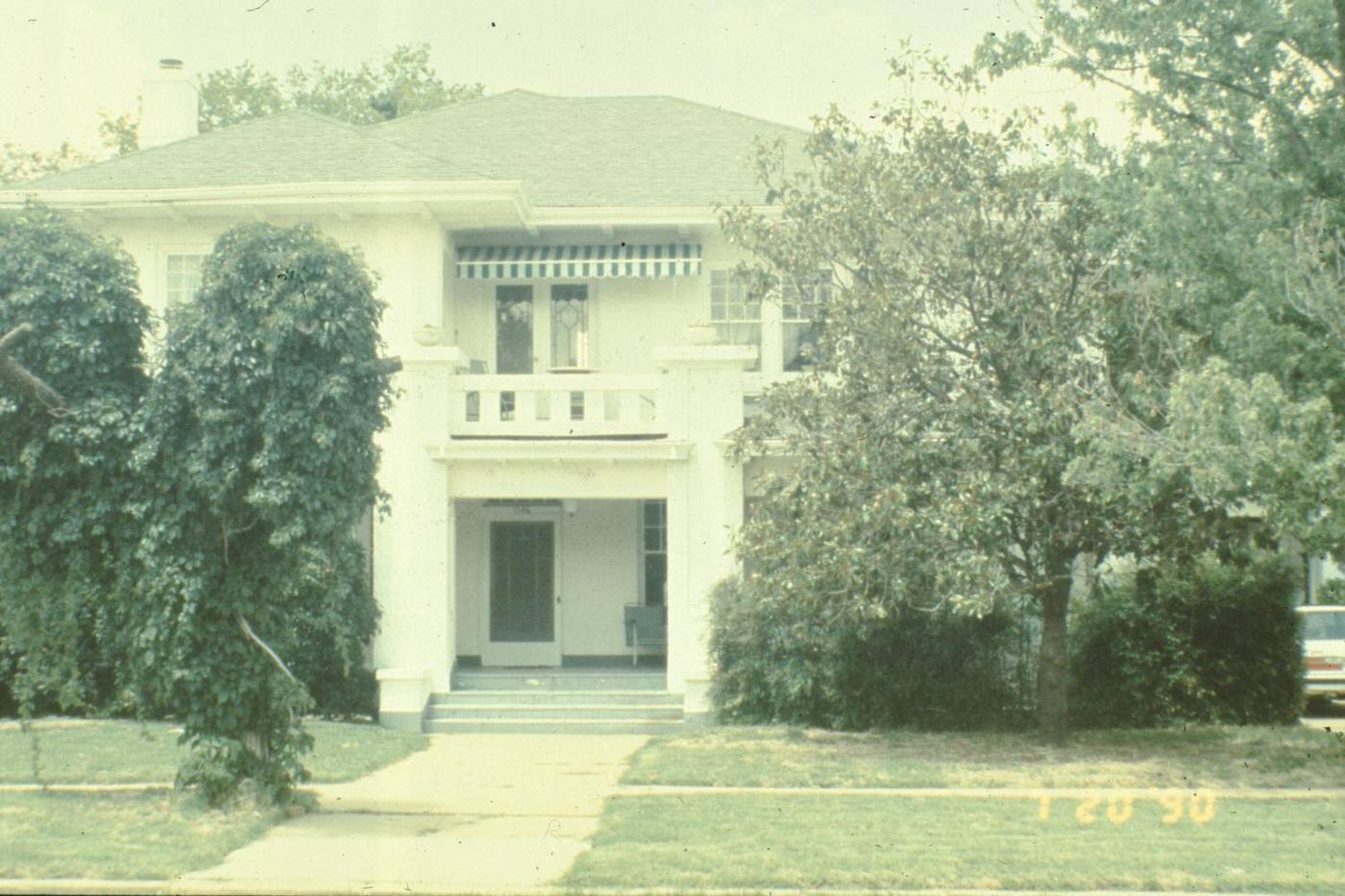
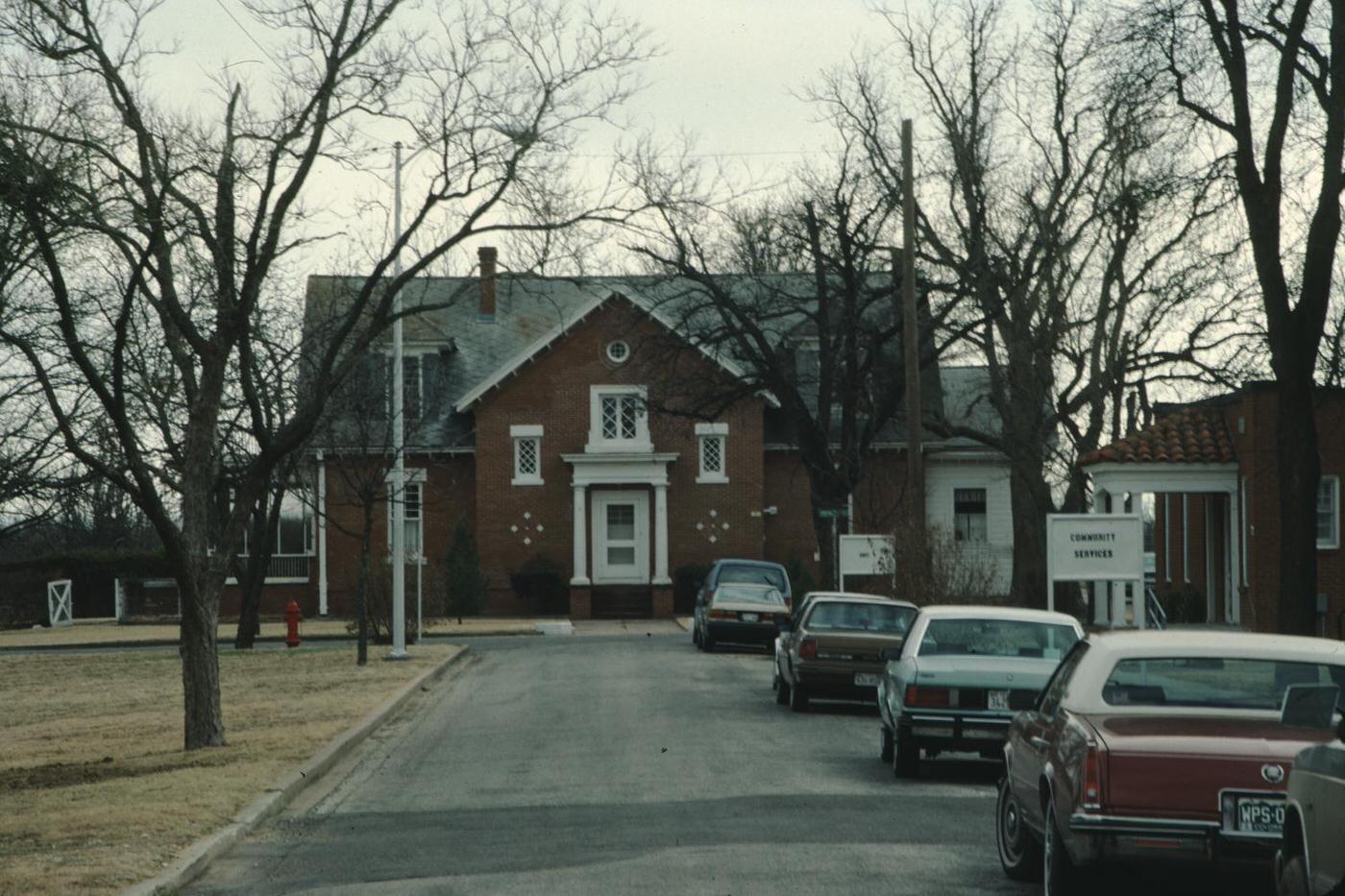
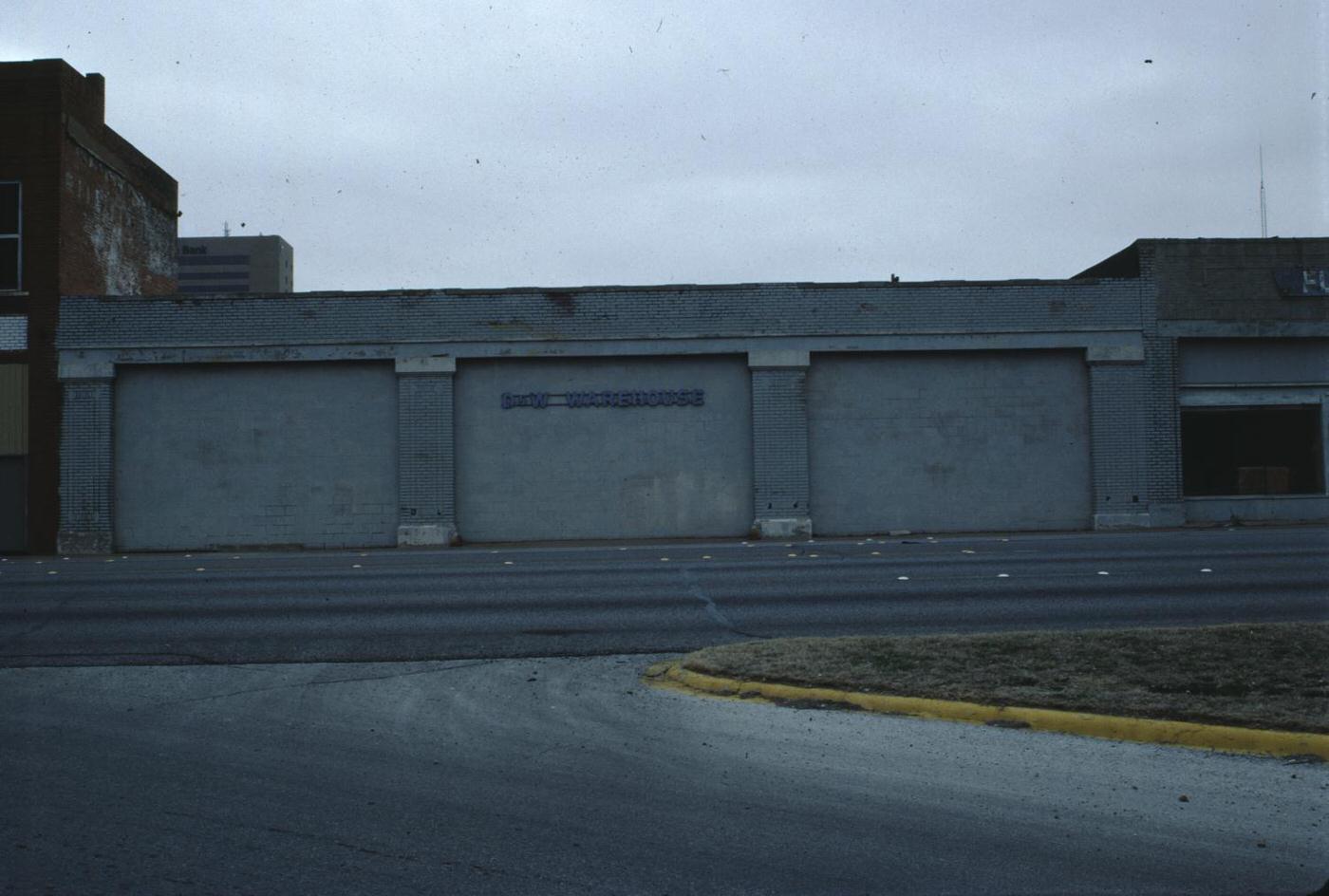
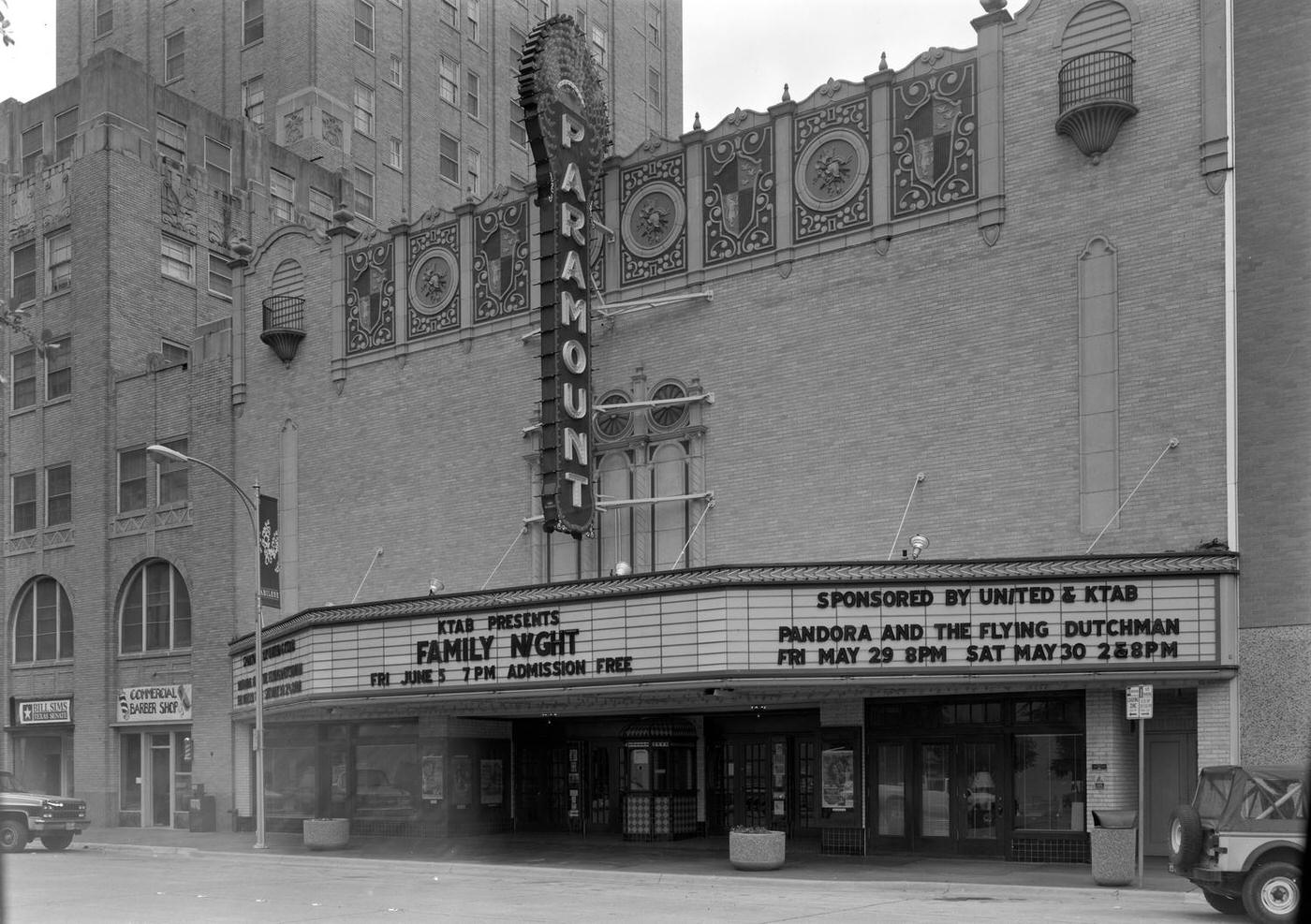
City development continued its outward expansion, particularly to the south and southwest, following the major transportation arteries. New subdivisions with single-family homes were developed to accommodate the growing population. This suburban growth fueled further commercial development along key routes like Buffalo Gap Road and the Winters Freeway. The Mall of Abilene, which opened in 1979, solidified its position as the region’s primary shopping destination, attracting shoppers from Abilene and surrounding smaller towns. This continued shift away from the city center presented ongoing challenges for downtown Abilene. However, the 1990s also saw increased energy and focus directed towards downtown revitalization. Significant progress was made on the restoration of the historic Paramount Theatre, a 1930s movie palace, which reopened late in the decade as a performing arts venue and community centerpiece. Efforts were made to preserve historic buildings and attract new businesses, restaurants, and residents back to the original heart of the city. The concept of a downtown “Cultural District,” incorporating museums like The Grace Museum (housed in the former Grace Hotel), art galleries, and performance spaces, began to take shape. Infrastructure projects aimed to keep pace with growth, including improvements and expansions to Loop 322, upgrades at Abilene Regional Airport, and the extension of city services like water and sewer lines to newly developed areas.
Perhaps the most transformative undercurrent of the 1990s was the dawn of the digital age. While not yet the ubiquitous presence it would become, the internet began to make its mark on Abilene. Internet Service Providers (ISPs) emerged, offering dial-up access to homes and businesses. Companies started creating basic websites. Educational institutions like the universities and public libraries began providing public internet access terminals and integrating computer technology more deeply into their operations. Personal computers became increasingly common in workplaces and homes, moving from specialized tools to more general-purpose machines for word processing, spreadsheets, and early online exploration. Cellular phones, though still bulky and expensive compared to later standards, started appearing more frequently, particularly among business professionals. As the decade closed, the looming “Y2K bug” – the fear that older computer systems would malfunction at the turn of the millennium – prompted widespread preparations and contingency planning within businesses, government agencies, and institutions like Dyess AFB and the local hospitals.
Culturally, Abilene reflected many of the trends sweeping the nation in the 1990s. Musically, while country music retained its strong regional popularity, alternative rock and grunge gained listeners, particularly among younger residents. Multiplex cinemas offered a wider variety of Hollywood films. Video rental stores were popular destinations for home entertainment before the advent of streaming services. Fashion trends followed national patterns. The rise of big-box retailers like Walmart Supercenters and home improvement stores changed shopping habits, often impacting smaller, locally owned businesses. Chain restaurants offered familiar dining options, increasing competition for local eateries. Community events like the West Texas Fair & Rodeo, the Children’s Arts & Literacy Festival, and various parades and festivals remained important parts of the social calendar, bringing residents together. Churches continued to play a significant role in the social and spiritual lives of many Abilenians. Local government focused on managing growth, providing essential services like police and fire protection, maintaining infrastructure, and addressing community issues through the city council and various city departments. As the 1990s concluded, Abilene stood as a city that had successfully navigated the post-Cold War transition, embraced the beginnings of digital technology, and continued its development as a key regional center for healthcare, education, commerce, and military operations in West Texas, poised to enter the 21st century.
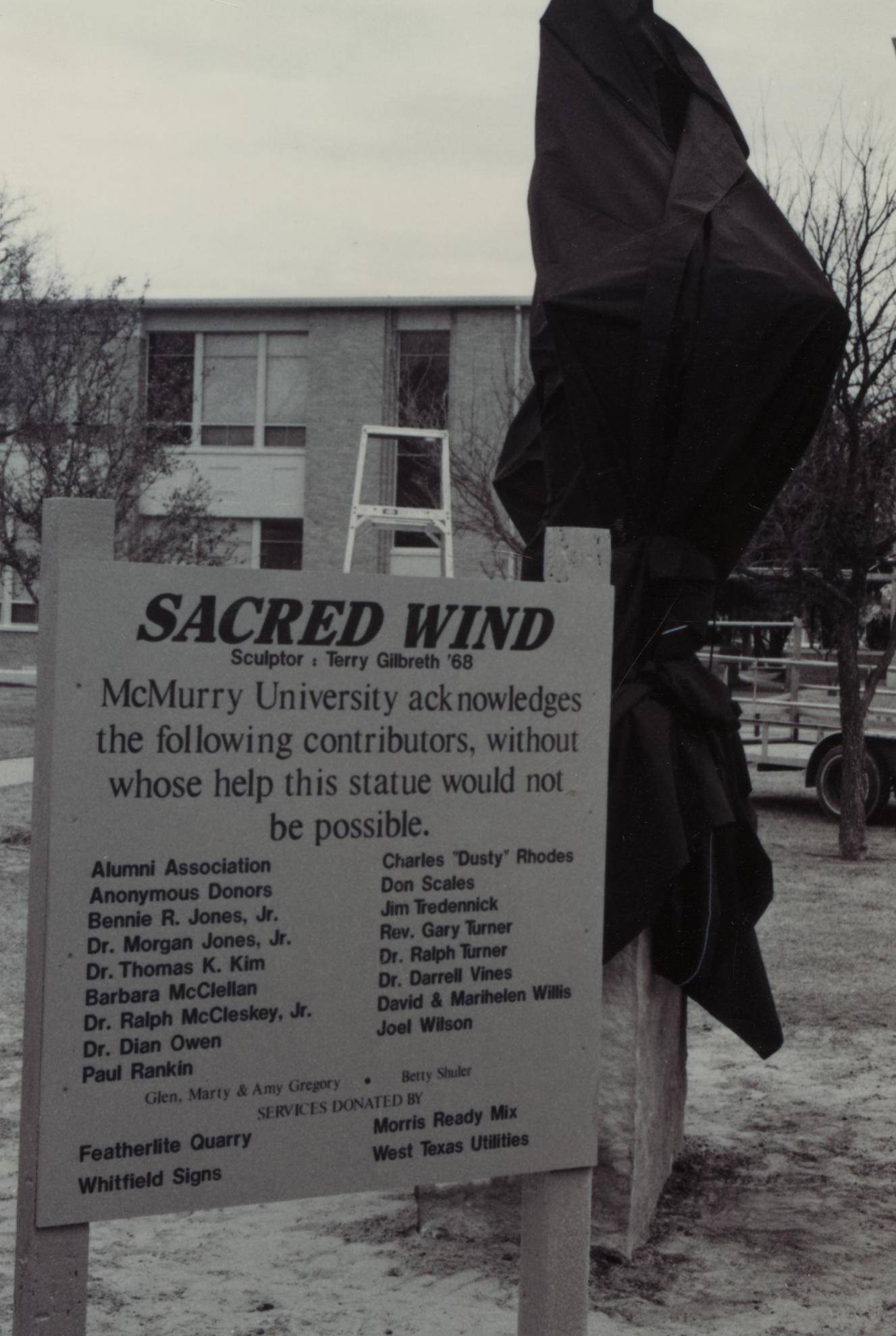
Image Credits: Texas Historical Commission, Hardin-Simmons University Library, Library of Congress, Abilene Christian University Library, McMurry University Library
Found any mistakes? 🥺 Let us Know