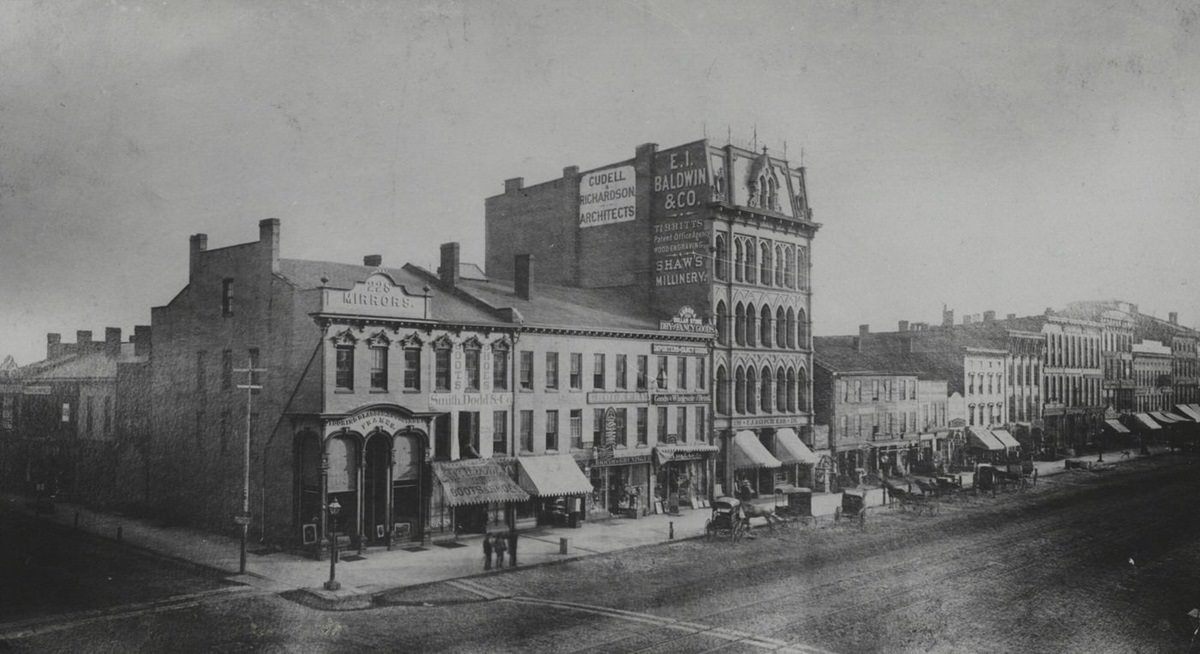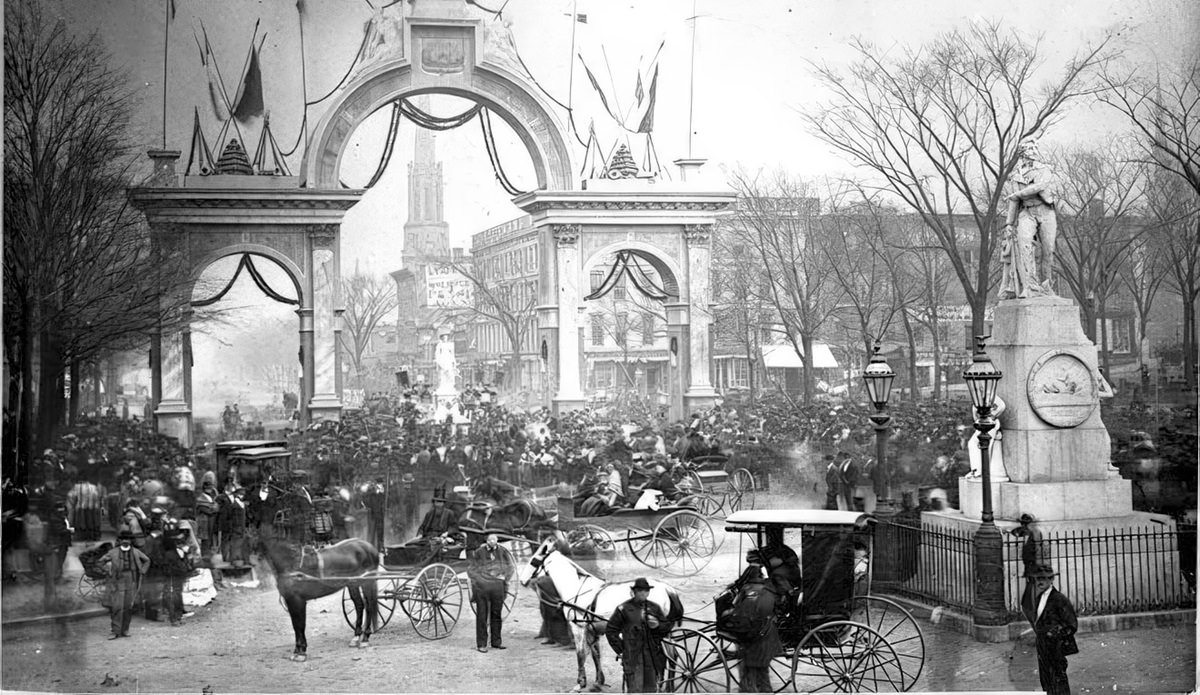
The 1990s marked a period of profound change for Cleveland, Ohio. The city entered the decade facing challenges but also brimming with plans for a new era. Developments in its downtown core, shifts in its economic foundations, evolving neighborhoods, a turbulent and exciting sports scene, and a dynamic cultural landscape all characterized Cleveland during these ten years.
Cleveland began the 1990s with a population of 505,616. This number represented an 11.9% decrease from the 1980 figure of 573,822, continuing a population decline that started in the 1960s due to factors such as the loss of industrial jobs and the movement of people to suburbs. By 1990, Cleveland ranked as the 23rd largest city in the United States.
The city’s economy was grappling with the ongoing effects of deindustrialization. The reduction in blue-collar jobs had a significant effect on property tax revenues, which in turn affected funding for city services and the well-being of its neighborhoods. In 1990, the poverty rate in Cleveland stood at 22.1%. The unemployment rate was recorded at 10.3% in the same year. Economic forecasts for the region at the start of the decade predicted continued slow growth. This backdrop of a shrinking population and economic pressures created a sense of urgency. The city was at a point where change and new strategies were not just wanted, but necessary for its future.
A new chapter in Cleveland’s leadership began on January 1, 1990, when Michael R. White became mayor. His tenure would be the longest in the city’s history, covering three four-year terms. Mayor White’s administration set out with a vision that aimed to balance large-scale downtown development projects with a focus on the needs of Cleveland’s diverse neighborhoods and their residents, particularly young people. He positioned himself as being supportive of both business growth and public safety initiatives. This new leadership would steer Cleveland through the major projects and challenges that defined the 1990s.
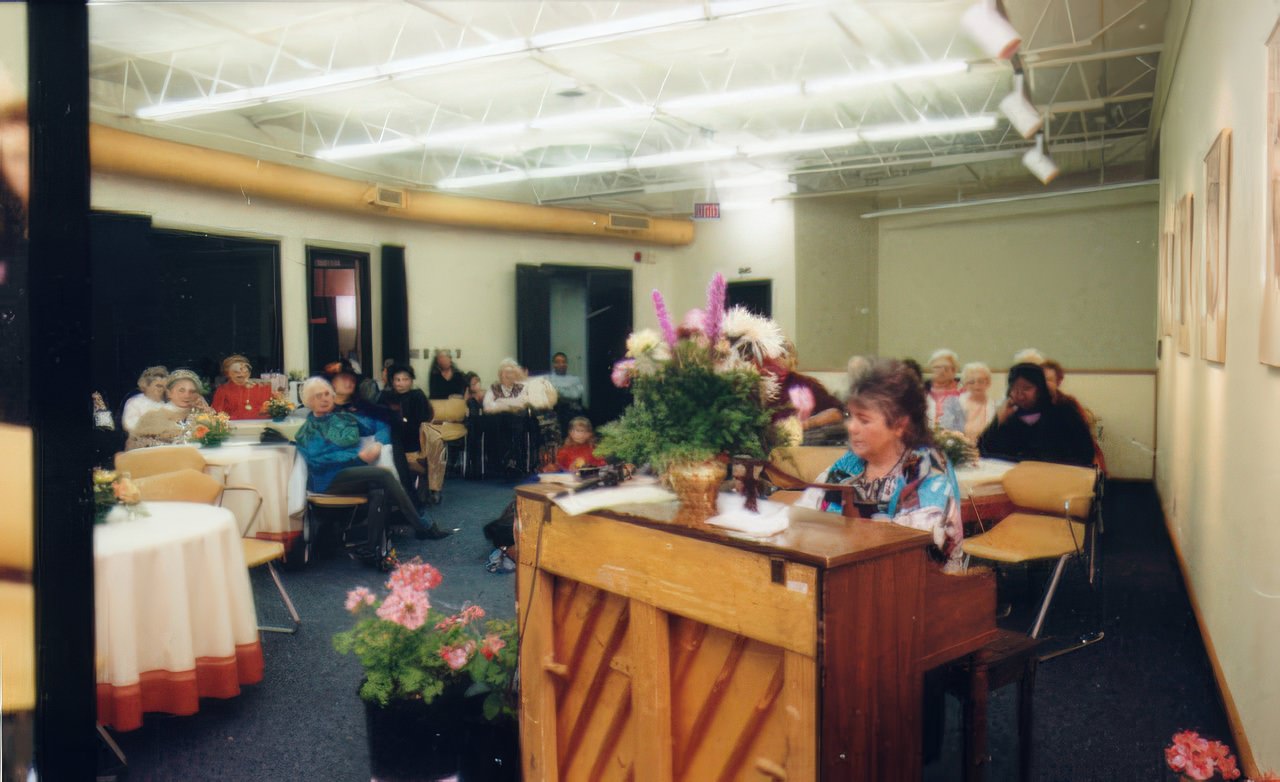
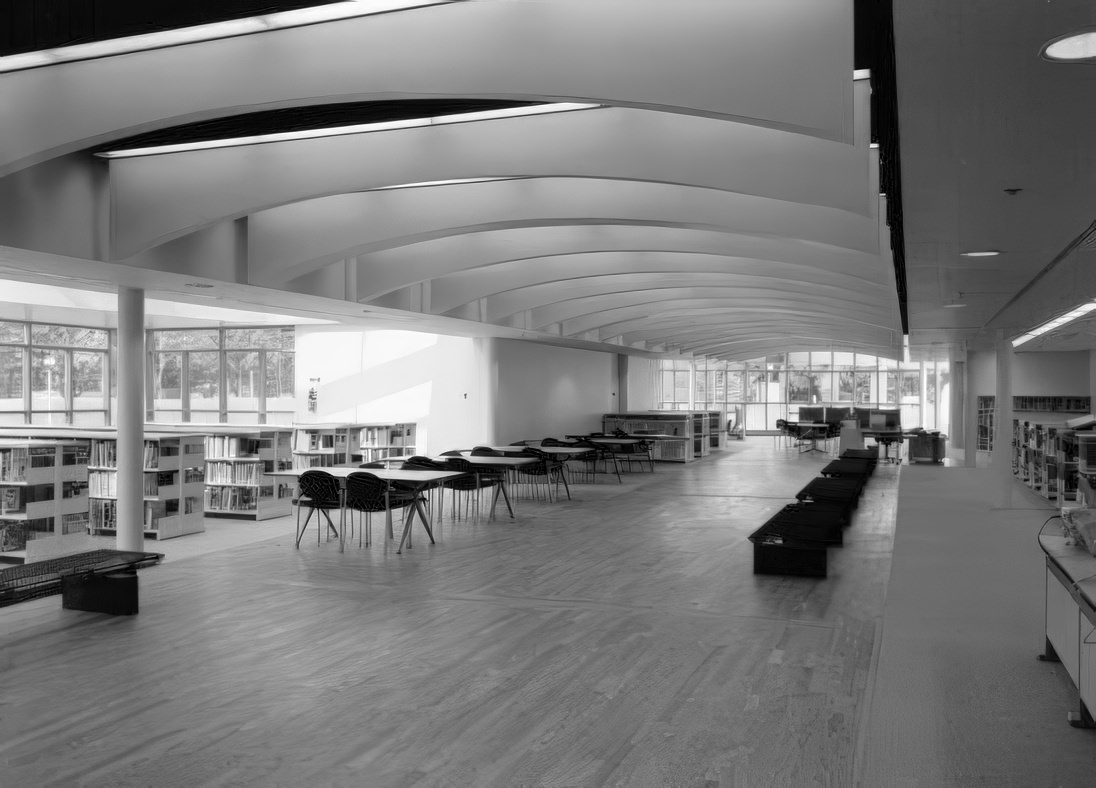
Cleveland Museum of Art: Leadership and Community Focus
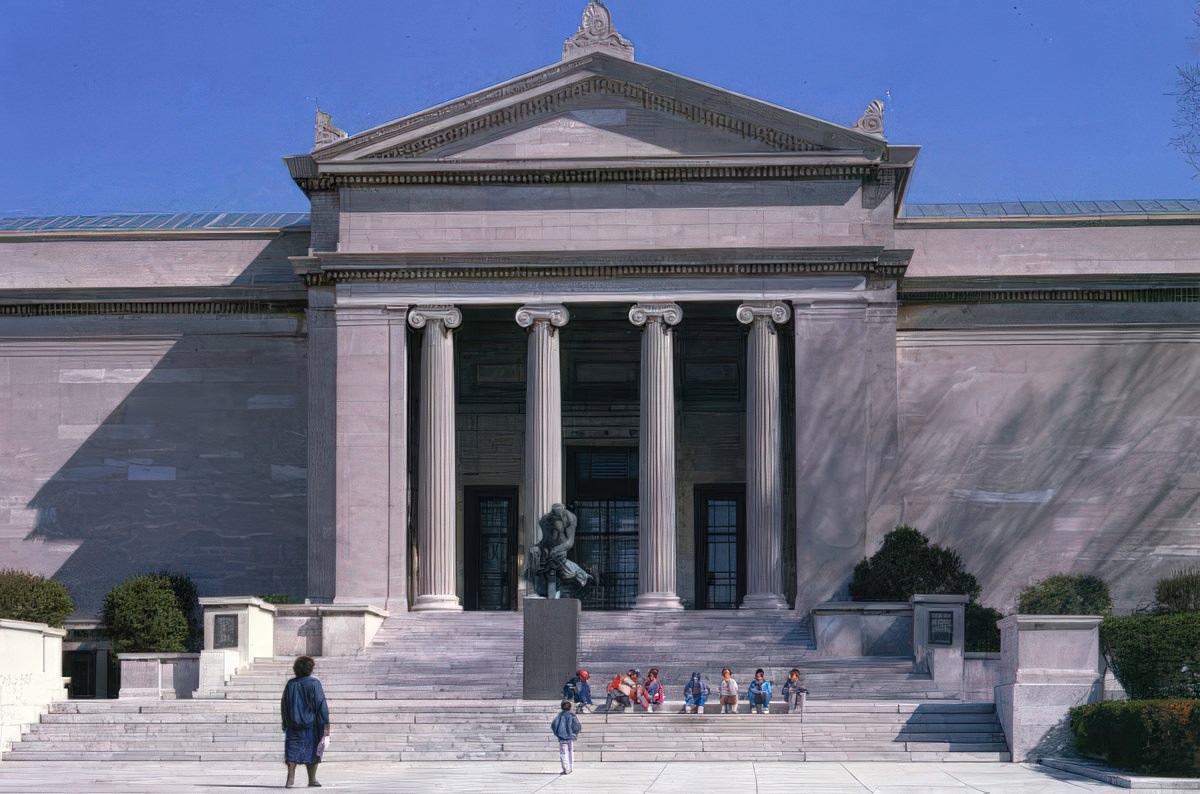
The Cleveland Museum of Art (CMA) saw leadership transitions and a continued focus on community engagement during the 1990s. Dr. Evan Hopkins Turner’s directorship extended into the early part of the decade, until 1993. His tenure was marked by the expansion of the museum’s photography and modern art collections and an emphasis on ensuring the institution’s relevance to its diverse audiences.
Dr. Robert P. Bergman succeeded Dr. Turner, serving as director from July 1993 until his untimely death in May 1999. Dr. Bergman, a specialist in European Middle Ages art, continued the community-centered approach by establishing community advisory committees to provide input on exhibitions and programs. Following Dr. Bergman’s passing, Kate Sellers, the deputy director, served as acting director from May 1999 until March 2000.
A long-standing tradition at the museum, the May Show, which was a juried exhibition showcasing local artists from Cleveland and the Western Reserve, continued annually until 1993. For nearly 75 years, it had served as an important platform for regional artistic talent. Throughout the 1990s, the CMA maintained its role as a leading cultural institution, adapting its leadership and engagement strategies to better connect with the community it served.
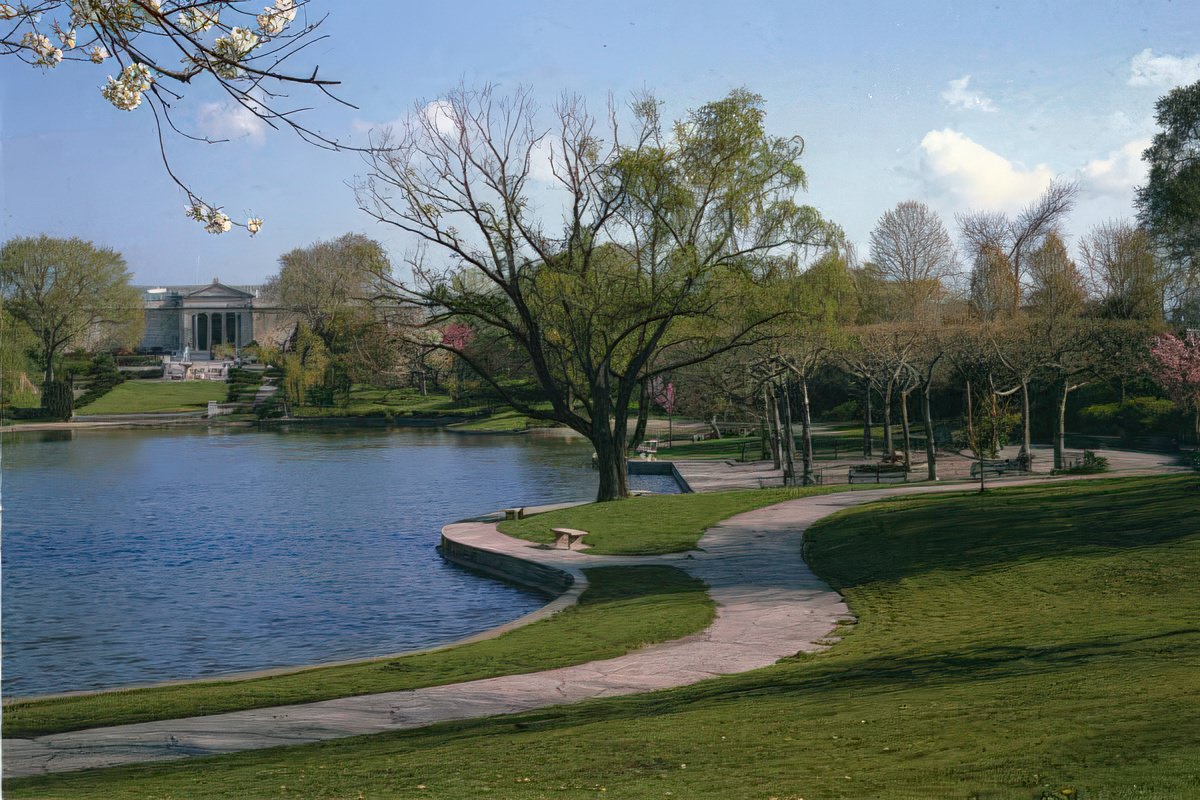
A significant part of Cleveland’s story in the 1990s was its effort to revitalize its downtown area and reshape its national image. This involved ambitious public-private partnerships and major construction projects.
The Gateway Project: A New Home for Sports
A central piece of the downtown revitalization strategy was the Gateway project. The Gateway Economic Development Corporation was established in 1990 with the goal of building a new sports complex to house the Cleveland Cavaliers basketball team and the Cleveland Indians baseball team. This project represented a new model for civic development in Cleveland, relying on collaboration between public and private entities.
Funding for the Gateway project included revenue from a “sin tax” on alcohol and cigarettes. This tax was narrowly approved by voters in May 1990, with 52% in favor and 48% opposed, suggesting some public discussion about how such a large project should be financed.
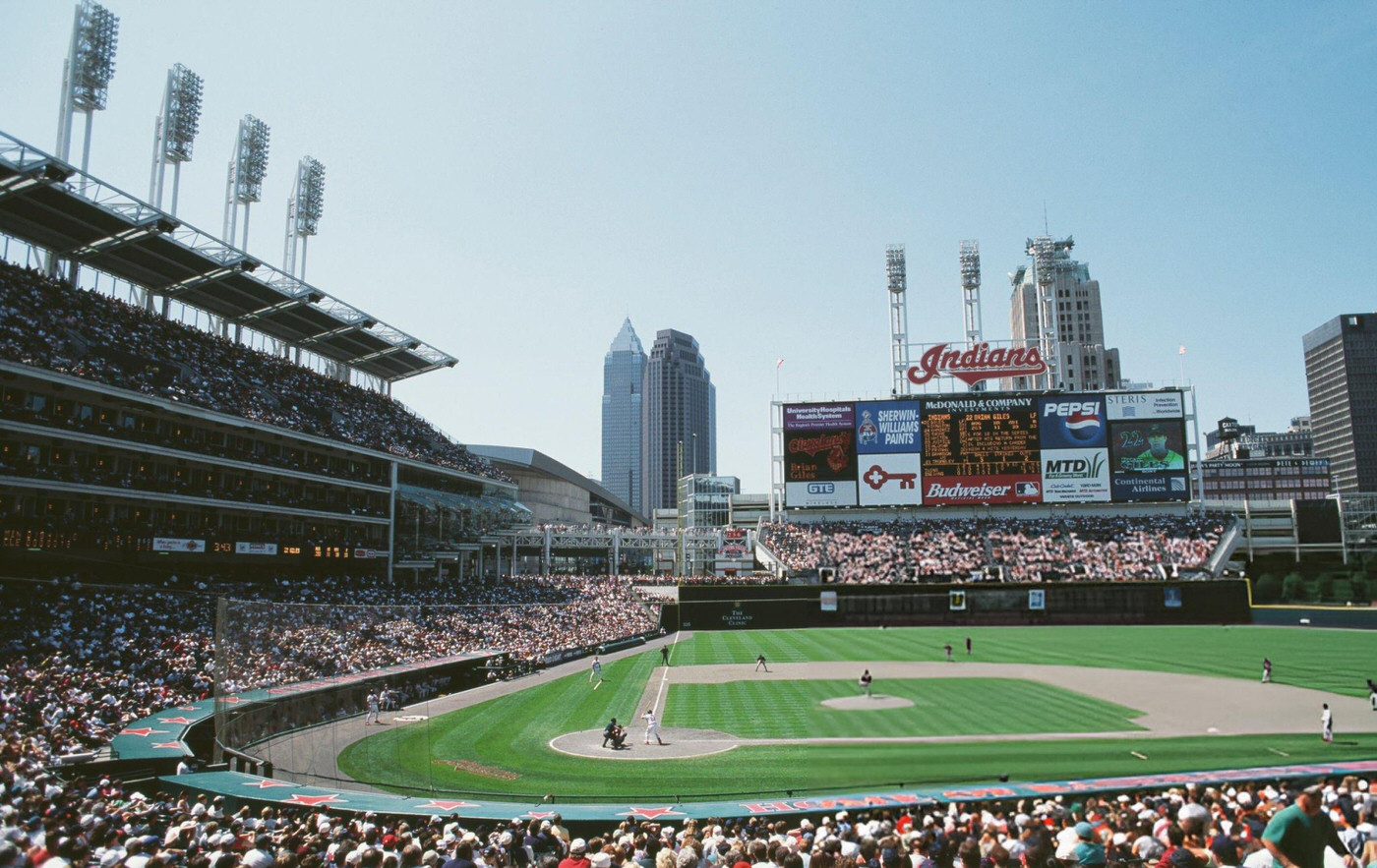
Construction moved forward, and in 1994, two new state-of-the-art venues opened their doors: Jacobs Field for the Indians and Gund Arena for the Cavaliers. Gund Arena’s design was intended to integrate smoothly with the existing downtown architecture. To improve access to these new facilities, the Greater Cleveland Regional Transit Authority (RTA) opened the “Walkway to Gateway” in April 1994. This 1,000-foot enclosed walkway connected the Tower City Center, a major transit and retail hub, directly to the new sports complex. The Gateway project was more than just new stadiums; it was a substantial public-private undertaking aimed at creating a vibrant downtown entertainment district, especially significant after a proposal for a domed stadium had been rejected by voters in 1984.
The Sporting Life: Triumphs and Turmoil
The 1990s were an unforgettable decade for Cleveland sports fans, marked by exhilarating highs, a devastating loss, and a hard-won return.
Cleveland Indians: A Resurgence on the Diamond
The opening of Jacobs Field in 1994 ushered in a golden era for the Cleveland Indians. The team became a powerhouse in the American League, boasting a roster filled with talented players. Stars like Albert Belle, Kenny Lofton, Manny Ramirez, Jim Thome, Omar Vizquel, Carlos Baerga, and Sandy Alomar Jr., supported by veteran pitchers like Orel Hershiser and Dennis Martinez, captivated the city.
The Indians dominated their division, winning the American League Central title for five consecutive years, from 1995 to 1999. This success led to two appearances in the World Series. In 1995, after a phenomenal 100-44 record in a season shortened by a players’ strike, they faced the Atlanta Braves but ultimately lost. They returned to the World Series in 1997 for a dramatic seven-game contest against the Florida Marlins. Cleveland was agonizingly close to a championship, holding a lead in the ninth inning of Game 7, but the Marlins tied the game and won in the eleventh inning.
The excitement surrounding the team was immense. Jacobs Field became the place to be, evidenced by a Major League Baseball record of 455 consecutive sellout games, a streak that began on June 12, 1995, and continued into 2001. The team’s offense was particularly potent; in 1999, the Indians scored an incredible 1,009 runs. The success of the Indians was a major source of civic pride and perfectly complemented the “comeback city” narrative and the new energy generated by the Gateway Complex.
Cleveland Browns: Heartbreak and Return
The Cleveland Browns entered the 1990s with Bill Belichick as their head coach, hired before the 1991 season. The team achieved a playoff berth in 1994, defeating the New England Patriots in the Wild Card round before falling to the Pittsburgh Steelers in the Divisional Round.
However, 1995 brought devastating news. Owner Art Modell announced his decision to move the Cleveland Browns to Baltimore. This announcement was met with widespread shock, anger, and profound bitterness from one of the NFL’s most loyal fanbases. The city and fans mounted legal challenges, leading to a landmark agreement in early 1996. This agreement allowed Modell to move the team’s personnel to Baltimore (where they became the Baltimore Ravens), but crucially, the Browns’ name, colors, history, and records were to remain in Cleveland, held in trust. The NFL guaranteed that a Cleveland Browns team would return by 1999, either through the relocation of an existing team or, as it turned out, via an expansion draft.
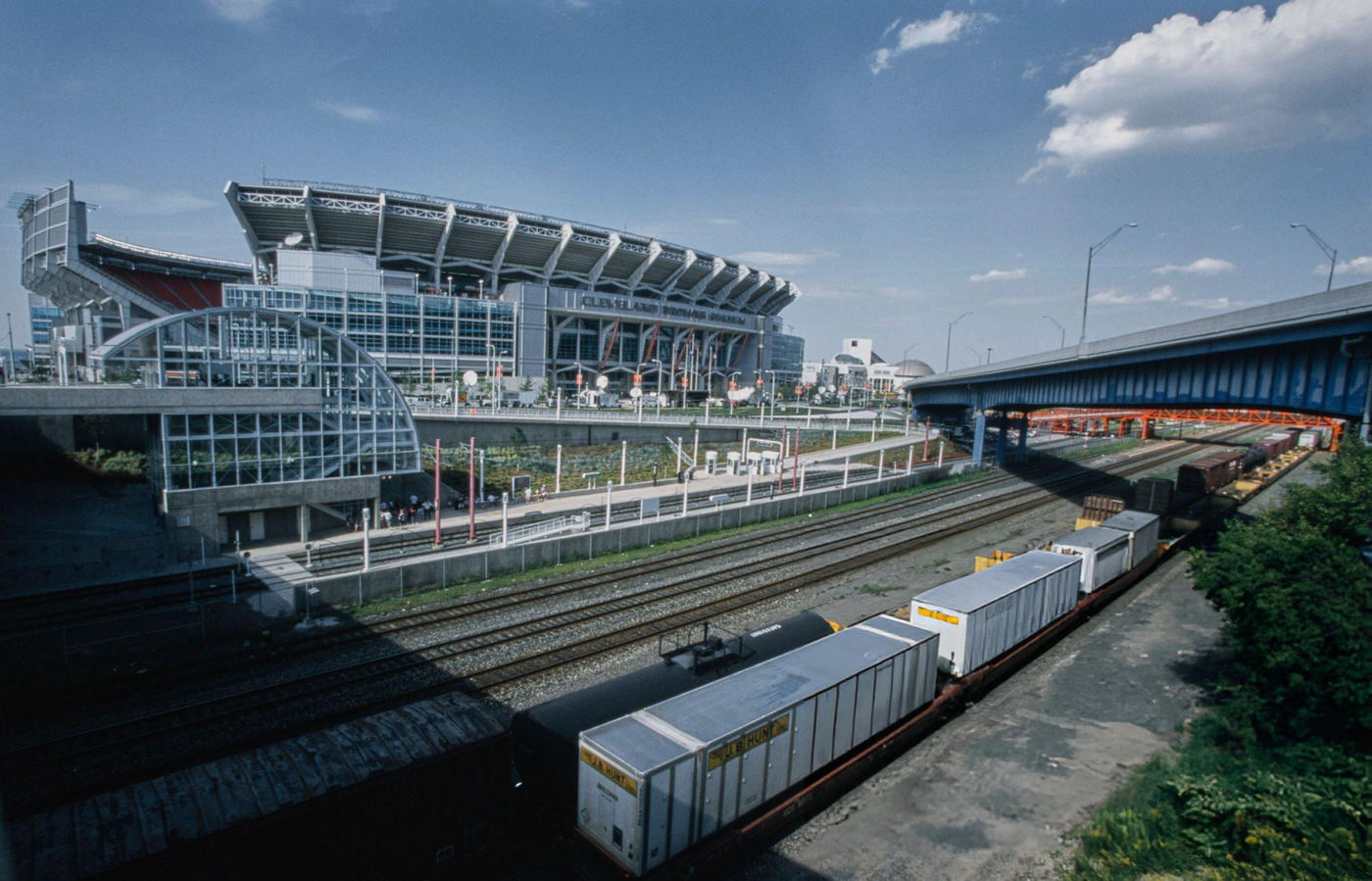
After three years without their beloved team, the “new” Cleveland Browns, officially an expansion team but carrying the full legacy of the original franchise, resumed play in 1999. They played in a brand-new stadium, Cleveland Browns Stadium (now Huntington Bank Field), constructed on the site of the historic Municipal Stadium. Under head coach Chris Palmer, the reactivated Browns finished their first season back with a 2-14 record. The departure of the Browns was a deeply traumatic event for Cleveland. Their return, secured through intense civic and league efforts, was a significant emotional victory, even if on-field success would take more time to achieve.
Cleveland Cavaliers: Playoff Contenders
The Cleveland Cavaliers provided fans with exciting basketball during the first half of the 1990s, building on momentum from the late 1980s. Led by a talented core that included Mark Price, Brad Daugherty, and Larry Nance, and coached by Lenny Wilkens, the Cavaliers were regular playoff contenders. Ron Harper was also a key part of this core until he was traded in 1989.
The 1988-89 team had an excellent regular season, finishing with a 57-25 record. However, their playoff run ended in a memorable first-round series against the Chicago Bulls, decided by Michael Jordan’s famous last-second basket known as “The Shot”. The Cavaliers achieved another 57-win season in 1991-92 and made a deep playoff run, advancing to the Eastern Conference Finals, where they once again faced and lost to Michael Jordan’s dominant Chicago Bulls.
The team made six trips to the playoffs between 1988 and 1994. After the 1997-98 season, the Cavaliers entered a period without playoff appearances that lasted until 2005. While often playing in the shadow of the era’s Chicago Bulls dynasty, the Cavaliers provided consistent, high-level basketball for Cleveland fans for much of the early 1990s, contributing significantly to the city’s sporting identity. The decade’s sports narrative in Cleveland, with its mix of thrilling successes at Gateway, the profound loss of the Browns, and the hard-fought battle for their return, truly encapsulated the city’s broader journey of striving for renewal while navigating significant setbacks. These sporting events were not just games; they were an integral part of the city’s economic and emotional fabric.
The Rock and Roll Hall of Fame: An Iconic Landmark
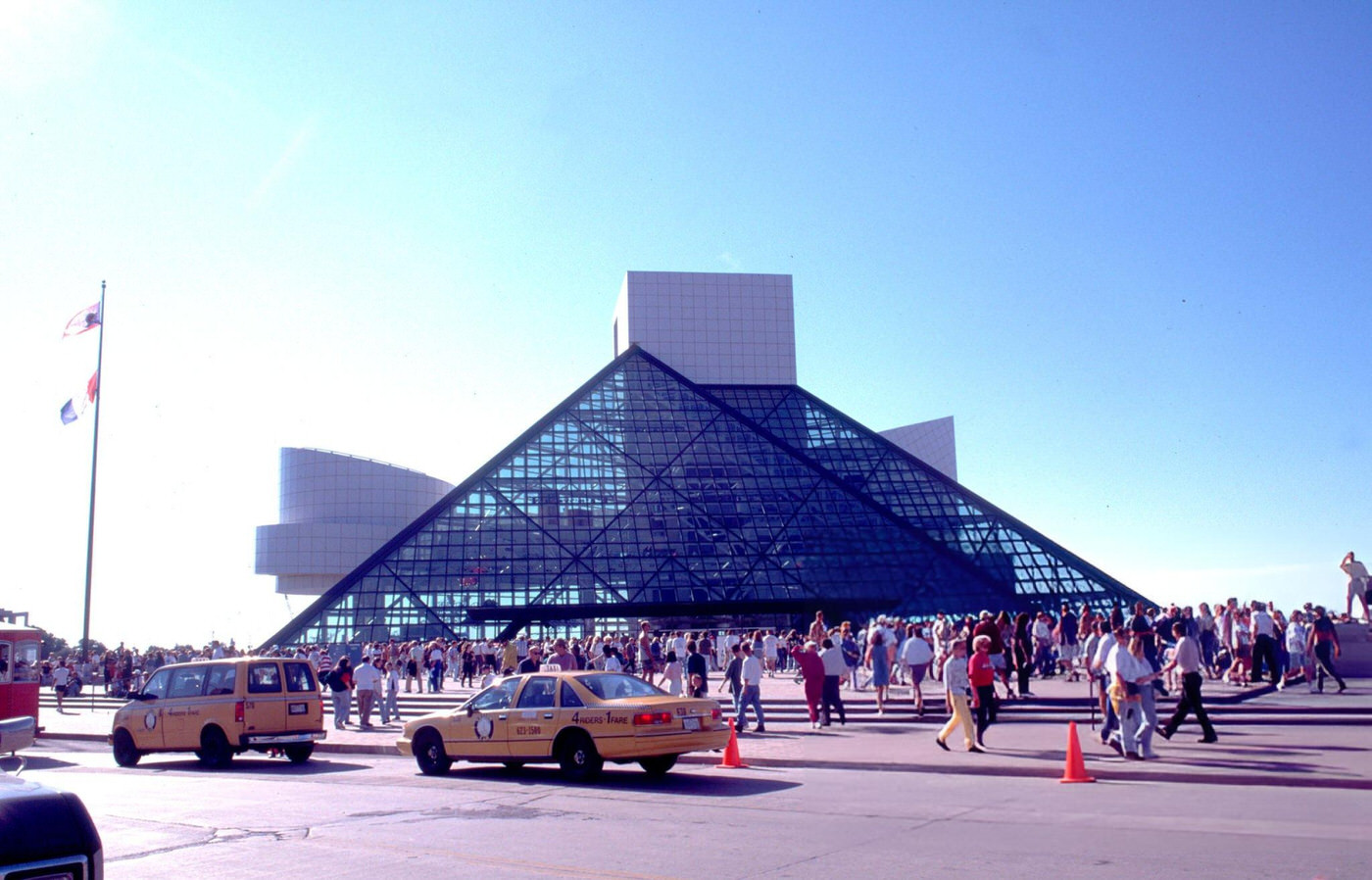
Another key element in Cleveland’s downtown transformation was the establishment of the Rock and Roll Hall of Fame. Cleveland was selected as the museum’s home in 1986, a decision supported by a pledge of $65 million in public funds from city leaders. The city’s deep historical connections to rock and roll music played a crucial role in this selection. Cleveland disc jockey Alan Freed is widely credited with coining the term “rock and roll” and was a major promoter of the genre in the 1950s. Local radio station WMMS also had a national reputation for helping to launch the careers of many important rock acts.
The groundbreaking ceremony for the museum, designed by internationally recognized architect I. M. Pei, took place on June 7, 1993. The Rock and Roll Hall of Fame was officially dedicated on September 1, 1995, with a large public celebration. The festivities included an all-star concert held the following night at the nearby Cleveland Stadium.
In its early years, the museum featured exhibits covering the broad history of rock and roll. Notable early temporary exhibits included “I Want to Take You Higher: The Psychedelic Era, 1965–1969,” which opened in May 1997, and “Elvis Is in the Building,” a tribute to Elvis Presley that opened in August 1998. The museum also launched public programs such as the Hall of Fame Series, featuring interviews with inductees, and the annual American Music Masters series, celebrating the legacy of influential artists. The Rock Hall was a major investment in cultural tourism, designed to attract visitors from around the country and the world, and to contribute to a new, more positive national image for Cleveland. This was a strategic effort to rebrand the city, moving beyond its industrial past.
Other Downtown Developments and Mayoral Initiatives
Beyond Gateway and the Rock Hall, other efforts contributed to the changing face of downtown Cleveland. Mayor White’s administration placed an emphasis on beautification, which included a notable campaign to remove graffiti from hundreds of buildings across the city. By 1997, over 840 structures had been cleaned, setting a national record.
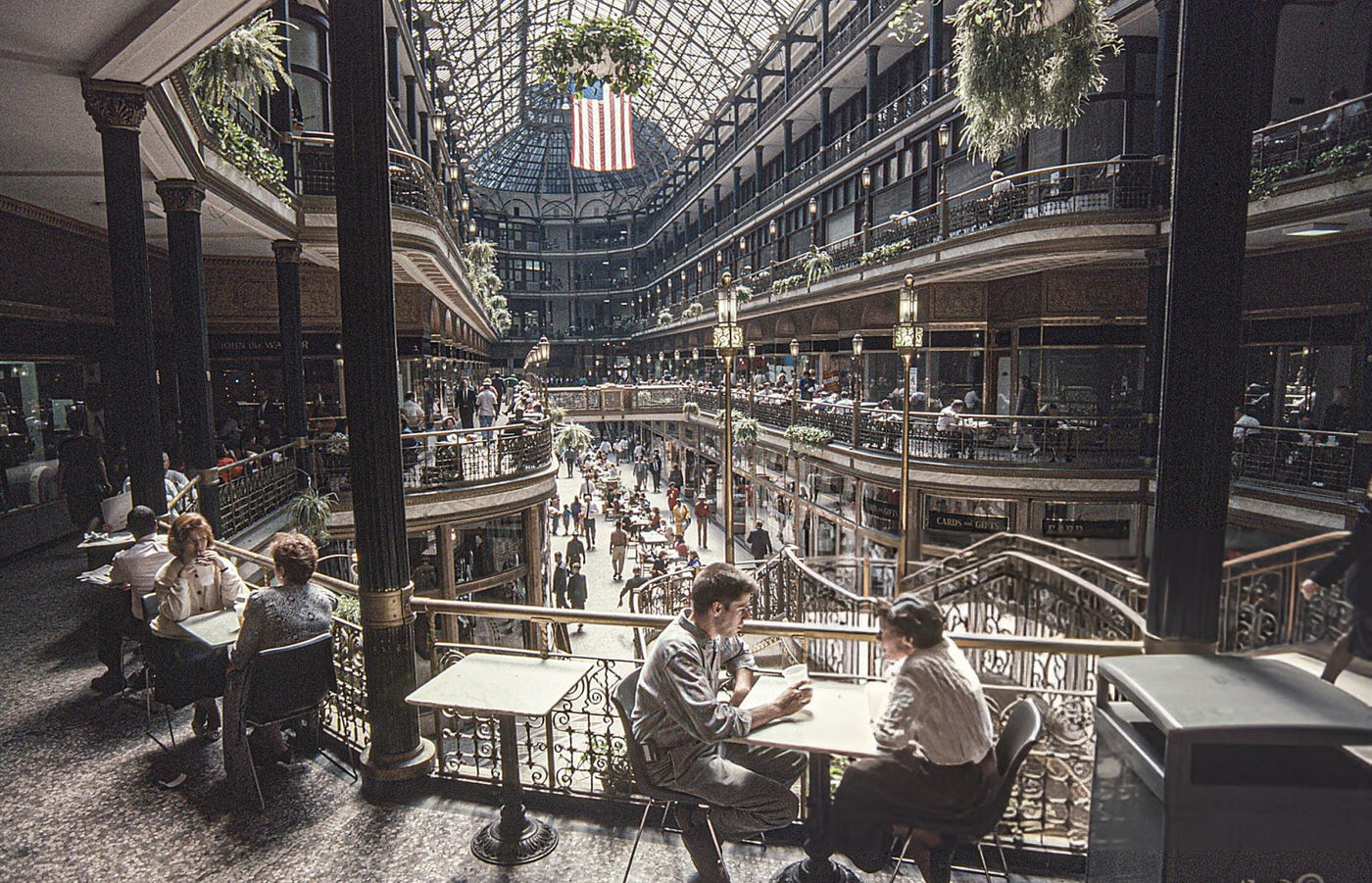
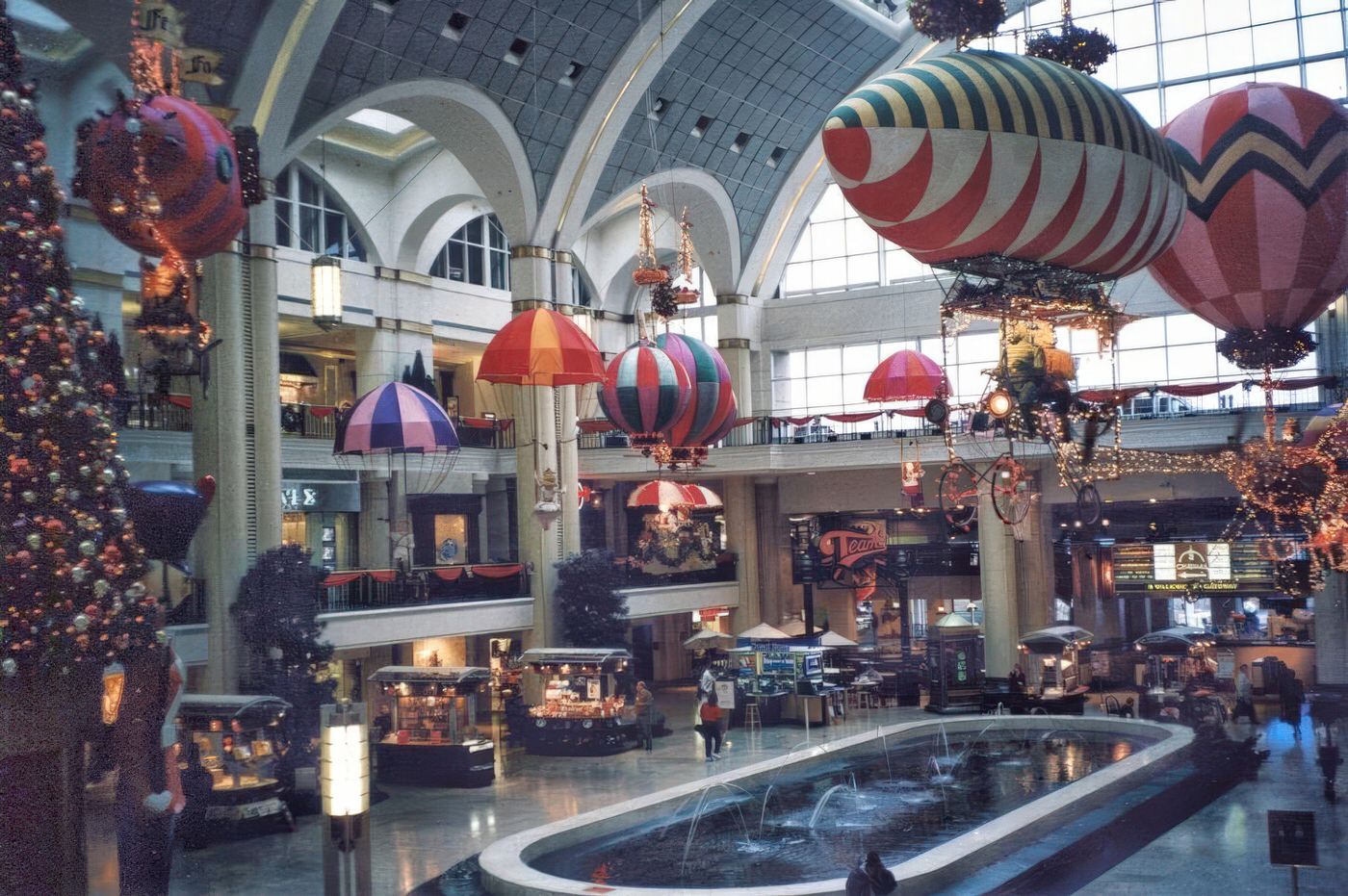
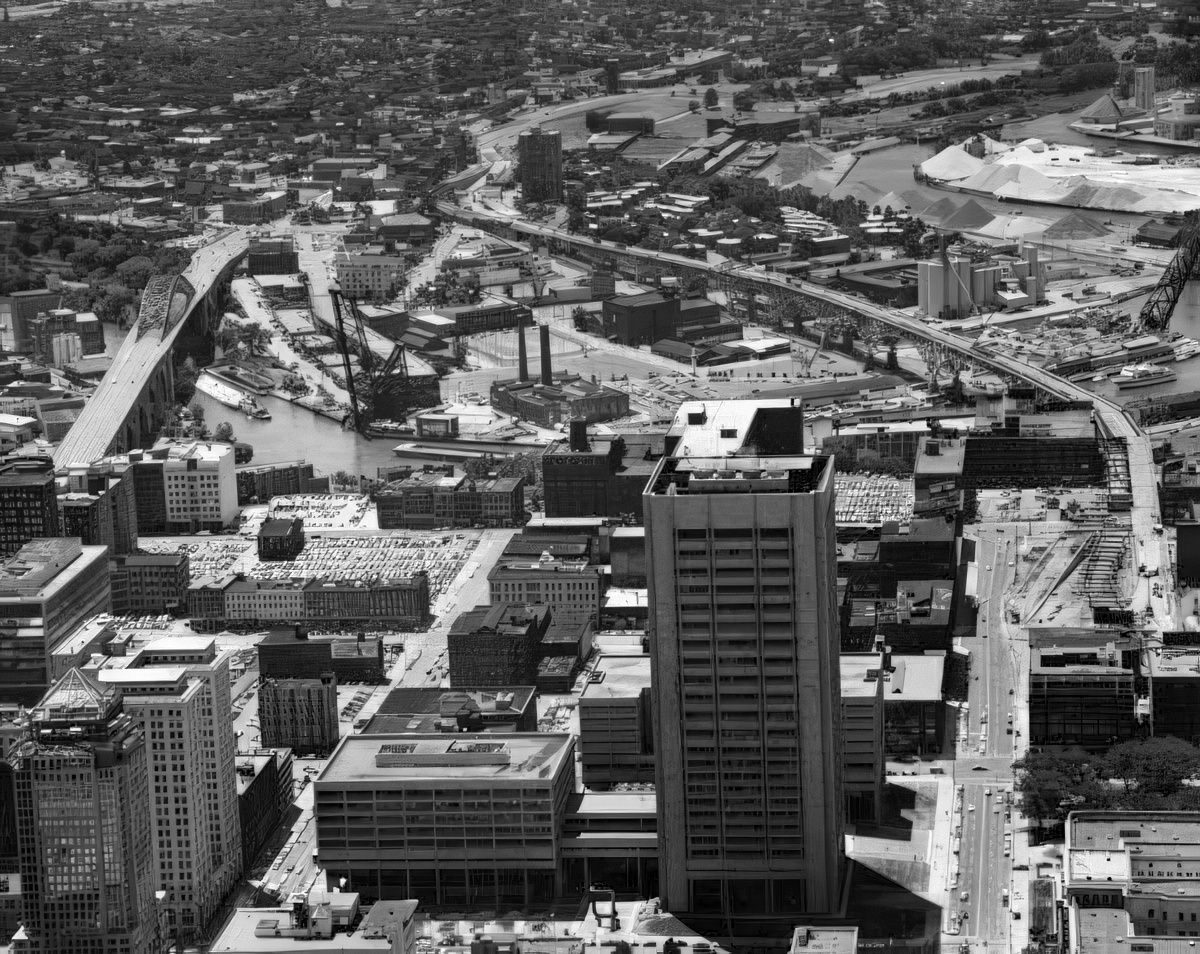
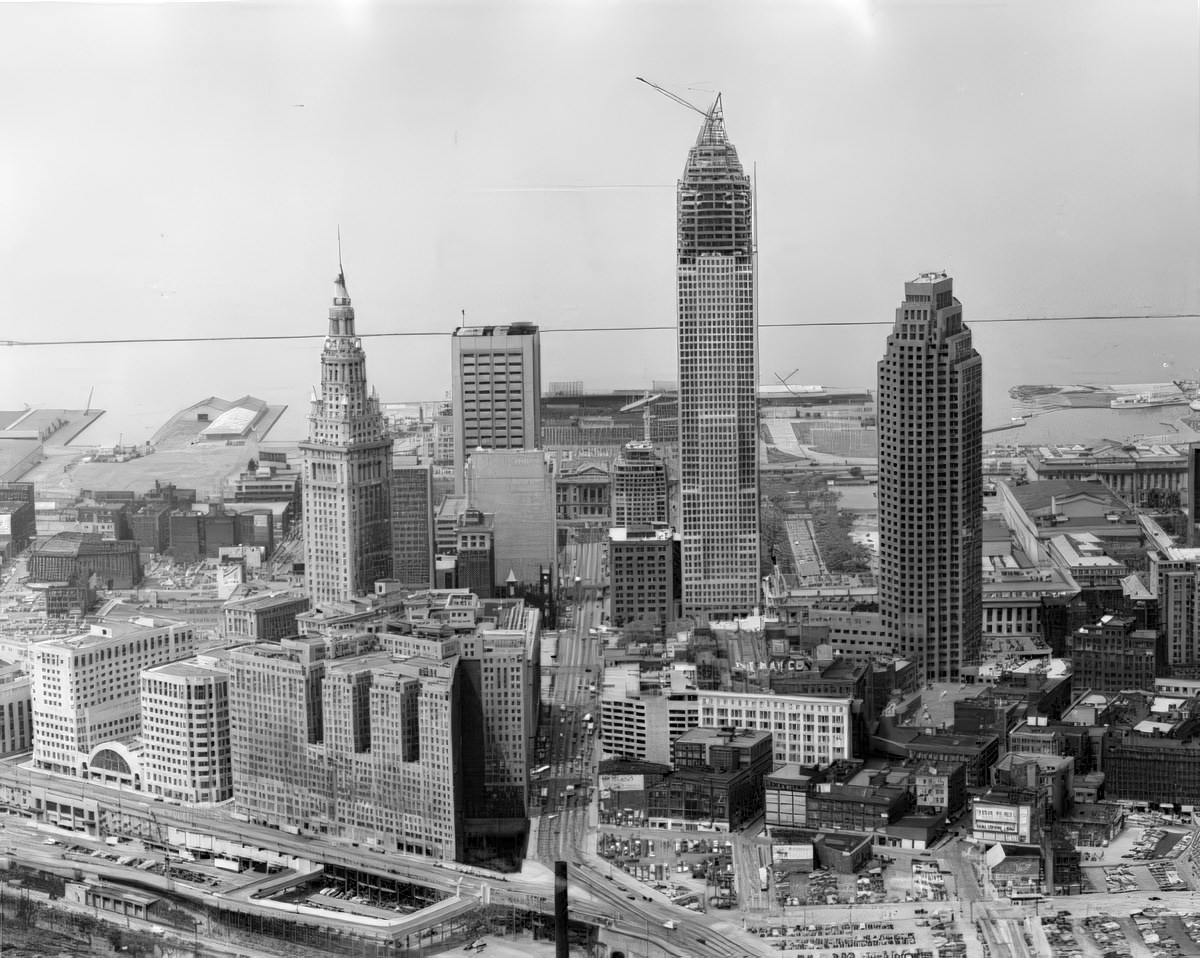
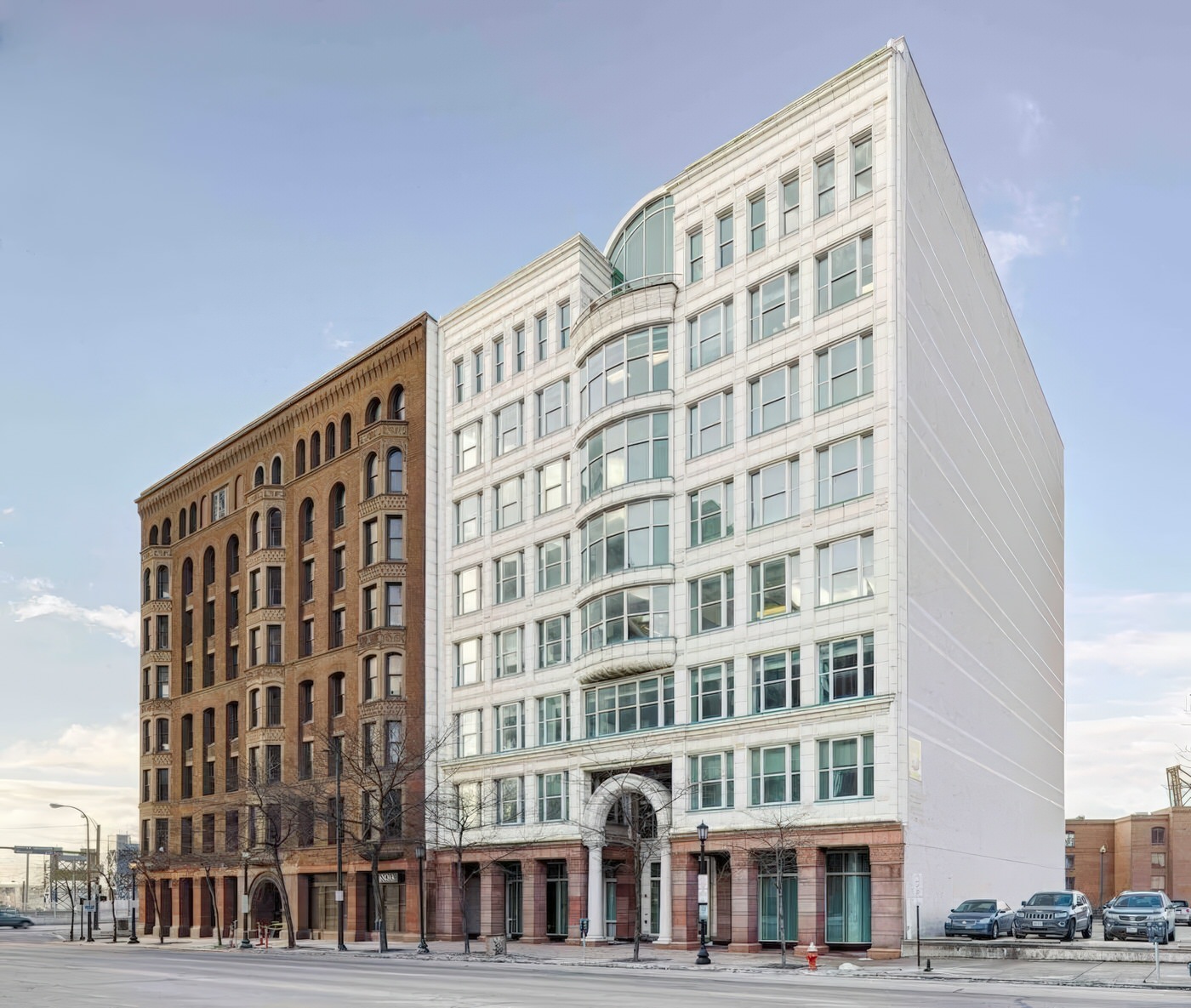
The city’s skyline also saw a major addition with the completion of Key Tower, which became the tallest building in Cleveland. Nearby, Tower City Center, a historic complex, underwent a comprehensive renovation, further modernizing the downtown core. The Galleria, a shopping mall attached to the Tower at Erieview, had opened in 1987 and continued to be a downtown retail destination throughout the 1990s. To help stimulate economic activity, the city also secured $90 million in federal funds to establish a supplemental empowerment zone on Cleveland’s east side. These varied projects were all part of a concerted push to revitalize Cleveland’s urban center, making it a more attractive place to live, work, and visit.
RTA Infrastructure and Service Enhancements
The Greater Cleveland Regional Transit Authority (RTA) undertook numerous infrastructure projects and service enhancements throughout the 1990s, aiming to modernize the system and connect key areas of the revitalizing city.
A cornerstone of RTA’s 1990s efforts was the reconstruction of its main rail station at Tower City. The new $60-million, world-class facility opened on December 17, 1990, creating a modern and central transit hub for the city.
To better serve commuters, the RTA expanded its Park-and-Ride facilities. The first such lot opened in Strongsville in June 1990. This was followed by others, including a facility on St. Clair Avenue in April 1993 and one in Westlake in December 1995.
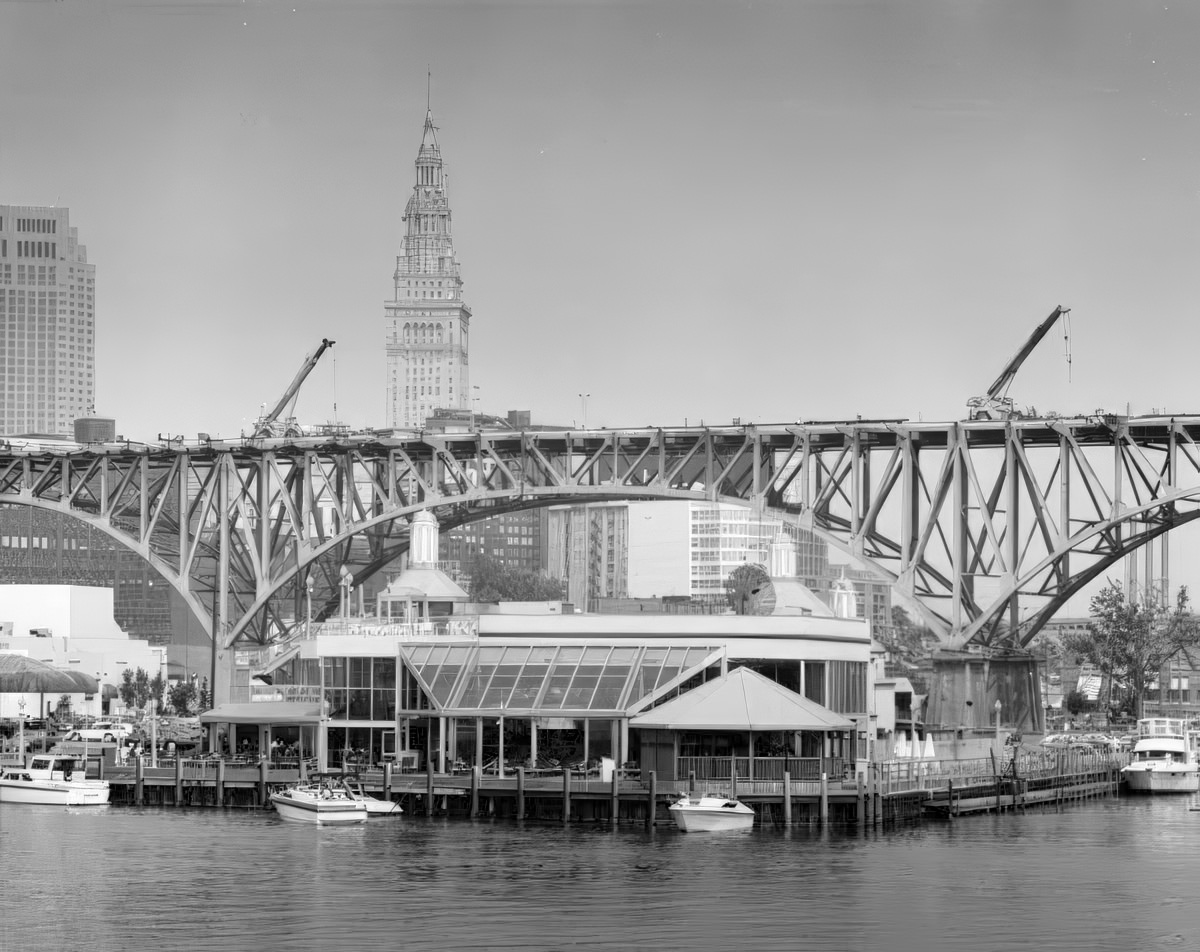
A significant expansion of the rail network occurred with the opening of the 2.2-mile, $55.2 million light-rail Waterfront Line on July 10, 1996. This new line connected Tower City to the developing North Coast Harbor area, providing access to attractions like the Rock and Roll Hall of Fame and the future site of the new Cleveland Browns Stadium. It was the first new rail line constructed in Cleveland in 25 years.
Several stations on the existing Red Line were also renovated or rebuilt during the decade to improve passenger experience and accessibility. These included the West 25th Street station (near the West Side Market, completed September 1992), the Airport station (May 1994), West Park station (May 1996), Superior station (September 1996), and the West Boulevard-Cudell station (April 1999). The Windermere station underwent a major renovation and was renamed the “Louis Stokes Station at Windermere” in November 1997, honoring the long-serving Congressman for his support of public transit.
The RTA also invested in its bus infrastructure, opening a renovated bus garage in Brooklyn in June 1991 and a new garage on Harvard Avenue in Newburgh Heights in January 1995. The Harvard Avenue facility featured the largest indoor compressed natural gas (CNG) fueling station in North America at the time. The RTA began incorporating CNG buses into its fleet in November 1991, reflecting a move towards cleaner fuel technology. The Hayden bus garage was also renovated in 1998.
Passengers saw fare increases in 1991 and 1993. In terms of passenger amenities and information, the RTA launched its Arts-in-Transit program in 1991, incorporating public art into major customer facilities, and introduced its first website in August 1995. These transit investments were clearly timed and routed to support the major downtown revitalization projects, making new attractions more accessible.
Economic Tides: Shifts in Industry and Employment
Cleveland’s economy underwent significant shifts during the 1990s, with traditional industries evolving and new sectors emerging.
The manufacturing sector in the Midwest, including Ohio, experienced a brief downturn during the recession of the early 1990s. For the remainder of the decade, manufacturing employment in the region remained relatively stable, showing moderate growth through 2000. However, this occurred while total nonfarm employment was growing at a much faster rate, signaling a fundamental shift in the region’s industrial makeup.
Specifically for the Greater Cleveland area, the longer-term trend showed a decline in manufacturing jobs. Between 1990 and 2012 (a period that includes the 1990s), the area saw a 41% reduction in manufacturing employment. Despite this overall decline, manufacturing remained a very important part of Ohio’s economy throughout the 1990s. In 1990, for example, manufacturing jobs accounted for 22.7% of all employment in Ohio.
The changing economic landscape was also marked by specific events that affected traditional businesses. The May Company, a long-standing department store, closed its downtown Cleveland location in January 1993. In the financial sector, Cleveland Trust, which had become Ameritrust in 1979, merged with Society Corporation in 1991. This merger was influenced by challenges in the real estate market. The steel industry, historically a cornerstone of Cleveland’s economy, had faced closures in the 1980s, such as U.S. Steel’s Cuyahoga Works , and the 1990s brought continued pressures of reorganization and consolidation for heavy industries. These changes underscored the need for Cleveland to diversify its economic base.
Emerging Sectors: Healthcare and Technology
As traditional manufacturing changed, healthcare and technology began to play an increasingly important role in Greater Cleveland’s economy. The “eds and meds” sectors (education and medicine) became significant drivers of employment. Between 1990 and 2012, the region added 107,000 healthcare-related jobs, a remarkable 55% increase. Eventually, healthcare employment surpassed manufacturing employment in the area. Two of the largest employers in Cuyahoga County were Cleveland Clinic and University Hospitals.
The technology industry, especially health-related technology, also grew in prominence. Between 1992 and 2000, high-tech employment in the Cleveland Primary Metropolitan Statistical Area (PMSA) increased by 5%. While this growth was slower than the national average of 29% for high-tech jobs, it represented an important shift. Within the City of Cleveland, sectors such as Computer and Data Processing (SIC 737), Engineering and Architecture (SIC 871), and Management and Public Relations (SIC 874) showed notable employment and growth during this period. The rise of these sectors provided new avenues for economic activity and job creation.
Beyond healthcare and technology, other parts of the service sector also expanded in Ohio during the 1990s. This included growth in finance, insurance, and real estate (often referred to as F.I.R.E.), as well as general business services. Large U.S. banks, including Cleveland-based institutions like National City Corp and Key Corp, significantly increased their capitalization (their financial reserves) during the 1990s. This broader growth in services further illustrated the diversification of Cleveland’s economy away from its historical heavy reliance on manufacturing.
Employment and Income
Overall employment figures for Ohio showed improvement during the decade. The statewide unemployment rate, which was 5.7% in 1990, fell to 4.3% by 2001. The Cleveland metropolitan area experienced a particularly strong period of employment in the latter half of the 1990s. From June 1995 to February 2002, the unemployment rate in the Cleveland metro area remained below 5%. For several months in late 1998, it even dropped to as low as 1.7%.
Despite the general economic improvement and lower unemployment rates, there were disparities. Per capita income in the city of Cleveland, while it did increase from $9,258 in 1990 to $14,291 in 2000, continued to be lower than the average for the surrounding region. Furthermore, this gap between city and suburban incomes widened during the 1990s. This suggests that while the “comeback” brought benefits, these were not always evenly distributed across the population. Cleveland’s economic story in the 1990s was a local version of a larger transformation happening across the United States, particularly in industrial cities, as economies shifted from manufacturing to services.
Population Dynamics: A Changing Urban Core
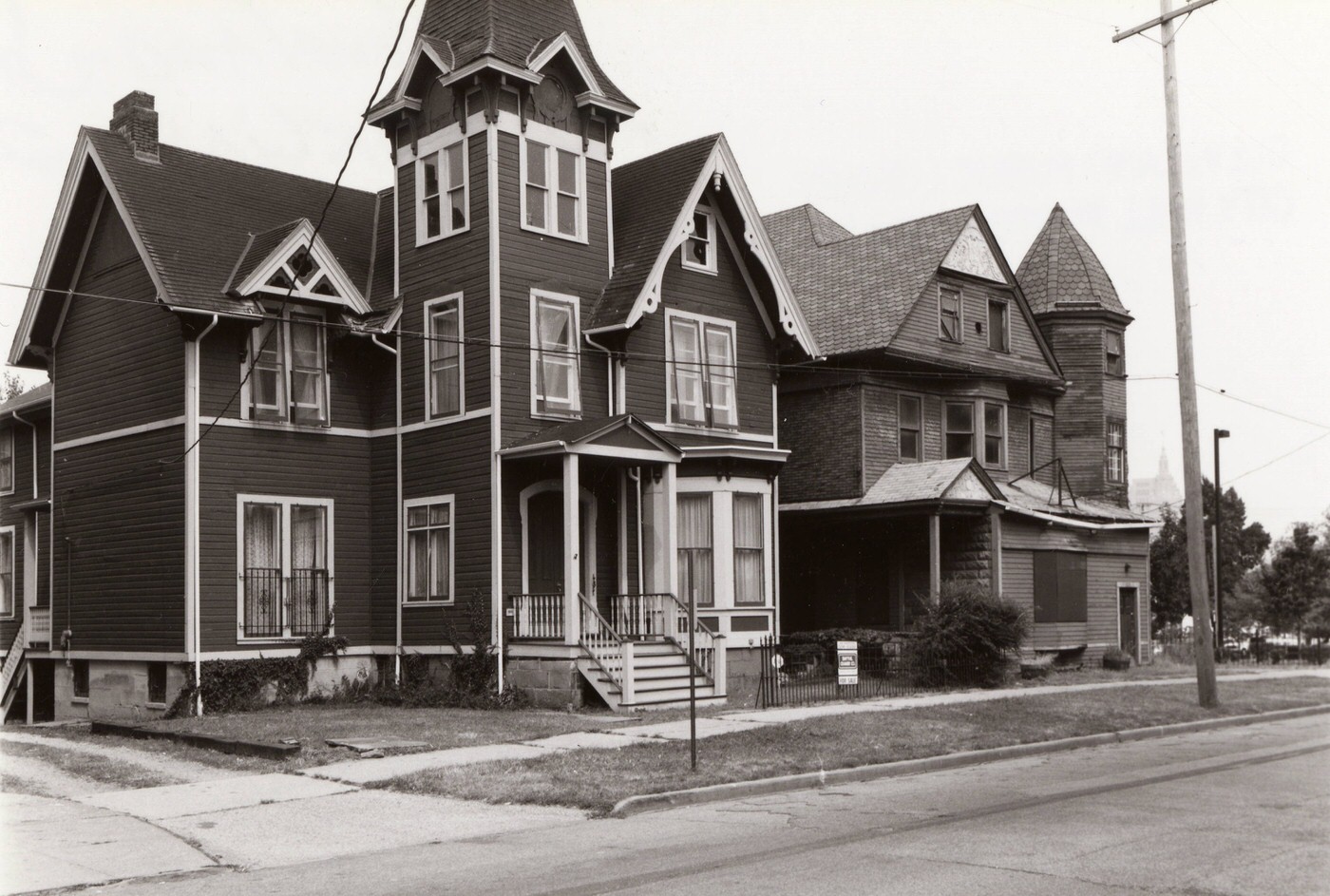
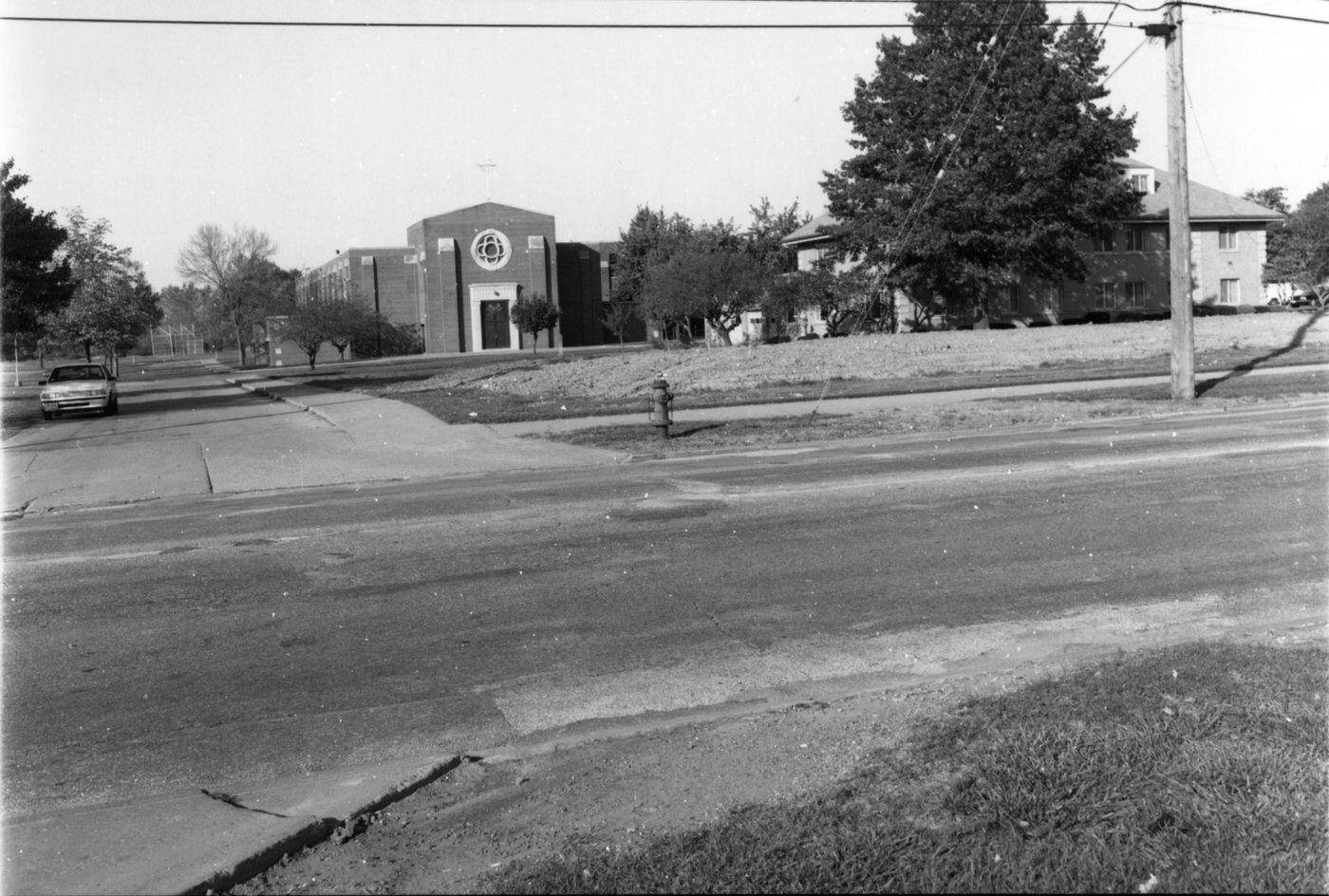
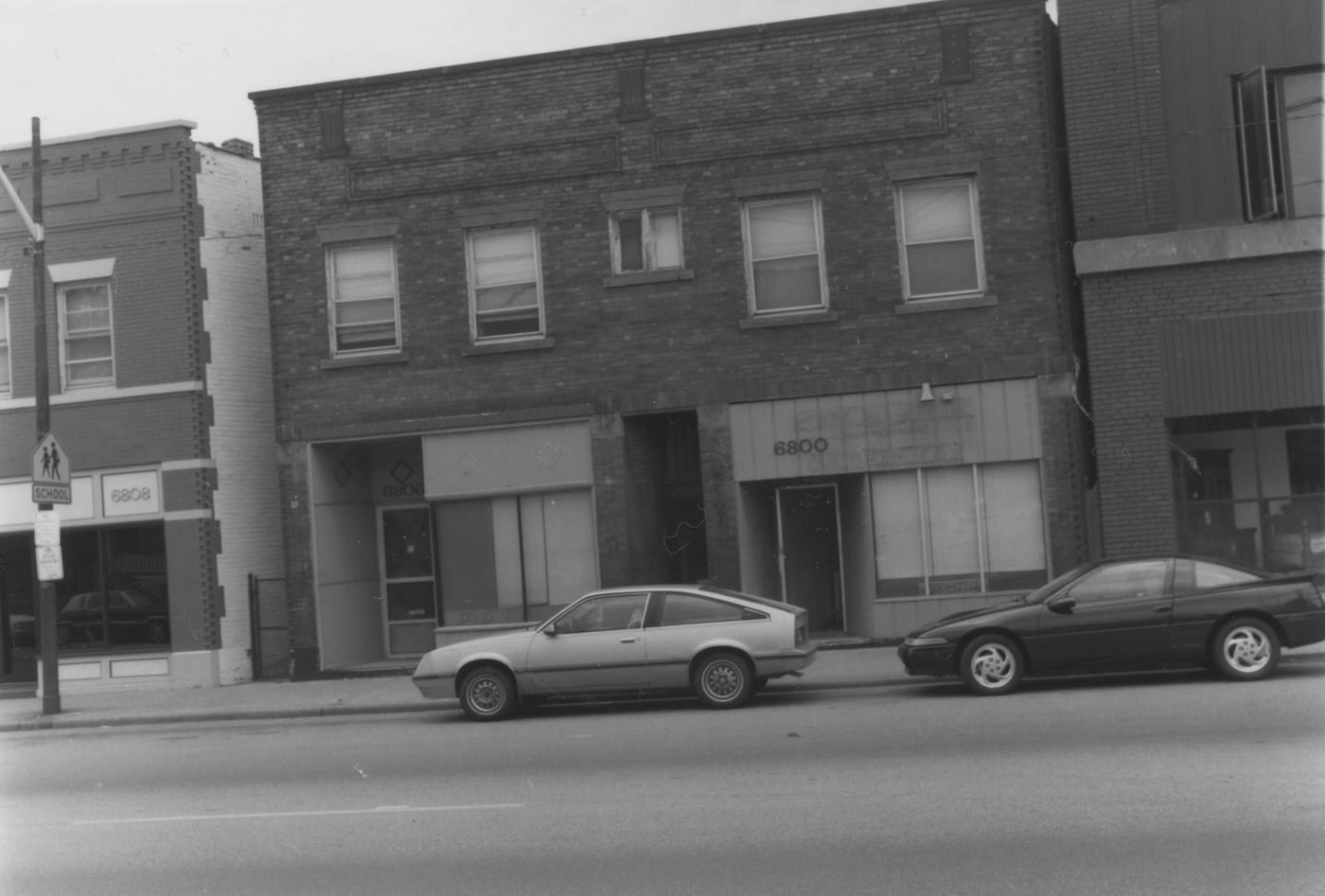
The 1990s brought significant changes to Cleveland’s neighborhoods and the composition of its population.
Cleveland’s overall population continued to decrease during the 1990s, though at a slower pace than in the previous decade. The city’s population fell from 505,616 in 1990 to 478,403 in 2000, a decline of 5.4%. This was less steep than the 11.9% drop experienced between 1980 and 1990.
A key demographic trend during this period was the growth of the African American population, both in actual numbers and as a proportion of the city’s total residents. In 1990, Cleveland’s African American population was 235,405, making up 46.6% of the city. By 2000, this number had risen to 246,242, or 51.0% of the total population, making African Americans the majority group in the city. The foreign-born population remained a relatively small segment, accounting for 4.1% of residents in 1990. In 1990, there were 20,290 Spanish speakers in Greater Cleveland, with Puerto Ricans forming the largest group within the Hispanic community. The slowing rate of overall population loss might suggest some success from revitalization efforts, but the significant shift in racial composition reshaped the city’s social and political fabric.
Neighborhood Revitalization Efforts
Mayor Michael R. White’s administration placed a strong emphasis on improving Cleveland’s neighborhoods, alongside the high-profile downtown projects. Initiatives included furthering neighborhood-based policing programs and successfully persuading local banks to commit $500 million towards neighborhood development projects.
A key organization in these efforts was Neighborhood Progress Inc. (NPI), which had been created in 1988. Responding to Mayor White’s call in 1991 to construct new, market-rate housing on a scale that could make Cleveland neighborhoods competitive, NPI focused its resources accordingly. It utilized subsidiaries like New Village Corporation (formed in 1990) for tasks such as land assembly and environmental cleanup, and Village Capital Corporation (established in 1992) to create financing tools to attract investment to Cleveland development projects.
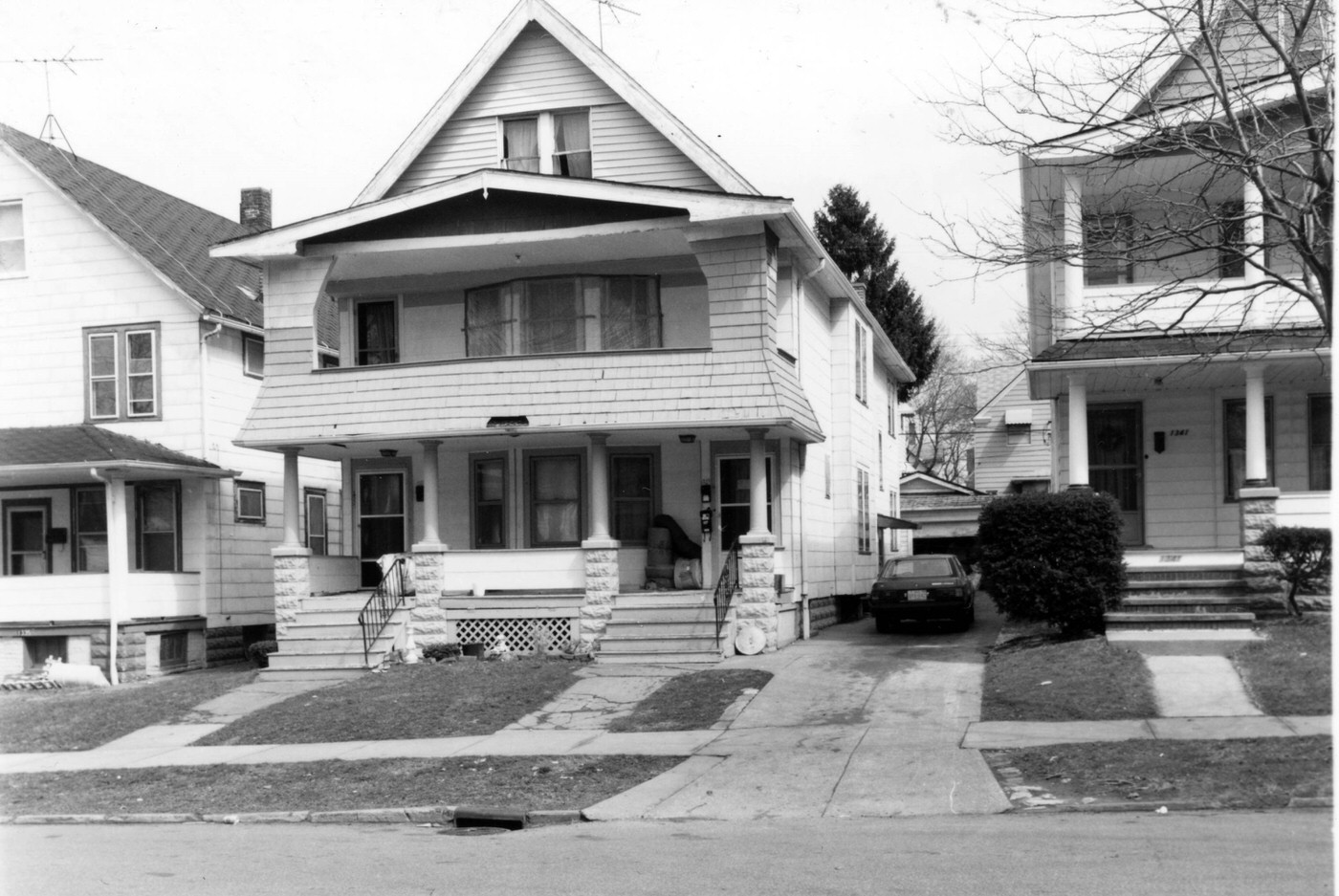
These efforts yielded tangible results. Between 1990 and 2000, Cleveland neighborhoods where NPI concentrated its investments in new construction experienced higher percentage increases in property values than most suburbs in Cuyahoga County. The Community Reinvestment Act of 1977 also played a role in the 1990s, enabling banks to invest in revitalization efforts. This allowed residents in areas that had previously been “redlined” (denied financial services) to obtain loans for home improvements or to purchase new homes. By 2002, Cleveland had risen to become number one in new housing starts within Cuyahoga County.
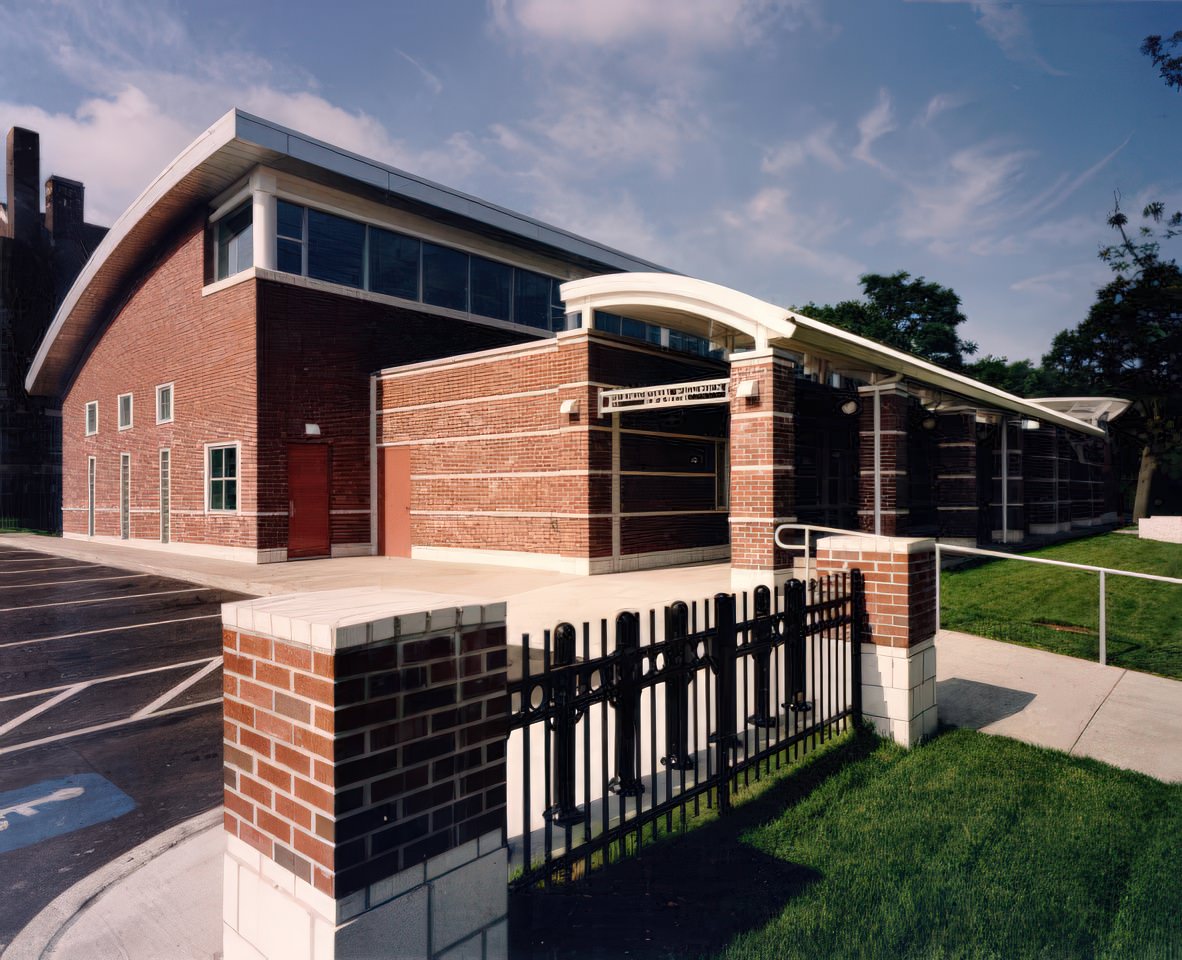
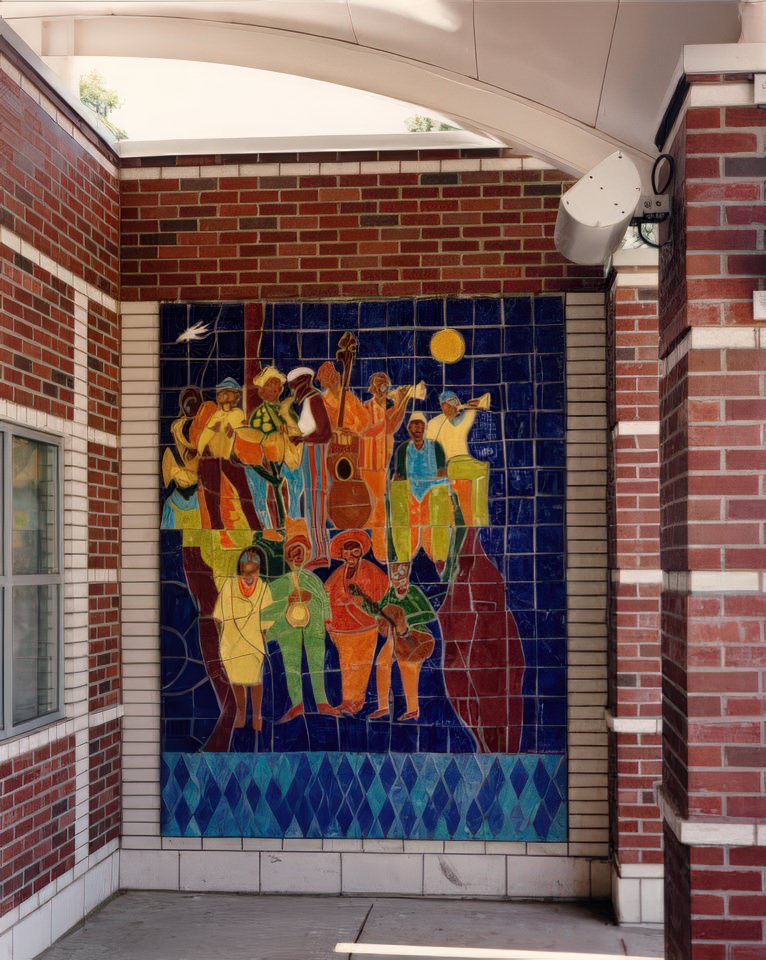
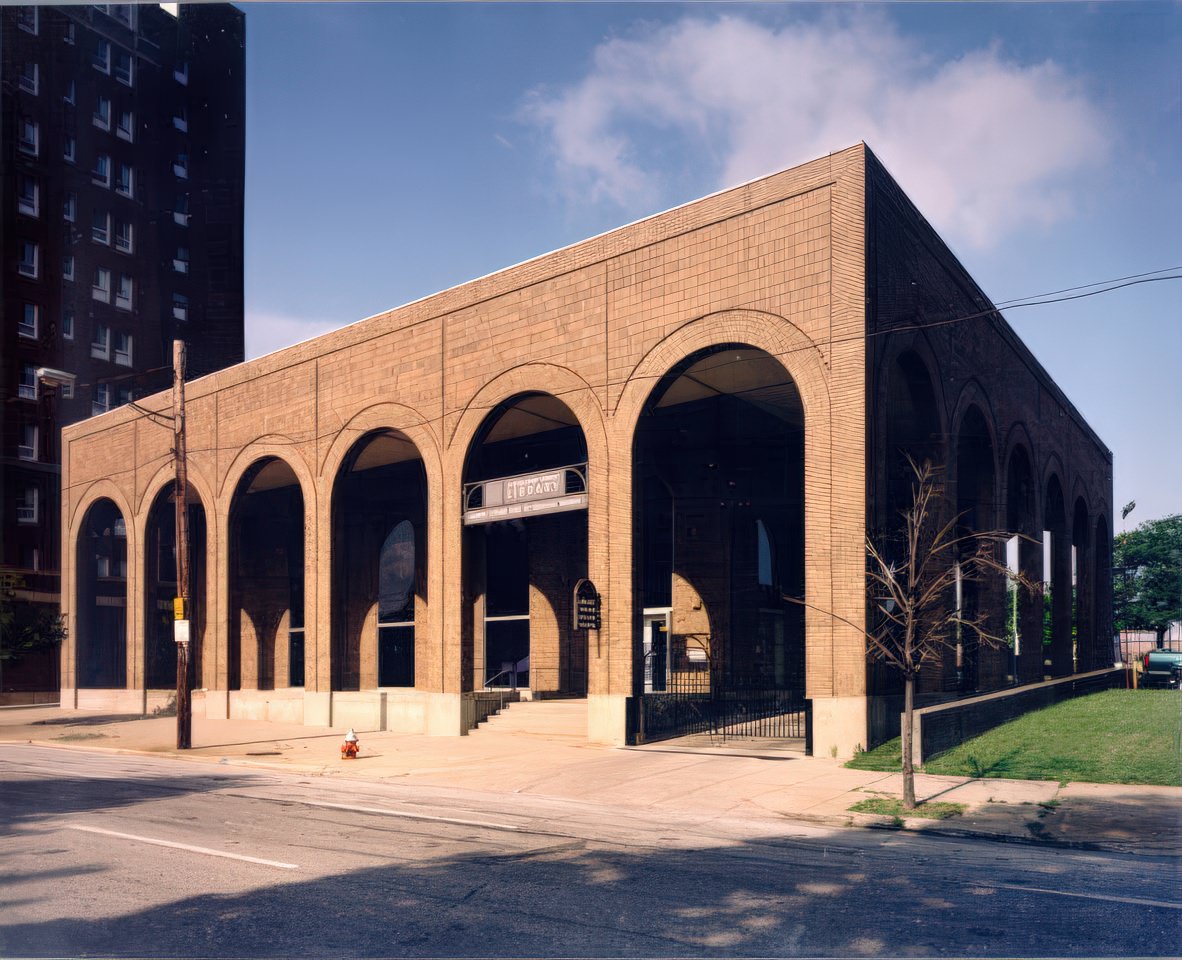
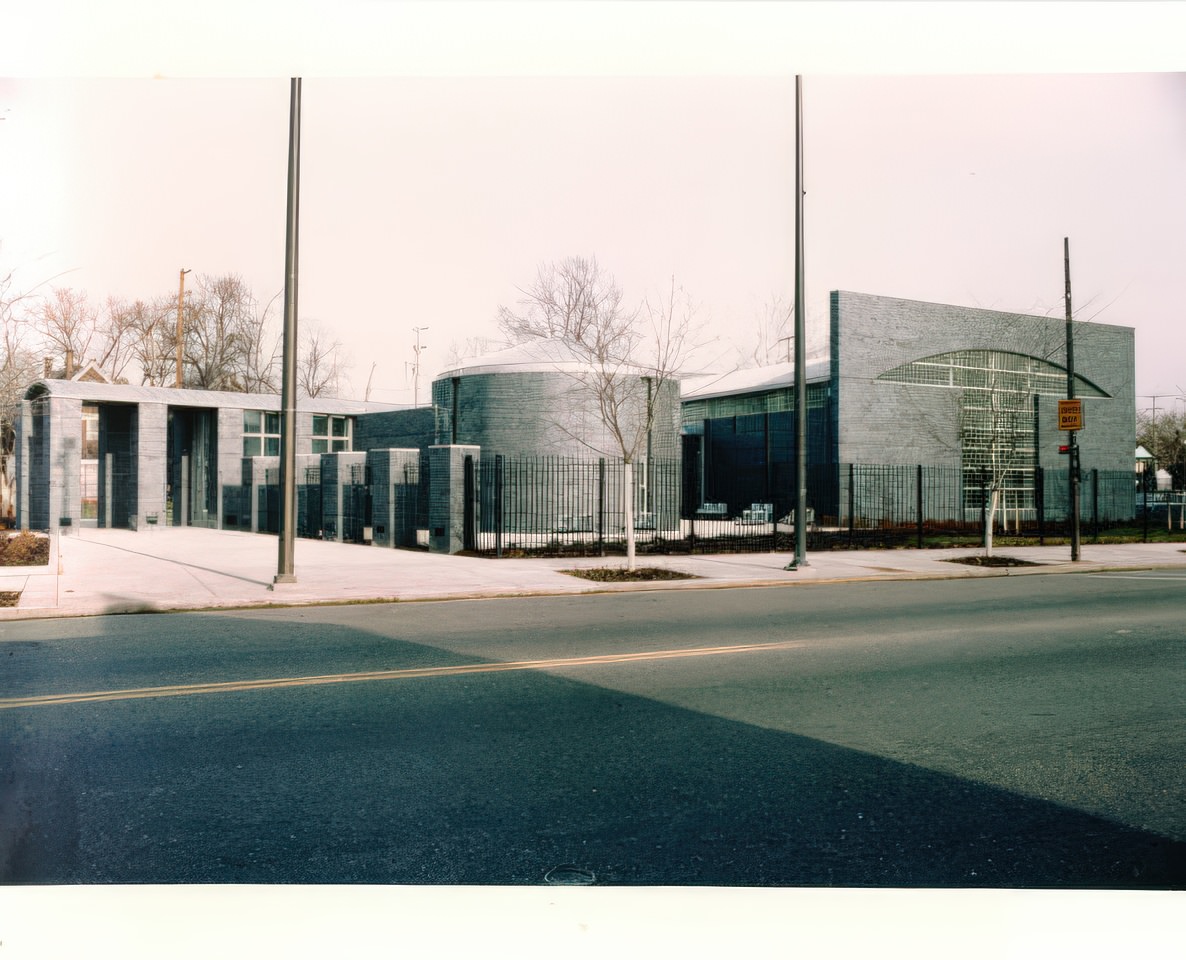
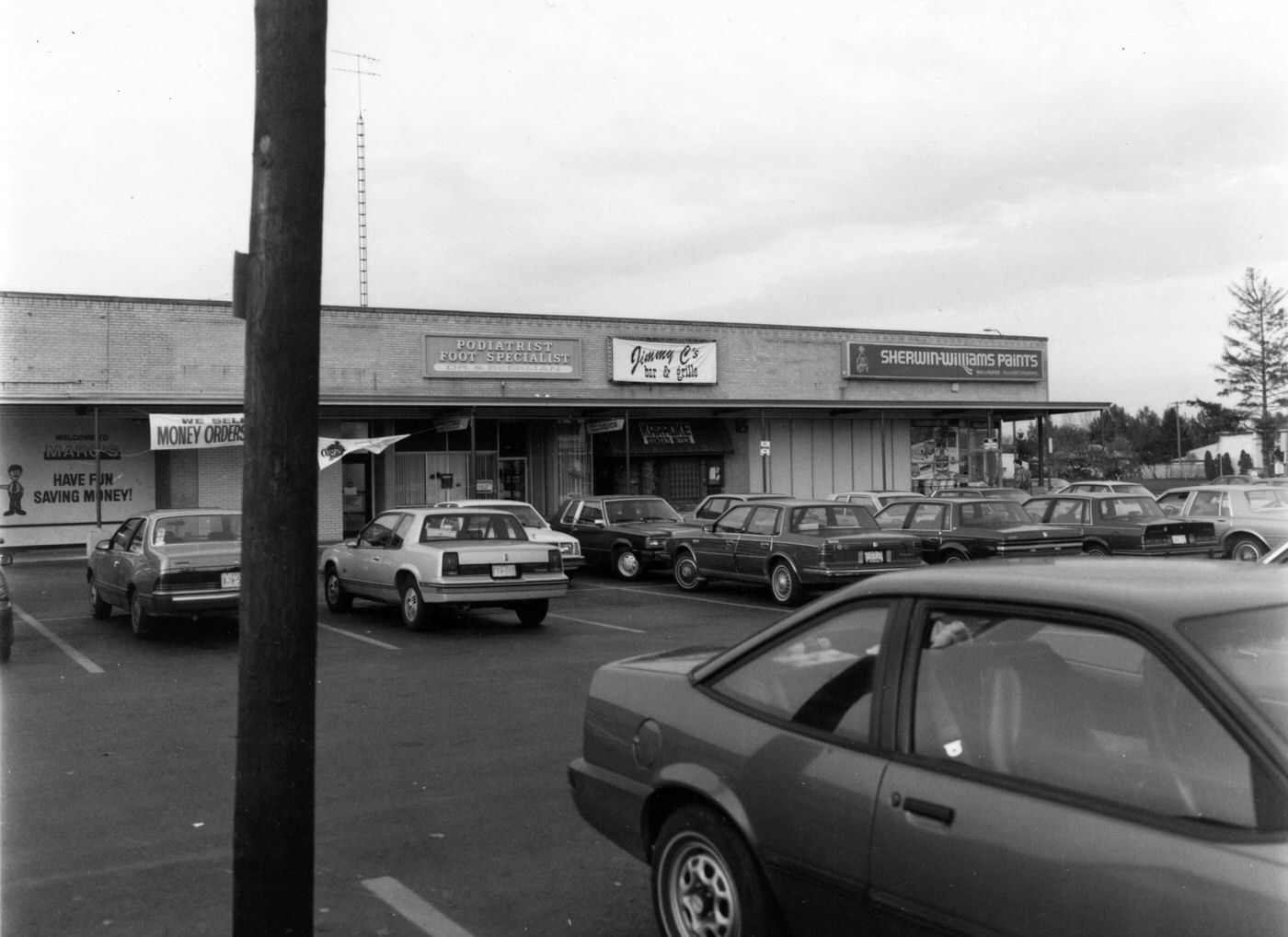
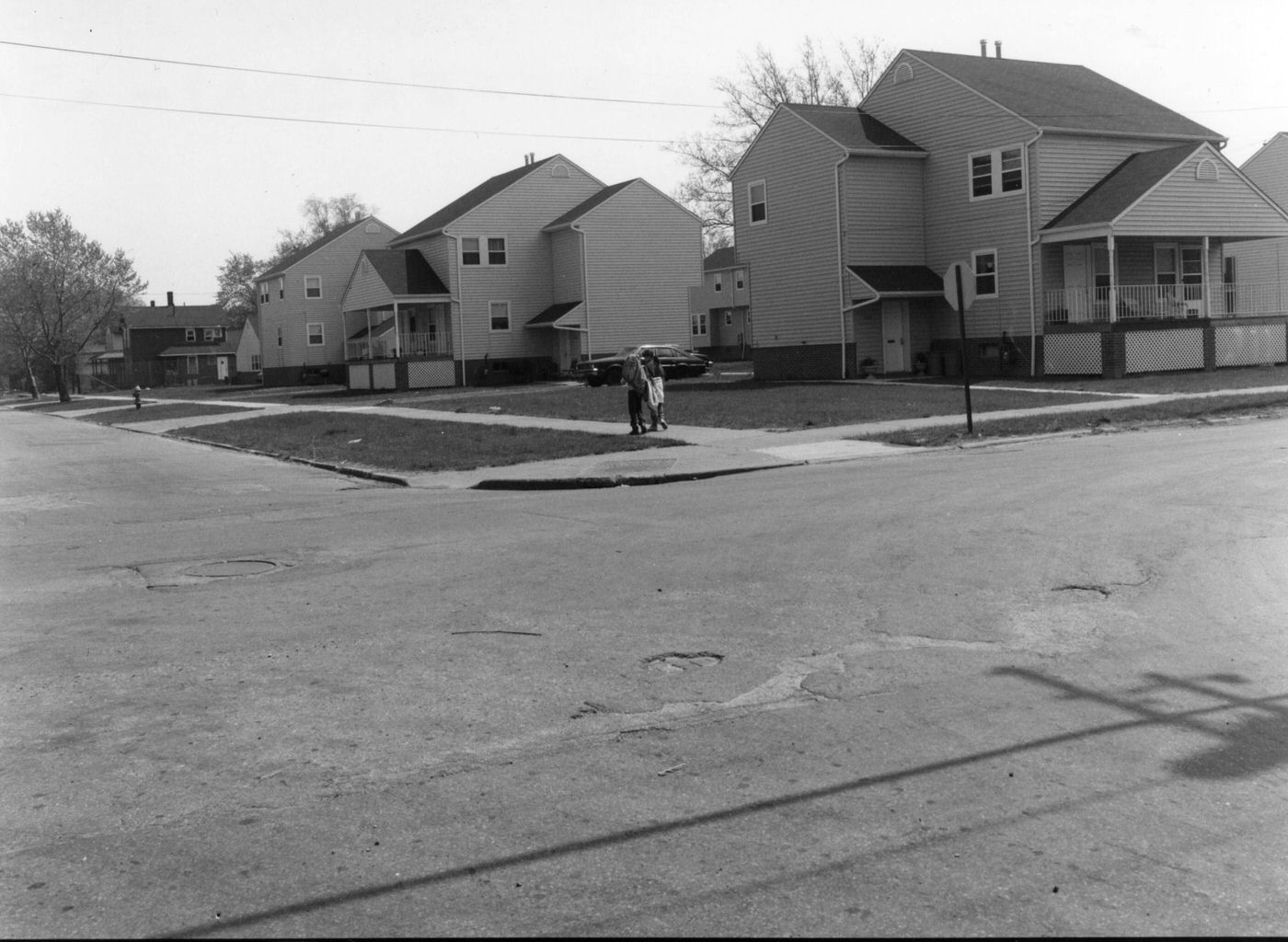
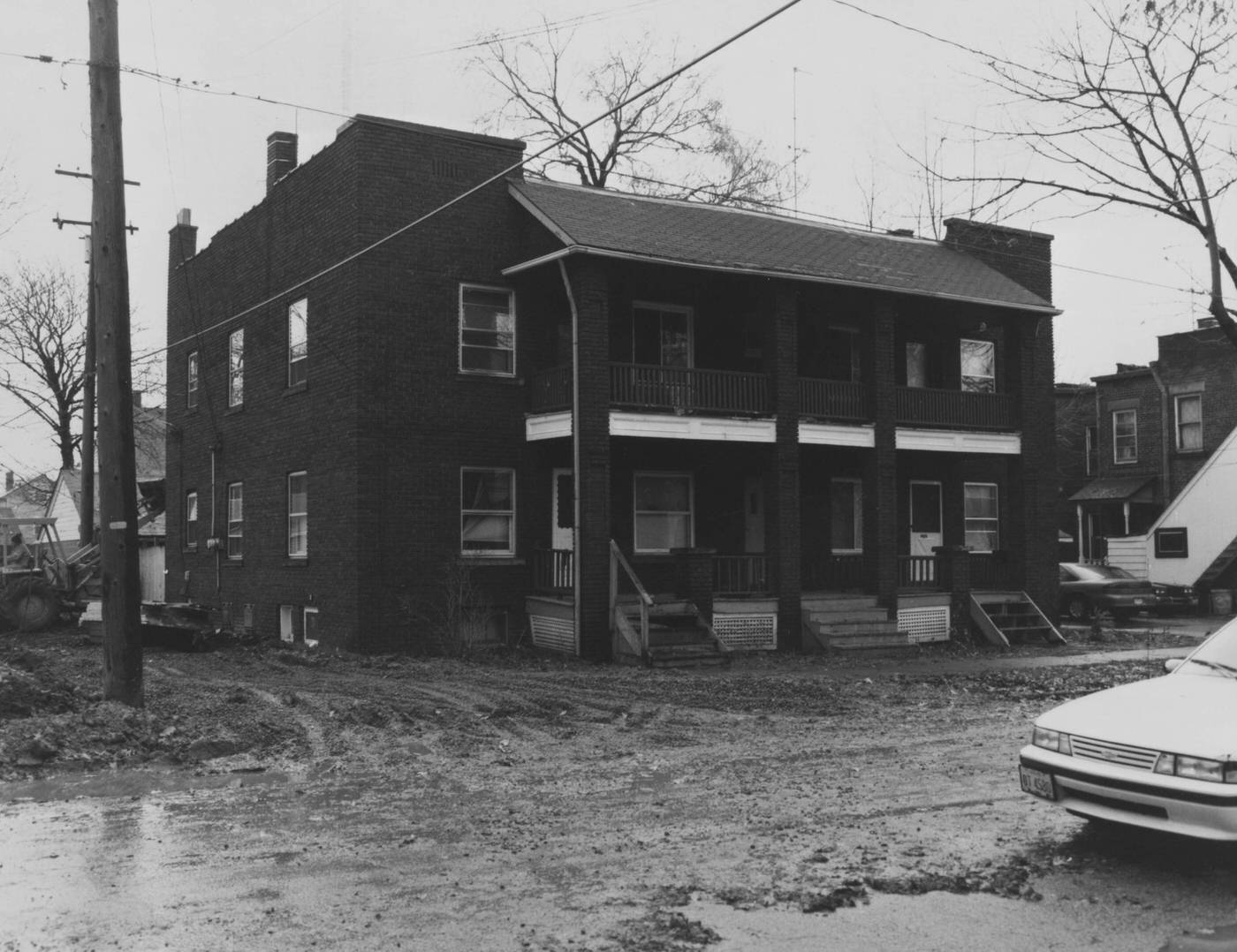
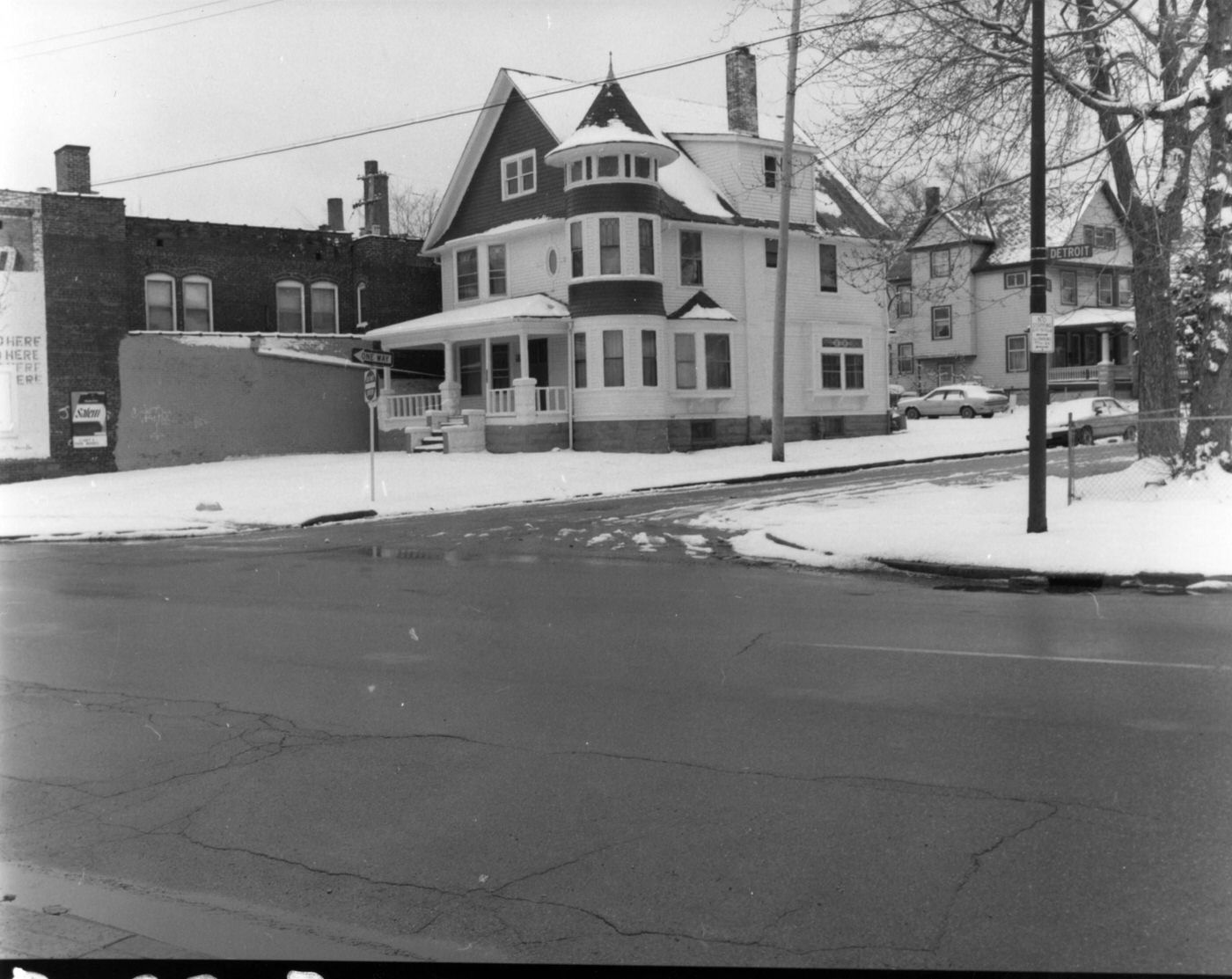
Community Development Corporations (CDCs) continued their work from the 1980s into the 1990s. These organizations were involved in over 400 neighborhood projects, resulting in 6,443 housing units and 2.5 million square feet of new or renovated commercial and industrial space. They also helped retain over 100 local businesses, preserving or creating more than 3,200 jobs (though this data covers a broader period including the 90s). At their peak in the late 1990s, the collective efforts within Cleveland were producing around 500 new homes annually. Neighborhoods such as Ohio City, Detroit Shoreway, Tremont, North Collinwood, Central, Wade Park, and Larchmere were among those that benefited from this redevelopment, becoming more attractive and livable communities. This multi-faceted approach involved city government, non-profit organizations, and private financial institutions, with a significant strategic focus under Mayor White on building new market-rate housing.
Despite these successes in revitalization, significant challenges remained in many Cleveland neighborhoods. Deep-seated poverty persisted, often in areas close to new development projects. The city also encountered setbacks in program execution; for example, a $5.5 million U.S. Department of Housing and Urban Development (HUD) grant awarded in the 1990s was lost due to mismanagement, resulting in the completion of only 12 homes.
While some neighborhoods experienced rising property values, this progress sometimes brought new issues. Towards the end of the decade and into the early 2000s, concerns about displacement of long-term residents and gentrification began to surface in areas like Tremont. The story of neighborhood improvement was therefore complex. Progress in certain aspects or areas coexisted with persistent social and economic difficulties. The demographic shifts, with a decreasing overall population but an increasing African American population making up the majority, alongside the concentration of poverty in some areas despite revitalization, point to different experiences for Clevelanders. The focus on physical redevelopment, while producing visible results, also highlighted that improving buildings and infrastructure alone was not enough to solve deeper “people-based” issues like poverty and access to jobs for all residents.
Public Education: Crisis and Transformation
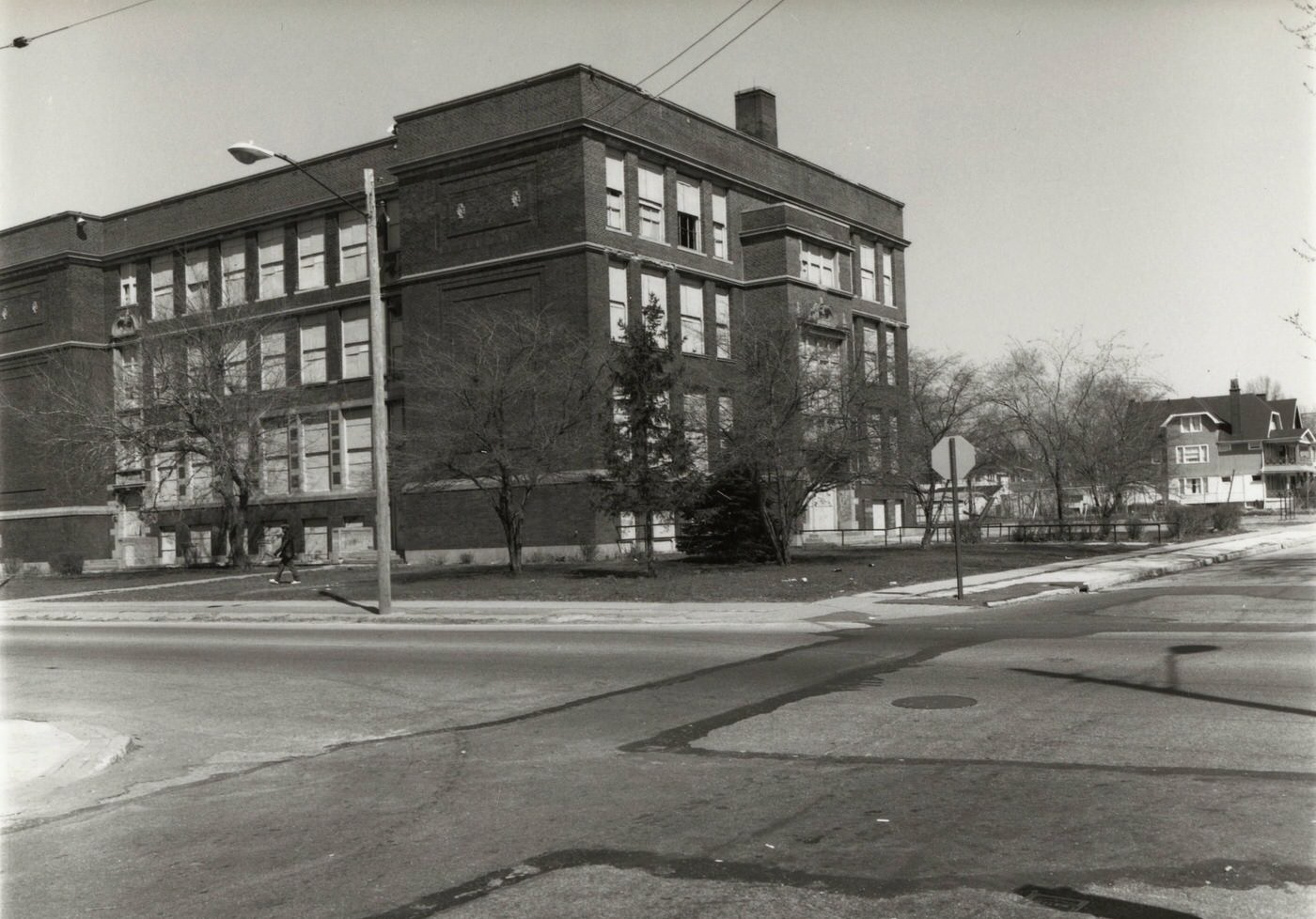
The Cleveland Public Schools (CPS) faced a period of profound crisis and transformation during the 1990s. The district was grappling with challenges rooted in the city’s deindustrialization, which led to job losses, increased poverty, and a shrinking tax base as “white flight” to the suburbs continued. Academic performance was a serious concern: almost half of CPS students were not graduating, and reading comprehension scores often worsened the longer students stayed in the system.
In 1991, Mayor Michael R. White successfully supported a reform slate of candidates for the school board. In 1993, then-Superintendent Sammie Campbell Parrish introduced “Vision 21,” a plan aimed at renewing the educational system. This plan included making crosstown busing voluntary and allowing parents to choose magnet schools or community-based schools, with an emphasis on special reading programs and conflict resolution.
However, the district’s financial situation remained dire. School levies failed at the ballot box twice in 1994, and the district’s debt was significantly higher than that of other large school systems in Ohio. This financial turmoil and administrative chaos led to a state takeover of CPS, ordered by Judge Robert Krupansky in February 1995. The judge cited the district’s inability to manage its finances and the negative impact this was having on the court’s desegregation orders. The state superintendent was given the authority to seek loans and appoint a new superintendent for CPS.
Further changes came in 1995 when Ohio approved a school voucher program. Starting in the fall of 1996, this program allowed some students to use public funds to attend private, including religious, schools. The program faced numerous legal challenges.
A more sweeping change occurred in the summer of 1997 when the Ohio state government passed legislation granting the mayor of Cleveland direct control over the city’s school district. This move was formally implemented in September 1998, shortly after a federal court declared CPS to be “unitary,” meaning it had met the requirements of desegregation orders and was free of judicial oversight. In November 1998, Mayor White appointed Barbara Byrd-Bennett as the first Chief Executive Officer (CEO) of the Cleveland Public Schools. Byrd-Bennett quickly introduced a five-year strategic plan titled “Educating Cleveland’s Children”. Early reports under her leadership, beginning at the very end of the decade, indicated some improvements in areas like student attendance, graduation rates, and test scores. The 1990s were thus a period of dramatic upheaval for Cleveland’s schools, culminating in a fundamental shift in governance designed to address deep-seated systemic problems. This transformation of the school system was seen as a critical component of the city’s overall effort to achieve a sustainable recovery.
Playhouse Square: Continued Rebirth
Playhouse Square, already recognized as a major theater restoration success story, continued to grow and enhance its offerings. A key development was the full restoration and reopening of the Allen Theatre, one of the district’s original five historic venues. The Playhouse Square Foundation rented the theater in 1993, purchased it in 1997, and celebrated its grand reopening in October 1998.
Further expanding its footprint, the Playhouse Square Plaza, an urban park designed for outdoor concerts, activities, and art installations, opened in 1996. This project was part of Cleveland’s Bicentennial Legacy Projects. Towards the end of the decade, in 1999, an investment group led by Playhouse Square acquired the historic Hanna Building. This move gave the organization control of the Hanna Theatre and provided significant street-level retail opportunities, further integrating the arts district with the downtown economy. Playhouse Square also formalized its commitment to community outreach by establishing its Education Department in 1998. These developments solidified Playhouse Square’s status as a premier performing arts center and a vital component of downtown Cleveland’s cultural vibrancy
The Local Music Scene: Diverse Sounds
Cleveland’s music scene was alive with diverse sounds in the 1990s, with several local acts achieving national and international recognition. The hip-hop group Bone Thugs-n-Harmony, hailing from Cleveland, rose to prominence during this decade, known for their unique melodic rapping style and hits like “Tha Crossroads”. Their contribution was recognized by the city when Mayor Michael R. White declared October 30, 1994, as “Bone Thugs~N~Harmony Day”.
Another significant Cleveland-bred musical force was Nine Inch Nails. Founded by Trent Reznor in the city in the late 1980s, the industrial rock band released influential albums throughout the 1990s, gaining a massive global following.
The city’s live music venues played a crucial role in fostering this vibrant scene. The Agora Theatre & Ballroom continued its legacy as a key venue for both established touring acts and emerging local bands. The Grog Shop, which opened in Cleveland Heights in 1992, quickly became a staple for indie and alternative music fans. Peabody’s DownUnder in the Flats was another important spot for live music during this era. These venues provided spaces for artists across various genres, from rock to hip-hop to industrial and alternative, showcasing the breadth of Cleveland’s musical landscape beyond its historical rock and roll roots.
The Literary Scene: Voices and Recognition
Cleveland’s literary scene also saw notable activity in the 1990s. The Anisfield-Wolf Book Awards, administered by the Cleveland Foundation, continued their important mission of honoring written works that contribute to the understanding of racism and human diversity. Winners during the 1990s included Dolores Kendrick for “The Women of Plums: Poems in the Voices of Slave Women” (1990), Sandra Cisneros for “Woman Hollering Creek and Other Stories” (1993), Judith Ortiz Cofer for “The Latin Deli: Prose and Poetry” (1994), and Reginald Gibbons for “Sweetbitter: A Novel” (1995). The jury for these prestigious awards became more formalized in 1991, including prominent writers and scholars.
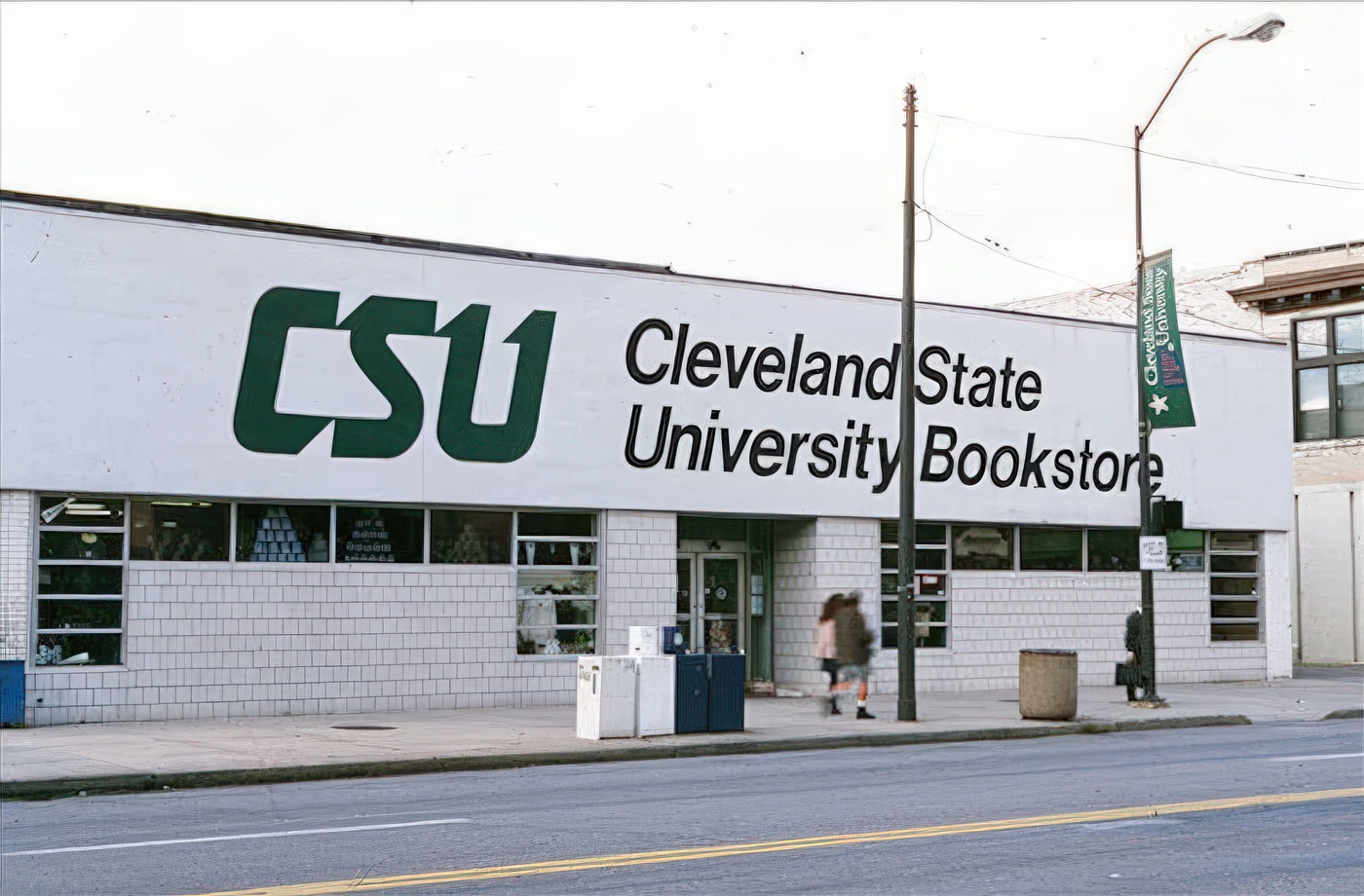
Local poet Alberta Turner remained an active figure. She taught at Cleveland State University until her mandatory retirement in 1990 and then continued part-time. She was deeply involved with the CSU Poetry Center and its press, which published her “Beginning with And: New and Selected Poems” in 1994. While the organization Literary Cleveland was a later development, the 1990s saw activity from various Ohio-based literary magazines like Artful Dodge. Additionally, journalist Don Swaim conducted numerous interviews with authors during the 1980s and 1990s, which are preserved by Ohio University.
The decade also saw important publications that documented the city’s own story. “Cleveland: A Metropolitan Reader,” edited by Dennis Keating, Norman Krumholz, and David C. Perry, was published in 1995. “The Encyclopedia of Cleveland History,” a landmark project, saw its second, updated edition published in 1996 to coincide with the city’s bicentennial. These activities demonstrate a continued literary presence in Cleveland, from prestigious national awards to active local poets and significant contributions to the city’s historical narrative.
Planning for the Future: The Euclid Corridor Project
Beyond immediate improvements, the RTA also engaged in significant long-range planning during the 1990s, most notably for the Euclid Corridor Transportation Project. This project aimed to upgrade transit service along Euclid Avenue, one of Cleveland’s most important thoroughfares.
The Dual Hub Corridor Alternatives Analysis and Draft Environmental Impact Statement was completed in 1993, evaluating various options for the corridor. In November and December of 1995, both the RTA Board members and the Northeast Ohio Areawide Coordinating Agency (NOACA) officially selected Bus Rapid Transit (BRT) as the Locally Preferred Alternative for the project, which would later become known as the HealthLine. Following this decision, preliminary design work for the Euclid Corridor Improvement Project began in 1997, in collaboration with the City of Cleveland. Although the HealthLine itself would be constructed and opened in the following decade, the critical planning, environmental reviews, and selection of the BRT mode during the 1990s laid the essential groundwork for this transformative project, demonstrating a forward-looking approach to Cleveland’s urban transit needs.
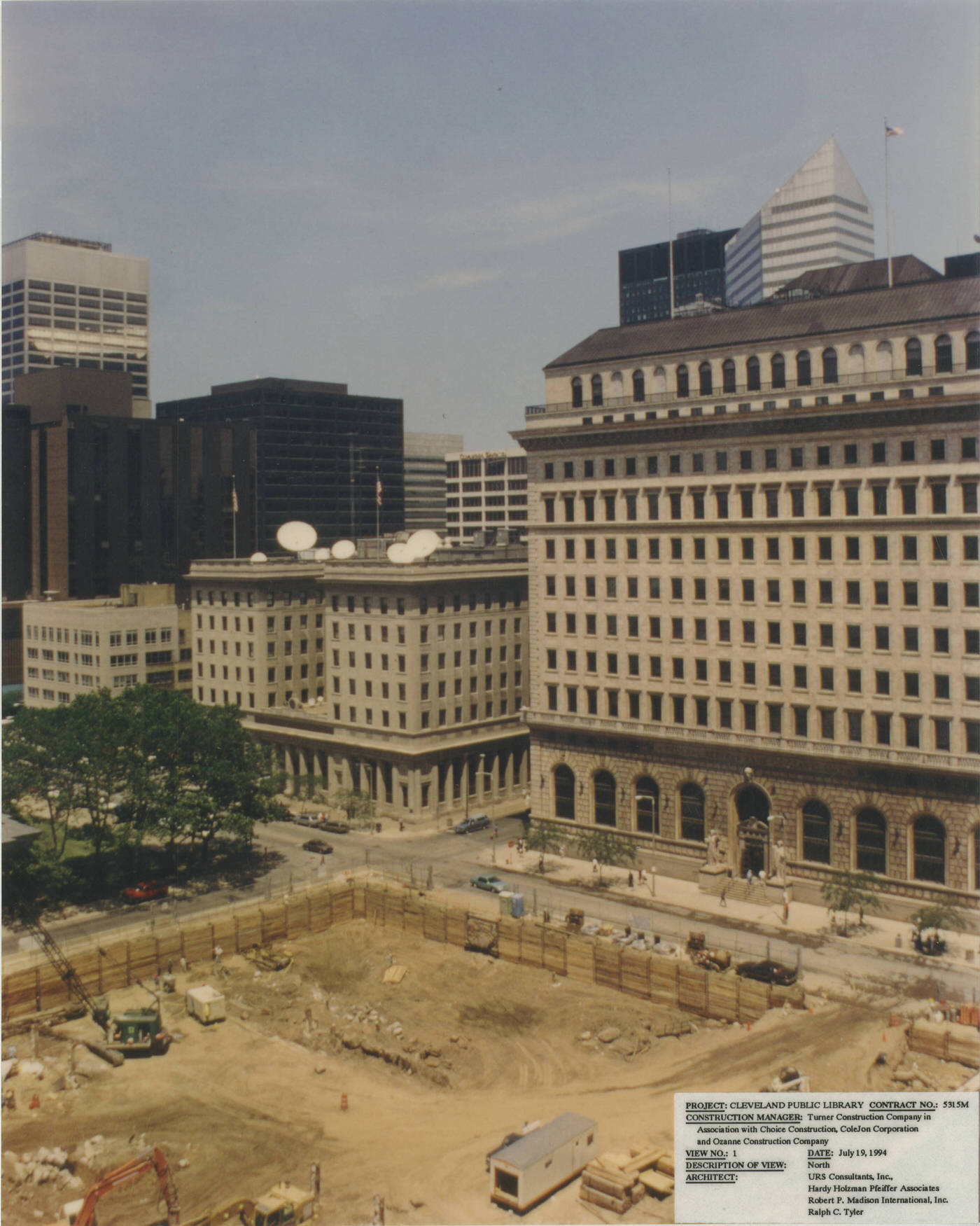
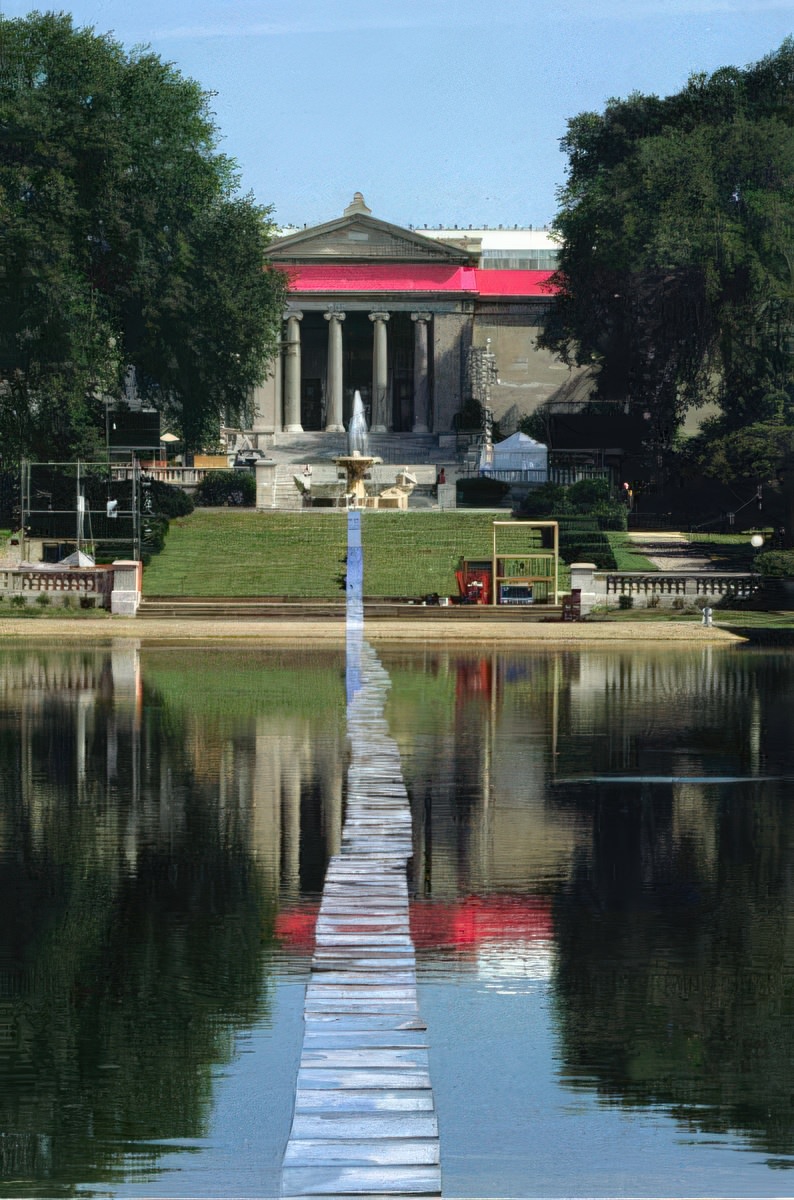
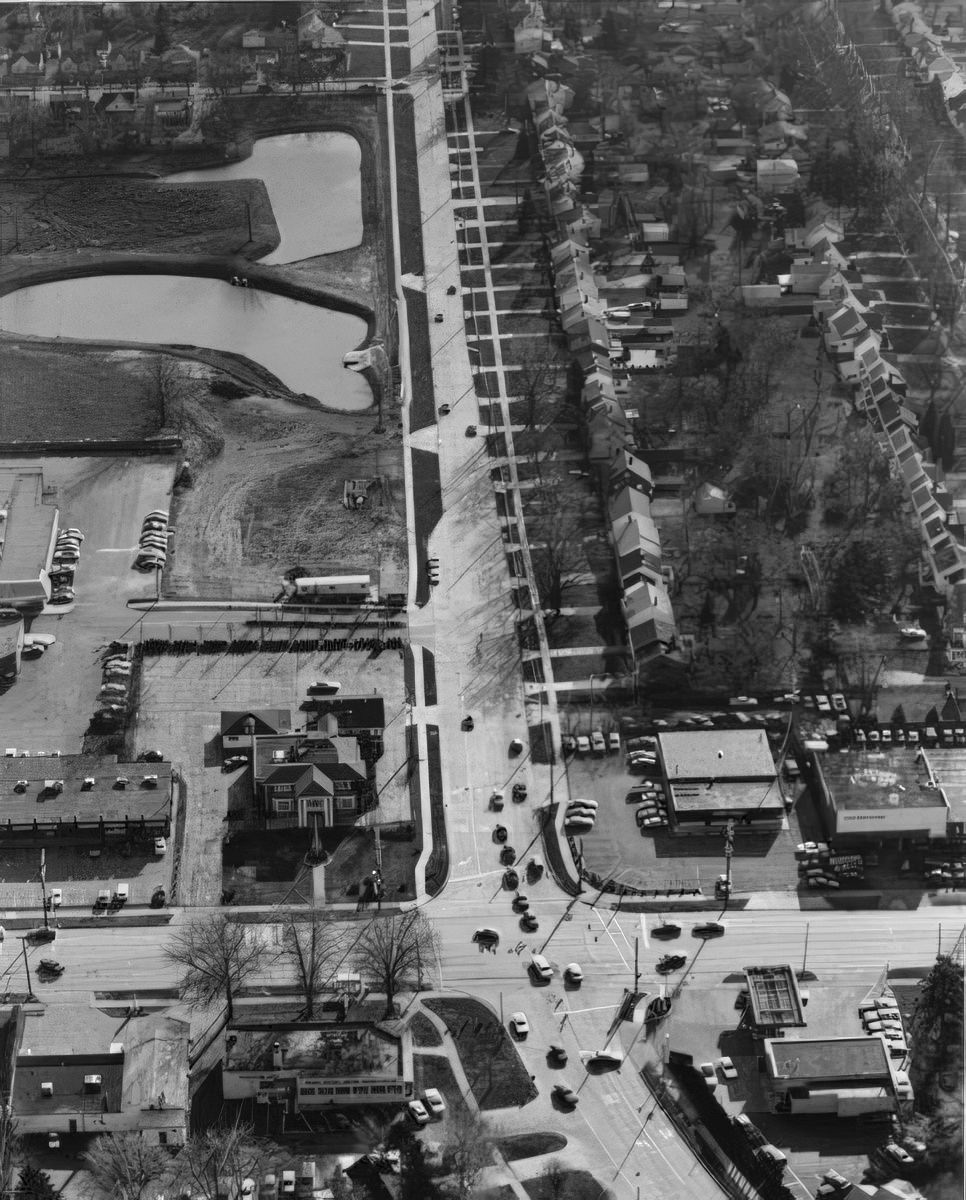
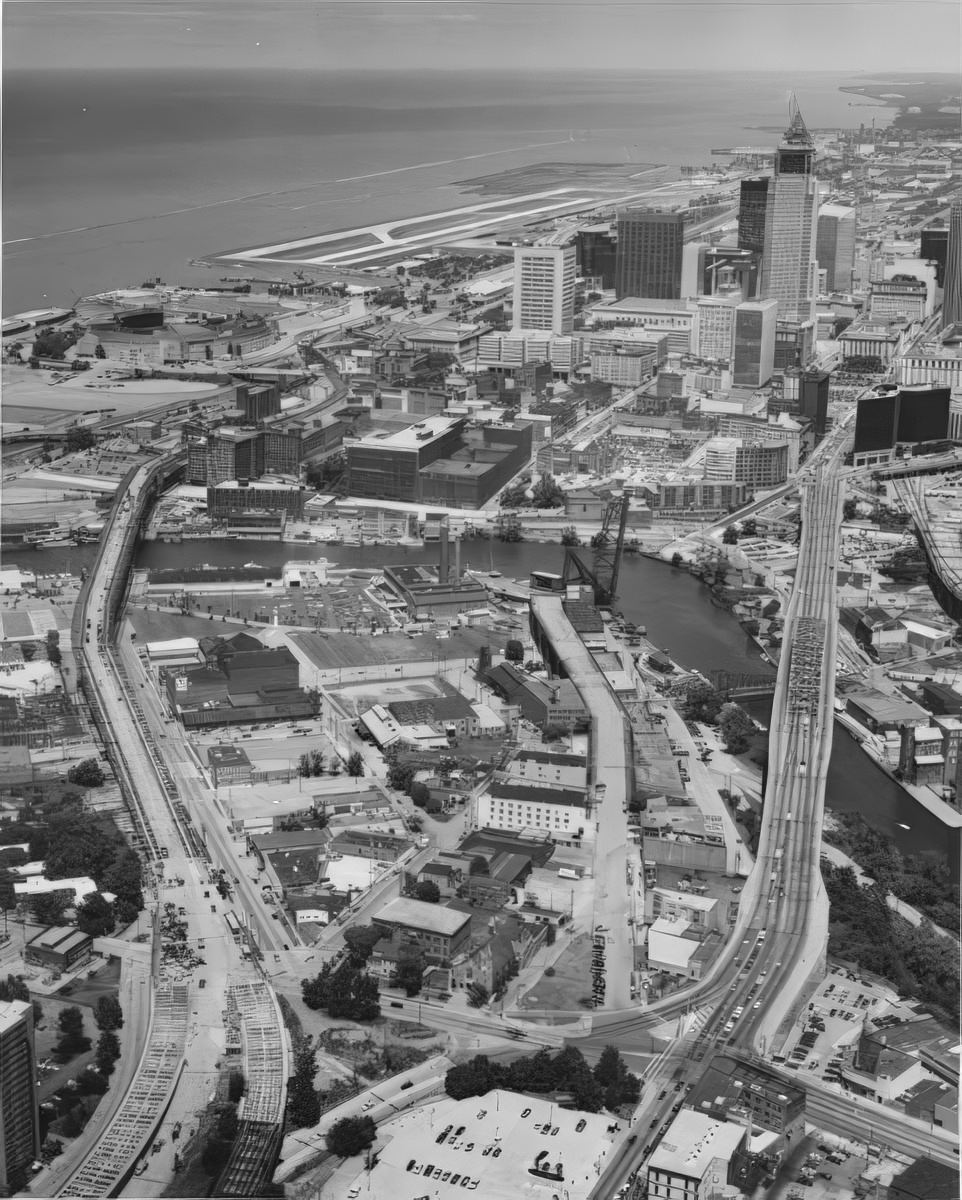
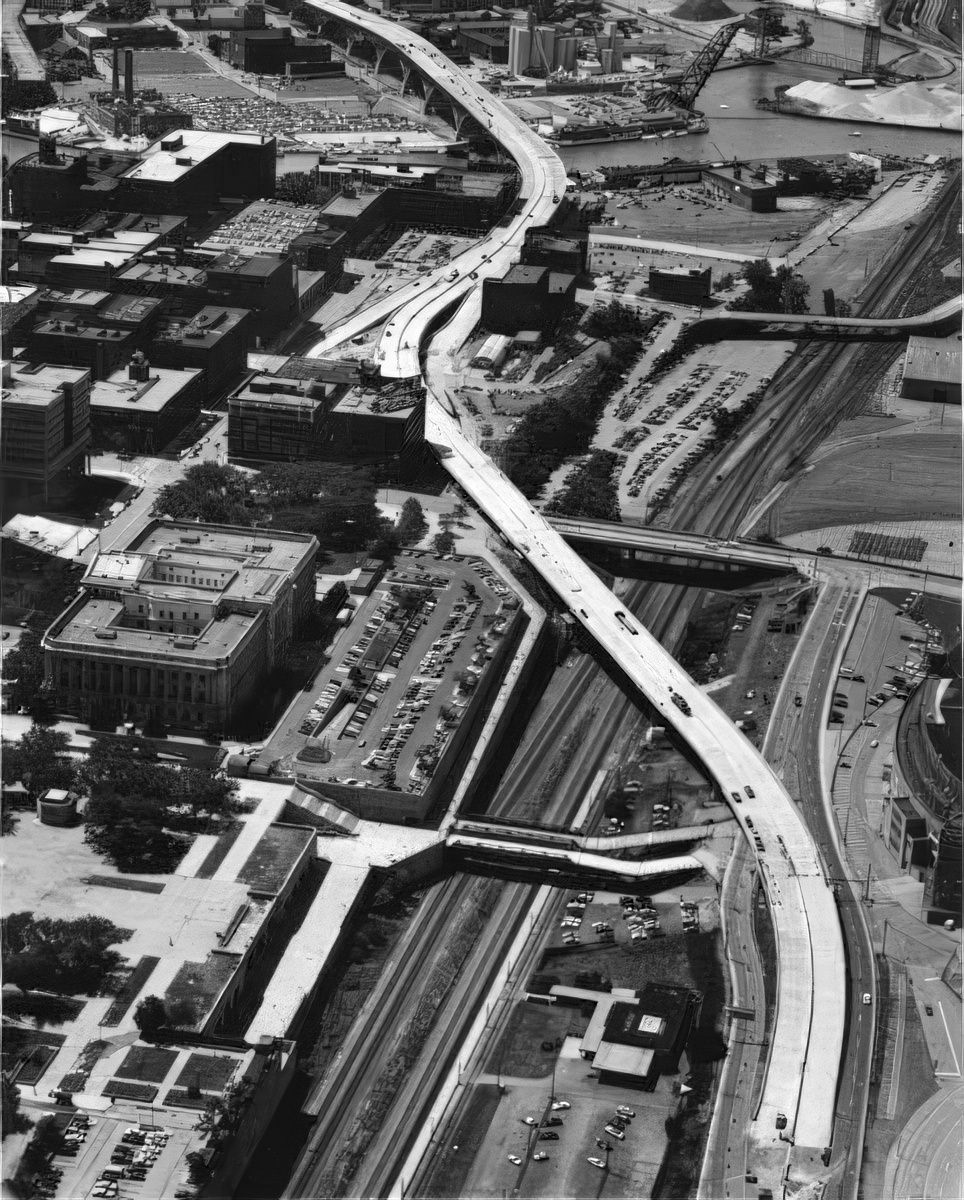
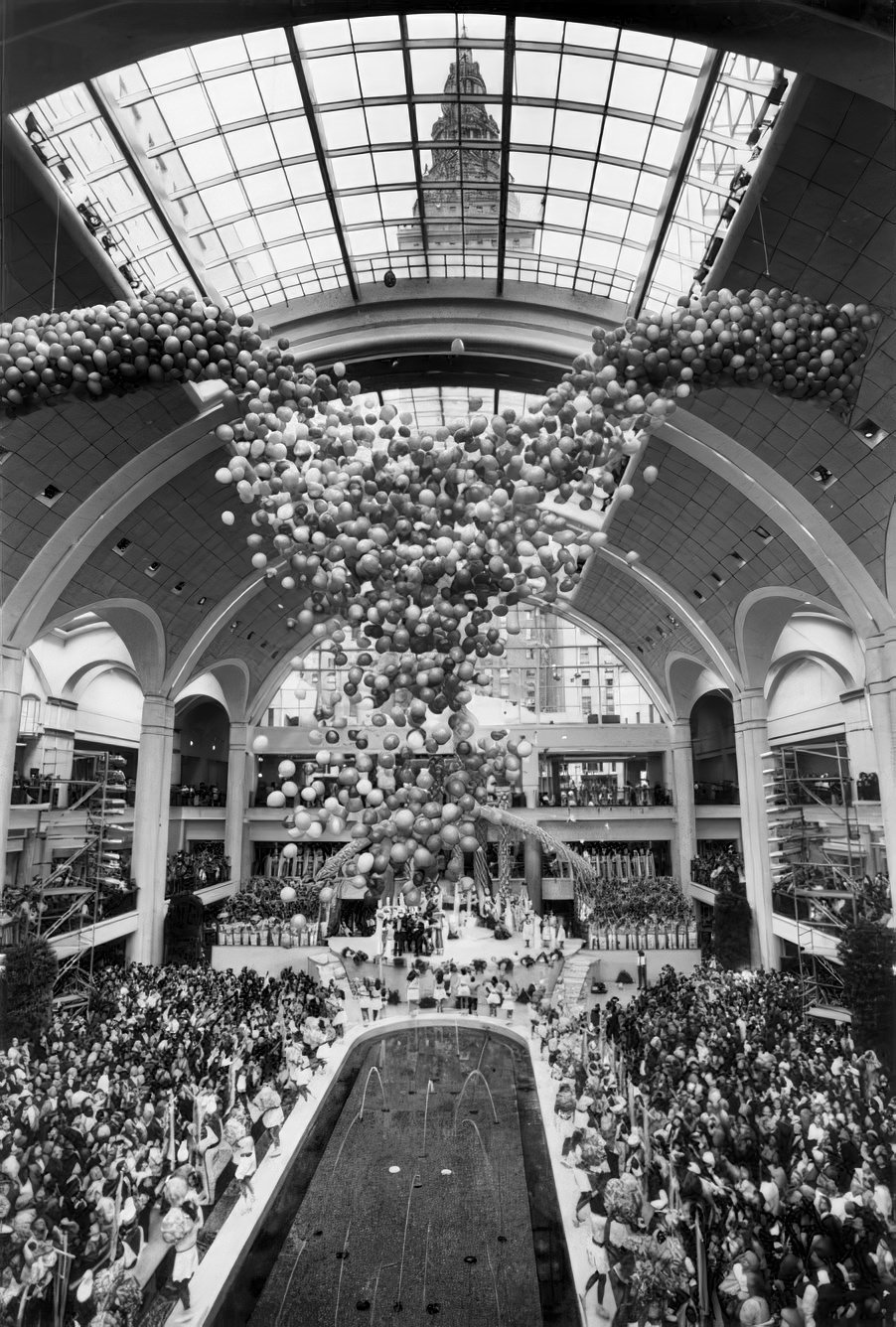
Image Credits: Cleveland Public Library, Encyclopedia of Cleveland History, Library of Congress, Cleveland State University Collection, Cleveland Press Collection, clevelandmemory.org
Found any mistakes? 🥺 Let us Know