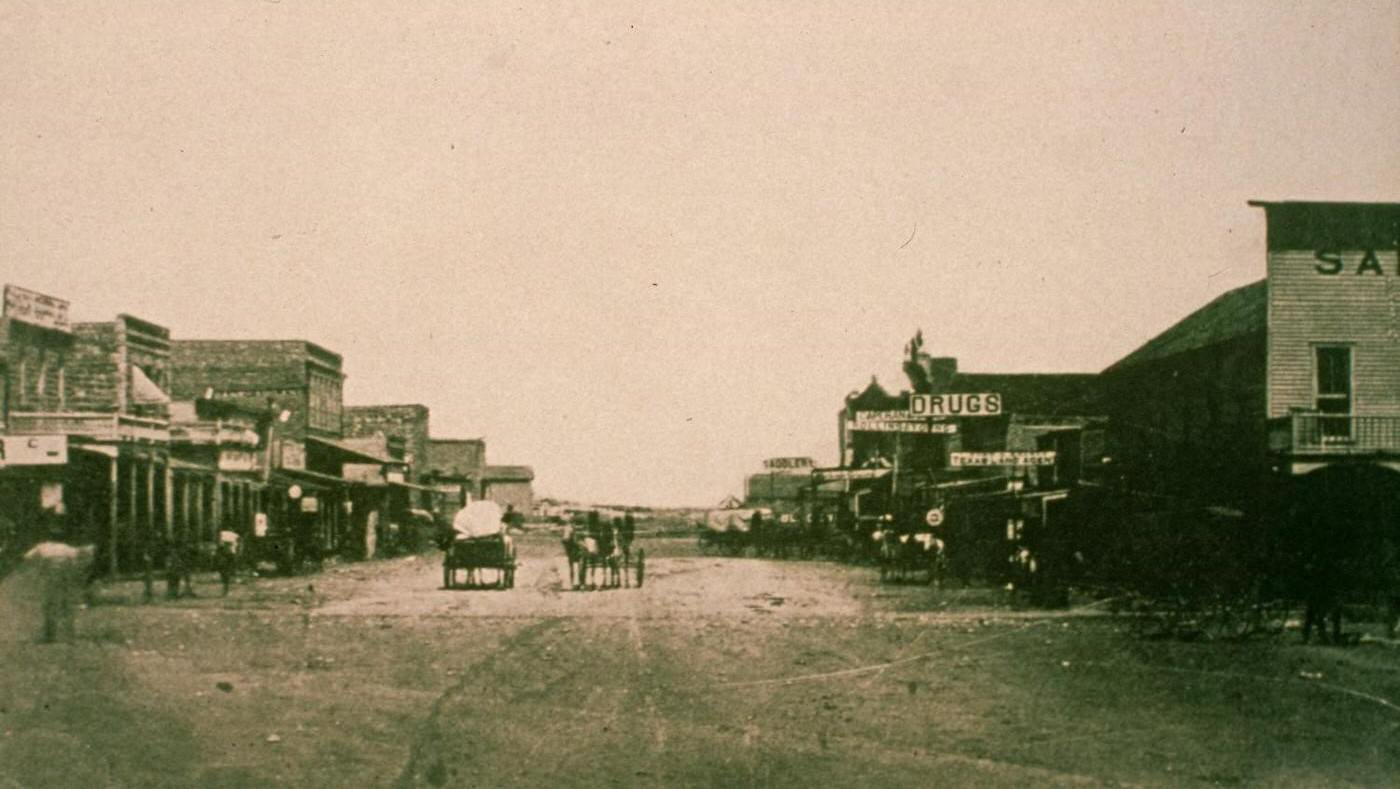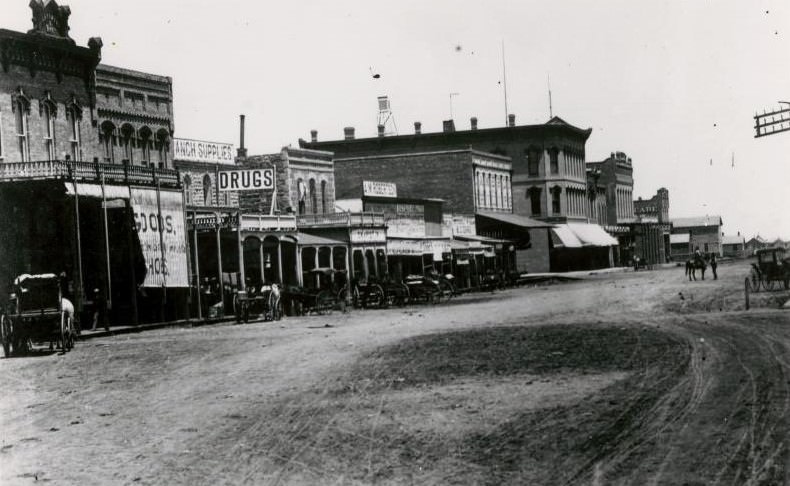
In the 2000s, Fort Worth, Texas experienced steady growth across nearly every part of city life. Located just west of Dallas, Fort Worth worked hard to maintain its distinct identity even as the surrounding metroplex grew rapidly.
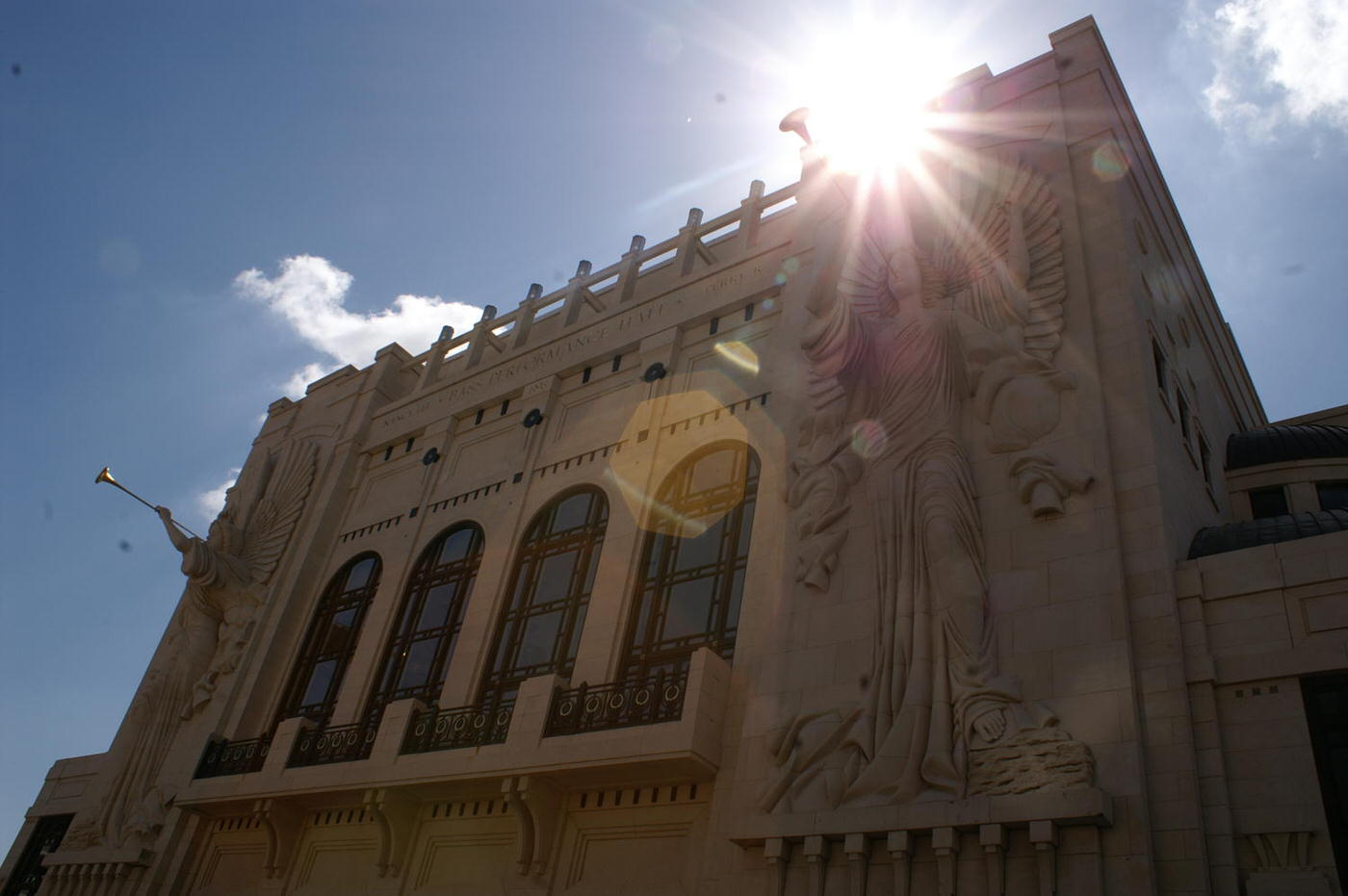
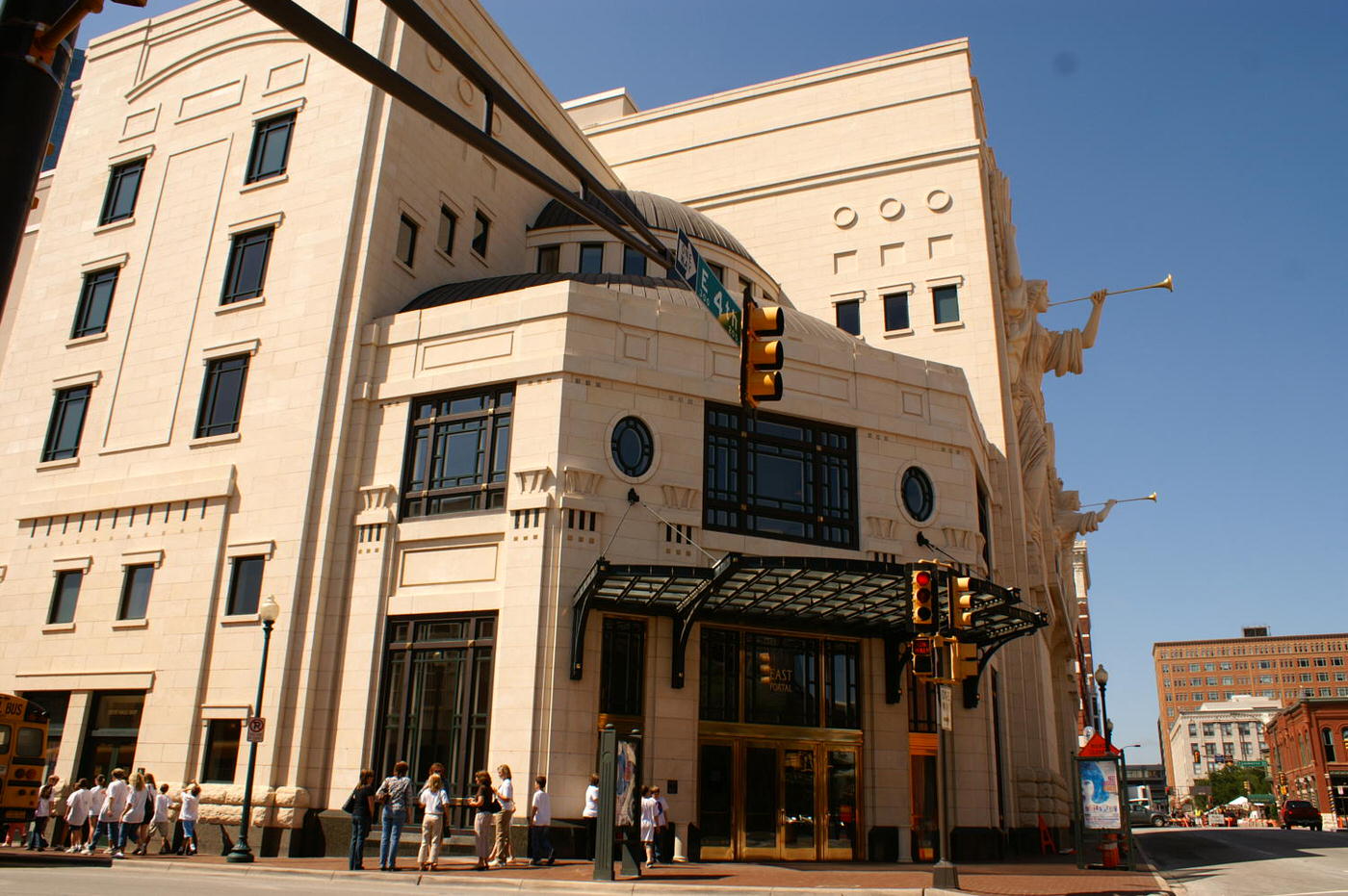
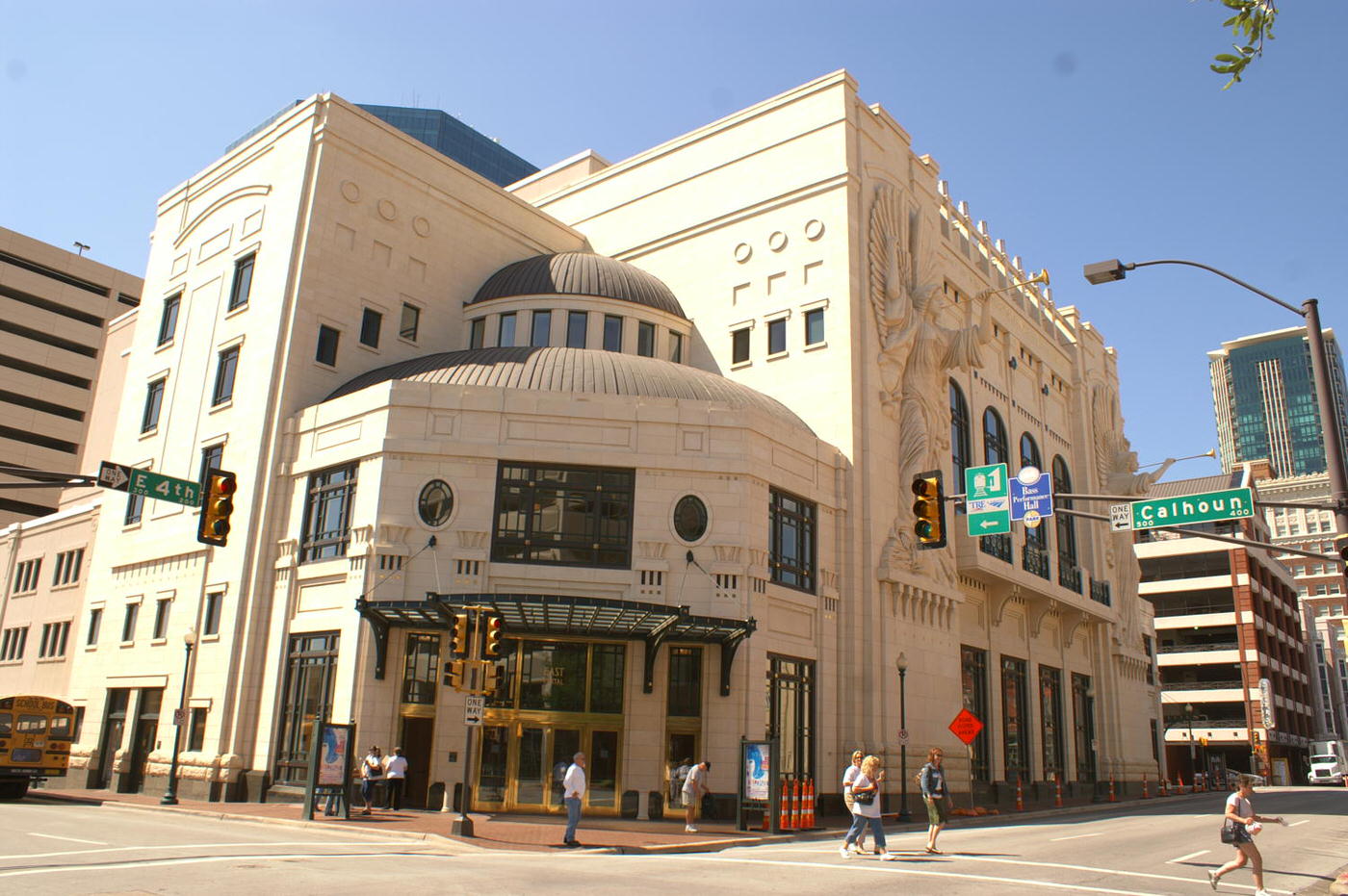
Downtown Fort Worth underwent major changes during this decade. Sundance Square became a centerpiece for shopping, dining, and entertainment. Many historic buildings were preserved and restored, while new businesses moved into the area. The Bass Performance Hall, which opened in 1998, became even more important during the 2000s, hosting concerts, operas, and Broadway shows.
The economy in Fort Worth was strong. Aviation, oil, and technology industries were major employers. Lockheed Martin’s plant in Fort Worth continued producing F-16 fighter jets and later began work on the F-35 Lightning II. The company hired thousands of workers, boosting the local economy. American Airlines, headquartered nearby in Fort Worth, expanded its operations at Dallas/Fort Worth International Airport (DFW), one of the busiest airports in the world.
Fort Worth’s population grew quickly. In 2000, the city had around 534,000 people. By 2010, it had reached over 741,000, making it one of the fastest-growing cities in the United States. New neighborhoods sprang up across the north and west sides of the city. Suburbs like Keller and Saginaw also saw major population increases.
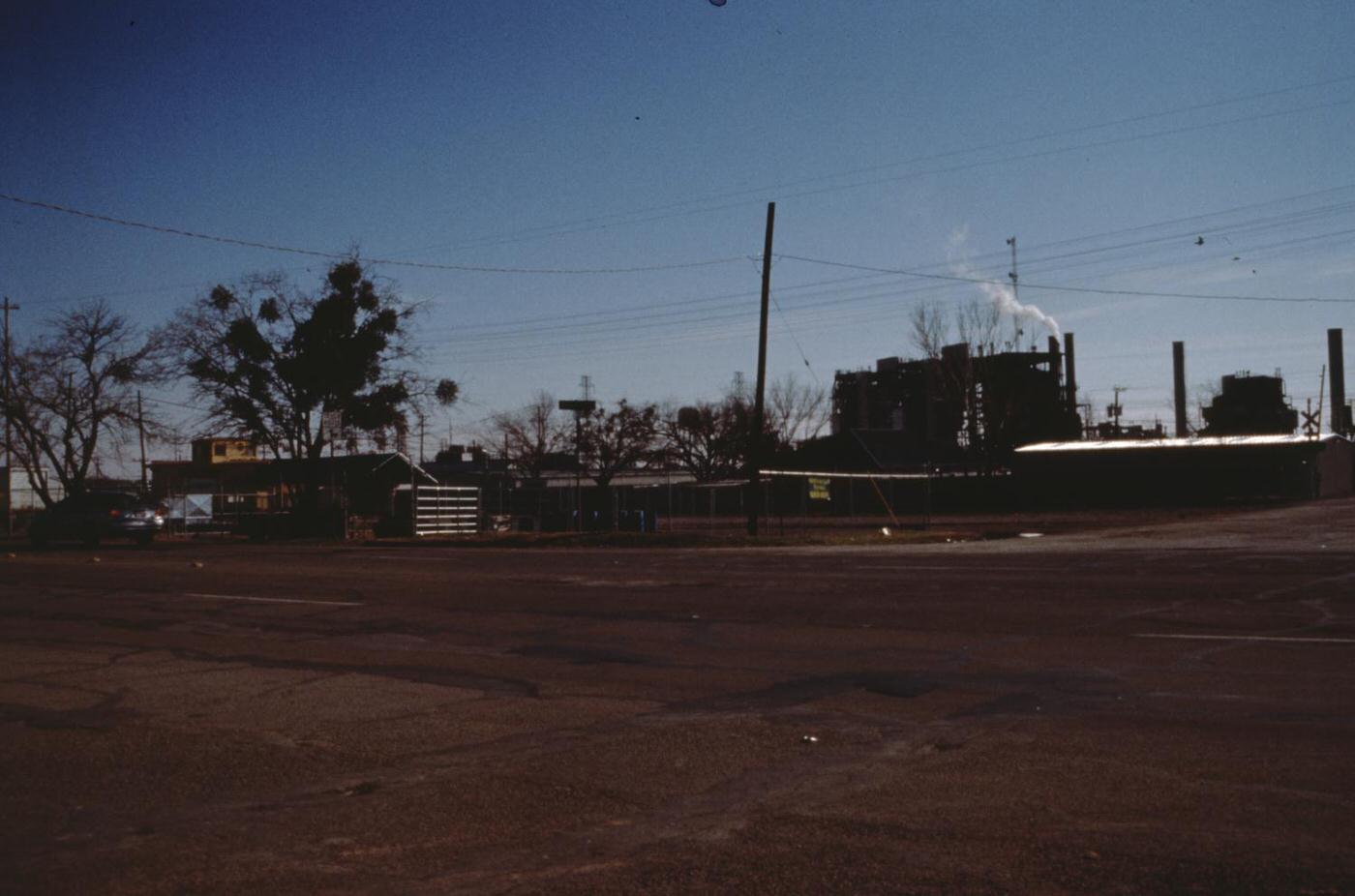
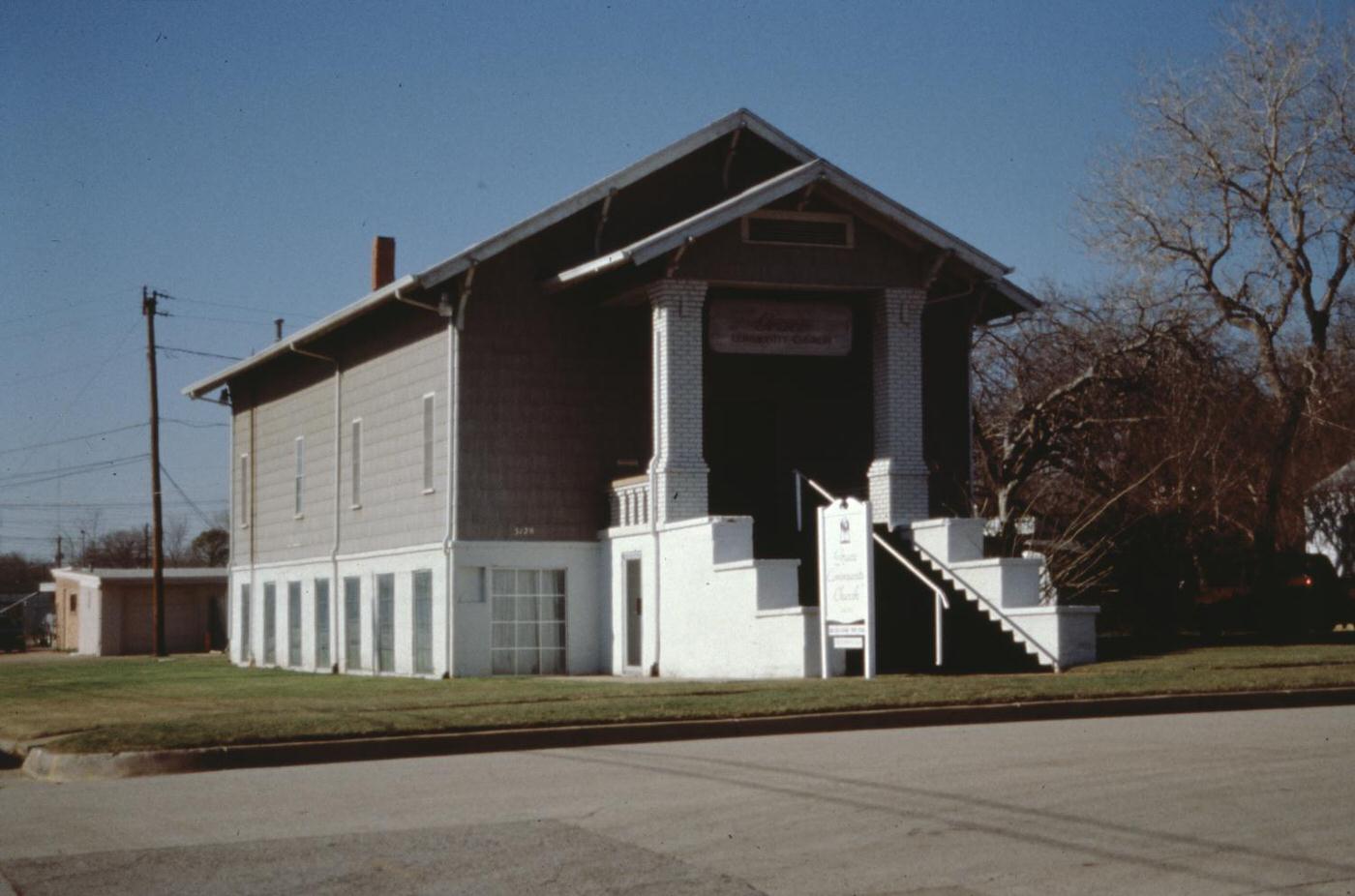
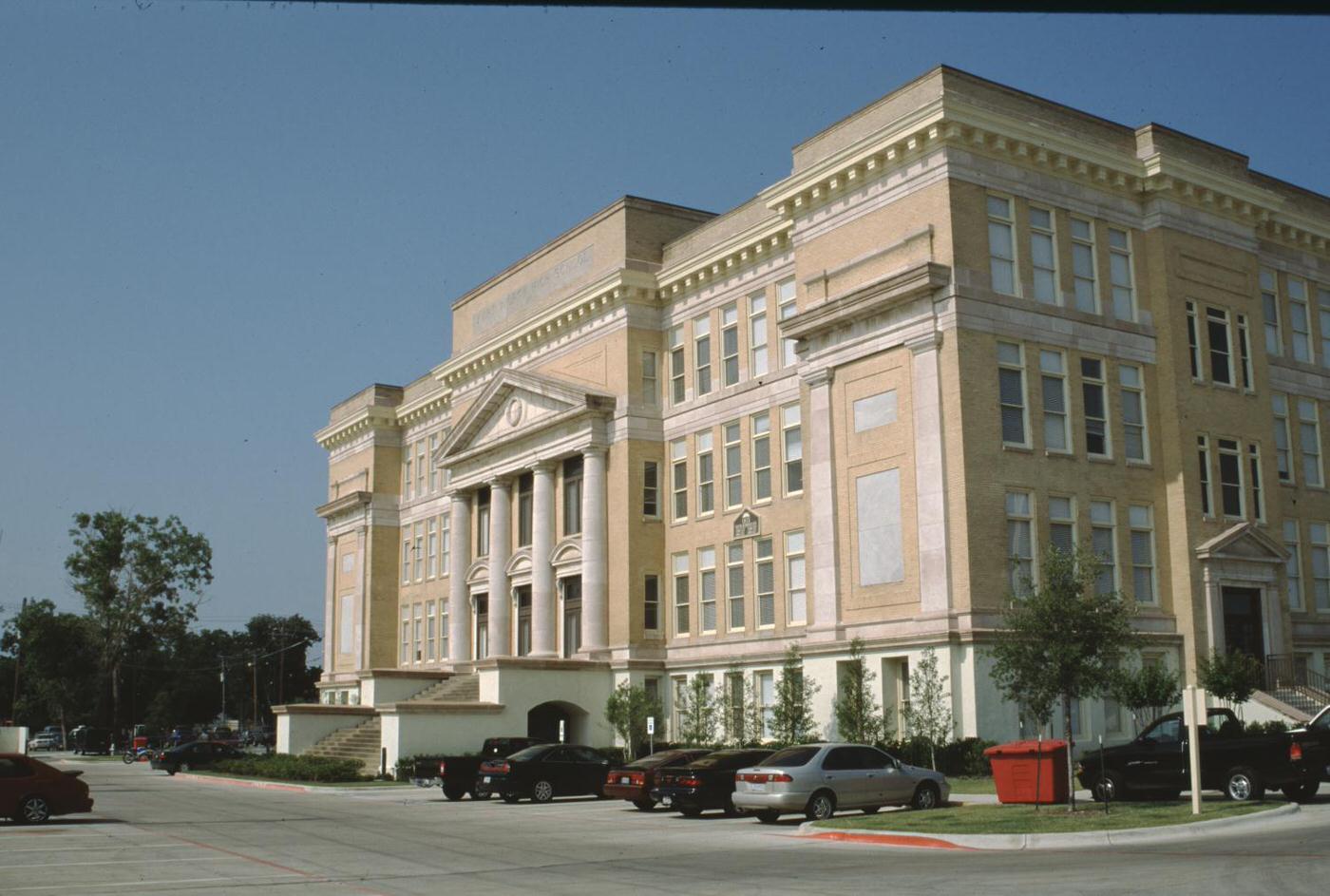
Education expanded to meet the needs of the growing city. Fort Worth Independent School District (FWISD) worked to build new schools and update older ones. Programs in science, math, and technology received special attention, preparing students for jobs in industries important to the city. Texas Christian University (TCU), located just south of downtown, grew in size and reputation. Its athletic programs, especially football, gained national attention during the decade.
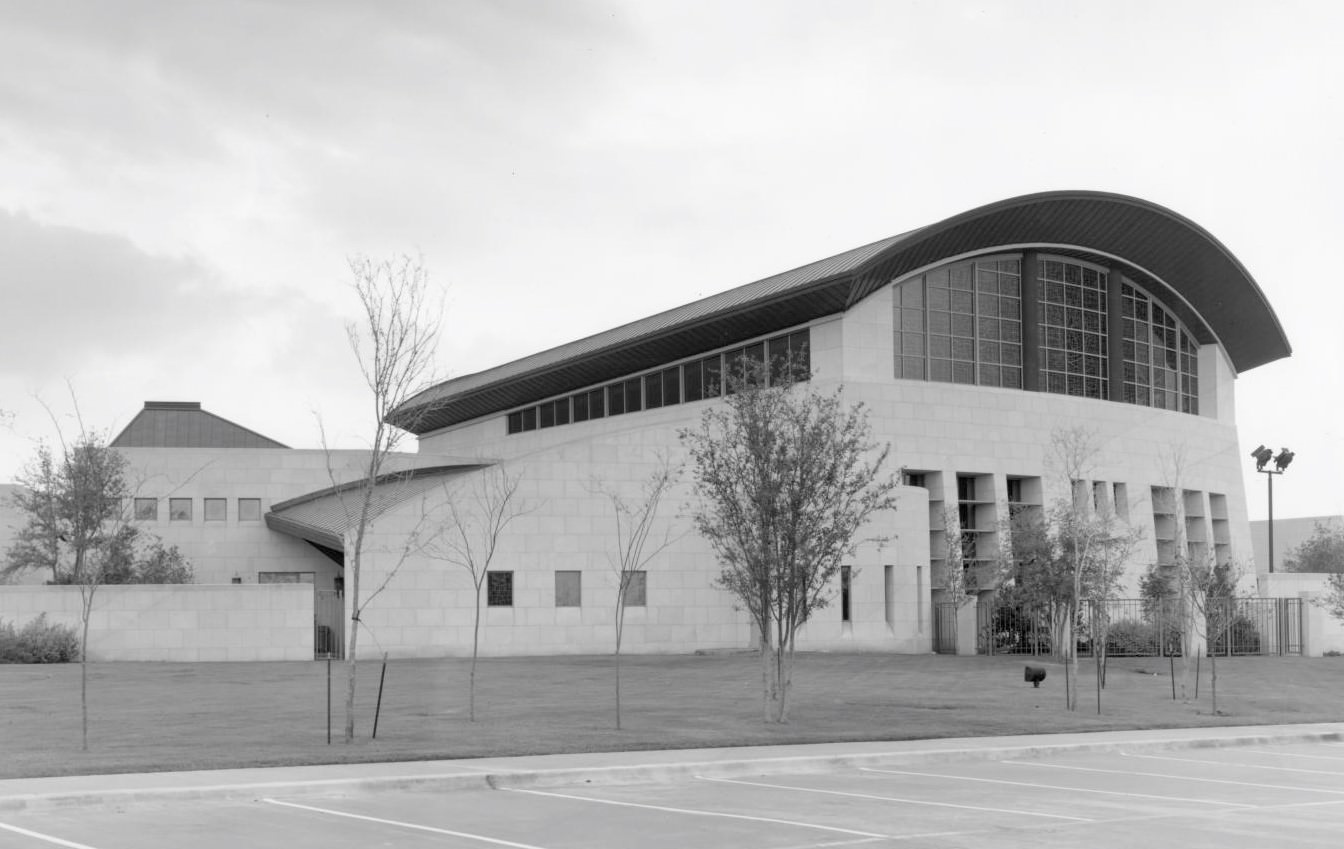
The city also invested heavily in cultural development. The Fort Worth Museum of Science and History reopened in 2009 with a new building designed by famed architect Ricardo Legorreta. The Kimbell Art Museum expanded its collection and began planning for a new wing. The Modern Art Museum of Fort Worth, which had moved into a sleek new building designed by Tadao Ando in 2002, became a national leader in contemporary art exhibitions.
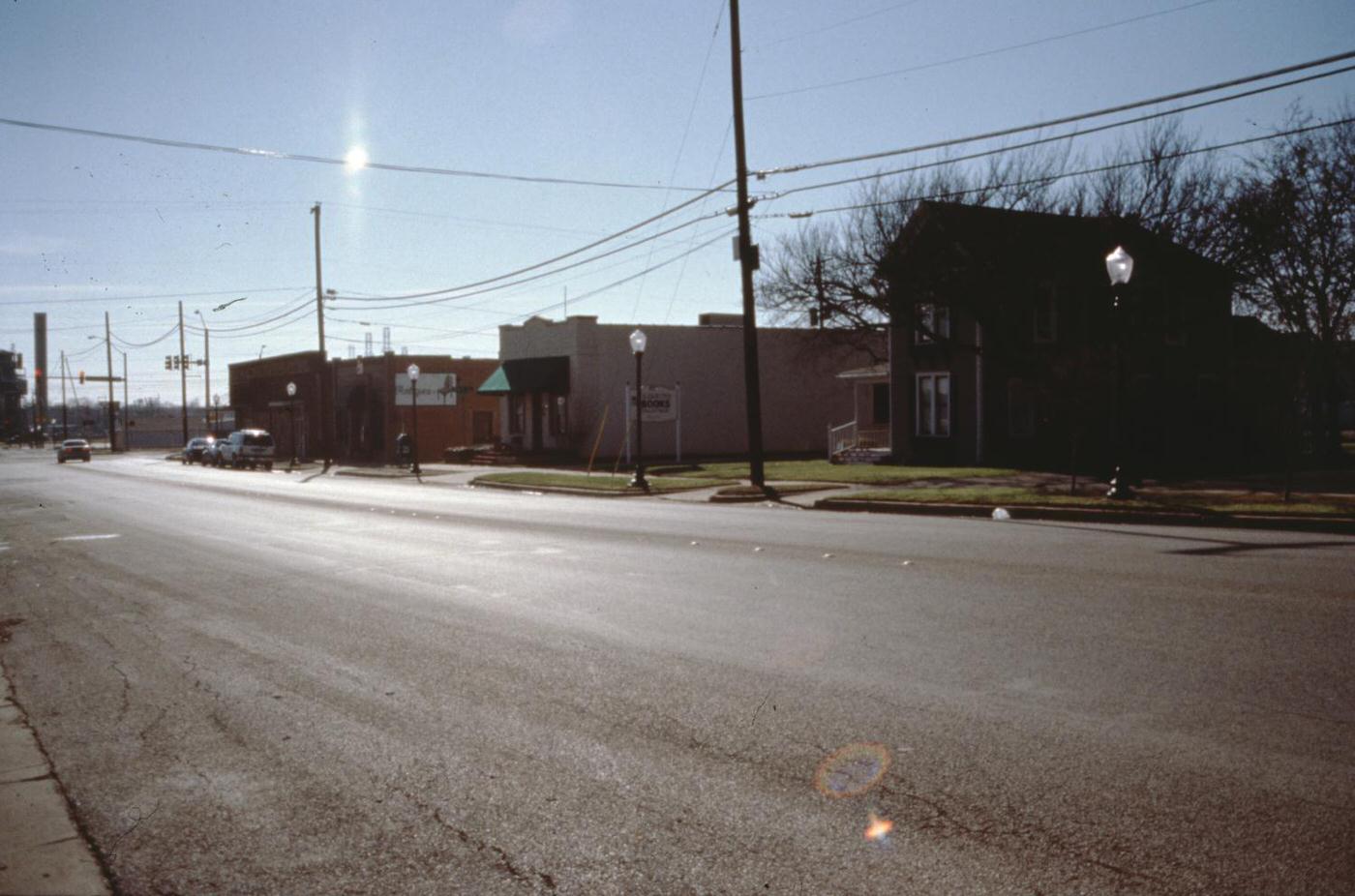
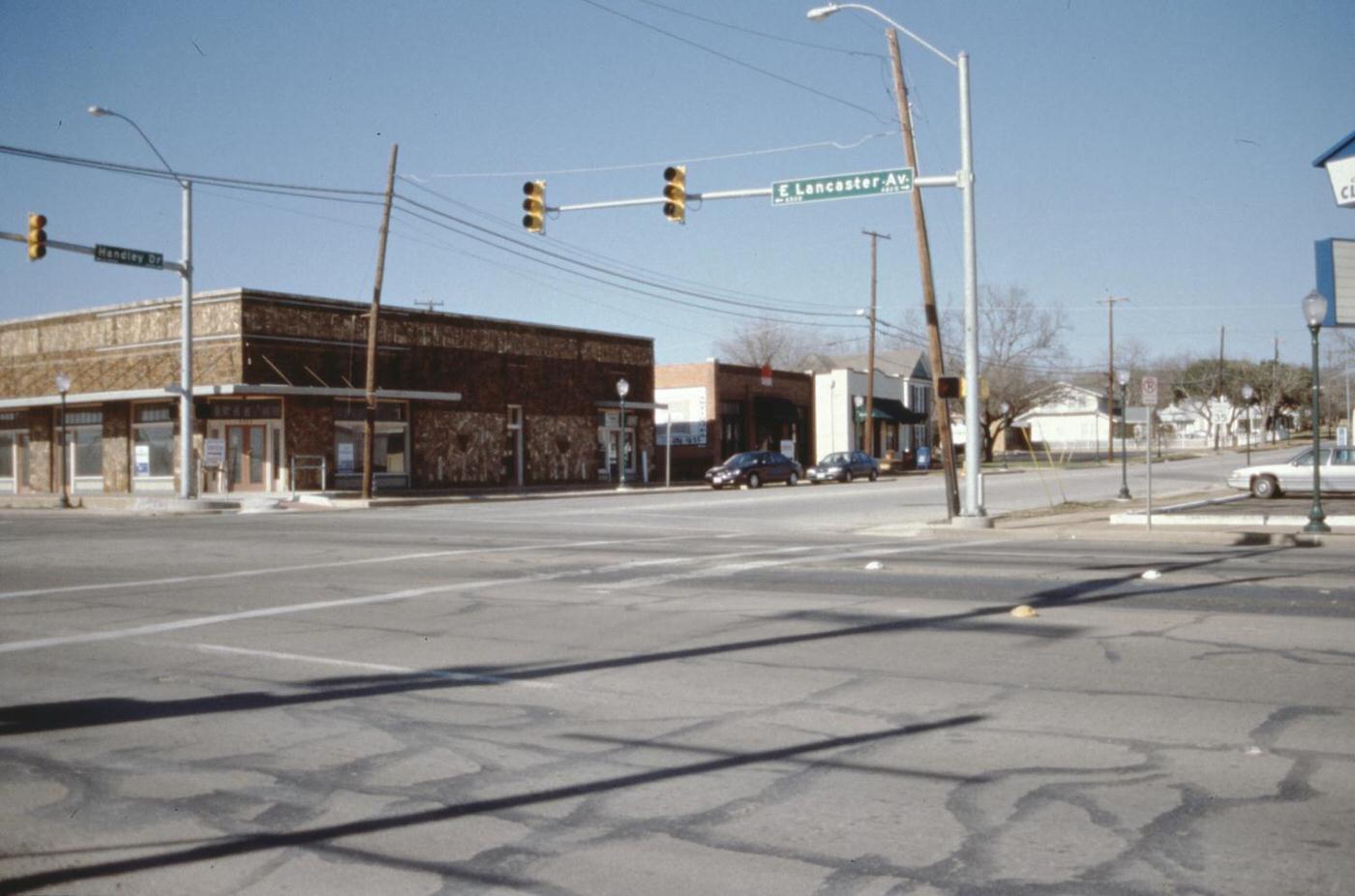
In sports, Fort Worth supported a range of activities. While the city had no major league teams, it hosted minor league baseball, rodeos, and college sports. The Fort Worth Cats, a minor league baseball team, played at LaGrave Field, which reopened in 2002 after renovations. Rodeo remained central to the city’s identity. Each year, the Fort Worth Stock Show and Rodeo attracted large crowds to Will Rogers Memorial Center, maintaining traditions that dated back over a century.
Transportation also changed during the 2000s. The Trinity Railway Express, a commuter rail service, connected Fort Worth to Dallas, making it easier for people to move between the two cities. The city improved its bus services through the Fort Worth Transportation Authority, known as “The T.” Traffic on highways like I-35W and Loop 820 grew heavier as the city’s population expanded, leading to major construction projects aimed at reducing congestion.
Fort Worth’s historic connection to cattle and ranching remained strong but evolved. The Fort Worth Stockyards became more of a tourist destination while still honoring the city’s cowboy past. Daily cattle drives through the Stockyards, live music, and western-themed shops brought visitors from across the country. Billy Bob’s Texas, known as the world’s largest honky-tonk, hosted famous country music stars and remained a key nightlife spot.
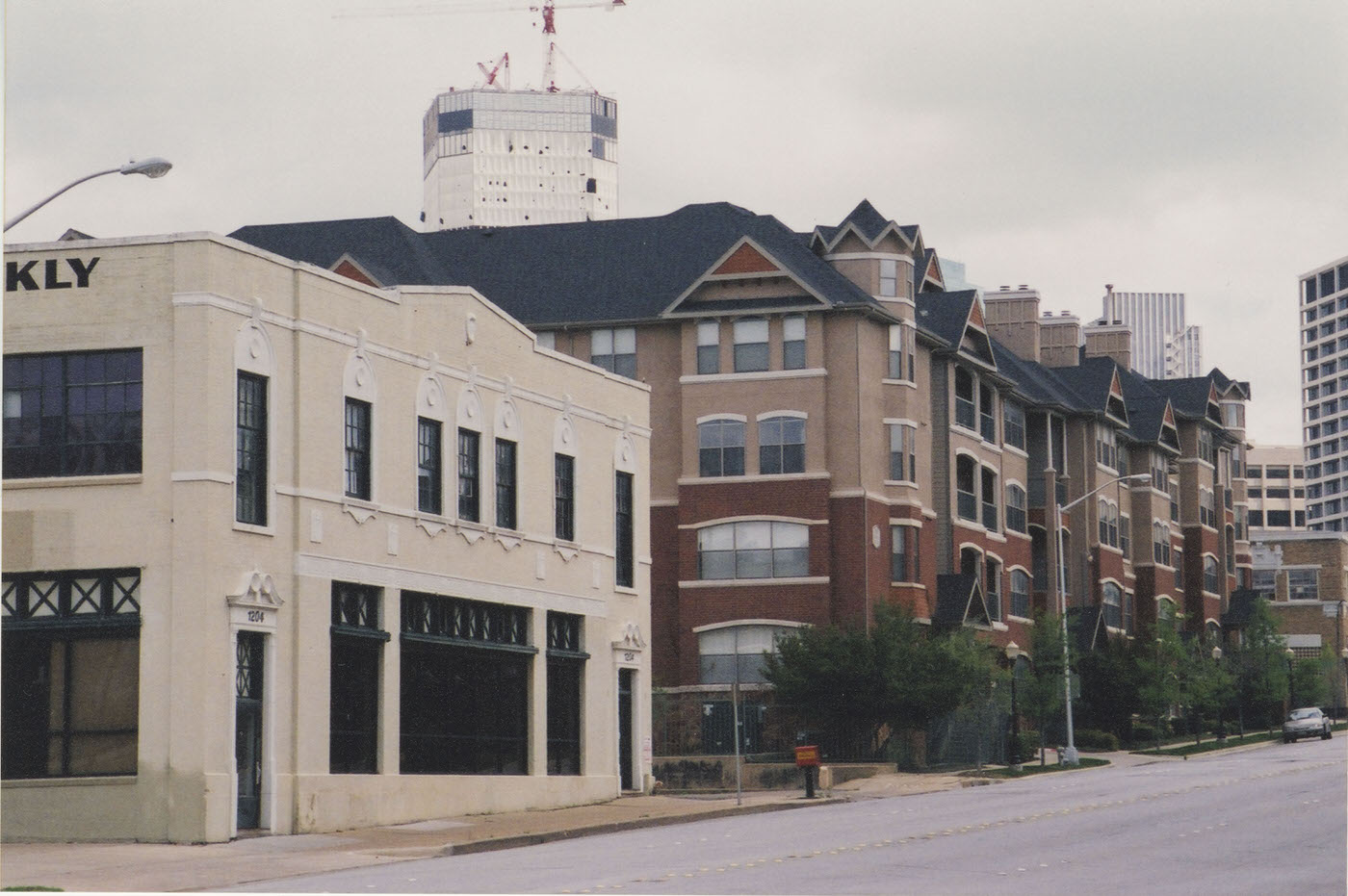
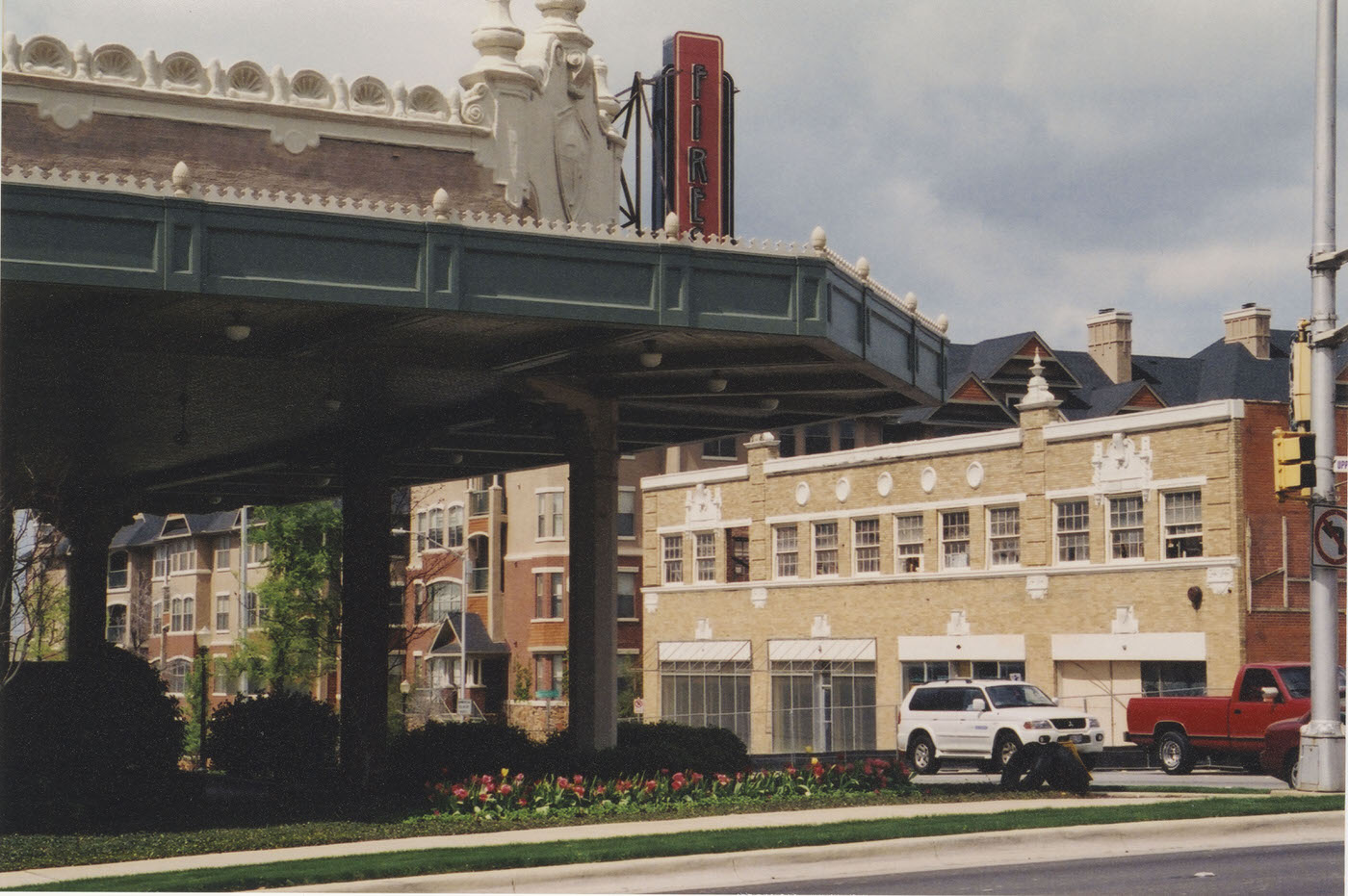
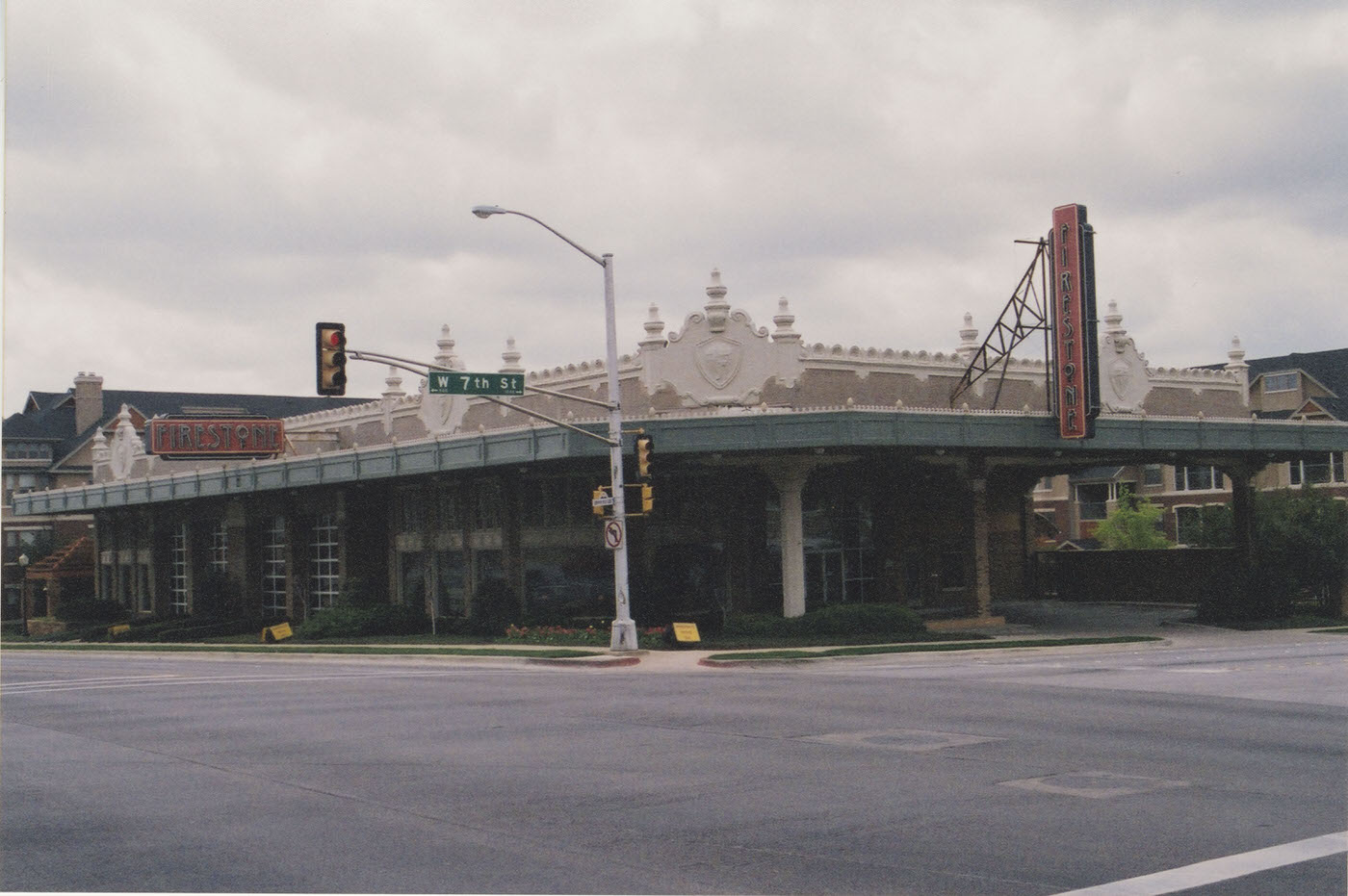
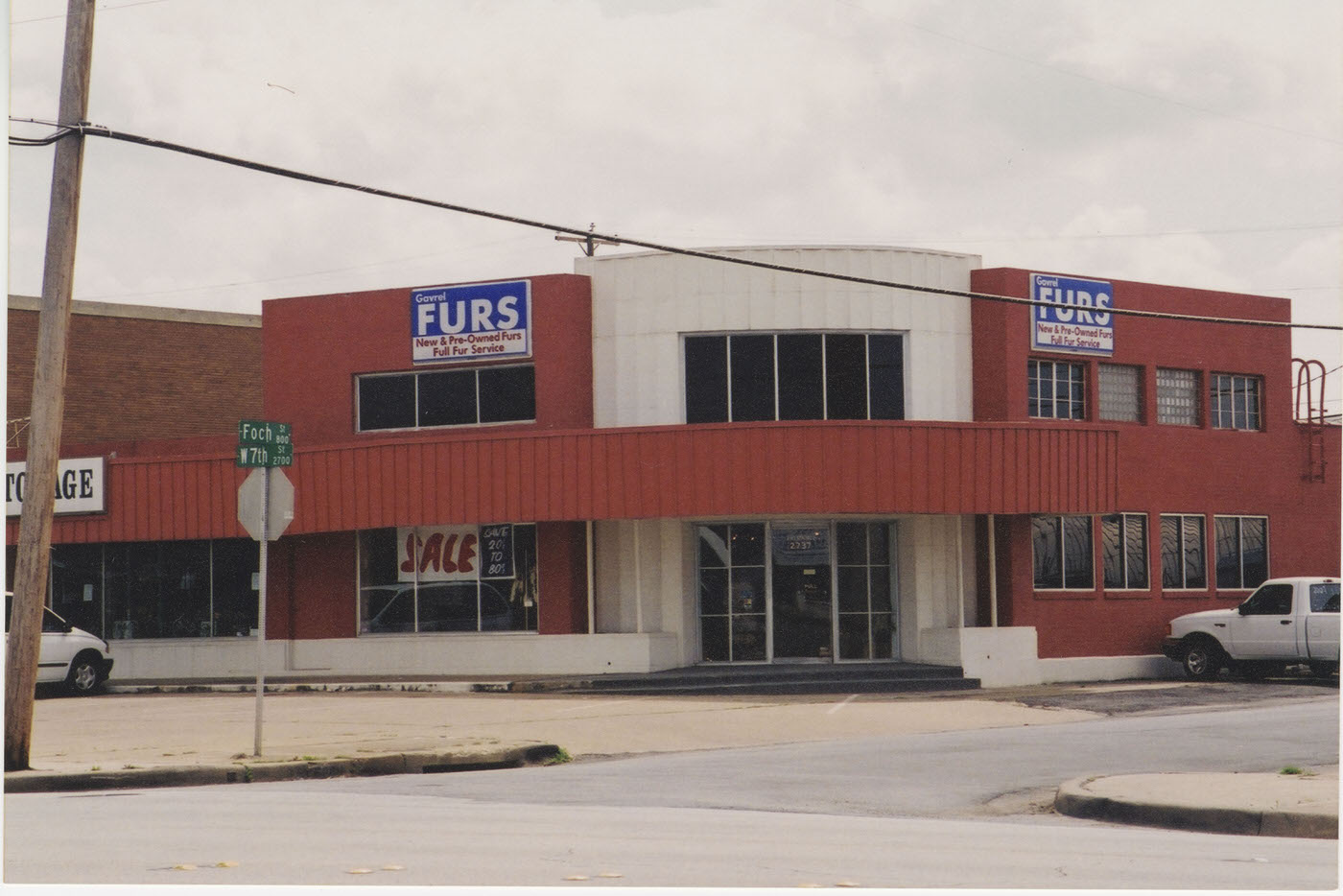
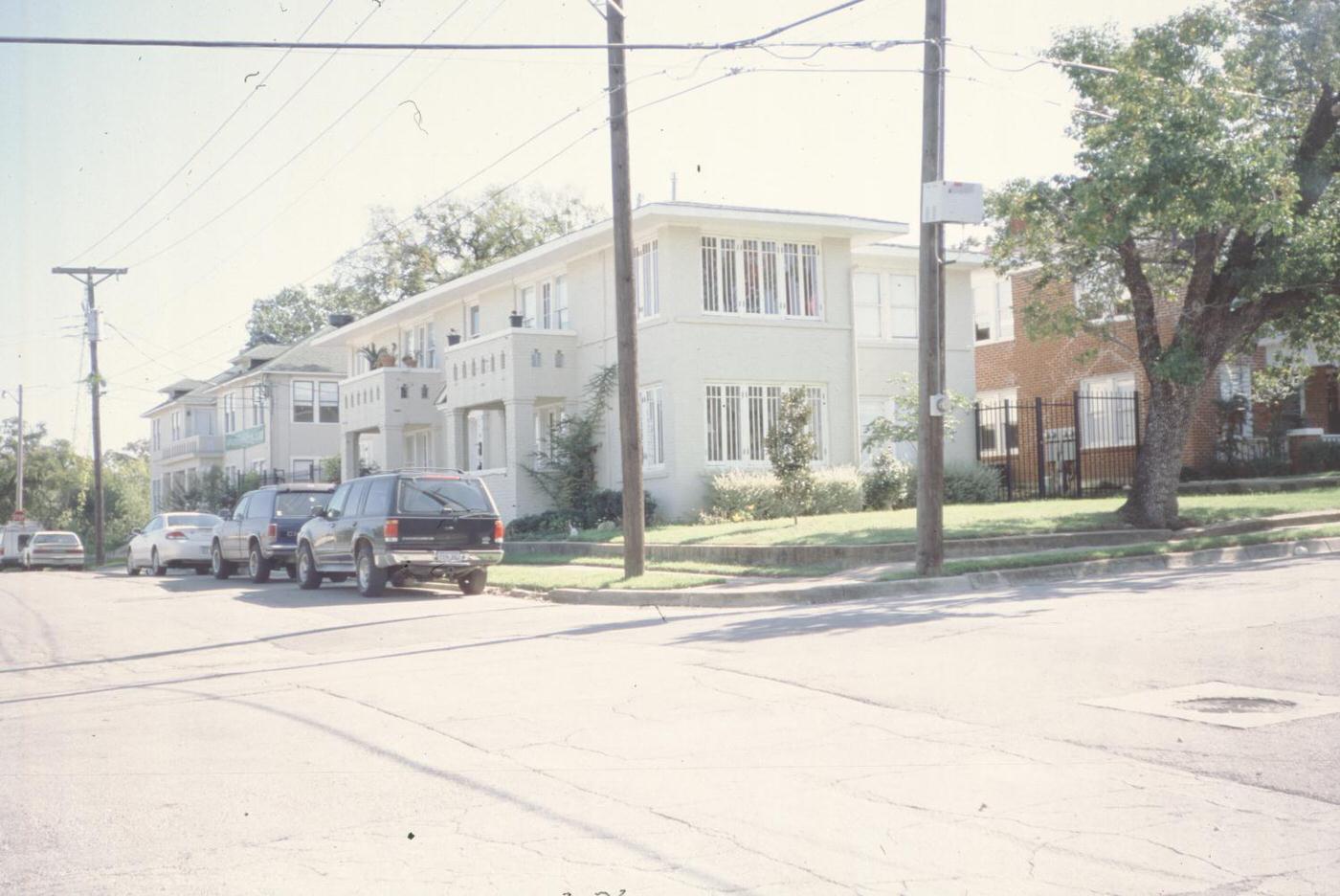
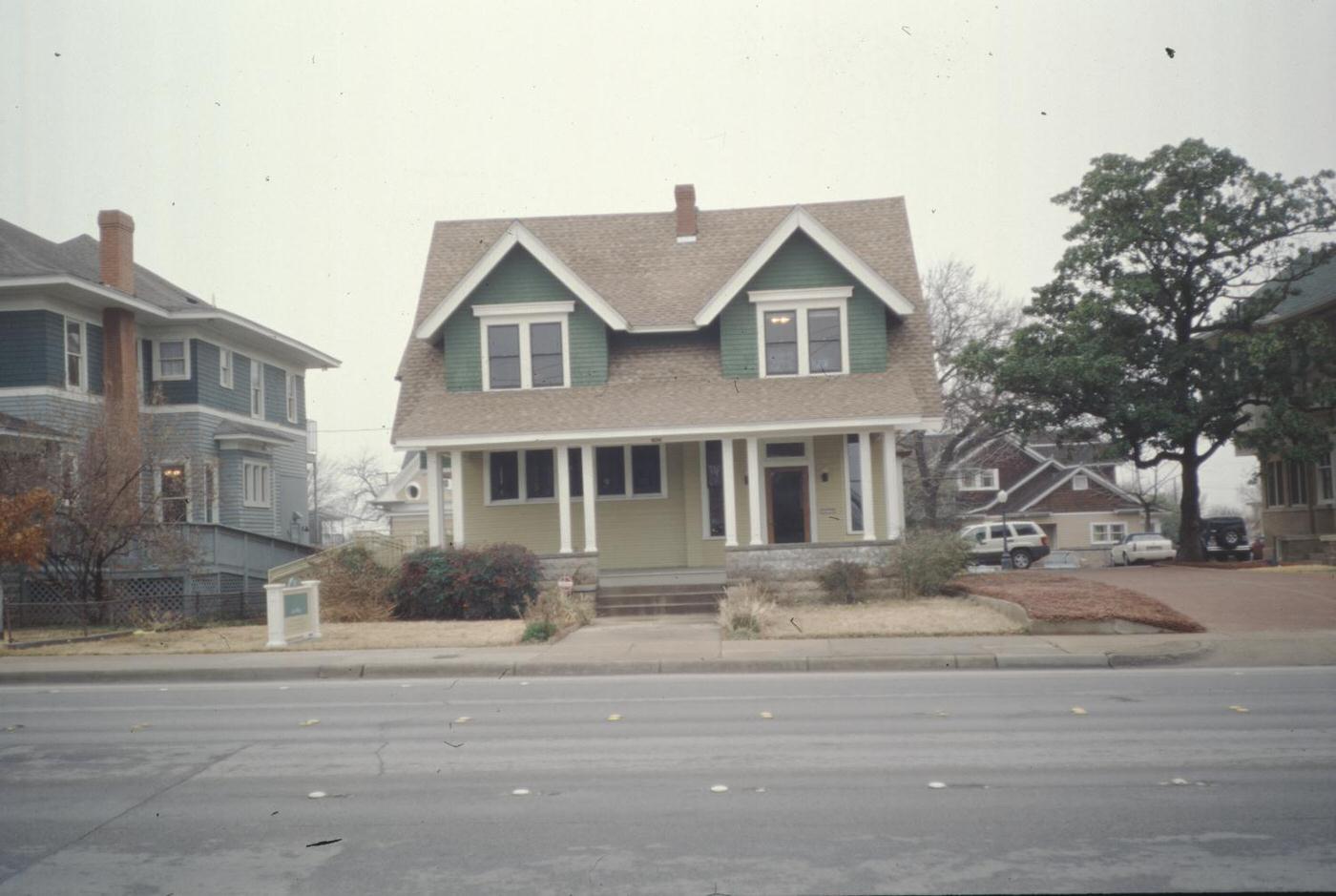
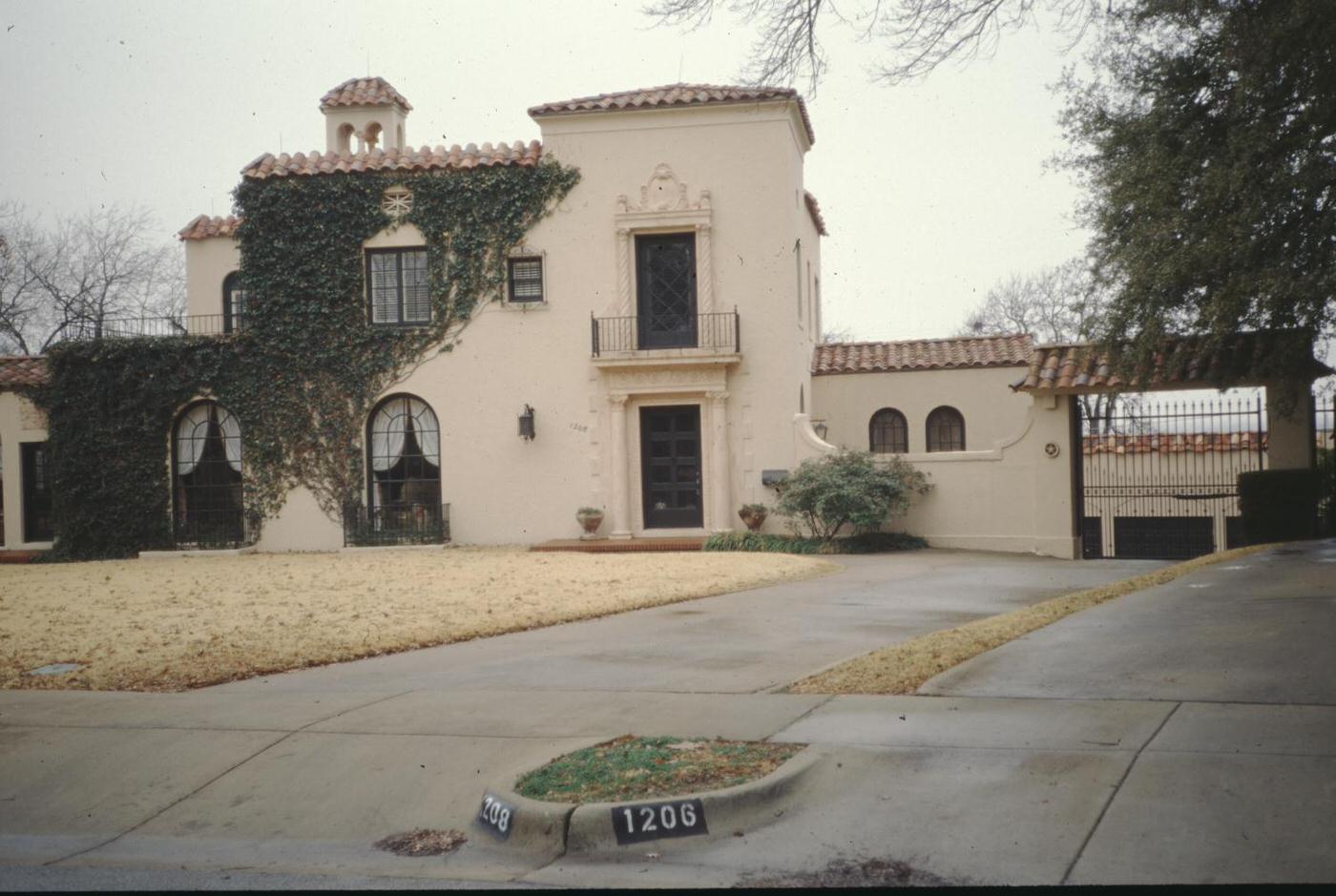
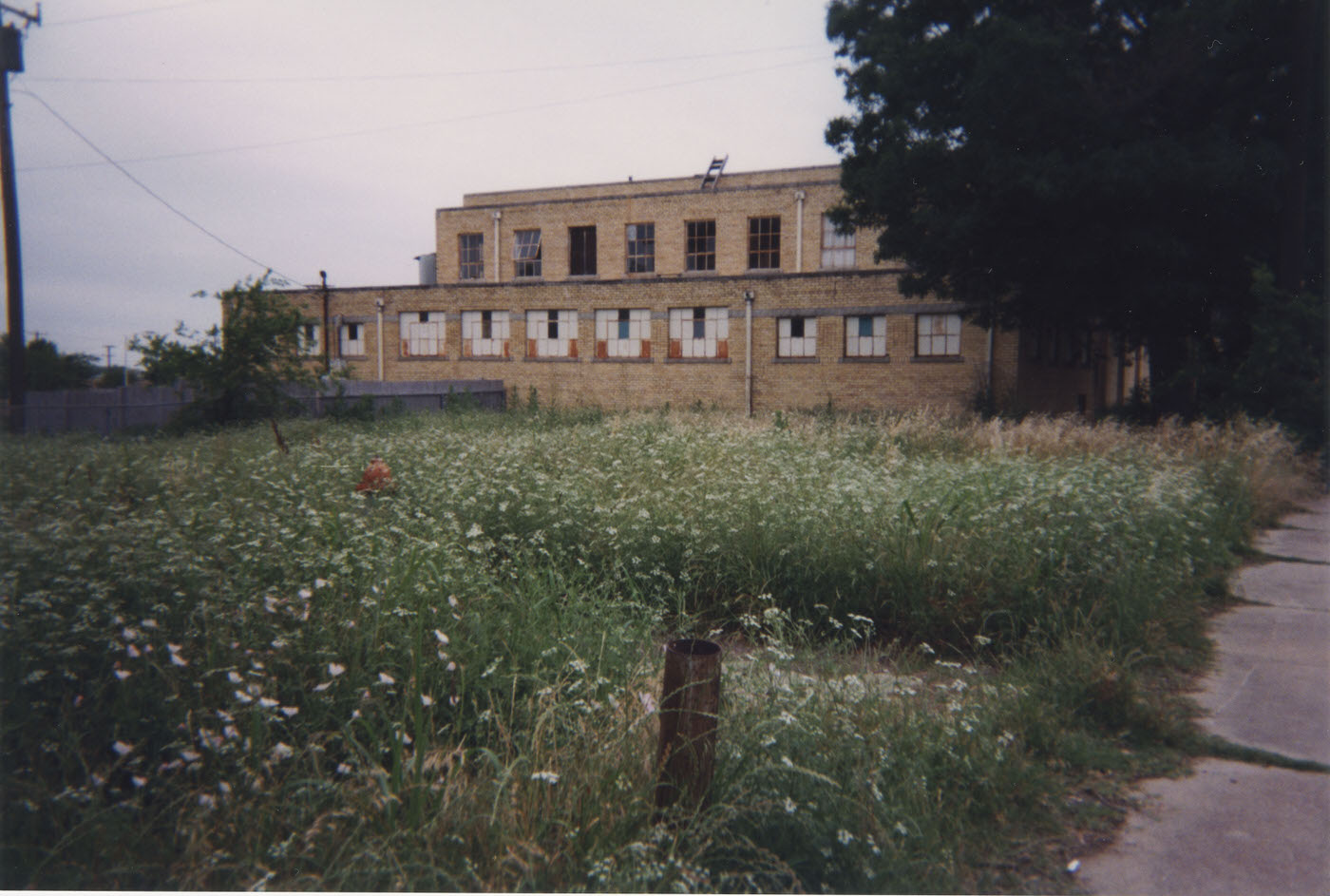
The 2000s also saw big changes in Fort Worth’s neighborhoods. Areas like West 7th, located between downtown and the Cultural District, went through major redevelopment. Old industrial buildings were torn down or turned into new apartments, restaurants, and shops. This revitalization attracted young professionals who wanted to live near downtown.
Crime rates in Fort Worth dropped throughout the decade, thanks to efforts by the Fort Worth Police Department and community programs. Neighborhood associations worked closely with law enforcement to address problems quickly. The police also used technology like surveillance cameras and computer mapping to track crime more effectively.
In healthcare, Fort Worth expanded its services. Hospitals like Texas Health Harris Methodist and Cook Children’s Medical Center grew larger and added new specialties. Cook Children’s became one of the leading pediatric hospitals in the country. Medical research also increased, supported by partnerships between hospitals and local universities.
Environmental awareness rose during the 2000s. Fort Worth launched projects to clean up the Trinity River and create more green spaces. The Trinity River Vision project, started in the early 2000s, aimed to reconnect the city to the river through parks, trails, and flood control measures. Panther Island, a major part of the project, promised new housing, shops, and entertainment spaces along the river’s edge.
Arts festivals, food events, and community fairs became a big part of Fort Worth life. Events like Main St. Fort Worth Arts Festival drew artists and visitors from around the country. The festival, held downtown every spring, became one of the largest art festivals in the United States. Other events, like Mayfest and the Fort Worth Music Festival, offered chances for residents to celebrate the city’s growing cultural scene.
During the 2000s, Fort Worth maintained a reputation for being more laid-back than its neighbor, Dallas. It promoted its image as “Where the West Begins,” balancing its western heritage with new developments in business, education, and the arts. The city’s leadership worked to protect Fort Worth’s unique feel even as it embraced growth and modernization.
The city’s media also grew and changed. The Fort Worth Star-Telegram remained the main newspaper, although like many papers, it faced challenges from the rise of online news. Local television stations covered community stories, sports, and the arts in more detail. Fort Worth also saw a rise in alternative media outlets focused on entertainment, food, and nightlife.
Technology made its mark on Fort Worth in the 2000s. More businesses and homes got broadband internet. Technology firms, though not as dominant as aviation or oil, began setting up offices in and around the city. Startups and small businesses found affordable space in Fort Worth compared to other parts of the Metroplex.
The music scene in Fort Worth grew stronger. Local bands played at venues like Lola’s Saloon and the Ridglea Theater. Country, rock, blues, and indie music all found homes in the city’s bars and clubs. Fort Worth’s growing reputation as a place for live music helped draw young people and tourists.
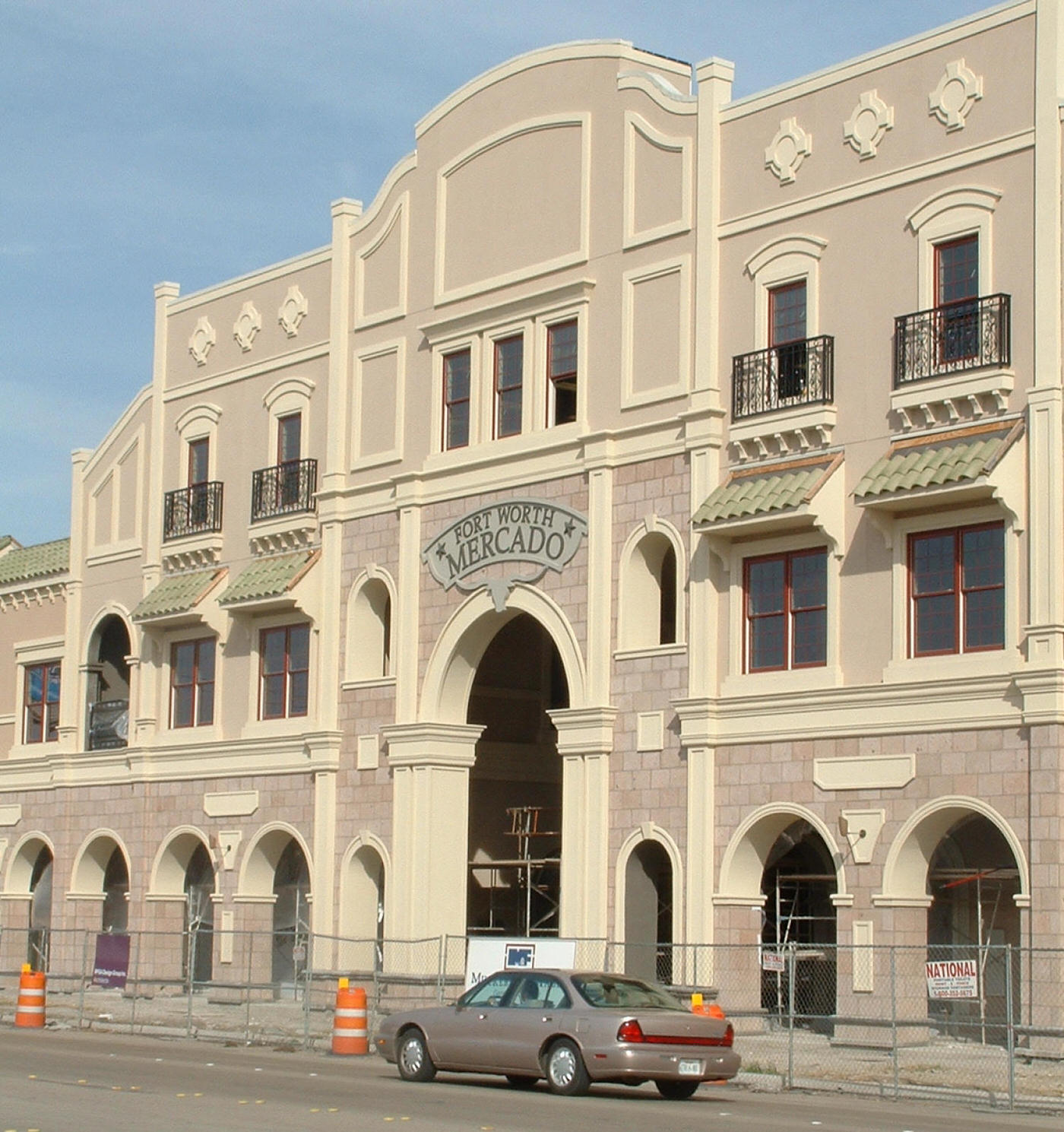
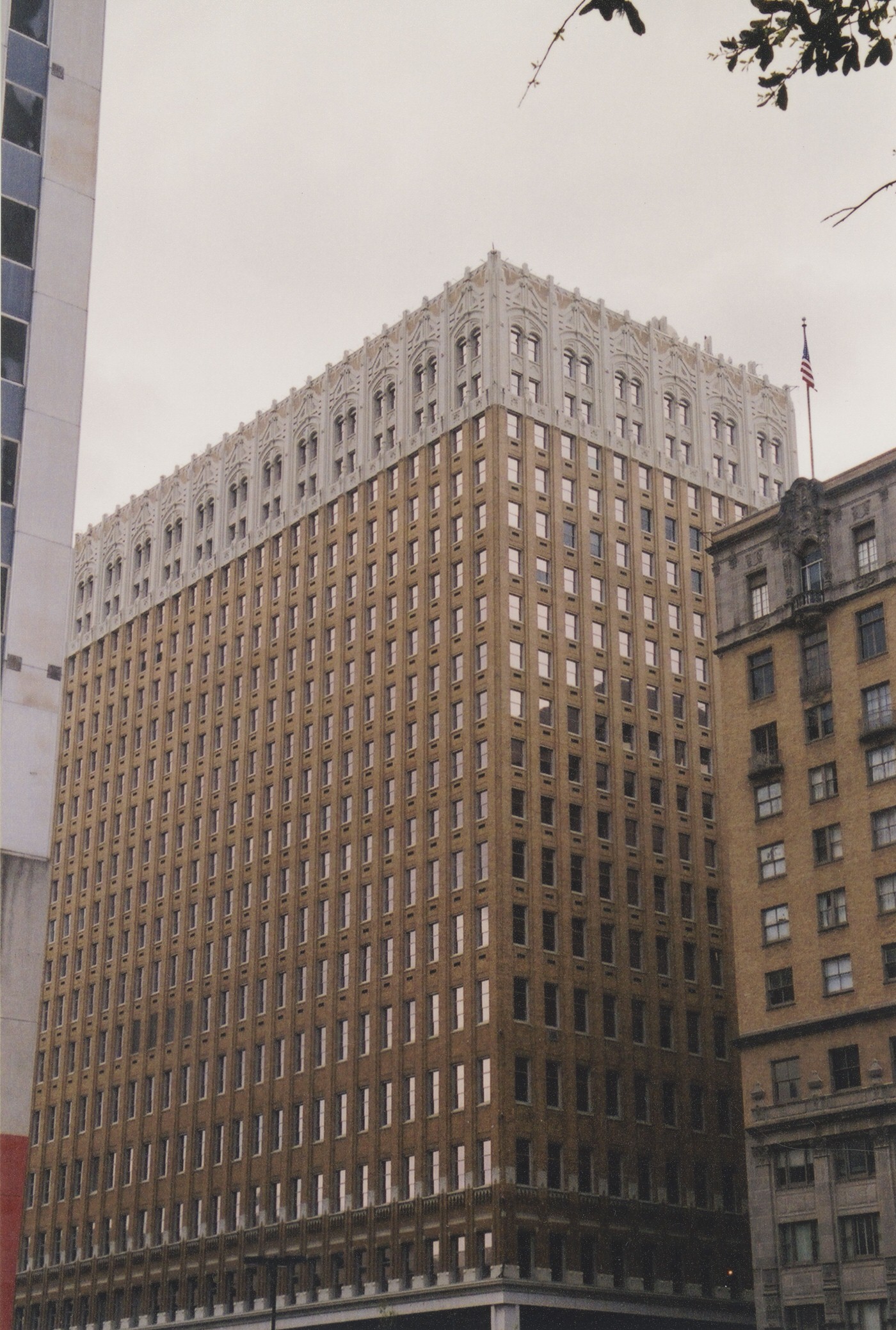
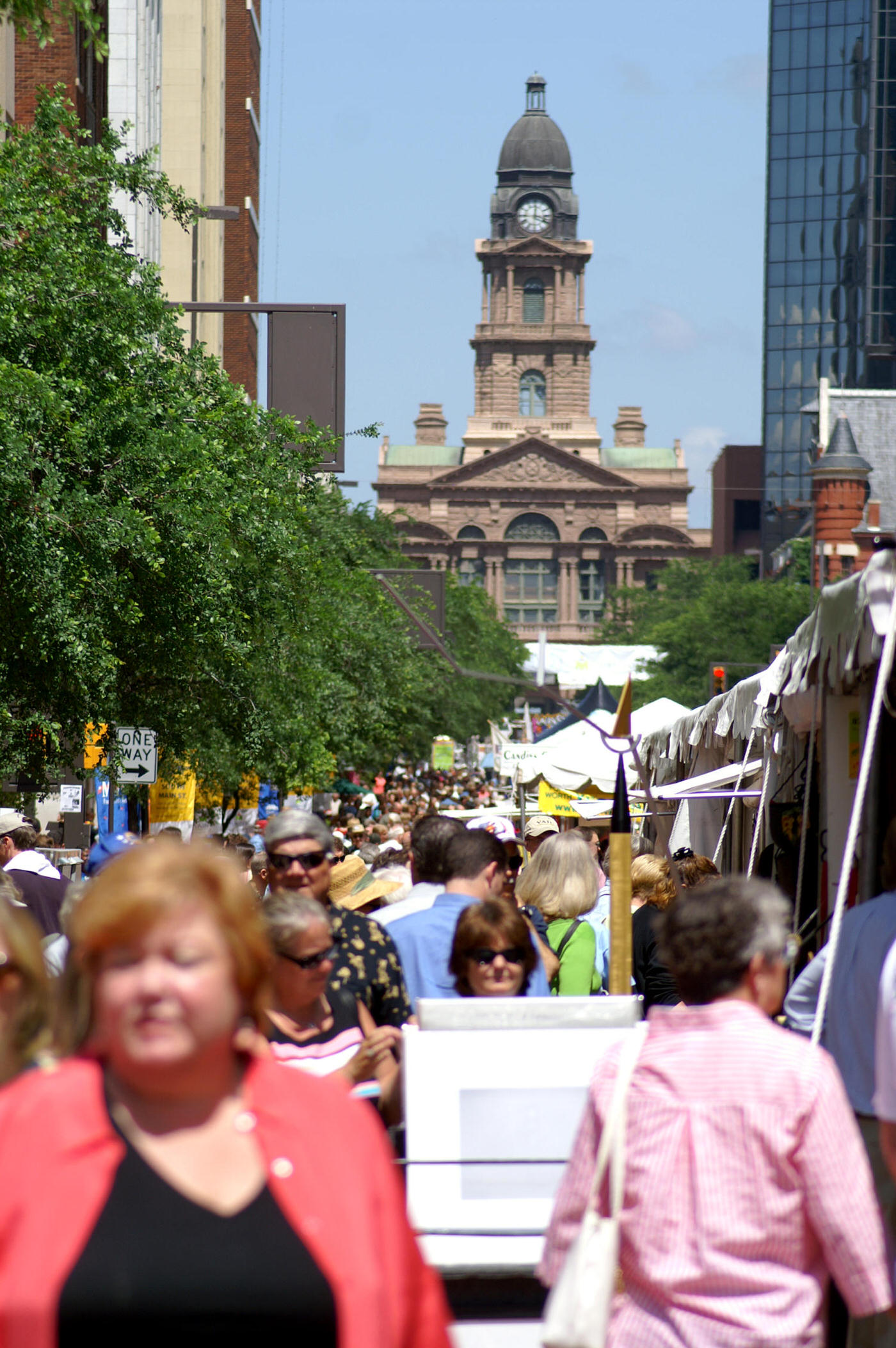
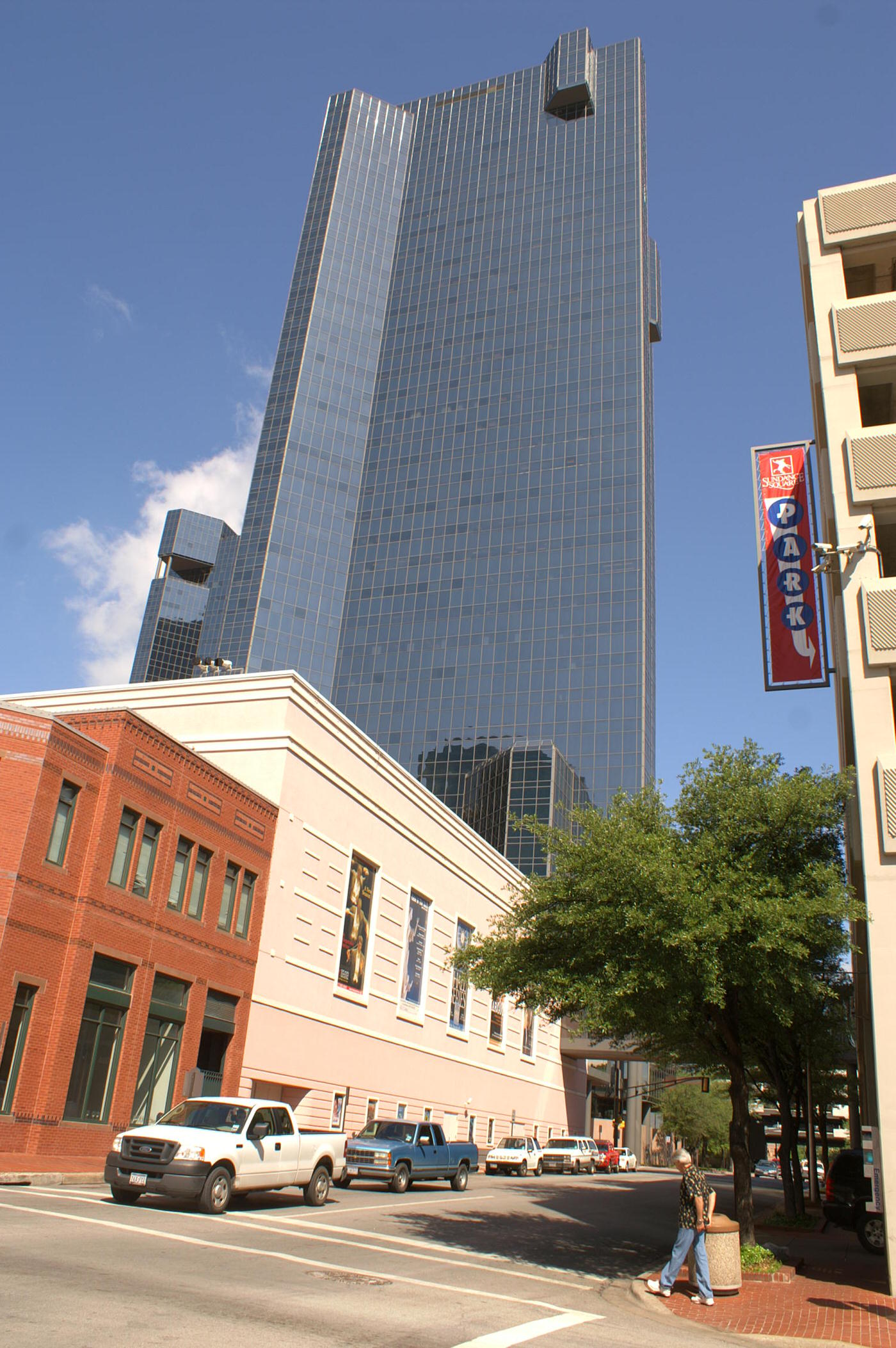
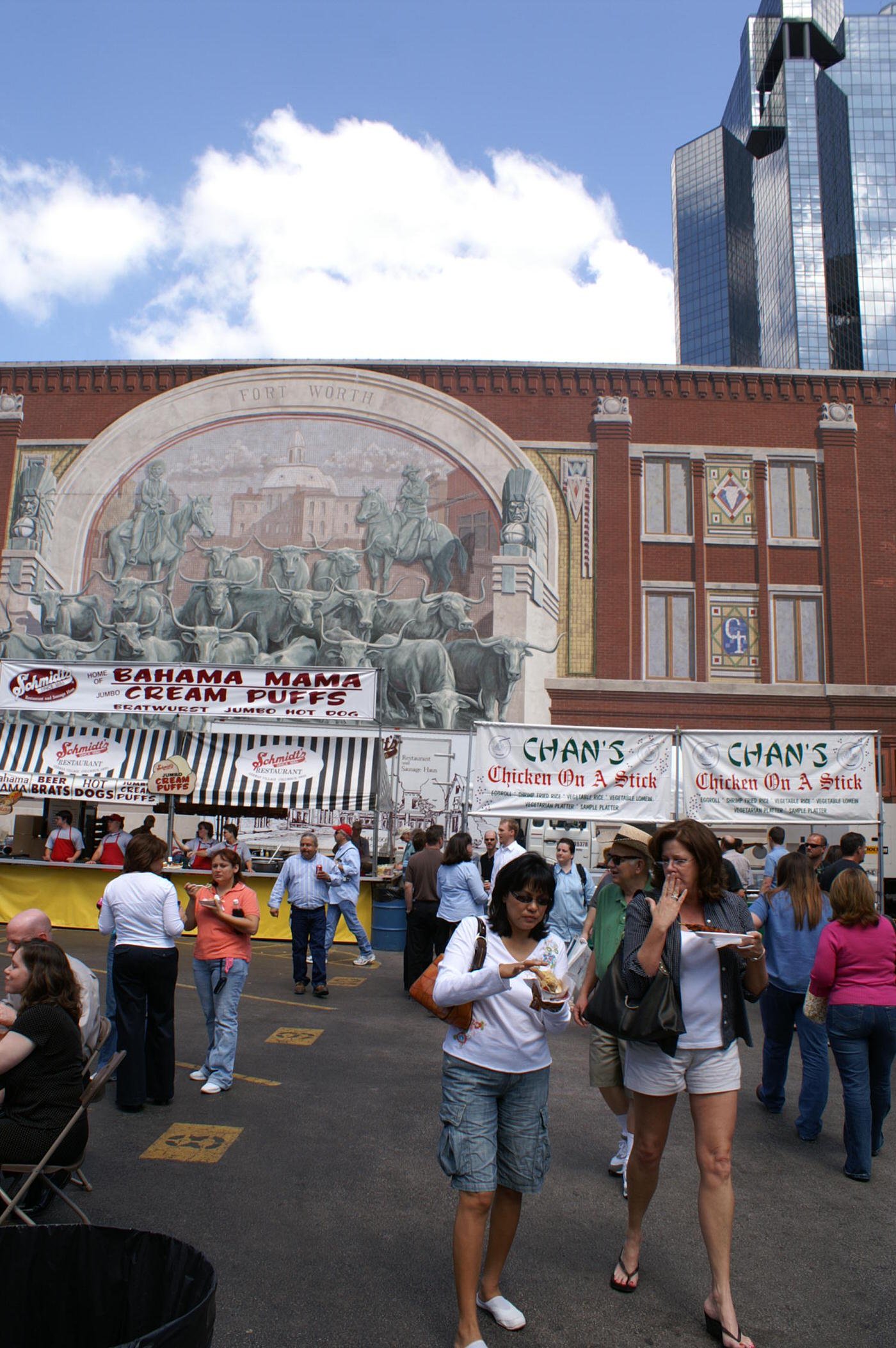
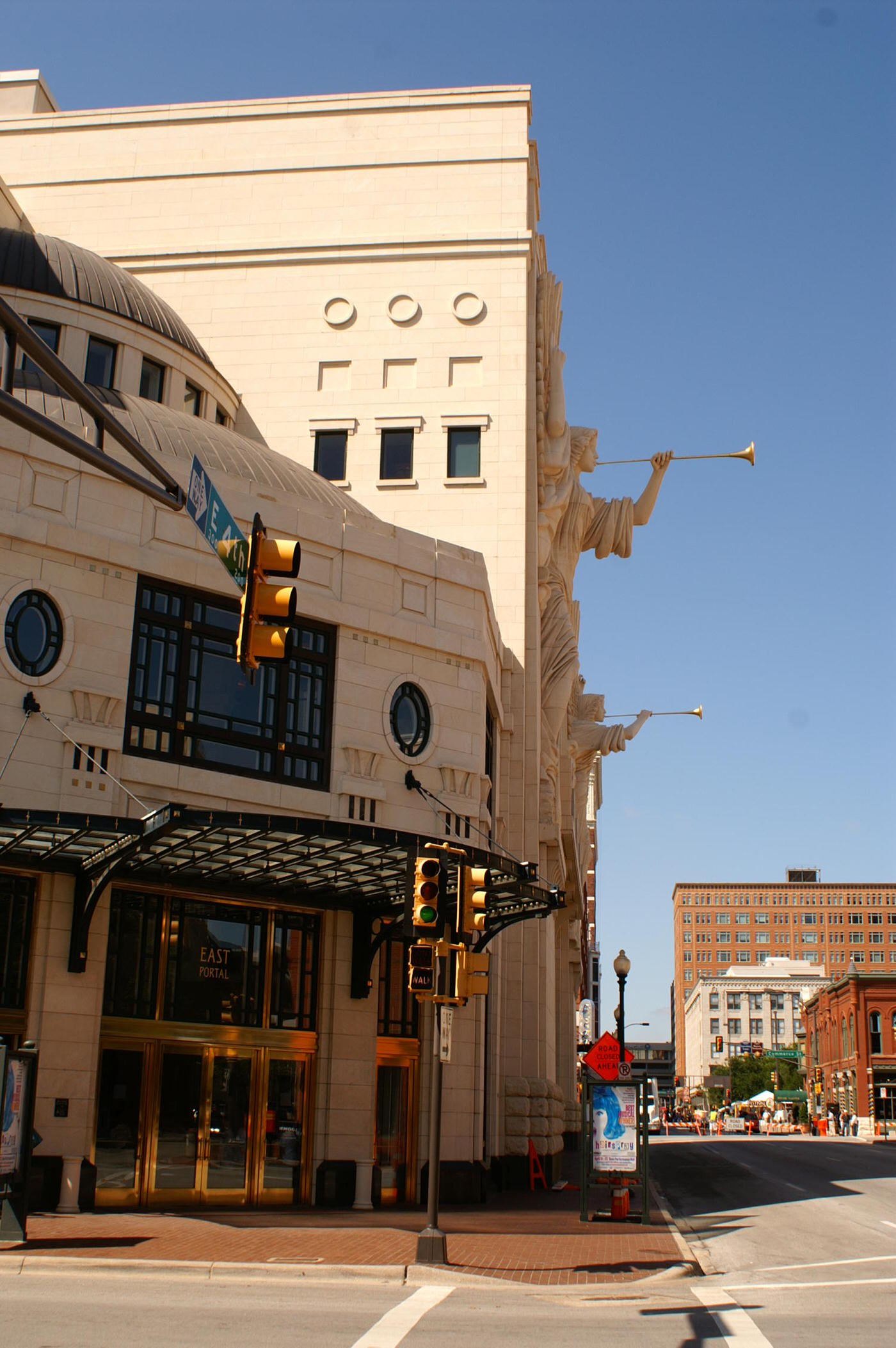
Image Credits: José L. Castillo Photograph Collection, THC National Register Collection, UNT Libraries Special Collections
Found any mistakes? 🥺 Let us Know