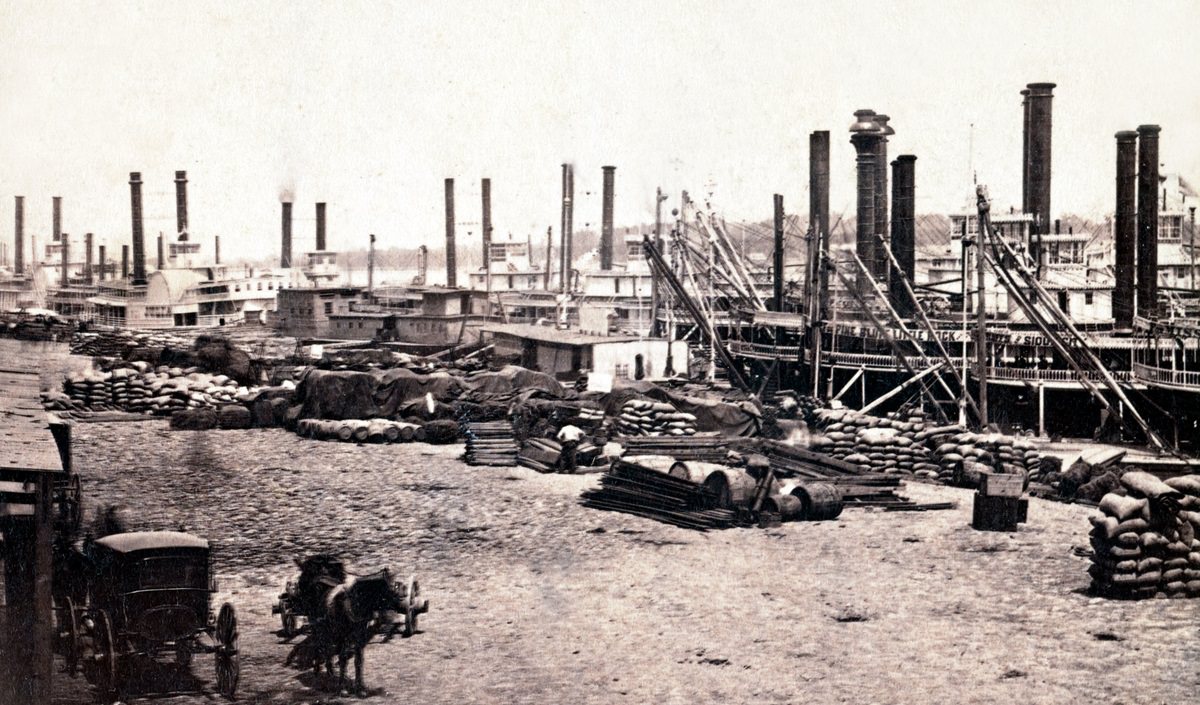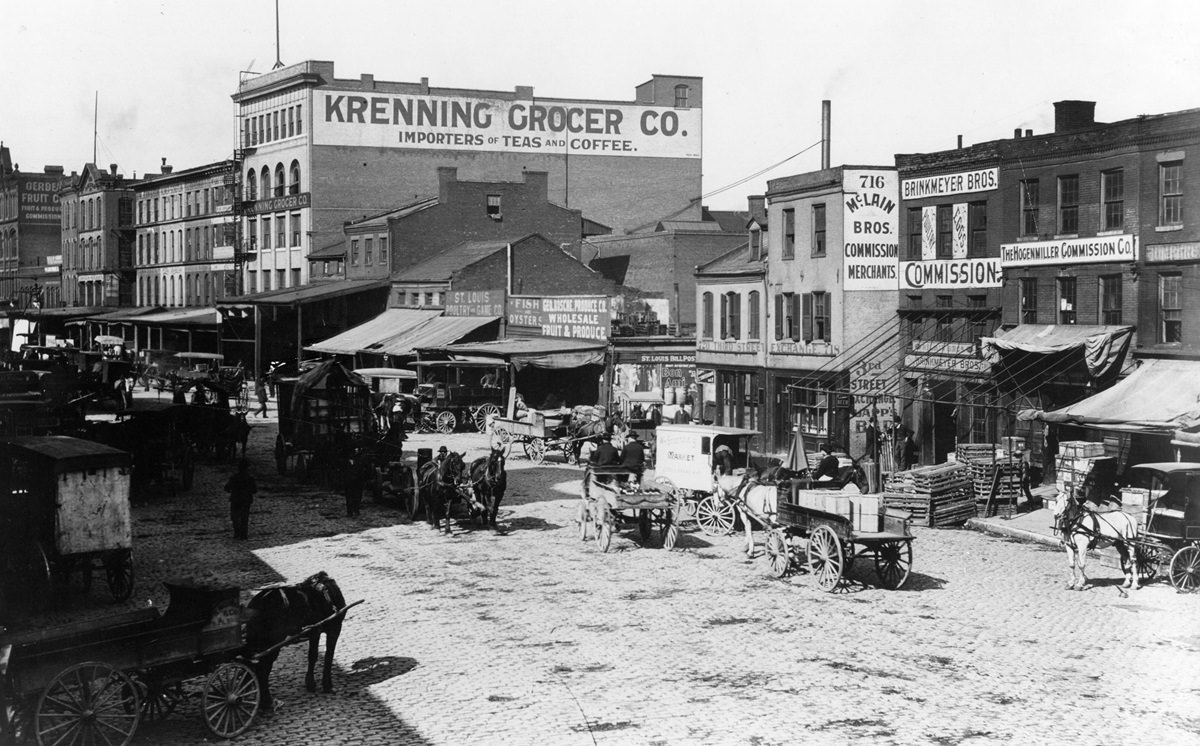
The 1980s brought big changes to St. Louis, Missouri. People started moving to different parts of the city and county. Jobs and ways of making money also began to change. New buildings were built downtown, and some neighborhoods started to grow again. Many people spoke up for change, even though the city faced money problems and social struggles.
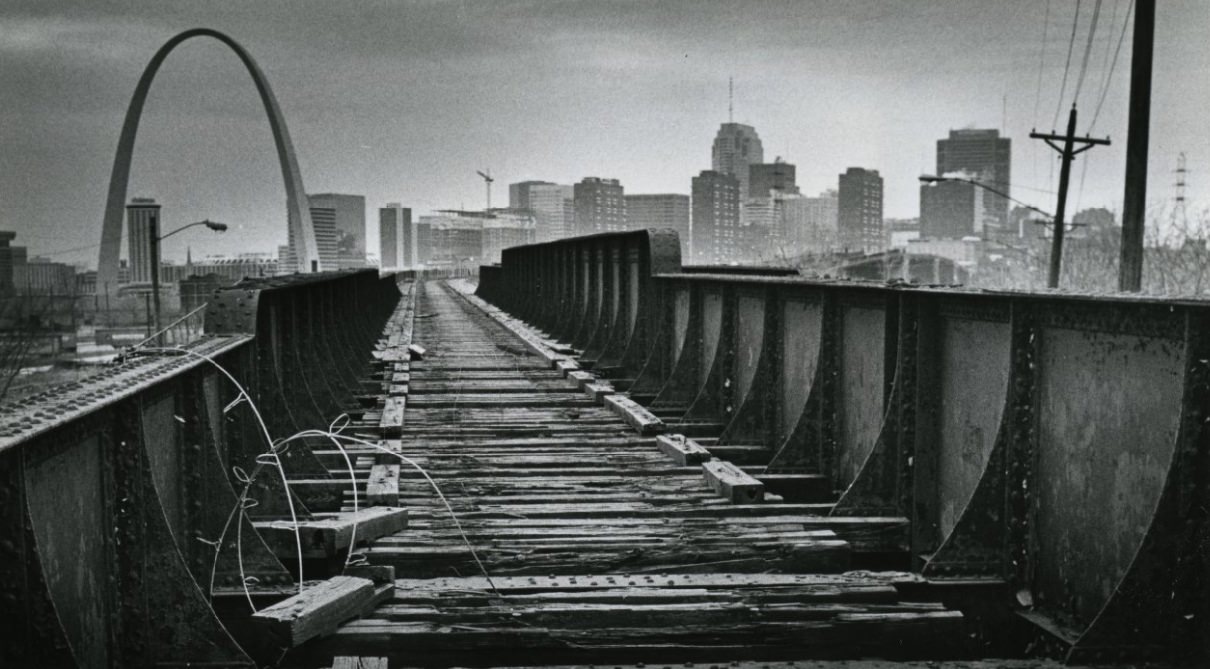
A City in Flux: St. Louis Enters the 1980s
The story of St. Louis in the 1980s begins with its people and where they chose to call home. The city itself saw its population numbers continue to shrink, a trend that had been underway for a couple of decades. In 1970, St. Louis City had 622,236 residents. By the time the 1980 census was taken, that number had fallen to 453,085. This decline didn’t stop there; by 1990, the city’s population was 396,685. This meant the city lost nearly 27.2% of its people in the 1970s and another 12.4% during the 1980s.
While the city was getting smaller, St. Louis County, the suburban area surrounding the city, was growing. The county’s population went from 951,353 in 1970 to 973,896 in 1980, and then up to 993,529 by 1990. This contrast painted a clear picture: more and more people were choosing suburban life over city living. The wider St. Louis Metropolitan Statistical Area (MSA), which includes the city, the county, and some surrounding areas, actually saw its population dip slightly by 1.3% between 1970 and 1980, but then it grew by 3.1% by 1990. This showed that while the heart of the region, the city, was losing residents, the suburbs were expanding.
This divergence between the city and county wasn’t just about numbers; it signaled a deepening split in the region. As people and their tax dollars moved to the suburbs, St. Louis City faced growing economic challenges. Because the city’s borders are fixed and it cannot easily annex growing suburban areas, this outward flow of residents had a particularly strong effect on its resources and ability to provide services. These demographic shifts also set the stage for ongoing debates about how the entire St. Louis region should be governed and how resources should be shared, discussions that would carry on for many years.
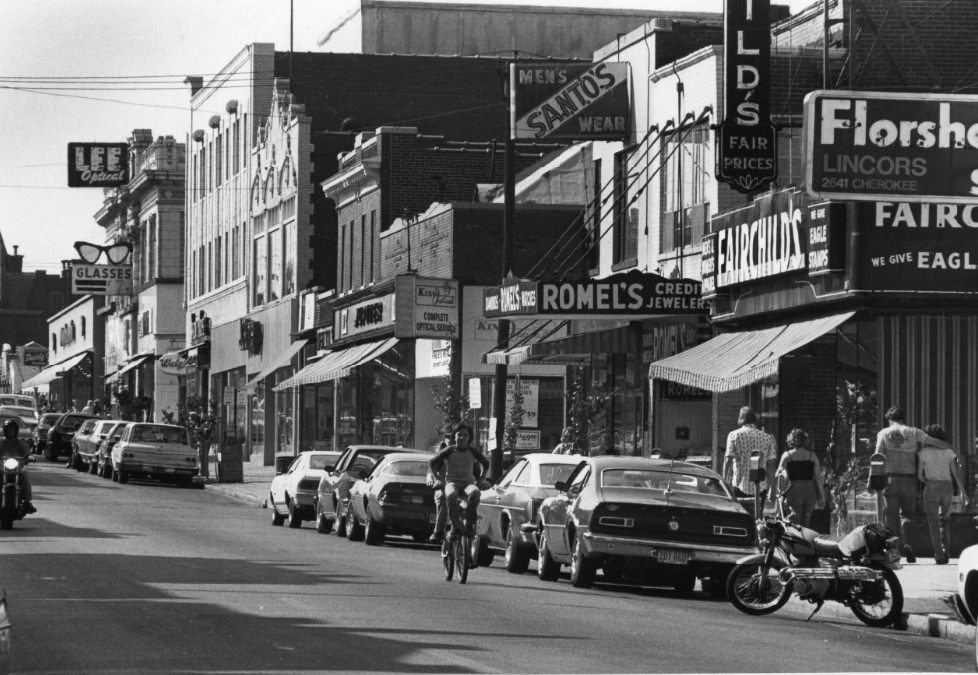
The racial makeup of St. Louis also changed during this time. In 1980, St. Louis City’s population was 45.5% Black (206,386 people) and about 53% White. Though the percentage of Black residents had gone up from 40.9% in 1970, the actual number of Black St. Louisans in the city went down from 254,518. This happened because the city’s total population was shrinking, and white residents were leaving the city at a faster rate.
In St. Louis County, the Black population grew significantly. In 1970, Black residents made up 4.8% of the county’s population (45,700 people). By 1980, that number had jumped to 11.25% (109,686 people). By 1990, Black residents accounted for 14.0% of the county’s population (around 139,000 people), while the white population was 84.0%. In the city in 1990, the population was 47.5% Black and 51.0% White.
Even with these shifts, St. Louis remained a very segregated area. The “Delmar Divide” was a well-known reality: Delmar Boulevard often marked a line between predominantly Black neighborhoods to the north (98% African American) and largely white neighborhoods to the south (73% white). In 1980, St. Louis was ranked 12th among the nation’s largest metro areas in terms of how segregated its neighborhoods were. This shows that as Black families moved to the suburbs, they often settled in specific communities, meaning that patterns of segregation were expanding into the county rather than disappearing.
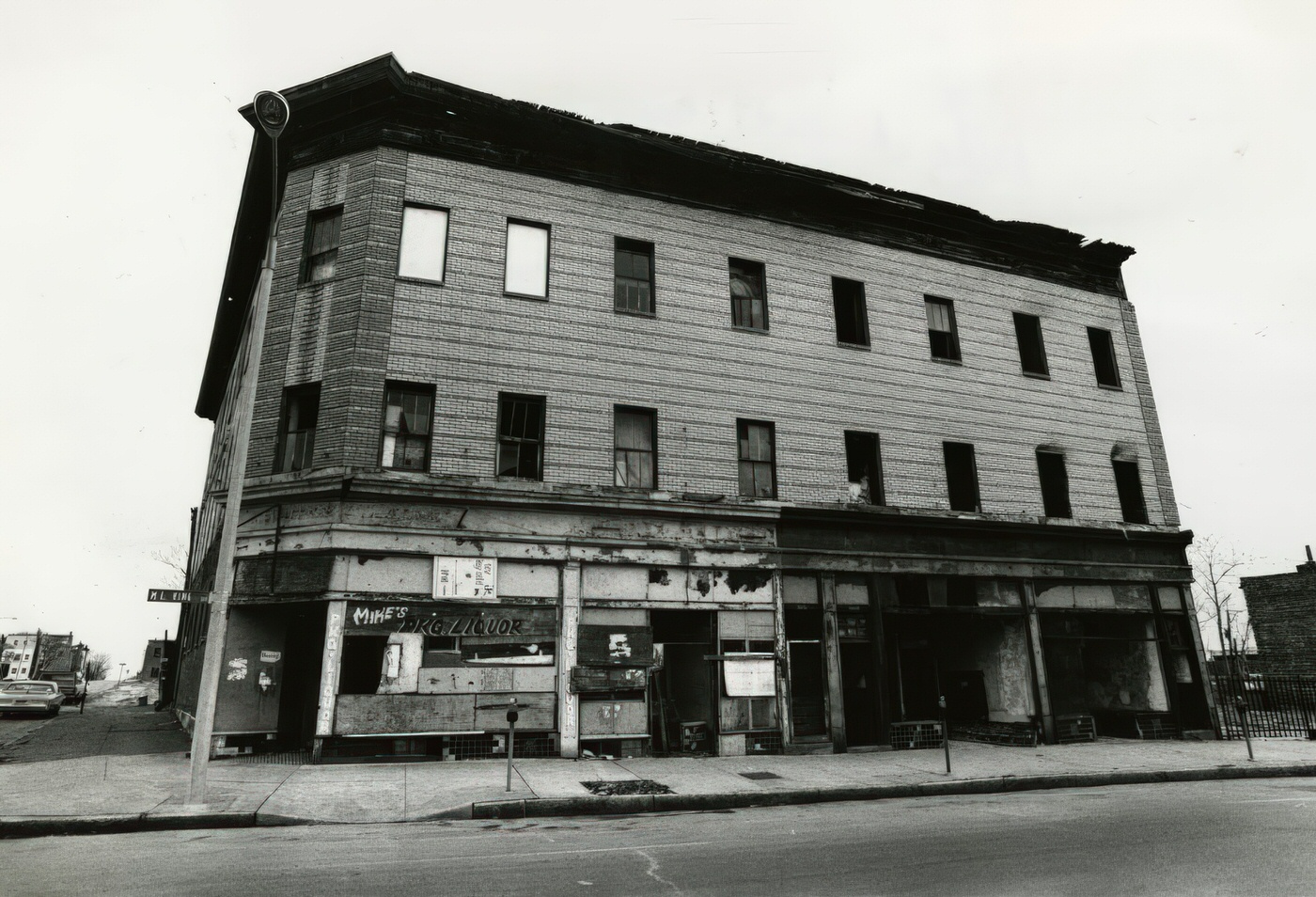
These persistent patterns of segregation were closely linked to economic well-being. Neighborhoods with mostly Black residents, whether in the city or in the county, tended to have higher rates of poverty and unemployment and lower levels of educational achievement. This was not a new problem; historical practices like redlining, where banks refused to give loans in certain neighborhoods, had laid the groundwork for these deep-seated inequalities. The loss of manufacturing jobs in the 1980s likely hit these already struggling communities the hardest.
The Economic Engine: Industries and Employment
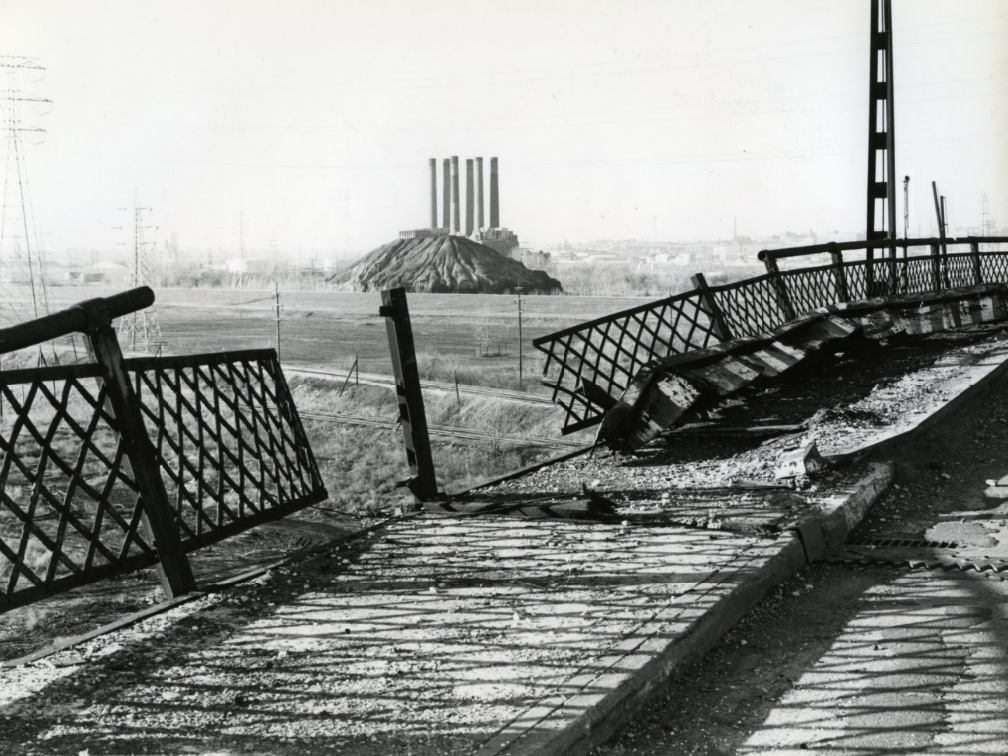
The 1980s continued a period of deindustrialization for St. Louis, a tough trend affecting many “Rust Belt” cities across the Midwest and Northeast. Nationally, manufacturing jobs had hit their peak in 1979 and then started a slow decline. St. Louis, having historically relied heavily on a few major industries, found itself in a vulnerable position.
The picture wasn’t entirely bleak, however. The aerospace industry, anchored by McDonnell Douglas, remained a vital part of the local economy and a major employer. Throughout the 1980s, the company continued to produce important military aircraft like the F-15 Eagle and the F/A-18 Hornet at its facilities near Lambert Field. The founder, James S. McDonnell, passed away in 1980, and a county park was later named in his memory, a testament to his company’s significance.
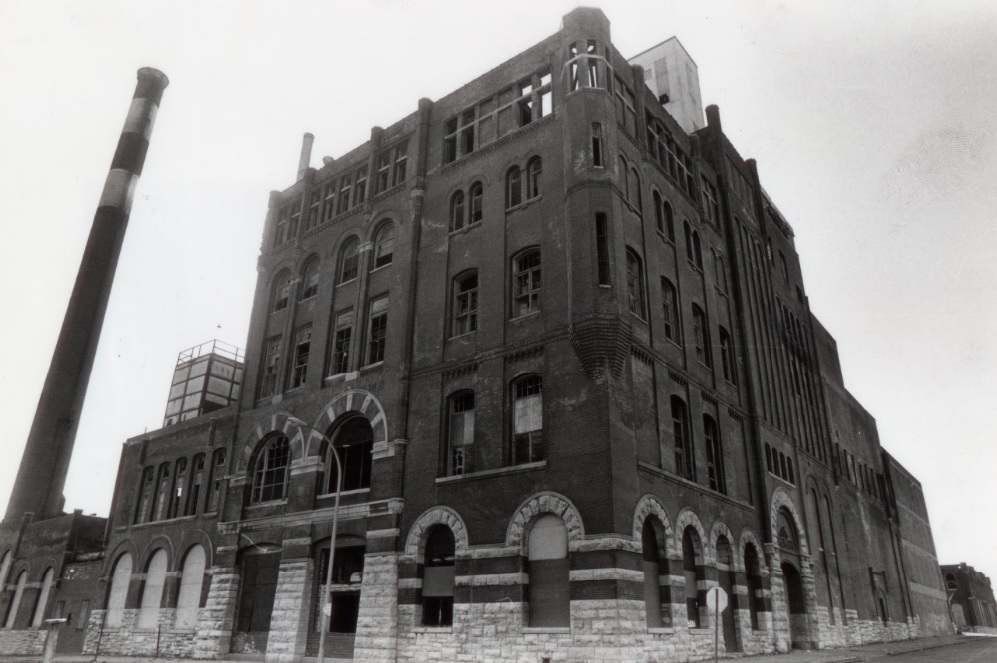
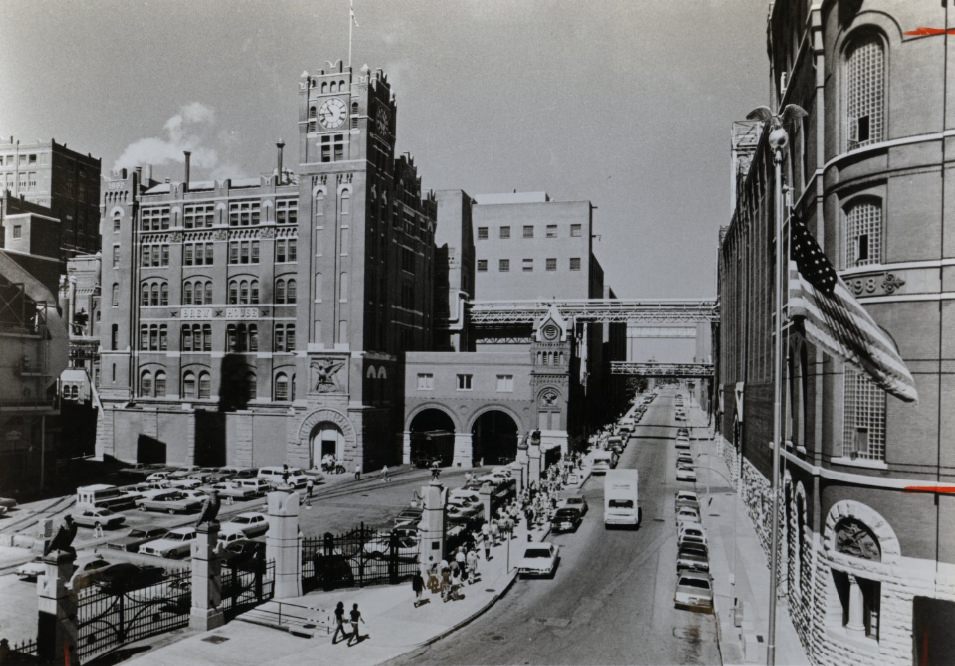
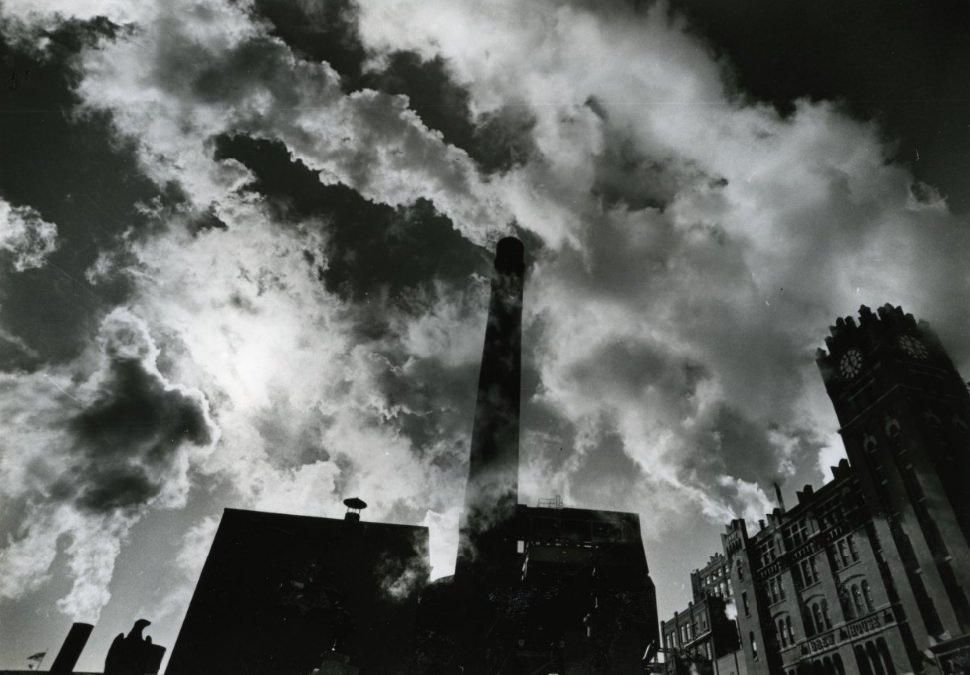
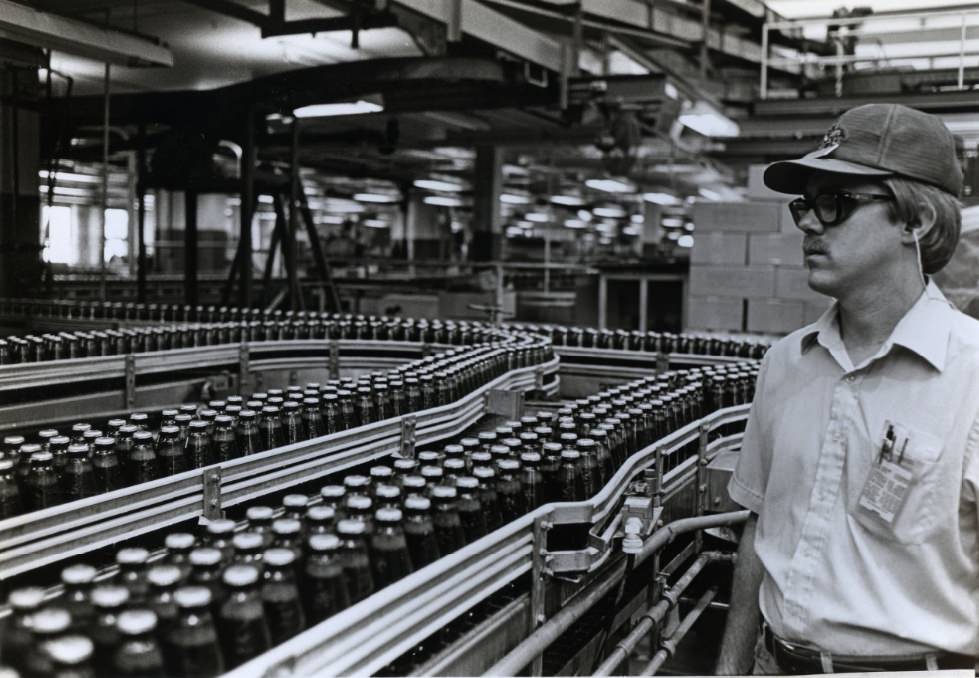
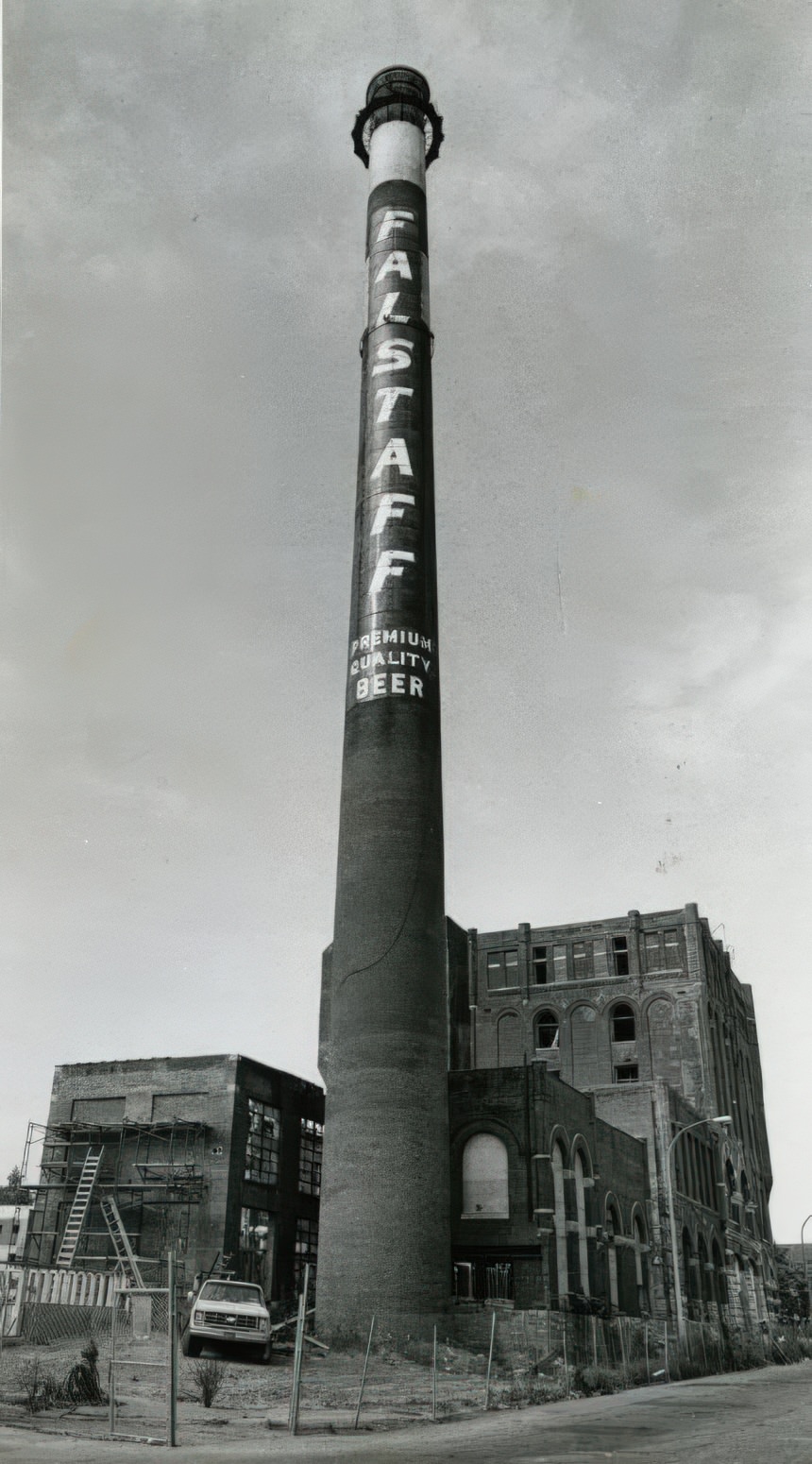
The brewing industry, with Anheuser-Busch at its forefront, was another bright spot. Headquartered in St. Louis, Anheuser-Busch grew into a national powerhouse, expanding from its historic St. Louis brewery to operate twelve breweries across the country by the 1980s. In 1980, the company celebrated producing 50 million barrels of beer. After Falstaff closed its St. Louis plant in 1977, Anheuser-Busch stood as the city’s sole major brewery.
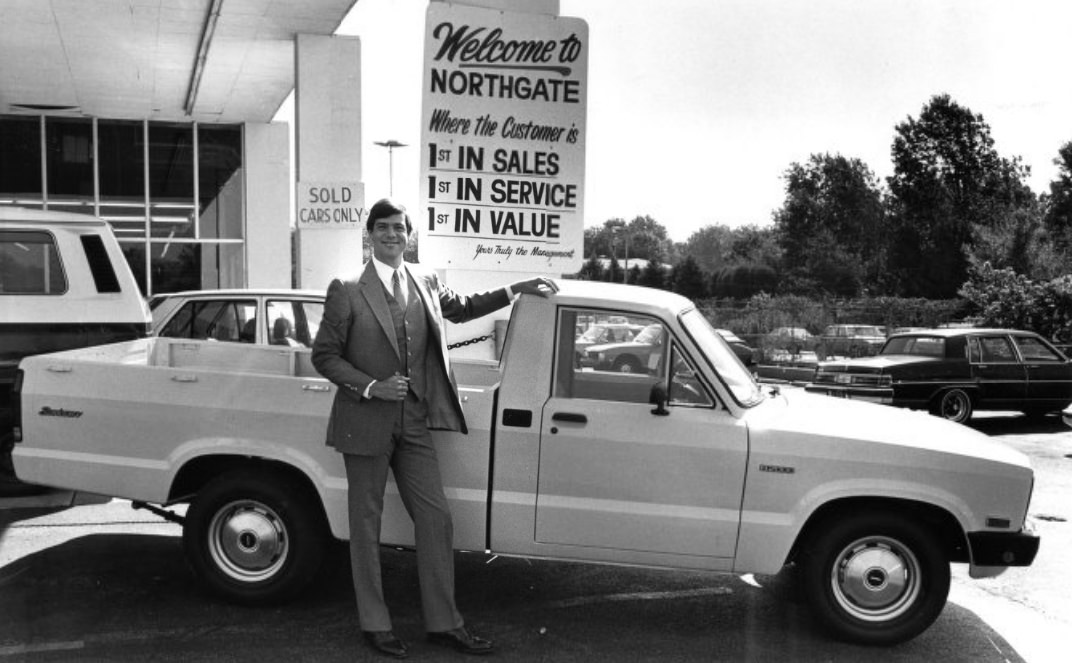
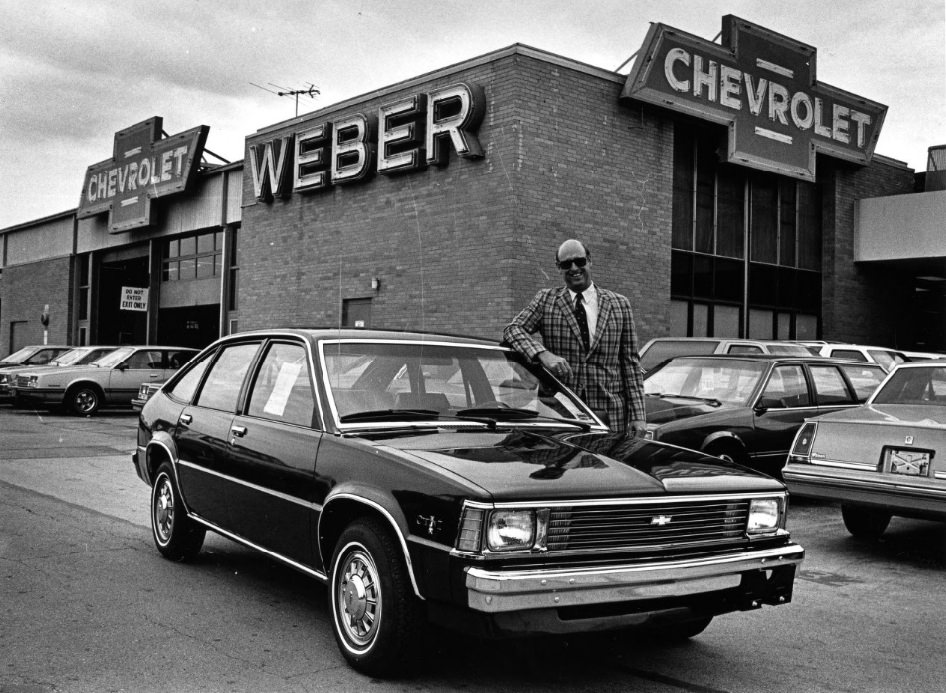
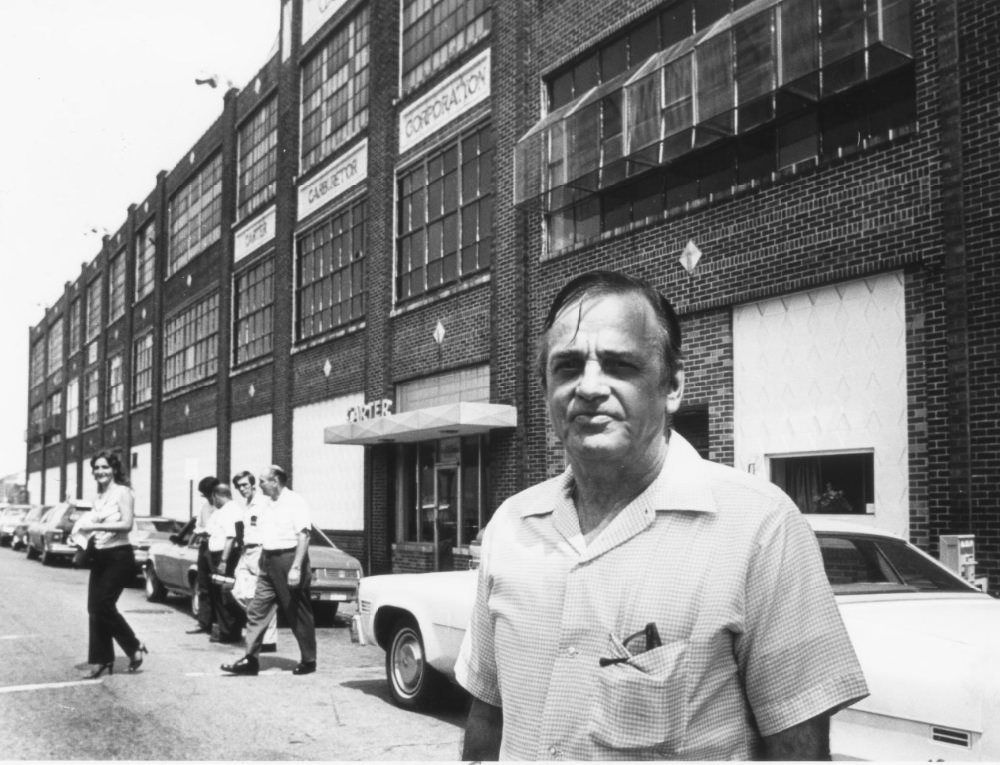
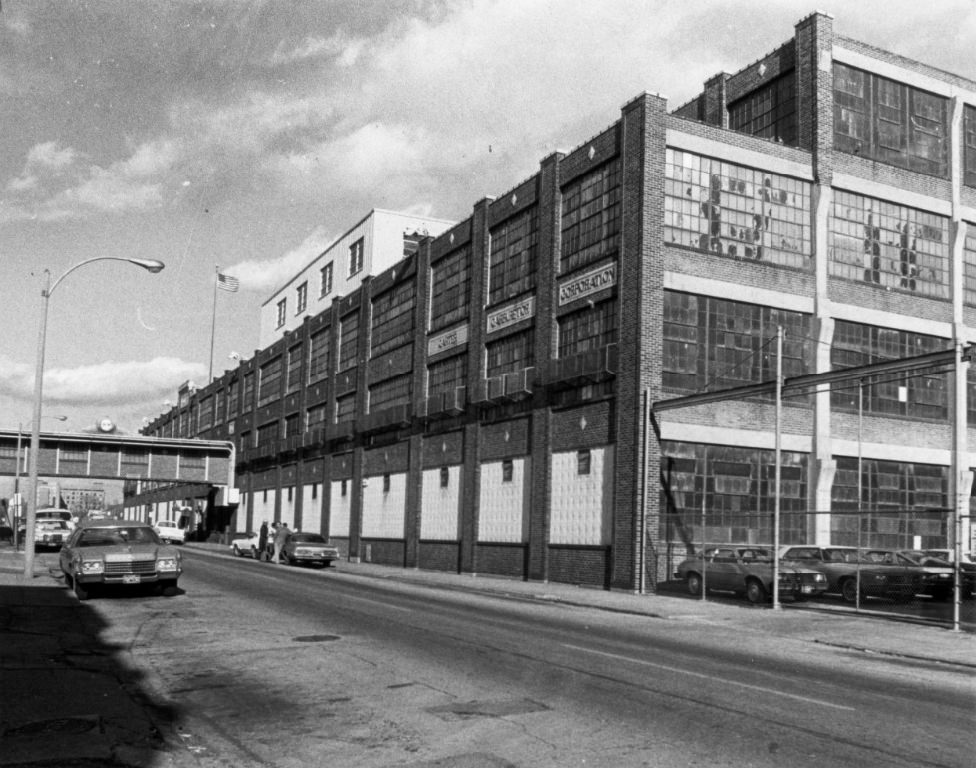
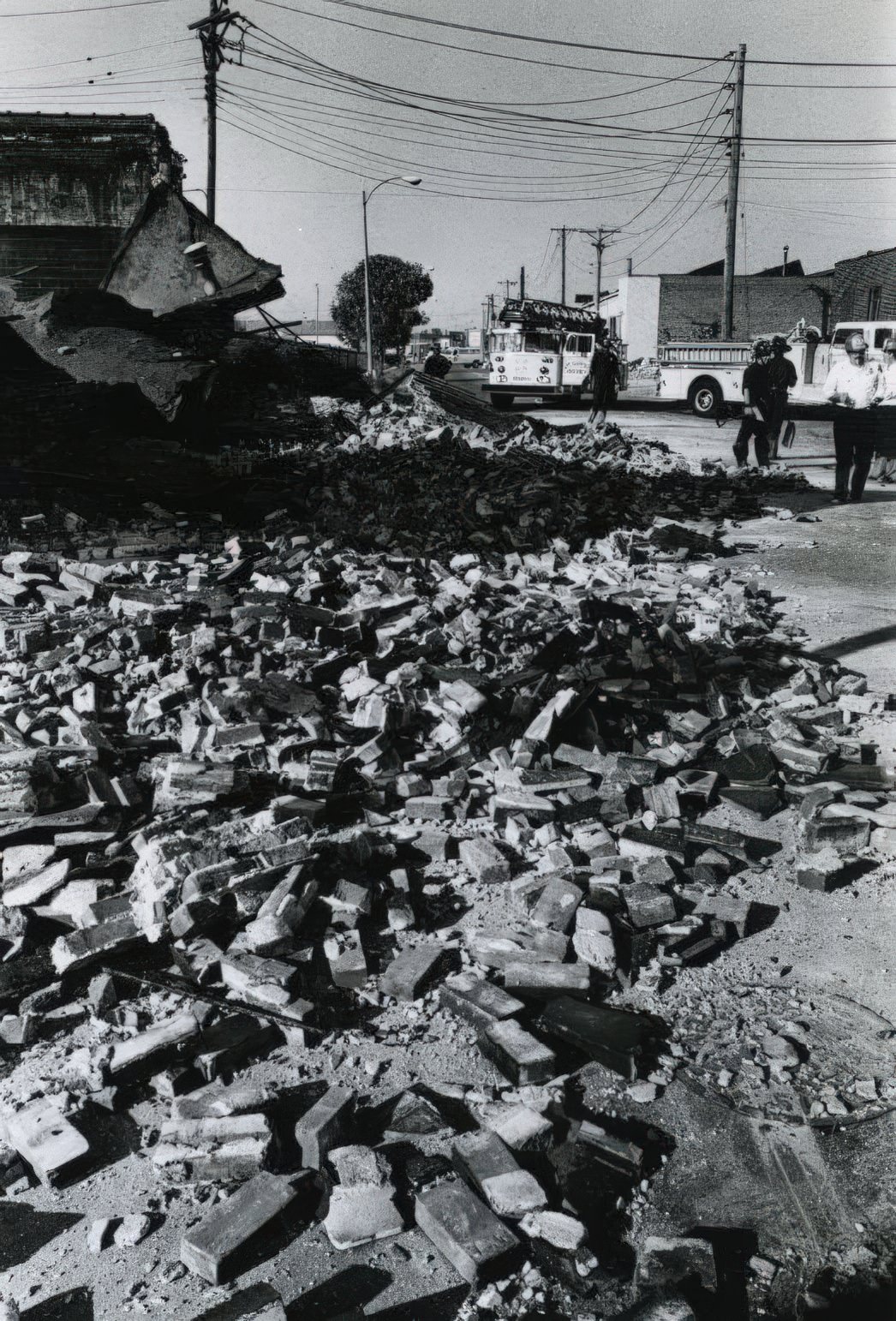
The automotive sector, however, faced more turbulent times. General Motors (GM) made significant changes. Its large St. Louis Assembly Plant on Natural Bridge Avenue, which had a long history of producing Chevrolet cars, including the Corvette, closed its Caprice and Impala assembly line on August 1, 1980. Corvette production was moved to Bowling Green, Kentucky, in 1981. The St. Louis Assembly plant then only made trucks for a few more years before shutting down completely on August 7, 1986. On a more positive note for the region, GM opened a new, modern assembly plant in Wentzville, about 40 miles west of St. Louis, in 1983. Chrysler’s St. Louis Assembly Plant in Fenton, consisting of two facilities (North and South), continued to operate. The North plant began producing minivans in 1987. Still, the U.S. auto industry as a whole, Chrysler included, was grappling with challenges like oil crises and stiff competition from foreign car makers, leading to ongoing adjustments in production and employment. This mixed performance across major industries shows that deindustrialization wasn’t a simple story of collapse. Instead, it was a complex period of decline for some sectors like city-based auto manufacturing, continued strength for others like aerospace and brewing, and transformation with new investments in suburban areas like Wentzville.
These industrial shifts, combined with national economic trends, had a direct effect on jobs. The early 1980s brought a significant national recession. In Missouri, the unemployment rate hit 10.2% in April 1980 , and nationally, unemployment reached a peak of 10.8% in December 1982. For St. Louis City and County, unemployment numbers moved up and down with these national waves. While exact yearly figures for the city and county are not fully detailed in the available information, data from the Federal Reserve Economic Data (FRED) shows Missouri’s overall unemployment rate fluctuating from around 5.6% to 7.8% in the early part of the decade, spiking to 10.5% in early 1983 during the recession, and then gradually falling to about 5.5% by 1989. Plant closures, like that of GM’s St. Louis Assembly, directly contributed to job losses in the city. The heavy reliance on manufacturing made St. Louis particularly sensitive to these national economic downturns. The loss of factory jobs also signaled a deeper change in the kinds of work available. As traditional manufacturing declined, the St. Louis economy began to lean more towards service industries. The major redevelopment projects downtown, like new office buildings and retail centers, were part of this shift. However, these new service jobs often required different skills and offered different pay and benefits compared to the unionized factory jobs they were replacing. This created a need for workers to adapt and learn new skills, and it potentially left some former factory workers struggling to find new, comparable employment.
Living in St. Louis: Neighborhoods, Housing, and People
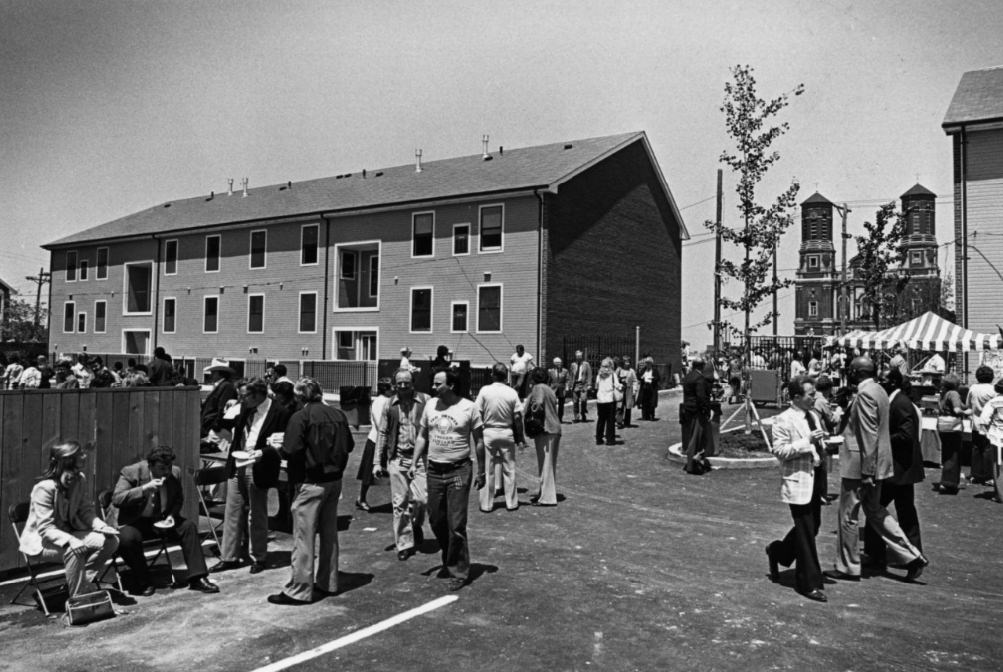
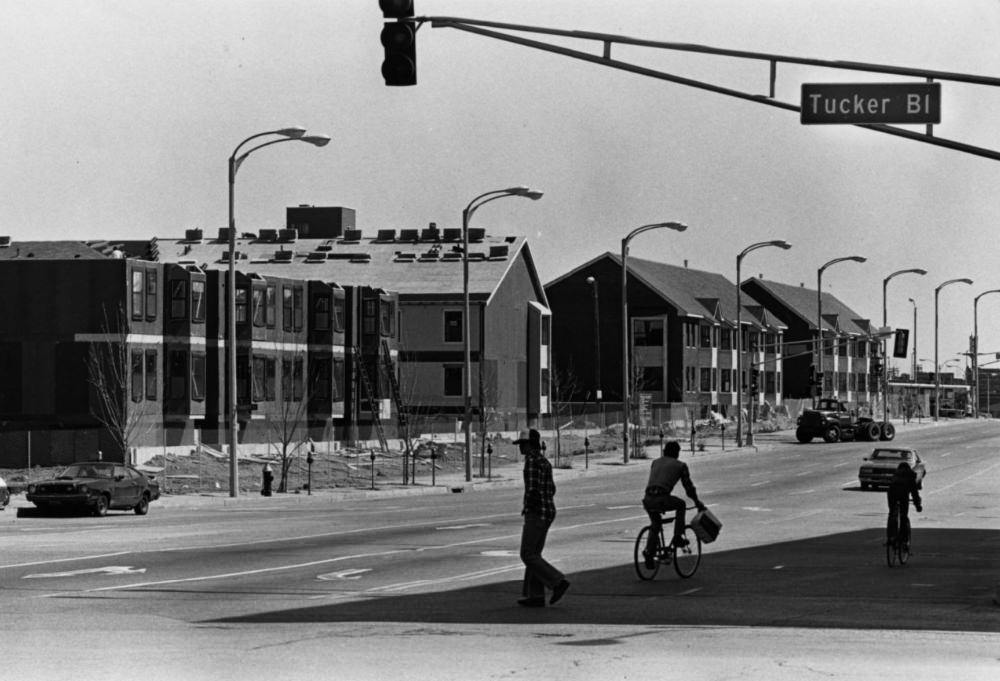
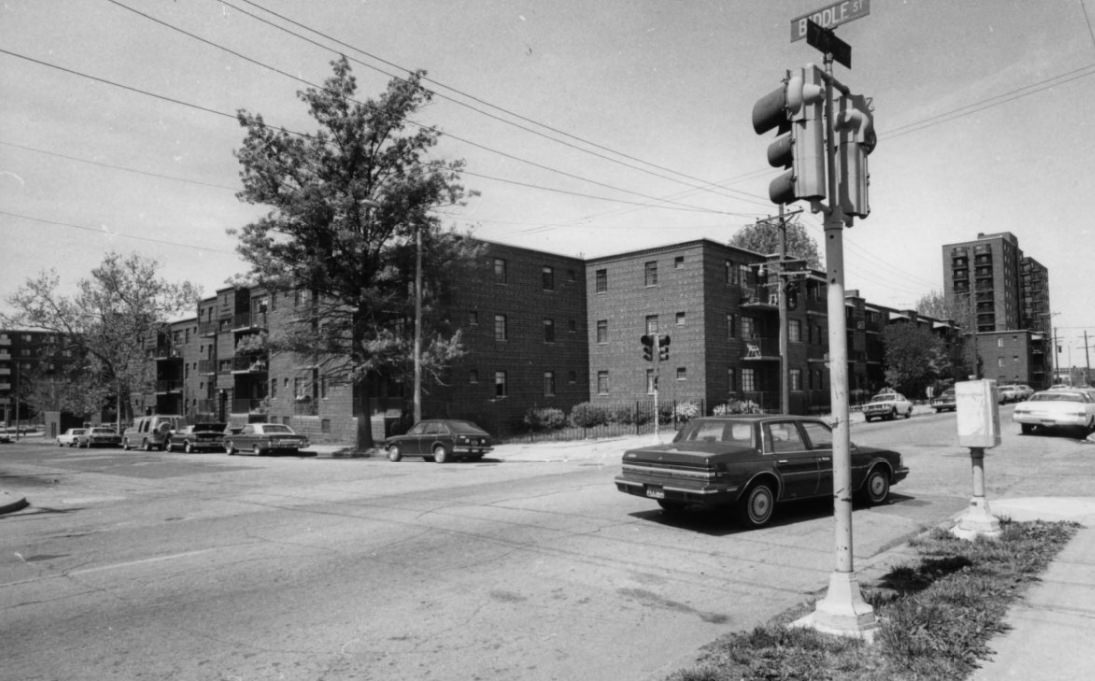
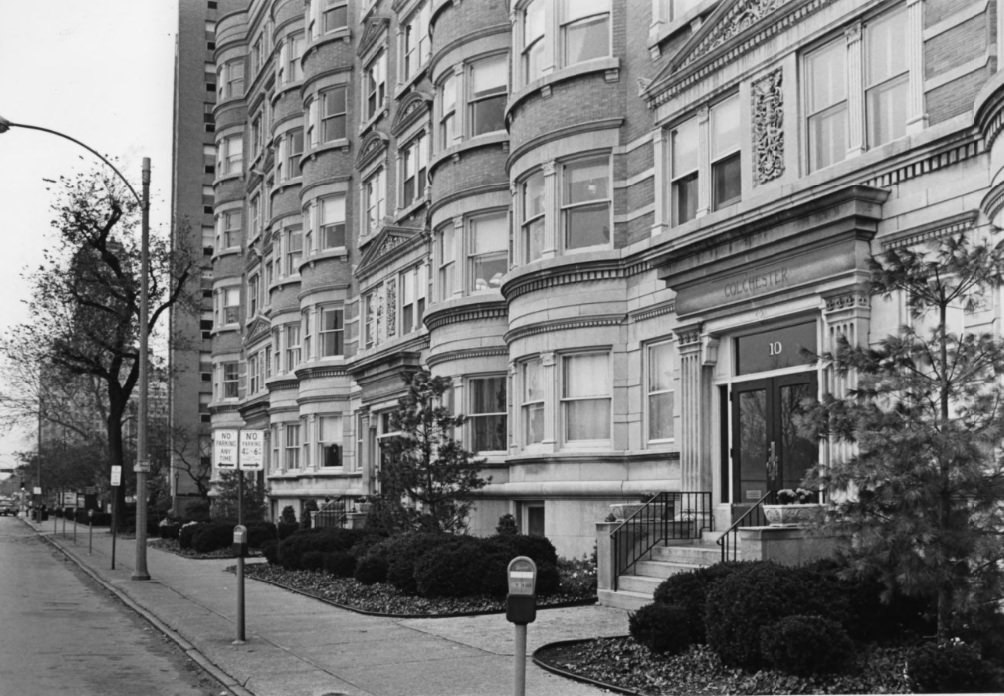
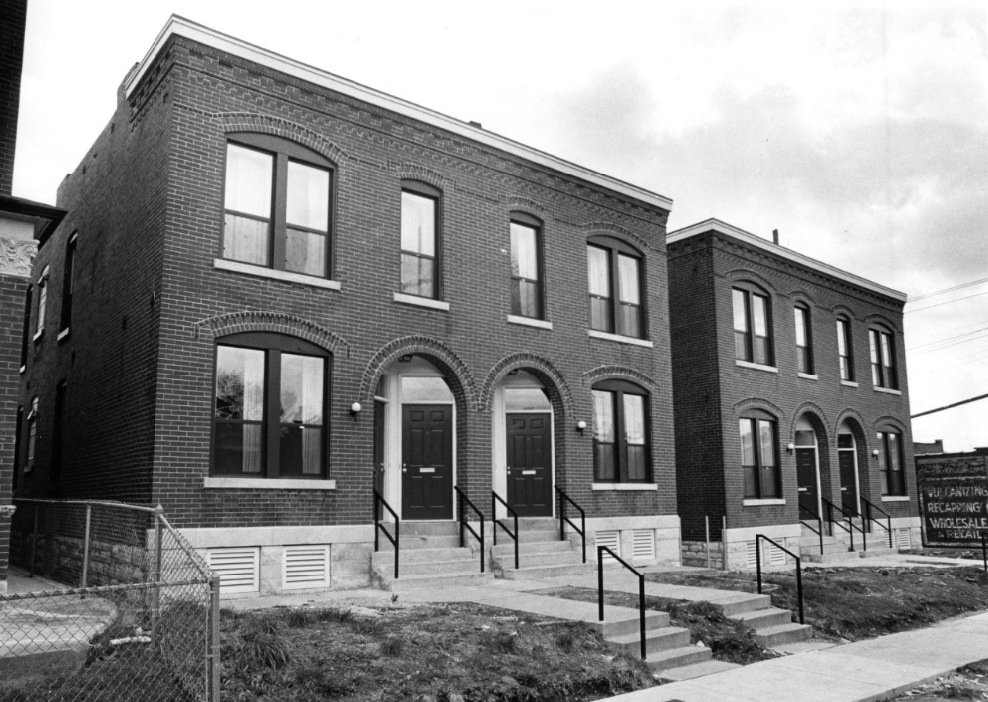
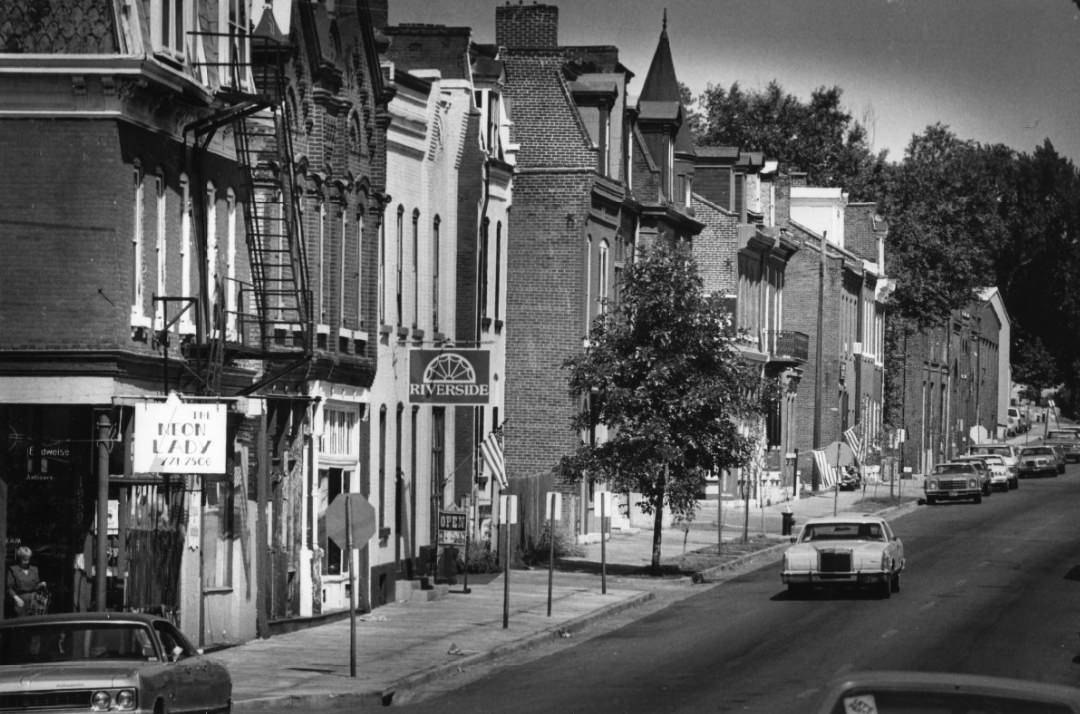
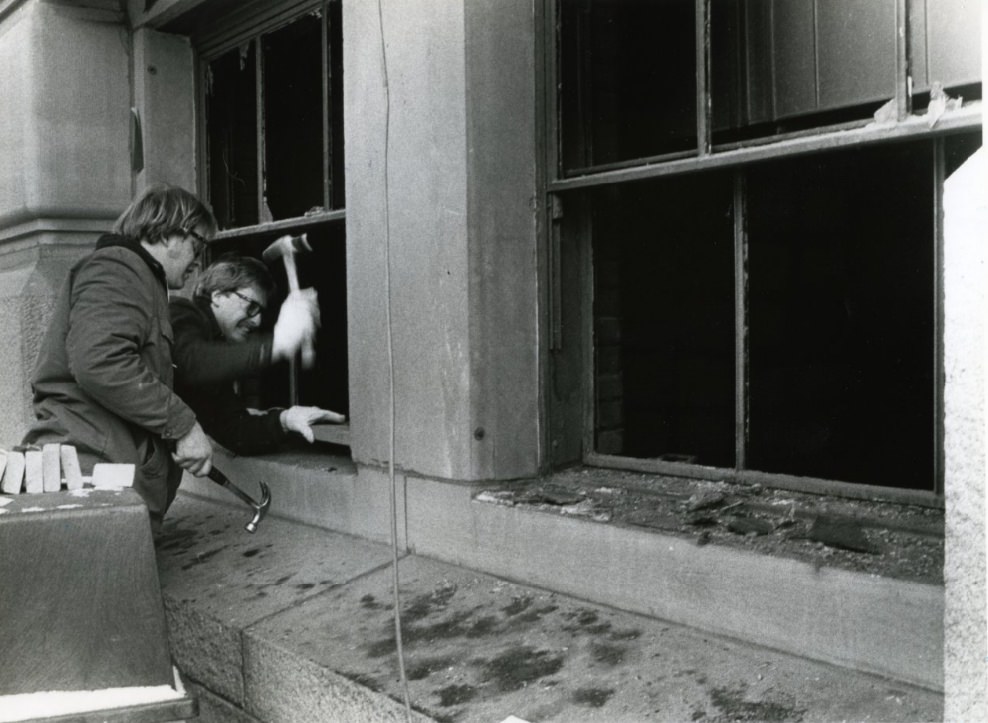
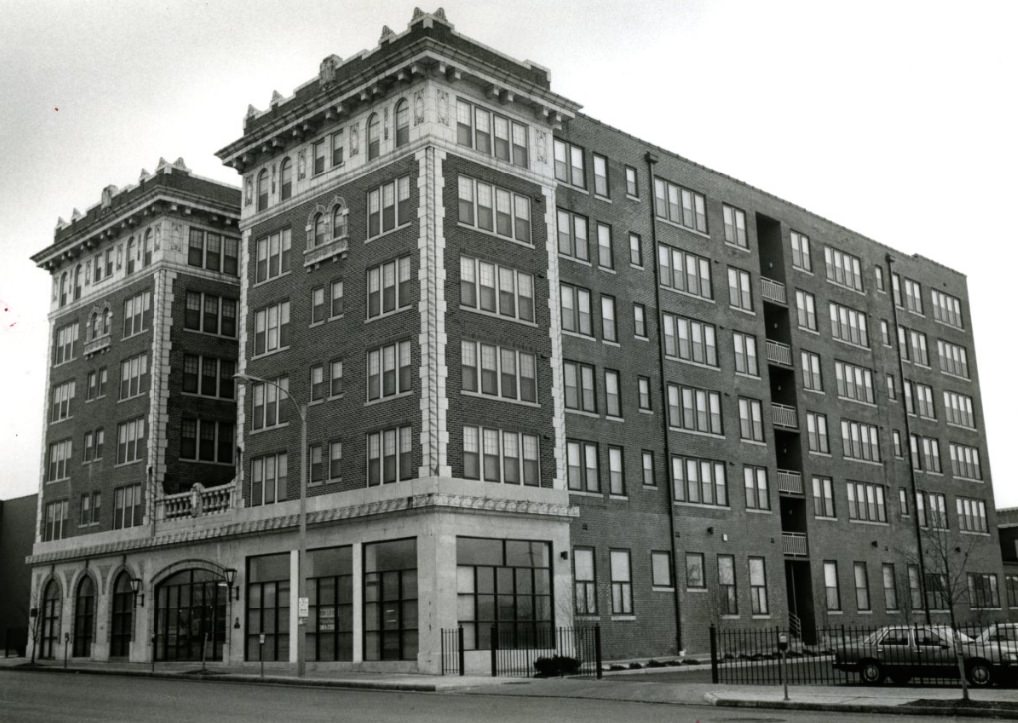
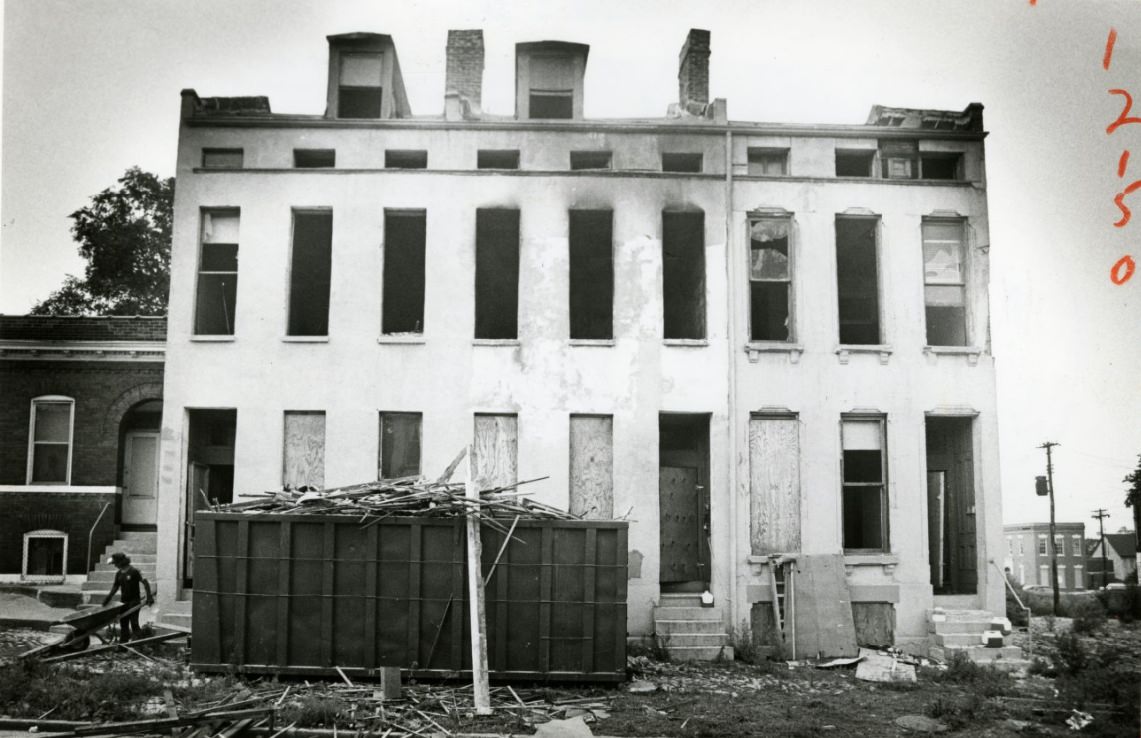
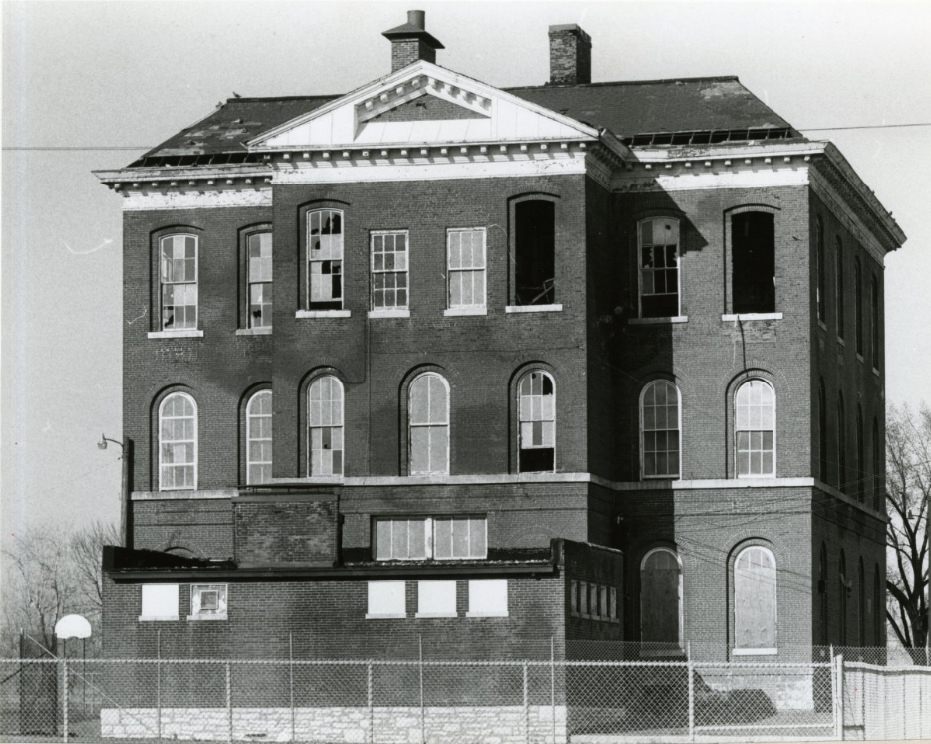
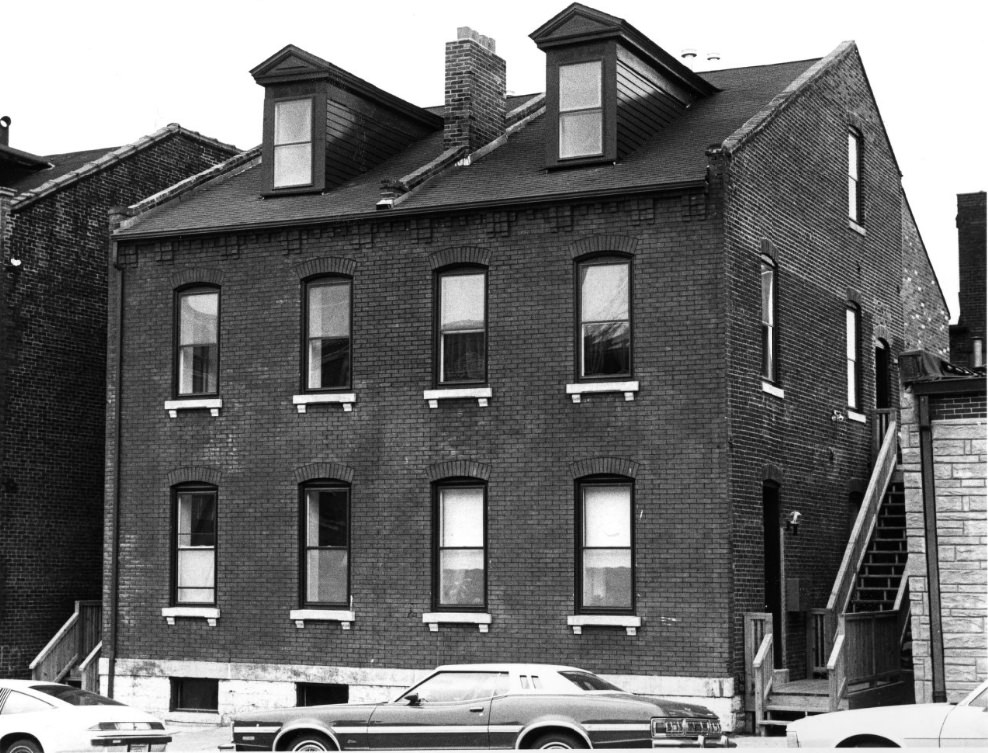
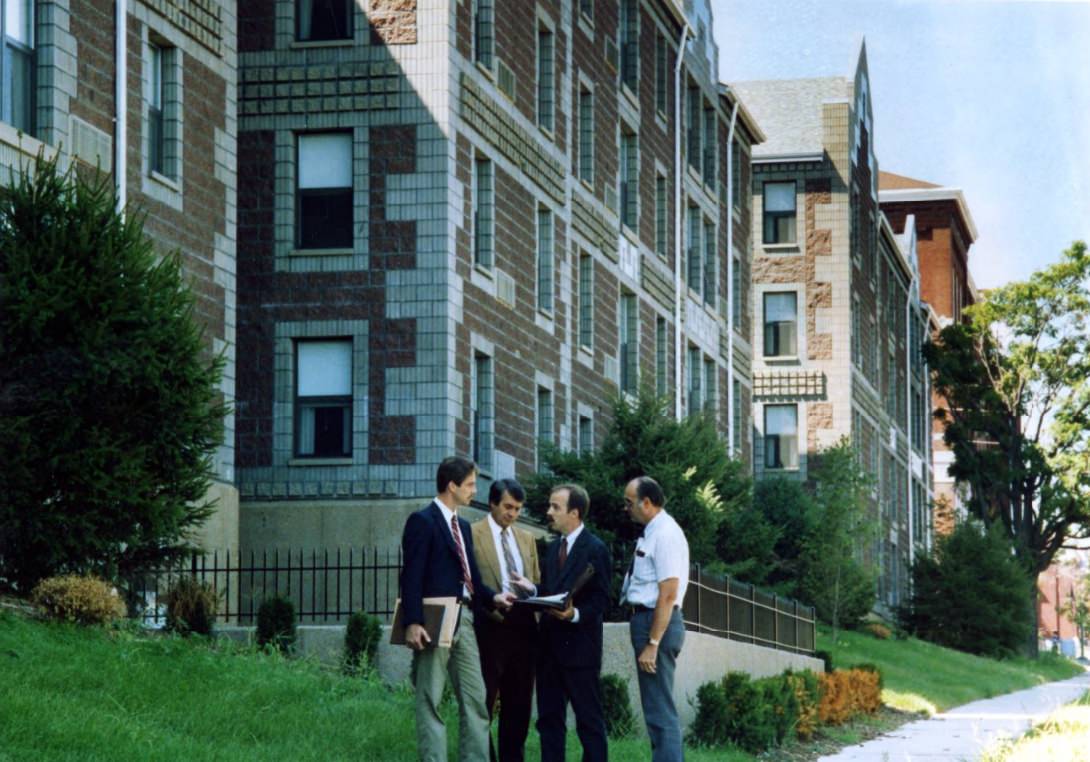
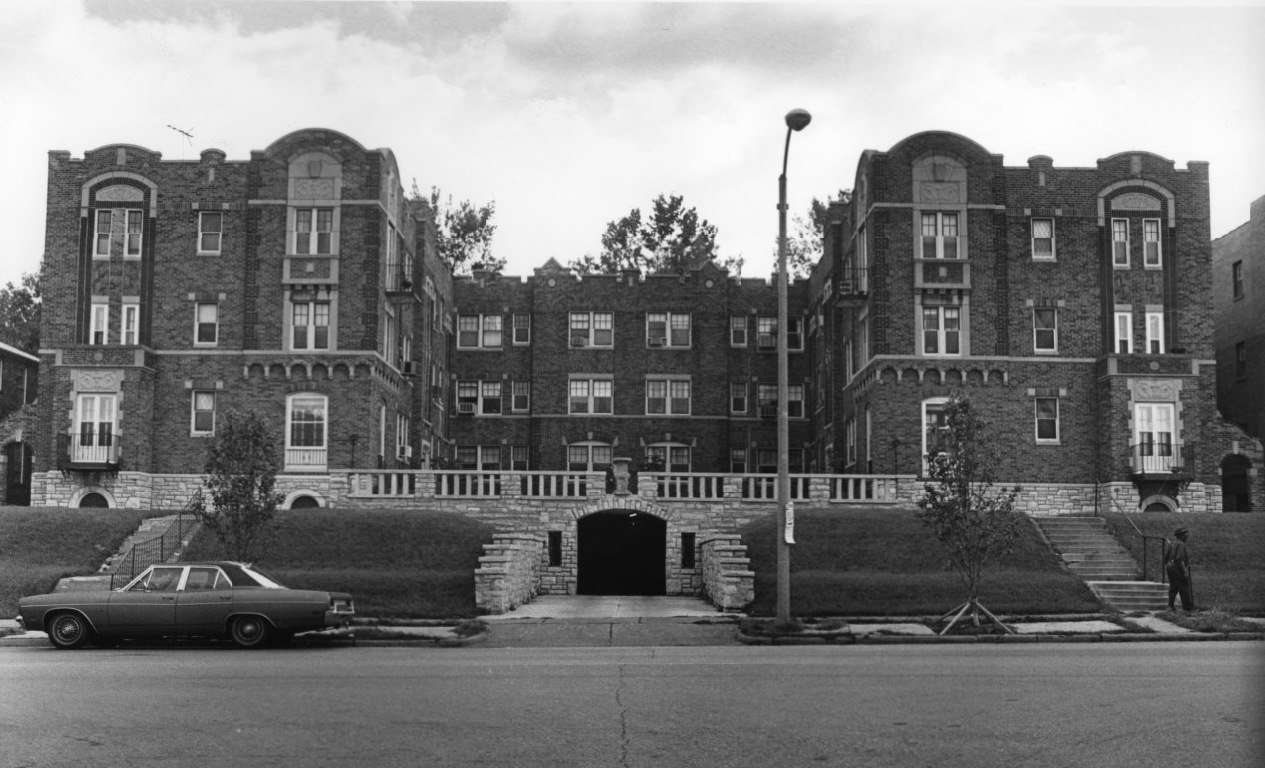
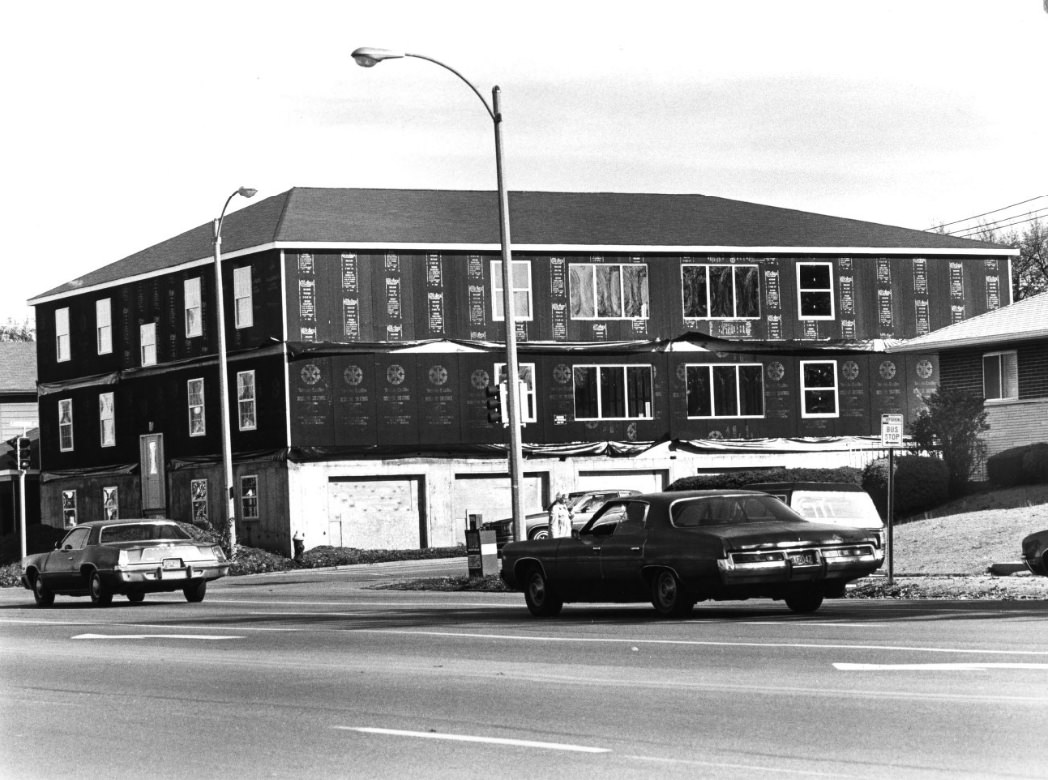
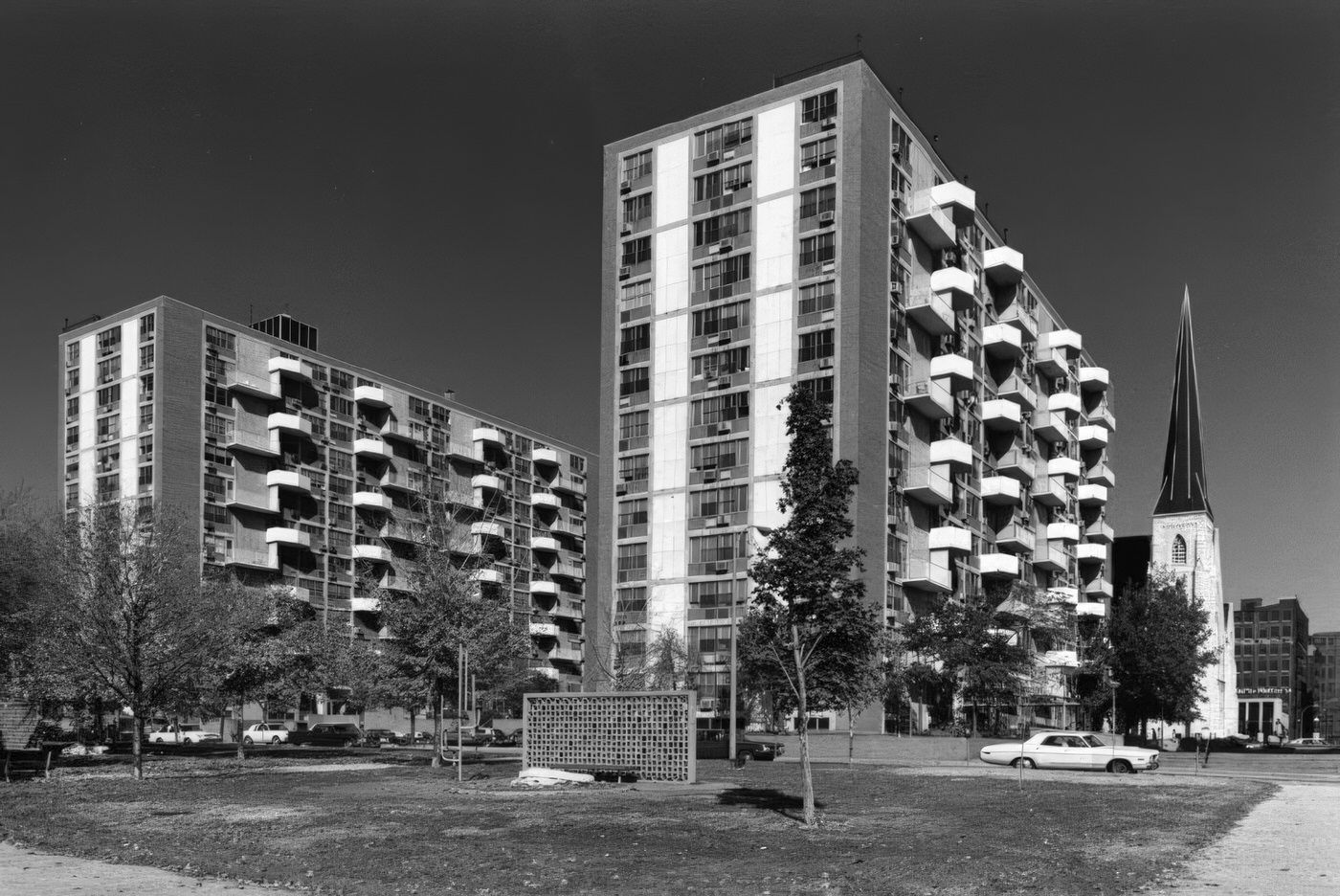
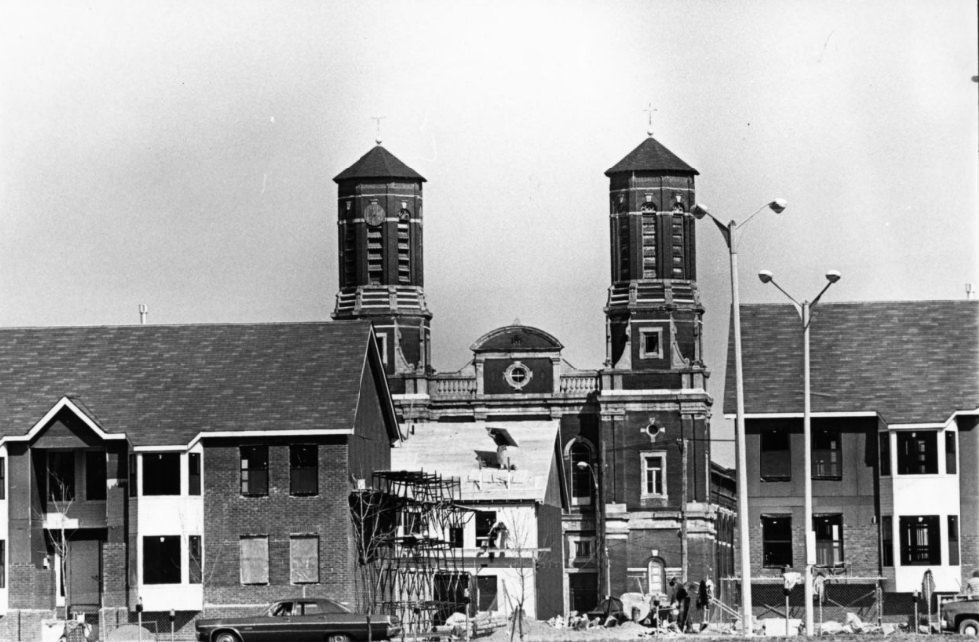
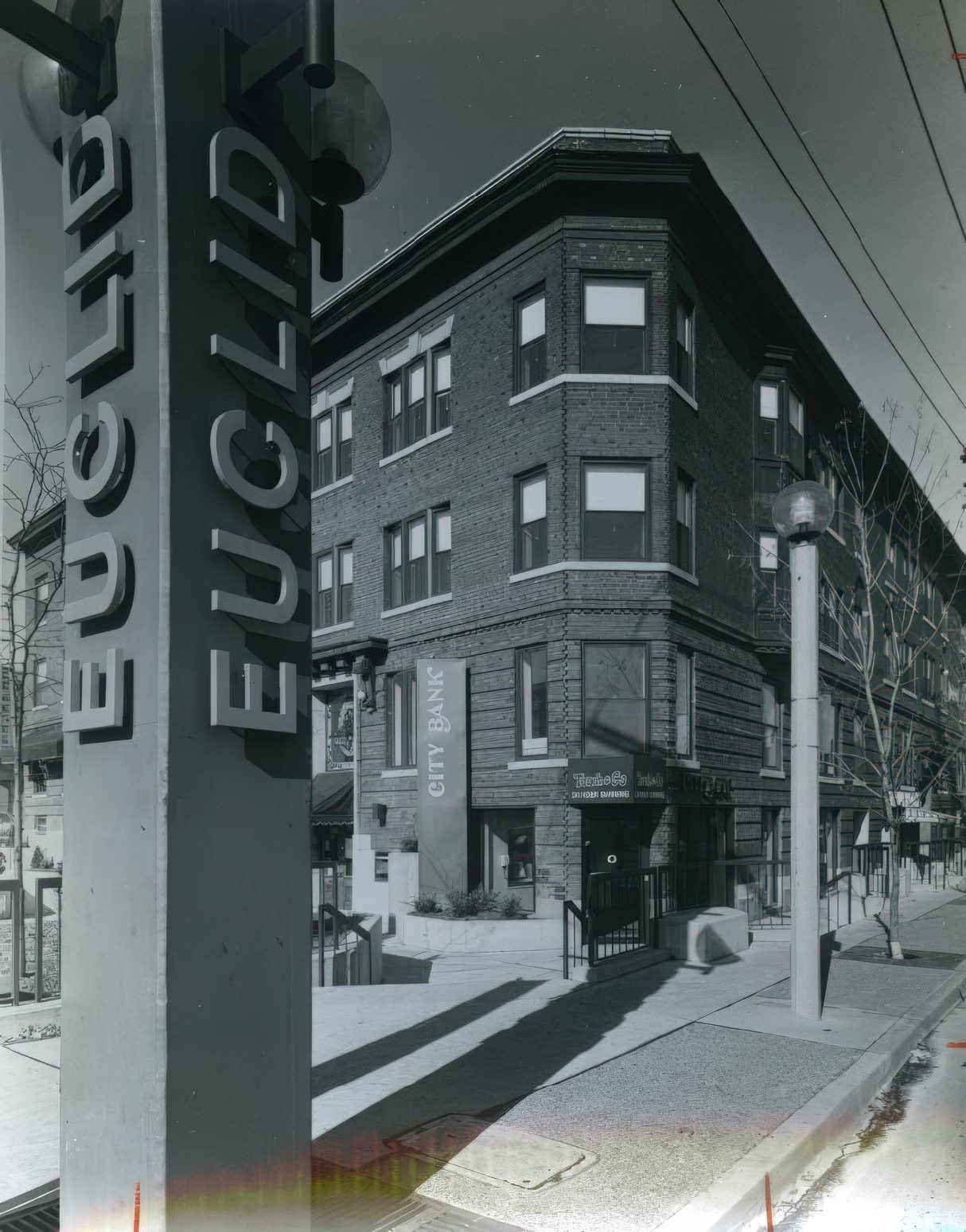
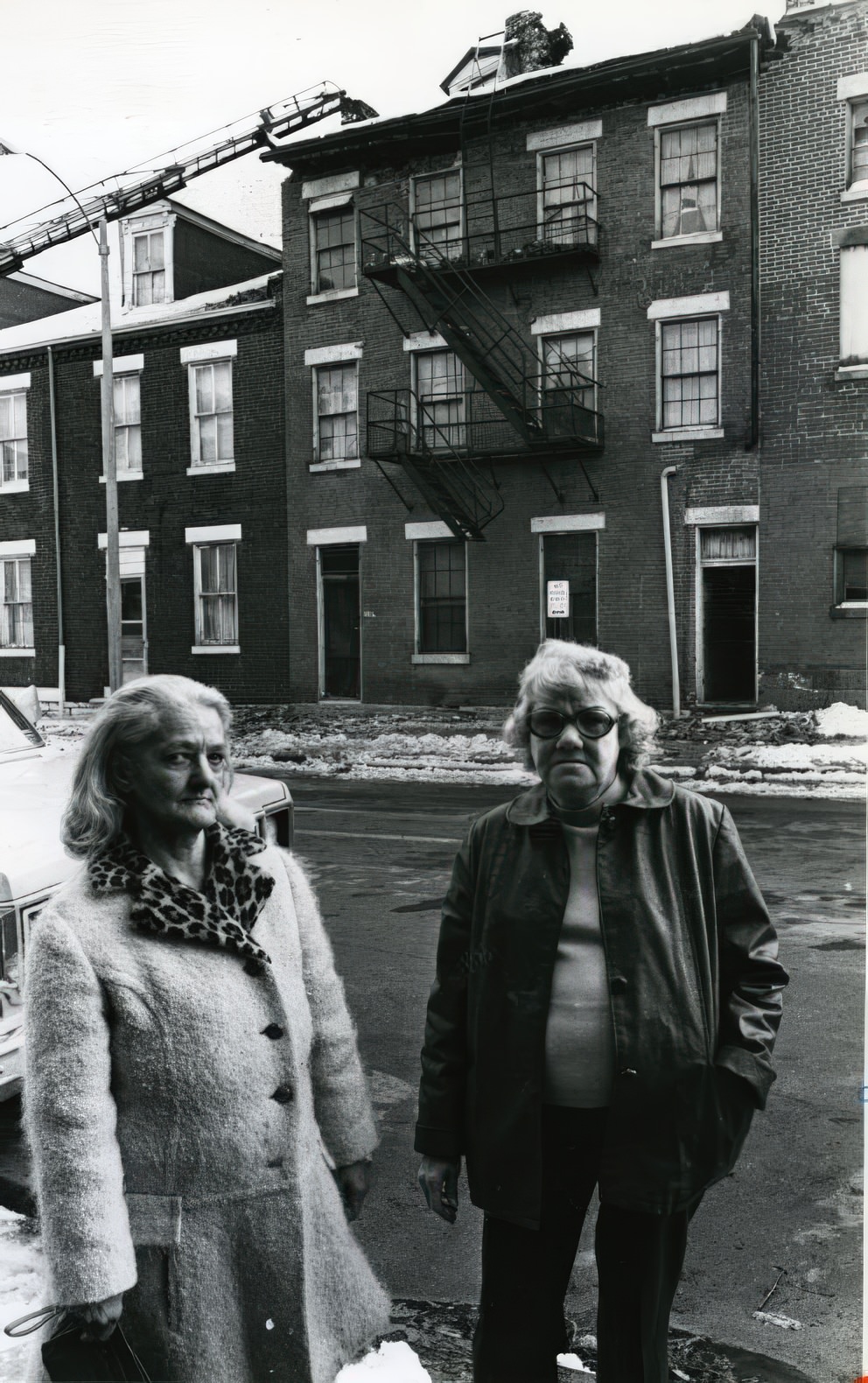
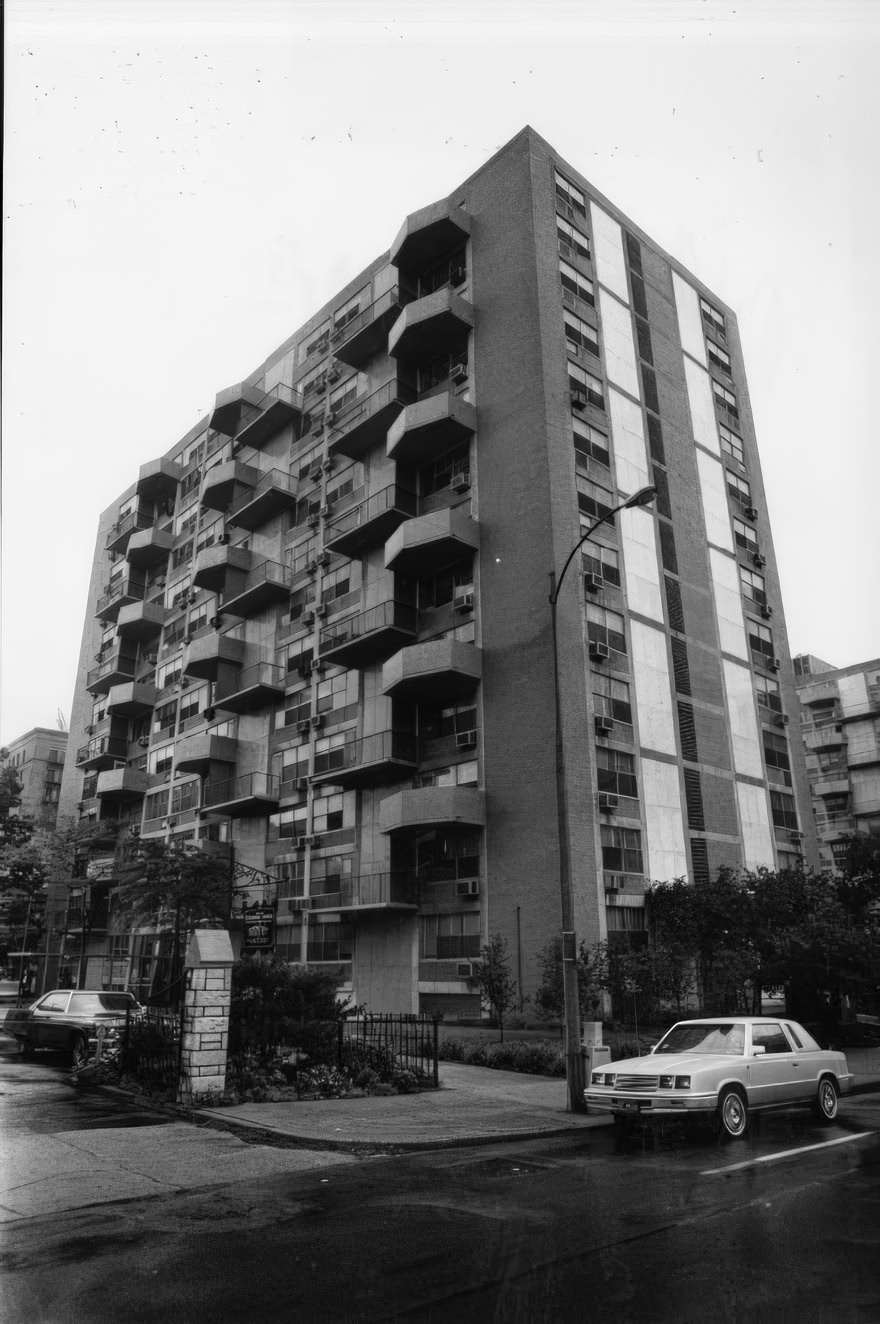
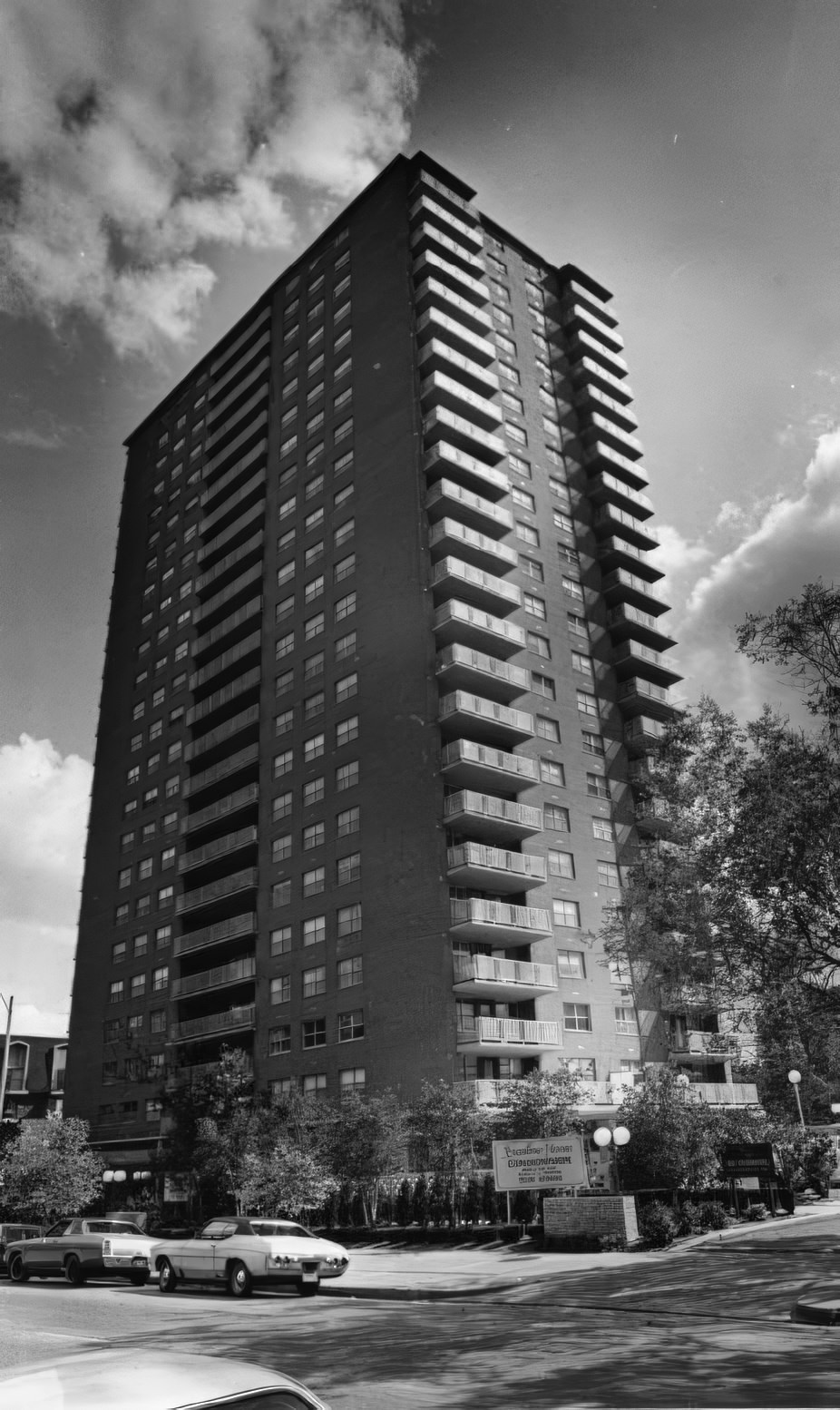
Efforts to breathe new life into St. Louis neighborhoods continued throughout the 1980s. Federal tax credits for historic preservation often helped fuel these projects. In neighborhoods like Fox Park and Tower Grove East, community organizations such as DeSales Community Development, which was founded in 1976, played a key role. They worked on organizing residents and promoting investment in these areas. Around 1980, DeSales was instrumental in creating the Compton Hill Historic District. With this designation, they helped facilitate the purchase and renovation of vacant buildings, turning them into market-rate apartments with the help of the historic tax credits. This approach brought new residents and investment, but a change in federal tax law in 1986 reduced the historic tax credit, which slowed down some rehabilitation projects.
Mayor Vincent Schoemehl Jr., who took office in 1981, launched “Operation Brightside,” a program focused on beautifying the city by planting trees and flowers. Another of his initiatives, “Operation SafeStreet,” aimed to improve public safety by providing home security measures like deadbolts and window bars. While these revitalization efforts improved the physical look of some neighborhoods and attracted new investment, they also hinted at the beginnings of gentrification. The focus on market-rate housing could, over time, lead to higher property values and rents, making it harder for long-time, lower-income residents to stay in their homes.
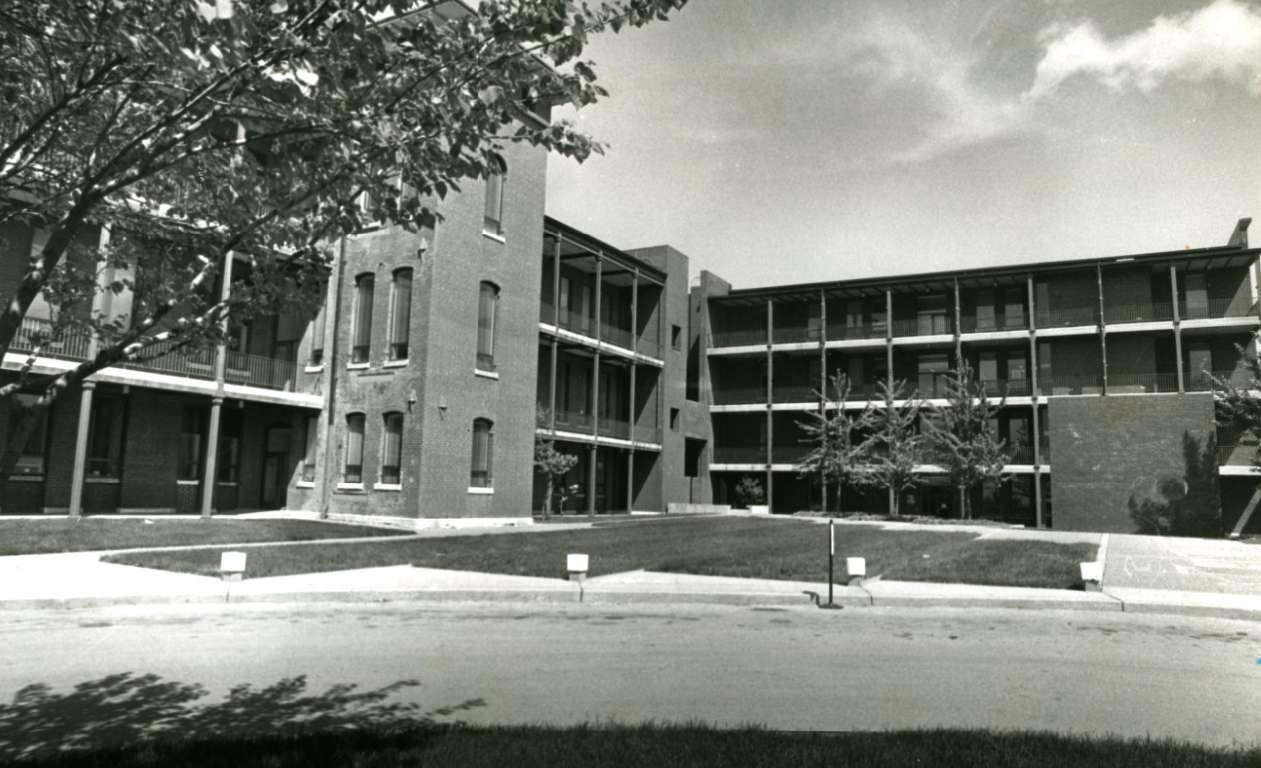
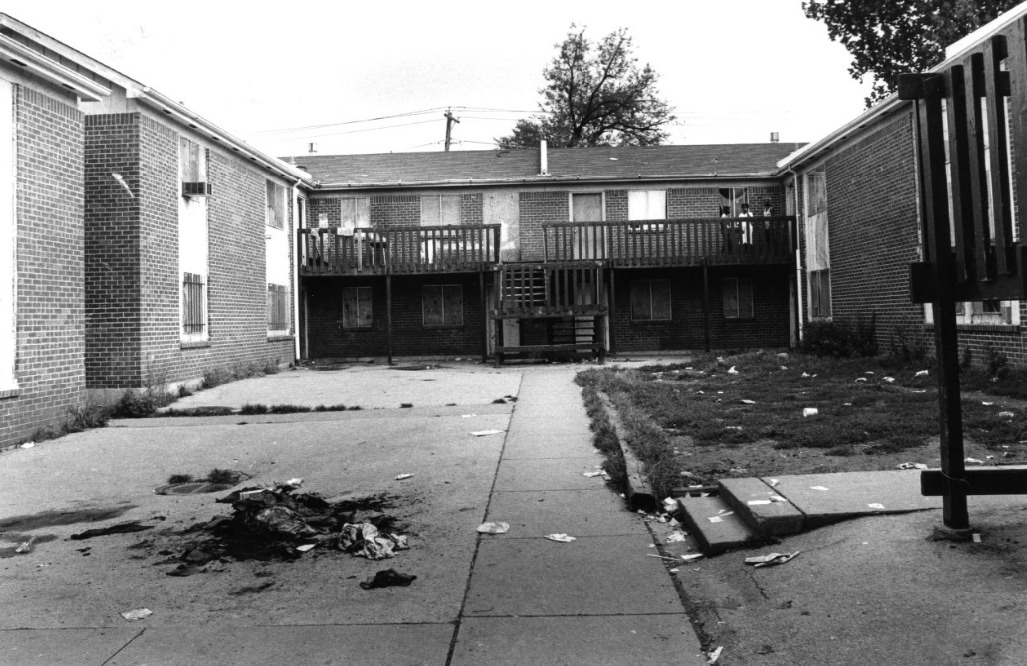
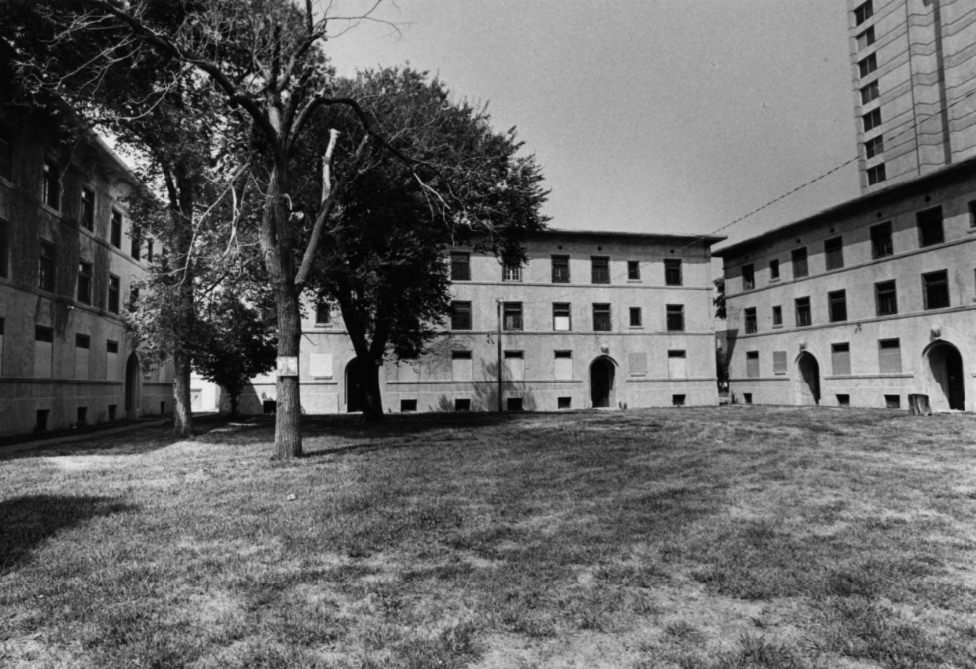
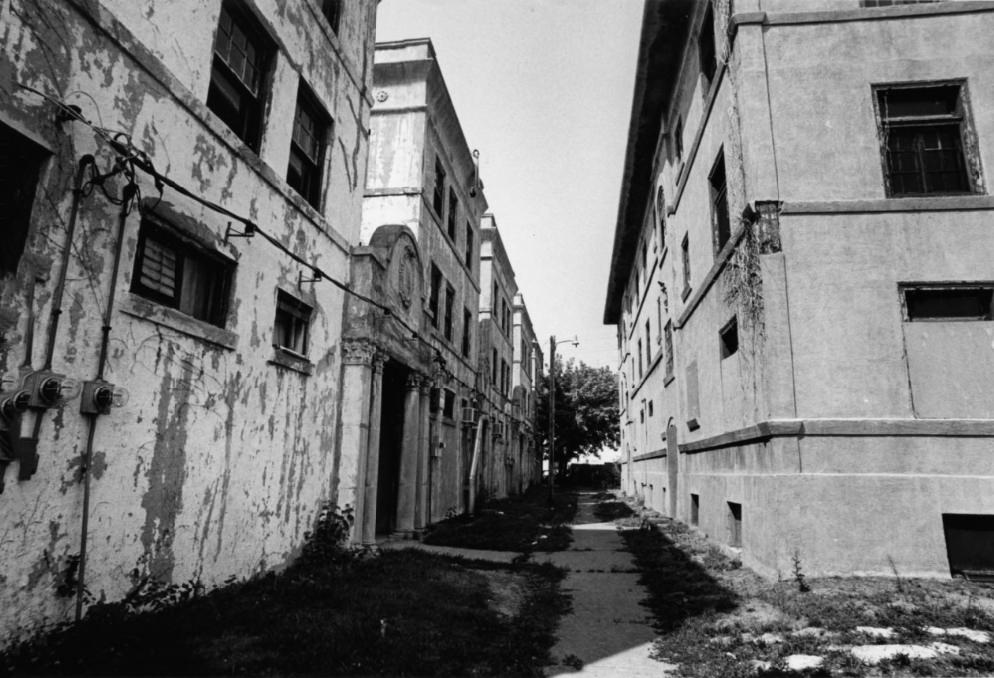
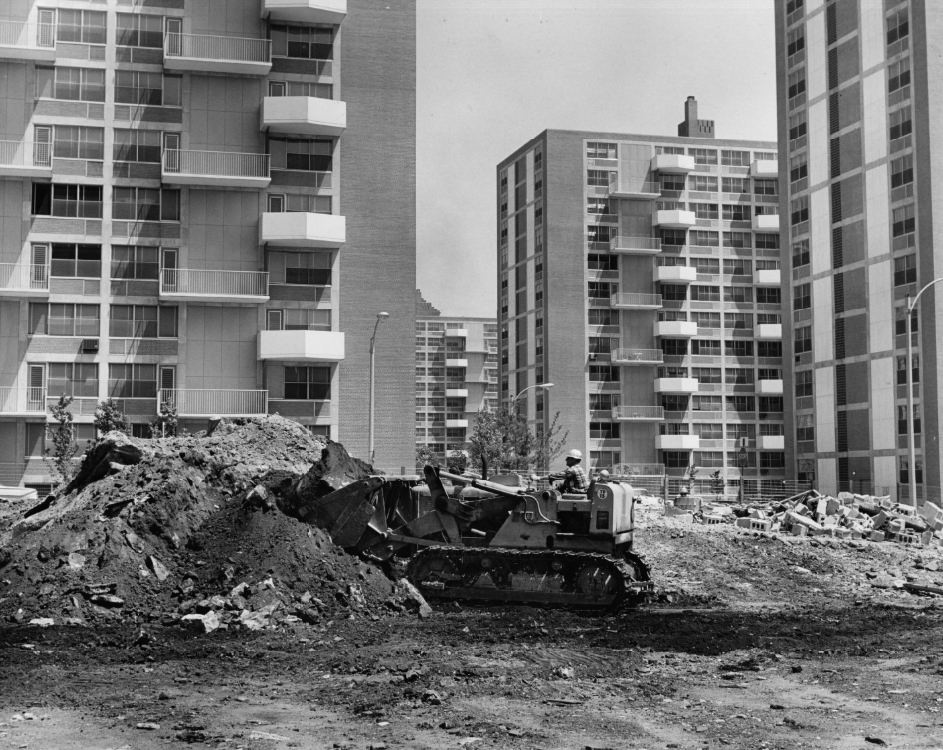
In the realm of public housing, St. Louis was still dealing with the legacy of the Pruitt-Igoe complex, which had been completely torn down by 1976. The failure of that massive high-rise project led to new thinking about how to provide housing for low-income families. In the 1980s, Carr Square Village, an older, low-rise public housing development, became one ofthe first in the nation to switch from being managed by the St. Louis Housing Authority to a system of tenant management. This was a significant change, aiming to give residents more control over their communities. It represented a search for more successful and humane approaches to public housing, moving away from the large, impersonal projects of the past. Despite such innovative efforts, public housing communities in the 1980s often still faced challenges with crime and upkeep.
The movement of people from the city to the suburbs also continued. “White flight,” which had started in earlier decades, persisted. The 1980s also saw a noticeable increase in “Black flight,” as African American families also moved to suburban areas, seeking what they hoped would be better schools, safer neighborhoods, and newer homes. St. Louis County’s population continued to grow as a result. The interstate highway system, largely completed in previous decades, made commuting from these suburban areas easier. This trend showed that the desire for suburban amenities was shared across racial lines. However, this movement didn’t always lead to widespread integration. Black families often moved to particular suburban communities, sometimes older, less wealthy suburbs, suggesting that patterns of segregation were adapting and re-forming in the wider region rather than disappearing entirely.
Civic Life: Politics, Protests, and Progress
The 1980s in St. Louis were a dynamic period for civic engagement, with a new mayor, ongoing struggles for equality, and passionate activism on many fronts.
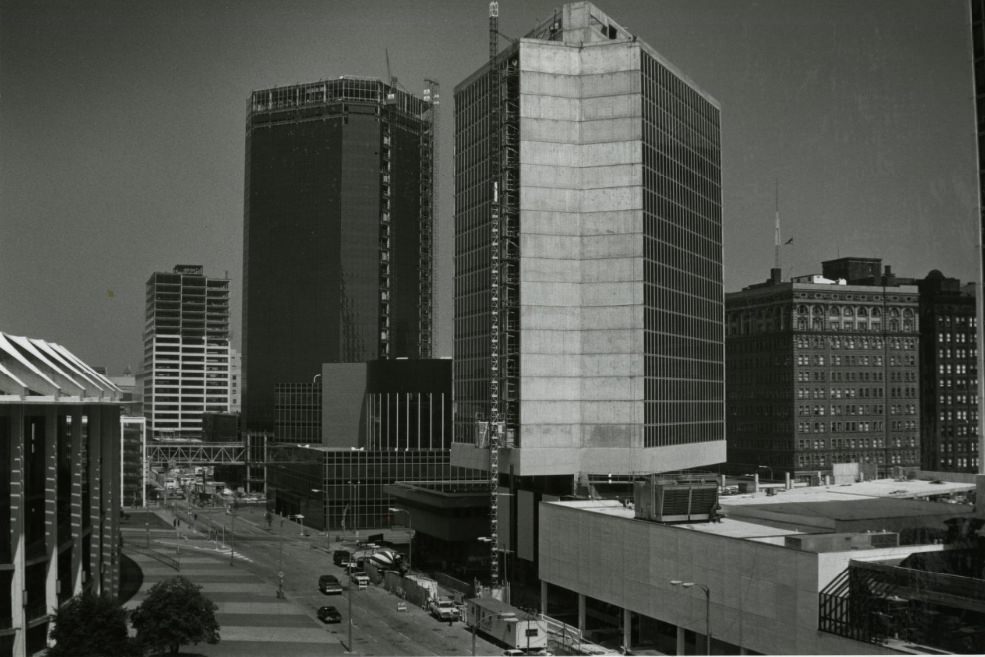
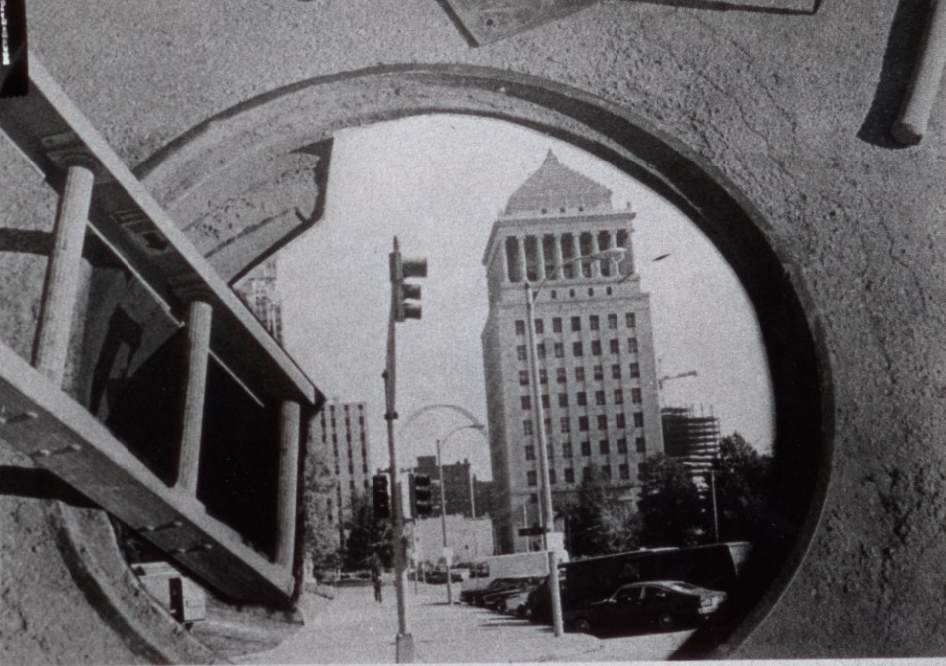
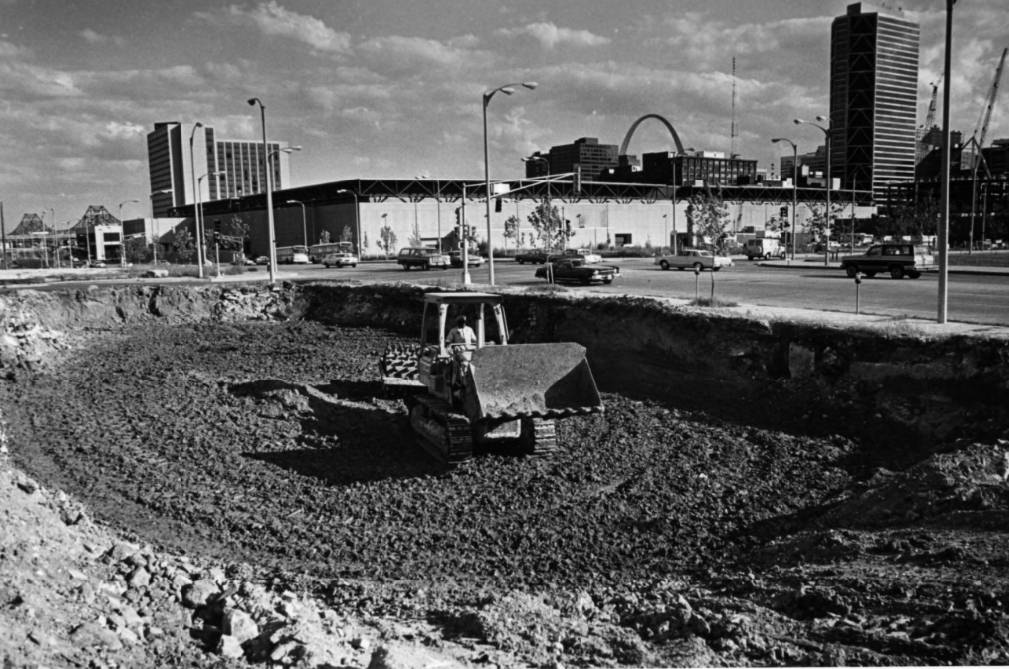
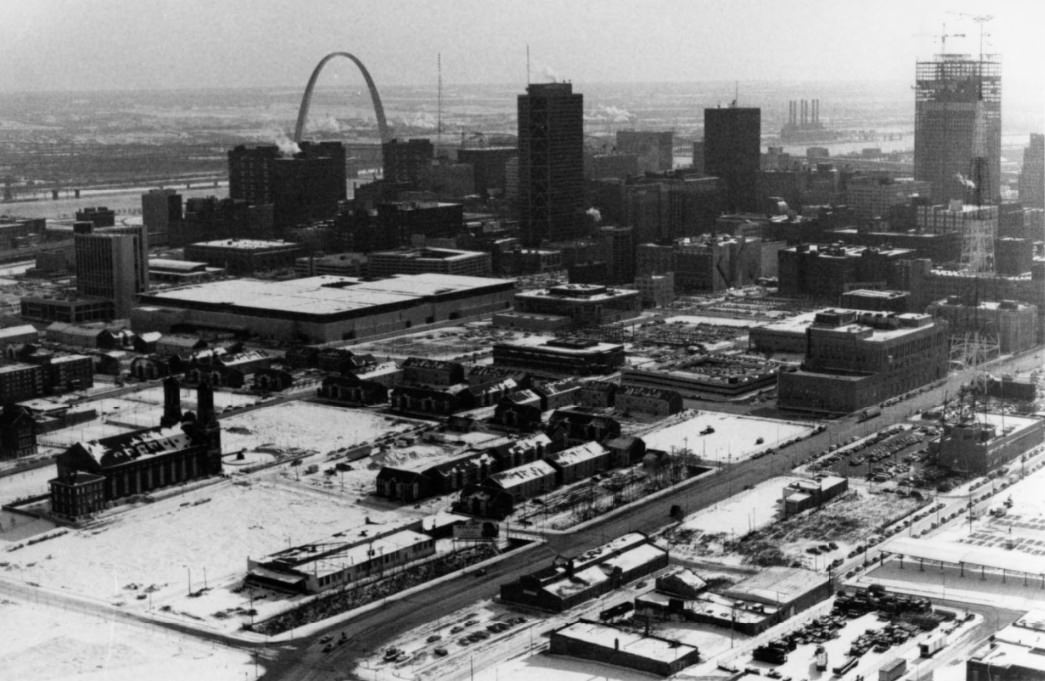
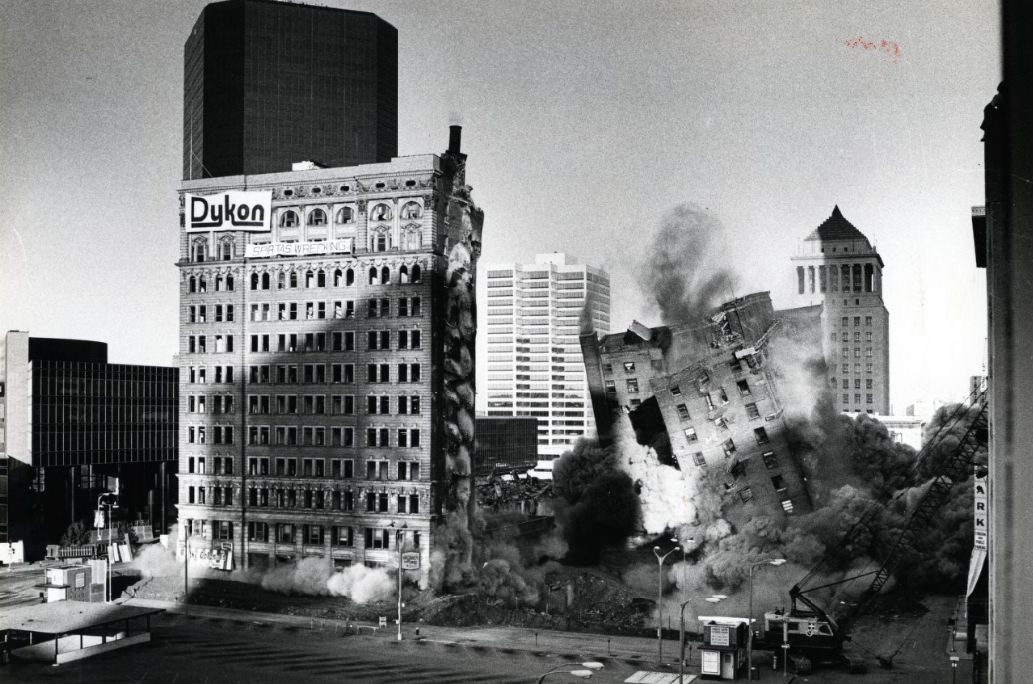
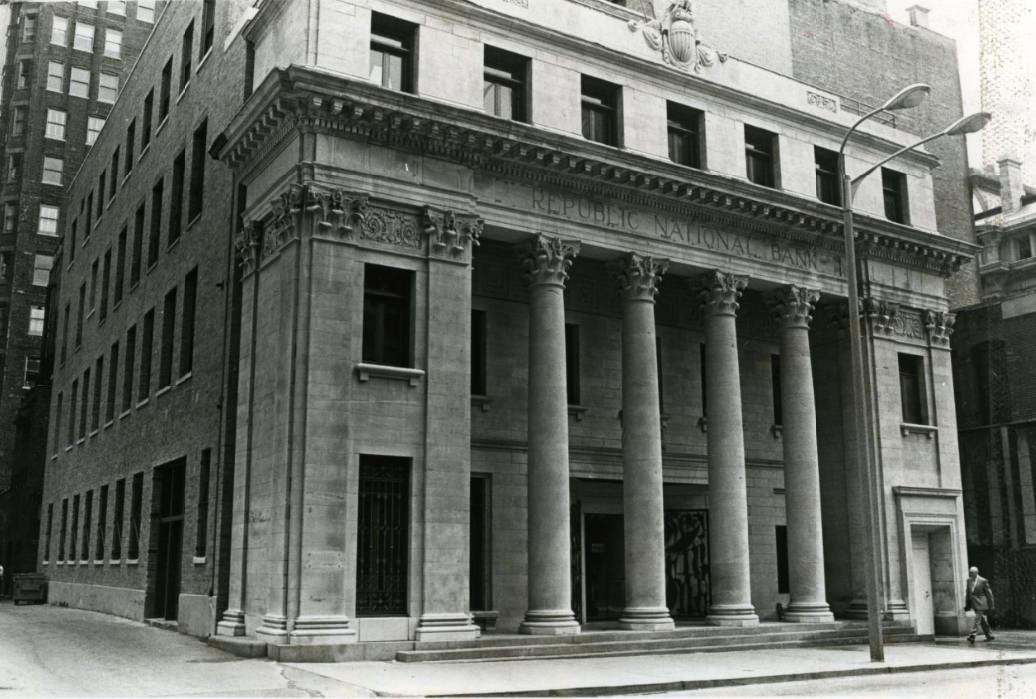
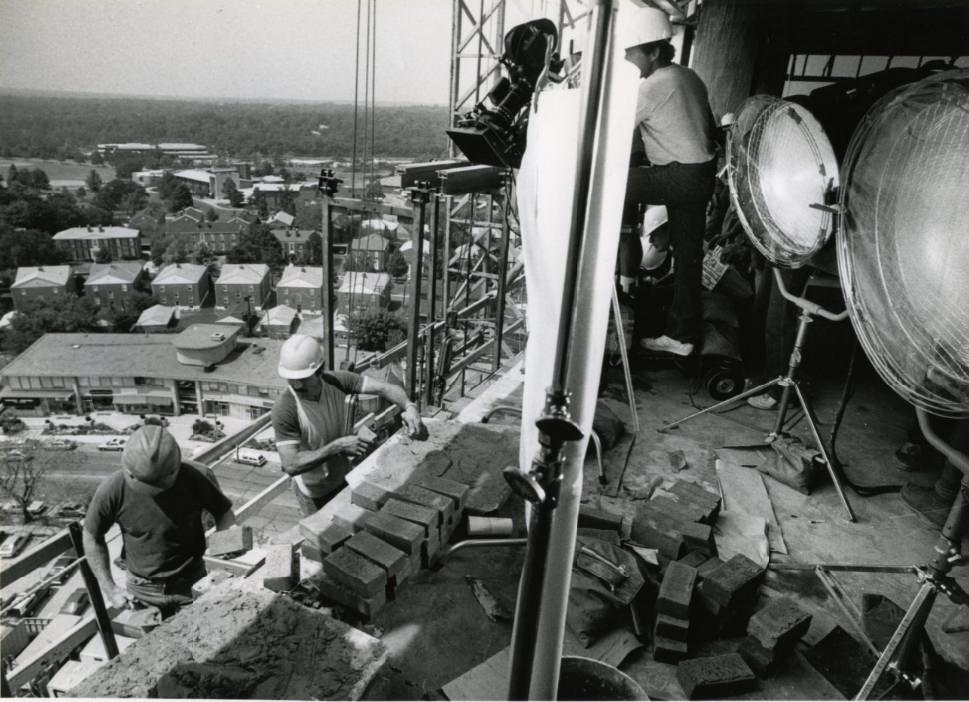
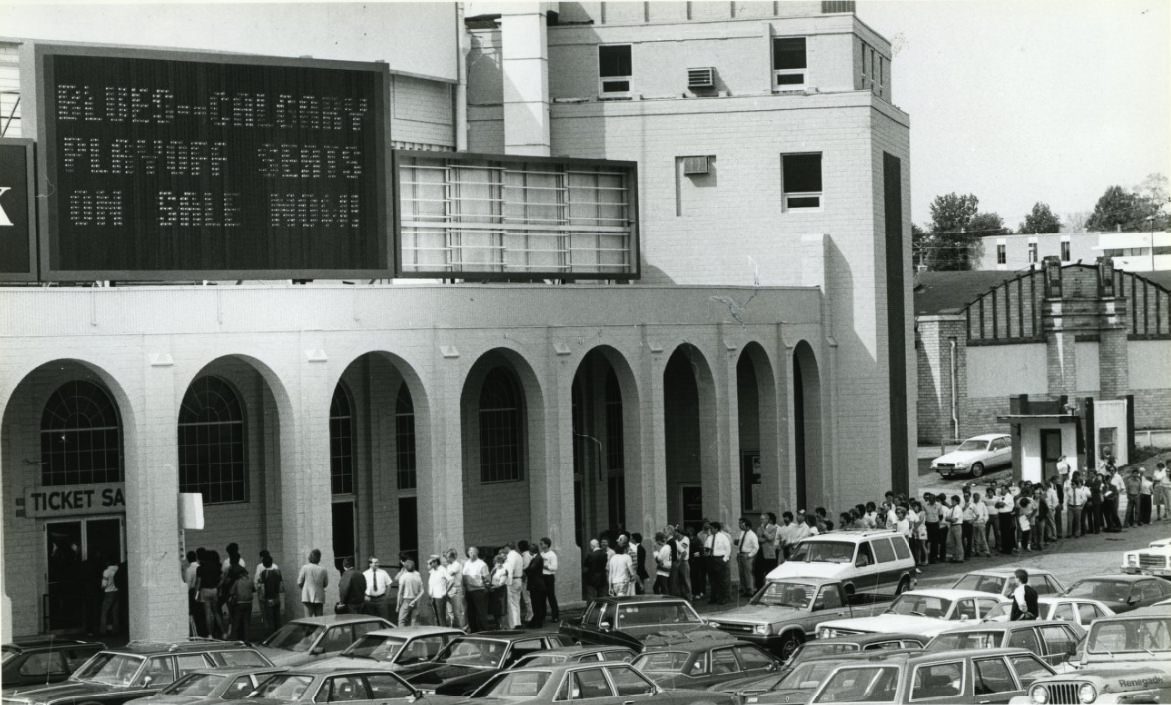
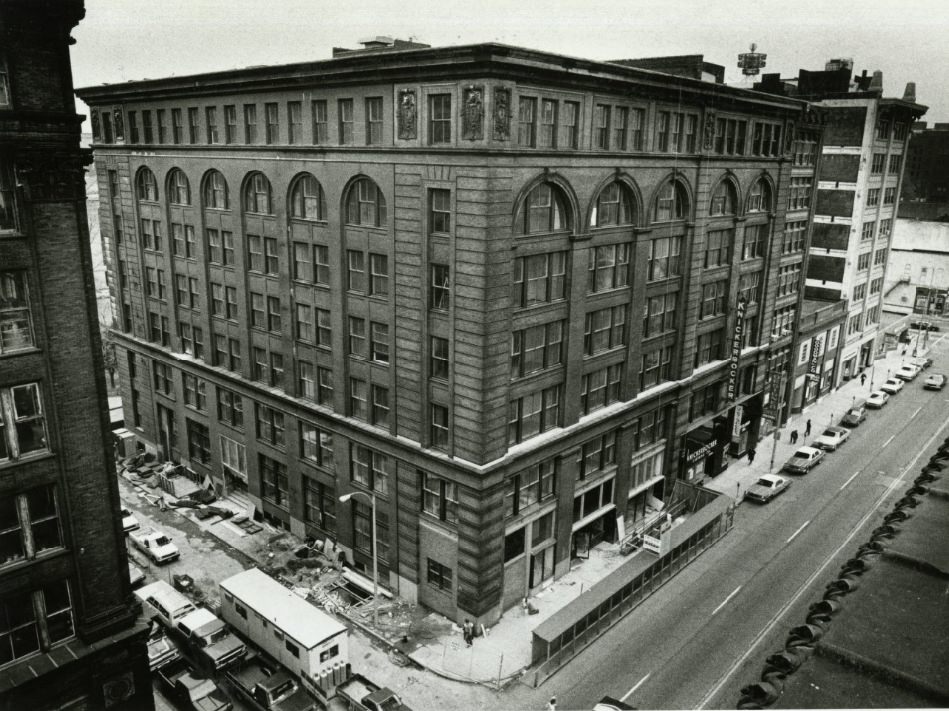
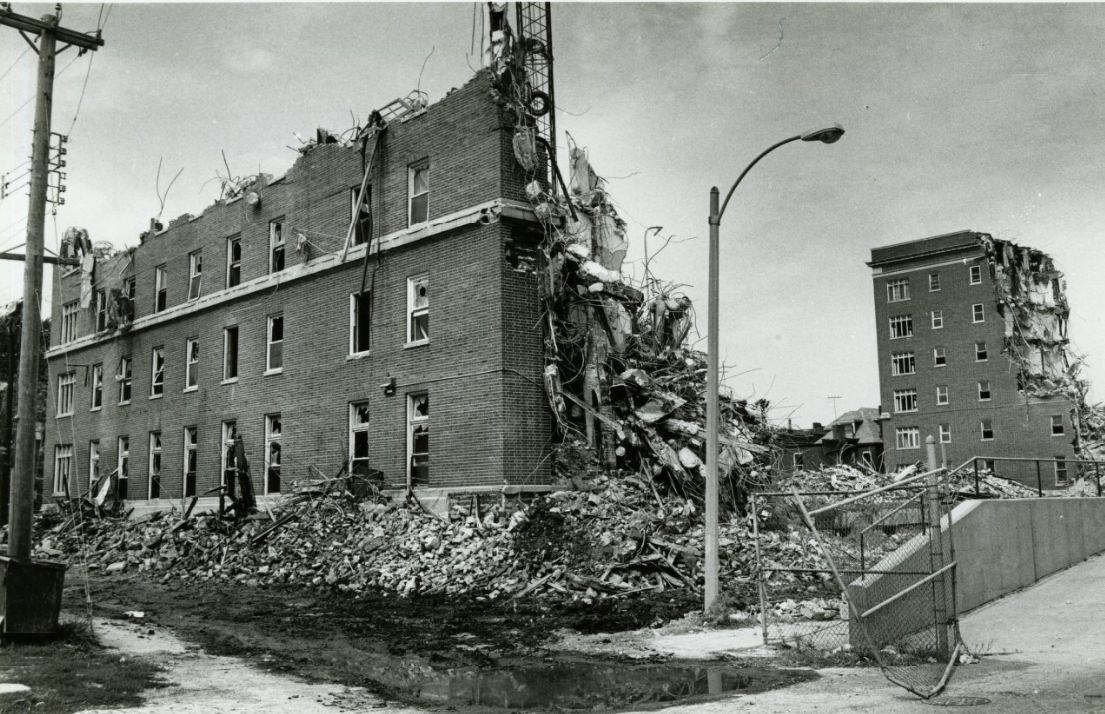
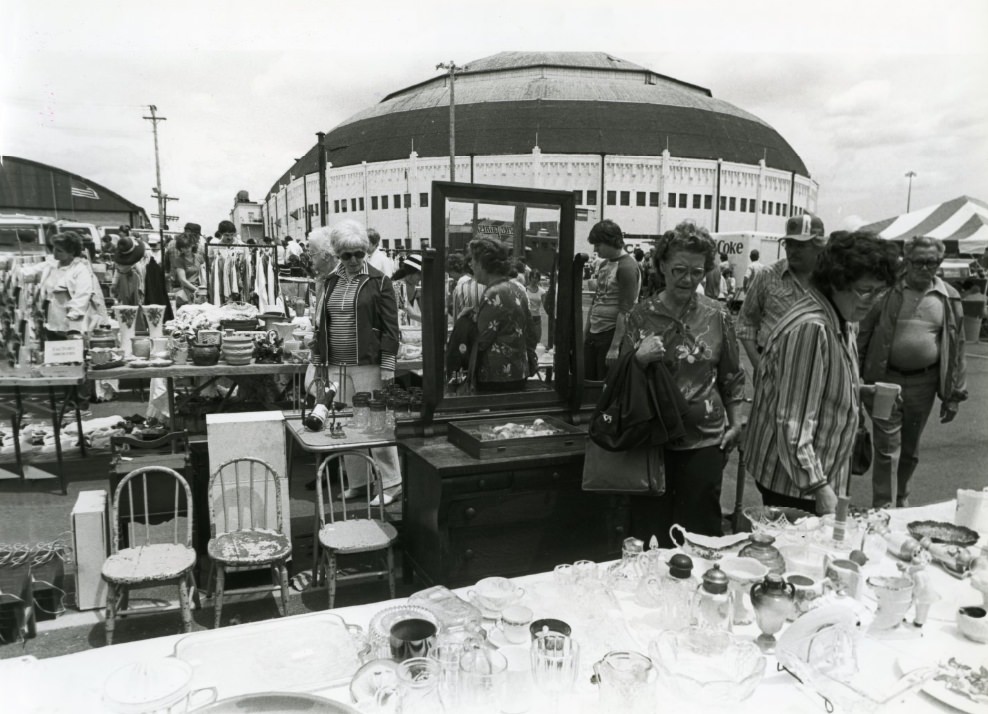
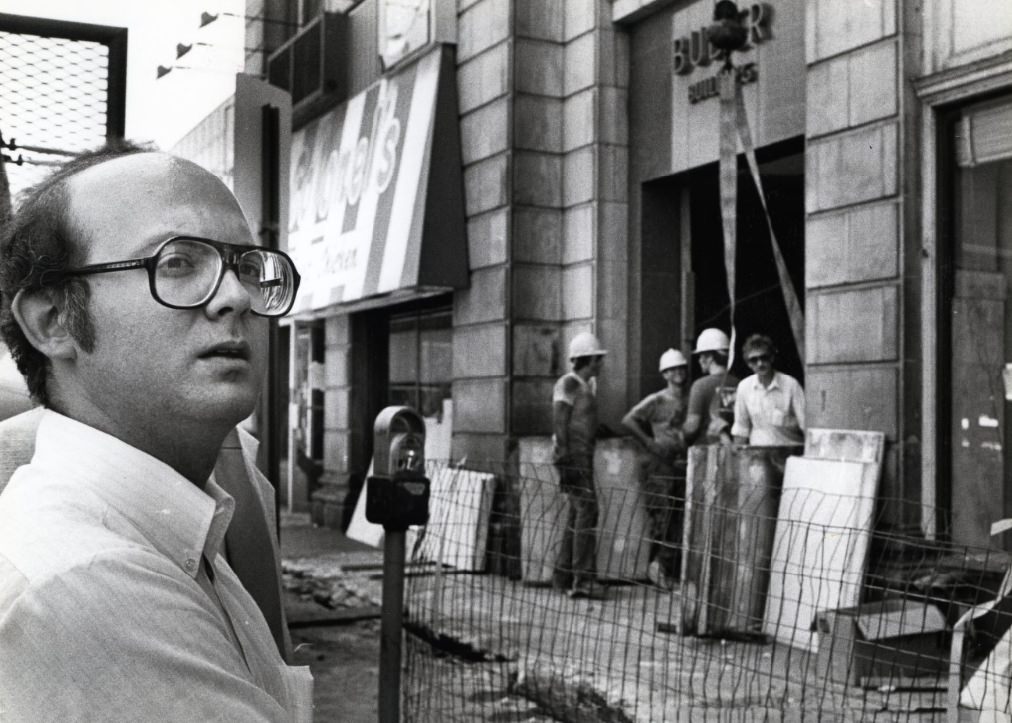
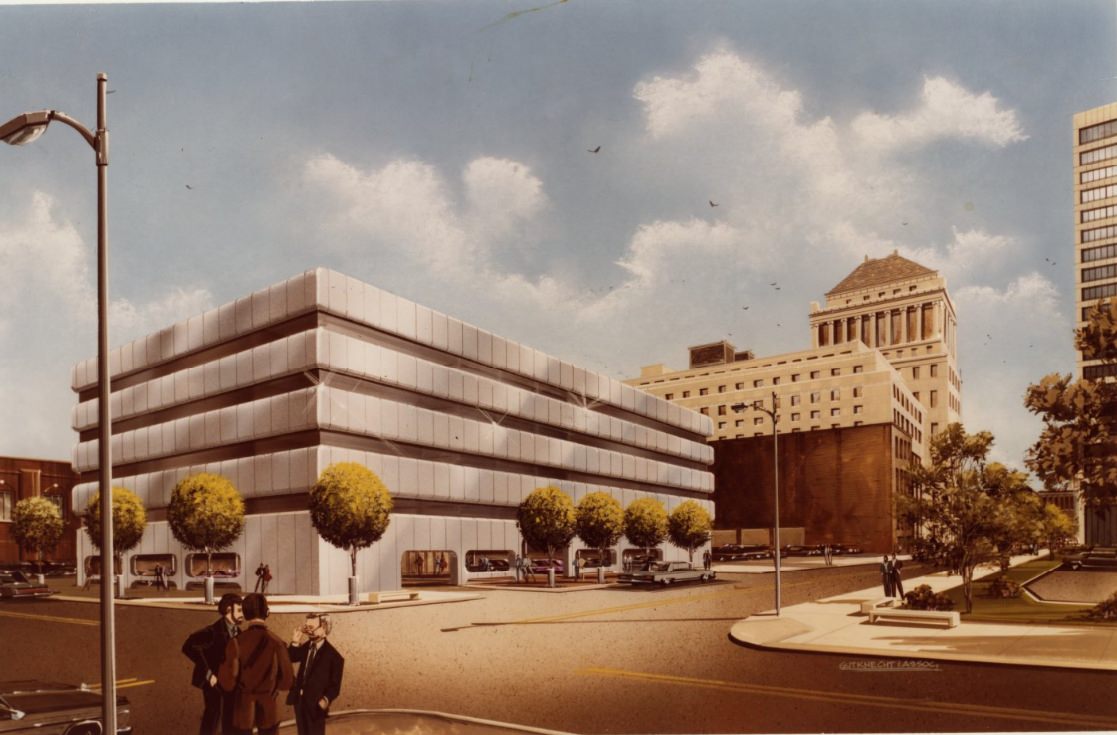
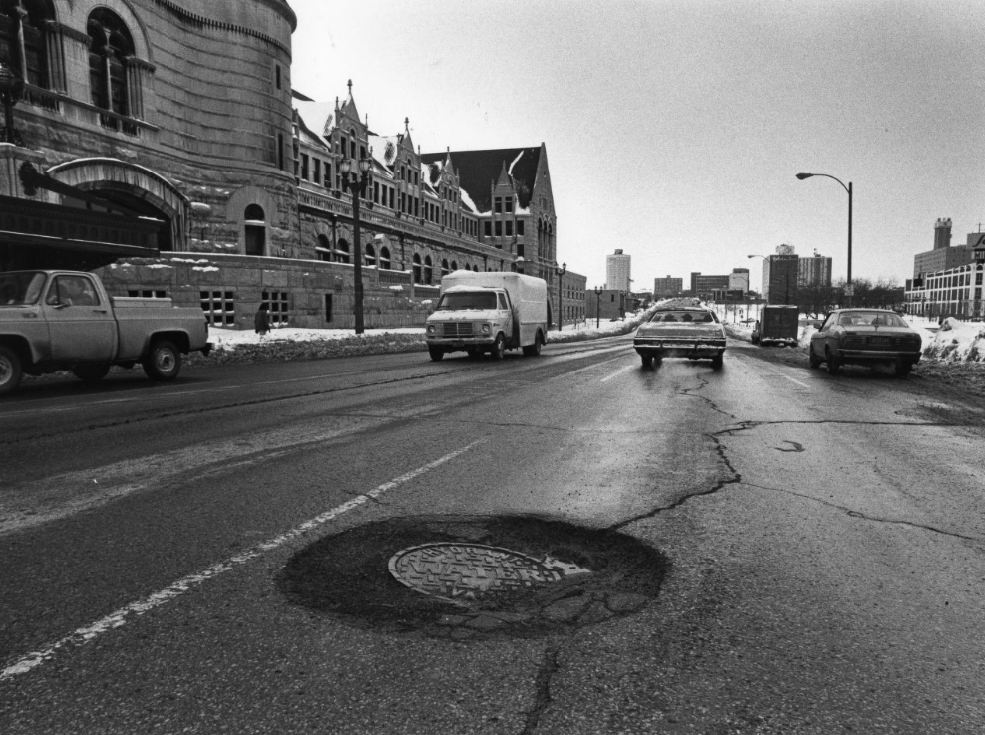
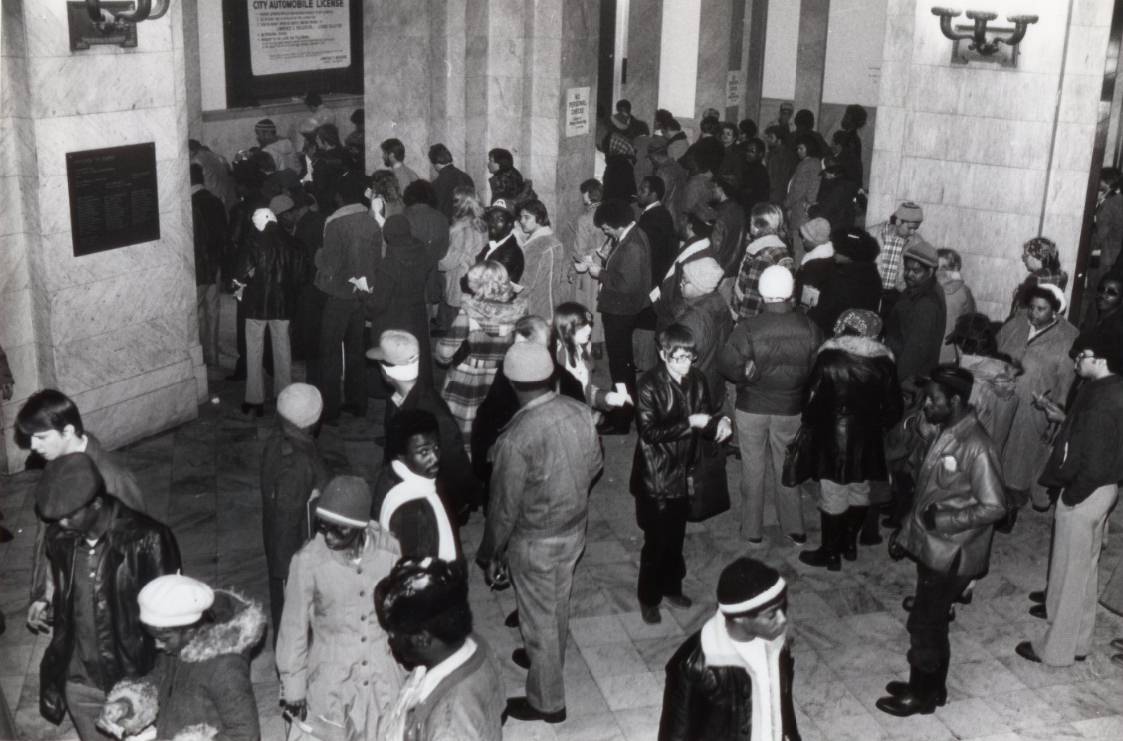
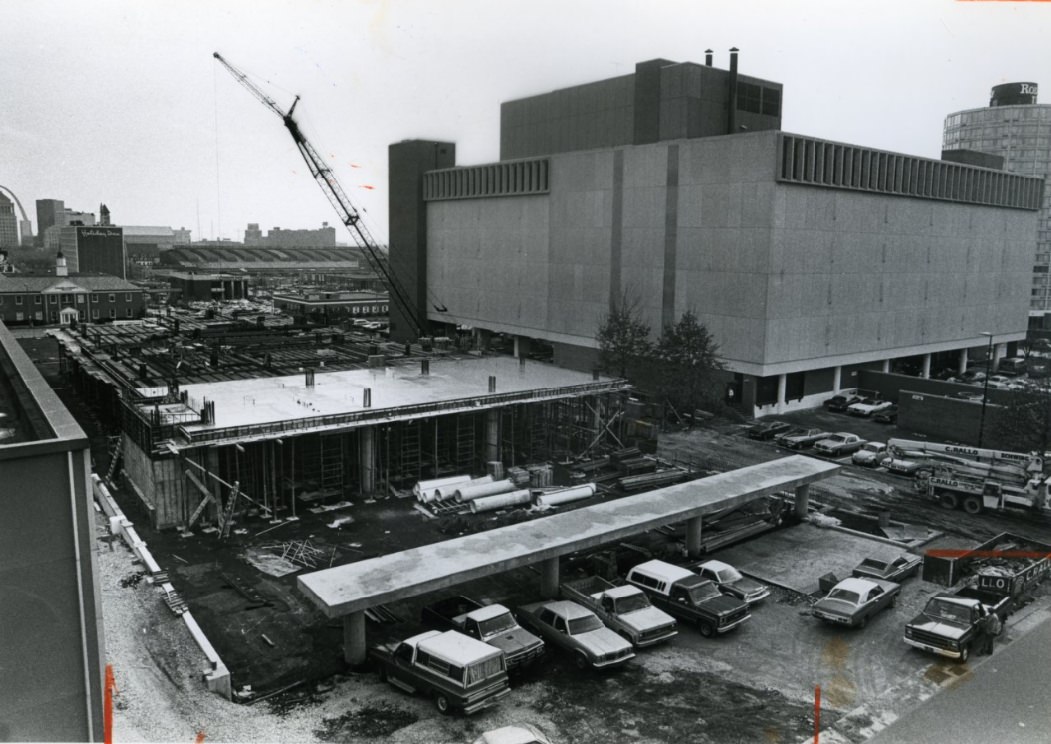
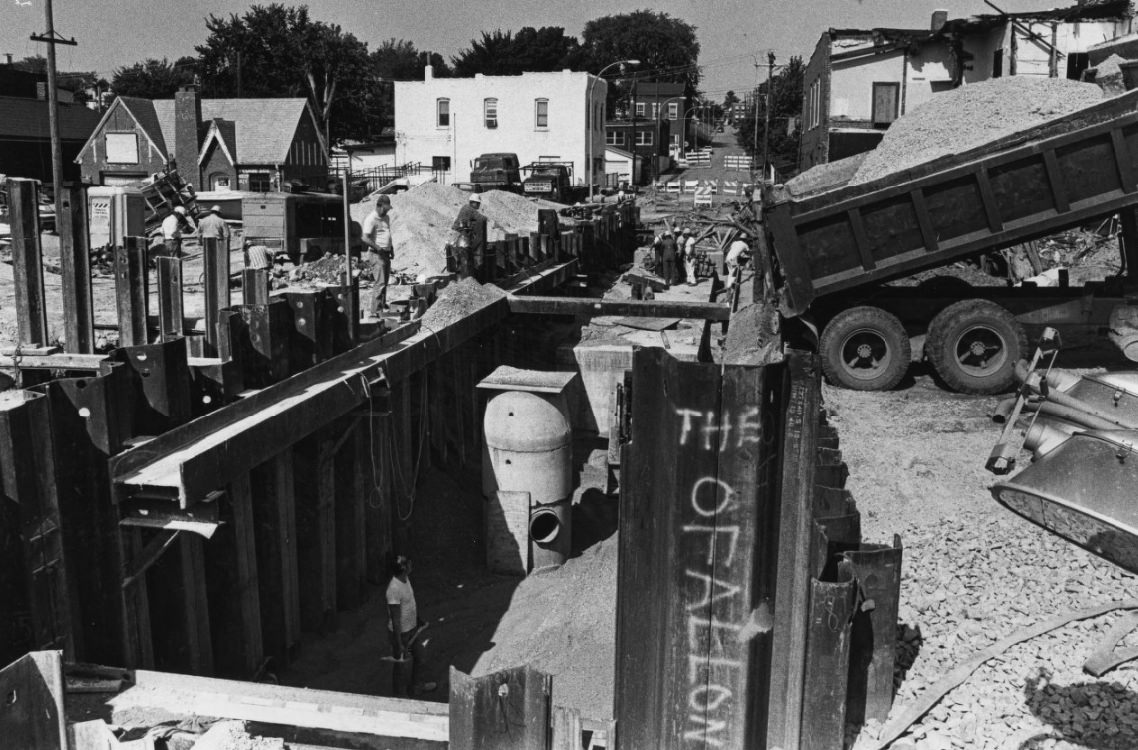
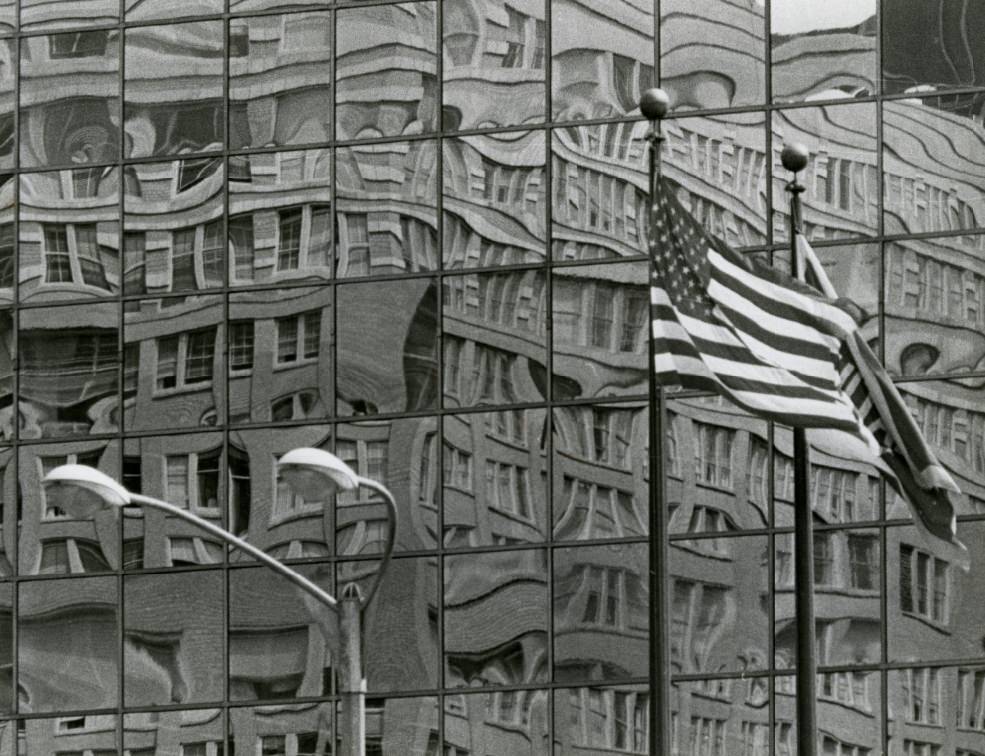
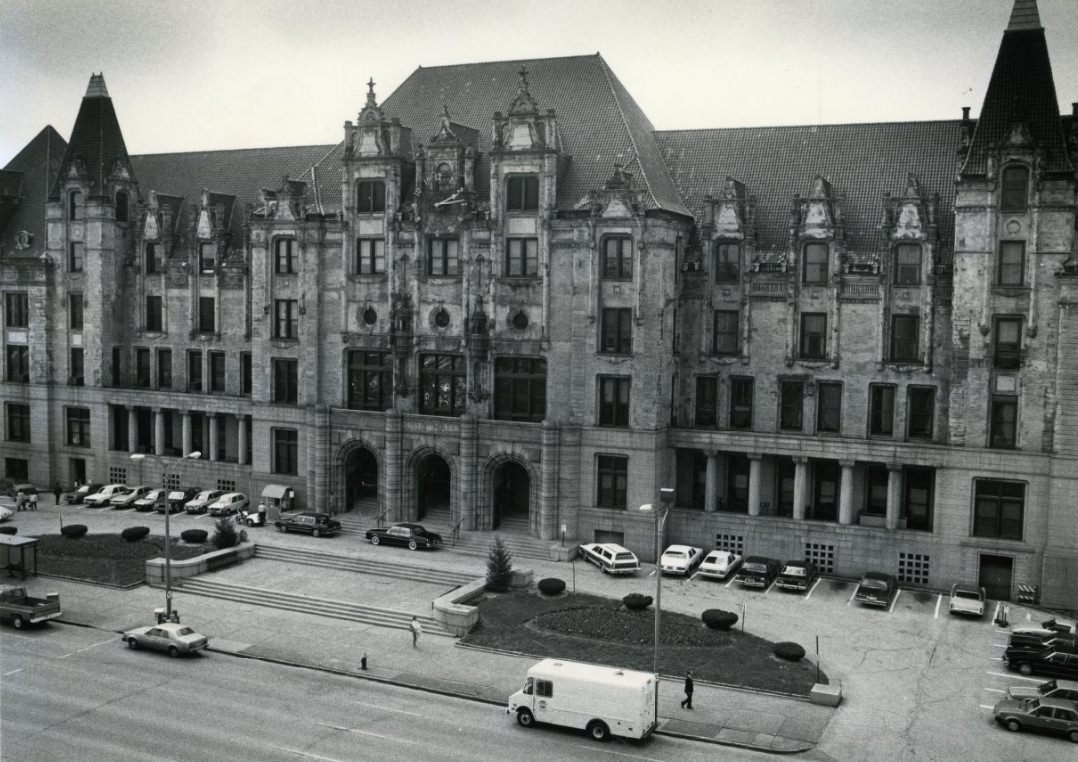
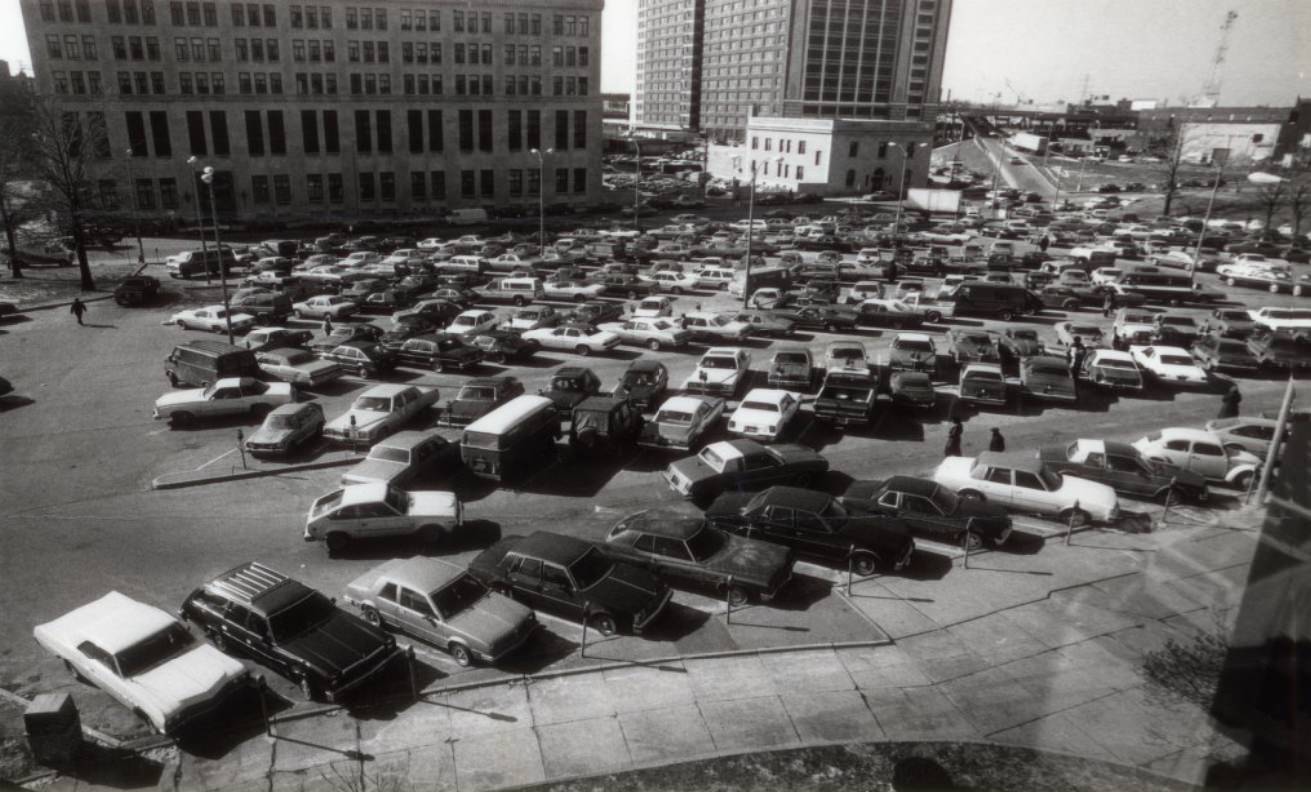
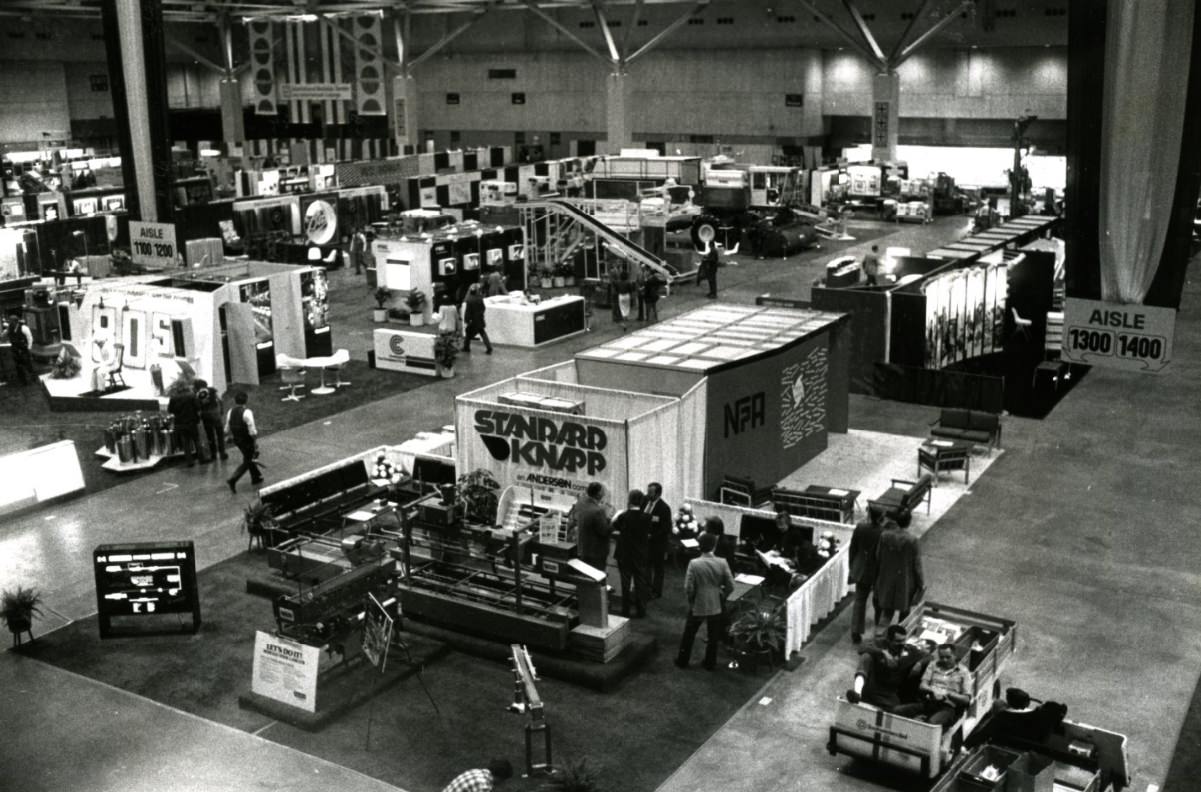
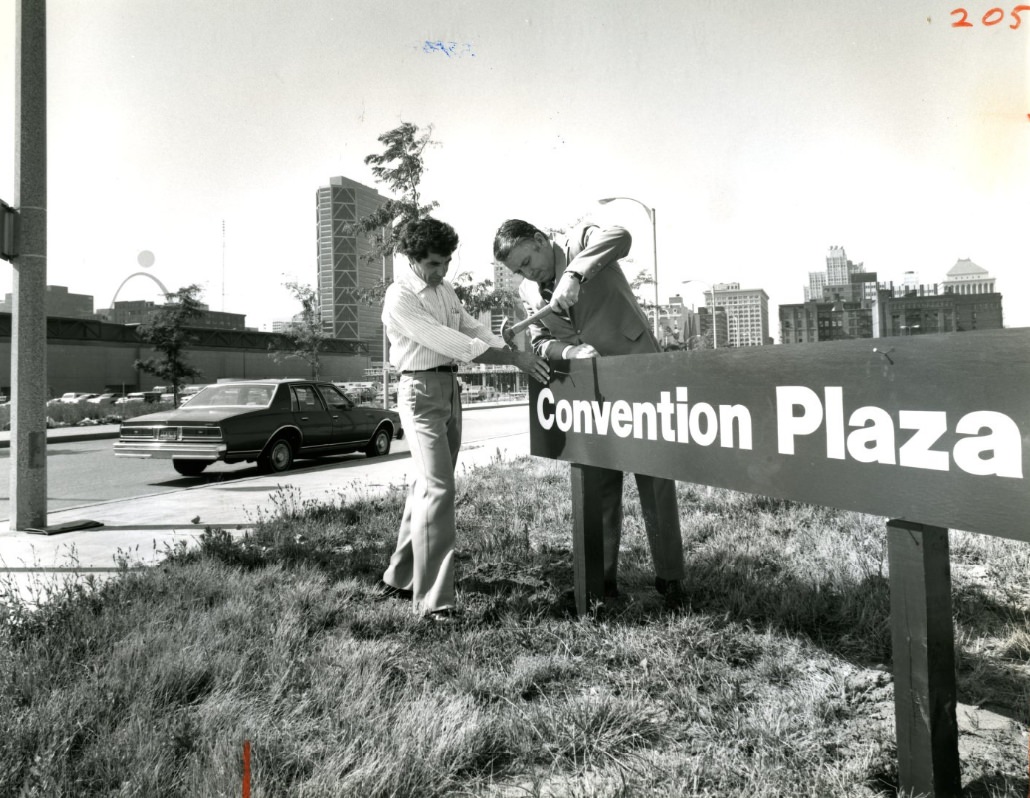
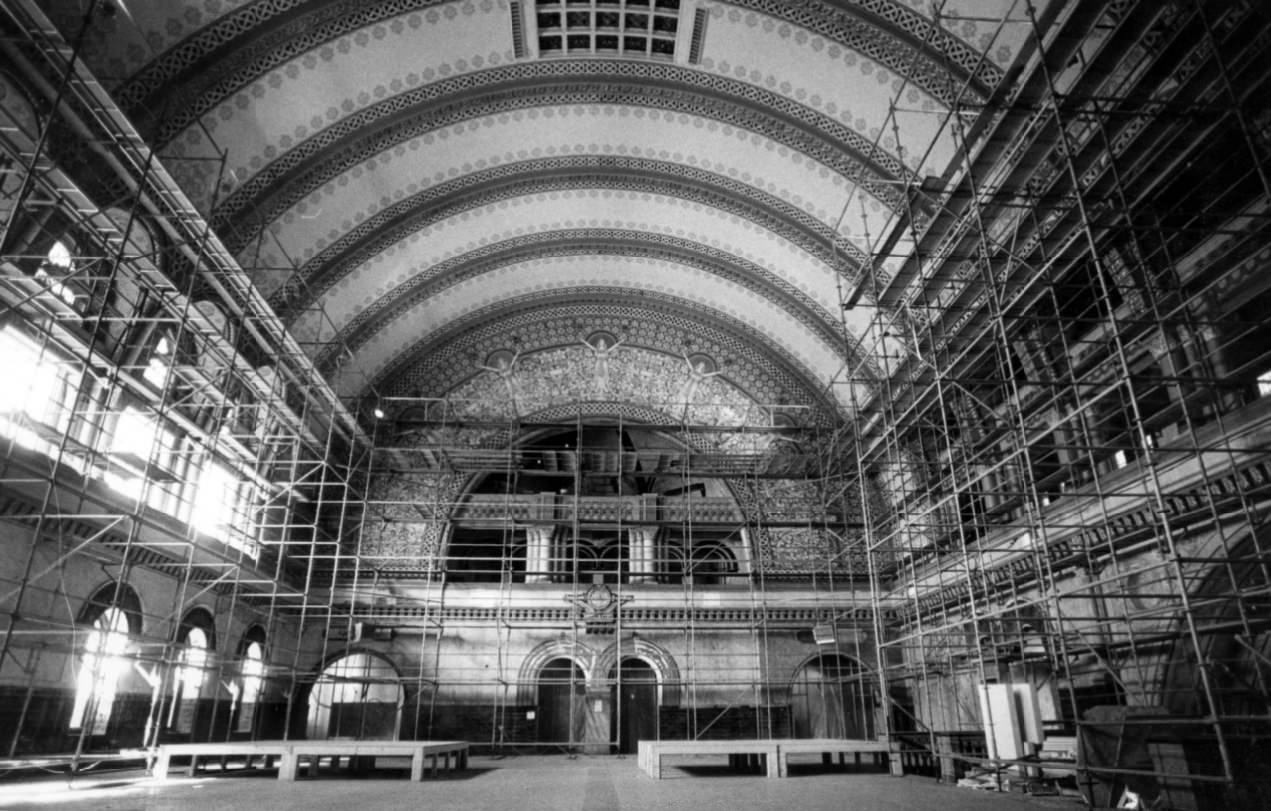
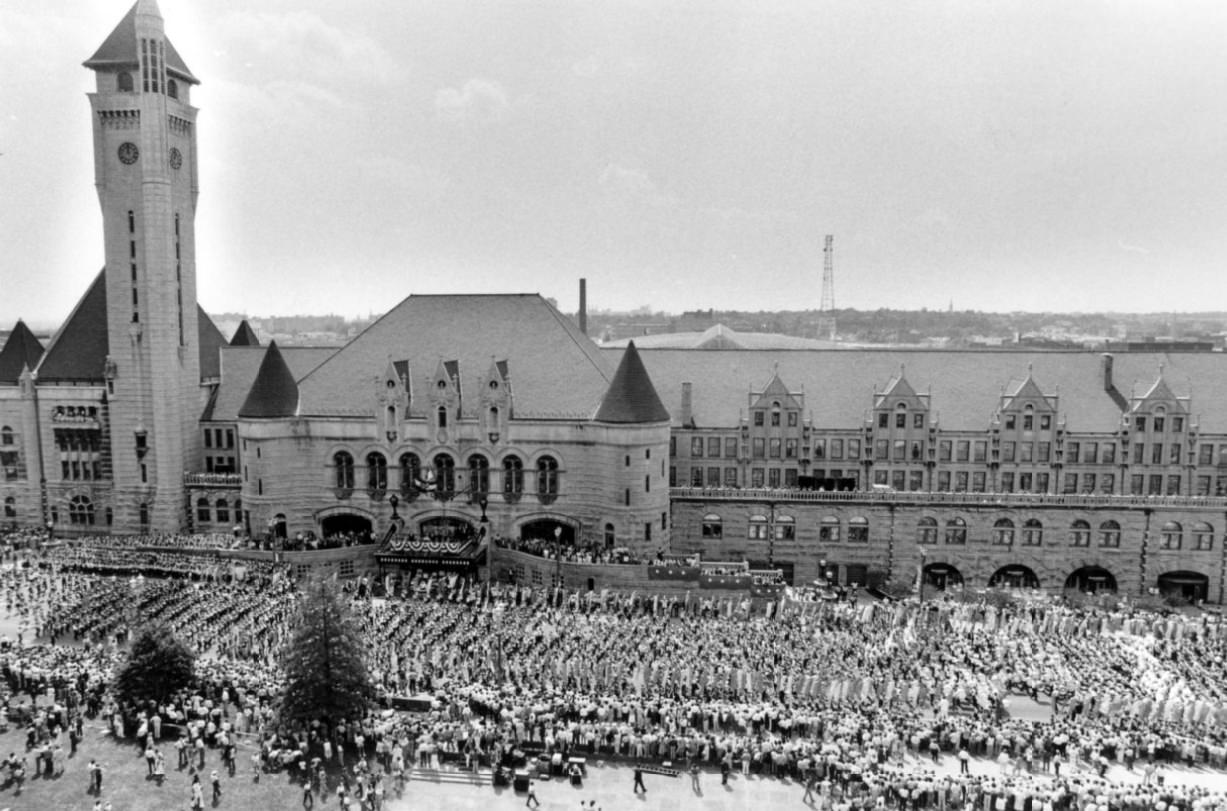
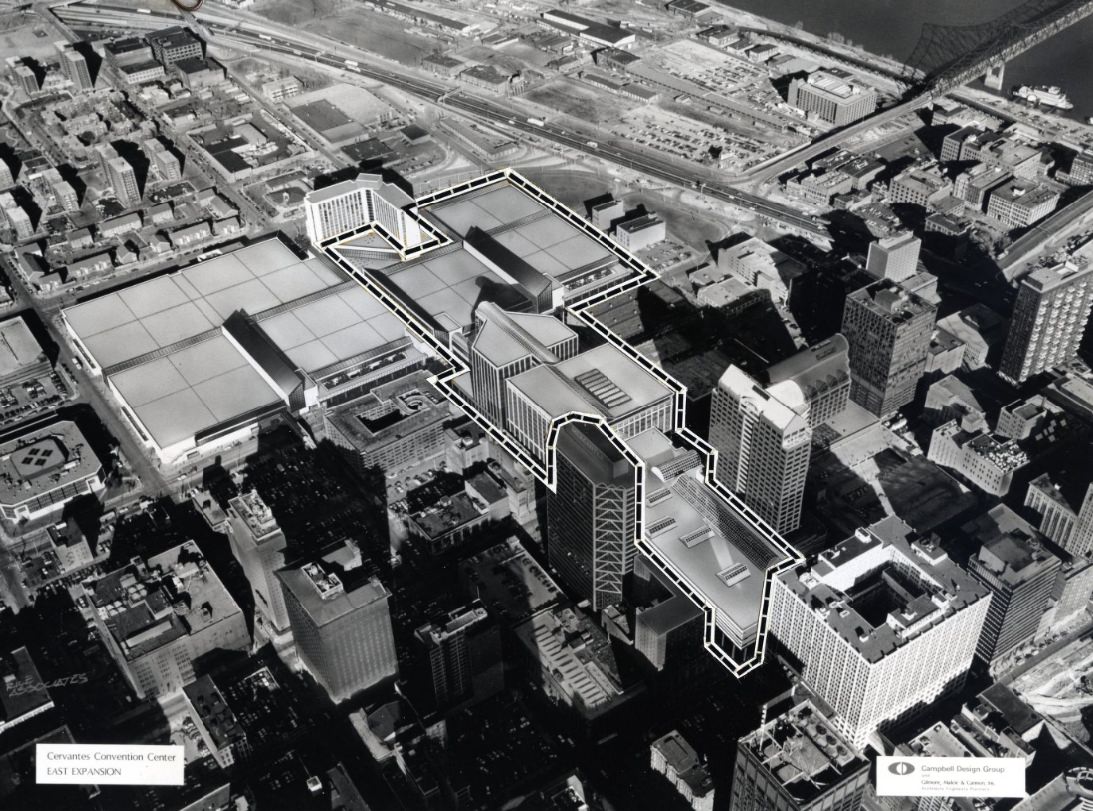
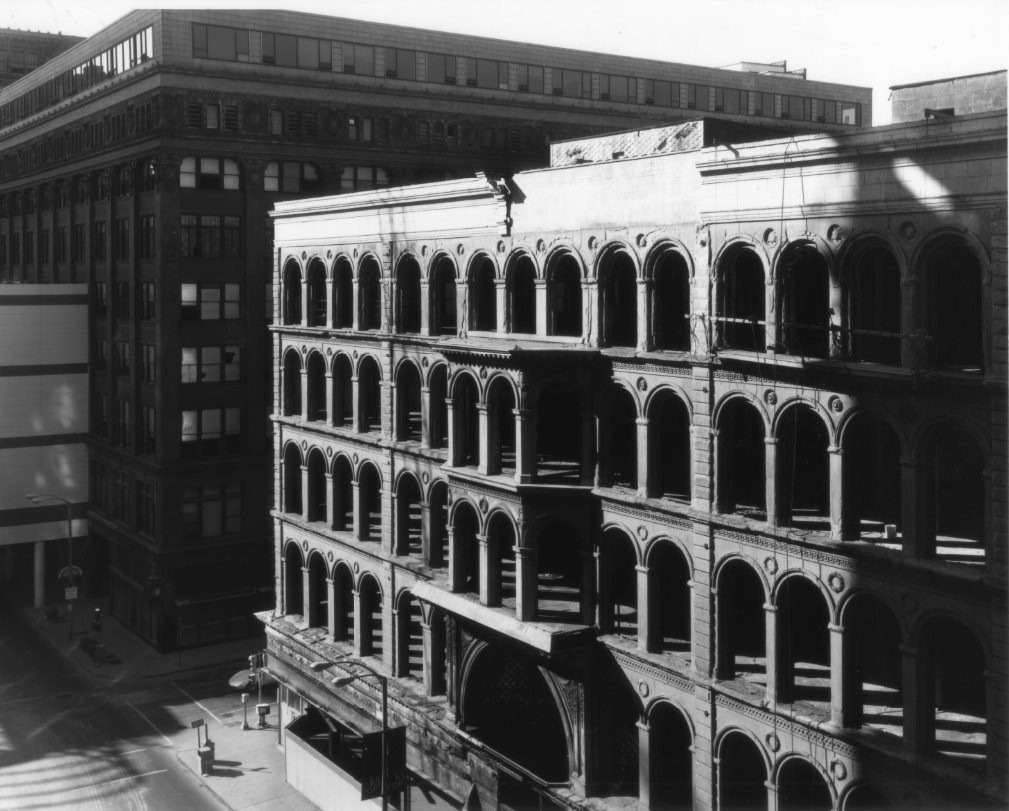
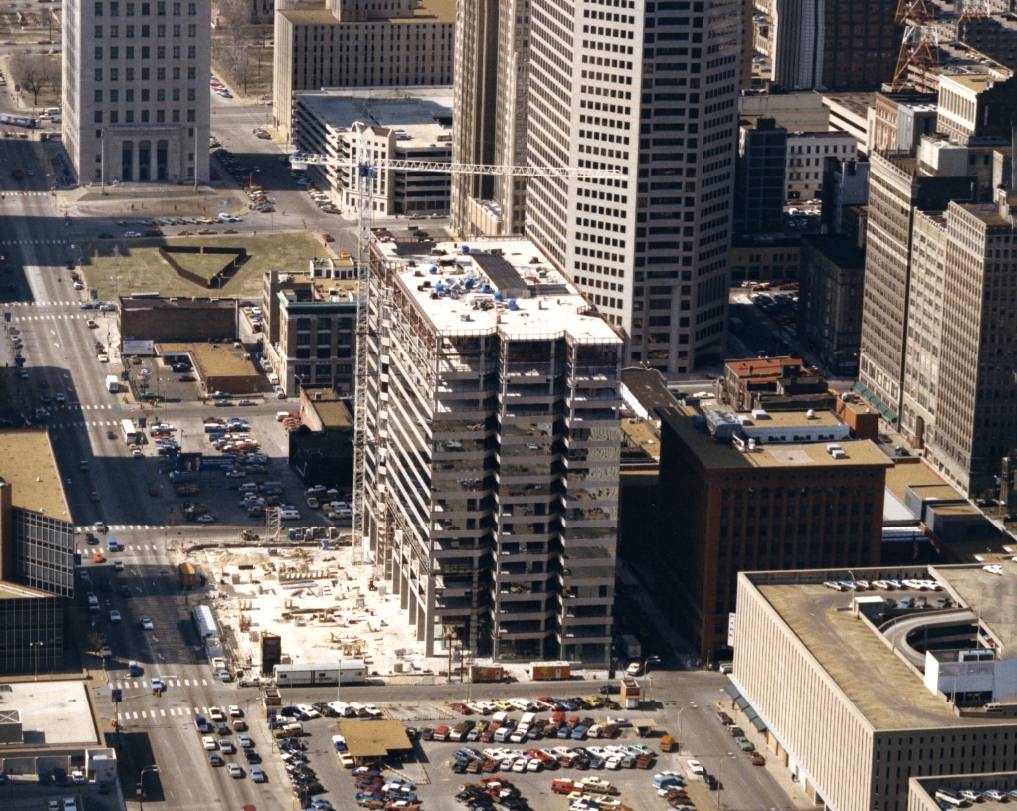
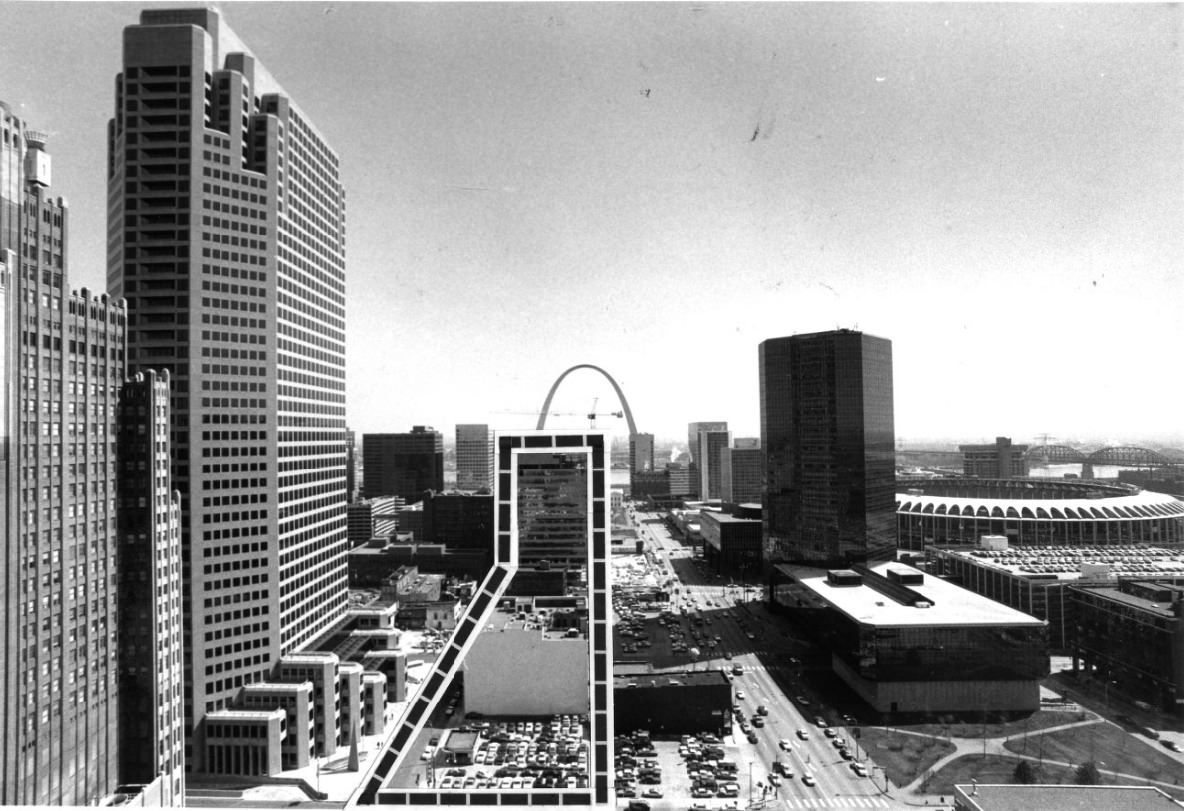
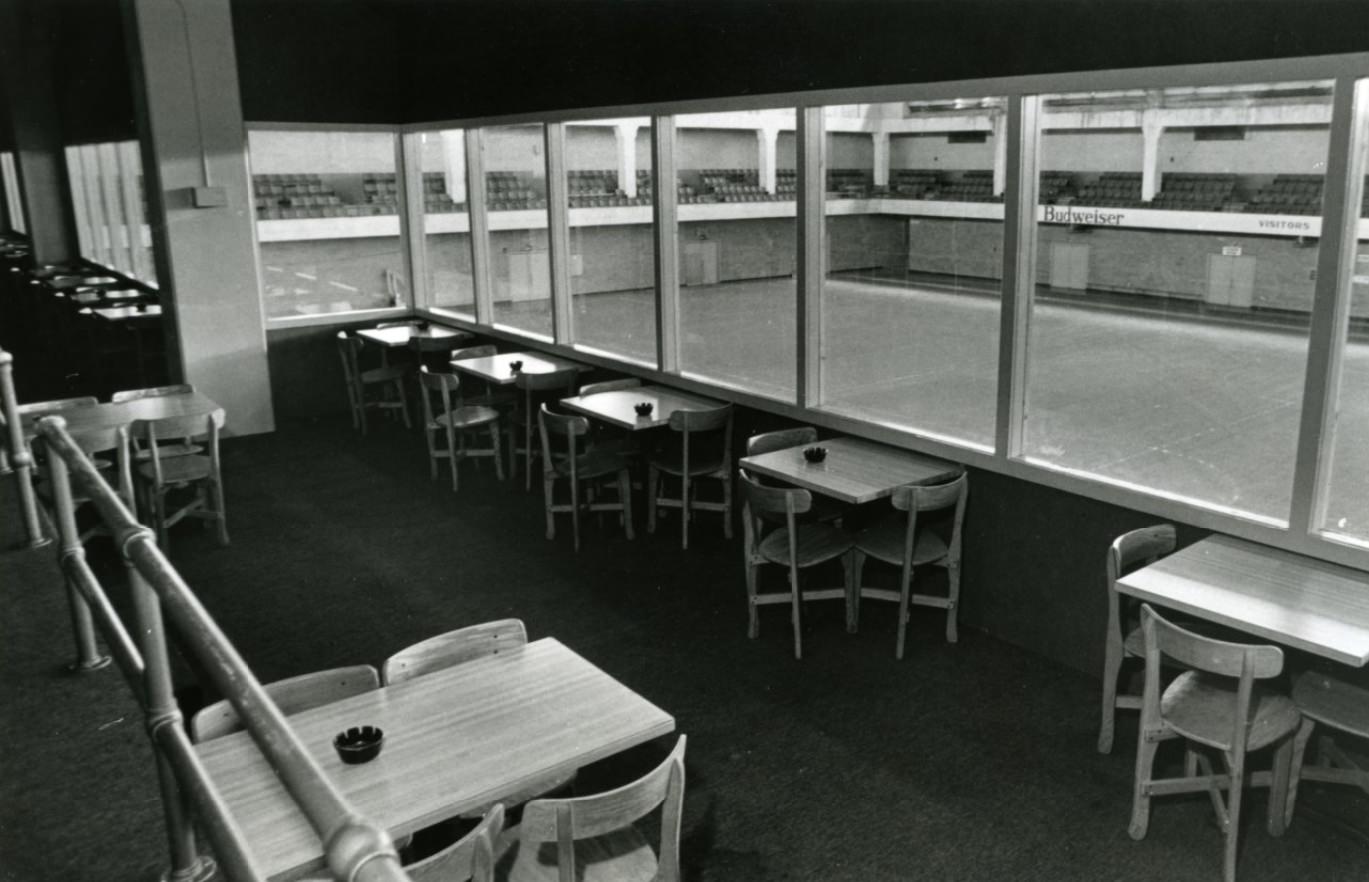
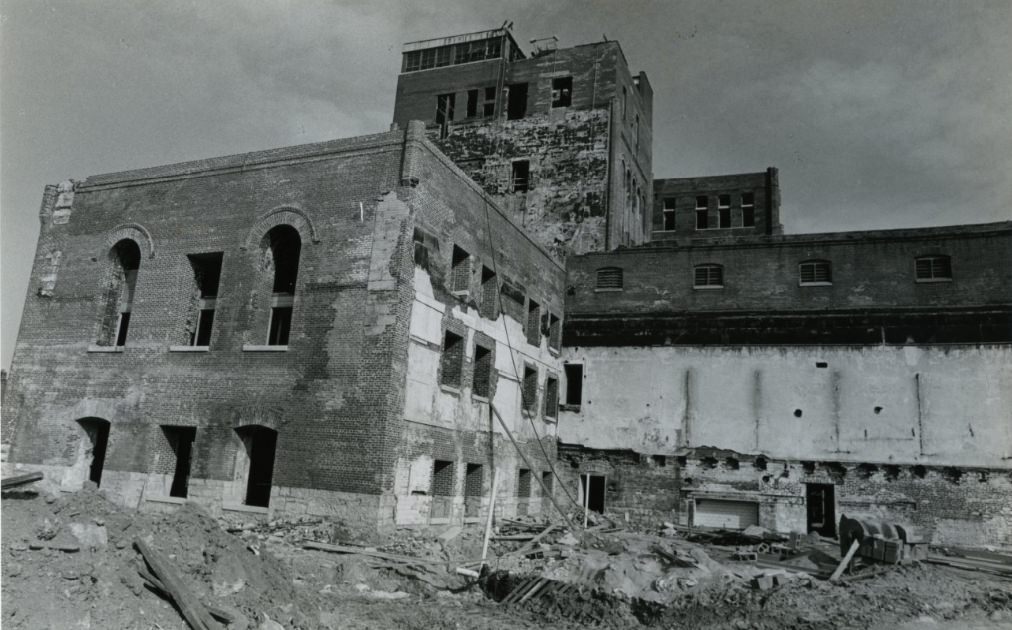
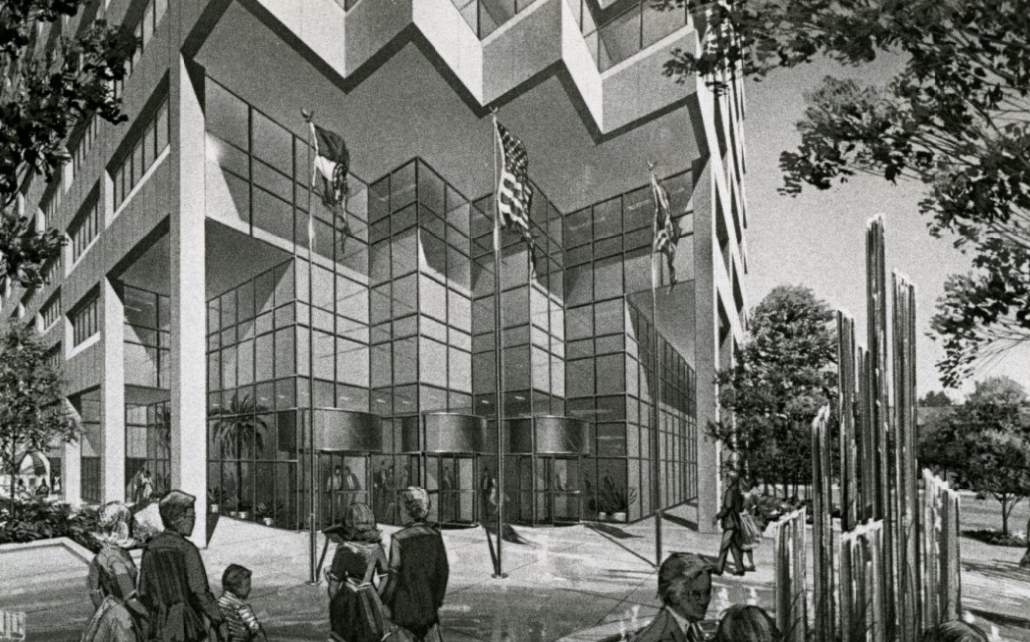
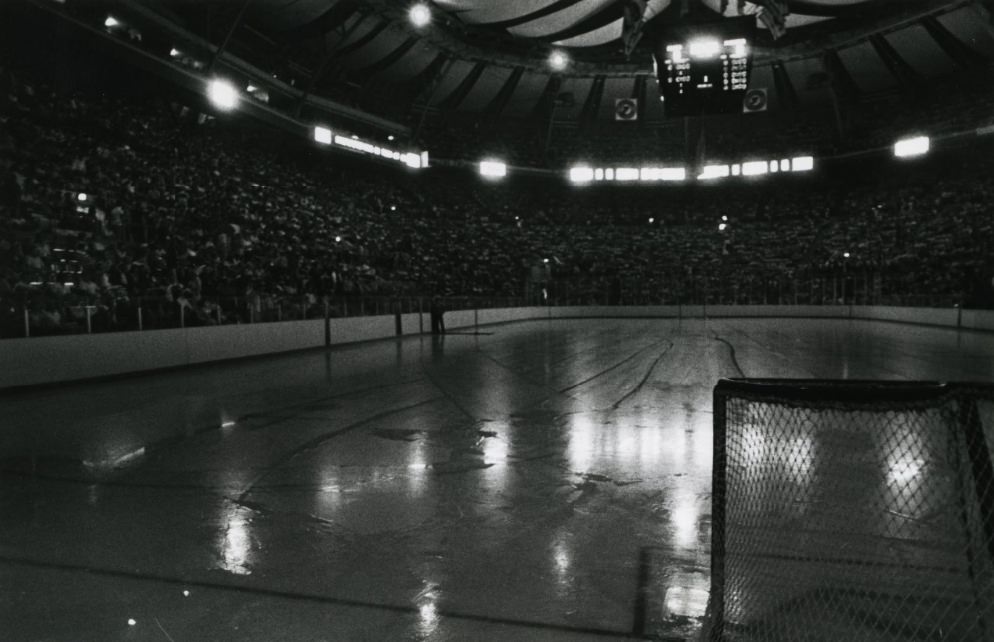
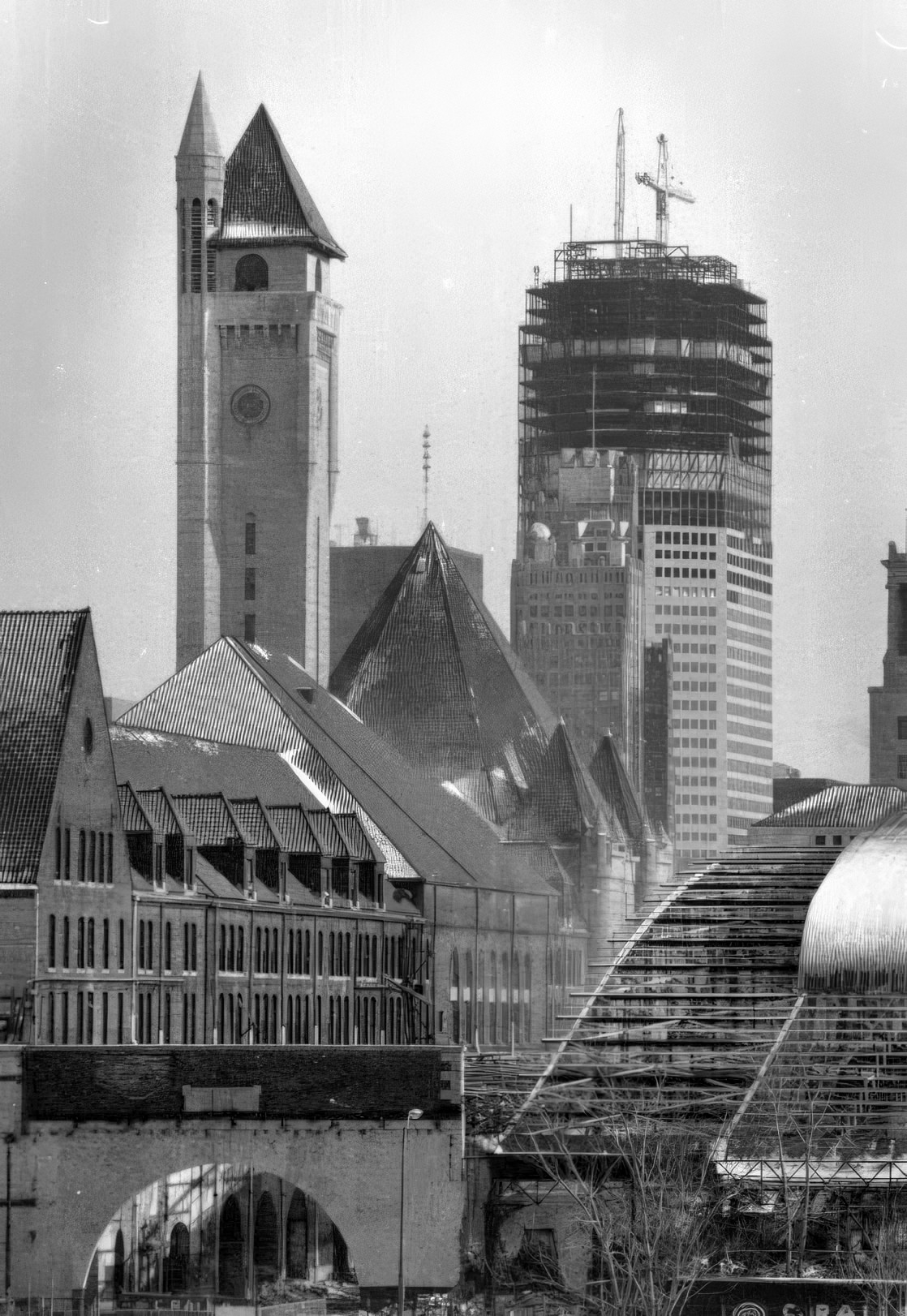
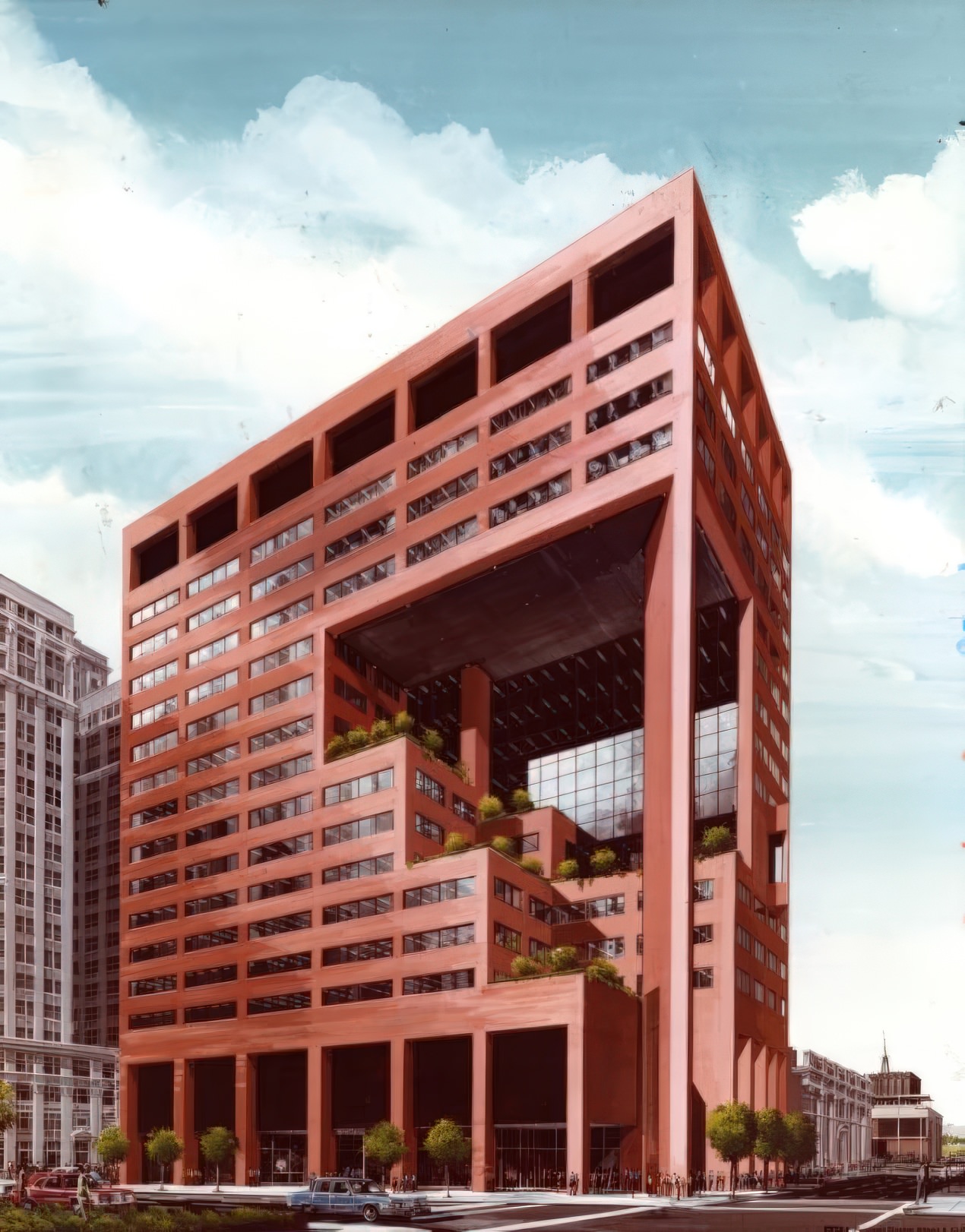
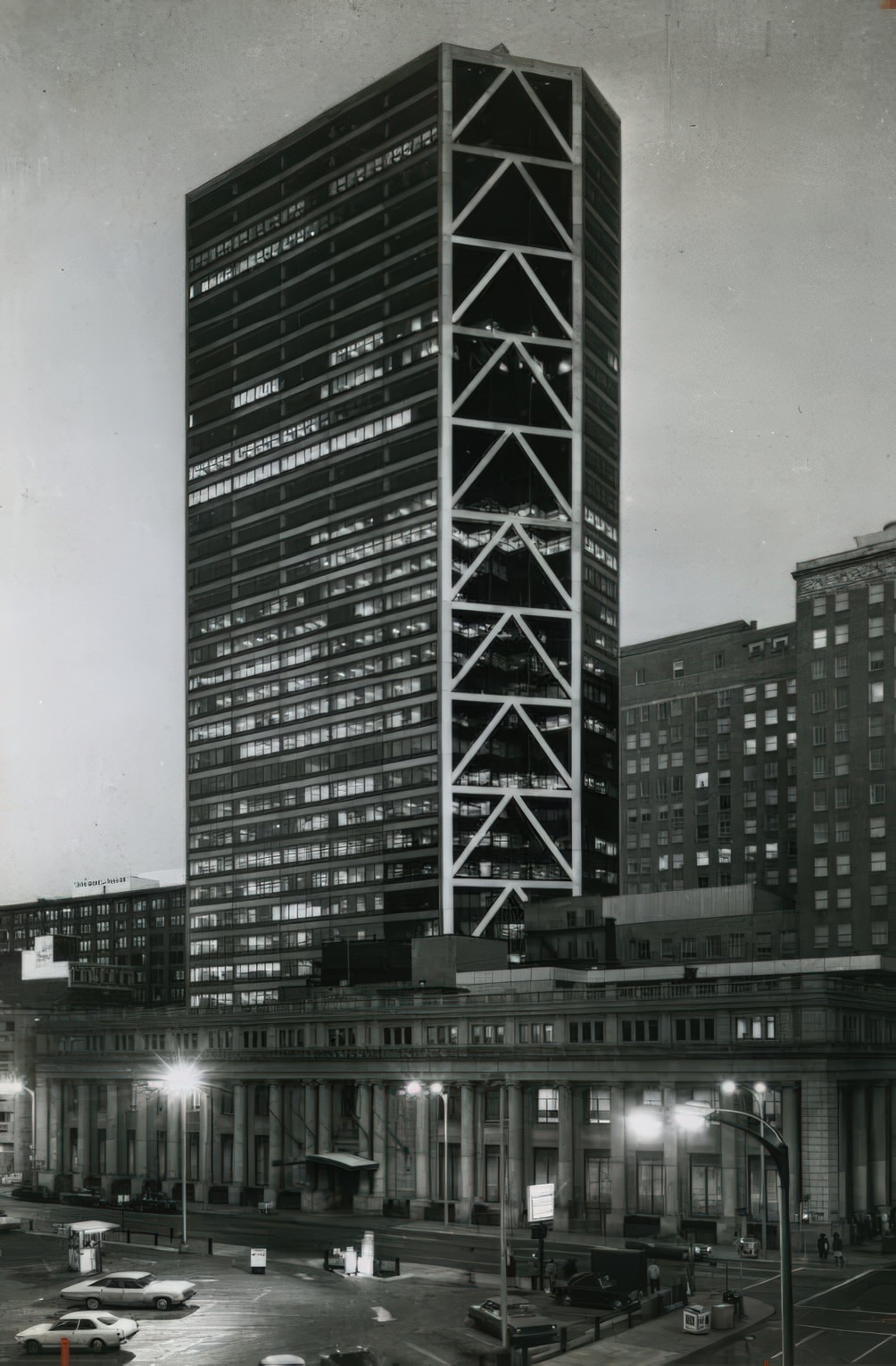
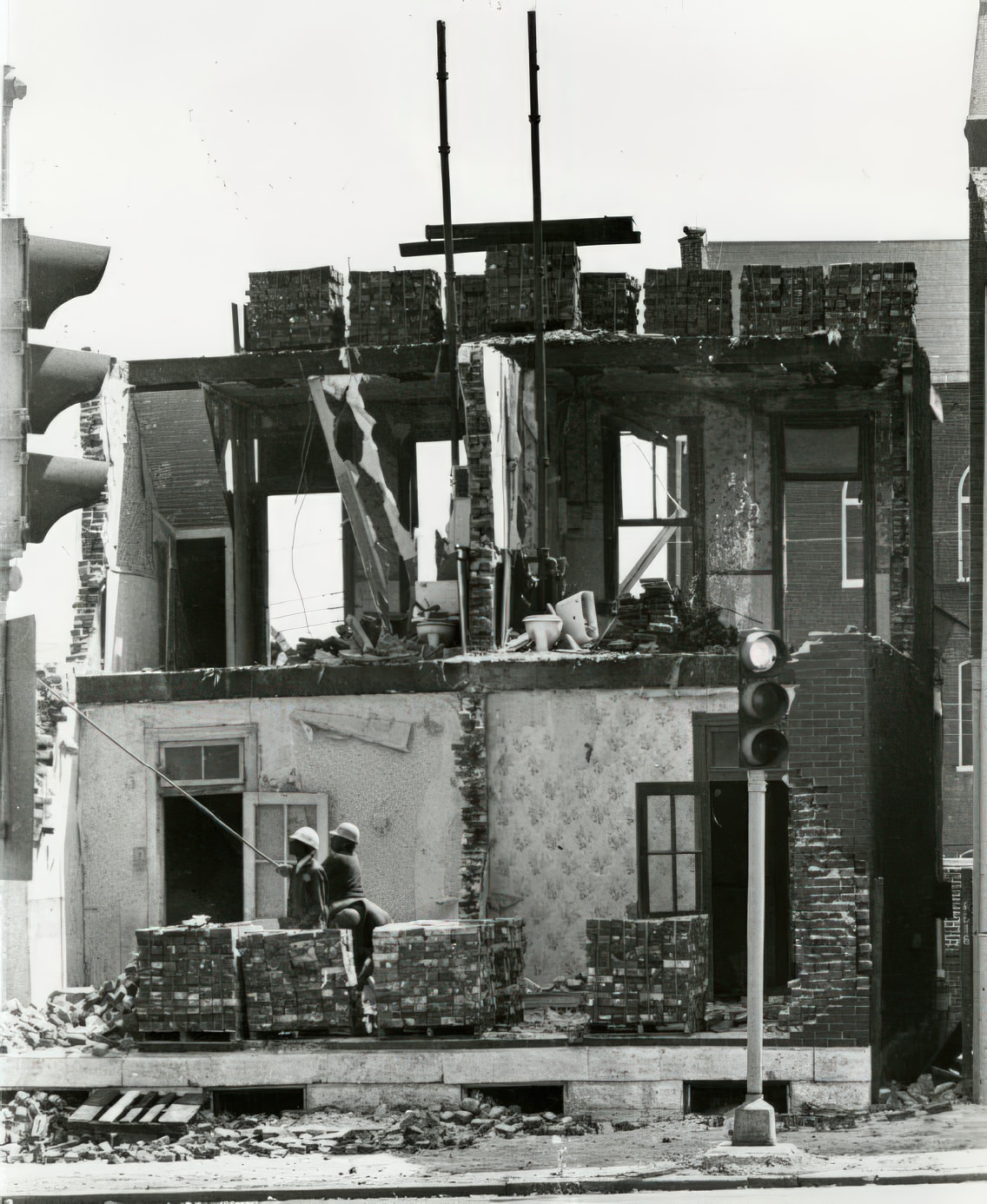
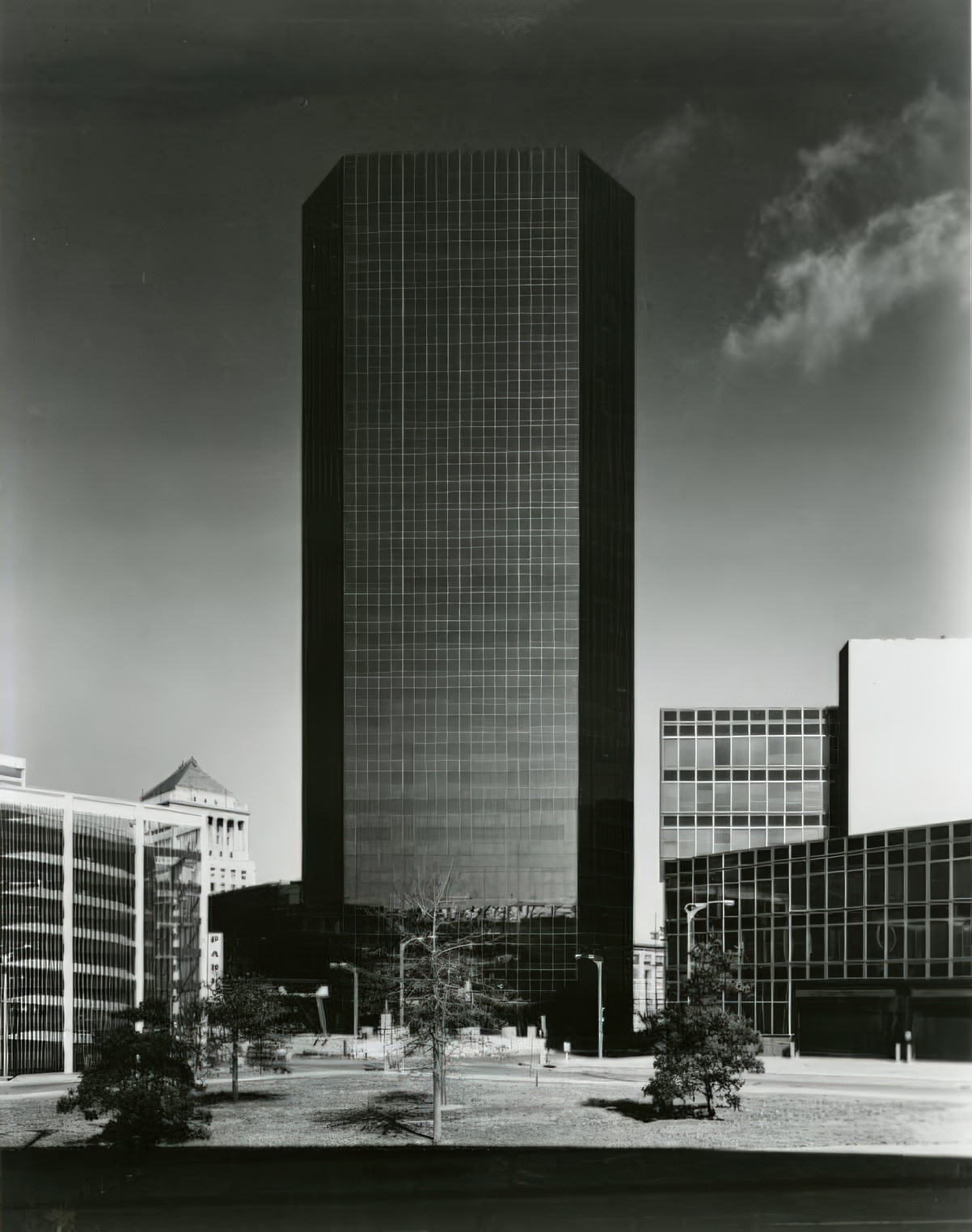
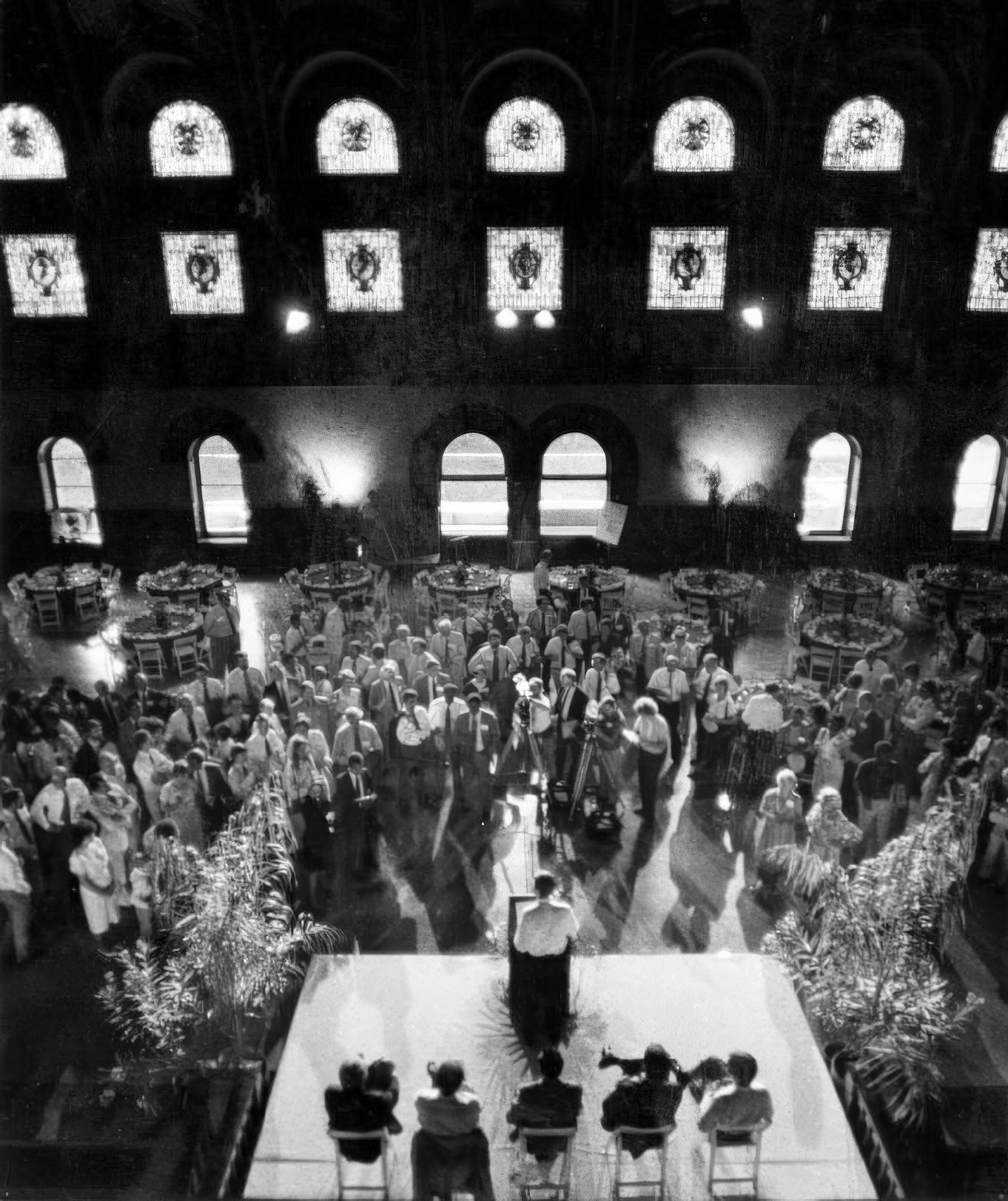
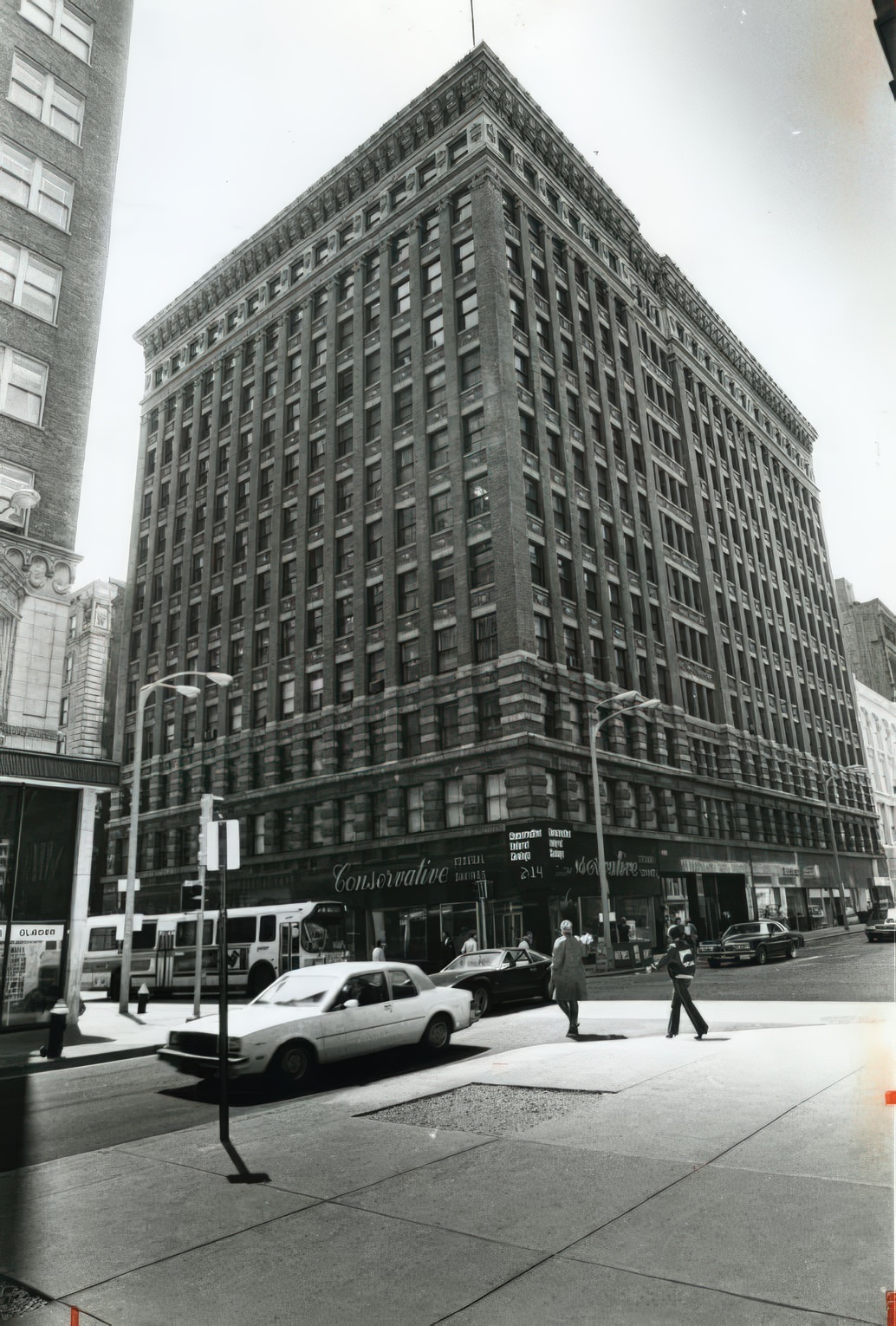
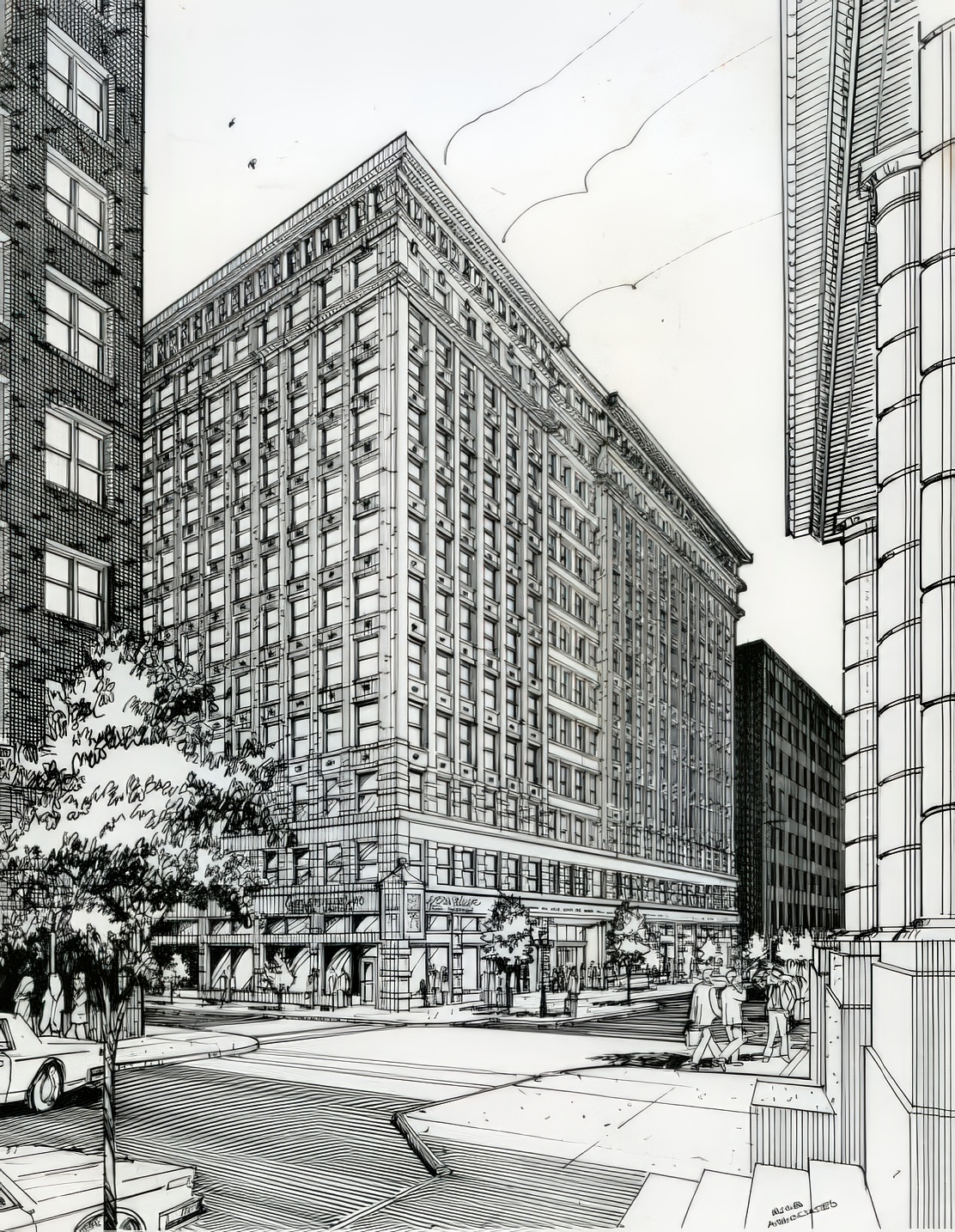
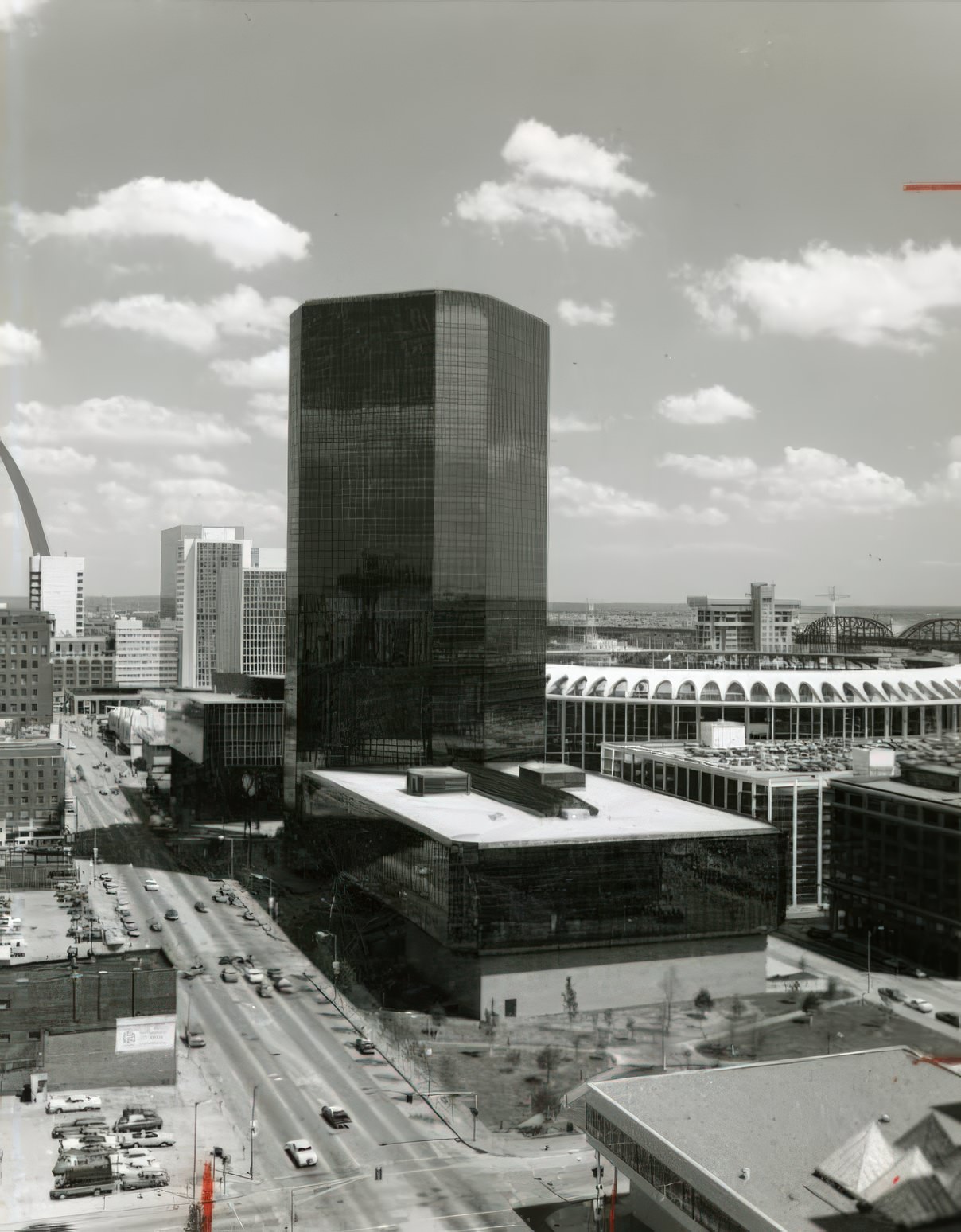
Vincent C. Schoemehl Jr. began his first of three terms as mayor in 1981, after defeating incumbent James F. Conway in the Democratic primary. His administration was marked by a strong focus on redevelopment. Major projects included the construction of One Metropolitan Square, which became the city’s tallest building, the reopening of the historic Union Station in 1985 as a “festival marketplace” with shops, restaurants, and a hotel, and the opening of the St. Louis Centre downtown mall, also in 1985. Schoemehl also championed the expansion of the St. Louis Convention Center and made efforts to keep professional sports teams in the city, including the city’s purchase of The Arena, home of the St. Louis Blues hockey team. Alongside these development efforts came controversies. The construction of some new downtown buildings, like the one that became part of St. Louis Centre, involved the demolition of historic structures, drawing criticism. Homelessness also became a visible issue, with Reverend Larry Rice leading protests that included setting up tent cities called “Schoemehlvilles” on the City Hall lawn. A key promise from Schoemehl’s campaign, to reopen Homer G. Phillips Hospital—a vital healthcare institution for the Black community that had been closed under the previous administration—was not fulfilled, despite the support he had received from Black voters. These events illustrate a common challenge in urban leadership: balancing the drive for growth and modernization with the needs of preservation and social equity.
School desegregation remained a central and contentious issue. The 1980s were defined by the implementation of a large-scale city-county voluntary transfer program, a result of the landmark Liddell v. Board of Education court case. The courts had found both the state of Missouri and the city school board responsible for creating and maintaining segregated schools. The plan, formally established by a settlement agreement in 1983 after a pilot program began in 1981, involved busing Black students from the city to 16 participating suburban school districts. There was also a component for white suburban students to attend magnet schools in the city, though far fewer participated in this. The state of Missouri was ordered to cover the costs of transportation and tuition for these transfers. The goal was for suburban districts to eventually have their student populations be at least 15% to 25% Black. However, the plan faced political opposition, notably from Missouri Attorney General John Ashcroft, who challenged its implementation and funding. While the program did offer improved educational opportunities and higher graduation rates for many Black students who transferred, it didn’t fundamentally change the racial makeup of the St. Louis Public Schools, which remained predominantly Black and often under-resourced. The largely one-way nature of the transfers also led to concerns about a “brain drain” from city schools and did little to foster true two-way integration.
Despite legal victories in earlier decades, activism for civil rights and social justice continued with new energy and focus. The Organization for Black Struggle (OBS) was founded in 1980. This group, made up of veteran activists, students, and union organizers, aimed to address the pressing needs of St. Louis’s Black working-class community, tackling issues like the prison system, police misconduct, workers’ rights, and the fight for political empowerment.
The fight for women’s rights, particularly the push for the Equal Rights Amendment (ERA), also continued into the early 1980s. Missouri was a key unratified state, and the issue was hotly debated. St. Louisan Phyllis Schlafly was a prominent national leader of the anti-ERA movement through her organization, the Eagle Forum. On the other side, the National Organization for Women (NOW) actively campaigned for ratification. The Metro St. Louis NOW chapter focused on the ERA as well as other issues like abortion rights and employment discrimination.
Environmental activism also had a strong presence. The Missouri Coalition for the Environment (MCE), founded in 1969, tackled numerous local environmental challenges during the 1980s. Their campaigns included successfully opposing a second nuclear reactor at Callaway County (1980), supporting the creation of a master plan for Forest Park (1982), raising public awareness about the dangers of dioxin contamination at Times Beach (1983), advocating for the protection of county parks as “Natural Heritage Parks” (1985), and leading a successful petition drive in 1986 to prevent the construction of a golf course in Queeny Park. MCE also played a role in initiating the cleanup of the Weldon Spring uranium processing site (beginning in 1986) and, in 1987, legally blocked the construction of a large stadium in the Maryland Heights floodplain. These diverse activist efforts show a resilient civic spirit, with St. Louisans organizing at the grassroots level to address local and national issues, even during a period of conservative political trends nationwide.
The complex relationship between St. Louis City and St. Louis County continued to be a major topic of discussion. The city’s declining population and tax base, alongside the fragmented system of numerous separate municipalities in the county, prompted ongoing talks about consolidating services or even merging the two governments. In the early 1980s, Civic Progress, an influential group of business leaders, commissioned studies looking into the idea of creating a charter municipal county. Later in the decade, around 1987-1988, a Board of Freeholders was established. This board’s task was to develop a plan to reorganize the many municipalities within St. Louis County to ensure they had enough revenue to function. They considered several different plans and in September 1988, adopted a “37-City Plan”. These efforts were primarily focused on restructuring St. Louis County internally, rather than achieving a full merger between the city and the county at that time. The sheer number of independent local governments made it very difficult to tackle regional problems like economic development and racial inequality in a unified way.
The Beat of the City: Culture, Sports, and Leisure
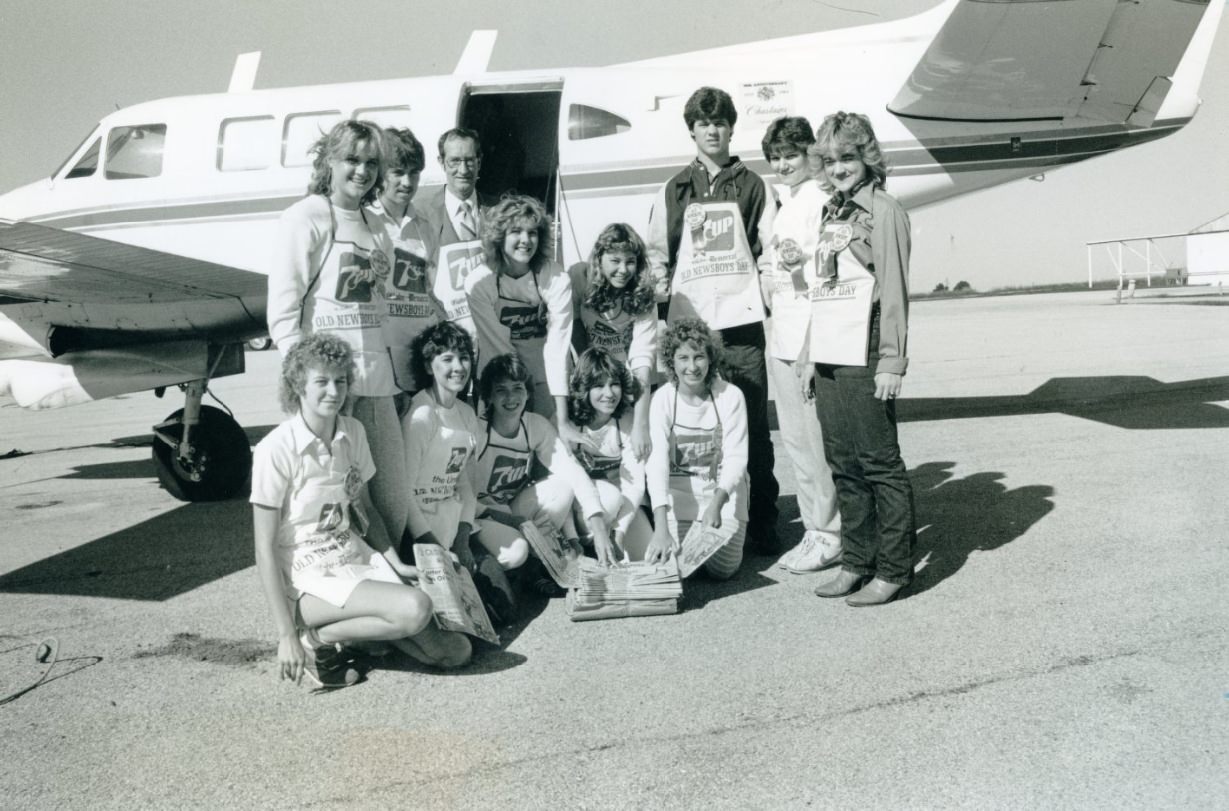
Amidst the economic shifts and social activism, St. Louis in the 1980s had a vibrant cultural pulse, offering residents a variety of ways to unwind and connect.
The music scene was diverse and active. Venues like Mississippi Nights, located on Laclede’s Landing since 1976, offered a 1,000-person capacity space that frequently hosted “all ages” shows, making live music accessible to many. In the Delmar Loop, Cicero’s Basement Bar became a key spot after it began hosting music in 1984, known for bringing in national touring acts as well as showcasing local legends like the pioneering alternative country band Uncle Tupelo. Garage rock bands such as The Primitives and The Blue Moons were part of the local sound in the mid-1980s. Cover bands playing hits from the 70s and 80s also found popularity, performing genres from Motown and R&B to pop and rock. Radio played a big role in shaping musical tastes, with stations like the rock-focused KSHE 94.7, Top 40 WKBQ 106.5, urban contemporary KMJK 107.7, country stalwart WIL 92.3, and the news, talk, and sports giant KMOX AM 1120 commanding the airwaves. This lively music environment, with dedicated venues and a range of genres, provided a dynamic cultural outlet for the city.
For sports fans, the St. Louis Cardinals baseball team was a major source of excitement and civic pride. The 1980s were a banner decade for the Redbirds, who made three trips to the World Series. In 1982, managed by Whitey Herzog and playing a style of baseball dubbed “Whiteyball” that emphasized speed, defense, and pitching, the Cardinals defeated the Milwaukee Brewers in what was called the “Suds Series.” This was their first World Series championship since 1967. Key players on that team included catcher Darrell Porter, who was the Series MVP, reliever Bruce Sutter, shortstop Ozzie Smith, first baseman Keith Hernandez, outfielder Willie McGee, and speedster Lonnie Smith. The Cardinals returned to the World Series in 1985 but lost to their cross-state rivals, the Kansas City Royals, in a memorable “Show-Me Series” that included a controversial umpire’s call in Game 6. Their third World Series appearance of the decade came in 1987, where they fell to the Minnesota Twins. In a city facing many changes, the consistent success of the Cardinals provided a unifying force and a source of positive national attention.
Daily life and leisure in the 1980s were also shaped by distinct fashion trends and popular activities. The decade is often remembered for “power dressing,” with women sporting outfits with large shoulder pads. Early 80s fashion featured more subdued colors, but this gave way to brighter and bolder styles as the decade progressed. Athletic wear took on a new status, with sneakers from brands like Nike (including the first Air Jordans in 1984), Adidas, and Reebok becoming high-fashion items. Hairstyles were often big, curly, and heavily styled, and makeup was characterized by bright colors and heavy application.
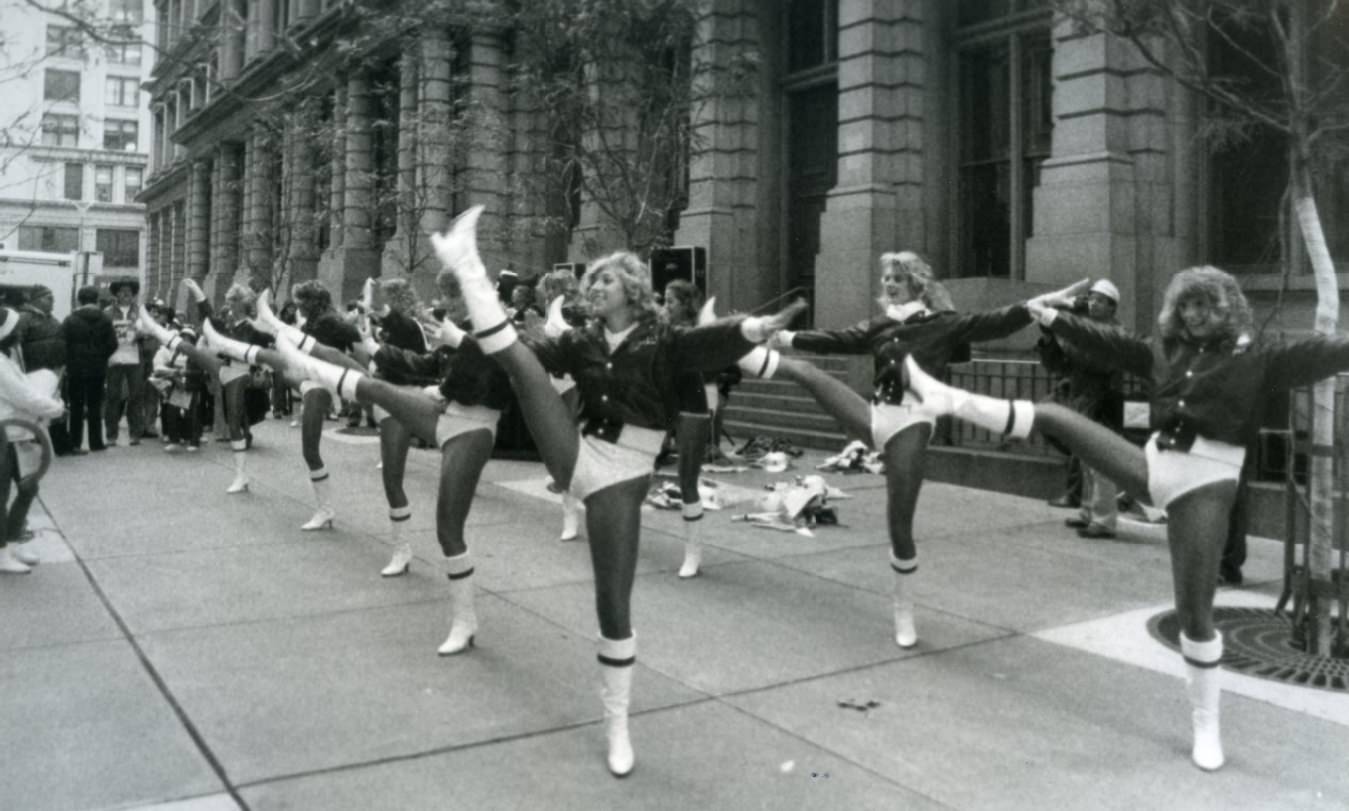
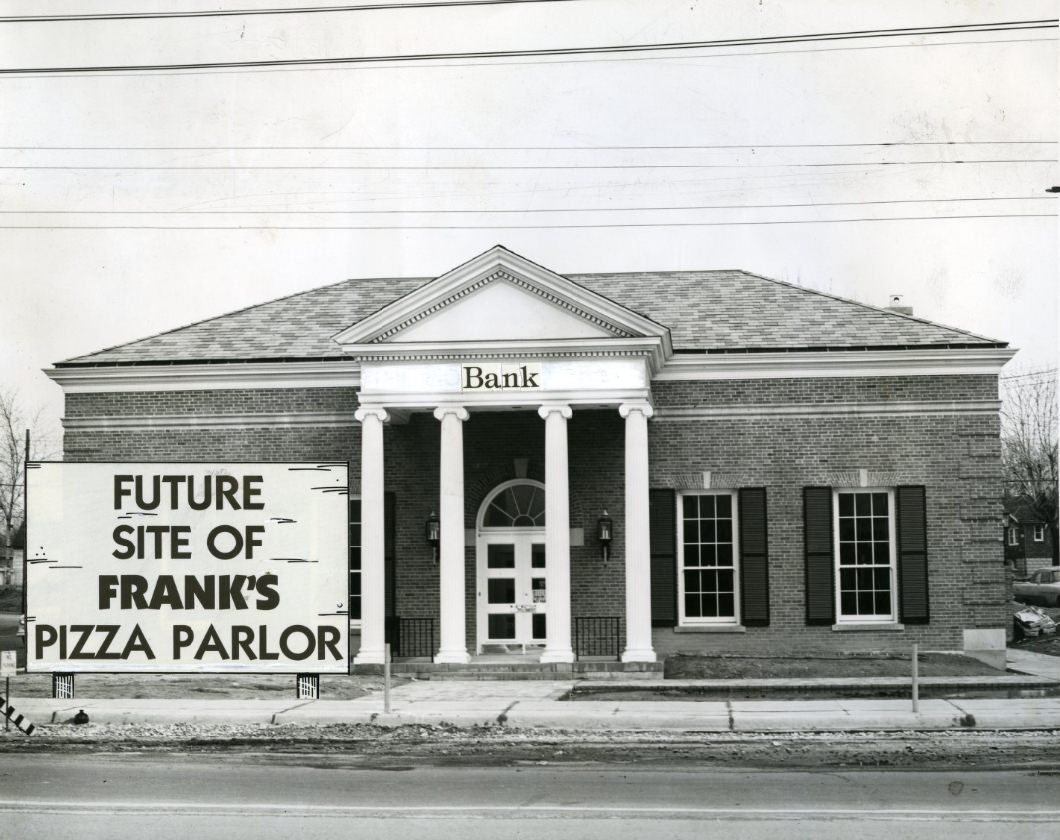
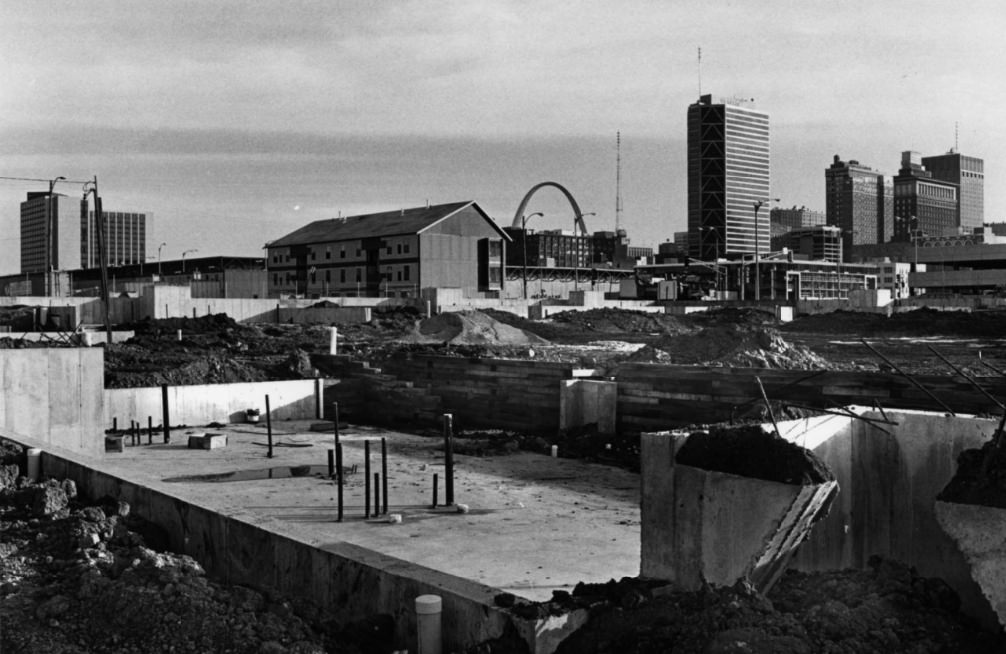
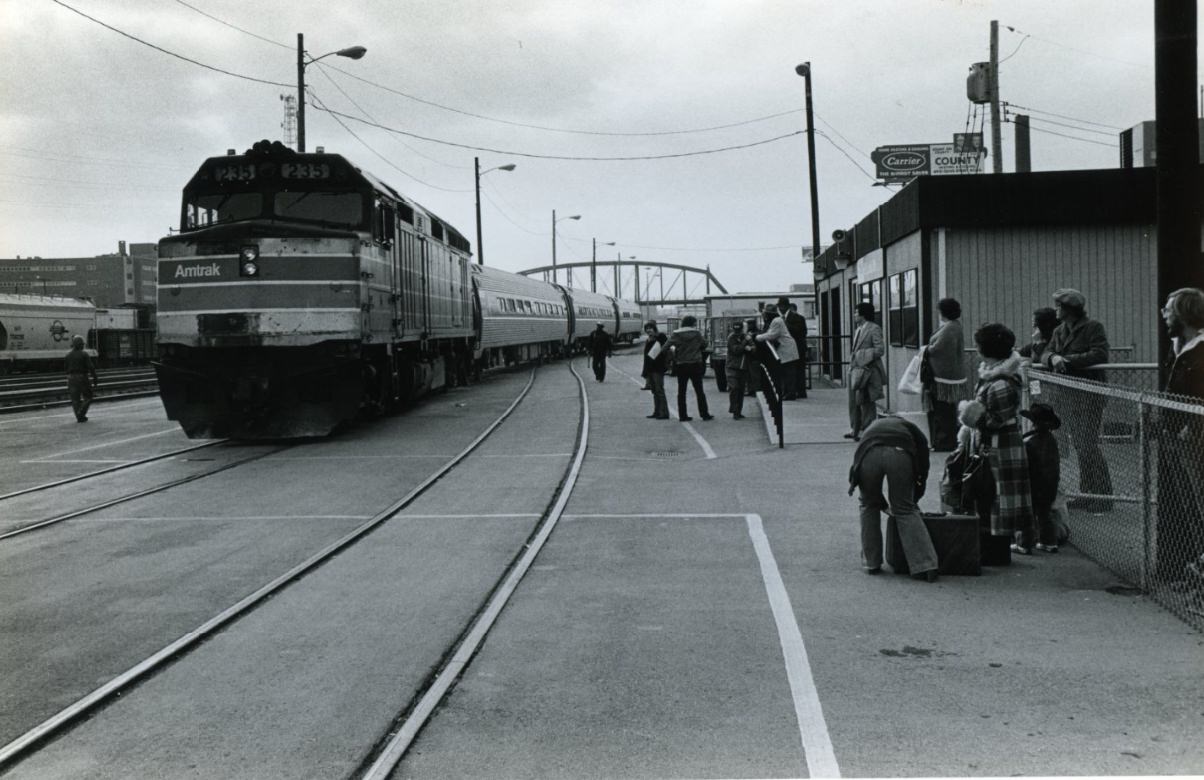
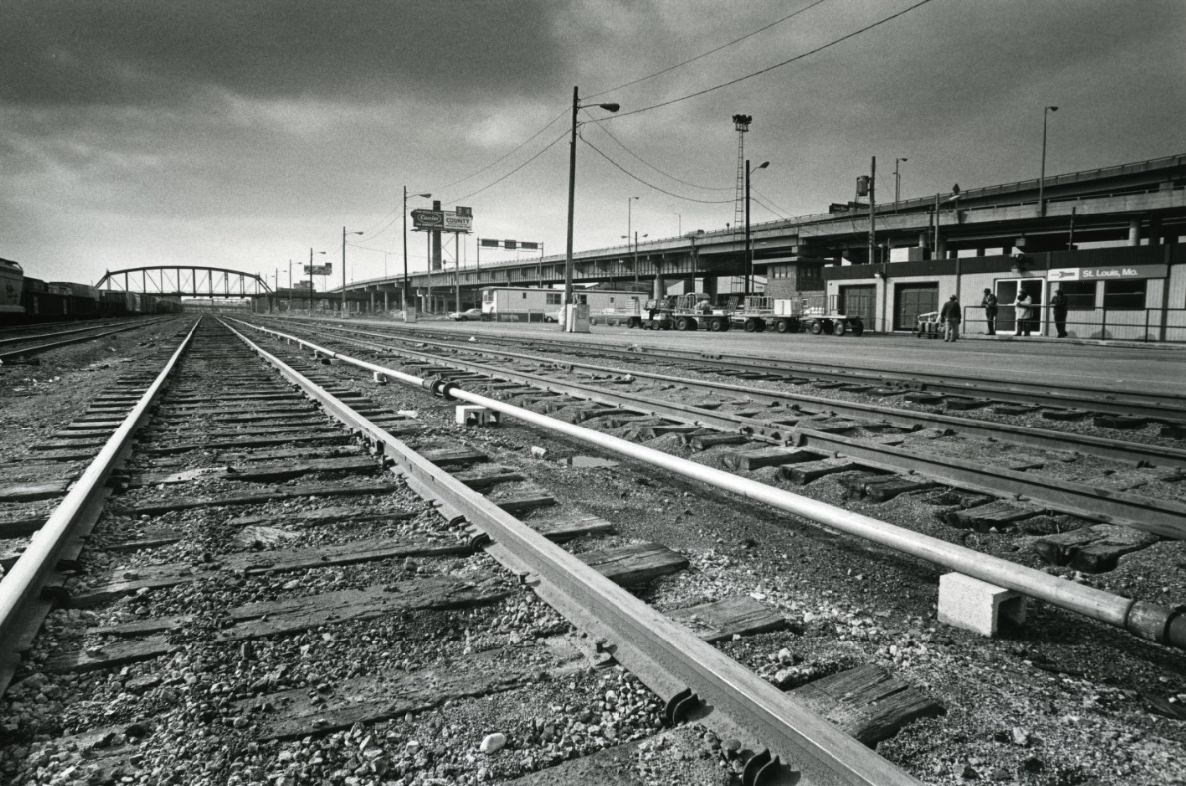
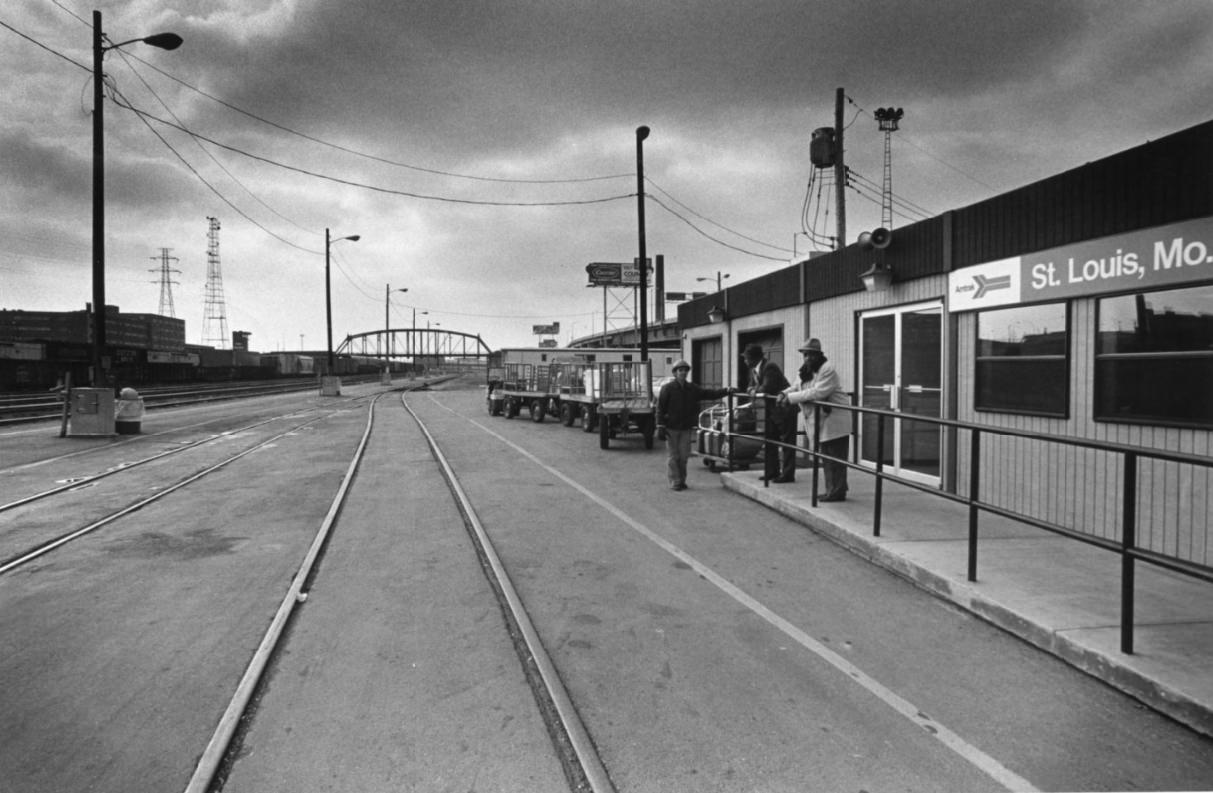
Shopping was a major pastime. Downtown St. Louis saw significant retail developments. The historic Stix, Baer & Fuller department store, a long-time high-end retailer, was sold to Dillard’s in 1984. Its flagship downtown building then became an anchor for the new St. Louis Centre mall, which opened in 1985 and was, for a period, the largest urban shopping mall in the United States. Another major downtown revitalization project was the transformation of Union Station. The historic train station, abandoned by Amtrak in 1978, was reopened in 1985 as a “festival marketplace,” featuring a hotel, numerous shops, and restaurants. These developments aimed to draw people back downtown for shopping and entertainment.
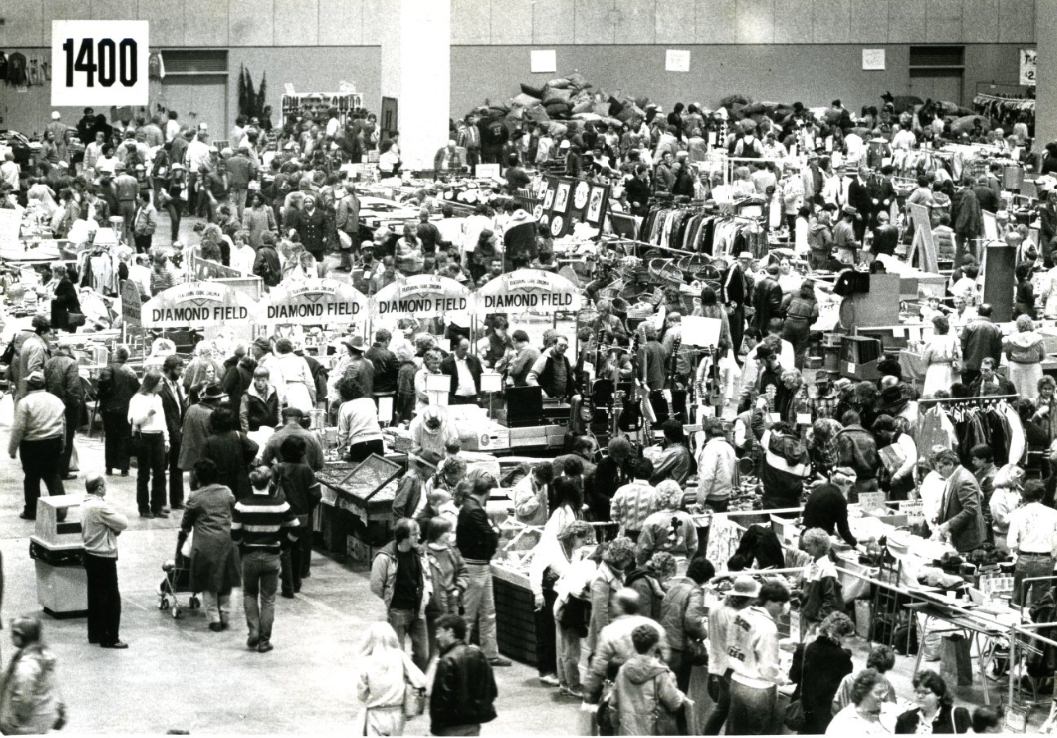
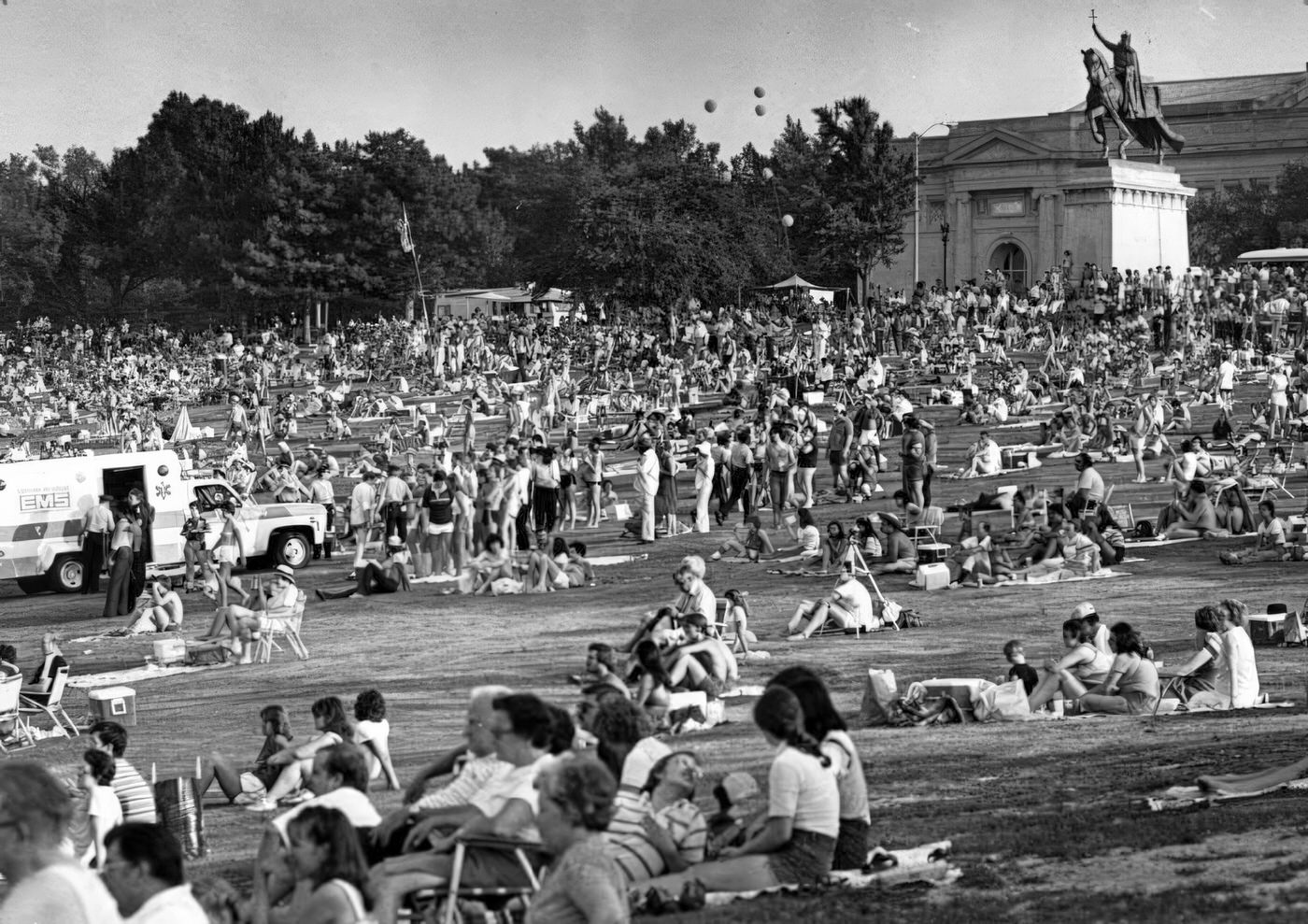
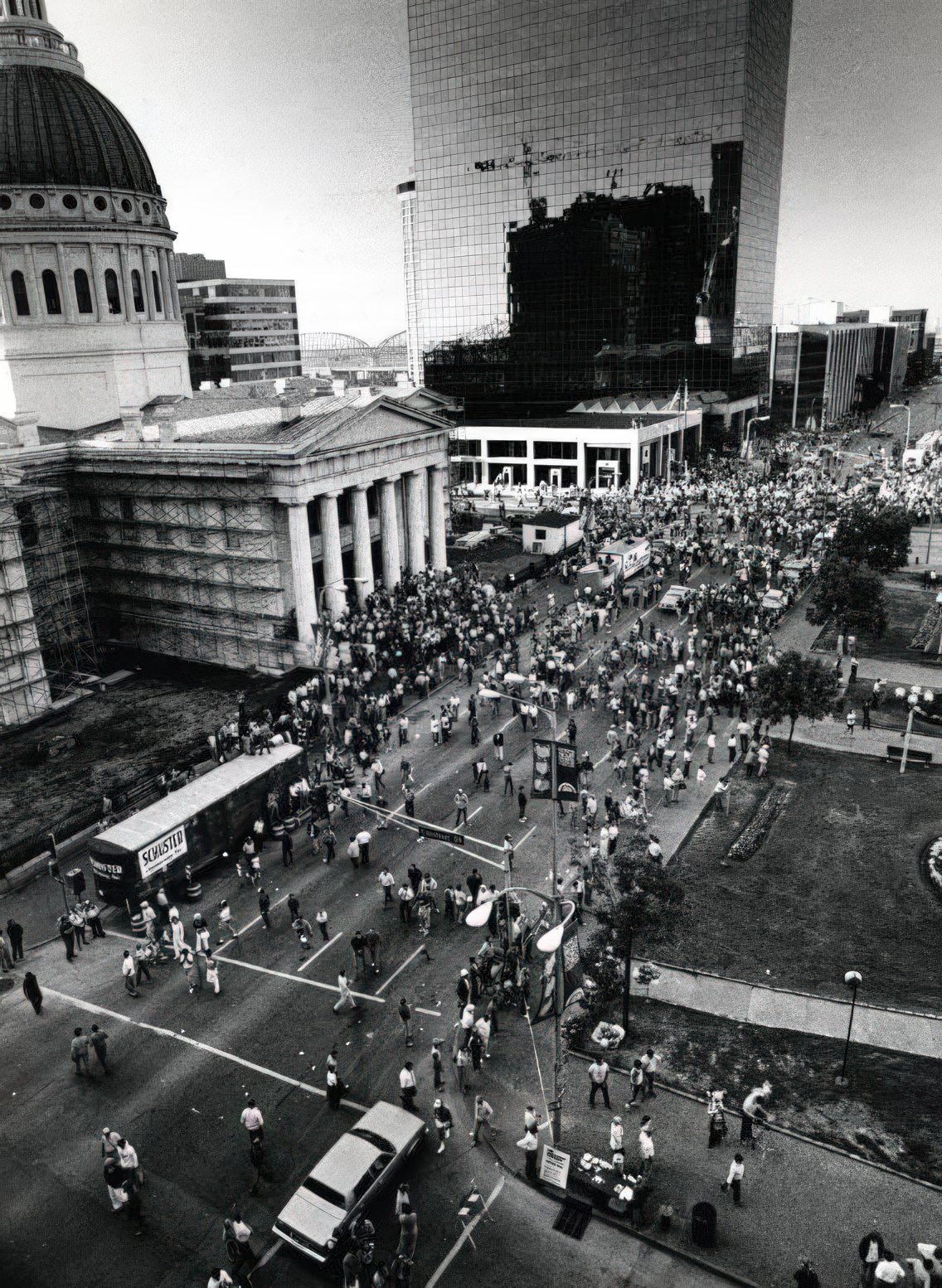
Popular hangouts and community events drew large crowds. The VP (Veiled Prophet) Fair, held annually on the Gateway Arch grounds around the Fourth of July, evolved into a massive celebration. By 1983, it was attracting millions of people with big-name entertainers like Chuck Berry, Bob Hope, and Elton John, alongside air shows, parades, and spectacular fireworks displays. For thrill-seekers, Six Flags St. Louis, located in nearby Eureka, offered amusement park rides and entertainment. Parks remained important leisure destinations. Forest Park, with its renowned Zoo, Art Museum, The Muny outdoor theater, Science Center, and Missouri History Museum, offered a wide array of free or low-cost activities. The Missouri Botanical Garden was another popular spot for enjoying nature and horticultural displays. For teenagers, popular activities often revolved around malls, movie theaters, concerts, skating rinks, and arcades, reflecting the youth culture of the time. The development of large-scale entertainment and shopping destinations like St. Louis Centre and the revamped Union Station, along with the massive VP Fair, signaled a trend towards curated “experience” destinations, complementing the already popular suburban shopping malls.
Challenges of the Decade: Crime and Social Issues
The 1980s also brought significant social challenges to St. Louis, most notably the devastating impact of the crack cocaine epidemic. This new, cheaper, and highly addictive form of cocaine swept through major U.S. cities, and St. Louis was no exception. The arrival of crack was linked to a sharp rise in crime rates, particularly violent crimes and homicides. This was especially true in inner-city neighborhoods and had a disproportionate impact on young Black males. In East St. Louis, just across the river, homicides surged dramatically between 1988 and 1993, a rise partly attributed to the chaos surrounding the new crack markets.
The media played a significant role in shaping public perception of the crisis. News coverage of the “crack epidemic” was widespread and often focused on sensationalized figures like “crack mothers,” “crack babies,” and “Black male dope dealers.” This type of coverage helped fuel a “moral panic,” leading to public fear and intense pressure on politicians to take strong action. The response was an escalation of the “War on Drugs,” which included the passage of harsh new laws. These laws often featured mandatory minimum sentences and created stark sentencing disparities between crack cocaine and powder cocaine. Because crack was more prevalent in poorer, minority communities, these policies disproportionately affected African Americans.
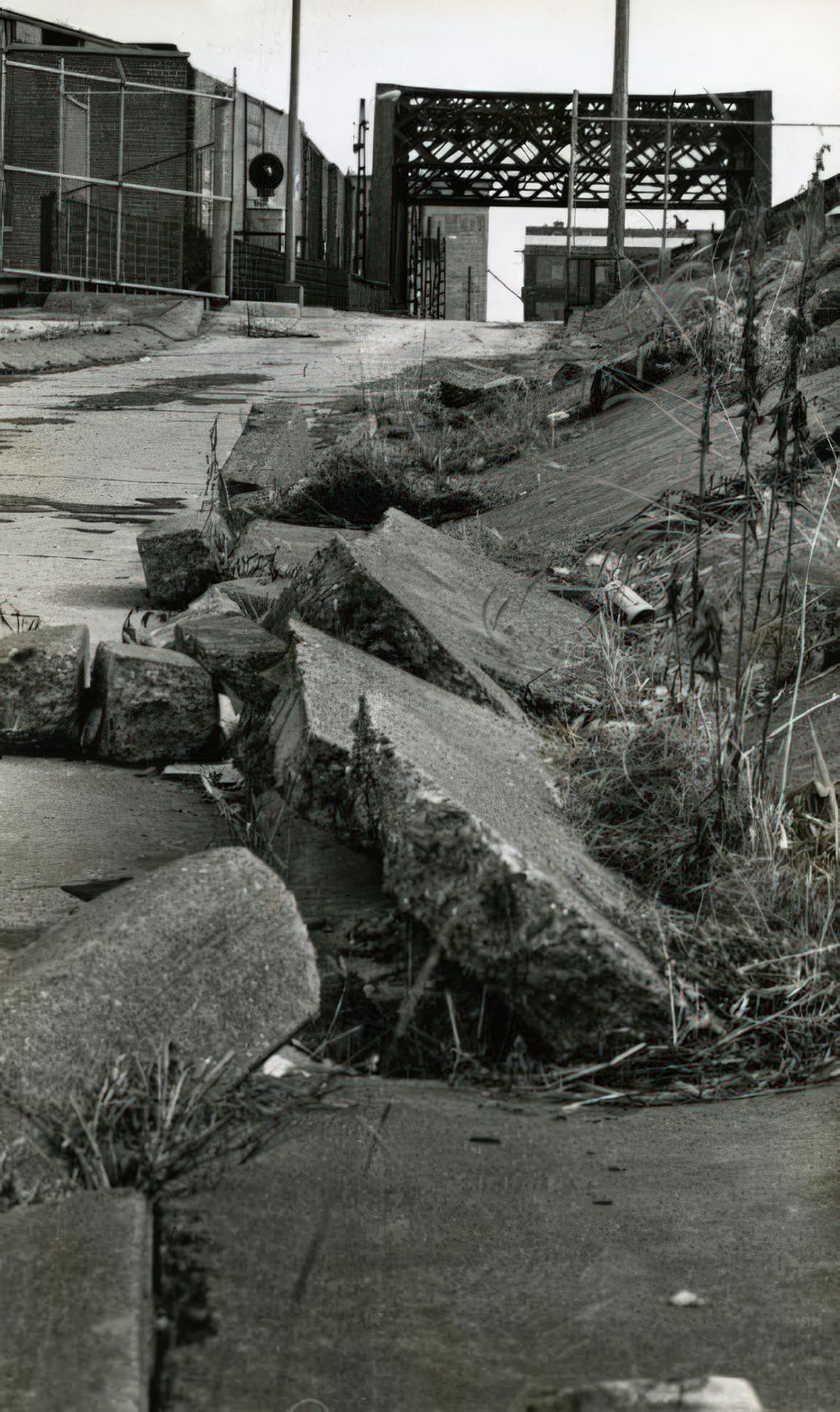
The crack epidemic did not emerge in isolation. It took hold most fiercely in communities already grappling with the deep-seated problems of poverty, the loss of industrial jobs, high unemployment, and systemic racism. In areas where legitimate economic opportunities were scarce, the illegal drug trade offered a perilous path to income, which in turn led to more violence as individuals and groups fought over territory and profits.
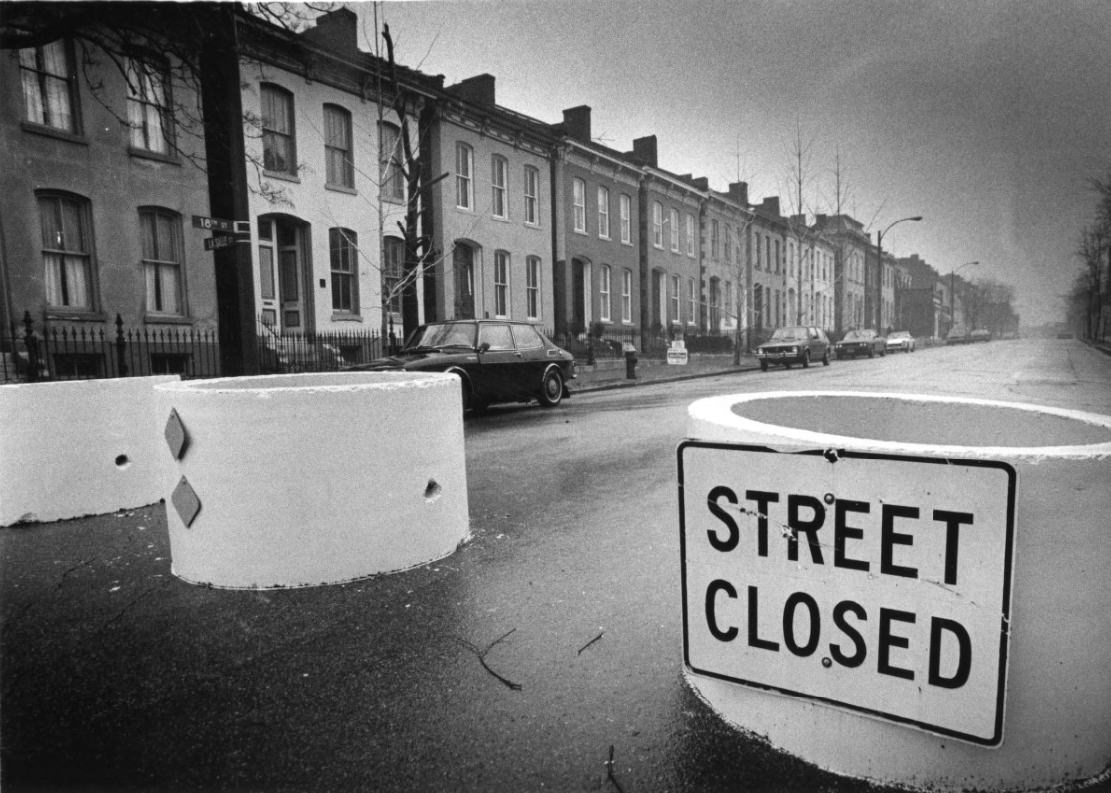
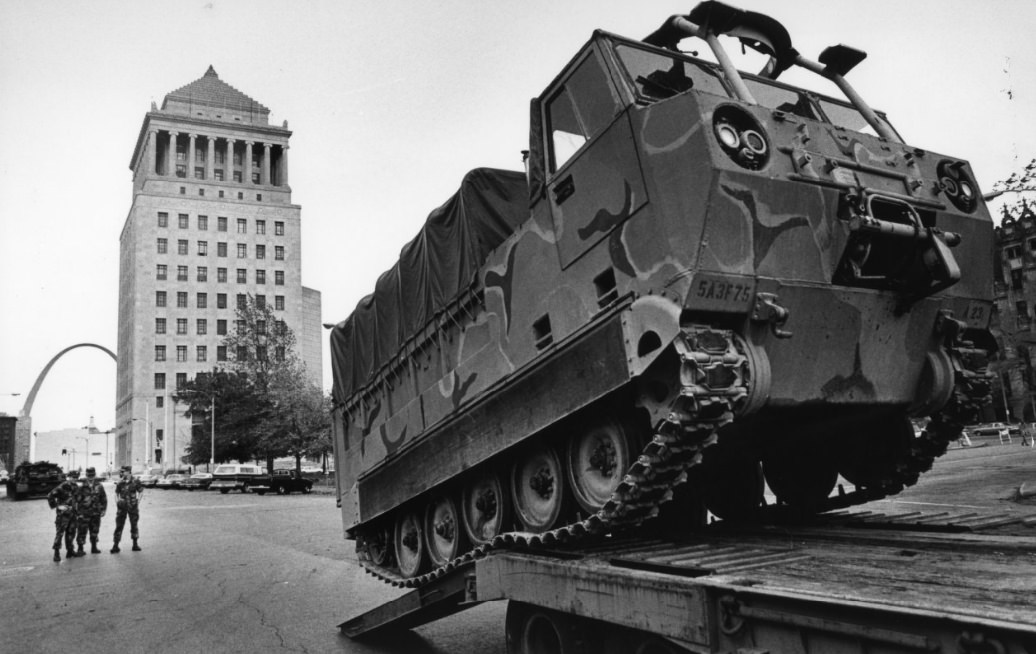
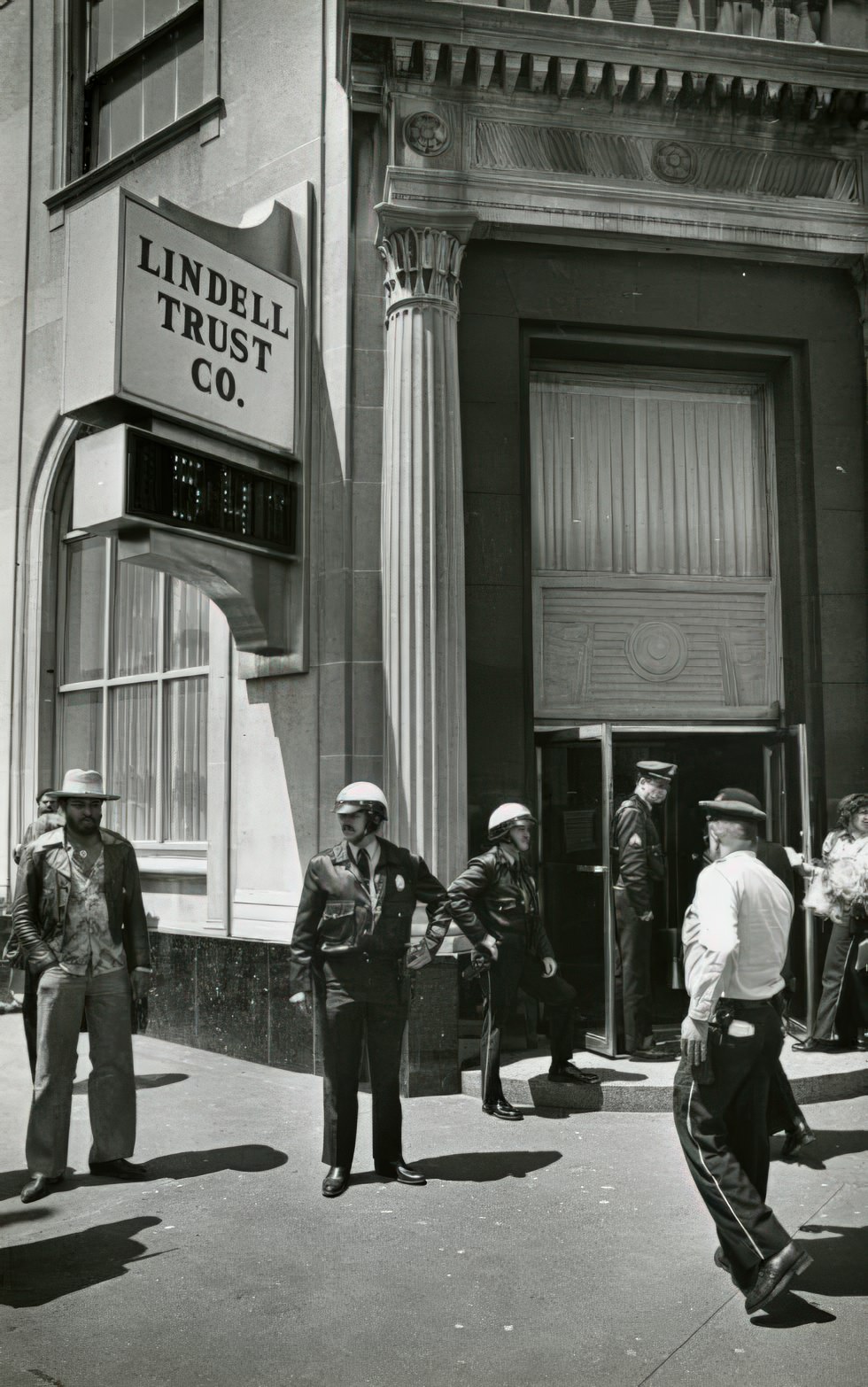
Public safety was a major concern for St. Louis residents. In St. Louis City, the homicide rate in 1985 was approximately 37.23 per 100,000 residents. While comprehensive annual crime statistics for the entire decade are not fully detailed in the provided materials, the clear link between the crack epidemic and increased violence suggests a difficult period for many neighborhoods. Mayor Schoemehl’s administration attempted to address crime through initiatives like “Operation SafeStreet,” which provided security measures such as deadbolts and window bars to homeowners. His administration also controversially ordered the blocking of some city streets in an effort to disrupt cruising and open-air drug dealing. The crime wave and the public fear it generated led to the “tough on crime” policies of the era. While these policies were intended to reduce crime, they also resulted in a dramatic increase in incarceration rates, particularly for drug offenses. These policies had long-lasting and disproportionate consequences for minority communities, affecting individuals, families, and entire neighborhoods for many years to come, well beyond the 1980s.
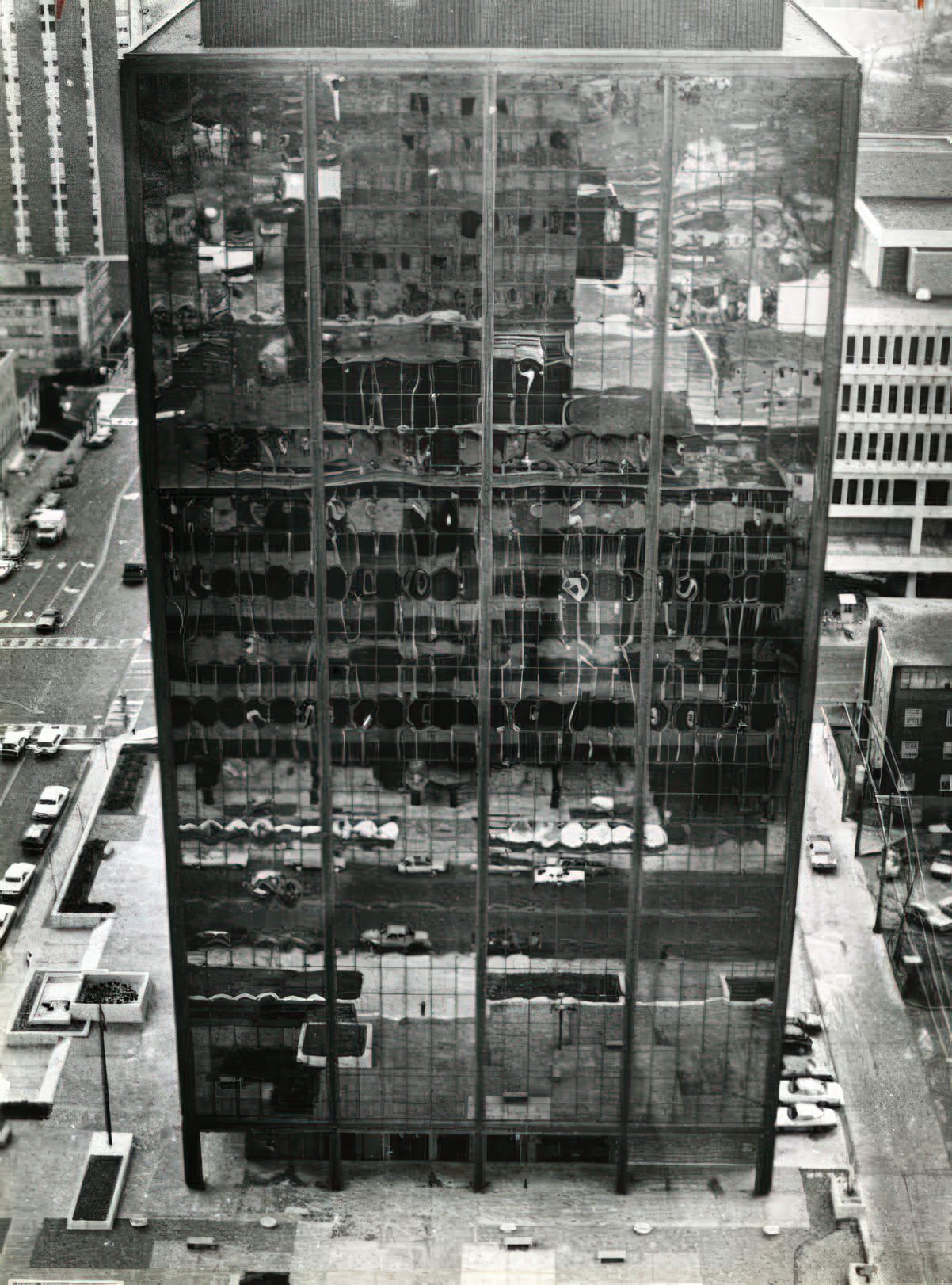
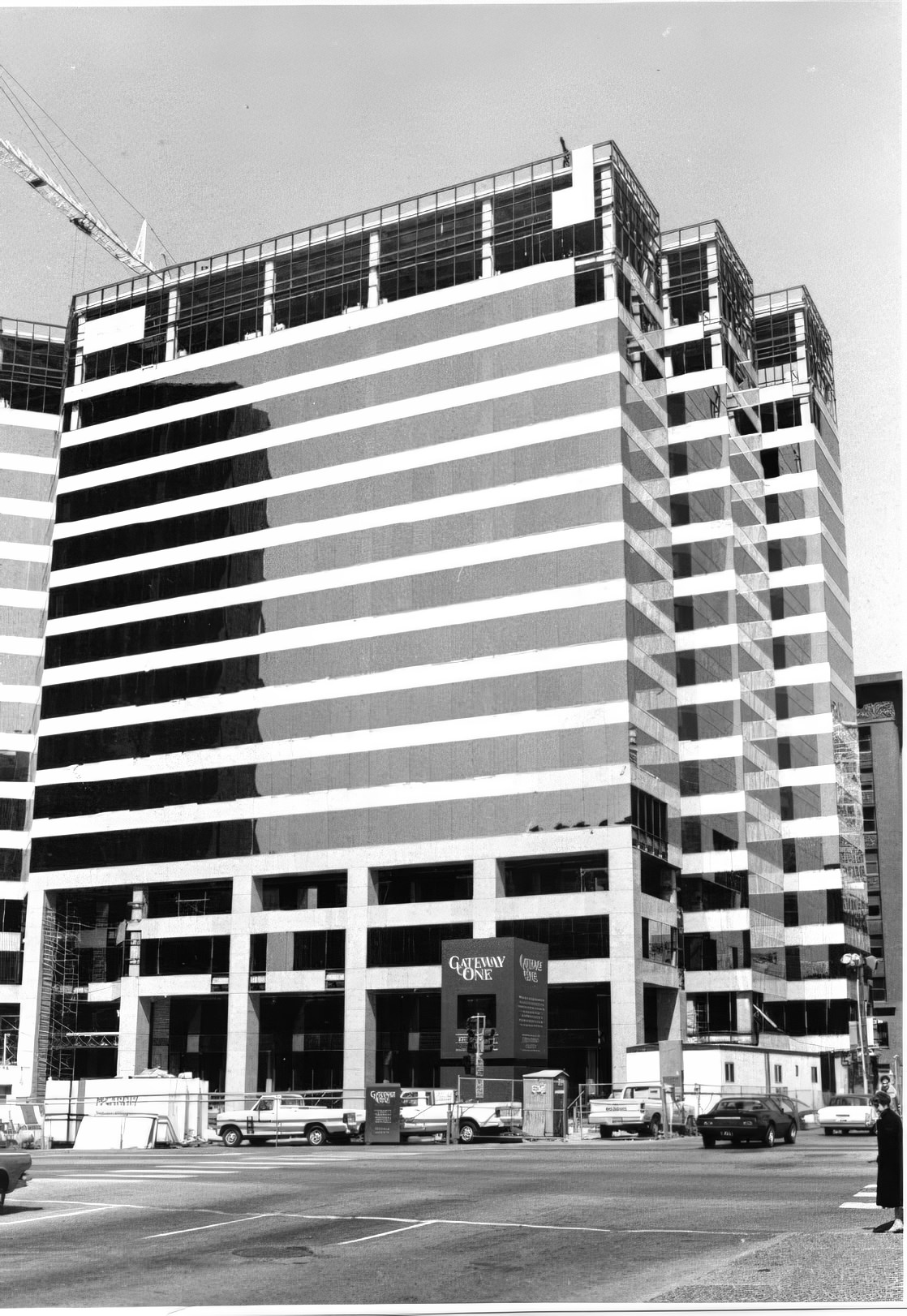
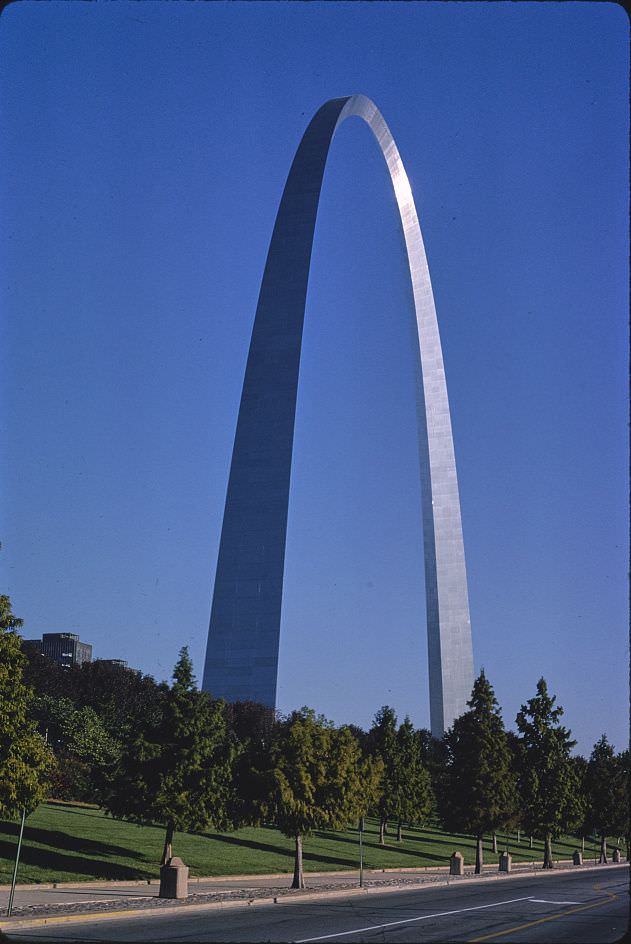
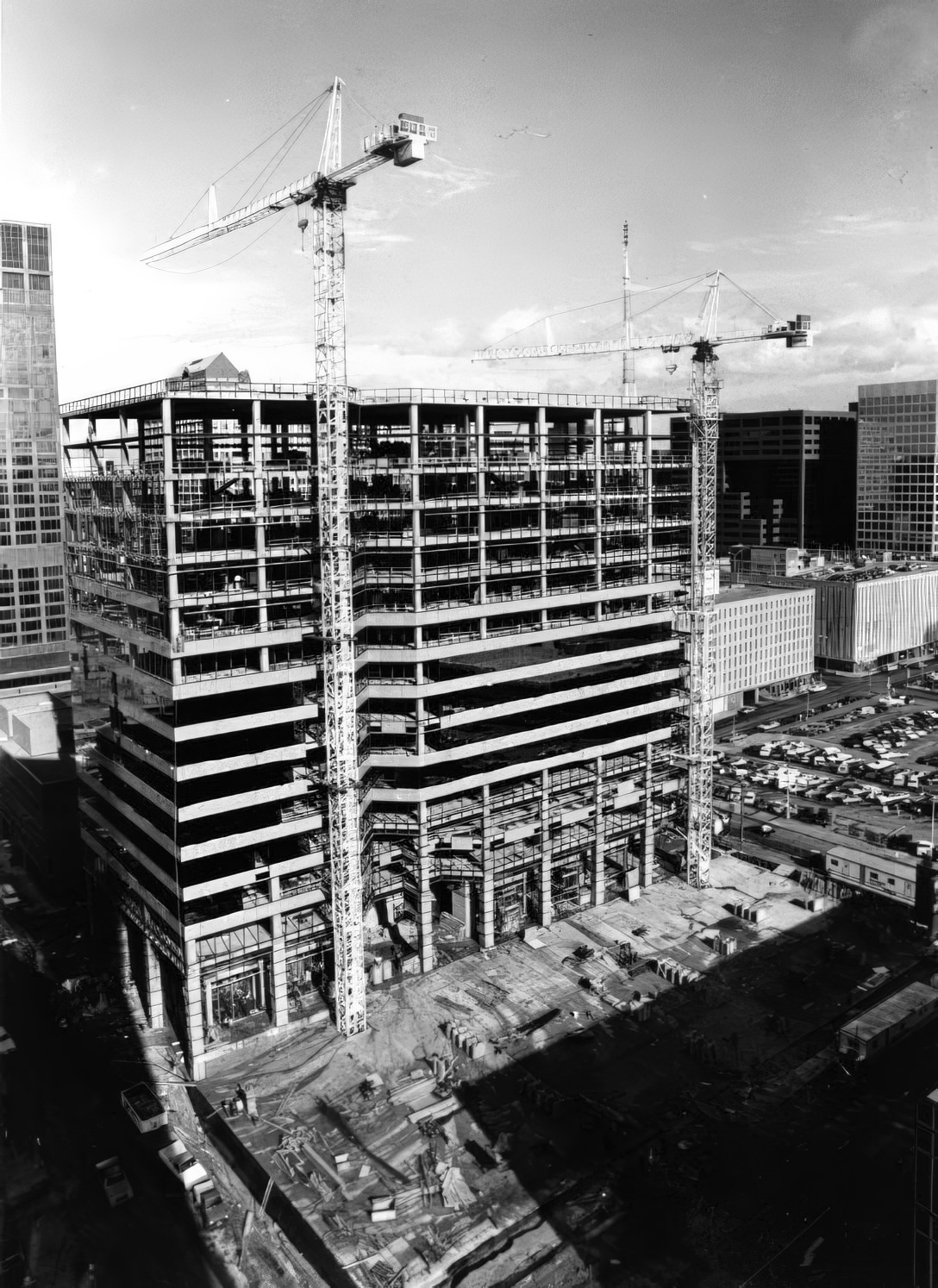
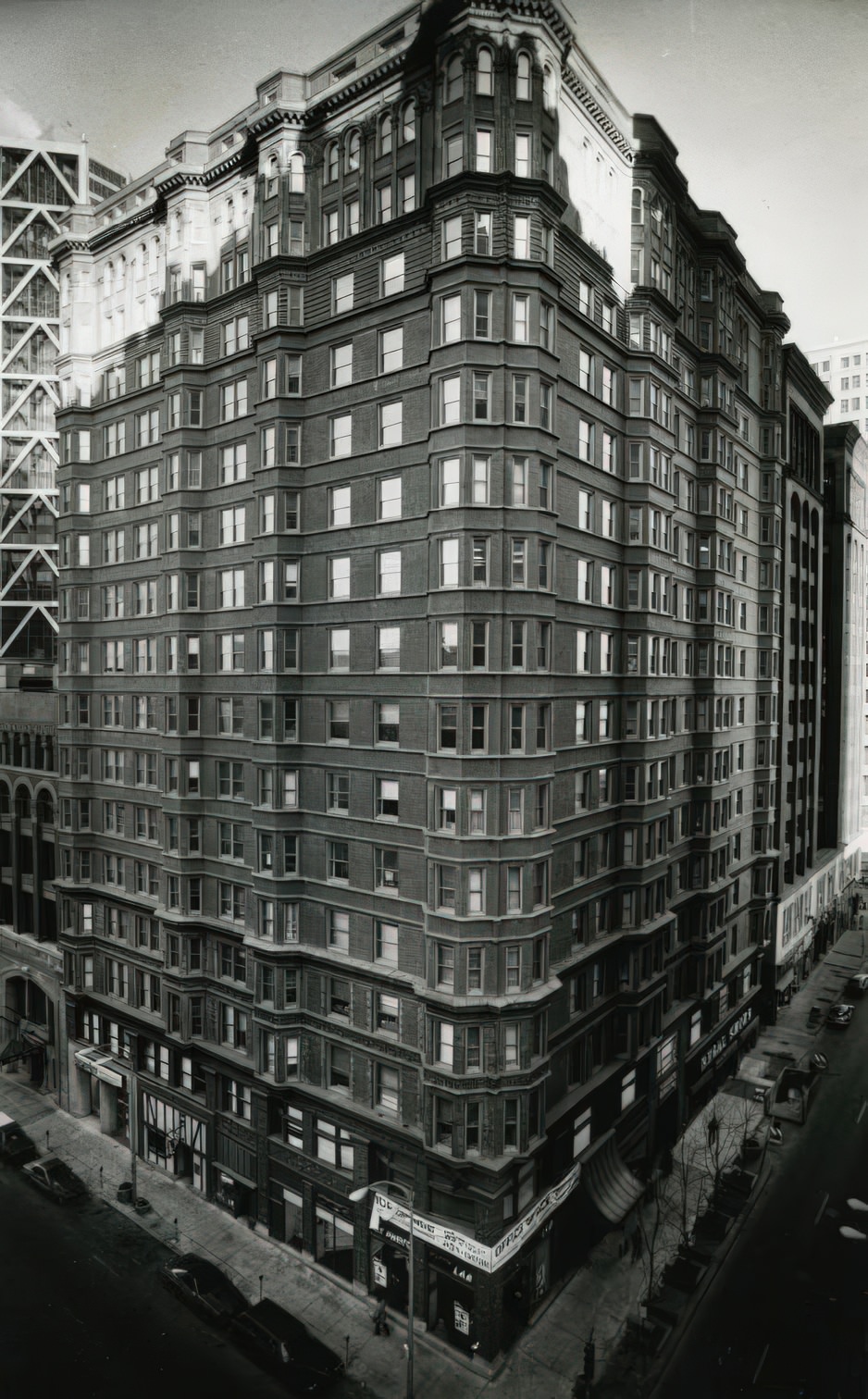
Image Credits: The State Historical Society of Missouri, St. Louis Mercantile Library, Library of Congress, St. Louis Public Library
Found any mistakes? 🥺 Let us Know