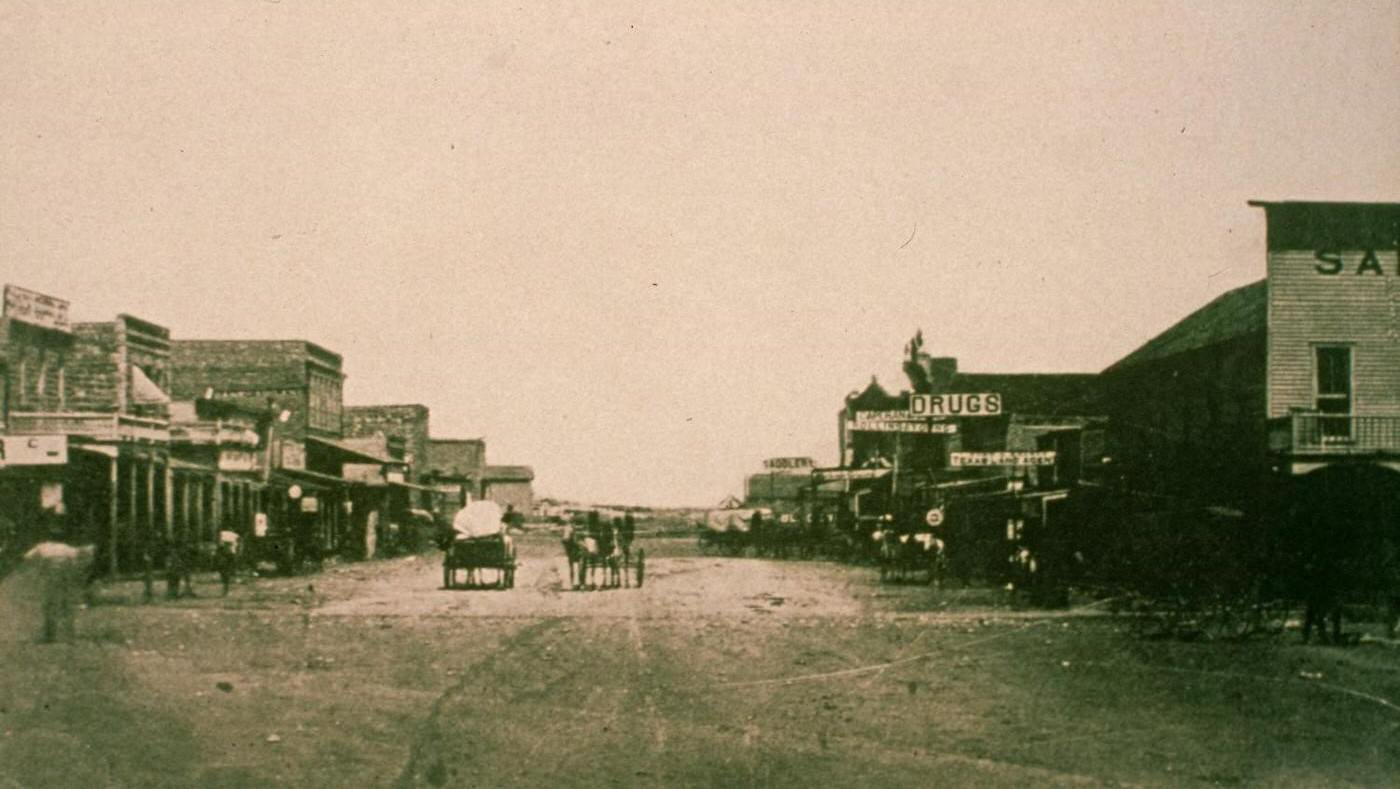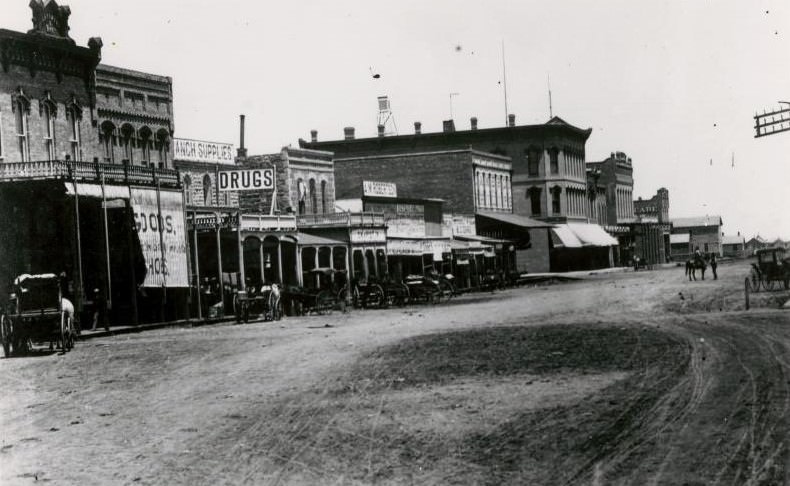
At the dawn of the 1940s, Dallas was a regional hub for cotton, finance, and trade, but it was not an industrial city. The decade would change that permanently. As war raged in Europe, President Franklin D. Roosevelt called for a massive expansion of America’s defense production, creating an “Arsenal of Democracy.” A key part of this strategy involved building new manufacturing plants in the country’s interior, safely away from the coasts and potential enemy attack. This national imperative created a powerful opportunity that Dallas leaders seized.
With the political influence of Texans like Vice President John Nance Garner and House Majority Leader Sam Rayburn, the Dallas Chamber of Commerce lobbied federal officials aggressively. They promoted the city’s access to airfields, a large and available workforce, and ample land for development. Their efforts succeeded, and on September 28, 1940, officials broke ground on a facility that would become the engine of the city’s war effort: the North American Aviation (NAA) plant.
Expanding Military Footprint
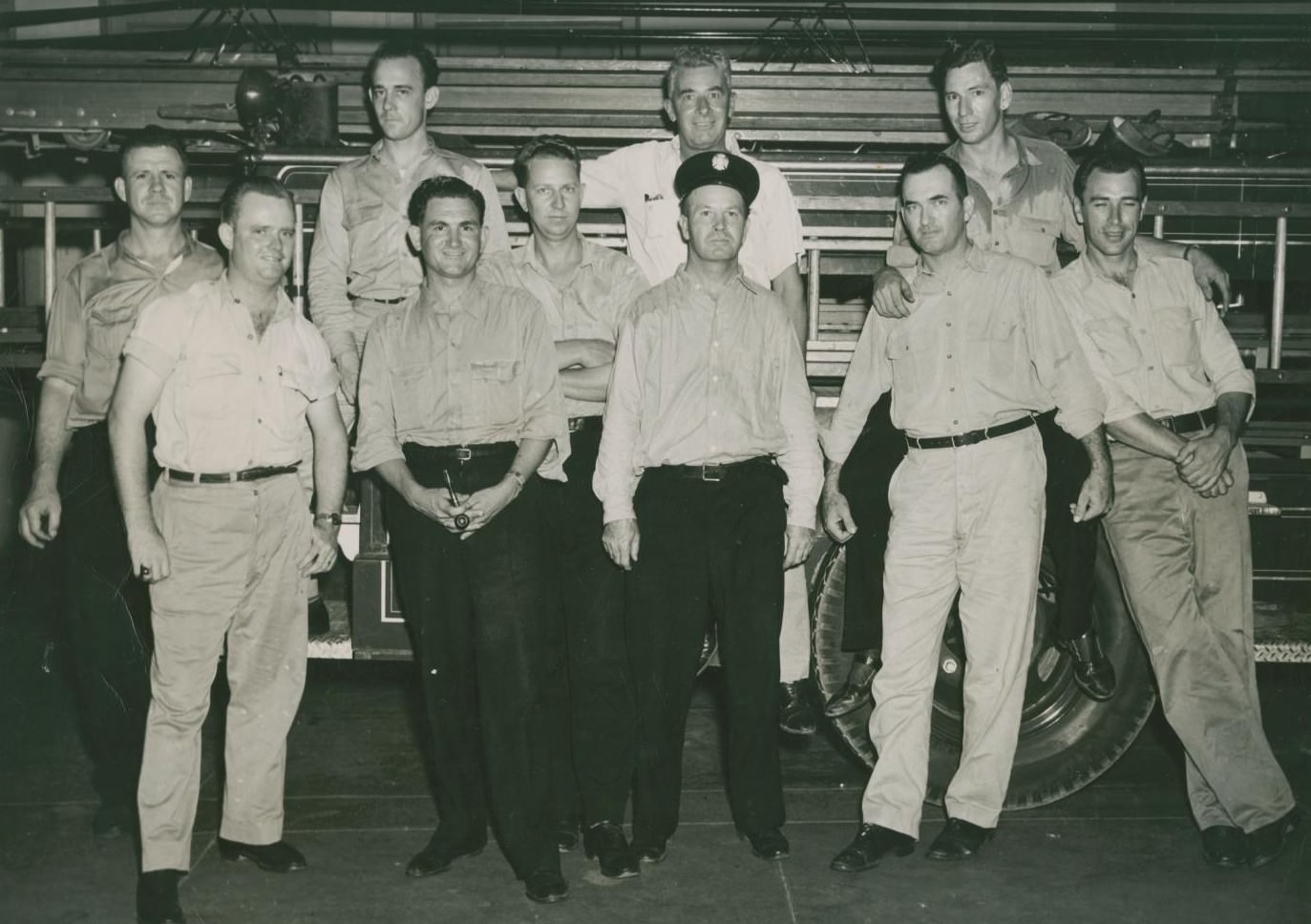
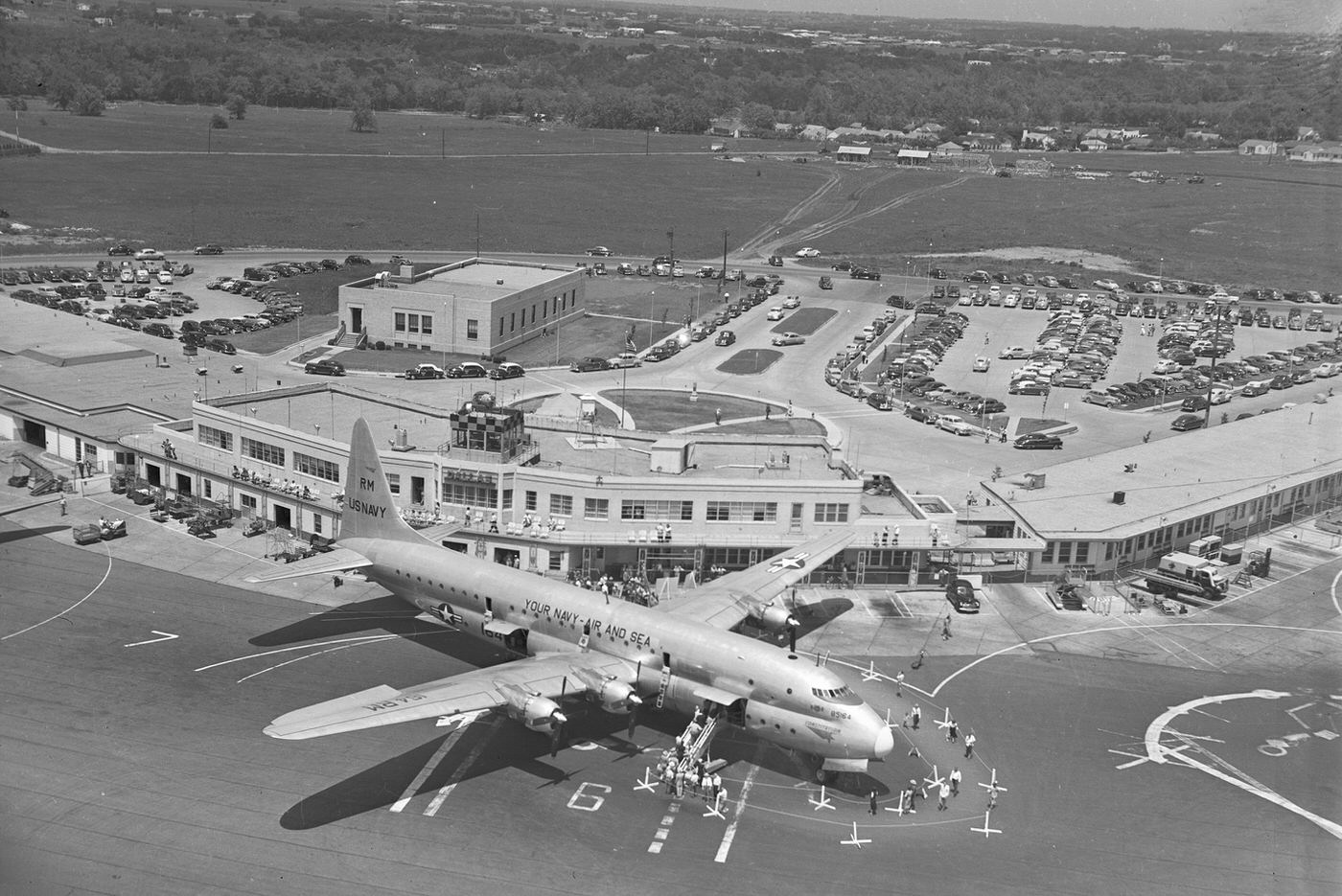
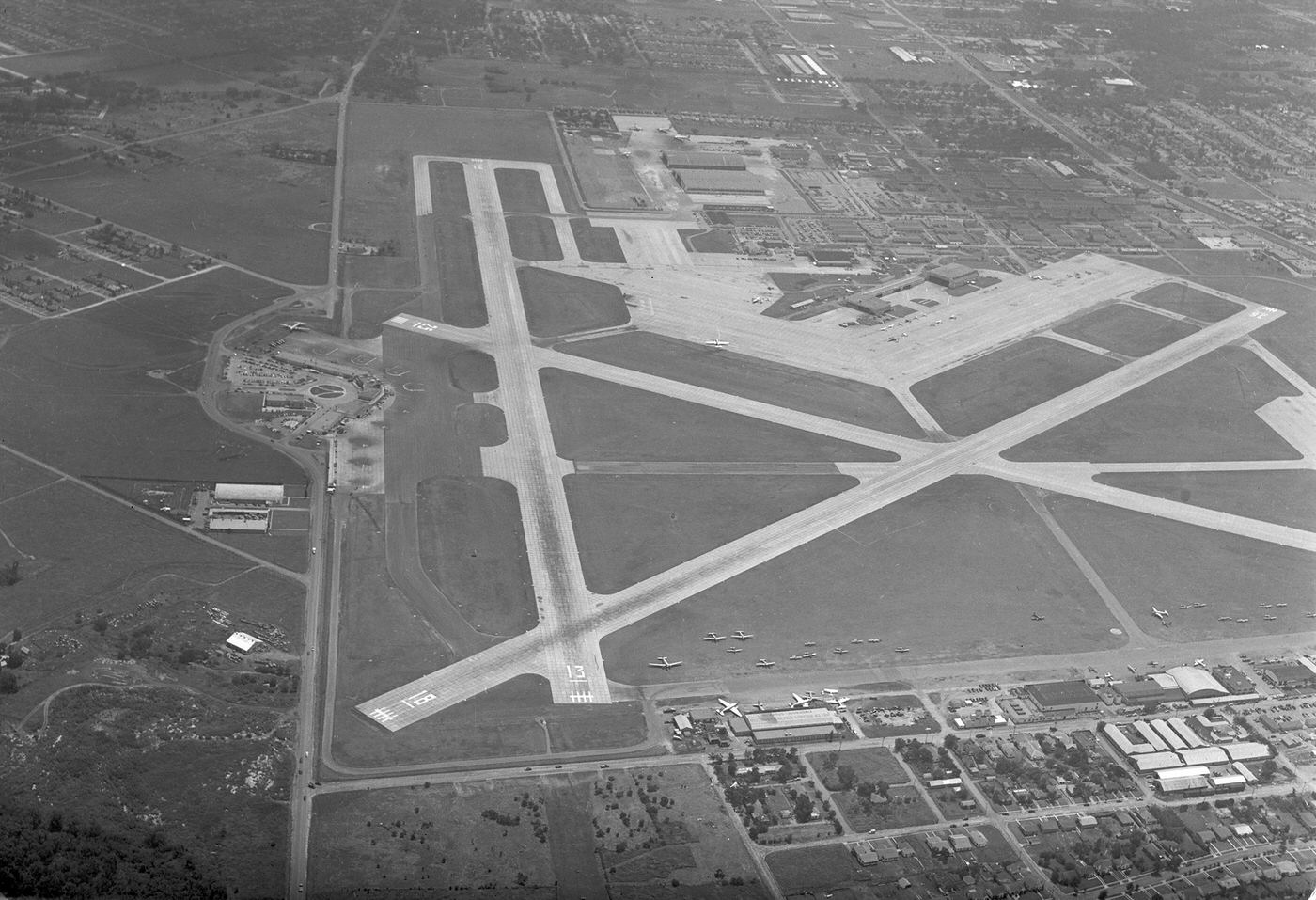
The war also spurred the growth of other military installations in and around Dallas. Hensley Field, which had been an Army Air Corps base since 1932, was taken over by the Navy and renamed Naval Air Station (NAS) Dallas in 1943. Its mission was expanded to support the war effort, focusing on pilot training, aircraft engine repair and overhaul, and the crucial task of testing and accepting the military aircraft being produced at the adjacent NAA plant.
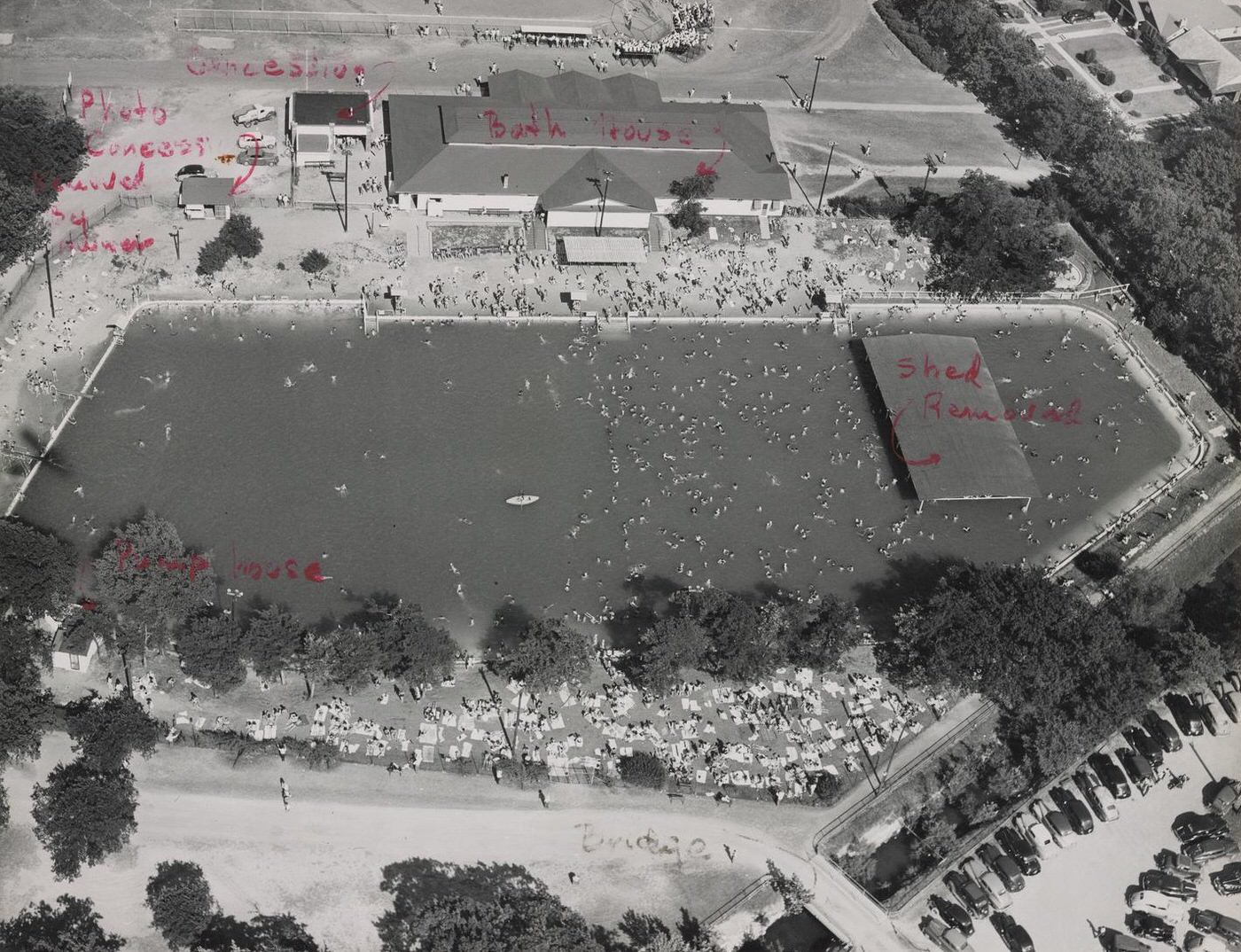
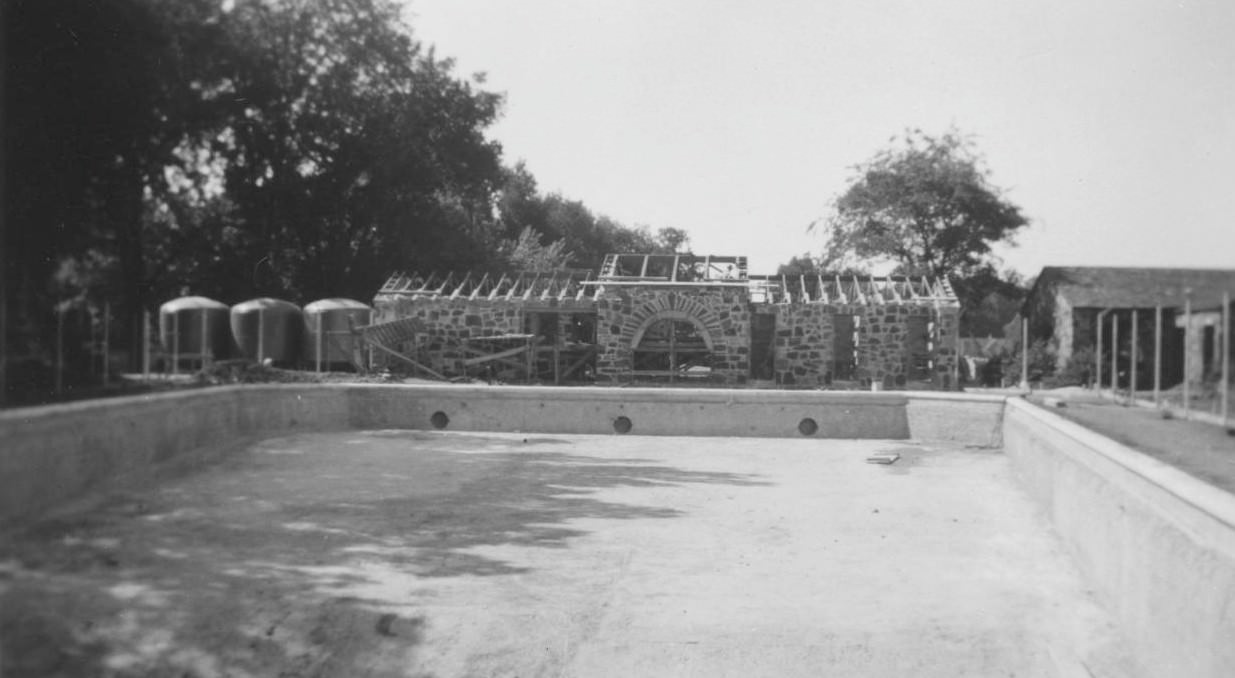
The war effort also repurposed existing civilian facilities. The camp at White Rock Lake, originally built by the Civilian Conservation Corps (CCC) during the Great Depression, was shut down in 1942. The U.S. Army Fifth Ferrying Command then took over the site, operating a temporary “boot camp” there until 1944 to process and train personnel.
North American Aviation: The Engine of War
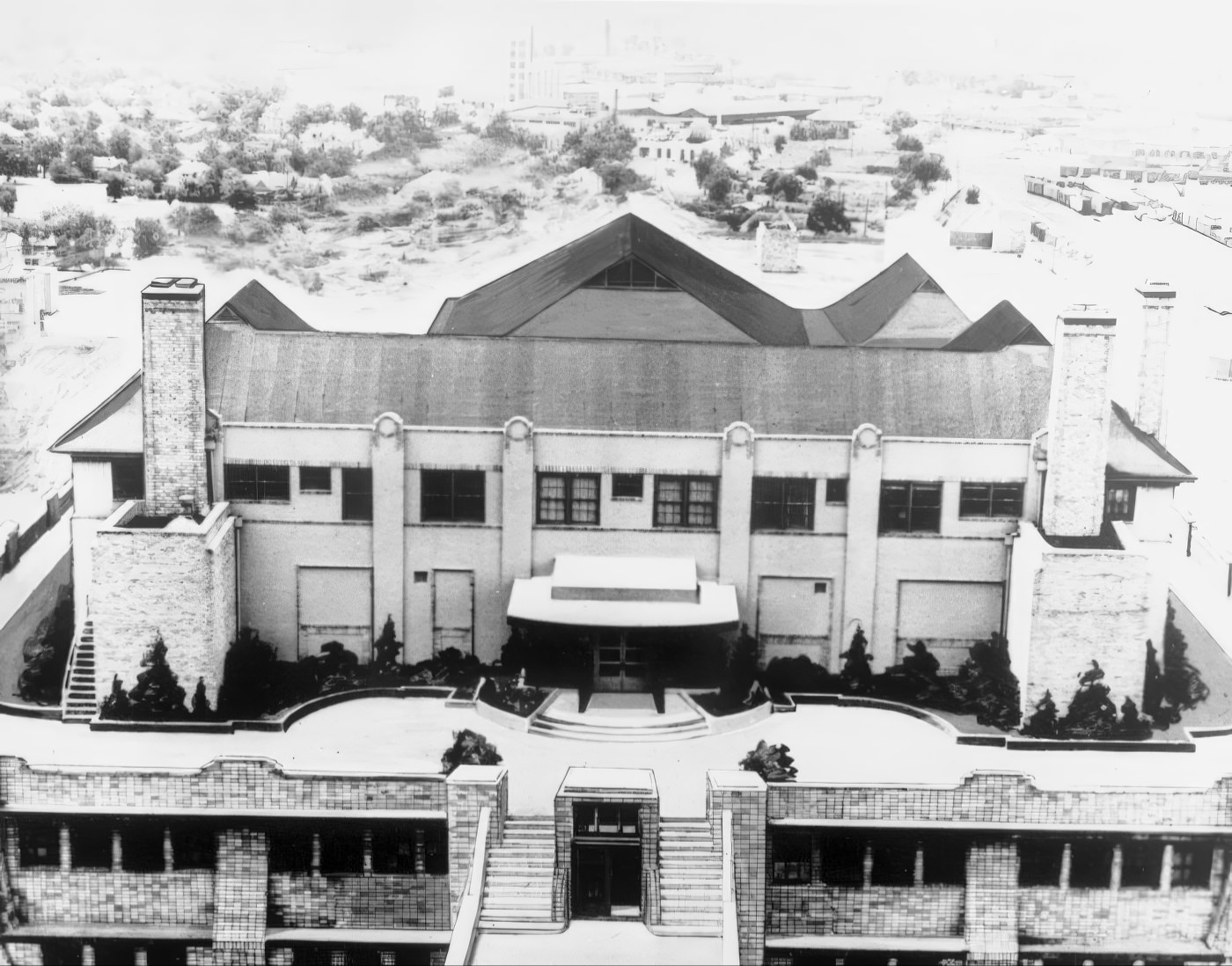
Constructed next to Hensley Field, the NAA plant was a marvel of modern industrial architecture. Built in just 120 days, it was the first windowless, fully air-conditioned, and artificially lit aircraft production facility in the United States, designed for round-the-clock efficiency and security. For the next 53 months, the plant operated 24 hours a day, with workers organized into three eight-hour shifts.
The factory’s output was staggering. By the end of the war, the Dallas plant had produced nearly 19,000 airplanes, accounting for more than 6% of all military aircraft acquired by the United States during the conflict. The facility manufactured three of the war’s most critical aircraft. It produced the AT-6 Texan, a single-engine plane used to train thousands of pilots for the U.S. armed forces and the Royal Air Force; in fact, 83% of all Texans were built in Dallas. The plant also assembled the B-24 Liberator, a heavy bomber, and the legendary P-51 Mustang fighter plane. At its peak production, the factory rolled 250 Mustangs off its assembly line every month.
This massive industrial operation transformed the city’s economy. The NAA plant became one of the region’s largest employers, with a workforce that peaked at 38,658 people in April 1944. The creation of the plant was more than just an economic stimulus; it was a catalyst that abruptly and forcibly industrialized a city that previously had almost no industrial base. This rapid shift from a commercial center to a manufacturing powerhouse created a cascade of secondary effects. The sudden influx of tens of thousands of workers placed immense strain on the city’s infrastructure, leading to severe housing shortages and new social tensions that would define Dallas for the entire decade and beyond.
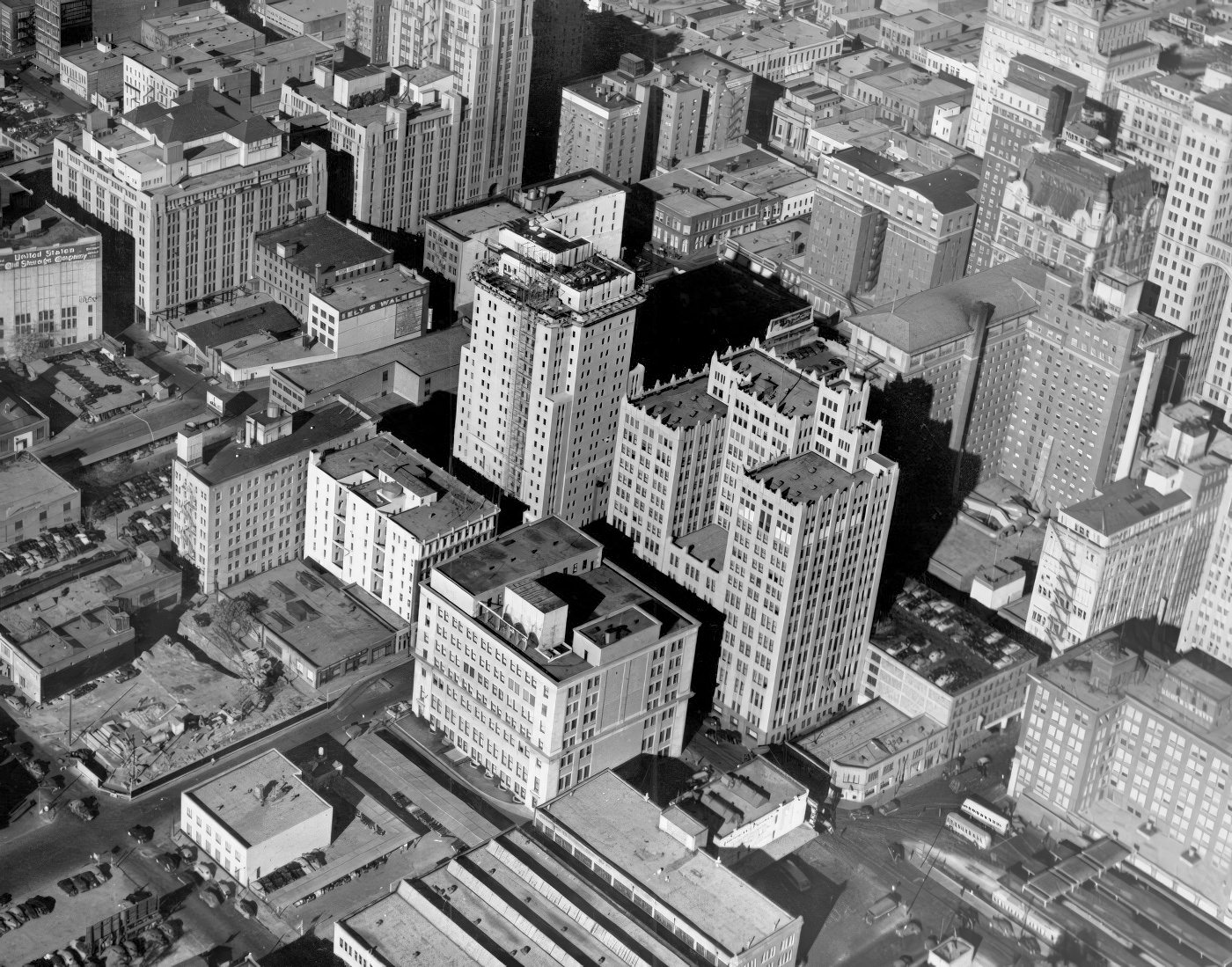
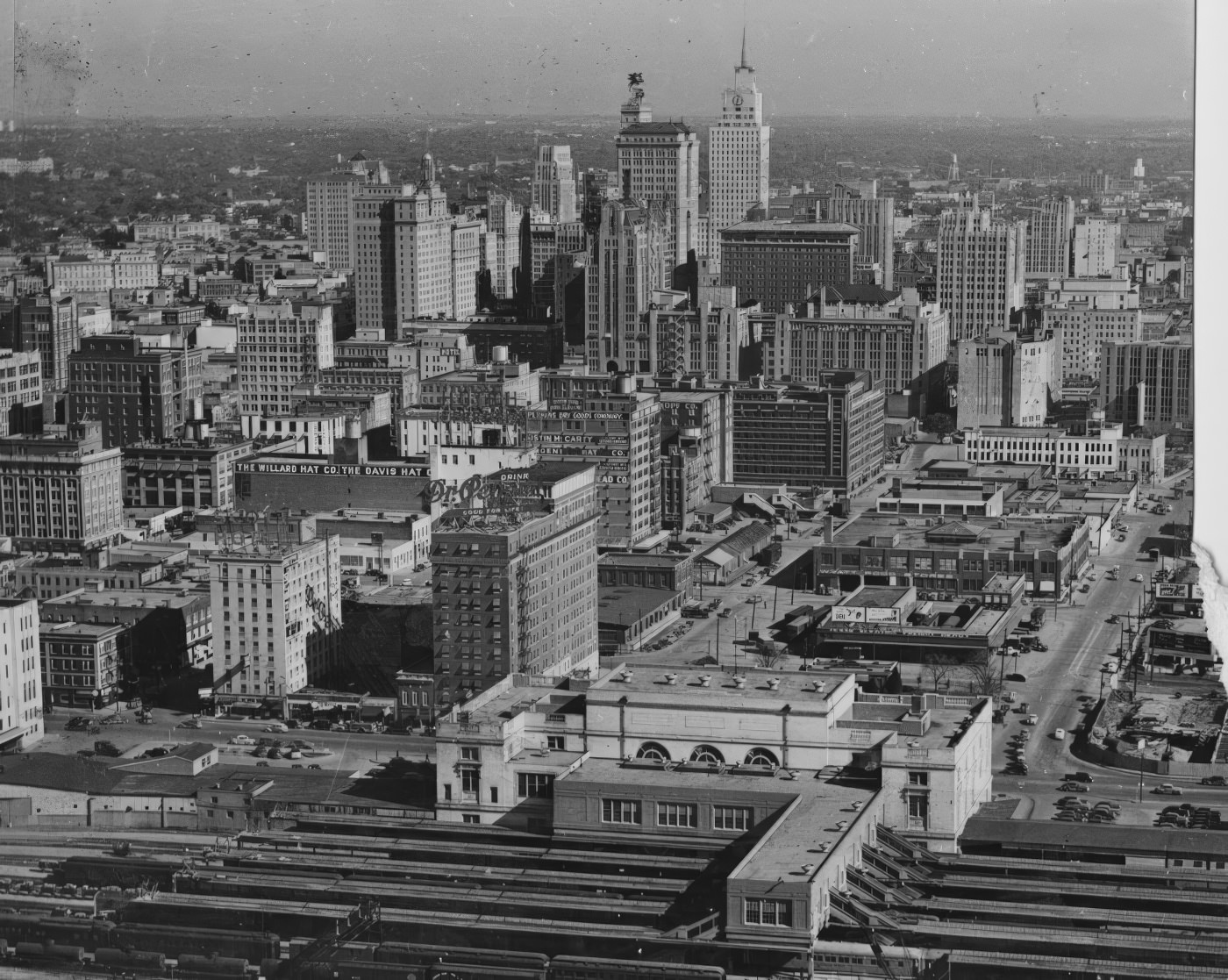
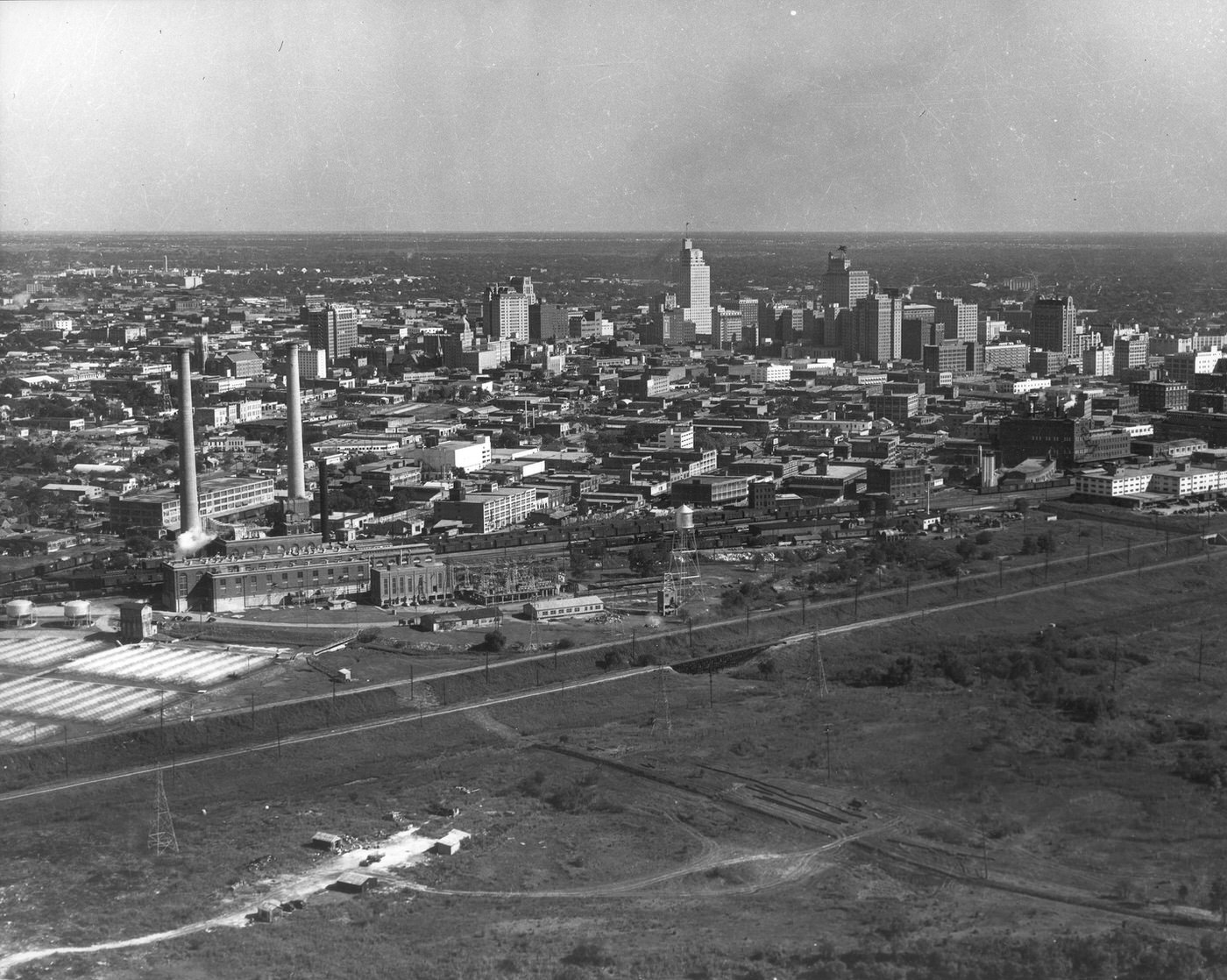
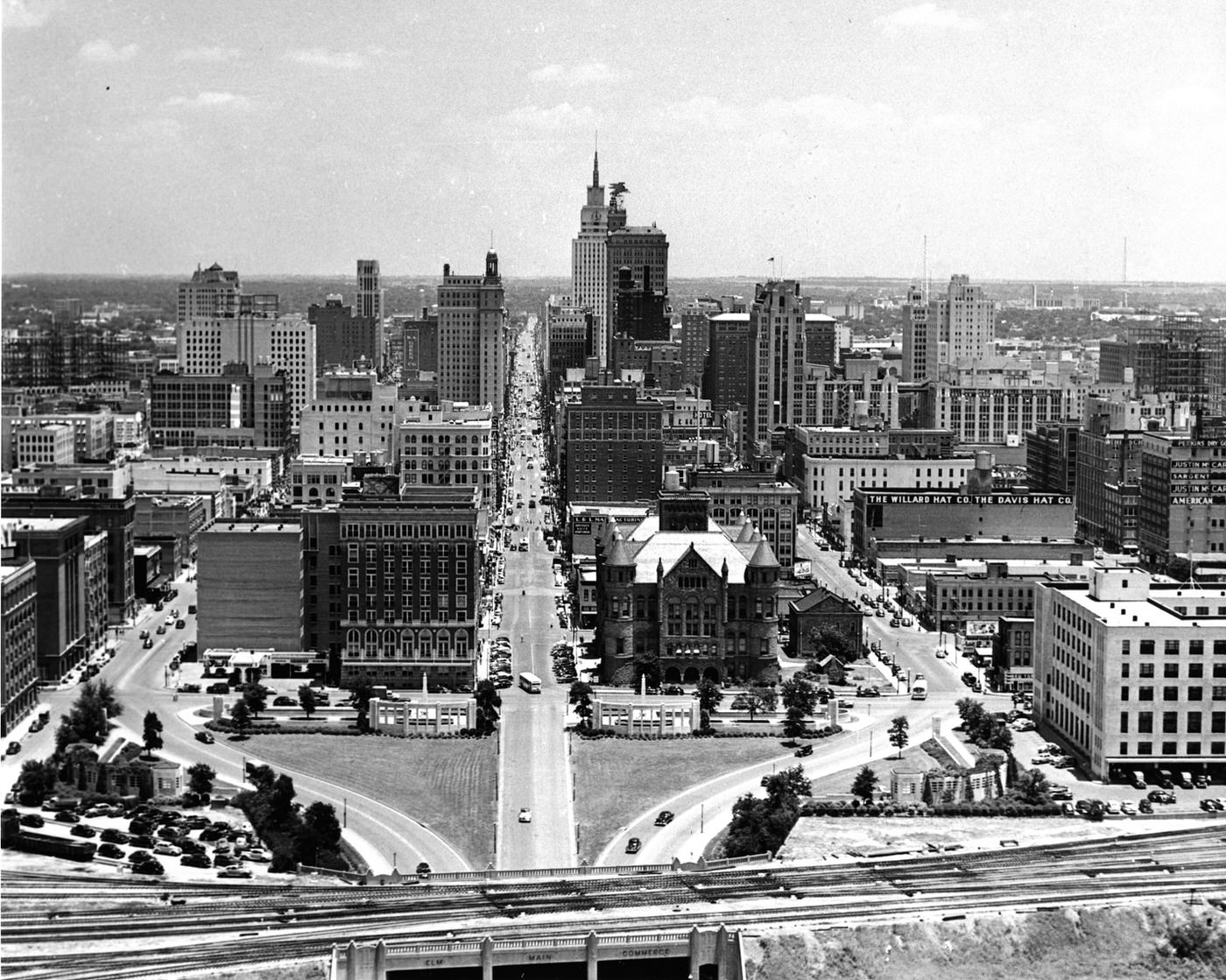
For the citizens of Dallas, World War II was not a distant conflict but a daily reality that reshaped every aspect of life. The federal government’s mobilization of the home front turned civilian life into an extension of the war effort, fostering a sense of collective purpose through shared sacrifice and community action.
Rationing and Conservation
The most immediate impact on daily life was the federal rationing program. To ensure the military had enough essential supplies, the government set strict limits on what civilians could buy. Families were issued ration books filled with stamps, which had to be presented along with money to purchase their allotted amount of goods like gasoline, meat, sugar, coffee, tires, and shoes.
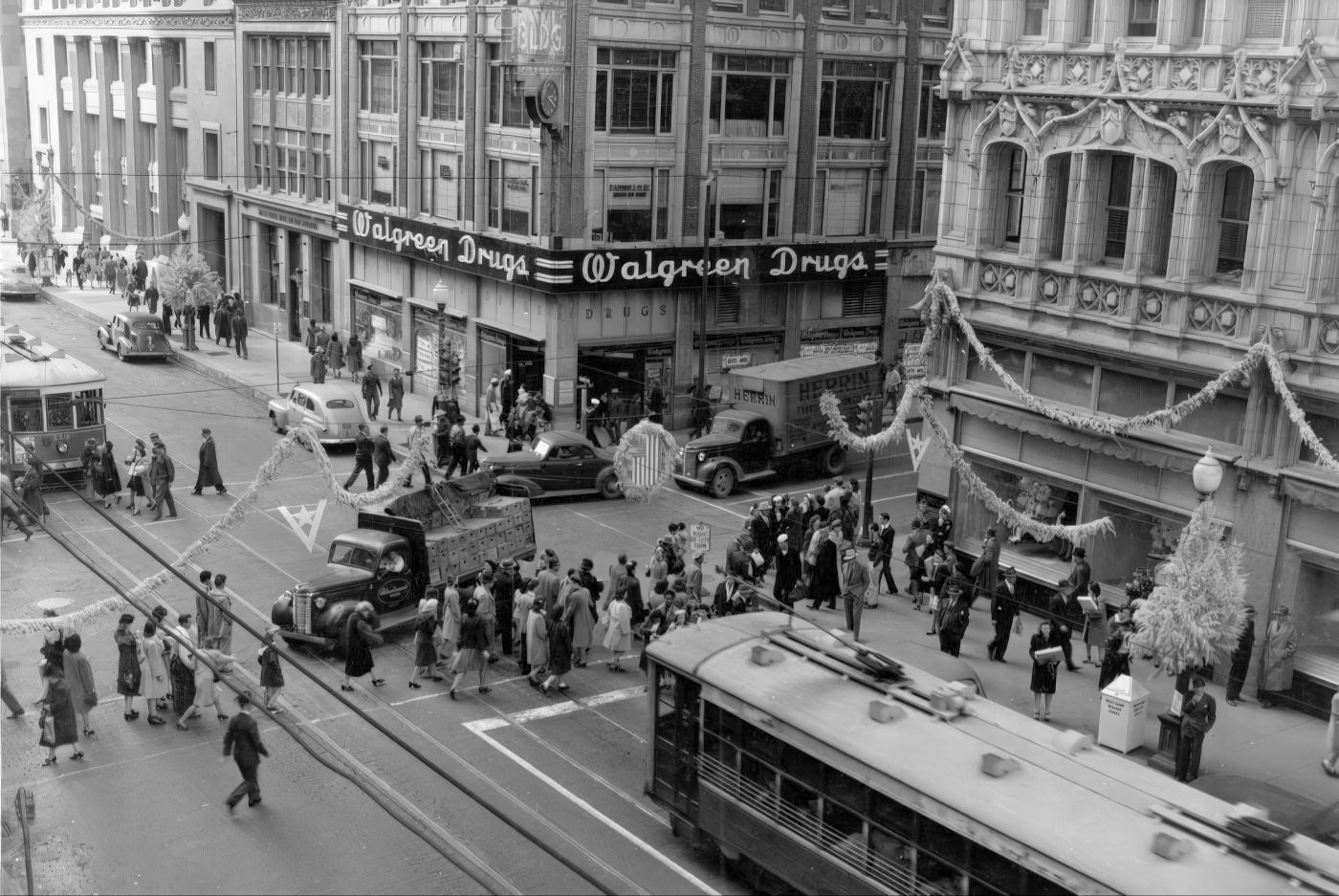
Alongside rationing, a massive conservation effort swept the city. The “Salvage for Victory” campaign encouraged Dallasites to recycle anything that could be repurposed for military use. Communities organized scrap drives, and residents scoured their homes and businesses for materials. Housewives donated cooking fats for use in explosives, children collected tin cans and rubber, and some people even tore down ornamental iron fences. To supplement the limited food supply and free up commercially grown produce for the troops, many Dallas families planted “Victory Gardens” in their backyards, in vacant lots, and at schools.
Financing the War
Dallas residents also contributed financially to the war through the purchase of war bonds. The government conducted eight major War Loan Drives, promoted with patriotic posters and community events, to help pay for the conflict. A payroll deduction system was established at major employers like the North American Aviation plant, allowing workers to automatically pledge a portion of their income to buy bonds. To spur participation, companies often organized competitions between different shifts and divisions to see who could raise the most money. These programs were not just about raising funds; they were a powerful tool for social mobilization, psychologically enrolling the entire population in the war effort and reinforcing national unity. Every saved tin can and purchased war stamp was framed as a direct contribution to victory.
A Unique Local Experience: German POWs
In a unique chapter of the city’s wartime story, Dallas became home to hundreds of enemy soldiers. From December 1944 until their repatriation in October 1945, the former Army camp at White Rock Lake was used to imprison more than 400 German prisoners of war. Most of the prisoners volunteered for work details, and they became a common sight at Fair Park, where they were assigned to repair army supplies.
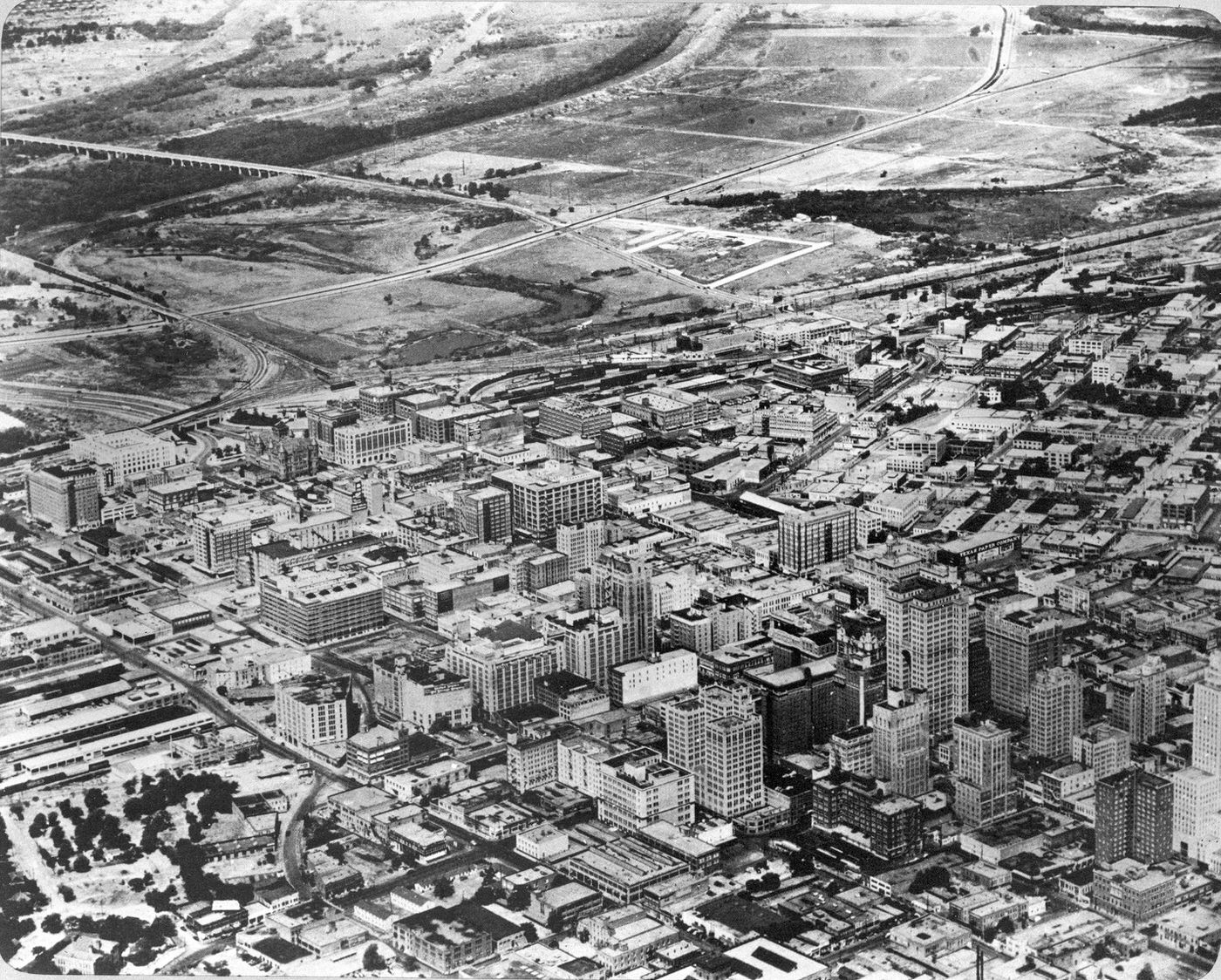
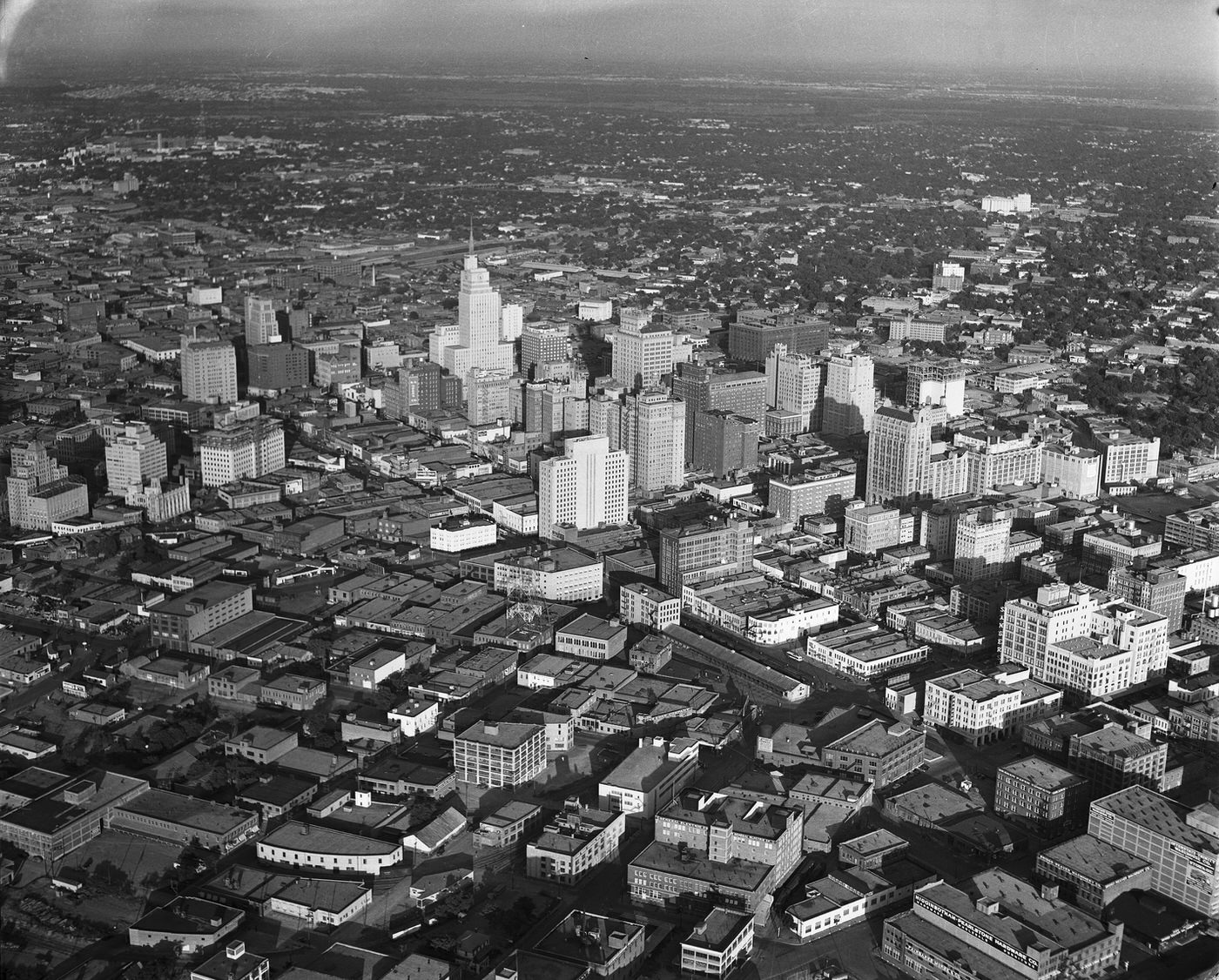
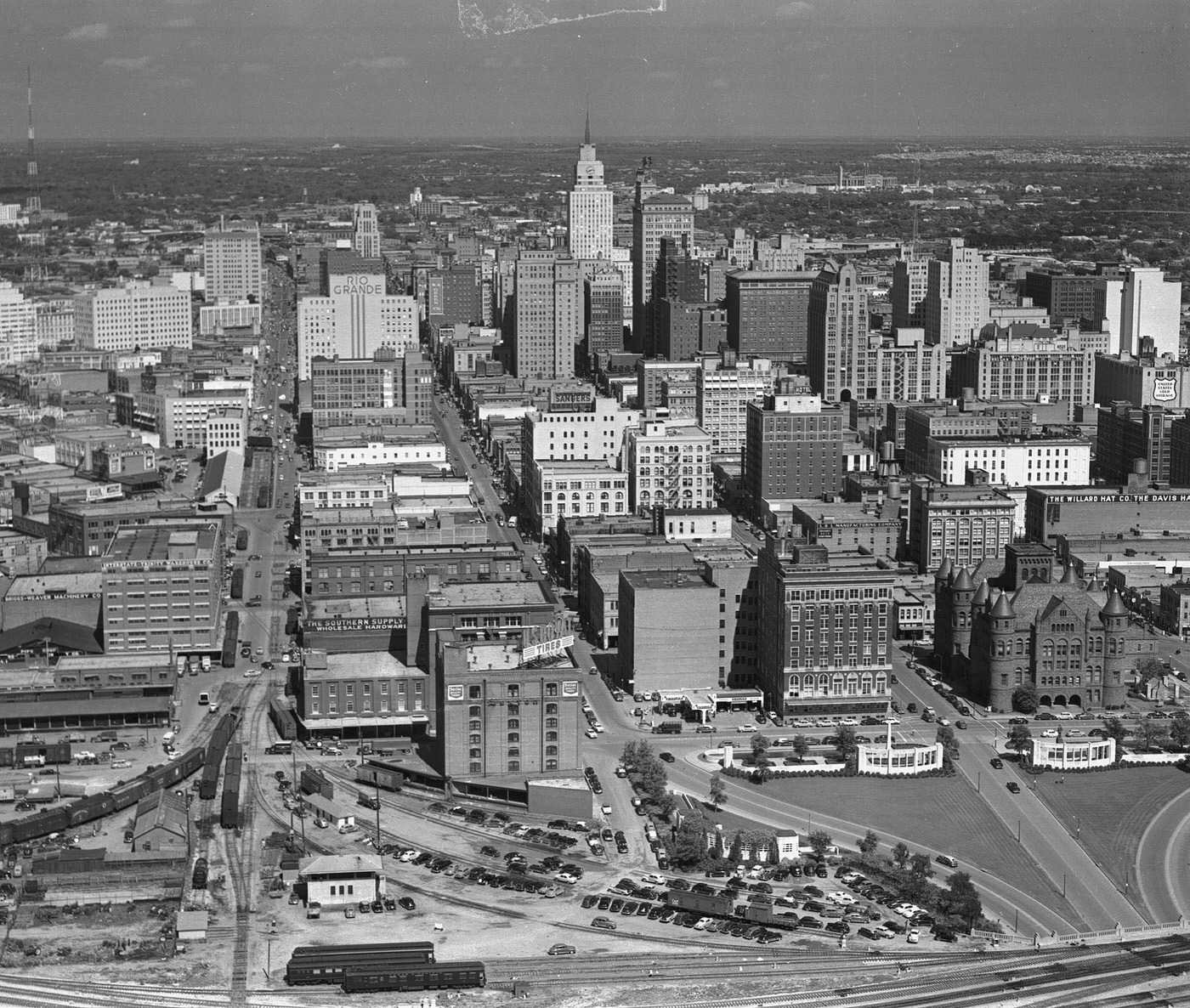
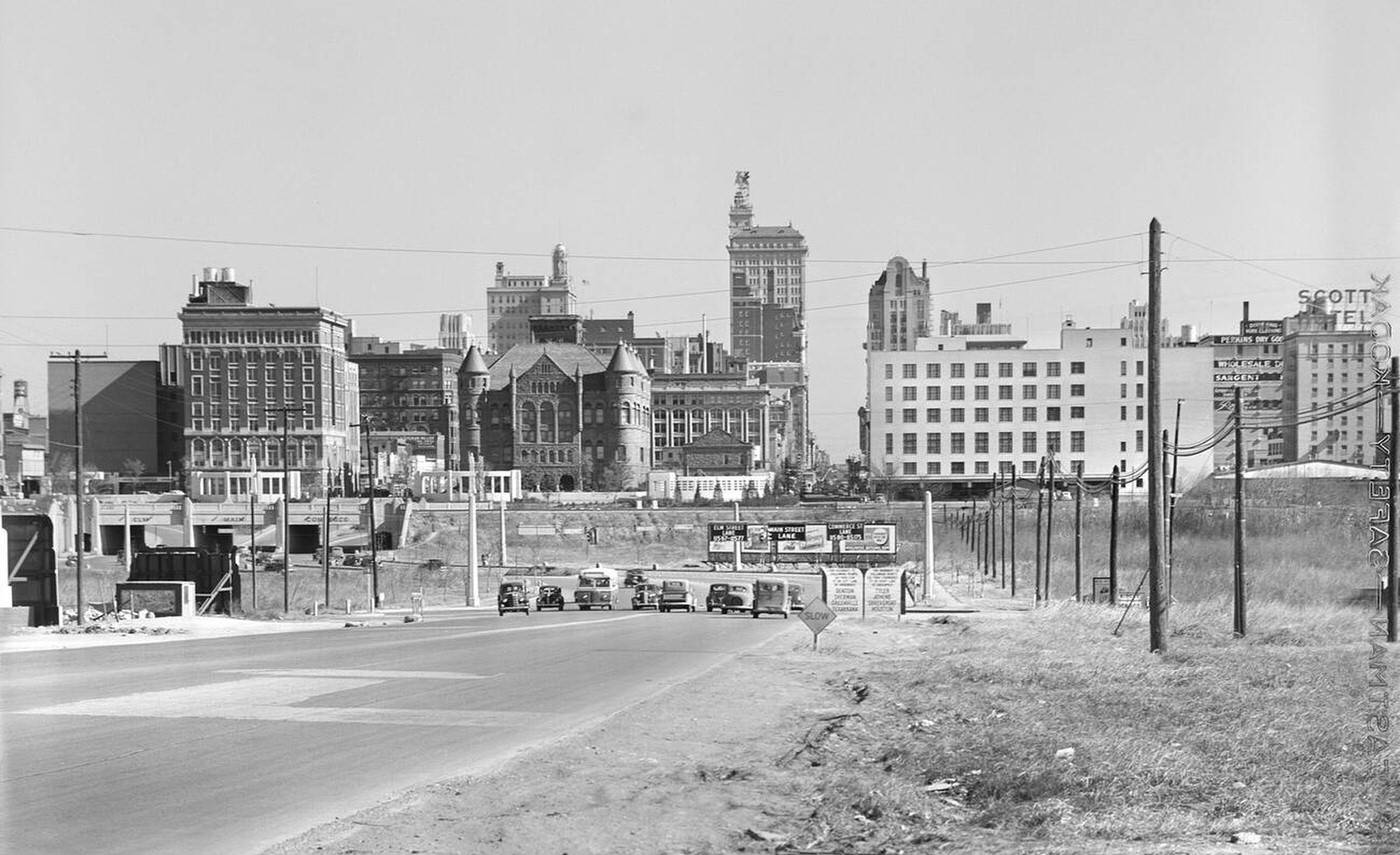
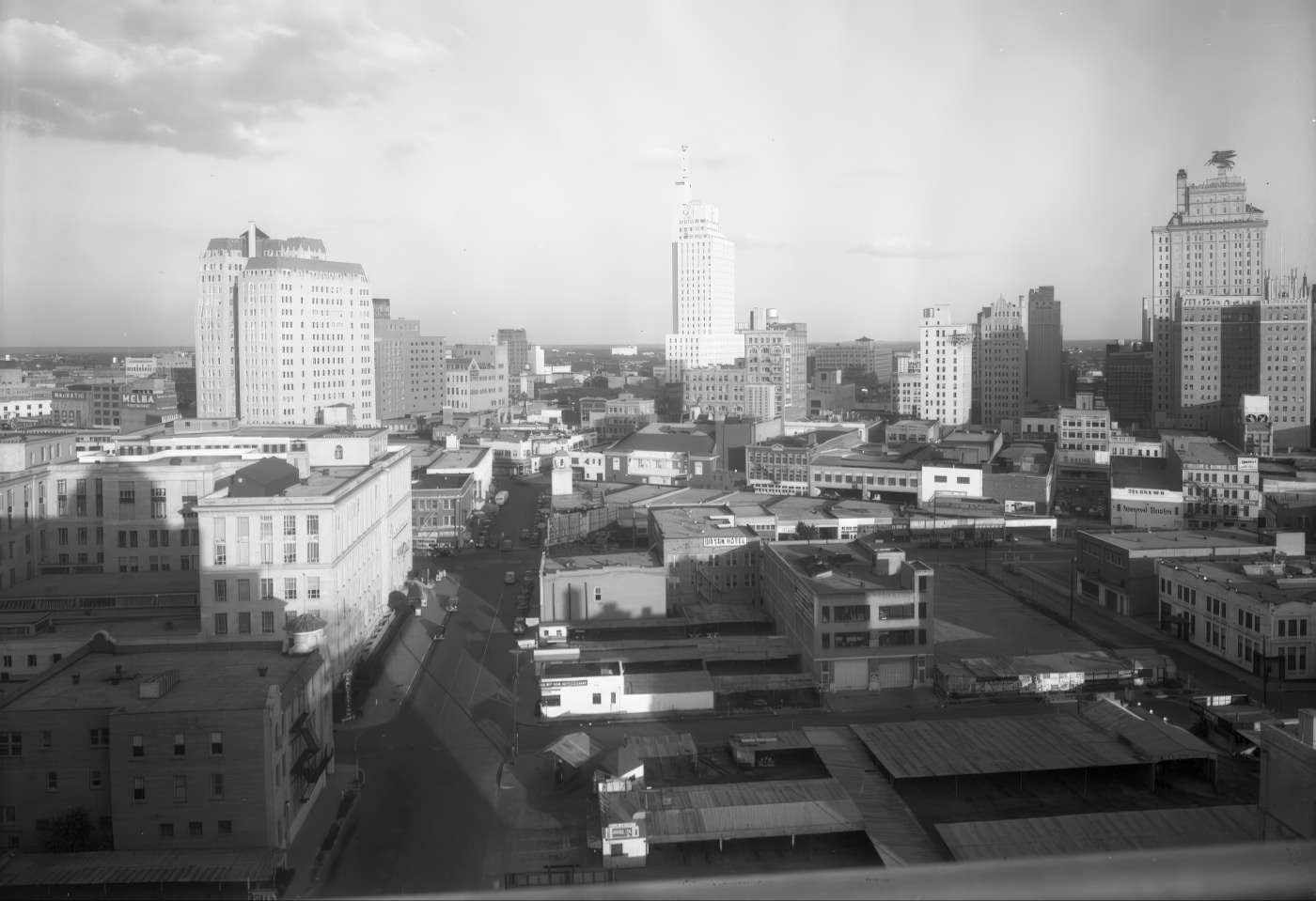
While Dallas grappled with the social tensions of war and segregation, its leaders were busy drawing up ambitious plans for a new, modern city. The 1940s was a decade of large-scale urban planning that laid the physical and administrative groundwork for the Dallas of the late 20th century.
“Rosie the Riveter” in Dallas
The war created a revolution in the American workforce, and Dallas was no exception. With millions of men serving in the military, women entered the industrial workforce in unprecedented numbers. The iconic image of “Rosie the Riveter” came to life in Dallas’s defense plants, where women took on jobs as electricians, welders, and assembly-line workers, roles previously reserved for men. At the NAA plant, women were a critical component of the workforce that produced thousands of military aircraft.
A unique and vital role was played by the Women Airforce Service Pilots (WASP). Love Field in Dallas was a key base for this pioneering organization of civilian female pilots attached to the Army Air Forces. These women, who were already accomplished pilots before joining, performed essential domestic military flying duties. They ferried newly built aircraft from factories like NAA to military bases across the country, towed targets for live anti-aircraft gunnery practice, and test-piloted planes that had been damaged and repaired. Their service freed thousands of male pilots for combat missions overseas. Despite operating under military discipline and flying dangerous missions, the WASP members were officially classified as civilians and did not receive military benefits or honors, and they often faced sexism and hostility from their male counterparts.
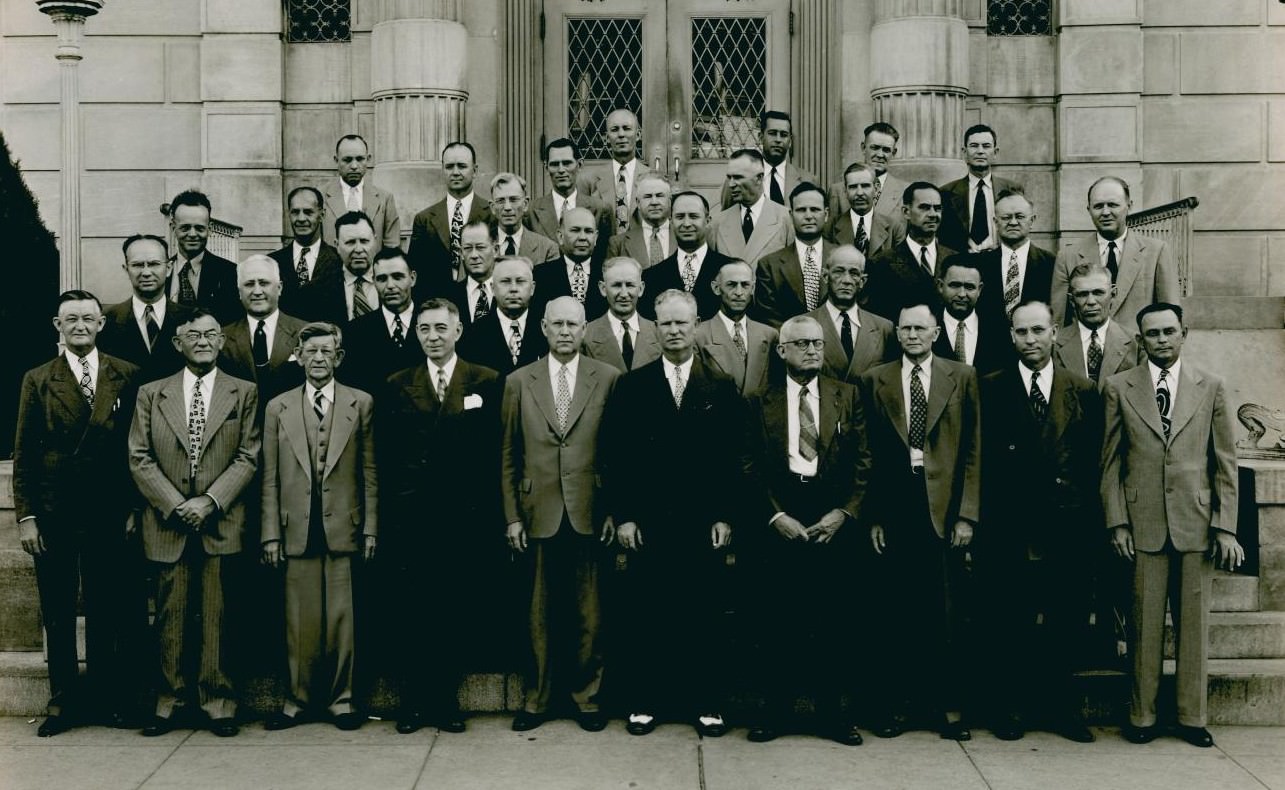
Mayor Woodall Rodgers, who served from 1939 to 1947, was a pivotal figure in this transformation. An attorney with a background in oil and gas law, Rodgers put the city on a stable financial footing and championed a forward-looking vision for urban growth and development.
The Harland Bartholomew Master Plan (1945)
At Rodgers’s prompting, the Dallas City Council in 1943 hired Harland Bartholomew, a nationally recognized city planner from St. Louis, to create a comprehensive master plan for the city’s future. Delivered in January 1945, the Bartholomew Plan was a sweeping document that treated the city as a “system of systems.” It addressed transportation, infrastructure, parks, and public buildings, and, for the first time in the city’s history, included proposals for improving living conditions in African American neighborhoods. In December 1945, Dallas voters showed their support for this vision by approving $40 million in bonds to begin implementing the plan’s key recommendations.
Transformative Projects Begin
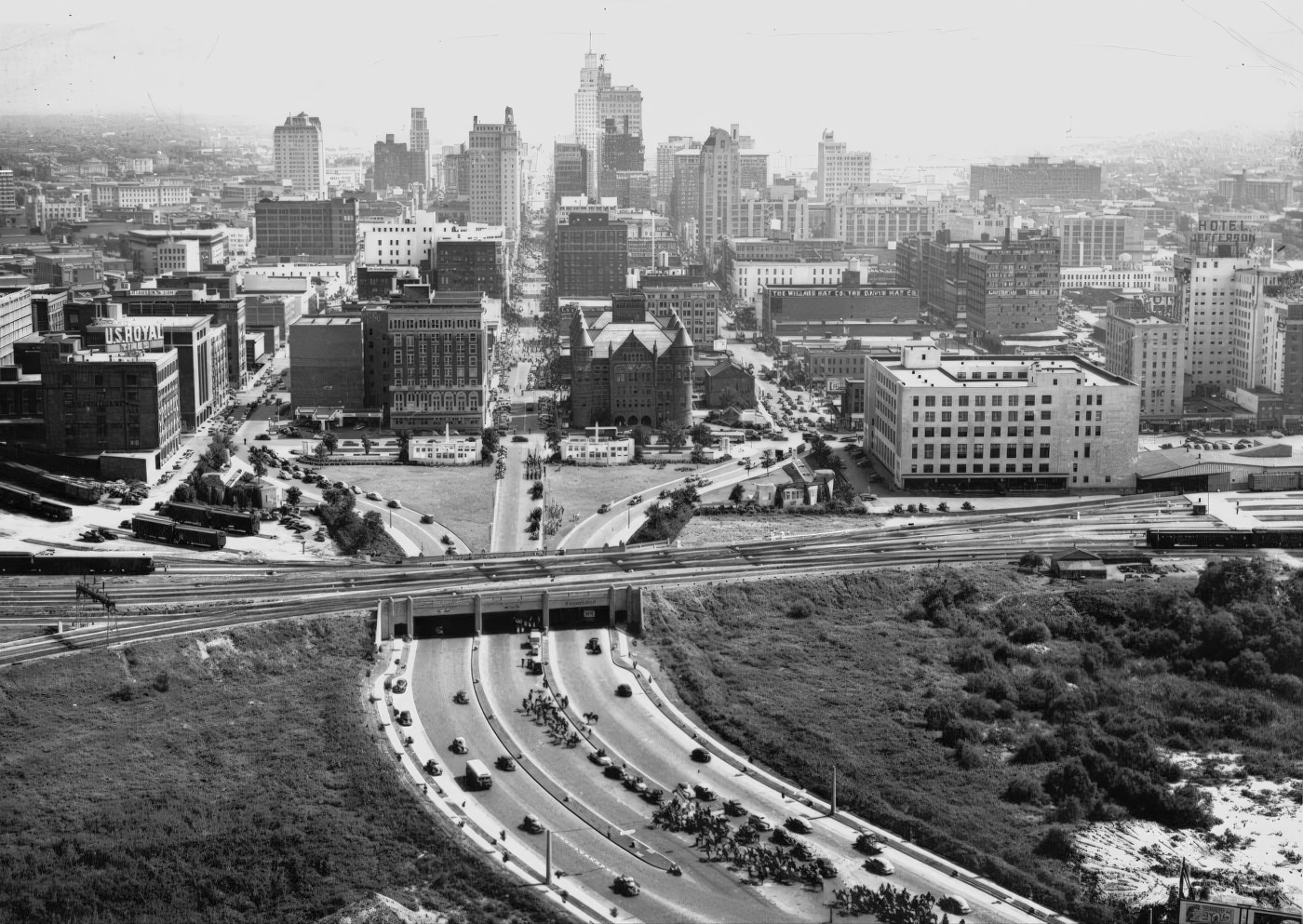
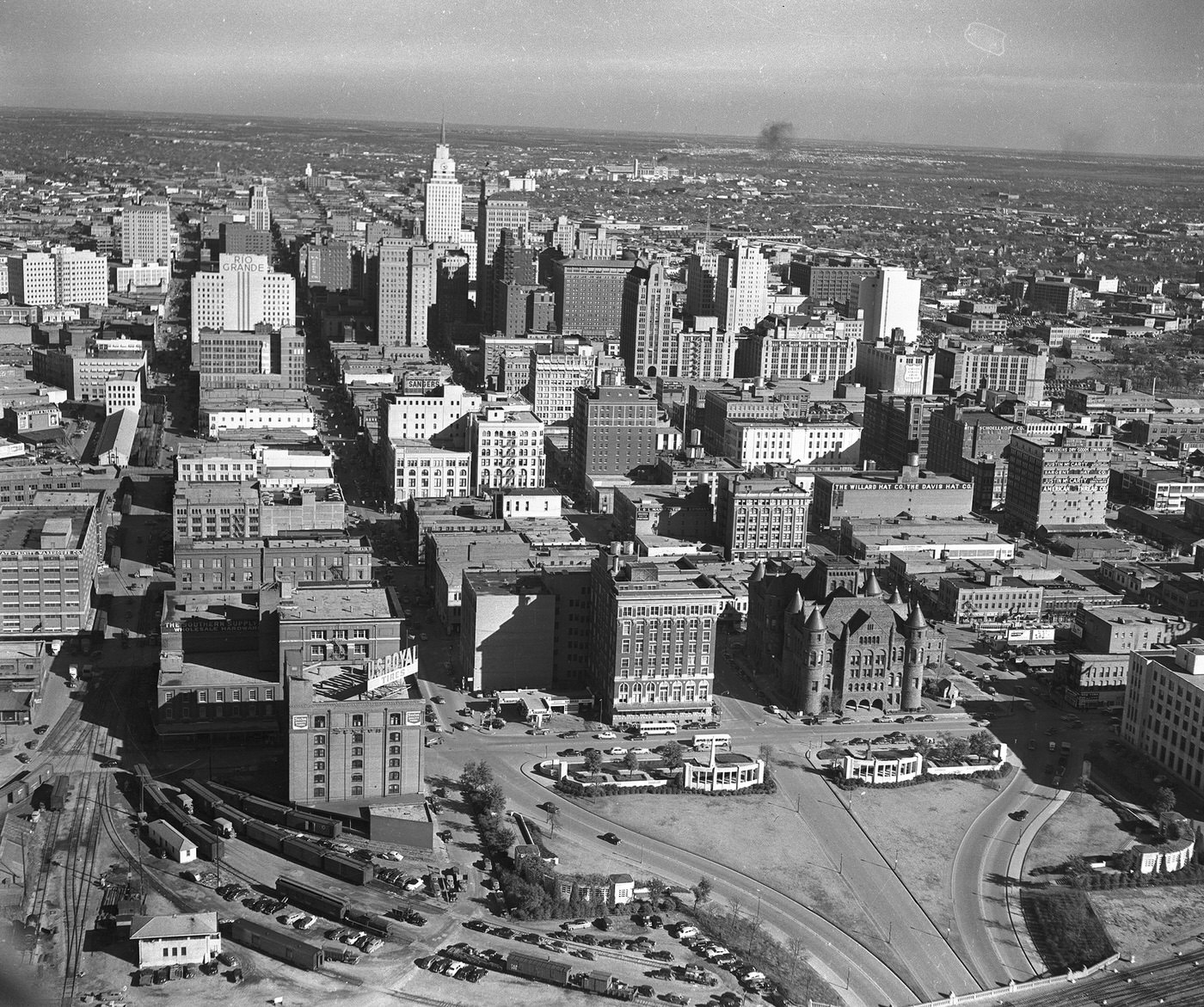
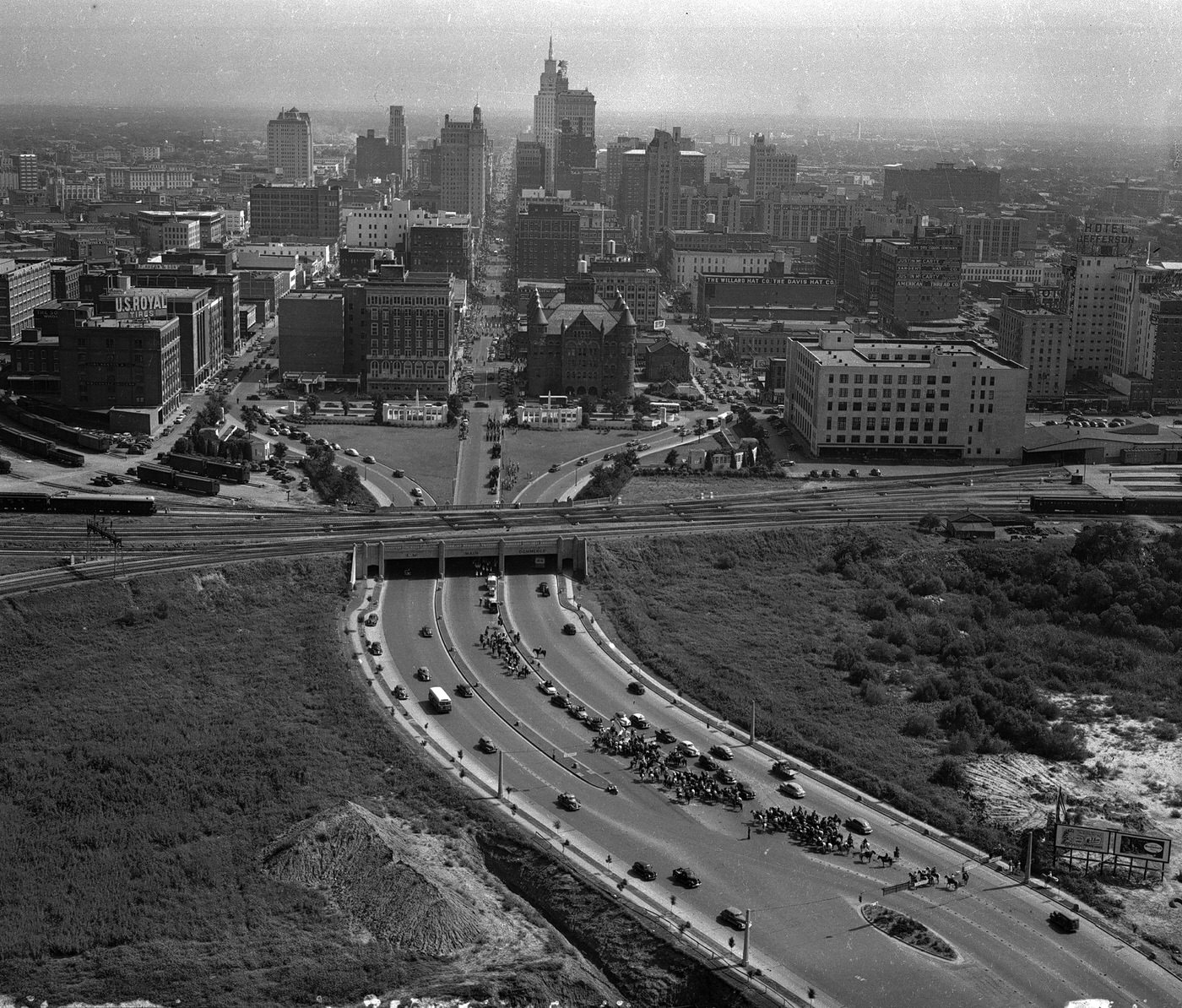
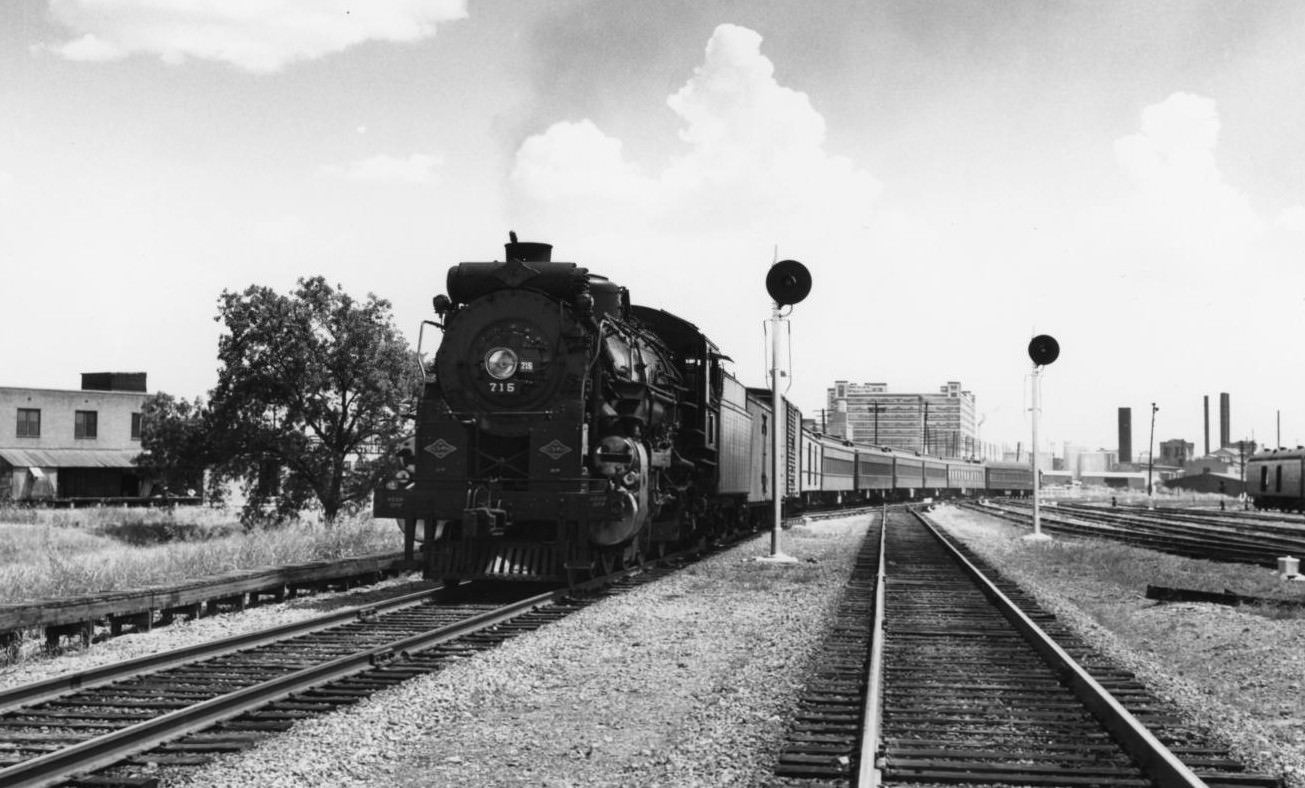
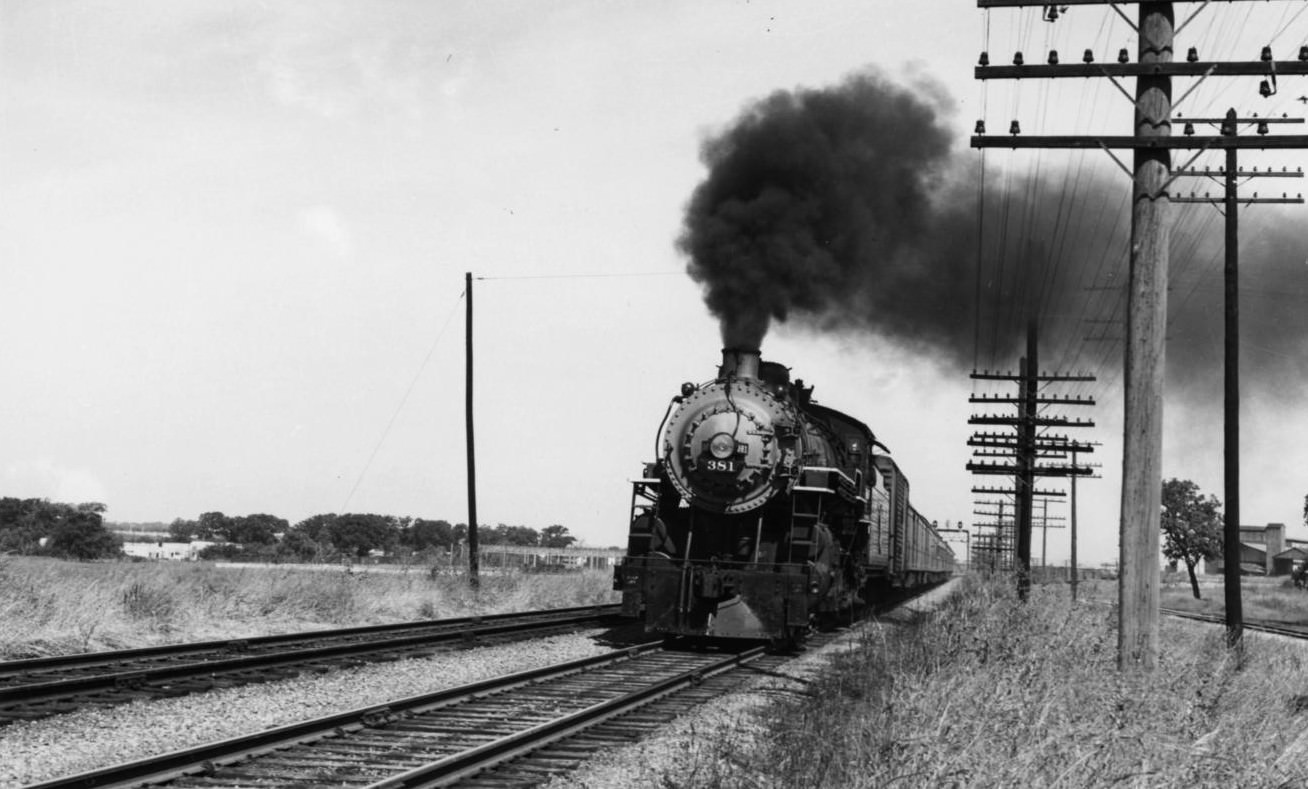
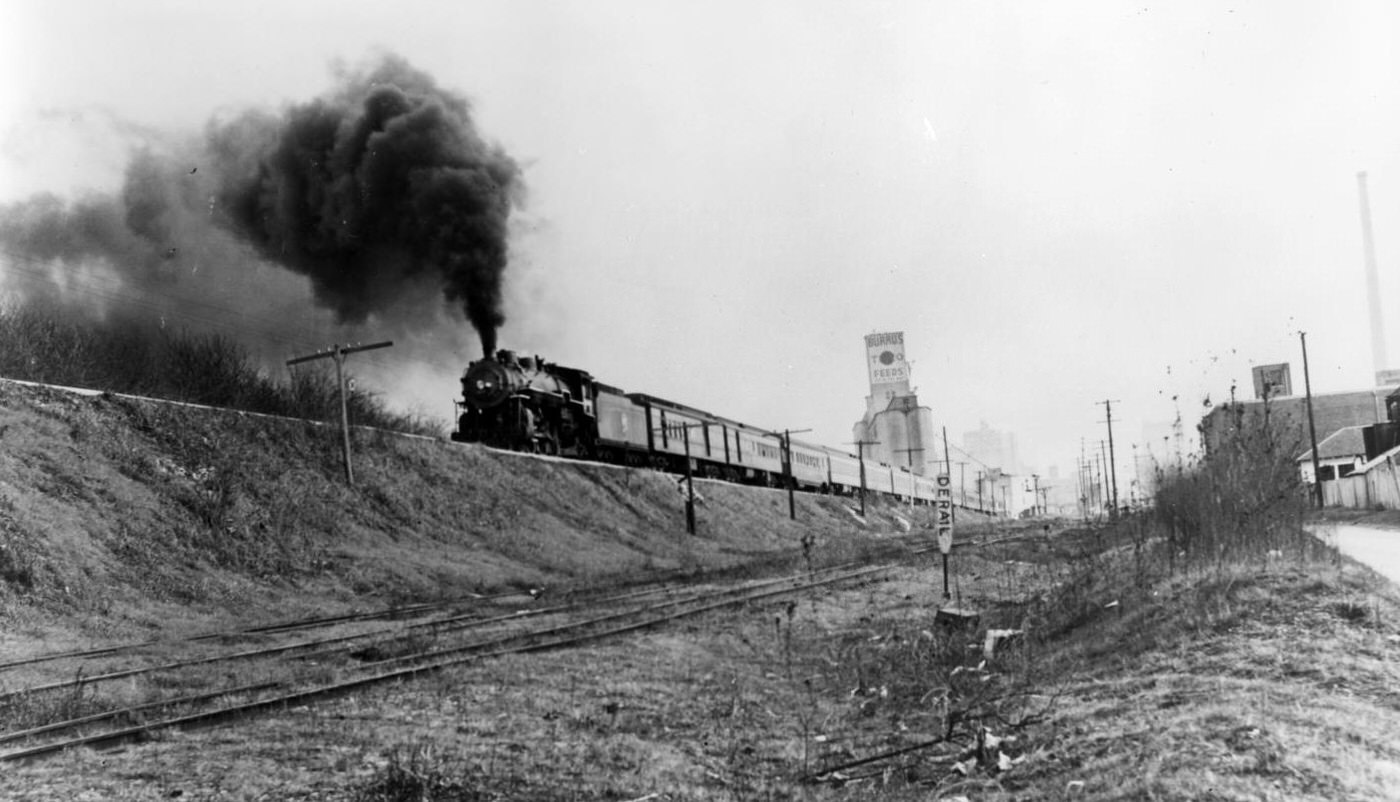
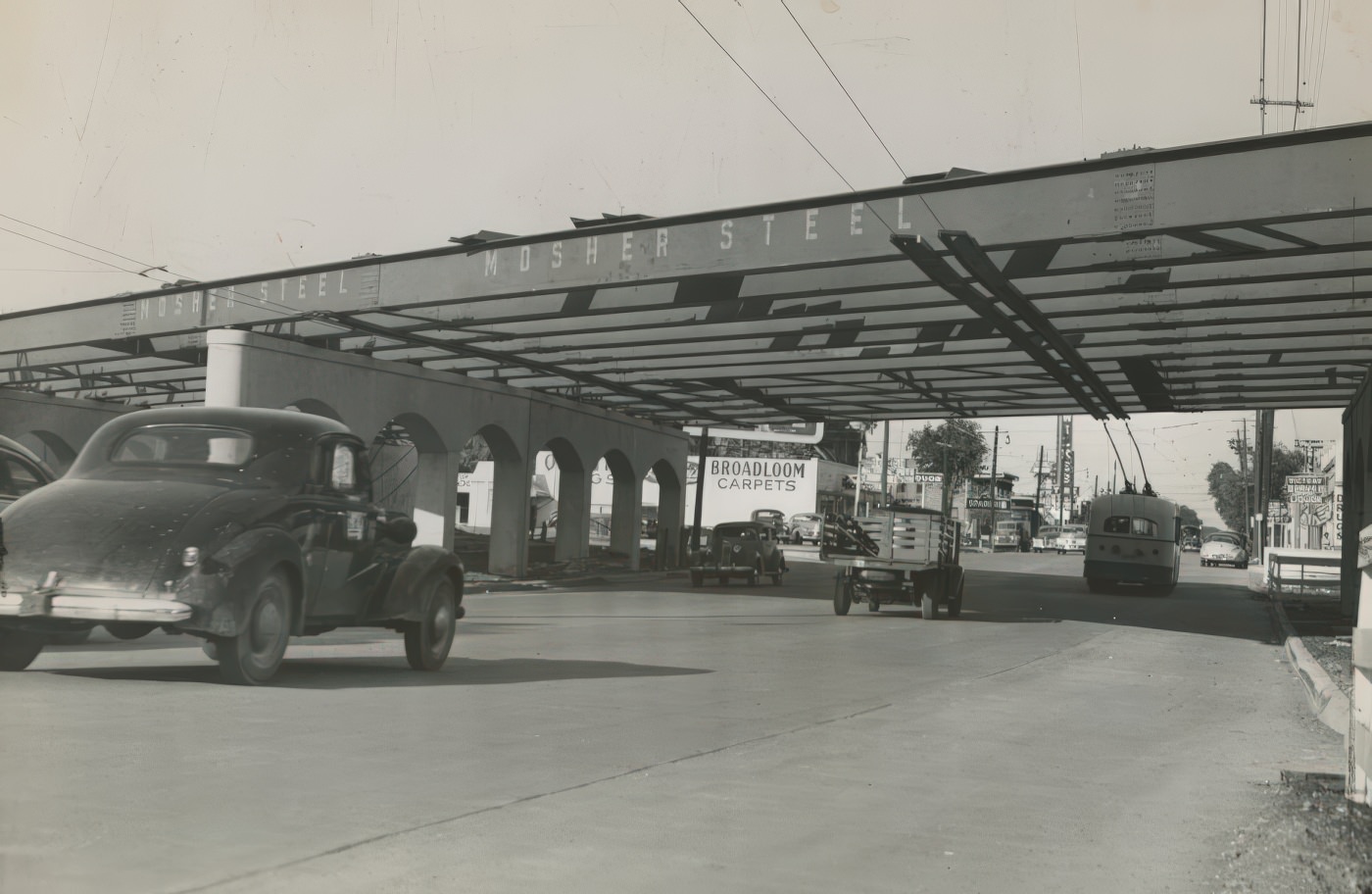
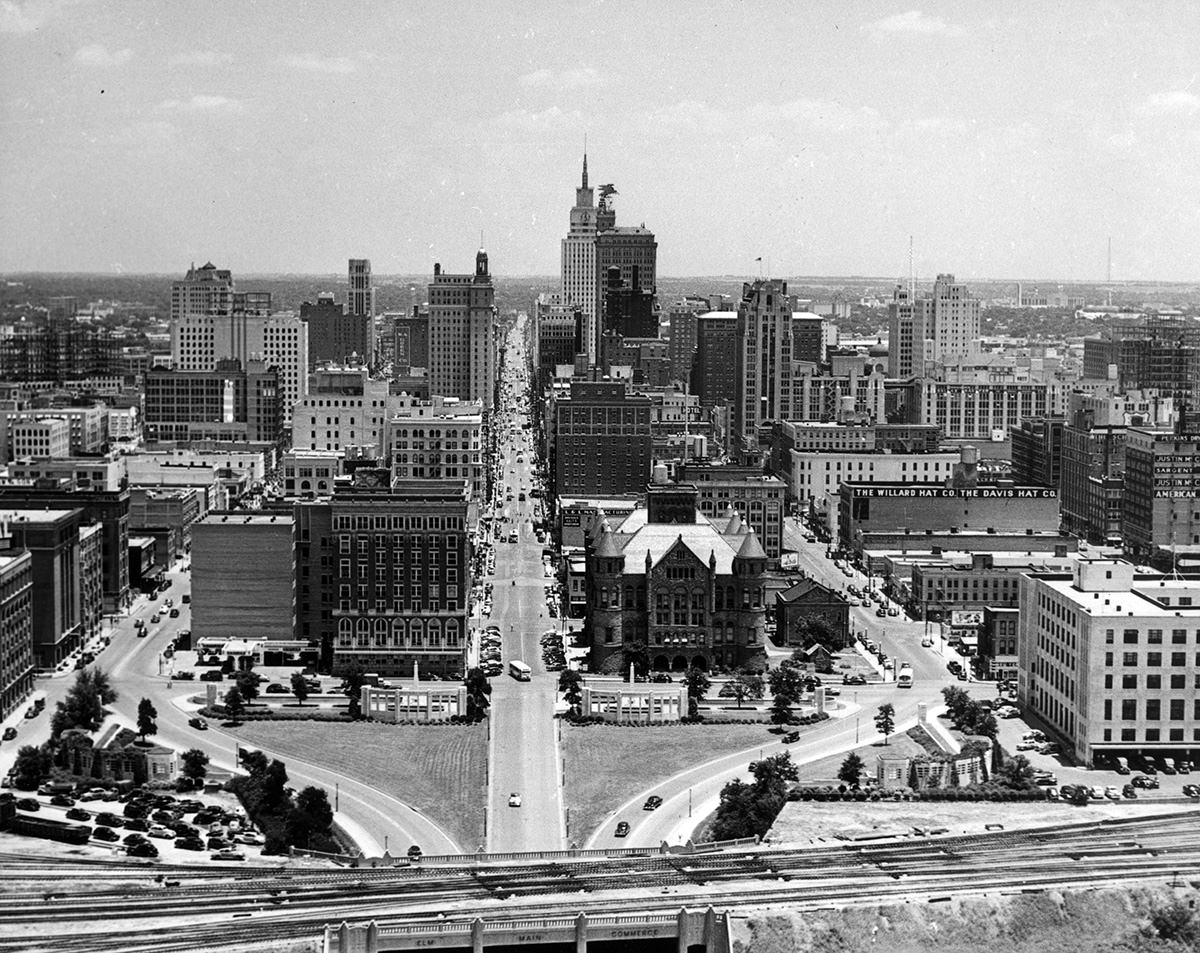
The Bartholomew Plan set in motion a series of transformative infrastructure projects. The most significant of these was the Central Expressway (U.S. Highway 75). Construction began in 1947 on the new freeway, which was designed to replace the old Houston and Texas Central (H&TC) Railway line that ran through the city. The first sections of the expressway, a marvel of modern engineering for its time, opened to traffic in 1949.
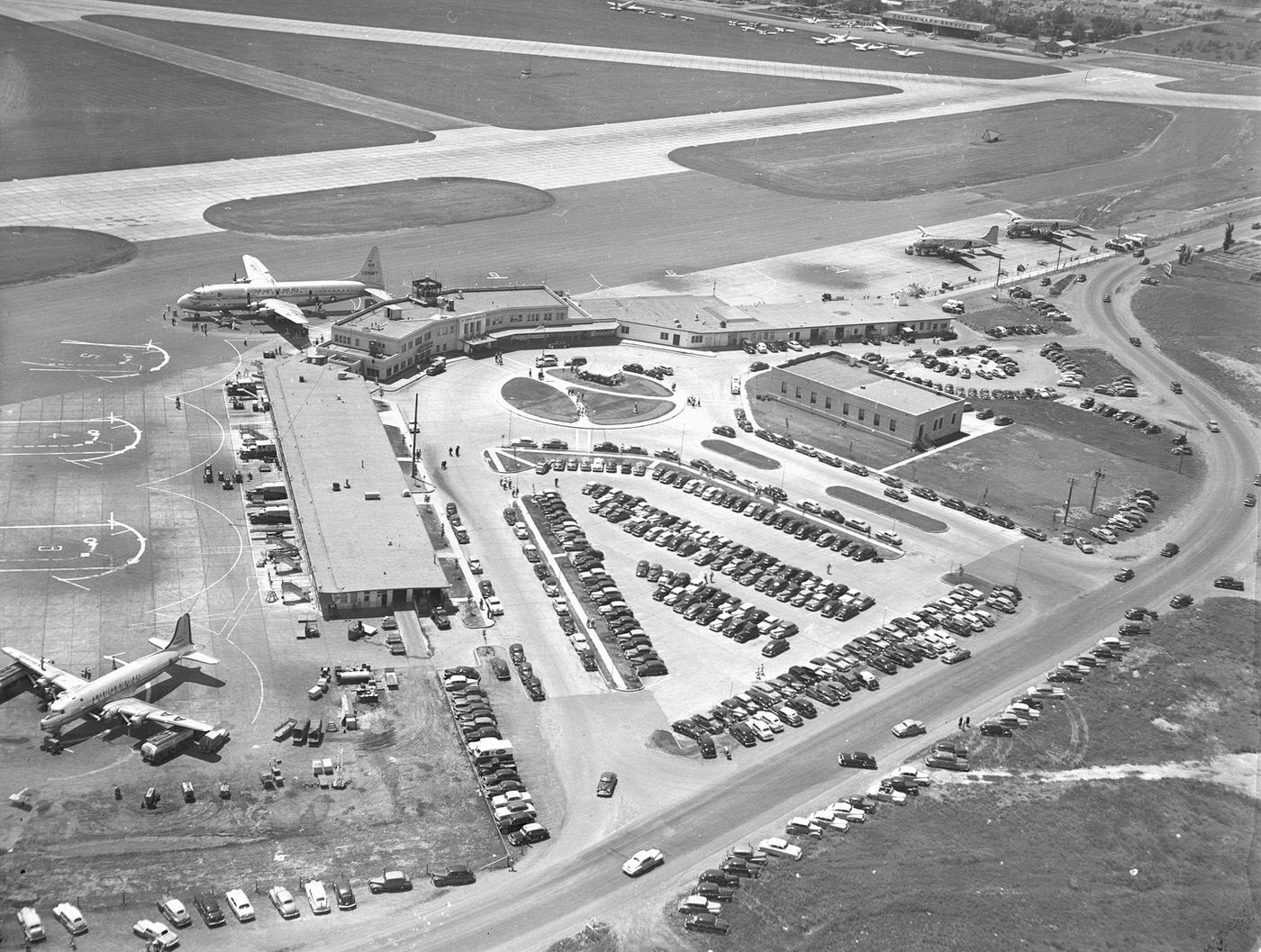
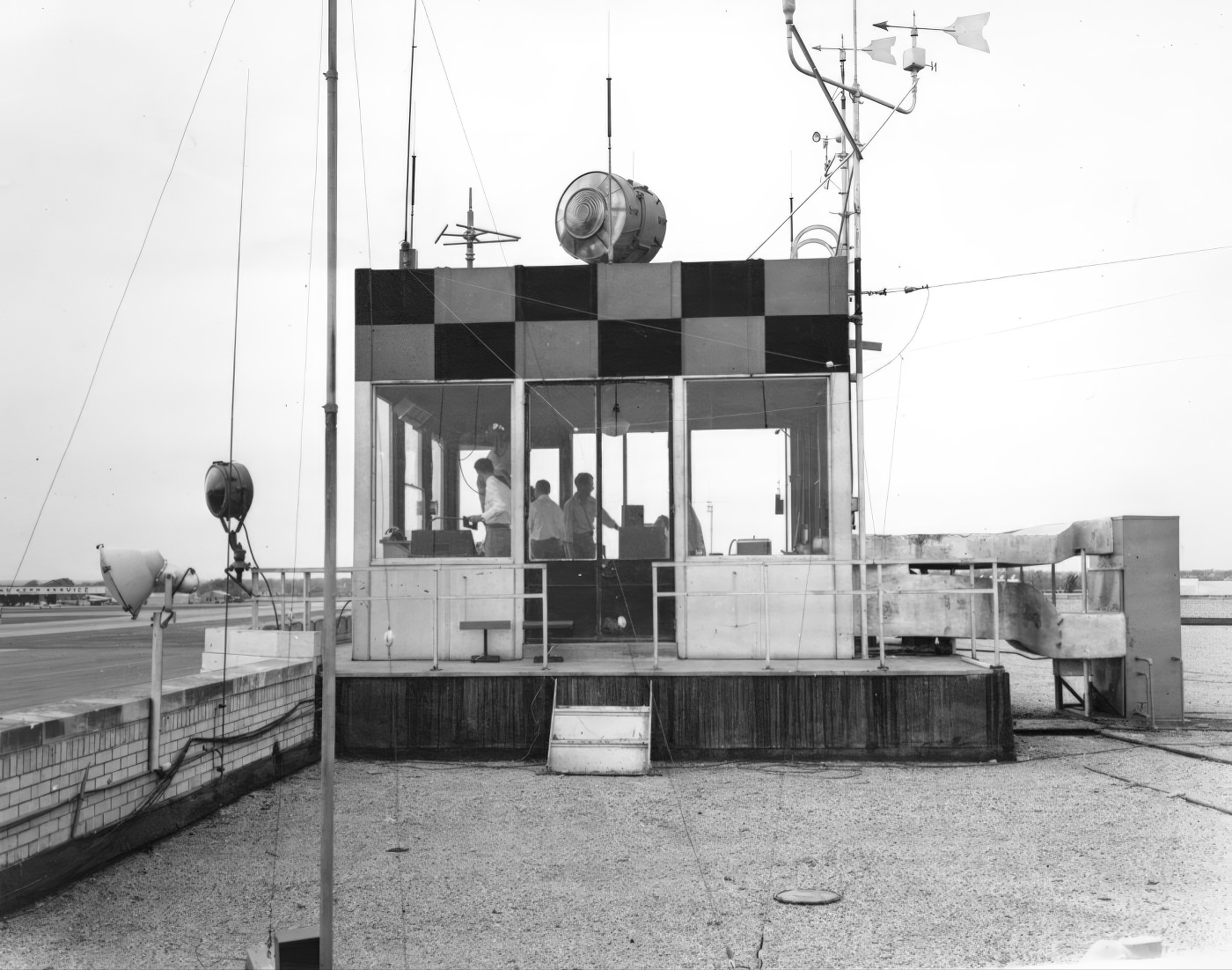
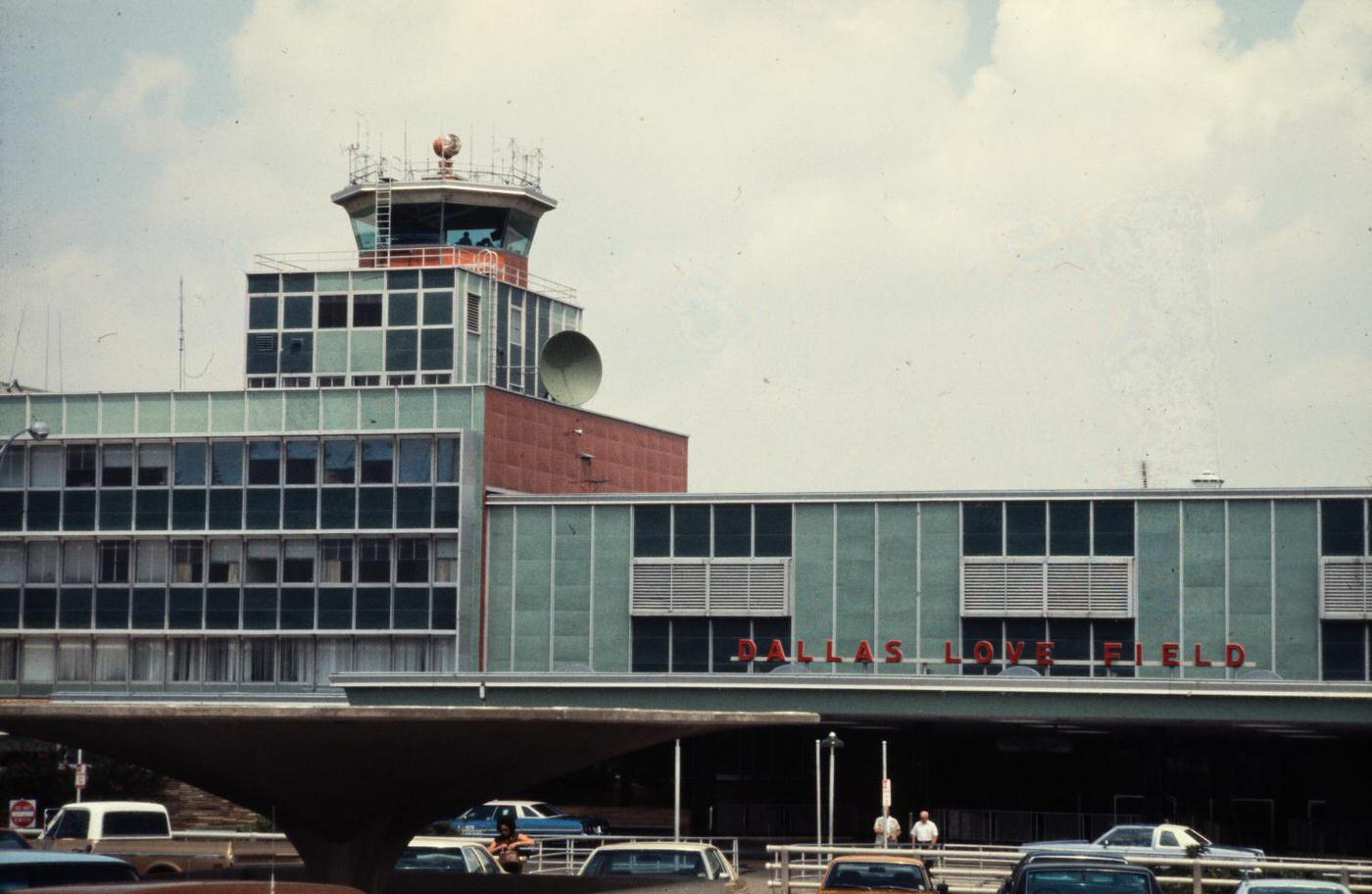
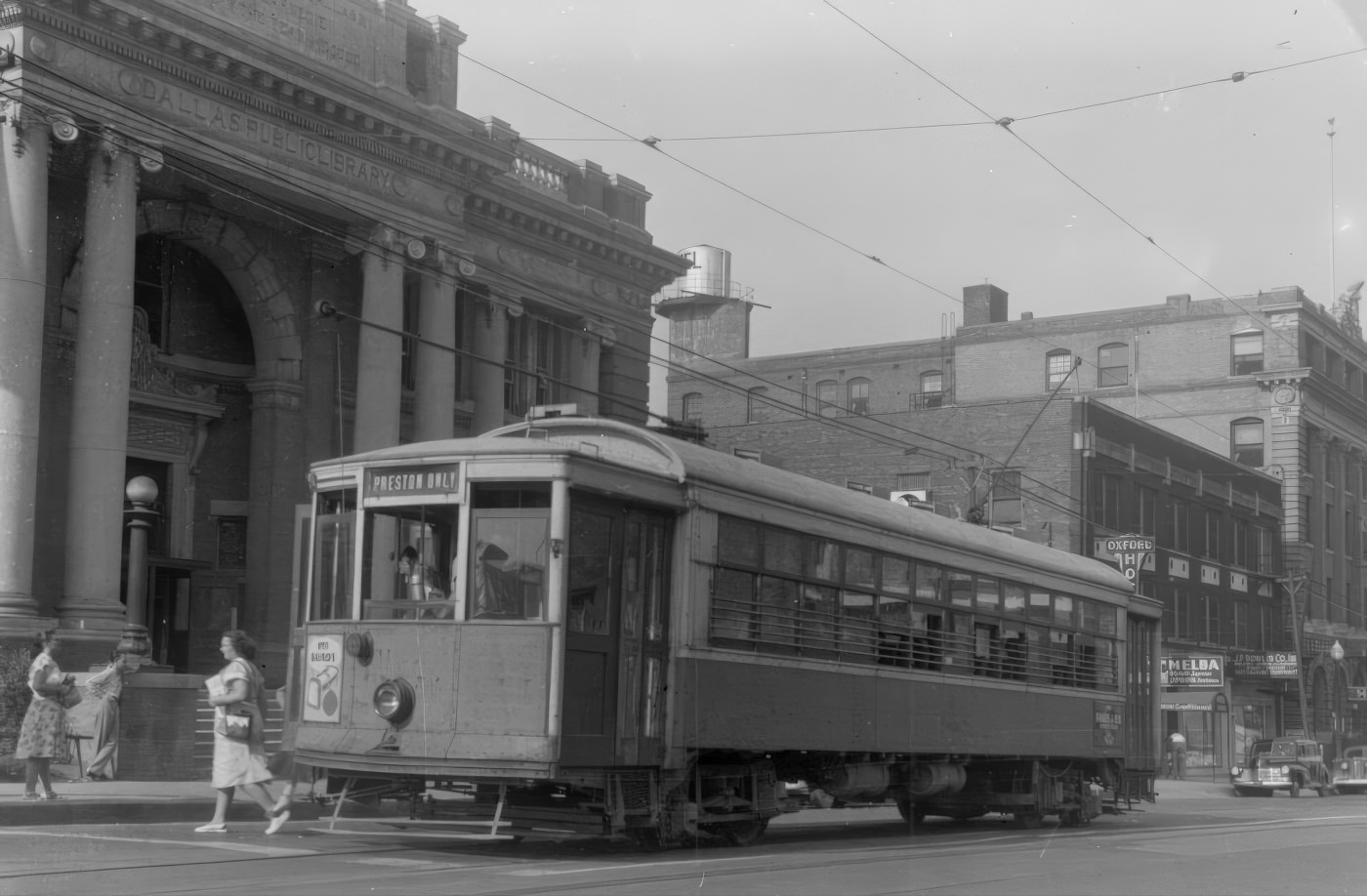
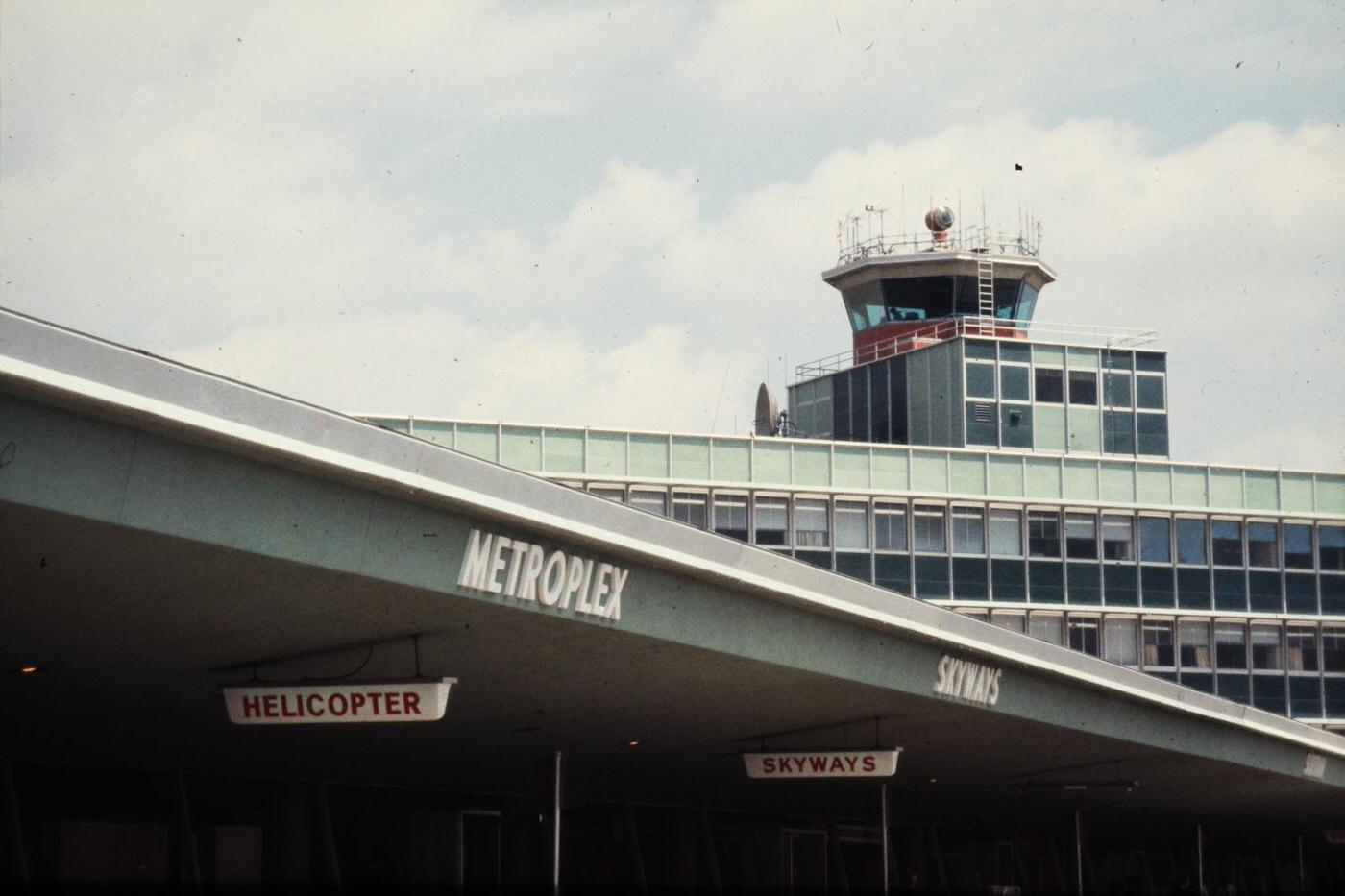
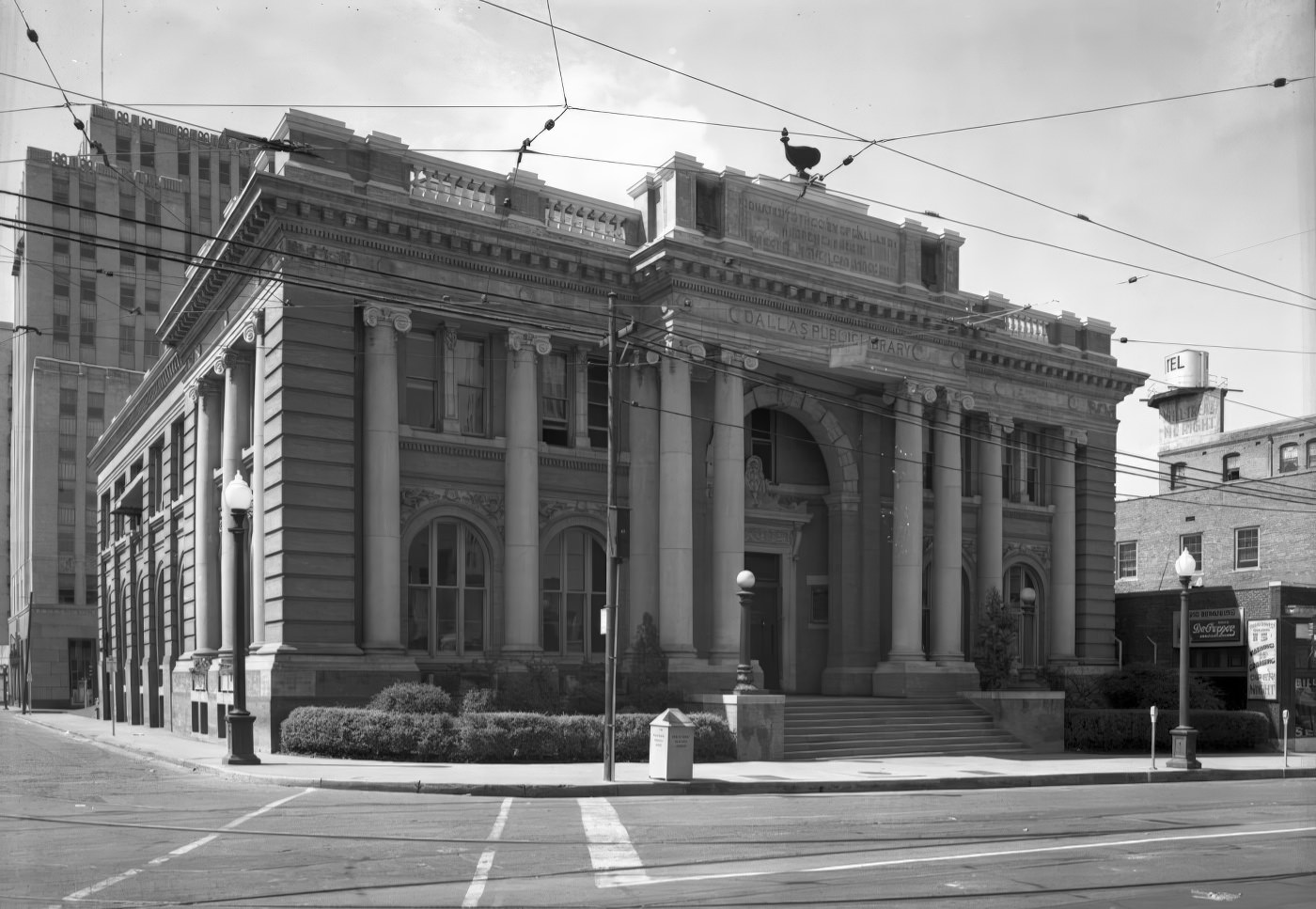
The plan also called for a major expansion of Love Field, transforming it from a military air base into a modern commercial airport ready to handle the anticipated post-war boom in passenger air travel. Other major projects initiated under the plan included work on the Garza-Little Elm Reservoir (now Lewisville Lake) to secure a long-term water supply for the growing city, and the groundwork for a new central public library and a civic Memorial Auditorium.
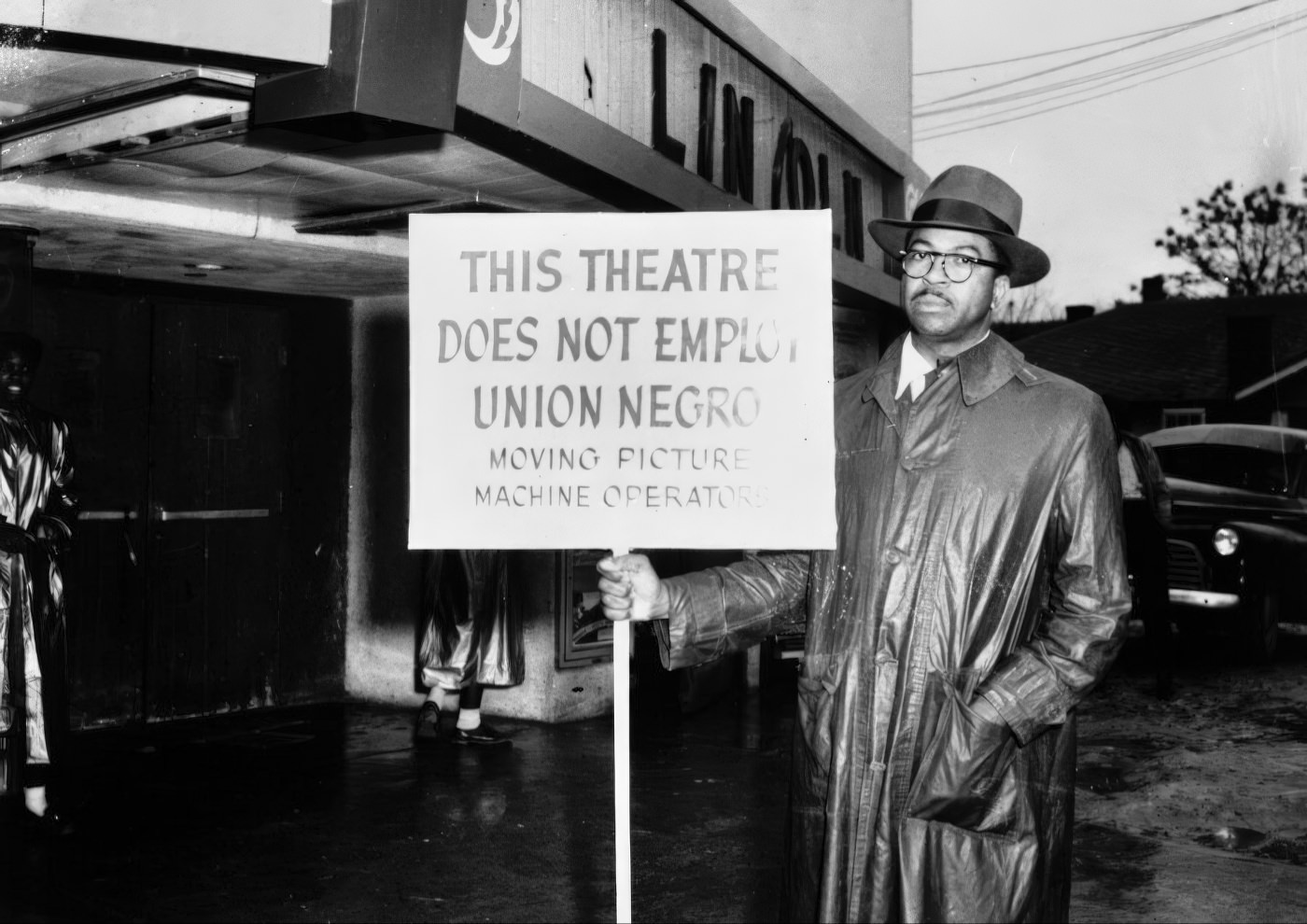
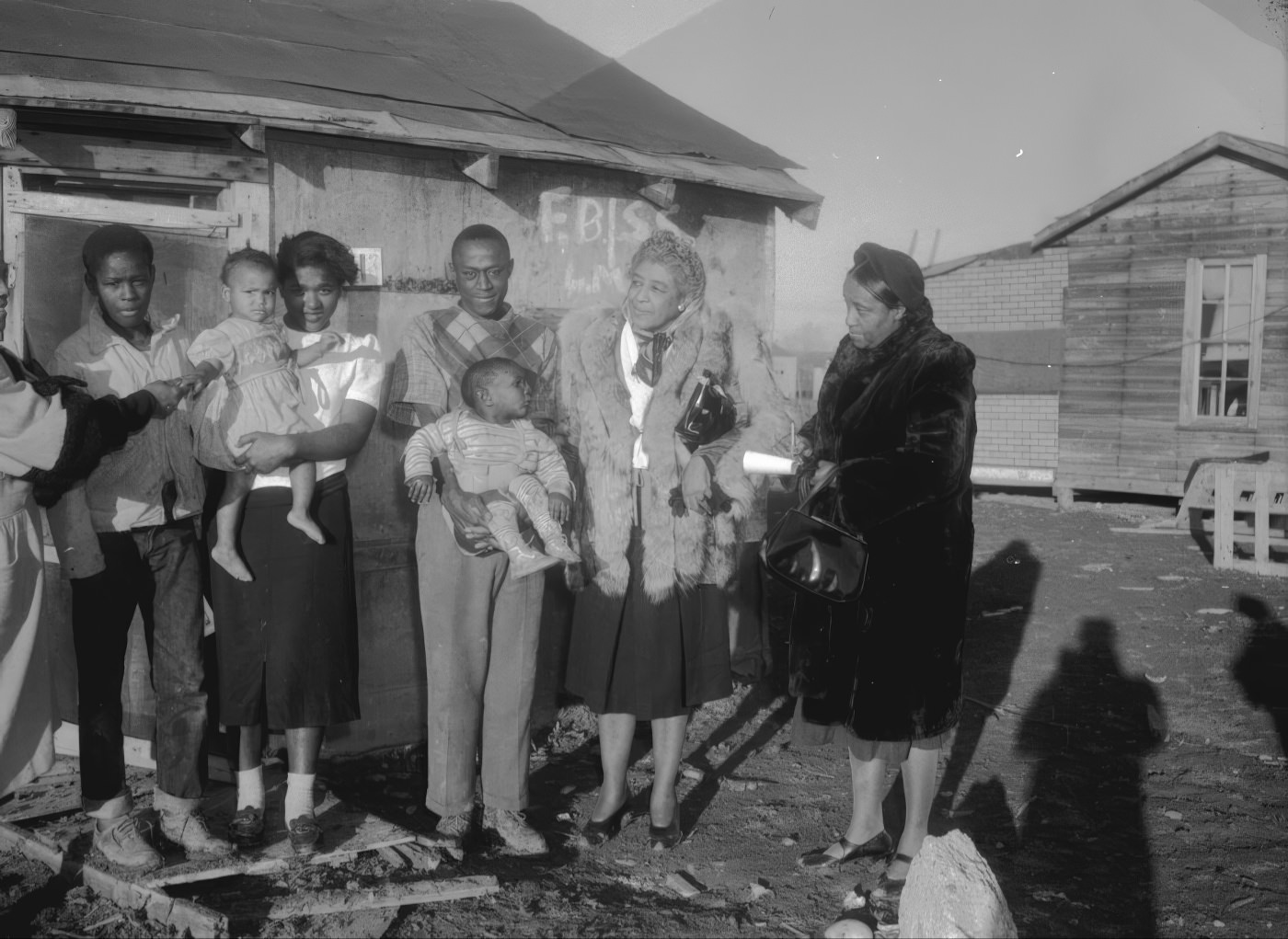
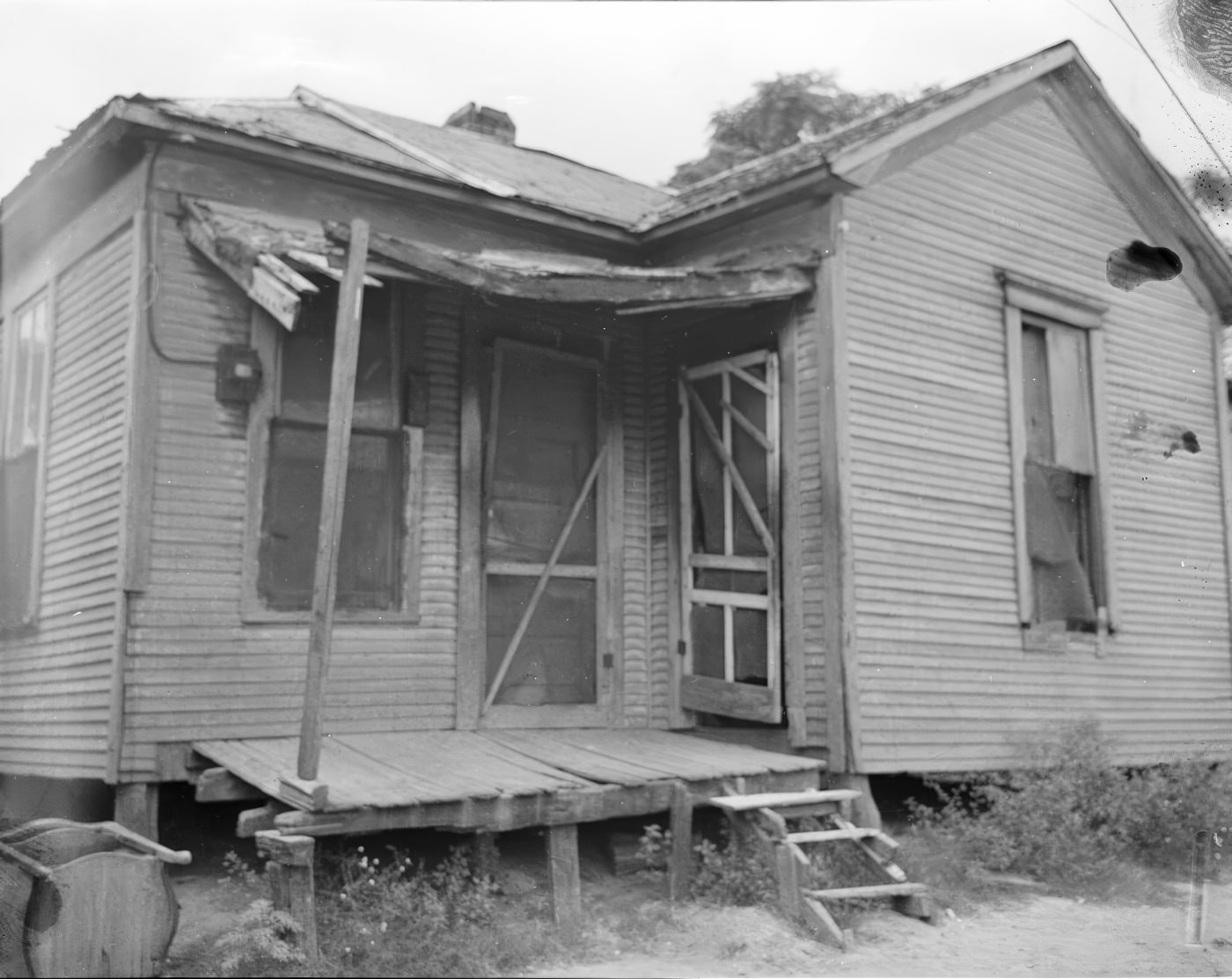
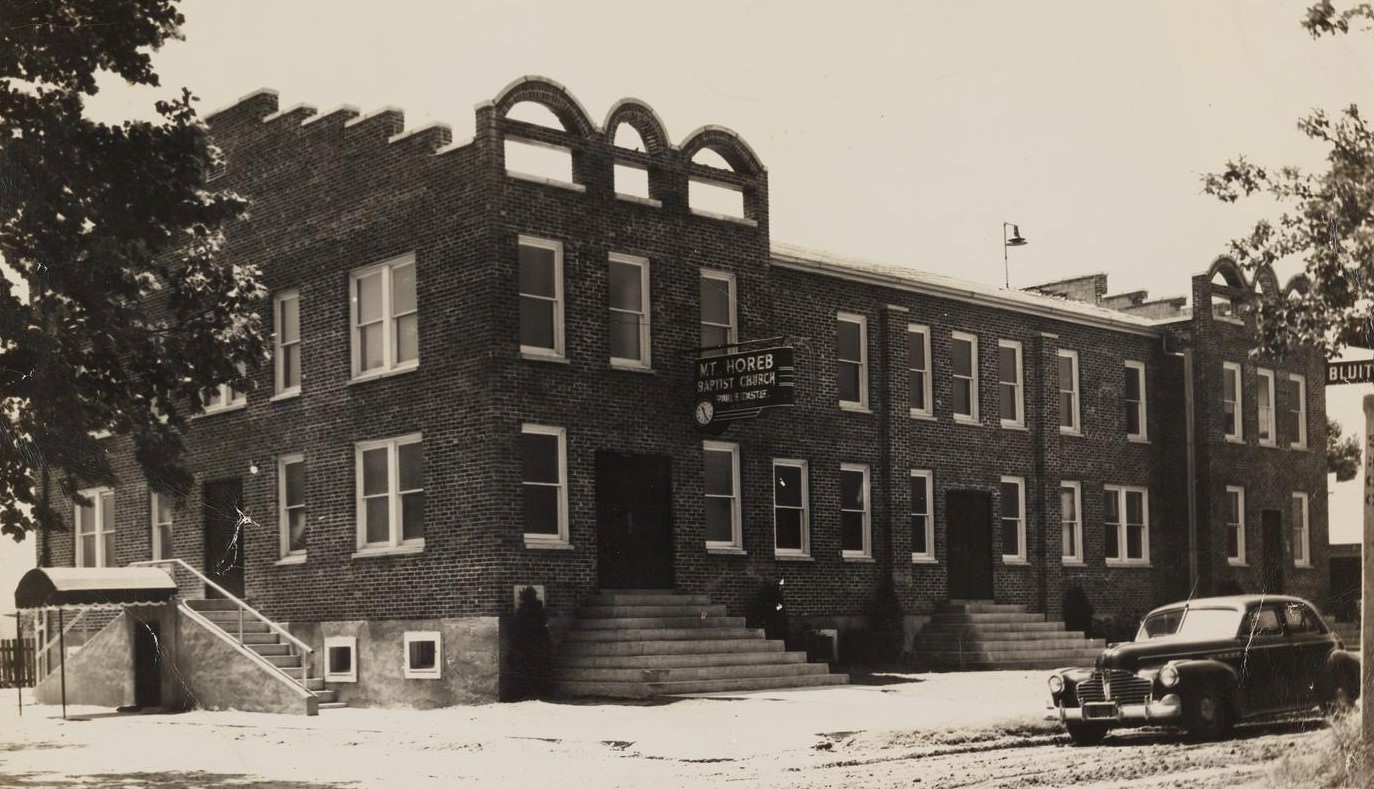
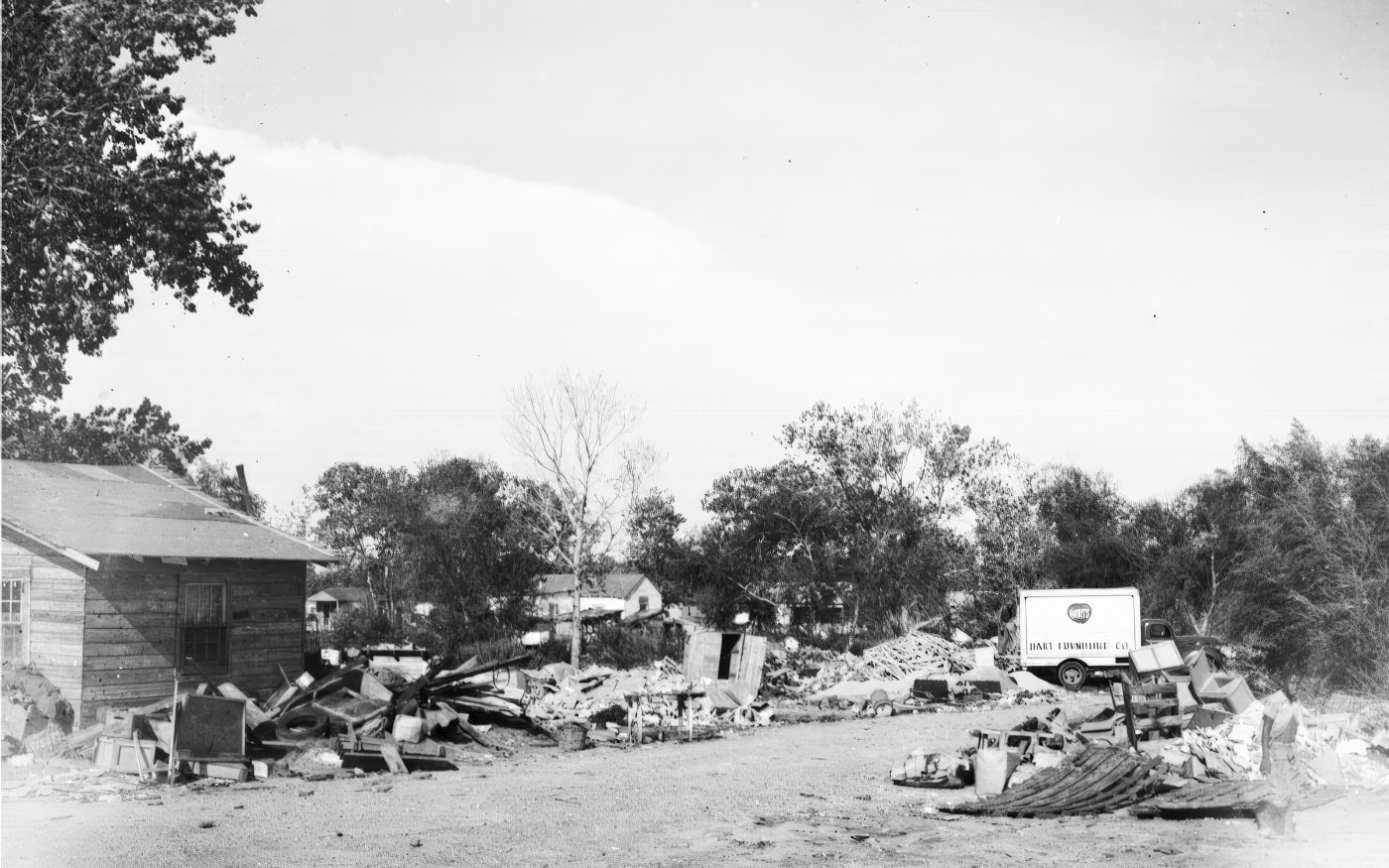
The implementation of this master plan revealed a clear set of priorities held by the city’s elite. The focus on a freeway, an expanded airport, and a larger water supply demonstrated a vision for a city built for commerce and the automobile, designed to facilitate suburban expansion and serve downtown business interests. However, this vision of progress came at a high cost for some residents. The route chosen for Central Expressway ran directly through the heart of Freedman’s Town, a historic and thriving Black community. Justified by planners as “slum clearance,” the construction bulldozed homes, businesses, churches, and even a historic cemetery, displacing thousands of Black residents and destroying the social fabric of the neighborhood. The plan was not just about building a city; it was about building a certain kind of city, and in the process, deciding who would benefit from and who would pay the price for that vision.
| Project | Purpose | Status in 1940s |
|---|---|---|
| Central Expressway | Create a major north-south freeway for traffic flow. | Construction began in 1947; first section opened in 1949. |
| Love Field Expansion | Convert military airfield to a major commercial airport. | Expansion and upgrades initiated. |
| Garza-Little Elm Reservoir | Secure a long-term water supply for the growing city. | Work began. |
| Dallas Public Library | Create a new central library facility. | Planning initiated; funding approved. |
| Memorial Auditorium | Develop a modern civic auditorium. | Planning initiated; funding approved. |
| Parks & Parkways System | Create a “ring of green” along city creeks. | Recommended, but only partially implemented. |
Entertainment at Fair Park and Beyond
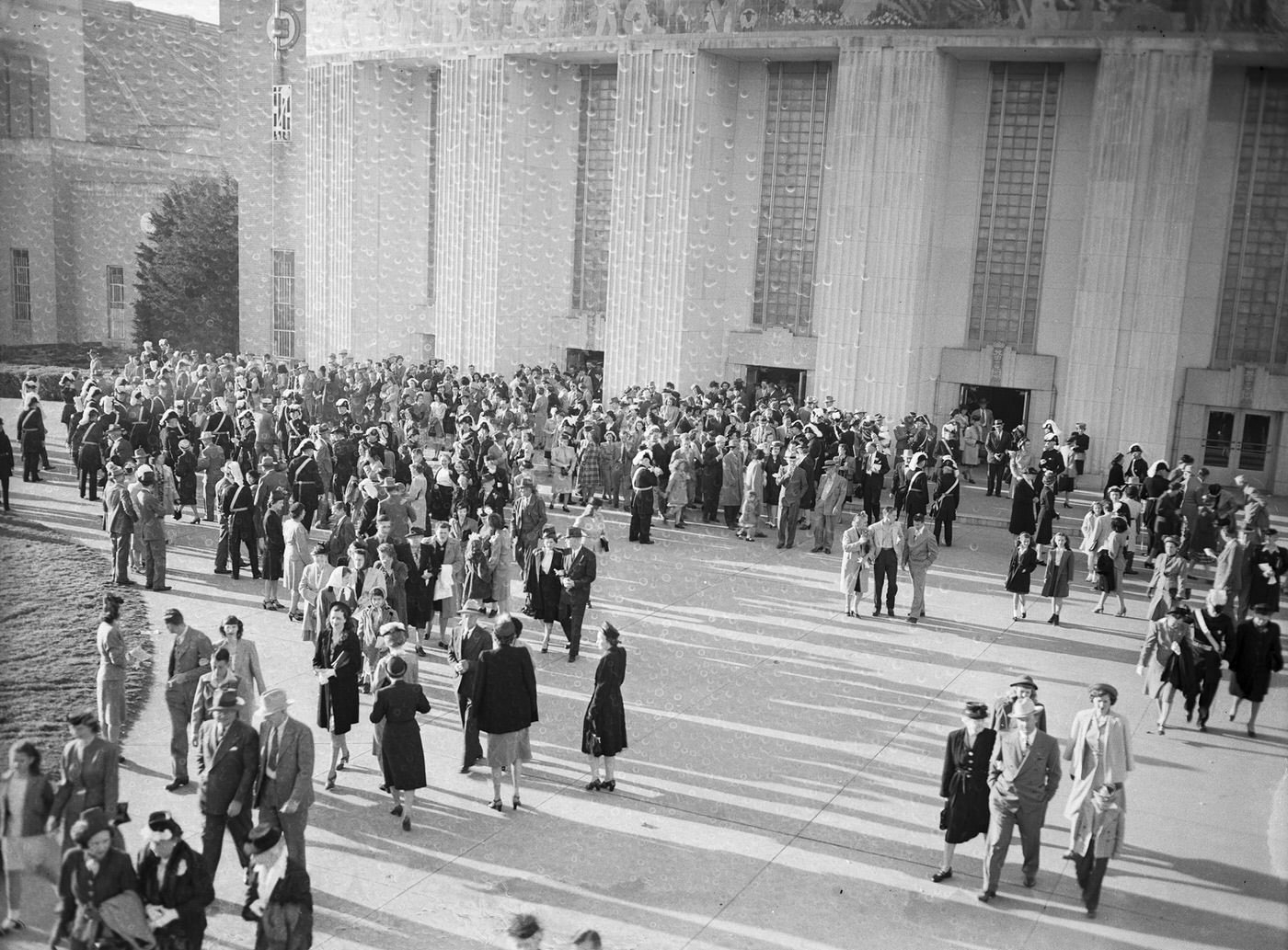
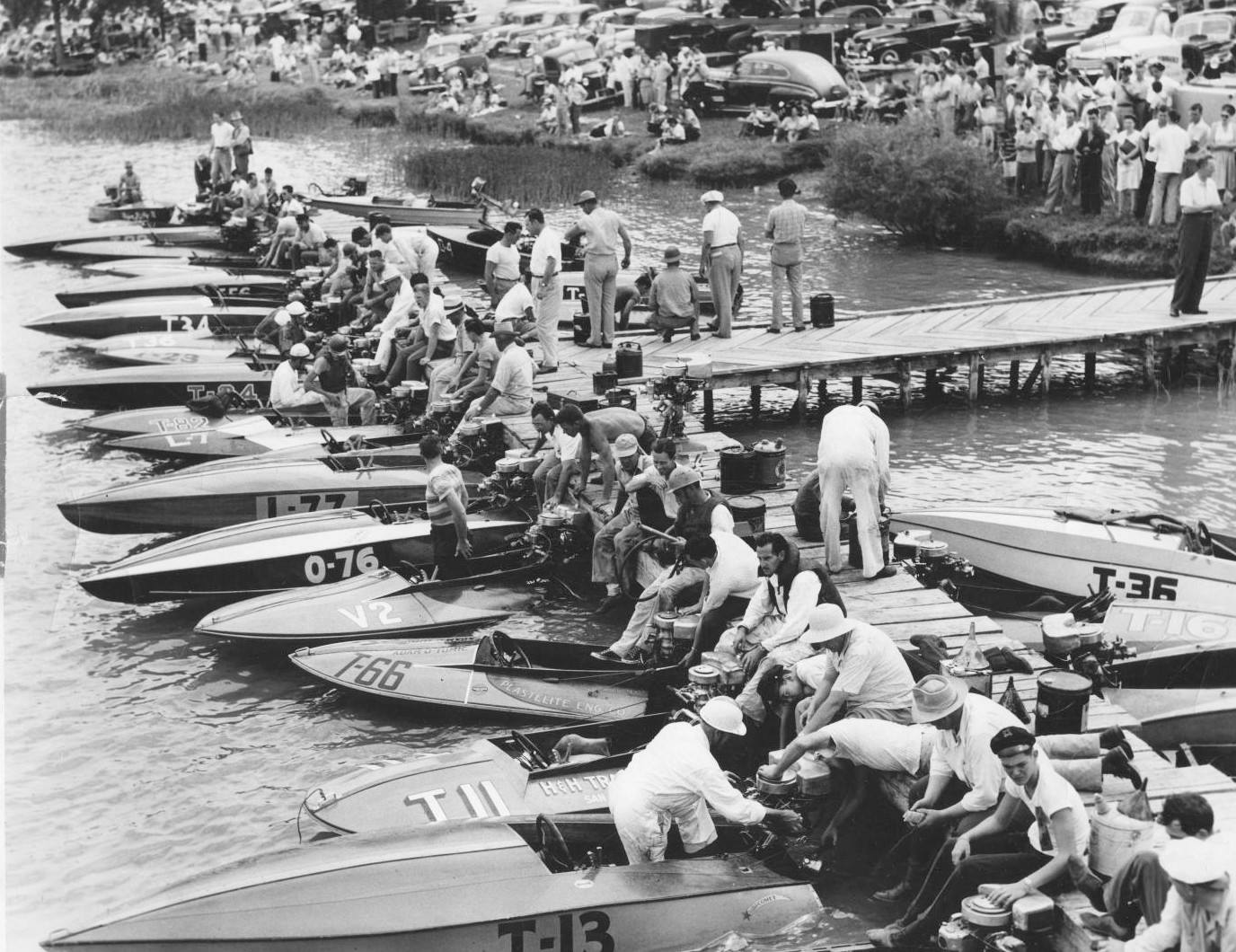
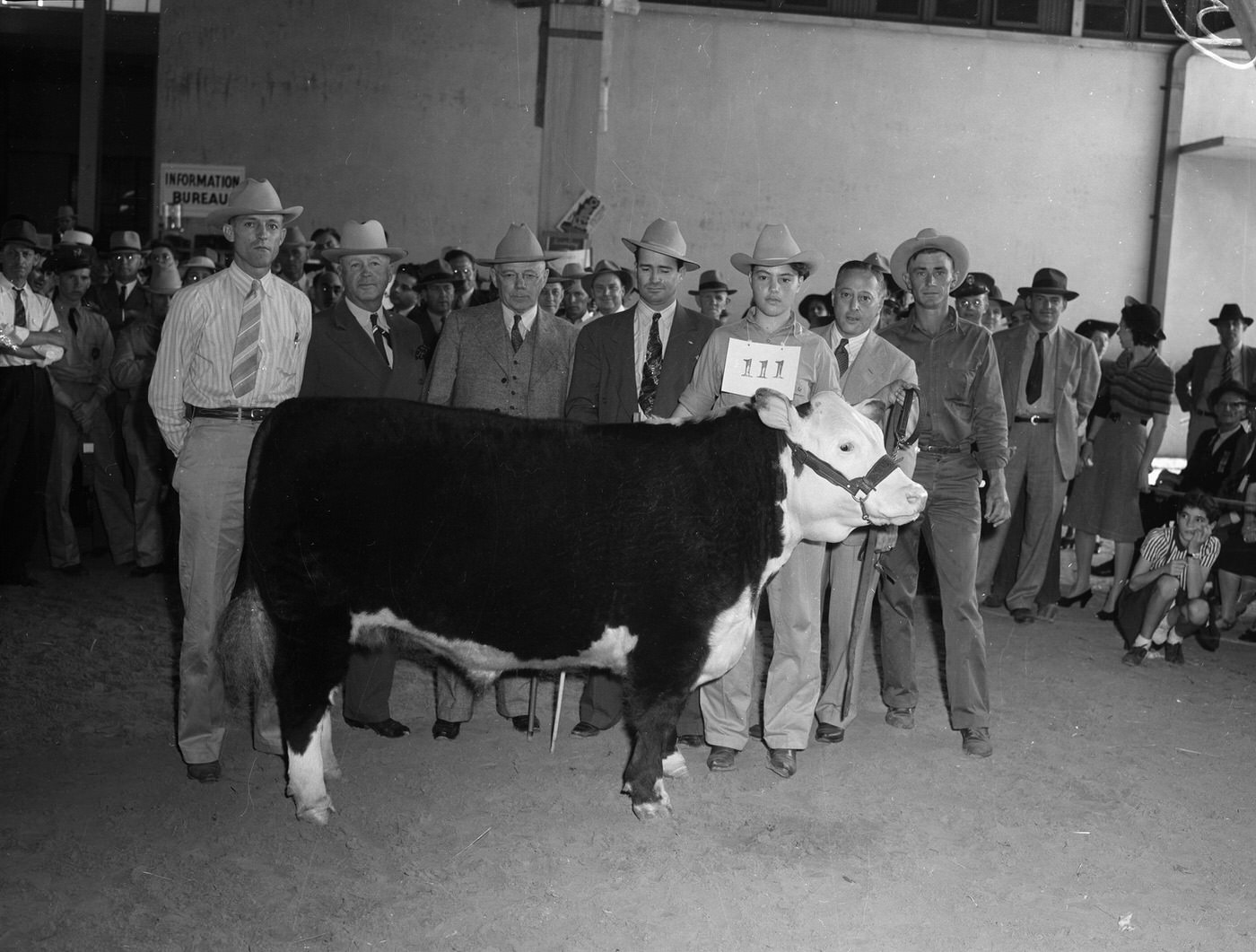
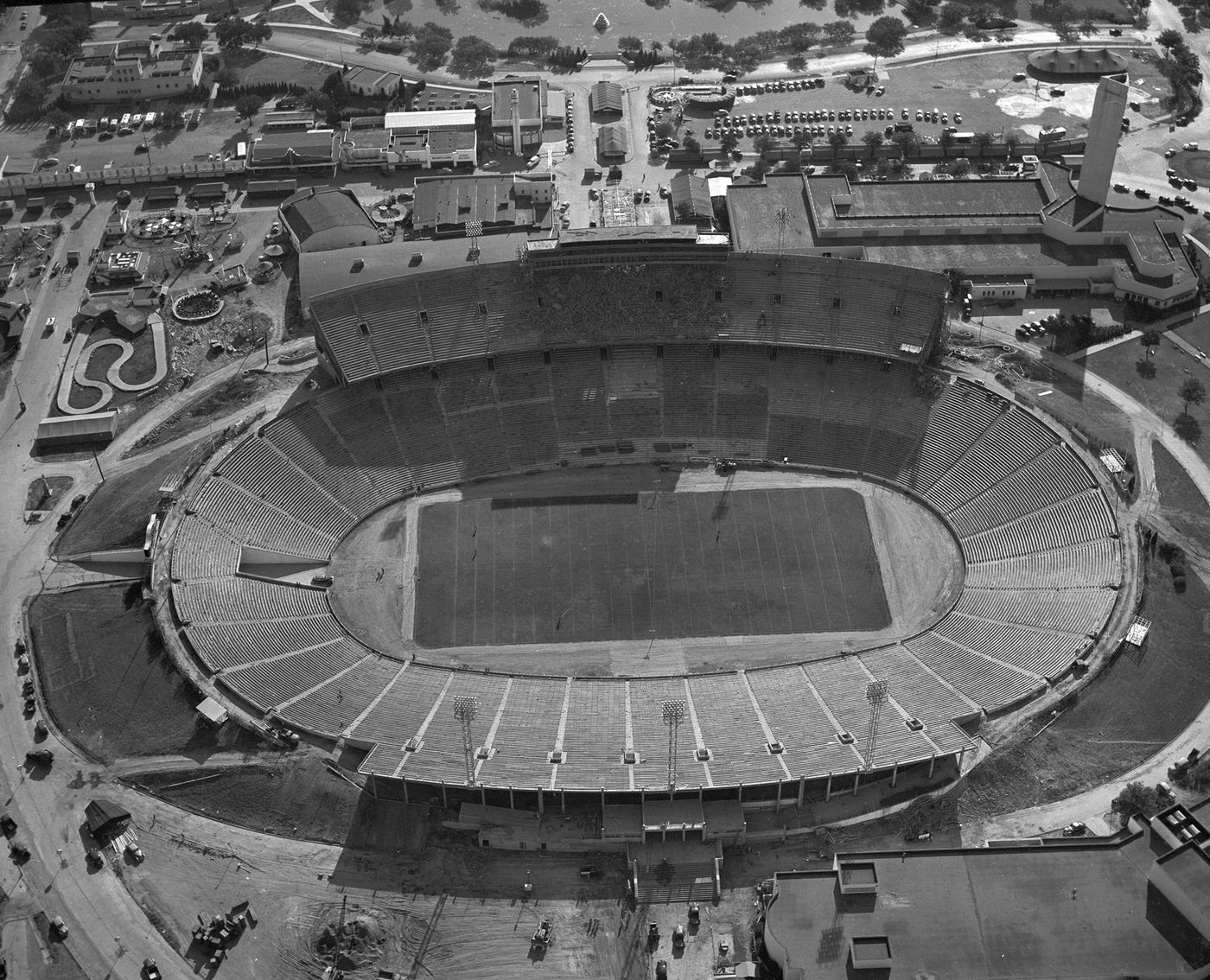
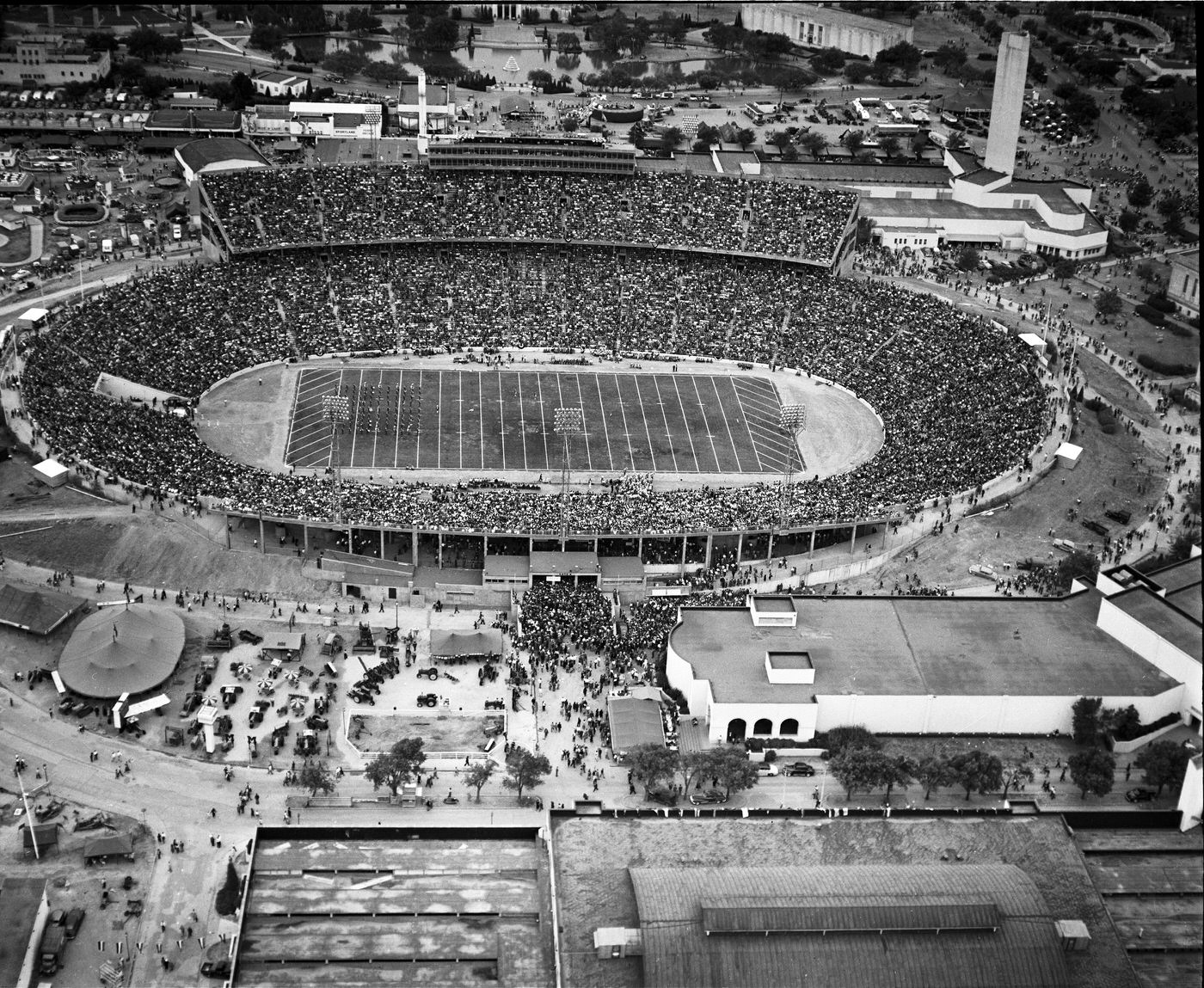
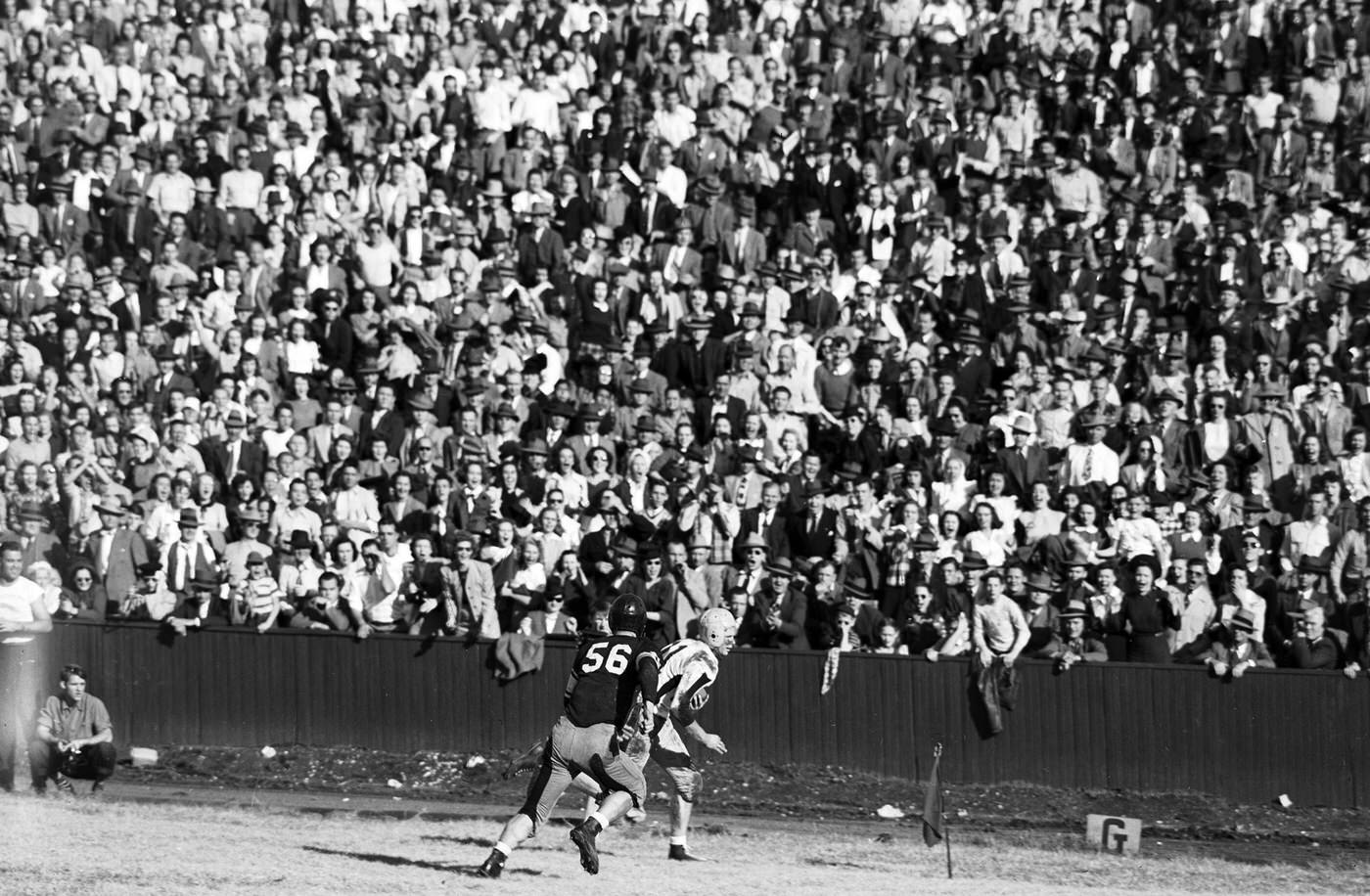
Fair Park remained the city’s primary hub for public entertainment. The State Fair of Texas was the central event of the year, and the 1941 fair featured a bustling Midway with rides, freak shows, livestock competitions, and a large petroleum exhibit sponsored by the oil industry. The fair was a significant disruption to civic life when it was canceled from 1942 to 1945 so the grounds could be used for the war effort.
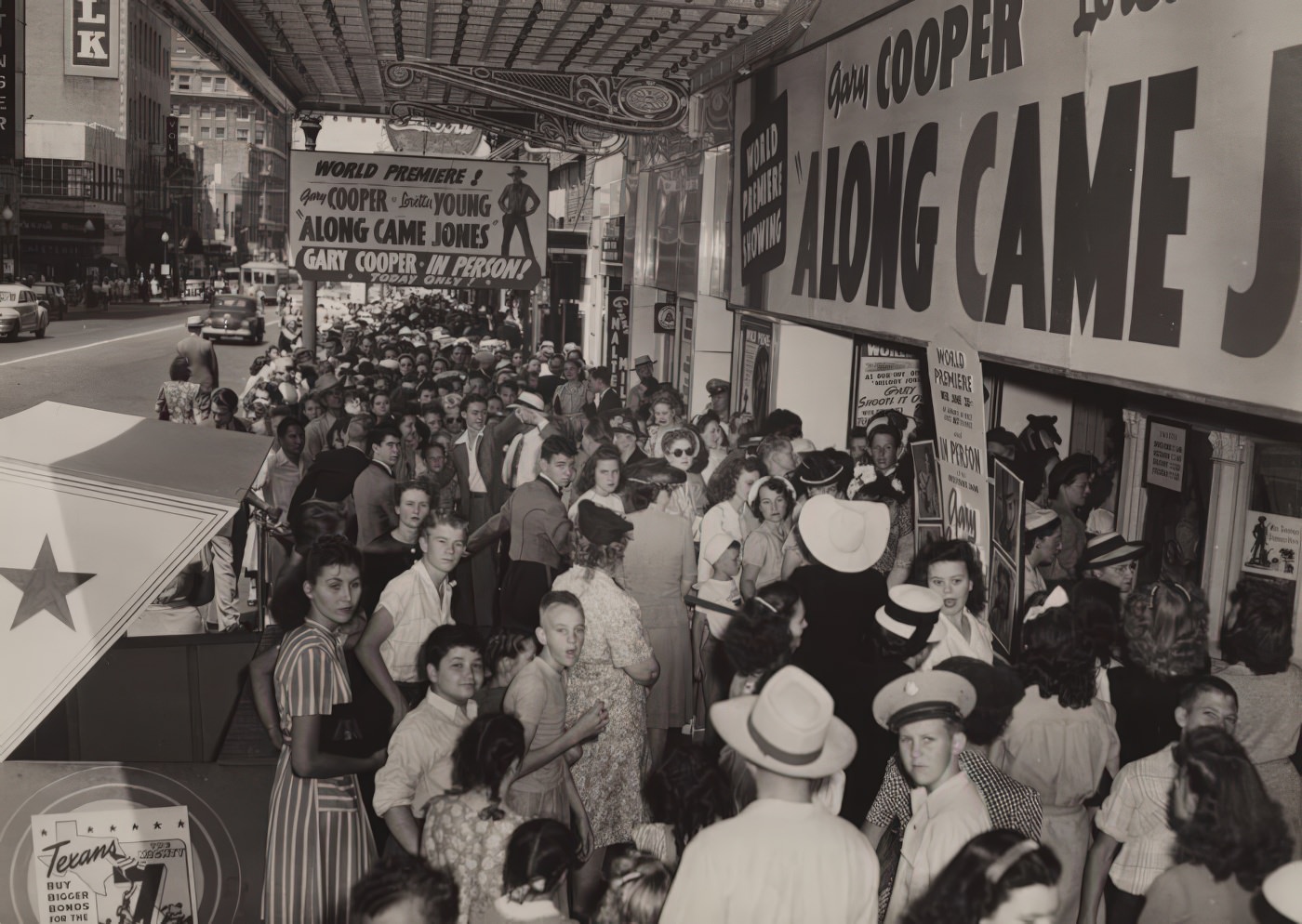
Live theater thrived in the 1940s. In 1941, the Starlight Operettas began presenting musicals and operettas outdoors at the Fair Park Band Shell during the summer months, with tickets costing as little as 30 cents. The series was a major success, booking top-tier talent like Mary Martin, who opened her national tour of
Annie Get Your Gun in Dallas in 1947. That same year, the pioneering director Margo Jones opened her influential repertory company,
“Theater ’47,” also at Fair Park. Downtown, the grand
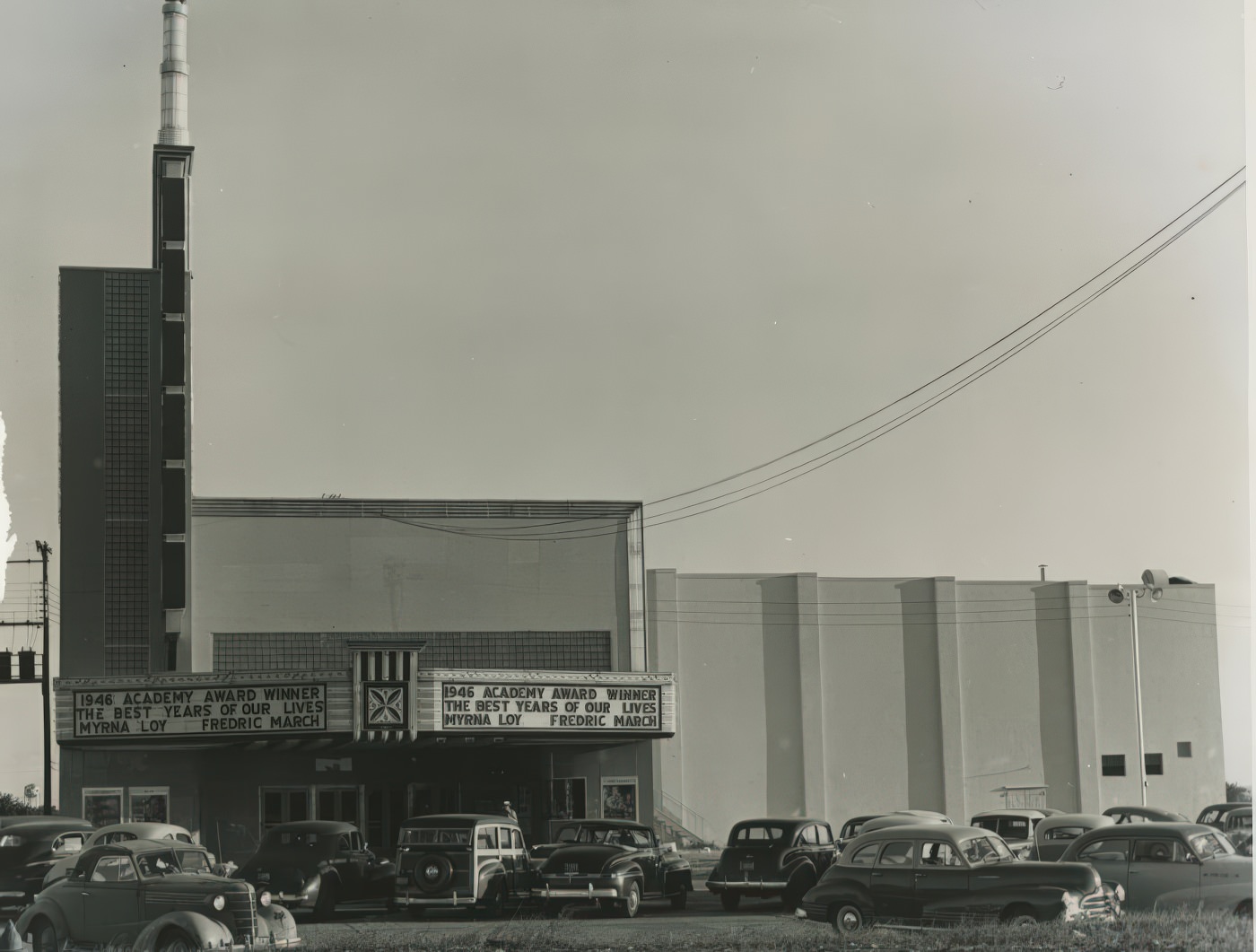
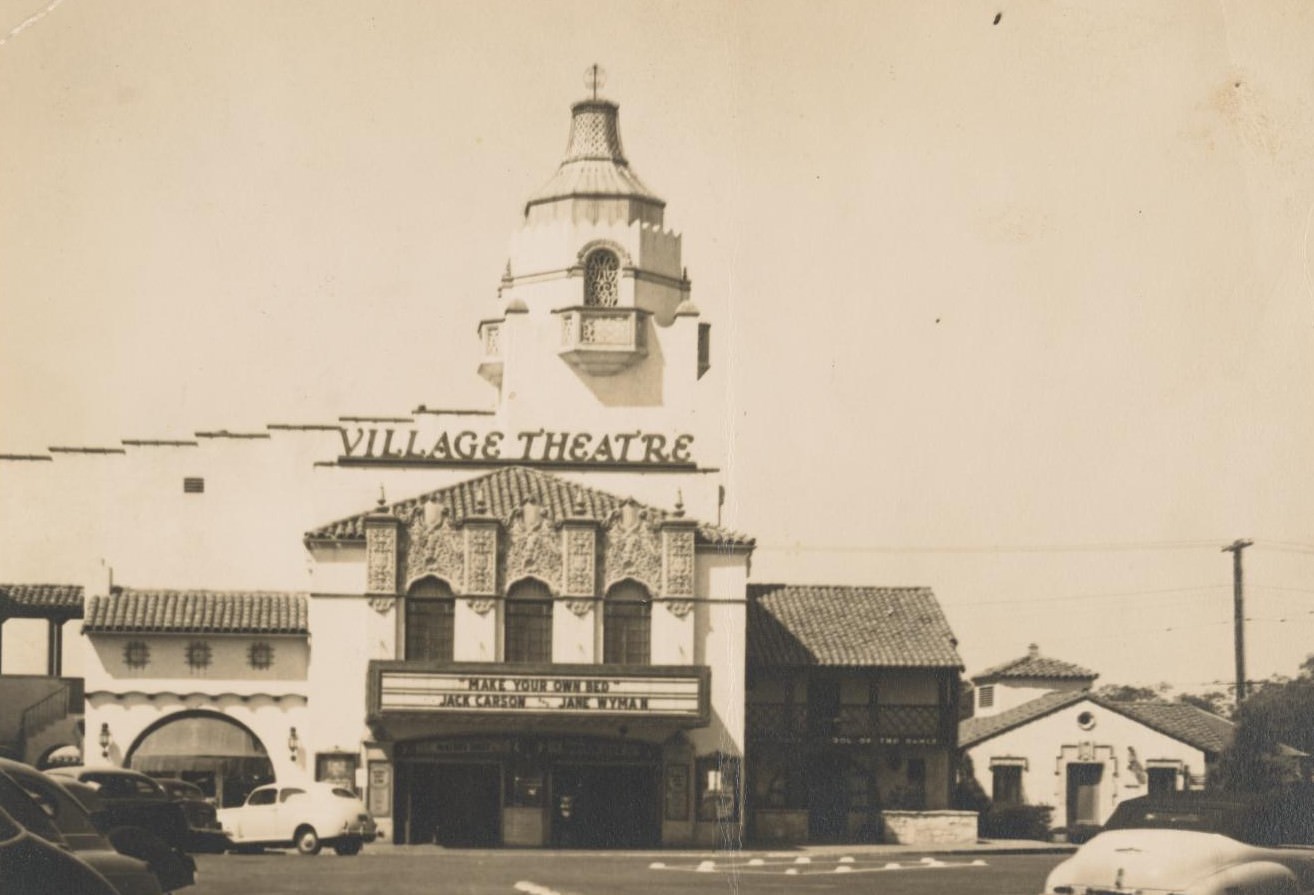
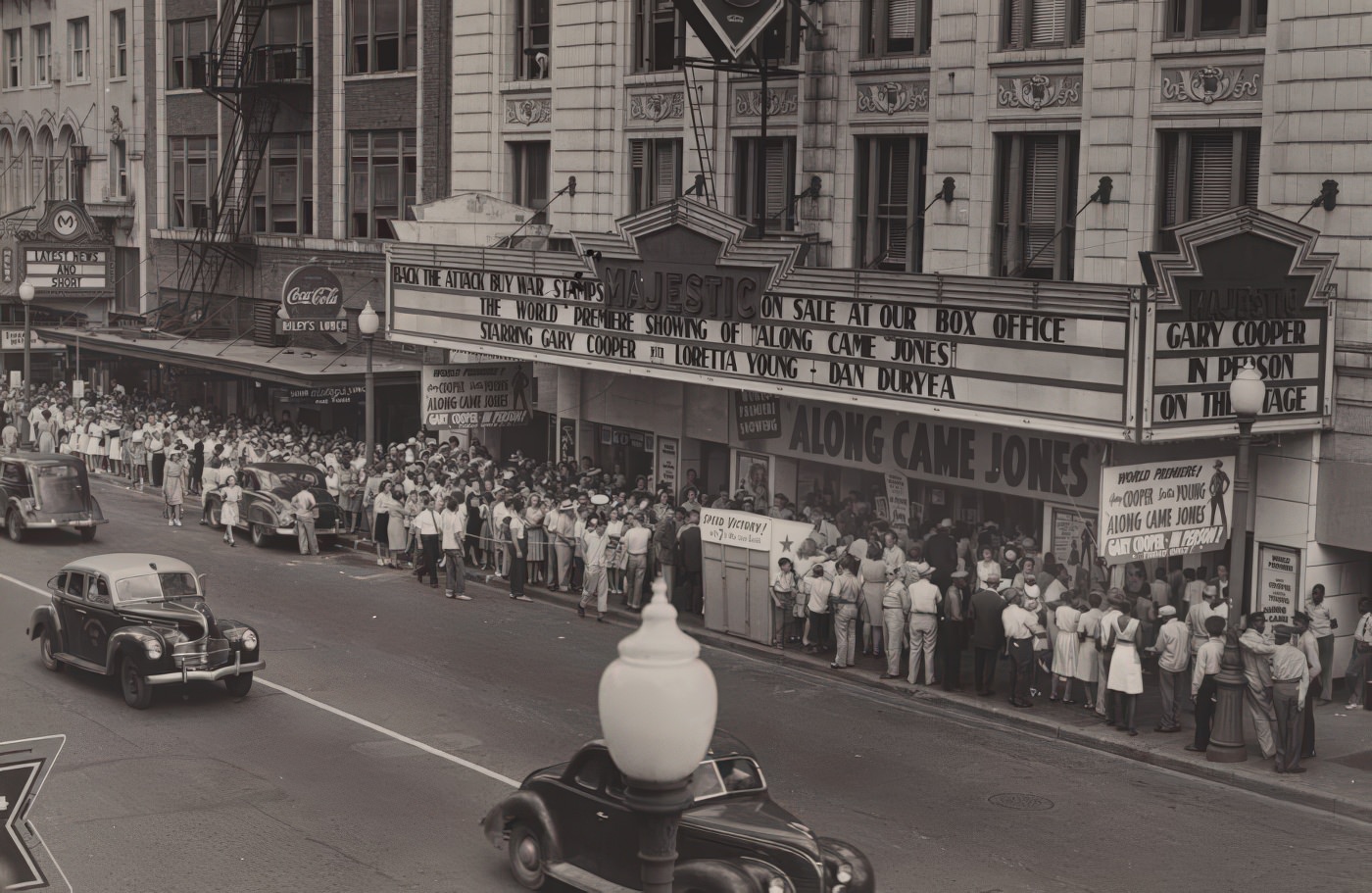
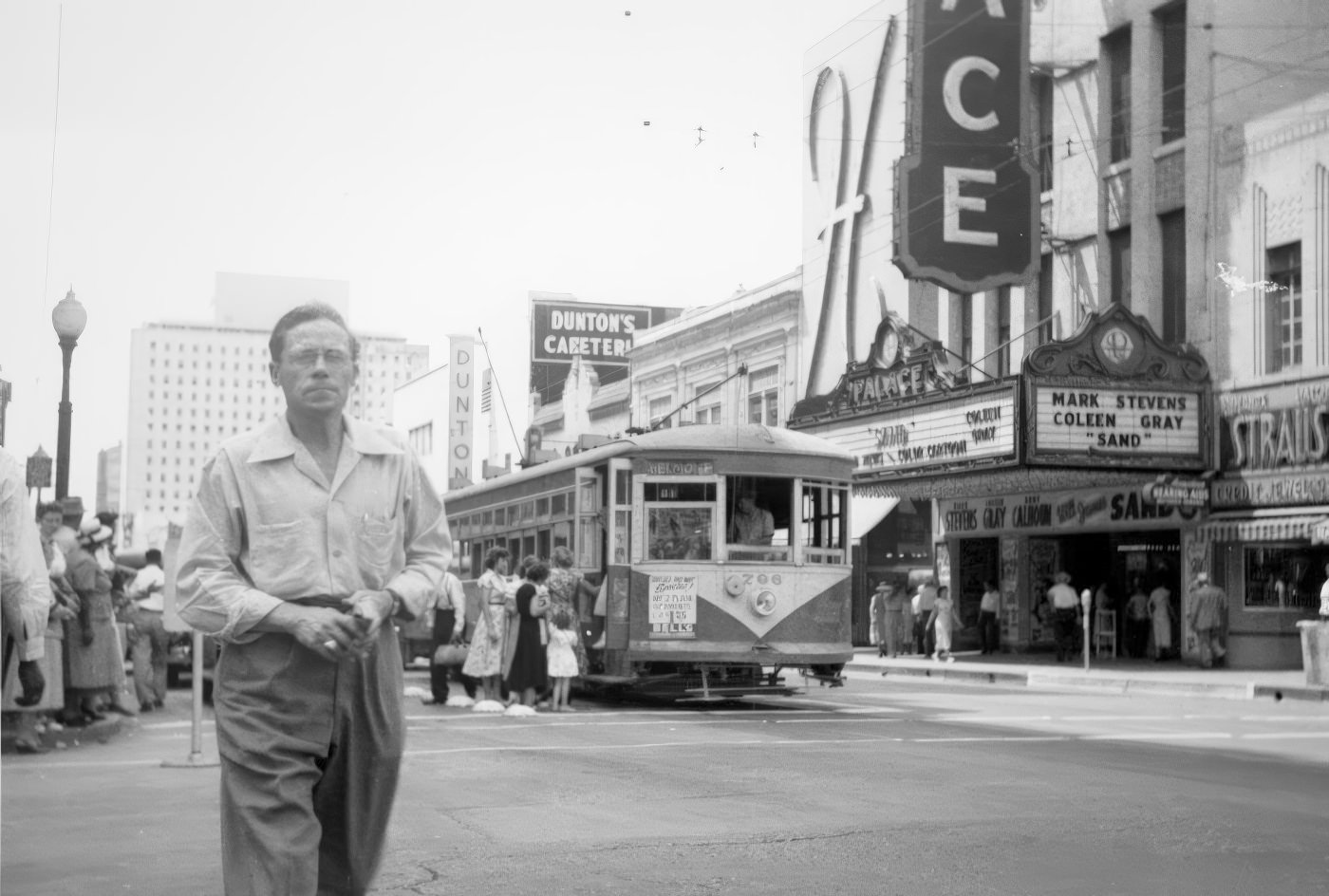
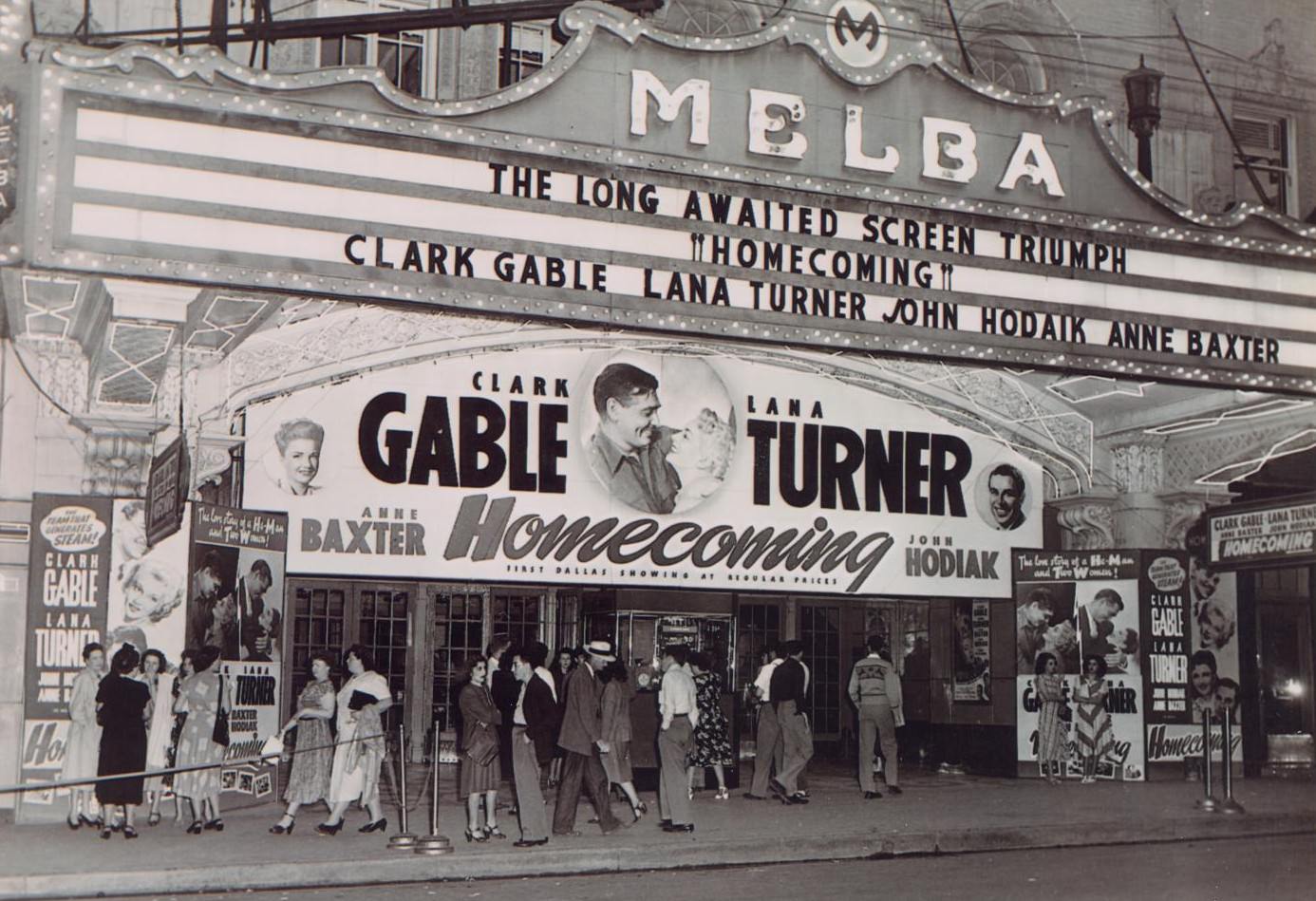
Majestic Theatre continued its transition from a vaudeville house to a premier movie palace that also featured live performers.
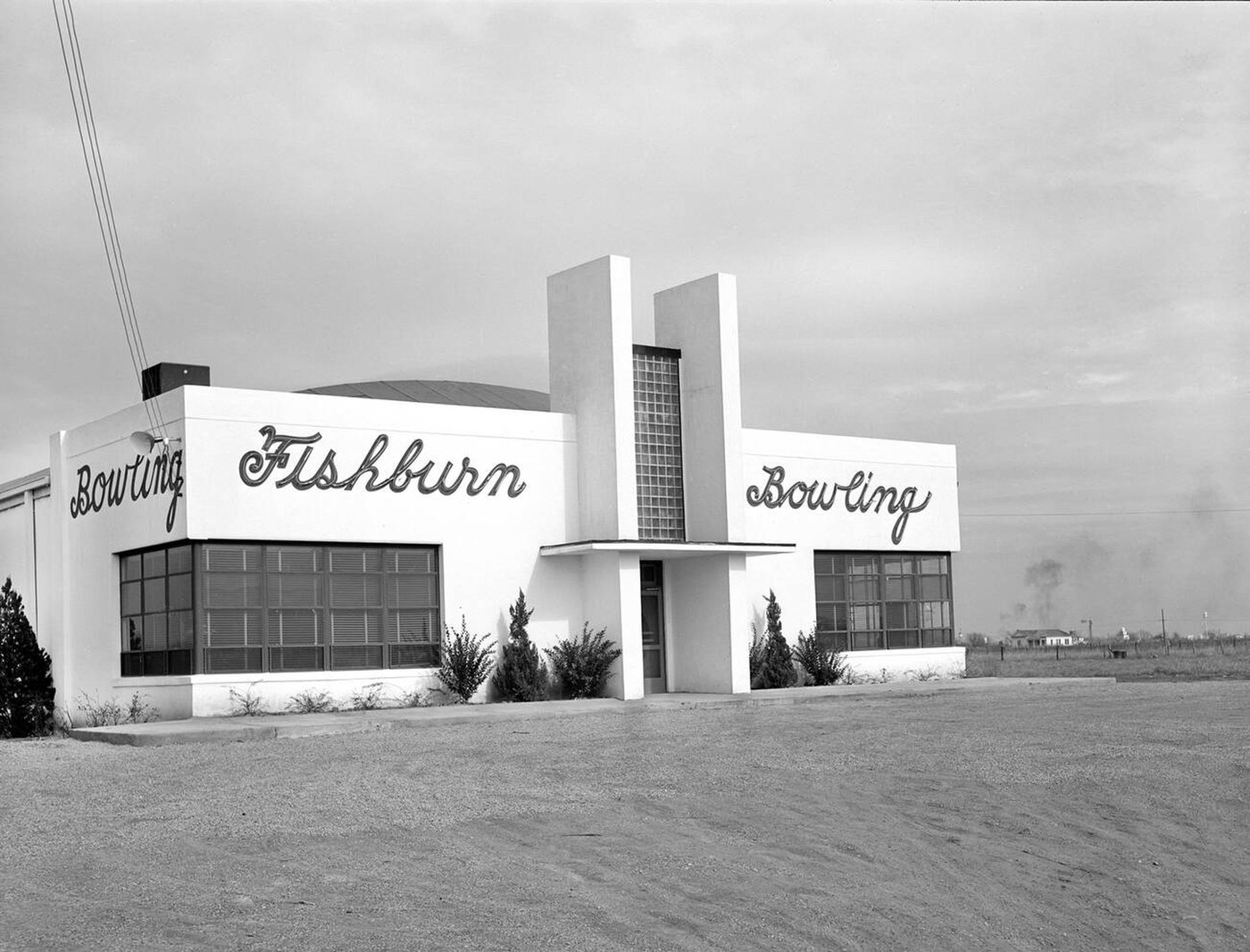
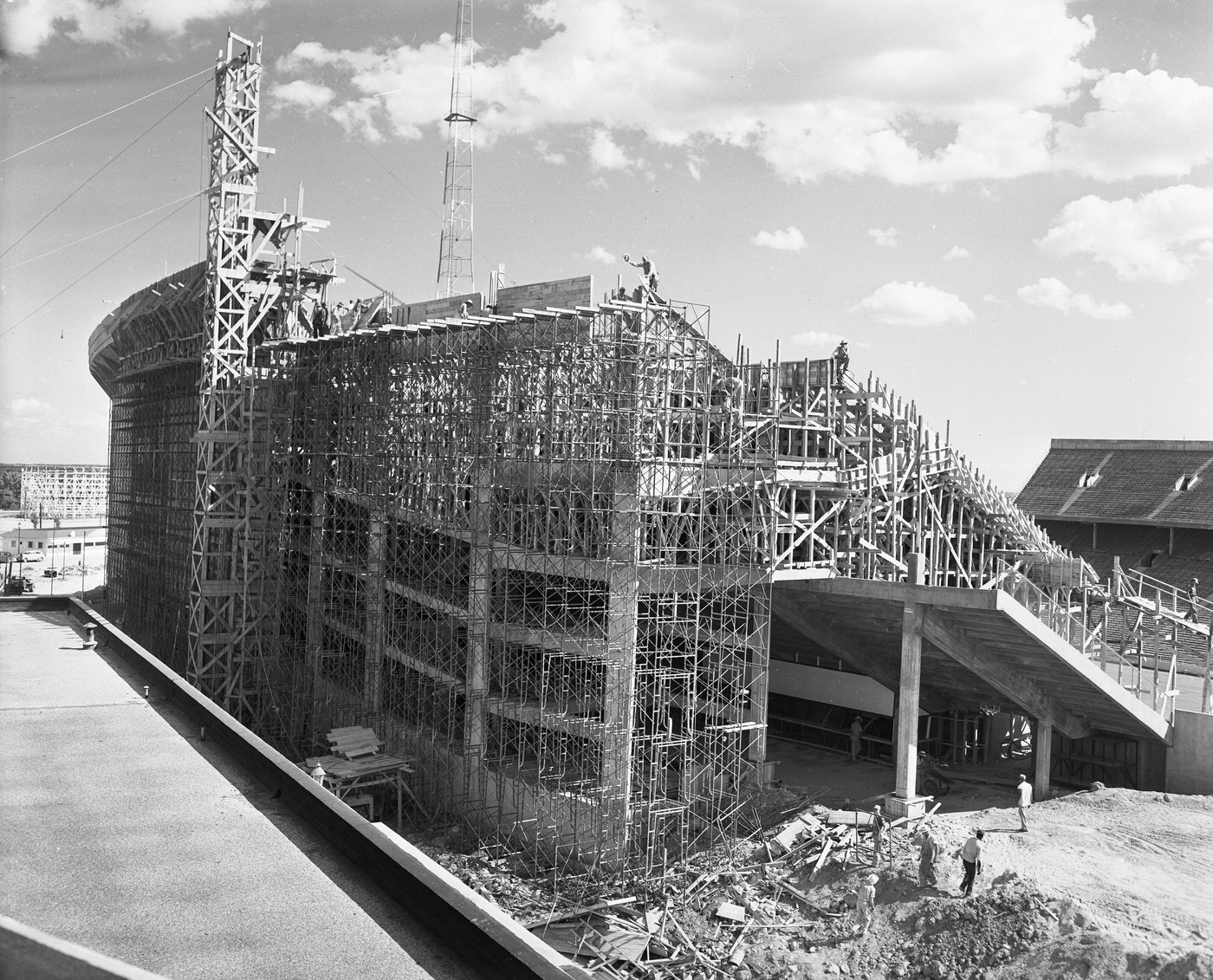
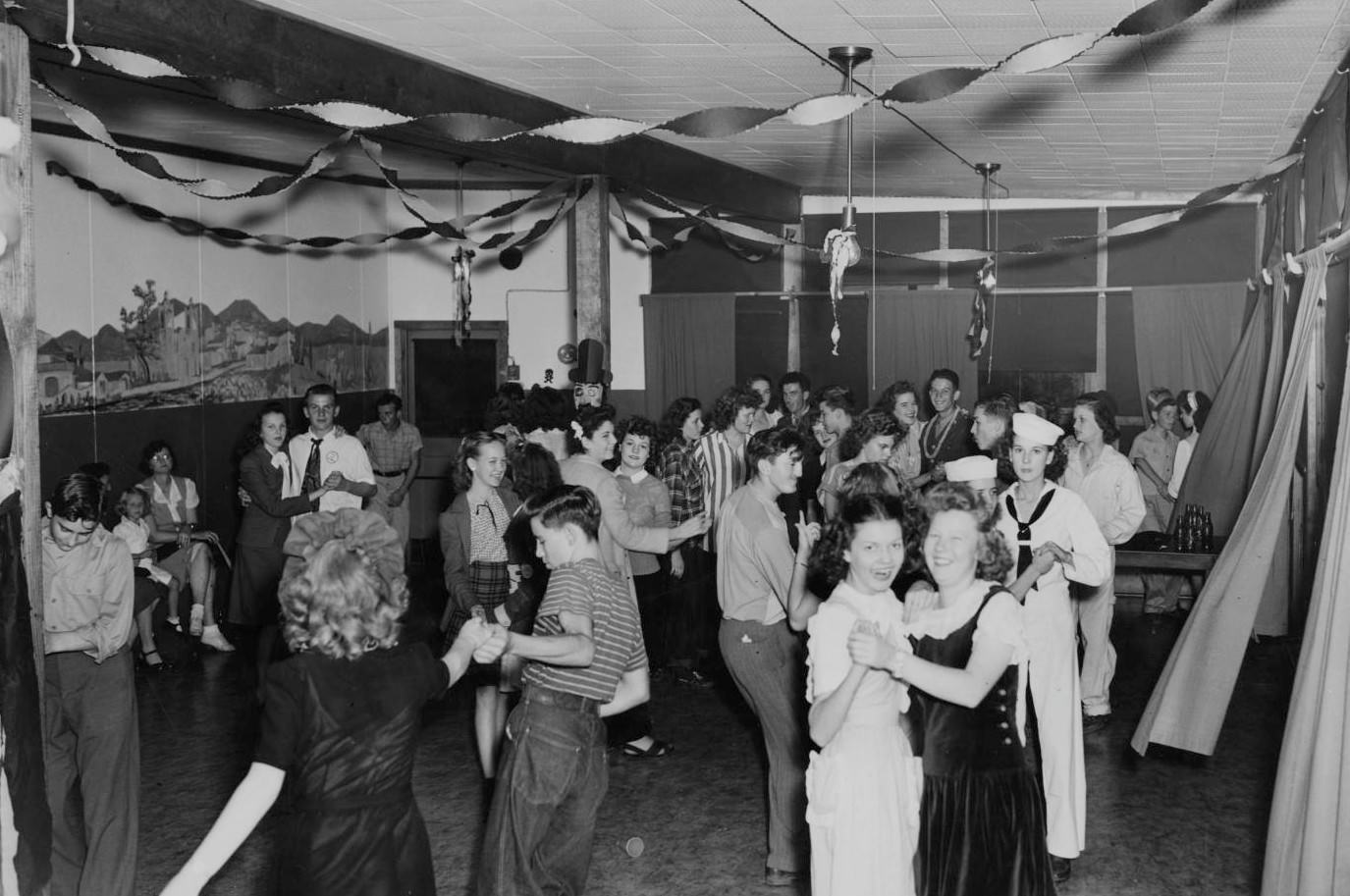
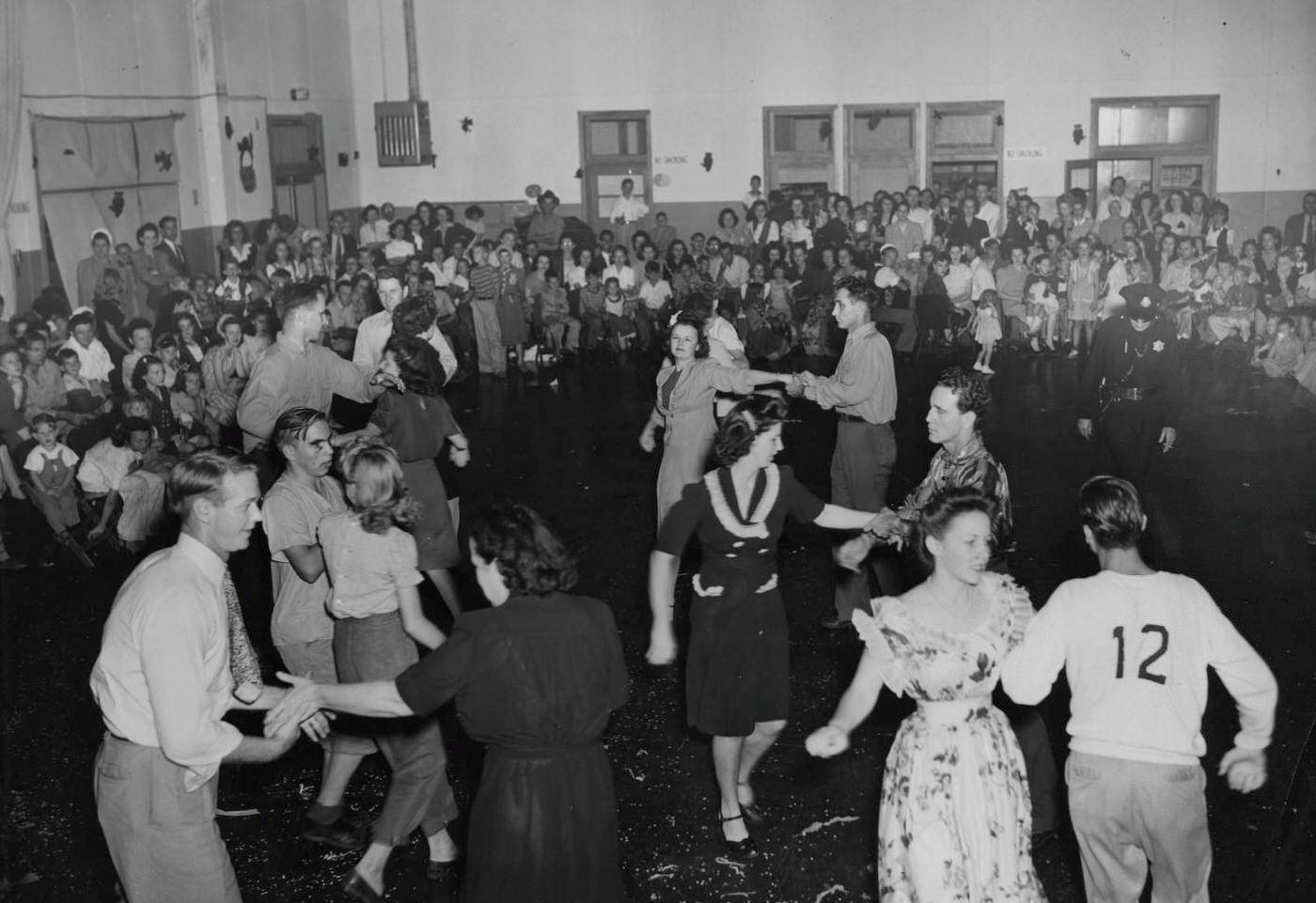
For more casual recreation, the Cotton Bowl Roller Rink opened in the summer of 1944. Nightlife included venues like the
Rose Room Night Club. A unique Dallas attraction,
“The Bonnie Barge,” a floating dance hall, began operating on White Rock Lake in 1946, offering residents a chance to dance under the stars.
The Post-War Shift: Suburbs and Prosperity
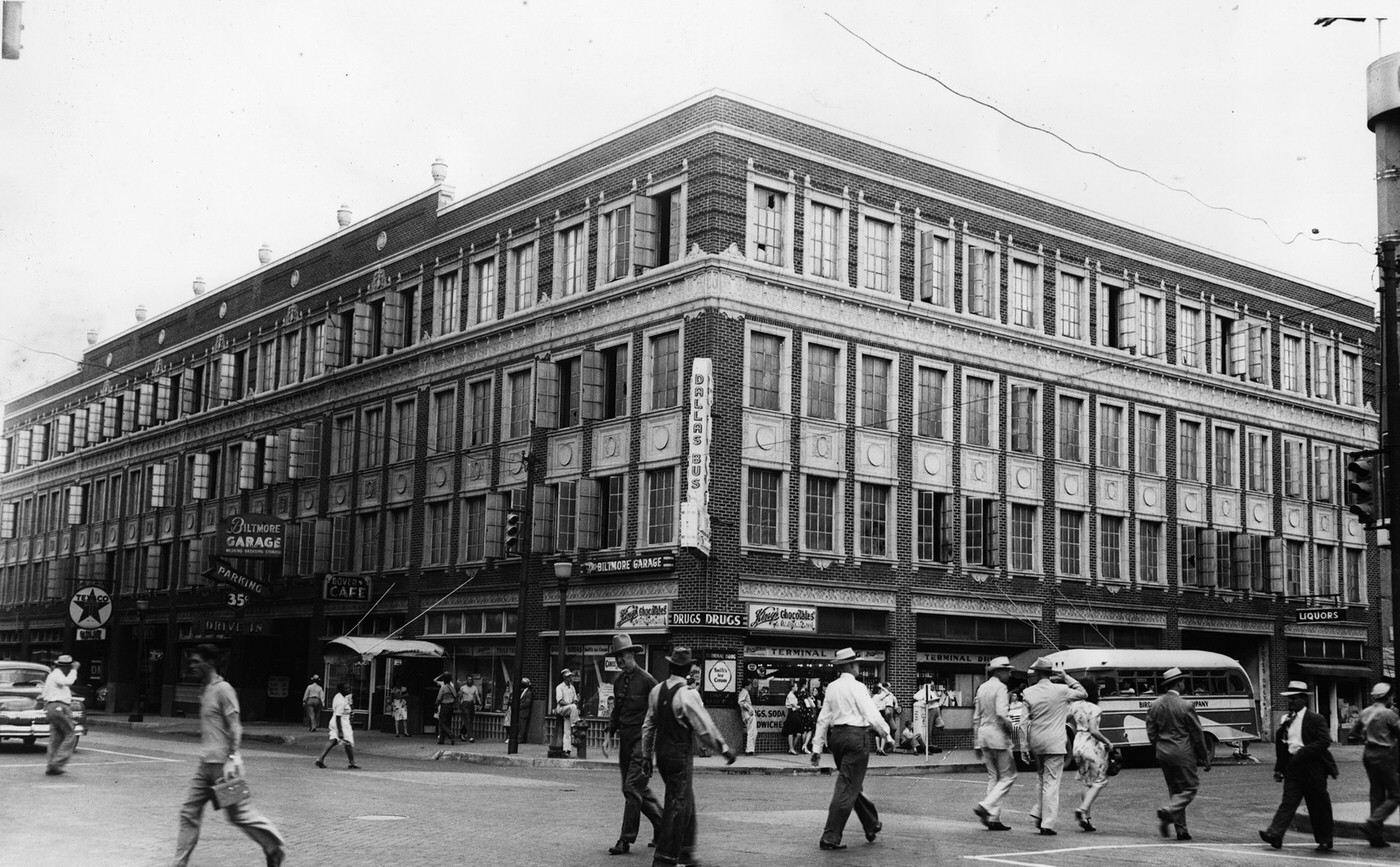
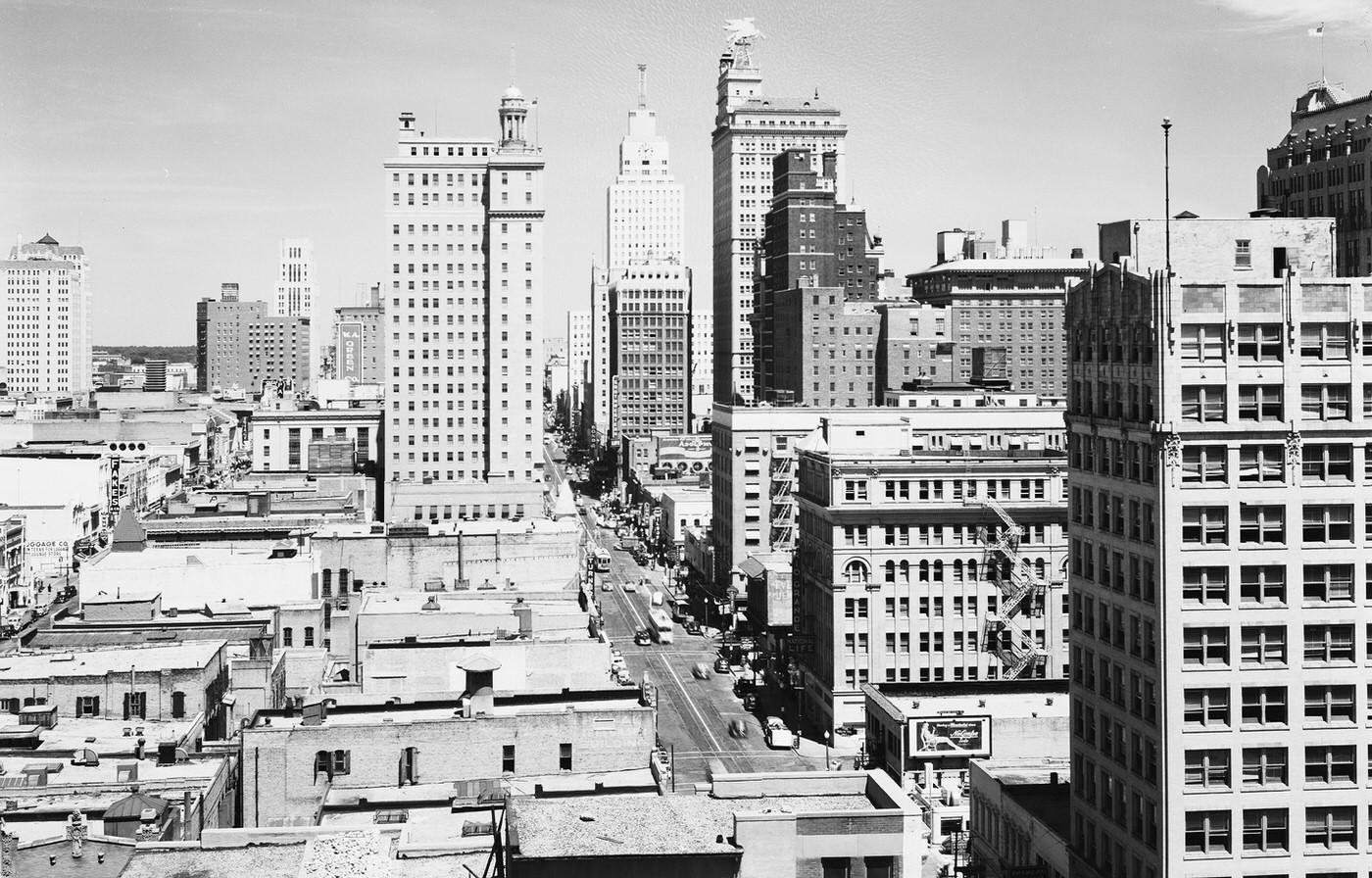
The end of World War II did not lead to an economic downturn in Dallas. Instead, the industrial capacity built during the war became the foundation for an era of unprecedented prosperity and growth that reshaped the city’s physical and social landscape.
The city’s population, which stood at 294,734 in 1940, began to climb rapidly, reaching 434,462 by 1950. This explosive growth was fueled by returning veterans and a wave of migration from rural areas as people sought jobs in the city’s expanding industries.
The transition from a wartime to a peacetime economy was swift. On August 14, 1945, the government canceled its contracts for warplanes, and thousands of workers at the North American Aviation plant lost their jobs. However, the massive facility was quickly repurposed. New companies, including Texas Engineering and Manufacturing Company (Temco) and Chance Vought Aviation, moved in, leasing space to produce new aircraft and other goods. This transition ensured that Dallas would remain a permanent and vital center for the nation’s aerospace and defense industry.
The Rise of the Suburbs
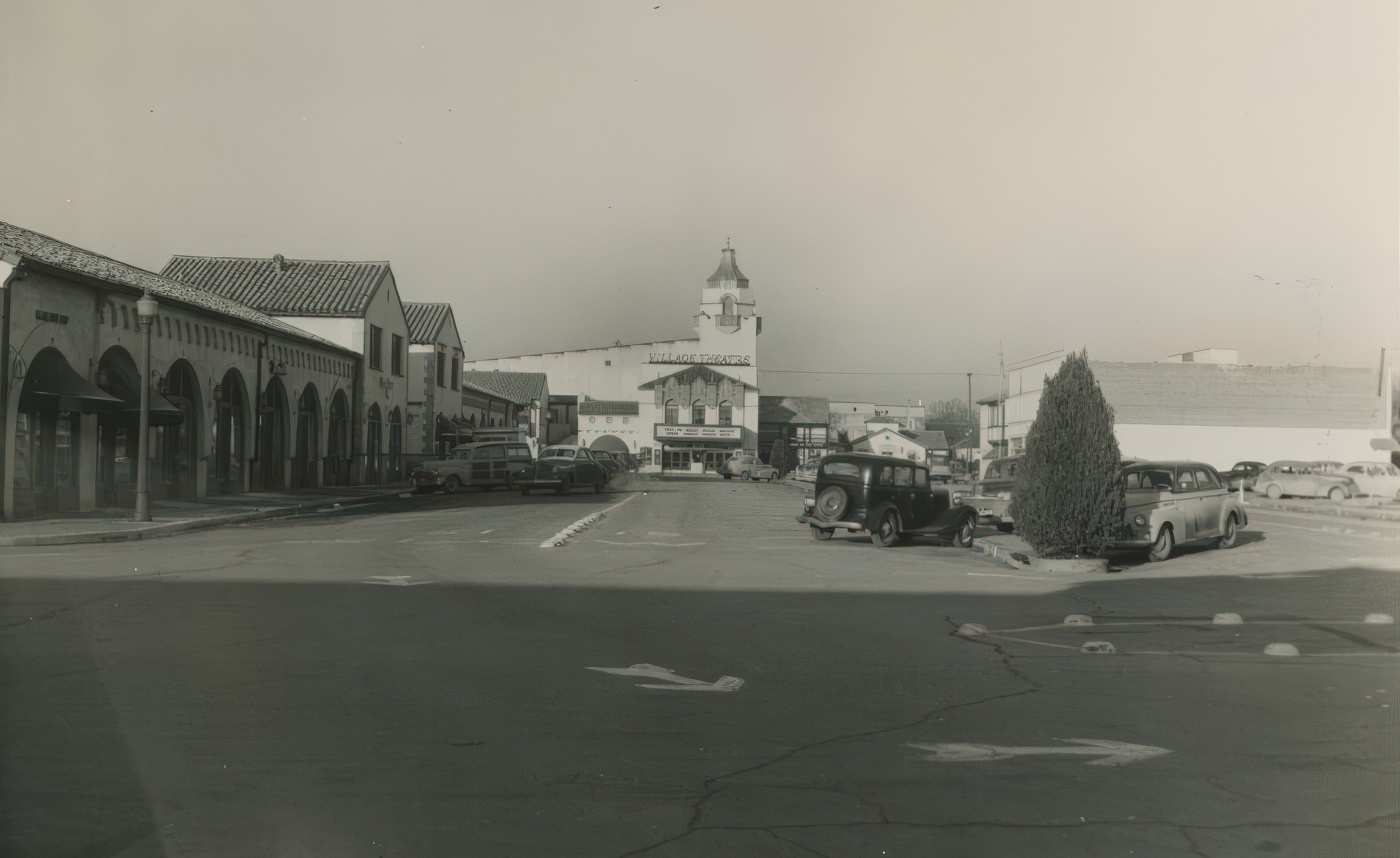
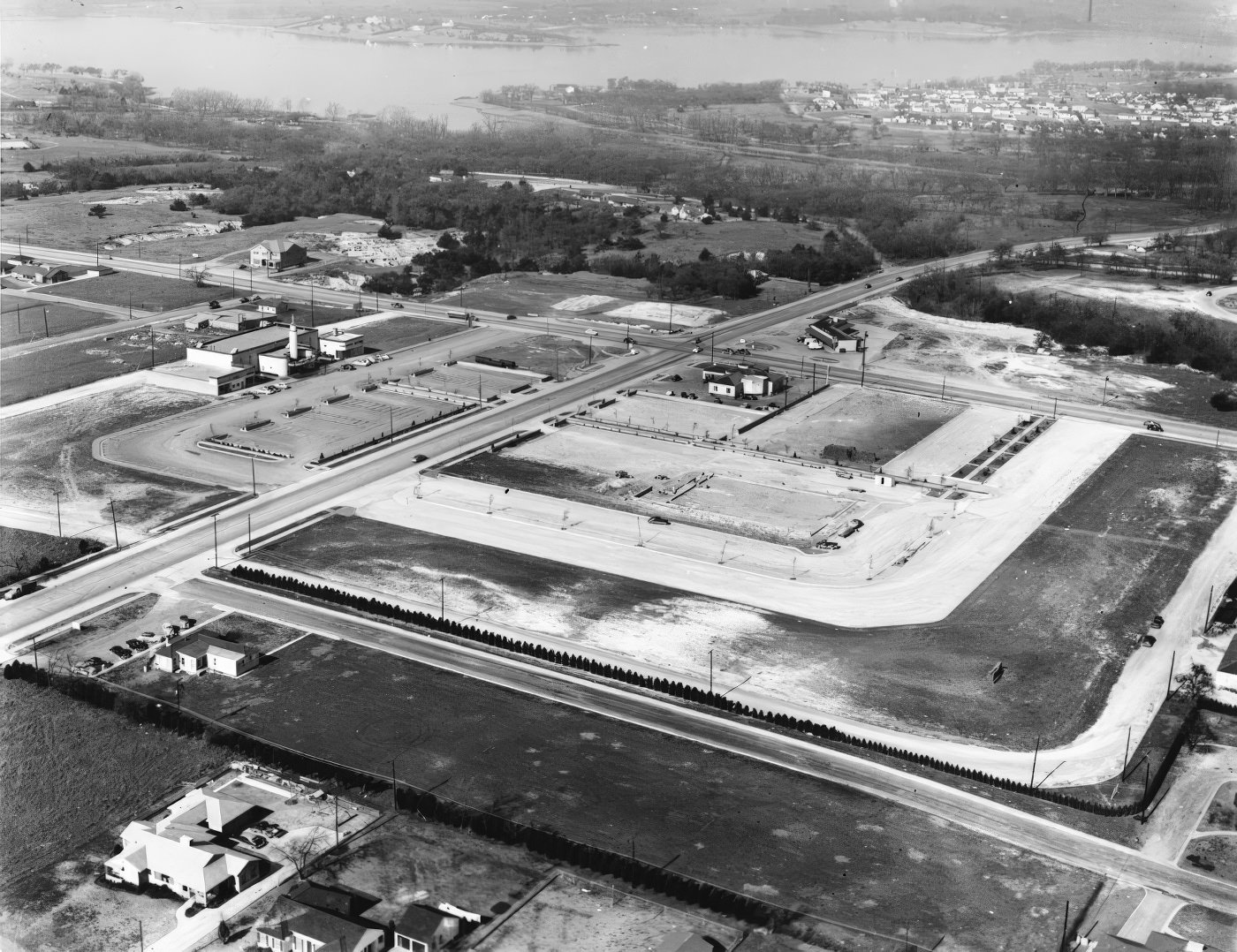
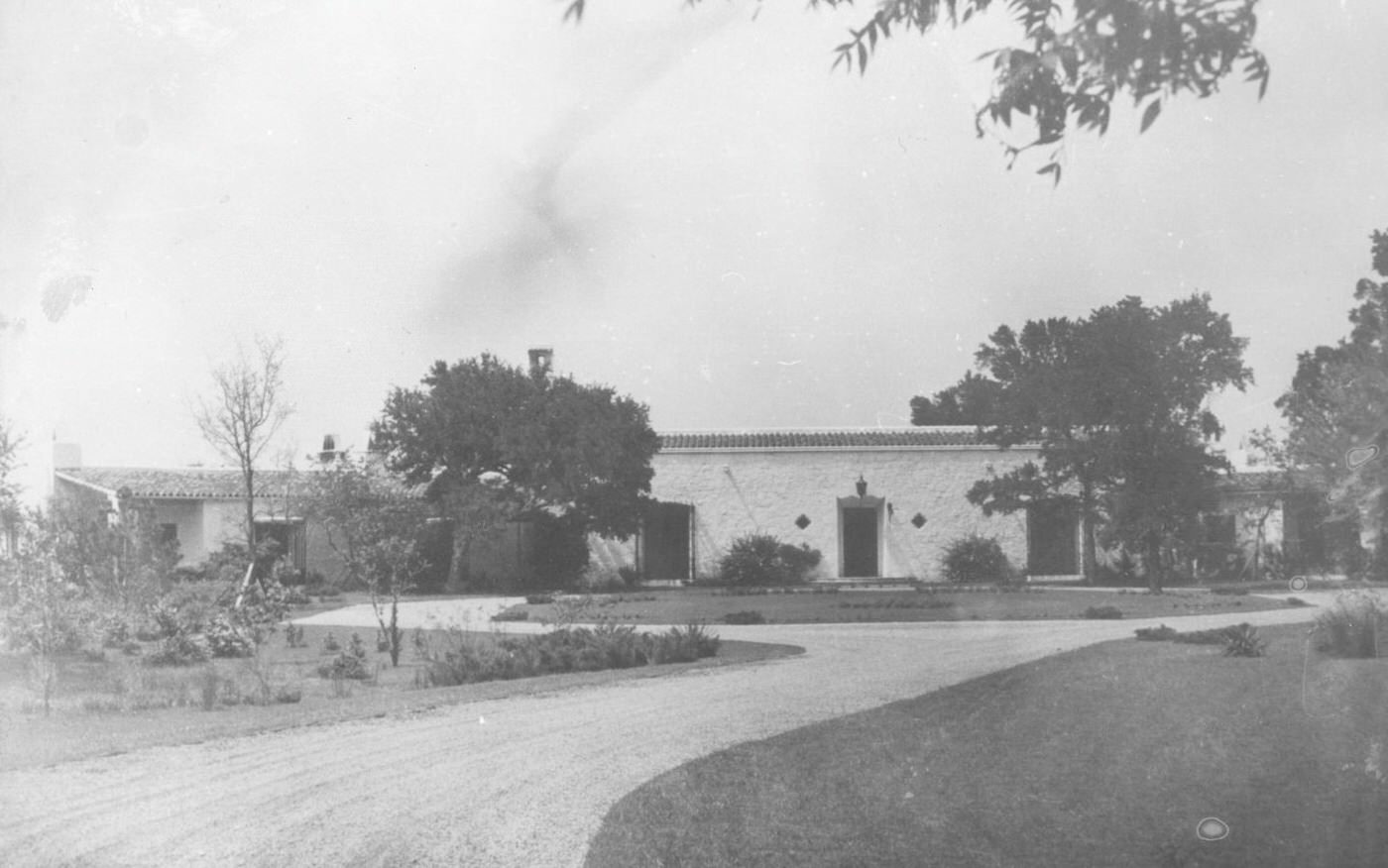
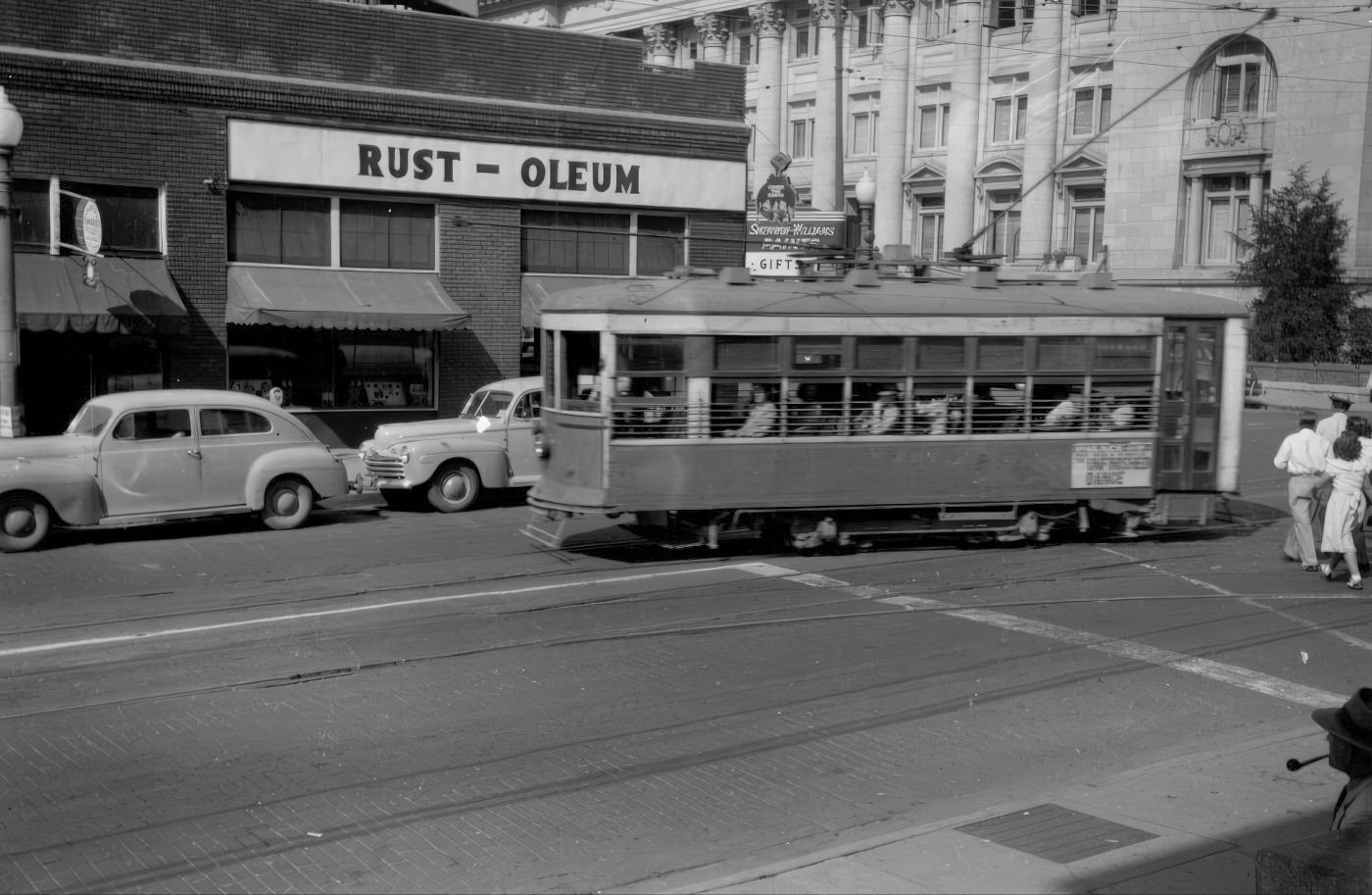
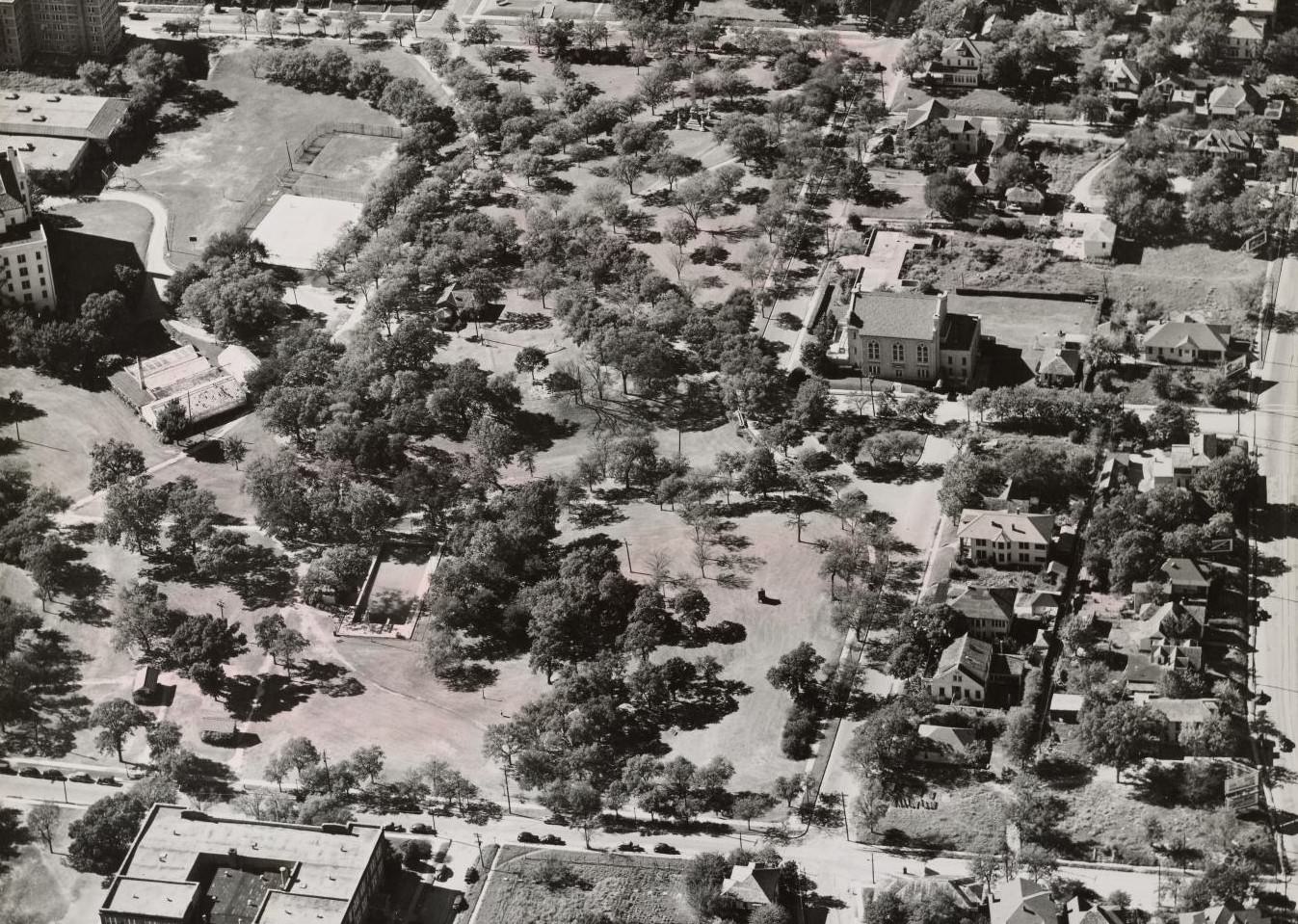
The combination of a booming economy, a growing population, and the increasing affordability and availability of the automobile created a massive demand for new housing. This demand was met by a wave of suburban development on what was then the city’s periphery. The late 1940s saw the rapid growth of new neighborhoods, particularly in East Dallas near the recreational amenities of White Rock Lake. Areas like The Cloisters, Lake Park Estates, and Old Lake Highlands expanded quickly as middle-class families sought a suburban lifestyle with more space than could be found in the city’s older neighborhoods.
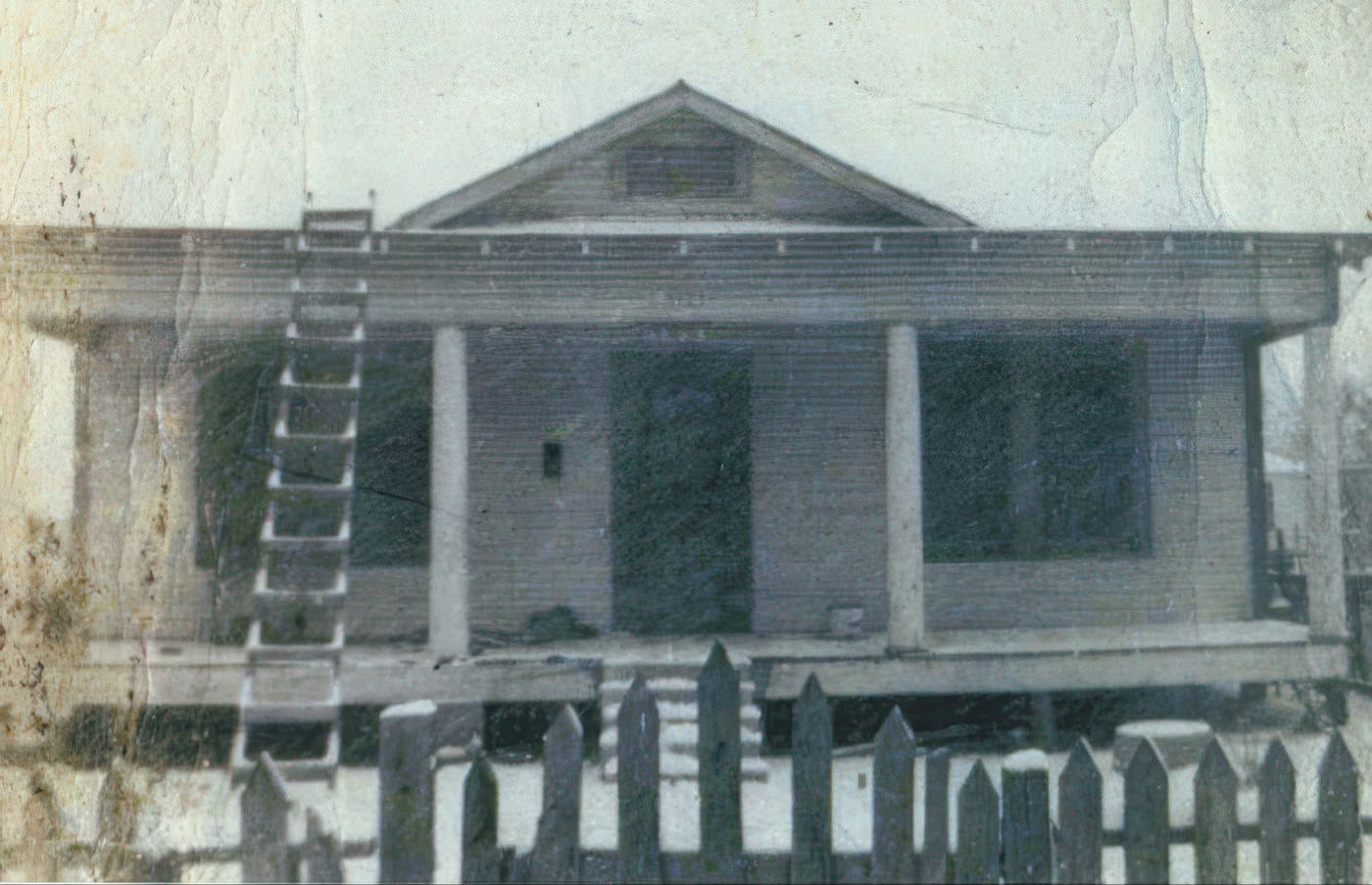
The dominant architectural style of this new suburban expansion was the ranch-style house. Characterized by their long, low profiles, single-story layouts, open floor plans, and attached garages, these homes were perfectly suited for the informal, car-centric lifestyle of the post-war American family. Neighborhoods like Lake Park Estates and Old Lake Highlands, which began developing in the 1940s, are filled with examples of these early ranch homes.
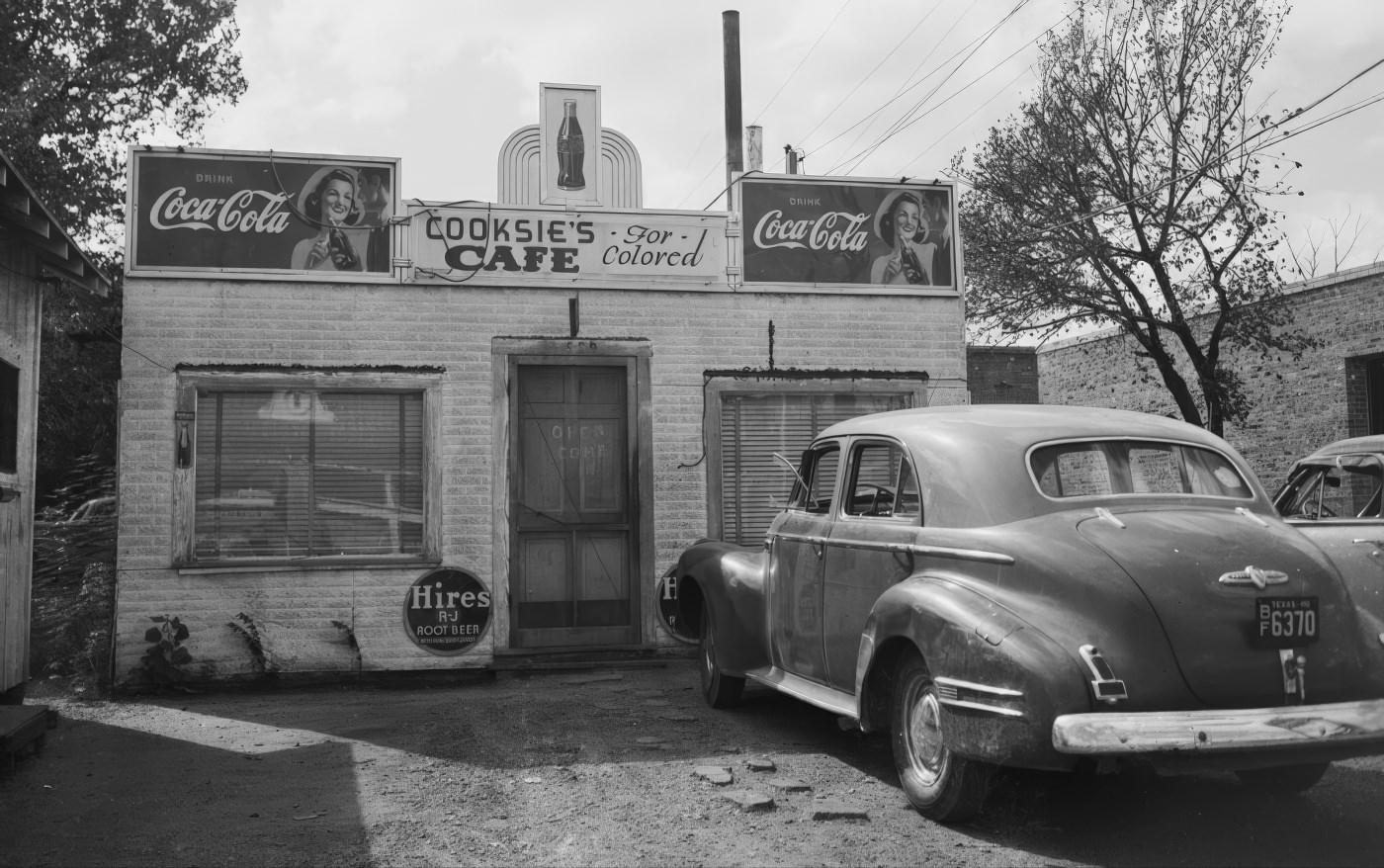
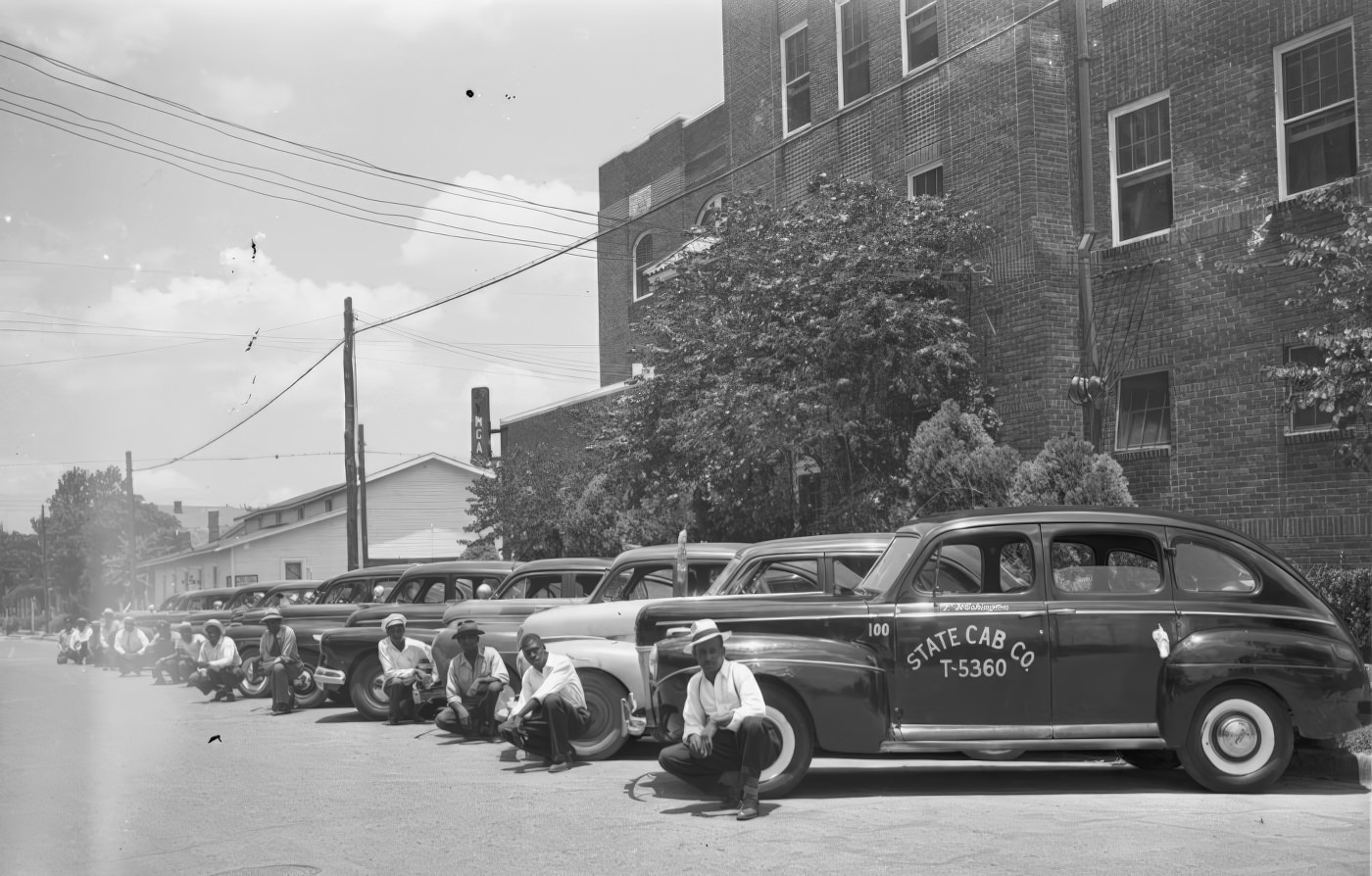
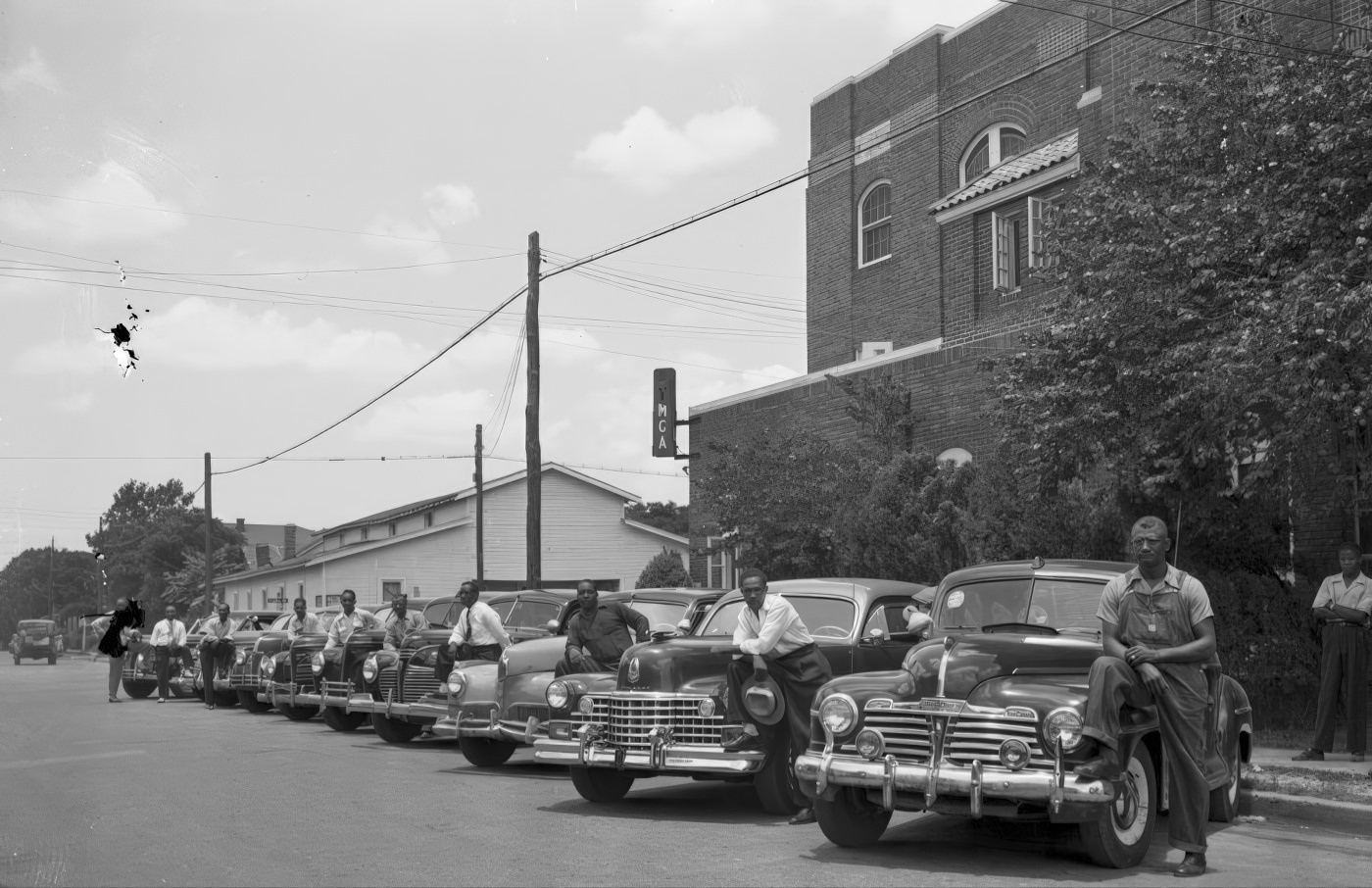
This post-war suburban boom physically encoded the social and racial dynamics of the 1940s into the city’s geography. The new, desirable ranch-style homes were built in developing neighborhoods that were exclusively white, often protected by the same racially restrictive covenants that confined Black families to the urban core. This created a stark spatial separation between the new, affluent, white suburbs and the older, increasingly neglected, and systematically contained minority neighborhoods. While federal housing policies made it easier for white families to secure loans for these new homes, Black families were largely excluded from this wealth-building opportunity. The suburban dream for one group was thus directly linked to the urban crisis for another.
Radio’s Golden Age
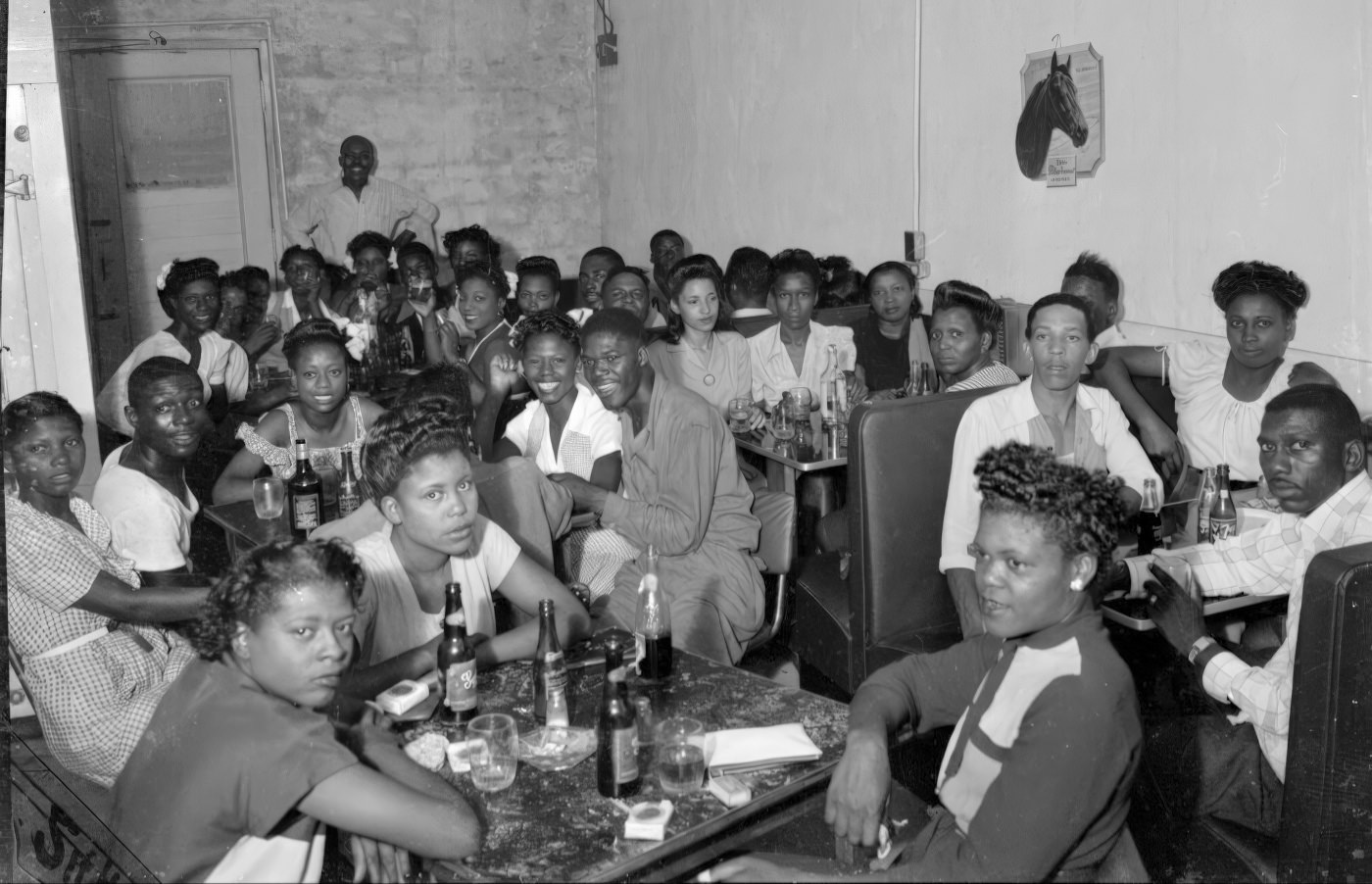
In a decade defined first by the anxieties of war and then by the optimism of peace, Dallasites found entertainment and connection through a variety of cultural and social activities. The city’s entertainment landscape was in transition, still rooted in public gatherings but on the cusp of a new media age.
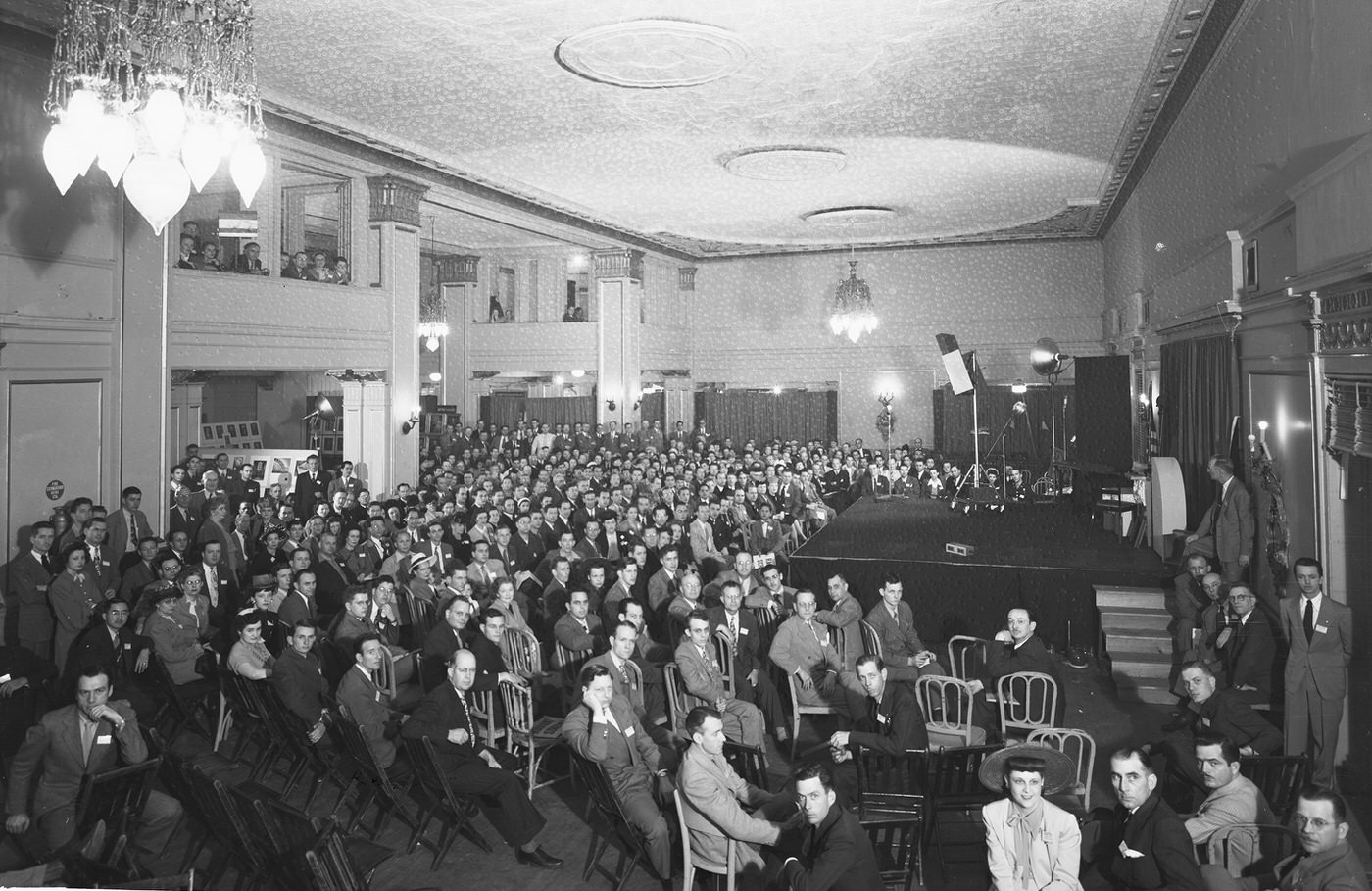
Before the arrival of television, radio was the undisputed king of home entertainment and the primary source of news for most families. Dallas was served by several major AM radio stations that broadcast a mix of national network programs and local content. WFAA (820 AM) was affiliated with the NBC Red network, KRLD (1080 AM) carried CBS programming, and the city-owned station, WRR (1310 AM), was part of the Mutual Broadcasting System. Popular local shows included WFAA’s morning variety program, “Early Birds,” and the “Big D Jamboree,” a country music show that became a regional favorite.
The Dawn of a New Era: Television Arrives
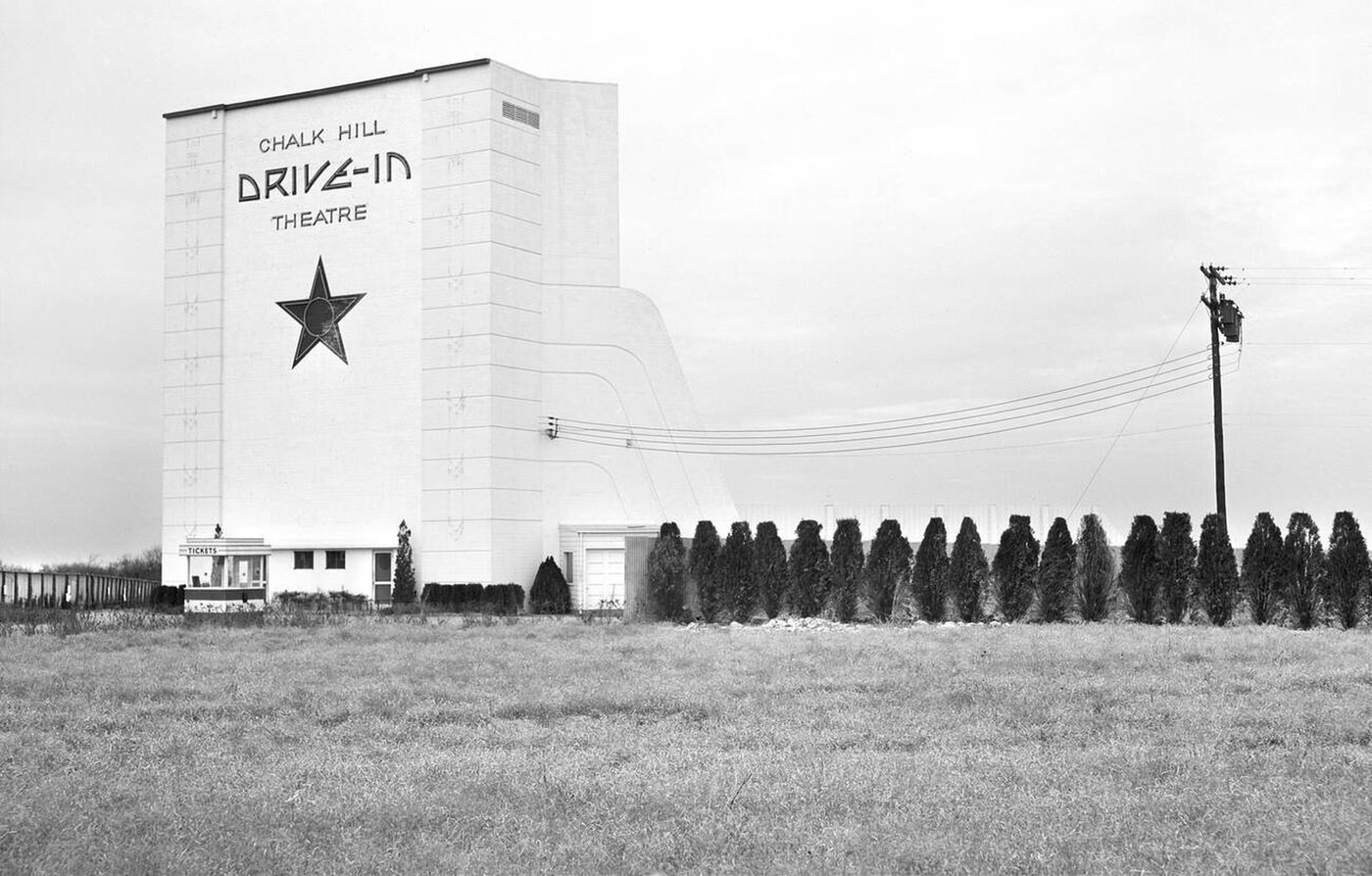
The end of the decade brought a technological revolution that would fundamentally change American life. In 1948, KRLD became the first licensed television station in Dallas, broadcasting its first images to the few hundred television sets then in the city. This marked the beginning of a massive shift in media consumption. The entertainment landscape of the 1940s reflected a city in transition. It was still grounded in the communal, public-facing entertainment of the pre-war era, but the dominance of radio and the introduction of television signaled a pivotal shift toward a more privatized, home-centered culture. This cultural change perfectly complemented the physical shift to suburbanization, as a new form of entertainment centered on the living room arrived just as families were moving into the single-family homes that would define post-war Dallas.
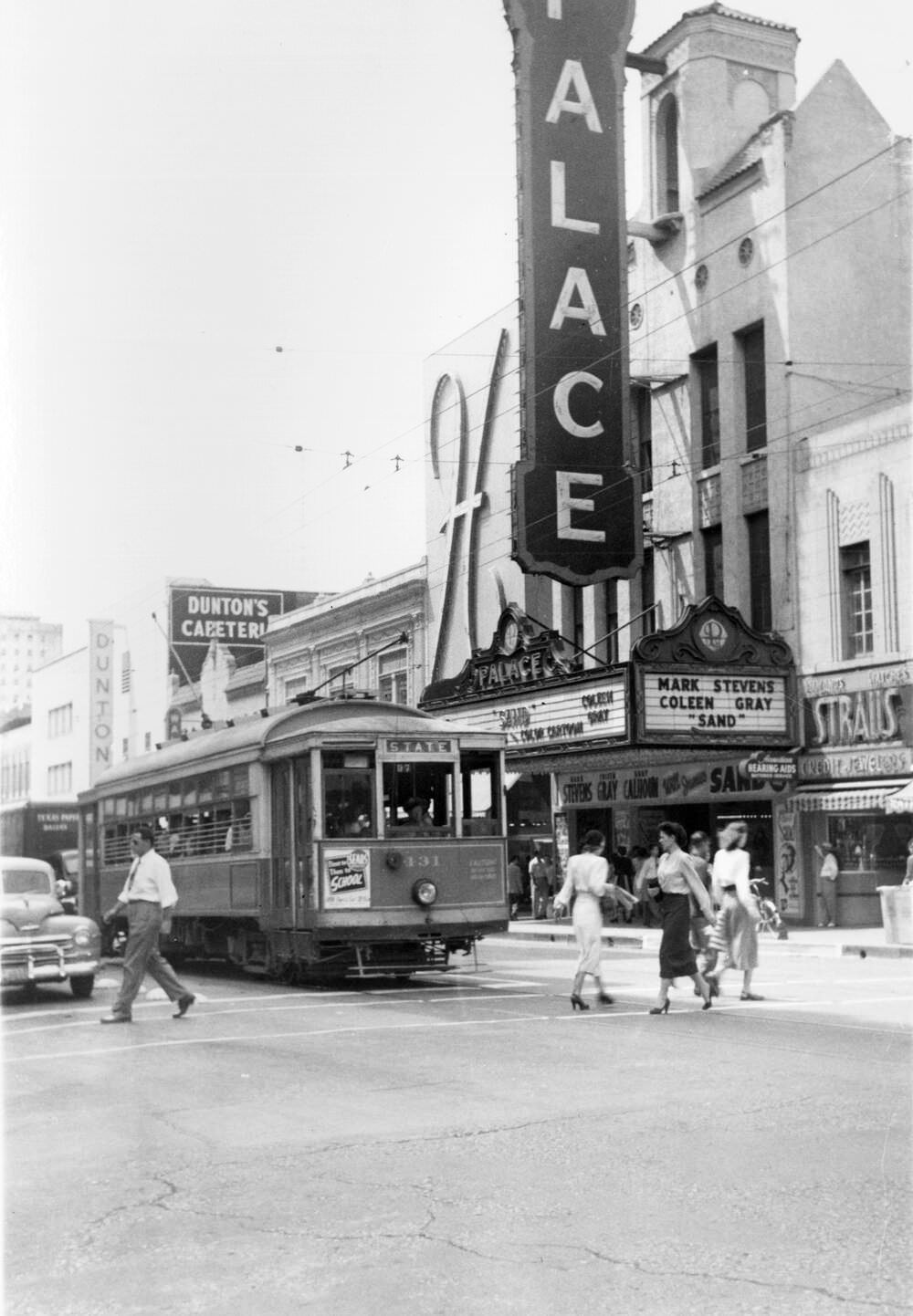
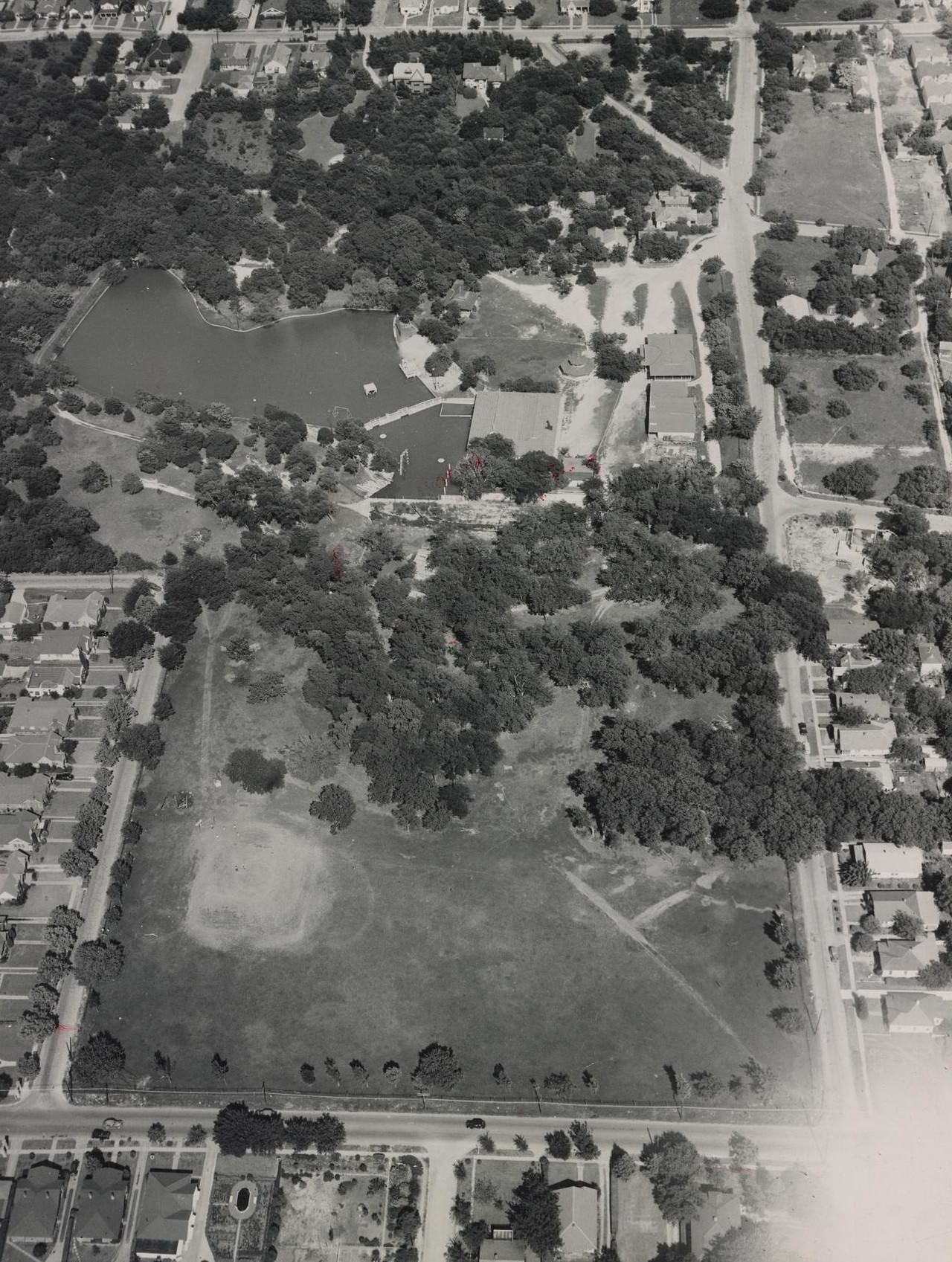
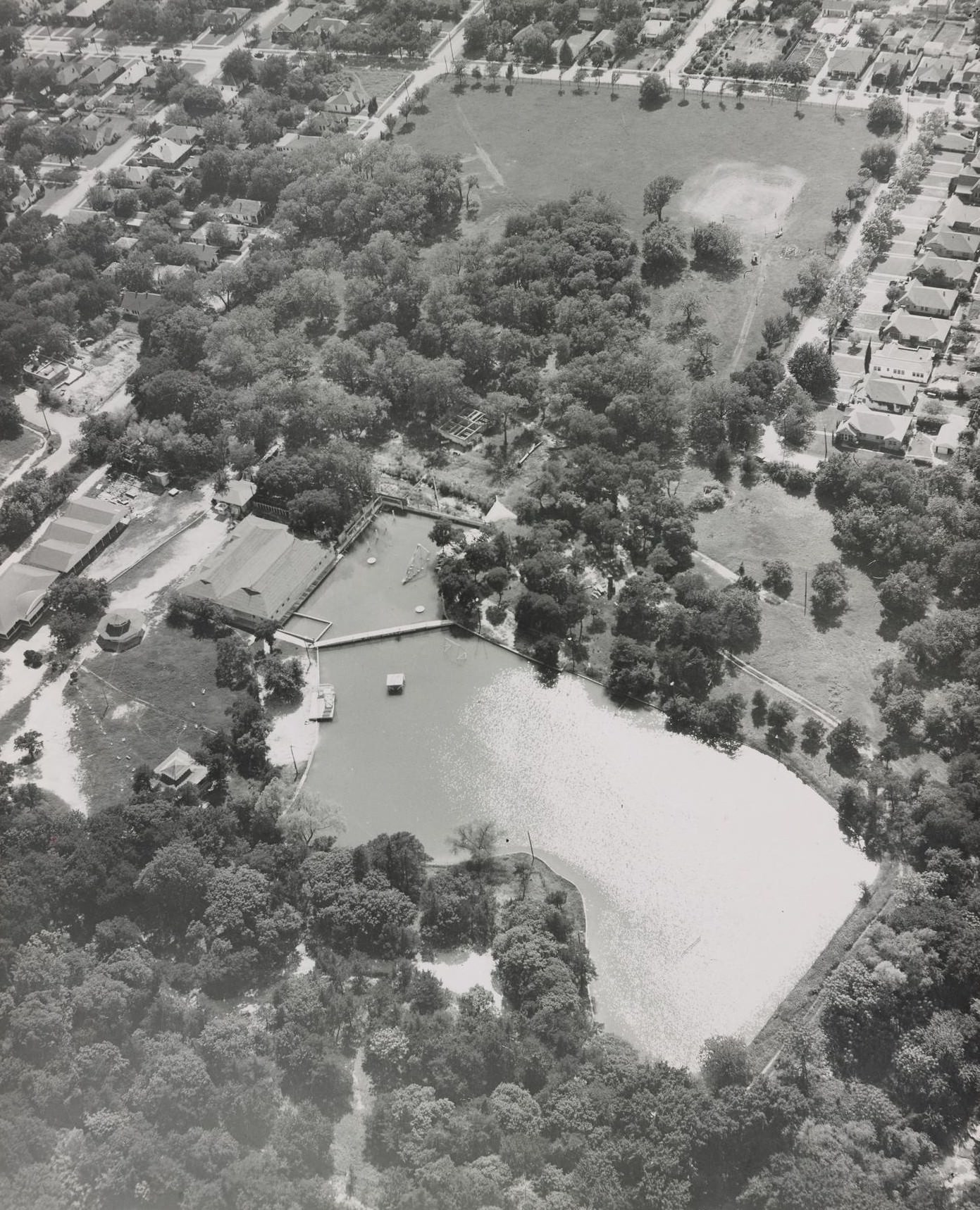
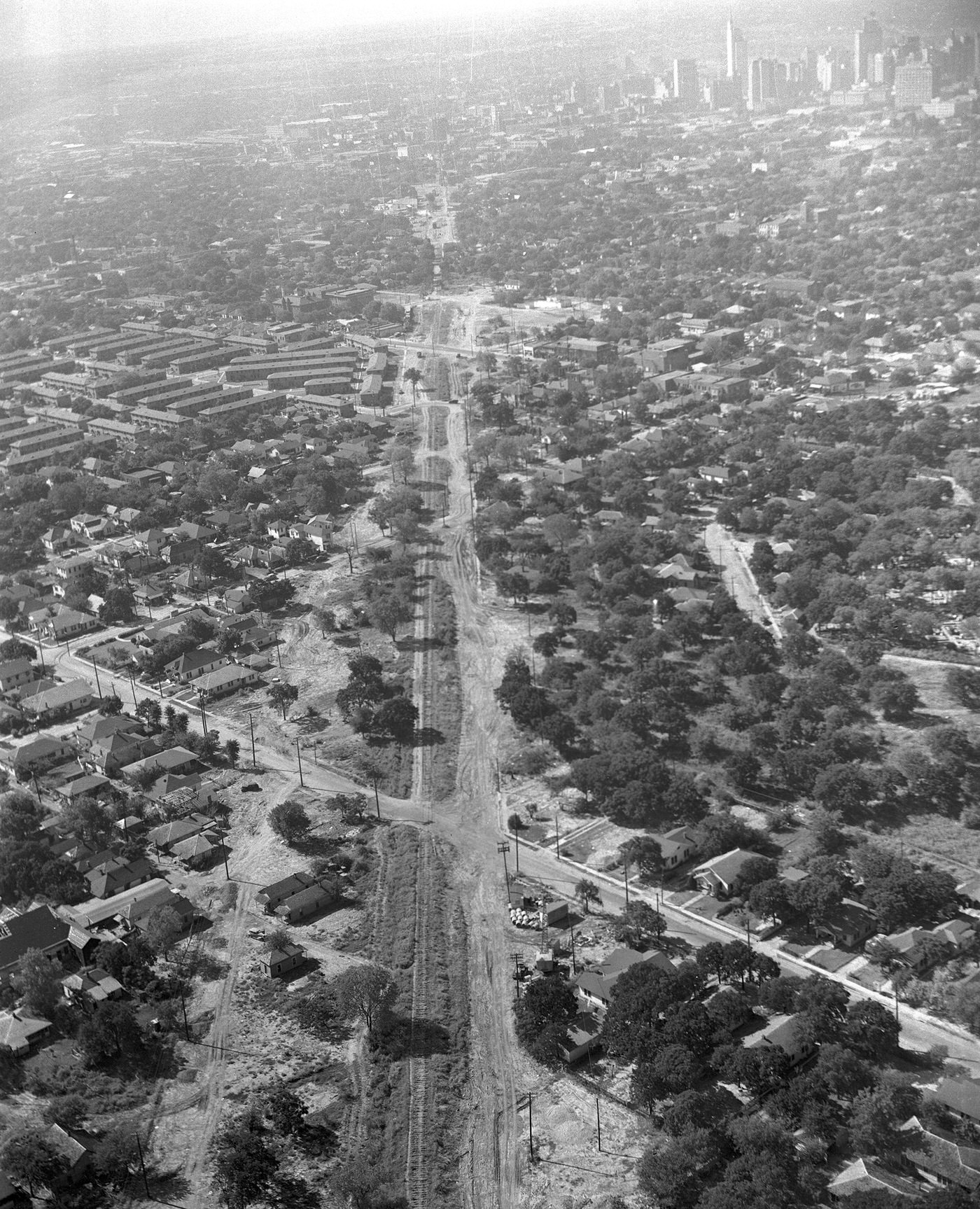
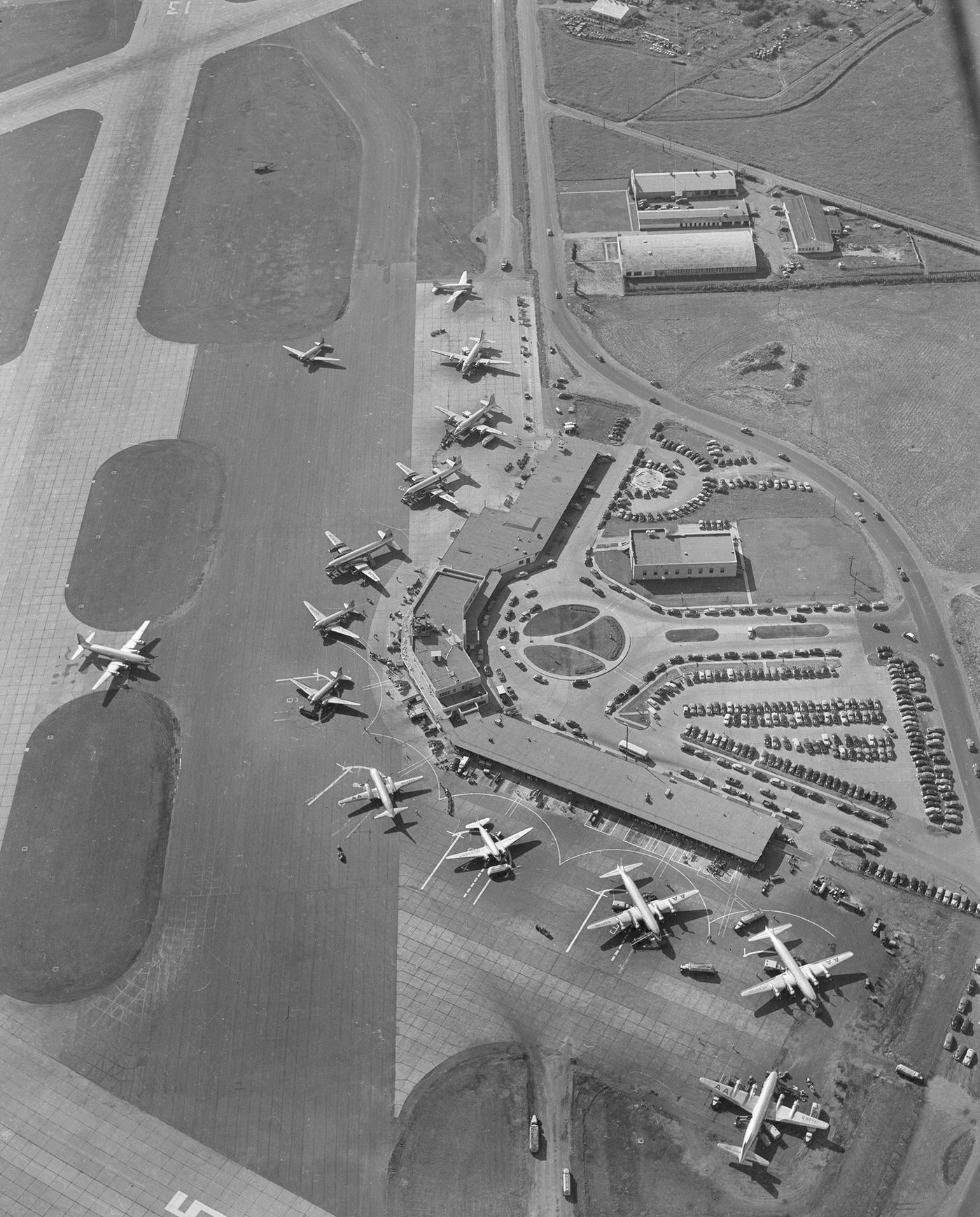
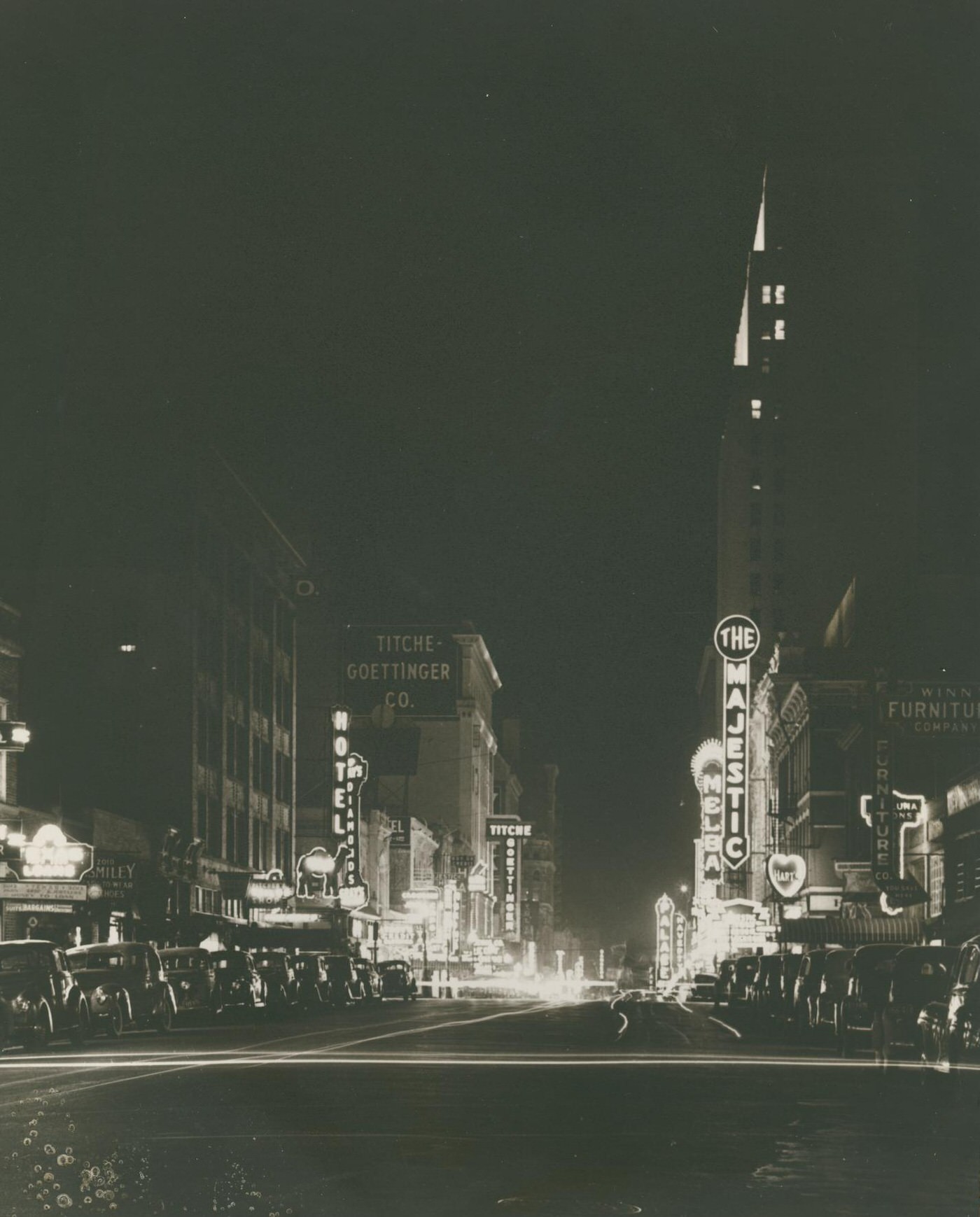
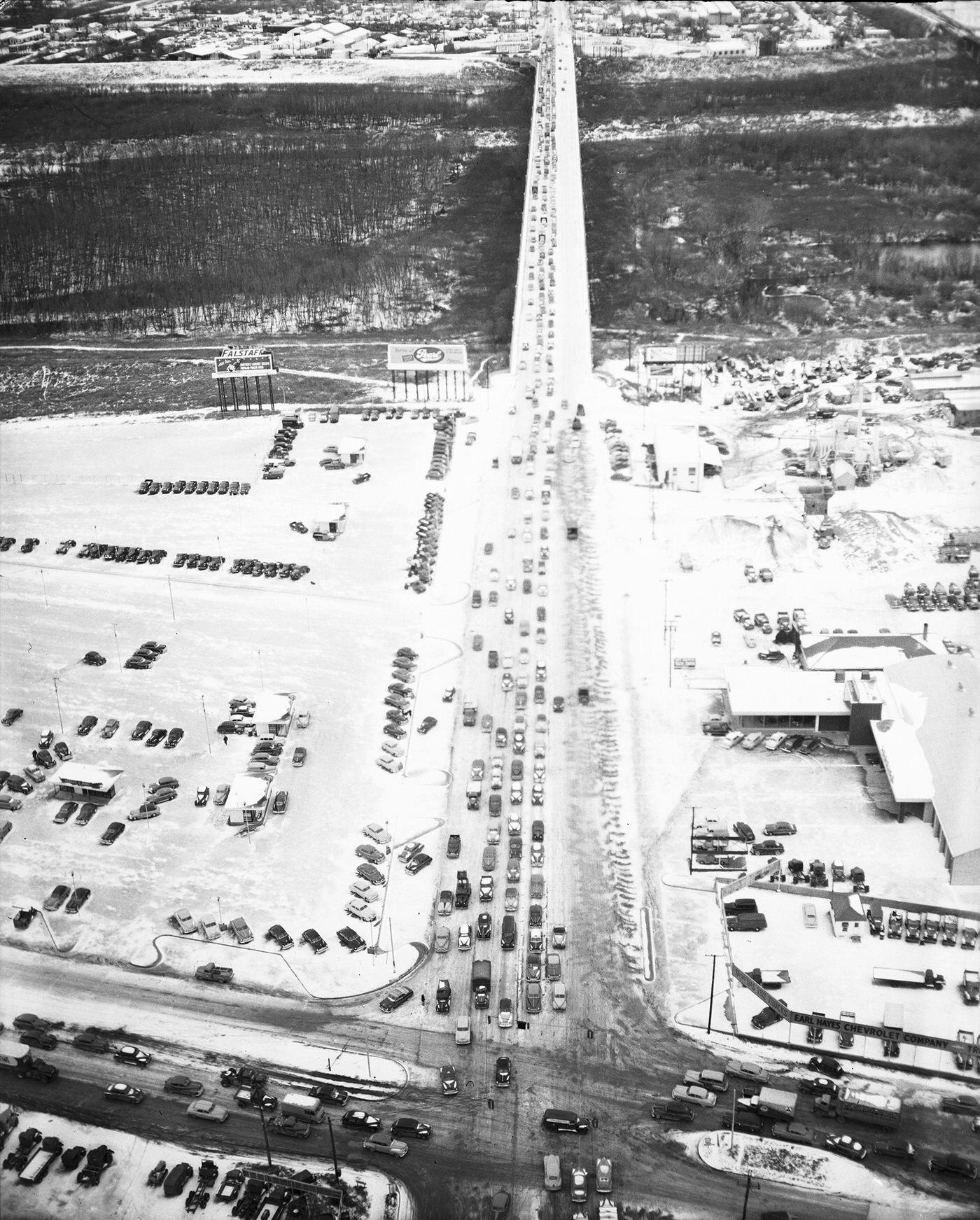
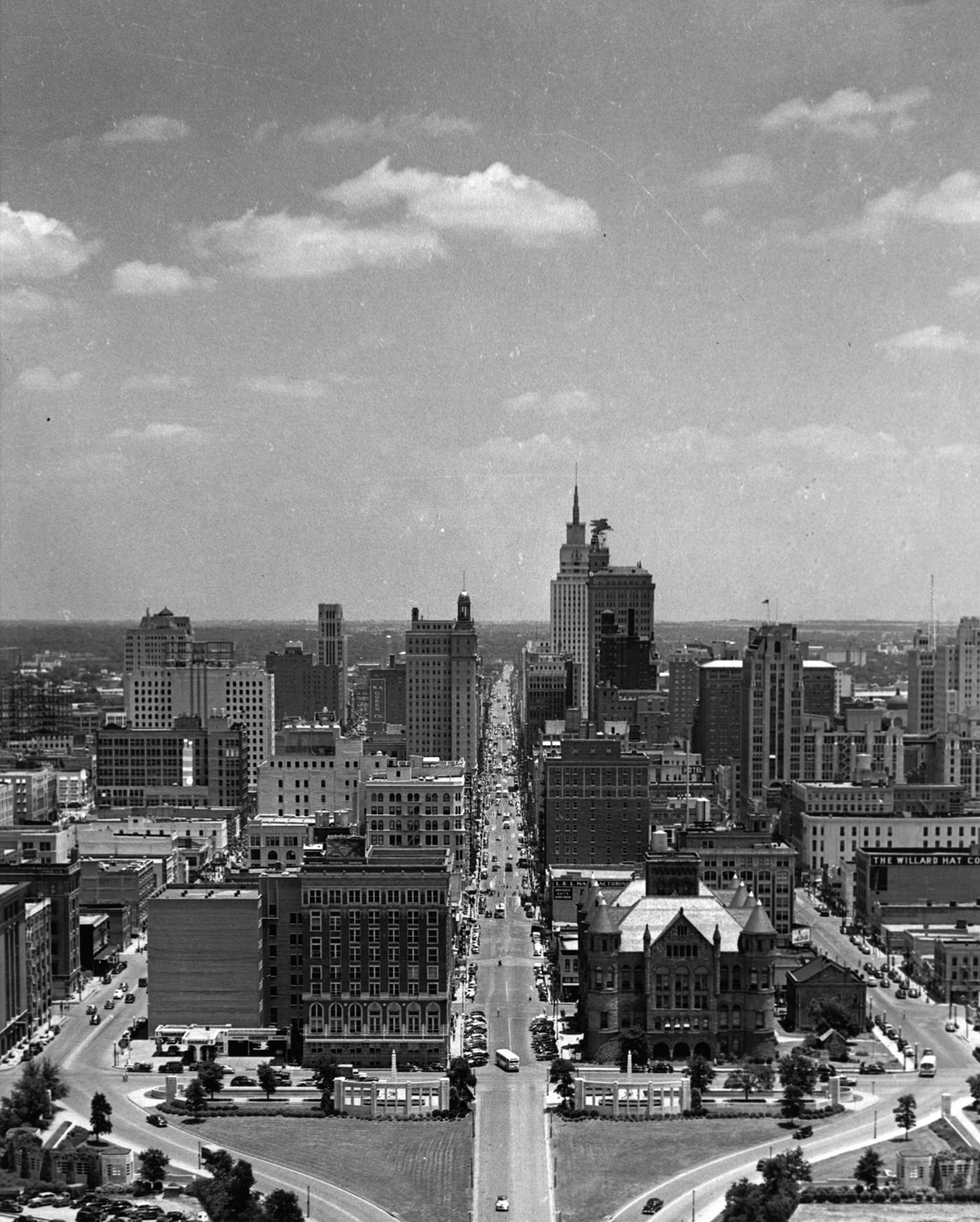
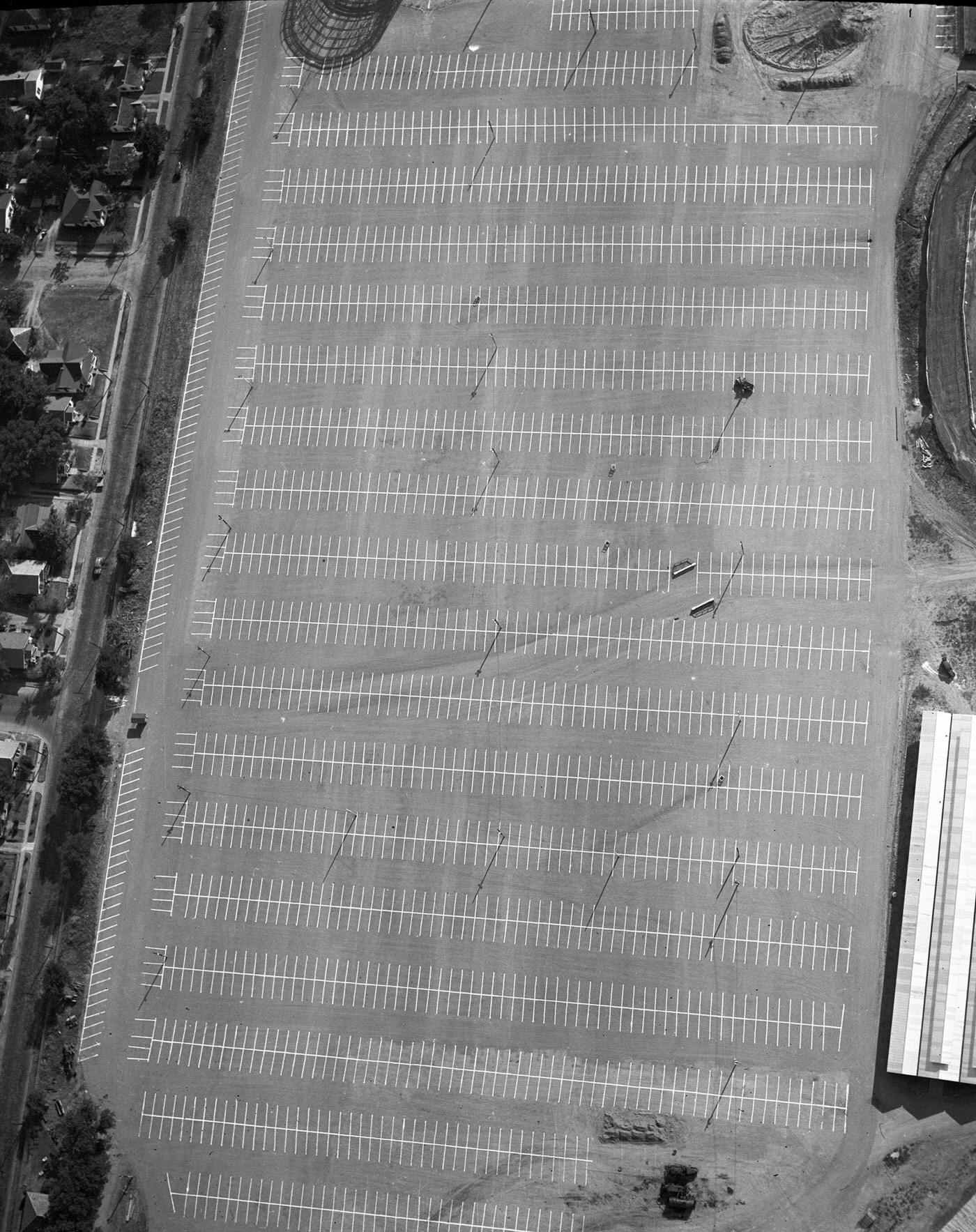
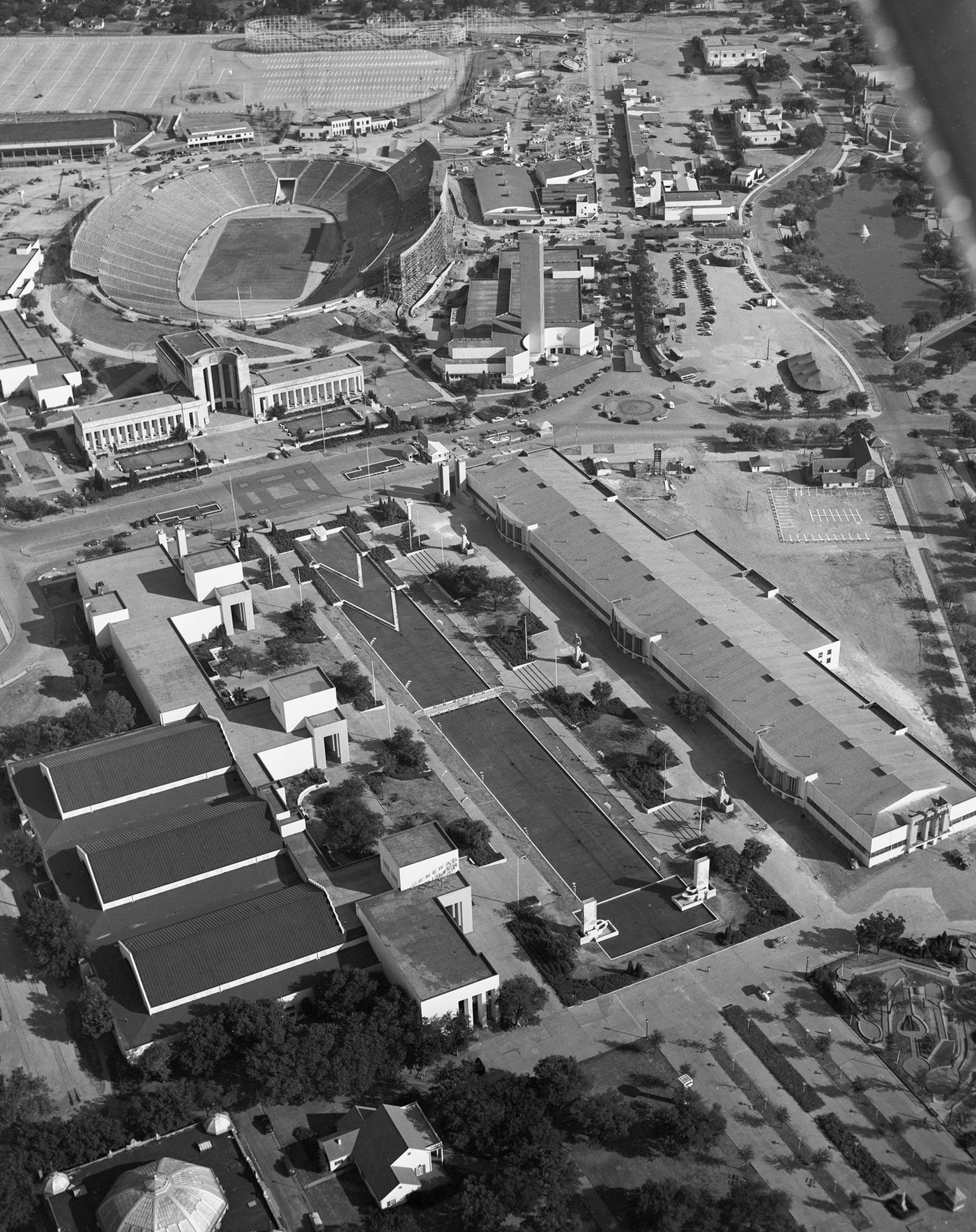
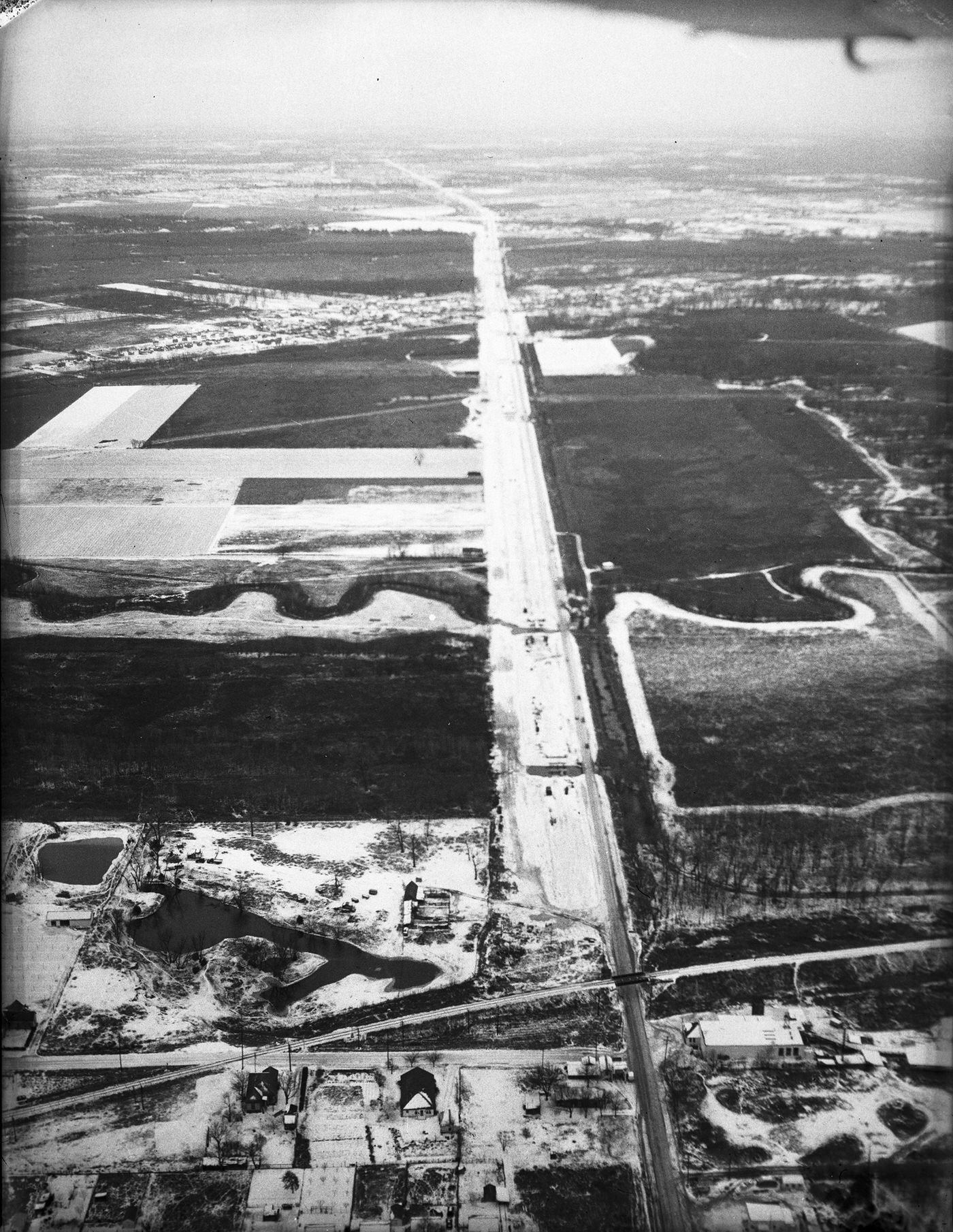
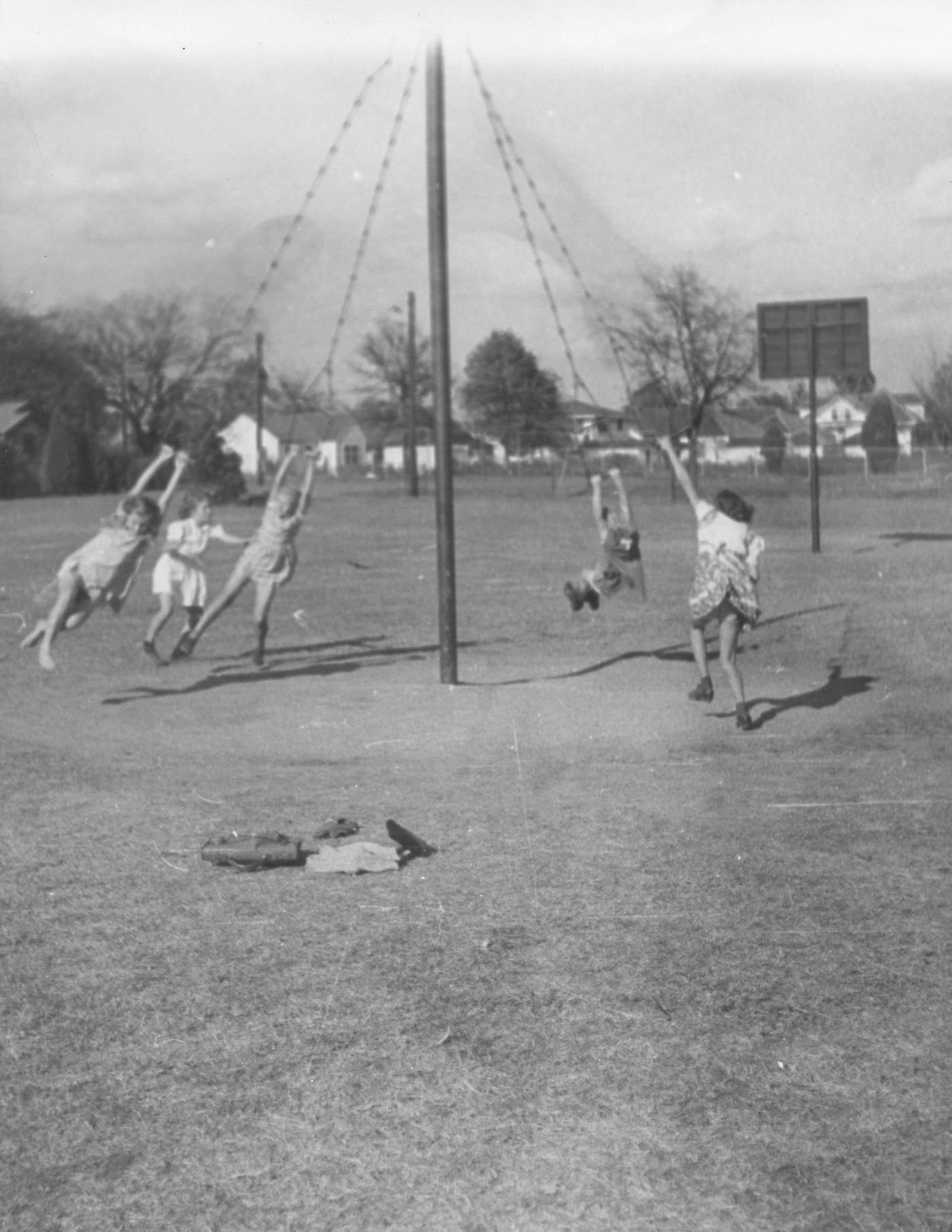
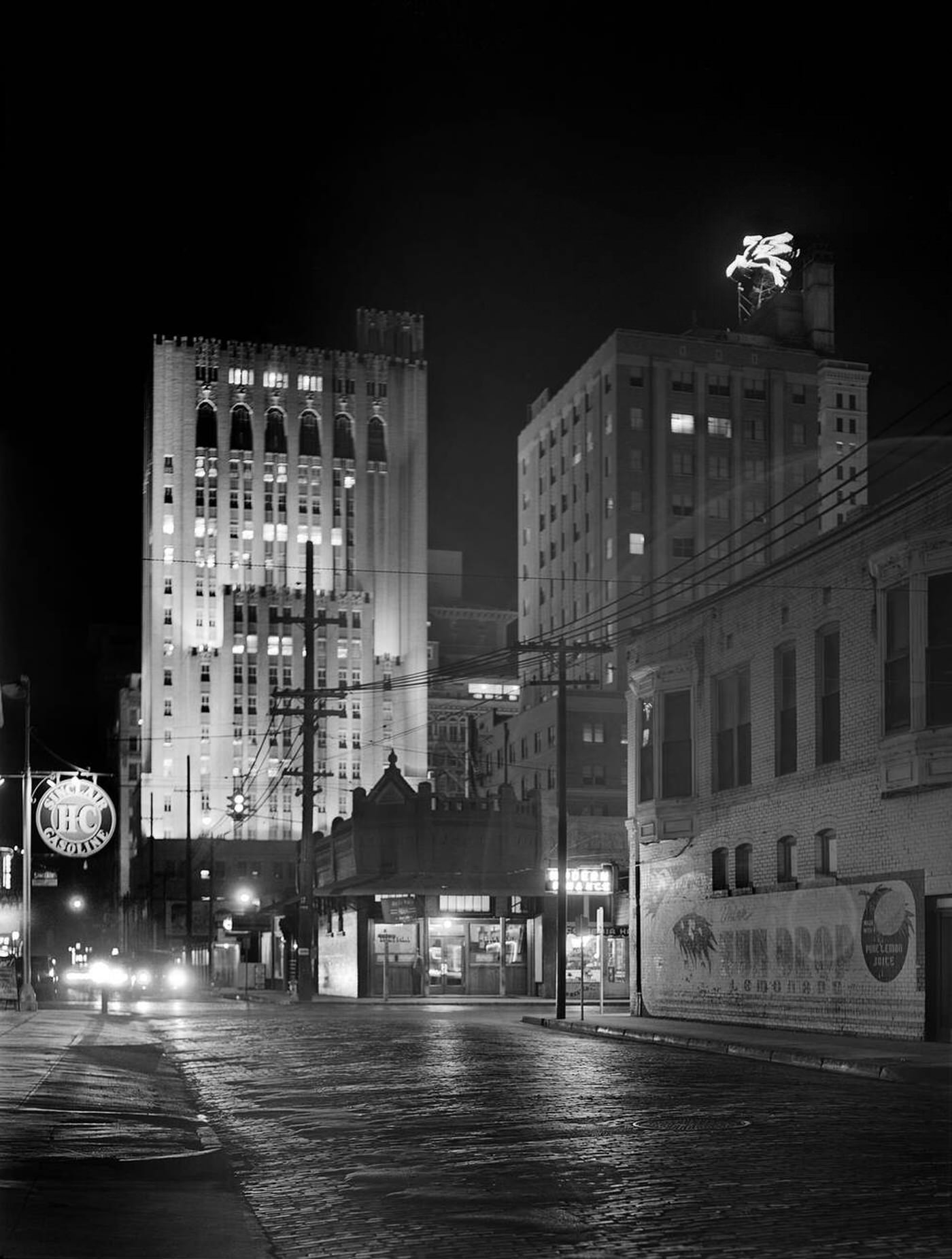
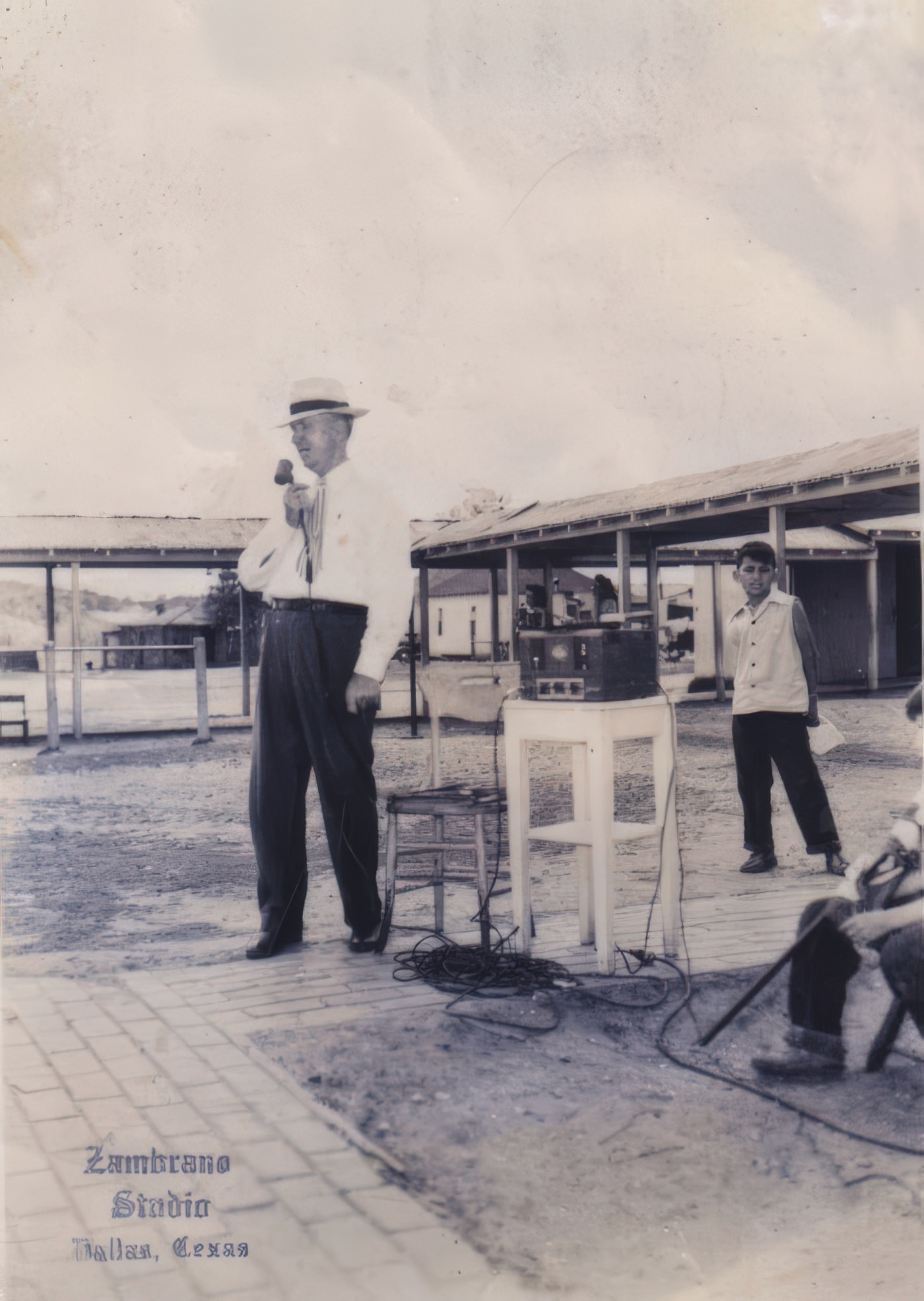
Image Credits: Library of Congress, UC San Diego, Wikimedia, Dave Smith, David Valenzuela, Texas History Portal, Dallas Public Library
Found any mistakes? 🥺 Let us Know