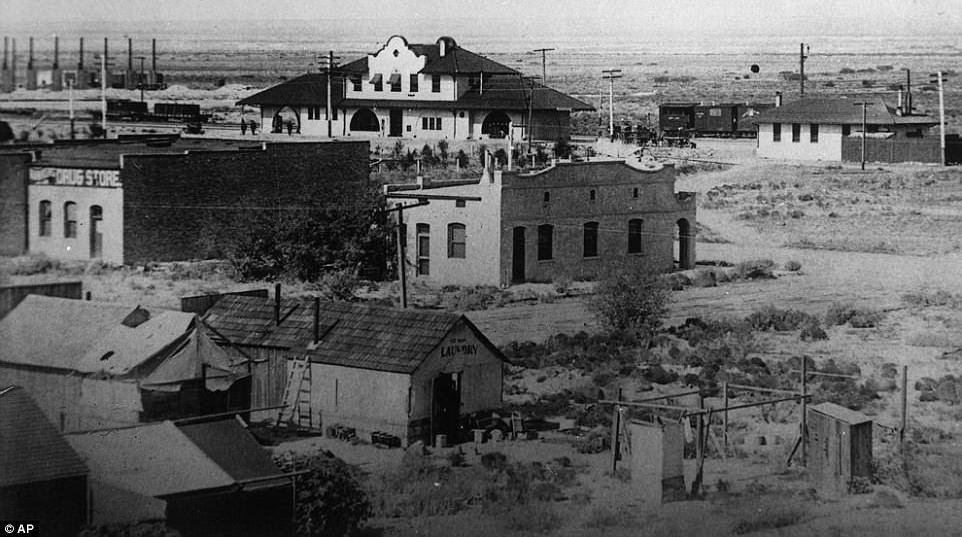
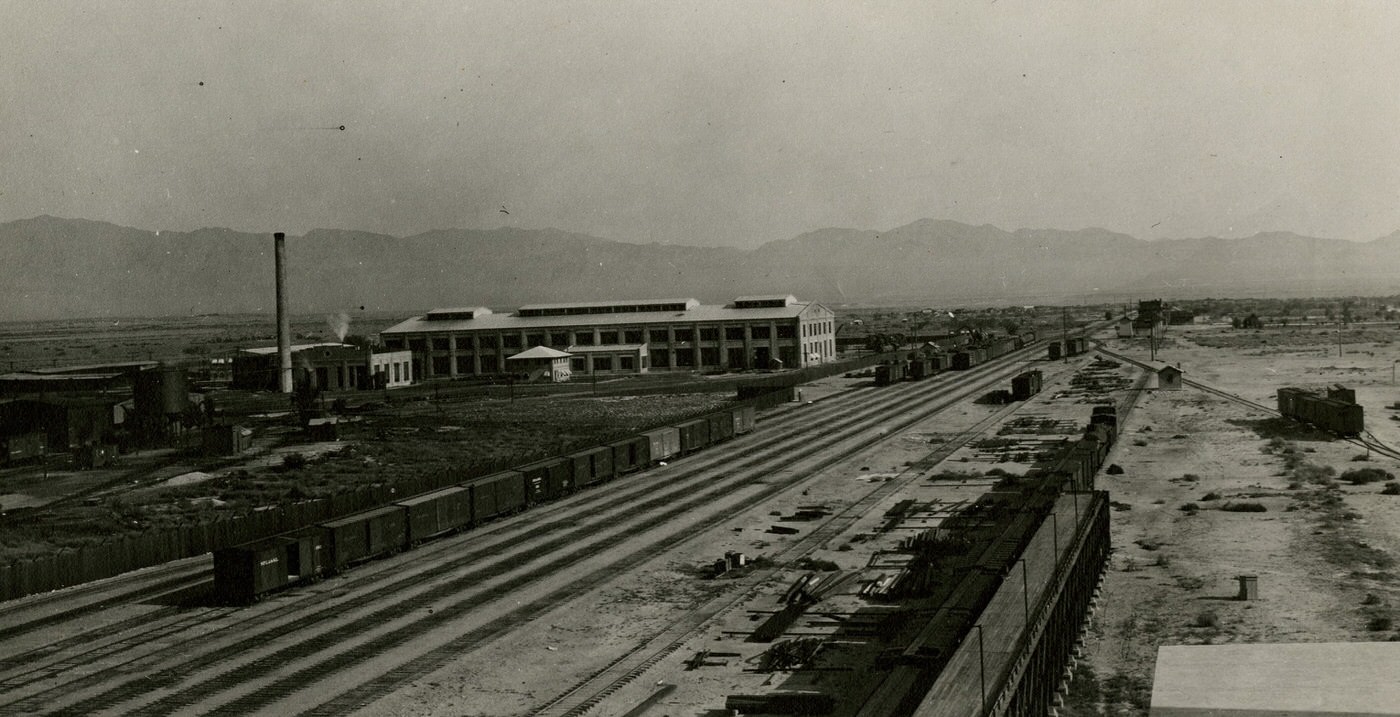
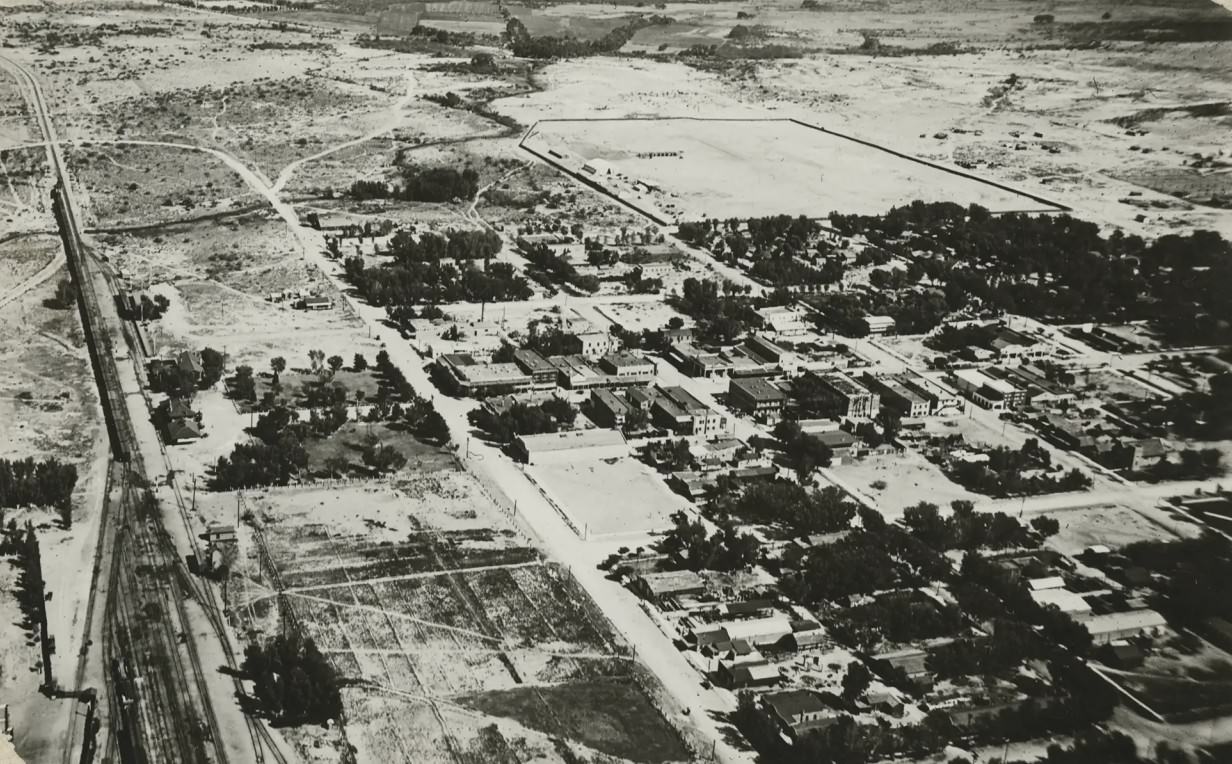
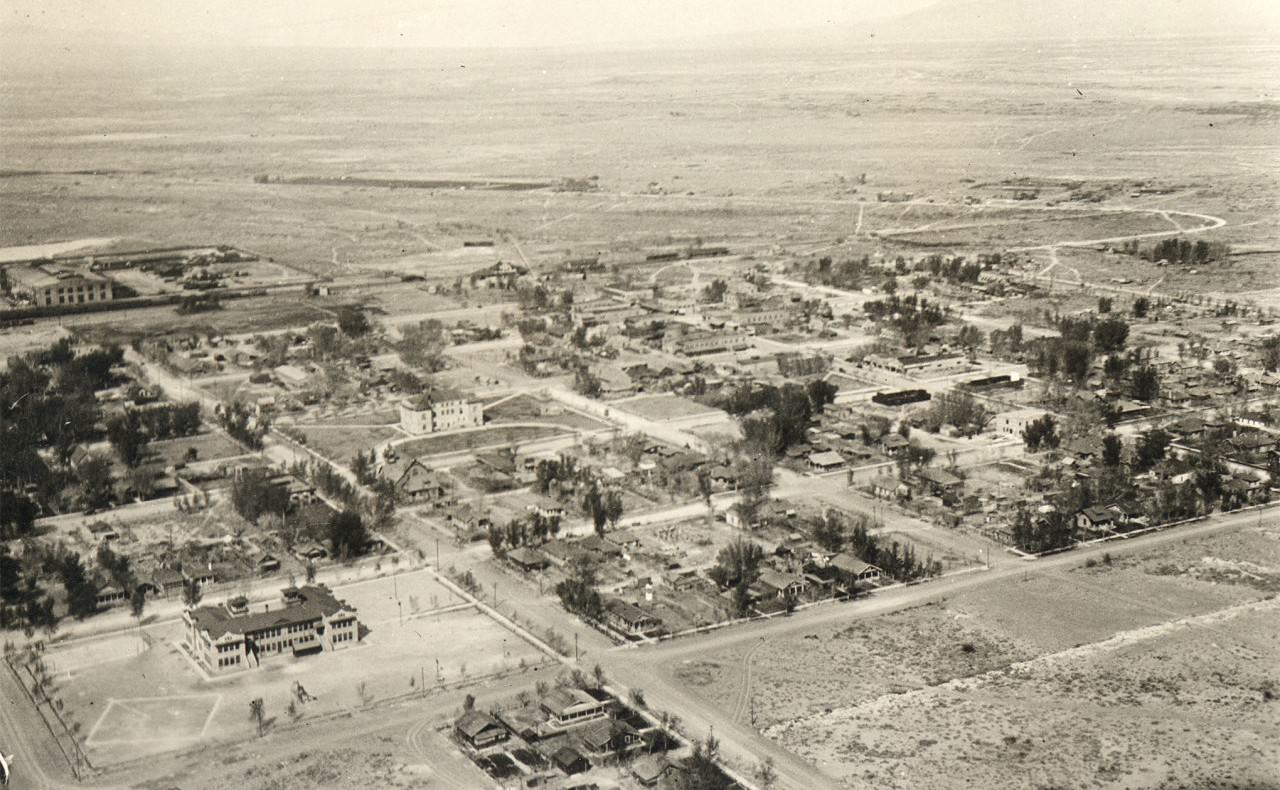
The history of early Las Vegas began with Helen J. Stewart, who owned a large ranch in the valley. In the early 1900s, Stewart hired a surveyor named J. T. McWilliams to map 1,800 acres of her land to make way for a new railroad. While mapping the ranch, McWilliams identified eighty acres of unclaimed land next to the planned rail line. He bought this land and put lots up for sale in January 1905, creating the McWilliams Townsite. This area lay west of the railroad tracks and later became known as West Las Vegas or the Westside. Meanwhile, Senator William Clark of Montana purchased the Stewart Ranch for $55,000 to develop his own townsite on the east side of the tracks.
Clark launched an aggressive campaign to sell lots in his townsite. He promised buyers a full refund on their train tickets to attract them to the land auction. On May 15, 1905, Clark’s company auctioned off 110 acres of land, marking the official founding of Las Vegas. The two townsites competed, but McWilliams lacked the resources to succeed. Clark formed the Las Vegas Land and Water Company and bought all local water rights from Helen Stewart. Clark provided roads, sewers, and water to his eastern townsite, but he refused to give water to the McWilliams Townsite. Because McWilliams’ town had no piped water, residents struggled in the intense heat. The wooden and canvas buildings on the Westside caught fire frequently, and nearby stockyards attracted swarms of flies. Due to these conditions, McWilliams’ townsite failed to compete with Clark’s development.
The railroad tracks remained a physical barrier that separated the two townsites. The Westside became virtually cut off from the eastern parts of Las Vegas where the main businesses grew. This physical separation lasted for thirty-two years. It divided the community along economic and social lines. The separation did not begin to heal until the Clark Avenue Railroad Underpass, which is now called the Bonanza Underpass, opened to allow traffic and trade between the two areas.
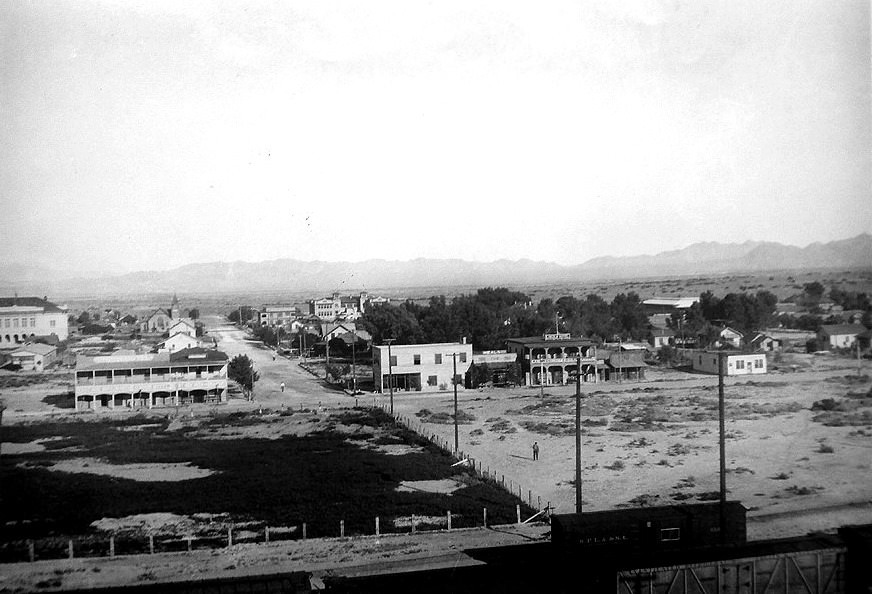
Fremont Street and the Architecture of Downtown Commerce
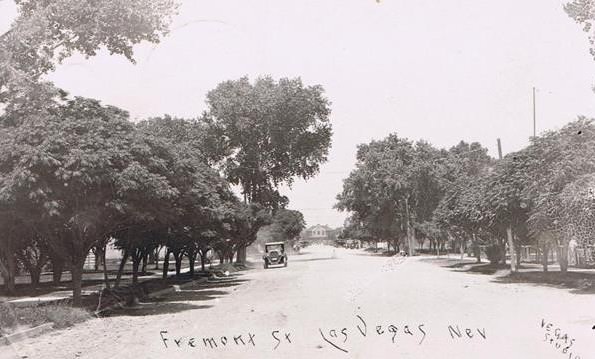
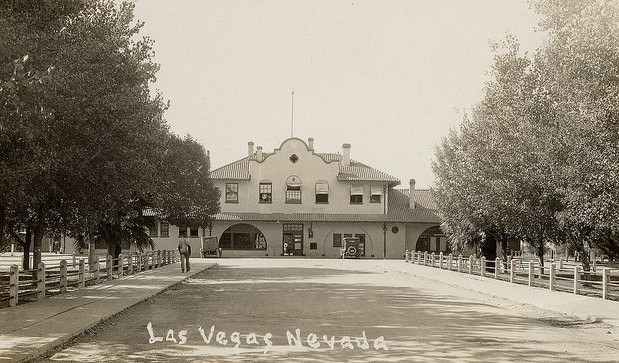
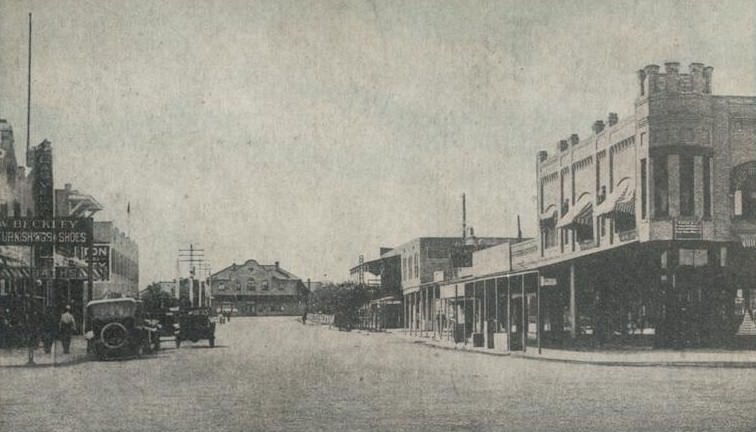
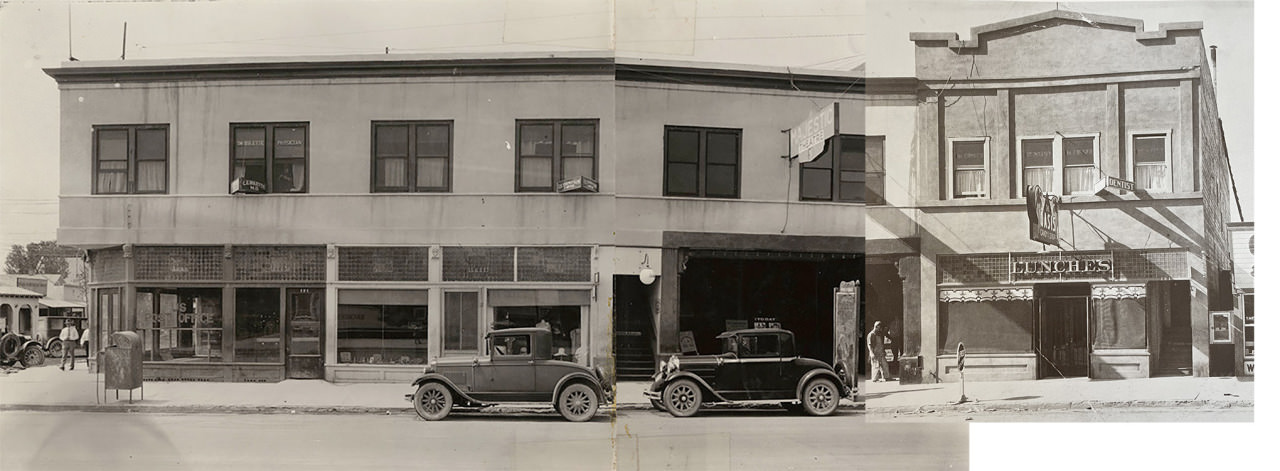
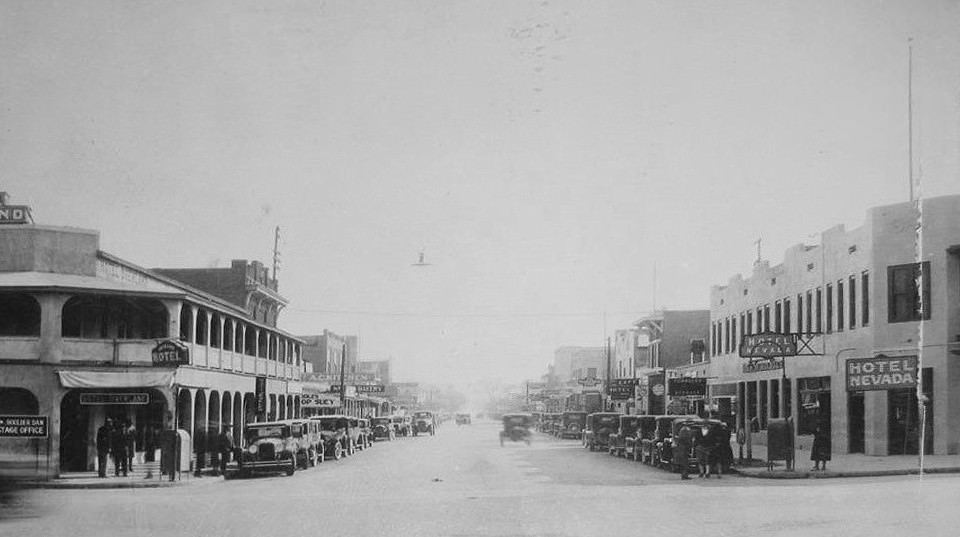
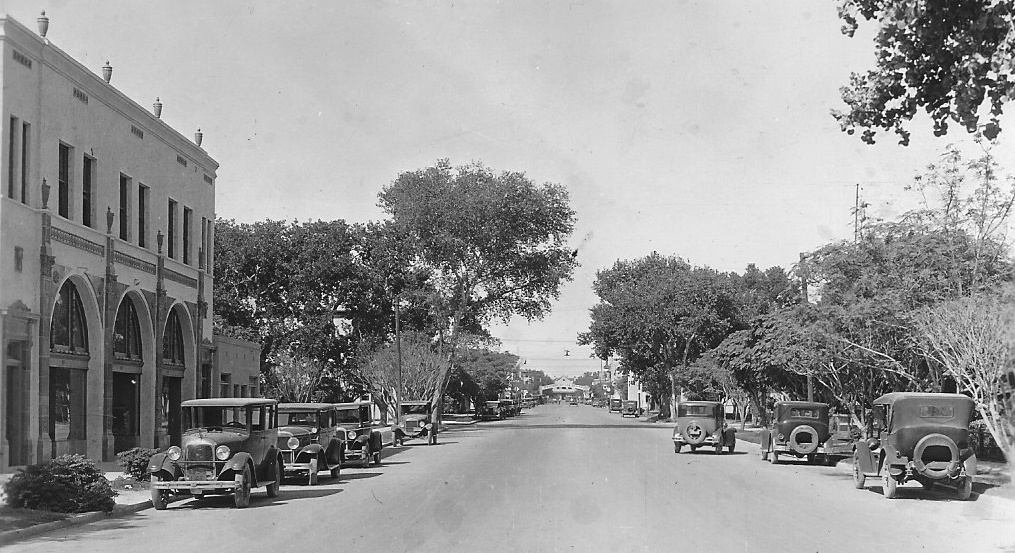
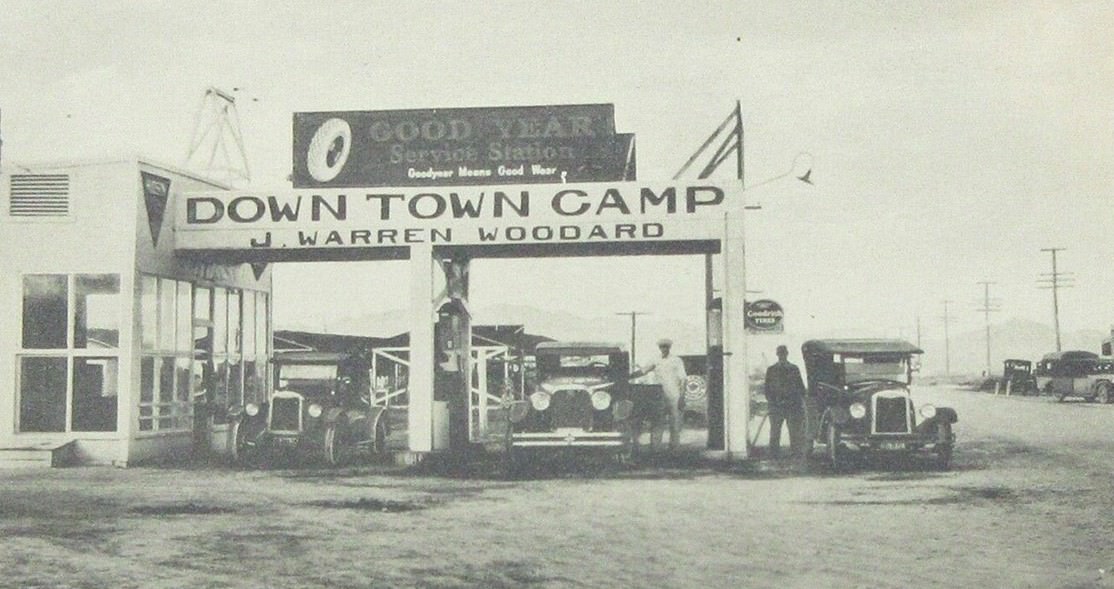
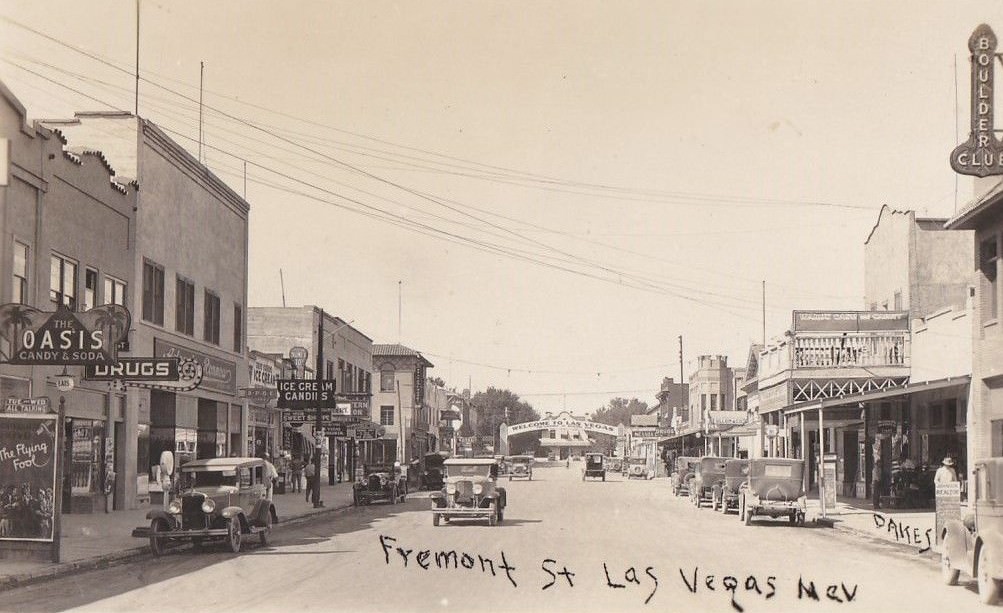
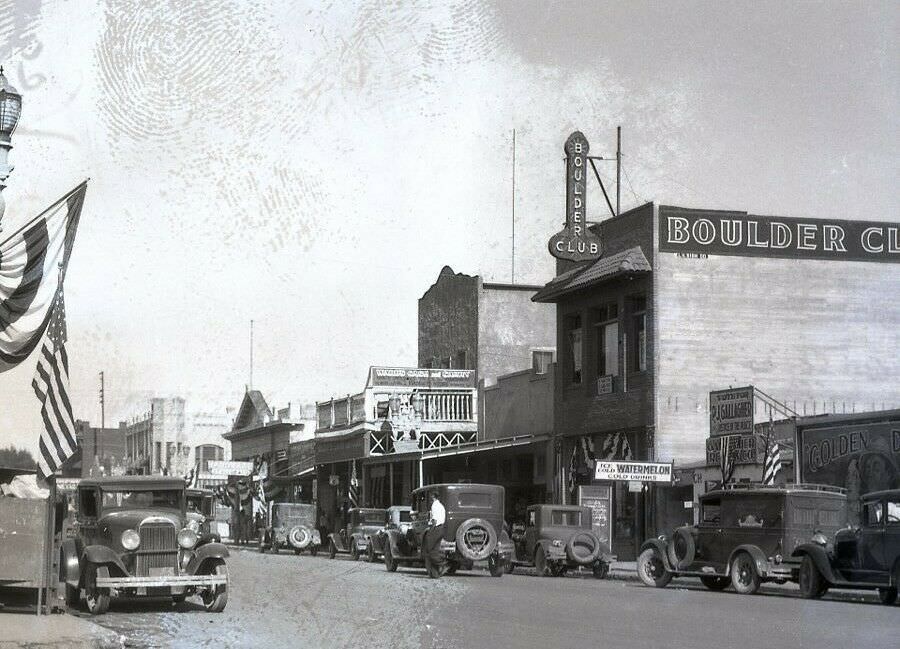
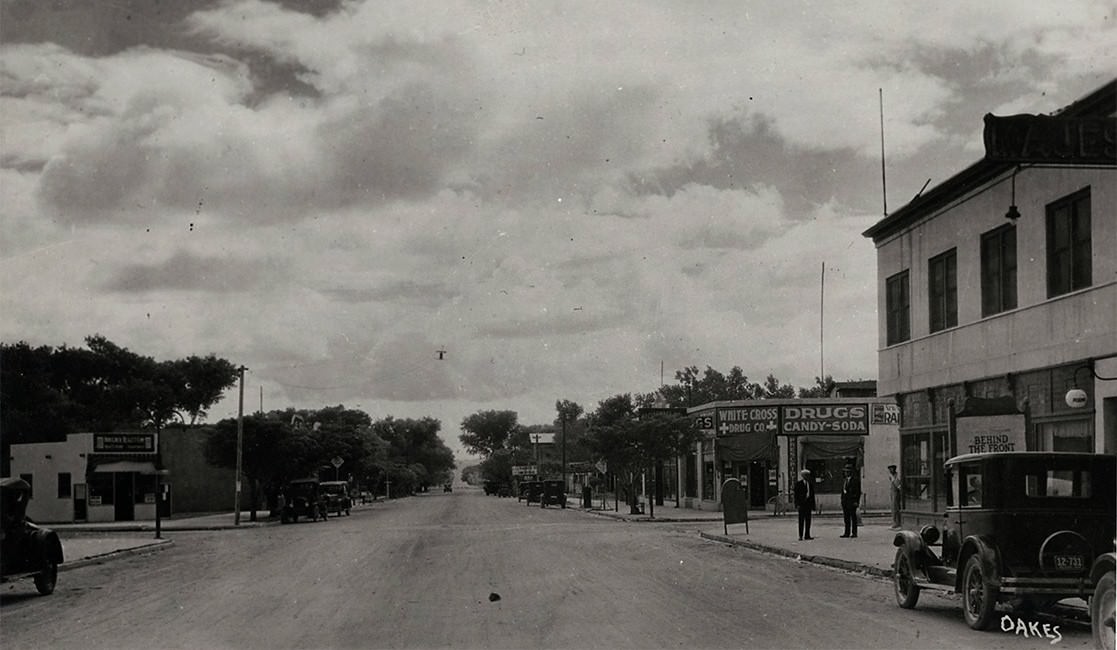
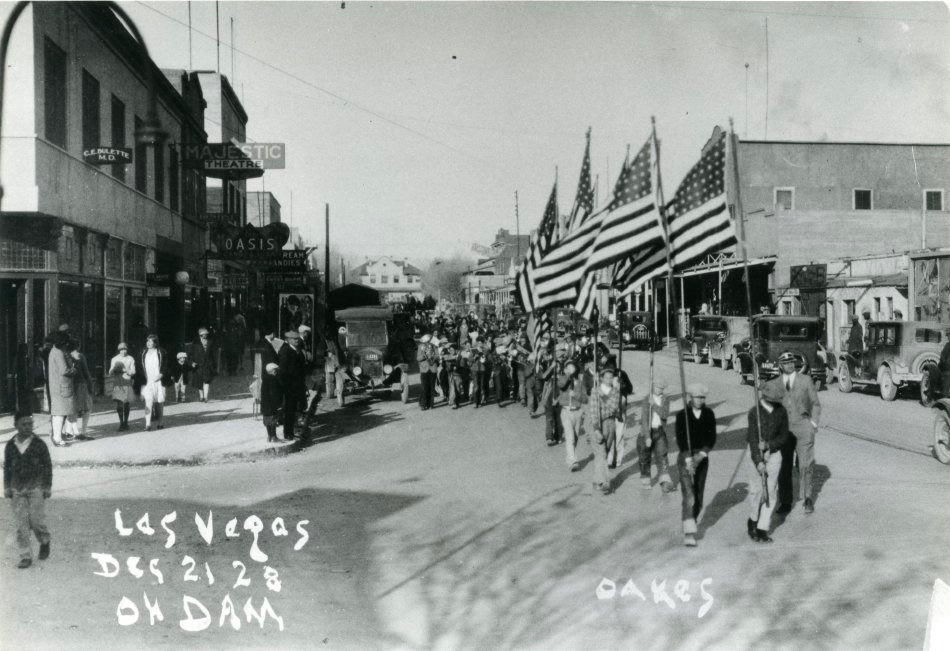
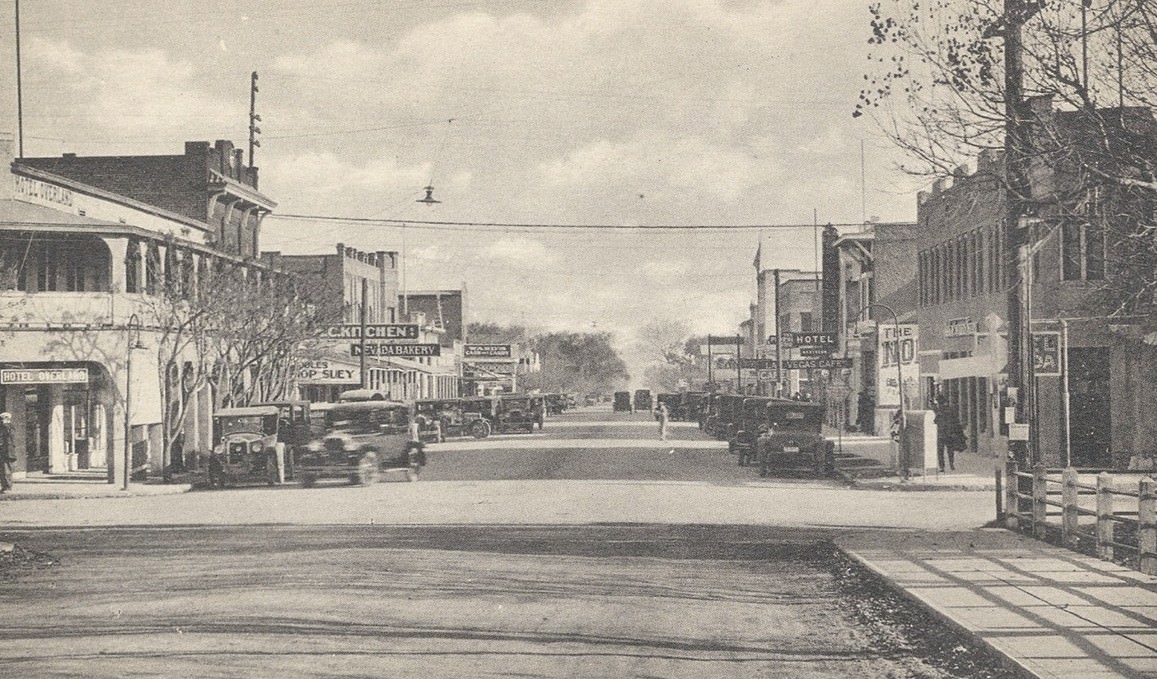
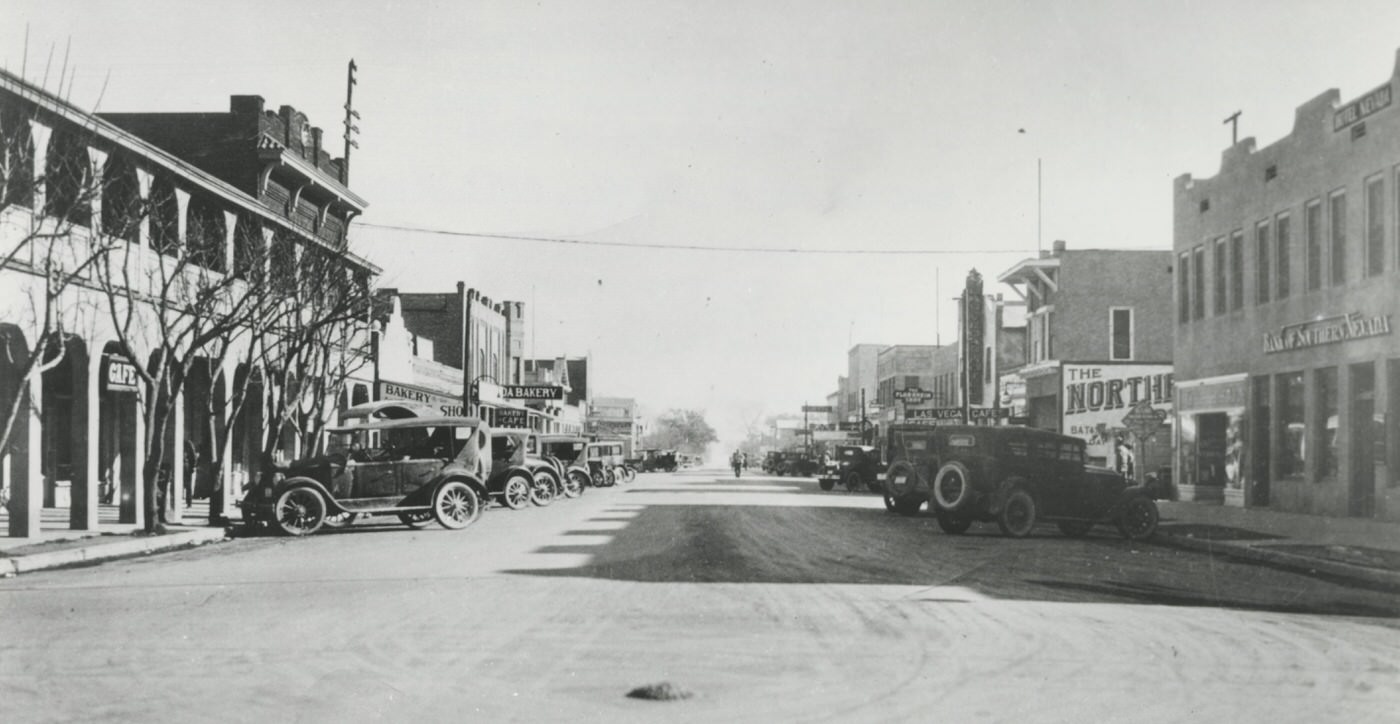
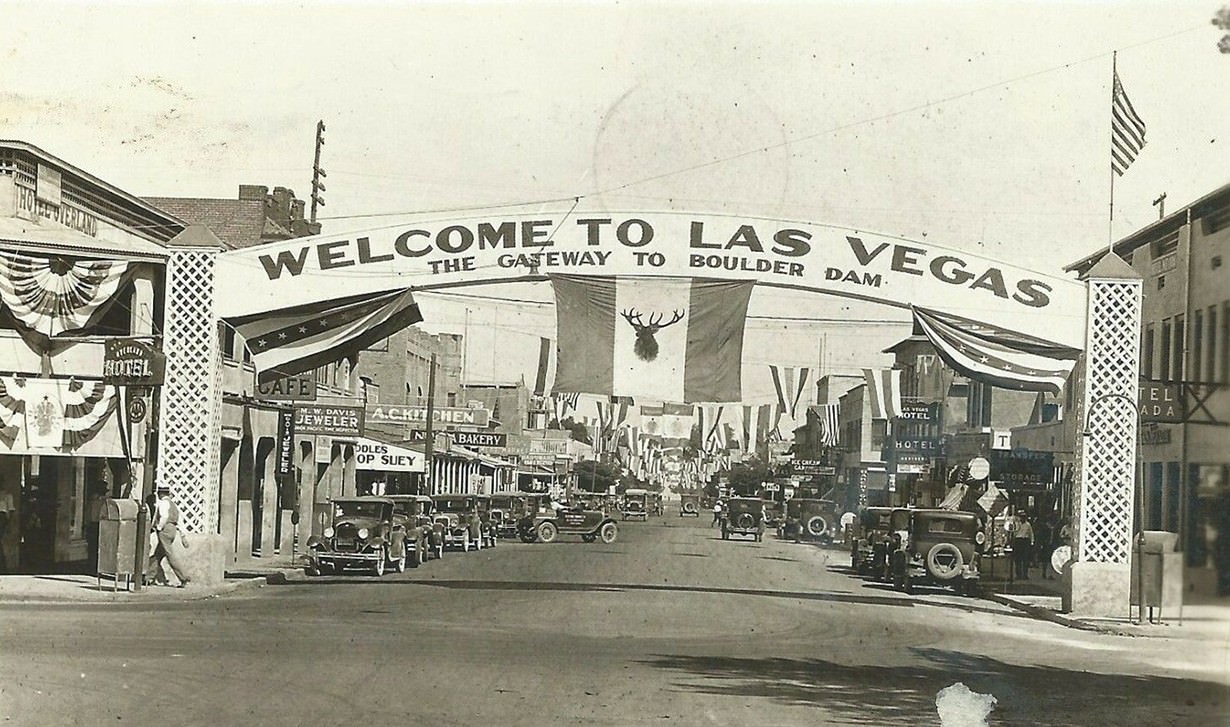
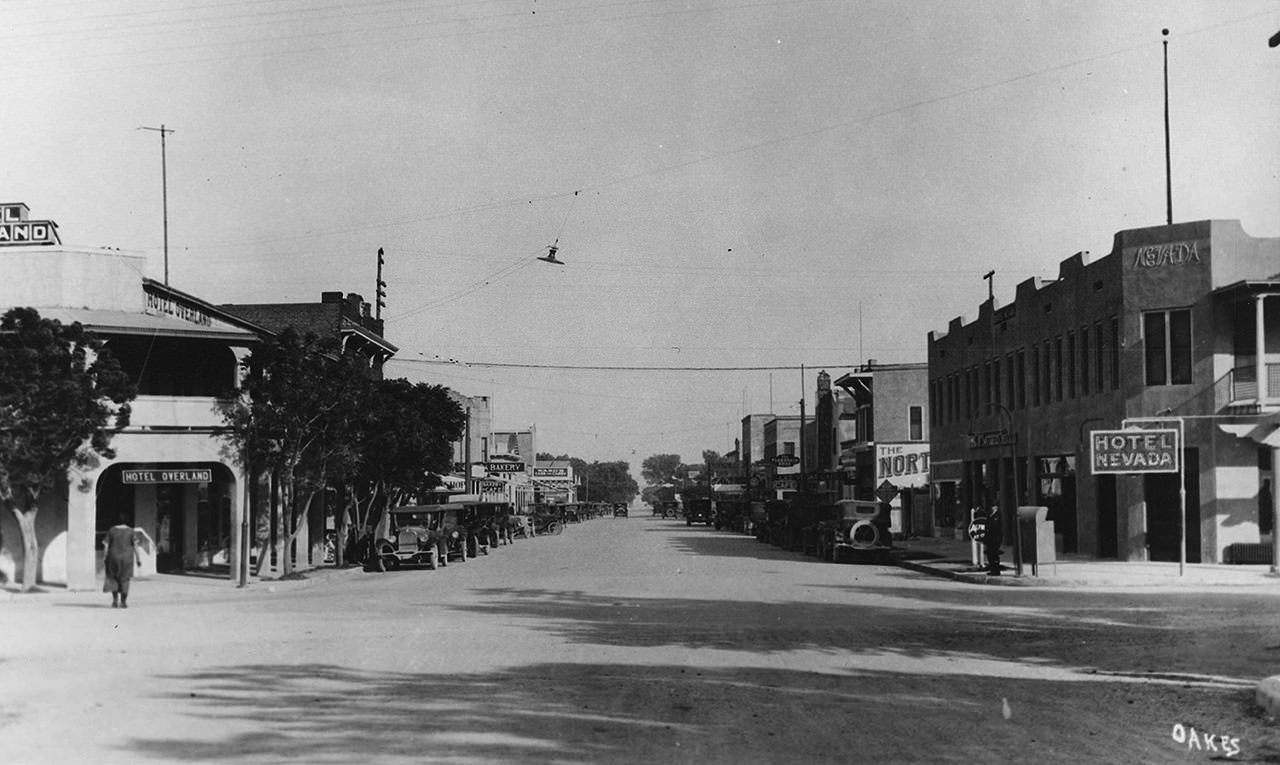
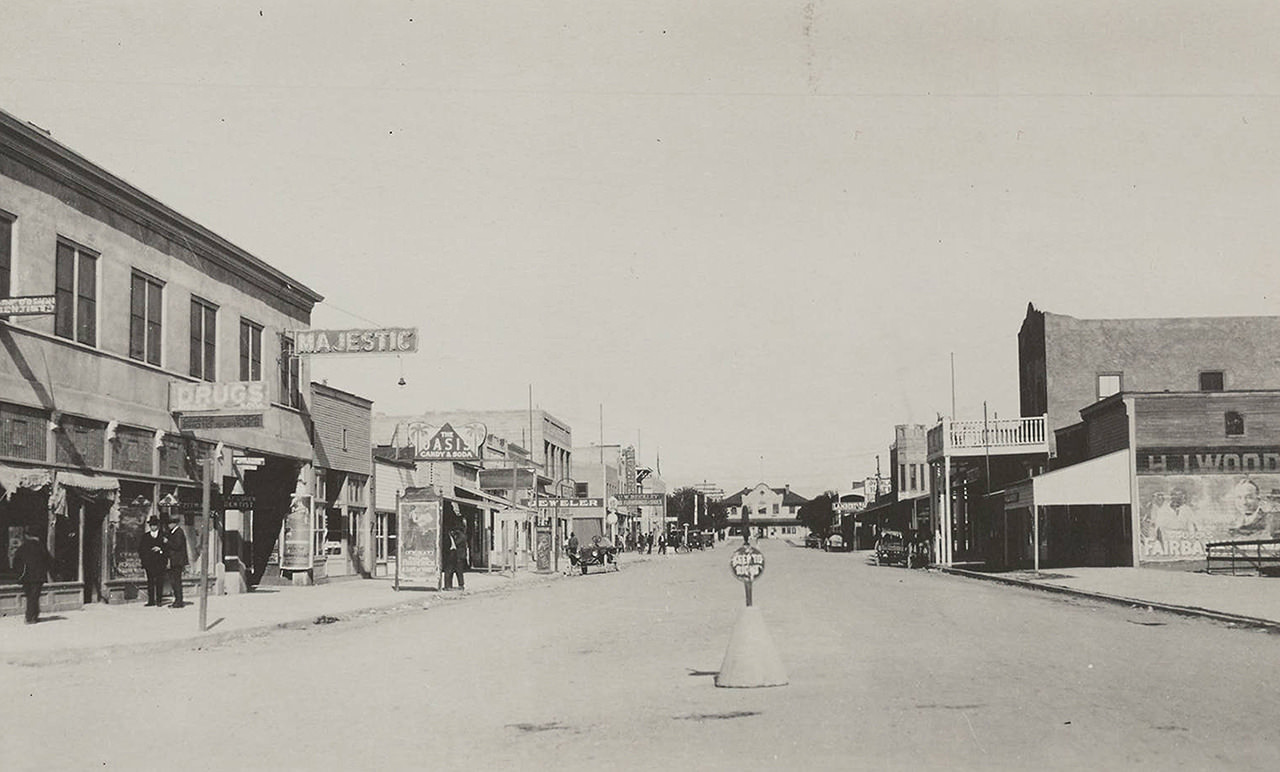
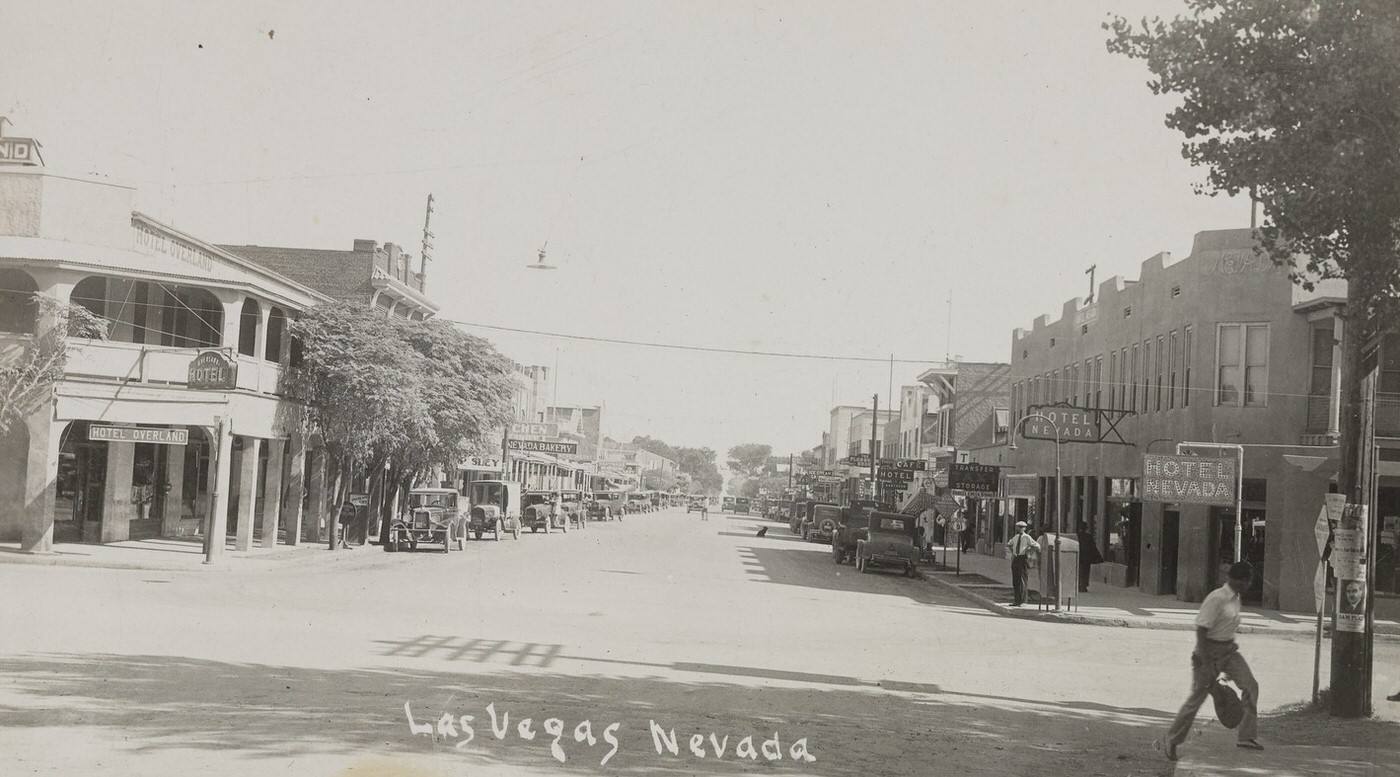
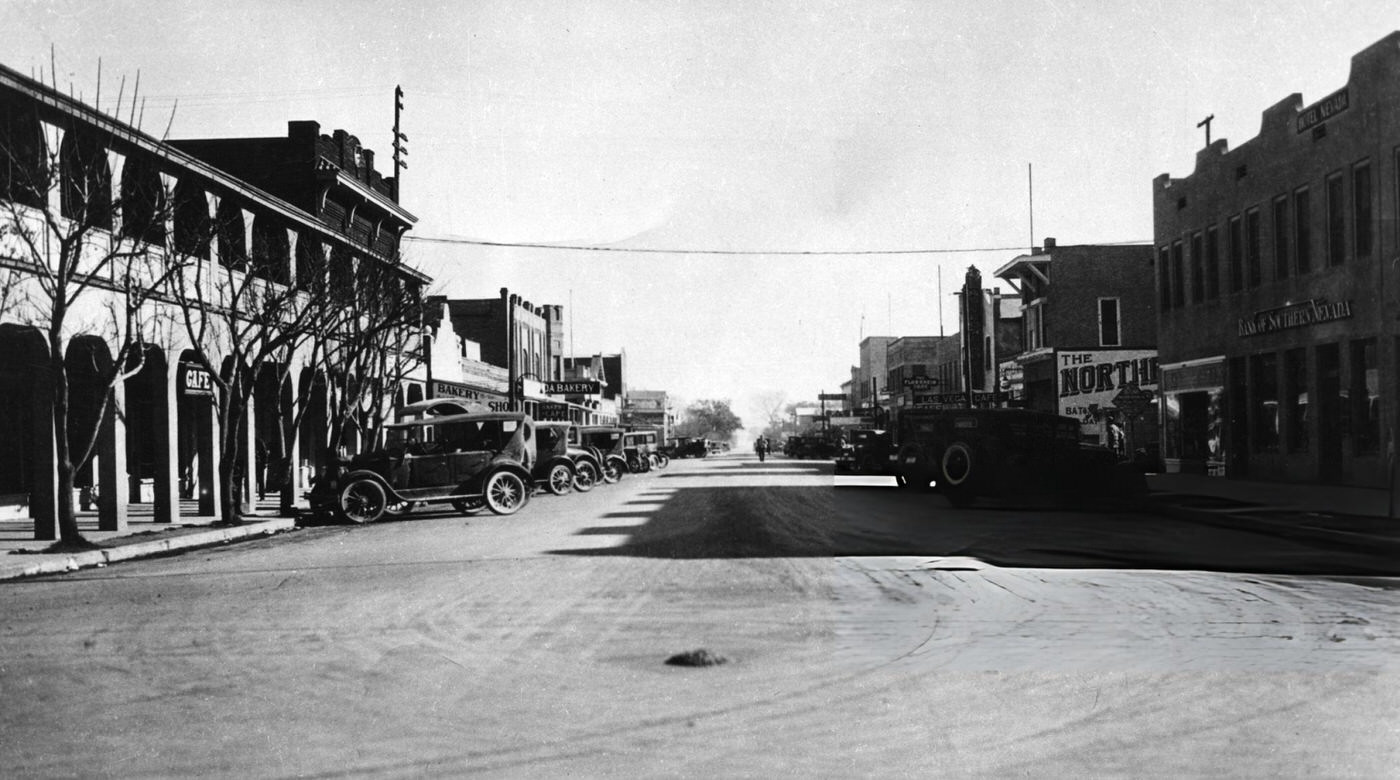
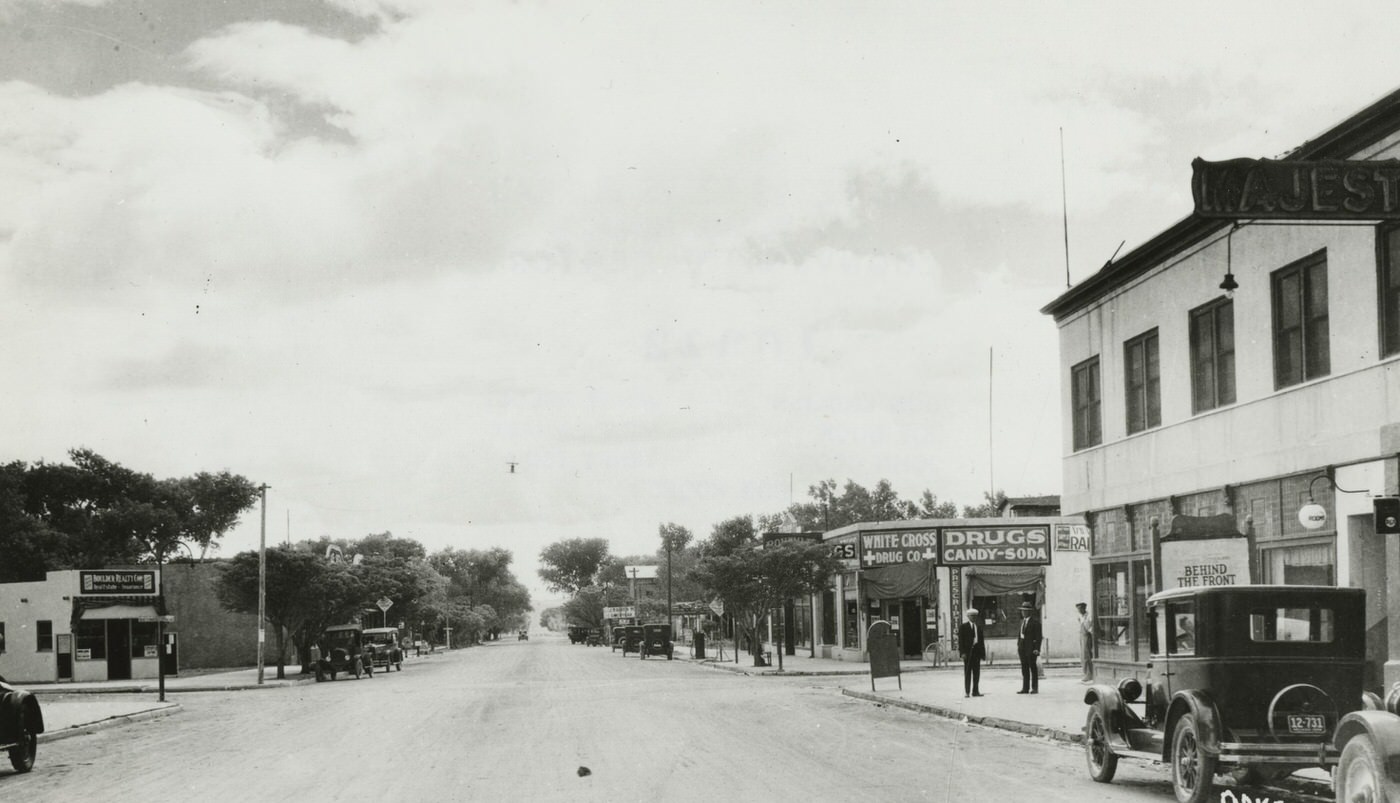
Fremont Street served as the central business district of Las Vegas. It was the main road because of its close proximity to the train depot. In 1925, the city paved Fremont Street, making it the first paved road in Las Vegas. This paving brought more automobile traffic and business into the downtown area.
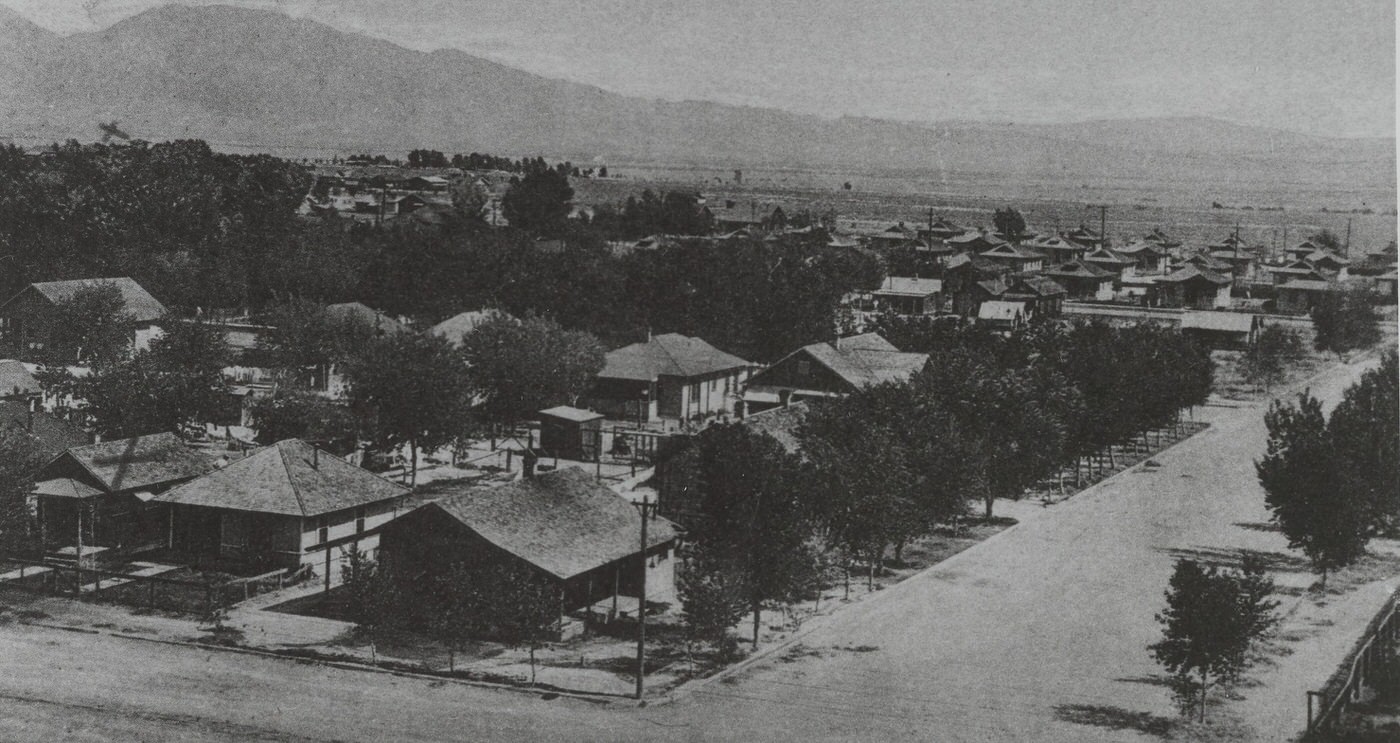
During the 1920s, Fremont Street combined business and residential buildings. The block from Fourth to Fifth Street was occupied by the elaborate homes of prominent local families, including the Ferrons, Brackens, McNamees, Squires, and Norrises. Walter Bracken and newspaper publisher Pop Squires both lived on this block. Squires operated his newspaper, the Las Vegas Age, out of an office located directly across from Bracken’s home. Banker John S. Park also lived in a large home at the northeast corner of Fourth and Fremont Streets.
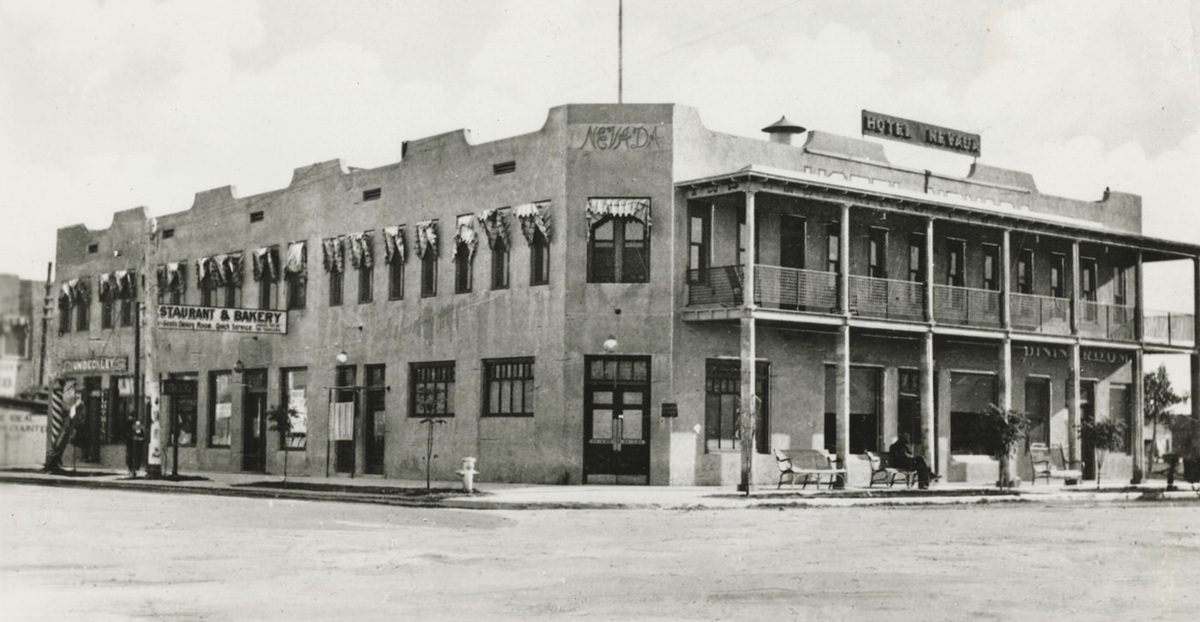
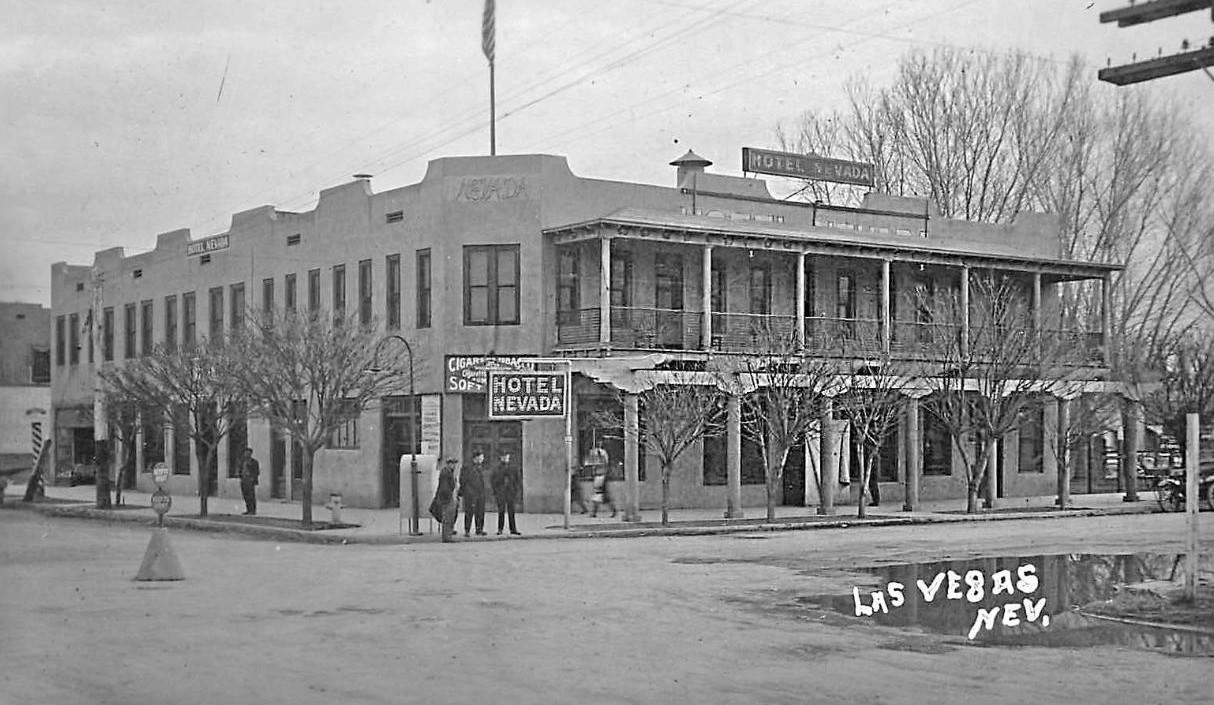
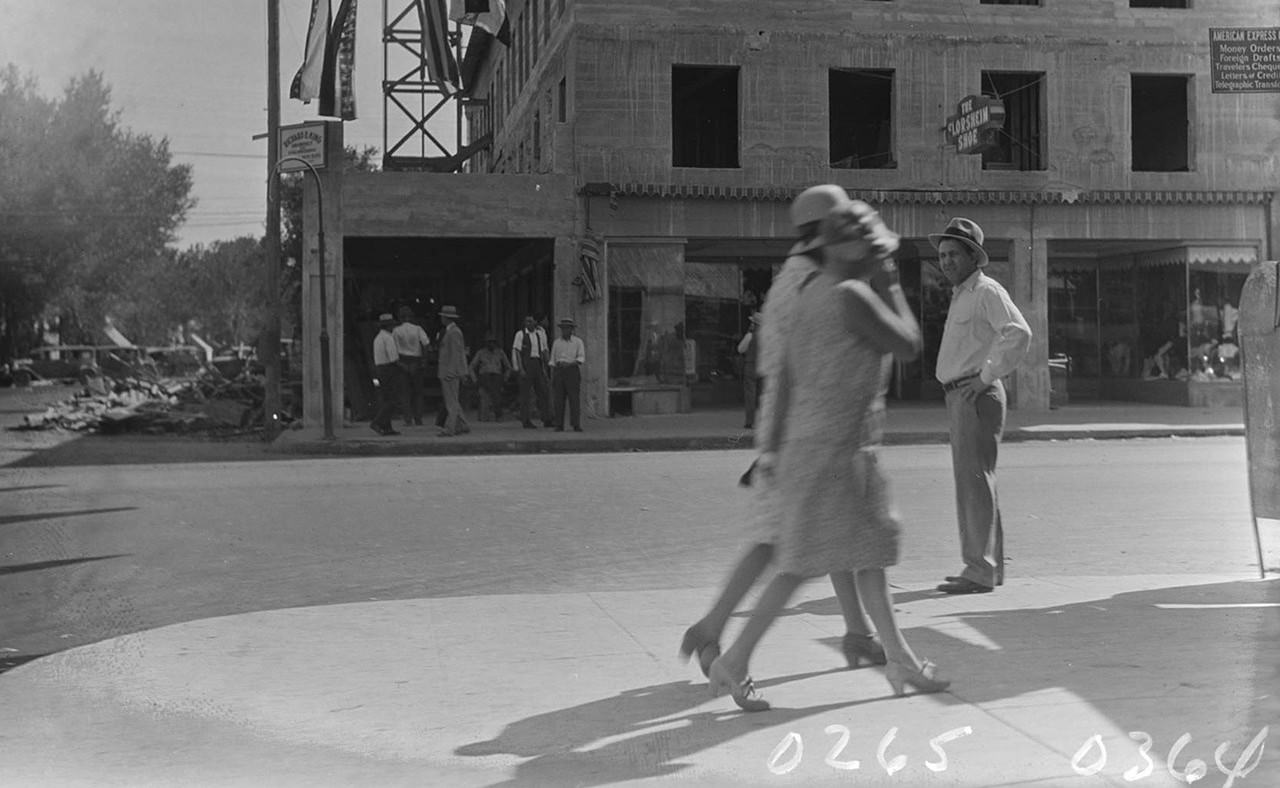
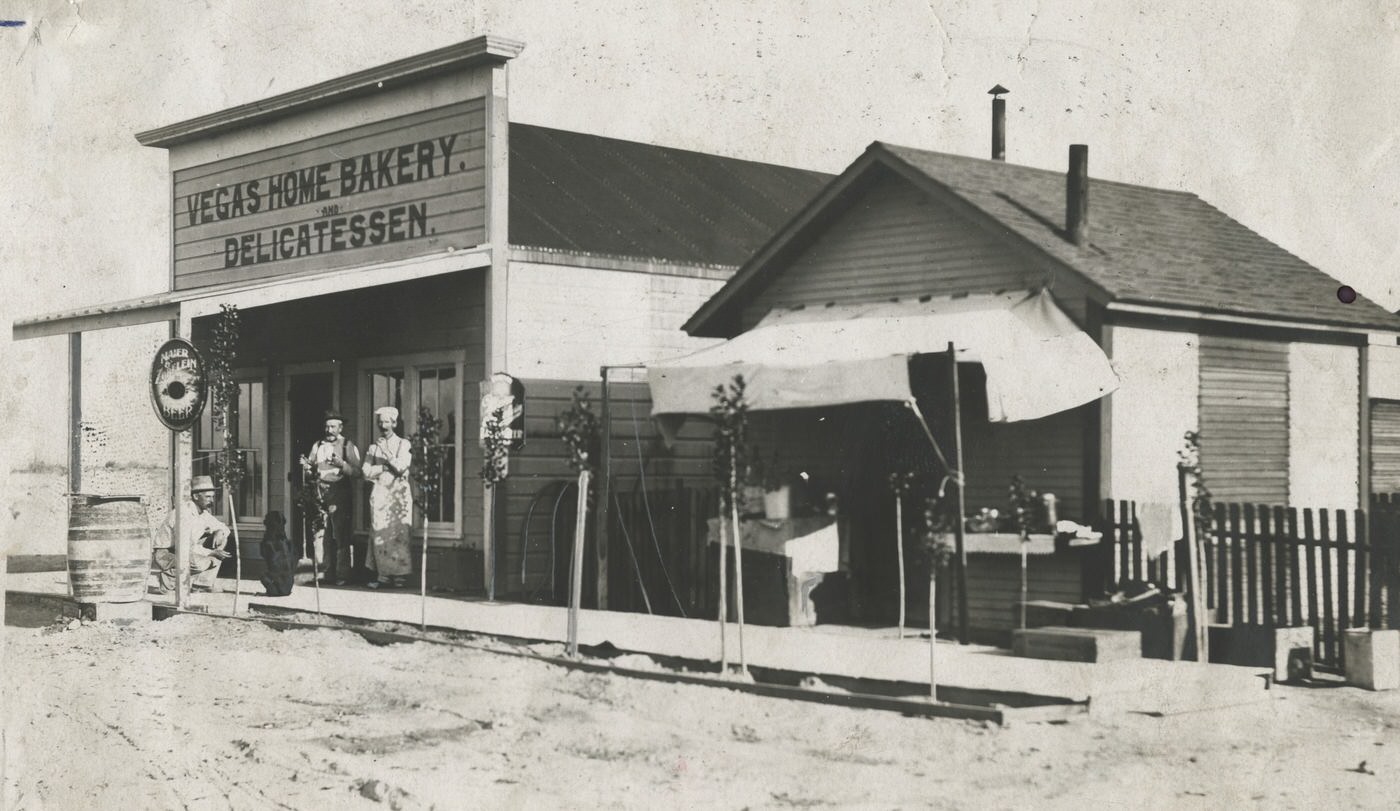
The most historic business on the street was the Hotel Nevada, located at 1 Fremont Street. During the 1905 land auction, this corner was occupied by a tent hotel where buyers slept in shifts. In 1906, John Wisner replaced the tent with a brick building. The hotel charged $1 per day for room and board. It was considered a first-class establishment because it offered modern features like electric lighting, steam radiators, and ventilation. Pop Squires kept his publishing office inside this hotel during the town’s early years.
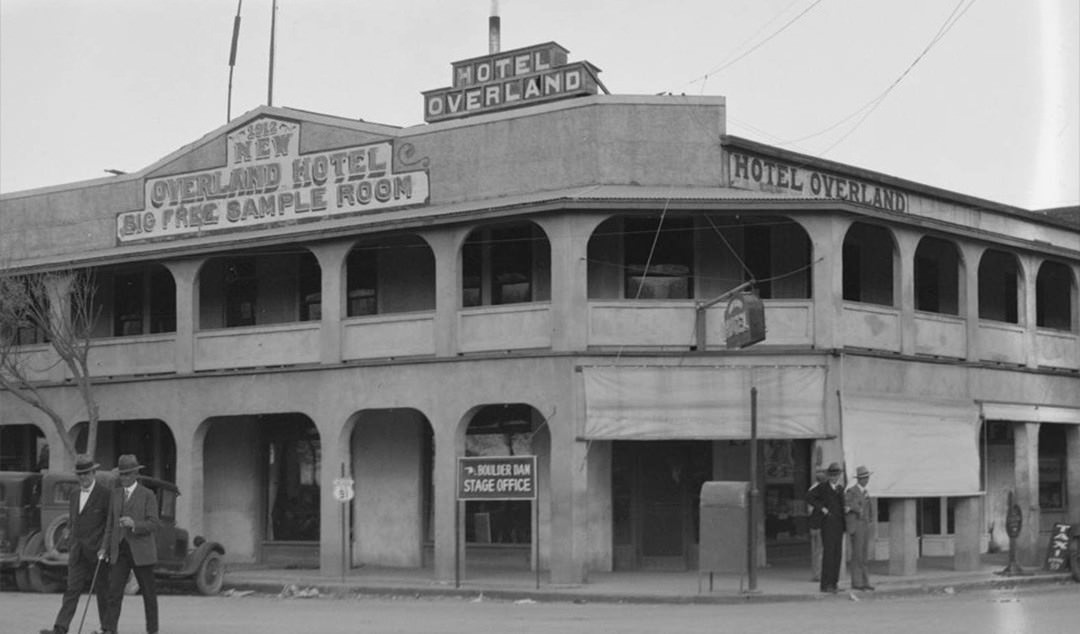
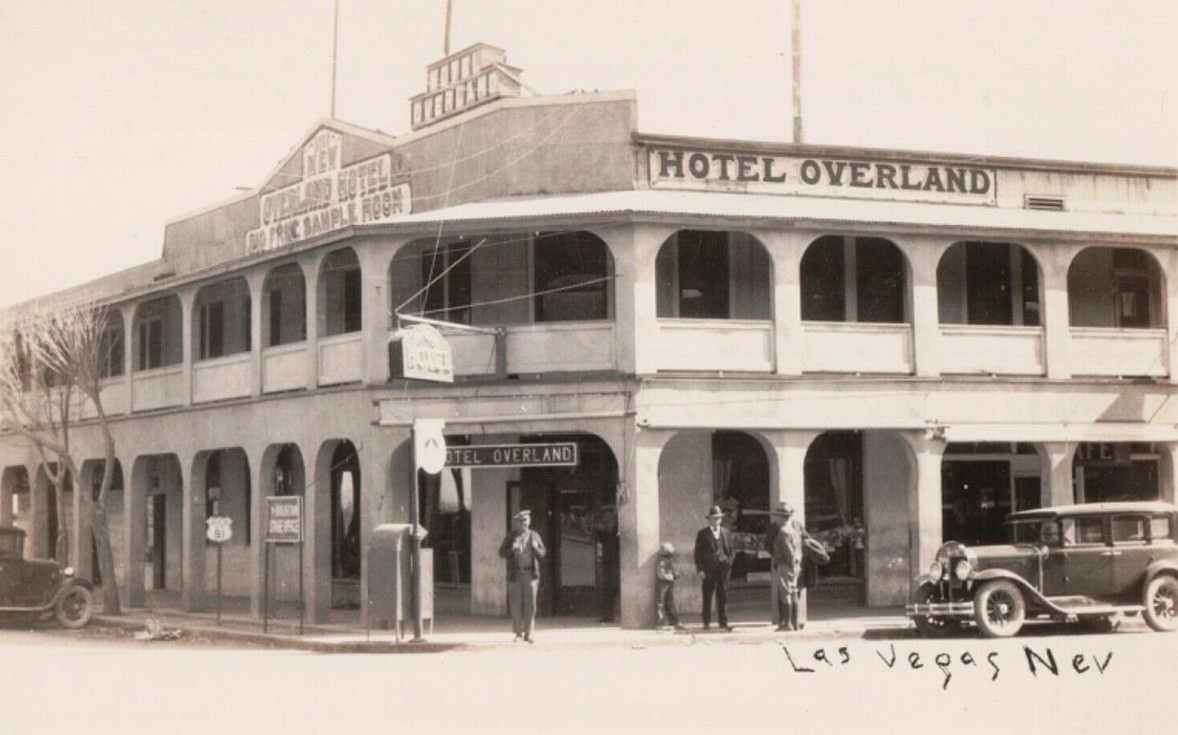
Another major landmark was the Overland Hotel, located at the corner of Main and Fremont Streets. John Wisner purchased this property at the 1905 land auction for $1,750. The original hotel was destroyed by a massive fire in May 1911. Wisner rebuilt the hotel using reinforced concrete, and the new building opened in November 1911. The hotel was completely remodeled in 1918. In 1921, Wisner modernized the building and added twelve new guest rooms along Main Street. After Wisner died in 1922, his daughter Ethel Wisner Genther inherited the property. She carried out more improvements in 1924, including renovating the entire top floor.
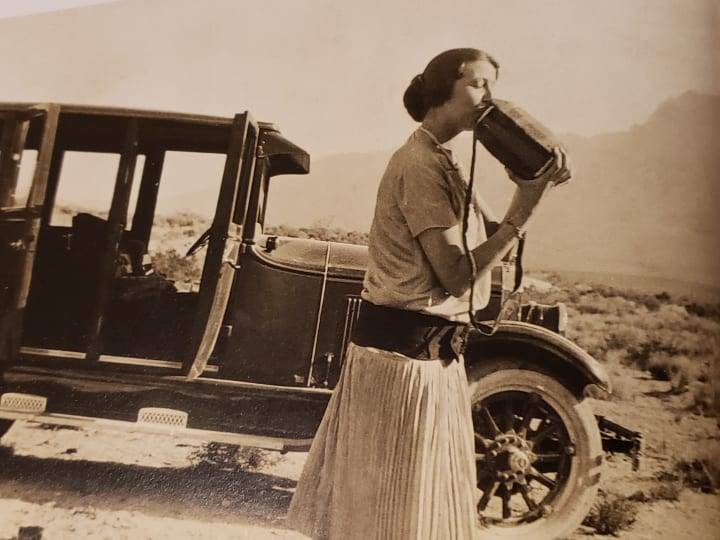
Living in Las Vegas during the 1920s was physically difficult due to the lack of modern home utilities. Homes like the Beckley residence lacked central heating and cooling. Families relied on coal stoves in the kitchen and kerosene heaters to stay warm in the winter. Ice was delivered by truck several times a week, and laundry had to be done in the backyard using a wood-fired kettle. To survive the brutal summer temperatures, which often exceeded 115 degrees, Will Beckley built a makeshift air conditioner. He constructed a wooden frame around a window, covered it with thick gunny sacks, and set up a drip hose to keep the sacks wet while an electric fan blew air through the damp fabric.
| Building Name | Street Address | Date Built / Modified | Historical Use and Amenities |
|---|---|---|---|
| Hotel Nevada | 1 Fremont Street | Built 1906 | Oldest hotel on Fremont Street; offered room and board for $1 per day. |
| Overland Hotel | Corner of Main and Fremont | Built 1905; Rebuilt 1911 | Rebuilt with concrete; expanded with twelve rooms along Main Street in 1921. |
| Pop Squires House | Fourth and Fremont | Early 1900s | Residential home of the publisher of the Las Vegas Age newspaper. |
| John S. Park House | Fourth and Fremont | Early 1900s | Elegant private residence of a prominent local bank executive. |
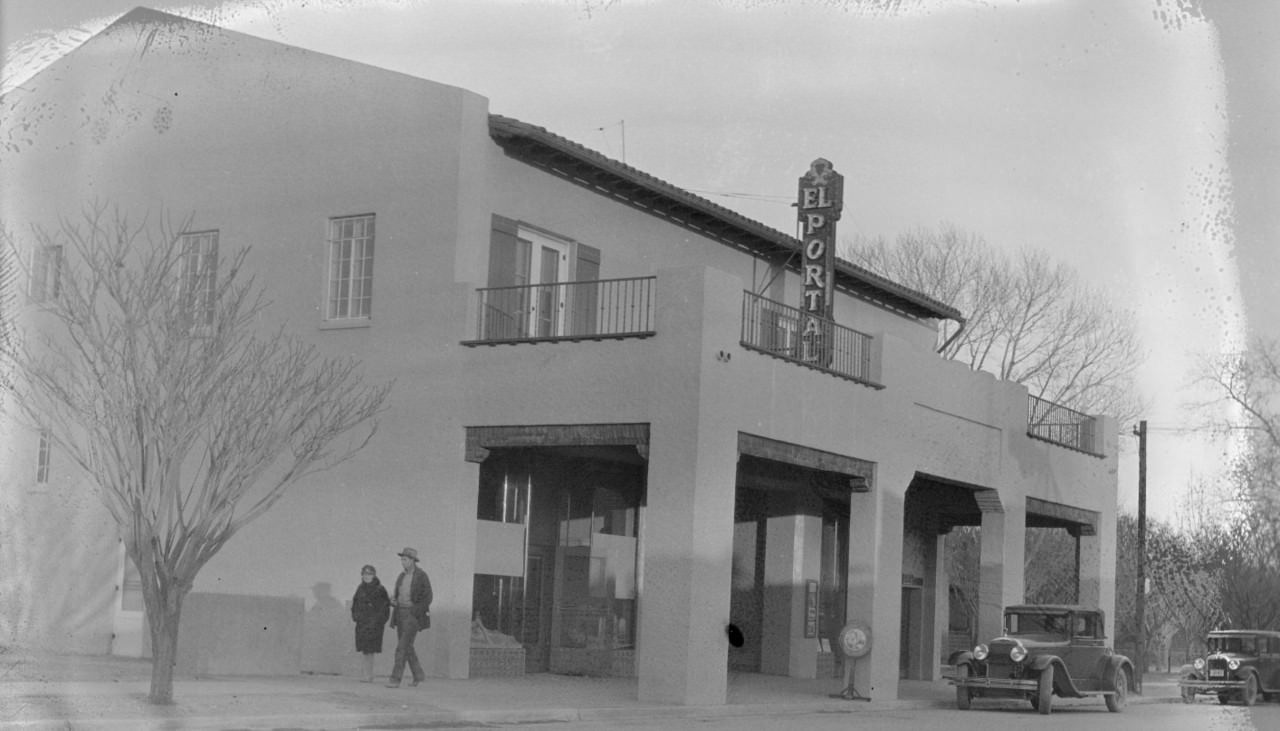
| El Portal Theatre | 310 Fremont Street | Built 1927–1928 | Spanish Colonial Revival style; first air-conditioned building in town. |
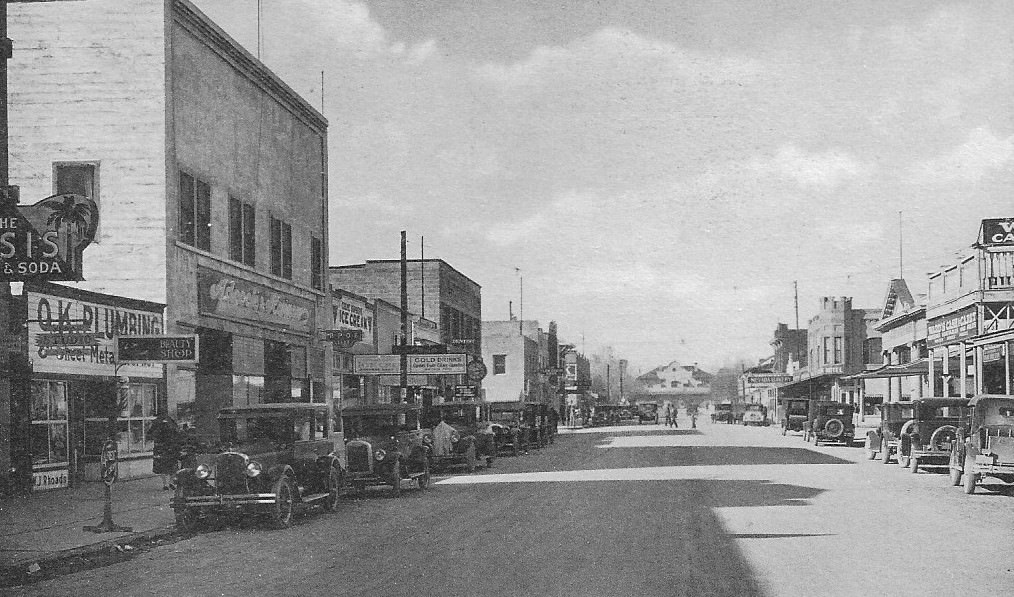
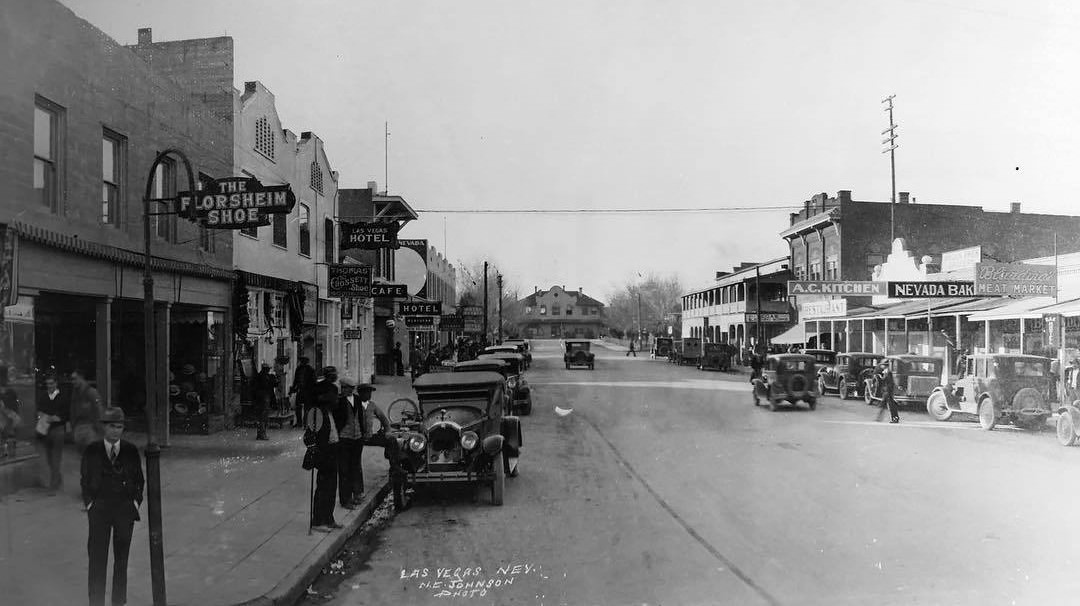
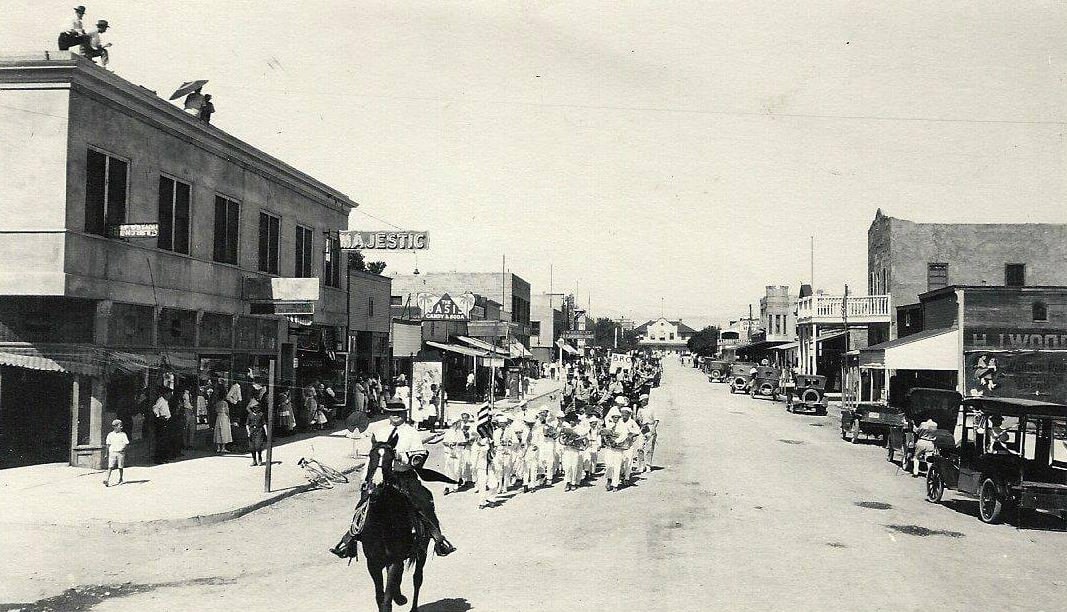
Block 16 and the Underground Economy of Vice
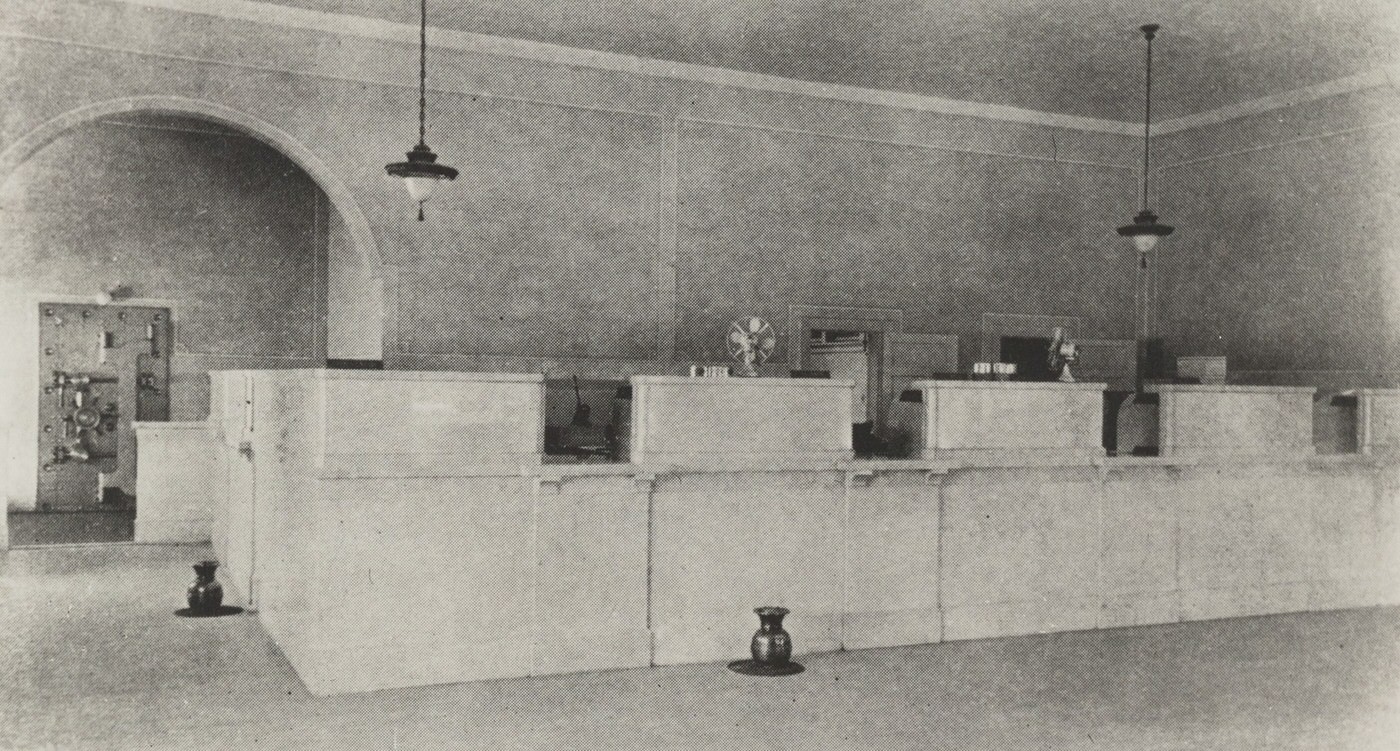
When Las Vegas was founded, city planners attempted to control vice by restricting alcohol sales to Blocks 16 and 17. These two blocks sold for the highest price of $3,600 at the original land auction because they were zoned for alcohol. Block 16 sat near Fremont Street and was within walking distance of the train depot, making it highly convenient for railroad workers, miners, and travelers.
By the 1910s, Block 16 became notorious as the city’s unofficial red-light district. Prostitution was technically illegal under state law, but local authorities tolerated it to contain vice within a controlled area. Society pressed for racial segregation, which split the district. White and Hispanic workers lived and worked on Block 16, while Black and Asian workers moved to Block 17.
At its peak during the 1920s, around three hundred women worked on Block 16, and between twenty and forty lived there full-time. The city required these women to live on the block. The prostitutes contributed to the local economy and supported philanthropic causes, such as funds for miners’ widows. The city also used the block to generate revenue. Saloons operating brothels had to purchase $500 licenses, and regular police raids resulted in fines that helped fund local government. Working girls had to undergo weekly medical exams from the city physician, which cost $2 per exam.
Saloons on the block included the Gem, Red Onion, Star, Arcade, Red Front, and the Arizona Club. These businesses remained open 24 hours a day, offering drinking, card games, and roulette. They featured crude wooden rooms, called cribs, built out back to service saloon customers. Law and order was maintained by Sheriff Sam Gay, a 6-foot-3, 250-pound lawman who had worked as a bouncer on the block before serving five terms as sheriff. The activities on Block 16 were barely interrupted by the state’s 1910 ban on gambling. The local sex industry also survived the wave of brothel shutdowns that occurred across the country during the Progressive era.
The Regional Mining Boom and Early Agricultural Economy
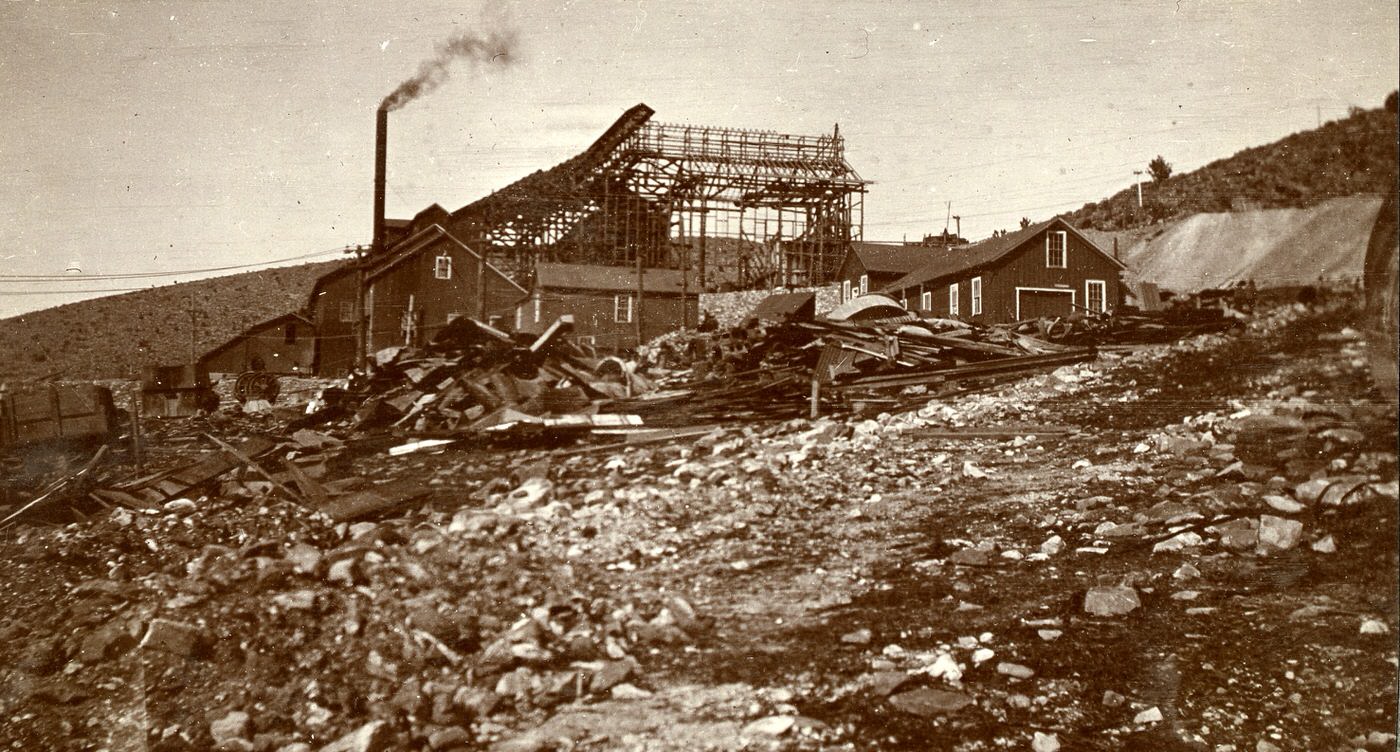
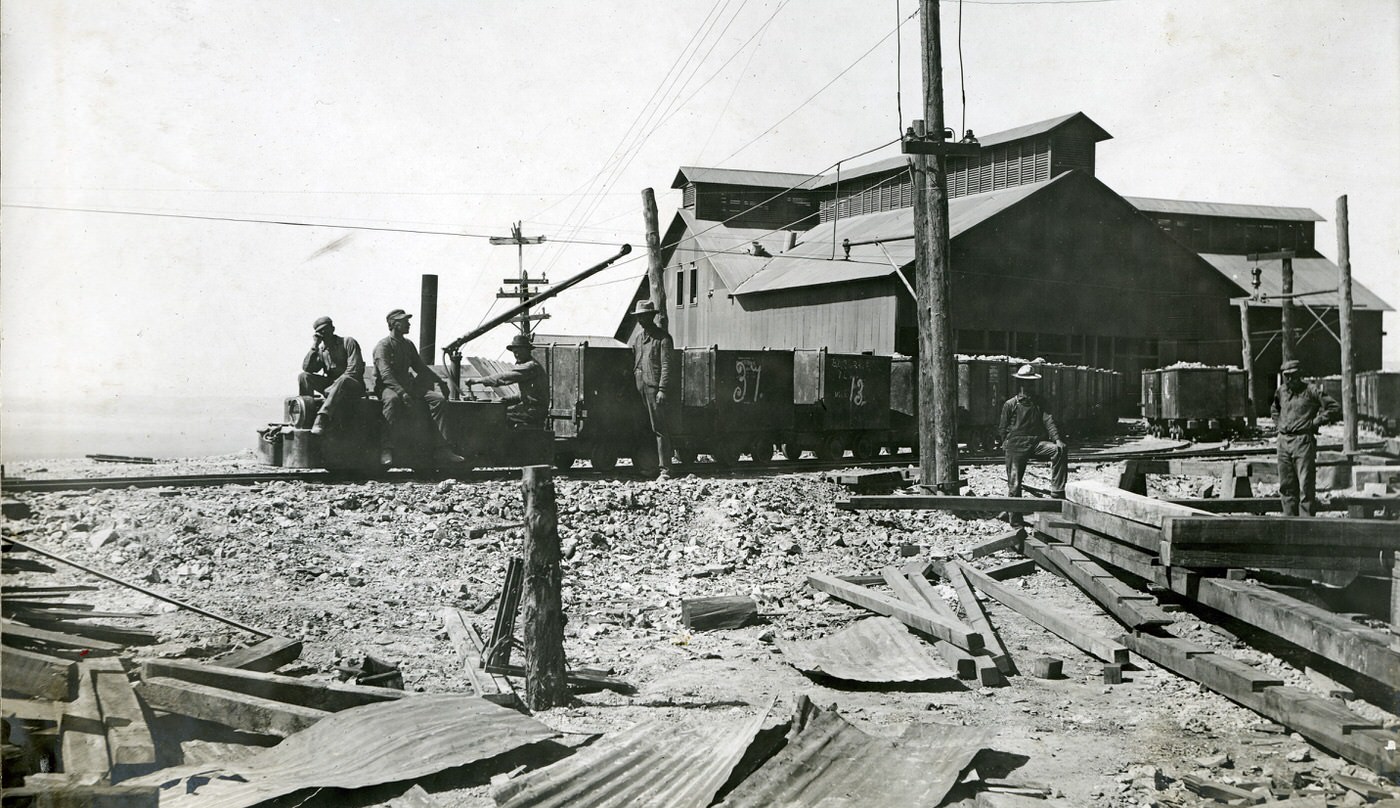
During its early years, Las Vegas was closely connected to the regional mining industry. In the early twentieth century, miners discovered massive deposits of gold and silver in nearby towns like Tonopah, Goldfield, and the Bullfrog district. These discoveries brought a rush of miners and investors into Southern Nevada. To connect these active mining areas to the main rail line, Senator William Clark built the Las Vegas and Tonopah Railroad. Las Vegas served as a central crossroads where different wagon trails and rail lines met. This connection allowed the local business community to grow and remain prosperous.
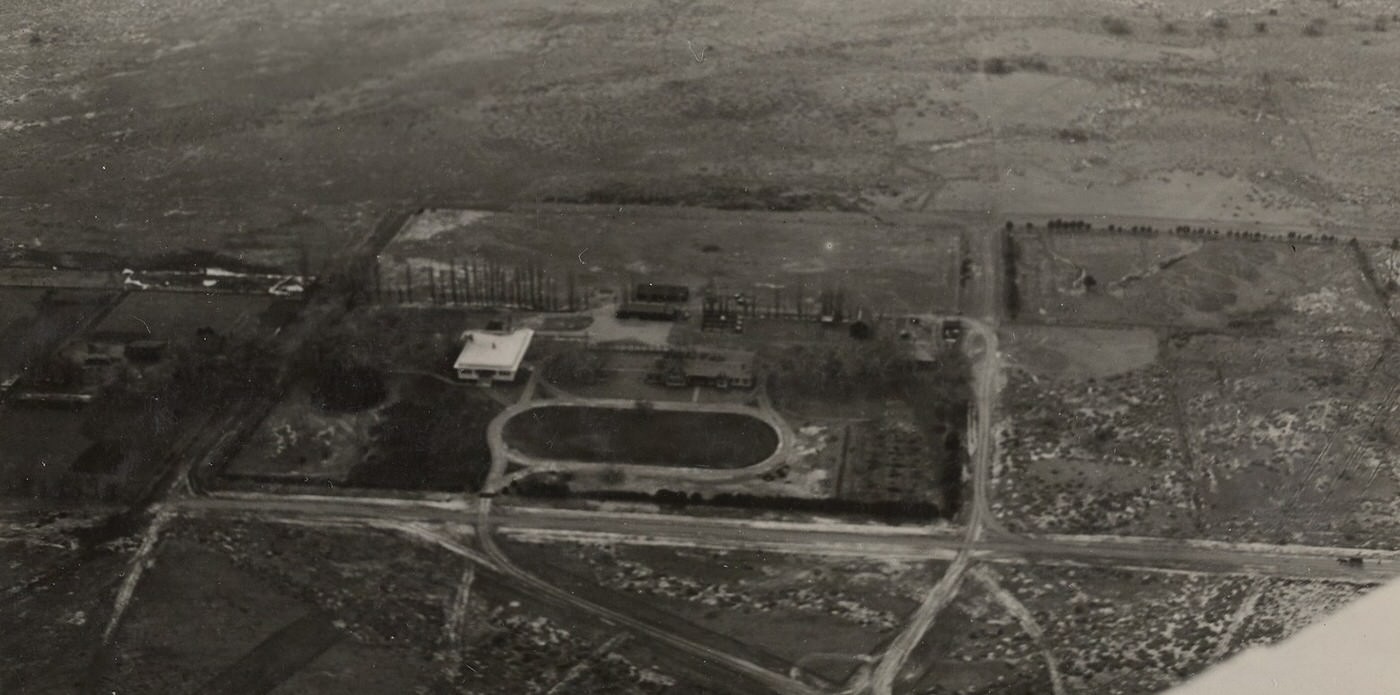
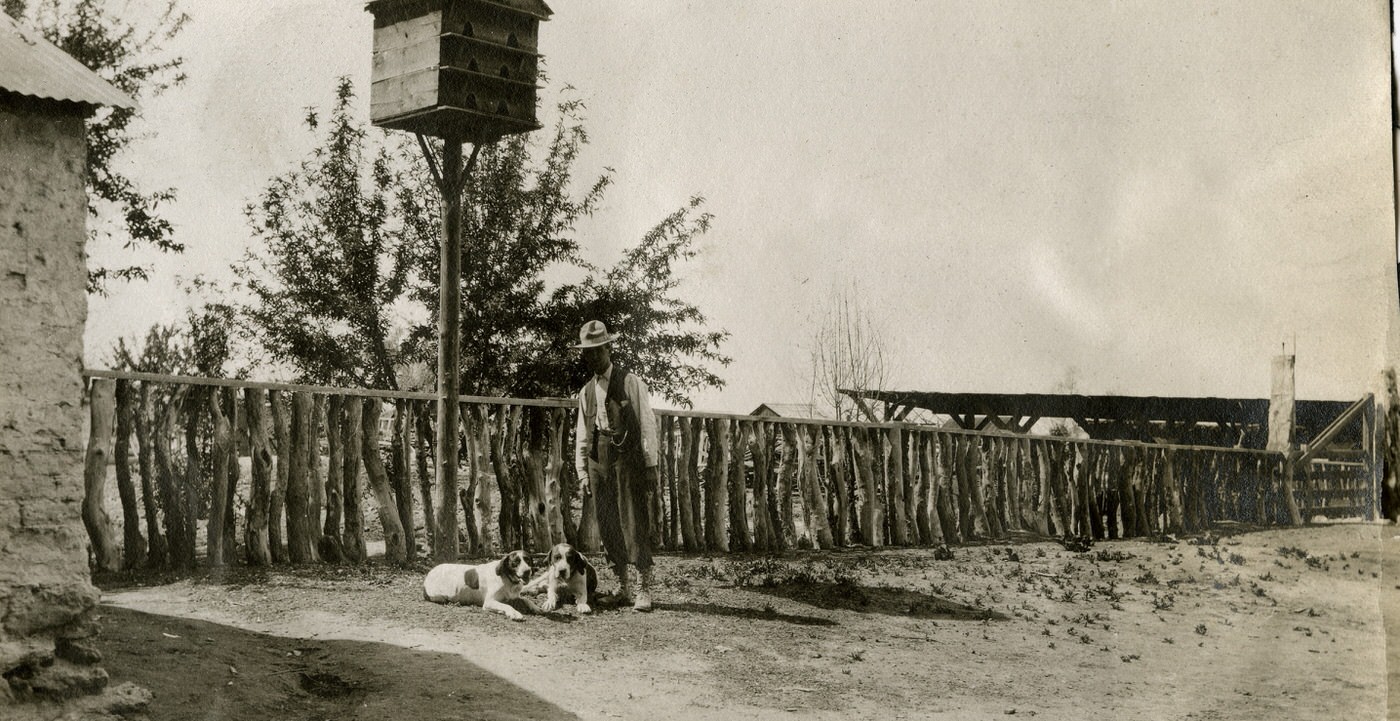
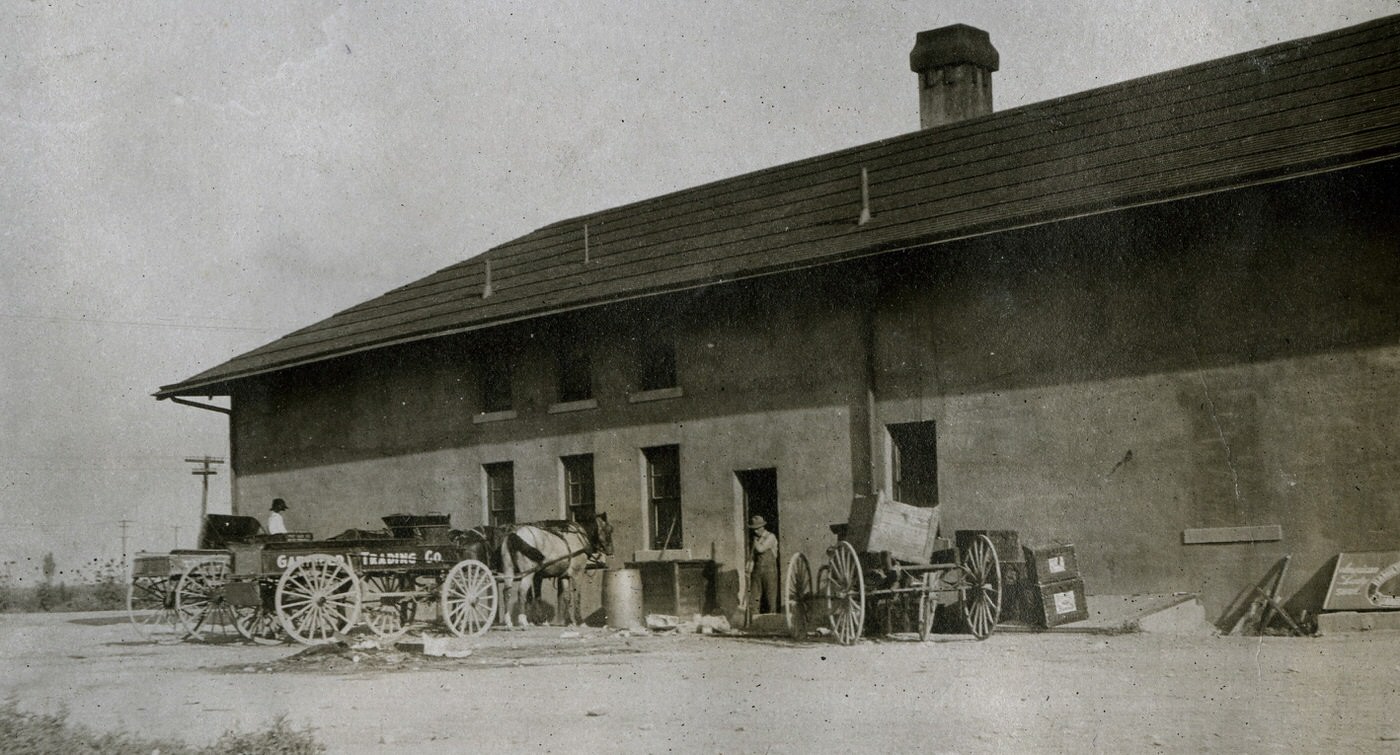
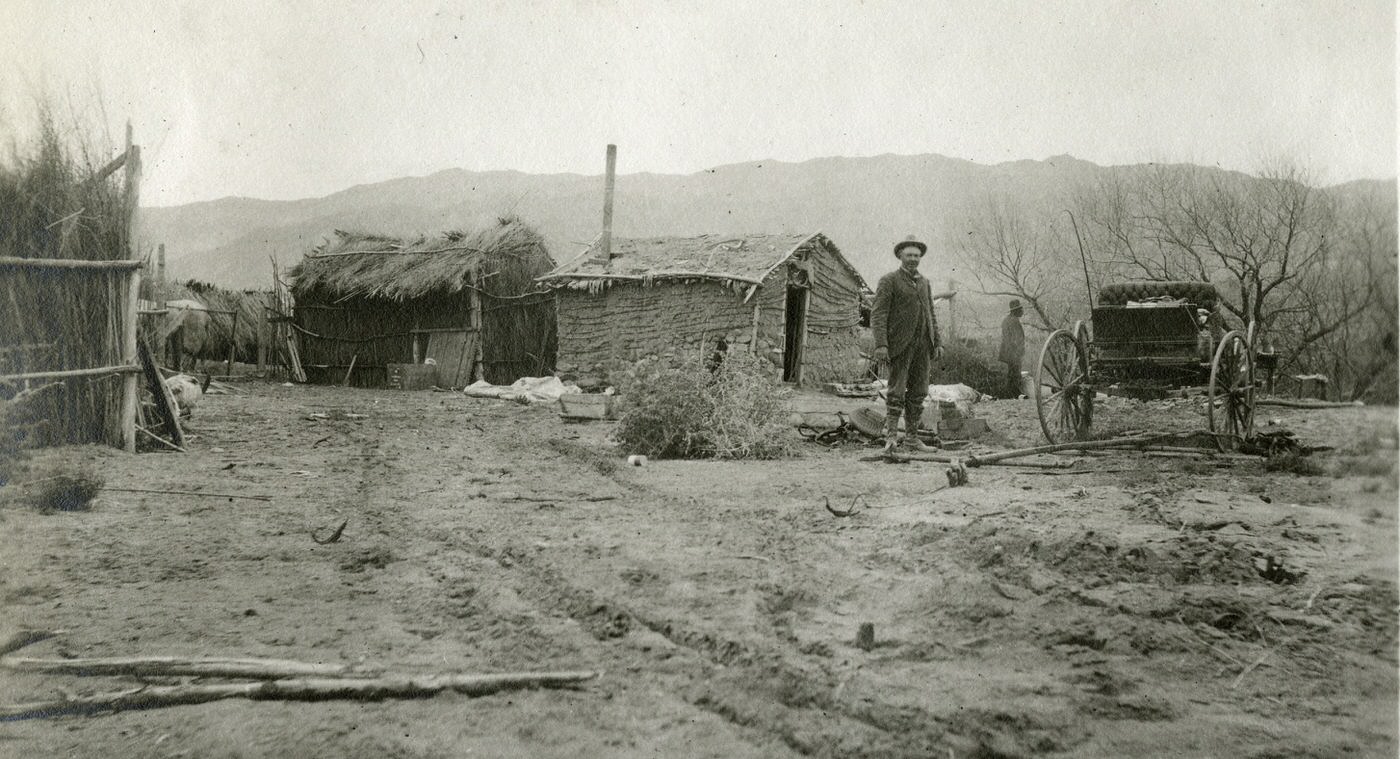
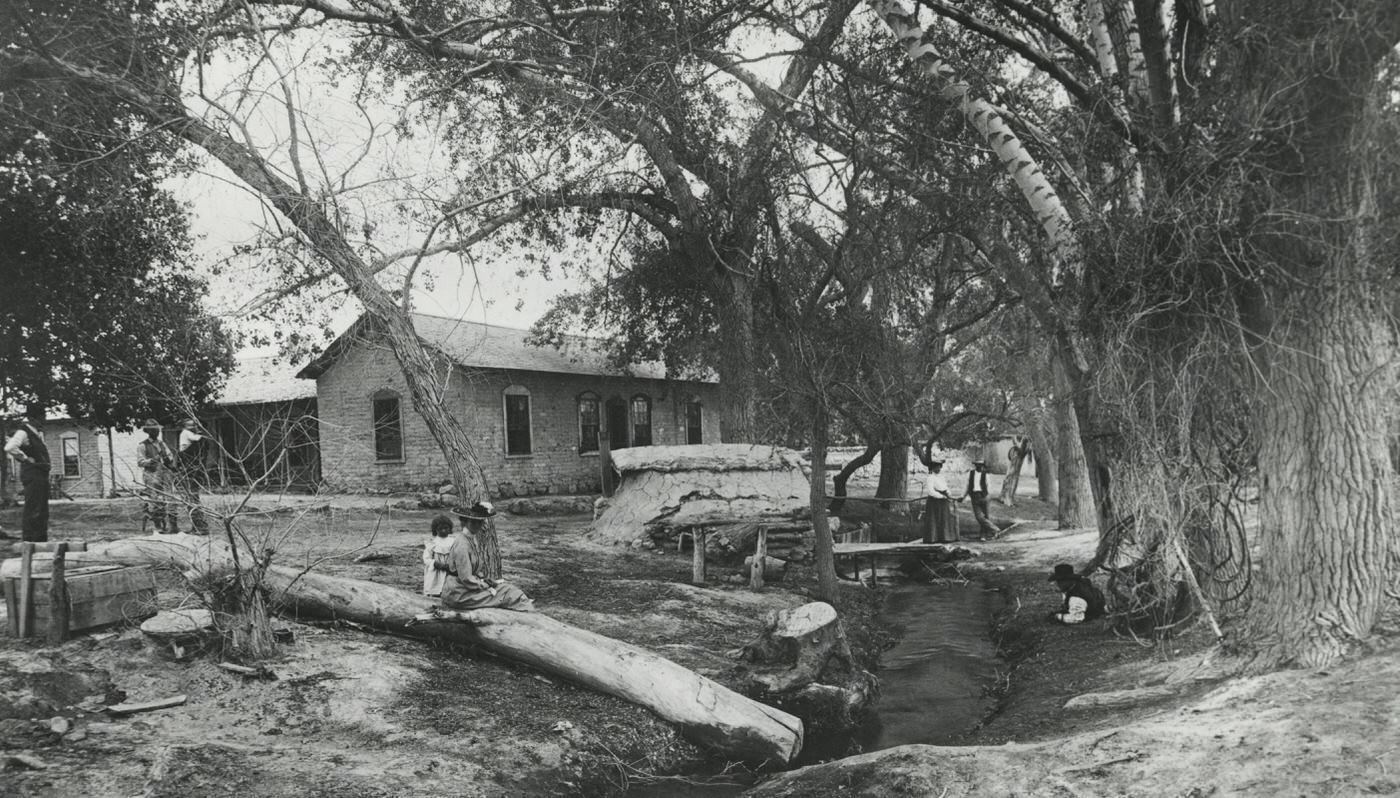
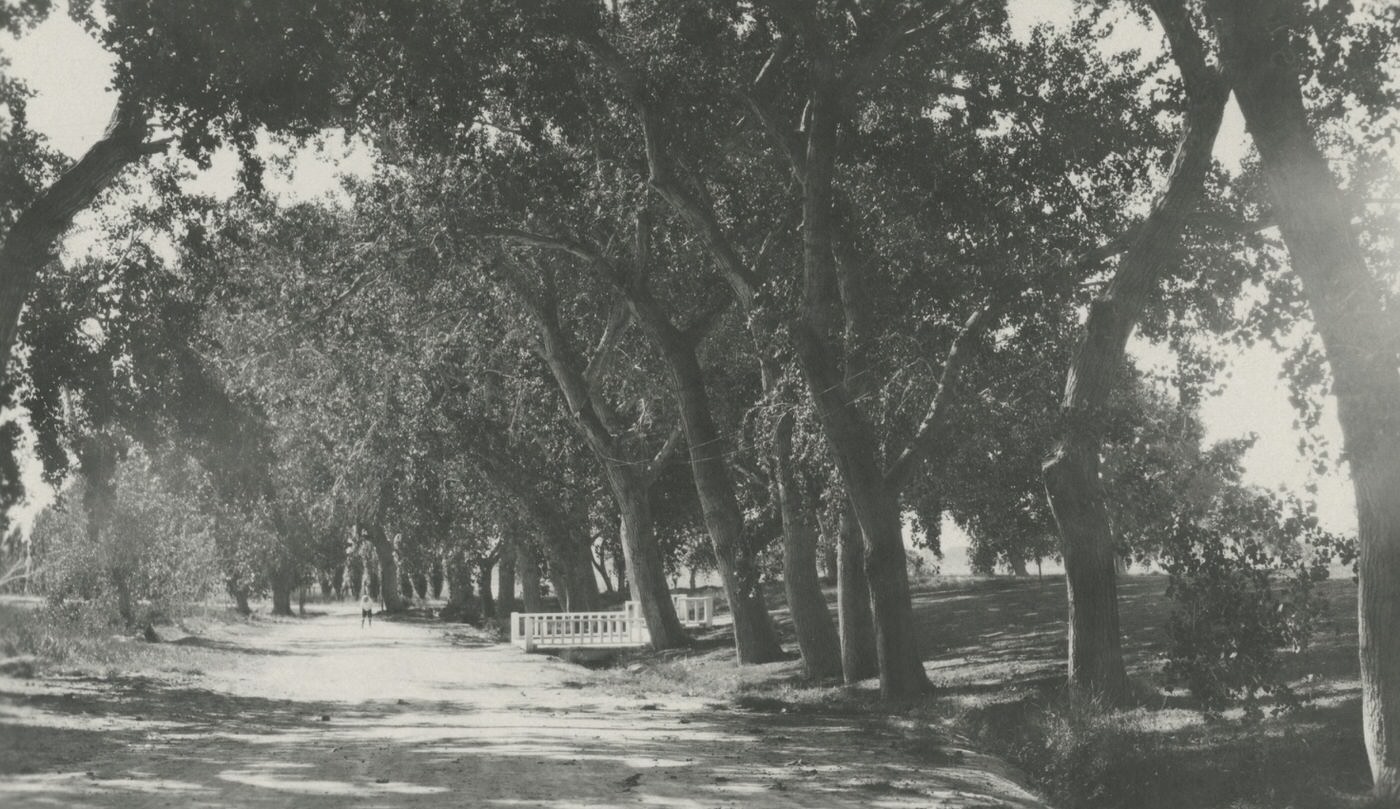
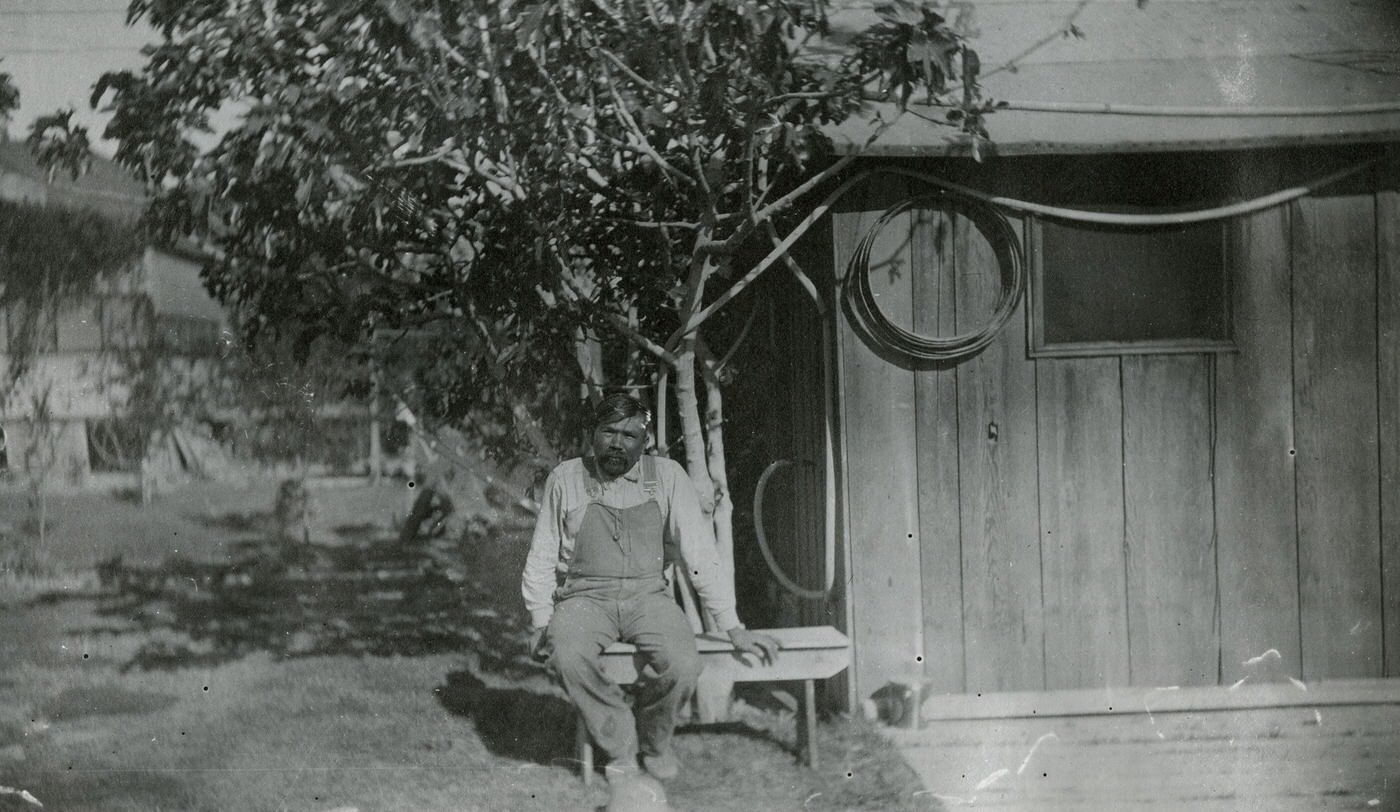
In addition to mining trade, agriculture became a major industry in the valley. Ranches grew around natural water sources, including Cottonwood Spring, Las Vegas Spring, and the small springs at the Kiel Ranch. The largest ranch was the Las Vegas Ranch, which sat on the grounds of the old Mormon mission settlement along the Las Vegas Creek. The springs provided enough fresh water to irrigate fruit orchards, grapes, and a wide variety of vegetables. Farmers rotated their crops, planting oats, barley, and wheat alongside crops of beans, melons, squash, cabbage, beets, onions, and potatoes. Livestock roamed freely on the grasslands. Ranch hands, who were often local Native Americans, corralled the livestock at night. However, the local farms could not produce manufactured goods, so supplies had to be brought in by wagon or train from California and Utah.
Ground Water Exploitation and the Artesian Basin
Water was the most critical resource for the development of Las Vegas. Before the town was settled, there was a natural balance between groundwater recharge from rain and discharge from springs. In 1907, settlers drilled the first flowing artesian well in the valley, which disrupted this balance. Uncapped artesian wells were permitted to flow freely onto the desert floor, which wasted massive amounts of water. This wasteful use prompted State Engineer W.M. Kearney to warn the public in 1911 that water must be used with economy.
By 1912, there were nearly 125 wells in the Las Vegas Valley. Sixty percent of these were flowing artesian wells discharging nearly 15,000 acre-feet of water per year. The Eglington well was one of several uncapped wells that flowed freely, discharging water at a rate of 615 gallons per minute. This heavy groundwater extraction caused steady declines in natural spring flows and groundwater levels throughout the valley. Spring flows began to decline as early as 1908.
Despite these water losses, the Chamber of Commerce promoted the region as an agricultural center. In 1912 and 1914, the Chamber published brochures designed to attract “the landless man” to buy cheap lands and drill artesian wells.
The Las Vegas Land and Water Company, which was owned by the railroad, operated the town’s primary water system. Walter Bracken served as the manager of this company. During the 1920s, the company worked to expand its water mains to supply new residential areas east of Fifth Street. To do this, Bracken purchased the water mains of smaller private companies, including the Craner Water Company and the Hawkins Land and Water Company. He managed these water resources strictly to support the growth of the railroad town.
| Measurement Year | Total Active Wells | Flowing Well Percentage | Key Water System Developments |
|---|---|---|---|
| 1907 | 1 | 100% | Settlers drill the first flowing artesian well in the valley. |
| 1908 | — | — | Natural spring flows begin to show a noticeable decline. |
| 1911 | — | — | State Engineer Kearney warns against the wasteful use of groundwater. |
| 1912 | 125 | 60% | Valley wells discharge 15,000 acre-feet; Eglington well flows uncapped. |
| 1928 | 200+ | — | Water company expands mains to supply additions east of Fifth Street. |
The Great Railroad Strike of 1922 and Its Economic Fallout
The reliance on the railroad created a massive economic crisis in the early 1920s. By 1920, the population of Las Vegas stood at 2,304 residents. Ninety percent of the adult male residents belonged to labor unions. The most powerful of these unions were the Big Four, which represented train engineers, firemen, brakemen, and conductors. The repair shop employees, who maintained the locomotives, had unionized more recently during World War I.
In 1921, Senator William Clark sold his remaining share of the railroad to his partner, the Union Pacific Railroad. Union Pacific immediately cut sixty men from the local repair shop payroll. Because the town was small, this workforce reduction hurt local business owners. At the same time, President Warren Harding appointed new members to the national Railroad Labor Board. These members were less friendly to labor unions and approved wage cuts. In June 1922, the board approved a wage cut of seven cents per hour for repair and maintenance workers. This cut represented an average wage reduction of twelve percent.
On July 1, 1922, the national shopworkers’ union called for a strike, and almost every repair worker in the Las Vegas shops walked out. The strike disrupted rail operations and strained local businesses. To maintain peace with the town, the striking unions agreed to let a few workers run the railroad power plant. They did this because the plant supplied the town’s electricity. However, the unions demanded that none of this power go to strikebreakers. The agreement failed when the single worker left to run the power plant fell asleep on the job. The equipment failed, and both power and phone services went out across the town.
Union Pacific immediately hired new workers to replace the strikers. The railroad attorney, Leo McNamee, noted that local officials would not take action against the strikers because union members made up the majority of voters in town. On the morning of July 12, 1922, violence erupted when fifty striking workers met an incoming train and beat up six strikebreakers. A federal judge issued a temporary restraining order to limit picketing, but state officials refused to enforce it because they also relied on union votes. Other unions joined the walkout, which brought train traffic to a complete standstill. The continuing violence forced Governor Emmet Boyle to call in the Nevada State Police to restore order.
The strike collapsed by the end of 1922. The operating unions agreed to return to work, and national union leadership accepted a settlement. Union Pacific offered slightly higher wages and promised not to move the repair shops out of Las Vegas. However, shortly after the strike ended, Union Pacific broke its promise and moved the main repair shops up the line to Caliente, Nevada. This move took away hundreds of jobs and left the young town in a desperate state.
Prohibition Enforcement and the Battle Over Booze
National Prohibition began in January 1920 under the 18th Amendment and the Volstead Act. In Nevada, voters had approved a state ban on alcohol in 1918. However, the state legislature repealed the enforcement statute in 1923. Because Nevada lacked a state prohibition law, local police officers were not technically bound to enforce national laws.
Las Vegas had a city ordinance against alcohol, but saloon owners on Block 16 operated openly. They did not hide their operations in secret, underground speakeasies like businesses in other American cities. Instead, they treated occasional city fines as a regular cost of doing business.
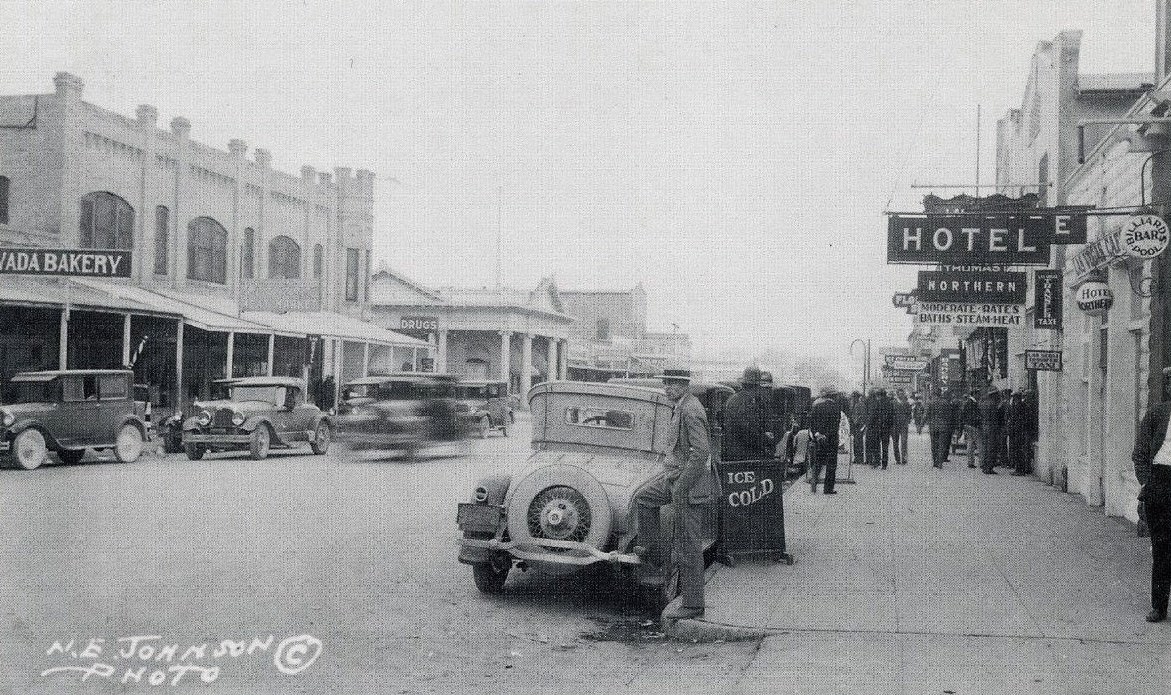
The town produced notable figures who defied the federal ban. Mayor Fred Hesse, who served from 1925 to 1931, ran his own still to supply a flashy local bootlegger named James Ferguson. Hesse circulated openly with rumrunners and saloon keepers. He was eventually arrested for violating the Volstead Act. Another local bootlegger, Lon Groesbeck, was arrested in January 1920 for bringing whiskey into town hidden in the false bottom of his car, selling the bottles directly from his room at the Northern Hotel on Fremont Street. Undercover Prohibition agent Ralph Kelly even ran a fake speakeasy called Liberty’s Last Stand to gather evidence on local bootleggers.
Federal agents from Los Angeles and Carson City launched repeated raids to shut down the open saloons. In November 1922, federal agents arrested four men associated with Block 16 saloons. In 1925, a U.S. marshal from Carson City arrested seven men and a woman, padlocking the doors of nine Block 16 saloons for a full year. These closed saloons included the Star, Nick’s Place, Jazz, Pastime, Colorado Club, Arizona Club, Lincoln, Arcade, and Oxford Club.
Raids intensified in the late 1920s. In early 1928, federal agents arrested the owners of the Arcade, Star, Blue Lantern, Tip Deal’s Place, the Senate, and the Pastime Dance Hall. On the night of February 6, 1928, agents stormed several locations, including the Arizona Club, Green Lantern, Honolulu Inn, Big Four, Miners Club, Jazz Bar, the Pastime, and the Double G. During these raids, agents recovered 4,000 bottles of liquor and 30,000 gallons of mash, marking the largest seizure of alcohol in the town’s history. They arrested fifty-six people and padlocked the Arizona Club once again.
| Date of Raid | Raided Establishments | Material Seized | Outcomes and Penalties |
|---|---|---|---|
| November 1922 | Block 16 Saloons | Illegal liquor supplies | Four individuals associated with saloons are arrested. |
| 1925 | Nine saloons, including Star and Arizona Club | Commercial alcohol stock | Eight individuals arrested; nine saloons padlocked for one year. |
| Early 1928 | Arcade, Star, Blue Lantern, Senate | Bootleg liquor | Business owners arrested on federal conspiracy charges. |
| February 6, 1928 | Arizona Club, Green Lantern, Jazz Bar | 4,000 bottles; 30,000 gallons of mash | Fifty-six individuals arrested; Arizona Club padlocked. |
The Colorado River Compact and the Transition to Federal Projects
By 1927 and 1928, the economic future of Las Vegas looked highly uncertain. The railroad had downsized significantly, laying off hundreds of workers. With few jobs and temperatures reaching 120 degrees in the summer, the town had little to offer outsiders. Although the state legislature lowered taxes to entice residents, very few came to the area.
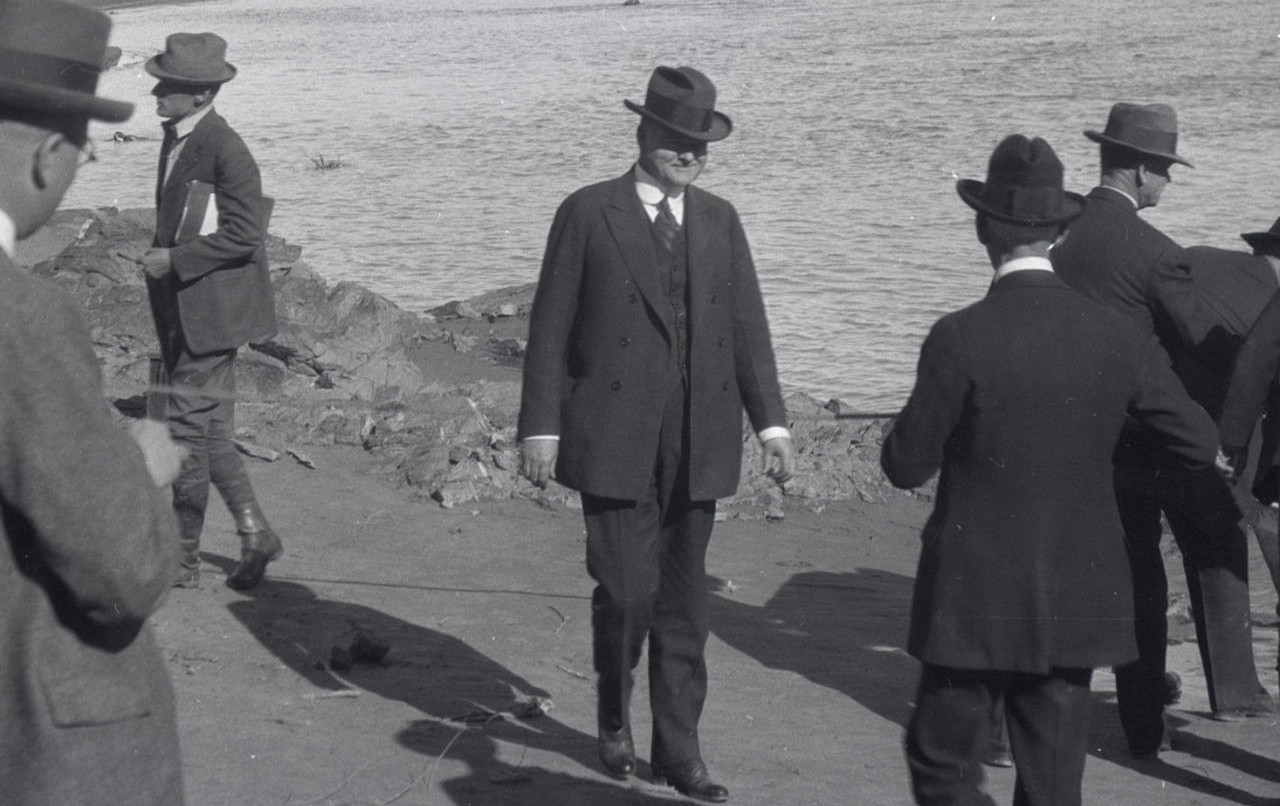
The turning point for the town was the planning of a massive federal dam project on the Colorado River. The political groundwork had begun on November 24, 1922, when seven western states signed the Colorado River Compact to divide the river’s water equally. Pop Squires, the editor of the Las Vegas Age, used his newspaper to advocate constantly for the project. He spent years pushing the plan through federal bureaucracies until the government took over the project.
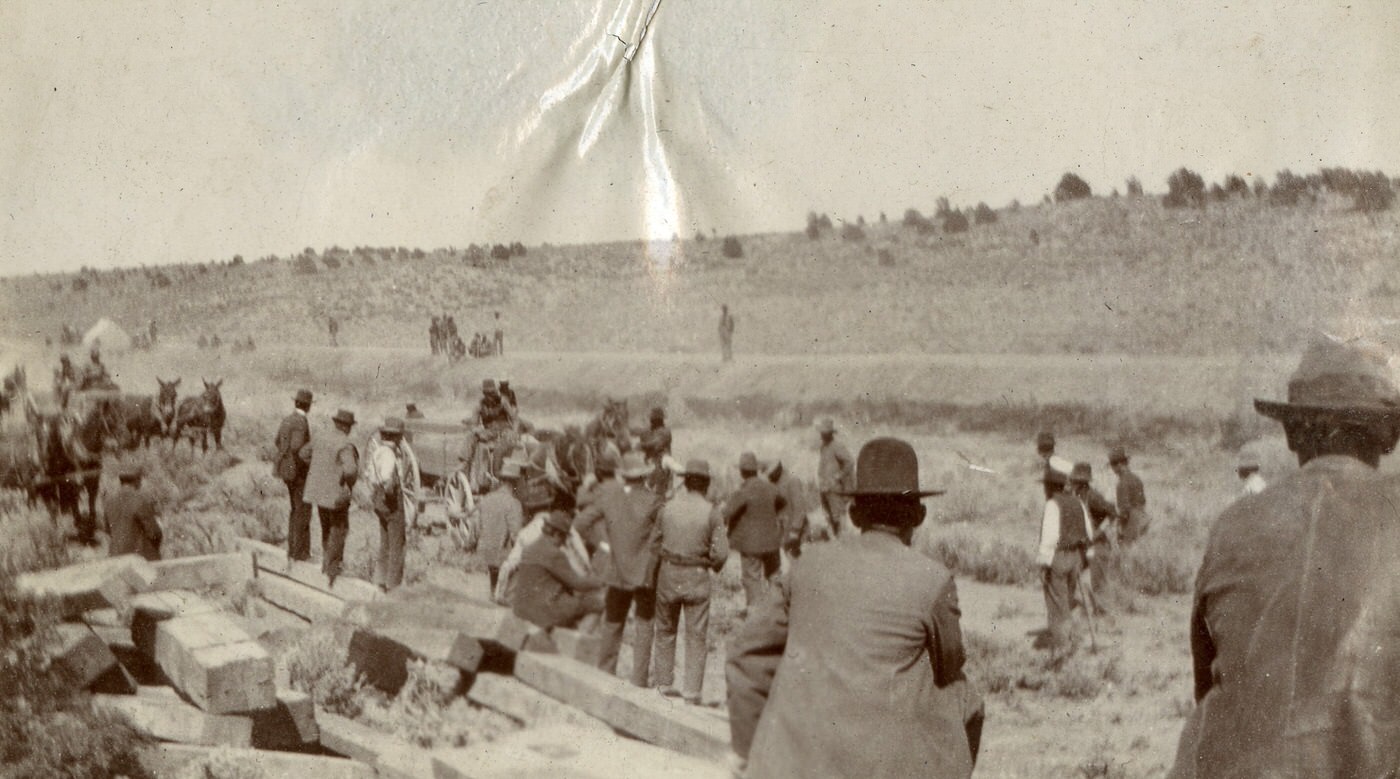
On December 21, 1928, the federal government approved the Boulder Canyon Project Act, authorizing the construction of the dam. Work on the Boulder Dam began on September 7, 1929. To prepare for construction, Union Pacific began connecting Las Vegas to the new town of Boulder City by rail.
The project brought thousands of construction workers and job seekers to Southern Nevada, completely transforming the local economy. The population of Las Vegas, which had stood at 2,304 in 1920, more than doubled to reach 5,165 by the time of the 1930 census. This dramatic population increase marked the end of the town’s quiet railroad era and the beginning of its growth as a modern desert hub.
Technological Progress, Aviation, and Modern Entertainment
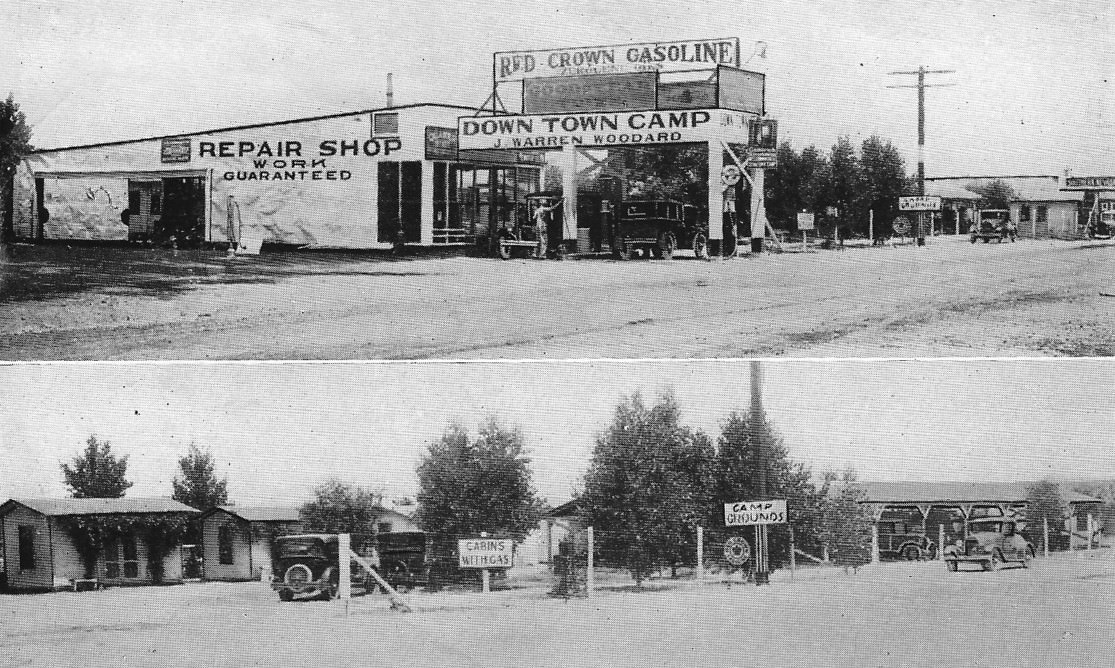
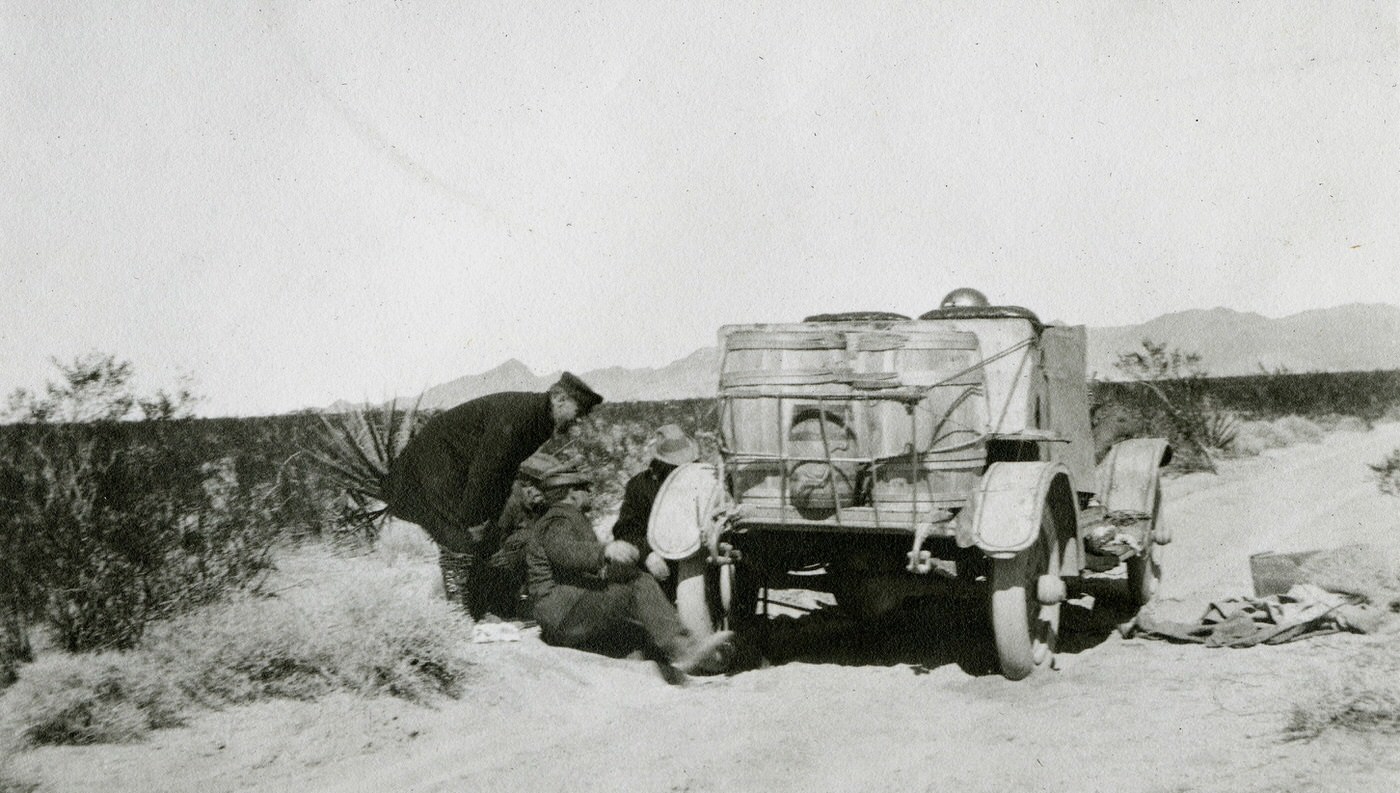
Despite the economic slowdown, the late 1920s brought technological progress to Las Vegas. In January 1919, the State Highway Department began its first construction projects. In 1929, the department oiled the final Nevada link of U.S. Highway 91 near Apex. This oiled highway provided a smooth road connecting Southern California across Nevada to the Arizona border. It allowed tourists to drive through the desert more easily, laying the foundation for future highway travel.
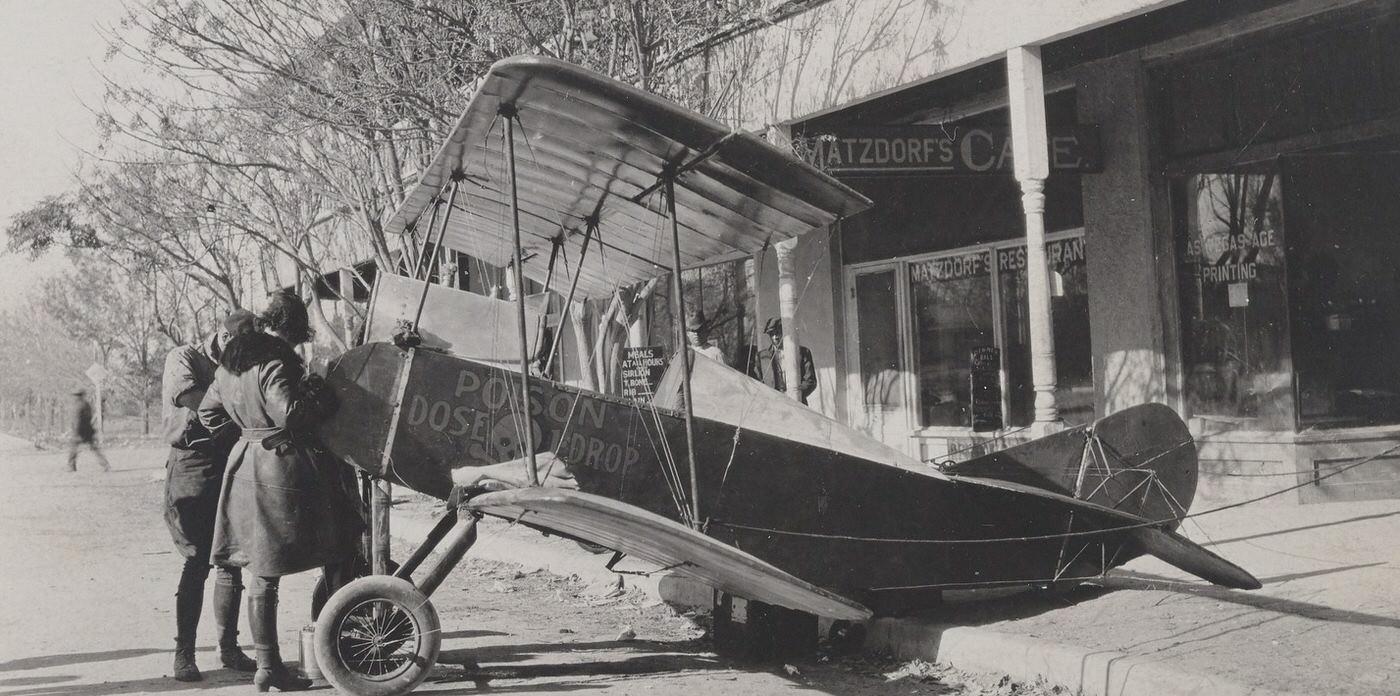
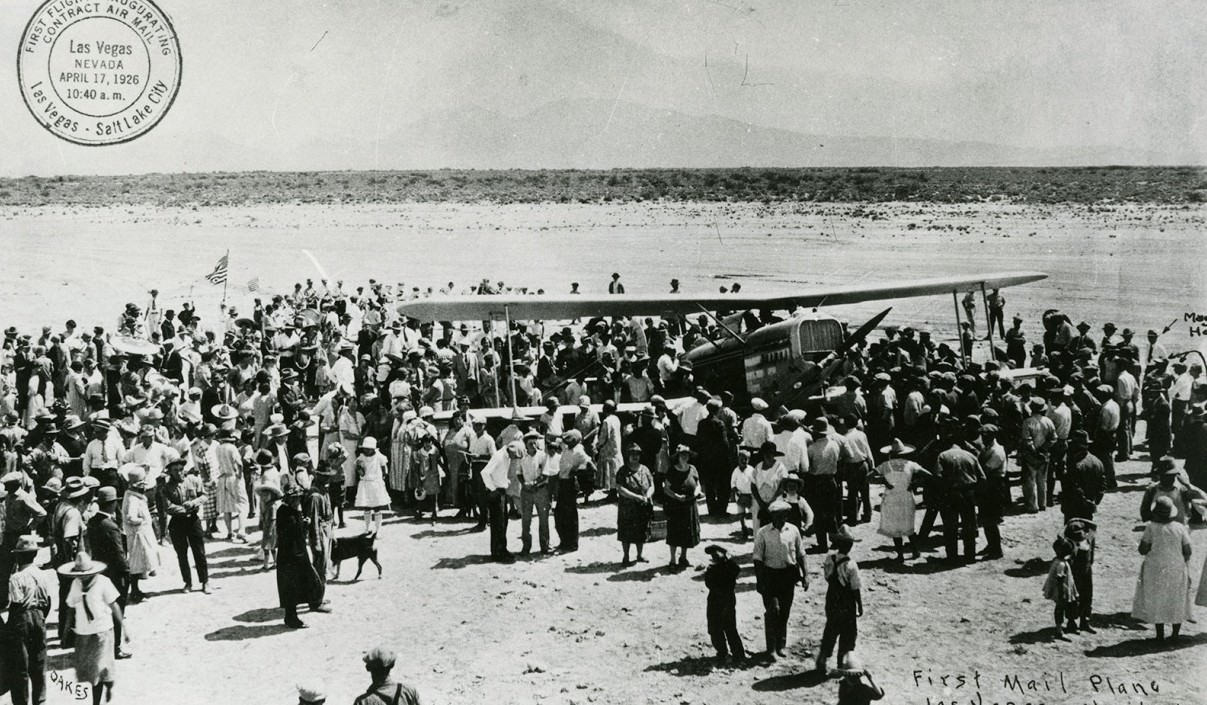
Commercial aviation also began in Las Vegas during this decade. On April 17, 1926, Western Air Express initiated its first commercial flights. The flights operated on Contract Air Mail Route No. 4, carrying mail pouches and passengers between Los Angeles and Salt Lake City. The biplanes used an oiled landing strip known as Rockwell Field for refueling and maintenance. The airline used single-engine Douglas M-2 biplanes with open cockpits. The service was flown by a group of pilots known as the Four Horsemen, which included Fred Kelly and Jimmy James. In May 1926, the airline offered regular passenger service, reducing travel times across the West. By 1928, Western Air Express introduced in-flight meals and established weather stations along the route, becoming a pioneer in commercial aviation.
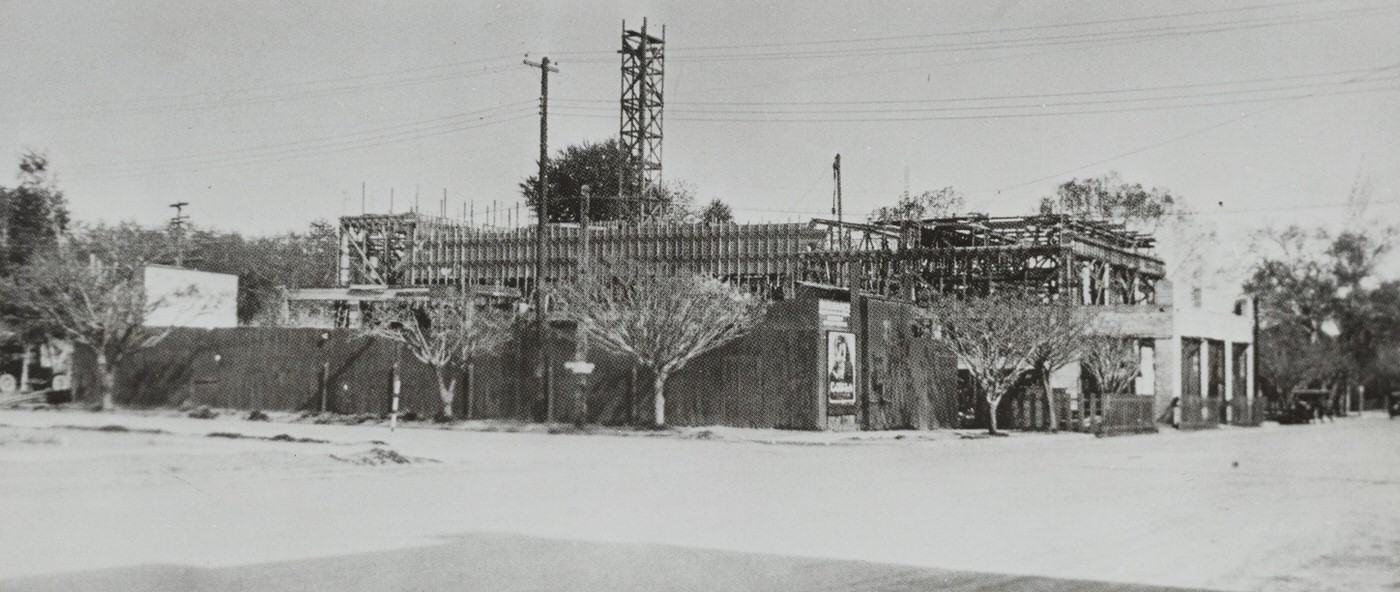
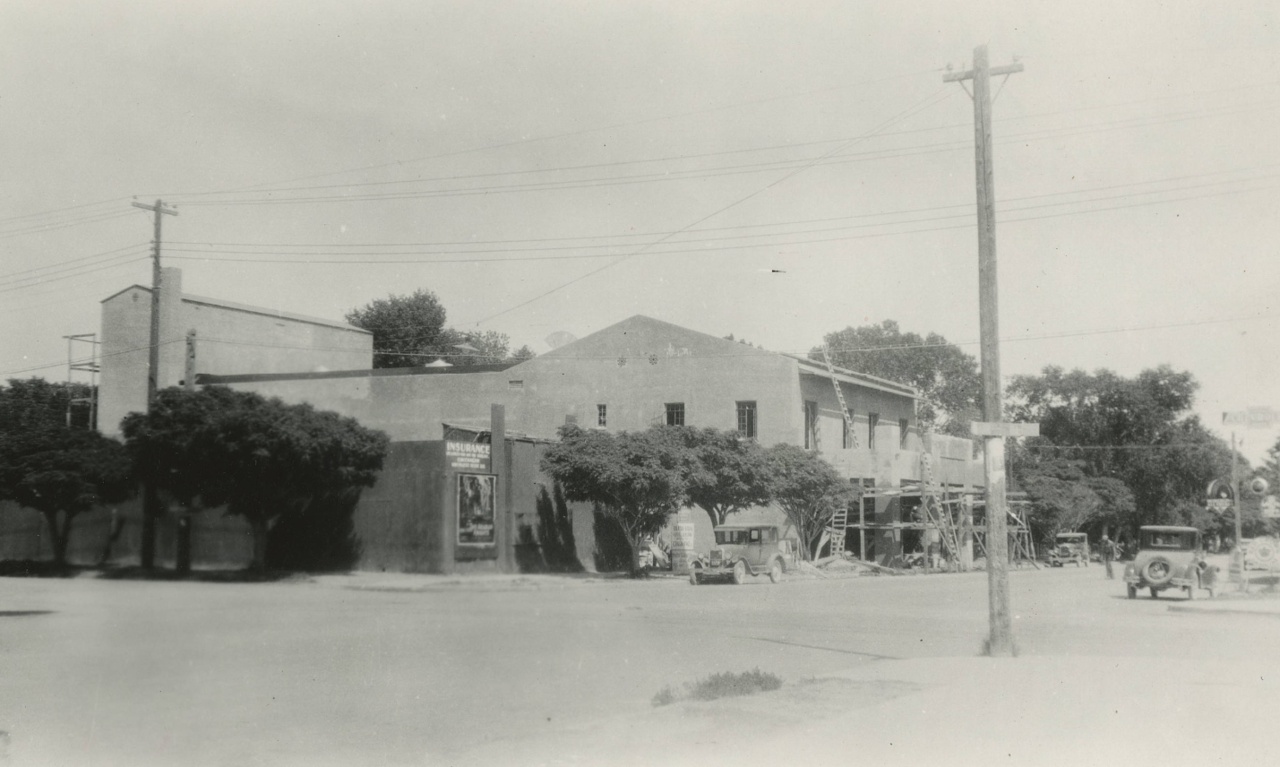
In 1928, the El Portal Theatre opened at 310 Fremont Street. Built between 1927 and 1928, the theatre opened on June 21, 1928. Designed by architect Charles Alexander MacNelledge in a Spanish Colonial Revival style, the building featured a 700-seat auditorium and an elegant lobby. It was the first air-conditioned building in Las Vegas, offering a comfortable escape from the desert heat. The theatre was used for films, plays, music recitals, vaudeville shows, and high school graduations. It also pioneered late-night screenings to accommodate swing-shift workers from the railroad and nearby mines. However, the theatre maintained a strict racial segregation policy.
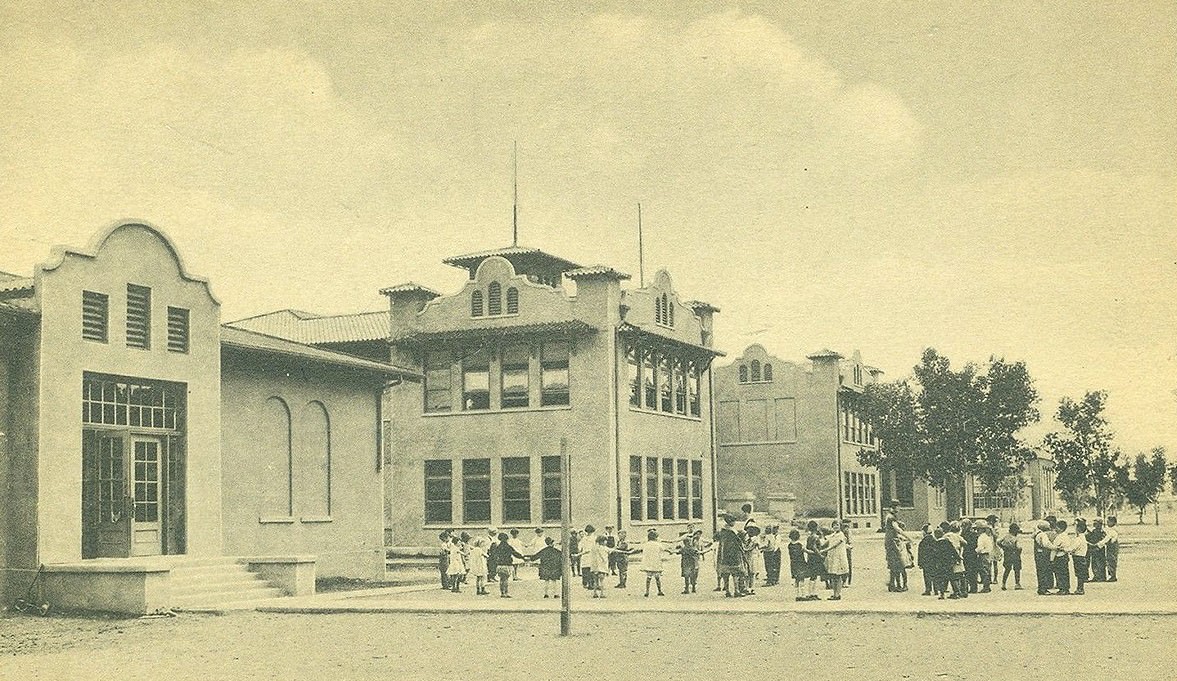
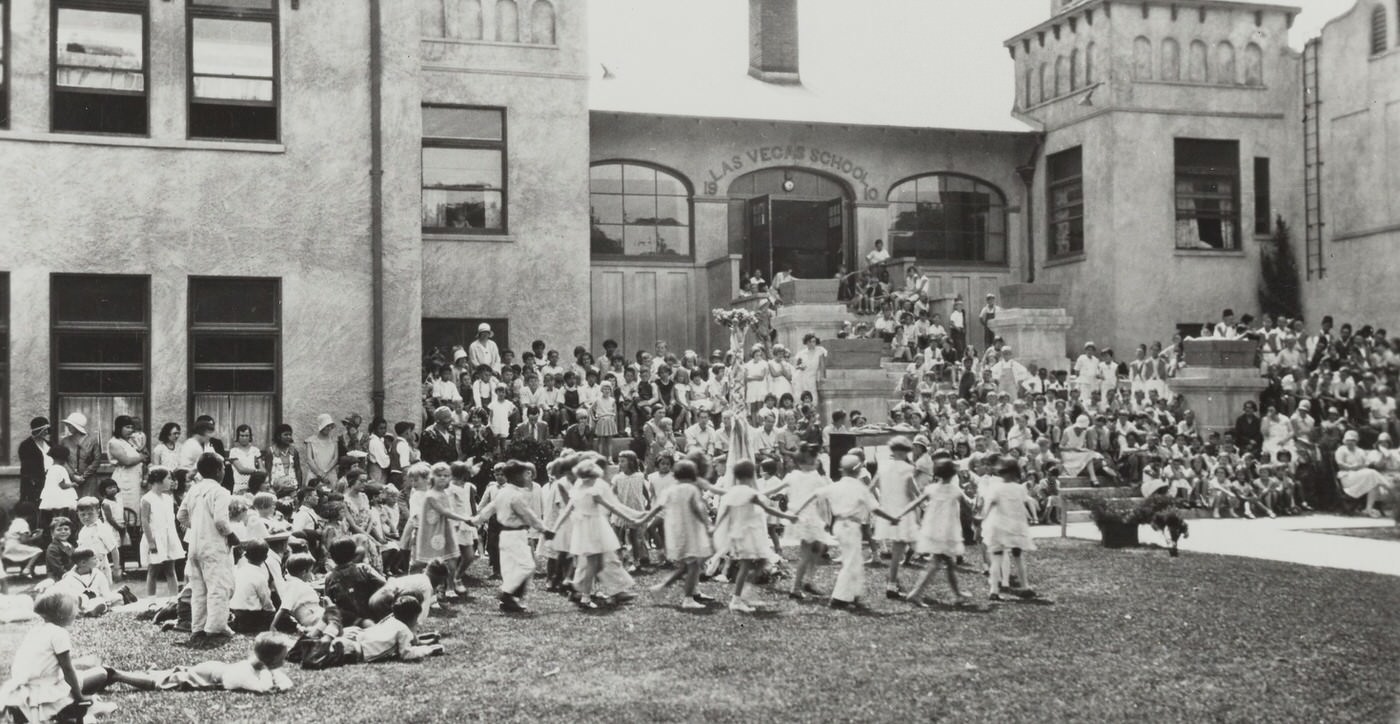
Other civic developments occurred in 1929. Las Vegas High School opened to serve the growing number of local teenagers. In the same year, the Las Vegas Review-Journal became a daily newspaper, reflecting the growing demand for local news and information.
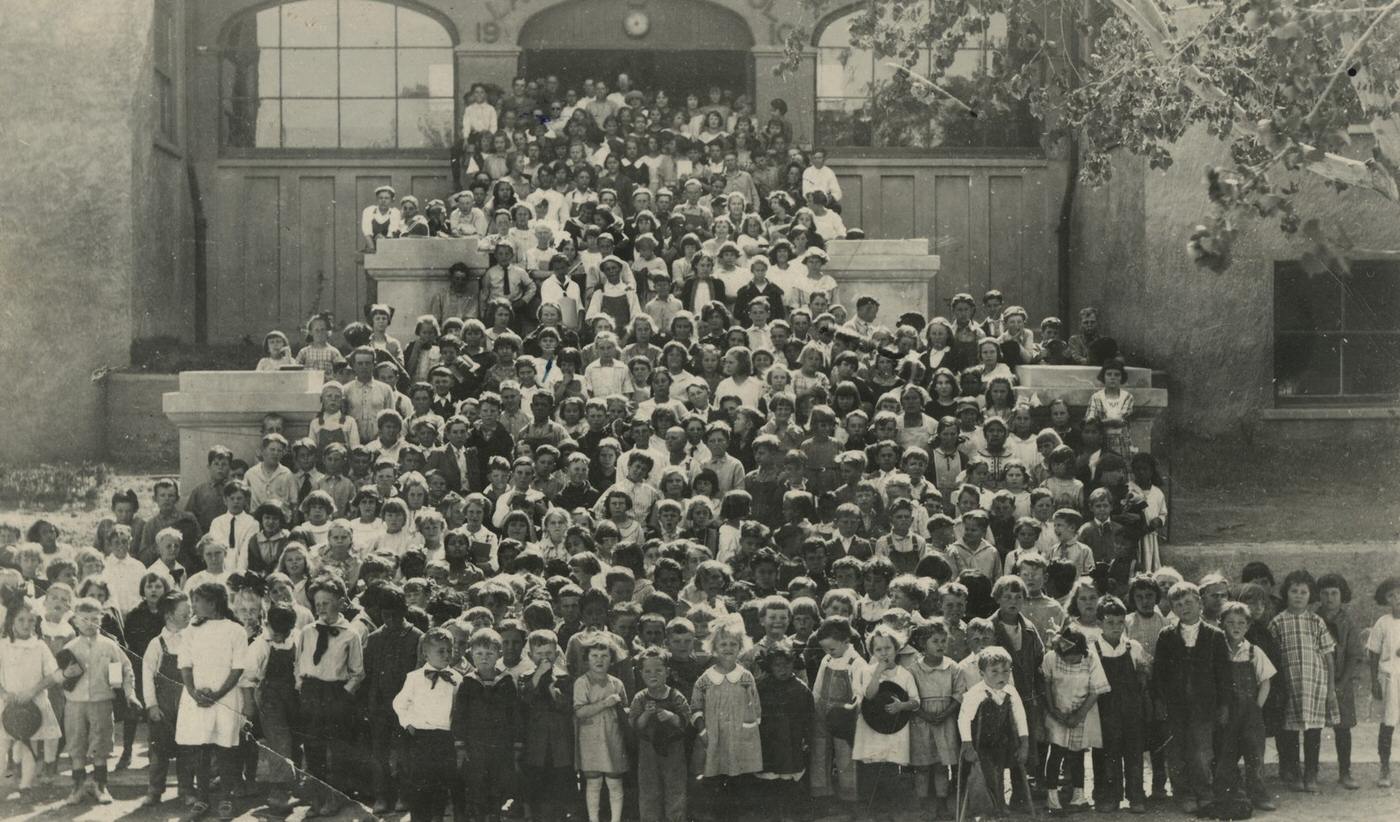
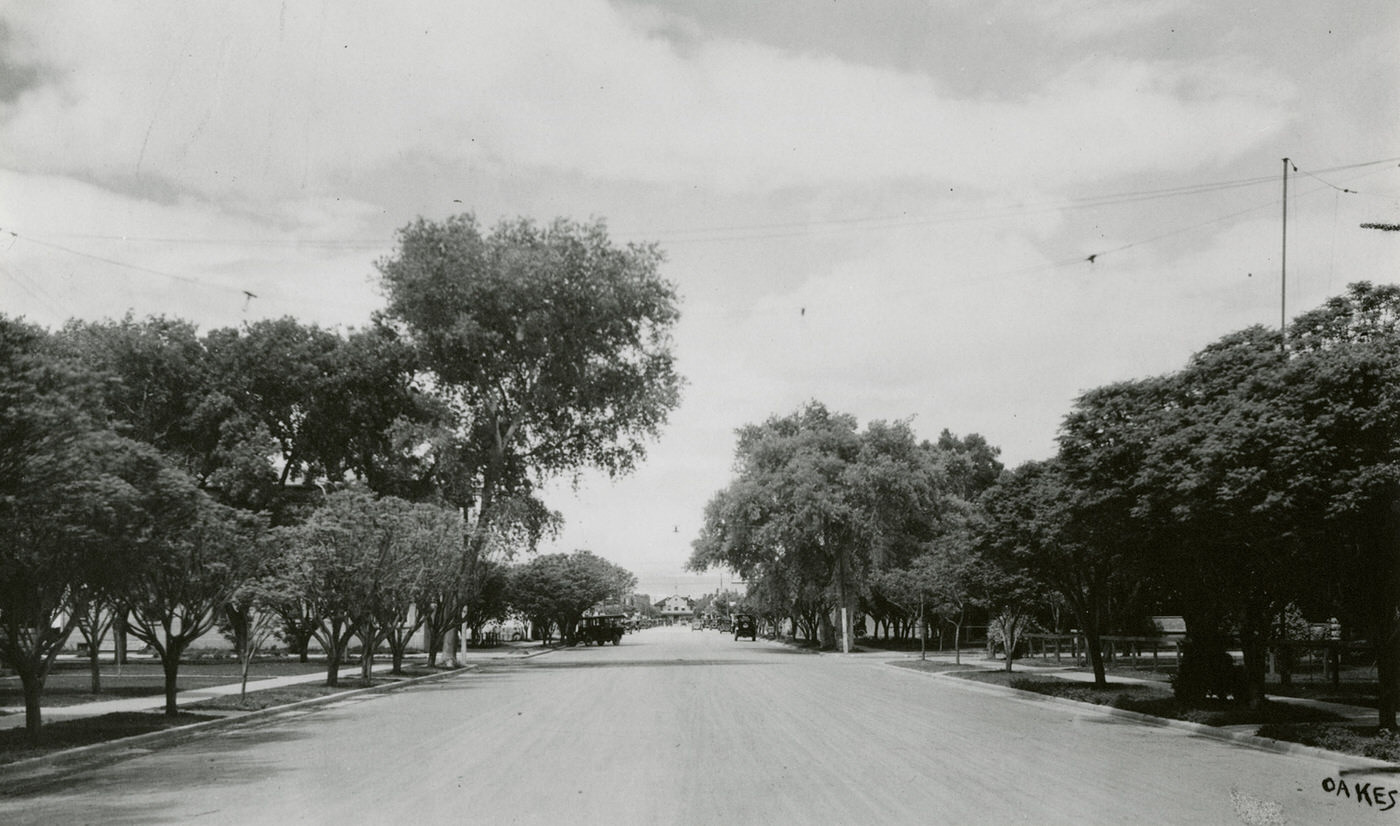
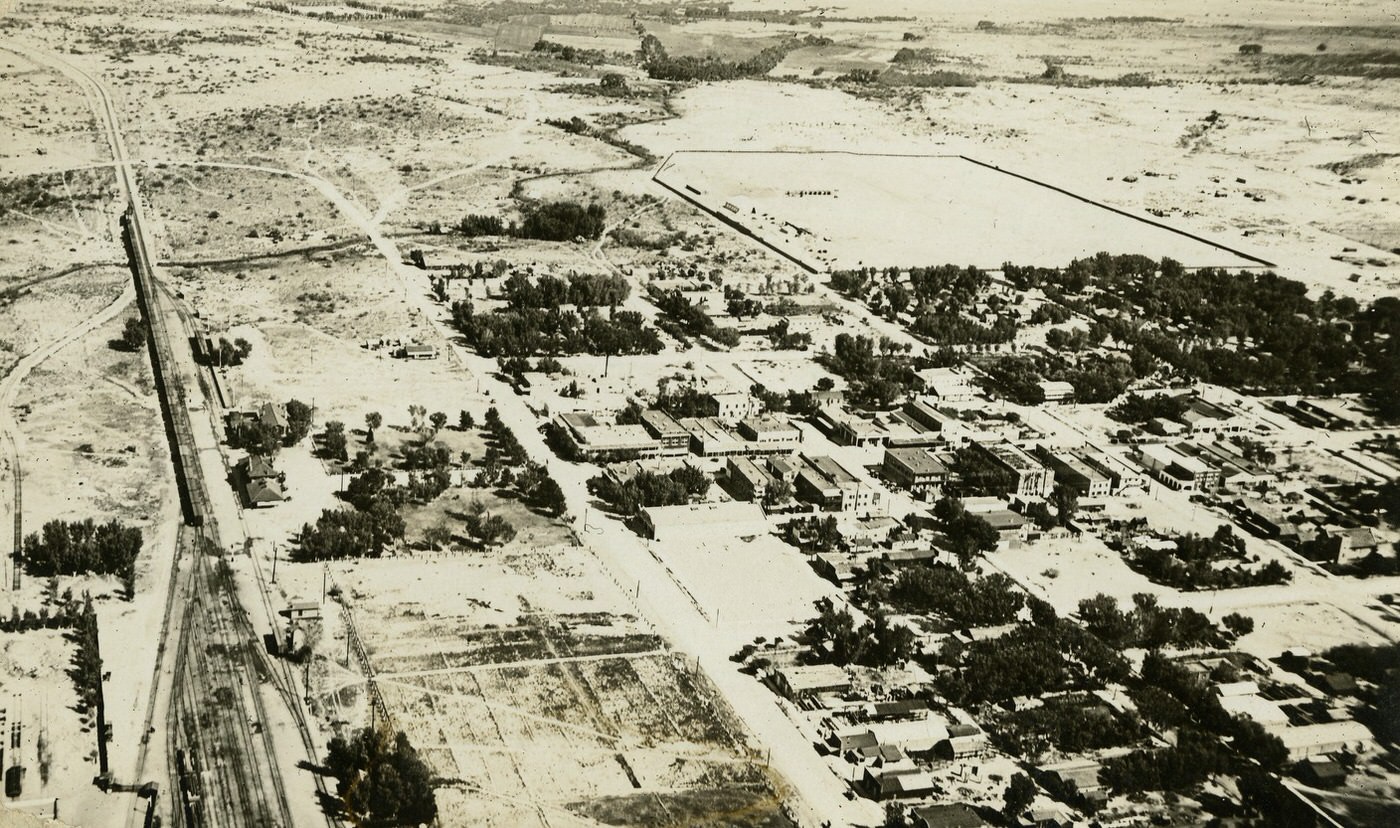
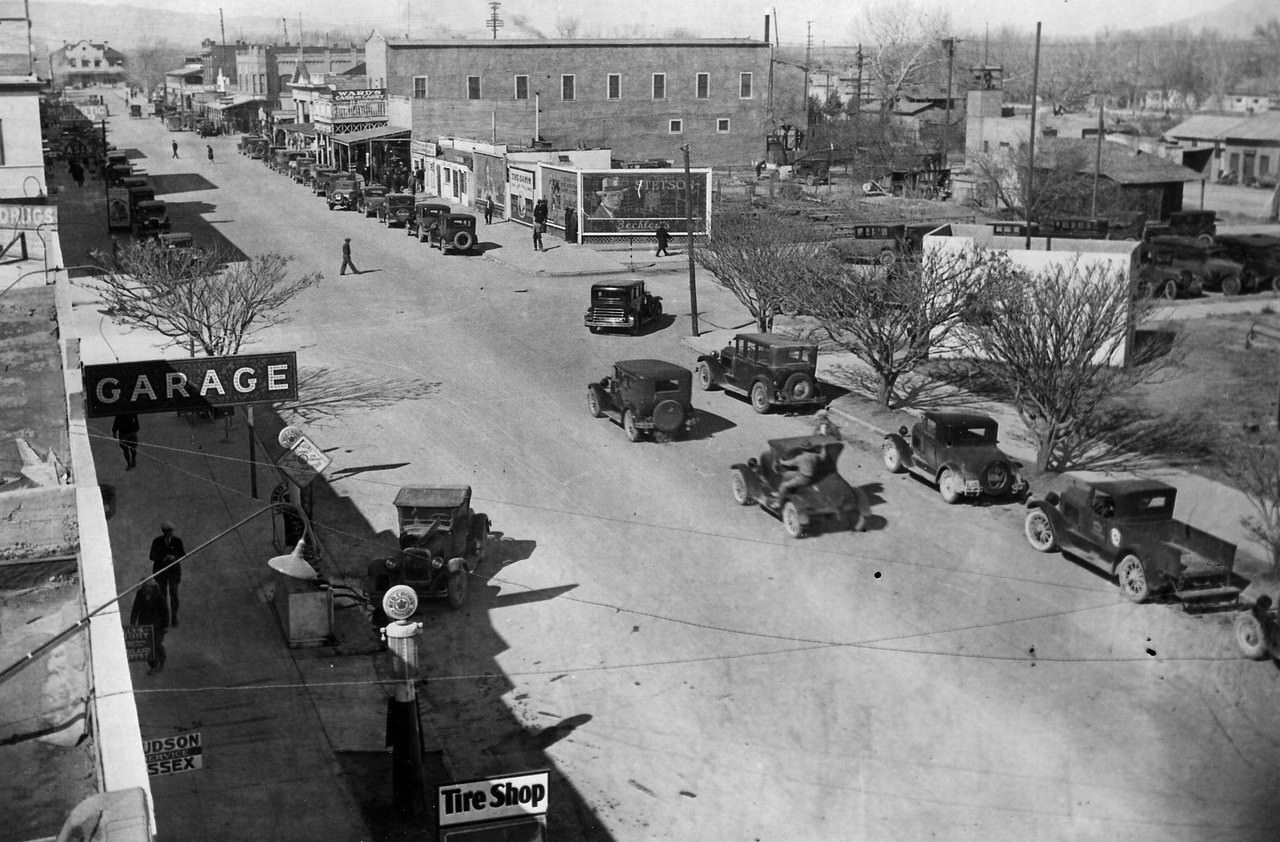
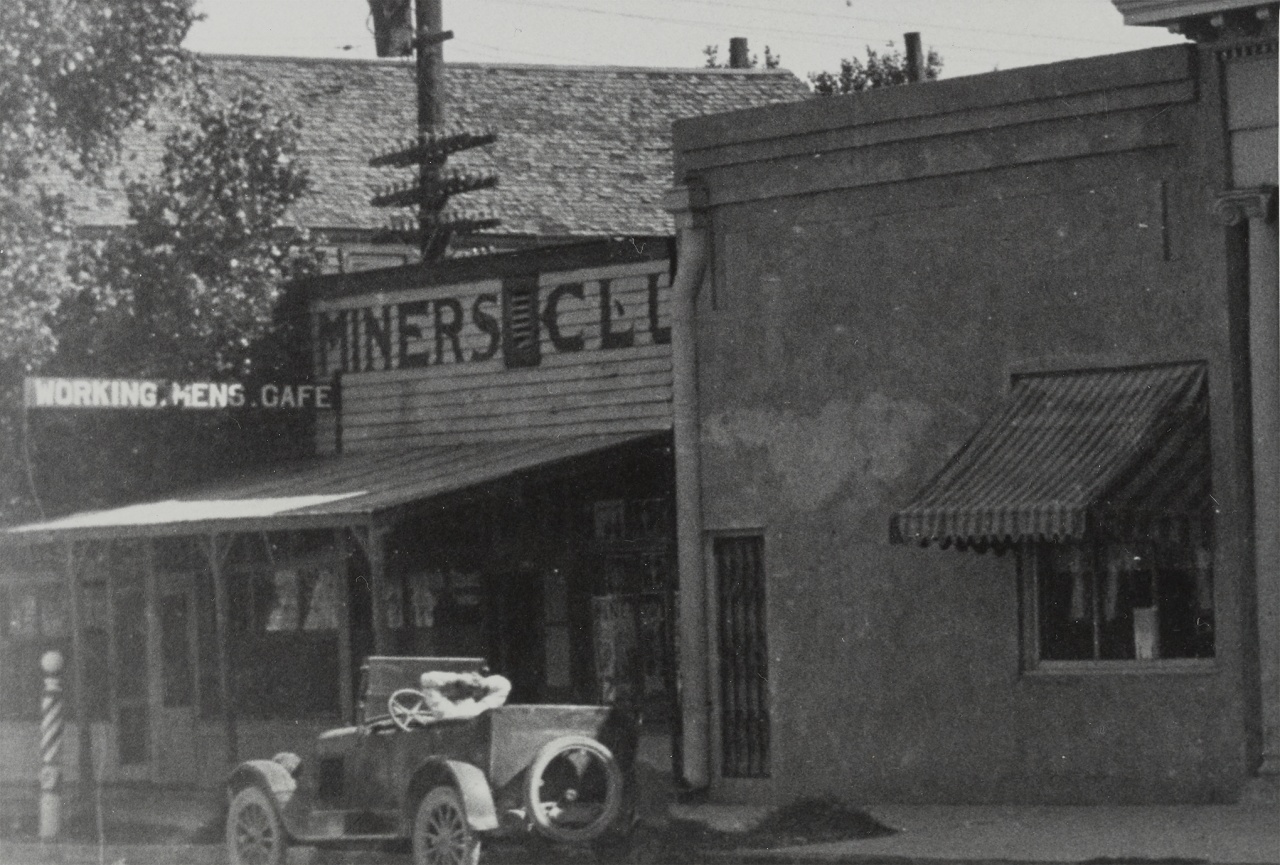
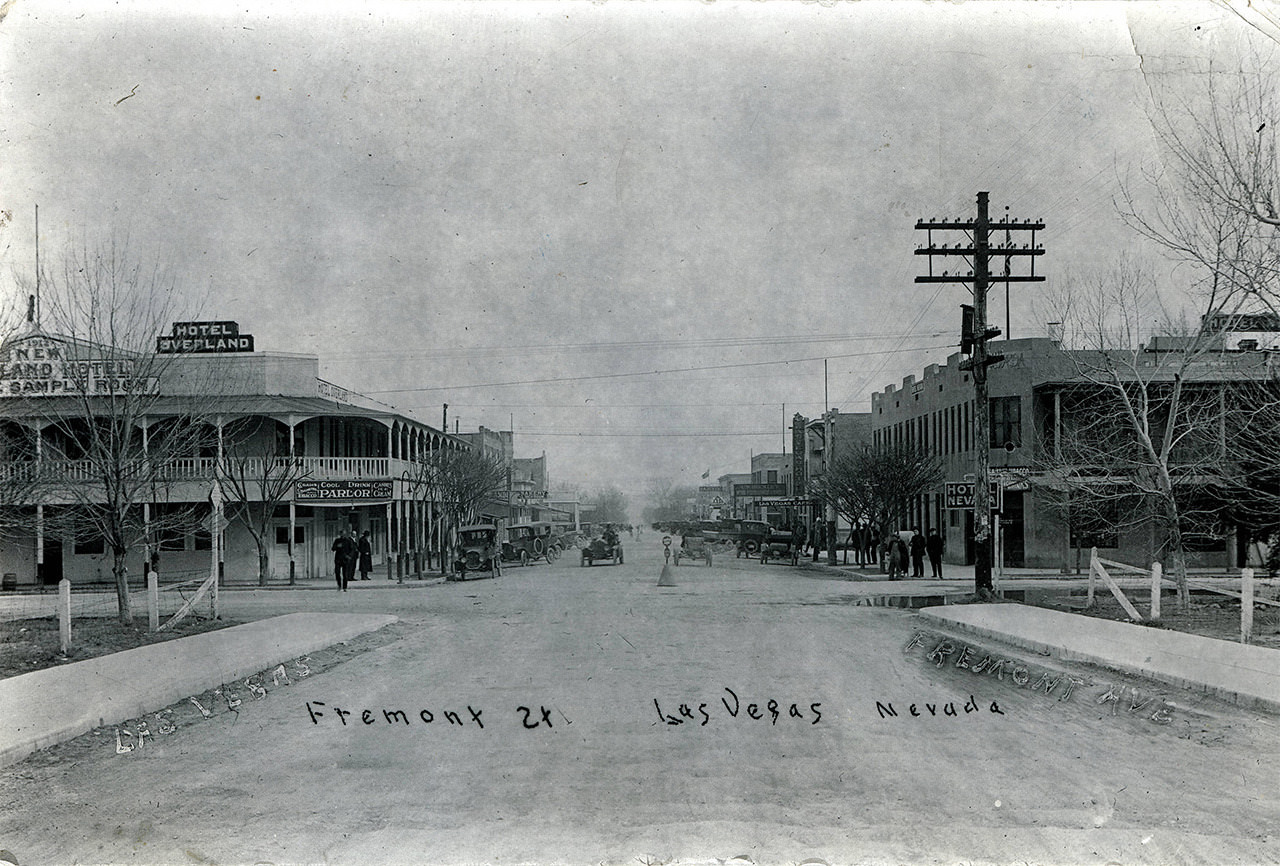
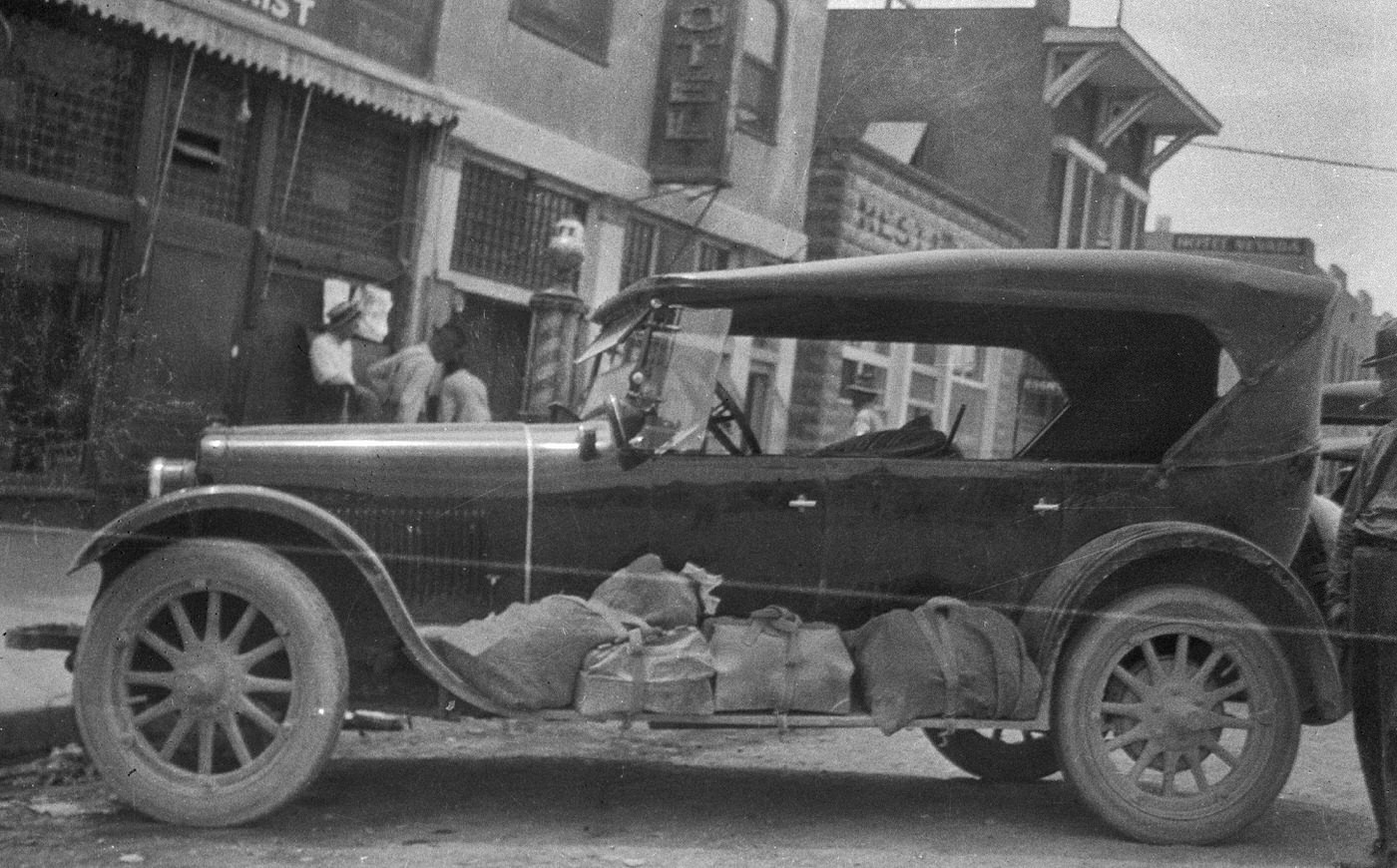
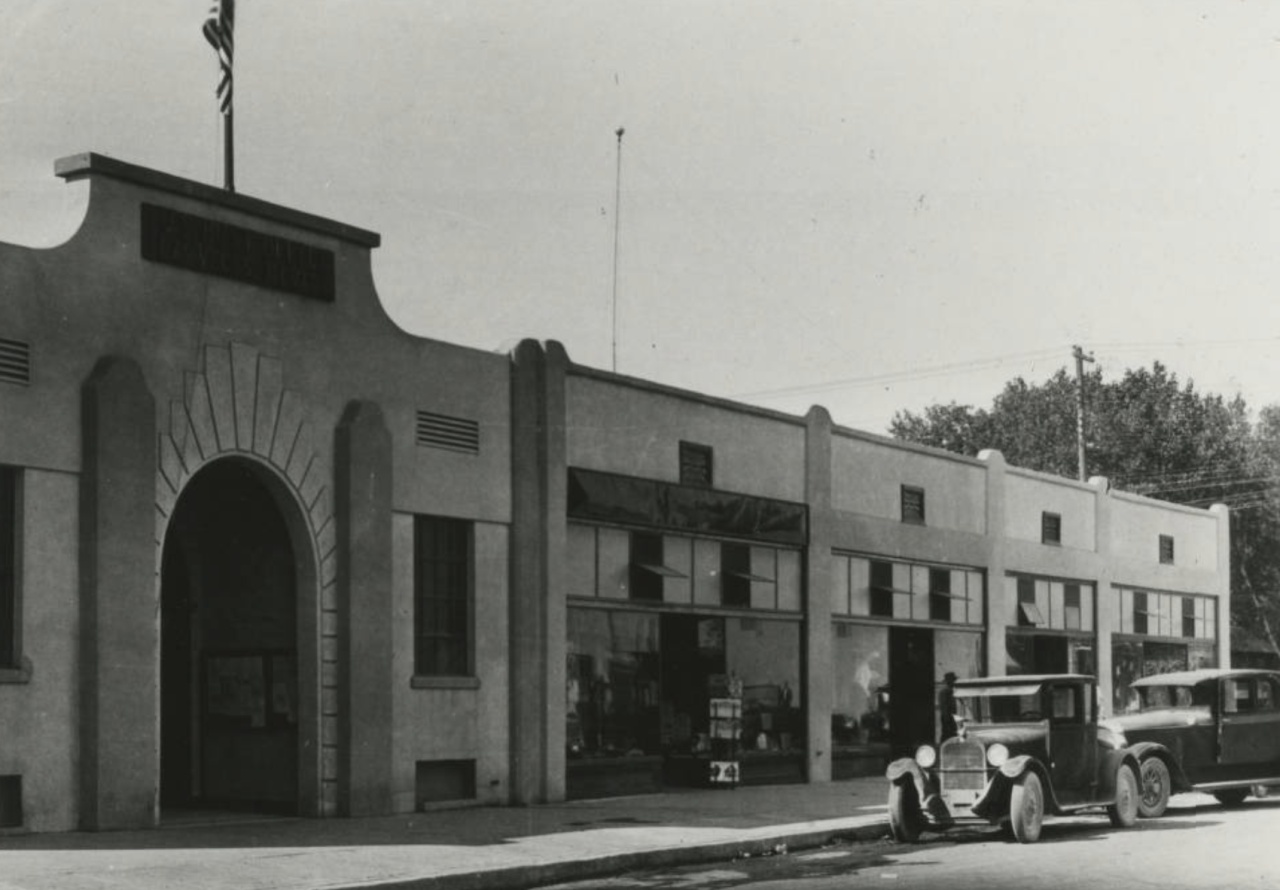
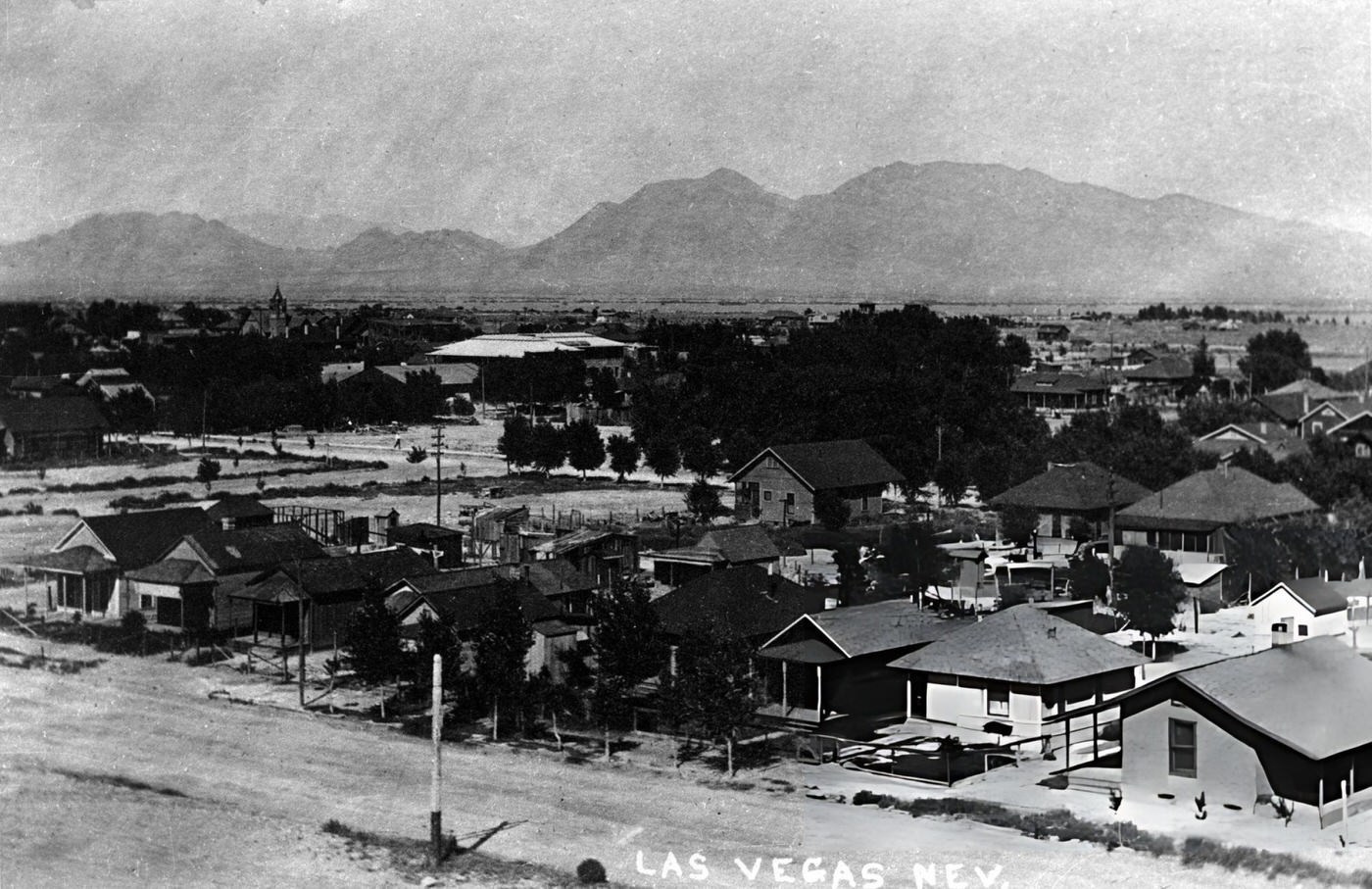
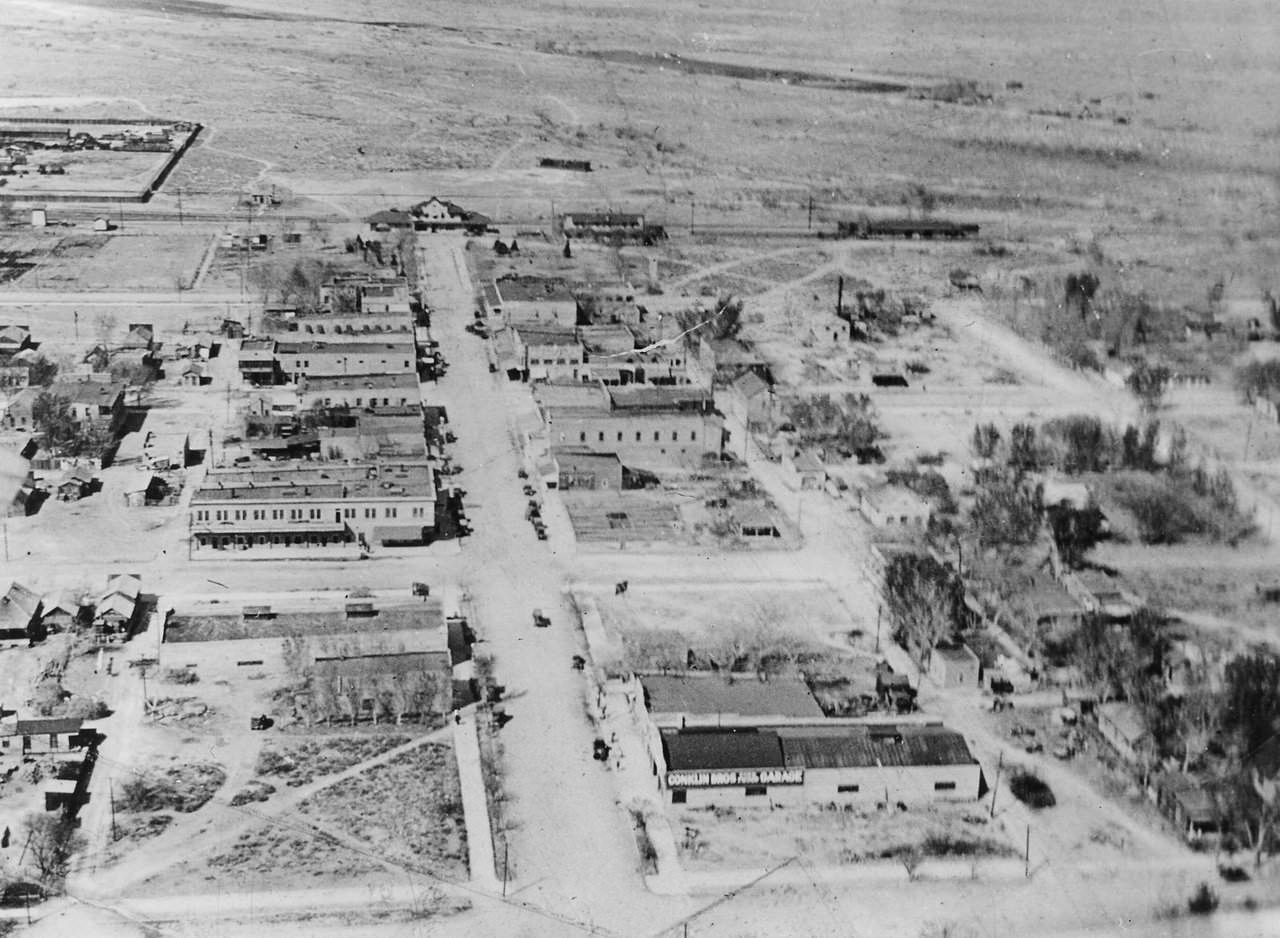
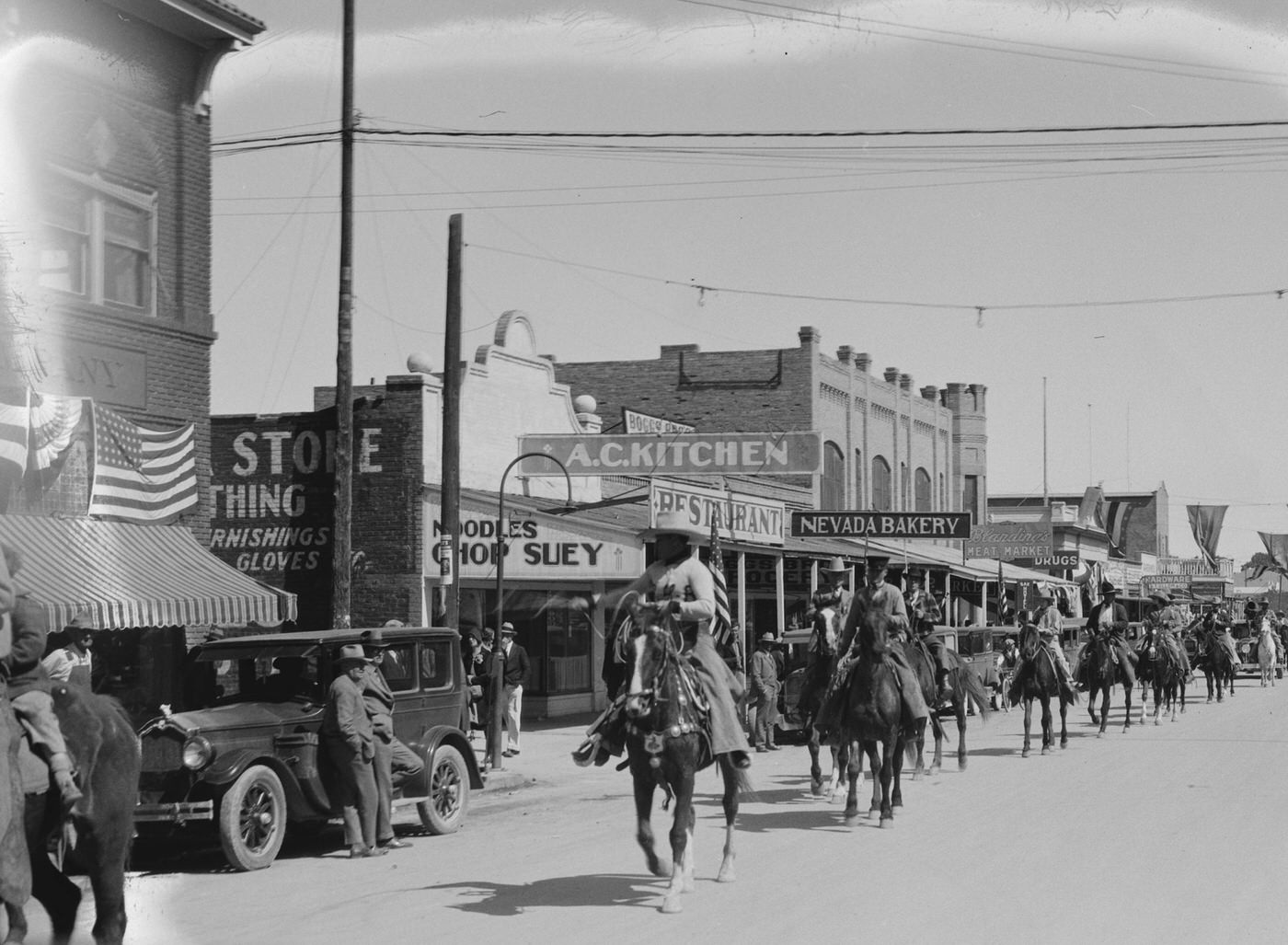
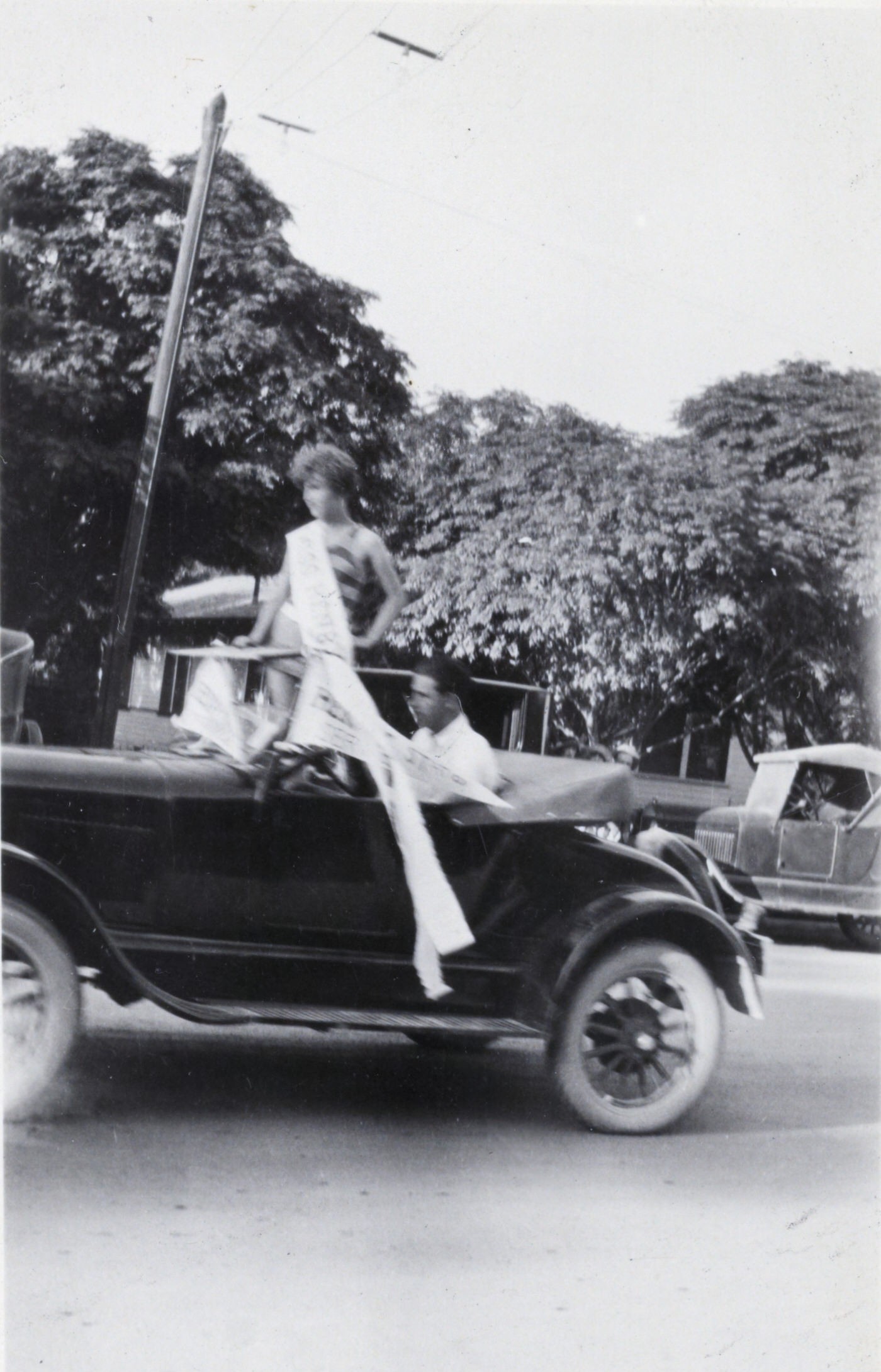
Image Credits: Ullom-Brockman Collection, Leon Rockwell Collection, UNLV Special Collection, Hoover Museum Archives, Donaldson Collection, Michael Ochs,
Found any mistakes? 🥺 Let us Know